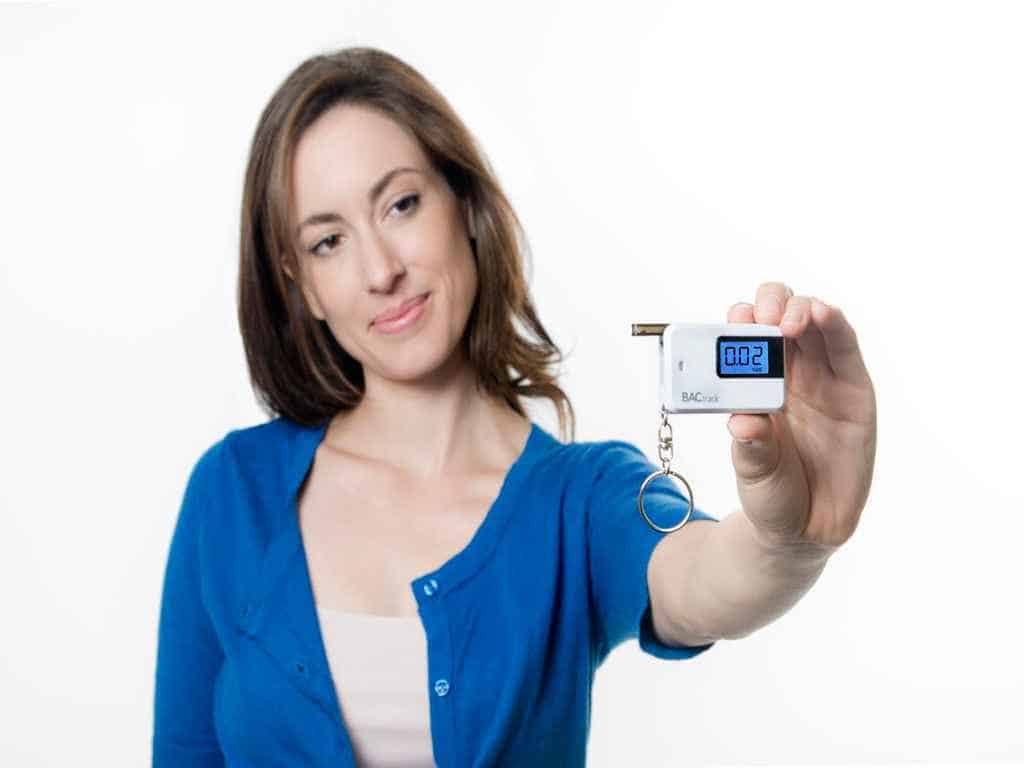
The Importance of On Site Alcohol Testing in the Workplace

Companies, no matter the industry, needs to maintain and provide adequate workplace safety. Workplace safety plays a vital role in workplace productivity and employee satisfaction. Moreover, the law requires companies to ensure that they have done everything they could to minimise workplace risks. A company’s main procedure to maintain workplace safety should be drug and alcohol tests. These tests can help deter alcohol and drug use before or during working hours. Companies need to prevent alcohol and drug usage within working hours because of their adverse effects. Alcohol and drug consumption can dull your senses, cause memory loss, affect coordination, cause slower reaction times. Furthermore, these specific impairments can drastically affect an employee’s ability to work effectively and safely. These impairments are the main reason companies perform on site alcohol testing and drug tests.

Plenty of industries and officials rely on drug and alcohol testing to adequately help maintain safety. Alcohol testing is done more frequently because of how easy it is to acquire alcohol. Furthermore, breath and urine testing are quick and easy to perform. Police officers and medical professionals heavily rely on breath tests. Breath tests can help law enforcers, and healthcare professionals maintain safer roads and provide medical prescriptions. Breath tests are also accurate enough to allow these professionals to perform their jobs effectively. An effective breath testing device for workplace testing is the BACtrack workplace breathalyser from Breathalysers New Zealand. A workplace breathalyser can also allow you to perform more constant on site alcohol testing.

Benefits of On Site Alcohol Testing

There are plenty of benefits for constantly performing on site alcohol testing. Firstly, employees would no longer need to take a day off to get tested. This can drastically help companies maintain productivity even during a scheduled alcohol test. The on site option can significantly benefit large companies with plenty of employees. Moreover, companies would no longer need to sacrifice a day’s worth of productivity to have their employees tested. Secondly, alcohol and drugs tests can help employees feel safer in the workplace. Employees that feel safe and comfortable in their workplaces are more likely to be satisfied with their job. Happy employees are more likely to stay in the company long-term and are more likely to provide better services. Having improved services can drastically help with improving customer satisfaction, which can enhance customer return rates. Lastly, experienced employees are more likely to stay when the workplace environment is safe.

Aside from employee and customer satisfaction, on site alcohol testing can also drastically help improve a company’s annual expenses. Furthermore, companies does not even need to spend money every time they perform alcohol tests. Companies can purchase a BACtrack workplace breathalyser from Breathalysers New Zealand to help cut costs when performing alcohol tests. Breath tests are quick, easy, and cost-effective. Constant alcohol testing can help cut annual costs reducing the likelihood of accidents. Furthermore, fewer accidents in the workplace can lead to less:

  • Healthcare costs (for injured employees)
  • Accident compensation costs
  • Damaged machinery
  • Damaged or faulty products

on-site-alcohol-testings

On site Alcohol Testing: Guidelines

Despite the need for companies to have drug and alcohol tests, employers must still follow the strict guidelines of providing alcohol tests. The law requires companies to abide by a workplace drug and alcohol policy. These policies can help protect an employee’s rights to be tested. Furthermore, companies must have a signed formal agreement between them and their employee regarding workplace policies. Having a formal agreement can allow companies to test their employees legally. When an employee signs the workplace policy, they also provide consent for employers to perform workplace testing. Furthermore, the formal agreement between an employee and employer can allow workplace tests to be valid in a court hearing. This can drastically help companies whenever an unsatisfied employee (due to positive test results and the actions taken) press charges. On site alcohol testing will always require employee consent.

Companies need to follow their guidelines when providing tests. This method ensures that the tests provided remain valid. Companies must also have a good reason for testing their employees. Companies can perform tests under these guidelines:

  • Random testing: Tests that are unannounced and can be anytime.
  • Blanket testing: Tests all the employees in the company.
  • Pre-employment: Tests given to applicants before hiring them.
  • Post-accident/incident testing: A test provided to check if alcohol or drugs were involved in a specific workplace accident.
  • Post-positive testing: A test required for employees coming back to work after testing positive.

On site Alcohol Testing: Tests available

There are all sorts of alcohol and drug tests available. Testing services can provide all kinds of testing for employees. Companies can use blood, breath, urine, sweat, and saliva sampling when testing employees for drugs and alcohol. Despite being the most accurate, most companies do not prefer blood sampling. This is because this test is also the most costly and intensive amongst all the other tests available. The most common form of on site alcohol testing is urine and breath sampling. Urine and breath tests are both easy to perform and are highly reliable. Nowadays, companies can efficiently perform breath tests even without a certified professional present. Devices like the BACtrack workplace breathalyser from Breathalysers New Zealand allow for highly reliable and accurate workplace testing. Companies would no longer need to spend money every time they perform alcohol testing.

on-site-alcohol-testing-

Breath Tests: Reliability

Breath tests are highly reliable and can replace almost any alcohol testing method. Nowadays, even law enforcement and medical professionals rely on breath tests. Breath tests with professional breathalysers allow law enforcers and healthcare professionals to maintain safer roads and provide appropriate medical prescriptions. Furthermore, since breath tests are easy and quick to perform, workplace breathalysers can allow companies to offer more frequent on site alcohol testing. The company would no longer need to wait on testing services to process the samples. Breathalysers can take in the breath sample and process it simultaneously. During a breathalyser test, all an employee needs to do is provide a firm blow into the device’s mouthpiece.

Why Use BACtrack workplace Breathalysers?

Companies should ensure that they are providing reliable and accurate tests. Companies must use devices that pass the New Zealand standards for testing devices. The BACtrack workplace breathalysers from Breathalysers NZ have FDA and DOT approval to be an effective testing device. These breathalysers also use fuel cell sensors, the same sensors you would find in a police officer’s breathalyser. Furthermore, fuel cell sensors are only sensitive to ethyl alcohol, making them less likely to produce false-positive results. Moreover, breath tests with a BACtrack breathalyser are quick and easy. These devices have one-button operations so that you can start your breath test with a push of a button. It only takes 10 to 15 seconds for a BACtrack device to process your BAC results. BACtrack devices make it easy for companies to provide on site alcohol testing.

What is the Standard Drug and Alcohol Test

What are the effects drugs and alcohol? Both can cause impairment of an individual’s mental and physical capabilities. Furthermore, consumption may cause long-term issues for health, and increase hazardous situations. For various other reasons, nowadays, it is typical for companies to have testing policies in the workplace that includes both alcohol and drug sampling. A standard drug and alcohol test is essential for workplace safety. Worries and responsibilities regarding alcohol and drug use vary for each business. Many screening services are pretty flexible and allow the company to establish a customised workplace testing policy that fits the business’ goals and the industry’s requirements.

Standard Drug and Alcohol Test: Alcohol Testing

The most typical ways a business can conduct a standard drug and alcohol test for the presence of alcohol are through alcohol breath testing and saliva tests:

  • Breath testing: Although alcohol breath tests can be done in various ways, the most typical method is using a Breathalyser device. Breathalysers New Zealand is the perfect breath testing device company. We provide genuine BACtrack Breathalysers that is AS 3547certified. DOT has created strict requirements for breath testing devices used for workplace testing. Employers should use breath testing devices that meet these high standards for workplace testing. The BACtrack Pro models are an excellent choice for workplace breath testers. The sturdy S80 Pro utilises police-grade fuel cell sensors that provide highly accurate and constant BAC readings. BACtrack breathalysers are an excellent choice for conducting standard drug and alcohol tests.
  • Saliva testing: Oral fluid tests detect the presence of ethanol. Although this test is a bit more costly than urine testing, oral fluid tests are quick and easy to conduct and can also detect alcohol consumed within the past two days. This test should be done and prepared in a certified testing facility, although professional representatives can conduct the test at the workplace.

Standard Drug and Alcohol Test: Australian Standards

There is no particular standard drug and alcohol test for the workplace. Moreover, there are various options available for workplace testing in Australia. However, there are specific guidelines for handling certain test samples. These strict guidelines also cover test samples during the collecting, handling, disposal, and reporting of these samples. These three relevant standards include:

  • AS 3547:1997
  • AS 4760-2006
  • AS/NZS 4308:2008

Standard Drug and Alcohol Test in the workplace is a strategy that companies should consider using to manage safety risks and improve workplace productivity and employee health. Drug and alcohol tests may be done randomly, voluntarily, after accidents and under suspicion. Before conducting any tests, it is essential to understand Australian alcohol and drug testing standards. Companies should also know there are various testing methods available and their rights for testing. Additionally, companies should also know their limitations when screening employees for drugs and alcohol.

When Should You Test for Drugs and Alcohol?

Conducting a standard drug and alcohol test may be appropriate in various businesses. It is vital in high risk and safety-critical occupations. The misuse of alcohol and drugs can cause harm to the employees in the workplace. Some industries like aviation, mining, transportation, law enforcement, and construction that handle potentially dangerous equipment have zero-tolerance policies. 

Breathalysers New Zealand highly recommends that an alcohol breath tester is essential for workplace testing and even personal use. BACtrack has a wide range of personal and professional breathalyser units. From small keychain unit testers and mobile compatible units to professional and highly accurate fuel cell breath testing devices. BACtrack breathalysers provide users with quick and easy access to breath testing whenever they need to know their BAC levels. Conducting a standard drug and alcohol test will be quick and easy with the help of a handy and highly portable breathalyser.

Standard Drug and Alcohol Test: Policies

If a company intends to conduct a standard drug and alcohol test in the workplace, the company should have an established workplace drug and alcohol testing policy. This policy should clearly outline the terms, procedures and repercussions for drug and alcohol testing in the workplace. Clear and concise instructions on testing, such as when, how and why testing will be done should be included. Furthermore, the policy should also ensure that the companies are using certified devices and testing services. 

Finally, the policy should indicate how standard drug and alcohol test results will determine if an employee is unfit for work and the repercussions of getting a positive test result. Companies should include the conditions where a positive test could result in a dismissal. It is essential for staff to be aware of and understand the workplace alcohol and drug policies. 

Workplace Drug and Alcohol Testing

Varying drug and alcohol tests also have different levels of accuracy and varied turnaround periods for test results. There are various methods of testing. An effective standard drug and alcohol test policy will likely include any or all of the following tests:

  • Random testing – is unannounced and designed to determine employees who are using drugs and alcohol in the workplace—randomly selecting employees that will undergo testing. 
  • Blanket testing – testing all employees within the company in one single event.
  • ‘For cause’ testing – if a supervisor has reasonable suspicion that an employee is under the influence of drugs or alcohol, they might request a standard drug and alcohol test.
  • Pre-employment testing – Testing applicants before joining the workforce or sending them on a business trip.
  • Post-accident testing – testing staff after a workplace accident occurs. 
  • Post-positive testing, where a worker who tested non-negative previously must test negative before they can return to their duties.
  • Rehabilitation testing – for workers who finished or are currently undergoing rehabilitation for alcohol or drug misuse.
  • Voluntary testing – where an employee agrees to conduct a standard drug and alcohol test.

Procedures

Whatever the testing methods a company chooses to establish, the drug and alcohol testing policy must be clearly outlined. There is also a strict set of procedures for a standard drug and alcohol test that must be followed:

  • Individuals undergoing the test must receive a sample that they can have independently tested. Also known as a ‘split sample’.
  • Testing must comply with a strict chain-of-custody. Multiple people handle the provided samples. And the specimens is constantly moving throughout the process. 
  • A standard drug and alcohol test can be conducted by a hired expert or company staff. It is vital that the individual administering the test is properly trained in the drug-testing method. Companies must hire professional credited testing laboratories for workplace testing.
  • Confidentiality is essential throughout the testing process.

The legality of standard drug and alcohol tests can vary from state to state. Businesses should  seek legal counsel if they have questions and clarifications about their workplace drug and alcohol testing policy.

Alcohol Tester and Self Drug Test Kit in NZ

The harmful use of alcohol and drugs is one of the top contributors to road collisions and workplace accidents. High levels of alcohol can cause severe impairments. Likewise, illicit substances can affect the body’s normal functions. In particular, substance impairment includes decreased abilities in vision, hearing, reaction time, reasoning, and motor functions. As a result, it poses high safety risks in operating vehicles or equipment. Therefore, many people use an alcohol tester to remain within the legal limit for driving. It helps people control their intake by monitoring their blood alcohol content or BAC. In addition, using an alcohol tester and self drug test kit in NZ workplaces is increasing to reduce accidents. 

An alcohol tester or breathalyzer is a portable device that estimates a person’s BAC level through the breath. A personal breathalyzer like BACtrack efficiently measures the BAC every time you consume alcohol. You can use an alcohol tester to keep your alcohol level from going over the legal limit. In New Zealand, the legal limit for alcohol and driving is 0.05% or 0.05g of alcohol for every 100ml of blood. A breathalyzer is an excellent tool to ensure that your BAC does not exceed the legal limit. On the other hand, some companies use a self drug test kit in NZ to initially screen employees for any drugs. 

Self Drug Test Kit in NZ: Kinds of Alcohol and Drug Tests

It is common for workplaces to implement alcohol and drug tests through a workplace policy. The policy ensures that employees observe appropriate behaviours to keep a safe and healthy working environment. In addition, employers must ensure that the workplace abides by the safety acts and regulations to manage all preventable risks. Therefore, both the employees and employers are encouraged to take reasonable measures to protect the well-being of everyone. A practical strategy to keep the employees’ conditions in check is to use an alcohol tester and self drug test kit in NZ workplaces. The common kinds of alcohol test and self drug test kits available such as:

A breath test through a breathalyzer is the most efficient tool to screen for alcohol. A breathalyzer captures the exhaled breath and processes it in a few seconds. Therefore, you can determine if a person is intoxicated right away. The BACtrack alcohol testers from Breathalysers Australia are suitable for high-compliance environments or personal use. On the other hand, a self drug test kit in NZ workplaces only provide preliminary results. It can determine the presence of drugs through urine or saliva. If the results are positive, a follow-up medical test by a laboratory is necessary to confirm the initial test results. 

self-drug-test-kit-nzs

Kinds of Self Drug Test Kit in NZ

A drug test detects for most used illegal drugs such as amphetamines, barbiturates, benzodiazepines, cocaine, marijuana, opioids, and phencyclidine (PCP). In particular, a self drug test kit in NZ workplaces or home use is qualitative. They can determine if a drug is present in the sample but not how much. These tests can help confirm if someone has been taking illicit substances or misusing prescription medications. On-site drug testing in workplaces may use one or several of the following tests:

  • Urine dip cards – A rapid screening test that detects one or multiple drugs at once. Simply provide a sample, dip the test and wait for the results in five minutes.
  • Integrated urine drug test cups – A urine drug test cup is similar to the urine dip cards, but instead of dipping, you provide the sample into the cup and read the results instantly. 
  • Instant saliva drug test – Saliva or mouth swab tests detect substance use through the saliva and provide on-the-spot results. They are less invasive than a urine or blood test. In addition, they can trace alcohol or drugs for up to 24 hours from last use. 
  • Hair follicle drug test – A hair sample from the scalp or other body parts has a detection window of up to 90 days. It is useful for establishing longer history of drug exposure, understanding consumption patterns and periods of abstinence. 

Purpose of Alcohol and Drug Tests

Companies administer alcohol and drug test to determine impairment that may cause harm to others. An effective workplace policy can deter substance misuse, minimise risks, and reduce accidents. An alcohol tester and a self drug test kit in NZ workplaces help identify if a person has a substance abuse problem. It is valuable in keeping the work environment risk-free. Furthermore, consistent testing improves productivity, decreases tardiness and absenteeism, reduces turnover rates, and lessen costs and liabilities. In particular, safety-critical industries like mining, transportation, aviation, construction, and manufacturing has a zero-tolerance policy. Therefore, a worker must be clear of any impairing substances that can cause accidents or injuries. In addition, they rely on the accuracy and reliability of alcohol and drug tests to maintain safe working conditions. 

self-drug-test-kit-nzs-

Advantages of Self Drug Test Kits

If you are considering doing a self test, consider the pros and cons of a drug test kit. Generally, a self drug test kit in NZ allows you to administer a test for various purposes. A self drug test kit offers the following benefits:

  • Convenience – A self drug test kit is easy to use and you can perform it at home or work. You do not need to make an appointment or go to a laboratory. 
  • Privacy – Collecting the sample is easy without detection, monitoring, or following strict protocols. 
  • Affordability – They are generally more affordable than laboratory tests and available through pharmacies nationwide.
  • Quick results – Rapid tests give accurate results within minutes. For follow-up tests, you may send the samples to a certified laboratory. Some self drug test kits include supplies for for confirmation testing. In addition, make sure that you use FDA-approved test kits.

On the other hand, using a self drug test kit in NZ have the following downsides: it requires confirmation testing and it does not test for all drugs. Many factors can affect a self test, and only a laboratory-based confirmation cam give definitive and accurate test results. However, for fast, preliminary drug screening, a self drug test kit is cost-efficient and effecitve.

BACtrack Alcohol Testers

The BACtrack alcohol testers from Breathalysers New Zealand are accurate, reliable, and easy to use devices. Most BACtrack breathalyzers utilise fuel cell sensor technology to accurate measure the BAC level. A fuel cell breathalyzer has high sensitivity to ethanol and does not react with other substances in the breath. They also maintain their consistency longer than a standard semiconductor alcohol tester. In addition, the pro-grade accuracy of BACtrack is the same to the breathalyzers that NZ police use in roadside testing. Therefore, they are excellent devices for BAC monitoring in the workplace or personal use. A breathalyzer and a self-drug test kit in NZ workplaces can significantly reduce the negative impacts associated with harmful use of alcohol and drugs. When looking for an effective self alcohol and self drug test kit in NZ, BACtrack alcohol testers are worth looking into. 

Employees Drinking at Work After Hours: Is this a Problem?

Drinking after work has been a routine for some people to unload after a long day. Alcohol is a widely consumed beverage that helps people feel relaxed. However, if taken excessively, alcohol can impact your ability to think clearly and act accordingly. Additionally, alcohol impairment is the leading cause of road and workplace accidents. Therefore, alcohol impairment in the workplace is a significant issue. Furthermore, employees drinking at work after hours present a problem because they pose safety risks for themselves and others in the workplace. That is why many companies in New Zealand nowadays implement drug and alcohol policies to manage work hazards properly.

Employees Drinking at Work After Hours: Disadvantages

Employees drinking at work after hours may seem ordinary, but it can often lead to severe issues when reporting for work the next day. Habitual alcohol consumption and intoxication at work may pose an underlying problem. For example, the employee may be dealing with issues that need immediate intervention or assistance. By identifying potential substance abuse as early as possible, you can keep the workplace safe and healthy. Suppose you are looking for a practical way to manage alcohol impairments at work. In that case, the BACtrack workplace breathalysers, available at Breathalysers New Zealand, can help you monitor employee alcohol levels reliably. A breathalyser is a cost-efficient method to detect alcohol presence through a breath alcohol test. BACtrack workplace breathalysers use the most advanced fuel cell sensor technology to accurately measure the Blood Alcohol Content (BAC). Furthermore, this technology also reduces the chances for errors and false positives.

Importance

Even though it is outside a company’s control on what employees do after working hours, employees still need to be mindful when drinking. It is because alcohol could stay in the body for an extended period depending on the amount consumed. For instance, employees drinking at work after hours report to work the next day with aftereffects. Alcohol intoxication at work could cloud the employee’s judgment and impairs their ability to operate equipment safely. It also leads to decreased productivity rates and poor relationships with colleagues. Therefore, an effective alcohol policy with zero tolerance could help prevent accidents or injuries. Furthermore, it encourages safe practices by limiting consumption the night before work.

employees-drinking-at-work-after-hours-

Workplace Alcohol Policy or Program

Both employers and employees have a duty to ensure the workplace is in a safe working environment as required by the law. The employer or business owner should provide their workers with the highest level of protection from hazards as possible by legal standards. A significant workplace risk assessment includes managing employees drinking at work after hours. Employees should take responsibility for their own actions involving drinking alcohol before, during or after working hours. Thus, workers should agree and comply with a reasonable policy or program relating to health and safety practices in the workplace, which should include a workplace alcohol policy.

In order to manage employees drinking at work after hours, a comprehensive workplace alcohol policy must be set up. Firstly, the policy or program should be fair and reasonable for both management and personnel. The Drug Detection Agency, or TDDA, helps provide workplace drug and alcohol policies and programs to Australian and New Zealand businesses. It can be a good starting point for companies that are just starting to set up their workplace alcohol policy. Generally, the policy or program should cover:

  • The company’s stand on alcohol use at work as well as not at work
  • The impact of alcohol on employee behaviour and work performance
  • Identification guidelines for workplace alcohol issues
  • Investigation procedures for suspected employees drinking at work after hours
  • Disciplinary actions on employees who breach the agreed policy or program
  • Issuance of information such as training, education and program materials

Employees Drinking at Work After Hours: Precautions

As an employer, managing employees drinking at work after hours plays a very crucial role in workplace health and safety. The employer can assign a manager or supervisor to take a critical responsibility wherein they are to monitor employee work performance and workplace conduct. As monitoring can foresee potential workplace alcohol issues. For example, essential managerial and supervisory responsibilities include:

  • Assessment of employee work and performance
  • Managing work schedules (this includes approving or disapproving employee leave requests)
  • Implementing necessary disciplinary or corrective actions

However, determining based on suspicion is not enough to make sure that there are any alcohol-related issues in the workplace. The best way to determine employees drinking at work after hours is the implementation of workplace alcohol testing. Types of testing include pre-employment, random, reasonable cause, and post-accident/incident testing for alcohol. Any kind of alcohol testing can be achieved using an alcohol breath tester, more commonly known as breathalysers. Alcohol breath tests using breathalysers is the most cost-effective and efficient method, especially with devices like Breathalysers New Zealands’ BACtrack workplace breathalysers available online.

employees-drinking-at-work-after-hours.

Employees Drinking at Work After Hours: Alcohol Breath Tests

Consistent alcohol breath tests at work can deter employees from overconsuming alcohol after hours. BACtrack workplace breathalysers are specifically designed for back-to-back testing without compromising accuracy. Thus, ideal for any workplace alcohol testing standards. Alternatively, it is also highly recommended that employees drinking at work after hours have the initiative to check their BAC level through a personal breathalyser. Personal breathalysers are widely available and affordable and can help with effectively monitoring alcohol consumption. Breathalysers New Zealand also offers BACtrack personal breathalysers that can drastically help improve personal safety when consuming alcohol. They use the same sensor technology as a police officer’s breathalyser. This technology allows them to provide highly accurate and reliable self-test readings. Several companies rely on the accuracy of BACtrack breathalysers to help them maintain health and safety, be it in the workplace or out and about.

BACtrack Breathalysers at Breathalysers New Zealand

You can buy a highly reliable alcohol breath tester through the Breathalysers New Zealand website. There is a selection of high-quality BACtrack breathalysers to choose from. Ideal for both employers and employees drinking at work after hours.

BACtrack keychain breathalysers are small enough to fit in the keyrings of your house or car keys. The BACtrack Go and C6 Keychains are the most cost-efficient breathalyser with keychains. BACtrack smartphone breathalysers can deliver your BAC results directly to your phone using an app. The BACtrack C6 Keychain, C8 Smartphone, and Mobile Pro are robust breath testing devices that can pair with smartphones seamlessly via Bluetooth. BACtrack workplace breathalysers are indispensable for workplace alcohol testing. The S80 Pro Gen2 and Alcovisor Mercury are the ideal devices for workplace testing. Thus, essential for employers managing employees drinking at work after hours. All BACtrack breathalysers are highly accurate and reliable with the use of an advanced fuel cell sensor technology. Therefore, making BACtrack devices less likely to provide false-positive results.

What Should a Workplace Alcohol Policy Include

A safe and healthy working environment starts with an alcohol and drug-free work culture. Employees under the influence of drugs and alcohol can cause accidents and risk harm to themselves and others. Alcohol intoxication is a common and recurring problem that most employers face. Companies and businesses implement safety programs to help manage workplace hazards. An effective workplace alcohol policy can promote healthy lifestyles and deter employee alcohol intoxication before, during or after work. To start creating one for your organisation, make sure that the core components benefit the company and the employees. Additionally, it should also follow the New Zealand laws to provide the highest protection for employees. The Drug Detection Agency, or TDDA, can help provide Australian and New Zealand workplaces with drug and alcohol policies.

What is a Workplace Alcohol Policy?

All New Zealand workplaces and businesses are legally obligated to provide a safe working environment for all their employees. A safe work environment means effectively managing risks and hazards that may put anyone in danger in the workplace. Specific high-risk industries like mining, construction, transportation, and manufacturing rely on a clear set of policies to prevent untoward incidents. Therefore, a comprehensive workplace alcohol policy helps employers and employees know their obligations and limitations. Moreover, employees should know the repercussions of their actions or inactions for workplace misconduct, such as working while intoxicated with alcohol. Likewise, the responsibilities of both employer and employee in keeping the workplace safe. Employers who want to manage alcohol at work need to create safety policies and programs suitable for their workplace.

Everyone in the workplace has the fundamental right to a safe working environment. And effective workplace alcohol policies and programs are critical in maintaining a safe and healthy working environment. A comprehensive workplace alcohol policy should have guidelines that clearly define the purpose, scope, definition, testing regulations, and expected behaviour in the workplace. The alcohol policies include pre-employment testing, post-incident/accident testing, random and reasonable cause or suspicion testing. An alcohol breath test can confirm alcohol in the system. Devices like BACtrack workplace breathalysers can analyse breath samples ideal for workplace testing. Moreover, these devices can measure the amount of alcohol in the body, called the Blood Alcohol Content (BAC) level. A person’s BAC determines the level of intoxication level of that person.

workplace-alcohol-policy-

Components of a Workplace Alcohol Policy

A workplace alcohol policy should be tailor-fit to your needs as an organisation. In general, an alcohol policy or program includes the following:

  • Purpose & Objectives – the policy identifies the goal of the organisation to protect employees’ welfare by minimising safety risks related to alcohol consumption.
  • Coverage – the policy applies to all workers from top management to rank and file personnel. It also states the prohibited substances in the workplace, the expected conduct from employees, etc. Additionally, it also says what kind of test they will use, such as pre-employment testing, random testing, or blanket testing, etc.
  • Confidentiality – the policy recognises the worker’s right to privacy and confidentiality. Moreover, the test results or penalties are strictly confidential between management and employees.
  • Implementation – the policy states the testing procedures the employees will undergo. For example, breath tests with breathalysers like BACtrack devices to check for alcohol presence. BACtrack breathalysers use pro-grade sensors ideal for workplace testing.
  • Provisions for Disciplinary Actions – employees who breach the policy must know what consequences they will face. The policy should clearly state what disciplinary actions will take based on the severity or degree of the impairment. This workplace alcohol policy can vary from company to company.
  • Provisions for Employee Assistance – the policy should also assist in treatment or rehabilitation, not just penalties. For example, an employee who may have substance abuse problems needs assistance in recovery.

Workplace Alcohol Policy: Testing Requirements

Pre-employment and Reasonable Cause or Suspicion Testing

Pre-employment Testing

Potential employees for hire must pass an alcohol breath test before starting to work for a company or to receive an offer of employment. Moreover, refusal to agree to test for alcohol should immediately disqualify further employment consideration. The workplace alcohol policy should have these guidelines clearly defined.

Reasonable Cause or Suspicion Testing

Workers are subject to alcohol breath testing based on, but not limited to, observations of apparent signs of alcohol intoxication impairments. Employers should have a reasonable cause or suspicion observation checklist as part of the workplace alcohol policy to document specific behaviours that create a reasonable cause or suspicion that an employee is under the influence of alcohol. Examples include:

  • Odours – the smell of alcohol, body odour or urine
  • Erratic Movements – unsteady, fidgety or dizziness
  • Eccentric Eyes – dilated, constricted, watery, or has involuntary eye movements
  • Unusual Facial Features – flushed, sweating, or having a confused or blank look
  • Abnormal Speech Patterns – slurred, slow, distracted, or the inability to verbalise thoughts
  • Unbalanced Emotions – argumentative, agitated, irritable, or exhausted
  • Actions – yawning, twitching, or highly paranoid
  • Inactions – sleeping during work hours, unconsciousness, or less reactive to questions

Post-incident/accident and Random Testing

Post-incident/accident Testing

Workers are subject to testing when they cause an accident or incident that causes severe damage to company property such as vehicles, machinery, and equipment that injure themselves or other employees that usually require offsite medical attention. This testing is usually emphasised in a workplace alcohol policy. 

Random Testing

The workplace alcohol policy should have a statement that once in a while, employers can randomly select employees for random testing for alcohol intoxication. Thus, minimising the risk of employees entering work while intoxicated by alcohol.

workplace-alcohol-policy.

BACtrack Workplace Breathalysers

The workplace alcohol policy guides all employees on their expected behaviour of them. Before implementing an alcohol policy, all employees must know and consent to the provisions. There must also be a free consultation between employers and employees to have fair and balanced policies. Once the alcohol policy takes effect, you may monitor your employee’s blood alcohol content (BAC) more efficiently. Breathalysers New Zealand has BACtrack workplace breathalysers, like the BACtrack S80 Pro Gen2, which can help with accurate BAC readings explicitly designed for workplace alcohol breath testing. These devices use the same sensor technology you could find in a police officer’s breathalyser. These sensors will have fewer errors and false positives during workplace testing.

A comprehensive workplace alcohol policy needs the collaboration of both the management and personnel to be successful and effective. Moreover, the alcohol policy or program can drastically help with improving hazard and risk management. Additionally, it can enable the employer or business owner to efficiently maintain a safe working space for everybody involved in the workplace. Breathalysers New Zealand works with different organisations to provide reliable alcohol breath testing devices in the workplace. Furthermore, the BACtrack workplace breathalysers meet the New Zealand Standards for effective breath alcohol testers.

How to Manage Alcohol at Work

Alcohol intoxication at work is a long-standing management issue. In high-risk industries, alcohol impairment is one of the top reasons for workplace accidents. Moreover, workers under the influence of alcohol can have impaired senses that be safety hazards. Unfortunately, alcohol at work is also prevalent across all sectors of New Zealand. For this reason, employers manage alcohol consumption at work by implementing alcohol programs and policies. An alcohol program helps minimise safety risks and deter alcohol use. Additionally, workplaces implement a zero-tolerance policy wherein workers cannot have alcohol or illicit substances in their system. Through devices offered by Breathalysers New Zealand, like BACtrack breathalysers and on-site testing services, employers can easily monitor Blood Alcohol Concentration (BAC).

Workplace Alcohol Policy and Program

Every worker has the fundamental right to a safe work environment. The workplace should foster a healthy environment by promoting wholesome lifestyles and minimising unsafe practices. Consequently, the employer must provide a safe and healthy environment by reducing factors that can harm their employees. A comprehensive alcohol policy can effectively manage alcohol at work. The program must state the provisions to administer an alcohol test. For example, if an employee notices a colleague working with different behaviour, they can report it to a supervisor to request a breath screening test. There must be a reasonable cause to ask an employee to do a breathalyser test. Typically, intoxication shows physical symptoms such as:

  • slurred speech
  • bloodshot eyes
  • alcohol odour
  • heavy sweating
  • nauseous
  • poor balance
  • uncoordinated movement
  • inability to work properly

Persistent risky behaviour caused by alcohol at work can cause severe health and safety compromises in the workplace. A healthy and safe work environment means effectively managing the risks and hazards involved that may jeopardise the workplace. It requires a collaborative effort from both employer and employee to attain a zero accident/ incident protocol. Thus, keeping the workplace safe.

alcohol-at-work-

Alcohol at Work: Prevention

Attaining zero accidents/ incidents requires a collaborative effort from both management and personnel. A comprehensive alcohol at work policy or program can help reinforce safety management practices to maintain a safe working environment. A zero-tolerance policy is critical in high-risk industries such as mining, transportation, construction and manufacturing. One of the best ways to prevent alcohol at work is to establish clear and strict boundaries from the start. Safe practices begin at the recruitment process. Employers must inform prospective employees of conditions such as zero alcohol or drug tolerance in the workplace. 

Employers provide pre-employment tests, random tests and tests based on suspicion. These constant tests can help deter before, during or alcohol at work issues in the workplace. Aside from safety, these tests may also help improve an employee’s lifestyle, making them less likely to pick up bad habits. BACtrack workplace breathalysers, available at Breathalysers New Zealand, can help perform alcohol tests frequently in the workplace. BACtrack devices only need 10 to 15 seconds to process the results. Therefore, these devices are suitable for reliable back-to-back testing as required in workplace testing programs.

Alcohol at Work Breath Testing

The best method of testing for alcohol at work is with using alcohol breath testers or breathalysers. Using a breathalyser device for workplace alcohol breath testing is a cost-efficient method of monitoring sobriety inside the workplace. For example, an employer, manager or supervisor may request a breath test to determine the BAC level of a suspected employee with alcohol intoxication symptoms. Additionally, under a zero-tolerance alcohol policy or program, an employee is unfit for work if the breath test from the breathalyser shows positive BAC results. Even minimal BAC levels can lead to unsafe working practices that lead to accidents or incidents. Likewise, the employee can face disciplinary actions depending on the set guidelines of the workplace alcohol policy or program. 

Having a breathalyser is critical for workplace alcohol breath testing in New Zealand workplaces. Indeed, for companies wanting to manage alcohol at work. Anyone can operate a breathalyser without needing supervision from a licensed professional. Alcohol breath tests are quick and easy, especially with devices like the BACtrack workplace breathalysers available at Breathalysers New Zealand.

alcohol-at-work.

Alcohol at Work: To Test or Not to Test?

Employers or business owners should not demand or even require an alcohol breath test unless there is a reasonable cause for it. The “reasonable cause” for workplace testing could include the physical symptoms caused by alcohol at work intoxication. Moreover, employees can refuse to take an alcohol breath test if they are unaware of the guidelines presented in the workplace alcohol policy or program. However, an employee whose condition of employment required agreeing to alcohol breath testing for “reasonable cause” can be able to be subjected to penalties or even termination (for severe accidents/ incidents) if they refuse to undertake workplace testing. A good policy or program for workplace alcohol testing also should include:

  • A managed documentation of observations on suspected employees with questionable behaviours, such as the physical symptoms of alcohol intoxication
  • A documented meeting with the alleged employee together with the HR or another manager/ supervisor
  • In case suspected the employee does not have a legitimate explanation, conducting the breath alcohol test should be the next step
  • If the alleged worker fails their test (results come back positive), require the employee to go through rehabilitation, disciplinary action, suspension, or termination depending on the guidelines presented in the workplace alcohol policy or program.

Conclusion

Having an effective drug and alcohol policy can benefit employers and employees in the long term. It helps reduce alcohol at work and minimises work hazards. A safe and healthy working environment increases productivity and boosts employee morale. Start managing alcohol by investing in a reliable device and policy. Breathalysers New Zealand offers the most comprehensive pro-grade breathalysers suitable for workplace use. Furthermore, BACtrack workplace breathalysers meet all the New Zealand standards for safe and effective breath test devices. Additionally, it utilises the advanced fuel cell sensor technology used by law enforcement and hospitals.

The BACtrack S80 Pro Gen2 is a premier professional breathalyser that can accurately measure the BAC level or degree of intoxication through its optimal breath capture features. The BACtrack S80 Pro Gen 2 is highly reliable and accurate for workplace breath alcohol testing. It utilises the Xtend electrochemical fuel cell sensor technology to ensure accurate BAC results with each test. The fuel sensor technology of the S80 Pro Gen2 is the same technology you could find in a police officer’s breathalysers used by law enforcement. It is specifically modified to meet mining, construction, transportation, or manufacturing industries’ testing requirements for accurate alcohol breath tests. A BACtrack workplace breathalyser is all you need to free the workplace from alcohol at work accidents or incidents and keep a safe and effective working environment.

Can an Employer Require a Blood Test to Check for Alcohol?

Employees showing signs of impairments such as bloodshot eyes, alcohol breath, and uncoordinated movements pose safety risks in the workplace. As a result, more employers effectively introduce drug and alcohol policies to manage hazard risks. Can an employer require a blood test to check for drugs and alcohol? An employer may request for drug or alcohol test if it is a part of the employment agreement or workplace policies. Generally, employers ask for a drug or alcohol test to directly impact your safety and that of others in the workplace. Additionally, if there is a reasonable cause, conducting a drug and alcohol test can determine the degree of intoxication in the body. Thus, it can prevent possible health and safety risks or hazards from happening. Moreover, avoid causing further damage to equipment or other properties in the workplace.

When can an Employer Require a Blood Test for Alcohol Intoxication?

When can an employer require a blood test? Safety-critical industries such as mining, transportation, and construction have a zero-tolerance policy for alcohol and drugs. Therefore, an employer may require a blood test for alcohol or other substances in pre-employment screenings or random on-site testing. It can also be a requirement for work permits. The standard type of alcohol detection is through blood and breath samples. A blood test is more accurate, but it is more intrusive and expensive. Thus, employers commonly use breathalysers instead. An alcohol breath test can be more efficient and practical, whether be it for pre-employment or random on-site testing. However, before instituting a blood test on employees, an employer should also consider these beforehand:

  • Is there an existing drug and alcohol problem in the workplace;
  • How severe is the nature of the problem;
  • The impact of drugs and alcohol in terms of work performance that directly affects workplace health and safety;
  • Consider whether blood testing is the most effective way of detecting a drug and alcohol problem in the workplace, as there could be a less invasive to blood testing that may be even more efficient and cost-effective.

an-employer-can-require-a-blood-test

Can an Employer Require a Blood Test: Workplace Drug and Alcohol Policy

Can an employer require a blood test for alcohol? The answer is yes, so long as the company’s drug and alcohol policy defines it clearly. The policy should make employees aware of the guidelines that a company sets when it comes to drug and alcohol testing. Therefore, before an employer can require a blood test, the company must set a comprehensive workplace drug and alcohol policy. Companies that are new to setting up policies and programs regarding workplace testing can refer to the TDDA (The Drug Detection Agency). Having a fair and effective drug and alcohol policy is crucial in making the workplace safe and healthy at all times. These guidelines may include:

  • Workers should know the purpose of testing
  • How often does testing occur
  • The repercussions for refusal to undergo testing
  • Confidentiality of test results (who will be able to see the information after testing)
  • Documentation of the information regarding test results
  • What happens when test results come back as positive

Can an Employer Require a Blood Test: Other Grounds for Testing

Can an employer require a blood test to check for alcohol after an accident? Employers must make the workplace safe and risk-free. In case of an accident, a blood test can help determine whether alcohol or other drugs have contributed to it. An alcohol policy aims to promote healthy and safe practices and deter alcohol abuse. Additionally, the alcohol policy must abide by state laws to protect the employees’ rights. Consistent monitoring of employee alcohol levels can significantly reduce alcohol-related incidents.

Can an employer require a blood test randomly? The best way to prevent accidents is to have consistent drug and alcohol tests. Employers can conduct random alcohol tests to avoid accidents from happening. Portable and easy to use BACtrack workplace breathalysers, available at Breathalysers New Zealand, allow for more regular alcohol tests in the workplace. The fuel cell sensors in a BACtrack device are less likely to provide false-positive results. These are also the same sensors you could find in a police officer’s breathalyser.

can-an-employer-require-a-blood-test-

BACtrack Workplace Breathalysers

Can an employer require a blood test for alcohol? Yes, but employers should consider using breathalysers instead. Breathalysers are devices that measure a person’s blood alcohol content (BAC) through the breath. It only takes 10 to 15 seconds for BACtrack devices to process breath samples and have the results ready. Breathalysers such as the BACtrack S80 Pro Gen2 breathalyser are suitable workplace breathalysers to screen for alcohol. It uses fuel cell sensors to measure BAC accurately. The BACtrack S80 Pro Gen 2 is highly accurate and reliable for workplace testing. It utilises the Xtend electrochemical fuel cell sensor technology to ensure accurate BAC results with each and every test. The fuel cell sensor technology of the S80 Pro Gen2 is the exact sensor you could find in the breathalysers of law enforcement. 

The BACtrack S80 Pro Gen 2 is specifically modified to meet the testing requirements of mining, construction, or transportation industries for reliable and dependable breath tests. A BACtrack workplace breathalyser is all you need to free the workplace from alcohol-related incidents. So, can an employer require a blood test for alcohol? Yes, but it may no longer be the best testing method due to the existence of the BACtrack Pro Gen2 available at Breathalysers New Zealand.

How to use the BACtrack Pro Gen2 Workplace Breathalyser

Operating the BACtrack S80 Pro Gen2 is straightforward. An employer may follow these steps for using the BACtrack S80 Pro Gen2 for workplace alcohol testing:

  • Power on the device and wait for the countdown timer to begin (they may need a few seconds to warm up).
  • The employee must give a sufficient blow to the mouthpiece until they hear a click sound. The sound signifies that there is now an adequate breath sample.
  • The sensor analyses the sample breath and displays the BAC results on the screen.
  • The breathalyser will give an audible warning as to the alcohol limit that the company can set to their desired value.

The S80 Pro Gen2 comes with reusable and replaceable mouthpieces designed to capture breath samples effectively. The proprietary breath capture system ensures precise breath samples enter the alcohol sensor, eliminating the likelihood of false-positive results. Furthermore, it has a short warm-up time. Therefore, allowing for more convenient workplace testing. As a result, they are ideal for high-volume usage that requires back-to-back testing. The BACtrack S80 Pro Gen2 can effectively meet all workplace alcohol testing requirements. These features can ensure a safe and healthy working environment. In conclusion, can an employer require a blood test for alcohol? Definitely so, but why use an intrusive, expensive and time-consuming option when you can get the BACtrack S80 Pro Gen2 workplace breathalyser at Breathalysers New Zealand.

Guidelines on Pre employment Testing in NZ

Hiring the right person for the job is vital to an organisation’s success. Apart from the skills and knowledge the new hire would bring, their behaviour and health are also necessary. Employers need to know if the job candidate meets the specific requirements to perform the tasks well. One of the prerequisites in the screening process is the pre-employment medical tests to evaluate the person’s overall health status. It includes complete medical examination, medical history, hearing test, vision acuity, blood pressure and pulse check. Employers also require the job candidates to undergo specific pre employment testing in NZ, such as urine drug tests and alcohol breath tests.

Reason to Conduct Pre Employment Drug and Alcohol Testing

Testing for drugs and alcohol for employment ensures the employer or business owner selects a competent candidate for a job. But the main objective of pre employment testing in NZ is to ensure that everyone in the workplace is in a safe and healthy working environment. Illicit drug use and alcohol intoxication can cause serious work issues. Drug and alcohol abuse causes impairments that affect an employee’s ability to make sensible decisions safely, primarily when operating heavy machinery or driving a vehicle.

The effects of drug use and alcohol consumption go past illicit substances taken before working hours. Dangerous amounts of alcohol consumption the night before work will undoubtedly affect your work performance. Thus, being intoxicated during working hours should always be prevented. The prolonged effects may vary depending on the type of substance and the total amount consumed. However, it is vital that employees and employers alike are aware of substance usage risks. Pre employment testing in NZ can help prevent the hiring or employees that potentially use drugs and constantly consume alcohol. 

Responsibility

Workplace health and safety is an employer’s responsibility. However, workers should also understand their significance. For the company managers and supervisors, this means giving the employees as many preventive measures from potential work hazards and risks as they reasonably can. Furthermore, this includes the probable safety risks caused by dangerous behaviour due to drug and alcohol use and abuse. For employees, this means working safely and responsibly on the workplace or job site. Pre employment testing in NZ for drugs and alcohol consumption ensures that the new potential worker understands and will adhere to their responsibilities in the workplace.

pre-employment-testing-in-nz

Importance of Pre Employment Testing in NZ

Pre employment testing in NZ is an essential requirement, especially for safety-critical jobs such as:

  • Mining
  • Construction
  • Transportation

Drug testing screens for illicit substances could impair the ability to function well. Likewise, an alcohol breath test detects the alcohol concentration in the body through the breath. Testing centres use a breathalyser device to capture the deep lung air to examine the blood alcohol content (BAC). Breathalysers New Zealand’s BACtrack workplace breathalysers make for a highly effective and accurate device for pre employment testing in NZ. BACtrack is the leading breath testing device brand that measures the BAC with the most advanced sensor technologies available. Moreover, the BACtrack breathalysers have highly reliable accuracy and can process the breath samples within seconds. It takes 10 – 15 seconds for BACtrack devices to have the results ready.

How to Provide Pre employment Testing in NZ

However, before administering pre employment testing in NZ, strict guidelines must be followed. Pre-employment testing focuses on identifying persistent drug users that can harm other people on the job. Long-term drug and alcohol can result in a low productivity rate, high absenteeism, and turnover. Therefore, knowing the signs of drug use as early as possible is essential in keeping the workplace safe and productive. Employers should also state that pre-employment testing is part of the recruitment process when advertising for the job. It is to let the people know what to expect when applying. Employers must also state that the job offer is contingent on the final drug and alcohol test results. Applicants may lose the chance of securing the job if they fail the drug test.

Guidelines on failing a pre employment drug and alcohol test

  • Potential employee admits to drug abuse and alcoholism before conducting the test
  • The potential employee outright refuses to test for drugs and alcohol
  • A positive result for drugs and alcohol comes back even if the potential employee agrees to the testing

Workplace Drug and Alcohol Policy

Pre employment testing in NZ is widely used across all sectors as most employers aim for safety and zero alcohol or substance-related cases. A drug and alcohol policy lets employees know that employers take health and safety seriously. It encourages workers to make better decisions to protect themselves and others at work. All organisations or businesses in New Zealand are legally obligated to provide a safe environment for all workers. A safe work environment means effectively managing potential hazards and risks that may put anyone in danger while inside the workplace or job site. The company should rely on a clear set of policies and guidelines to prevent accidents or incidents from happening. Therefore, a comprehensive drug and alcohol workplace policy help employers and employees alike know their obligations and responsibilities. Likewise, workers should know their duties in keeping the workplace safe for everyone involved.

Employers who want to manage workplace hazards and risks need to create a safety program as part of the workplace drug and alcohol policy suitable for the company. Pre employment testing in NZ is a vital part of a workplace drug and alcohol policy. If you are unsure how to create a drug and alcohol policy for your workplace, you may want to check out the TDDA (The Drug Detection Agency). The TDDA is a complete business solution provider for Australia and New Zealand’s workplace drug and alcohol policies.

pre-employment-testing-nz-

BACtrack Workplace Breathalysers

In order for pre employment testing in NZ to be conducted effectively, proper equipment like the BACtrack workplace breathalysers should be used. The best way for workers to minimise risks is to test their BAC level after consuming alcohol using a breathalyser. A breathalyser device is a cost-efficient and effective method for monitoring sobriety in the workplace. Thus, a reliable and accurate breathalyser is critical in maintaining a safe and healthy work environment.

BACtrack breathalysers, available at Breathalysers New Zealand, are ideal for both the workplace and for personal testing. The BACtrack workplace breathalysers have professional-grade accuracy. It is because they use advanced fuel cell sensor technology to precisely measure the BAC level of an individual. Furthermore, these devices use the same sensor technology you would find in a police officer’s breathalyser in law enforcement. As a result, they are less likely to produce false-positive BAC results. Pre employment testing in NZ will be more easily manageable with devices like the BACtrack workplace breathalysers now available at Breathalysers New Zealand.

How to Deal with an Alcoholic Employee?

Alcohol drinking is an inherent part of the New Zealand culture. According to the New Zealand Health Survey in 2020/21, 4 in 5 (78.5%) adults report drinking in the past year, and 1 in 5 adults (19.9%) has a hazardous drinking pattern. Hazardous drinking or alcoholism may cause severe health and safety issues. Additionally, alcohol use disorder (AUD) can also cause problems in the workplace and may endanger other workers. When alcoholism interferes with work, the whole workplace could suffer. Alcohol abuse could affect the business’s overall productivity rate and disrupt normal operations. An alcoholic employee has lower performance quality, increased absenteeism, and may pose a safety risk. Therefore, managing alcohol use disorder in the workplace needs extra care and attention.

Alcohol use disorder is a medical condition characterised by an impaired ability to control alcohol use. Alcohol use in the workplace can manifest itself in different ways. Typically, an alcoholic employee shows physical symptoms such as bloodshot eyes, slurred speech, alcohol breath odour, and uncoordinated balance and movements. Additionally, they also have trouble concentrating and would display reckless behaviour. The best way to deal with alcohol use is to have a comprehensive alcohol program. Additionally, frequent alcohol tests through breathalysers are critical to prevent alcohol use at work. BACtrack workplace breathalysers, available at Breathalysers New Zealand, are effective and reliable breath testing devices to monitor a person’s blood alcohol concentration (BAC).

alcoholic-employees

Signs of Alcoholic Employees in the Workplace

An alcoholic employee will have telltale signs that indicate that they are dealing with serious drinking issues. Although, it is essential to note that workers with drinking problems may not necessarily show exhibiting signs of alcoholism. Likewise, an employee may indicate some of these signs but may not have a drinking problem at all; these may be due to medication or other health conditions. Therefore it is up to the supervisor or employer to assess such situations.

Indicators to consider when detecting an alcoholic employee:

  • Frequency of absences or lateness
  • Declining work performance – such as missing deadlines, incomplete assignments and quotas not being met
  • Change in work behaviour – such as falling asleep during work hours, misconduct and avoidance of supervisors/ managers
  • Increase in workplace accidents/ incidents

Dealing with an Alcoholic Employee

Employers are legally obligated to provide workers with a healthy and safe working environment. Accordingly, it is a fundamental right of an employee to feel safe and protected in their workplace. However, an issue arises when the employer has to deal with an alcoholic employee. Alcoholism in the workplace can be costly for business owners due to employee absenteeism, health problems, workplace injuries caused by accidents and lower overall productivity. To avoid such constraints, an employer must implement proper safety management.

Firstly, the development of a comprehensive alcohol program to help guide and support your employees is a good start, subsequently, as part of an overall drug and alcohol policy. A drug and alcohol policy defines the purpose, scope, definition, testing regulations, and expected behaviour of employees in the workplace. The drug and alcohol policies include pre-employment testing, post-accident/incident testing, random and targeted testing. Proper implementation of the policy will help alcoholic employees be more upfront with their alcoholism, as it should help and support them rather than emphasising the disciplinary action that could lead to their dismissal from the company.

Alcoholic Employee: Confrontation

Confronting an alcoholic employee is challenging. There are many factors to consider, such as:

  • The need to document that the worker is under alcohol influence and their current performance.
  • Develop a strategy and communicate with the employee.
  • Present all relevant documentation and discuss the situation in detail.

Since alcohol use disorder is not a simple matter that you can fix overnight, the best option is to refer to the Employee Assistance Program. An Employee Assistance Program is a work-based intervention program assisting employees with resolving personal problems such as alcohol or drug use. It includes treatment or rehabilitation options to help the employee recover completely. Managing alcohol use disorder in the workplace is a delicate matter. Generally, you need to treat an alcoholic employee with compassion and provide support. Additionally, recovery is a long process. The employer must take the necessary steps always to ensure the health and safety of all employees.

alcoholic-employee-

Importance of Alcohol Testing in the Workplace

Alcohol testing current or potential workers can significantly increase workplace safety and prevent accidents from happening. Hence, greatly decreasing the chances of injuries resulting from alcohol impairment. Pre-employment and random alcohol testing can detect alcoholic employees in the workplace. Screening employees for alcohol testing is an integral part of the alcohol policy. Moreover, it is especially crucial for high-risk jobs such as drivers, pilots and operators of heavy machinery. Alcohol can stimulate or inhibit the nervous system and cause hallucinogenic effects. Thus, generating increased dangers and making the workplace unsafe. The importance of alcohol tests is to identify employees who may compromise the health and safety of the whole work environment. 

It is also important to keep in mind that employees must have consented to the testing you implement, as defined in your alcohol policy. Proper testing protocols should also be adhered to. Test samples are not to be tampered with or contaminated. Furthermore, the testing procedure should be definitive, meaning that the testing method is accurate and not be a subject to disputation. As per the law, an employer may request a breath alcohol test when an employee presents with risky or suspicious behaviour of an alcoholic employee. A breathalyser is the most cost-efficient and effective alcohol breath testing equipment available for alcohol screening in the workplace. BACtrack breathalysers, available at Breathalysers New Zealand, are the choice for high quality workplace breathalysers.

BACtrack Breathalysers at Breathalysers New Zealand

The best way to manage alcohol abuse is to prevent it from happening. A workplace breathalyser is vital in monitoring the alcohol level of alcoholic employees. BACtrack workplace breathalysers can help provide more frequent workplace tests. These breathalysers only take 10 to 15 seconds to process BAC results accurately. The BACtrack workplace breathalysers, available at Breathalysers New Zealand, uses advanced fuel cell sensor technology to measure the BAC accurately. Fuel cell sensors are sensitive to ethanol. Thus, it does not react with other substances in the mouth. As a result, they are unlikely to produce false-positive BAC results. Additionally, the BACtrack fuel cell sensor breathalysers have professional-grade accuracy. Moreover, these are the same sensors that law enforcers use.

Alternatively, alcoholic employees can make use of BACtrack personal breathalysers, also available at Breathalysers New Zealand, to check their own BAC. The BACtrack personal breathalysers are also highly accurate and reliable. You can check your BAC before heading to work or before getting behind the wheel of your car.

Can an Employer Accuse you of Being on Drugs or Under the Influence of Alcohol?

Handling drugs and alcohol in the workplace is a sensitive issue. Misuse of illegal substances exposes the workplace and the general public to harm. For this reason, many workplaces implement drug and alcohol policies to maintain a safe and healthy environment. Employers conduct drug tests or alcohol tests through a breathalyser like BACtrack to monitor the health status of employees. The workplace policy aims to deter drug and alcohol abuse and prevent accidents. Employees who work under the influence of alcohol or illegal substances can pose significant safety hazards. So, can an employer accuse you of being on drugs or under the influence of alcohol? Perceiving an employee to be under the influence of drugs or alcohol needs to be approached with extreme caution or care.

When Can an Employer Accuse you of Being on Drugs?

A workplace policy enables employers to test workers for drugs and alcohol under the proper guidelines. For example, some workplaces require a pre-employment drug test to determine if a candidate uses drugs. Workplace testing is also critical after an accident or if the employer has reasonable cause. So when can an employer accuse you of being on drugs or under the influence of alcohol? Reasonable grounds include after an accident, near-miss, or where there is a witness for drug or alcohol use.

A drug and alcohol test can be administered immediately in such a case. A breathalyser test can quickly determine if alcohol is involved in an accident. BACtrack workplace breathalysers, available at Breathalysers New Zealand, use advanced fuel cell sensors with professional-grade accuracy to precisely measure the blood alcohol content (BAC). These sensors are also less likely to provide false-positive results. Furthermore, the fuel cell sensor technology in BACtrack workplace breathalysers is the same as what law enforcement officers use.

Can an employer accuse you of being on drugs or under the influence of alcohol based on general suspicion? A suspicion or hearsay evidence is insufficient to cite a person for using drugs. Without concrete evidence, the employer may face legal charges. However, the employer can ask an employee to undergo a drug or alcohol test if it directly impacts safety. Without a doubt, having a comprehensive drug and alcohol policy is valuable for managing safety risks.

Drug and Alcohol Policy Guidelines

A comprehensive drug and alcohol policy is critical for maintaining a safe and healthy work environment for employers and employees alike. Employees under substance abuse could have increased accidents, higher absenteeism rates, lower productivity, and poor workplace relations that affect their professionalism. Additionally, more workplace accidents or incidents can result in damage to property and loss of revenue for the employer. Therefore, companies should implement a zero-tolerance policy for drugs and alcohol to manage the risks and hazards safely. Furthermore, businesses conduct drug and alcohol tests in order to address the current health status of their employees. So, can an employer accuse you of being on drugs or under the influence of alcohol? Most definitely, if defined in the company’s drug and alcohol policy. Standard testing methods include:

  • Blood
  • Urine
  • Breath tests

Successful execution of the drug and alcohol policy in the workplace requires the employer firstly, to clearly define the procedures to all employees. Moreover, workers must acknowledge and agree to the rules and regulations set by the guidelines the policy covers. Some business owners also include drug and alcohol testing as a pre-employment screening process. Thus, an employer can accuse you of being on drugs and alcohol intoxication followed by comprehensive testing on the matter, as should be defined by the drug and alcohol policy.

can-an-employer-accuse-you-of-being-on-drugs-

Can an Employer Accuse you of Being on Drugs or Alcohol Intoxication: Documentation

It is imperative for a drug and alcohol policy to include documentation of all cases in order to have a system record. Therefore, managing all employees that are suspected to be under the influence of drugs or alcohol that can cause issue within the company. When there is reasonable suspicion, an employer can accuse you of being on drugs and under the influence of alcohol, then follow these steps as a protocol:

  • Collect complaints
  • Observation of the suspected employee
  • Removal of the alleged employee from high-risk areas in the workplace
  • Record all observations
  • Assessment of the situation
  • Meeting with the employee under suspicion
  • Drug and alcohol testing
  • Analysis of the results
  • Responding to the results

Can an Employer Accuse you of Being on Drugs or Alcohol: Implementation

Can an employer accuse you of being on drugs and alcohol? Firstly, complaints and concerns regarding the employee can be collected from co-workers, superiors or even clients by the assigned investigator. Then, the investigator should observe any signs of irregularity in the employee’s work pattern. It is also good to remove the suspected employee from their station if they work in high-risk areas such as driving and operating heavy machinery as these are serious health hazards. Next, the investigator should record all observations such as odour, erratic movement, eyes, facial expressions, speech patterns, change in emotion, unusual actions and lack of productivity.

If the assessment does indeed show reasonable suspicion, an employer can accuse you of being on drugs and alcohol intoxication during a meeting. However, as reasonable suspicion alone is not enough, drug and alcohol testing is conducted. The test results are to be analysed then the employer can respond accordingly, depending on if the test result comes back as negative or positive.

can-an-employer-accuse-you-of-being-on-drugs.

Drug Test Kits and BACtrack Workplace Breathalysers

Can an employer accuse you of being on drugs or under the influence of alcohol? Yes, and they can test you for it using drug test kits and alcohol breath testers. A drug test kit detects illegal substances classified under New Zealand, such as depressants, hallucinogens, and stimulants. A breathalyser is a breath testing device that can measure an individual’s Blood Alcohol Content (BAC). Breathalysers New Zealand offers a variety of high-quality BACtrack workplace breathalysers to choose from.

An effective drug and alcohol policy sets the guidelines on the expected conduct for employees to follow. Drug and alcohol use or impairments are common across all sectors. However, most industries enforce zero-tolerance to alcohol and illegal drugs because it can directly impact the workplace’s safety. Employees who display misconduct or inappropriate behaviour can put the welfare or safety of others at risk. Can an employer accuse you of being on drugs if you exhibit risky behaviour in the workplace? An accusation of being under the influence of drugs or alcohol at work can have serious repercussions, especially if proven wrong. Employers must handle the situation delicately to avoid legal problems.