Breathalysers for Alcohol Test for Pre Employment

Workplace safety can play a vital role in a company’s success. An entirely safe workplace will most likely have better productivity and business output. Employers would typically perform and rely on workplace alcohol testing to help maintain safety and reduce workplace hazards. Alcohol consumption in moderation can cause euphoric or relaxing effects. However, excessive amounts can cause impairments that affect an employee’s ability to work safely. Impairments in reaction times (slowed), judgement, behaviour, memory, and coordination can all affect a worker’s ability to perform tasks like operating a vehicle or heavy machine. These impairments can all be caused by alcohol consumption. It is normal for people to consume alcohol. However, untimely consumption (before or during work) can be a bad habit. Nowadays, employers would typically provide applicants with an alcohol test for pre employment. This method can help single out applicants that can potentially endanger the workplace.

An alcohol test for pre employment is a highly effective method for maintaining safety. Preventing individuals with potentially disruptive habits from joining the workplace can help decrease the likelihood of workplace accidents and injuries. Furthermore, this method can also help maintain a better working environment that promotes healthy lifestyles. Employers can use a workplace breathalyser to monitor an applicant’s Blood Alcohol Content (BAC). Any BAC level of more than 0.00% is considered a positive test. Employers can take advantage of workplace testing devices like the workplace breathalysers from Breathalysers New Zealand. These are professional-grade devices capable of highly accurate and reliable tests.

Alcohol test for Pre Employment: Using a Breathalyser

Breathalysers are devices that can estimate the BAC of an individual through their breath samples. Employers and police officers worldwide use these devices to help them maintain safer workplaces and roads. Professionals prefer breath tests because they are quick and easy to perform. During workplace testing with a breathalyser, an employee must provide a firm blow into the device’s mouthpiece. The device can then examine and analyse the breath sample and have the BAC results within a minute. Unlike blood or urine samples, no other data collection steps are needed when performing a breath test. Furthermore, the only downfall of a breath test is that it is only limited to alcohol testing. Urine tests are also common in workplaces because they can test for alcohol and drug usage. During an alcohol test for pre employment, employers would typically perform breath tests with a breathalyser as a quick method and procedure.

Accurate and reliable breath tests can be a crucial part of the pre employment process. Employers can make big decisions based on the results of an alcohol test for pre employment. Employers can choose to hire the appropriate applicants based on their test results. New Zealand companies nowadays elect to use the workplace breathalysers from Breathalysers New Zealand during workplace tests. This is mainly because Breathalysers New Zealand has certified breathalysers that comply with the NZ standard for breath tests. This certification can ensure employers that the BAC results are highly reliable.

alcohol-tests-for-pre-employment

Alcohol Tests for Pre Employment: Benefits of Breath Tests

Among the standard alcohol tests available (urine, blood, and breath tests), companies nowadays would perform breath tests more frequently. Breathalysers are highly compact devices that be used in almost any situation. Law enforcers also commonly use breathalysers on the go during roadside screenings. This feature allows employers to test employees no matter where they are in the workplace. Having no limitations on where you can perform an alcohol test can further help prevent workplace injuries and accidents. The other benefits of using a breathalyser for an alcohol test for pre employment are:

  • Uncomplicated testing process: Blood and urine tests require certified collectors to collect, transport, and process the samples. Breath tests would only need a reliable and certified device. Breath samples do not need to be transported anywhere (since they are stored within the device).
  • Quick testing procedures: A breathalyser can collect and process the breath samples on its own.
  • Can provide exact results: Breathalysers can offer the precise BAC, allowing employers to estimate how much alcohol was consumed.
  • Reliable despite being easy to perform: The testing period is only a few minutes.

Alcohol Test for Pre Employment: Breathalysers from Breathalysers New Zealand

The workplace breathalysers from Breathalysers New Zealand have FDA and DOT certification to be a highly effective and accurate breath testing device. Breath tests, even without the help of certified testing facilities, are now possible with a workplace breathalyser. Furthermore, employers can take advantage of highly efficient alcohol testers to provide more frequent alcohol tests. Companies can easily and quickly use the workplace breathalysers from Breathalysers New Zealand during alcohol tests. Breath tests with these breathalysers are easy to perform because they have one-button operations. This feature allows testers to begin a breath test with just a press of a button. Moreover, these workplace breathalysers are capable of quickly processing accurate BAC results. A breathalyser from Breathalysers New Zealand will only need 10 to 15 seconds to process BAC results during an alcohol test for pre employment.

Aside from convenience during an alcohol test for pre employment, Breathalysers New Zealand’s breathalysers can also provide reliable accuracy. These breathalysers use fuel cell sensors. Fuel cell sensors can provide over a thousand tests before ever needing recalibration. Moreover, these are the same sensors you would find in a police officer’s breathalyser. Additionally, these sensors are sensitive to only ethyl alcohol, reducing the likelihood of false-positive results. This feature can benefit employers when testing employees who have diabetes or are on a low-calorie diet. Furthermore, these sensors are highly precise and can read BAC levels of up to 0.40%.

alcohol-tests-for-pre-employment-

Other Tests Available

Employers can perform workplace alcohol and drug testing in a variety of ways. Companies need to know the available tests they can choose from. Employers can perform an alcohol test for pre employment through:

  • Breath alcohol tests: This test has a detection period of up to 24 hours.
  • Blood test: Detection period of about 12 hours for alcohol and 72 hours for specific drugs.
  • Urine Tests: Detection period of 12 up to 24 hours. However, newer test methods can detect usage from 72 hours ago. This test can detect alcohol and drug usage.
  • Saliva Test: Has a detection period of 12 to 24 hours and can also detect alcohol and drug usage.

Conclusion

Employers can easily rely on breath tests during an alcohol test for pre employment. Quick access to an effective and reliable alcohol testing method can drastically help improve workplace safety. Being able to test an employee can help reduce the likelihood of potential workplace accidents and injuries. Devices like the BACtrack workplace breathalyser from Breathalysers New Zealand can benefit employers looking to improve their workplace. Moreover, preventing accidents in the workplace can also help reduce the healthcare, accident compensation, and product damage costs of a company.

Is a Hair Strand Test for Alcohol and Drugs Accurate? What are the Other Options?

Many companies conduct alcohol and drug tests to ensure that the workplace is free from harm. This is because many accidents happen due to substance impairments and use. Likewise, the misuse of alcohol and drugs can negatively impact work performance. It causes low productivity, increased absenteeism, and high turnover. A method that employers use is a hair strand test for alcohol and drugs. It is one of the most accurate ways to identify alcohol and drug use over a long period. Moreover, a hair stand test has longer detection periods, giving employers an insight into the employees’ consumption history. 

Workplaces perform alcohol and drug screening on various occasions. For example, a hair strand test for alcohol and drugs is an essential requirement in pre-employment. The employer would test for alcohol and drugs to determine if the applicant has risky behaviour that may put the workplace at risk. However, for alcohol screening, a breathalyser can be more cost-efficient. Devices like the workplace breathalysers from Breathalysers New Zealand can measure the Blood Alcohol Content (BAC) through the breath. 

What is a Hair Strand Test for Alcohol and Drugs

A hair strand test for alcohol and drugs involves taking a hair sample to detect ethanol, drugs, or metabolites. Hair sample tests can identify various illicit substances, including common drugs like cocaine, opioids, amphetamines, marijuana, and phencyclidine (PCP). When a person consumes alcohol or drugs, they enter the bloodstream and into different vital organs, including lungs, kidneys, and hair. The substances enter the hair strands by passive diffusion through the hair follicle and remain there as the hair grows. It takes 7 to 10 days for alcohol or drugs to enter the hair strands. Moreover, a hair strand test provides a longer detection period of up to 90 days. Thus, it is a suitable method if you want to confirm a person’s long-term use or pattern. 

hair-strand-test-for-alcohol-and-drugs-

How Accurate is a Hair Strand Test for Alcohol and Drugs?

Alcohol or drugs that enter the hair stays there as the hair grows. The average hair growth is  3.5cm per month. Testing for alcohol and drugs in the hair shaft core can construct a record of past substance usage. Additionally, external contaminants like shampoo will not affect the test since they stay within the hair shaft. They cannot be externally washed, bleached, or flushed out of the hair structure. Furthermore, the hair follicle laboratories should follow a strict collection and testing procedure to ensure valid and accurate results. A two-step process helps avoid false-positives, namely ELISA (Enzyme-Linked Immunosorbent Assay) and GC MS test (gas chromatography-mass spectrometry). A hair strand test for alcohol and drugs observes these guidelines:

  • Only a certified collector can procure the hair sample from the subject.
  • The collector takes a hair sample from an unnoticeable part such as the back of the head. If head hair is insufficient, hair from other body parts can be used. 
  • The hair strand test uses the 1.5-inch hair from the base with approximately 120 strands. 
  • The sample is sealed in an envelope for laboratory examination.

Hair Strand Test for Alcohol and Drugs: Uses

Many workplaces use a hair strand test for alcohol and drugs to determine past substance use. High-risk industries like mining, aviation, and transportation include a hair strand test as part of pre-employment requirements. Because of its long detection window, applicants will find it hard to trick the test. Employers also can also use them during a random on-site test or post-incident/accident test. Likewise, a hair strand test is valuable in child custody cases and other legal battles. Because of their accuracy, their results can be used as evidence in court. Furthermore, a hair strand test for alcohol and drugs has the following advantages:

  • Difficult to cheat. The hair samples cannot be switched or adulterated.
  • Longer detection window
  • Easy to collect, store, and transport
  • Can identify between one-time and recreational use. Recreational use may indicate addictive behaviour. 
  • Less invasive than a urine or blood test

hair-strand-test-for-alcohol-and-drugs--

More Testing Options

Regular screening of the workplace for alcohol and drug use is important in keeping the working environment safe and healthy. The employer may use a hair strand test for alcohol and drugs to determine substance abuse. Through a workplace policy, the employer can assist rehabilitation of affected employees. Although hair strand tests are accurate, it takes 3 to 5 days to get the results. For fast results, other methods can effectively identify alcohol and drug use. Workplaces also use the following methods:

  • Breath test – A breathalyser device detects alcohol for 12 to 24 hours, depending on the consumed amount. The workplace breathalysers from Breathalysers New Zealand have enlarged fuel cell sensors for precise estimation of the BAC. 
  • Urine analysis – The standard urine test can determine alcohol and drug use within 24 to 48 hours. 
  • Mouth swab – A test can trace drugs and alcohol within 24 hours. It is less invasive and suitable when a urine sample test is unavailable. A qualified technician performs mouth swabs to ensure accurate results.
  • Blood test – A blood test can detect alcohol and other substances for 6 hours. It is the most accurate of all tests. However, it is the least used due to its invasive nature. The workplace performs a blood test if the preliminary screening is positive. 
  • Fingernail test –  Like hair testing, a fingernail test has a long detection window of 6 to 12 months. A fingernail test can also determine past substance use. 

Why use a Breathalyser for Alcohol

A hair strand test for alcohol and drugs is reliable in determining past usage. However, for rapid BAC checking, a breathalyser device is more cost-effective. The workplace breathalysers from Breathalysers New Zealand can process the breath sample within 10 to 15 seconds, making them efficient in BAC monitoring. Businesses use a portable breathalyser like BACtrack to check the employees’ sobriety or impairment. If an employee shows symptoms of impairment, a breathalyser can confirm if alcohol is present. Thus, the employer can make appropriate safety decisions depending on the test results. Moreover, workplaces that want to maintain a zero-tolerance policy for alcohol and drugs need frequent tests. Therefore, quick testing methods like breathalyser tests and urine/saliva drug test kits can drastically benefit workplaces. 

The employer can also request a testing agency to facilitate a hair strand test for alcohol and drugs. Most laboratories offer mobile or on-site services for workplace testing. Likewise, collecting a hair sample is quick and simple. Storing and transporting the hair is also easy. Meanwhile, you can perform a breath test with a breathalyser and get the results on the spot. Breathalysers New Zealand offers accurate and reliable breath testers to many industries and individuals. The BACtrack breathalysers have pro-grade accuracy, similar to the technology used by testing centres and police officers. Breathalysers New Zealand has a wide range of BACtrack alcohol testers suiting different needs to help make responsible decisions. 

Importance of Random Alcohol Testing in the Workplace

Maintaining workplace safety can play a vital role in a company’s success. Safety-critical industries can drastically benefit and profit from having safe working environments. Mining, transportation, construction, and manufacturing industries highly prioritise safety precautions in the workplace. Nowadays, companies regularly perform alcohol and drug tests to improve workplace and employee safety. These tests can help employers single out potentially dangerous employees working with impairments. Alcohol and drug-induced impairments can drastically affect an employee’s ability to work safely and efficiently. Drug and alcohol consumption can affect our reaction times (slows it down), coordination, memory, judgement, and behaviour (increases carelessness). Employers often perform workplace testing to ensure that their employees are not working with impairments. Furthermore, companies would typically provide these tests during random alcohol testing in the workplace. Moreover, employers would also include drug tests during the process in some cases.

Random alcohol testing in the workplace can drastically help reduce workplace accidents by preventing alcohol use during work hours. Furthermore, companies can also manage risks better by ensuring that all their employees are fit to work. Almost all industries worldwide implement zero-alcohol tolerance workplace policies to deter alcohol use within the workplace. Implementing this rule can help reduce the likelihood of accidents caused by the impairments of alcohol consumption. Alcohol breath tests are standard during the workplace and roadside testing. Companies can take advantage of the workplace breathalysers from Breathalysers New Zealand to provide more regular and frequent alcohol tests.

Random Alcohol Testing in the Workplace: Breath Tests

During random alcohol testing in the workplace, companies can perform breath tests with breath alcohol testers. Breathalysers can determine an employee’s Blood Alcohol Content (BAC) through their breath samples. A breath test procedure is quick and easy to perform, making it the go-to test for employers, police officers, and healthcare professionals. The BAC results from a breathalyser test can estimate a person’s intoxication level. A person or employee with a high BAC is more likely to have a high intoxication level. A high intoxication level could mean that the alcohol-induced impairments are more apparent. A BAC reading of 0.01% is considered a positive test during workplace testing. Nowadays, employees are only allowed to work when they test negative for alcohol usage.

The workplace breathalysers from Breathalysers New Zealand are highly reliable devices that employees can use during random alcohol testing in the workplace. These breathalysers provide highly accurate breath tests and can read BAC results of up to 0.40%. Furthermore, companies prefer breath tests over other forms of testing because it is quick and easy to perform. Breath tests only take a few minutes for every employee. During a breath test, all an employee must do is provide a firm blow into a breathalyser’s mouthpiece. The breathalyser can store and analyse the breath sample by itself. Unlike blood or urine samples, breath samples don’t need a certified test kit or laboratory to be processed. Breathalysers can process the breath samples right away.

random-alcohol-testing-in-the-workplaces

Random Alcohol Testing in the Workplace: Kinds of Tests Available

During random alcohol testing in the workplace, it is also crucial for employers to know the various alcohol tests available. There are multiple kinds of tests available for workplace testing. However, most tests require companies to hire the help of testing services. Certified testing services are needed because formal training is necessary when handling blood, urine, or saliva samples. Companies must adhere to the specific standards of New Zealand when taking test samples. This method can allow the test samples of employees to remain valid, even during a court trial (this can help when an unhappy employee goes to court). Moreover, an employee’s test results can determine a company’s next course of action. Therefore, companies must have highly reliable test results.

Aside from breath tests via the breathalysers from Breathalysers New Zealand, companies may also perform other tests. During random alcohol testing in the workplace, companies can choose to perform the following tests:

  • Urine Test: The most common test for drug usage. This test can also test for alcohol.
  • Blood Test: The most accurate yet least performed test. Blood tests are accurate but need highly qualified sample collectors and laboratories to process their results.
  • Hair Follicle Test: This test can test for alcohol and drug usage. Its accuracy and reliability fall behind urine tests. However, hair tests are more cost-efficient.
  • Saliva Test: this test only requires a certified test kit to perform. It can test for alcohol and drug usage.

Random Alcohol Testing in the Workplace: Importance

Constant random alcohol testing in the workplace can drastically benefit companies in various ways. Firstly, these tests can help single out employees that may endanger the workplace and their coworkers. Preventing employees from working with impairments can drastically improve workplace safety by reducing the likelihood of accidents and incidents. Furthermore, constant alcohol tests can help deter the use of alcohol before or during working hours. Entirely sober employees will be more energetic, productive, and lively in the workplace. Secondly, having an effective accident prevention program can help employees feel safer. Employees that are comfortable in the workplace will have better job satisfaction. Satisfied employees can help improve productivity and turnover rates, allowing for better long-term company success. Lastly, accident reduction can also help decrease the annual costs for companies. Reduced workplace accidents can translate to:

  • Fewer accident compensations costs
  • Fewer healthcare costs
  • Reduced insurance costs
  • Fewer damaged properties to repair
  • Fewer damaged products during production
  • Better workplace productivity (due to fewer workplace disruptions)
  • Less damaged machinery that needs repair

random-alcohol-testing-in-the-workplaces-

Breath Tests: Reliability

Nowadays, breath tests are highly reliable. Even police offers and medical professionals rely on breath tests. Law enforcers and healthcare providers use breathalysers to help them maintain road safety and provide adequate medicine prescriptions. Moreover, breath tests through a police officer’s breathalyser can even be evidence during a court hearing. A judge can determine a drink driving charge and its penalty by checking the breathalyser BAC results of a driver. Furthermore, with highly effective devices like the breathalysers from Breathalysers New Zealand, companies can also perform breath tests by themselves. During random alcohol testing in the workplace, breath tests can be the go-to method.

Why use a Device from Breathalysers New Zealand

Breathalysers New Zealand features highly reliable breathalyser devices for workplace and personal use. These breathalysers use fuel cell sensors. These are the same sensors you would find in a police officer’s or medical professional’s breathalyser. Furthermore, fuel cell sensors are also sensitive to only ethyl alcohol, ensuring users that they are less likely to provide false-positive results. Moreover, random alcohol testing in the workplace with a breathalyser from Breathalysers New Zealand can present results quickly. It only takes 10 to 15 seconds for a BACtrack device to process the results. Additionally, it is also worth noting that all the breathalysers from Breathalysers NZ feature one-button operations. This feature allows users to begin alcohol breath tests with just a push of a button.

The Importance of a Pre Employment Breathalyzer Test

A workplace can suffer if an accident occurs and causes serious injuries to workers. Unfortunately, most workplace accidents happen because of alcohol use. Alcohol intoxication leads to severe impairments and poses high safety risks. That is why employers need to manage all preventable hazards to ensure the employees’ health, security, and welfare. Likewise, impairment leads to low productivity, increased absenteeism and turnover rates. Therefore, many organisations implement drug and alcohol tests to counter the negative effects of substance impairment. One of the strategies that employers use is conducting a pre employment breathalyzer test. Employers implement a pre employment test to avoid hiring employees with high-risk behaviours. 

Nowadays, employers also consider the applicant’s alcohol habits when assessing if they are the right fit for the job. This is because a person with an alcohol use disorder can compromise workplace safety. Safety-sensitive positions rely on alcohol tests to prevent untoward incidents on duty. Thus, many employers include a pre employment breathalyzer test as part of the hiring process. Additionally, alcohol-free organisations are more likely to achieve their goals. Therefore, an applicant’s alcohol behaviour can be as important as their credentials and skills. Employers can use the workplace breathalyzers from Breathalysers New Zealand during the pre employment process. The devices from Breathalysers New Zealand are cost-efficient breath testers capable of measuring Blood Alcohol Content (BAC). 

Breathalyzer Test for Pre Employment: How Does it Work?

A breath test is the most convenient and non-invasive method for alcohol screening. A pre employment breathalyzer test is easy and can be done within a minute. There is no need to prepare for the test except by giving your sample breath. However, ensure that you have zero blood alcohol to pass the test. The employer or testing agency will ask you to provide a firm blow into the breathalyzer to analyse alcohol content within the breath. A workplace breathalyzer from Breathalysers New Zealand utilises robust fuel cell sensors to estimate the BAC level accurately. Fuel cell sensors undergo an electrochemical process when it comes in contact with alcohol. Additionally, fuel cell breathalyzers are specific to ethanol and are not reactive with other endogenous substances. Thus, they are less likely to produce false-positives.

pre-employment-breathalyzer-tests-

Blood Alcohol Content Factors

Alcohol is a widely consumed beverage worldwide. Moderate consumption is acceptable and creates mild pleasing effects. Likewise, many people feel relaxed or stimulated after a few drinks. However, excessive amounts can lead to severe impairments. Unfortunately, consuming alcohol before a pre employment breathalyzer test can ruin your chances of getting hired. Breathalyzers can detect alcohol in the system for 12 to 24 hours, depending on intake. Furthermore, the body absorbs alcohol rapidly and carries it to different organs through the blood. Within a few minutes, you can feel the effects right away. Therefore, it is essential to understand how your body responds to alcohol to know your limitations. The BAC increase depends on many individual factors. Knowing these factors can help you moderate your consumption and remain at a safe alcohol level. The factors that can affect your BAC are:

  • Age
  • Weight
  • Sex 
  • Body type
  • Fat content
  • Food and water intake
  • Medications
  • Metabolism rate

Significance of Pre Employment Breathalyzer Test

A pre employment breathalyzer test will screen and measure how much alcohol is in the blood. The higher the BAC, the greater the intoxication. Moreover, regularly monitoring the employees’ BAC level helps keep a safe working environment. The early detection of a high-level BAC reduces the risks for casualties and injuries. Pre employment testing is not mandatory for all sectors or private companies. However, the employer may implement alcohol tests as part of health and safety risk management policies. Specifically, regulated industries like mining, construction, and transportation have zero tolerance for alcohol. Jobs involving heavy machinery operations rely on the worker’s mental and physical alertness to perform tasks safely. Substance-induced impairments may harm not just the employee but also their colleagues and the public. As such, employees must have a zero BAC at all times. 

Passing a Pre Employment Breathalyzer Test

A successful application depends on the passing of a pre employment breathalyzer test. You must have a 0.00% BAC if you are applying in high-risk industries or workplaces with a zero-alcohol tolerance. Refusal to participate or agree to an alcohol test may disqualify you from the job position. On the other hand, after passing the test, the employer can present the employment terms. The employment agreement or policy often includes the conditions for administering an alcohol or breathalyzer test. The workplace policy should clearly define the conditions to avoid legal problems or complications. Moreover, the employer may also conduct alcohol screenings randomly, after an accident, after treatment, or if there is reasonable suspicion (evidence of usage). The workplace breathalyzers from Breathalysers are suitable devices to monitor sobriety at any time.

pre-employment-breathalyzer-tests

Workplace Alcohol Policy Guidelines

To be able to administer alcohol testing, the employer must have a comprehensive workplace policy. It is an essential program to uphold safety procedures. It must reflect the interests of the management and employees regarding health and safety. Additionally, the policy outlines the conditions for conducting alcohol screening in the workplace. For example, a pre employment breathalyzer test is a part of the safety strategies to keep the premises hazard-free. The policy should include the following important aspects:

  • Purpose and Objectives
  • Company Rules
  • Grounds for testing 
  • Identification of prohibited substances
  • Sampling or collection procedure
  • Consequences of positive or non-negative test results
  • Confidentiality 
  • Employee Assistance

The Importance of BACtrack in Employment

It is vital for employers to ensure safety in the workplace by managing all preventable risks. A pre employment breathalyzer test helps determine if the job applicants are responsible or would not cause reckless actions. Hiring people with risky behaviours may cause harm to themselves and affect others. Furthermore, consistent breath tests help deter alcohol use and promote healthier practices. Through an effective alcohol policy, an organisation can improve their output, minimise downtime, and boost employee morale. Breathalysers New Zealand offers the BACtrack’s fuel cell breathalyzers for workplace testing. The BACtrack professional testers like the S80 Pro and Mobile Pro have police-grade accuracy for the most precise BAC readings. It has the same sensor technology used by police officers in roadside screening. 

A BACtrack breathalyzer in a workplace means that employees’ safety is a priority. The company may facilitate an alcohol breath test to detect impairment and prevent casualties. In addition, an organisation should introduce a pre employment breathalyzer test to prospective employees as part of an overall safety program. It helps employees take reasonable steps to maintain personal safety. Likewise, a breathalyzer can help an individual or employer make informed decisions. Breathalysers New Zealand has many BACtrack devices suitable for personal or professional use. You can use a personal breathalyzer to monitor your BAC level and stay within the legal alcohol limit.

Hair Drug Test NZ and other Testing Methods

Companies use several methods to test the workplace for drug and alcohol use. Workplace testing is necessary to manage safety risks, especially in safety-critical industries. When employees are impaired, they can harm themselves and others at work. Substance impairments in New Zealand workplaces can cause property damage and low output. Thus, a prevention program is vital in minimising drug and alcohol use hazards. Nowadays, more companies are adopting drug and alcohol testing to reduce accidents and injuries. A hair drug test in NZ workplaces is one of the methods used by employers. Likewise, a breath test through a breathalyser can detect alcohol use. Many companies use the workplace breathalysers from Breathalysers New Zealand, as a reliable breath alcohol screening tool. 

How Hair Drug Test Works

Hair drug testing is the process of taking a hair sample to screen for the presence of illicit substances. For example, employers who want to check if an employee takes recreational drugs can use a hair follicle test. The employer may request a certified laboratory to perform a hair drug test in NZ workplaces. So how does a hair test work? When a person takes drugs, the body absorbs and breaks them down into metabolites. Drugs or their metabolites then enter the bloodstream. Next, they make their way to different body parts from the bloodstream, including the hair. Thus, they enter the hair through the hair follicles and oil glands on the scalp.

A hair drug test in NZ workplaces is an accurate and reliable method for drug testing. This is because the metabolites that enter the hair can remain there as the hair grows. In effect, a hair follicle test has a long detection period and can trace drug exposure for up to 90 days. Additionally, it takes 7 to 10 days for the drugs to embed in the hair shafts. Consequently, a hair test result may be negative if a person takes drugs a few days before the test. Moreover, hair drug testing uses the first inch and a half of growth from the base and approximately 120 strands. Alternatively, other body parts’ hair can be used if the hair on the scalp is not available. 

hair-drug-test-nzs

Advantages of Hair Drug Test in NZ

Many employers opt for hair drug testing during pre-employment to determine substance use history. Unlike a urine or mouth swab test, the longer detection window of the hair makes it hard to circumvent the results. For instance, a job applicant can stop taking drugs or alcohol a few days before the urine or mouth swab test and have negative results. Undoubtedly, an accurate hair drug test in NZ workplaces can help employers keep their workplaces drug and alcohol-free. Furthermore, hair drug testing offers the following advantages:

  • Hair samples can’t be switched or diluted – The testing agency collects the hair sample from the right person.
  • Long detection window – Drug metabolites stay in the hair for 7 to 90 days.
  • Simple collection method – Easy to collect, store, and transport. The sample is collected from an inconspicuous part of the head, like at the back, and around 120 strands. 
  • Can use body hair if head hair is unavailable.
  • Legal hair drug test results are valid and admissible in court. 
  • Accurate results – More accurate than a urine test
  • Less invasive

Hair Drug Test in NZ: Accuracy

The hair follicle test is a highly effective and accurate drug testing method. Additionally, a hair drug test in NZ workplaces is suitable for determining long-term substance abuse. The longer detection timeframe of hair tests makes it hard to cheat the results. Moreover, the collection process requires taking the sample directly from the head and not from a comb or other sources. The collection and evaluation of hair samples follow a standard rule to ensure validity. Furthermore, laboratories perform a two-step process to avoid false positives. The first test is called ELISA (Enzyme-Linked Immunosorbent Assay). It can deliver positive or negative results within 24 hours. All positive tests  will undergo a second test called the GC/MS (gas chromatography-mass spectrometry). Furthermore, the GC/MS test can accurately detect drugs and guard against false-positive results caused by foods like poppy seeds.

The hair drug test in NZ workplaces can detect the most commonly used drugs. Additionally, washing the hair with shampoo will not affect the test results. The employer may also ask for more drug types to cover more substances. Typically, hair drug testing screens for:

  • Cocaine 
  • Opioids
  • Amphetamines 
  • Marijuana 
  • Methylenedioxymethamphetamine (MDMA)
  • Phencyclidine (PCP)

hair-drug-test-nzs-

Drug Test: Other Methods

A hair drug test in NZ workplaces can also help employers make hiring decisions. It can also identify employees with substance use disorders and refer them for treatment and rehabilitation. However, it is important to note that air follicle tests cost more than a urine or saliva test and also have a turnaround time of 3 to 5 days. On the other hand, other test methods can efficiently screen drugs and alcohol in the workplace more quickly. The most common procedures are urine, saliva, and breath tests. However, urine and saliva tests can only detect recent drug use. The following are different methods and their corresponding timeframes are: 

  • Breath (ethanol): 12-24 hours
  • Blood: Up to 6 hours
  • Urine: 12-24 hours; 72 hours for advanced tests
  • Saliva: 12-24 hours
  • Nails – Up to 90 days

Breath Test for Alcohol

Breath tests through a breathalyser are the most cost-efficient way to screen for alcohol and monitor workers’ alcohol levels. A breathalyser is a portable device that captures the sample breath and processes it through the sensors. Likewise, breathalysers can detect alcohol for 12 to 24 hours in the system from the last consumption. It is a non-invasive way to determine alcohol intoxication. Moreover, the workplace breathalysers from Breathalysers New Zealand utilises fuel cell sensor technology to measure the Blood Alcohol Content (BAC) accurately. When a person consumes alcohol, it affects the body’s normal functions. Furthermore, having high-level BAC readings can severely impair vision, hearing, speech, reaction time, reasoning, and coordination. It is crucial to prevent employees form having these impairments. A hair drug test in NZ workplaces and other methods can help keep the working environment safe and healthy. 

Drug and Alcohol Test Services in NZ

A testing agency in NZ can provides complete drug and alcohol detection services to individuals and businesses. They follow strict protocols to ensure accurate test results. Moreover, these services would implement a hair drug test in NZ workplaces to help deter substance use or abuse in the workplace. The employer may use breath and urine tests to screen for alcohol and drugs. A follow-up test can confirm the results in the case of positive test results. Additionally, companies can user workplace breathalysers. Conveniently, anybody can administer an alcohol test through a breathalyser. The workplace BACtrack breathalysers from Breathalysers New Zealand have an efficient one-button operation for easy use. To operate a breathalyser, you only need to provide a breath sample by blowing through the device’s mouthpiece. The BACtrack breathalysers can process the sample breath and deliver the BAC results in 10 to 15 seconds.

Alcohol and Drug Test for Employment: Legalities and Methods

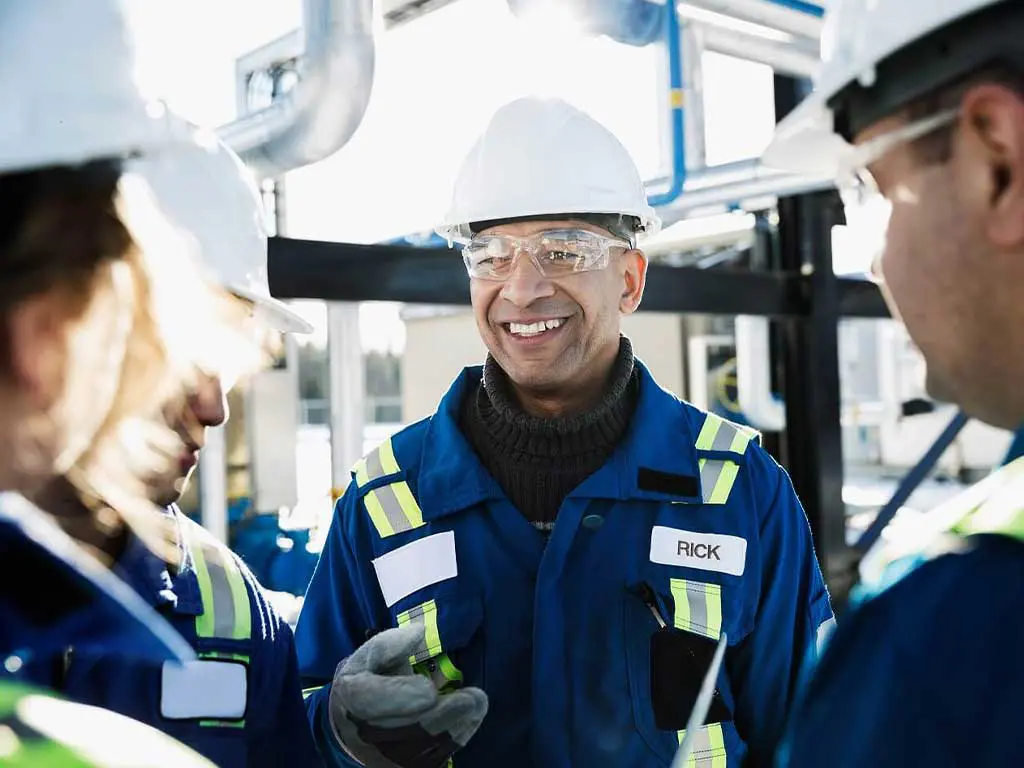
A group of workers having a chat

Workplace testing is a regular procedure done by many companies worldwide. Employers perform these alcohol and drug tests for employment to help prevent and reduce potential workplace incidents and risks. Drug and alcohol consumption can cause impairments and negatively impact an employee. Some may experience judgment impairments, memory loss, coordination problems, blurred vision, and slow reaction times. Hence, employers develop company policies for drug testing. Here, they often include the reasons for testing, such as blanket and random testing.

An impaired employee can significantly affect workplace safety and endanger coworkers and the general public. In particular, it is dangerous and difficult to operate vehicles or heavy machinery while under the influence of alcohol or drugs. To help prevent substance misuse before and during work, employers require their workers to provide alcohol and drug tests regularly. This article will present information on workplace testing, including the legalities, reasons for testing, and types of methods.

Legalities of Implementing an Alcohol and Drug Test for Employment

When implementing an alcohol and drug test for employment, the law requires companies to follow legal guidelines and policies. Firstly, companies need to seek consent from employees or applicants before being able to provide tests. A formal agreement must be signed before an employer can legally test an employee. Employers would have applicants and employees sign a document agreeing to the workplace policy in most cases.

Moreover, a workplace policy should have guidelines on how to protect the privacy of current and potential employees. They must uphold this by strictly keeping test results confidential. Hence, only relevant staff should have access to the medical information and subsequent results. This ensures that the company does not violate the rights of the worker.

Furthermore, a workplace policy should also comply with the relevant laws and regulations related to workplace drug and alcohol tests. They should use kits or contact service providers with accreditation and certification from regulatory bodies. They can also benefit from establishing opportunities for confirmatory testing, education programs, and Employee Assistance Programs (EAPs). Doing so can ensure the testing policy can benefit both employers and employees.

Benefits of Testing

  • Alcohol and drug tests can ensure that workplace safety and hazards are well managed.
  • It can ensure that all workers have no impairments and are fit to work.
  • Testing can drastically reduce the likelihood of accidents, reducing their annual costs. This includes healthcare costs, accident compensation costs, and damaged machinery costs
  • Reducing accidents with testing can drastically improve the productivity and revenue of a company
  • Substance use testing can also foster a comfortable working environment and increase job satisfaction.
  • Testing can provide early intervention to mitigate the development of a substance use disorder. This can protect the employee from the consequences of substance misuse.

alcohol-and-drug-tests-for-employment

Alcohol and Drug Test for Employment: Reasons for Testing

Aside from an alcohol and drug test for employment before hiring, there are plenty of other situations where employers can perform an alcohol and drug test. Most workplace policies and guidelines cover the rights of employers to test under specific conditions. Companies can hire certified testing services to provide these tests. Other than tests for pre-employment, companies can also try their employees during:

  • Random testing: An unannounced test with randomly selected participants. This form of testing can help catch employees trying to hide their usage.
  • Blanket testing: A procedure that tests all the employees in the company.
  • Post-accident/incident testing: A test used to check if alcohol or drug impairment contributed to a specific workplace accident. This form of testing can help the company decide the next course of action after an accident.
  • Post-positive testing: A test required for employees returning to work after a positive result. This test can help ensure that the returning employees are fit to work.

Can an Employee Refuse the Test?

An employee cannot refuse a test without potential repercussions. This is true, especially if they have agreed to an encompassing policy regarding testing. Hence, refusing a test may result in disciplinary action, similar to failing a test.

However, there are cases wherein an employee may request a different test if they have medical conditions that disallow them from complying with the initial test. To prevent misunderstandings, the employee can communicate this to their supervisor or an employee representative. A worker could also consult a legal professional if they feel like the testing is unfair or discriminatory.

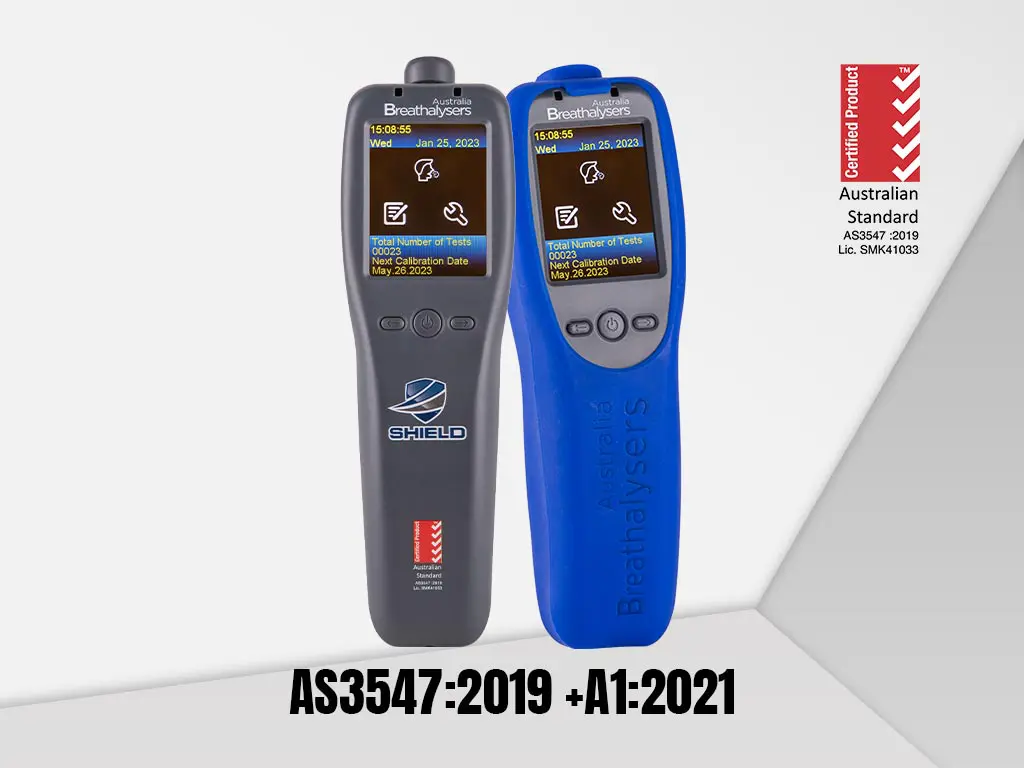
Two SHIELD breathalysers

Types of Testing Methods in an Alcohol and Drug Test for Employment

There are several methods that employers can use to conduct an alcohol and drug test for employment. Firstly, urine testing is the standard method used in workplaces. It can detect a wide variety of substances for several days.

Secondly, saliva testing is a more convenient method often used during onsite tests. It can also detect multiple substances and has a non-invasive and easy collection method. Thirdly, blood testing is considered the most accurate method of testing. However, it can be costly and involves an invasive collection procedure. It is more commonly used for confirmatory tests instead of initial screenings.

Fourthly, hair follicle testing helps companies acquire a history of substance use. It has a long detection period of 90 days. However, it is not suited for tracing recent use since this does not include the seven to ten days before collection. Lastly, breath testing is done using devices called breathalysers. They are convenient tools that can trace alcohol use for up to 24 hours. They are also very convenient for companies to use.

Professional-Grade Breathalysers for Workplace Safety

Companies can rely on a breath alcohol test to accurately measure the Blood Alcohol Concentration (BAC) levels of an employee. The BAC level determines the level of intoxication. Moreover, it can also indicate the level of impairment. Hence, using professional-grade workplace breathalysers can help prevent those under the influence of alcohol from endangering others. This is especially true because they show results within seconds.

Breathalysers New Zealand offers a selection of workplace breathalysers that have fuel cell sensors. These are the BACtrack S80 Pro Gen 2, BACtrack Mobile Pro Gen 2, SHIELD Express Identity, and SHIELD Express Touch. These are reliable devices that produce accurate results.

Conclusion

An alcohol and drug test for employment during the hiring stage can help companies choose the right applicant. This test can help prevent companies from hiring employees who might have a drug or alcohol abuse problem. This is crucial because applicants with substance use problems are more likely to endanger the workplace and coworkers. Hence, they may use urine, saliva, hair, blood, and breath alcohol tests to identify them.

However, employers must still ensure compliance with the relevant laws and regulations. Thus, they must protect the privacy of the applicant throughout the process by keeping their medical information confidential. Employers must also get consent before conducting a test. After hiring the worker, they may also have them sign an agreement for regular testing for certain reasons, such as blanket testing, random testing, and post-accident testing. Those interested in using breathalysers may check the workplace breathalysers here at Breathalysers NZ.

Information on an Alcohol Swab Drug Test

An alcohol swab drug test uses oral fluid to detect the presence of drugs and alcohol. Companies and business owners use these tests because they can be quickly and easily administered. An alcohol swab drug test collects oral fluid from inside the employee’s mouth. The sample is then sent to an accredited testing facility. Despite being easily accessible in the market, companies nowadays typically prefer using breathalysers rather than swab tests. Undoubtedly, it is highly important for companies to use certified test kits or devices when providing workplace testing. 

How Do Alcohol Swab Drug Tests Work?

Alcohol swab drug tests detect drug use and alcohol consumption within a specific detection window. Testing oral fluids can detect recent alcohol and drug consumption. Companies commonly use swab tests because they are cost-effective and cheaper than other drug and alcohol testing methods. Oral fluid can be collected and tested quickly and easily. A swab test is a straightforward and non-invasive type of drug and alcohol screening. Additionally, testing services can also perform swab tests on-site (within the workplace), making it a more efficient option for companies. Furthermore, this option can take away the hassle for employees of needing to go to a testing facility to get tested.

An alcohol swab drug test can detect several substances from an employee’s saliva. Most business owners only check specific substances like alcohol and common drugs. Swab tests can typically detect recent drug or alcohol consumption from 1 to 2 days after use. Detection timeframes will differ for each substance type, how it is frequently used, and the amount of substance used.

Alternative Alcohol Testing

Having an accurate and effective alternative to an alcohol swab drug test can be an excellent investment. Breathalysers can provide access to a quick and easy alcohol testing methods in the workplace. Furthermore, these devices can help companies and business owners effectively maintain workplace safety. The breathalysers from Breathalysers New Zealand feature one-button operations. You can conduct a breath test with just a press of a button. It only takes about 15 seconds for the device to warm up its sensors and begin testing. Once you provide a breath sample, the device can instantly process and show the Blood Alcohol Content (BAC) results.

For companies that prefer breath tests over an alcohol swab drug test, they can use the workplace devices from Breathalysers New Zealand. These BACtrack devices use highly accurate fuel cell sensors. These are the same sensors law enforcement officers use for breath testing in roadside screenings. Companies looking to perform constant alcohol tests for workplace safety can benefit from having a workplace breathalyser ready. The BACtrack S80 Pro Gen2 and other workplace breathalyser models can provide highly accurate and constant BAC readings. Additionally, these highly effective workplace breathalysers have:

  • Efficient breath capture systems (preventing external factors from effecting results
  • Interchangeable mouthpieces (for hygiene)
  • Reduced chances for false-positive results
  • Long-lasting sensors that only need recalibration once every 6 to 12 months (depending on usage)

alcohol-swab-drug-tests

Are Alcohol Swab Drug Tests Required?

Most business owners would conduct an alcohol swab drug test or a breath test with a breathalyser from Breathalysers New Zealand as part of their workplace policy. Most companies that require drug and alcohol screenings have an established workplace drug and alcohol testing policy that defines how and when staff may undergo drug and alcohol testing. Nowadays, all industries practice a zero-alcohol tolerance policy. These industries would require employees to have regular tests. However, workplace alcohol and drug testing policies may be different from State to State. Some States have limitations regarding conducting alcohol and drug screening.

Alcohol Swab Drug Tests: When are they commonly done?

Companies typically conduct alcohol swab drug tests for pre-employment screening. The company requires Pre-employment testing to aspiring applicants before offering them a job. Oral fluid drug and alcohol tests can be done before a company fully hires you for a position. The offer may be denied if your test results are positive. Some businesses also do random alcohol and drug tests, that randomly selects the staff to ensure fairness. This type of test is called random testing, and it is done to identify employees that may endanger the workplace.

Employers may also include “for-cause” drug and alcohol testing on the workplace testing policy. If a supervisor thinks a staff may be under the influence of drugs or alcohol, they can require the worker to undergo an alcohol swab drug test. Some companies also conduct post-accidents or incident workplace testing. These tests detect substances more quickly than other testing methods, but others tests can detect substances with a longer detection timeframe. For example, an alcohol breath test through a breathalyser from Breathalysers New Zealand can detect alcohol consumption for about 12 to 24 hours after intake. While hair follicle tests can detect alcohol and drug usage for up to 90 days. 

alcohol-swab-drug-test-

Drug and Alcohol Testing

You cannot force employees or aspiring applicants to take an alcohol swab drug test and consent is required by law. However, there may be repercussions for refusing to undergo testing. Refusing to undergo a pre-employment drug or alcohol test can result in the revocation of a job offer in some workplace policies. If you do not undergo drug or alcohol testing while currently employed, the management can also dismiss or suspend you from the job depending on the company’s workplace policy. 

If you take an alcohol swab drug test but believe the results are incorrect, you can also have the sample tested again according to most company policies. Ensure that you check and ask for information on how you can request to take another test. The workplace testing policy is clear and outlines the terms, repercussions and instructions regarding alcohol and drug testing procedures. Employers can use the highly accurate workplace breathalysers from Breathalysers New Zealand to ensure that they are providing reliable alcohol tests. 

Benefits of Alcohol Swab Drug Tests over other tests:

  • Quicker testing process
  • Non-invasive testing
  • Highly cost-effective
  • Fewer chances of sample tampering. 

Swab Test Conclusion

While alcohol swab drug tests have various benefits, they also have certain limitations to keep in mind. The detection window for swab tests is typically shorter than other testing methods. Furthermore, if the person is taking medication, this may affect the sample provided and lead to inaccurate results (false-positives). Oral fluid testing cannot detect some substances, leading to a loss of testing opportunities.

An alcohol swab drug test can be an effective and quick drug and alcohol testing method. The swab testing process is more straightforward, with low error rates. Swab testing also requires minimal preparation. The only requirement for these tests is the need to avoid eating and drinking anything 10 mins before the test. The specimen collection time is quick and will only take about 1 to 3 minutes. Performing the test is also easy. Sample collectors can use a sponge or pad to swab the inside of the individual’s cheek. Testers can then analyse the saliva sample on-site or in a laboratory right away. However, for more frequent tests with minimal effort, employers can now use the workplace breathalysers from Breathalysers New Zealand. 

About Drug Swab Test in NZ

Drug and alcohol use in New Zealand has brought many adverse outcomes to personal health and the community. Different drug types have varying effects on the central nervous system. Likewise, high levels of alcohol lead to severe impairment of the senses, perception, judgment, and motor skills. Therefore, they can pose maximum safety risks when driving or operating heavy pieces of equipment. Substance impairment is also a leading cause of road crashes and workplace accidents. Because of this, more places execute a drug swab test in NZ. Law enforcement will typically perform roadside inspections to identify if a driver is impaired. For example, a breathalyser test can determine a person’s Blood Alcohol Content (BAC). The BAC is the percentage of alcohol in the blood, indicating the level of intoxication. Meanwhile, a swab drug test can detect illegal drugs in the system through mouth swabs. 

Drug Swab Test in NZ Workplaces

The workplace is also one of the critical areas prone to impairment-related accidents. Drug and alcohol abuse costs the economy billions of dollars every year. As a result, many companies implement alcohol and drug testing through a workplace policy. An effective policy can help lower the cost resulting from lost productivity, absenteeism, legal and healthcare expenses. It also aims to counter the harmful effects of substance impairment. A standard procedure for identifying impairment is through a drug swab test in NZ workplaces. A mouth swab test is an effective screening tool to detect the recent use of illicit substances in the system. Moreover, it can detect the following:

  • Ethanol
  • Amphetamines
  • Barbiturates
  • Benzodiazepines
  • Cocaine
  • Marijuana
  • MDMA
  • Methamphetamine
  • Opiates
  • Oxycodone

Drug Swab Test in NZ: How does it work?

A drug swab test in NZ workplaces is common among high-risk industries. For example, mining, construction, transportation, aviation, and manufacturing rely on regular alcohol and drug testing. Recently, more workplaces have used a drug swab test because it is convenient and less invasive. It is a low-cost and straightforward method that can offer instant feedback. In case of an accident, a swab test is suitable to get a biological sample for analysis. Additionally, a swab or oral fluid test can detect most substances in a 5 to 48-hour time frame. The collection uses a swab stick with an attached sponge or absorbent pad. The stick is swabbed on the inside of the cheek or under the tongue. Other methods include spitting or draining to gather saliva. 

A drug swab test in NZ can be done on-site or in a laboratory. Most workplace testing happens on-site through a mobile drug unit. An on-site drug swab test delivers the result within minutes. However, if the sample goes to a laboratory for examination, it takes 24 hours to get the results. If the initial test yields a non-negative result, a confirmation test follows through. The confirmation test can be done through blood sampling. In particular, the blood test is the most accurate test of all procedures. However, its invasive nature, time, and costs make it only suitable for confirming positive preliminary screening test results. A medical review officer verifies the laboratory analysis and provides the final feedback. 

drug-swab-test-nzs

Effectivity of a Drug Screenings

Like all other testing procedures, a drug swab test in NZ workplaces is accurate if it is executed correctly. Drugs do not remain in saliva as they do in urine. As a result, this method is more effective in screening for recent use. Different kinds of drugs having varying detectable times in our saliva. Additionally, using mouthwash or drinking water does not affect the results of a drug swab test. Since the sample collection is in plain view, it is hard to circumvent the results. To prevent food substances from interfering with the results, the mouth must remain empty for ten minutes prior to testing. However, various factors can affect the accuracy of the test such as:

  • Type of drug swab test – instant oral fluid testing kit or laboratory test
  • Drug type
  • Quantity of the drug or concentration
  • The skill of the test administrator
  • The testing facility – if sample analysis happens on-site or in-lab
  • Detection window of a specific drug
  • If saliva flow is stimulated

Benefits and Limitations of Drug Swab Test in NZ

A drug swab test in NZ can help in the early detection of substance use in the workplace. It is more convenient than a urine test since you can gather samples easily. It is painless, and you can provide oral fluid readily. Furthermore, the collector ensures that the samples are not tampered with. Unfortunately, a drug swab test comes with a few limitations. Notably, it has a shorter detection period than a urine or blood test. The person may abstain for a few days off preceding the test date and return to use after. In addition, certain medications can interfere with the accuracy of the test results. Furthermore, it is also worth noting that some drugs are not detectable through a swab drug test. 

A drug swab test in NZ workplaces is efficient for initial drug screening. However, there is still a long way to go to ensure its validity like a urine and blood test. Moreover, alcohol and drug tests significantly reduce workplace incidents. It helps deter substance use and promote safe and healthy practices. The effective implementation of workplace policy improves productivity, lowers costs, and boost employee morale. Through reliable devices and testing methods, you can maintain a hazard-free environment. You may get drug test kits in pharmacies for rapid testing. Likewise, a breathalyser efficiently screens alcohol in the breath. The breathalysers from Breathalysers New Zealand have pro-grade accuracy suitable for workplace or high-volume applications. 

drug-swab-test-nzs-

Alcohol Breath Tests

A breathalyser device is a cost-efficient method for alcohol screening. It is non-invasive, quick, and easy to use. You may use a breathalyser and drug swab test in NZ to maintain workplace safety. Companies would regularly provide alcohol and drug tests during pre-employment, random, blanket, post-incident, reasonable suspicion, and post-treatment workplace testing. A workplace breathalyser from Breathalysers New Zealand is suitable for all kinds of workplace tests. The BACtrack workplace breathalysers have fuel cell sensors to give the highest precision for a breath screening device. Furthermore, they have a one-touch system for quick and easy operations. Anyone who wants to check their alcohol level can use a breathalyser. 

Using the BACtrack breathalyser with drug swab test in NZ workplaces helps effectively manage safety risks. Drug testing in oral fluid and breath alcohol tests are also the common procedures conducted in roadside screenings. The BACtrack Mobile Gen2, S80 Pro Gen2, and Alcovisor Mercury from Breathalysers New Zealand are all suitable devices for workplace testing. They feature an enlarged fuel cell sensor that can completely trace BAC ranges from 0.00 up to 0.400%. Therefore, it can detect even the smallest BAC that can harm the work environment. When it comes to safety, you can trust the devices from Breathalysers New Zealand. 


Hair Follicle Test for Alcohol and Drugs: Are They Accurate?

Workplace and alcohol testing is now expected across all industries. Employers nowadays aim to reduce and prevent workplace accidents. Alcohol and drug consumption can cause several impairments. These impairments can drastically affect an employee’s ability to work effectively and safely. Substance use can cause coordination problems, memory loss, judgement impairments, and slower reaction times. An employee within the workplace with these impairments can drastically affect workplace safety, mainly when operating heavy machinery. Furthermore, substance-impaired employees will most likely have reduced productivity and increased absenteeism. These impairments and the dangers they pose are why employers perform constant workplace alcohol and drug testing. A random or scheduled hair follicle test for alcohol and drugs can help employers know who among their workforce is under the influence during working hours. Moreover, singling out potentially dangerous employees can drastically help reduce workplace hazards.

Using a hair follicle test for alcohol and drugs and other forms of testing can ascertain employers of workplace safety. Without a doubt, these tests can help decrease the likelihood of workplace accidents. Having fewer accidents in the workplace can help reduce a company’s annual costs. Moreover, fewer accidents can help the company minimise healthcare and accident compensation costs. Furthermore, these tests can ensure high productivity and decrease the likelihood of damaged products and machinery. Spending a little extra on devices like the BACtrack workplace breathalyser from Breathalysers New Zealand and hiring drug testing services can make a reasonable investment.

Hair Follicle Test for Alcohol and Drugs: Other Tests available

Employers need to be well informed when performing a hair follicle test for alcohol and drugs in the workplace. Firstly, employers need to follow a set of guidelines when providing tests. Secondly, the employer must make sure they have consent for testing. Lastly, it is also crucial for employers to know the alcohol and drug tests available. Furthermore, this information can help employers decide what kind of test they should perform in their workplaces. Aside from a hair follicle test for alcohol and drugs, employers can also use:

  • Breath Alcohol tests (with BACtrack workplace breathalysers)
  • Urine Tests (for alcohol and drugs)
  • Blood tests (for alcohol and drugs)
  • Saliva tests (for alcohol and drugs)
  • Sweat tests (for alcohol and drugs)

The most common among these tests are Breath tests for alcohol testing and urine tests for drug usage. Breath and urine tests are the most common because they are highly reliable and easy to perform. Breath alcohol tests can help determine an employee’s exact Blood Alcohol Concentration (BAC). Moreover, urine tests are similar to a hair follicle test for alcohol and drugs. Urine and hair tests can determine usage but cannot specify the drugs used and when they were used. Employers can rely on hair follicle tests to test for workplace usage. However, it is essential to know that false positives are more likely to happen during a hair follicle test than urine tests.

hair-follicle-tests-for-alcohol-and-drugs

Hair Follicle Test for Alcohol and Drugs: Accuracy and Procedures

Since a hair follicle test for alcohol and drugs can only detect usage, there are other procedures needed after it. If there is a positive hair follicle test, employers may be required to follow up with a GC-MS test. The GC-MS test can detect the exact drug used and help detect false positives. Employers can rely on a hair follicle test to determine workplace usage. However, there is always a chance for false-positive and false-negative results, making retests more common. Nowadays, employers mainly use alcohol breath tests to test for alcohol usage. Devices like the BACtrack workplace breathalyser from Breathalysers New Zealand allow accurate workplace testing. Breath tests can be more accurate because they can determine the exact BAC of an employee. Moreover, even though urine tests may also need a GC-MS test to follow up, false-positives tests are less likely.

Hair Follicle Test for Alcohol and Drugs: Guidelines

For employers to legally perform a hair follicle test for alcohol and drugs, they must adhere to specific guidelines. The law requires companies to have a workplace policy set and agreed upon by both employers and employees. Furthermore, there must be a formal agreement with the employee giving the employer consent to perform drug and alcohol tests. There are specific guidelines within these workplace policies as to when an employer may provide an alcohol or drug test. Moreover, these guidelines ensure that workplace testing remains fair. These guidelines also help protect the employee’s privacy. Additionally, these guidelines also state what can happen to an employee if they test positive. In most cases, employees get a second chance and can opt for a retest. Immediate termination may not always be the case; employers can also provide employees with a rehabilitation option that allows them to return to work once approved.

When Can an Employer Provide Tests?

Employers should follow a set of guidelines when trying to provide a hair follicle test for alcohol and drugs. These guidelines also include when they can provide testing. The situation wherein employers can test their employees are:

  • Pre-employment testing: Companies test applicants before they hire them. This form of testing can prevent hiring potentially dangerous employees.
  • Blanket testing: A procedure that tests all the employees in the company.
  • Post-accident/incident testing: A test provided to check if alcohol or drugs were involved in a specific workplace accident. This form of testing can help the company decide the next course of action after an accident.
  • Random testing: An unannounced test and can be at any time. This form of testing can help catch employees trying to hide their usage.
  • Post-positive testing: A test required for employees returning to work after positive testing. This test can help ensure that the returning employees are fit to work.

hair-follicle-test-for-alcohol-and-drug

More Frequent Alcohol Tests

Nowadays, companies can perform breath tests more often with the help of devices like the BACtrack workplace breathalyser. The BACtrack breathalyser from Breathalysers New Zealand is a highly reliable and portable device. Its portability can allow tests in almost any situation. Performing more breath tests can help employers ensure that their employees are fit to work. Moreover, safety-critical industries like mining, construction, and transportation can benefit significantly from more frequent tests. A hair follicle test for alcohol and drugs and other forms of testing can help ensure that no employees are working under the influence.

Why use BACtrack devices?

The BACtrack devices from Breathalysers New Zealand are quick, easy to use, and highly accurate. It only takes 10 to 15 seconds for a BACtrack device to process your BAC. Moreover, BACtrack devices have one-button operations, allowing users to begin their alcohol breath test with just a push of a button. BACtrack workplace breathalysers use fuel cell sensors. These are the same sensors you would find in a police officer’s breathalyser. These sensors are also only sensitive to ethyl alcohol, reducing the likelihood of false-positive results. A hair follicle test for alcohol and drugs is no longer the only option for effective workplace testing.

Alcohol Pre Employment Test: The Need to Know

Alcohol misuse by employees is a pervasive safety issue in New Zealand workplaces. Alcohol intoxication is a leading factor in workplace accidents and injuries. Companies incur significant healthcare expenses, compensation, and production losses because of alcohol-related incidents. Fortunately, alcohol at work is a preventable hazard in the workplace. Moreover, under the Health and Safety Work Act 2015, employers must provide an environment free from health and safety risks. Therefore, many companies establish a prevention policy to minimise all preventable hazards. An alcohol pre-employment test with regular workplace testing is one of the practical strategies for maintaining a hazard-free environment. 

Employees are the lifeforce of any organisation. Therefore, a stable workforce is vital in achieving company goals and objectives. However, if the employees’ conditions or welfare are not good, it can cause problems for the company. Alcohol impairment in the workplace can harm others and disrupt workflow. It also results in poor productivity and low output. Nowadays, safety-sensitive industries would rely on drug and alcohol testing to adequately safeguard the workplace from the hazards of substance use. Moreover, it is critical to hire the right people, especially for safety-sensitive roles. Typically, companies would perform an alcohol pre-employment test to ensure they are not hiring employees that can potentially endanger others. 

Purpose of Alcohol Pre-Employment Test

Alcohol is a normal part of life for some people. However, a high alcohol concentration affects the vital organs, impairing normal functions of the brain and nervous system. Specifically, it can lead to blurred vision, impaired hearing, slow reaction time, memory loss, and poor coordination and balance. If the job entails driving or operating machinery, mental and physical alertness are critical to performing the task safely. A drug and alcohol pre-employment test can determine the possible alcohol or drug misuse. It is the first step to avoiding unsafe practices in the workplace.

A comprehensive alcohol policy enables the employer to administer an alcohol pre-employment test and subsequent testing for the workplace. High-risk industries like mining, construction, transportation, and production facilities have a firm zero-alcohol tolerance policy. A zero-alcohol tolerance means that the Blood Alcohol Content (BAC) must be zero. Therefore, alcohol use or impairment within working hours is prohibited. Moreover, a workplace breathalyser from Breathalysers New Zealand, can help determine the BAC the employee’s alcohol level. Thus, companies adopt a zero-alcohol tolerance to attain a hazard-free environment. In general, drug and alcohol employment tests serve the following purposes:

  • Reduce accidents from substance impairment
  • Improve productivity
  • Reduce liabilities 
  • Improve productivity
  • Lower absenteeism and turnover rates
  • Comply with state and federal laws

alcohol-pre-employment-tests-.


Alcohol Pre-Employment Test Policy

Drug and alcohol testing can be effective in deterring alcohol use and its impairments. But unfortunately, due to its invasive nature, it makes some employees uncomfortable. Also, many people think that it is an invasion of privacy or employee rights. Employers may legally administer workplace testing to ensure safety and protect the well-being of all personnel. A workplace policy helps set the guidelines for administering an alcohol pre-employment test. Moreover, the program can outline when a drug or alcohol test is done and the procedures for testing. The employer must follow the policy parameters to manage safety risks and avoid legal problems. Lastly, employees must also agree to the test by signing a consent form. The employer should include regular alcohol tests in the employment agreement. 

Alcohol Pre Employment Test Methods

The employer must include that an alcohol pre-employment test is part of the hiring process in the job notice. This is to legally inform applicants of what’s to come. The common methods for drug or alcohol testing are:

  • Breath Test – A breath test is the standard measure for alcohol screening. A breathalyser like BACtrack captures the breath sample and processes the alcohol content. The device will display a BAC amount if it detects alcohol in the breath. A breathalyser can detect alcohol for 12 to 24 hours after last consumption. So, if you drank the night before a breath test, there is a high probability the device can track alcohol consumption.
  • Urine Test – Urine analysis can trace alcohol for 24 hours from the last intake. However, advanced tests like EtG/EtS can detect alcohol for up to 80 hours.
  • Oral fluid Test – Saliva or mouth swab test uses a chemical assay test strip to determine alcohol presence for up to 24 hours. 
  • Hair Follicle Test – A hair test has a longer detection window and can determine alcohol use for 90 days. Moreover, this method helps identify the alcohol or substance history of a person. Specifically, it can detect when alcohol is consumed, how much, and periods of abstinence. 
  • Blood Test – The blood sample test is the most accurate yet the most invasive of all procedures. Therefore, it is ideal as a confirmatory test for preliminary test results. 

alcohol-pre-employment-tests-

Breath Tests: The Need to Know

An alcohol pre-employment test detects ethanol in the breath. Ethanol is the main compound in alcoholic beverages. During consumption, the body absorbs and carries it to different body organs. Portions of alcohol end up in the lungs, where they vaporise and exit through exhalation. The employer may administer a breath test through certified testing laboratories or on-hand workplace breathalysers. The workplace breathalysers from Breathalysers New Zealand utilises fuel cell sensor technology to estimate the BAC level. Fuel cell sensors undergo an electrochemical process to oxidise alcohol, producing small electrical currents. The number of currents generated corresponds to the volume of alcohol in the breath sample and converts into BAC. Additionally, fuel cell sensors are specific to ethanol only. Therefore, they are least likely to produce false-positive results. 

A breathalyser is the most cost-efficient method for conducting an alcohol pre-employment test. A BACtrack breathalyser from Breathalysers New Zealand can process the breath sample within 10 to 15 seconds. Furthermore, operating the device is easy. BACtrack has a one-touch system for quick and convenient use. Simply press the power button and wait for the sensors to warm up. At the signal, ask the testee to blow into the mouthpiece. Then, the device will display the BAC test results on the screen. Nowadays, anyone can operate a breathalyser without needing professional experience, allowing companies to have more frequent alcohol tests. Companies also can use breathalysers during random, post-incident, and reasonable suspicion workplace testing. 

Breath Tests with BACtrack

Nowadays, an alcohol pre-employment test is an essential part of hiring. It helps employers determine suitable candidates who can perform the job well. Additionally, BACtrack workplace breathalysers from Breathalysers New Zealand can reliably detect alcohol use and impairments. You may also use a personal breathalyser to help you monitor the increase or decrease of your BAC.  Breathalysers New Zealand has a wide array of pro-grade alcohol testers for personal and workplace use. Furthermore, the pro-grade accuracy of BACtrack fuel cell breathalysers is the same as what police officers use in roadside screening. Therefore, you can ascertain high precision alcohol breath testing with a BACtrack device.