Guidelines for Workplace Drug Testing in NZ

Every day, companies face several challenges to keep the business going smoothly and productively. It includes producing high output, ensuring safety, and retaining employees. Workplaces, especially in high-risk industries, must provide employees with a secure and healthy environment. Therefore, employers ensure that all factors that can affect safety or cause harm are minimised or prevented. One of the occupational hazards is drug and alcohol use. Unfortunately, employee impairment is one of the reasons for accidents, serious injuries, or fatalities in New Zealand workplaces every year. Thus, a comprehensive workplace policy guides employers and staff on the standard safety procedures. An essential aspect of the program is conducting workplace drug testing in NZ. 

Many companies implement workplace drug testing in NZ to help control the high cases of substance-related incidents. It is a preventive measure that helps employers manage risks associated with illegal drugs and alcohol. It involves undergoing test procedures to determine if employees work under the influence of impairing substances. Therefore, employing the most reliable method and devices is essential for securing accurate results. Equipment like breathalysers helps workplaces maintain an alcohol-free environment. Breathalysers New Zealand provides dependable devices through the BACtrack police-grade breathalysers for workplace use. An on-hand breathalyser enables companies to conduct frequent alcohol testing and monitor employees’ sobriety. 

Effects of Drug and Alcohol Impairment

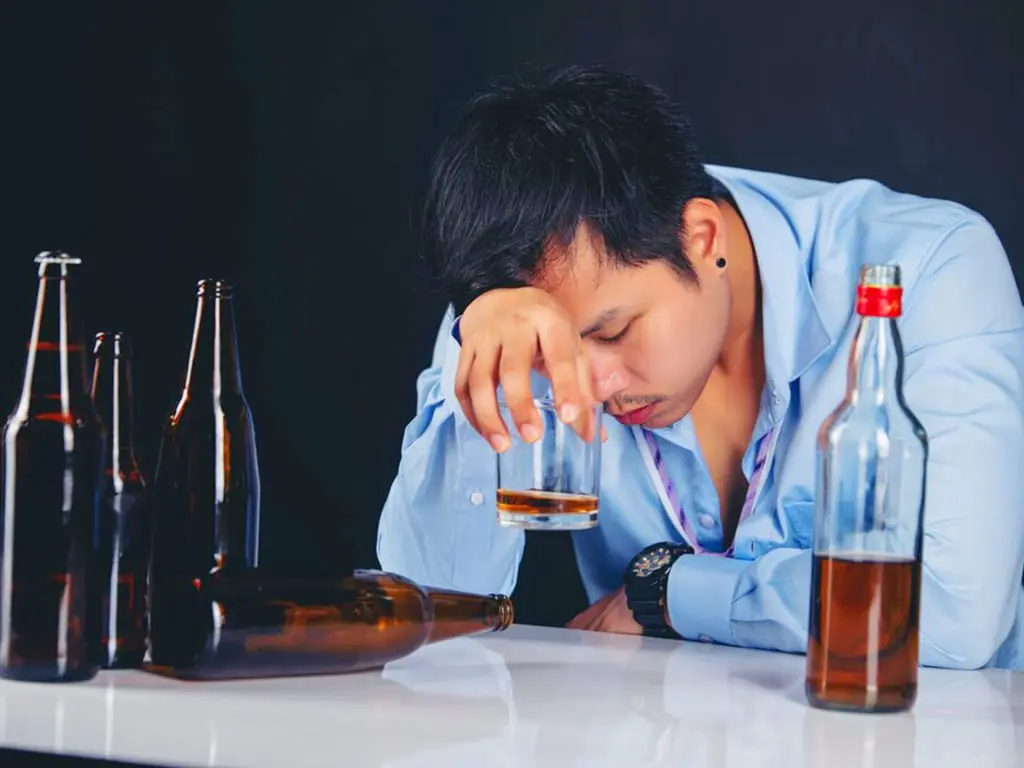
Drugs and alcohol use have detrimental effects on the body. Illegal drugs are substances that can alter a person’s mental and physical functions. Some people take alcohol or drugs to cope with stress or fatigue; the impetus to self-medicate can be reduced by taking a fatigue awareness course that helps a person understand the reasons for their actions. However, any amount taken can lead to adverse health issues, like seizures, heart attack, coma, and other permanent damage. Meanwhile, although alcohol is legal, its consumption is regulated. For example, a person must not drink and drive simultaneously. Similarly, workplaces prohibit alcohol use due to its intoxicating effects. High alcohol consumption impairs senses, perception, reaction time and motor functions. As a result, it reduces a person’s ability to concentrate and coordinate movements. For this case, we define workplace drug testing in NZ to include alcohol and commonly abused drugs. 

Substance impairment can lead to wrong judgment or errors, especially when operating machinery. Impaired employees pose safety risks not only to themselves but to their colleagues or the public. Therefore, companies include workplace drug testing in NZ as a safety measure. Moreover, workplace testing is designed to detect employees that may compromise safety and pull them out before incidents occur. Furthermore, drug and alcohol impairment has the following impacts:

  • Difficulty focusing or concentrating
  • Unable to complete tasks on time
  • Increased absenteeism or tardiness
  • Risks of dependency or substance abuse
  • Conflicts with co-workers

workplace-drug-testing-nz-

Workplace Drug Testing in NZ: Health and Safety Duties

The effects of drug and alcohol use are more than the potential dangers in the workplace. Frequent accidents without action can affect long-term productivity, hinders growth, and damage reputation. Thus, many companies adopt a policy or program to enable workplace drug testing in NZ. Accordingly, employers adhere to the Health and Safety Work Act, covering the duties of employers and employees to manage occupational risks. Under the HSW Act, employers must minimise all preventable hazards that may lead to serious injuries and harm employees. It includes safe handling of equipment and structures, adequate training and supervision, and monitoring of workers’ health and workplace conditions. Employees must also abide by regulations as stated in the policy. Additionally, they must take reasonable care to ensure their health and safety and of others at work.

Workplace Drug and Alcohol Testing Policy Guide

Not all businesses in New Zealand are required to test their employees. However, drug and alcohol tests for employment have been increasing due to the need for safer workplaces. Before a company can facilitate workplace drug testing in NZ, it must establish a comprehensive program first. It defines an employer’s rules for risk management, including the use of alcohol and drugs, through a written statement. Setting clear policies is an excellent starting point to maintaining a hazard-free workplace. Moreover, all employees must know and agree to the conditions of the policy. In addition, a workplace drug and alcohol policy must consider the following aspects:

  • Objectives for facilitating drug and alcohol tests
  • Conditions or reasons for the test
  • Who are subject to undergo testing
  • The test methods to be employed
  • The course of action for a positive test result
  • Documentation procedures

The workplace policy must also be:

  • In line with the employment agreement
  • Consistent with state or federal laws
  • Respective of employees’ rights

workplace-drugs-testing-nz

Conditions for Workplace Drug Testing in NZ

The workplace policy must cover everything from execution to the handling of test results. It is also critical to obtain the employees’ consent for implementation. An employer may ask the workers to sign a written consent form agreeing that they understood the reason for testing and submit to the test procedure. Moreover, the employer may administer workplace drug testing in NZ for safety reasons only. The conditions for workplace drug and alcohol tests are:

  • Pre-employment – employers can require drug and alcohol tests during hiring if the job is a safety-sensitive role. Pre-employment tests help companies determine if the job applicant has high-risk behaviour that may endanger the workplace.
  • Post-incident – this test is common after an accident or near-miss. It helps identify the main cause of the accident. In addition, it should be done within a time limit.
  • Blanket – screening the entire workforce for drugs and alcohol, regardless of position or role.
  • Random – it is an unannounced test aimed at detecting current impairment among employees. Also, workers have an equal chance of being selected through a random selection process.
  • For-cause – this test is only permitted where reasonable suspicion exists. For example, an employee displays symptoms of intoxication affecting task performance or compromising safety. An authorised officer must support the test with evidence to avoid legal problems. 
  • Return-to-duty – employees returning from a leave of absence or rehabilitation must pass a drug and alcohol test to show fitness for work. 

Workplace Drug Testing in NZ: On-site or Off-site Testing

Drug and alcohol testing requires a careful process, including handling and testing the specimen to get accurate results. Workplace drug testing in NZ commonly employs on-site or laboratory procedures to monitor the employees’ physical conditions. An on-site or mobile test involves performing the test on the work site. The collection and screening process takes place at a nearby secured location, and the results are determined shortly. Testing devices like a workplace breathalyser like BACtrack from Breathalysers New Zealand help identify a person’s recent alcohol use. Meanwhile, off-site testing involves workers going to a laboratory or a collection site. However, it means reduced work hours due to travel time, and the results may take several days. Therefore, employers evaluate the best approach to use.

workplace-drugs-testing-nz-


Types of Test Methods for Workplace Drug Testing in NZ

A drug and alcohol test is the technical analysis of a person’s biological sample to detect illicit substances and alcohol or their metabolites. Prohibited drugs include but are not limited to methamphetamine, marijuana, cocaine, ecstasy, opiates, and heroin. When drugs and alcohol are ingested, they enter vital organs through the bloodstream, where they stay for definite periods. Thus, various procedures of workplace drug testing in NZ can detect substances through the following:

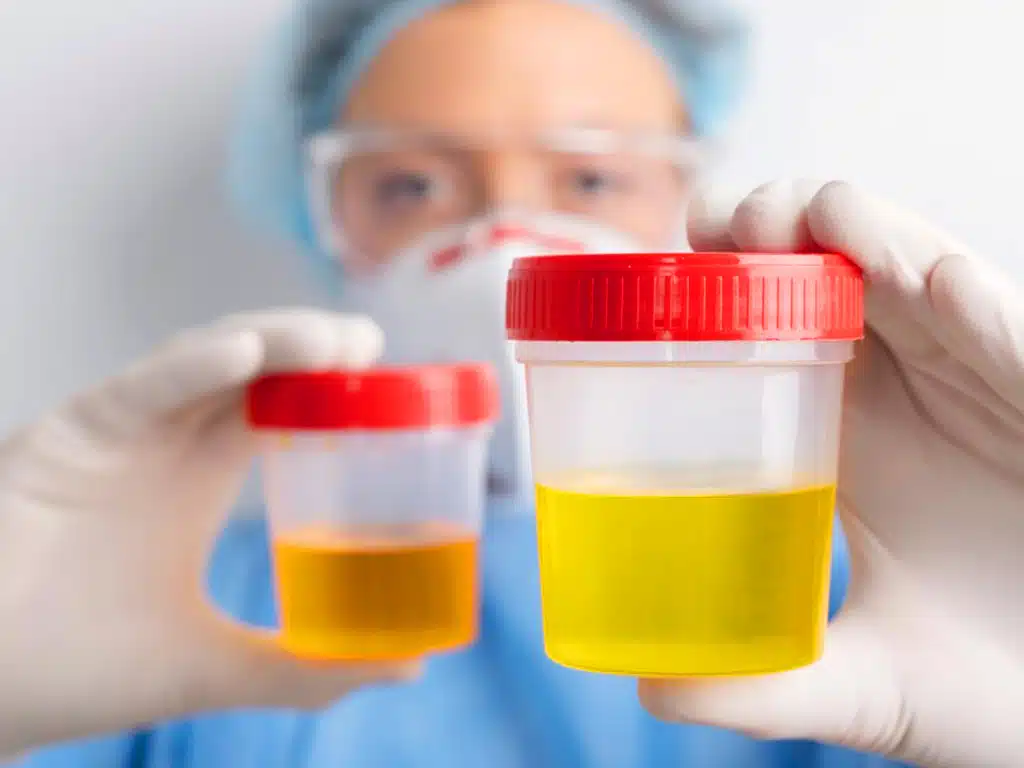
  • Urine – the standard method for workplace testing. A urine test can trace drugs and alcohol for 12 to 24 hours.
  • Saliva or oral fluid – saliva detects drug and alcohol use within 6 to 12 hours. Thus, the short detection window is ideal for identifying recent use. The sample is taken by swabbing the insides of the mouth with a collection stick or pad. 
  • Blood – this test accurately detects drugs and alcohol as it directly analyses the compounds in the blood. It has a detection window of 6 to 12 hours. However, it is costly and invasive. Therefore, they are used to confirm and validate a preliminary test result.
  • Hair – hair follicle test can detect drugs for up to 90 days. The long detection period is ideal for determining a person’s substance use history.
  • Breath – unlike other methods, a breath test can only detect alcohol. A breathalyser device analyses the breath sample and measures the Blood Alcohol Content (BAC) level. In addition, breathalysers can detect alcohol for up to 24 hours, depending on the amount of intake.

Workplace Drug Testing in NZ: Best Methods

Employers may avail of various options for workplace drug testing in NZ that best serve their safety needs or requirements. However, many workplaces utilise urine tests for drugs and breath tests for alcohol screening. This is because a urine test is less invasive than a blood test, and collecting the sample is easy. Recently, more workplaces have also used saliva tests as a cost-efficient alternative to urine. Moreover, companies can purchase drug testing kits that are easy to administer at work. Test kits can process the sample and show the drug results in five minutes. Meanwhile, a breath test using a breathalyser is the most practical yet effective method to monitor employees’ sobriety. 

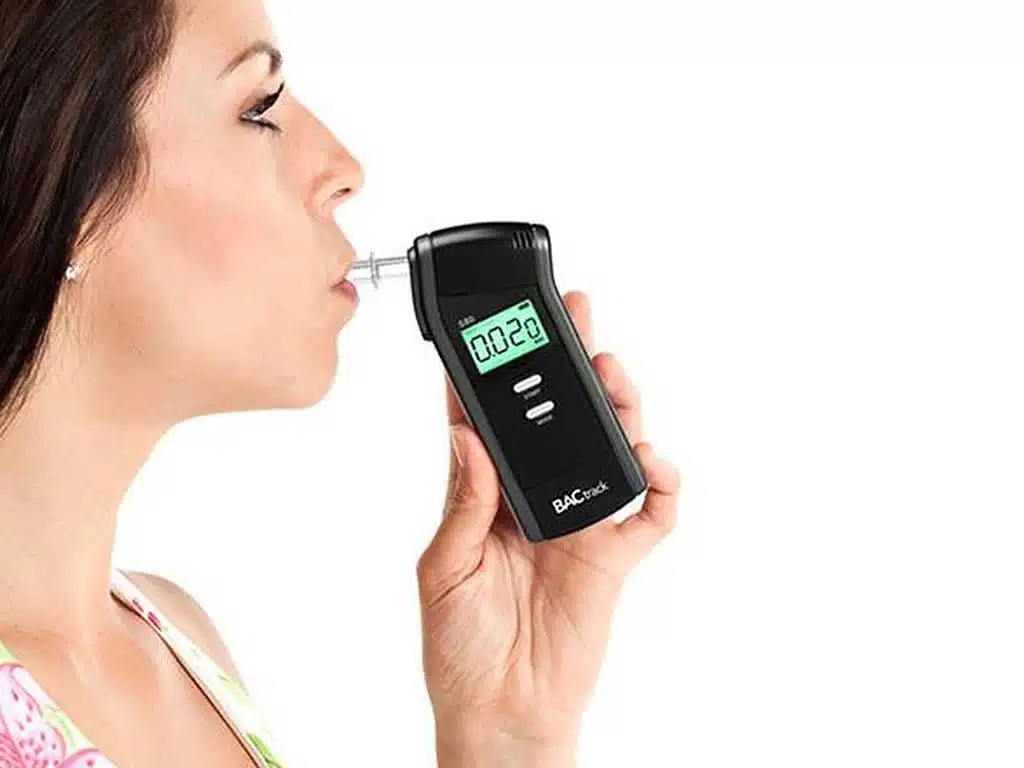
A breath test with a breathalyser is a non-invasive procedure of workplace drug testing in NZ for alcohol. Companies use professional-grade devices like the BACtrack from Breathalysers New Zealand, to accurately measure the BAC. It is a compact and portable device utilising sensor technology to calculate alcohol concentration. Furthermore, workplace breathalysers use advanced fuel cell sensors sensitive to ethanol and do not react with other substances. The device oxidises alcohol in the breath to produce small electrical currents. The strength of the currents is converted into BAC values. Therefore, a breathalyser is a reliable device that can determine employees’ intoxication levels in real-time. 

workplace-drug-testing-nz

Factors Affecting the Blood Alcohol Content

Alcohol is a volatile substance that quickly passes from the stomach to the lungs through the bloodstream. Within minutes, a person may feel intoxicated. Additionally, alcohol in the lungs vaporises and exits the body through exhalation. However, the period of how long alcohol stays in the system depends on the intake amount. The more alcohol is consumed, the longer it takes for the body to metabolise it. Therefore, employees drinking after work hours may still be impaired the next day. For this reason, companies facilitate workplace drug testing in NZ to minimise the negative consequences of substance use. Moreover, a person’s BAC level or intoxication degree depends on many factors. The factors that influence the BAC are:

  • Age
  • Body type (weight, fat content)
  • Gender
  • Food intake
  • Hydration level
  • Metabolism rate
  • Alcohol tolerance
  • Medicines
  • Beverage type and alcohol content in the drink
  • Tolerance level

Workplace Breathalysers from Breathalysers New Zealand

Substance-related accidents can occur at any time without proper monitoring. Impaired employees pose safety risks to the workplace, regardless of drug or alcohol concentration. Workplace drug testing in NZ aims to monitor the workforce and ensure that the work environment is hazard-free at all times. Companies use professional-grade devices like the BACtrack breathalysers from Breathalysers New Zealand to accurately measure the BAC. Moreover, Breathalysers NZ offers robust alcohol testers ideal for workplace use. You may check the various workplace breathalysers which suit your testing needs:

  • BACtrack S80 Pro Gen2 – features industrial-grade fuel cell sensors with enhanced linear accuracy that can trace alcohol across a wide BAC range. It is specially engineered to meet the rigorous requirements of workplaces. Additionally, companies may program the settings like blow strength and blow time to enhance the accuracy.
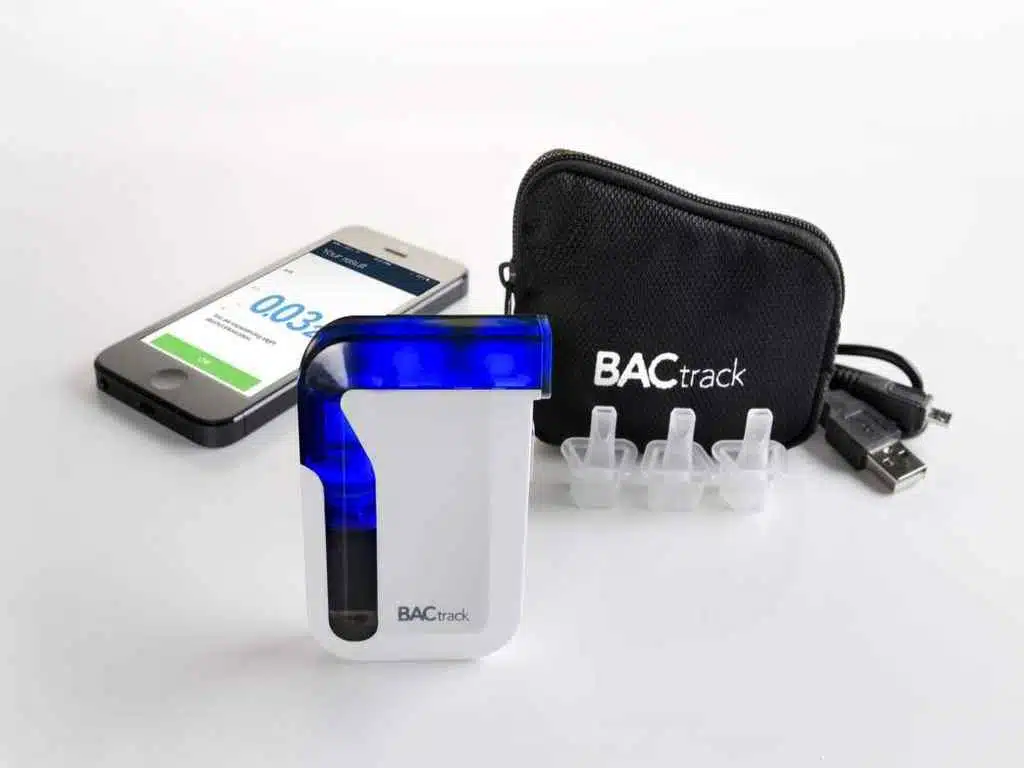
  • BACtrack Mobile Gen2 – a breathalyser with smartphone connectivity through Bluetooth. The Mobile Gen2 pairs with a smartphone app to deliver the BAC results directly to an iOS or Android device. It is ideal for remote alcohol monitoring, especially for employees working off-site like transportation drivers. 
  • Alcovisor Mercury – this breathalyser features passive screening and testing modes. You may use the Alcovisor Mercury to detect alcohol presence or test the BAC simply. 
  • Alcovisor Alcotorch – the Alcotorch is a passive alcohol breath tester. It is suitable for people entering a wide venue, like concert halls, airports, or restricted facilities. 
workplaces-drug-testing-nz

Features and Reliability of the BACtrack Workplace Breathalysers

Workplace drug testing in NZ follows regulatory guidelines to get accurate and valid test results. Therefore, the test methods and devices must be certified. In particular, the workplace breathalysers at Breathalysers New Zealand are FDA-approved and have AS/NZ 3547 certification. Therefore, they meet the standards of an effective breath screening device. Moreover, breathalysers must be periodically recalibrated to maintain the sensors’ accuracy. Companies may also purchase additional mouthpieces to facilitate breath tests without compromising the BAC results. Breathalysers NZ provides complete recalibration and after-sales services for units sold on the website and accredited partners. 

The BACtrack workplace breathalysers provide a fast and convenient method for alcohol screening. The BACtrack devices at Breathalysers New Zealand, have a one-touch button to enable quick operation. To use the breathalyser, simply press the power button and wait for the sensors to warm up. Once ready, you may give a breath sample by blowing sufficiently to the mouthpiece. The BACtrack breathalysers process the sample and deliver the results in 10 to 15 seconds. Lastly, it has an optimal breath capture that collects the precise air sample. The internal breath pump of BACtrack ensures that only deep lung air goes through the sensors and keeps out ambient air or fumes. Therefore, companies conducting workplace drug testing in NZ can benefit from the reliability, accuracy, and efficiency that BACtrack can bring.
workplaces-drug-testing-nz-

Benefits of Workplace Drug Testing

Employers enhance workplace safety by securing a comprehensive policy and utilising efficient test methods and devices. Without a doubt, companies adopting workplace drug testing in NZ reportedly have lower incident rates and improved productivity. Consistent monitoring of employees’ physical conditions also has the following benefits:

  • Stable workforce – workplace testing promote healthy and safe practices in and outside work. Few accidents mean less downtime, better attendance, and low turnover rates. In addition, it boosts employee morale and improves company integrity. 
  • High output – employees perform better under safe working conditions. As a result, they meet complete tasks on time and have fewer errors.
  • Reduced legal liabilities – companies mitigate legal risks by implementing workplace testing through a drug and alcohol policy. Employers must ensure to follow the guidelines stipulated in the policy to avoid legal problems and manage risks. 
  • Lower cost – industries spend billions every year to cover hospitalisation, insurance, and compensation costs brought by substance-related accidents. Accidents also damage expensive heavy equipment (such as cranes, forklifts, etc.) or machinery, which needs repair or replacement. Moreover, training new employees due to high turnover can be costly. 
  • Assist employees with drug or alcohol use disorder – drug and alcohol tests help determine employees who are coping with substance abuse. Employers may assist affected workers through referral to a rehabilitation facility or the Employee Assistance Program. 

workplaces-drug-testing-nz.

Alcohol and Drug Testing in NZ: Personal Devices

Alcohol consumption is a regular pastime activity of many people after work. However, excessive intake leads to severe impairments with drastic consequences. Individuals who consume alcohol may use devices like a personal breathalyser to help monitor their alcohol levels. Besides workplace devices, Breathalysers New Zealand has a comprehensive range of alcohol testers for personal use. Most personal BACtrack breathalysers utilise fuel cell sensors for high accuracy and effective alcohol breath tests. The BACtrack personal breathalysers are police-grade, the same technology used by police officers in roadside screening. Employees can use a breathalyser to monitor their BAC level and avoid exceeding the legal limit. In New Zealand, the alcohol limit for driving is 0.05% BAC. Exceeding the limit in a roadside breath test is liable for criminal charges and penalties. Lastly, it helps employees avoid disciplinary actions for failing workplace drug testing in NZ. 

BACtrack Personal Breathalysers

Organisations and individuals can help improve personal and public safety through breathalyser devices and workplace drug testing in NZ. Breathalysers New Zealand offers various personal alcohol testers to help employees monitor their BAC. You may purchase a personal breathalyser with pro-grade accuracy to get the most accurate results. Additionally, each device has distinct features suiting various needs and preferences. Breathalysers NZ offers the following devices:

  • Keychain breathalyser – the BACtrack Go and C6 keychains are the lightest alcohol testers. They are compact devices suitable for quick alcohol screening.
  • Smartphone breathalyser – the BACtrack C6 and C8 breathalysers have optional Bluetooth connectivity. The dual-mode operation allows you to operate the device alone or connect it to your smartphone. Meanwhile, the BACtrack Mobile Pro has innovative tracking and Apple Health and Uber integration. Furthermore, the BACtrack smartphone breathalysers feature the ZeroLine technology, which can quickly estimate how long the BAC will return to 0.00%. 
  • Professional – the BACtrack Pro is the sophisticated line of Breathalysers NZ for personal use. The BACtrack Trace Pro, Trace Pro Gen2, Scout, Mobile Pro, and S80 Pro utilise the Xtend fuel cell sensor technology. The fuel cell breathalysers can accurately measure the BAC from 0.000 to 0.400%. 

Operating a personal breathalyser is similar to the professional device used in workplace drug testing in NZ. To ensure accurate results, wait at least fifteen minutes after eating, drinking, or smoking before taking a breath test. The waiting period ensures that a breathalyser captures the precise sample breath. 

workplaces-drugs-testing-nz

Conclusion

Unfortunately, drug and alcohol use is prevalent in many sectors nationwide. Workplace drug testing in NZ help many industries manage occupational hazards through reliable and cost-effective measures. Consistent workplace testing deters substance use and abuse, promotes safe practices, and reduces accidents. Moreover, high-risk workplaces rely on the accuracy of the test methods and devices to keep the working environment hazard-free. Furthermore, the workplace policy enables employers to administer drug and alcohol tests, avoiding legal risks. 

Breathalysers New Zealand provides dependable devices across many workplace drug testing in NZ. The BACtrack workplace breathalysers have one of the largest fuel cell sensors to precisely measure the BAC. It helps employers monitor the employees’ sobriety, especially in workplaces with zero-tolerance policies. Therefore, even if an employee has a small alcohol content, the BACtrack breathalyser can identify the impairment. Employers can choose the appropriate pro-grade device at Breathalysers NZ for workplace needs. Likewise, individuals may purchase the BACtrack personal breathalysers to help moderate alcohol consumption, avoid drink driving charges, and pass workplace drug testing in NZ. 

Drug Test NZ: Complete Guide to Drug Testing in New Zealand

A drug test result form under a testing kit

Drug testing has become increasingly important in many sectors, including workplaces, sports organisations, and law enforcement agencies. In New Zealand, it is conducted to ensure safety and prevent drug-related incidents. Drug tests in NZ take many forms, with urine, saliva, blood, hair, and breath testing as the most common. However, there are certain procedures and protocols when implementing drug testing in New Zealand. Companies who want to do so should first establish a workplace policy.

Substance abuse is a prevalent issue in the society. According to statistics, it costs businesses billions of dollars each year. This is due to reduced productivity, workplace accidents, high insurance costs, and legal issues. Therefore, one of the proactive measures is to conduct drug testing. It not only prevents untoward incidents but also deters abuse and other health-related issues. This guide aims to provide a comprehensive overview of testing procedures, benefits, different methods, and guidelines for implementation.

Jump to a Section:

An Overview of Drug Testing in NZ

Drug testing in NZ is a crucial aspect of ensuring safety and compliance in various settings. This includes workplaces, healthcare, and rehabilitation centres. The primary purpose of the tests is to detect the presence of illicit drugs or alcohol in a person. It helps to identify those who may be at risk of impaired performance or who may require assistance in overcoming substance abuse issues.

In the workplace, drug and alcohol testing plays a vital role in maintaining a safe and productive environment. Employers implement company policies to deter drug use, especially in industries where the safety of employees is paramount. Accordingly, it is compulsory testing in the transportation, mining, and construction sectors.

Individuals who test positive for illegal substances may face disciplinary action or legal consequences. For example, employees may deal with suspension or termination, depending on the severity of the case. In some cases, they may be required to undergo counselling or rehabilitation programs. Overall, it serves multiple purposes, including safety and support for individuals struggling with addiction.

A Brief History

  • Drug tests date back to the early 1900s when opium testing began.
  • In the 1960s, it has expanded to include stimulants and sedatives.
  • Later on, the New Zealand police implemented roadside drug screening to test individuals if they were driving under the influence of drugs.
  • The Misuse of Drugs Act in 1975 established regulations for drug testing and control.
  • Workplace drug testing became possible due to the Health and Safety in Employment Act of 1992. This regulation requires employers to approach occupational health and safety in a systematic but flexible manner.
  • New Zealand implemented drug testing as a mandatory requirement in safety-sensitive industries.
  • Random testing was ruled to be unlawful except for safety-sensitive roles in the precedent case of Air New Zealand vs. EMPU and CTU in the Supreme Court.

Employees having a discussion

Benefits of Conducting Drug Tests in NZ

Conducting drug tests in NZ offers several benefits. One of the main benefits is enhanced workplace safety. Regular drug and alcohol screening helps ensure a safer work environment by identifying individuals who are under the influence of drugs. This is especially crucial in high-risk sectors where impaired employees can pose significant risks to themselves and others.

Another benefit is the increased productivity. By identifying employees who are abusing drugs or alcohol, employers can address the issue promptly and provide them with the necessary support or intervention. This can help improve productivity as individuals receive the help they need to overcome their addiction. Likewise, it minimises strain among co-workers who may need to cover for others.

Moreover, drug testing enables companies to meet the legal requirements in their industries. The implementation of testing policies allows employers to demonstrate their commitment to maintaining a safe and compliant work environment. Lastly, it serves as a deterrent for individuals who are engaging in drug use. Knowing that they may be subject to random drug tests can discourage employees from using illicit substances, ultimately promoting a healthier and more responsible workforce.

Importance of a Safe Working Environment

A safe working environment is essential for the well-being and success of both employees and employers. It ensures that individuals can perform their job duties without unnecessary risks or hazards. Particularly, it helps prevent accidents, injuries, and illnesses that may occur due to hazardous conditions or unsafe practices.

Furthermore, a safe workplace enhances productivity and efficiency. When employees feel safe and comfortable, they are more likely to focus on their tasks and perform their duties effectively. Thus, many employers prioritise investing in drug and alcohol testing programs to ensure the success and growth of their organisation.

A gavel on a sound block in front of a book and scales

Is It Legal to Conduct Drug Tests in NZ Workplaces?

In general, yes, it is legal to conduct drug tests in NZ workplaces. The government does not have specific legislation that explicitly governs employment testing, but it is widely practised in many industries. Small business owners may also enforce these measures through a company policy. However, there are certain guidelines and regulations to be followed to navigate the complexities of drug testing.

One of the regulations is the Health and Safety at Work Act 2015. This act requires all employers to protect the health and safety of their employees by taking all reasonably practicable steps to eliminate or minimise hazards in the workplace. Under this legislation, employers have the right to implement testing procedures as part of their safety initiatives.

In addition, it is important for companies to adhere to privacy laws. These laws set out rules for collecting, using, and disclosing personal information, including drug test results. Employers must have a legitimate reason for conducting the tests and handle the collected information in accordance with privacy laws. Any violations can result in legal consequences for the employer.

Can Employees Refuse Getting Tested?

Mainly, employees cannot refuse a drug test that is sanctioned by their employer. This is particularly true in companies with drug testing as part of their employment agreement. Additionally, employers can include in their workplace drug and alcohol policies that testing is a necessary safety measure and the consequences of non-compliance.

Refusing to take a drug test can result in disciplinary action, including termination. Employers are also more likely to ask employees to take a random test if their job involves safety-critical work, such as driving or operating machinery. Therefore, it is crucial for current and prospective employees to understand their rights and responsibilities.

A woman giving a presentation

Drug Tests in NZ as Part of a Workplace Policy

Companies who want to perform drug testing in NZ should first develop a comprehensive policy. Having a clear set of procedures and guidelines is essential to ensure a drug-free and compliant work environment. Substance abuse can significantly impact job performance, productivity, and overall well-being. With clear policies in place, both employers and employees can better understand their roles and responsibilities when it comes to workplace safety.

Moreover, a comprehensive workplace policy outlines the procedure and guidelines for drug and alcohol use. It should clearly state the purpose of drug testing, testing methods, and the consequences for positive results. It should also outline what substances are being tested for and how often testing will occur.

Education and awareness programs are also vital components of the policy. Employers should provide resources and training to educate employees about the dangers of drug and alcohol abuse and how to recognise signs of impairments. Therefore, it promotes responsibility and accountability. Well-informed staff can make informed decisions to make the workplace safer.

Types of Tests Companies Can Conduct

  • Pre-employment drug testing: Companies may conduct this test to ensure that potential employees are free from substance use that may hinder their abilities to work safely and effectively.
  • Random testing: This test happens without prior notice. This approach helps determine employees who may be presently impaired and deter substance abuse.
  • Post-incident testing: This test helps determine if drug or alcohol use is a factor in an accident.
  • Reasonable suspicion testing: Employers may request a drug test for a particular displaying signs of impairment.
  • Return-to-duty testing: This test ensures that an employee with a previously positive result is no longer using illicit substances.

A workplace breathalyser

Methods for Drug Testing in NZ: Breathalysers

Breath alcohol testing is one of the methods included in drug testing in NZ. It uses a sensing device called a breathalyser. The device measures the concentration of alcohol in the bloodstream through the breath sample. Hence, it provides an indication of the current impairment level of the person. In addition, the testing process is simple, and it can return the Blood Alcohol Content (BAC) results in seconds.

Breathalysers work by detecting the presence of ethanol in the exhaled air, which is a byproduct of alcohol metabolism in the body. The device uses a chemical reaction through its sensors to produce electrical signals. The strength or number of electrical output indicates the presence and concentration of alcohol.

After breath testing, the device calculates the BAC and displays the results on the screen. The BAC is often expressed in percentage, which is the amount of alcohol in grams per 100ml of blood. Therefore, it provides a reliable estimate of the intoxication level. This makes breathalysers convenient and efficient devices for alcohol use monitoring.

Advantages of Breathalysers

Breathalysers allow a non-invasive testing process to determine alcohol use or impairment. It is easy to use and can be operated by anyone. However, it is important to follow the proper operation to ensure accurate results. Another advantage of breathalysers is they can give numerable or measurable results instead of qualitative outputs.

Furthermore, breathalysers are reusable. This makes it convenient for high-volume testing requirements, like workplaces. Nevertheless, these devices require periodic recalibration to maintain their accuracy and performance. Lastly, they give instant results, typically within 10-15 seconds. This allows individuals, authorities, or management to make informed decisions.

A urine sample next to a test kit

Methods for Drug Testing in NZ: Urine Drug Test Kits

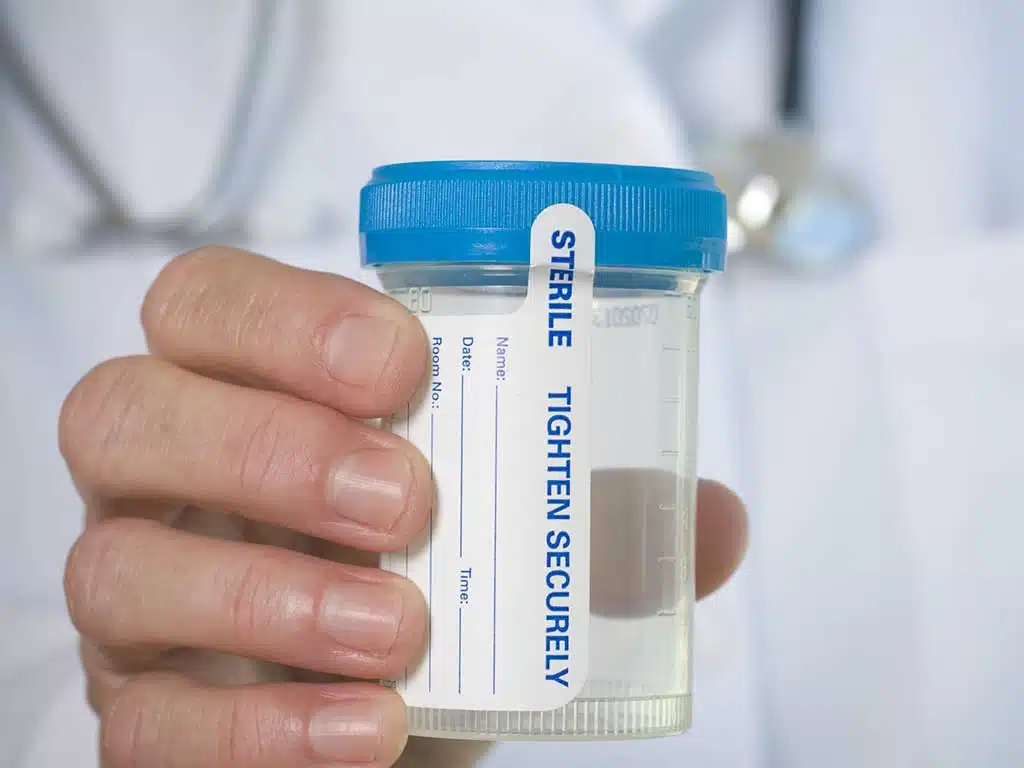
Urine testing is a standard method of drug testing in NZ. It is a type of test that detects the presence of drugs or their metabolites in the urine sample. Workplaces often use urine drug test kits as a cost-effective way to screen for illegal substances in the system. This method is common in workplaces and other settings due to its accuracy and ease of use.
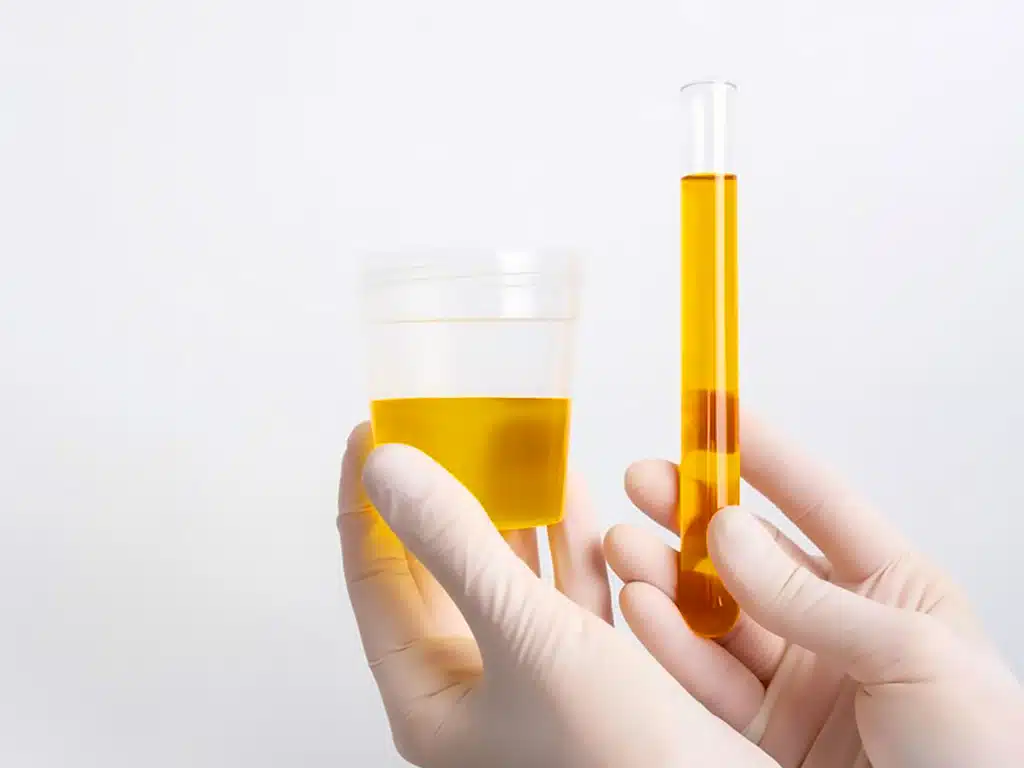
The urine drug test kits typically consist of a collection cup and test strips or cassettes. The process begins with the individual providing a urine sample in the container. Then, the test administrator immerses the test strip into the urine or adds a few drops of specimen to the cassette.

The test strip or cassette contains specific antibodies that produce a chemical reaction when it detects drugs in urine. This will result in the appearance or absence of lines or colour changes. The result is available after a few minutes. However, tests with non-negative results or the presence of substances should undergo confirmatory testing to identify the specific drugs and their concentration level.

Advantages of Urine Drug Test Kits

Using urine drug test kits offers several advantages. They are highly reliable in detecting drug metabolites for an extended period. It can trace substances for up to 72 hours or more. Additionally, it can detect a wide range of substances, including marijuana, cocaine, amphetamines, methamphetamines, opioids, and prescription drugs. However, it is to be noted that urine testing only looks for inactive metabolites; for example, it may test positive for cannabis use up to 4 months after cessation, making it not ideal for determining impairment for post-incident or a return to work test.

Another advantage is that they are simple and easy to administer, as they do not require any special training. They are also relatively inexpensive compared to laboratory testing, making them a practical option for employers. Furthermore, they provide quick results, usually within a few minutes, allowing organisations to take appropriate actions.

A professional collecting saliva samples

Methods for Drug Testing in NZ: Saliva Drug Test Kits

Saliva or oral fluid drug testing is another common method for drug testing in NZ. Saliva testing kits are convenient tools to detect drug use. Many use saliva testing as an alternative to urine when sample collection presents a challenge. Additionally, they have a shorter detection window of 24-48 hours, making them ideal for detecting recent drug use.

The saliva drug testing kits consist of a collection swab or sponge and a testing device containing reagents. The testing procedure involves inserting the swab inside the mouth and swabbing it against the inner cheek, gums, and tongue. The swab collects saliva samples, which contain traces of drugs if present. Afterwards, the swab is inserted into the reagent kit.

The kit or cartridge contains specific antibodies or enzymes that can react with the targeted substance. Similar to urine screening, if drugs are present, a chemical reaction occurs. It may result in a visible colour or line change. However, it is important to note that they may not be as sensitive as laboratory-based tests for detecting chronic use.

Advantages of Saliva Drug Test Kits

  • Saliva drug test kits provide a non-invasive way to detect substances. It only requires a simple swab of saliva, which is a quick and painless method.
  • They provide instant results, usually within a few minutes, allowing for immediate detection of drug use.
  • It is suitable for reasonable suspicion or post-incident testing because of its short detection period.
  • The sample collection procedure is more secure and less disruptive. A collection officer can conduct the test, making adulteration or substitution of the sample improbable.
  • Saliva test kits are portable and can are easy to use anytime and anywhere, making them ideal for on-site testing.

Vials of blood on top of forms

Methods for Drug Testing in NZ: Blood Tests

One of the most accurate and reliable methods for drug testing in NZ is the blood test. While it may not be as common as urine or saliva testing, blood tests are useful in many settings. This test can detect a wide range of substances, even at low levels, providing a more precise measurement of drug use.

The process begins by drawing a small amount of blood from the individual. Only trained professionals can perform the procedure due to its intrusive nature. Subsequently, the blood samples undergo laboratory analysis using advanced techniques like Gas Chromatography-Mass Spectrometry (GC-MS) and Liquid Chromatography-Tandem Mass Spectrometry (LC-MS/MS). This complex procedure can take hours or days to produce the results.

Applications of blood testing often include confirmation of preliminary urine or saliva drug screening. This test can quantify the exact amount of substances in the bloodstream. Moreover, it has a detection window of 6-12 hours, providing real-time updates on the drug status of a person. The accuracy of this test also makes it suitable for legal and forensic purposes, such as driving under the influence (DUI) cases or workplace incidents.

Advantages of Blood Tests

Blood testing offers several advantages for drug detection. Firstly, they are the most accurate and sensitive method of determining drug use. Blood tests mainly analyse the drug itself rather than its metabolites. Secondly, they provide a comprehensive analysis of the drugs present in the system. It can also help confirm initial drug screen results, minimising false positive cases.

Thirdly, their ability to identify specific substances and their quantities can provide valuable information for medical professionals. They are useful in emergencies, such as drug overdose or suspicions of drug use. Lastly, they can be helpful in monitoring treatment and rehabilitation.

A professional transferring hair samples with tweezers

Methods for Drug Testing in NZ: Hair Follicle Tests

Hair follicle testing is a method of analysing hair samples for traces of drugs or alcohol metabolites. After a person ingests drugs, the body metabolises them, producing byproducts that enter into hair follicles through the bloodstream. These byproducts remain in the hair, making it useful for detecting long-term drug use or patterns.

During a hair follicle test, a collection officer or individual cuts a few strands of hair close to the scalp and sends it to a laboratory. The samples undergo testing in a laboratory using advanced techniques like GC-MS or Enzyme-Linked Immunosorbent Assay (ELISA). This process can trace substance use for up to 90 days, depending on the length of hair.

Hair drug testing in NZ can take place in a healthcare setting or at work during random or pre-employment drug tests. This helps determine if a person is a chronic drug user. Therefore, employers can make informed decisions. Likewise, healthcare providers can also recommend an appropriate treatment plan. Finally, it is beneficial in legal proceedings to prove evidence of drug use or abstinence.

Advantages of Hair Tests

Hair testing is a non-invasive method with a long detection window spanning three months. This means that it can detect substance use over a longer period compared to urine or saliva tests. This extended period makes hair testing effective in identifying individuals with substance use disorders.

The test is also difficult to manipulate, especially for those who may be attempting to hide their drug use by abstaining for a short period before a test. Hair drug test kits are also available, offering privacy for individuals. People can use it at home, send the samples to a laboratory, and receive the results by return mail.

However, there are some factors that can affect test result accuracy. Environmental exposure, such as secondhand smoke from cocaine that enters a person’s hair, can lead to positive results, and washing the hair prior to the test may not eliminate the trace substances. Moreover, hair colour is also an ongoing issue as it can lead to biased test results due to some drugs can attach more easily to darker-coloured hair; this causes an ethnicity conflict during testing. Lastly, chemically treated hair can also affect drug metabolites detected during hair follicle testing.

A pen on top of a consent form

Implementation Guidelines When Conducting Drug Tests in NZ

Enacting programs for drug testing in NZ requires careful planning and adherence to specific guidelines. Firstly, it is vital to establish a fair policy. Employers should communicate this policy to all employees and ensure their full understanding and cooperation. It should also comply with the legal requirements of local laws or industry regulations.

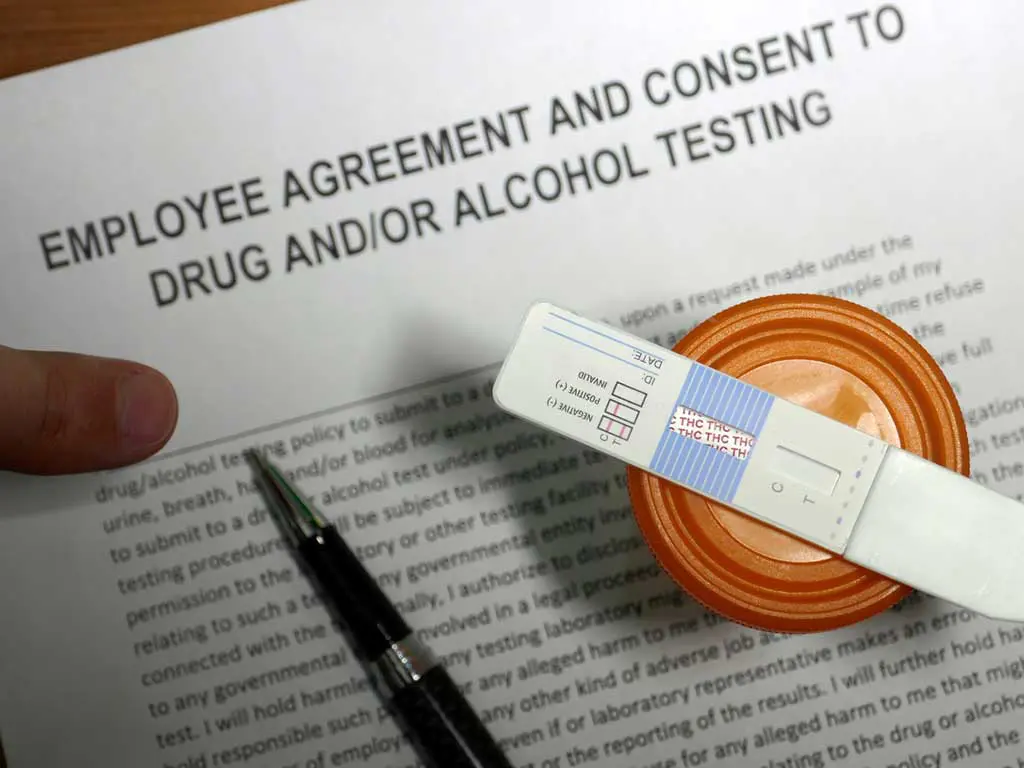
Secondly, before performing the test, it is crucial to obtain written or signed consent from the individual. They should be fully aware of the purpose of the test and the possible consequences. Thirdly, workplaces should use reliable or certified devices to ensure their accuracy. For clinical tests, they follow laboratory standards or chain of custody requirements.

Furthermore, the testing procedure should be carried out in a fair and reasonable manner. In New Zealand, organisations adhere to the joint Australia/New Zealand (AS/NZS) Standard, which is the set of guidelines for drug testing in the workplace. These guidelines outline the procedures and protocols that should be followed to ensure fairness and accuracy in drug testing.

Confidentiality Procedures

  • Confidentiality procedures ensure that the identity and personal information of individuals undergoing the drug test remain protected and secure.
  • Individuals sign a consent form. This specifies details of what information will be collected and how it will be used. It also outlines who will have access to the information.
  • Some organisations or testing agencies may use identification numbers or codes instead of personal names.
  • To handle positive results, authorised personnel discuss the test outcome with the concerned individual in a private manner.
  • Storage and data transfer of drug test results should be secure and in compliance with relevant privacy laws.

Conclusion

Drug tests in NZ are an important practice in many settings. Its main purpose is to ensure the health, safety, and well-being of individuals. The test aims to detect the presence of illegal substances in a person. Therefore, it helps to identify if an individual is under the influence of drugs or has substance abuse issues. Moreover, there are various types of test methods, such as breath, urine, saliva, blood, and hair testing.

Each testing method has its own advantages and considerations. They may differ in their detection windows, ease of use, turnaround time, and accuracy level. For alcohol screening, a breathalyser is an efficient tool to measure the BAC or intoxication level. Meanwhile, urine and saliva test kits are convenient for regular testing. Lastly, blood and hair tests involve laboratory analysis. Overall, understanding the nature and characteristics of each type can help determine the most suitable method for a particular situation.

Drug And Alcohol Screening Test: Definition, Types Of Tests, & Procedure

Two medical professionals conducting a laboratory test

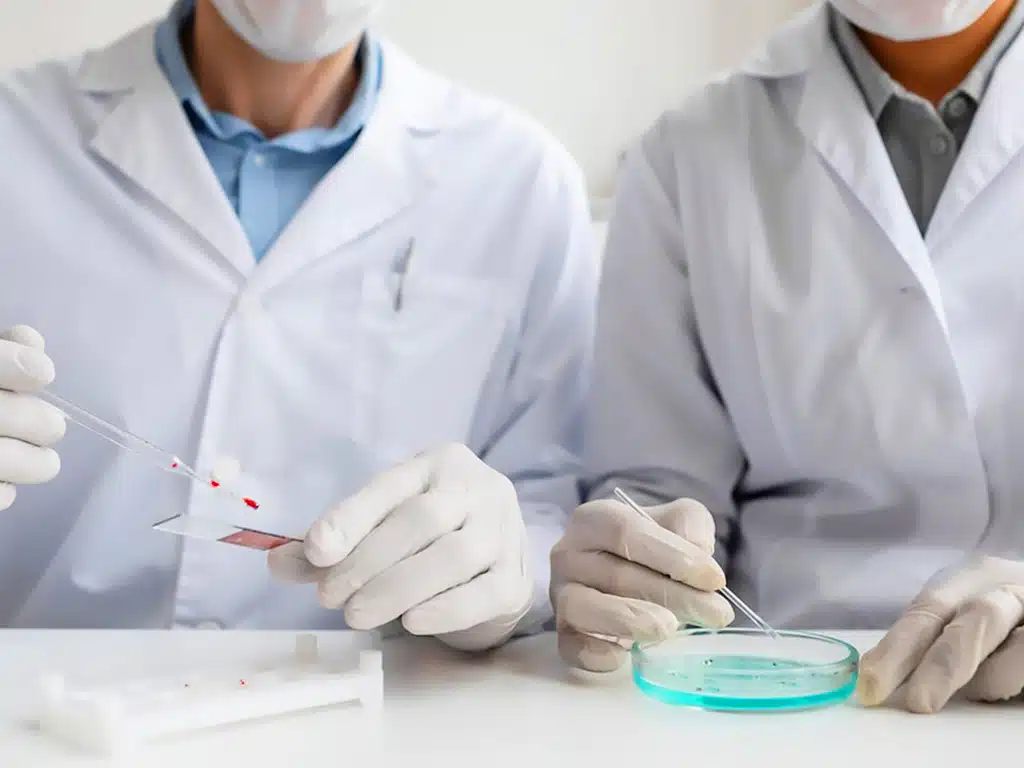
A drug and alcohol screening test is a procedure to detect the presence of substances in the body. There are various types of tests, including urine, saliva, blood, hair, and breath tests. These tests involve collecting biological samples for analysis to determine if drugs or alcohol are present in the body. Additionally, the procedure includes sample collection, analysis, and interpretation of findings.

Testing for illicit substances is necessary to maintain a safe and productive environment. It assists in reducing the probability of accidents, promoting productivity, and lowering healthcare expenses. Moreover, it deters substance abuse, which can have detrimental impacts on physical and mental health. By identifying individuals who are using or abusing drugs or alcohol, health professionals or employers can refer to the appropriate interventions. This article will provide more information about alcohol and drug screening, including its types and procedures.

What is a Drug and Alcohol Screening Test?

A drug and alcohol screening test is the process of detecting the presence of illegal drugs or alcohol in the body. It typically involves analysing a biological sample to determine if drug or alcohol metabolites are present. This screening helps identify individuals who may be abusing illicit substances, which can have serious consequences for their health and safety.

To conduct the screening, one can visit healthcare clinics or purchase testing kits online. Healthcare clinics often offer these tests during their business hours and can provide guidance on how to collect and submit samples for analysis. Alternatively, people can buy testing kits online and use them at home or on-site, offering convenience and privacy.

Companies frequently incorporate alcohol and drug screening to ensure a safe and productive work environment. They may carry out random, reasonable suspicion, post-accident, or pre-employment testing. Law enforcement agencies also use screening tools during roadside sobriety checks. Moreover, healthcare providers and rehabilitation facilities utilise screening to assess patients for substance use and monitor them during rehabilitation.

Purpose of Conducting the Screening Test

  • Identify potential employee impairment due to drug and alcohol consumption.
  • Ensure workplace safety by detecting substance-related risks.
  • Screen candidates during the recruitment process.
  • Help enforce workplace policies on drug and alcohol use.
  • Protect public safety in healthcare and road settings.
  • Reduce accidents and injuries caused by substance abuse.
  • Assist business owners or companies in maintaining a drug-free workplace.
  • Identify individuals needing intervention or support for substance abuse, promoting early intervention.
  • Minimise legal liabilities associated with impaired employees, ensuring compliance with regulations and standards.
  • Promote a culture of responsibility and accountability.
  • Support overall organisational productivity and efficiency.

A doctor holding an empty urine specimen cup

Types of Drug and Alcohol Screening Tests

Drug and alcohol screening test utilises different methods. Firstly, urine testing is the most common. It is non-invasive and can detect a broad spectrum of substances. Secondly, oral fluid or saliva testing is also non-invasive and features a straightforward collection process. This method can identify recent substance usage.

Thirdly, blood testing involves drawing a blood sample and analysing it for the presence of substances. It is highly accurate and can provide information about the actual level of intoxication. Fourthly, hair testing involves collecting a small sample of hair, typically from the scalp. This method can detect substance use over a longer period of about three months. Hence, it is valuable for assessing long-term use.

Lastly, breath testing specifically detects alcohol in the breath of a person. This method measures the alcohol concentration levels or Blood Alcohol Concentration (BAC). It is non-invasive, quick to administer, and provides rapid results. Overall, each method has its advantages and considerations. The selection of specific screening methods depends on particular needs and objectives.

Substances that Can Be Detected

Drug and alcohol screening can detect illegal drugs. These include marijuana, cocaine, heroin, methamphetamine and ecstasy. In addition, certain prescription drugs like opiates, opioids, amphetamines and benzodiazepines are also detectable. While doctors may prescribe these medications, their misuse or abuse can make them illicit due to a high potential for abuse or addiction.

Moreover, workplaces and roadside screening tests for ethanol, the active ingredient in alcoholic drinks. The screening can also detect direct biomarkers, such as ethyl glucuronide and ethyl sulphate. Alcohol testing helps mitigate the hazards of excessive alcohol consumption, such as impaired judgement, slow reaction time, and poor coordination.

A medical professional conducting a mouth swab test on female individual

Procedure for Drug and Alcohol Screening Test

The procedure for drug and alcohol screening tests follows a standard process to ensure the accuracy and reliability of the results. The first step is the sample collection process. A trained professional follows strict protocols in obtaining the specimens. It is important to administer the process under controlled conditions.

The second procedure is ensuring the chain of custody. It is a guideline involving handling and documenting the sample from the point of collection until it reaches the laboratory. This process prevents tampering and ensures sample integrity. Once it reaches the lab, the specimens undergo analysis, depending on the type of the test.

Once the analysis is complete, the laboratory prepares a report with the results. It is sent to the employer or healthcare provider. The report may show the presence or absence of target substances. If the drugs are present, it is necessary to undergo confirmatory testing to validate the initial findings. Test providers should be able to explain the results and their implications to concerned individuals.

Understanding the Results

The results of the screening tests are straightforward to understand. However, it is important to follow the instructions to avoid inaccurate interpretations. For initial screens, the drug test kits display the absence or presence of lines, which can indicate non-negative or negative results. In some cases, the colour change can show what substance or drug class is present.

Furthermore, laboratory testing can include the specific drug metabolite and the concentration levels. A Gas Chromatography-Mass Spectrometry (GC-MS) test is highly sensitive and can provide accurate results. On the other hand, a breathalyser test shows the estimated BAC levels in numerical value, usually in percentage.

Conclusion

In conclusion, drug and alcohol screening tests are crucial tools for identifying substance abuse in people. They involve analysing biological samples like urine, saliva, blood, hair, or breath to detect the presence of drugs or alcohol. These tests are widely used in various settings, including workplaces, healthcare facilities, and law enforcement agencies, to promote safety and health. Each screening method offers unique benefits and considerations, catering to specific needs and objectives.

The procedure involves meticulous steps to ensure accuracy and reliability. Trained professionals collect samples under controlled conditions, maintaining a strict chain of custody to prevent tampering. Laboratory analysis provides detailed reports to employers or healthcare providers, indicating the presence or absence of substances. Understanding results is crucial, with initial screenings showing clear indications and laboratory tests providing specific details like metabolite presence and concentration levels. Confirmatory testing may be necessary for validation.

Drug and Alcohol Screening: Testing Methods & Procedure

Three medical professionals working in a lab

A drug and alcohol screening process is vital in determining the substance use of an individual. It involves analysing various biological specimens to detect the presence of alcohol and illegal drugs. There are various ways to conduct the test, and the common types are urine, saliva, blood, and breath testing. The procedures involved sample collection and analysis. In addition, screening may be done on-site or in a medical clinic.

Testing for illicit substances is crucial in ensuring a safe and productive environment. It helps minimise the risk of accidents, maintain productivity, and save on healthcare costs. Moreover, it deters substance abuse, which can have detrimental impacts on physical and mental health. By identifying individuals who are using or abusing illegal drugs, health professionals or employers can refer to the appropriate interventions. This article will present the essentials of alcohol and drug screening, the testing methods, and the procedures.

What is Drug and Alcohol Screening?

Drug and alcohol screening refers to the method of testing individuals to detect illicit drugs or alcohol in their system. It is a standard practice in safety-sensitive workplaces to monitor the fitness of employees. Additionally, it is often included in a comprehensive policy to manage risk factors that may compromise workplace safety.

Organisations may conduct the test in various situations. One of the common applications is during pre-employment. Employers require drug and alcohol testing of job applicants to determine their history of substance use. It is especially critical in positions involving the operation of large equipment and machinery. Consequently, it ensures that new hires do not endanger themselves or others while working due to substance impairment.

Other testing programs include random screening, post-accident, and reasonable suspicion cases. The results of these tests can aid employers make informed decisions. Furthermore, it allows healthcare professionals to track the condition of their patients undergoing addiction treatment. Overall, it is a simple procedure using drug test kits or breathalysers to detect recent alcohol or drug usage.

Importance of Implementing Screening Programs

  • Alcohol and drug testing programs help ensure a safe work environment for all employees.
  • Implementing these programs can deter substance use or abuse.
  • It helps reduce the incidence of accidents and injuries in the workplace.
  • Improve employee productivity and performance.
  • By detecting drug or alcohol abuse early on, these programs can help employees get the help they need before it is too late.
  • Testing programs can help organisations comply with legal requirements and regulations related to workplace safety.
  • It helps reduce absenteeism and turnover rates within an organisation.
  • Set standards and expectations for employees to follow, ultimately maintaining a positive company culture.

Chart of what substances companies test for

Methods for Drug and Alcohol Screening

There are several methods used for drug and alcohol screening. They can vary in terms of invasiveness and the detection window for substances. One of the widely used methods is urine testing. This type can detect a wide range of drug metabolites for up to 48 hours after use or longer. Furthermore, urine drug testing is easy to administer and can provide quick results.

The second type is saliva testing. This test involves swabbing the inside of the mouth to obtain oral fluids. Saliva samples can trace substances for up to 24 hours, making it efficient to determine recent consumption. Moreover, the saliva collection procedure is non-invasive. Another method is blood testing. Blood tests can identify the specific substance and measure the exact levels of drug concentrations. Hence, it provides the most accurate method of drug and alcohol testing.

On the other hand, breath alcohol testing is for quick alcohol detection. It can also estimate the Blood Alcohol Concentration (BAC) through a portable breathalyser device. The BAC indicates the alcohol intoxication or impairment level of a person. Additionally, the test is non-invasive and provides immediate results.

Types of Substances Commonly Tested For

The substances that are detectable in drug and alcohol tests include common drugs of abuse and ethanol. Firstly, marijuana, cocaine, heroin, and methamphetamines are prohibited recreational drugs. Secondly, the tests may include certain prescription drugs like opiates and benzodiazepines. These substances have a high potential for abuse or addiction.

Lastly, workplaces and roadside screening tests for ethanol, the active ingredient in alcoholic drinks. The tests can also detect direct biomarkers, such as ethyl glucuronide and ethyl sulphate. It helps mitigate the hazards of excessive alcohol consumption, such as impaired judgement, slow reaction time, and poor coordination.

A doctor swabbing the mouth of a female patient

Procedure for Drug and Alcohol Screening

The procedure for drug and alcohol screening follows a standard process to ensure the accuracy and reliability of the results. The first step is the sample collection process. A trained professional follows strict protocols in obtaining the specimens. It is important to administer the process under controlled conditions.

The second procedure is ensuring the chain of custody. It is a guideline involving handling and documenting the sample from the point of collection until it reaches the laboratory. This process prevents tampering and ensures sample integrity. Once it reaches the lab, the specimens undergo analysis, depending on the type of the test.

After the analysis is complete, the laboratory prepares a report with the results. It is sent to the employer or healthcare provider. The report may show the presence of absence of target substances. If the drugs are present, it is necessary to undergo confirmatory testing to validate the initial findings. Test providers should be able to explain the results and their implications to concerned individuals.

Understanding the Results

Understanding the results of the screening tests is simple. However, it is important to follow the instructions to avoid inaccurate interpretations. For initial screens, the drug test kits display the absence or presence of lines, which can indicate non-negative or negative results. In some cases, the colour change can show what substance or drug class is present.

Furthermore, laboratory testing can include the specific drug metabolite and the concentration levels. A GC-MS test is highly sensitive and can provide accurate results. On the other hand, a breathalyser test shows the estimated BAC levels in numerical value, usually in percentage.

Conclusion

In conclusion, drug and alcohol screening is a crucial process that helps organisations and healthcare providers ensure a safe and drug-free environment. It is the procedure of collecting and analysing urine, saliva, blood, or breath samples to detect the presence of illegal drugs. By implementing various screening methods, companies can determine individuals who are impaired or have substance abuse issues. Therefore, they can make quick decisions and appropriate measures to mitigate safety risks.

The screening process involves sample collection, analysis, and the reporting of results. Preliminary screens often have a quick turnaround of results, making drug screening cost-efficient. Nevertheless, following the correct testing procedures is vital to prevent adulteration or contamination of samples. It is also crucial to undergo confirmation testing to avoid the possibility of false positives or false negatives. Understanding the process and related factors can help ensure peace of mind when undergoing or facilitating drug and alcohol tests.

Non DOT Drug Test Alcohol: What It Is & the Testing Methods Used

A staff member under the influence, slumbering on the table while clutching a glass of alcoholic beverage

Non-DOT drug test for alcohol is a procedure independent of the regulations set forth by the Department of Transportation (DOT). Private employers often utilise this form of testing as part of their internal policies to ensure workplace safety and productivity. Additionally, it may extend to broader safety concerns, including road safety. There are various methods to perform non-DOT alcohol testing. These include urine, saliva, blood, hair, and breath tests.

Alcohol use in the workplace can lead to a multitude of problems, ranging from decreased productivity to serious safety hazards. Employees under the influence of alcohol are more prone to making errors, poor decision-making, and accidents. Moreover, alcohol-related incidents can tarnish reputation and result in legal liabilities. Thus, implementing non-DOT alcohol tests becomes crucial for employers to identify and address alcohol misuse proactively. This article will present non-DOT alcohol testing, including its methods and steps for conducting one.

What is a Non-DOT Drug Test for Alcohol?

A Non-DOT drug test for alcohol is a type of alcohol screening that is outside the regulations of the DOT. Generally, DOT regulations govern safety-sensitive duties, and they mandate specific testing protocols for alcohol and drug screening. On the other hand, non-DOT testing is typically implemented by private companies or business owners. It varies in terms of protocols, procedures, and cutoff levels for alcohol detection.

In workplaces where safety issues are a concern, implementing alcohol testing programs is a common practice. This involves conducting random testing or including alcohol screening as part of pre-employment testing for new hires. Additionally, employers may also conduct alcohol tests on current employees if there are suspicions of substance abuse or if safety incidents occur on the job.

Employers who conduct non-DOT tests still need to follow the law. They should ensure their testing policies are fair and accurate and respect the privacy rights of their employees. This means they should use methods that do not discriminate, provide reliable results, and keep employee information confidential. Hence, following these standards helps maintain trust between employers and employees while upholding legal and ethical principles.

Non-DOT vs. DOT Test

Non-DOT Test:

  • Employers not regulated by DOT use this test.
  • They typically conduct it in regular workplace settings.
  • The results mainly impact employment within the company.
  • They usually have more flexibility in testing procedures and requirements.
  • Companies may choose not to report results externally unless they are legally required or as per company policy.

DOT Test:

  • Employees in safety-sensitive positions under DOT regulations must take this test.
  • DOT mandates strict procedures for conducting it.
  • The results can affect the ability of the person to work in safety-sensitive roles across different companies.
  • DOT regulations specify the procedures and cutoff levels.

A woman using a breathalyser

Methods for Non-DOT Drug Tests for Alcohol

When it comes to non-DOT drug tests for alcohol, there are various methods to detect its presence. Firstly, urine test. A person provides a urine specimen, usually in a collection container, which is then analysed for alcohol content. Secondly, saliva testing involves swabbing the inside of the cheeks to collect saliva samples. This method is quick and non-invasive.

Thirdly, blood testing. It involves taking blood samples to determine alcohol levels. This method is highly accurate and can provide precise results. However, it is more invasive and requires skilled personnel for sample collection. Fourthly, a hair follicle test is a method that analyses scalp or body hair for traces of alcohol. This approach has a longer detection window compared to other methods.

Lastly, breath alcohol testing measures the alcohol content in the breath sample. It provides immediate results and is relatively non-invasive. Non-DOT employers often use workplace breathalysers to quickly screen employees for alcohol use before or during work shifts. Overall, the choice of method usually depends on factors such as the required detection window, ease of sample collection, and the need for immediate results.

What is the Most Common Testing Method?

The breath test is the most common alcohol testing method. It works by measuring the Blood Alcohol Concentration (BAC) in the breath using a breathalyser. This method is popular because it is non-invasive, quick, and relatively accurate. Law enforcement officers or employers can administer breath tests on the spot.

However, properly using a breathalyser is vital in ensuring valid and accurate BAC tests. For instance, it is necessary to wait 15 to 20 minutes after eating, smoking, or drinking before taking a breath test. The waiting period gives the body enough time to process alcohol and reach the lungs.

A health professional holding an empty urine specimen cup

Steps Involved in Conducting a Non-DOT Drug Test for Alcohol

The first step in conducting a non-DOT drug test for alcohol is the collection of biological samples. This involves obtaining bodily fluids or tissues from the individual. The testing officer collects specimens safely and hygienically to ensure accuracy and maintain the integrity of the testing process.

In the analysis stage, laboratories employ methods such as Immunoassay and Gas Chromatography-Mass Spectrometry (GC-MS) to detect substances accurately. Immunoassay quickly screens samples for alcohol metabolites. If a positive result occurs, the sample undergoes confirmatory testing using GC-MS, a highly precise method of identifying specific substances. This rigorous testing regime minimises the risk of false positives, ensuring reliable results aligned with relevant standards.

Upon completion, professionals generate a report for interpreting results. They analyse the findings, considering factors such as drug concentrations and cutoff levels. This analysis provides a comprehensive assessment. It aids in identifying alcohol use. However, refusing to take a test may result in penalties, demotion, grounds for transfer and termination. Therefore, individuals must comply with testing procedures and cooperate throughout the process.

Understanding the Results

Understanding alcohol testing results is essential for various reasons. It helps determine if someone is under the influence of alcohol, which can affect their judgment and ability to perform tasks safely. A positive test result indicates impairment and poses a risk to themselves and others in the workplace.

On the other hand, a negative result indicates no presence of alcohol in the system. However, factors such as individual tolerance, medical conditions, and timing of alcohol consumption can affect the test outcomes. Therefore, confirmatory testing and professional interpretation are essential to rule out false positives or negatives.

Conclusion

In conclusion, non-DOT drug tests for alcohol are vital tools for ensuring workplace safety and regulation compliance. Employers utilise various methods like urine, saliva, blood, hair follicle, and breath tests to detect alcohol presence. These tests are crucial for pre-employment screenings, random testing, and addressing suspicions of substance abuse among employees. Adhering to fair, accurate, and confidential testing practices fosters trust between employers and employees while upholding legal and ethical standards.

Conducting a non-DOT alcohol test involves several crucial steps to ensure accuracy and reliability. Collection of biological samples is the initial stage, followed by analysis like Immunoassay and GC-MS to detect alcohol metabolites. The interpretation of results is vital, considering factors such as drug concentrations and cutoff levels. Understanding test outcomes helps identify impairment and ensures workplace safety. Compliance with testing procedures is essential, as refusal may lead to disciplinary actions.

Alcohol and Urine: Effects, Detection, & Factors Affecting Alcohol Concentration

A woman drinking a glass of wine at a restaurant

Alcohol consumption is a common part of social gatherings and celebrations. It is well known that alcohol affects various body systems, yet many people are curious about the relationship between alcohol and urine. Alcohol can cause concentrated urine, which can irritate the bladder lining. In addition, alcohol is detectable in urine within an hour of consumption and up to 24 hours after the last intake. The concentration levels may depend on number of drinks, weight, and liver function.

Heavy drinking can cause severe impairment, affecting judgment, perception, memory, reaction time, and coordination. Hence, it is a high risk of accidents, injuries, and health problems. In the workplace, it can lead to lead to endanger other employees and lead to high medical expenses and low productivity. Therefore, various settings implement alcohol testing programs to minimise these risks. This article will explore the effects of alcohol on urine, urine testing, and factors that can influence alcohol concentration.

Effects of Alcohol on Urine

Alcohol is a diuretic, which means it causes the body to lose fluids. It can produce urine flow within 20 minutes after consumption. Alcohol does this by inhibiting the production of vasopressin, an antidiuretic hormone. This causes the kidneys to reabsorb water. Without vasopressin, the bladder fills up with urine, causing frequent urination.

Moreover, concentrated urine can irritate the bladder lining and contribute to discomfort or inflammation. It can also increase urine acidity and the risk of Urinary Tract Infection (UTI). Another effect of alcohol on urine is changes in colour and odour. Dark urine is a sign that the body is not getting enough fluids and can be a warning sign to increase water intake.

Finally, excessive alcohol consumption can lead to the presence of byproducts in urine that are not normally found. These can include acetaldehyde and acetone. The presence of these substances can potentially damage the liver and other organs. Therefore, monitoring urine changes and seeking medical advice if necessary, can help in maintaining overall health and well-being.

Understanding Alcohol Metabolism in the Body

  • When alcohol is ingested, it is absorbed into the bloodstream and then processed by enzymes in the liver.
  • The liver breaks down alcohol into acetaldehyde, a toxic substance that can cause cell damage if not further metabolised.
  • The liver can process one standard drink per hour.
  • Acetaldehyde is then converted into acetate, which is eventually broken down into carbon dioxide and water and eliminated from the body.
  • Individuals with a slower metabolism may have a higher concentration of alcohol even after a longer period.
  • The more a person drinks, the longer time it takes for it to exit the system completely.

A lab technician holding samples of urine in a collection cup and test tube

Alcohol and Urine – Detecting Alcohol Use Through Urine Samples

A common method to detect alcohol use is through urine tests. It is the process of examining the urine samples for the presence of ethanol or its metabolites. The test is preferred by many workplaces and clinical settings because it is easy to administer and provides quick results. It can also help assess if a person has an alcohol use disorder or has problematic drinking patterns.

There are two main types of alcohol detection tests. The first type is alcohol screening. In this method, the person provides a urine sample and immerses it into a testing device containing immunoassays. This causes a reaction that produces a colour change if ethanol is present. However, it does not measure the concentrations of alcohol in urine.

The second type is Gas Chromatography-Mass Spectrometry (GC-MS). It is a more sophisticated and sensitive technique that requires laboratory analysis. This method can detect even trace amounts of ethanol, providing a more accurate measurement of blood alcohol content. Furthermore, it can distinguish between different metabolites, such as Ethyl Glucuronide (EtG) and Ethyl Sulfate (EtS).

Accuracy and Reliability of Urine Tests

Urine tests are generally reliable and accurate, being the most researched procedure. In particular, GC-MS is considered the gold standard in alcohol testing. It can identify specific substances with high specificity. Thus, this method often serves as confirmatory testing for initial screening with non-negative results.

On the other hand, immunoassay tests are less reliable due to the possibility of false positives or false negatives. This can be due to external factors that may interfere with the test. In addition, there are limitations to consider. For instance, it is not an accurate indicator of intoxication levels due to its extended detection times.

Friends holding different kinds of alcoholic beverages

Alcohol and Urine – Factors Affecting Alcohol Concentration in Urine

Several factors can influence the concentration of alcohol in urine. The foremost factor is the frequency and amount of alcohol. When ethanol or metabolites reach the cut-off level of the screening kits, it produces a non-negative result. It indicates detecting a significant concentration level of alcohol. Moreover, large doses increase the symptoms of intoxication. Regular consumption also leads to a more extended period of detection.

The time since the last drink is also a crucial factor in alcohol urine tests. The concentration of alcohol is highest within a few hours of consuming alcoholic beverages. As time passes and the body eliminates the compounds, the concentration in urine decreases. Therefore, the timing of the urine test is important in determining its accuracy.

Furthermore, individual factors play a huge role in the urine alcohol content. These include hydration levels, metabolism rate, and medication interactions. Drinking plenty of water can dilute the urine, reducing the concentration of alcohol. Likewise, the rate at which the individual metabolises ethanol can vary. Lastly, prescription drugs like diabetes and anti-anxiety medications are known to interact with alcohol and increase their effects.

Detection Window

In general, the detection window of alcohol is between 24-48 hours in urine. The liver processes alcohol at a constant rate of one standard drink per hour. This window can be shorter for light-drinking individuals. Conversely, chronic heavy drinkers have a longer detection time of up to 72-80 hours or more in EtG tests.

It is also important to note that the detection period in urine is different from blood tests, saliva tests, and hair follicle testing. Blood and saliva tests have shorter detection windows, while hair tests can trace alcohol for up to 90 days.

Conclusion

Understanding the effects of alcohol on urine can help individuals make informed decisions about their drinking habits. Alcohol is a volatile substance that is rapidly metabolised in the body. Excessive drinking often leads to severe impairment. This increases the risk of road or workplace accidents and injuries. Additionally, changes in urine colour, frequency, or odour, may indicate underlying health issues. This may include liver failure, high blood pressure, and heart disease.

Urine testing is one of the efficient methods to detect alcohol use. It involves collecting urine and analysing it through various techniques. Urine tests can detect ethanol metabolites for up to three days. Moreover, it is vital to be aware of the factors that can affect alcohol concentration in urine. This includes metabolism rate, hydration levels, and medication interactions. In conclusion, alcohol is detectable in urine, but the concentration and detection window can vary on several factors.

Alcohol Testing at Work: 10 Reasons to Conduct Them in Your Workplace

An employee agreement and consent alcohol testing form with a urine test kit and a pen

Alcohol testing at work is an important aspect of maintaining a safe and healthy work environment. It is a standard practice of many industries to protect the well-being of employees and the public. As such, there are several reasons for conducting alcohol tests. The foremost reason is to prevent accidents due to alcohol intoxication. Others include improving productivity, complying with legal requirements, and deterring substance abuse.

There are several methods to test for alcohol at work. The standard procedure is an alcohol breath test. It is a quick and non-invasive method through the use of a breathalyser. Urine and saliva testing are also reliable alternatives. In addition, companies should have a comprehensive alcohol policy in place to ensure consistency and fairness in testing procedures. This article will present the top 10 reasons for conducting alcohol testing in the workplace and their considerations.

Jump to a Section:

Alcohol Testing at Work for Workplace Safety

The primary purpose of implementing alcohol testing at work is to ensure employee safety. Severe alcohol intoxication can impair judgment and reasoning, perception, concentration, and coordination. This can negatively affect the ability to perform job duties, especially those involved in operating motor vehicles or machinery. Hence, it increases the risk of accidents, injuries, and even fatalities.

Alcohol affects each person differently. People with high tolerance can still have high blood alcohol levels that impair their abilities. Intoxication may not be evident for some individuals, but it may still pose safety risks. Implementing routine alcohol testing can monitor and identify employees who are under the influence of alcohol and take necessary measures.

This proactive approach to workplace safety can save lives and prevent costly accidents. Many employers consider this a valuable investment in protecting their workforce and the public. In addition to safety concerns, alcohol testing promotes a culture of responsibility and accountability within the organisation. Some companies have awareness programs to educate employees on the dangers of excessive alcohol consumption and abuse.

Benefits of a Safe Working Environment

  • Fewer accident risks: A clean and sober workforce is less likely to cause workplace accidents, leading to fewer injuries and fatalities.
  • Improved health and well-being: Employees have lower risks of getting alcohol-related illnesses, such as high blood pressure, heart disease, stroke, liver disease, and cancer.
  • Higher performance: Employees are able to work optimally with lesser downtime and absenteeism rates.
  • Lower healthcare costs: Few accidents result in lower insurance premiums and compensation claims for the company.
  • Reduced legal liabilities: By ensuring a safe working environment, companies can mitigate the risk of facing lawsuits due to alcohol-related incidents.

A group of workers wearing protective equipment looking at a laptop

Alcohol Testing at Work for Increased Productivity

One of the benefits of alcohol testing at work is increased productivity. Employees who are not under the influence of alcohol are more focused, alert, and productive in their work tasks. In addition, there are fewer risks for mistakes, either in data processing, decision-making, or operating technical equipment. This can lead to high outputs and accomplishing targets within the deadline.

Alcohol testing can also help reduce absenteeism and improve employee morale. Moreover, the prohibition of alcohol may lead to individuals managing their alcohol consumption during off-work hours. Consequently, they are more likely to show up on time and be fit for duty. It can also lead to a more positive work environment and higher levels of employee engagement.

Furthermore, a stable workforce often has fewer absenteeism and turnover rates. Companies can experience increased employee retention and loyalty by creating a safe and healthy workplace. This can result in cost savings related to recruitment, training, and onboarding of new employees. Overall, alcohol testing can contribute to fewer errors and high-quality outputs.

Increasing Productivity Can Benefit Both Employer & Employee

Increasing productivity through alcohol tests can benefit both employers and employees. For the management, higher productivity means increased profitability and competitiveness in the market. With employees performing at their best, companies can meet demands or reach targets efficiently and effectively. This can result in business growth and expansion opportunities.

For the employee, better productivity can lead to higher job satisfaction and fulfilment. When individuals are able to accomplish more, they may feel a sense of pride in their work. Additionally, achieving consistently high performance can lead to recognition, promotions, and career advancement opportunities. This can result in job security or higher wages.

A hard hat on a book and a gavel

Alcohol Testing at Work for Legal Compliance

Another reason companies conduct alcohol testing at work is for legal compliance. Certain industries are required by law to provide a safe workplace. It includes jobs with safety-sensitive roles, such as transportation, construction, and mining. Thus, alcohol testing is one of the proactive measures to identify and prevent alcohol-related hazards. It allows employers to manage these risks and reduce the chances of workplace accidents.

Implementing alcohol testing programs enables organisations to comply with federal regulations and state laws. This helps companies to uphold their duty of care to employees. Failure to comply with these regulations can result in legal and financial consequences, including fines, lawsuits, and damage to their reputation.

It is vital for companies to establish a comprehensive alcohol policy before implementing alcohol testing programs. This policy should outline the reasons for conducting alcohol tests, the procedures to be followed, and the consequences of violating the policy. Therefore, it sets realistic expectations for employers and employees. Clear communication of this policy to all employees is essential to ensure understanding and compliance.

Can Employees Refuse to Get Tested?

Workplace testing can be a sensitive issue. Some individuals may see it as an invasion of privacy. The right to refuse an alcohol or drug test may depend on the situation. In general, employers have the legal right to require workers to undergo alcohol testing, especially in safety-sensitive industries.

A refusal may result in disciplinary action, including termination, especially if there are reasonable grounds. If an employee is terminated because of non-compliance, this may make them ineligible to file a claim for unemployment benefits. On the other hand, employees can refuse a test if they have a legitimate reason, such as a medical condition.

A worker falling off from a high place

Alcohol Testing at Work for Prevention of Workplace Accidents/Incidents

Alcohol testing at work is crucial for the prevention of accidents and other untoward incidents. Employees with alcohol content can pose serious safety risks to themselves and their colleagues. For instance, they are more likely to make errors due to decreased coordination and impaired judgment. This can lead to serious injuries, property damage, and even fatalities.

By conducting alcohol screening, companies can identify employees who are unfit for work due to alcohol intoxication. This allows employers to take appropriate action, such as removing the employee from duty. Moreover, companies can implement the test regularly, such as before workers enter safety-critical premises, at random, or with reasonable suspicion.

For-cause testing is a procedure that employers can use when they have reasonable suspicion that an employee is under the influence of alcohol. This can include observable signs, such as slurred speech, bloodshot eyes, unsteady gait, or the smell of alcohol on their breath. An alcohol test can confirm these suspicions and prevent potential accidents or incidents in the workplace.

Identifying Potential Issues

  • Regular testing can help identify employees who may be under the influence of alcohol while on the job, reducing the risk of accidents.
  • Workers must know how to recognise the signs of impairments and report them to management for timely prevention or intervention.
  • A clear policy must outline what is considered risky or dangerous behaviour in the workplace.
  • Although alcohol testing is legal, employers must uphold privacy rights and follow relevant laws and regulations.
  • Human Resource (HR) personnel or managers must follow strict protocols in dealing with impaired employees or those who test positive for alcohol.

An employee refusing an alcoholic beverage

Alcohol Testing at Work for Maintaining an Alcohol-Free Workplace

Maintaining an alcohol-free environment is vital for ensuring a safe and healthy workplace. Alcohol testing at work is one of the most cost-effective measures to achieve this goal. By implementing testing programs, companies can deter employees from consuming alcohol before or during work hours. This helps create a culture of accountability and responsibility among employees.

High-risk industries implement zero-alcohol tolerance policies to prevent or minimise the hazards of alcohol. This means that employees must not have any alcohol content in their system while working. Thus, a minimal amount may lead to corresponding disciplinary measures. On the other hand, some businesses with lesser safety risks may set a certain alcohol limit.

Furthermore, communicating to employees that alcohol is strictly prohibited during work hours can help deter alcohol use. It also enables individuals to know that their safety is a priority. Therefore, it encourages their cooperation and adherence to company policies. It also promotes a collaborative effort to maintain a safe and alcohol-free workplace environment.

Maintaining Public Image

A safe workplace also merits a clean public image. In many cases, frequent accidents can tarnish the reputation of the company. Thus, alcohol testing plays a crucial role in maintaining a good name and image. It also ensures high trust ratings from customers, clients, and stakeholders.

Aside from a good public image, an alcohol-free workplace mitigates the risk of investigations or legal liabilities due to accidents. Additionally, companies can demonstrate their commitment to safety and legal compliance. This can also attract high-quality potential employees who value safety. Lastly, alcohol testing as a proactive approach is more cost-effective compared to doing damage control.

A worker holding a hard hat at a work site

Alcohol Testing at Work for Insurance Requirements

Alcohol-related accidents can lead to high costs in terms of insurance claims. By implementing alcohol testing at work, companies can reduce the risk of accidents and subsequent insurance claims. This can lead to lower insurance premiums and a better overall financial standing for the company.

Some insurance providers may require companies to implement alcohol tests as part of their policy. This is to ensure that workplaces are taking necessary measures to prevent accidents and reduce risks. If an employee is involved in an accident due to impairment, it could result in a denial of insurance coverage. By conducting these tests, companies can demonstrate their commitment to safety, which can lead to lower insurance premiums.

An alcohol policy should state the extent or scope of company liabilities regarding alcohol-related incidents. This is to communicate that there are limitations to the responsibilities of the company and that employees are accountable for their actions. It also helps determine the appropriate disciplinary measures in case of violations. Therefore, it helps deter alcohol issues.

Importance of Compliance

Workplace alcohol testing shows compliance with state laws as well as insurance requirements. Adherence to these regulations helps protect the company from legal repercussions and potential fines. Mainly, it helps maintain a low insurance premium. Many insurance providers view businesses with alcohol policies as less risky and are more likely to offer favourable conditions.

Moreover, signs of alcohol abuse or addiction may lead to refusal of coverage or demand higher premiums. Overall, compliance can significantly help organisations avoid high healthcare and insurance costs and any legal liabilities. Implementing alcohol tests helps protect their employees, assets, and reputation.

An interviewer listening to an job applicant

Alcohol Testing at Work for Pre-Employment Screening

One of the applications of alcohol testing at work is for pre-employment screening. It is a standard practice in many industries to meet safety standards. This screening process helps employers identify any red flags regarding alcohol use before hiring an individual. It also ensures that prospective employees do not pose a risk to themselves or others while on the job.

Pre-employment tests can help determine if a job applicant has any substance issues, such as an alcohol use disorder. This process is vital for workplaces where sobriety and safety are paramount, such as transportation, healthcare, and manufacturing industries. By conducting alcohol tests during the hiring process, companies can prevent potential accidents and ensure a safe working environment for all employees.

It is essential for employees to inform job applicants beforehand that alcohol testing is part of the hiring process. This way, candidates can make an informed decision about whether they want to proceed with the application process. It also allows them to prepare for the test and ensure it will not affect their eligibility. Urine and hair follicle testing are often used for this.

Importance of Assurance and Reliability

  • Pre-employment testing provides assurance that prospective employees do not have any alcohol-related issues that could affect their job performance.
  • Minimises safety threats to the workplace.
  • Employers are confident that they are hiring individuals who are fit for the job and do not pose a risk due to alcohol use.
  • Sets a clear expectation of alcohol-free workplace conduct from the start.
  • Maintains high productivity by avoiding hiring individuals who may disrupt the work environment with alcohol-related incidents.
  • Avoids potential legal liabilities.
  • Promotes fairness and equality in the hiring process by making sure all candidates are held to the same standards.

A man falling from a ladder

Alcohol Testing at Work for Determining Post-Accident/Incident Causes

Post-incident alcohol testing at work is crucial for determining the causes of accidents. Testing for alcohol helps identify whether alcohol consumption was a contributing factor in an incident. In case of a positive test result, it mitigates legal risks for employers. The test can provide evidence that the company was not negligent, especially if they have an alcohol policy in place.

Another benefit of alcohol testing after an accident is obtaining valuable information for employers to take corrective action. This test can help determine if there are any loopholes in their safety protocols that need rectification. By identifying the root cause of the incident, companies can implement preventive measures to avoid similar circumstances in the future.

It is important to conduct this test within a certain number of hours after an incident. This is to ensure the accuracy of the results and avoid any potential interference from external factors. Employers should also ensure that the testing process is fair and consistent for all employees involved in the accident.

Effective Methods

In incidents where alcohol use is suspected, a breath alcohol test is often used. Employers may require concerned employees to provide a breath sample to a breathalyser for analysis. The breathalyser device can measure the Blood Alcohol Concentration (BAC), which indicates the level of impairment.

On the other hand, oral fluid testing is a preferred testing method for drug screening. This option is efficient in detecting recent drug use because of its short detection window. Therefore, it can determine if a person has recently consumed substances that led to the accident. Both alcohol and saliva tests also have low chances of sample adulteration.

A man holding an alcoholic beverage while surrounded by drink bottles

Alcohol Testing at Work for Identifying Employee Substance Abuse Issues

Aside from detecting employee impairment, alcohol testing at work can also help to identify substance abuse issues. Companies may conduct random tests to monitor alcohol use or intoxication. Random testing provides the element of surprise, making it difficult for employees to prepare or manipulate the results. This helps in identifying potential problem areas within the workforce and allows for early intervention.

An alcohol test can also determine possible abuse, especially if a particular employee exhibits signs of alcohol dependency or shows a decline in job performance. They may combine several strategies, such as an alcohol disorder screening test and diagnostic testing. This can help rule out any underlying issues and take corrective measures.

Companies may utilise hair testing to detect long-term alcohol abuse. Hair tests can trace substances for the past 90 days, providing a historical record of alcohol consumption. The extended period makes it easier to identify consumption patterns that may indicate abuse or dependency. Consultation with a health professional can also help diagnose an alcohol use disorder, which is a serious medical condition.

Employee Assistance Programs (EAPs)

Employee Assistance Programs (EAPs) are an essential resource for employees who may be struggling with alcohol abuse issues. These programs offer a wide range of services, such as counselling and rehabilitation, to help individuals recover. This allows concerned employees to address their problems without losing their jobs.

Identifying alcohol-related issues early on can support employees to manage their alcohol use confidentially. It is often a part of an organisational program to promote employee wellness. Furthermore, completing the program allows employees to return to work with a fresh start. However, individuals may need to undergo further testing to prove sobriety.

An employee looking at heavy machinery while holding a tablet

Alcohol Testing at Work for Deterrence

Regular alcohol testing at work may also be effective in deterring employees from abusing alcohol in the first place. Knowing that there is a possibility of being tested can discourage individuals from consuming alcohol before coming to work or while on the job. As a result, it can help create a safer work environment and reduce the risk of accidents.

Alcohol screening helps avoid not only the short-term safety risks of alcohol consumption but also deters substance abuse. This is where random testing can be beneficial. Moreover, a well-developed policy helps enforce accountability among employees and sets clear expectations regarding alcohol use in the workplace.

Violations or non-compliance of relevant policies can have serious consequences. Employees may face suspensions or termination if they test positive for alcohol. Additionally, it can have legal implications for serious cases, especially if accidents or harm to others are involved. These measures and consequences can serve as a deterrent for alcohol abuse or dangerous behaviour among employees.

Examples of Responsible Employee Conduct

  • Managing alcohol consumption to avoid coming to work intoxicated.
  • Not drinking during work hours.
  • Not driving or operating machinery under the influence of alcohol.
  • Consuming alcohol in moderation during work-related events or social gatherings.
  • Respecting and adhering to company policies regarding alcohol use in the workplace.
  • Submitting to alcohol tests when required.
  • Seeking help or support when experiencing alcohol-related issues, such as dependency.
  • Participating in alcohol education programs to improve knowledge and awareness of the risks of alcohol use.
  • Reporting suspicions of substance use or impairment to a manager.
  • Discouraging alcohol abuse among colleagues and offering support when needed.

Conclusion

Alcohol testing at work is one of the proactive measures to ensure a safe and healthy environment. It serves multiple purposes, including preventing accidents, identifying substance abuse, and promoting employee well-being. By implementing a comprehensive policy, employers can enforce effective safety procedures. In addition, it offers more benefits, including increased productivity, ensuring legal compliance, and keeping low insurance premiums. Keeping an alcohol-free workplace can also improve employee morale and reputation.

There are various scenarios where alcohol tests may be necessary. One of the common practices is pre-employment screening. This aids employers in hiring the most suitable candidate for the job. Another case is random testing to monitor alcohol impairment at any time. Additionally, a post-incident test is crucial in determining if alcohol is a contributing factor that led to an accident. Through these tests, companies can make informed decisions to protect the safety of employees and the general public.

Drug and Alcohol Medical Test: Importance & Types of Tests

Two medical professionals testing biological samples in a lab

Drug and alcohol medical tests play a crucial role in identifying substance abuse and helping individuals receive treatment and support. These tests are commonly used in workplaces, law enforcement agencies, and healthcare institutions for various reasons. It can help prevent accidents, ensure safety, enforce policies, and assist in treatment. As such, there are various types of drug testing, including urine, saliva, and breath analysis. The choice of test depends on the specific requirements of the situation.

Substance abuse is a serious issue that can have detrimental effects on the well-being of the individual and the community. Illegal drugs can lead to serious physical and mental health problems. In addition, excessive alcohol consumption can significantly impair judgment and coordination, leading to accidents and injuries. Therefore, drug screening is crucial in detecting substance abuse as early as possible. This article will explore the importance of drug and alcohol tests, different test methods, and understanding the results.

Importance of Drug and Alcohol Medical Tests

Drug and alcohol medical tests are essential tools in determining substance use disorders and addressing risks and problems. These tests are important for several reasons. Firstly, they are crucial for maintaining safety. Drug and alcohol use can impair cognitive functions, reaction time, and motor skills. Individuals under the influence of these substances can pose significant risks, especially in places where safety is a top priority.

Secondly, drug and alcohol testing can help deter individuals from engaging in substance abuse. For example, it can discourage employees from taking illicit drugs, knowing that they may be subject to random testing. As a result, it can lead to fewer accidents, lower healthcare costs, and improved productivity.

Drug and alcohol tests can identify individuals who may need intervention. Employers or healthcare providers can offer support and resources to those who test positive for drugs or alcohol, helping them seek treatment and recovery. Early detection can prevent further substance abuse and reduce the negative impact on health and well-being. Lastly, it can help employers comply with legal requirements. By implementing drug testing programs, companies can protect themselves in cases of drug-related incidents.

Applications of the Substance Medical Testing

  • Workplace drug testing: Drug and alcohol tests are common practices in many industries to maintain a safe and productive work environment. The purpose of this test is to detect impairment, prevent accidents, and identify employees with drug abuse problems.
  • Healthcare monitoring: Medical professionals use it to monitor patients in treatment programs. It can also help diagnose substance use disorders.
  • Legal settings: Compliance with certain laws, such as driving under the influence (DUI) or custody battles where substance abuse is a concern.
  • Sports competitions: Drug and alcohol testing ensures fair play and maintains the integrity of the sport.

A lab technician wearing a protecting equipment holding two containers of urine sample

Types of Drug and Alcohol Medical Tests

There are several types of drug and alcohol medical tests available, each with its unique characteristics. One common test is urine drug testing, which is easy to administer and cost-effective. This method involves collecting a urine sample in a small container and analysing it to detect a wide range of substances.

Another common method is saliva testing. In this test, a collector uses a swab to collect oral fluid samples from the inside of the mouth. This procedure is non-intrusive and more comfortable for some people. Additionally, saliva samples can detect drugs within minutes to 24 hours after consumption. It is also convenient for on-site screening due to its quick results and simple collection procedure.

Moreover, breath testing is a standard method of alcohol detection. It uses a breathalyser device that reacts to the presence of alcohol in the breath. It can also measure the Blood Alcohol Content (BAC) or the level of intoxication. A positive result indicates alcohol usage within the past 12-24 hours. Thus, this method is reliable and accurate in determining recent alcohol consumption and impairment degree.

Commonly Detected Substances

Companies test for illegal drugs, such as marijuana (THC), cocaine, heroin, ecstasy (MDMA), and methamphetamines. Many also test for certain prescription drugs, including morphine, codeine, oxycodone, fentanyl, amphetamines, and benzodiazepines. These substances are highly addictive, and their misuse can have detrimental effects.

Many workplaces also test for ethanol. Alcohol impairment can lead to accidents, injuries, and decreased productivity. Therefore, companies have zero-tolerance policies for alcohol. This may include reporting for duty with alcohol content or drinking alcoholic beverages during work hours. The company policy should state the specific substances that are prohibited to avoid any misunderstandings.

A male employee looking down while talking to two colleagues

Understanding the Results of Drug and Alcohol Medical Tests

When conducting a drug and alcohol medical test, it is crucial to understand what each result means. Rapid urine or saliva screening using instant test kits typically provides preliminary results in qualitative terms – either negative or non-negative. A negative result means it did not detect substances or the drug did not reach the cut-off level.

On the other hand, a non-negative result indicates the presence of a target drug or metabolite. If the preliminary test is non-negative, further testing is necessary to quantify the concentration of drugs in the sample. Confirmation testing uses advanced techniques like Gas Chromatography-Mass Spectrometry (GC-MS) for accurate and precise measurements.

Confirmatory testing also undergoes evaluation by a Medical Review Officer (MRO). The MRO considers various factors that may contribute to the result, such as medications, medical conditions, or exposure to substances. Finally, the MRO then determines if the result is positive or negative based on these factors. This process is important to minimise false positives and ensure the reliability of the test.

Implications of a Non-Negative Result

A non-negative result can have several implications for an individual, especially if the test is in a professional or legal setting. In the workplace, this result may lead to disciplinary action, including suspension, loss of licence, or termination, depending on the policy. Hence, it can jeopardise job security and reputation, impacting future employment opportunities.

In legal settings, a non-negative result may be used as evidence in criminal cases, leading to fines, imprisonment, or mandatory treatment programs. For example, individuals convicted of drug driving may incur a loss of driving privileges. It can also affect the decision of the court in a custody battle.

Conclusion

Drug and alcohol medical tests are essential tools in ensuring safety in workplace, legal, and healthcare settings. It helps identify individuals who are posing safety risks due to impairment or who are at risk of abuse or addiction. These tests collect biological samples to detect the presence of drugs or alcohol. The common test methods are urine, saliva, and breath testing. Each type of test has different detection windows, cut-off levels, and accuracy rates.

Understanding the results of these tests is crucial to interpret them correctly and take appropriate action. If a non-negative result occurs, a follow-up test using advanced laboratory techniques is essential. This involves further analysis of the sample and a review of the MRO. Final positive drug and alcohol test results can have several consequences, including disciplinary action and legal repercussions. It is important for individuals to be aware of their rights and responsibilities and to seek support if needed.

Workplace Drug Testing: What to Expect

A man putting a swab stick in his mouth for a drug test

Many companies adopt workplace drug testing practices for a variety of reasons. This procedure aims to identify employees who may be under the influence of drugs and are posing safety risks. Workers, especially in high-risk industries, are expected to submit biological samples regularly for analysis. A positive result can have serious consequences, including disciplinary action or even termination. It utilises various methods, such as urine, saliva, blood, hair, and breath tests, to detect illegal drugs or alcohol impairment.

Drug abuse is a significant problem in society, affecting many families, communities, and workplaces. Aside from various health problems, it can endanger other lives and risk legal problems. Hence, organisations implement testing policies to maintain a drug and alcohol-free workplace. These policies outline standard procedures regarding the use of drugs and the potential implications. In this article, we will delve into the different aspects of workplace testing, legalities, procedures, and the different testing options.

Jump to a Section:

What Is Workplace Drug Testing?

Workplace drug testing is a process of screening employees or job applicants for the presence of drugs or alcohol in their system. This practice helps employers ensure their workforce is safe, productive, and free from substance abuse. Additionally, it is a preventive measure to identify individuals who are under the influence while on the job, reducing potential risks and accidents.

The process involves collecting and analysing biological specimens, such as urine, saliva, blood, hair, or breath samples. These samples undergo analysis to detect any illegal drugs or alcohol metabolites. The results can indicate recent use and impairment, helping employers make informed decisions regarding workplace safety and employee performance.

Implementing drug testing is subject to legal considerations. Employers must first ensure they have a comprehensive workplace policy that complies with local laws and regulations. Moreover, the results of the test can have serious consequences for employees, including disciplinary action, termination, or even legal implications. It is essential for organisations to approach drug testing with transparency and fairness to protect both the company and its employees.

Why Are They Done?

  • Drug testing helps ensure the safety of employees, customers, and the public.
  • Detect employee impairment and reduce the risk and injuries on the job, where a momentary lapse in judgment can have catastrophic consequences.
  • A sober and healthy workforce leads to better productivity and efficiency.
  • Deter employees from abusing drugs.
  • Comply with federal regulations and industry standards.
  • Avoid drug-related legal liabilities.
  • Support employees in getting help for substance abuse issues.
  • Reduce healthcare costs.
  • Maintain professionalism and good relationships among colleagues.
  • Decrease absenteeism, downtime, and turnover rates.
  • Promote responsibility and accountability by educating employees to be aware and knowledgeable about the hazards of substance abuse.

A gavel, book, and a scale of justice

Is Workplace Drug Testing Legal?

Workplace drug testing is legal in many countries, including New Zealand. However,  employers must adhere to certain guidelines and laws. Firstly, safety-critical industries, like mining, construction, and transportation, have mandatory drug testing requirements. This is a preventive measure to ensure employees are not impaired while performing safety-sensitive tasks. It also allows them to comply with the Health and Safety at Work Act to provide a safe work environment to employees.

Secondly, organisations must develop a clear drug and alcohol policy before conducting any test. This includes ensuring employee privacy and getting consent. Employers who do not follow proper testing procedures can be liable. Therefore, companies must ensure that their policies are clear, consistent, and fair to all employees.

Furthermore, there are specific regulations that govern drug testing in certain industries. Organisations must adhere to the additional guidelines set forth by federal agencies. Lastly, they must have standard procedures in dealing with positive test results and make sure they do not violate any basic rights. In summary, drug testing at work is legal but must be in accordance with applicable laws.

Can You Refuse to Get Tested?

In many cases, employees cannot refuse a test, especially if the company has testing policies or if they have an employment agreement. Non-compliance can be grounds for termination or disciplinary action. Similarly, refusal may equal willful disobedience, which can have corresponding consequences.

In some circumstances, workers may refuse a drug test if it is being conducted in a discriminatory manner or violates privacy rights. Additionally, an employee may decline a test if they have a valid medical reason, such as being on medication that could result in a false positive. Discussing any concerns with HR is advisable before declining to undergo testing.

A drug testing agreement document under a pen and testing device

Workplace Drug Testing Policy

Creating a workplace drug testing policy is crucial to ensure that all employees know the expectations and procedures regarding drug and alcohol use. The policies must clearly outline the reasons for drug testing and the consequences of positive results. There must be clear reasons or situations for conducting the test, such as for pre-employment, post-accident, and reasonable suspicion cases. In addition, employees should know they may undergo random testing.

The policy should detail the testing procedure, including the test methods, employee consent, and privacy rights. The disciplinary process must be clear for those who have a failed drug test result. It often includes suspension, demotion, grounds for transfer or termination in extreme cases.

Moreover, it is important to provide support and resources for employees who may have substance use disorders. An Employee Assistance Program (EAP) allows individuals to undergo treatment or counselling without losing their jobs. Finally, it is essential for employers to communicate the policy to all employees and ensure their full understanding.

Employer and Employee Engagement

Discussion between employers and employees is crucial in ensuring the success of workplace testing policies. Management should clearly explain the reasons and importance of implementing drug and alcohol testing. This transparency will help build trust and cooperation in the workforce towards building a drug-free environment.

Before implementing the policy, employers may gather input from employees through surveys or focus groups to understand their concerns and recommendations. This engagement can lead to more effective and fair regulations that address the needs of both the employer and employees. Both parties should carefully review the policies and agreements to understand their rights and responsibilities.

A professional handing a sterile container to a person

How Is Workplace Drug Testing Conducted?

There are various ways to conduct workplace drug testing. Firstly, companies must choose the right testing provider. This ensures accuracy and reliability in the testing process and results. Secondly, they may choose the type of test, such as rapid screening or laboratory testing. It also includes the type of specimen and substances for analysis, depending on the situation.

Thirdly, employers may choose between in-clinic or on-site testing. Many companies employ mobile drug tests, especially for high-volume screening. This is to save time and effort from going to a facility, minimising downtime or work disruptions. Employees who are cleared can readily go back to work.

The actual test procedure involves sample collection, analysis, and interpretation of results. Employees provide samples and wait for the results. The collector or test administrator then analyses the sample on-site or sends it to a laboratory. If the initial test is non-negative, they often require confirmatory testing using a split sample or getting a new one. The last step is preparing the report and informing the client of the outcome.

Commonly Detected Substances

  • Marijuana (THC): Marijuana or cannabis is one of the most abused substances worldwide. It has several impairing effects, including cognitive functions and motor skills.
  • Cocaine: A powerful stimulant that is often used as a recreational drug for its euphoric effects.
  • Opioids: A class of painkiller drugs. Heroin is illegal, while morphine, codeine, oxycodone, and fentanyl require a prescription. They are highly addictive and can have detrimental effects.
  • Amphetamines: These include ecstasy (MDMA) and methamphetamines, known for their euphoric effects.
  • Benzodiazepines: Medication for treating insomnia and seizures but with high potential for abuse.
  • Alcohol: High alcohol levels produce severe impairment in judgment and coordination.

A man sleeping while on the job

Random vs Targeted Workplace Drug Testing

Some of the common workplace drug testing types are random and targeted testing. Employers may facilitate these tests depending on their goals and policies. Random drug testing involves conducting the test without prior notice or announcement. This approach helps detect drugs or alcohol in employees while working. It also aims to deter substance use by creating a sense of uncertainty about when the test will be carried out.

On the other hand, targeted drug testing is a test on an individual or group of employees with suspicion of drug use. A supervisor or manager may request a drug test based on observable signs of impairment, performance issues, or other factors. The symptoms may include erratic behaviour, bloodshot eyes, slurred speech, and unsteady gait.

Both random and targeted drug testing are proactive measures to minimise the risk of accidents or injuries due to impairment. However, employers should follow the steps properly to avoid legal issues. For example, managers should document observations for a reasonable suspicion or have witnesses before requesting a drug test.

Other Testing Types

Pre-employment drug testing is one of the common programs in a workplace policy. This test is a requirement before hiring a candidate in a safety-sensitive position. It helps to determine if a person has substance abuse issues and may compromise workplace safety. Another test is blanket testing. This test is often scheduled for all employees.

A post-incident test is a critical measure after an accident or near-miss. It aims to identify if drugs or alcohol played a role in the incident. It is crucial to conduct the test within a specified time frame. Furthermore, return-to-duty testing is required for employees who have tested positive before.

A professional analysing a urine sample with a colour chart

Workplace Drug Testing Method – Urine Tests

Urine tests are one of the most common workplace drug testing methods. It involves the collection of urine samples and analysing them for the presence of drug metabolites. This type of testing is preferred by many employers because it is non-invasive, cost-effective, and provides quick results. The test can detect a wide range of substances, making it a comprehensive test option.

Workplaces may use instant urine test kits for the rapid detection of drugs. This apparatus can analyse the sample and indicate the presence or absence of substances after a few minutes. Additionally, laboratory testing is another option for more accurate and detailed results. It can confirm the presence of drugs and provide quantitative results, which is necessary in certain situations.

One of the advantages of urine test is its ability to detect drug use over a longer period compared to other testing methods. It has a detection window of 24-72 hours, depending on the amount of intake and type of substance. However, there are considerations for this method, such as the potential for sample adulteration or substitution.

How Do Urine Tests Work?

When a person consumes drugs, the body metabolises them into various byproducts or compounds called metabolites. These metabolites are then excreted from the body through urine. During a urine test, a person provides an adequate sample in a sterile cup or container. The sample then undergoes analysis using different techniques.

A common method of analysis is immunoassay technology. This test uses antibodies that specifically bind to drug metabolites in the urine sample. This creates a reaction that produces visible signs, indicating the presence of drugs. Another method is the Gas Chromatography-Mass Spectrometry (GC-MS). It uses advanced technology to separate drug compounds and measure them accurately.

A trained collector conducting a saliva test

Workplace Drug Testing Method – Oral Fluid Tests

The oral fluid test is another common method of workplace drug testing. It involves collecting a sample of saliva by swabbing the inside of the mouth. Saliva testing is a popular alternative to urine tests due to its simple collection method and non-invasive nature. It can also provide rapid results within minutes.

Saliva testing can detect the commonly abused substances. However, its detection range may not be as comprehensive as urine. Moreover, it has a detection window of 12-48 hours. This time span is suitable for situations that need to identify recent use or current impairment, such as post-accident or reasonable suspicion cases.

One advantage of oral fluid testing is it has less potential for adulteration. The sample collection procedure is done under the direct supervision of the collector, reducing the risk of tampering. Additionally, it does not require special facilities, making them a more comfortable option for employees. It is important to ensure there is no food or drink in the mouth that can affect the results.

How Do Oral Fluid Tests Work?

  • After drug ingestion, the substances are absorbed into the bloodstream and eventually enter the saliva.
  • During the test, a collector uses a swab to obtain a sample. Then, they place it in a buffer solution to inhibit bacterial growth.
  • The sample undergoes analysis using methods like immunoassay technology.
  • If a drug is present, the antibodies in the test kit will bind to the metabolites in the saliva, producing a visible reaction, such as the presence or absence of lines.
  • For confirmation testing, the lab may use GC-MS or Liquid Chromatography-Mass Spectrometry (LC-MS) to extract the analytes from the saliva sample.

A person with gloved hands holding a vial of blood

Workplace Drug Testing Method – Blood Tests

Another method of workplace drug testing is the blood test. It is the most accurate method as it can provide a more detailed analysis of drug levels in the body. However, it is less common than urine or saliva tests because of the invasive nature of sample collection. Nevertheless, it is useful for confirmation testing or situations where precise measurements are required.

Blood testing has a typical detection period of 6-12 hours. This time frame may vary with the type of substance and frequency of use. Certain drugs like amphetamines can be detectable in the blood for up to 48 hours. The short detection window makes it a reliable method for identifying recent drug use, such as after an accident. Furthermore, it is difficult to cheat or manipulate.

It is important to consider certain drawbacks when it comes to blood testing. Aside from being invasive, it requires a professional to conduct the test. Only a trained collector can obtain a blood sample to minimise the risk of infection, contamination, or bruising. In addition, it is more expensive and time-consuming, which may be a concern for some employers.

How Do Blood Tests Work?

Drug substances enter the bloodstream after the liver breaks them down. They rapidly circulate throughout the body and into various organs. During the test, a healthcare professional will draw a blood sample using a needle and syringe. The sample is then transported to a laboratory for analysis.

A common technique is GC-MS or LC-MS testing. The blood sample undergoes various processes to extract and identify any drug compound present. The specimen is mixed with a solvent and passed through a chromatographic column. As the sample flows through the column, different compounds separate based on their chemical properties and interact with detectors.

A professional moving hair samples to a petri dish

Workplace Drug Testing Method – Hair Follicle Tests

Some workplace drug testing may use a hair follicle to determine drug use. A hair test is one of the most accurate and reliable methods for detecting drug or alcohol consumption over an extended period. This type can trace substances up to 90 days prior to the test date, making it a valuable tool for identifying long-term substance abuse or consumption history.

The process involves cutting a small sample of hair close to the scalp, typically from the back of the head. The collector then sends the sample to a lab for analysis. An advantage of this test is the stability of the specimen. It does not easily degrade or get contaminated with external elements, unlike urine or saliva samples.

However, it cannot detect recent drug use, as it takes time for drugs to show up in the hair follicle. Moreover, hair tests are more expensive and may take longer to produce results. This method is suitable in pre-employment or random testing to determine if individuals abuse substances. This is because abstinence for a few days cannot mask or manipulate the results.

How Do Hair Follicle Tests Work?

The test works by detecting drug or alcohol metabolites that are deposited in the hair follicle. When someone uses drugs, the metabolites enter the hair shaft through the blood vessels. During the analysis, the lab will wash the hair to remove any external contaminants and then break down the hair into its individual components.

Hair follicle drug tests use a two-step procedure, using ELISA (Enzyme-Linked Immunosorbent Assay) and GC-MS technologies. GC-MS is a sensitive technique that can detect low levels of drugs in the hair. It is vital to note that while a hair test may detect drugs, it does not necessarily mean impairment.

A woman blowing into a breathalyser

Workplace Drug Testing Method – Alcohol Breath Tests

Many workplaces also test for ethanol. Workplace drug testing uses breath tests to detect the presence of alcohol. This method involves blowing into a handheld breathalyser device, which measures the amount of alcohol present in their breath. The device displays the Blood Alcohol Concentration (BAC), which indicates the level of intoxication or impairment.

Alcohol breath test is a popular method because it is non-invasive, quick, and relatively inexpensive. Employers can administer this test on-site without the need for specialised training or equipment. Additionally, breathalysers provide immediate results, allowing for quick decision-making. Among other screening methods, a breath test has the advantage of showing quantitative or measurable results.

Breath testing comes with certain considerations, such as the maintenance of equipment or the presence of contaminants. Breathalysers require periodic recalibration to ensure the accuracy of the sensors. This may range between 6-12 months, depending on the frequency of testing. Individuals must avoid using mouthwash or breath spray before the test to avoid false-positive results. Individuals should also avoid eating, drinking, or smoking at least 15 minutes before the test.

How Do Alcohol Breath Tests Work?

  • After consumption, alcohol compounds enter the lungs through the bloodstream.
  • Alcohol vapourises in the lungs and mixes with alveolar air. The amount of alcohol in the breath is proportionate to the alcohol concentrations in the blood.
  • When a person exhales, the alcohol in their lungs transfers to their breath.
  • The breathalyser device captures the exhaled breath and analyses it through its sensors.
  • The sensors undergo an electrochemical reaction process to measure the amount of alcohol present in the breath accurately.
  • The device then converts this measurement into a BAC reading, which indicates the level of intoxication.

Conclusion

Substance abuse poses several risks at work and can affect innocent employees. Thus, workplace drug testing is a crucial aspect of ensuring a safe and healthy environment. Companies or businesses implement drug and alcohol testing through a policy to detect the use or proliferation of illicit drugs in the workplace. It serves as a deterrent for employees from engaging in substance abuse. Individuals with positive results may face suspension or even termination.

Employers must carefully consider the type of testing method that best suits their specific needs. Urine, oral fluid, and breath testing are commonly used due to their cost-effectiveness and ease of administration. Meanwhile, hair and blood testing provide more accurate results but require specialised equipment and professional administration. Overall, these procedures must adhere to applicable laws and regulations to ensure compliance. Following strict guidelines also upholds the fairness and integrity of the testing process.

Alcohol Drug Test: What It Is, Types of Tests, & Detection Periods

A man looking at his phone while there is alcohol on the table

Alcoholic drinks are acceptable as long as they do not impair abilities or put others at risk. However, excessive alcohol consumption can be dangerous. Thus, the demand for alcohol drug tests increases. It is a method to detect the presence of ethanol, a psychoactive substance in alcoholic beverages, in the body. There are breath alcohol tests, blood analysis, and alcohol urine tests. The detection window ranges from several hours to four weeks, depending on the testing method and intake level.

Alcohol screenings are essential in various settings. These include transportation, law enforcement, and healthcare. Employers use these tests to ensure workplace safety and compliance with company policies. Meanwhile, police officers utilise testing to prevent drink driving. Medical professionals apply tests for alcohol to manage and treat Alcohol Use Disorders (AUD). The article will present alcohol drug testing, including the types of tests and the detection periods of each method.

What is an Alcohol Drug Test?

The influence of alcohol can have various impacts on the body. Some examples are impaired coordination, slowed reaction times, and decreased inhibitions. These effects of alcohol can be dangerous in certain situations, such as when operating heavy machinery or driving a vehicle. Hence, organisations often administer testing.

An alcohol drug test is a method that detects the presence of alcohol in the system of individuals. This test is commonly administered in workplaces, law enforcement agencies, and rehabilitation centres. It involves the examination of biological samples to discover whether someone has consumed alcoholic drinks recently. The test measures the alcohol concentration. Also, it can determine alcohol metabolites. There are alcohol testing devices and kits for purchase.

Identifying alcohol use can help enforce regulations, promote public safety, and assist people in receiving appropriate treatment if necessary. Nevertheless, everyone must know the potential for false negative or positive results. For instance, prescription medications can interfere with the accuracy of alcohol tests, leading to misleading outcomes.

Importance of Alcohol Testing

  • Safety: Alcohol screens are essential, as impaired individuals are more likely to cause accidents or harm themselves and others.
  • Workplace Performance: Testing for alcohol helps maintain productivity by identifying employees who may be under the influence. Consequently, this reduces the risk of injuries or absenteeism.
  • Legal Compliance: An alcohol screening is vital to comply with regulations, industry standards, or other requirements, particularly in safety-sensitive industries.
  • Health and Wellness: Regular alcohol tests promote a healthier society by highlighting potential substance abuse issues.
  • Deterrence: Implementing alcohol testing programs sends a strong message that alcohol abuse will not be tolerated and may result in consequences, discouraging future incidents.

A woman blowing into a breathalyser

Types of Alcohol Drug Tests

Several types of alcohol drug tests can accurately determine the presence and level of alcohol in the human body. One of the most common is the breath test. It utilises a breathalyser to measure the Blood Alcohol Concentration (BAC). Testees should blow into the device. Then, the machine will display the results within seconds.

Another type of alcohol screening method is the blood test. It can determine the blood alcohol content accurately. The reason is that it directly measures the ethanol in the bloodstream, which was previously absorbed by the blood vessels. Blood analysis is valuable in legal cases or medical emergencies. While the test provides trustworthy outcomes, it can be invasive and require a trained professional to draw blood.

Furthermore, there is alcohol urine testing. It is a relatively non-invasive method for detecting alcohol consumption. The screen looks for Ethyl Glucuronide (EtG), an alcohol metabolite that can be found in urine samples for up to 80 hours after drinking. EtG tests are types of urine tests commonly used in workplace testing programs, probation monitoring, and treatment programs for alcohol abuse.

Detection Methods

Breath testing measures the BAC in the breath by analysing the amount of ethanol molecules present. The testing device, a breathalyser, contains a sensor that results in an electric current when alcohol comes into contact. On the other hand, blood tests use highly sensitive equipment to identify substances in the bloodstream precisely.

When alcohol or its metabolites are present in the system of people, the body excretes them through urine. The testing method analyses a urine sample using various techniques. These include immunoassay or Gas Chromatography-Mass Spectrometry (GCMS). They determine the presence and concentration of specific substances.

A woman drinking a glass of alcohol outside

Detection Periods for Alcohol Drug Tests

Detection periods refer to the length of time substances remain identifiable in the body after use. For alcohol, the window typically ranges from a few hours to a couple of days in most cases. However, it is essential to note that several factors can influence the exact duration. Thus, the period can last for several weeks for some individuals.

The shortest detection window among breath, blood, and alcohol urine tests is breath screening. It can identify ethanol for up to 24 hours after consumption. The reason is that the body rapidly metabolises and eliminates it from the body through breath exhalation. Urine testing comes after since it has a detection period of up to 48 hours.

Blood tests have the lengthiest detection window of all alcohol drug tests. Typically, it can identify alcohol in the system for up to three to five days after use. It is due to the liver processing alcohol before excreting the substance, leading to a longer presence in the bloodstream. In some cases, alcohol or its metabolites remain detectable for up to four weeks because of heavy alcohol consumption.

Factors that Affect Detection Periods

Several factors can affect the detection period of alcohol in the body. One essential factor is how much an individual drinks. Generally, higher levels of alcohol consumption result in longer detection windows. Additionally, the frequency can impact detection times. Regular drinkers may have a lengthier detection period than occasional or first-time drinkers.

Another factor is the metabolism. People with faster metabolisms tend to eliminate alcohol from their bodies more quickly, resulting in shorter detection windows. Meanwhile, those with slower metabolisms may have lengthier detection periods as their bodies take longer to process and eliminate the alcohol. Other factors are body weight and hydration levels.

Conclusion

An alcohol drug test is crucial in ensuring workplace safety and preventing accidents. It detects the presence of ethanol through various biological samples. The most common methods of testing for alcohol include breath, blood, and urine tests. Breath screening involves a breathalyser to determine BAC. Meanwhile, blood analysis is the most accurate among all types. Furthermore, many prefer urine testing to other tests because of its cost-effective and relatively non-invasive nature.

The detection period of each testing method varies. Breath screens have the shortest with up to 24 hours after alcohol intake. Urine tests come after, which is until 48 hours. Blood testing has the lengthiest window. It can last up to four weeks, but it only occurs for individuals who drink excessive amounts of alcohol. Moreover, other factors can affect the period. Hence, understanding each test is essential in guaranteeing their effectiveness in maintaining a safe and alcohol-free environment.