Alcohol Screening: Definition, Tools, & Guidelines

A doctor discussing medical information on a tablet device with a patient

Alcohol screening refers to the process of assessing the alcohol consumption patterns, behaviours, and alcohol-related problems of the person. Some examples of screening tools include the Alcohol Use Disorders Identification Test (AUDIT) and the Short Michigan Alcoholism Screening Test (SMAST). The guidelines that health professionals follow are confidentiality, consideration of cultural factors, feedback and education. People can also use the screening tool themselves to assess their alcohol consumption online.

Alcohol abuse affects people from all walks of life, regardless of age or background. Its widespread impact touches people in various communities, regardless of their differences. Many are unaware of their drinking patterns and the potential harm they may bring to themselves and others. Thus, screening becomes crucial in identifying people who may be at risk and providing them with appropriate interventions. This article will provide more information about screening for alcohol, including the tools and guidelines involved.

What is Alcohol Screening?

An alcohol screening test is a diagnostic tool. This treatment service assesses the alcohol consumption habits of individuals. Then, it can determine if they have a potential alcohol addiction. The test determines the drinking frequency and amounts of alcohol people consume. Also, they check for any associated medical consequences or behaviours.

Healthcare professionals can identify people who may be at risk or already experiencing alcohol-related problems through testing. The screening tool helps evaluate the level of alcohol misuse or dependency. Consequently, it assists in determining appropriate interventions or health plans. Typically, this test involves a series of questions or a questionnaire that covers various aspects of alcohol use.

After healthcare providers receive relevant information from the screening, they can do further assessments in laboratories and referrals. Primary care patients can prevent the progression of alcohol misuse or addiction. These include undergoing more tests, such as urine and saliva testing. These methods can further determine and monitor the levels of alcohol use in individuals.

Importance of Screening

  • Screening can provide interventions for alcohol problems without using intrusive methods.
  • Data from these screening tools can provide researchers with valuable information for studies. Consequently, policymakers can learn from the studies and create legislation or regulations to address alcohol-related problems.
  • It is cost-effective and convenient since it only requires a few minutes to conduct the interview or have them answer the screening questionnaire.
  • Screening can help people avoid the adverse effects of unhealthy alcohol drinking, which include kidney and liver diseases, withdrawal symptoms, and social and financial issues.
  • It can help reduce the risks of incidents like heavy machinery accidents (such as operating a knuckle boom) and motor vehicle crashes.

A medical professional touching the arm of her patient while writing notes

Tools for Alcohol Screening

There are various tools for alcohol screening. Firstly, the AUDIT. The AUDIT consists of 10 questions focusing on alcohol consumption, drinking behaviours, and negative impacts. It helps healthcare professionals gauge the intensity and frequency of drinking, as well as associated problems. Therefore, this tool assists in identifying people who may have Alcohol Use Disorder (AUD).

Secondly, the SMAST. This assessment tool focuses on identifying potential alcohol abuse or dependence. It comprises 13 yes-or-no questions regarding drinking behaviours and adverse consequences. SMAST helps health professionals determine if a person is likely to have a disorder by exploring aspects such as withdrawal symptoms and tolerance levels.

Thirdly, the CAGE. It focuses on four key areas to assess alcoholic beverage misuse: cutting down, annoyance, guilt, and eye-openers. This alcohol use screening test is brief and easy to administer. Overall, these screening instruments play a crucial role in primary care settings. They enable health workers to conduct initial assessments, identify alcohol-related health risks, and provide appropriate interventions or referrals for intensive treatment when needed.

Interpretation of Results

After completing the questionnaire, the administrator will tally the results. A higher score indicates a higher risk of alcohol dependency or harmful drinking. People with high or positive scores may undergo further evaluation. It is important to note that these tests are not diagnoses but tools to identify potential problems and determine the appropriate level of intervention needed.

Individuals with alcohol addiction may undergo rehabilitation in recovery in a facility or at home. These programs often include counselling, support groups, and medications. In addition, detoxification can help reduce the symptoms of withdrawal and assist in the recovery process.

A doctor having a meeting with his patient

Guidelines for Alcohol Screening

In a primary care clinic, health professionals follow clear guidelines for alcohol screening. Firstly, they prioritise confidentiality and create a non-judgmental atmosphere. This means that people can feel safe discussing their alcohol use without fear of stigma or repercussions. By ensuring privacy, patients are more likely to be honest about their drinking habits.

Secondly, cultural factors play a significant role in alcohol consumption patterns. Doctors should understand that what may be considered excessive drinking in one culture might be perceived differently in another. By considering these cultural nuances, healthcare providers can better assess the risk of hazardous alcohol consumption and provide tailored interventions.

Lastly, feedback and education to patients. Health professionals should discuss the potential risks associated with recurrent alcohol use and chronic harm to mental and physical health. Through education, young and adults at risk gain a deeper understanding of how their alcohol consumption may be impacting their well-being. They also learn about available resources and support services to help them address any concerns related to their alcohol use.

Risk Levels for Alcohol-Related Harms

Health experts categorise people into different risk levels based on their drinking habits and potential harm. Some people drink within recommended limits, known as low-risk drinking, which does not typically cause problems. Others engage in at-risk drinking, consuming excessive amounts of alcohol occasionally. It leads to potential harm, such as injuries or difficulties at work or home.

In more severe cases, people develop alcohol dependence. They feel a strong urge to drink despite its negative consequences on their lives. Health professionals utilise these levels to determine the most suitable interventions to ensure the safety and well-being of the patient.

Conclusion

Alcohol screening is crucial in identifying potential alcohol addiction and related problems. Healthcare professionals utilise various tools such as AUDIT, SMAST, and CAGE to assess drinking habits and associated consequences. These screenings help determine the level of alcohol misuse or dependency and enable appropriate interventions. By identifying at-risk individuals early, healthcare providers can prevent the progression of alcohol-related issues through tailored interventions and health plans.

In primary care, screening follows clear guidelines: prioritise confidentiality, understand cultural differences, and provide feedback and education. Confidentiality fosters honesty, while cultural awareness helps tailor interventions. By educating patients about risks and available support, healthcare providers empower them to make informed choices. People are categorised into risk levels based on their drinking habits. This classification guides appropriate interventions for ensuring patient safety and well-being. By adhering to these guidelines, doctors effectively address alcohol-related concerns, promoting healthier lifestyles.

Mini Breathalyzer: A Closer Look at the BACtrack Go Keychain 

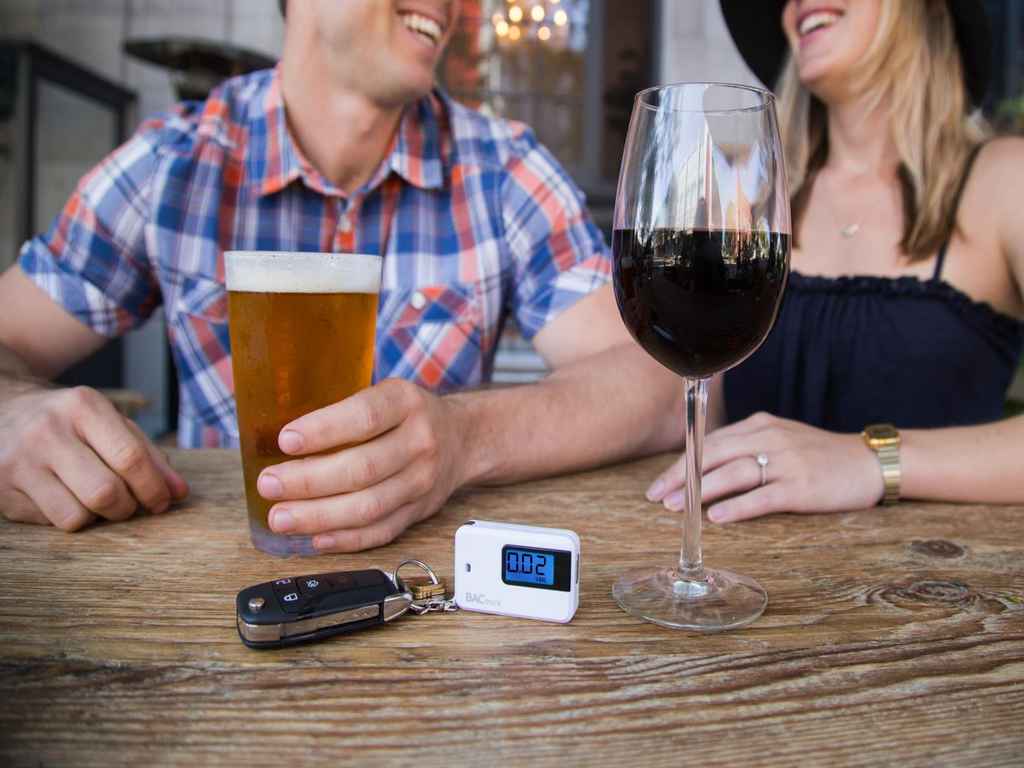
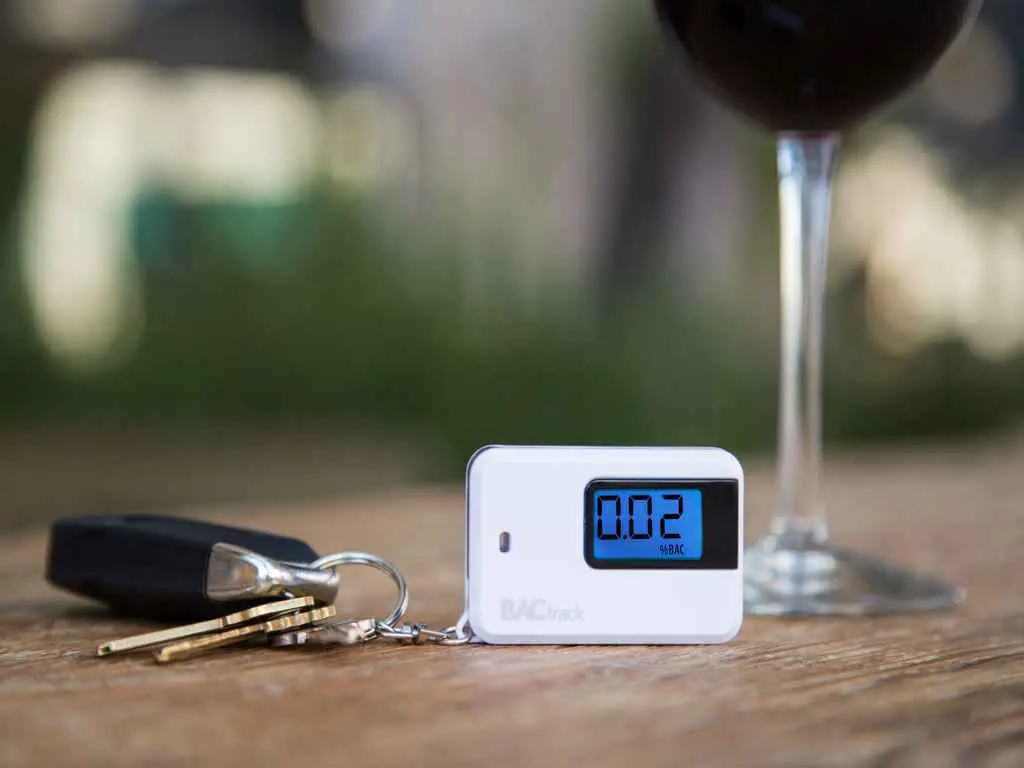
The BACtrack Go Keychain with a glass of alcohol on the table

Mini breathalyzers are compact devices that measure the Blood Alcohol Content (BAC) through the exhaled breath. The BACtrack Go Keychain is one of the most reliable alcohol screening devices on the market. This keychain-sized device is small and lightweight, making it convenient to attach to keyrings or carry anywhere. For individuals needing a quick sobriety check, portable breathalysers provide easy access. However, it is essential to know how they work to ensure accurate readings.

Excessive alcohol consumption often leads to severe impairments. This can negatively affect the ability to drive safely due to blurred vision, slow reaction time, and poor coordination. Thus, it increases the risk of accidents. The use of personal breathalyzers is often recommended to minimise the risk of drink driving. In this article, we will take a closer look at the features and functionality of the BACtrack Go Keychain.

Overview of the BACtrack Go Keychain Mini Breathalyzer

Breathalyzers are alcohol-testing devices often used in roadside screening. Police officers use advanced devices to determine individuals who are under the influence of alcohol.  The BACtrack Go Keychain is a more portable version that offers reliable BAC readings within seconds. This mini breathalyzer is often used for screening or detecting alcohol in the breath.

The BACtrack Go Keychain utilises the Advanced MicroCheck® sensor to estimate the BAC accurately. When the sensor comes in contact with alcohol, it performs a redox reaction, producing an electrical current proportional to the BAC level. This information is then displayed on the device’s screen for easy reading.

To use the BACtrack Go Keychain, simply turn on the device and wait for it to warm up. Once ready, take a deep breath and blow into the mouthpiece for about five seconds. The device will then analyse the alcohol content in the breath and provide the BAC within seconds. It is essential to follow the instructions to ensure reliable results. Also, keep in mind that the results may differ with police breathalyzers.

Ideal Applications

  • Check BAC: Test the BAC or alcohol level before driving to ensure one is under the legal limit.
  • Monitor alcohol consumption: Individuals track their BAC levels throughout the drinking session to help prevent overindulgence.
  • Alcohol screening: Check if an individual has consumed alcohol, regardless of the amount. This is common for parents to monitor their children or family members.
  • Entry-level alcohol testing: It is ideal for individuals who want to test how breathalyzers work before investing in a more advanced device.
  • Monitor sobriety: Check if the BAC has returned to zero before operating a vehicle or machinery.

Friends drinking alcohol at a bar

Features of the BACtrack Go Keychain Mini Breathalyzer

The BACtrack Go Keychain mini breathalyzer offers several features for convenient use. Firstly, they are ultra-compact and portable. It is small enough to fit on a keyring. This portability allows for quick alcohol screening whenever needed. Secondly, it has a mouthpiece that folds away when not in use. This helps protect the sensor from external contaminants that may affect the breathalyzer readings.

Thirdly, it has a bright, easy-to-read LCD screen. It displays the BAC results in large numbers for quick and easy viewing. Moreover, it has a one-touch operation system that enables alcohol testing in seconds. This user-friendly feature is beneficial for people who want to test their BAC without requiring additional procedures.

Additionally, it has a flow error indicator. The device alerts the user if the blow is inconsistent enough for breath analysis. Therefore, it would prompt the individual to retest, ensuring accuracy. Lastly, it has an auto-off functionality. The device will power down when not in use for 10 seconds to save battery.

Technical Specifications

The BACtrack Go Keychain utilises advanced microsensor technology. This type of sensor is sensitive to alcohol and similar compounds. Furthermore, it has a two-decimal reading and a BAC detection range of 0.00 to 0.40%. This indicates it can precisely trace alcohol from low to high levels.

The breathalyser has a warm-up time of 12 seconds and a response time of five seconds. This speed enables rapid testing, especially in situations needing quick feedback. The dimension is 6.2×3.7×1.4 cm, and weighing 56 grams with a mouthpiece and AAA battery included, making it one of the lightest alcohol testers on the market.

A man and woman enjoying alcohol while monitoring their BAC

Where to Buy a BACtrack Go Keychain Mini Breathalyzer?

Mini breathalyzers like the BACtrack Go Keychain are available in online and physical retailers. It is available in Breathalysers New Zealand online, the authorised retailer of BACtrack. Aside from BACtrack Go, Breathalysers NZ offers professional-grade devices like the BACtrack S80 Pro, Trace Pro, Scout, and Mobile Pro. This comprehensive selection allows individuals to choose a device that best suits their needs.

Individuals may also visit their health and medical supply store to check on-hand breathalyzers. These devices are often found with alcohol testing kits or equipment, including urine and saliva tests. Moreover, they can be available in electronic stores or departments. It is advisable to purchase from a reputable seller to guarantee the authenticity and quality of the product.

In some cases, pharmacies may carry portable breathalyzers like BACtrack Go. It is relatively affordable, making it accessible for individuals who need an alcohol breath tester. However, prices and availability may vary depending on the retailer. Thus, it is worth comparing options to find the best deals.

Advantages of Buying Online

Buying breathalyzers from online stores offers many benefits and advantages. Online shopping is more convenient. Individuals have access to a wide range of options, such as comparing prices and reading reviews. This eliminates the need to physically travel to a store, saving time, effort, and money.

Many online retailers, like Breathalysers NZ, offer expedited shipping. Individuals can choose this option upon checkout if they want to receive their item fast. Additionally, buyers may find better deals and discounts. Many retailers frequently offer promotions, sales, and coupon codes to help save money. This can be especially helpful for those with specific budgets.

Conclusion

The BACtrack Go Keychain is a handy and efficient tool for individuals who want to monitor their BAC easily and discreetly. Despite its size, this mini breathalyzer packs a reliable semiconductor sensor and user-friendly features. Some of the key features are the fold-away mouthpiece and quick response time. It also has a bright LCD display for easy viewing. These functionalities make it an excellent choice for those who value safety and responsibility when consuming alcohol.

Individuals can purchase personal breathalyzers in stores like pharmacies, medical supply outlets, and electronic retailers. It is best to inquire beforehand to check the availability of the device. People can also buy online, like Breathalysers NZ, to save effort. It is best to buy from reputable retailers to ensure the authenticity of the product. Nevertheless, individuals should follow the usage guidelines or instructions to obtain accurate results, prevent false positives, and maintain durability.

Breathalyzer Key Safe: The Need to Know

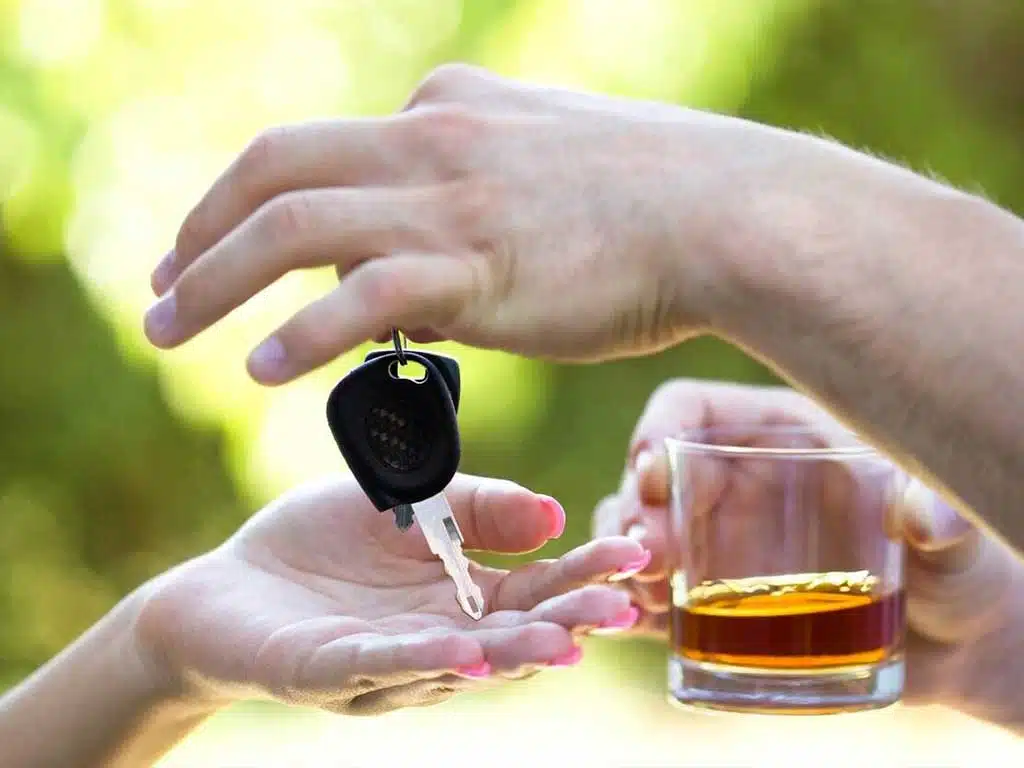
A person holding a glass of alcohol on one hand and giving a car keys to another on the other hand

A breathalyzer key safe is a device that combines the functions of a cabinet and a breath tester. It provides an extra layer of security for accessing car keys by ensuring a person is not under the influence of alcohol before driving. This device is particularly useful for individuals who want to avoid drink driving or establishments to keep their employees or customers safe. Checking the blood alcohol levels is vital to prevent accidents and legal consequences.

Driving while intoxicated is a serious offence that can result in road accidents, injuries, or even fatalities. In many countries, it is illegal to drive with a Blood Alcohol Concentration (BAC) above a certain limit. A breathalyzer helps to prevent this incident and its potential risks. In this article, we will explore what a breathalyzer safe is, its key features, and how it works.

What is a Breathalyzer Key Safe?

A breathalyzer key safe is a device that uses an alcohol tester to control who can access the keys. It combines the functions of a traditional key cabinet with a built-in breathalyzer, ensuring that only sober people take and return them. Moreover, it typically requires the user to blow into a mouthpiece, which then analyzes their breath for alcohol content.

The breathalyzer utilises a reliable sensor technology to provide dependable readings. Advanced devices typically use fuel cell sensor technology, which gives precise measurements of the amounts of alcohol in the breath. After analysing the breath sample, it displays the results on a digital or LCD screen.

The device is typically found in establishments such as bars, restaurants, and workplaces to promote responsible drinking and driving. It is beneficial for those who do not have a personal breathalyzer but want to know their alcohol concentration levels before operating a vehicle. Therefore, individuals will have to wait until their BAC has decreased before they can access their keys.

Types of Key Safe Breathalyzer

  • Black breathalyzer lock box: It is a small device that stores keys with a built-in breathalyzer. It features advanced technologies, including key systems that limit access to individuals with high-breath alcohol levels.
  • Wall-mounted breathalyzer: This type of device is larger and can store multiple sets of keys. It works the same as a portable breathalyzer but is mounted on a wall for easy access and visibility.
  • Interlock alcohol ignition device: An in-car breathalyzer that connects to the ignition system of the vehicle. The breath sample must be zero or below the preset limit to start the engine

A police officer signaling a truck driver to stop for inspection

Key Features of a Breathalyzer Key Safe

A breathalyzer key safe incorporates a key management system to secure keys and prevent unauthorised access. Firstly, the sensor technology is an essential feature of a breathalyzer. It is essential to have an accurate and well-maintained sensor to give reliable readings. Secondly, the access control. A failed breath test will refuse to release the designated key, and the information will be recorded in a reporting log.

Furthermore, it contains several security key features, including intelligent search functions and alarm indicators. It also includes password protection, such as only authorised personnel having key access via a PIN code. Additionally, the device can send information to an external reader or email, allowing for efficient monitoring.

Companies can customise the features and functions of the breathalyzer cabinet based on their specific workplace requirements. It can also be a standalone device or integrated with a network for added security protection. Lastly, employers have the option to add key strips to the cabinet or more cabinets within the same system.

Benefits of Using a Key Safe Breathalyzer

Using a key safe for breathalyzers offers plenty of benefits. One of the key benefits is preventing drink driving incidents. By ensuring that individuals have low or zero BAC before accessing their keys, the device encourages responsible alcohol consumption. This can potentially save lives by reducing the number of accidents due to impaired driving.

Moreover, it helps comply with regulations and laws regarding alcohol use in safety-sensitive industries. Workplaces involving the operation of heavy equipment or driving have to ensure their employees are sober all the time. Using a key cabinet breathalyzer also deters alcohol abuse, promoting a safe and healthy environment.

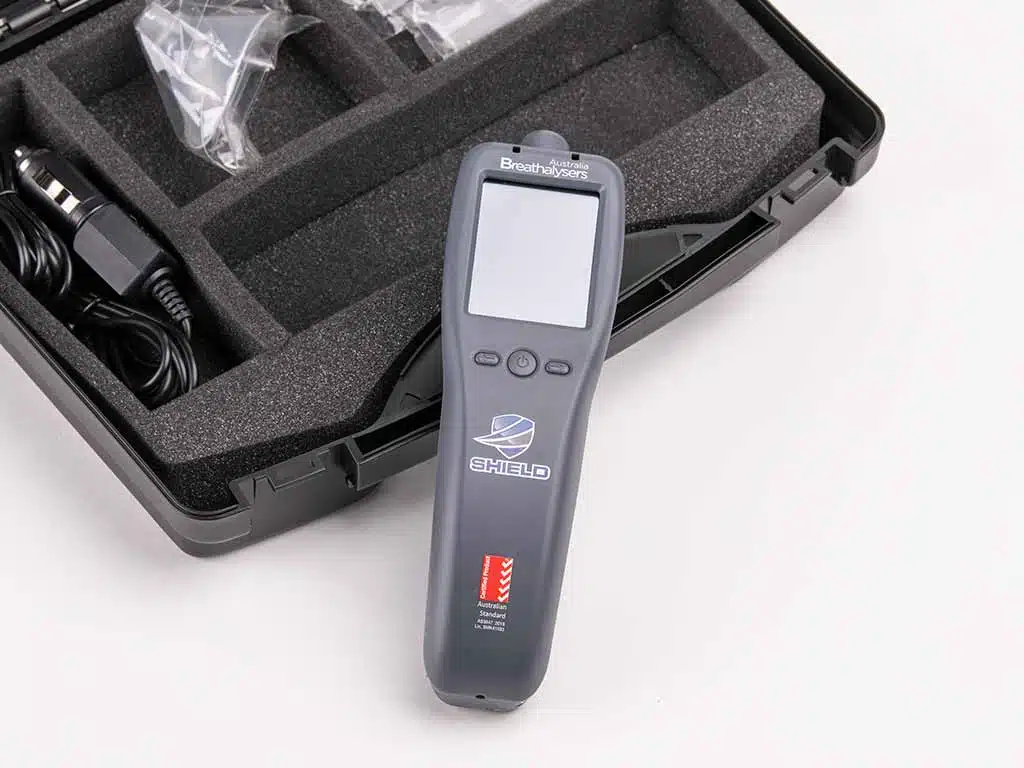
A portable workplace breathalyser with a hard-carrying case

How Does a Breathalyzer Key Safe Work?

A breathalyzer key safe works the same as a conventional breath tester. It requires the user to blow into a mouthpiece to examine the breath sample. The sensors oxidise alcohol in the breath, producing small electrical currents relative to determine the BAC. The strength of the current corresponds to the amount of alcohol in the breath.

If the BAC is below the preset limit, it will unlock the mechanism and allow access to the keys inside. Conversely, if the BAC is above a certain threshold, the key safe will remain locked. A digital reading will display on the screen, showing the specific BAC. This gives the individual what their alcohol level is and estimates how long they need to wait before retesting.

Individuals or companies place keys into the receptor strips before or after driving. This then locks the keys in place and can only be accessible by providing an alcohol-free breath sample. Additionally, only authorised personnel can access the system through biometrics or PIN codes.

Installation and Set-Up Process

Companies or workplaces that want to set up a breathalyzer for key safe may look for a reliable provider. Next, choose a location for the device that is easily accessible and visible to anyone who may need to use it. Ensure that there is enough space, allowing for proper ventilation.

The next step is to mount the key safe to the wall or a surface and secure its position. After installing the device, the provider or employer can set up the access code, including time restrictions. Lastly, they test to check if the breathalyzer is working properly.

Conclusion

In order to combat drunk driving and promote road safety, the use of a breathalyzer key safe has become increasingly popular. This device serves as a preventive measure, ensuring that individuals are sober before getting behind the wheel. It is a cabinet-like device that stores car keys securely until the user provides a breath sample that meets the required BAC level. If the breath sample contains alcohol, the device remains locked.

The device features advanced technology integrating alcohol testing and key management systems. It may include log software, alarm indicators, and remote monitoring capabilities. Companies can also customise it based on their specific requirements. Overall, the key safe breathalyzer is a reliable tool in promoting responsible alcohol consumption, safe driving, and compliance with safety regulations. It ultimately contributes to a safer environment and reduces the risks of accidents, injuries, and hazardous drinking.

FAST Alcohol Test: What It Is and How to Administer

A medical professional conducting an alcohol assessment test

Alcohol intake is common in many parts of the world. However, hazardous drinking can lead to an Alcohol Use Disorder (AUD). Various types of testing methods are available to identify people with this disorder. One of which is the Fast Alcohol Screening Test (FAST). The FAST alcohol test is a set of questions that evaluates levels of alcohol use and the risk of alcohol harm. To administer it, a health professional may conduct an interview or provide a printed questionnaire.

Daily drinking or unhealthy alcohol consumption can lead to several negative consequences, such as kidney disease, liver disease, dependency, and reckless behaviours. Dependent alcohol usage also poses high-risk factors for overdose and alcohol poisoning. Therefore, it is essential to identify individuals who may be at risk for AUD, especially in medical settings where time is vital. This article will present information on the FAST, how to administer it, and what occurs after a positive result.

What is a FAST Alcohol Test?

The FAST alcohol test is a tool that measures the level of risk of alcohol harm to an individual. The items in this assessment tool were taken from the Alcohol Use Disorder Identification Test or AUDIT questionnaire. It is a shorter version that people can use in a range of settings to assess their risk of alcohol harm. Commonly, health professionals use it in primary care settings.

The test comprises four questions that assess the average consumption and frequency of drinking to determine the levels of alcohol usage. It also asks about the effects of drinking, specifically if it has caused memory loss or blackouts, which would indicate hazardous drinking. Lastly, it inquires about the opinions of people around the individual in the context of alcohol use.

Professionals may conduct this as an intervention for alcohol use if they determine that their primary care patient needs to undergo a screen for alcohol misuse. It is a short test that is easy to conduct, even in high patient volumes.

Characteristics of the Tests

  • It is a brief questionnaire derived from the AUDIT items, which is the gold standard for assessing alcohol use.
  • The alcohol screening tool accounts for several factors that may indicate alcohol abuse and risk drinking in the population.
  • The FAST was designed to assess the risk of alcohol abuse in a more efficient method than the AUDIT test. It is handy for emergency medical settings and community settings.
  • Screening for alcohol consumption provides information pertinent to conducting treatment for alcohol use problems.
  • It is a standardised option that can contribute to an objective evaluation
  • They are easy to understand and answer even as a self-questionnaire.

A woman feeling stressed while talking to a professional

How to Administer the FAST Alcohol Test

As it was designed for quick testing, administering the FAST alcohol test is straightforward. Start by asking for basic information, such as the name and gender of the patient. Next, inform them about the purpose of the questionnaire for alcohol screening and encourage them to answer honestly for accuracy of alcohol use assessment.

Afterwards, the healthcare professional may proceed with the interview or hand them a self-test questionnaire. It is important to note that answering never on the first item will net them a score of zero, and they will not need to proceed with testing. This is because the first question asks about alcohol intake. Otherwise, they may proceed with the remaining items, which delve into the effects of drinking.

After answering all the questions, the professional supervising the test may tally the scores based on the designated scoring system. Then, they may explain the results to the individual. Overall, this process will only take a few minutes to conduct.

Scoring System

The scoring system for this alcohol screening test ranges from zero to four for the first three questions. With those, zero means never, one connotes less than monthly, three indicates weekly, and four implies daily or almost daily. Meanwhile, the fourth question only has answers corresponding to zero, two, and four points.

The first question is crucial as it determines the need to continue the test. For example, if they answer never, they can stop the test. A score of one or two means that they should continue the test. Lastly, three or four indicate they should proceed with the full AUDIT questionnaire.

A woman comforting a distressed man

What Happens After a Positive FAST Alcohol Test?

An overall total score of three or more is a positive FAST alcohol test result. Several steps may follow after this since it indicates a high level of risk of alcohol-related harm. Foremost, the tester will proceed with the AUDIT screening for alcohol misuse to get more information on potentially harmful drinking patterns or AUD risks of the patient.

If the result of AUDIT also shows a high risk of developing alcohol-related problems or currently has severe alcohol dependence, they may conduct testing methods using biological samples. Urine, saliva, and blood tests are types done in medical care settings. Hair testing is also possible to determine the history of alcohol dependence.

Data from these tests can help provide insight into suitable treatment options for the hazardous drinker. This is crucial to forming a proper response to alcohol problems that the individual will show positive reactions to. Moreover, this diversified testing approach reduces the risks of false negatives or positives, providing a more accurate assessment of alcohol use and potential risks.

Treatment Resources

Access to treatment resources is crucial for individuals suffering from alcohol abuse disorders. Treatment services include inpatient and outpatient rehabilitation centres, support groups, medication-assisted detoxification, and counselling services. Several foundations in Australia provide information, support, and resources for overcoming alcohol disorders.

Some employees may also have access to Employee Assistance Programs (EAPs) from their employers. These treatment interventions can help individuals address their alcohol misuse issues, develop coping strategies, and work towards achieving sobriety. In particular, counselling can help them address the root of their drinking problems. Overall, these can make a significant difference in their quality of life and hazardous drinking habits.

Conclusion

The FAST alcohol test is an effective and cost-effective method of identifying harmful drinking patterns. It is an abbreviated version or shorter form of the AUDIT, which is convenient for emergency medical care interventions. The FAST provides essential information that can contribute to the treatment of alcohol problems. To administer this test, the health professional may conduct a short interview or give them a printed questionnaire. The first question will determine if there is a need to continue the test.

If a person gets an overall score of three or more, they must proceed with the full AUDIT questionnaire. This will classify them into low or high-severity patients. The professional may conduct further testing, including those using biological specimens. The information from these tests contributes to the treatment interventions they will use, such as counselling, detoxification, and support groups. Further testing also reduces the chances of false negatives or positives.

Alcohol Drug Test Near Me: The Need to Know

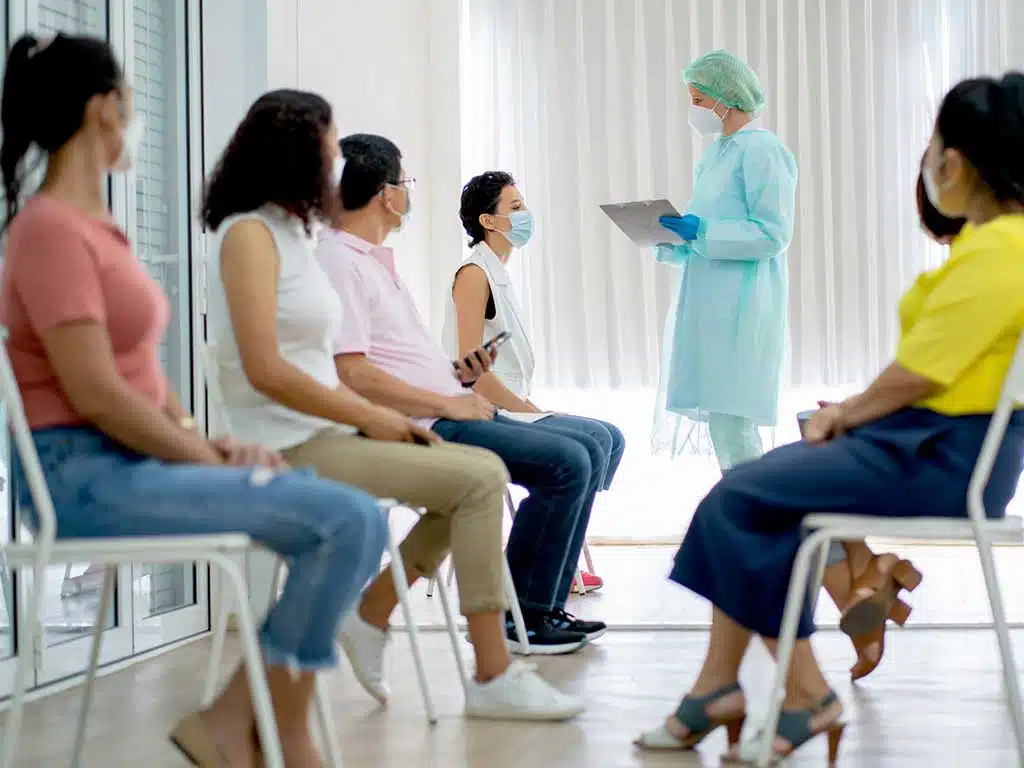
People waiting in an alcohol and drug testing facility

Drug and alcohol testing has various purposes, such as employment, legal and health. As such, many people search for alcohol drug tests near me for compliance with these matters. Some available options include local clinics, hospitals, and specialised testing centres. These facilities may offer urine, saliva, hair, blood, and breath alcohol tests to trace substance misuse. However, people must consider factors such as cost, proximity, and available methods of testing before selecting a facility.

Drug and alcohol abuse are prevalent issues in society. They negatively impact individuals and those around them. It may also affect their work since employee impairment can cause higher rates of accidents and tense work relationships. This is due to poor concentration and erratic behaviours that can also affect productivity. Hence, testing has become crucial for ensuring a safe and productive work environment. This article will present the types of testing methods, factors to consider, and where to find testing.

Alcohol Drug Test Near Me – Types of Testing Methods

Different types of testing methods are available for an alcohol drug test near me. Each one has advantages and limitations. Hence, people can benefit from learning about them before choosing a test to suit their needs. Urine testing is a common type of test for tracing illicit drugs and alcohol consumption. It can trace a wide range of substances for a moderate period of time.

Oral fluid testing analyses saliva samples to trace harmful substance use. It is particularly suited for onsite testing since the saliva collection procedure is straightforward. Moreover, similar to urine drug testing, saliva testing kits are available for quick results. Breath alcohol screening is another convenient method of measuring Blood Alcohol Content (BAC) using breathalysers.

Blood tests are another method of testing the presence or absence of alcohol and drugs in the system. It is mainly done in medical centres and facilities because of its invasive collection process. Many value it for its high accuracy for laboratory confirmatory testing. Lastly, hair tests are ideal for checking abstinence from alcohol and drugs. It can provide an informative substance use history due to its lengthy detection window.

Detection Window

  • Urine tests can detect alcohol intake for up to 80 hours by tracing alcohol metabolites like Ethyl Glucuronide (EtG). With drugs, the average period is one to three days.
  • Saliva tests have the shortest detection windows. It can trace alcohol within 12 hours and drugs between 12 to 48 hours.
  • Blood tests can identify alcohol use for up to four weeks and drug use between 12 to 36 hours.
  • Hair alcohol and drug tests have an approximate detection window of 90 days.
  • Breath alcohol testing can measure the BAC for up to 24 hours after drinking.

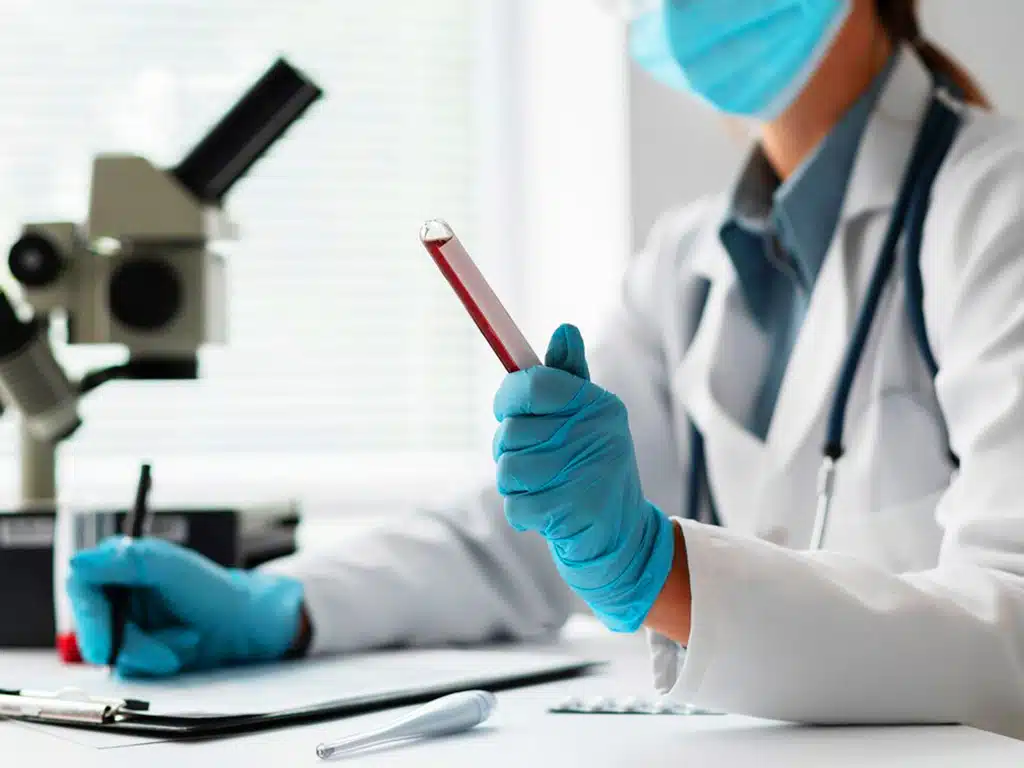
A professional analysing blood samples

Factors to Consider When Finding an Alcohol Drug Test Near Me

There are several factors to consider when finding an alcohol drug test near me. It is crucial to select a reliable facility to ensure the accuracy of the result. Firstly, consider the proximity of the facility. This can help the individual save time and costs when testing and collecting the results.

Secondly, check on the types of testing methods they offer. Not all facilities will offer all testing methods. Hence, they must ensure the chosen facility offers the type of test needed. Thirdly, consider the actual cost of the tests. The prices of each test can vary per service provider. This is why it can help to research their prices online and compare them to get the best deal.

Lastly, ensure the facility meets the industry standards for testing, such as having the necessary certifications and accreditations. For satisfactory service, individuals may check online reviews if they are available. Moreover, consider alcohol drug testing services that have flexible booking times for convenience.

Certifications and Accreditations

Accreditations and certifications are crucial markers of a reliable facility. Accreditation ensures that it meets the standards for alcohol and drug testing in New Zealand. Meanwhile, certifications guarantee that the staff have the qualifications and training to perform accurate tests.

The International Accreditation New Zealand (IANZ) is one entity that can grant accreditations to trustworthy laboratories. Moreover, the New Zealand Qualifications Authority (NZQA) certified collector course is an example of a collector course staff may undergo to work in a drug and alcohol screening service provider. Ensuring the testing facility has satisfactory drug and alcohol screening equipment and staff can provide peace of mind.

A lab professional showing a thumbs up sign while holding a urine sample

Where to Find Alcohol Drug Test Near Me?

Several options are available for people looking for an alcohol drug test near me. Firstly, local clinics or hospitals in the area may offer drug and alcohol testing services. Hospitals typically have comprehensive testing facilities for various testing methods.

Secondly, specialised drug and alcohol testing companies also offer testing services for individuals and individuals and organisations. Some businesses may opt to contact a service provider to conduct an onsite test for a blanket or post-accident testing. Lastly, laboratories and testing centres are also good options for those looking for alcohol drug tests near them. These facilities often have the necessary certifications and accreditations to ensure accurate results.

Individuals can do a quick search online or ask for recommendations from healthcare providers for trusted facilities. They may also ask family or friends who may have experience undergoing a substance use test for various reasons. It is ideal to compare multiple facilities to get the best deals. They should also ensure the reliability of the facility to avoid false negative or positive reports.

Cost Considerations

Different facilities will typically offer varying prices depending on the test. Generally, urine and saliva tests are less expensive than blood or hair screening due to the complexity involved during analysis. Individuals can research the prices of the tests online or contact the facility directly for a quote.

Some facilities may offer package deals for multiple tests or discounts for regular clients. It is essential to ask about any additional fees that may apply, such as collection fees or expedited results fees. Moreover, consider expenses due to travel and time spent going to the facility.

Conclusion

People may search for an alcohol drug test near me for various reasons. A common one is for employment purposes since companies often conduct testing to avoid accidents, especially in safety-sensitive environments. Individuals may also seek testing for health purposes, such as to identify substance use disorders. Fortunately, several options are available. Commonly, people go to medical facilities or specialised testing centres. Business owners may also opt for onsite testing for convenience and minimal interruptions during standard work hours.

However, they must consider several factors before choosing a facility. Foremost, they must have the type of testing method needed. People may choose between urine, blood, saliva, hair, or alcohol breath tests. These vary in detection windows and collection procedures. They should also consider the costs of each test compared to other facilities. Lastly, they must ensure the service provider has accreditation and certifications to conduct accurate and reliable testing.

Alcohol Saliva Test: What It Is and How It Works

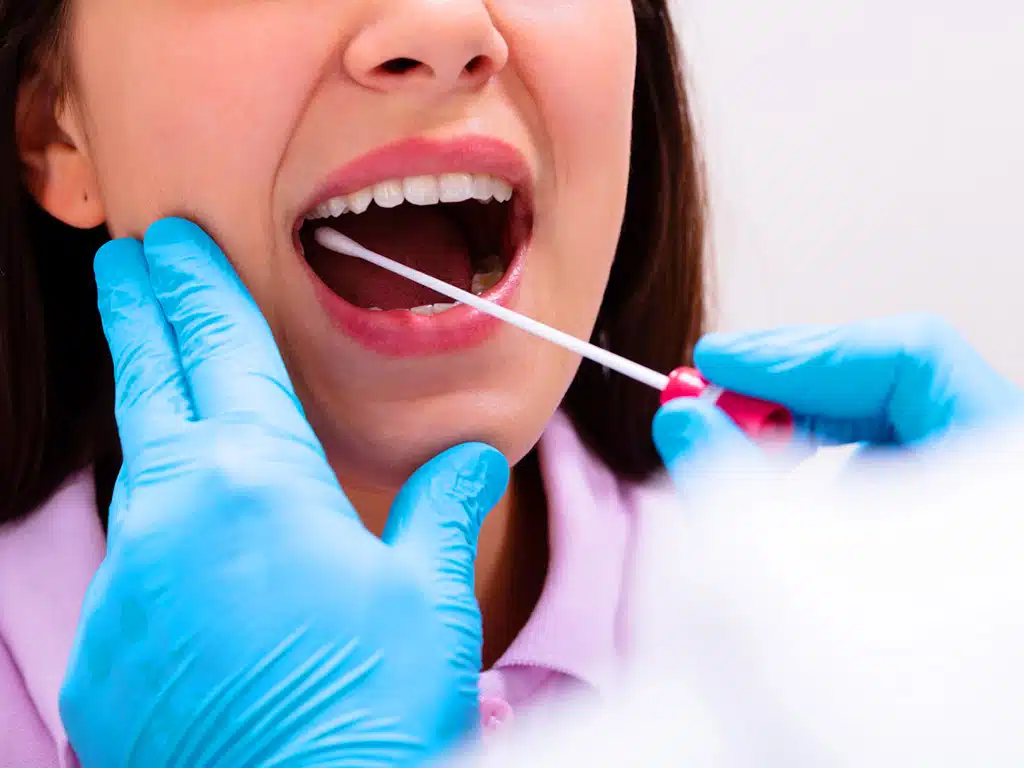
A trained collector gathering saliva samples from a woman

Drinking alcoholic beverages is a common practice even without occasion. Unfortunately, this has brought several issues, like the prevalence of Alcohol Use Disorders (AUD). An alcohol saliva test is a non-invasive and effective alcohol testing method. It works by tracing ethanol or its metabolites in the oral fluid samples. People may use testing kits or testing facilities to conduct this test. With kits, individuals can immediately estimate their Blood Alcohol Concentration (BAC) level by observing colour changes.

Alcohol intoxication can have several negative consequences. Chronic excessive alcohol consumption can cause a person to develop kidney and liver issues. Moreover, driving under the influence of alcohol is a leading cause of accidents. Hence, law enforcement strictly enforces drink driving laws to prevent injuries and fatalities on the road. This article will present information on oral fluid tests for alcohol, how it works, and the factors that can affect its results.

What is an Alcohol Saliva Test?

An alcohol saliva test is an effective method of tracing alcohol or its metabolites in the body. It is a popular option for individuals and organisations who wish to conduct a quick alcohol test. In particular, it is helpful for individuals with medical conditions that disallow them from other testing methods. This test is also beneficial for identifying individuals with AUD.

An oral fluid test using an alcohol test kit can show results within minutes. Meanwhile, laboratory testing may take up to 48 hours for a report. Either can provide an accurate result, but laboratory testing remains the more reliable option since they can use advanced equipment for alcohol analysis in saliva.

With a testing kit, the result can either be negative or non-negative. A negative result means no alcohol or amount below the cut-off level was found. Meanwhile, a non-negative result indicates recent alcohol intake. Only a lab or facility can establish a positive outcome, typically during a confirmatory test.

Advantages of Saliva Testing Compared to Other Methods

  • Detection window: its short detection time frame makes it ideal for tracing recent use. This is particularly helpful for random and post-accident testing.
  • Noninvasive method: compared to blood tests, oral fluid testing uses a simple and noninvasive collection procedure.
  • Less prone to tampering: the sample collection process can be supervised by testing officers and done by a trained collector without violating privacy rights. This is helpful in workplace testing situations.
  • Cost-effective: the availability of alcohol test kits for oral fluid samples makes it a convenient and cheap testing method. It does not require separate laboratory analysis or investments in breath alcohol testing devices.

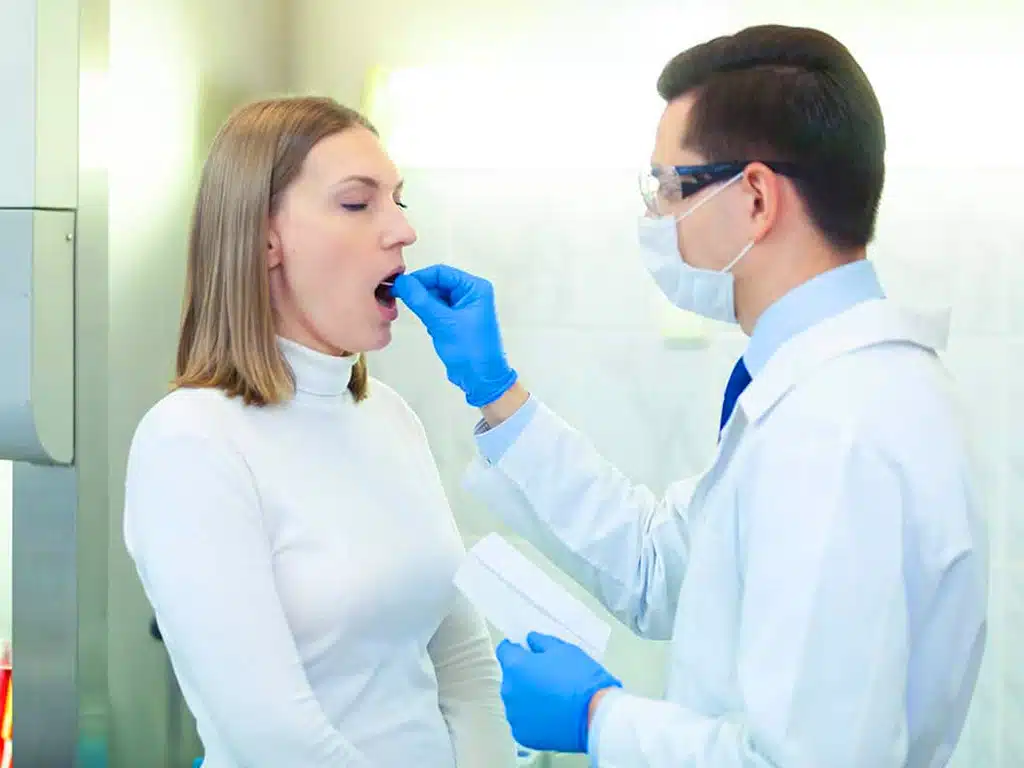
A medical professional conducting a saliva test

How an Alcohol Saliva Test Works

An alcohol saliva test detects the presence of alcohol in saliva samples. People can conduct this test by using alcohol testing strips or sending the samples to a laboratory to identify the level of alcohol present in the biological sample. It is an ideal alternative to using breath alcohol testing devices, like breathalysers, in situations such as workplace or roadside tests.

When using a testing kit, the user must follow the alcohol test strip instructions. Generally, this entails wetting the test pad with saliva samples for a few seconds. Afterwards, they may observe colour changes in the alcohol test strip corresponding to the approximation of blood alcohol level. Typically, no change indicates a negative result.

With alcohol testing services, a trained collector will conduct the collection using a swab stick with an absorbent pad. After collection, they will send the oral fluid samples to the testing laboratory. To detect the alcohol, the laboratory will use a process called enzymatic analysis. It involves using an enzyme to break down the alcohol molecules in the oral fluid sample, allowing for an accurate measurement of the concentration of alcohol.

Understanding BAC Levels

The BAC levels are a measurement of the amount of alcohol present in the bloodstream. It is typically measured in percentages. For example, the legal limit for New Zealand drivers aged 20 and older is 0.05% BAC. Generally, the higher the BAC level, the more severe the effects of alcohol become.

Individuals with a BAC of 0.05% and below typically feel relaxation and increased confidence. However, at around 0.08%, adverse effects become more pronounced. Impairments include impaired judgment, loss of coordination, slow reaction times, and vision issues. Moreover, health risks drastically increase if the BAC is above 0.15%.

Friends putting their glasses together

Factors that Can Affect an Alcohol Saliva Test

Several factors can affect an alcohol saliva test. Firstly, the amount and types of alcoholic beverages consumed can play a significant factor in the result of the saliva alcohol testing. Different alcohol drinks have differing alcohol concentrations, which can affect the detection window of the oral fluid test. People may refer to a standard drinks guide to understand the variance between alcoholic drinks.

Secondly, the metabolism of the person can also affect the result. Metabolism refers to how quickly the body eliminates the ethanol for the body. Several specific components can also affect this, such as liver health, body type, gender, and age. Thirdly, exposure to alcohol-based products may also interfere with the test. Examples of these are mouthwash and breath sprays.

Fourthly, interactions with certain medications may also affect the accuracy of the saliva alcohol test. Therefore, it is crucial to inform the testing service of health conditions and prescription medication they may need to account for. Lastly, the sensitivity and accuracy of the alcohol test kit or laboratory equipment can also impact the results.

What to Do for an Accurate Saliva Testing?

People can take multiple steps to ensure an accurate saliva-alcohol test. Firstly, they must ensure they use a kit from a reputable manufacturer of saliva alcohol testing devices. They should have apt sensitivity for reliable results. Meanwhile, individuals should ensure they contact an accredited laboratory if they wish to do the test in a testing facility.

Furthermore, the person must follow the instructions on the kit or the testing staff. Some guidelines may include avoiding eating or drinking for a set period before conducting the test. Moreover, operators must get an adequate amount of saliva. Doing so can help prevent false positives or negatives.

Conclusion

An alcohol saliva test is an effective tool for detecting traces of alcohol in oral fluid samples. It is a testing method many people and organisations use for various purposes. Personal testing can help individuals monitor their alcohol intake and ensure their BAC is under the legal limit for driving. It also serves as an alternative to breath alcohol testing during onsite procedures, such as roadside tests or post-accident testing in workplaces.

People can use testing kits or go to laboratories to conduct this test. With kits, they can place the test strips on their tongue for a few seconds and wait a few minutes for the colours to change and reflect their BAC level. Meanwhile, a lab test will require a qualified professional collector to gather the samples with a swab stick and send them for analysis. The results may take up to 48 hours to finish.

USB Breathalyzer: What It Is and How It Works

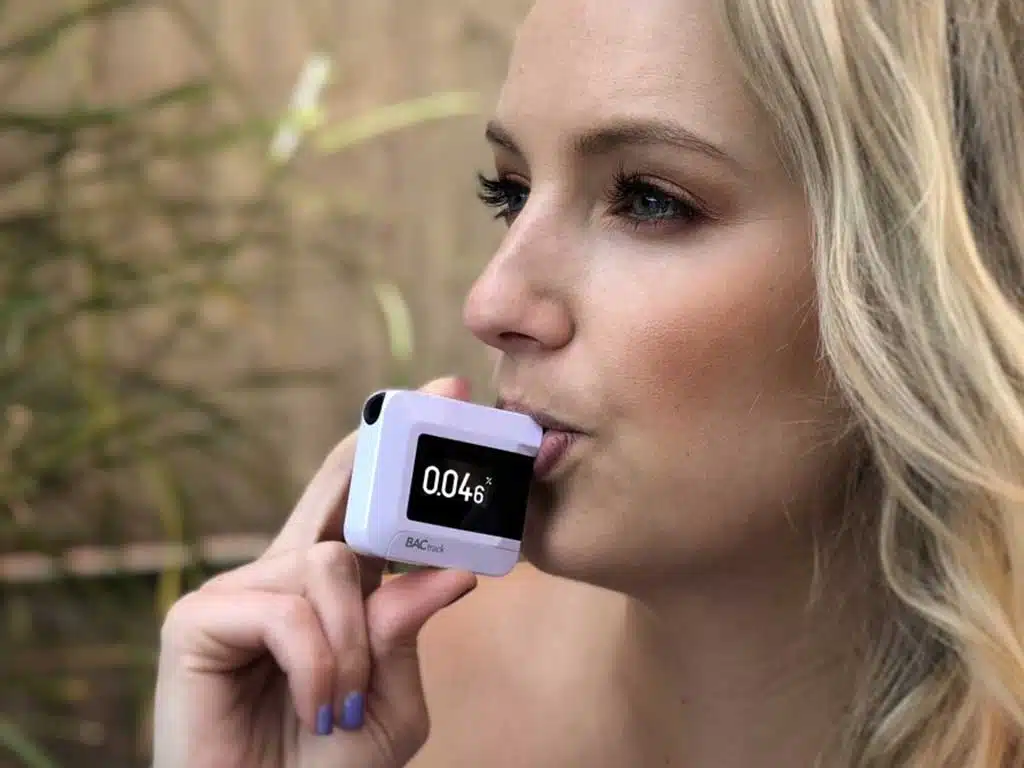
A blonde woman blowing into a breathalyzer

USB breathalyzers are modern devices that offer advanced functionalities for efficient alcohol monitoring. This portable device can be connected to a computer or other electronic device via a USB port. This allows the transfer or downloading of data, especially for previous alcohol test readings. Companies that need to keep track of employee alcohol profiles may find it beneficial. The device analyses the provided breath sample, measures the Blood Alcohol Content (BAC), and displays the results on the LCD screen.

Alcohol testing is an essential process in many settings. It measures the amount of alcohol in the bloodstream to determine the intoxication level of a person. This can help individuals make informed decisions, especially regarding driving. Portable breathalyzers can deter people from drink driving or engaging in risky activities. In this article, we will delve into the functionality of a breathalyzer, how it works, and alternatives to explore.

What is a USB Breathalyzer?

A USB breathalyzer is a battery-operated alcohol testing equipment that measures the BAC or alcohol levels. It is essentially the same as traditional devices, with the added advantage of being able to connect to a computer through a cable. This allows for data transfer and analysis, making it easier to keep track of alcohol test results.

The device is compact and portable, making it convenient for individuals who need to monitor their alcohol consumption regularly. Additionally, this type is often used in workplace settings because of its data management feature. Most kits include a USB cable and CD software to store BAC results via PC. It is crucial to check the compatibility of the device before purchasing one.

Moreover, some breathalyzers can store and track BAC levels over time, allowing the user to monitor their alcohol consumption habits. Also, most devices use built-in rechargeable lithium-ion batteries as the power supply. Users can connect the charger via the USB port to a power socket.

Benefits of Using a USB Breath Tester

  • Personal monitoring: Individuals use a breath tester to keep track of their BAC levels and prevent them from exceeding the legal limit.
  • Portability: breathalyzers are compact and portable, making them convenient to carry and use anywhere.
  • Numerical reading: Breathalyzers provide quantifiable data on alcohol levels. It takes out the hazards of guessing.
  • Deterrence: Checking the BAC with a breathalyzer can make individuals think twice before driving.
  • Easy reference: A USB breath tester can download the BAC results to an external storage. This can help keep track of the historical records of employees. Employers can quickly look at the files in case of an incident.

A person viewing the BAC results from the smartphone app

How USB Breathalyzers Work

The way a USB breathalyzer works is quite simple. When a person blows into the device, the breath sample enters a chamber containing an alcohol sensor. This sensor can be a semiconductor of the fuel cell. It is important to note that each type provides different levels of accuracy.

Furthermore, the sensor undergoes a chemical reaction when it detects alcohol molecules in the breath. This reaction produces an electrical signal, with the strength of the current proportional to the breath alcohol concentration. Afterwards, the software converts the currents into the corresponding BAC level. The device will display the results on the screen, often showing a numerical BAC reading.

Breathalyzers can detect alcohol within a specific range, such as 0.00-0.40%. However, this would depend on the type of sensor. In addition, most breath testers require periodic recalibration to ensure accuracy. This can be done by sending the unit back to the manufacturer. Typically, the recalibration period would range from three months to one year, depending on the sensor and frequency of use.

Technology Behind the Breathalyzer

Breathalyzers rely on sensor technology to measure the BAC. There are two main types of sensors: semiconductors and fuel cells. The semiconductor sensor works by detecting the changes in electrical resistance when alcohol molecules are present. However, this sensor is sensitive to other kinds of alcohol besides ethanol.

On the other hand, fuel cell sensors measure the chemical reaction of alcohol with oxygen to produce an electrical current. It is more specific to ethyl alcohol and does not react to other substances, such as acetone. This type of sensor is commonly used in professional-grade breathalyzers due to its higher precision.

A person monitoring the BAC levels from a smartwatch

USB Breathalyzer Alternatives

While USB breathalyzers are convenient, their availability may be limited in stores. Individuals needing a BAC-checking device may consider alternatives, such as traditional breath testers or smartphone breathalyzers. A standard device is usually more affordable and easily accessible in stores or online. This would suffice for those who do not need to track their BAC results.

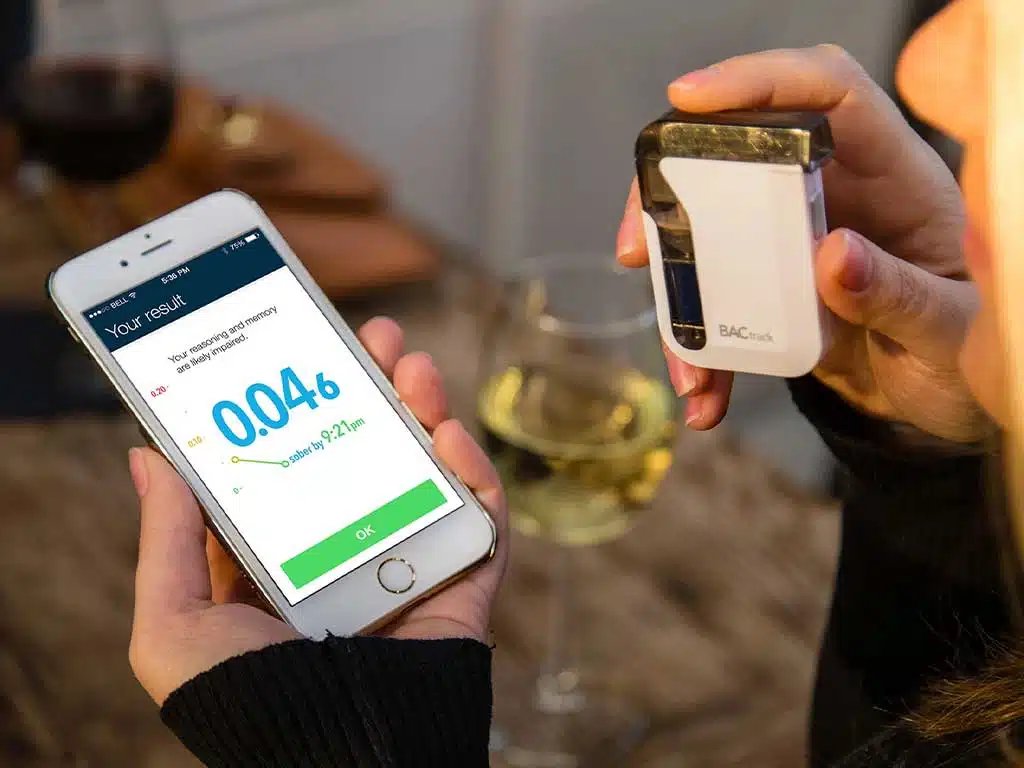
Smartphone breathalyzers are another option for those looking to track their alcohol consumption. These devices connect to a smartphone via Bluetooth and enable BAC readings through the app. Devices like the BACtrack Mobile Pro Gen2 offer this functionality. This allows convenient access to the BAC results, which users can look at at any time without needing a PC.

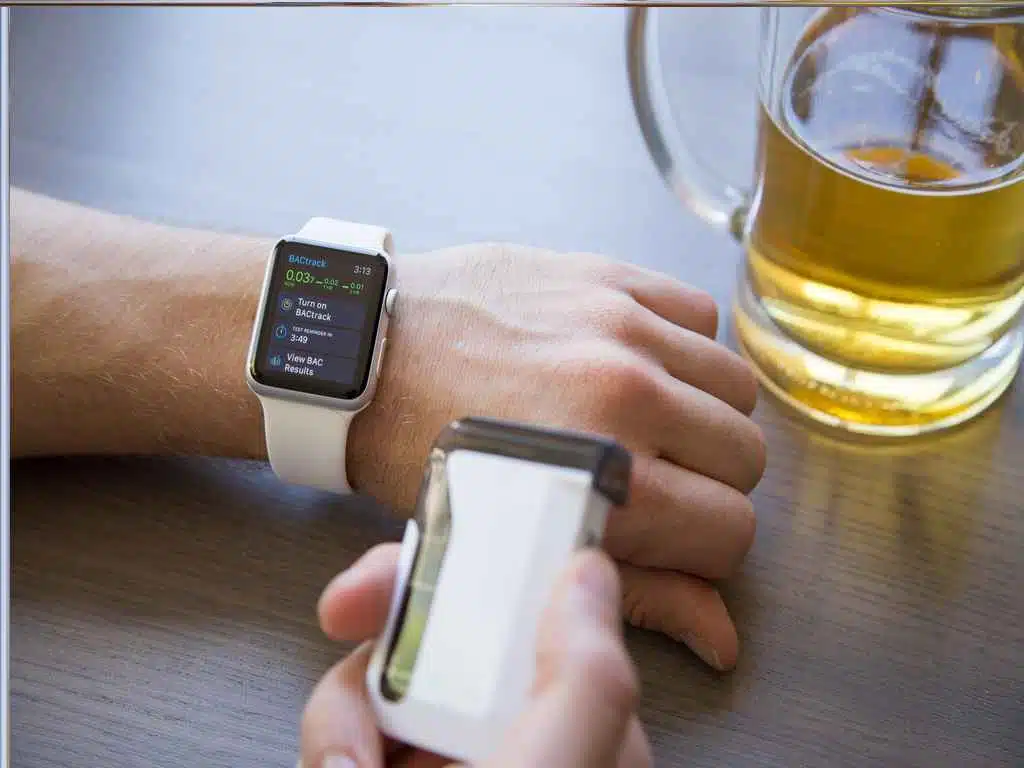
Another alternative is a wearable breathalyzer, such as the BACtrack Skyn. This device can be worn on the body and continuously monitors alcohol levels through sweat. It provides real-time BAC readings and alerts users when they are approaching or exceeding the legal limit. The device updates a mobile app regularly and shows the changes to the BAC levels in near real-time.

A Closer Look at BACtrack Mobile Pro Gen2

The BACtrack Mobile Pro Gen2 is a popular smartphone breathalyzer with advanced fuel cell sensors. The device connects remotely to a smartphone via Bluetooth and works in conjunction with the BACtrack app. The app not only displays the BAC result but also tracks the alcohol consumption patterns over time.

The BACtrack app also provides advanced features, such as the ZeroLine technology. This function estimates when the BAC will return to zero based on the last intake. Moreover, the app integrates with Apple Health tools to provide a holistic view of health data. Most importantly, it is AS/NZS:3547 compliant, ensuring a reliable and accurate reading.

Conclusion

USB breathalyzers are innovative devices that offer a convenient way to monitor BAC levels. It is a portable breath-testing equipment that can store and download data to a computer via a USB cord. In addition, these types of devices often use a rechargeable battery as a power source. It works by analysing the breath through its sensors to measure the concentrations of alcohol in the bloodstream. This can provide exact readings and aid in making informed decisions.

Individuals may also consider the BACtrack Mobile Pro as a suitable alternative. This breathalyzer offers innovative features, such as a miniature solenoid air pump and breath sample consistency checking to enhance the accuracy of the results. Overall, it is important to understand how breathalyzers work and the sensor types to choose the best option for personal and organisational needs. Whether opting for a USB breathalyzer or exploring alternative devices, it is crucial to prioritise accuracy.

DOT Approved Breathalyzer with Printer: What It Is & the Benefits

Police officers conducting a roadside breath test

The Department of Transportation (DOT) has alcohol testing programs to ensure the safety of drivers and the general public. Police officers utilise alcohol testing instruments, such as the DOT-approved breathalyzer with printer. It is an excellent blood alcohol monitoring device. A breathalyzer with printer capabilities is beneficial because it documents and prints the results. Consequently, authorities can obtain concrete evidence for legal proceedings. Moreover, it simplifies the process of breath alcohol testing, saving time while ensuring accuracy.

Aside from law enforcement, a lung-breath alcohol testing machine is valuable in different settings. For instance, employers use for workplace testing programs. The alcohol breath screening unit can test employees for alcohol consumption before doing their jobs. Additionally, licensed establishments like bars and restaurants can use the tester to ensure patrons are not intoxicated before driving. For more information about the breathalyzer with printer options, the article will present what it is, including its features and benefits.

What is a DOT-Approved Breathalyzer with Printer?

A DOT-approved breathalyzer with printer is a portable machine that accurately determines the Blood Alcohol Concentration (BAC) of people. What sets it apart from other breath alcohol measurement devices is its ability to provide a physical printout of the results. Since the DOT approves the unit, law enforcement officials, employers, and other organisations can rely on its accuracy and trustworthiness.

The breathalyzer with printer capabilities uses advanced alcohol sensor technology. Hence, it can detect even trace amounts of alcohol in the breath. To collect deep lung breath alcohol samples, people should blow into the device for a few seconds. Afterwards, the DOT-approved breath alcohol instrument quickly analyses the specimen and prints the outcomes on an external or built-in printer.

DOT-approved testers are portable and convenient to use. Its compact and lightweight design makes it easy for authorities and employers to carry during roadside sobriety tests or employee alcohol testing. The device comes with clear instructions in the user manual. Also, it has a simple interface. As a result, these elements allow individuals to access it without specialised training.

Ideal Applications

  • Law enforcement agencies: Police officers can utilise the breathalyzer with printing capabilities to test individuals suspected of driving under the influence. The printed results can serve as evidence in court.
  • Workplace safety: Companies can use alcohol testing instruments for workplace testing. The effects of alcohol may impair people under the influence, leading to accidents or injuries on the job. Regular testing can prevent these.
  • Alcohol rehabilitation programs: Breathalyzers with a printer can be a valuable tool to monitor progress and ensure compliance with sobriety requirements. The printed reports can also provide individuals with a tangible record of their efforts towards an alcohol-free life.

A police officer administering a breath test on a woman who is inside a car

Features of a DOT-Approved Breathalyzer with Printer

One of the primary features of a DOT-approved breathalyzer with printer is its ability to generate a printed report of the BAC results. Records of breath tests can be crucial in legal proceedings and help strengthen the case against drink drivers. Also, having a physical printout adds more credibility to the test results. It ensures that they cannot be tampered with or disputed easily. Some models may have a printer charger for convenience.

Moreover, the DOT-approved tester provides some of the fastest response times on the market. Subsequently, people can quickly determine if someone is under the influence of alcohol. Its recovery times are also quick, allowing for multiple tests to be conducted in a short amount of time. These elements make the device efficient and reliable for screening individuals for alcohol consumption.

Additional features like data storage capabilities can be vital for maintaining a log of test results over time. This can help track patterns of alcohol consumption and identify repeat offenders. The internal memory can keep large numbers of outcomes to ensure no data is lost. Furthermore, testing modes can make the process even more seamless and efficient.

Specifications

The DOT-approved testing device with printer boasts several impressive specifications. Firstly, it features an advanced fuel cell sensor. With a detection range of 0.000 to 0.400% BAC, it can effectively identify even minimal alcohol presence in breath samples. Secondly, it has an ultra-fast response time of less than 5 seconds, enabling efficient testing procedures.

Lastly, the DOT-approved alcohol breath test machine has a built-in thermal printer. This sophisticated printer generates detailed and instant test results, eliminating the need for manual recording or data entry. It prints out a comprehensive report that includes the date, time, test duration, and alcohol concentration levels of individuals.

Law enforcement officials stopping drivers on the road for testing

Benefits of Using a DOT-Approved Breathalyzer with Printer

Using a DOT-approved breathalyzer with printer provides several benefits. One of these is ensuring accuracy and reliability in measuring blood alcohol levels. The machine undergoes rigorous testing and meets the standards set by the DOT. It ascertains the results from the breathalyzer are valid and can be used as evidence in legal proceedings.

Also, users can experience an exceptional battery life with a DOT-approved tester. Thus, individuals can rely on the device for long periods without constantly recharging or replacing batteries. Moreover, authorities no longer need to record the results manually, as they can print them from the unit. Consequently, this saves time and reduces the likelihood of human error in transcribing the data. Then, they can use the outcomes for legal proceedings.

Furthermore, the DOT-approved breathalyzer provides the tested individual with instant feedback, allowing them to quickly ascertain their BAC level and make informed decisions concerning their safety. This promptness in obtaining and sharing information can help enforce laws regarding drink driving and ultimately contribute to reducing alcohol-related accidents on the road.

Compliance with DOT Regulations

Compliance with DOT regulations is crucial for businesses that rely on commercial drivers. Using a DOT-approved breathalyzer with a printer ensures adherence to these regulations. This device helps companies comply by accurately monitoring the sobriety levels of drivers and preventing potential violations due to employees with alcohol use issues.

The DOT-approved breathalyzer also aids in maintaining accurate records. The built-in printer generates instant results, allowing businesses to document test outcomes and store them for future reference. This data provides a comprehensive record of the alcohol-related activities of drivers, which can be crucial in case of audits or legal disputes.

Conclusion

The DOT-approved breathalyzer with printer is a testing device that combines accuracy, convenience, and efficiency. It comes with built-in printer capabilities. Hence, it eliminates the need for additional equipment or complex procedures. The tester also provides quick results, allowing for immediate and precise assessment. Moreover, the accuracy of alcohol testing is certain with the device. It is also user-friendly. Thus, having an alcohol technician is not necessary. Users can download manual guides or watch tutorial videos online for easy operation.

DOT-approved testers offer various benefits. These include reliability because DOT certifies them. The testing sequence is standardised and ensures consistent results. Additionally, authorities and employers can use the machine for an extended period. The reason is that the battery level of the tester is long-lasting. In addition, the breathalyzer provides instant feedback. This element is crucial in situations where immediate action is necessary. For example, it is valuable in law enforcement or workplace safety settings with alcohol testing policies.

Alcohol Test Over the Counter: Definition, Types of Tests, & Legal Limits

A man pouring a beer on a glass

Alcohol test over the counter refers to a portable and convenient way for individuals to determine if a person has been drinking. It can also measure Blood Alcohol Content (BAC) or intoxication level. Many types of alcohol tests are available, such as breathalyser, urine, and saliva testing. By using these methods, individuals can easily monitor their alcohol consumption and ensure they are not over the legal limit in New Zealand, which is 0.05% BAC.

Alcohol testing is essential in various settings to ensure safety, whether in private or public areas. It can help individuals make informed decisions and avoid potential legal charges. In addition, stricter laws are being implemented to prevent alcohol-related accidents and promote responsible drinking. To learn more about the tests, the following sections will present the definition of alcohol tests, the different types available, and the legal limits to be aware of.

What is an Over-The-Counter Alcohol Test?

An over-the-counter alcohol test is a portable and convenient way to check the alcohol content of a person. These tests are typically available in pharmacies and online retailers without a prescription. They provide rapid results from the point of sample collection without requiring professional equipment or assistance.

This type of test offers various benefits. One of the benefits is an affordable way to detect recent alcohol consumption. It involves collecting different biological specimens and analysing them for the presence of alcohol or metabolites. These tests may use a variety of techniques and technology to achieve results. Most alcohol and drug test kits use enzyme-based assays. 

Individuals who want to track their alcohol intake may purchase one. This need may be for safe driving, employment purposes, or personal health reasons. Similarly, organisations that need to test their employees can use over-the-counter alcohol detection devices as a cost-effective solution. It is important to note that while they can provide a quick result, they may not be as accurate as professional or laboratory testing.

Importance of Alcohol Testing

  • Personal safety: Allows individuals to monitor their BAC levels for health reasons and to prevent severe impairments. Thus, testing helps deter drink driving and accidents.
  • Public safety: Law enforcement conducts alcohol tests on roadside screenings to identify drivers who may be under the influence of alcohol.
  • Employee protection: Workplaces implement an alcohol policy to monitor employees who may be working while impaired. It can also help identify individuals who may need intervention or treatment.
  • Rehabilitation: Track the recovery progress of patients with substance use disorders.
  • Legal proceedings: Provide evidence of alcohol use in situations where alcohol is prohibited, like Driving Under the Influence (DUI) cases.

A man connecting the smartphone breathalyser to an app

Types of Over-The-Counter Alcohol Tests

There are several options for over-the-counter alcohol tests to choose from. The first and most convenient type is the breathalyser test. It involves the use of a compact alcohol detector that uses sensor technology. It works by analysing the breath sample of the individual to measure their BAC level. Breathalyser tests are easy to use and provide results in seconds.

Another type is urine alcohol testing. This method involves collecting a urine sample through a container cup provided in the kit. Urine tests can provide a longer detection window, making it suitable for monitoring alcohol consumption for the past few days. Additionally, it comes with different kinds, such as alcohol test strips and integrated urine cups.

Furthermore, a saliva alcohol test kit is available for purchase. This type involves collecting saliva samples through a mouth swab. It is also easy to use and provides rapid results, making it a convenient option for testing. The uses of these different types may depend on the particular situation or testing. 

How Alcohol is Detected in the Body

Alcohol is a volatile substance that is quickly absorbed in the body. After ingestion, the liver breaks down alcohol into enzymes. Alcohol molecules circulate the body through the bloodstream, where they enter various organs. In particular, alcohol that enters the lungs mixes with alveolar air and exits the body through exhalation. Hence, when a person blows into the breathalyser, the device can detect it.

Another way to detect alcohol is through bodily fluids. Collecting a sample of urine and saliva can trace alcohol metabolites. Also, alcohol is traceable in blood samples for 6-12 hours after consumption. However, blood testing requires laboratory testing.

A man drinking while driving

Over-The-Counter Alcohol Test – Legal Limits for Alcohol Consumption

The effects of alcohol are apparent within minutes after consumption. It can produce several effects, such as elevated mood, euphoria, and lowered inhibitions. However, the more a person consumes in a short period, the higher the blood alcohol levels will increase. Consequently, this can cause more pronounced impairments, like blurred vision, slurred speech, lack of concentration, slow reaction time, and poor coordination.

These impairments pose significant risks, especially when driving. It can lead to vehicle collisions and fatalities. For this reason, law enforcement sets legal limits on alcohol for driving. The general limit for drivers 20 and above is 0.05% BAC, while zero is for people under 20.

Individuals driving with a BAC above their prescribed limits may face legal charges, such as fines, license suspensions, and even imprisonment. Therefore, many consumers purchase over-the-counter alcohol test kits, like a personal breathalyser, to test their BAC before driving. By being aware of the current alcohol concentration, individuals can make informed decisions and avoid the consequences of exceeding the legal limits.

Factors Affecting BAC Levels

Various factors affect the increase of BAC levels. One major factor is the type of drink and the rate of consumption. Different alcoholic beverages (wines, beer, mixed drinks) contain varying amounts of alcohol by volume. Those with higher alcohol content tend to increase the BAC more rapidly, even in small amounts.

In addition, factors like body weight, gender, age, metabolism, food consumption, and hydration levels can also influence the BAC. In particular, the rate of metabolism varies from person to person. Therefore, even if two people were to drink the same type and amount of alcohol, they are less likely to have the same BAC.

Conclusion

Over-the-counter alcohol tests are valuable tools in confirming if there is alcohol in the body. It is beneficial for individuals looking to monitor their alcohol consumption or ensure they are within legal limits before driving. These tests come in various forms, such as breathalysers, urine tests, and saliva tests. Each method has its advantages, screening techniques, and detection windows. Moreover, it is essential to understand how alcohol affects the body to make informed decisions about drinking and driving.

By knowing the legal limits and factors that affect BAC levels, individuals can prioritise safety on the road and prevent dangerous situations. Thus, knowing the options available can help people determine the most suitable method. For those who need quick and reliable alcohol tests, a breathalyser is often the most efficient choice. It provides a digital BAC reading for convenient checking and enables multiple testing.

DOT NHTSA Approved Breathalyzer: Overview and Purpose

A police officer conducting a roadside breath test on a woman inside a car

The National Highway Traffic Safety Administration (NHTSA) of the Department of Transportation (DOT) is responsible for improving road safety and reducing traffic-related deaths and injuries. One of their primary tools to combat drink driving is breath testing using a DOT NHTSA-approved breathalyzer. It is a highly accurate device that measures alcohol concentration levels. Its purpose is to determine if a driver is under the influence of alcohol. Also, it deters individuals from consuming alcoholic beverages before or during drives.

Breath alcohol screening devices determine the Blood Alcohol content (BAC). Law enforcement officers and employers often use these machines to ascertain drivers, especially public transportation drivers, are not impaired while operating vehicles. Moreover, individuals can purchase personal breathalyzers to monitor their alcohol consumption. Then, they can make informed decisions about whether or not to drive. A DOT NHTSA-approved one can be valuable. Hence, the following sections will present an overview, including its purpose, benefits, and features.

Overview of DOT NHTSA-Approved Breathalyzer

The DOT NHTSA-approved breathalyzer is valuable. It is a professional alcohol-sensing device. Typically, roadside law enforcement officials utilise it to determine the alcohol levels of drivers quickly. This type of alcohol detector is designed to meet the strict standards of the NHTSA. Thus, it provides accurate and reliable results. Authorities can use the outcomes as evidence in court for drink driving cases.

Aside from law enforcement agencies, treatment professionals also apply expert alcohol testers to monitor individuals who have struggled with alcohol addiction. The machine helps them track the progress and ensure the sobriety of their patients. Additionally, companies use a DOT NHTSA-approved detector for employees to identify those under the influence. Businesses in the transportation industry particularly benefit from the breathalyzer to ensure the safety of their drivers and passengers.

The availability and use of the approved breathalyzer models are vital in deterring alcohol-impaired driving. Furthermore, the widespread adoption of these devices instils confidence in the public that authorities are actively working to combat the significant issue of drink driving. In summary, the breathalyzer ensures road safety, protects lives, and contributes to the overall well-being of communities.

History of Breath Alcohol Testing Devices

  • Alcometer: It is one of the earliest breath alcohol testing devices. The machine was developed in the 1930s. Alcometer utilised a chemical reaction to measure the alcohol content in breath.
  • Breathalyzer: Robert Borkenstein developed this in 1954. It revolutionised the alcohol testing space. A chemical reaction measured the alcohol content and provided a numerical BAC reading.
  • Portable breath alcohol tester: It became popular in the late 20th century. These handheld devices offered convenient and instant alcohol testing.
  • Smartphone breathalyzer: It has emerged in recent years, enabling individuals to monitor their alcohol consumption using a handy machine that connects to their mobile phone.

A police officer stopping an incoming truck on the road

Purpose and Benefits of DOT NHTSA-Approved Breathalyzer

A DOT NHTSA-approved breathalyzer is a crucial tool. It underwent rigorous standards to ensure accuracy and reliability in detecting alcohol levels. By accurately measuring BAC, this accurate breathalyzer aids law enforcement agencies in determining if a driver is under the influence. Also, it helps reinforce stringent Driving Under the Influence (DUI) laws.

The primary purpose of DOT NHTSA-approved law enforcement equipment is to promote safety. The device deters individuals from drink driving because they know officials can catch them and face consequences if their BAC is over the legal limit. This ultimately helps prevent alcohol-related accidents and saves lives on the road.

One of the benefits of a DOT NHTSA-approved breath tester is its professional-grade accuracy. It uses an alcohol fuel cell sensor. Hence, it provides precise outcomes. This element is necessary evidence to take action against offenders. In addition, the breathalyzer is easy to use and requires minimal training for police officers to operate effectively. Consequently, this makes it valuable in the fight against drink driving.

Compliance with Legal Limits

Drivers can comply with alcohol testing programs and safety laws by meeting the legal limits. They can achieve this by using a DOT NHTSA-approved breath tester. Organisations and individuals can buy from authorised vendors to ensure they acquire a reliable device that meets the necessary standards for accuracy and reliability.

People can check the NHTSA conforming products list to purchase a unit thoroughly tested and approved by the agency. They can also check customer reviews and compare different models to find the best device. By finding an affordable breath alcohol testing machine, drivers can comply with the legal limits in New Zealand.

Law enforcement officers conducting tests on drivers

Features of a DOT NHTSA-Approved Breathalyzer

A DOT NHTSA-approved breathalyzer has a range of features. One of these is its fuel cell sensor. This advanced technology allows for precise measurements of alcohol concentration. The sensor helps prevent false positives. Another element is its ability to store and transmit data. This feature is crucial for law enforcement agencies that need accurate and reliable readings for legal purposes.

Moreover, the DOT NHTSA-approved machine can provide rapid results. It has fast response times, allowing for quick and efficient testing. This component is vital when immediate testing is necessary. For instance, police officers need it during a traffic stop or a sobriety checkpoint. The usability of these devices is also enhanced through easy-to-read LCD screen displays and intuitive user interfaces.

Furthermore, the breathalyzer has removable or disposable mouthpieces, making them hygienic and easily replaceable for multiple tests. Subsequently, officers can operate it at a police station or on the field on several individuals without contamination. Also, the devices undergo regular calibration checks to maintain their precision over time.

Police-Grade Accuracy for Reliable Results

Breathalyzers with police-grade accuracy ensure reliable results in measuring BAC. These advanced devices utilise sophisticated sensor technology to provide precise readings. With their high level of sensitivity, they can detect even small amounts of alcohol in the breath. Then, its extended sensor life allows police officers to make informed decisions quickly and effectively.

The breathalyzers undergo rigorous testing and calibration to ascertain their accuracy and reliability. They meet the strict standards set by law enforcement agencies, ensuring that the results they provide hold up in court. With their ability to deliver trustworthy readings, the tester is vital in enforcing laws and maintaining public safety.

Conclusion

The DOT NHTSA-approved breathalyzer is a reliable and accurate device. Mainly, law enforcement agencies use it to detect and measure alcohol levels in individuals. Its purpose is to promote road safety. The machine can enable authorities, employers, and individuals to identify drink drivers. Moreover, it can deter individuals from driving under the influence of alcohol, reducing the number of accidents and charges. People can use a personal alcohol tester to comply with legal limits and avoid penalties.

Some of the key features of the DOT NHTSA-approved alcohol detector are its fuel cell sensor and replaceable mouthpieces. Additionally, it can store and transmit data, provide quick results, and maintain precision through regular recalibrations. Interested individuals and organisations can check customer reviews online and understand the product dimensions of each model to ensure it meets their needs. In summary, the tester is valuable in protecting communities and employees in businesses.