FST Breathalyzer Product Review

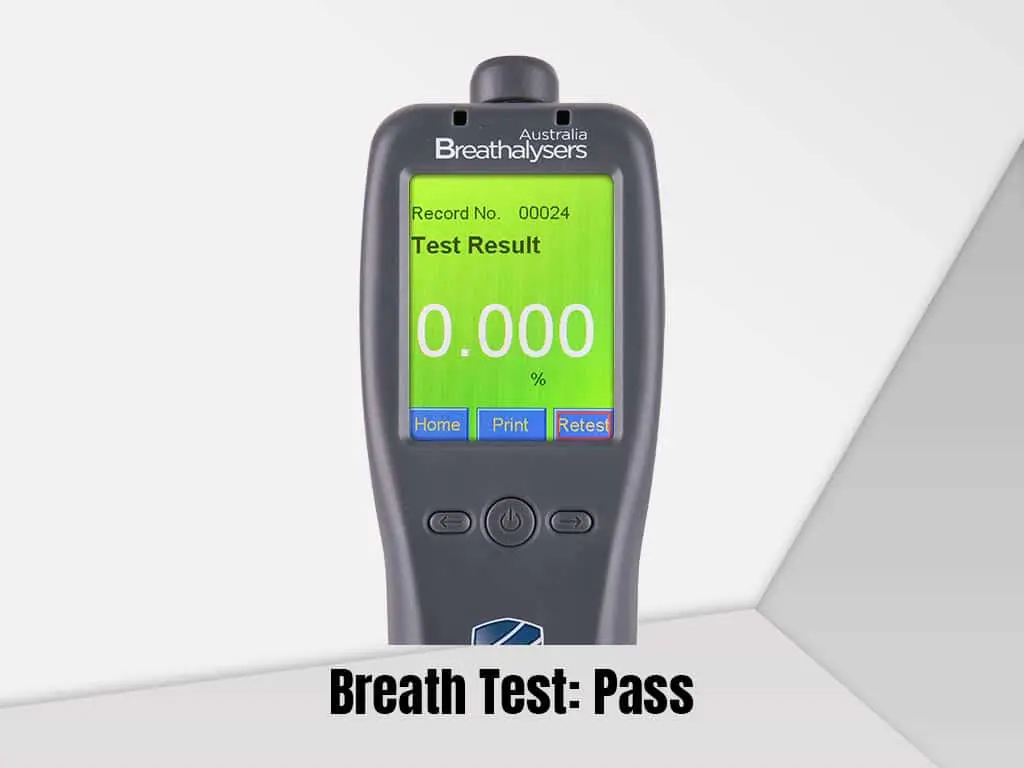
A police officer showing the results of a breathalyser

Drink driving is a significant cause of many road accidents. Hence, it is a major offence that has several penalties. To detect intoxicated drivers, police officers typically use breath-testing devices like the Alco-Sensor FST breathalyzer. It is a highly accurate device that uses fuel cell sensors to analyse the samples. It also has disposable mouthpieces for hygiene purposes and a back-facing display so operators can easily view the prompts on the screen.

The testing devices of police officers must be accurate and reliable to prevent undue consequences from false positive results. They should also have several features that make testing easy in various situations. The FST breath tester is one device that fulfils these requirements. Nevertheless, other products also suit workplace testing needs. This article will present an overview of the FST breath alcohol tester, its core features, and device alternatives.

Overview of the FST Breathalyzer

The Alco-Sensor FST breathalyzer is a portable handheld device that people use for measuring the Blood Alcohol Concentration (BAC) levels of individuals. It is a highly accurate device that enables quick breath alcohol testing to verify if an individual is breaking a law or policy by exceeding the designated limits. It is a trusted device by many organisations.

To conduct direct breath sample testing, the user must first place a clean Alco-Sensor mouthpiece on the device. Then, they must hold the on button until it fully activates. When the device displays the text ‘BLO’ on the screen, the user must start blowing into the mouthpiece until the operator signals them to stop. It has automatic breath sampling capabilities, which makes it easy to use for professional settings. Then, it will display the results.

Besides law enforcement use, the FST alcohol breath tester can also provide accurate information for workplace use. Its simple operating procedure can help employers implement their alcohol testing policy. It can help ensure workplace safety by deterring alcohol misuse and reducing the risks of accidents.

Functionality of the Breathalyzer

  • The primary screening application of the FST device is for law enforcement officers to use in random roadside breath testing.
  • It helps identify individuals who are driving under the influence of alcohol by measuring their BAC level.
  • The passive test mode is ideal for testing multiple people without changing mouthpieces.
  • Moreover, police officers can easily use this with one hand and keep the other hand free for emergencies.
  • It is easy to operate with just one push of a button.
  • It also guides the entire test using a sequence to decrease cases of operating error.

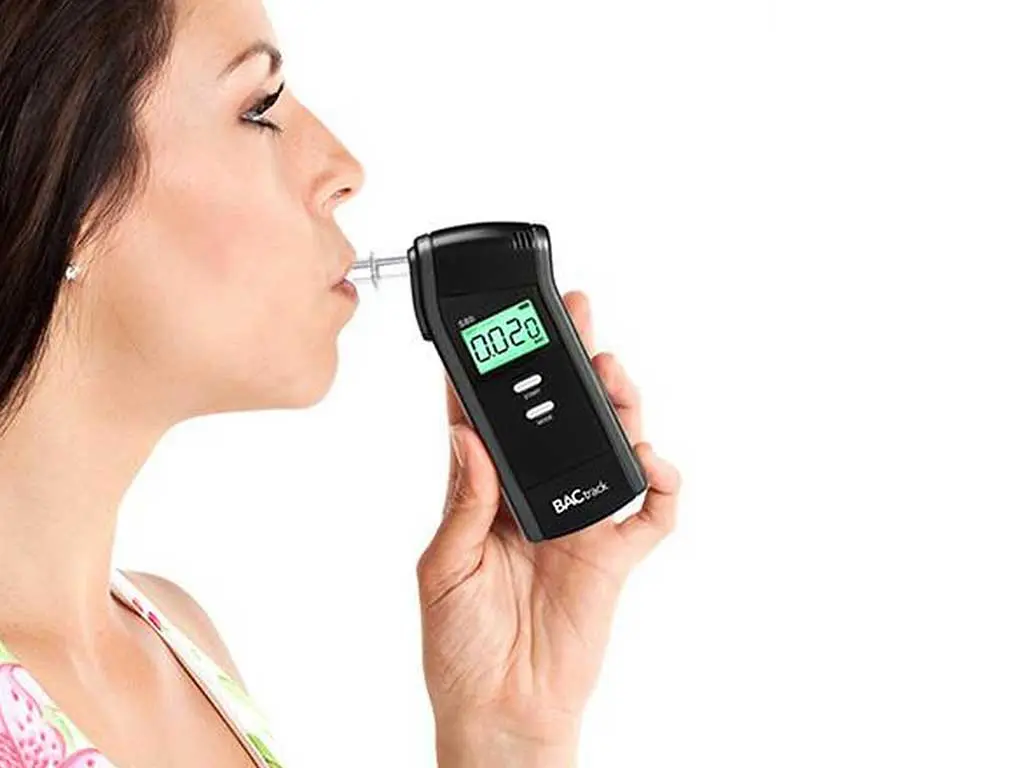
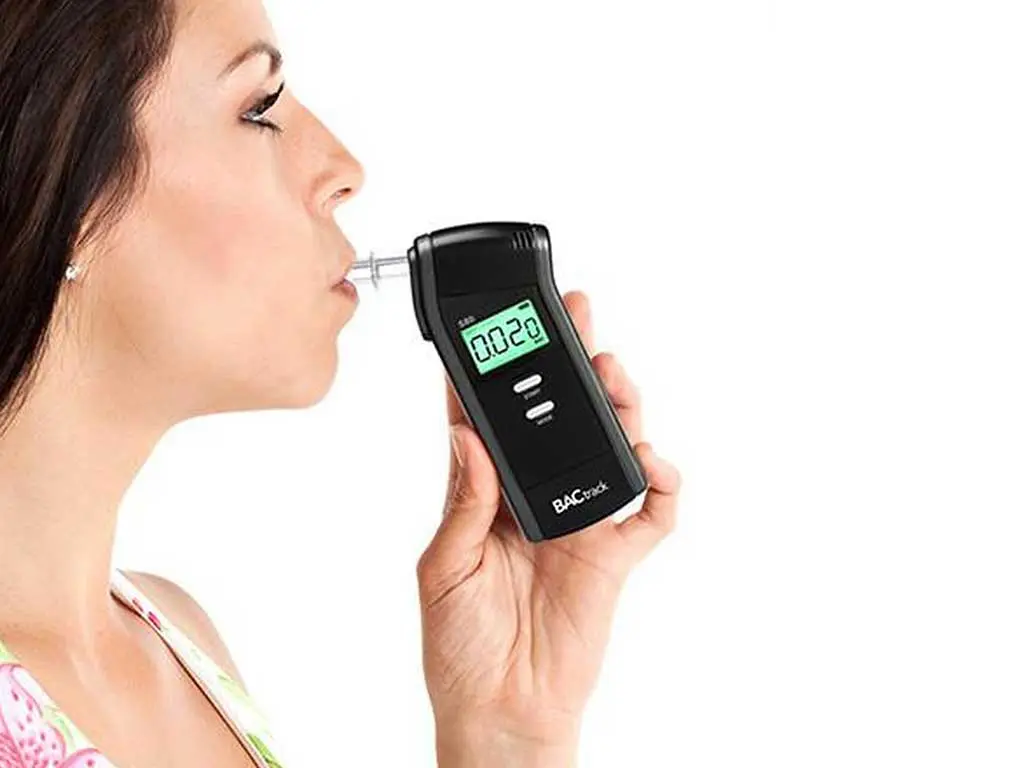
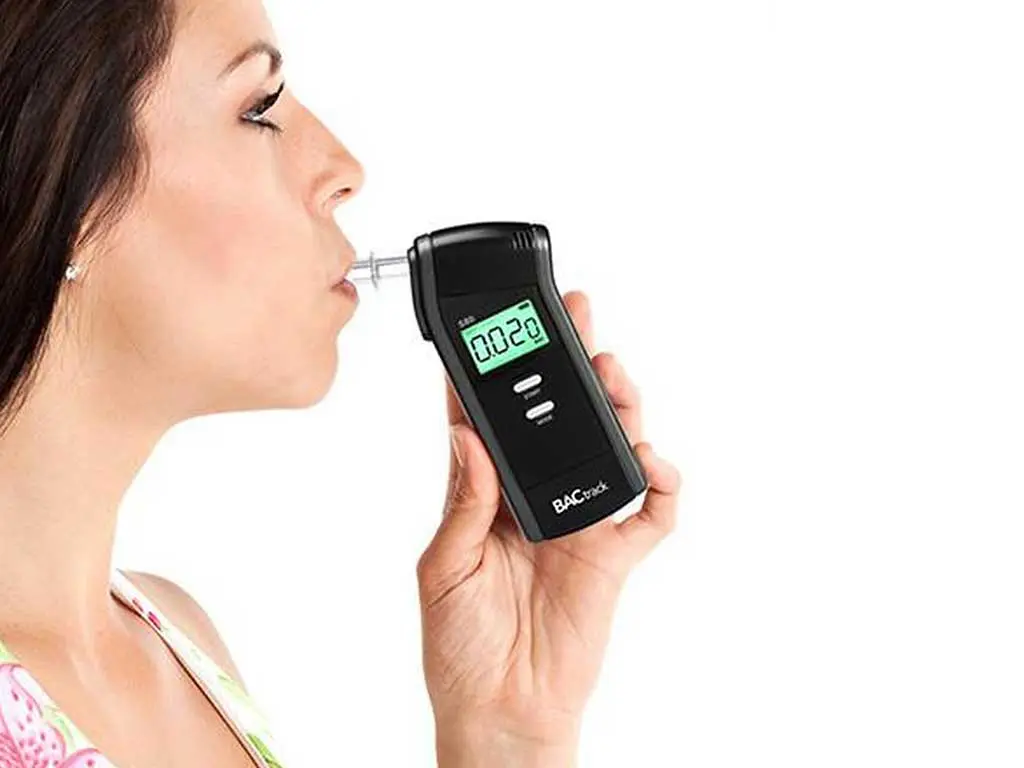
A woman using a breathalyser

Core Features of the Alco-Sensor FST Breathalyzer

The Alco-sensor FST breathalyzer has several core features, making it a popular alcohol breath tester. Firstly, it uses an electrochemical fuel cell sensor. It is a sensor people use for its evidential grade accuracy because it only reacts to the ethanol in the breath sample, reducing the likelihood of false positives. This reaction causes electrical currents to form, corresponding to how much ethanol is in the specimen.

Secondly, it has disposable mouthpieces that enable users to test multiple people in a short amount of time while still maintaining hygiene. The device also has a lever-and-click system, making mouthpiece insertion easy. This system also helps ensure that mouthpieces are properly aligned for breath flow.

Thirdly, the device derives its power from batteries. Some sellers provide options for items that run on two 1.5V AA alkaline batteries or rechargeable ones. However, the battery charger is a separate item to purchase. Fourthly, the device allows for either direct or passive testing procedures. Lastly, it has a drink sniffer attachment that can analyse if a drink is alcoholic.

Specifications and User Interface

For the specification of the FST, its dimensions are 12 x 6.9 x 4.4 cm. Meanwhile, its weight with batteries totals 213g. The typical measurement range of the testing device is 0.000 to 0.440g/210L. However, some customers may opt for custom ranges.

The user interface of the FST enables simple operation for direct sample breath testing. It has a backlit LCD screen with corresponding audio output. This component supports the visual cues. It also has an optional multi-colour backlit display messaging. Moreover, it has a rear-facing design so operators can easily view the prompts during testing.

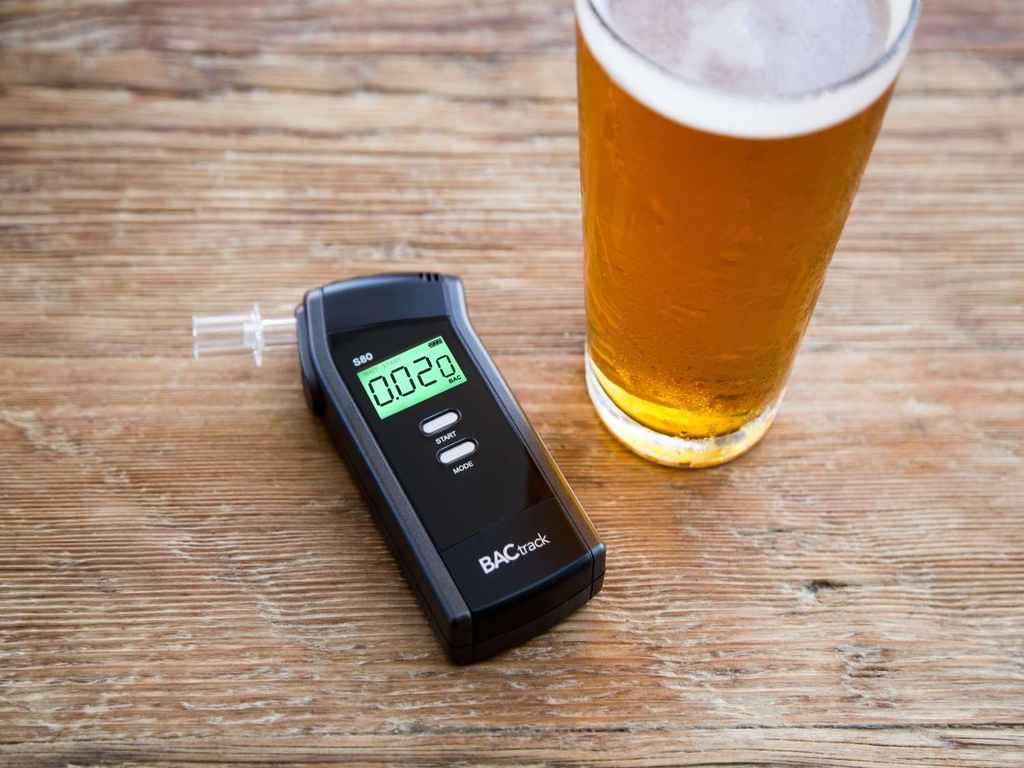
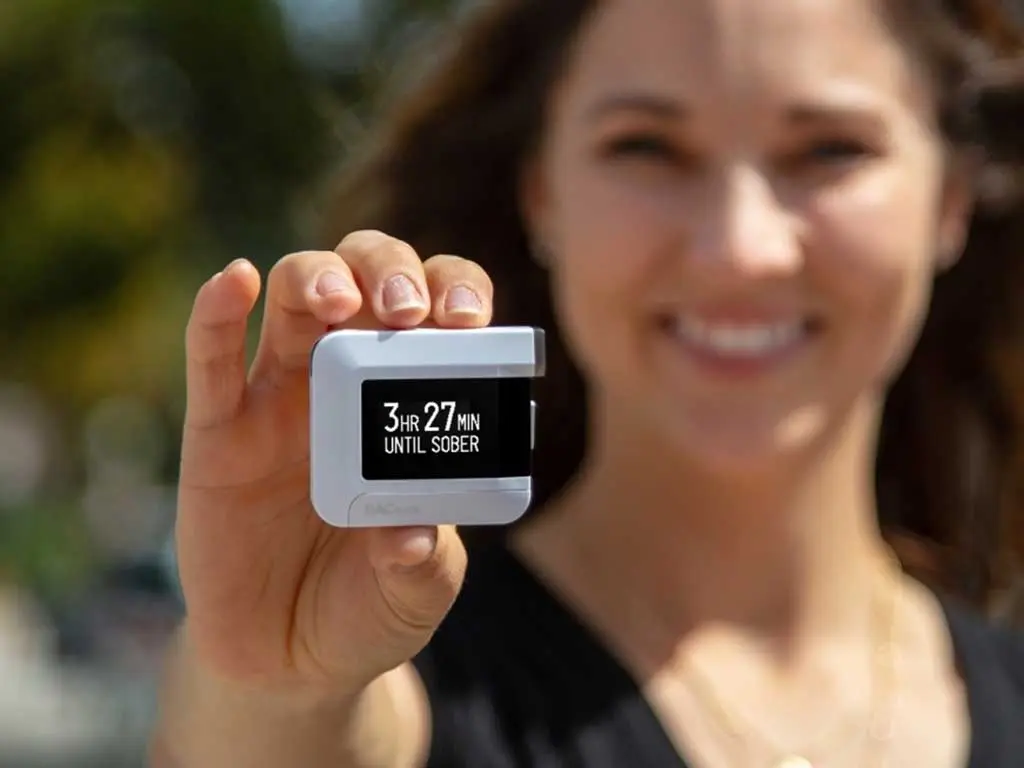
A BACtrack breathalyser next to an alcoholic beverage

FST Breathalyzer Alternatives

Although the FST breathalyzer is well-known for evidential accuracy, there are also other breathalyzers that people and organisations can use as an alternative to this device. Here at Breathalyzers New Zealand, several workplace breathalyzers also have fuel cell sensors similar to the ones for a breathalyzer in law enforcement.

Some options are the BACtrack S80 Pro Gen1, S80 Pro Gen2, and Mobile Pro Gen2. These are also popular breathalyzers with easy-to-follow instructions made with safety in mind. Moreover, these devices also allow quick screening by producing results within minutes of starting the electronic breathalyzer.

For workplace testing, there is also the SHIELD Express Identity and Express Touch, which also have rear-facing displays and passive and active testing modes. In particular, Express Identity offers photo identification during testing. Lastly, those looking for personal breathalyzers may consider the BACtrack Trace Pro Gen1, Trace Pro Gen2, and Scout devices. Some may also check the highly portable devices, like the BACtrack C8 Smartphone, C6 Smartphone, and Go Keychain.

A Closer Look at BACtrack S80 Pro Gen1

The BACtrack S80 Pro Gen1 is a highly popular breath tester because of its affordable price and accurate results. Its dimensions are 12.2 x 5.8 x 2.2 cm. Moreover, it weighs 136 g after installing the mouthpiece and the batteries. It also has the necessary regulatory approvals for a handheld breath alcohol analyser.

Its battery life is a primary feature since it can facilitate about 1500 tests with one set of AA batteries. It also has helpful features, like optimal breath capture and one-touch operation, making testing easy. Lastly, it is a linear device that accurately measures a breath alcohol concentration of up to 0.400%.

Conclusion

The Alco-Sensor FST breathalyzer is ideal for police applications due to its highly accurate results. It is a fuel cell breathalyzer. The device can accurately measure the BAC from the provided breath samples. Moreover, it has several features that make roadside testing more convenient. These include the disposable mouthpieces, battery-operation, and back-facing display. Furthermore, it has a backlit LCD screen so the operator can easily follow the testing sequence and reduce the chances of errors.

Nevertheless, organisations and individuals may consider alternative devices that suit their needs more. Breathalysers New Zealand offers several products that also have fuel cell sensors for precise and reliable BAC measurements. One example is the S80 Pro Gen1, which is FDA-approved, DOT-compliant, and meets several other requirements for a breath screening machine. It also has a long battery life, capable of powering about 1500 tests with a set of batteries.

Coin Operated Breathalyzer: The Need to Know

Three alcoholic beverages on a table

Law enforcement officers commonly use breathalyzers to determine if a person is under the influence of alcohol. As such, breath-testing devices have become more in demand to avoid drink driving. A coin-operated breathalyzer is a machine that requires payment before allowing the individual to test their Blood Alcohol Concentration (BAC) levels. It analyses the breath samples using fuel cell sensors and displays results on the LCD screen. Its operation necessitates one to blow into the straw and follow the instructions.

This type of breathalyzer is typically found in public spaces like bars, clubs, restaurants, and other establishments where people consume alcoholic beverages. In some places, it is an additional source of revenue. It helps people check their BAC levels before attempting to drive. Consequently, rhi can help reduce the risks of accidents and getting charged with drink driving. This article will present information on coin-operated breath testing machines, the technology behind them, and how to operate them.

What is a Coin-Operated Breathalyzer?

A coin-operated breathalyzer is a device that people can find in sports bars, clubs, restaurants, and other public spaces where alcohol consumption is common. It uses breath samples to measure the BAC level of the donor. However, this requires the individual to insert payment first, typically a coin, into the device before they can use it. Hence, the term coin-operated.

This alcohol screening device is wall-mounted, making it easy to spot inside the establishment. It can contribute to informed decision-making, leading to reduced cases of drink driving. In turn, this can help lessen the risk of accidents on the road. For some establishments, this breathalyzer machine can also be an additional revenue source.

Some workplaces also have wall-mounted breathalyzers for employees to use. Some may be coin-operated, but in many cases, it is usually for regular testing of the workers. It can have several features, depending on the model. These aid in making breath alcohol testing more efficient for people to use.

Features of the Breathalyzer

  • Replaceable breath alcohol sensor: device owners can replace the fuel cell sensor inside the device with a pre-calibrated sensor module, which enables ease of use and maintenance of the breath alcohol analyser.
  • Coin operation: the device will only operate after it receives a coin. Owners may configure some devices to accept different types of coins by modifying the coin acceptors to fit specific coin diameters.
  • Clear LCD screen: this allows users to read the instructions. Moreover, some testers have large displays that can show the result with up to three decimal places.
  • Disposable straw-like mouthpiece: This sends the breath specimen into the device.

A group of friends touching their beer glasses together

Technology Behind the Coin-Operated Breathalyzer

Coin-operated breathalyzers utilise advanced technology to measure the BAC levels. Many of these units use electrochemical fuel cell sensors to measure the BAC levels accurately. The device determines the actual breath alcohol concentration from the provided samples.

After alcohol consumption, the body processes the ethanol in the beverage. Then, it leaves traces in various body samples. When a person breathes into the breath-testing device, these alcohol molecules reach the sensors, which trigger chemical reactions. The reaction produces electrical currents that correspond to the BAC level. The device then displays this on the screen of the breathalyzer test machine

Alternatively, some owners may configure the device to show PASS, CAUTION or FAIL results instead of numerical amounts. This is more common for workplace testers where they configure the device to the workplace limit. However, bars and clubs can also set it to legal driving limits. Furthermore, other products even offer wireless connectivity or allow them to connect the device with a cable to download the testing results.

Alcohol Sensor Technology

Coin-operated breath testing machines use alcohol sensor technology to provide accurate and reliable results. In particular, most of these devices use advanced fuel cell alcohol sensors. This is the same type of sensor law enforcement officers use to identify impaired drivers.

Many prefer using devices with fuel cell sensors because they are more accurate than semiconductor sensors. One contributor to this is that it only reacts to ethanol, which reduces the risks of false positives from environmental exposure. This is crucial in locations that have significant amounts of alcohol vapours. Moreover, it requires less frequent calibration than semiconductor sensors. This reduces costs from maintenance services.

A man and a woman with alcoholic beverages and a breathalyzer next to the drinks

Operation of Coin-Operated Breathalyzer

To use a coin-operated breathalyzer, first, insert a coin into the device. Some devices may allow other forms of payment, but a coin is the primary method. Once the machine accepts the payment, the user will be prompted to blow into the clean straw or mouthpiece of the machine. Users must follow the instructions on the LCD screen carefully to ensure an accurate reading. They must continuously provide a steady stream of air until the device signals to stop.

After providing the sample, the device will analyse the breath sample and display the BAC level on the screen. This process typically only takes a few minutes. However, users should note that these readings are for reference purposes only and not for legal evidence of sobriety or intoxication.

Moreover, some may benefit from using alternative devices for breath testing. The reason is that not all establishments have a wall-mounted breathalyzer for people to use. It may also be more convenient for an individual to use a personal device than a public product.

Non-Coin Breathalyzer Alternatives

There is a wide range of personal breathalyzers that people can select from as an alternative to coin-operated machines. In particular, Breathalysers New Zealand offers several BACtrack alcohol testers suitable for various needs. Some examples of reliable testing devices are the BACtrack S80 Pro Gen1 and Mobile Pro Gen2.

Furthermore, there are also small keychain alcohol testers that are very compact and convenient to use, like the BACtrack Go Keychain. Alternatively, they may consider the BACtrack C8 Smartphone or C6 Smartphone, which seamlessly connects to a smartphone application. This app enables users to store their results data for easy access.

Conclusion

A coin-operated breathalyzer is a helpful device people can find in bars, clubs, or restaurants for measuring BAC levels. It is typically mounted to a wall and uses disposable mouthpieces or straws to facilitate testing. The individual who wishes to operate the device must first pay. Then, the LCD screen will provide prompts to ensure proper use. After providing the samples, the machine will use its fuel cell sensors to analyse the specimen. Afterwards, these will appear on the screen.

Coin-operated testing machines use fuel cell sensors to ensure the accuracy and reliability of the results. Unlike semiconductor sensors, it only reacts to ethanol, reducing the risks of false positives. Alternatively, people may also purchase personal breathalyzers for more convenient testing. There are several products available here at Breathalyzers NZ for various needs. Highly portable BACtrack devices also have fuel cell sensors for accurate testing.

Low Range PCA: Definition, Legal Implications, & Consequences

A police officer conducting a breath test

Driving under the influence of alcohol is an offence that can have lasting consequences, like fines and licence suspensions. Hence, following traffic laws and rules on the legal limit is crucial. The Prescribed Concentration of Alcohol (PCA) ranges from low to high. A low-range PCA is a Blood Alcohol Concentration (BAC) level of 0.05% to 0.079%. This is above the legal blood alcohol limit for all drivers, which means that the driver violated drink driving laws.

Although New Zealand does not have provisions on specific low to high PCA, Australia does. There are various testing methods for the BAC, including using breath samples, blood samples, urine samples, and oral fluid samples. If caught with a BAC level above the legal limit, the individual may contact legal professionals for reliable advice. This article will present information on low-range drink driving, its legal implications, and the penalties and consequences.

What is a Low-Range PCA?

It is illegal for individuals to drive motor vehicles if their BAC level is above the legal limit. The reason is that they pose a high risk of causing accidents, which can result in injuries or casualties. Hence, police officers conduct random breath tests on roads to identify drivers who are under the influence of alcohol.

A low-range PCA indicates the driver is above the full licence holder alcohol limit of 0.05% but below 0.08% BAC. It is the lowest violation, and following it, there are also mid-range PCA and high-range PCA. Furthermore, there are also special categories for novice range drink driving and special range drink driving.

Drinking and driving is a dangerous combination. It takes approximately two standard drinks for men and one standard drink for women to reach the legal limit. However, various individual factors can also affect this. Thus, it can help to use breath analysis devices, similar to those police officers use, to check if they are under the legal blood alcohol limit before driving. Alternatively, they may use a public passenger vehicle or assign a designated driver.

Understanding BAC Limits

  • The BAC limit for most drivers is 0.05%. While a BAC of 0.05% or below can increase relaxation and confidence, exceeding it may also cause impaired judgment and increase the likelihood of aggressive driving.
  • Learners or provisional licence holders, including those in alcohol interlock programs, should not have a BAC level above zero.
  • For public passenger vehicle drivers, the limit may be at zero or 0.02%. However, this depends on the territory. Such vehicles include cabs and buses.
  • Drivers of heavy vehicles or those carrying dangerous goods may also be subject to a 0.02% or zero legal blood alcohol limit.

A gavel on a sound block next to binders

Legal Implications for Low-Range PCA

There are several legal implications for drivers caught with low-range PCA. It is a drink driving offence that can have serious repercussions. Low-range drink driving is a major traffic offence that may appear on a criminal record. Hence, it is ideal to seek legal advice from lawyers when faced with this situation.

In some cases, a driver may receive an infringement notice. They may also face an immediate licence suspension. Legal professionals can help drivers charged with low-range offences help the individual reach a favourable outcome. This is particularly true if the person must attend a court hearing for their drink driving charge.

There are various strategies a criminal defence lawyer can use, especially if they find a valid defence after learning about the subjective circumstances of their client. On the other hand, an experienced traffic lawyer can also negotiate a plea deal with the prosecution. This can help reduce the charges or penalties the driver will have to undergo.

Defence Against Charges

Having a solid defence against a drink driving charge is crucial when appealing. Hence, communicating with a criminal lawyer is essential when facing legal matters. A possible defence against a drink driving charge may involve challenging the accuracy of the breath test result from the breath analysis device.

They may also point out procedural errors in the police investigation. In some cases, they may also try to affirm that the individual had no intention to drive. However, it can be challenging to prove that an individual in the driver seat had no intention or made no attempt to put the vehicle in motion.

A gavel near a book and a scale

Penalties and Consequences for Low-Range PCA

A first-time low-range drink driver may face several penalties, including fines, demerit points, and licence disqualification. A penalty notice fine may cost several hundred dollars. In particular, the cost is $603 in some jurisdictions. Moreover, this can increase since the maximum court-imposed fine is $2200.

Furthermore, the minimum disqualification period for a first-time offence is three months, with the maximum period being six months. However, a subsequent offence could have an unlimited period of disqualification. In addition, demerit points can vary depending on the state. Although some will issue 10 demerit points, other states may not for a first-time offender.

However, it is crucial to note that subsequent offenders may face heavier penalties even for low-range PCA offences. For example, the maximum imposed fine can increase to $3300. Additionally, these drivers may be subject to a mandatory interlock program. These penalties can have severe consequences on the financial and social aspects of the individual. They may also face reputational damage, leading to loss of employment and reduced freedoms due to their traffic record.

Conditional Release and Interlock Devices

A conditional release order may be offered to first-time offenders of low-range offences. This means that the individual will not have a criminal conviction recorded against them if they comply with certain conditions. These conditions can include attending a drink-driving education program or undergoing alcohol rehabilitation.

For subsequent low-range drink driving offences, drivers are typically required to install an interlock device in their vehicle. This device measures their BAC percentage and prevents them from driving if they are over the legal drink driving limit. However, the individual must shoulder all the costs to install the device and enter the alcohol interlock program.

Conclusion

A low-range PCA offence is one of the types of drink driving charges that a person can face. It means that the BAC level of the individual was between 0.05% and 0.079% during the time of testing. It is considered a major offence that can have repercussions, such as fines and a six-month disqualification period. This traffic offence will also appear in the criminal record, which can affect employment opportunities.

Hence, it can help to contact a criminal law firm to defend against a wrongful drink driving charge or help the individual navigate the legal matter. Some may even manage to get a conditional release or non-conviction order, which entails attending traffic offender programs and undergoing alcohol rehabilitation. To avoid drink driving, individuals may use personal breathalysers, like the BACtrack devices here at Breathalysers New Zealand, to measure the BAC before driving.

Greenwon Breathalyzer Product Review

A police officer conducting a roadside breath test on a woman inside a car

Breath alcohol testing is necessary to prevent road accidents and maintain safe workplaces. Traditionally, police officers and employers utilise a breathalyzer for alcohol detection. Nowadays, individuals can own a personal unit so they can test themselves after drinking sessions. One option is the Greenwon breathalyzer. It is a portable alcohol tester with a semiconductor sensor. Its core features include accuracy, quick results, and ease of use. Hence, this device receives many positive feedback and customer ratings.

Going over the legal limit in New Zealand can result in fines, license suspension, and imprisonment. Therefore, having a reliable alcohol detector can help individuals make informed decisions about their consumption before driving or operating machinery. Also, a digital breath alcohol tester ensures a healthy working environment by testing employees before they start their shifts. To learn more about the device, the article will present an overview of Greenwon testers, its features, and the alternatives.

An Overview of the Greenwon Breathalyzer

The Greenwon breathalyzer is a compact and user-friendly alcohol-testing device. It determines Blood Alcohol Concentration (BAC) accurately. This digital breath analyzer alcohol is suitable for people who want to ensure safety and prevent drink driving. Greenwon utilises advanced semiconductor alcohol sensors to provide fast and reliable results within seconds. Moreover, it has a sleek and modern design. Hence, it can fit into pockets or purses, making it convenient to use at home and on the go.

One of the primary features of the portable breathalyzer is its high level of accuracy. It has a wide measurement range of 0.00% to 0.19% BAC. Thus, people can know their alcohol levels precisely. This digital alcohol measurement tester also has a built-in alarm system. It alerts users if their BAC exceeds the legal limit.

In addition, the Greenwon alcohol breathalyzer is easy to use. Individuals must turn the machine on, wait for it to warm up, and blow steadily into the mouthpiece. After several seconds, the device will display the result on its LCD screen. The Greenwon portable tester is efficient and affordable, making it an excellent choice for promoting responsible drinking habits.

Ideal Applications

  • Law enforcement: Authorities can use Greenwon to determine if a driver is under the influence of alcohol while operating a vehicle. Subsequently, this ensures road safety and prevents accidents.
  • Workplace safety: Employers can administer workplace alcohol testing with a Greenwon tester. As a result, businesses can minimise potential risks or hazards because of alcohol use at work.
  • Public events: Organisers can utilise Greenwon for concerts, festivals, and sporting events to ensure the safety of attendees.
  • Personal use: Individuals can purchase Greenwon alcohol tester breathalyzers to check their alcohol levels before driving or as part of a health and wellness routine.

A person looking at the smartwatch on their wrist

Core Features of the Greenwon Breathalyzer

The Greenwon breathalyzer offers a range of core features to ensure accurate and reliable blood alcohol level measurements. It has a compact, lightweight, and handy design for ease of use. Also, it is equipped with advanced semiconductor sensor technology. This device delivers accurate results within seconds, enabling users to make fast and informed decisions regarding their alcohol intake.

Another beneficial element of Greenwon alcohol breathalyzers is its user-friendly interface. The device has a clear LCD display. Thus, it provides easy-to-read results, ensuring little to no confusion during usage. In addition, it has a one-button operation, enabling users to quickly and effortlessly perform alcohol tests. Moreover, it includes an audible alert system. It notifies individuals if their BAC exceeds the legal limit, ensuring compliance with local regulations and enhancing safety.

Long battery life is one more notable feature of the Greenwon digital tester. It uses two AAA alkaline battery units, providing extended usage time without needing frequent replacements. Furthermore, it features an auto power-off function. Consequently, it can conserve power by automatically shutting down after periods of inactivity, further prolonging its battery life.

Technical Specifications

The product dimensions of the Greenwon alcohol tester breathalyzer are 4.7 inches in length, 2.4 inches in width, and 1 inch in height. Its portable nature makes it easy to keep in pockets, purses, or glove compartments. It has a keychain attachment. Thus, users can easily attach it to keys for convenience.

Greenwon utilises a high-quality semiconductor sensor to measure alcohol concentration levels accurately. This sensor is known for its reliability and precision, ensuring that users receive precise results each time they use it. Moreover, the alcohol tester keychain has replaceable mouthpieces, making it easy to maintain hygiene and share with multiple users.

A breathlyser and keys on top of a table

Greenwon Breathalyzer Alternatives

Greenwon breathalyzers are popular alcohol testing devices. It can measure alcohol concentration levels accurately. However, individuals looking for alternatives have several options to consider. One of the most popular is the BACtrack Go keychain. This key ring alcohol tester allows users to test BAC quickly and discreetly, making it perfect for those who are always on the go.

Another alternative is the BACtrack C6. This portable breathalyzer connects to the smartphone via Bluetooth, allowing users to track their BAC levels over time and receive personalised insights based on their drinking habits. It also has a sleek and modern design, making it a stylish choice for those looking for a more high-tech option.

Individuals looking for higher accuracy levels may check out fuel cell-based breathalyzers. These devices offers police-grade accuracy and precision, making it suitable for individuals who require the highest level of reliability in their alcohol testing device. Overall, choosing a breathalyzer will depend on individual needs, style, and preferences.

A Closer Look at the BACtrack Go Keychain

The BACtrack Go Keychain is a compact and convenient device designed to help monitor alcohol consumption. Its small size and lightweight design make it easy to bring wherever people go. The keychain breath alcohol tester features a sleek and modern design with a built-in mouthpiece that can be easily extended.

It also has a one-button operation, making it incredibly easy to use. Additionally, the keychain is equipped with a micro-check technology that checks the internal breath flow, ensuring the reliability of each reading. Furthermore, the Go Keychain is powered by a replaceable AAA battery, making it convenient and cost-effective in the long run.

Conclusion

The Greenwon Breathalyzer is an innovative device that offers convenience and accuracy in measuring alcohol concentration levels. Its compact and user-friendly design helps individuals who prioritise their safety. The core features include accuracy, fast response time, a clear LCD screen display, ease of use, and reliable readings. All these allow users to make informed decisions about their alcohol consumption. This digital alcohol breath tester is beneficial in various settings, like the workplace and home.

Despite its impressive features, the Greenwon tester is not the only option in the market. Alternatives like BACtrack breathalysers are available. In particular, people can choose the BACtrack Go Keychain for its portability and discreet design. Nevertheless, Greenwon may stand out to some individuals. Therefore, they should compare the units and check customer reviews for informed decisions. Overall, Greenwon offers excellent performance, affordability, and ease of use to detect alcohol consumption.

PCA Offence: Definition and the Legal Consequences

A person holding a bottle of alcohol while driving

In New Zealand, individuals who are driving under the influence of alcohol are committing a PCA offence. PCA stands for prescribed concentration of alcohol. It is the legal limit of alcohol in a person’s breath or blood while operating a motor vehicle. Thus, exceeding this limit can have several consequences. Drivers may incur fines, licence suspensions, and even imprisonment. To help avoid legal charges, individuals monitor their blood alcohol levels during and after alcohol intake.

Driving under the influence of alcohol is a serious offence that can have severe consequences. Excessive alcohol consumption can cause blurred vision, slurred speech, impaired judgment, and slow down reaction time. As a result, it increases the risk of road accidents and endangers the lives of both the driver and others on the road. This article will provide an overview of what drink driving entails, the legal implications, and how to navigate the legal system if found in this situation.

What is a PCA Offence?

A PCA offence refers to the act of driving a motor vehicle while exceeding the legal Blood Alcohol Concentration (BAC) limit. In New Zealand, the limit is at 0.05% BAC or 250 micrograms (mcg) of alcohol per litre of breath for drivers aged 20 years and over. The alcohol limit for drivers under 20 is zero. It means they must not drive with any amount of alcohol in their system.

Police typically administer roadside breath analysis to check if a driver is over the legal limit. They use a portable breathalyser to measure the BAC levels. The electronic breath testing device gives the result in seconds. If the alcohol readings are higher than the prescribed limit, the individual may face immediate consequences.

Drink driving offences are major offences in New Zealand. All drivers are expected to abide by the traffic laws to prevent road accidents and avoid potential penalties. Therefore, it is best to avoid operating a motor vehicle while experiencing any intoxication effects.

Importance of Understanding PCA Laws

  • Understanding PCA laws can help avoid legal charges and save lives due to impaired driving.
  • Knowledge of the law can protect individuals from harming themselves or others on the road.
  • It can help people make informed decisions about when it is safe to drive after consuming alcohol, promoting responsible behaviour.
  • Individuals are made aware of the possibility of facing a prison sentence, automatic disqualification of licence, mandatory interlock programs, and other criminal convictions.
  • PCA laws emphasise the significance of designated drivers or alternative modes of transportation when drinking.
  • Understanding the role of police in enforcing random breath testing laws.

A gavel on a block

Legal Consequences for PCA Offence

The legal consequences for a PCA offence can vary depending on the severity of the situation. There are different levels of drink driving charges depending on the BAC of the person at the time of driving. The most common levels are low-range PCA (0.05-0.79% BAC), mid-range PCA (0.08-0.149% BAC), and high-range PCA (0.15% BAC or higher. Higher BAC levels can have more severe penalties.

First-time offenders may face on-the-spot penalty notices and a minimum disqualification period of licence. However, subsequent offences may include additional mandatory alcohol education programs, maximum prison terms, and an alcohol interlock program. Moreover, maximum court-imposed fines serve as a deterrent to future offences. The duration of the licence suspension can also vary depending on the offence and if there are previous penalties.

Furthermore, individuals can face harsher penalties if dangerous driving results in bodily harm, injury, or death. Also, combined drink and drug driving offences have heavier fines, a maximum disqualification period, and longer terms of imprisonment. These penalties can significantly impact the ability to work and travel.

Criminal Record Implications

Having a record for a criminal offence can have a significant and long-lasting impact on the individual. A drink driving conviction goes to a permanent driving record. This makes it challenging to secure certain jobs that require driving. It can also affect travel plans, as some countries may deny individuals with an aggressive driving history.

Additionally, it may be difficult for people with criminal convictions to obtain insurance, loans, or housing. A criminal record can also affect child custody cases and immigration status. Therefore, it is crucial to understand the laws regarding the different types of drink driving.

A person consulting a lawyer

Defences and Legal Advice for PCA Offence

If someone is facing a PCA offence it is essential to avoid making further violations. Firstly, individuals must cooperate with authorities and submit to evidential testing at a police station. Secondly, they have a right to seek legal advice from a lawyer who specialises in drink driving offences. Criminal law firms can help ensure optimal outcomes, such as avoiding criminal convictions altogether or settling with a lenient sentence.

Some legal experts may challenge the accuracy of the breath analysis. Individuals who are taking prescribed drugs while driving the car may have a defence if they are not aware of the potential effects on their blood alcohol content. Additionally, individuals may be able to argue that their BAC was rising at the time of driving, and they were not over the legal limit while actually operating the vehicle.

Lastly, it is important to show up on the court attendance notice schedule and to be punctual. It is crucial to take the conviction for drink driving seriously. By being informed of the process and possible outcomes, individuals can work towards a positive resolution of their case.

Seeking Legal Advice for PCA Charge

When seeking reliable advice, it is best to consult law firms that specialise in drink driving charges. These firms have the experience with the relevant laws to create defence strategies to minimise the severity of the offences. Furthermore, they can help navigate the legal process even if a person is a first-time or subsequent offender.

Seeking legal advice for a PCA charge can help individuals understand their rights and options moving forward. They can also provide guidance on what to do and things to avoid while under the period of disqualification and mandatory alcohol interlock scheme.

Conclusion

A PCA offence is a criminal offence that carries maximum penalties. It refers to driving with a BAC above the legal drink driving limit. For full licence holders, the limit is 0.05% BAC. Meanwhile, for special drivers (learner, P-plate, and L-plate drivers), the alcohol limit is zero. In roadside breath testing, they must have a zero-alcohol breath sample. Moreover, the penalties depend on the level of prescribed concentration of alcohol at the time of the test.

The legal charges include on-the-spot fines, licence suspension, and a minimum period of imprisonment. Subsequent offenders may incur mandatory alcohol interlock schemes. These consequences can have serious impacts. As such, individuals with a PCA charge should consult a lawyer to navigate the legal process and potentially mitigate the consequences of their offence. By understanding the laws and seeking representation from legal experts, individuals can set a successful defence.

BACtrack S30 Breathalyzer Product Review

A woman drinking an alcoholic beverage outdoors

Drink-driving incidents are a prevalent problem that causes injuries and fatalities. Fortunately, there are reliable ways of checking the Blood Alcohol Concentration (BAC) levels to help reduce these incidents. Alcohol breath testing is a method many institutions use. Individuals can also use personal devices like the BACtrack S30 breathalyzer to monitor their BAC. It is a compact device with advanced semiconductor sensors, one-touch operation, and a clear display. It is a convenient device that helps with making informed decisions.

Using a breathalyzer is a popular and reliable choice for measuring the BAC levels of an individual. However, with the vast selection available, it can be challenging to select the best one. Hence, it is important to research different products to determine which one suits their needs the best. This article will give an overview of the BACtrack S30, its core features, and some alternatives for the model.

An Overview of the BACtrack S30 Breathalyzer

The BACtrack S30 Breathalyzer is a portable and compact device for monitoring the blood alcohol content of individuals. It uses the Advanced MicroCheck Sensor technology to measure the ethanol in the provided breath samples accurately. It can provide results quickly and is helpful for various situations.

Moreover, the S30 is easy to use. The person simply needs to push one button to start the unit. Then, it will countdown when the user should provide the breath samples. It will produce a continuous tone until two beeps signal for the user to stop blowing. Afterwards, they just have to wait for the three-digit display to show the results. Moreover, it is easy to retest if the device shows an error.

In addition, the device has indications for low battery and when it needs calibration. It also displays the number of tests taken to help users keep track of their usage. Furthermore, the device uses hygienic mouthpieces to facilitate accurate testing with little interference from environmental factors. Altogether, it is a convenient device for various applications.

Ideal Applications

  • The S30 is a helpful device that can help individuals monitor their alcohol intake when consuming alcoholic beverages in pubs and bars, events, restaurants, or at home.
  • Accurate measurements help individuals make informed decisions regarding their ability to operate motor vehicles and can prevent them from exceeding the legal limit. This can help them avoid causing accidents and facing drink driving charges.
  • The device can also help individuals understand the effects of different types of drinks on their bodies, which can promote healthy drinking habits.
  • Parents can also use this device to check if their children have consumed alcoholic beverages.

A woman using a BACtrack breathalyser

Core Features of the BACtrack S30 Breathalyzer

The BACtrack S30 breathalyzer has several core features that make it ideal for many people looking for personal breathalyzers. Firstly, it has advanced semiconductor sensors for examining the breath specimen. It can provide accurate BAC measurements using a tin oxide compound that creates electric currents upon contact with the ethanol.

Secondly, it is easy to operate using the one-touch operation many BACtrack breathalyzers have. This makes it convenient to conduct breath alcohol tests even while intoxicated, which is crucial in making informed decisions. Thirdly, it uses replaceable mouthpieces. Hence, it is easy to maintain hygiene by attaching a clean and fresh mouthpiece before starting the test.

Fourthly, the BACtrack Select S30 model has an easy-to-read digital display. This is a crucial component of effective breath alcohol testing since it allows users to quickly read their BAC reading and understand whether they are over the legal limit. Moreover, the device features a portable design, ideal for screening in various locations whenever needed. Lastly, the device uses replaceable batteries, which can be easily replaced when it runs out.

Technical Specifications

The S30 breathalyzer product dimensions are 3.4 x 10.3 x 2.5 cm. It weighs about 53g but is heavier at 119g after equipping the battery and mouthpiece. The device uses two AA alkaline batteries for power, which many retailers include in the package. A set may last about 100 to 300 uses.

The breathalyzer has a detection range of 0.00 to 0.40% BAC. The warm-up time typically takes between 10 to 20 seconds, while it may take about five seconds to show the results. Lastly, the operating temperature for the testing device is between 10 to 40°C.

A breathalyzer next to an alcoholic beverage

BACtrack S30 Breathalyzer Alternatives

BACtrack offers several alternatives to the BACtrack S30 breathalyzer. Many of these are available at Breathalysers New Zealand for individuals to consider. For personal testing, one of the top models is the S80 Pro Gen 2, which can also function as a workplace breathalyzer. Additionally, there are other models, such as the S80 Pro Gen 1, Trace Pro Gen 2, Mobile Pro Gen 2, and Scout.

Furthermore, there are also smaller devices that individuals may find more suited for them. Examples of these are the BACtrack C8 Smartphone, C6 Smartphone, and Go Keychain. Many of these can connect to a smartphone and access the BACtrack app. This adds to the ability of individuals to monitor their BAC level history.

Ultimately, it is ideal if the individual searching for a breathalyzer conducts thorough research to ensure their selected item suits their needs and preferences. Moreover, since the S30 is an older model, checking the new models may introduce new features that can benefit the user more. Individuals can also check customer feedback on the devices for additional insight.

A Closer Look at the BACtrack S80 Pro Gen 2

The BACtrack S80 Pro Gen 2 is a highly accurate breathalyzer with a sleek design and advanced features. It has the highest-grade fuel cell sensors, comparable to portable breathalyzers law enforcement officers use to identify those violating drink-driving laws. Its detection range is between 0.000 to 0.400% BAC.

Furthermore, it also has optimal breath capture and one-touch operation for convenient use. In addition, the S80 has a long battery power. It is capable of conducting 1500 sets using a fresh set of alkaline batteries. It takes about 15 seconds to warm up and has a speedy response time of 3 seconds.

Conclusion

The BACtrack S30 breathalyzer is an accurate and reliable item for measuring the BAC levels of individuals. It is a convenient and portable device that is easy to use in various locations for effective monitoring while drinking. It has advanced semiconductor sensors for quick analysis of the breath samples. These results show on the three-digit display within seconds after testing. Furthermore, it has indicators for the battery level and when it requires calibration.

Its other core features include replaceable hygienic mouthpieces, one-touch operation, and a clear LCD display. It is lightweight and has a short warm-up and response time. Although the S30 is a good breathalyzer model, other alternatives exist for individuals looking for other features. Foremost is the S80 Pro Gen 2, which has highly accurate fuel cell sensors. It also has a longer battery life and complies with the AS/NZS 3547 standards.

Alcohol in Breath: Can It Be Detected?

A woman using a breathalyser

Yes, people can detect alcohol in breath by using a breathalyser. A breathalyser is a device that measures the Blood Alcohol Concentration (BAC) in the breath sample. When someone consumes alcohol, their body absorbs it into the bloodstream, and eventually, they exhale it through their breath. The breathalyser detects this alcohol content and provides a reading. This measurement is crucial for various applications, including law enforcement, to determine if someone is Driving Under the Influence (DUI).

Every year, alcohol impairment causes numerous car crashes and accidents, making it a significant factor. Consequently, police officers conduct roadside inspections to check for sobriety. They use breathalysers to measure the BAC or the percentage of alcohol of the driver. People can also utilise breathalysers for personal use. This article will discuss the technology used in breath testers, including the process of alcohol metabolism and various factors that can impact alcohol detection.

Technology Used to Detect Alcohol in Breath

Detecting alcohol in breath is crucial for various applications, including law enforcement and ensuring workplace safety. One common technology employed in breath analysers is the semiconductor sensor. This sensor detects alcohol molecules in exhaled breath by utilising a semiconductor material. When someone breathes into the device, alcohol interacts with the semiconductor, causing a chemical reaction that alters electrical conductivity. The sensor then measures this change to determine breath alcohol concentration.

Another technology is the fuel cell sensor. This sensor operates through electrochemical oxidation, a process where alcohol molecules in breath react with a porous anode. This reaction releases electrons, generating an electrical current that correlates with the concentration of alcohol in the breath sample. Fuel cell sensors are known for their high accuracy and specificity in detecting alcohol.

Moreover, Infrared Spectroscopy (IR) measures the absorption of infrared light by alcohol molecules in the breath. This absorption pattern is unique to alcohol and allows the sensor to differentiate between different substances present in the breath sample. With their high accuracy, IR sensors are reliable tools for determining the blood alcohol content of an individual.

Advantages of Breath Testing

  • Ease of use: it is a convenient and quick way to test for alcohol consumption.
  • Non-invasive: Unlike other testing methods, breath testing does not require any needles or painful procedures.
  • Immediate results: alcohol breath testing provides immediate results, allowing for quick decision-making and action if alcohol is present.
  • Quantitative measurement: alcohol breath tests provide a quantitative measurement of blood alcohol levels.
  • Cost-effective: breath alcohol testing devices are a cost-effective method for detecting alcohol impairment.
  • Prevention and awareness: breath testing can help raise awareness about the effects of alcohol and prevent accidents and injuries, especially in settings such as heavy machinery operations.

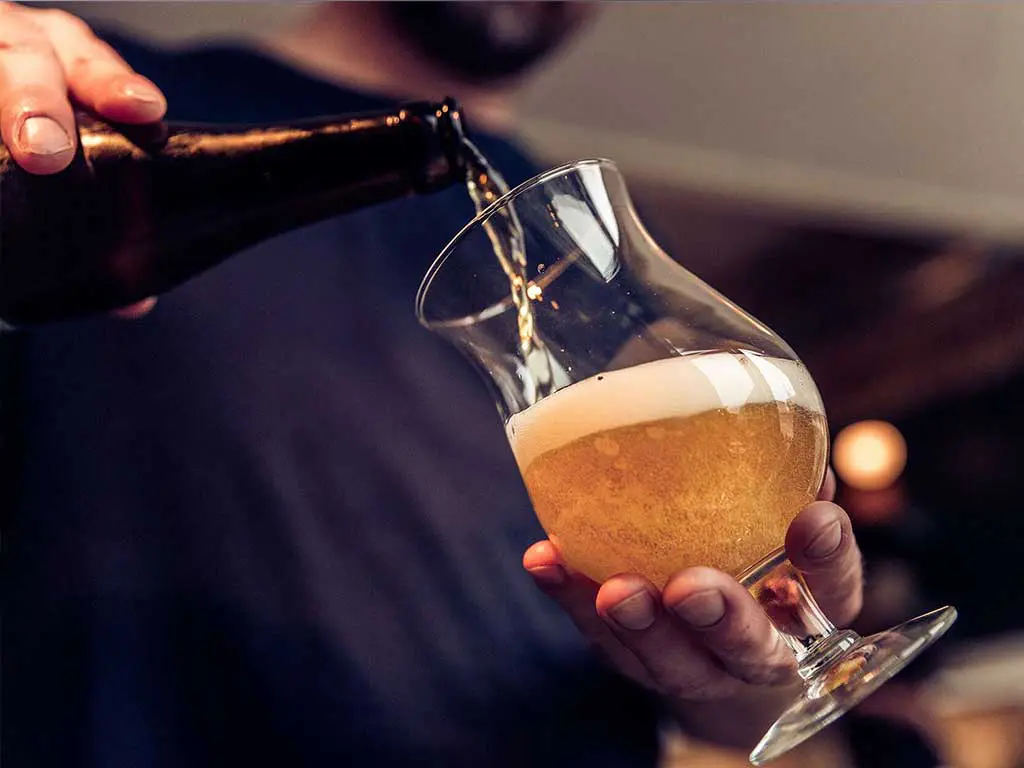
A man pouring beer into the glass

Alcohol in Breath – How Does Alcohol Get Into the Breath?

Alcohol in breath is the result of a natural process called alcohol metabolism. When someone drinks alcohol, their body quickly absorbs it into the bloodstream through the stomach and small intestine walls. Then, it spreads throughout the body via the circulatory system, affecting different organs and tissues. However, the body can only break down alcohol at a certain rate.

As alcohol-rich blood travels through the body, some alcohol molecules make their way to the lungs. The concentration of alcohol in the blood creates a pressure difference, causing some alcohol molecules to evaporate from the blood into the air sacs of the lungs. This process is called diffusion. Once in the lungs, these evaporated alcohol molecules mix with the air that the person breathes in and out.

Breath alcohol testing equipment relies on the connection between blood alcohol content and breath alcohol content. It measures the alcohol in the breath to estimate alcohol levels in the bloodstream. This helps law enforcement officers decide if someone is too impaired to drive safely.

Detection Window

The detection window refers to the timeframe when a breathalyser can spot alcohol in the body. It is the period when the device can accurately pick up the presence of alcohol. Knowing the detection window helps determine how reliable test results are. This is particularly crucial in situations like law enforcement or workplace safety checks.

For breath alcohol tests, the detection is usually short, lasting from a few hours to up to 24 hours after drinking alcohol. But keep in mind, that breathalyser tests are better at spotting recent alcohol intake rather than long-term or frequent drinking.

People raising glasses of alcoholic beverages in an outdoor setting

Factors Affecting the Detection of Alcohol in Breath

Various factors can affect the detection of alcohol in breath. Firstly, the alcohol concentration. Different types of drinks contain varying amounts or doses of alcohol, which can impact the BAC. Factors such as the number of standard drinks and the rate of consumption can also affect BAC.

Secondly, the use of medications. Prescription drugs and other substances can interact with alcohol, leading to an overstatement of the BAC. This can impact the reaction times and ability of the person to function safely, even if the actual BAC might not be as high as indicated.

Thirdly, the stomach contents can play a role in alcohol detection. Having more food in the stomach can slow down the processing and absorption of alcohol, potentially affecting the BAC readings. It is important to note that the elimination of alcohol from the body varies from person to person. Additionally, excess alcohol intake can further complicate the detection of alcohol in the breath. Understanding these factors can help in ensuring accurate and reliable detection of alcohol in the breath.

Individual Differences

Individual differences like body composition, gender, and age can affect alcohol detection in the breath. People who are smaller and have higher body fat may get intoxicated more quickly. Women tend to have more body fat compared to men of the same weight. Hormonal differences between men and women can also affect alcohol metabolism and ethanol analysis.

Another factor to consider is age, as the capacity of the human liver to process alcohol may slow down with age. This can result in a slower determination of blood alcohol levels. Overall, these are some significant factors that can impact the accuracy of breath alcohol testing.

Conclusion

Various technologies such as semiconductor sensors, fuel cell sensors, and IR are used to detect alcohol in breath. These technologies work by measuring the chemical reactions or absorption patterns of alcohol molecules in exhaled breath. Alcohol in the breath results from the natural process of alcohol metabolism, where alcohol in the bloodstream evaporates into the air sacs of the lungs. This connection between blood alcohol content and breath alcohol content allows for accurate estimation of alcohol levels in the bloodstream.

Furthermore, detecting alcohol in the breath relies on various factors including alcohol concentration, medications, and stomach contents. Individual differences such as body composition, gender, and age also play a crucial role. These factors can affect the accuracy of breath alcohol testing, emphasising the importance of understanding them for reliable results. By considering these variables, authorities can improve the effectiveness of alcohol detection methods, ensuring safer environments and better public health outcomes.

Breath Alcohol Tester with Timer: The Need to Know

A breathalyser displaying a passing alcohol test result

A breath alcohol tester with timer is a device that measures the Blood Alcohol Concentration (BAC) level in the breath sample. It works by detecting alcohol molecules in the breath through a chemical reaction. The benefits of using this device include ensuring safety on the roads and helping individuals comply with legal blood alcohol limits. By providing a quick and accurate reading, this tool helps individuals make informed decisions about their alcohol consumption.

Alcohol intoxication significantly contributes to road accidents and crashes in New Zealand every year. Unrestrained consumption can cause severe impairment, explicitly affecting the ability to drive. Hence, driving laws include the regulation of alcohol use and BAC levels. As a result, more people use alcohol testers to manage their intake and avoid penalties. The following sections will present what a breathalyser with timer is, including its mechanism of action and benefits.

What is a Breath Alcohol Tester with Timer?

A breath alcohol tester with timer is a breathalyser device utilising sensor technology to estimate the BAC. Portable digital breathalysers are available for personal use to help individuals monitor their alcohol consumption. They quickly examine the breath sample and return the results in seconds. Thus, they are a reliable way to know the level of intoxication of a person.

Many people rely on breathalysers because of their ease of use and convenience. To perform a breath check, activate the device and allow the sensors to reach the desired temperature. A timer will begin to prepare the user to provide a sample. Once it approaches zero, take a deep breath and give a long, steady blow for a few seconds.

Following the breath collection, the alcohol detector will analyse the sample and display the BAC on the LCD screen in 10 to 15 seconds. However, an error notification will be displayed on the screen if a person fails to blow correctly. It may happen if the sample is not sufficient or the device senses inconsistencies in air flow or breathing patterns.

Features of a Breath Tester with Timer

  • Sensor: it detects the presence of alcohol in the breath sample.
  • Timer function: it allows users to set a specific duration for the breath test to run before providing results.
  • Warm-up time: it allows the internal components to stabilise before conducting a test.
  • Response timer: refers to how swiftly the device provides the test results.
  • Auto power off: the device automatically shuts off after a period of inactivity to conserve battery life.
  • Digital display: it shows the test results in a clear and easy-to-read format.
  • Power button: it serves as the primary control mechanism for turning the device on and off.

A woman using a breathalyser

How Does a Breath Alcohol Tester with Timer Work?

When a person consumes alcohol, it is absorbed into their bloodstream. As blood circulates through the lungs, some alcohol evaporates and exits the system through exhalation. The digital alcohol tester utilises a sensor that detects alcohol molecules in the breath. It also measures the mass concentration of alcohol in grams for every 100 millilitres of blood.

The sensor functions through a chemical reaction between the electrodes and the ethanol molecules. When alcohol comes into contact with the electrodes, it generates an electrical current. The strength of this current is directly proportional to the amount of alcohol present in the breath. Then, the processor calculates the output into a digital reading of the BAC.

Moreover, the estimation of the alcohol content depends on the blood-to-breath ratio. Thus, the breath test is a reliable indication of the BAC level. This whole process takes a few seconds to complete, providing the intoxication level of a person in real-time. However, it is vital to remember that the breath alcohol tester with timer only provides an estimate of the BAC and not a definitive measure of impairment.

Understanding BAC Levels

Understanding BAC levels is crucial for making informed decisions. A higher BAC means more severe impairment. For instance, at 0.02% BAC, one might feel more euphoric and less inhibited. As the BAC climbs to 0.03-0.05%, perception, balance, and motor coordination begin to suffer.

As BAC levels increase, so does impairment. At 0.10% BAC and above, judgment and motor skills are significantly affected. Symptoms like nausea, vomiting, and confusion may emerge. Some individuals may lose balance or consciousness entirely. Moreover, there is a higher risk of alcohol poisoning, potentially leading to coma or arrest. Therefore, it is crucial to recognise the risks of alcohol consumption.

A smiling woman showing a breathalyser

Benefits of Using a Breath Alcohol Tester with Timer

Using a breath alcohol tester with timer has many benefits, especially for health and safety. Firstly, it aids people to keep track of how much alcohol they have had. They can use it every few drinks or every hour to see if their BAC is changing. This is important for anyone who wants to stay under the legal alcohol limit for driving.

Secondly, it helps individuals understand how alcohol affects their body. Since BAC is different for everyone, the breathalyser gives insight into how quickly someone metabolises alcohol and what factors affect them. This knowledge helps people drink responsibly and avoid drinking too much.

Thirdly, it assists users in ensuring legal compliance. In many jurisdictions, there are strict laws concerning Driving Under the Influence (DUI). Breathalysers offer a rapid and convenient means for individuals to verify they are within legal limits before operating a vehicle. This helps them evade potential legal repercussions such as fines, licence suspension, or even incarceration.

Does It Promote Responsible Drinking?

A breath alcohol tester encourages responsible drinking habits by providing individuals with immediate feedback on their BAC. When people observe that their BAC level is high, they tend to make safer choices, such as refraining from driving. Instead, they may opt for alternatives like assigning a designated driver or using public transportation.

In addition, breathalysers encourage accountability within social settings. When friends or family members use a breathalyser before driving, it sets a positive example for others to follow. It fosters a culture where individuals prioritise safety and well-being over the pressure to drink excessively.

Conclusion

A breath alcohol tester with timer is a handy device that quickly estimates the BAC of the user. It works by detecting alcohol molecules in the breath through the sensor and calculating the BAC based on the detected amount. This portable tool offers ease of use and convenience, making it a popular choice for individuals to monitor their alcohol consumption. However, it is essential to remember that its results provide an estimate and not a definitive measure of impairment.

Furthermore, it offers several advantages for health and safety. It helps individuals monitor their alcohol intake, understand its effects on their bodies, and stay compliant with legal limits. With its user-friendly features like a timer function, digital display and auto power-off function, it ensures ease of use and reliable performance. Ultimately, integrating this device into routine fosters a culture of accountability, helping to prevent accidents and uphold legal compliance.

Drager Alcotest 3820 Breathalyser Product Review

A woman drinking a glass of beer

The Drager Alcotest 3820 breathalyser is an alcohol detector screening device that measures the blood alcohol content in a person’s breath. It is a valuable tool for law enforcement, employers, and individuals. Furthermore, the key features of the device include quick results, a compact design, and a user-friendly interface, and some models have data management. Additionally, the alcohol breathalyser unit underscores reliability as it complies with industry quality standards and regulations.

The risk of alcohol has a far-reaching impact in various settings. For instance, driving under the influence of alcohol can lead to severe crashes, compromising public safety. Hence, whether it is for personal use or as a precautionary measure, having a reliable alcohol monitoring device is essential to check sobriety. The Drager Alcotest 3820 is a popular breathalyser. This article will present an overview of Drager Alcotest 3820, its core features, and the alternatives.

An Overview of the Drager Alcotest 3820 Breathalyser

The Drager Alcotest 3820 breathalyser is a portable device designed to measure breath alcohol concentration. Law enforcement agencies, workplaces, professional drivers, and private users widely use it. Breath alcohol tests work by analysing the breath alcohol and provide an accurate reading of the blood alcohol level. The result is usually in percentage.

Precisely, the Alcotest 3820 uses an advanced technology (electrochemical fuel cell), to detect residual alcohol in the breath of a person. When an individual exhales into the device, the breath sample comes into contact with the fuel cell. Hence, this generates an electrical current in the presence of alcohol. Accordingly, the device converts the current into the Blood Alcohol Concentration (BAC) level.

Moreover, using the device is a straightforward process. Turn it on by pressing the power button and waiting for the ready signal. Then, blow into the mouthpiece of the device. It is essential to maintain a steady breath flow. Subsequently, the tool automatically processes the breath sample and calculates the BAC. Finally, the digital display will show the BAC level.

Ideal Applications

  • Law enforcement: It plays a critical role in detecting and managing drink driving incidents. The quick and accurate results of the device enable law enforcement officers to make timely decisions about the fitness of the individual to operate vehicles.
  • Workplace: By incorporating the tool into alcohol testing programs, companies can ensure a safe work environment.
  • Personal use: It provides individuals with a convenient and reliable tool for monitoring their own BAC levels. This is particularly beneficial for people who want to ensure that they remain within legal limits and prioritise safety. It promotes being responsible drivers and accountability.

A law enforcement officer testing a female driver using a breathalyser device

Core Features of the Drager Alcotest 3820 Breathalyser

The Drager Alcotest 3820 breathalyser has several core features. Firstly, the tool provides professional-grade accuracy in measuring BAC. This ensures the reliability and consistency of results. Secondly, the unit delivers a quick and on-the-spot BAC measurement function. This rapid testing capability allows for efficient screening and assessment of the sobriety of an individual.

Thirdly, the device features an intuitive user interface. This makes operating the breathalyser straightforward and user-friendly. Also, it minimises the need for extensive training and ensures ease of use in diverse applications. Fourthly, the Alcotest 3820 includes data management features. This enables the storage and retrieval of test results. Thus, it ensures efficient record-keeping and tracking.

Furthermore, the Alcotest 3820 device has an ergonomic design. This ensures comfortable handling and operation. Moreover, it undergoes rigorous testing and quality assurance processes. Therefore, it ensures reliability, accuracy, and compliance with industry standards. Finally, the Alcotest 3820 is equipped with reusable and replaceable mouthpieces. This adds to its cost-effectiveness and convenience.

Technical Specifications

The breathalyser device offers several technical specifications. Foremost, the Alcotest 3820 is capable of measuring BAC levels within a specified range. This allows for comprehensive testing capabilities. Accordingly, the tool achieves rapid response time. It typically delivers BAC measurements within seconds. Also, the breathalyser is designed to undergo periodic regular calibration intervals.

Alcotest 3820 incorporates state-of-the-art sensor technology, such as advanced electrochemical sensors. This is known for precision and reliability in detecting and measuring alcohol in breath samples. Additionally, the unit is powered by a reliable and durable battery technology. This extends its operational capability.

A woman using a BACtrack breathlayser device

Drager Alcotest 3820 Breathalyser Alternatives

The Drager Alcotest 3820 breathalyser is widely regarded for its professional-grade accuracy. However, individuals, law enforcement agencies, and organisations may consider various alternative breathalysers. The BACtrack Mobile Pro Gen2 is a popular alternative known for its portability and smartphone connectivity. It enables seamless BAC measurements, making it attractive for personal use and on-the-go testing.

Similarly, the BACtrack Trace Pro Gen2 delivers the same professional-grade accuracy and battery life. This makes it suitable for law enforcement, workplace testing and personal use. For individuals and professionals seeing a compact and discreet breathalyser, the BACtrack Scout offers a portable solution with reliable BAC testing capability. It has a sleek design and intuitive operation.

Moreover, the BACtrack C8 Smartphone breathalyser stands out for its seamless integration with smartphone applications and innovative features. This offers Bluetooth connectivity, stylish design, and accurate BAC measurements. It enhances user experience and data tracking. Nevertheless, exploring alternatives can help individuals and organisations find the most suitable breathalyser solution for their specific needs.

A Closer Look at the BACtrack S80 Pro Gen2

The BACtrack S80 Pro Gen2 is a professional-grade breathalyser known for its fuel-cell sensor technology and high-precision BAC measurements. It offers a comprehensive measurement range, allowing it to accurately assess a wide spectrum of BAC levels. Additionally, its rapid response time and reliable performance make it a suitable option for law enforcement, workplace testing and personal use.

The device is designed to provide a user-friendly experience. Its intuitive interface and simple operation make it accessible to a wide range of users. Finally, the S80 Pro Gen2 is durable and robust. Its sturdy build and quality construction contribute to its reliability in demanding environments.

Conclusion

The Drager Alcotest 3820 breathalyser is an essential tool for precise breath alcohol tests. It is a portable device that uses an electrochemical fuel cell to detect breath alcohol. Law enforcement agencies, workplaces, and individuals commonly use it to measure BAC levels. Subsequently, using the Alcotest 3820 is easy. Begin by turning on the device and wait for the ready signal. Then, blow into the mouthpiece. Finally, wait for it to process the breath samples and display the BAC measurements.

The Alcotest 3820 provides numerous core features. It extends accuracy, quick BAC measurement, intuitive user interface, and data tracking. Additionally, the technical specification includes the capability to measure BAC levels in a wide range, rapid response time, periodic calibration, and reliable and durable battery technology. Nevertheless, there are other breathalyser alternatives available in the market. This includes the BACtrack S80 Pro Gen2 and BACtrack Trace Pro Gen2.

Digital Alcohol Breath Tester: What It Is, How It Works, and the Features

A woman blowing into a BACtrack Breathalyser

lcohol-related accidents are a major concern worldwide. In particular, drink driving causes thousands of injuries and fatalities year after year. To prevent this, police officers use digital alcohol breath testers to measure the Blood Alcohol Concentration of drivers. It is a portable device that uses semiconductor or fuel cell sensors to analyse the breath samples. Upon contact with ethanol, electrical currents form corresponding to the BAC level. Its features include a digital display, long battery life, and user-friendly interfaces.

Various organisations use breath testers to identify individuals with Alcohol Use Disorders (AUD), including workplaces and healthcare establishments. Alcohol can have severe negative impacts on individuals, which can also affect their surroundings. Hence, testing is crucial to prevent accidents from occurring and provide interventions. Individuals can also buy personal breathalysers to self-monitor and limit their consumption. This article will present information on breathalysers, how they work, and the features to consider.

What is a Digital Alcohol Breath Tester?

A digital alcohol breath tester is a device that measures the alcohol content from the breath samples. There are different types based on the sensors they use. Moreover, many have advanced features that enable convenient breath alcohol testing. Law enforcement uses these to identify drivers breaking drink driving laws. However, there are also personal use items available for convenient use.

Personal breathalyser products are available from online suppliers and various physical stores, like supermarkets, department stores, and pharmacies. The costs can vary, depending on the sensors and other features. Different designs can address differing needs. Some offer small units with smartphone compatibility using Bluetooth. There are also standalone devices that are slightly bigger but remain portable digital breathalysers.

Breath testers are helpful for various purposes. It can help people monitor their alcohol levels and limit their liquor consumption. It can also provide them with objective information on if they are legally allowed to drive. This is why using breath alcohol testers is growing in popularity.

Types of Digital Breath Testers

  • Semiconductor breath testers are commonly used for personal breath alcohol testers due to their affordable prices. However, it is prone to interference from environmental factors, such as alcohol fumes, temperature, and atmosphere.
  • Fuel cell breath testers are more accurate devices since their sensors only react to ethanol. This is commonly used for workplace and law enforcement digital breath alcohol testers. However, they are more expensive than semiconductor testing devices.
  • An infrared spectrophotometer is a device that law enforcement uses in stations for evidentiary testing. It is highly accurate and uses infrared spectrometry to measure the alcohol molecules.

A woman using a breathalyser outdoors

How Digital Alcohol Breath Testers Work

Digital alcohol breath testers work by using sensors to analyse the breath specimen from an individual. The device typically has a breath sampling tube or mouthpiece that delivers the breath samples into a semiconductor or fuel cell sensor. This sensor analyses the sample by measuring the amount of resistance based on the electrical currents produced by the chemical reaction. This result appears on the LCD screen display as the BAC level measurement.

The BAC is the amount of alcohol in the blood. Different levels can have various effects on individuals. Although the effects of liquor consumption do vary depending on the person, BAC measurements still provide a reliable estimation of the level of impairment. This is why New Zealand laws strictly enforce legal drink driving limits.

The limit for most drivers than 20 is 0.05%. Meanwhile, those who are younger than 20 must comply with and only drive with zero BAC. Employers may also set specific limits in their workplace policy. Hence, it is crucial to remember that failing a breath test can lead to significant repercussions.

Technology Behind Digital Breath Testers

Digital breath testers use advanced sensor technology to accurately measure the BAC level. Semiconductor sensors work by using a tin oxide compound to create a chemical reaction with the ethanol in the breath samples. This reaction produces electric currents that reflect the BAC levels.

On the other hand, fuel cell sensors use platinum electrodes. These produce electrons, protons, and acetic acid upon contact with ethanol. Similar to semiconductors, they also produce electric currents corresponding to the BAC measurement. This is more common nowadays due to the need for precision by law enforcement and employers. Many personal units use these as well.

Professional breathalysers that meet the AS 3547 standards

Features and Functions to Consider in a Digital Alcohol Breath Tester

There are many product options available when looking for a digital alcohol breath tester. Hence, individuals must consider various factors before selecting one. Foremost, the device must function well and provide accurate and reliable results. To ensure this, many select testing devices with fuel cell sensors. This is because fuel cell breathalysers remain cost-effective while providing their users with peace of mind.

The features available are also vital to take into account. Firstly, the device should have a clear and easily readable display. It should remain easy to read even while intoxicated or in low-light areas. Secondly, it should have a user-friendly interface. It should be simple to power on, navigate, and conduct a test.

Thirdly, the device should have a lightweight and portable design. As such, people will be more motivated to bring the tester and use it whenever needed. This is why there are also testers that are small as keychains. Lastly, it should not have a long battery life. Ideally, they should be capable of hundreds or thousands of tests with one set of batteries.

Accuracy and Reliability

The accuracy and reliability of an alcohol breath tester are crucial to making informed decisions for safety. Hence, many opt for devices from reputable brands and look for certifications from regulatory bodies. However, proper use also plays a crucial part.

Therefore, users must ensure they follow the instructions for breath testing. One of these is waiting at least 15 minutes before conducting a test. Another guideline is to continuously provide a breath sample until the device signals them to stop. Lastly, they must ensure to recalibrate the device at set times to maintain the accuracy of the sensors.

Conclusion

A digital alcohol breath tester is a device that organisations and individuals use to measure BAC levels. It uses semiconductor or fuel cell sensors to create chemical reactions and electric currents that reflect the BAC. This process takes a few seconds before showing the corresponding number in the digital LCD display. People can purchase these devices from physical stores and online retailers. Many personal units have fuel cell sensors, which are also the ones police officers use during roadside tests.

However, it is crucial to consider the features before buying a breathalyser. To ensure accuracy, buying from reputable brands with good reviews is ideal. They should also ensure it has an easy-to-read display, user-friendly interface, long battery life, and portable design. It can also help to buy products with accreditation to ensure their accuracy. Those interested in purchasing a breathalyser may consider the BACtrack products here at Breathalysers NZ.