Alcohol Abuse Screening Test: Definition, Types, and Procedure

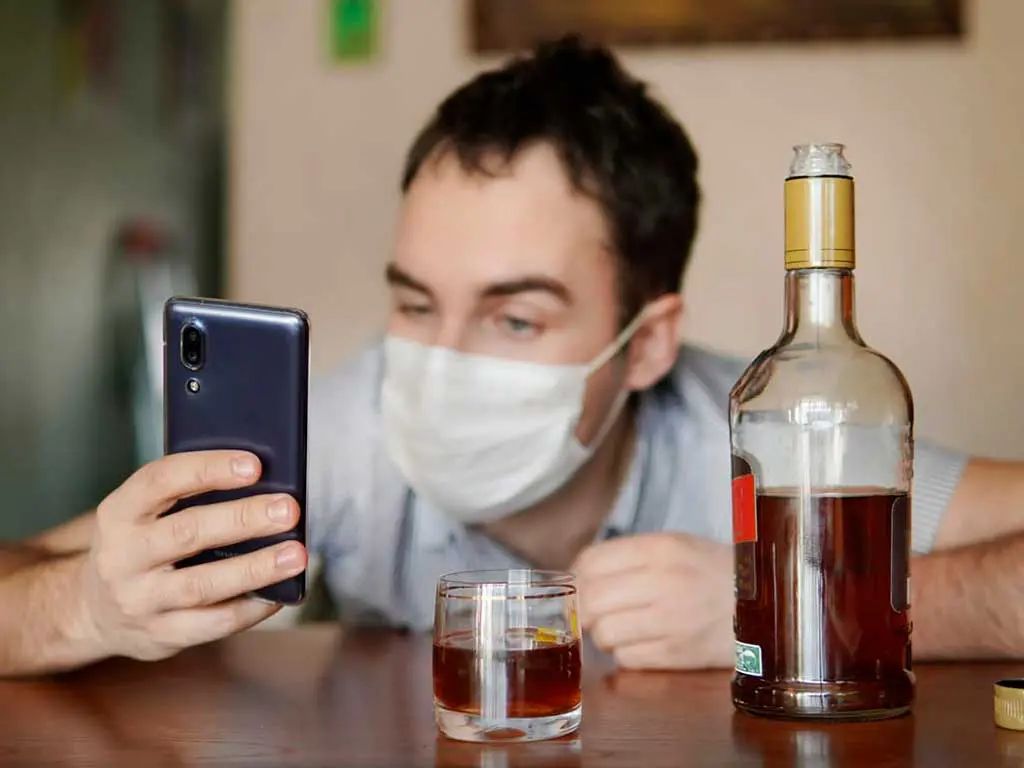
A male employee having a headache while drinking alcohol

An alcohol abuse screening test is a brief assessment to determine if a person has addiction problems. It is a simple questionnaire format that helps reveal the alcohol consumption patterns or behaviour of a person. The test usually includes questions about the amount and frequency of alcohol intake. Through this simple method, healthcare providers can note the potential risks and provide intervention. Therefore, it can help limit or reverse the impact of excessive drinking.

Alcohol use disorder is a serious medical condition that can affect people of various ages. It is characterised by the inability to control consumption despite its negative effects. It often leads to several chronic diseases and safety risks. Thus, recognising the early signs of alcohol misuse can help address the problem and prevent it from escalating. This article will present what alcohol screening tests are for, the types of screening questions, and how to take the test.

What Is an Alcohol Abuse Screening Test?

An alcohol abuse screening test is an assessment tool to see if an individual has a drinking problem or is at risk of developing one. It is used by health professionals or can be self-administered. It consists of a series of questions that evaluate various aspects of drinking behaviour, such as the frequency and quantity of intake.

The purpose of the test is to provide an objective measurement of the alcohol use patterns of an individual. The test also includes cravings for alcohol or withdrawal symptoms. Thus, it helps healthcare providers determine if the drinking habit is within the healthy limit. It also helps to identify any signs of alcohol dependence.

The test can be administered in primary care settings, hospitals, or substance abuse treatment centres. Individuals may also take the test privately through online questionnaires or test forms. At the end of the test is a guide on how to calculate and interpret the results. Moreover, the results can help identify individuals who may benefit from further assessment or rehabilitation treatment.

Signs of Alcohol Addiction

  • Increased tolerance to alcohol, leading to consuming larger amounts to achieve the same effect.
  • Having strong cravings or urges to drink more than intended.
  • Experiencing withdrawal symptoms when trying to quit or cut down on drinking.
  • Neglecting responsibilities at work or home due to excessive alcohol consumption.
  • Continued drinking despite negative consequences, such as relationship problems or health issues.
  • Binge drinking or consuming large amounts of alcohol on a single occasion or short period.
  • There is a feeling of guilt after heavy drinking.
  • Consuming alcohol several times per month consecutively despite the financial strain it causes.

Colleagues comforting a co-worker

Types of Alcohol Abuse Screening Tests

There are several types of alcohol abuse screening tests to help evaluate a person. Each type may be suitable for particular situations or settings, such as screening programs, counselling, emergency departments or clinical settings. One of the most widely used tests is the Alcohol Use Disorders Identification Test (AUDIT). It consists of 10 questions relating to alcohol use patterns, as well as experiences and problems related to alcohol.

The Cut-down, Annoyed, Guilty, Eye-opener (CAGE) questionnaire is another type of screening method to diagnose alcoholism. This test consists of four questions that focus on the feelings of guilt and attempts to cut down on drinking. The test is straightforward to administer, making it suitable for situations that need a quick screening.

Furthermore, the Michigan Alcohol Screening Test (MAST) comprises 25 questions to identify potential alcohol-related problems. It includes the risks associated with harmful drinking, loss of control, and neglect of responsibilities. Clinicians use this in interviews to get a more comprehensive assessment.

Are These Tests Reliable?

The alcohol use screening tests are generally reliable indicators of alcohol misuse. For instance, one positive answer in CAGE or other brief screening tools may be considered positive for alcohol addiction. However, there may be certain limitations that affect the reliability of the test, such as age, gender, and cultural background.

Thus, healthcare professionals may combine the use of screening tests with laboratory testing for the diagnosis of alcohol dependence. Urine or hair tests can help trace alcohol use in the past weeks or months. In particular, the long detection window of the hair test can reveal consumption patterns or periods of abstinence.
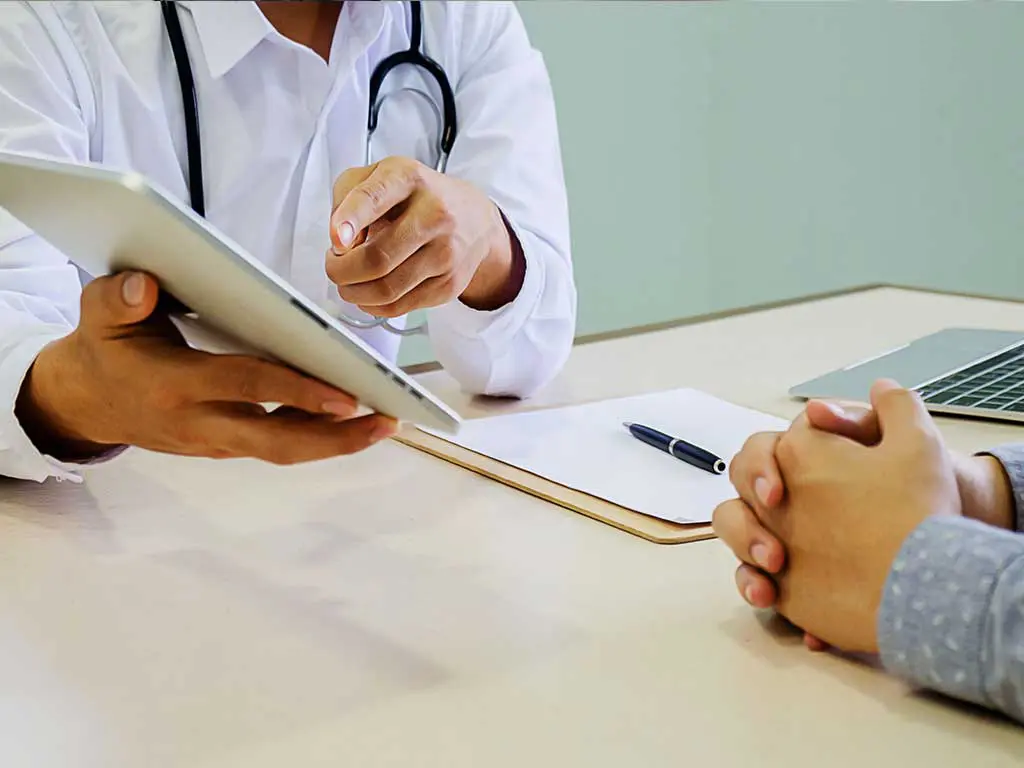
A health professional explaining the results of the test

How to Take an Alcohol Abuse Screening Test

Taking an alcohol abuse screening test can be a vital step for individuals who are concerned about their drinking habits. It is best to discuss with a provider about taking an assessment test to determine a reliable screening tool. The doctor can provide information on the type of test, how to answer the questions and interpret the results accurately.

Depending on the test, an individual may need to answer questions online or fill out a form. People must answer the test honestly to gain a clear understanding of their drinking habits. After completing the test, the clinician tallies the score and explains the results. If the score indicates high risk, it is vital to seek further evaluation.

It is worth noting that a positive result does not automatically mean that a person has a disorder or addiction problem. These tests provide an initial indication of problematic drinking. However, it is beneficial in recognising potential issues and taking the necessary steps towards seeking help. Treatments may include psychotherapy, medication, lifestyle changes, and support groups.

Who Can Conduct the Screening?

Healthcare professionals or mental health providers can typically conduct the screening test. These include therapists, psychiatrists, psychologists, and counsellors. These professionals have the knowledge and expertise to administer the test and precisely interpret the results. Furthermore, they are trained to ask the right questions and provide guidance and support.

Doctors may also administer the test as part of a routine medical examination. Additionally, professionals who specialise in substance abuse can identify signs of alcohol misuse and provide detailed interviews and assessments. Some tests may be self-administered for those who do not feel comfortable seeing a doctor.

Conclusion

The alcohol abuse screening tests are valuable tools for identifying individuals at risk of developing alcohol-related problems. They are standardised forms of assessment used by clinicians and health professionals. They are also available online for individuals to take personally to see their level of risks. Thus, people will know when to seek help or support. The most common types are AUDIT, CAGE, and MAST. They contain questions regarding alcohol drinking patterns and related consequences.

While these tests are generally reliable indicators of alcohol misuse, it is essential to consider certain limitations based on individual differences. Individuals need to answer the questions honestly to ensure accurate results. In addition, combining these helpful tests with laboratory examinations can help give a comprehensive overview. Finally, it is crucial for people who receive a positive result to seek further evaluation and pursue treatment options.
Alcohol Testing Near Me: Types of Tests Available

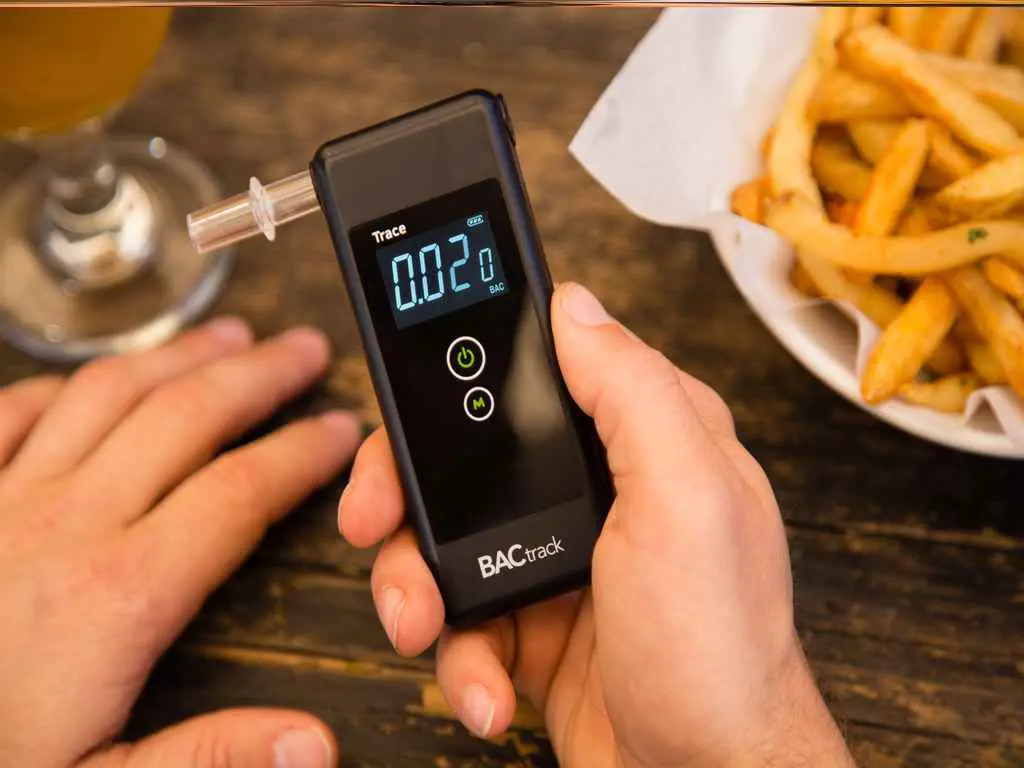
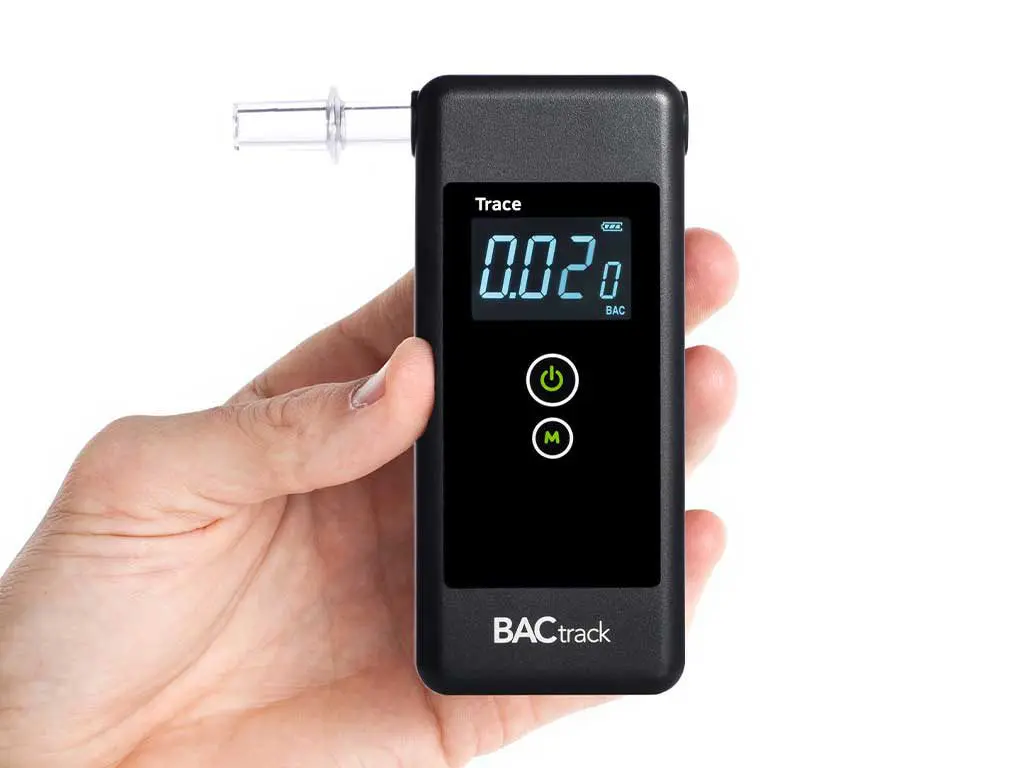
A hand showing the BAC results of a breathalyser

Alcohol testing is crucial for individuals who want to monitor their alcohol levels and comply with legal requirements. There are several options available when looking for alcohol testing near me. It includes the types of tests, such as breath, urine, saliva, hair, or blood analysis. Each method has varying levels of accuracy, convenience, and price. Thus, considering various factors is essential to ensure it meets the testing needs of an individual or workplace.

The foremost reason for the test is to detect the presence of alcohol in a person. For example, it can determine if an individual is impaired while driving or working. Moreover, it can help identify those who have alcohol abuse. Through this method, authorities or health professionals can take appropriate actions. This article will explore the types of tests a person or organisation can avail, where to find a testing service and other factors to consider.

Alcohol Testing Near Me – Types of Tests

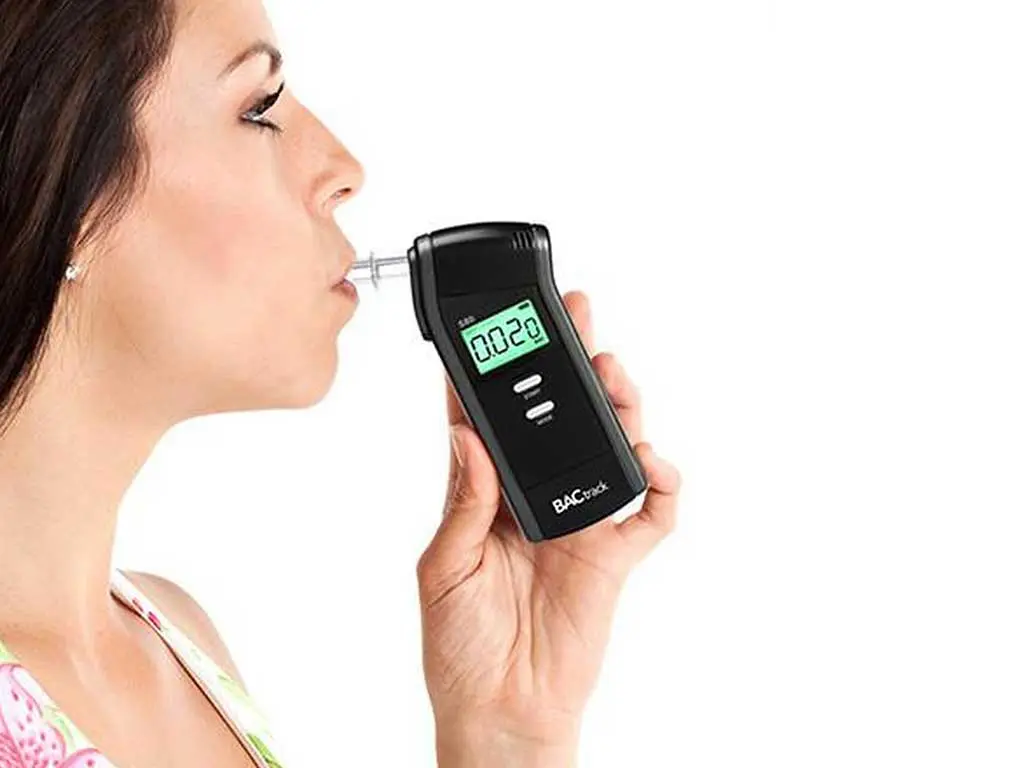
Alcohol testing near me offers several types of test methods. One common method is breath alcohol testing. The test requires a person to blow into a breathalyser to measure the Blood Alcohol Concentration (BAC) or amount of alcohol in the system. Additionally, the device can detect alcohol in the breath for up to 24 hours after consumption. It is a quick and non-invasive method that gives reliable results.

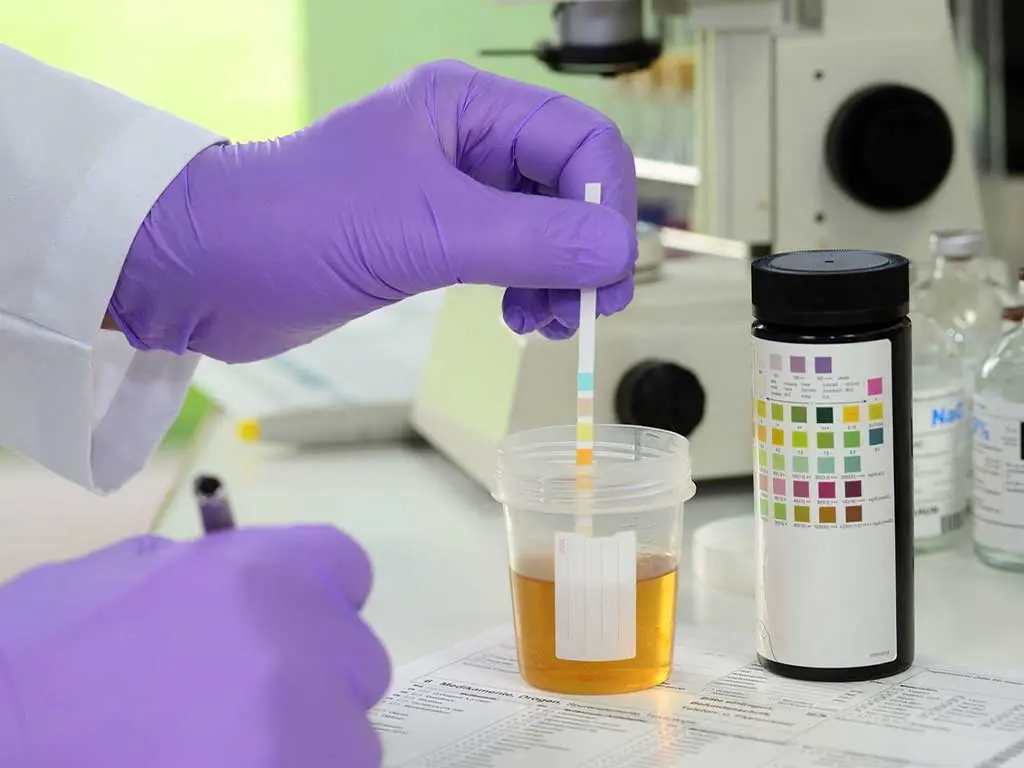
Another type is urine testing. It involves the collection of urine specimens which can trace ethanol metabolites for up to 48 hours. The saliva testing is another method to detect alcohol. The saliva collection procedure involves “spitting” or swabbing the inside of the cheeks. It can trace alcohol usage and measure the BAC at 0.02% or greater.

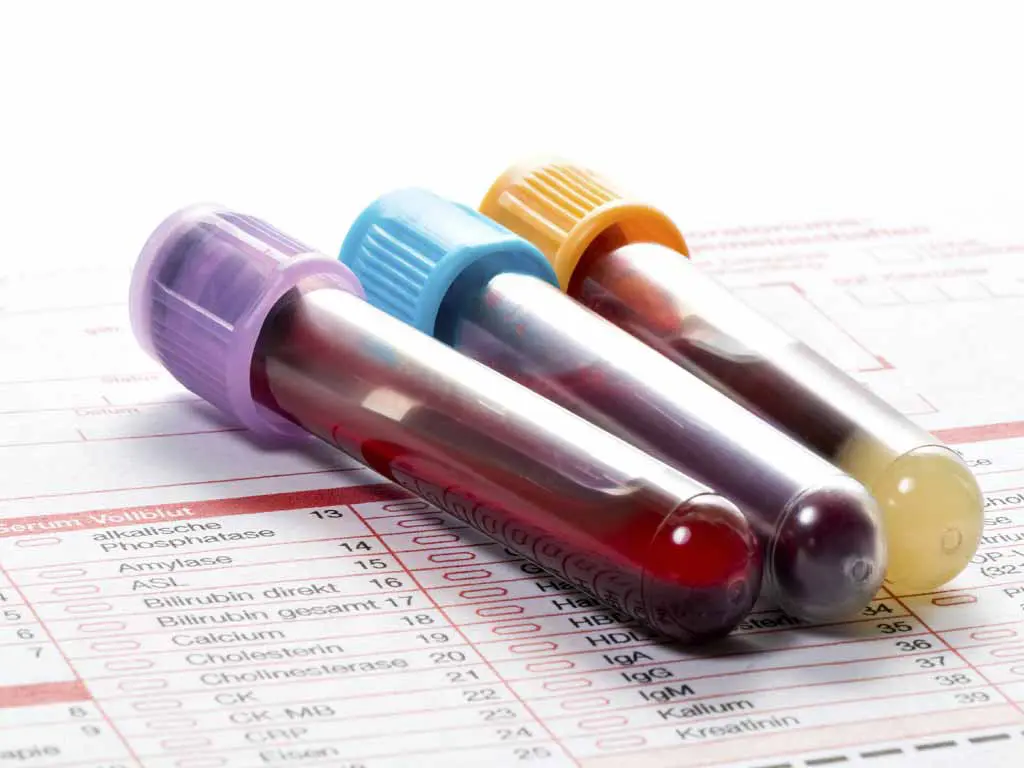
Meanwhile, the blood test involves drawing a blood sample from the vein in the arms of a person. This method provides the most accurate and reliable results, as it directly measures the alcohol concentration in the bloodstream. Lastly, hair follicle testing can trace alcohol substances as far as the past 90 days.

Substances that Can be Detected

  • Ethanol – The main compound in alcoholic beverages. It is a depressant substance that can slow down the functions of the central nervous system. It can result in impaired judgment, slow reaction time, and loss of coordination.
  • Ethyl Glucuronide (EtG) – a direct metabolite of ethanol that can be detected in body fluids and hair. It is formed even if a person drinks small amounts of alcohol.
  • Ethyl Sulfate (EtS) – an organic chemical compound formed by conjugating ethanol with a sulfate group. Like EtG, its presence indicates alcohol consumption.
  • Fatty Acid Ethyl Esters (FAEE) – a non-oxidative ethanol metabolite detectable in blood and hair.

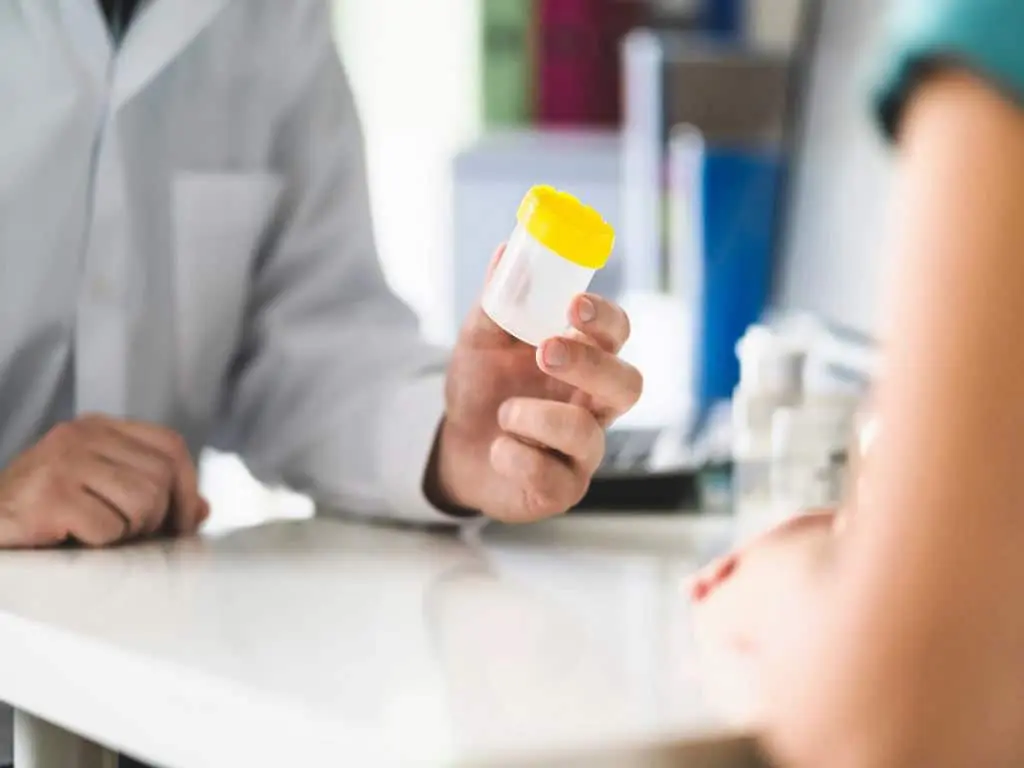
A professional giving a collection container to a patient

Where to Find an Alcohol Testing Near Me?

Alcohol testing near me is available in various facilities. One of the most common places is a local hospital or medical clinic. An accredited laboratory also offers diagnostic tests. These facilities have trained professionals to execute the tests. Individuals may go to the closest clinics to inquire about the range of services they offer.

Another option is specialised collection centres. Employers often hire drug and alcohol screening services to monitor impairments or substance abuse in the workplace. These centres are also well-informed about relevant laws in workplace testing. Hence, employers are confident of getting accurate results. It is convenient for organisations during pre-employment, random testing, post-incident testing, or reasonable suspicion cases.

Individuals may also use alcohol test kits. This may include a portable breathalyser device, saliva, or urine test kits. The testing equipment provides rapid results. A breathalyser can display the BAC results within seconds, while saliva and urine tests after 10-15 minutes. This option is cost-effective for quick alcohol detection.

What to Look For in a Testing Centre?

The services of testing centres can vary. Choosing a facility or clinic can depend on specific needs. First and foremost, it is essential to have certified professionals administering the test. The laboratory must follow industry standards and guidelines. Good customer service and fast results are also important for those seeking long-term testing.

For workplaces, employers may check if the facility can provide a mobile drug testing clinic with various test methods. This allows employees to submit a sample without interruptions at work. Additionally, companies may avail of alcohol awareness programs to educate workers about the hazards of alcohol use.

Three lab professionals analysing test samples

Alcohol Testing Near Me – Accuracy and Price Range

When choosing a facility for alcohol testing, accuracy and price range should be taken into consideration. Accredited laboratories adhere to the applicable standards to provide reliable results. Professionals follow the correct collection procedures, storage, and handling guidelines. This minimises adulteration of the sample, which can affect the accuracy of the test.

In cases of a positive screen for alcohol, a laboratory may require a new or split sample for confirmatory testing. They use advanced techniques, like Gas Chromatography and Mass Spectrometry (GC-MS), to get an accurate measurement of alcohol. Moreover, a Medical Review Officer (MRO) determines if the present substance is due to actual consumption or incidental exposure. Therefore, it helps rule out false positive reports.

The price range of alcohol testing near me may vary with each clinic. It also depends on the test methods and services. For example, breath, urine, and saliva tests are relatively affordable. Blood and hair testing are more expensive due to the complex process involved. The cost may range from $200 for in-house testing to over $1000 for laboratory testing.

Factors Contributing to Cost

Several factors can contribute to the cost of alcohol tests. Generally, it includes the test method, administrative fees, collection fees, and laboratory analysis. Using specialised equipment tends to be more expensive compared to rapid screening test kits. Furthermore, onsite testing may add up to the total cost due to additional set-up required.

Another aspect that influences the test price is the frequency and scale of testing. Company-wide testing may have a higher overall cost. Testing a large group of individuals simultaneously often require additional resources and personnel. However, some testing centres may offer a special price for bulk testing.

Conclusion

Alcohol testing is an important aspect of individual or workplace safety. Individuals may look for alcohol testing near me for healthcare, legal, or employment purposes. Similarly, organisations hire testing services to monitor alcohol use in the workplace. There are different methods available, including breath, urine, saliva, hair and blood testing. Among these, the breath test provides the most convenient procedure. It requires a person to blow into the breathalyser to measure the BAC level.

Furthermore, local clinics and specialised collection centres provide reliable testing services. The choice of selecting a facility may vary according to specific needs. This includes the need for mobile testing in a remote location and the speed of results. Equally important, the type of method or equipment influences the accuracy. Overall, ensuring reliable results and efficient service is essential in protecting the safety of employees and the general public.

Breath Analyzer Price: The Factors to Consider Before Purchasing

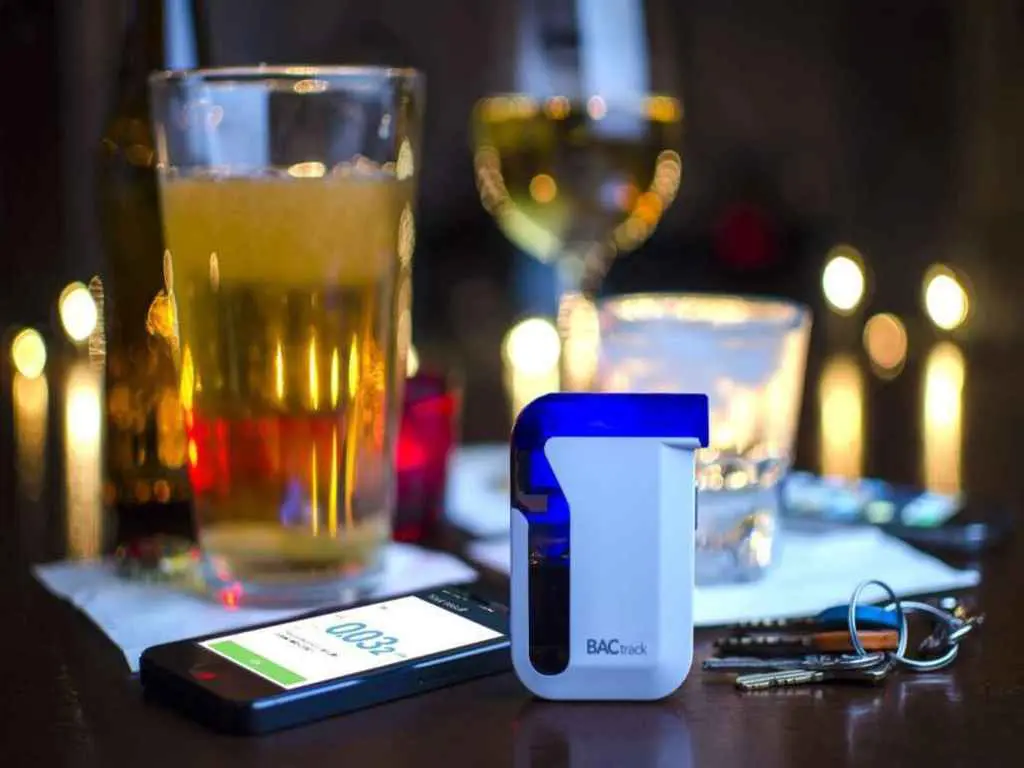
A personal breathalyser with a cellphone and a glass of drink on a table

Breath analyzers or breathalysers are handheld instruments that measure the amount of alcohol in a person through the exhaled breath. They are useful tools that individuals can use to monitor their alcohol consumption. People can purchase these devices at various breath analyzer prices. They are available starting at $50 for personal use. In addition, considering other factors before buying is crucial. This includes the features, accuracy, and types of technology.

People use an alcohol breath analyzer to estimate their Blood Alcohol Content (BAC) or level of intoxication. There are different kinds of breath testers with different features and prices. By considering several factors, individuals can ensure they get the value for their money and a device that meets their specific needs. In this article, we will explore the price range, factors to consider, and the types of devices according to purpose.

Range of Breath Analyzer Price

The breath analyzer prices suit individual consumers and large corporations. They are available for purchase starting at $50 to $150 for entry-level models. These units may have basic functions and do not have the accuracy or efficiency of more expensive models. Nevertheless, they can be useful in delivering reliable results.

Advanced breathalysers cost between $150 to $500, depending on the styles and features they offer. This is suitable for people who need more functionalities. Moreover, they usually offer higher accuracy using more sophisticated sensor technology. Also, the more features a device has, the higher the price. It may include a Bluetooth connection, a memory system, and adjustable settings.

Lastly, professional units can cost from $800 and higher. These devices have police-grade accuracy, which can be used in roadside screening and workplace monitoring. Higher-quality models can provide more precise and consistent readings. Furthermore, companies that require alcohol testing may get a device with the necessary certification, such as Australian/New Zealand (AS/NZ) Standards. This is to ensure the device adheres to the regulatory requirements for reliable testing.

Contributing Factors to Cost

  • Accuracy level: the accuracy of breath analyzers depends on the sensor type. The more accurate the device, the higher the cost can be.
  • Quality: the overall performance of the device can influence the price. This includes the durability, the warm-up time, and the response time of the device.
  • Additional features: breathalysers with smartphone connectivity, built-in printer, alarm time function, and auto flow monitoring can be more expensive.
  • Recalibration: regular recalibration also adds up to ongoing costs.
  • Mouthpiece: extra mouthpieces are inexpensive and can contribute to the total cost of the device.
  • Battery type: rechargeable units can be more expensive than those using alkaline batteries.

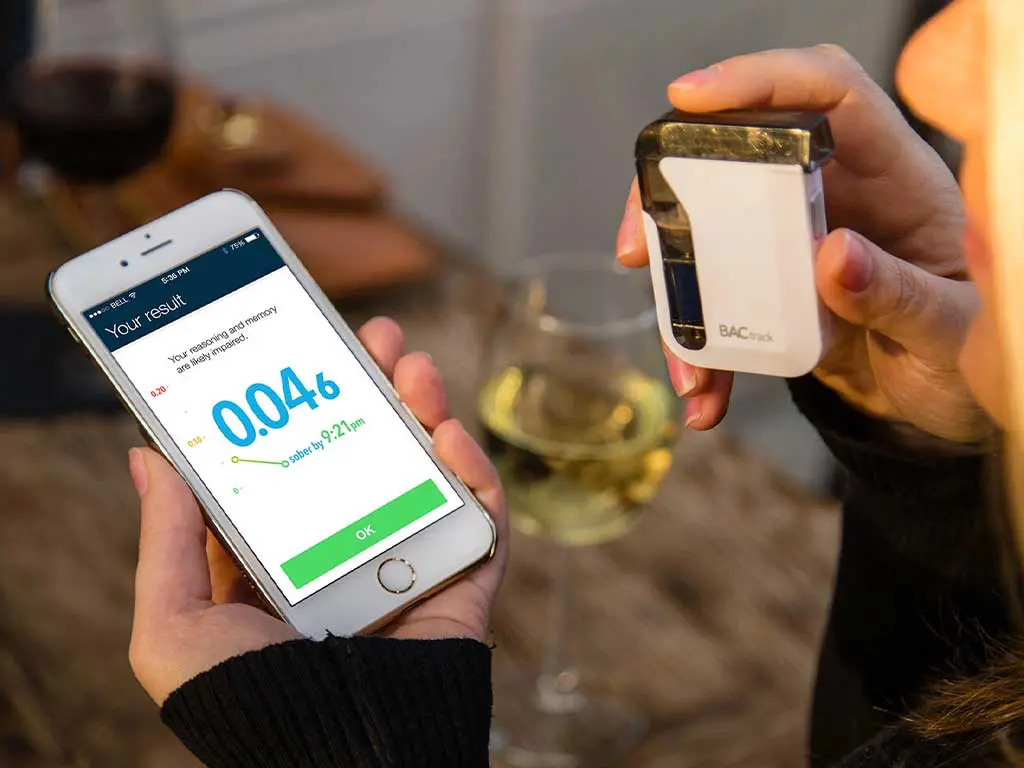
A person reading the BAC results from the smartphone

Breath Analyzer Price – Factors to Consider

One of the essential factors that affect the breath analyzer price is the accuracy. Ensuring reliable BAC results is critical in making informed decisions. Thus, it is advisable to check the specifications of the device when selecting a unit. This includes the detection range, the sensor type, and the accuracy rating.

Another key aspect is the ease of use. Portable breath alcohol testers should be quick and convenient. This is crucial for individuals experiencing the intoxicating effects of alcohol and need a quick BAC check. People may look for devices with a one-touch button for intuitive operation and fast response time. This will enable them to test their blood alcohol levels within a few seconds.

People may consider the additional features when selecting a device. For people who need to monitor their BAC continuously, having a digital alcohol meter with a test recall function can help. On the other hand, companies may get a device with a built-in printer for documentation purposes. Overall, individuals may choose a unit depending on their alcohol test needs.

Types of Technology

Alcohol breath detectors either use semi-conductive oxide or fuel cell sensors. A semiconductor breathalyser is less expensive. It works by using a tin oxide sensor to measure the presence of alcohol in the breath sample. However, other substances may affect its accuracy, such as acetone or residual mouth alcohol.

Meanwhile, a fuel cell breathalyser works by using an electrochemical reaction to measure the BAC. It produces mild electrical currents based on the amount of alcohol in the breath. Moreover, it has high specificity to alcohol. This means that endogenous substances are less likely to affect their reading.

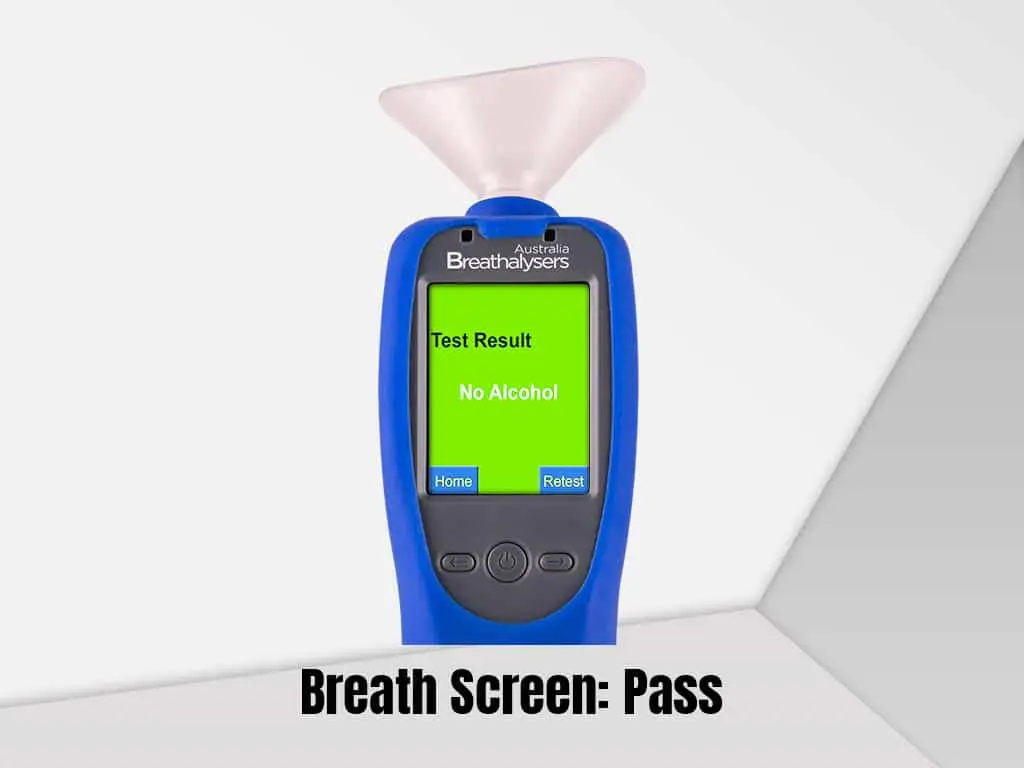
A workplace breathalyser with a passing breath screen result

Breath Analyzer Price – Personal or Workplace Use

Another essential factor that affects the breath analyzer price range is the type of device and its intended purpose. Mainly, personal units are more affordable because of their basic functions and simple technology. Nevertheless, it includes the necessary features for BAC monitoring, like a digital display, alarm time function, and auto power-off.

On the other hand, a workplace breath alcohol analyzer uses police-grade fuel cell sensors. This type of device has a wide measuring range of 0.00 to 0.400% BAC. This allows for an advanced analysis process of the breath sample. Therefore, it can detect even small traces of alcohol in the breath. Furthermore, it may come equipped with more features for optimum operation.

A workplace breathalyser may include dual testing options, such as passive and active mode. The passive mode can quickly detect alcohol regardless of the concentration. If the initial test is positive, the employer may switch to active mode to measure the breath alcohol concentration of the employee. Other features may include a graphic display, an optional mini printer, and a blow volume indicator.

Single-Use vs. Long-Term Use

Alcohol breath detectors may also come as single-use and reusable units. The former is cheaper because it is disposable after a one-time test. It also does not require a power source. This is suitable for special events. However, it can have several limitations, such as the absence of a digital display and limited detection range.

A reusable breathalyser is ideal for long-term use. Regular alcohol consumers can benefit more from this device. The initial cost may be more expensive, but the device can pay off with time. Moreover, it enables retests to help monitor the blood alcohol concentrations throughout the session more accurately.

Conclusion

Using a breath alcohol detector is valuable for people to monitor their alcohol consumption. It helps prevent them from exceeding the legal limits for driving, which could have various legal consequences. Furthermore, the breath analyzer price range depends on the sensor technology, features, and ease of use. Each type of sensor has varying levels of sensitivity to alcohol, which can affect the accuracy of results. For high precision and reliability, individuals may get fuel-cell sensor models.

Moreover, different types of devices are suitable for personal and workplace use. For professional testing, certified fuel cell devices are important. This helps ensure accuracy in readings and minimises false results. Companies may get a breath analyzer with a printer, a large battery capacity, and an advanced analysis process. These devices also feature a 3-digit LCD screen for more accurate measurement. Overall, investing in reliable equipment is vital in enhancing the peace of mind of individuals in various settings.

Digital Alcohol Tester: What It Is and How It Works

digital alcohol tester

A digital alcohol tester is a portable device used for measuring the amount of alcohol in the breath. This device is often used by police officers to determine whether a person is driving while intoxicated. It works by examining the provided breath sample for the presence of ethanol through the sensors. Within seconds, it provides a numerical reading that reflects the percentage of alcohol in the bloodstream. This tool provides an efficient way to measure Blood Alcohol Concentration (BAC).

Breath testing is important for individuals who are consuming alcoholic drinks. It helps them monitor their BAC level to prevent severe impairment. It also helps to ensure they do not exceed the legal alcohol limits for driving. Through a portable alcohol tester or breathalyser, people can know their alcohol level instantly. This article will present what a digital breathalyser is about, how it works, and tips on using the device for accurate results.

What is a Digital Alcohol Tester?

A digital alcohol tester is an electronic device that measures the BAC or concentration of alcohol of a person. It utilises different kinds of sensors to check for traces of alcohol in the exhaled breath. The common types are semiconductor and fuel cell sensors. Each type has varying accuracy levels and price ranges.

Personal breathalysers with semiconductor oxide alcohol sensors are typically the most affordable units. They are ideal for low-volume testing and quick alcohol screening. However, improper use of the device may generate inaccurate readings. On the other hand, a fuel cell breathalyser is specific to ethanol and does not react to other endogenous substances. Thus, it offers more precise results.

Aside from the alcohol sensor, the device has a microprocessor that calculates the BAC into the corresponding numerical value. Thus, it provides an objective assessment of the alcohol content in the breath. This provides an easy interpretation of the results, which can be useful for tracking the BAC. The results are usually displayed as either a percentage or in grams per litre.

Common Features of the Tool

  • Power button – most devices have a one-button operation.
  • Sensor – the breath alcohol tester may use either semiconductor or fuel cell sensors for personal units. Meanwhile, police breathalysers use advanced fuel cell technology.
  • Mouthpiece – a blowhole where the user provides a breath sample. Some devices have an attachable mouthpiece to help filter out contaminants.
  • LCD display – a small screen to display the BAC results. Depending on the model, some may include a battery indicator, test count, and test recall.
  • Alarm time function – alerts users when it is time to take a breath test. Individuals may set up the interval of the alarm.

digital alcohol testers

How a Digital Alcohol Tester Works

When a person consumes alcohol, it is absorbed into their bloodstream. As blood circulates through the lungs, some of the alcohol evaporates and exits the system through exhalation. The digital alcohol tester utilises a sensor that detects alcohol molecules in the breath. It also measures the mass concentration of ethanol in grams for every 100 millilitres of blood.

The sensor relies on a chemical reaction between the electrodes and the ethanol molecules. When alcohol comes into contact with the electrodes, it generates an electrical current. The strength of this current is directly proportional to the amount of alcohol present in the breath. Then, the processor calculates the output into a digital reading of the BAC.

Moreover, the estimation of the alcohol content is based on the blood-to-breath ratio. Thus, the breath test is a reliable indication of the BAC level. This whole process takes a few seconds to complete, providing the intoxication level of a person in real-time. However, it is vital to remember that a personal device only provides an estimate of the BAC and not a definitive measure of impairment.

Benefits

Using a digital breath alcohol tester can benefit many people. Firstly, it provides a reliable and objective measure of the BAC. This can be useful in situations in making informed decisions, such as driving or operating machinery. It helps people monitor their blood alcohol level to prevent severe impairment or exceeding the legal limit.

Secondly, they are portable and convenient to use. They are small and lightweight, making them easy to carry around and use whenever needed. Individuals can check their BAC level with one click of a button. Overall, it helps minimise the risk of accidents and promotes responsible drinking behaviour.

digital alcohol testers

Tips on Using a Digital Alcohol Tester

A portable digital alcohol tester is easy to operate, with most devices having a one-touch button. As a general guide, always wait at least 20 minutes after eating or drinking alcoholic drinks before taking the test. This prevents inaccurate readings due to residual alcohol in the mouth. To use the device, turn on the unit and wait for the warm-up time to finish.

During the test, take a deep breath and blow steadily to the mouthpiece for six seconds or until the stop signal. Avoid hyperventilating, as this may cause airflow errors. This may prompt the device to display a notification to retest. Afterwards, the breathalysers process the breath sample and provide a quick response within 10-15 seconds. The result may display 0.00% for no alcohol or 0.01% and higher if alcohol is present.

Furthermore, ensure there are no smoke, alcohol vapours, or paint fumes when using the breath tester. Always take the test in a clean area to prevent external contaminants from interfering with the reading. Lastly, always use fresh batteries and ensure timely recalibration of the device.

Accuracy and Reliability

Digital breath testers are generally reliable in measuring the BAC. The accuracy relies on the sensor quality of the device and the proper usage of the individual. Additionally, recalibration is vital to maintain optimal performance. Depending on the type of breathalyser or frequency of usage, they may require recalibration every six months to one year.

However, there are several factors that can affect the accuracy of the device. This includes individual metabolism, medications, and the presence of interfering substances. Alcohol can interact with OTC or prescription medicines, causing the BAC to inflate. Thus, knowing these factors can help in obtaining accurate results.

Conclusion

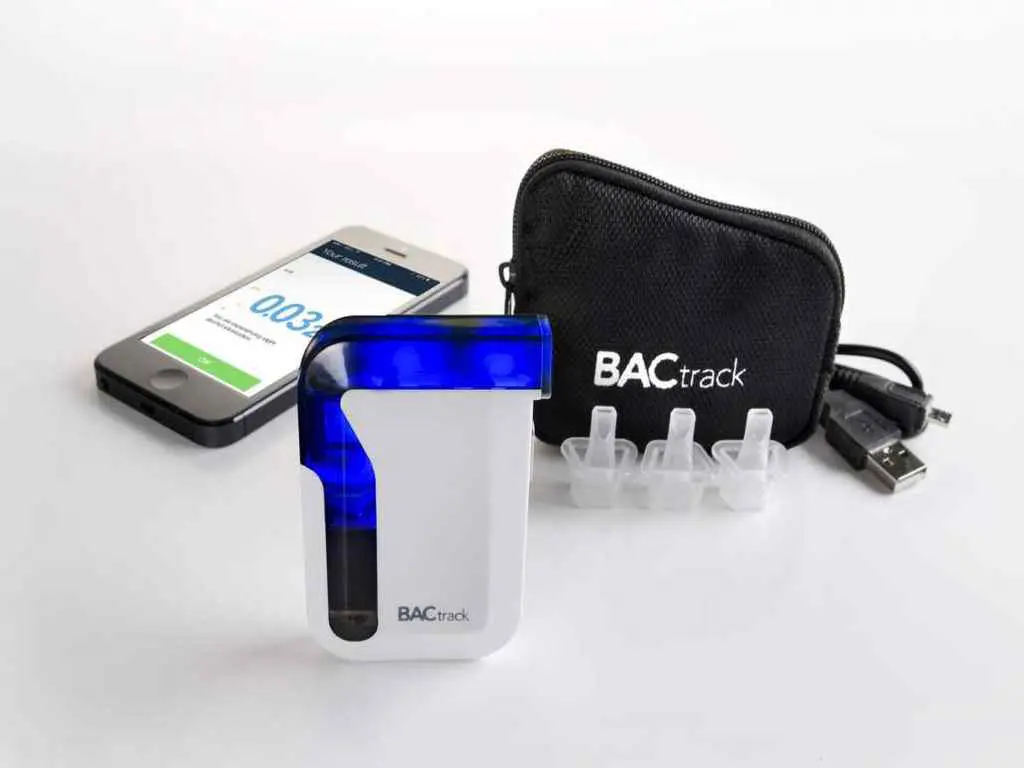
Digital alcohol testers are a convenient tool to detect and monitor the alcohol level of a person. It is a portable device utilising sensor technology to measure the BAC accurately. Breathalysers use either semiconductor or fuel cell sensors. Moreover, they have user-friendly features, including a one-touch button, clear LCD display, and alarm. Some devices may also have Bluetooth capability, like the BACtrack Mobile Pro, to connect to a smartphone.

Operating the device is straightforward. Users simply have to turn on the device, blow into the mouthpiece, and wait for the BAC readings. With the quick response time of breathalysers, individuals will know their current intoxication levels. Nevertheless, it is essential to use the device properly to obtain accurate results. This is especially important who are relying on it to make informed decisions. In conclusion, they are useful tools to promote responsible drinking behaviour and minimise alcohol-related risks.

Alcohol Analyzer Machine: How Does It Work?

A woman showing a breathalyzer

Drinking and driving is a dangerous combination. Thus, law enforcement agencies have implemented various methods to detect and deter it. One of these methods is the use of alcohol analyzer machines. These handy devices are also known as breathalyzers. They play a crucial role in ensuring road safety and preventing drink driving accidents. The breath analyzer works by measuring the amount of alcohol in the breath. A person simply needs to blow into the machine.

Consumption of alcoholic beverages is common. However, an alarming level of intake can lead to impairment in judgment and senses. This increases the risk of fatalities and other tragedies. The alcohol breath analyzer is a tool to help identify drivers under the influence of alcohol. Understanding how it works is important. It can help individuals appreciate its reliability in detecting alcohol levels. The following sections will present the device, including its functionality and accuracy.

What is an Alcohol Analyzer Machine?

An alcohol analyzer machine is a battery-operated device. It typically uses alkaline batteries for power. The machine is an invaluable tool for police officers. This is because it can quickly and accurately determine if a person has been drinking or not. It also objectively measures the Blood Alcohol Concentration (BAC) of an individual. The user simply blows into the breath analyzer for a reading.

Alcohol breath analyzers have become increasingly popular in recent years. This is due to their accuracy and ease of use. They typically feature user-friendly interfaces. Hence, people can quickly and easily view the results. Moreover, the testing machines can detect a wide range of concentrations, from low to extremely high levels of ethyl alcohol.

In addition to law enforcement, breath analyzers are beneficial in workplace settings. The units allow employers to make sure their employees are not under the influence of alcohol while on the job. This helps to promote safety. Additionally, businesses can use the machines to monitor if their staff is exhibiting any signs of intoxication.

Benefits of a Breathalyzer

  • Prevents impaired driving – A breath analyzer helps people see their blood alcohol level. Consequently, they can make informed decisions that avoid road accidents.
  • Protects communities – Accurately determining blood alcohol content can promote safer roads. Also, it reduces the risk of fatalities that impaired drivers cause.
  • Legal compliance – Testing machines help individuals and organisations comply with regulations regarding alcohol consumption. This reduces the likelihood of facing legal repercussions.
  • Personal accountability – The device encourages people to take responsibility for their actions about drink driving. Otherwise, they may face penalties.
  • Public awareness – The presence of breathalyzers in public spaces promotes a culture of responsible alcohol intake.

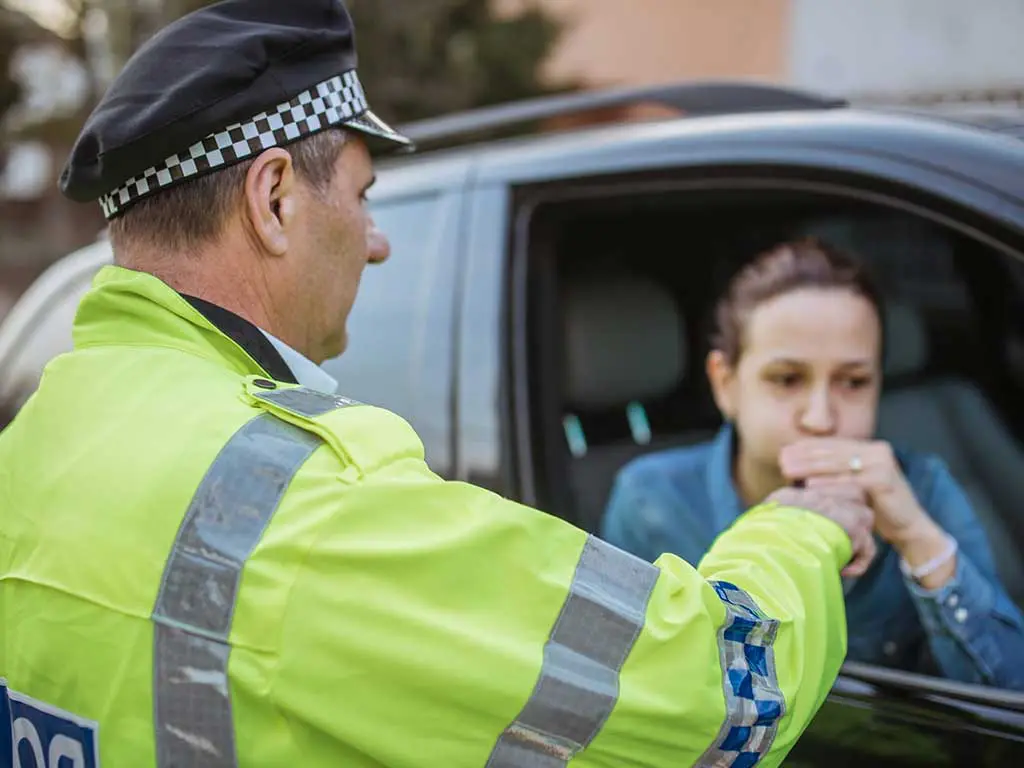
A police officer administering a breath test on a woman who is inside a car

How Does an Alcohol Analyzer Machine Work?

An alcohol analyzer machine is a handheld device containing an alcohol sensor and an attachable mouthpiece. The user blows into the mouthpiece, and the electronic sensor measures the concentration of alcohol in the breath. The breath analyzer then displays the results on the base unit or a built-in printer.

Police officials commonly utilise the breath analyzer to determine impaired individuals. The machine uses a chemical reaction to break down the molecule of alcohol in a breath sample. This produces a small electric current. Then, it is measured and converted into a digital readout. The measurement time is usually less than a minute. Thus, it is useful for roadside breath testing.

Breath analyzers are beneficial for medical and recreational purposes. This includes monitoring alcohol consumption or testing for intoxication levels before a night out. Furthermore, they can help to ensure people do not drink more alcohol than recommended by health authorities. Overall, individuals and organisations can use alcohol breath testers to protect everyone.

Main Components

A breath analyzer consists of several main components. One of the key parts is the sampling system. This includes the mouthpiece and sample chamber. When a person exhales into the mouthpiece, the sample chamber collects the breath to analyse the molecule of alcohol.

Another crucial component of a portable breath alcohol tester is the sensor system. It is responsible for detecting and measuring the alcohol content in the breath sample. This system typically includes a fuel cell sensor or semiconductor sensor. Both provide reliable BAC measurements. Additionally, the testing machines include a data processor and a portable LCD display.

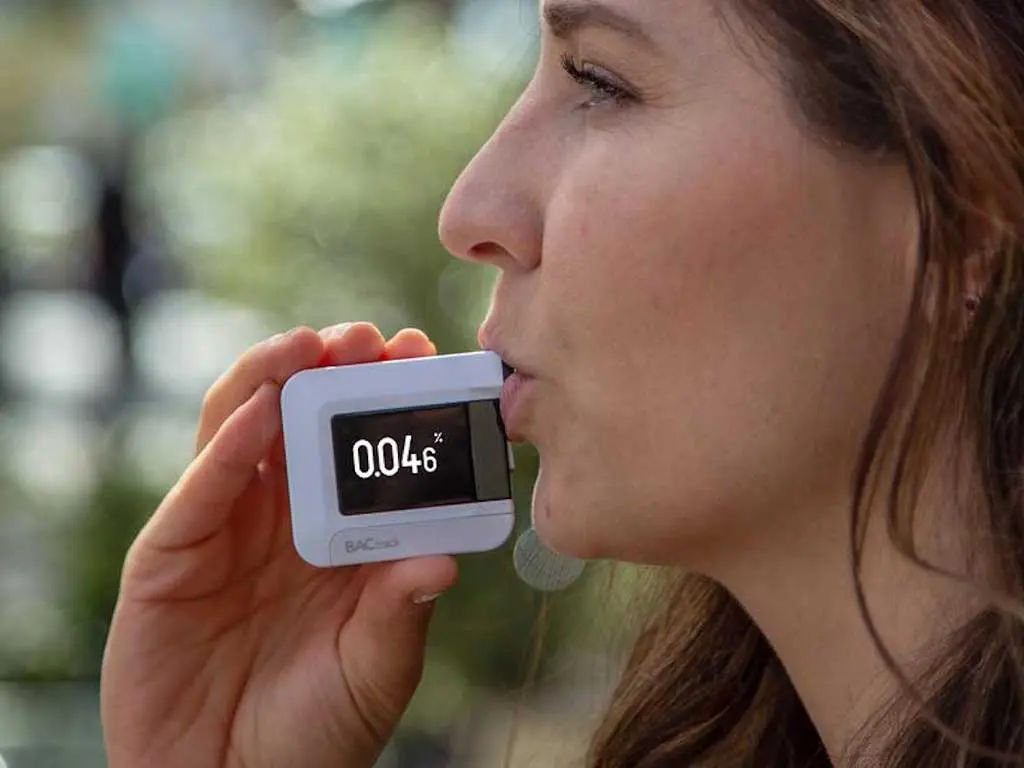
A person showing a breathalyzer with result on the screen

Accuracy of Measurement Using an Alcohol Analyzer Machine

The accuracy of measurement using an alcohol analyzer machine is crucial in various applications. Some examples are law enforcement, workplace safety, public transportation, and personal use. Accurately measuring the concentration of alcohol is vital for ensuring fair outcomes. This is especially necessary in legal proceedings and maintaining safety standards in different environments.

To prevent an inaccurate reading, regular calibration and maintenance are essential. Calibration helps to maintain the precision and consistency of the device. Meanwhile, proper maintenance keeps the breath analyzer in optimal working condition. Furthermore, using the latest-generation alcohol analyzer helps achieve reliable results because of the sensor type it uses. It also avoids electromagnetic disturbances that may interfere with the accuracy.

Moreover, proper collection and handling of the breath sample is important. Police officers, authorities, and individuals need to follow correct procedures to obtain thorough results. Manufacturers typically provide instructions alongside the alcohol breath analyser to ensure reliable results. Additionally, providing deep lung air is necessary for the most accurate reading of breathalyzer tests.

Understanding BAC Levels

In New Zealand, the legal limit for driving is 50 milligrams of alcohol per 100 millilitres of blood or 0.05% BAC. However, it is important to note that the effects of alcohol can vary between individuals. Factors like weight, gender, and metabolism can all impact the results of breathalyzer tests.

Understanding the potential consequences of driving with a high level of alcohol is important. Drink driving can result in fines and license suspension. Also, it poses a significant risk to the safety of both the driver and others on the road. To ensure safety, individuals should always use a breath analyzer after drinking.

Conclusion

The alcohol analyzer machine is an effective tool in promoting responsible alcohol consumption. It provides quick and accurate BAC readings. The accurate measurement time is usually within minutes. This makes it convenient for any user. Thus, the breath analyzer can help individuals make informed decisions about engaging in potentially dangerous activities. Moreover, the widespread implementation of these testing machines in public spaces has the potential to reduce alcohol-related accidents. This results in safer communities.

Breath analyzer digital machines determine the concentration of alcohol in deep lung samples of breath. They provide precise analysis as long as they are taken correctly. Moreover, regular calibration is necessary for the breathalyzer to maintain its accuracy. The machine has a wide range of applications. It detects alcohol levels in drivers during sobriety tests or at bars to verify that patrons are drinking responsibly. Additionally, employers can use it to monitor the alcohol consumption of their staff.

Evidential Breath Testing Device: Everything You Need to Know About Them

A police officer conducting a roadside breath test on a woman inside a car

Police officers use an evidential breath testing device at a police station after administering alcohol screening during random roadside stops. Drivers need to blow into the tube or mouthpiece connected to the machine. It plays a crucial role in determining Blood Alcohol Concentration (BAC) levels quickly and accurately. The machines are highly reliable. Hence, the results authorities acquire can be used as evidence in court.

Operating a vehicle or heavy machinery while under the influence of alcohol can be detrimental. It impairs motor skills, reduces reaction time, and decreases alertness. Thus, law enforcement officers and businesses have alcohol testing programs. They can use evidential breath testers for high-level results. To know more about the unit, this comprehensive guide will provide individuals with everything they need to know about it. This includes what it is, its accuracy, and whether they are accessible for purchase or not.

What Is an Evidential Breath Testing Device?

An evidential breath testing device measures the alcohol content in the breath of a person. The machine is commonly used in police stations. It determines if a driver is under the influence of alcohol. The tester works by analysing the breath sample and generating a measurement known as the BAC. This measurement provides a numerical value that indicates the level of alcohol present in the system at the time of the test.

Breath alcohol testing devices have become essential tools in enforcing drink driving laws. In addition, it ensures public safety on the roads. The machine measures the alcohol content by using a chemical reaction that occurs when ethanol in the breath sample comes into contact with a sensor. It then converts the response into a reading. This provides legal evidence of alcohol impairment.

These devices are calibrated to meet strict standards to ensure accurate readings. Regular maintenance is necessary to maintain their thoroughness. Police officers receive specific training on properly using them and interpreting the results. The testers help save lives by enabling law enforcement to swiftly identify and apprehend individuals who choose to drive while intoxicated.

A Brief History

  • Drunkometer – Rolla N. Harger this in the 1930s. This device used a chemical reaction to measure the alcohol content in breath. It required a chemical analysis and was not very portable.
  • Intoximeter – Dr. Robert F. Borkenstein invented it in the 1950s. It provided more accurate results than the Drunkometer. It was the first portable breath-testing device.
  • Breathalyser – This was also created by Borkenstein in 1954. The machine was smaller and more user-friendly than the previous model. It became the standard for breath testing.

These developments have led to more efficient methods for measuring BAC. Authorities worldwide rely on these devices to protect the community.

A police officer conducting a test on a person outside near their vehicles

Accuracy and Reliability of an Evidential Breath Testing Device

Accuracy and reliability are two critical factors when it comes to the operation of an evidential breath testing device. These machines utilise infrared spectroscopy technology to measure the amount of alcohol present in the breath. The accuracy of the readings is vital to ensure that the results are a true representation of the BAC of an individual.

Evidential breath testing instruments provide precise and dependable BAC readings. They undergo strict testing and calibration procedures. This is to ensure that they function correctly. Its accuracy is fundamental in determining levels of impairment. Moreover, it informs whether a driver is legally intoxicated or not. Confirmatory tests often rely on them to identify drink drivers.

A reliable device consistently provides correct readings. Also, it is not prone to errors or malfunctions. Reliability is crucial in maintaining its credibility in legal proceedings. There are strict quality control checks for the machines. Law enforcement agencies utilise them to support their case when prosecuting individuals charged with drink driving offences.

Factors that Affect Accuracy and Reliability

Various elements affect the accuracy and reliability of a tester. One key factor is the calibration and maintenance of the device. Consistent calibration ensures that the device is accurate in calculating BAC. Additionally, regular maintenance is crucial to ensure that the device is functioning correctly and is free from any defects or malfunctions.

Another important factor is the proficiency and training of an operator. The breath sample collector needs to have knowledge and ability to properly administer the test. They should understand the proper testing procedures. This includes properly instructing the subject, obtaining sufficient specimens, and correctly interpreting the results.

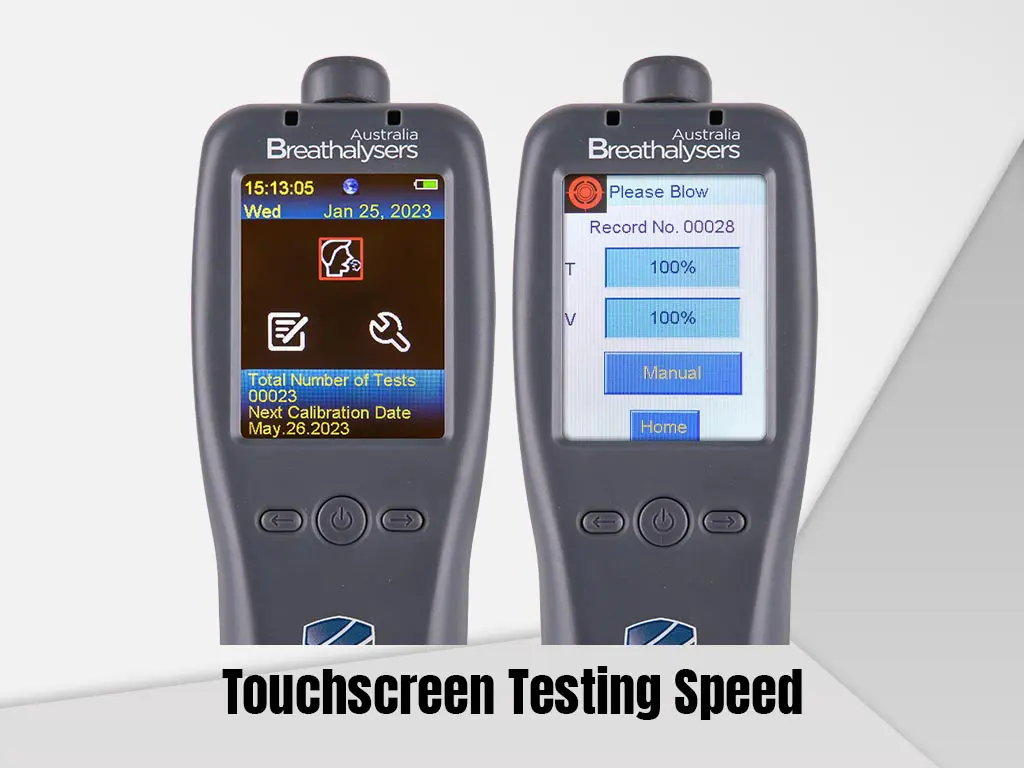
Two breathalysers with information on their screens

Can You Buy an Evidential Breath Testing Device?

Evidential breath testing devices are available for purchase in various places. There are many models on the market. Thus, it is important to choose one that is approved by the relevant authorities. When buying, it is crucial to consider certain factors. Firstly, the unit should be compliant with the regulations and standards of jurisdictions. Different countries and states may have specific requirements. This includes approved models or ascertained accuracy levels.

Secondly, check for any necessary certifications that the law may require. Lastly, consider the reputation and reliability of the manufacturer before making a purchase. Look for reviews and user feedback to ensure buying a quality product.

It is worth noting that the usage of an evidential breath tester may be restricted to certain individuals or organisations. In many cases, law enforcement agencies, as well as medical and legal professionals mainly use it. Those who need a device for personal use, like monitoring their alcohol consumption, may opt for a personal breathalyser instead. These are typically less expensive. They may not provide the same level of accuracy as evidential devices but are still effective.

Different Types and Models Used by Law Enforcement Agencies

Authorities utilise many types and models of evidential breath testers. One of the most common types is the handheld breathalyser. It is usually portable. Another one is the stationary breathalyser, typically found at police stations. They are more sophisticated and offer greater accuracy due to their larger size and enhanced features.

Moreover, there is the infrared spectrophotometer breathalyser. It measures the absorption of infrared light by the alcohol present in the breath. Furthermore, there is the electrochemical fuel cell breathalyser. This uses a chemical reaction between the alcohol and fuel cells to generate an electrical current. Then, it is used to determine the BAC.

Conclusion

The evidential breath testing device is a crucial tool in law enforcement. It accurately detects and measures BAC. With its reliable results, the machine has greatly improved the process of identifying and prosecuting individuals who are driving under the influence. The tester provides a scientific and objective way to measure BAC levels. Therefore, it ensures fairness and accuracy in identifying intoxicated drivers. Qualified individuals and organisations can buy a unit. However, it must adhere to laws and regulations.

The introduction of evidential breath testers has had a significant impact on public safety. It provides immediate and reliable testing capabilities. Hence, law enforcement officers can promptly remove drink drivers from the road. This then prevents potential accidents and saves countless lives. Also, its use has a deterrent effect. It discourages people from driving under the influence due to the fear of being caught by an accurate and efficient breath-testing device.

Beating a Breathalyzer: Is It Really Possible?

A woman blowing through a breathalyser that shows the result

Police officers utilise a breathalyzer to measure Blood Alcohol Concentration (BAC). However, there have been persistent myths about ways to fool these devices and escape legal repercussions, like drink driving penalties. With the potential consequences of the charges, people are curious if beating a breathalyzer is possible. The answer to this question is no because breath testers are reliable. However, several factors can increase and decrease alcohol levels.

Breath testing is an important tool for law enforcement. This is because it can quickly and accurately assess if a driver is impaired by alcohol. The use of a breathalyzer machine is beneficial because it allows authorities to get a reading without the need for blood draws or urine samples. The following sections will present the facts and myths of beating a breath tester, understanding the BAC levels, and factors that affect the outcomes of breath tests.

Facts vs Myths About Beating a Breathalyzer

Law enforcement officers use a breathalyser to identify drivers suspected of intoxication. While these devices are generally reliable, there are some misconceptions surrounding them. One common myth about beating a breathalyzer is that sucking on a penny can alter the results, which is false. Such action may instead interfere with the accuracy of the test, resulting in potential legal consequences.

Another prevalent myth is that consuming coffee or engaging in vigorous exercise can quickly reduce alcohol levels. However, scientific evidence do not support these ideas. The only way to lower BAC levels is to allow the body time to metabolise the alcohol naturally. Caffeine and physical activity can help people feel more alert. However, they do not speed up the elimination of alcohol from the system.

A final myth worth debunking is the belief that breathalyzer results can be easily challenged in court. While it is true that breathalyzer accuracy can be subject to scrutiny in legal proceedings, it is not as easy to dismiss such evidence as commonly believed. Challenging the results requires solid scientific evidence and expert testimony. This can be an arduous task for a defence.

Summary of the Common Myths

  • Eating mints can fool a breathalyzer. Although these may temporarily mask alcohol odour, they do not affect the accuracy of the breath tester in detecting alcohol levels in the blood.
  • Holding breath or hyperventilating before blowing into a breathalyzer can alter the results. However, this practice has no impact, as it measures deep lung air, not just surface air.
  • Drinking energy drinks can sober a person up quickly. Caffeinated beverages do not reduce BAC or speed up the metabolism of alcohol.
  • Burping before submitting to a tester can lower the reading. Contrary to popular belief, this does not eliminate alcohol from the system.

A person holding a breathalyser with the result showing on its screen

Beating a Breathalyzer – Understanding Blood Alcohol Content (BAC)

Beating a breathalyzer is not possible, but there are ways to reduce the chances of registering a high BAC. Thus, understanding how alcohol content works is crucial. BAC is a measure of alcohol in the bloodstream. It is calculated in terms of the weight of alcohol in a certain volume of blood. The device usually expresses it as a percentage. Knowing BAC levels can assist individuals in making responsible choices regarding alcohol consumption and driving.

Breathalyzers work on the principle of measuring the alcohol concentration in the breath. This is assumed to be proportional to that in their blood. Breathing into the device estimates the BAC levels by analysing the alcohol molecules in the breath.

Some people seek ways to bypass a breathalyzer. However, prioritising safety and responsibility is essential. Engaging in tricks to beat the tester is not only risky but also illegal. There is no proven way to lower BAC quickly or make them undetectable. The only foolproof method to avoid drink driving is to refrain from consuming alcohol entirely. Moreover, they can wait an adequate amount of time for the body to metabolise the alcohol.

Calculating Your BAC

BAC is typically measured in terms of grams of alcohol per 100 millilitres of blood. To calculate the BAC, know the alcohol content of the beverages. People can find this on the label as a percentage or proof. Next, multiply the alcohol content by the volume consumed to get the total number of grams of alcohol consumed.

Then, divide this value by the body weight to determine the grams of alcohol per kilogram. Finally, individuals can use a BAC chart or online calculator that considers additional factors to estimate BAC accurately. Remember that this is only an estimation, and individual tolerances may vary.

A man pouring alcohol into a glass

Beating a Breathalyzer: Factors that Affect BAC

Indeed, beating a breathalyzer is not possible. Nevertheless, several factors can affect the accuracy of BAC readings. Firstly, the amount of alcohol intake can influence the outcome of a breath test. Excessive alcohol intake in a short period can lead to inaccurate results. This is because it takes time for the body to metabolise and eliminate alcohol.

Secondly, the lung capacity of a person can affect BAC levels. People with larger lung capacities may have a lower BAC reading compared to those with smaller lung capacities who may register a higher BAC. This is because a breathalyzer assumes that the ratio of alcohol in the breath to alcohol in the blood is consistent for everyone.

Lastly, the amount of time between the last drink and the breathalyzer test is an element that influences breath alcohol levels. The body eliminates alcohol at a fairly predictable rate of about 0.015 BAC per hour. If a person has already metabolised a significant amount of alcohol before the test, their reading may be lower than their actual BAC.

The Legal Limits for BAC

The legal limits for BAC vary depending on the location. In New Zealand, it is 0.05%. Going over this limit can lead to serious consequences. This includes hefty fines and jail time. It is therefore important to understand the limits and take precautions to ensure that individuals do not exceed them.

However, it is essential to emphasise that even if the BAC is below the legal limit, authorities can still charge people with driving under the influence (DUI) if their driving is visibly impaired. This is because alcohol affects individuals differently, and some drivers may experience significant impairment at lower BAC levels.

Conclusion

Beating a breathalyzer is not possible and is not recommended. The testers are accurate in determining the alcohol content in the body. Any attempts to fool the machine can lead to serious consequences. The best advice for anyone facing a breath test is to remain sober. This is the only sure way of passing it. Moreover, people should understand how BAC works since several factors affect the breathalyzer readings. Some elements may produce false positives.

The presence of alcohol in the body can impair judgement and motor skills. In addition, it increases the risk of injuries or death. It is important to understand the implications of drink driving and stay away from it. Having a personal breathalyzer can help keep track of alcohol levels before and after drinking. Individuals can buy online or in-store. They can check BACtrack from Breathalysers New Zealand for portable breathalyzer options.

Blood Alcohol Level Test: What Are The Different Types?

Alcohol in three glasses

A blood alcohol level test measures the amount of alcohol present in the bloodstream. This test is common to determine the level of intoxication of a person or impairment due to heavy alcohol consumption. Accordingly, different types of alcohol testing can measure Blood Alcohol Concentration (BAC) levels. This includes breath tests, urine tests, and blood tests. Each assessment has its own factors to consider, enabling people to choose the most applicable method.

Drinking alcohol is a common social activity. However, it is crucial to understand the effects of alcohol on the body. The blood alcohol content directly affects the level of impairment. The higher the BAC, the more severe the intoxication. Hence, testing is essential for making responsible decisions and avoiding dangerous situations. This article will present more about the different testing methods, including the breathalyser, urine analysis, and blood samples.

Blood Alcohol Level Test Using a Breathalyser

A breathalyser is a kind of breath alcohol testing device that measures blood alcohol content. It analyses the concentration of alcohol in the breath of a person. When an individual consumes alcoholic drinks, it gets into the bloodstream and the lungs for exhalation. To conduct a blood alcohol level test using a breathalyser, a person blows into the unit to provide a breath sample.

The approach is the most popular as it is accessible and easy to administer. There are available portable breathalysers that are compact and convenient to carry. This makes it popular for personal use.  Accordingly, it is battery-operated and can easily fit into a pocket or purse. Some breathalysers can connect to smartphones through Bluetooth for more accessibility.

Additionally, the devices offer various sensor technologies. This can include fuel cells, infrared cells, and semiconductor sensors. Their use is essential in New Zealand, as it is illegal to drive with a BAC over the legal limit. The legal limit is 0.05%; however, for drivers with sensitive duties such as operating heavy machinery, the limit is zero.

How to Use the Device

  • Ensure that the breathalyser is in proper recalibration before use.
  • Follow the instructions of the manufacturer for operating the device. This includes any specific preparation or warm-up time.
  • Wait at least 15 minutes after consuming any food or drink before using the breathalyser to get an accurate reading.
  • Make sure that the mouth is free of any substances that could potentially interfere with the accuracy of the breathalyser, such as food, drinks, or smoking.
  • Take a deep breath and blow into the device. Ensure a steady and continuous flow of breath.
  • Wait for about 10 to 15 seconds for the BAC reading to show up.

A professional analysing a urine sample

Blood Alcohol Level Test Through Urine Analysis

A blood alcohol level test through urine testing is a procedure to determine levels of alcohol through body fluids. This test assesses alcohol consumption, specifically in situations where a blood draw is not suitable. The procedure for conducting the test is relatively simple, involving the collection of urine samples. A candidate provides a specimen to be put in a container.

A health professional may instruct to clean the genital area before urinating and collect a midstream sample. This helps to minimise contamination and ensure accurate results. After the collection of the specimen, it is sent to a laboratory for analysis. In the lab, the sample undergoes a series of tests to measure the presence of alcohol.

The concentration of alcohol in the urine is measured and reported as a percentage or in terms of Grams Per Deciliter (g/dL). However, it is important to note that urine testing is not as reliable or accurate as blood tests. Hence, the approach is common in situations where a recent diagnosis of alcohol drinking needs to be determined.

Factors that May Influence the Result

When it comes to alcohol urine testing, several factors can influence the result. One of the main factors is the timing of the test. Alcohol can detect alcohol metabolites in urine for 24 hours after consumption. Thus, the timing of the test is crucial in determining the accuracy of the result.

Other factors that may influence the result include the metabolism of the person, body weight, hydration levels, and heavy drinking and drinking habits. Additionally, certain medications and medical conditions can also affect the accuracy of alcohol urine testing. It is essential to consider these factors when interpreting the results of urine tests.

A blood sample in three containers

Blood Alcohol Level Test Using Blood Samples

A blood alcohol level test using a blood sample is another method in the determination of a person’s alcohol content. This test assesses the influence of alcohol or to investigate cases involving alcohol-related accidents or incidents. The approach can provide the most accurate results than the other methods. However, this is less common as it has an invasive nature.

The procedures require a healthcare professional who will collect a blood sample. This uses a syringe, and the draw is usually in a vein in the arms of a person. The specimen is then sent to a laboratory for analysis. In the lab, the sample is analysed using testing equipment to measure the concentration of alcohol in the bloodstream precisely.

Once the analysis is complete, the laboratory determines the BAC based on the amount of alcohol in the blood specimen. Accordingly, it is worth mentioning that the timing of the alcohol blood tests is crucial. The body metabolises alcohol rapidly; thus, the accuracy depends on how soon the sample is taken. BAC levels will typically peak within an hour or two of drinking and will begin to decrease.

Advantages of Blood Testing

Blood testing for alcohol has several advantages over other forms of alcohol testing. Firstly, it provides the most accurate and reliable results. Blood tests can accurately measure the concentration of alcohol in the bloodstream. This provides a precise indication of the level of intoxication of a person. Additionally, blood testing can detect alcohol consumption over a longer period than breath or urine tests.

Furthermore, blood testing is less prone to external factors that can affect the results, such as certain medications or the presence of mouthwash. Overall, blood testing for alcohol offers a comprehensive and accurate method for assessing alcohol consumption.

Conclusion

A blood alcohol level test is a valuable approach to determining the BAC levels of a person. This is beneficial in identifying people with alcohol impairment and excessive drinking. This process can aid in reducing or eliminating accidents, injuries, or harm to other people. The method of testing can be with the use of breathalyser, urine, or blood testing. Breathalyser is the most accessible, urine testing is less costly, and blood testing can give the most accurate result.

The breathalyser is easy to use with specific procedures. A person will blow in the mouthpiece and wait for the BAC reading. Accordingly, various factors influence urine tests, such as the timing, physical factors, and other medications. However, it provides a wide detection window. Blood testing has the advantage of being more reliable and accurate among the test methods and is less prone to external factors.

Alcohol Level Test: What It Is, How To Conduct, and Legal Limits

A woman drinking a glass of alcohol

An alcohol level test is a procedure to measure the concentration of alcohol in the body. It is commonly done to determine if someone has recently consumed alcohol. There are several methods to conduct the test. This includes urine tests, blood tests, and breath tests. In New Zealand, the legal limits for alcohol tests range from zero to 0.05% Blood Alcohol Concentration (BAC). The threshold varies depending on the age and license type.

Alcohol consumption is a common social activity. However, heavy drinking can have serious consequences. Moreover, driving under the influence (DUI) is a significant concern, as it puts not only the life of the driver at risk but also the lives of others. To prevent accidents and legal issues, law enforcement or consumers usually determine the blood alcohol level. This article will present what the test is about, how to conduct it, and the legal BAC limits.

What is an Alcohol Level Test

The alcohol level test measures the amount of alcohol present in the bloodstream. It is common to identify if someone has heavy alcohol consumption and the effects of alcohol. Accordingly, the purpose of the breath alcohol testing equipment is to assess impairment and determine if someone is under the influence of alcohol. This can be important in roadside screening, workplace testing, and medical setting.

In conducting the ethanol testing, there are several methods available. This includes alcohol urine testing, alcohol blood testing, and breath testing. The urine tests involve analysing the urine sample of a person to detect the presence and levels of alcohol. Such an approach is popular due to its low cost and simplicity.

Blood tests are one of the most accurate methods. This approach directly measures blood alcohol levels in the bloodstream. It requires drawing a blood sample, which is sent to a laboratory for analysis. Hence, it is not common as it requires the administration of a health professional. Meanwhile, breath alcohol testing devices are non-invasive, convenient, and deliver prompt results. This utilises the sample of breath to determine BAC.

Factors that Affect the BAC Levels

The following are the factors that can affect the BAC levels of a person:

  • The amounts of alcohol consumption – excessive amounts of alcohol consumption pose a higher BAC level.
  • Body weight and composition – individuals with higher body weight tend to have lower BAC levels than those with lower body weight.
  • Metabolism rate – individuals with a faster metabolism tend to have lower BAC levels as their body breaks down alcohol more quickly.
  • Gender – women generally have a higher BAC level than men after consuming the same amount of alcohol due to differences in metabolism and body composition.

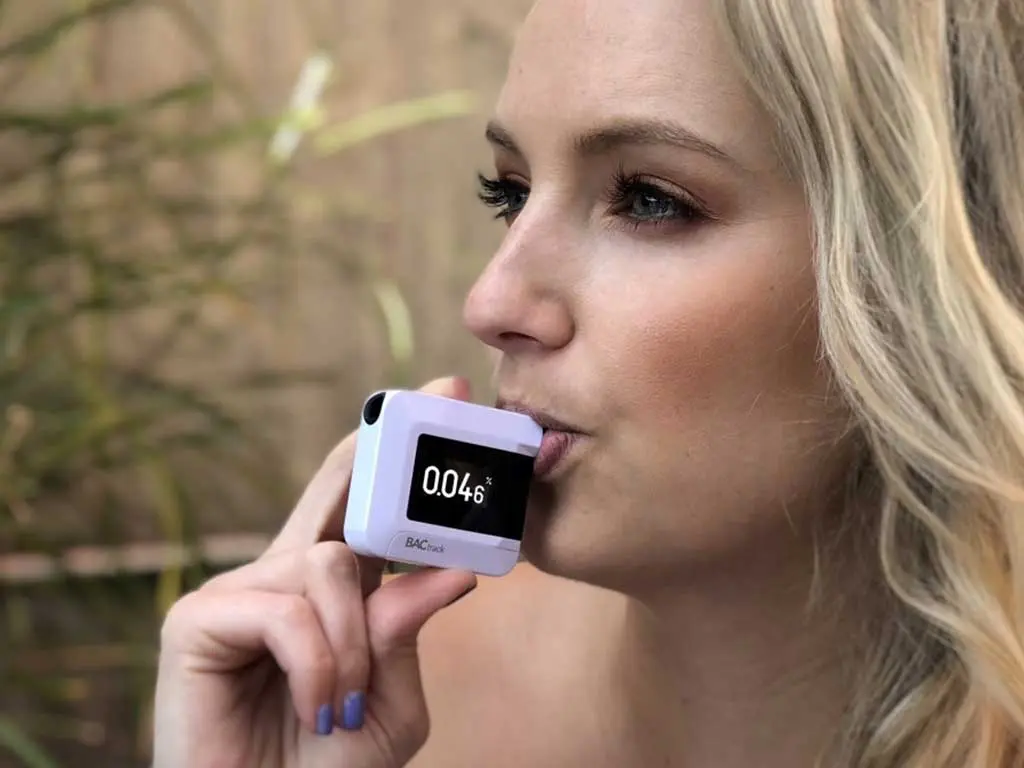
A woman using a BACTrack breathalyzer

How to Conduct an Alcohol Level Test

To conduct an alcohol level test, there are specific steps to follow depending on the type of method. For the alcohol urine testing, it begins with the collection of urine samples. People can use testing kits or send the specimen to a laboratory. Follow the instructions provided or consult a healthcare professional to analyse the urine specimen properly.

For the alcohol blood tests, a medical professional will prepare the necessary equipment, including gloves, syringes, and blood collection tubes. Then, the practitioner will draw blood from the vein, usually in the arms. The specimen will be put in storage and sent to a laboratory for analysis. Once the test is complete, the practitioner will interpret it based on specific requirements.

On the other hand, the breath alcohol device is easy to operate. In conducting the breath test, ensure that the breathalyser is recalibrated and functioning correctly. The candidate will blow into the mouthpiece according to specific duration and force. As such, the unit will analyse the breath sample and provide a digital reading of the BAC level.

Why Use a Breathalyser

Using a breathalyser is a reliable and convenient method for measuring BAC compared to other methods. Firstly, a breathalyser is a portable device. This makes them suitable for various settings such as law enforcement, workplaces, and personal use. Secondly, it provides immediate results, allowing individuals to quickly determine if a person is under the legal limit of alcohol for driving.

The other methods, such as blood tests or urine tests, require additional time and resources to collect and analyse samples. Additionally, breathalyser devices are non-invasive and painless. This makes them preferable to both individuals and professionals for their accuracy and convenience.

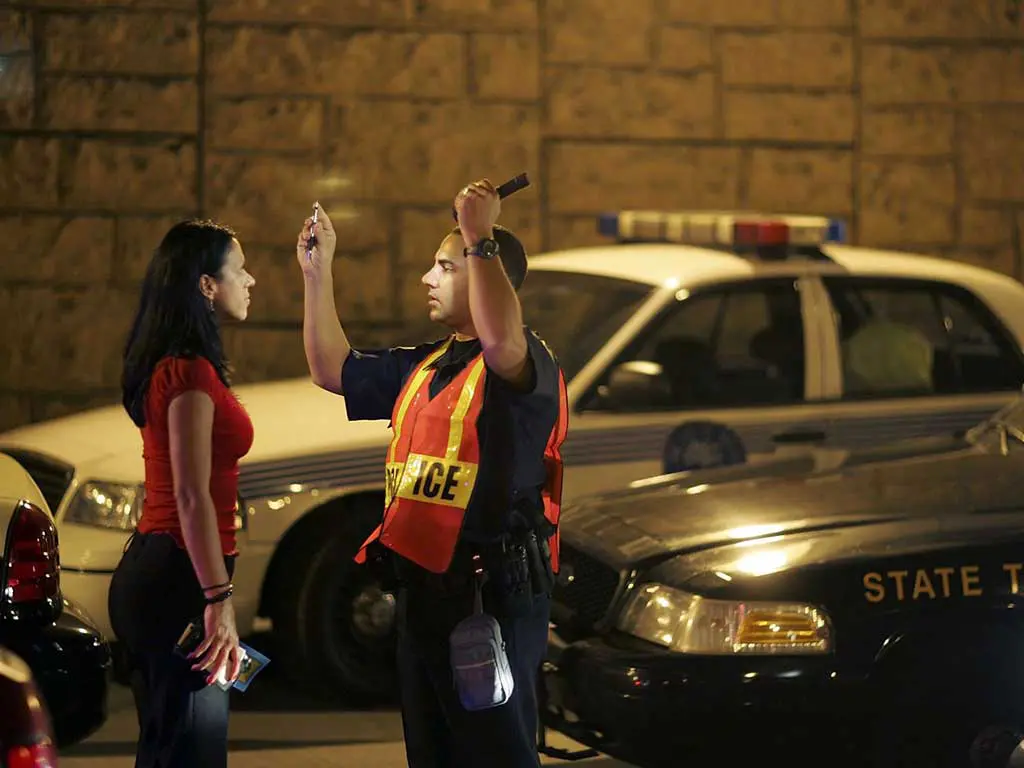
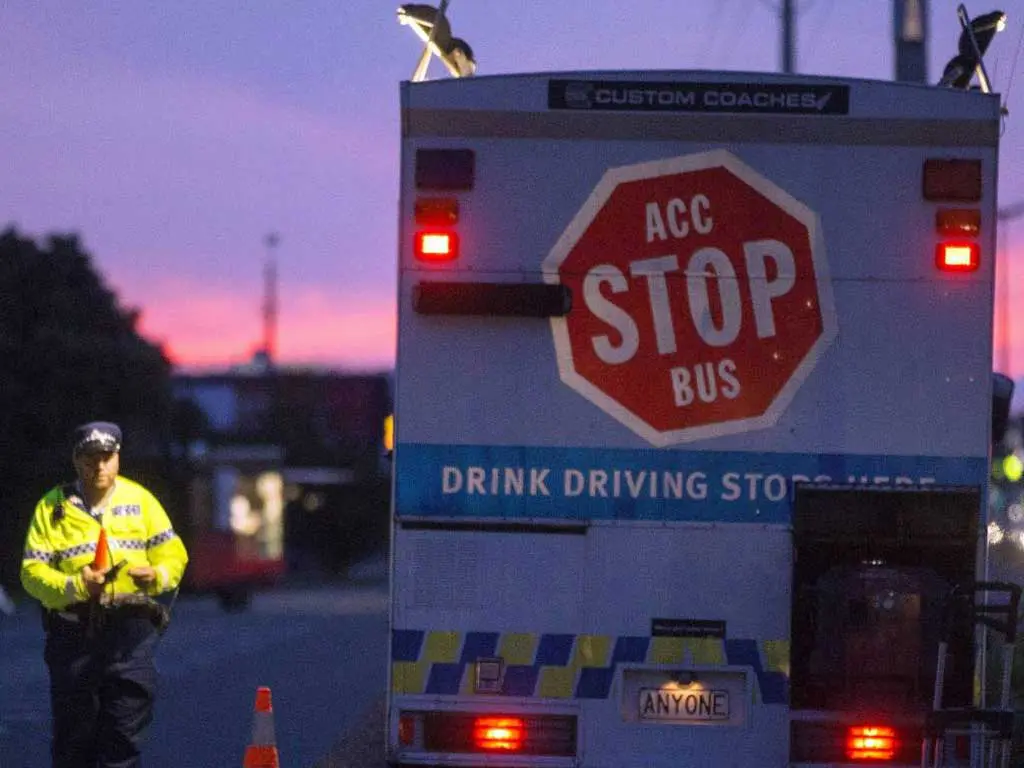
A law enforcer in a drink driving stop

Legal BAC Limits for Alcohol Level Tests

In New Zealand, the legal BAC limits for alcohol level tests vary depending on the type of driver or vehicle. For drivers who hold a full license, such as a non-provisional license, the legal BAC limit is 0.05%. This means that the alcohol concentration in the blood must not exceed 0.05 grams of alcohol per 100 Milliliters (mL) of blood. For drivers with learner permits or provisional licenses, the legal BAC limit is lower at 0.00%.

Such an approach means the driver must have no alcohol in the system while driving. Accordingly, some drivers are subjected to a stricter BAC limit. This includes professional drivers, as well as drivers of heavy commercial vehicles. The legal limit for these drivers is also set at 0.00%.

The general guideline that high-risk workplaces adhere to is a zero BAC limit. This means that employees must be completely sober when tested through alcohol testing at work. The process ensures that the worker is suitable for doing the job. Hence, there are consequences for exceeding the alcohol policy.

Penalties and Charges of Driving with Unlawful BAC Levels

Driving with unlawful BAC levels in New Zealand can lead to severe penalties and charges. For a first offence, the penalties may include fines of up to NZD 4,500. This can also include disqualification from driving for some time, mandatory attendance to alcohol education, and alcohol treatment programs. Imprisonment is also possible for a term not exceeding three months.

For subsequent offences, the penalties become more severe. Repeat offenders may face higher fines, longer disqualification periods, and an increased likelihood of imprisonment. It is important to note that the authorities have the power to conduct random testing.

Conclusion

Alcohol level test is an effective approach to measure the BAC level in the system of a person. This method can determine if a person is in a state of intoxication or impairment. Thus, it eliminates or reduces the risks of accidents, injuries, or harm to other people. In conducting a test that determines the BAC, individuals can use a urine analysis, blood testing, or breath sample. Each type has advantages that can suit specific needs.

The legal BAC limit varies depending on cases and situations. For non-provisional license holders, the limit is 0.05%, for drivers with provisional licenses and professional drivers, the limit is 0.00%. Accordingly, some workplaces also incorporate a zero-tolerance alcohol approach. Nevertheless, it is vital to understand the BAC limits to avoid offences. Exceeding the limit can lead to fines, penalties, disqualification, or even imprisonment. For many people, using a personal breathalyser is the most convenient in BAC monitoring.

Positive Test For Alcohol: The Need To Know

A man looking at his phone with a glass and bottle of alcohol on the table

Alcohol testing has become increasingly common. It can be for workplace testing to legal proceedings. People should be aware of the procedures and what the results may mean for them. Whether they drink regularly or recently, knowing the ins and outs of a positive test for alcohol can make a significant difference. For instance, the amount of liquor they consume can affect the outcome. However, they must also know that there is a possibility of false positives.

The consequences of a non-negative test can vary depending on the situation and local laws. Typically, individuals will receive some form of penalty, like jail time or fines. They may also need to attend an alcohol education program or take part in community service activities. With the right information, they can make informed decisions and navigate situations involving testing with confidence. This article will explain how alcohol intake can affect test results, false positives, and the role of confirmatory testing.

Understanding the Amounts of Liquor that Can Lead to a Positive Test for Alcohol

Knowing the limits that can trigger a positive test for alcohol is important. This is especially true for people who need to be aware of their Blood Alcohol Concentration (BAC). It is crucial to note that even small amounts of alcohol can result in a non-negative test. Various methods, such as breath testing, blood testing, and urine testing, can detect alcohol metabolites.

The amount of standard drinks it will take to test positive for alcohol is dependent on several factors. It can be about the amount of liquor a person drinks, the testing type, the amount of alcohol consumed, or the body weight of a person. Generally, the higher the consumption of liquor, the higher the likelihood of testing positive.

The concept of standard drinks is important to consider. It measures the amount of alcohol consumed and estimates BAC. A standard drink is defined as 14 grams of pure alcohol. This is equivalent to a 1.5-ounce shot of distilled spirits, a 5-ounce glass of wine, or a 12-ounce beer. Generally, a person needs about four standard drinks in an hour-long time frame to reach 0.05%.

BAC Legal Limits in NZ

  • The legal limit for drivers over the age of 20 is a BAC of 0.05 grams per 100 millilitres of blood. This means that they should keep it below 0.05. Otherwise, there may be charges.
  • For drivers under the age of 20, the legal limit is zero. This means that any amount of alcohol detected in their blood while driving is considered illegal.
  • Commercial drivers, such as truck drivers or bus operators, have a lower legal limit of 0.02 grams per 100 millilitres of blood. This is because their profession entails greater responsibility and impaired driving could pose potential danger.

Glasses of alcohol lined up on a table

Possibility of a False Positive Test for Alcohol and the Causes

Despite the reliability of modern testing methods, there is a potential risk of a false positive test for alcohol. It can occur due to various reasons. One common cause is the use of certain products that contain alcohol, such as mouthwash or breath spray. These products can lead to trace amounts of alcohol in the breath, resulting in a positive test without drinking alcohol.

Another factor that can contribute to false positives is the presence of certain medical conditions or the use of certain medications. For example, individuals with a condition like diabetes may have high levels of acetone in their breath. Tests can falsely detect it as alcohol. Additionally, certain medications, such as cough syrups or cold remedies, may contain alcohol and can therefore lead to false positive test results.

Similarly, exposure to cleaning products or hair dyes that contain alcohol can also produce false positive results. It is crucial to inform the testing authority about any potential sources of alcohol exposure to avoid inaccurate outcomes. Thus, healthcare professionals need to consider these factors when interpreting alcohol tests.

How Long Does Alcohol Stay in the System

Alcohol typically stays in the system for a finite amount of time. The exact duration can vary depending on various factors. Some examples are the amount of alcohol consumed, the metabolism of a person, and the type of alcohol test. Typically, it lasts for 24-72 hours for individuals who have consumed moderate alcohol amounts.

Generally, tests can detect the presence of alcohol in the body for up to 24 hours through breath tests with a breathalyser. Meanwhile, blood tests can detect alcohol for usually up to 3-5 days. It is important to note that heavy drinking or chronic use may result in longer detection times.

Three technicians discussing inside a lab

Confirmatory Testing After a Positive Test for Alcohol

When there is a positive test for alcohol through a preliminary screening such as by giving a sample of breath or urine, a confirmatory test is often conducted to accurately measure the BAC. This testing is crucial to rule out any false positives and to ensure reliable results. It provides a more accurate and precise measurement of the alcohol content and can detect alcohol for a longer period.

Ethyl Glucuronide or EtG tests are common for confirmatory testing. It detects the presence of ethyl glucuronide, a metabolite that the body breaks down after consuming alcohol. The test can detect alcohol exposure for up to 80 hours. Thus, it is a valuable tool for monitoring alcohol use, especially when alcohol abstinence is necessary.

Confirmatory testing for alcohol is essential in various contexts. This includes workplace testing programs, medical screenings, and the assessment and treatment of individuals with alcohol use disorders. With the testing, healthcare providers and professionals can make informed decisions regarding treatment approaches, counselling, and interventions.

Legal Implications of a Confirmed Non-Negative Result

A confirmed non-negative result on an alcohol test can have significant legal implications. In the workplace, it may result in disciplinary action or termination. This is especially true in safety-sensitive positions. Employers have a responsibility to maintain a safe and drug-free work environment. Employees who test positive may be deemed unfit for duty.

Outside the workplace, a confirmed non-negative result can also have legal consequences. For example, in some jurisdictions, it can impact child custody arrangements or visitation rights. In the case of an individual on probation or parole, it can violate the terms of their supervision, leading to potential penalties or jail time.

Conclusion

A positive test for alcohol is a result of an individual having recently consumed alcoholic beverages. It can be a tool to determine if someone has been drinking. Moreover, it can tell the amount of alcohol intake. This type of test is often used in the workplace or by law enforcement officers to detect levels of intoxication. Non-negative results are usually determined by checking BAC. If authorities obtain one, offenders may face penalties.

However, it is important to note that false positives can occur and confirmatory testing is necessary. People need to understand that the effects and influence of alcohol, such as impairment and various health conditions, may last far beyond the time it remains detectable in the body. It is always best to wait for the effects of alcohol to completely wear off before engaging in any activities that require alertness and coordination. This can be driving or operating machinery.