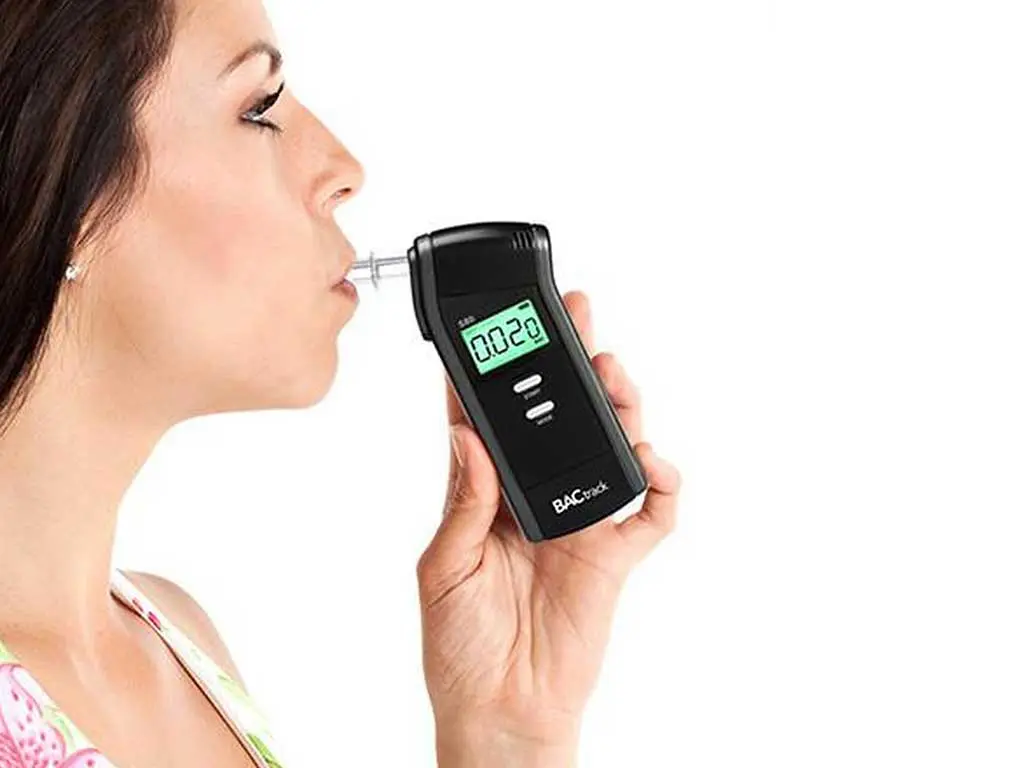
Alco Breathalyzer vs BACtrack: A Comparison Guide

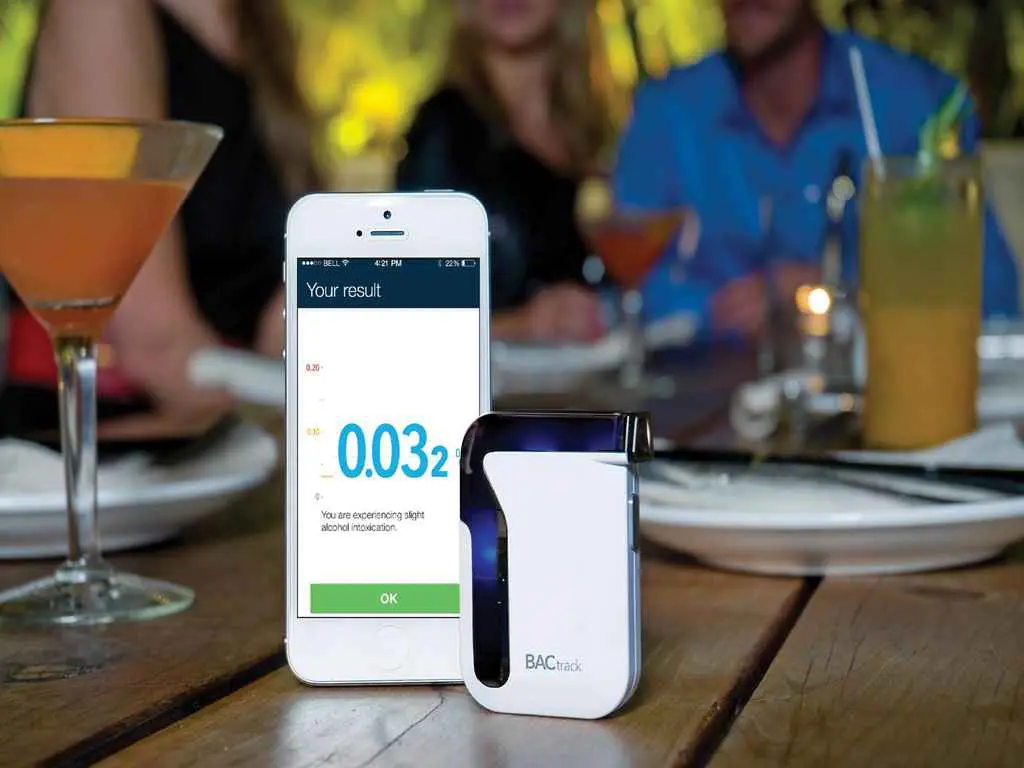
A breathalyser and smartphone on the table.

People utilise portable breathalyzers to monitor their alcohol consumption and maintain control over their alcohol levels. Two commonly used devices are the Alco breathalyzer and BACtrack. These devices assess Blood Alcohol Concentration (BAC), indicating the level of alcohol present in the blood. They offer a wide range of devices, from personal units to professional-grade testing devices. However, they may differ in features, such as battery types and controls.

Impaired or drink driving is a significant contributor to traffic accidents and injuries. Excessive alcohol consumption can hinder a person’s ability to drive safely, as it can impact concentration, perception, reaction time, and coordination. As a result, many people utilise a breathalyzer to assess their BAC prior to operating a vehicle. This article will present a comparison guide between Alco breath testers and BACtrack, including their accuracy, features, ease of use and convenience.

Alco Breathalyzer vs BACtrack: Accuracy and Digital Display

When it comes to accuracy in alcohol breath testing, both the Alco breathalyzer and BACtrack are reliable choices. They utilise fuel cell sensors, which are known for their high level of accuracy and reliability in measuring alcohol levels in breath samples. The accuracy range of these devices typically falls between 0.00% and 0.40% BAC range, making them suitable for a variety of testing scenarios.

In terms of displaying the alcohol levels, both the Alco and BACtrack feature LCD screens. These provide users with clear and easy-to-read results, ensuring fast and precise measurements. The LCD display on these devices allows users to quickly determine their alcohol level, making it convenient and user-friendly.

Having accurate readings and a clear digital display is of utmost importance for users of alcohol breathalyzers. It ensures reliable assessments of one’s alcohol level, which is crucial in making informed decisions about driving or operating machinery. A clear digital display makes it easy for users to interpret their results, eliminating any confusion or uncertainty.

Sensor Technology

  • Fuel cell sensor: this technology uses a platinum electrode and an acid solution to measure the alcohol concentration in the breath. It provides highly accurate and reliable results and is commonly used in professional-grade breathalyzers.
  • Semiconductor sensor: this type of sensor relies on a tin oxide or metal oxide film to detect alcohol molecules in the breath. It is often used in personal breathalyzers due to its affordability and compact design.
  • Electrochemical sensor: this sensor utilises a chemical reaction to produce an electrical current that corresponds to the alcohol concentration. It offers accuracy and stability.
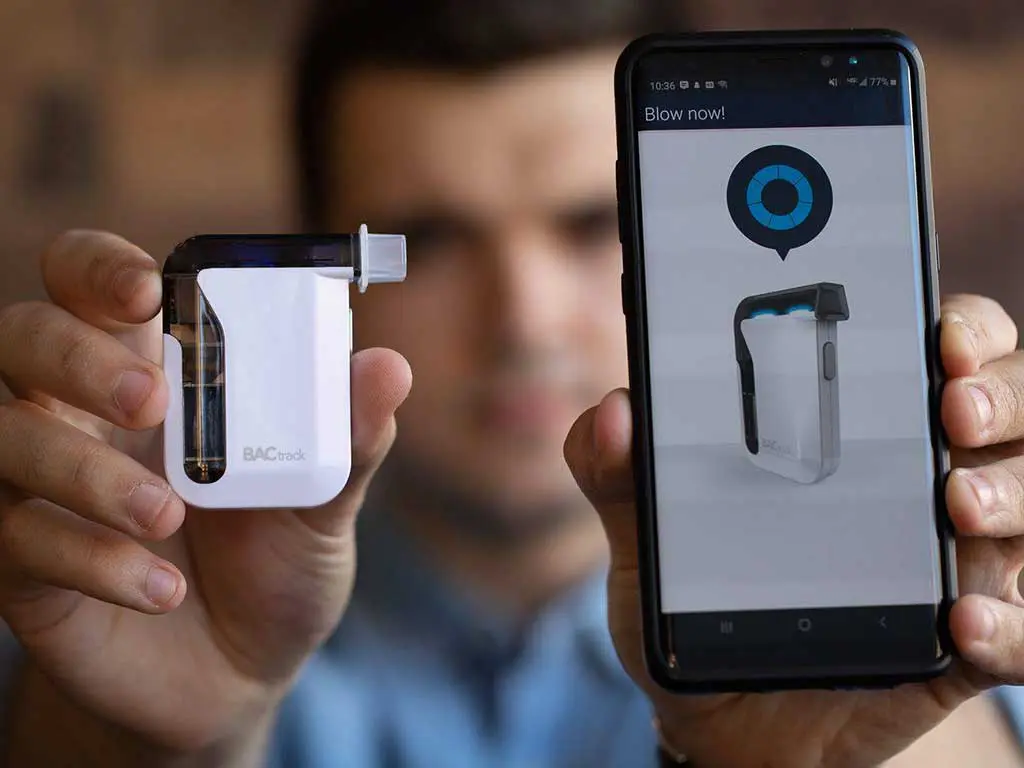
A man showing a breathalyser connected to a smartphone via Bluetooth

Alco Breathalyzer vs BACtrack: Response Time and Battery Life

The Alco breathalyzer models can work on either rechargeable or disposable batteries, depending on the model. The rechargeable batteries offer extended usage before needing a recharge. With this feature, users can rely on the device for multiple testing sessions without worrying about the battery dying. Additionally, the rechargeable battery makes this breathalyzer a cost-effective solution as users do not have to constantly replace batteries.

On the other hand, the BACtrack breathalyzer relies on alkaline batteries for power. Depending on the model, its battery life can last approximately 75 to 3000 tests. This ensures that users will not run out of power during a critical moment.

Response time refers to the time it takes for the device to provide a reading after the user exhales into it. It is a crucial factor in determining the efficiency and practicality of a breathalyzer. A faster turnaround time means that the device can provide a measurement more swiftly. BACtrack and Alco testers provide a response time within seconds. This makes them both suitable for quick assessments.

Quality Standards

Quality standards are crucial when it comes to breathalyzers, as they ensure accurate and reliable results. These benchmarks provide confidence in the performance and functionality of the device. Adhering to quality criteria is of utmost importance to manufacturers, as it establishes their commitment to producing high-quality products.

One such standard for breathalyzers is the New Zealand/Australian Standards AS/NZS3547 accreditation. This accreditation is specifically tailored for breath testing devices and sets the benchmark for their performance and reliability. Alco and BACtrack have achieved this accreditation, demonstrating their commitment to quality. By choosing a breathalyzer with this accreditation, users can have confidence in their readings.
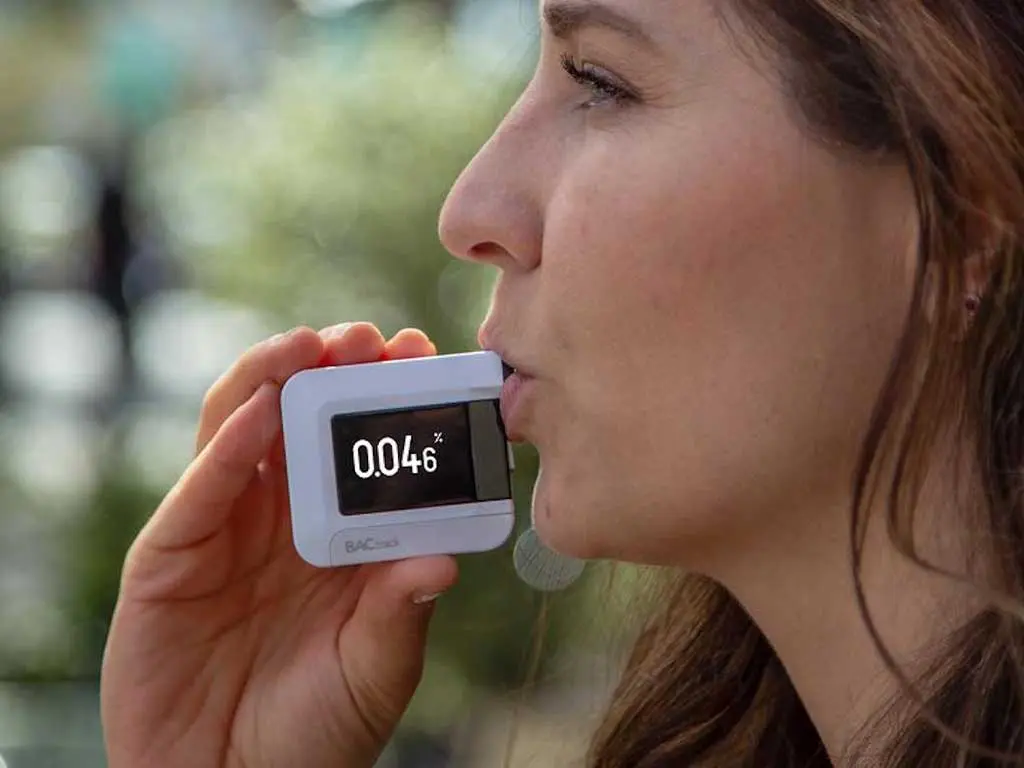
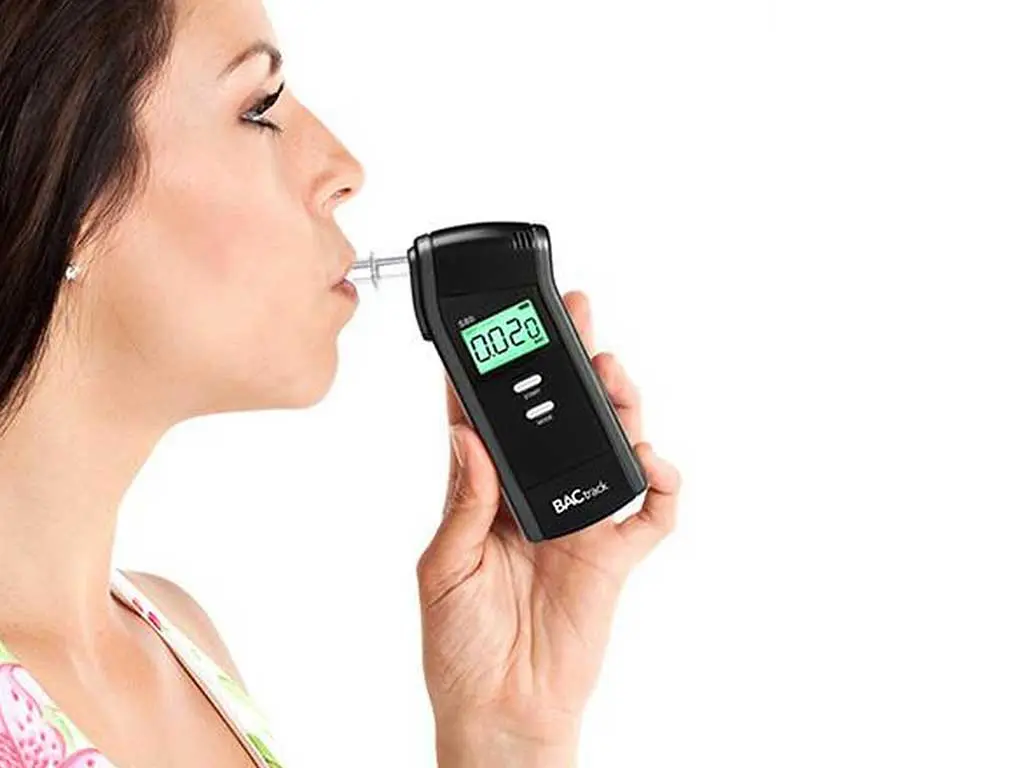
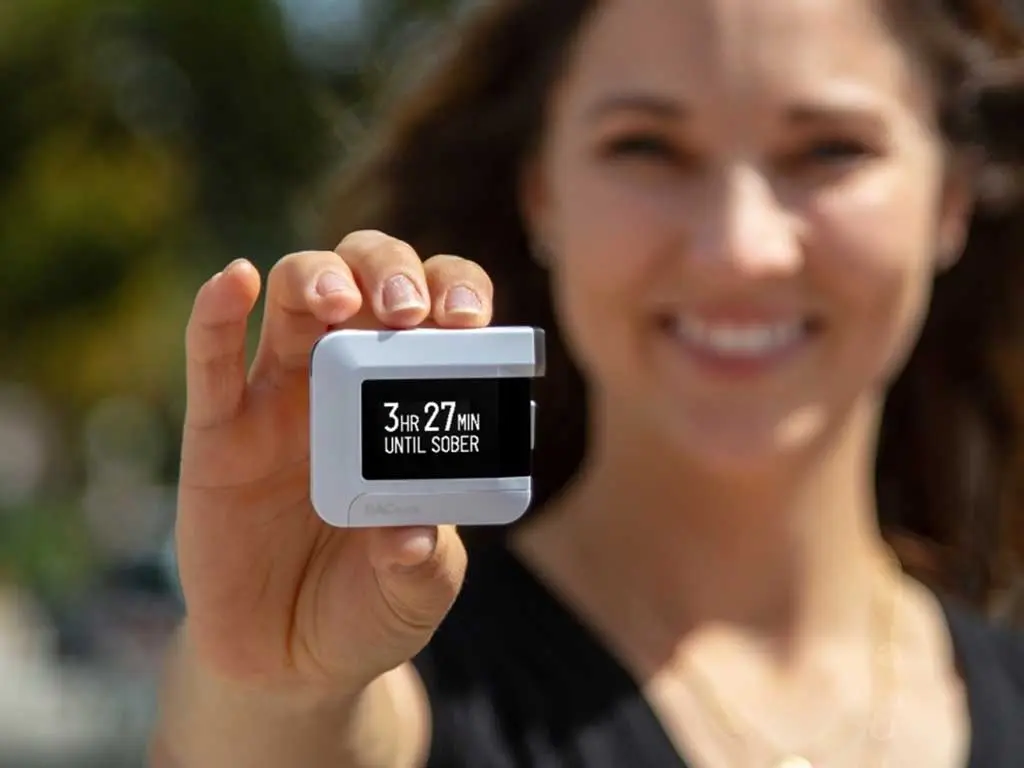
A woman using a mini breathalyser

Alco Breathalyzer vs BACtrack: Ease of Use and Convenience

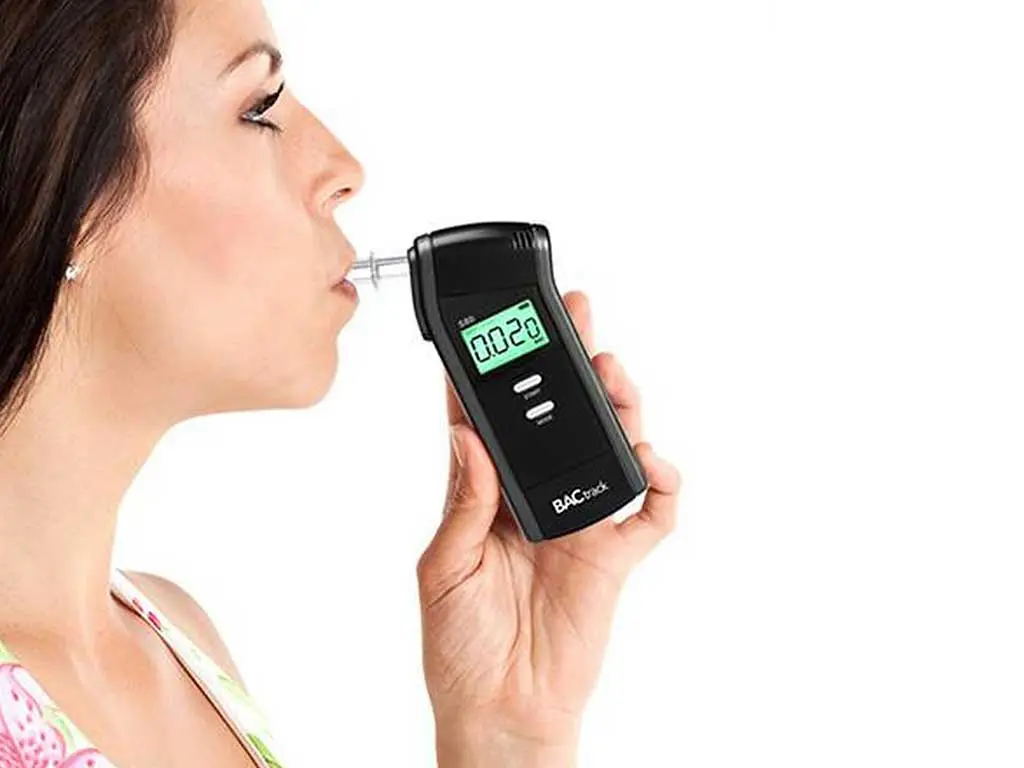
The Alco breathalyzer offers user-friendly features, enhancing ease of use and convenience. Its large digital screen ensures effortless reading, while Bluetooth capability enables seamless connectivity to mobile phones for real-time monitoring. The presence of a green light signals accurate results, while flow control technology ensures precision. Users appreciate the double-beep notification for clarity. Moreover, the app mode simplifies data tracking purposes.

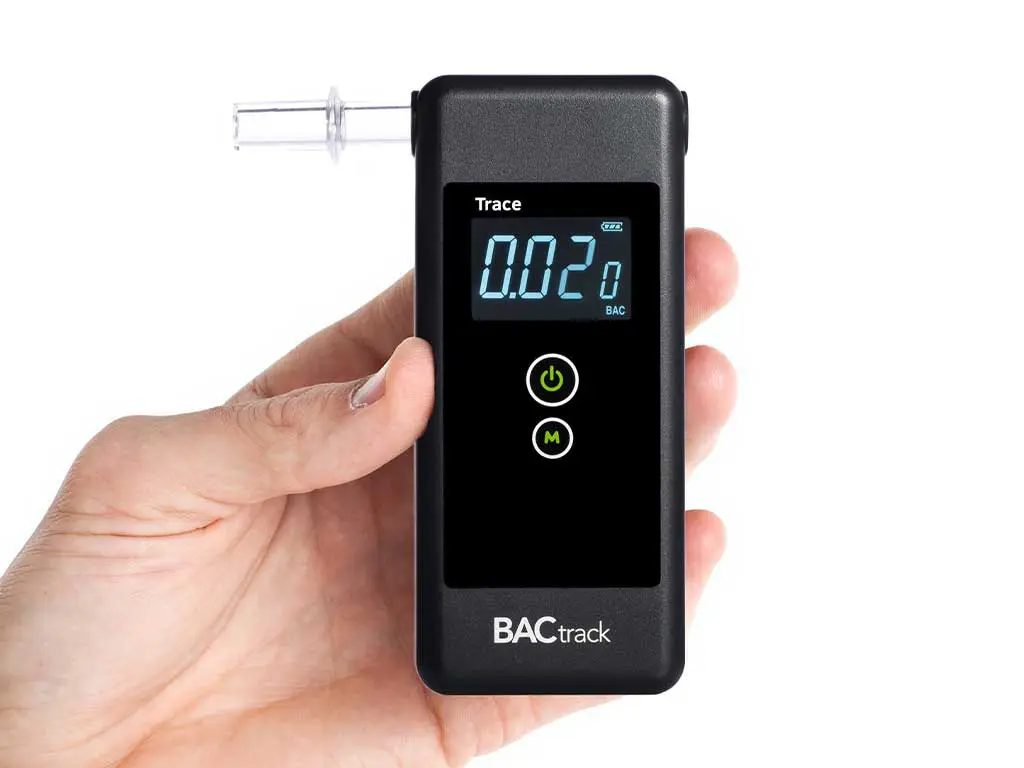
On the other hand, BACtrack features a one-button control, which simplifies the testing process. Upon pressing the power button, the device proceeds to warm up the sensors and initiate a countdown timer. Then, people can blow into the device to receive the results in seconds. Additionally, Bluetooth-enabled breathalyzers, such as the BACtrack Mobile Pro, provide the BAC results directly to the smartphone for easy reading.

Furthermore, the BACtrack has a short warm-up time and recycling time, making it convenient for individuals to retest quickly. It also presents the results on a brightly lit screen, ensuring effortless visibility even in dimly lit surroundings. Moreover, individuals have the option to set an alarm that will go off when their BAC has reached a specific limit.

General Operation Guide

Operating a breathalyzer is a simple process. To begin, the user should ensure that the device has adequate power. Once the device is on, it will undergo a warm-up process, typically indicated by a blinking light or beep. Next, individuals should take a deep breath and then blow into the mouthpiece.

It is important to provide a consistent breath and not to blow too forcefully or too weakly. The breathalyzer will measure the flow rate of air and detect the presence of alcohol vapour in the breath sample. It will then analyse the sample and display the blood alcohol level on the screen.

Conclusion

Both Alco breathalyzer and BACtrack offer reliable and accurate alcohol breathalyzer options for users. They utilise fuel cell sensors for precise readings and feature clear LCD displays, ensuring easy interpretation of results. Some Alco breath testers feature a rechargeable battery, promoting cost-effectiveness and extended usage. Meanwhile, BACtrack relies on alkaline batteries with varying lifespans, catering to different user needs. Both devices provide swift response times, making them efficient for quick findings.

Furthermore, Alco and BACtrack prioritise user convenience and adhere to rigorous standards like AS/NZS3547 accreditation. Alco provides users with its intuitive digital screen, Bluetooth connectivity, and flow control technology, enhancing ease of use. BACtrack’s one-button control, quick results, and smartphone integration make it a user-friendly choice. Both brands’ commitment to quality standards ensures users can trust the accuracy and reliability of their breathalyzer readings. They provide peace of mind when it matters most.
Rapid Alcohol Test: Is It Accurate and Reliable?

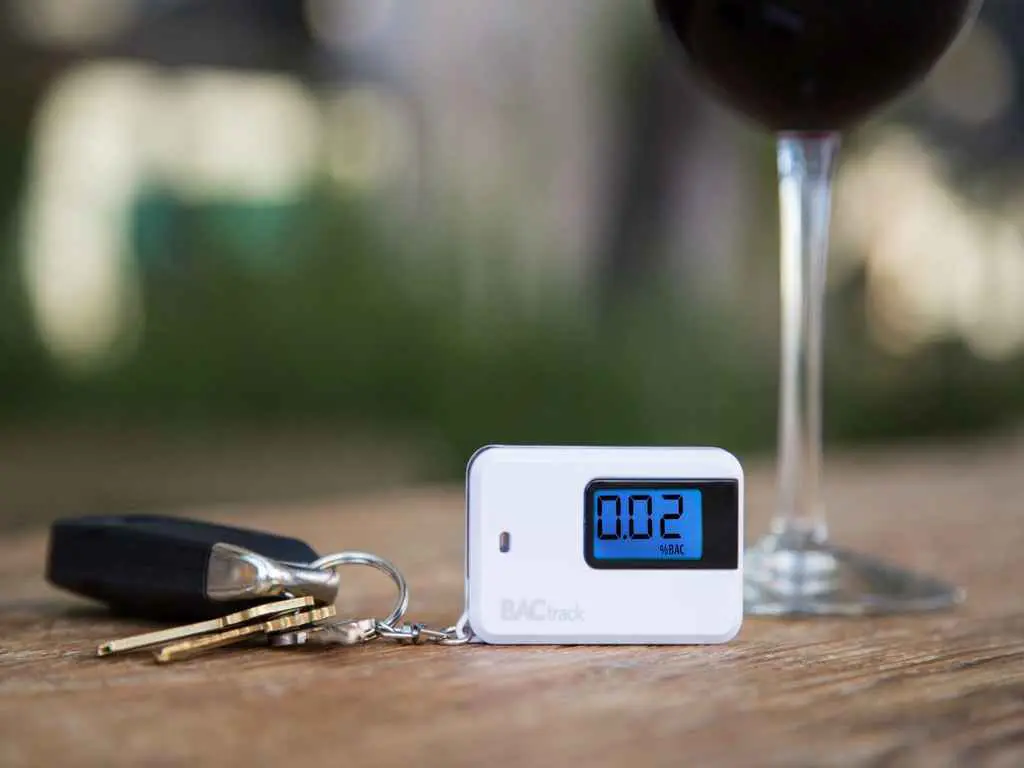
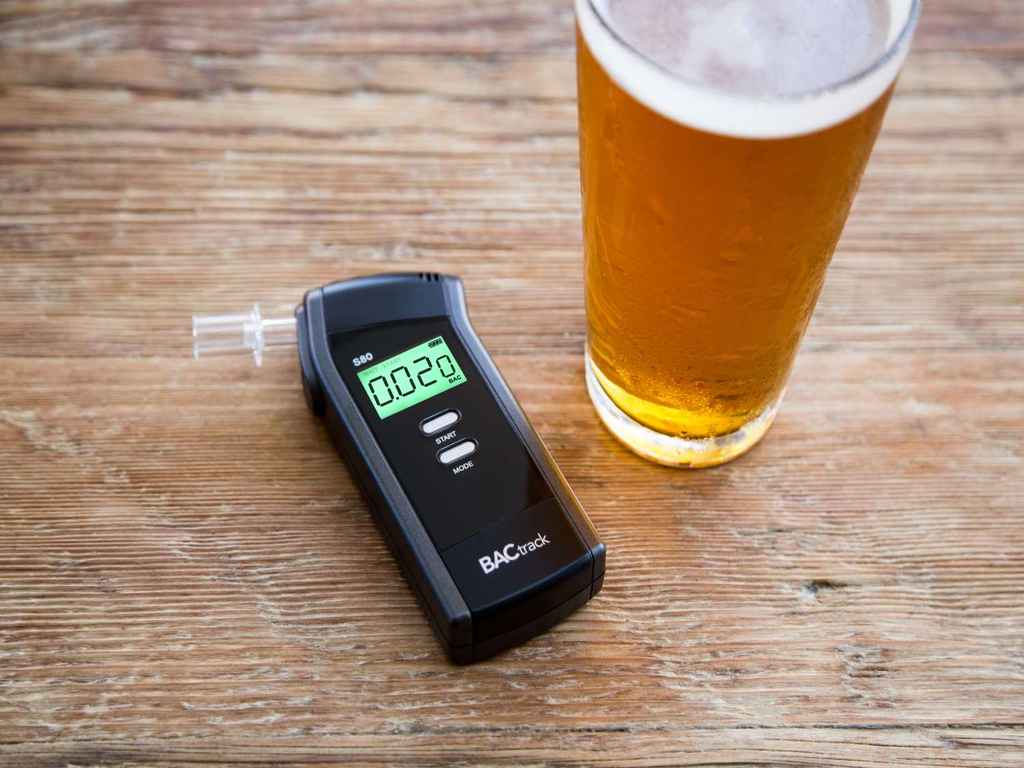
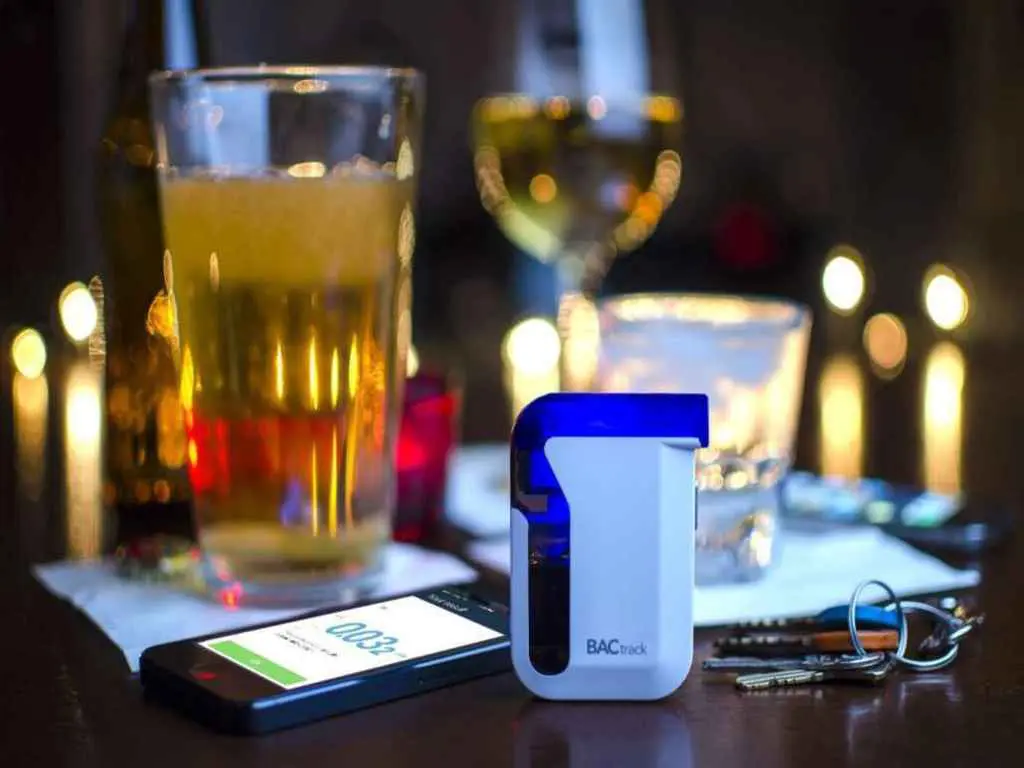
A glass of alcohol, and a BACtrack device to measure alcohol level

A breathalyser device is the most common method for a rapid alcohol test. This approach provides a quick and prompt determination of Blood Alcohol Concentration (BAC). It is a portable and compact tool, which is a convenient testing method for many. The test is proven to be accurate and reliable. This is due to factors such as the quality of sensors and the proper usage of the device. Moreover, some units may even require recalibration to maintain their accuracy.

Drinking an excessive amount of alcohol can lead to many scenarios. This can result in accidents and injuries and bring harm to other people. Hence, rapid testing is an important tool to quickly monitor people who drink too much alcohol. This method is vital for law enforcement, healthcare professionals, organisations, and self-awareness. This article will present more about the test, the accuracy and reliability of it, and its importance.

What is a Rapid Alcohol Test

Rapid alcohol test or the use of a breathalyser is a valuable method to quickly measure BAC levels. The device works by getting the breath sample of the person, and through sensors, it can analyse the alcohol consumption. As such, this is possible because when a person drinks, it will go to the bloodstream and will subsequently link to the breath.

Then, the breathalyser will measure the amount of alcohol in the breath, and it will display the BAC level. With such easy steps, people can have a new approach to rapid testing for alcohol use. Hence, the device is a beneficial tool in various law enforcement, workplace settings, and even personal use to raise self-awareness.

In addition, rapid testing is substantially easy to administer and gives prompt results. It is also a non-invasive approach compared to other testing methods. Thus, it is a vital tool for people who prefer to have a less invasive and convenient technique to monitor alcohol consumption. This can help people avoid the potential adverse effects of drinking and aid in enforcing safety measures for alcohol abuse.

Advantages of the Method

There are many advantages to utilising a breathalyser to monitor alcohol use.

  • Rapid testing can give quick and prompt results. As such, laboratory analysis is not needed to identify the BAC level.
  • The assessment is non-invasive. Thus, it eliminates the need to get blood, urine, hair, or saliva samples.
  • It has a portable design which makes it convenient to use anywhere at any time of the day.
  • The test has user-friendly features. This enables people to use the method easily.
  • It provides a real-time result. Thus, it allows people, organisations, or enforcers to make prompt decisions about the state of the person.

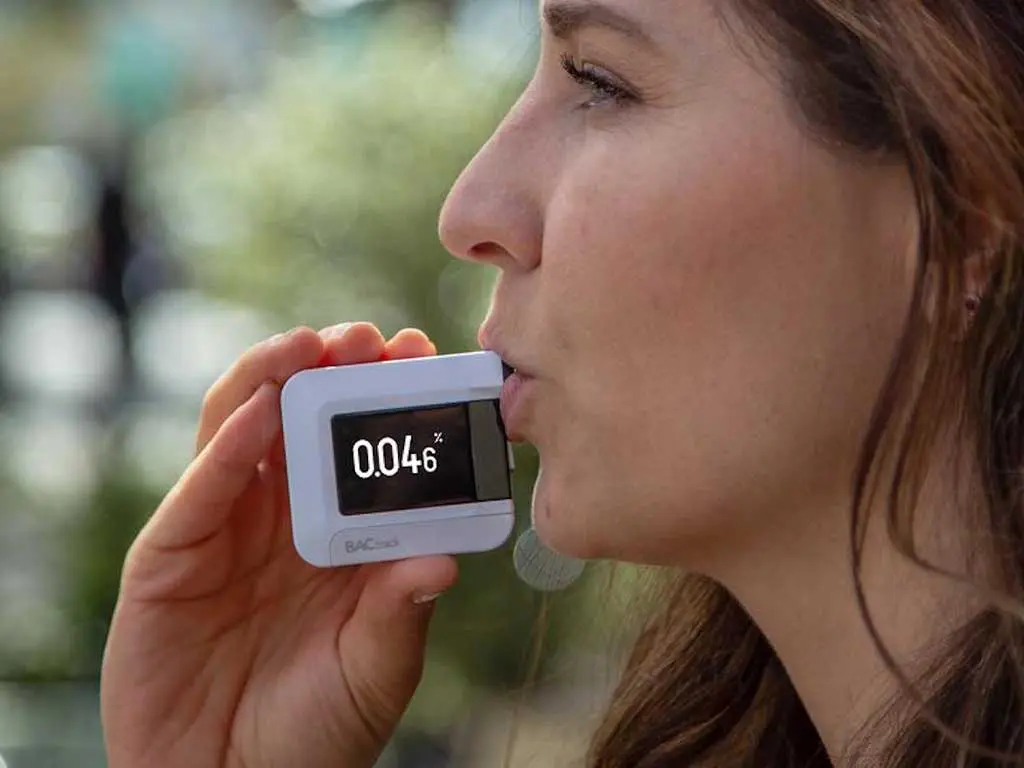
A woman showing her breathalyser result

The Accuracy and Reliability of Rapid Alcohol Test

The use of rapid alcohol tests is an accurate and reliable method due to certain factors. Firstly, it uses a deep lung breath sample to measure the BAC level. This is accurate since the alcohol travels through the bloodstream, including the breath. Secondly, breathalysers come with a series of sensor options. There are semiconductors or fuel cell sensors that can add to the accuracy of the test.

Moreover, they have a border of error for factors such as moisture and temperature. In Breathalysers New Zealand, the devices have a small margin of error of about 0.05%. Thus, they are more accurate and reliable compared to other units. Nevertheless, individuals should regularly recalibrate breathalysers that require it to update standards.

The device can give proper results for alcohol use. Hence, people should acknowledge that it may not be effective in providing accurate results to monitor other substances. If a person wants to further assess its reliability, there are many tests to supplement the device. This can include blood, hair, saliva, or urine testing.

Factors That Can Affect Result

Some factors can affect the accuracy of alcohol tests. The presence of alcohol in the mouth or when a person uses a mouthwash can influence the test results. Thus, it is vital for the person to clear all of these aspects before taking the test. Also, the proper recalibration and the quality of the device can greatly affect the result.

Additionally, environmental factors such as moisture and temperature can impact the assessment. Hence, it is recommended to take the test in a proper setting. For instance, test in an area free of smoke. People must also use the device and take breath samples properly.

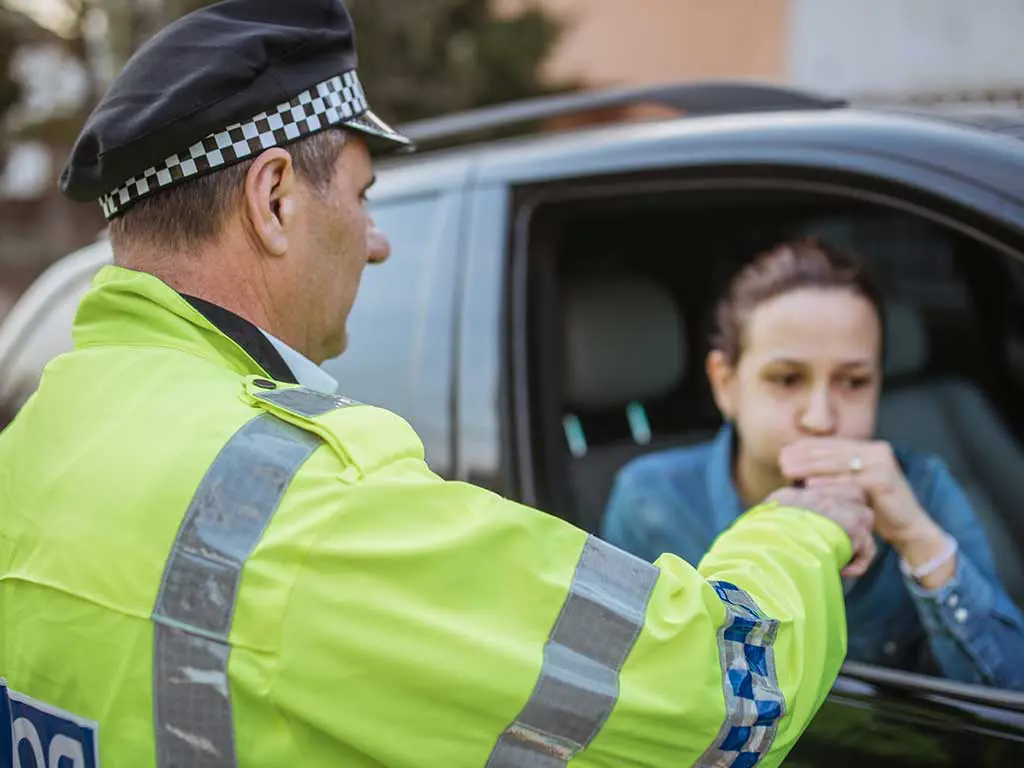
A law enforcer monitoring the alcohol level of a woman driver

Importance of Rapid Alcohol Test

A rapid alcohol test is beneficial to promptly monitor the BAC level of a person. Thus, it provides a lot of importance. One of its purposes is to intensify road safety. Excessive alcohol use can impair the coordination and decision-making of a person. Hence, conducting a rapid test can help people and law enforcement to identify people who have been driving under the influence (DUI).

Testing is also important in workplaces and organisations. An intoxicated person at work may not be able to do their job properly and may cause accidents and harm to other people. Hence, employers may use a rapid test to monitor employees and identify who is working under the influence. Thus, it eliminates the potential effects of alcohol use.

Furthermore, a breathalyser device serves as a valuable tool to increase self-awareness. The tool is always accessible and can give immediate results. Therefore, it enables people to track their alcohol consumption and be more mindful about their drinking. This can also be an indicator that a person can still drive or do certain activities.

Complementary Tests

For people who prefer further monitoring of alcohol use, there are many supplementary methods. One is the use of questionnaires. Professionals may use the Alcohol Use Disorders Identification Test (AUDIT) or the Fast Alcohol Screening Test (FAST). Another is the urine test. This can monitor alcohol use within the past few days with urine samples.

Also, blood testing can help. This is considered to be the most accurate testing process because it directly identifies BAC in the bloodstream. In addition, hair testing can detect alcohol consumption within the past days and even weeks. This is possible due to the substances in the hair follicles.

Conclusion

People who need prompt monitoring of liquor consumption can utilise a rapid alcohol test. This assessment can provide a quick measurement of the BAC level, giving a timely result. Moreover, this provides an indication of whether the person is intoxicated or is not fit to do a certain activity. The test is highly accurate and reliable due to its sensory materials and the proper use of the device, including recalibration for the units that may require it.

Rapid testing can provide a wide range of importance. This is to ensure road safety, promote a healthy workplace setting, and raise self-awareness of alcohol use. The breathalyser also has a lot of advantages. It is a portable, non-invasive, and easy-to-use approach to monitor BAC levels. Nevertheless, it is significantly important to know the factors which can influence the process of testing. This is to ensure a more precise and effective result to alcohol testing.

Test Blood Alcohol Level at Home: Procedure and Advantages

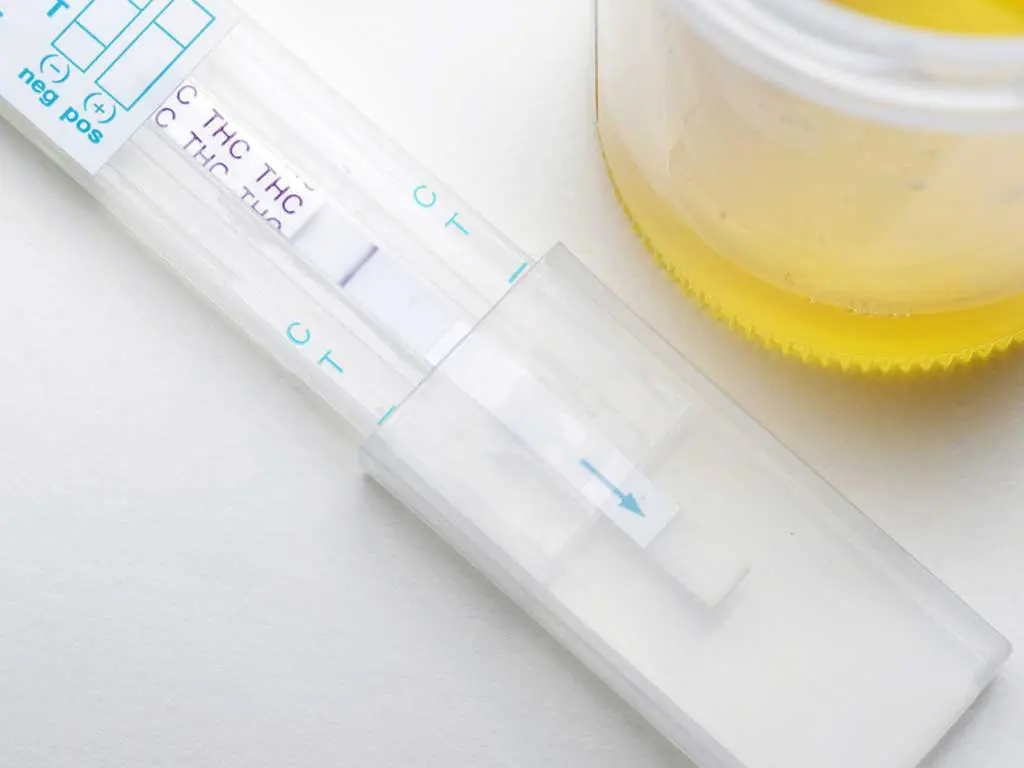
A urine test kit and a small urine cup.

To test blood alcohol levels at home, individuals typically use a test kit, such as a urine strip or a breathalyser. This involves providing a sample (saliva, urine, or breath) on the test strip or breathalyser and waiting for the result. The advantages include ease of use, cost-effectiveness, and privacy. People can easily, affordably, and discreetly check their alcohol levels in the comfort of their homes.

Alcohol use disorder (AUD) harms individuals and society. When someone exceeds the legal limit for alcohol while driving, police officers can arrest them. This leads to penalties like fines, imprisonment, and an alcohol interlock in their vehicle. At the workplace, AUD can cause accidents due to alcohol impairment. To prevent this, some use a blood alcohol test at home. This article will present about testing Blood Alcohol Content (BAC) at home. This includes procedures, advantages, and handling non-negative results.

How to Test Blood Alcohol Level at Home

People can test blood alcohol levels at home conveniently and privately with a variety of methods. Firstly, a urine test. It involves using a urine alcohol testing kit, which typically includes test strips and a container for the biological sample. The individual dips the test strip into the urine sample and waits for the results. The test strip will change colour if alcohol is present in the urine.

Secondly, a saliva alcohol test. It uses a saliva alcohol testing kit, which includes a collection device and test strips. The person collects a sample of saliva using a mouth swab and then places the test strip into the saliva sample. Similar to urine tests, the test strip will change colour if alcohol is present in the saliva.

Lastly, breath testing. It is the most convenient method for testing blood alcohol levels at home. This test uses handheld devices, such as breathalysers, to measure the alcohol content in the breath. The individual simply blows into the mouthpiece, and it provides an estimate of their alcohol level.

Types of Tests

  • Personal breathalyser: these testing devices use breath samples to estimate BAC. Users blow into the breath alcohol device, and it provides an instant reading.
  • Urine alcohol test strips: users collect a urine sample and apply it to the strip. The strip then changes colour to indicate the presence of alcohol.
  • Saliva alcohol test strips: similar to urine test strips, individuals place the strip in their mouth, and it changes colour if alcohol is present.
  • Blood tests: allow users to collect a blood sample and analyse alcohol concentration. This test is typically performed in a laboratory with a professional collecting the specimen.

A woman using a personal breathalyser.

Test Blood Alcohol Level at Home: Advantages

There are several advantages when people test blood alcohol levels at home. For instance, it provides individuals with the privacy they may desire when monitoring their alcohol consumption. Some people may feel uncomfortable getting their BAC tested in a medical facility or by a healthcare professional. By conducting the test at home, they can maintain their privacy and avoid any potential embarrassment.

Additionally, home testing kits typically offer ease of use and cost-effectiveness. They often come with simple instructions and can be performed without any medical training. This accessibility allows people to regularly monitor their blood alcohol concentration level in the comfort of their own homes. Moreover, these kits often cost less than having a medical facility conduct a blood alcohol test.

Furthermore, individuals have the ability to track and monitor their BAC over time. By regularly testing, they can observe the effects of different levels of alcohol consumption on their body and gauge their tolerance. This can benefit those looking to reduce their alcohol consumption or people with a history of AUD.

Disadvantages and Risks

Testing blood alcohol levels at home may seem convenient, but it carries several disadvantages and risks. Some home testing methods may not be approved by relevant regulatory agencies, leading to unreliable results. Additionally, they may not meet the same strict standards as those used by healthcare professionals.

Moreover, interpreting the results of a home alcohol blood test can be challenging for some people. Without the guidance of a medical professional, users may struggle to understand the implications of their BAC levels. This can lead to misinterpretation of the results and potentially unsafe behaviour. Furthermore, home testing may provide false positives or negatives.

A woman refusing to drink a glass of liquor.

Test Blood Alcohol Level at Home: Handling Non-Negative Result

It is important to know how to handle a non-negative result when people test blood alcohol levels at home. In such cases, they should immediately stop consuming any more alcohol and wait for the effects to wear off completely. Additionally, they need to avoid any activities that require alertness, such as driving or operating machinery.

A non-negative blood alcohol result may have various implications. It could indicate that the person has recently consumed alcohol, which may impair their judgment and reaction time. It is worth considering the potential legal consequences if the individual were to be involved in a motor vehicle accident. Moreover, it might be a sign of alcohol abuse or AUD.

Furthermore, individuals with non-negative blood alcohol results may seek guidance from health professionals or medical facilities. These professionals can advise on the next steps and offer resources to address underlying issues related to alcohol consumption. For people concerned about their alcohol intake, there are also support groups and helplines available to provide further assistance.

Factors that May Influence the Results

Some factors may influence the results of a blood alcohol test at home. For instance, the time of alcohol consumption. Blood alcohol level decreases over a period of time as alcohol is absorbed into the bloodstream. For accurate results, it is important to wait a sufficient amount of time after consuming alcohol before conducting a test.

Additionally, individual metabolism plays a significant role in alcohol processing. Each person’s metabolism differs, affecting how quickly their body breaks down and eliminates alcohol. Moreover, the amount and strength of alcohol consumed contribute to the blood alcohol level. Drinking more alcohol or stronger beverages leads to higher BAC levels.

Conclusion

People can test blood alcohol levels at home through commonly used methods such as urine, saliva, or breath tests. Urine and saliva tests involve using kits with test strips that change colour if alcohol is present. Breath testing, using devices like breathalysers, estimates alcohol levels when a person blows into it. Moreover, home testing offers privacy, cost savings, and ease of use. It allows individuals to monitor their alcohol intake discreetly, track changes over time, and potentially address alcohol-related concerns.

Several factors influence the accuracy of at-home blood alcohol tests. These include the time of alcohol consumption, individual metabolism, and alcohol quantity and strength. When someone gets a non-negative result, they must immediately stop consuming alcoholic drinks and avoid activities like driving. It is important to seek advice from healthcare experts for guidance and support. People concerned about their drinking habits can also find support groups and helplines available.

Keyring Breathalyser: Definition and Accuracy

A man and a woman with alcoholic drinks, a key, and breathalyser on top of a table

The rate of driving under the influence (DUI) of alcohol cases is rising. Hence, it is important to have a reliable method for measuring Blood Alcohol Concentration (BAC). A keyring breathalyser is a viable option. It is a portable device that can effectively detect BAC levels accurately. Moreover, it is user-friendly and easy to carry around because of its lightweight nature. However, despite its reliability, individuals should not take it as a replacement for professional medical assessment or treatment.

Drink driving is a serious offence with severe consequences. To combat this issue, various technologies have been developed to help people determine their level of intoxication. One of which is a breath tester for personal use. It enables them to test themselves before deciding to drive after a drinking session. Keychain units are particularly useful for those who frequently go out. The following sections will provide information on what the tester is as well as its accuracy and features.

What is a Keyring Breathalyser

A keyring breathalyser is an innovative device. It helps individuals monitor their BAC levels quickly and accurately. This handy alcohol breath tester features a fold-out mouthpiece, making it hygienic and easy to use. With an alkaline battery and an LCD display, it provides peace of mind for those concerned about their alcohol consumption.

Designed to be a personal breathalyser, the compact device is perfect for people on the go. Its small size and keychain attachment allow them to carry it with them wherever they are. This ensures they always have access to a tester. The device features an alcohol sensor that measures the amount of residual alcohol in the breath.

With its keychain dimensions, the device is a must-have for anyone who wants to stay safe on the road. Despite its size, people can trust it because it has been tested against laboratory-grade equipment and has passed stringent quality control checks. Thus, people can expect to receive accurate results every time they use it.

Advantages of a Keychain Unit

Keychain units have several advantages over other types. They are as follows:

  • Convenient – People can easily attach it to their keys, trousers, or bags for easy access when outside.
  • Ease of use – The portable breathalyser typically has a simple one-button operation. This makes it user-friendly and hassle-free.
  • Hygienic Mouthpieces – Some devices come with replaceable mouthpieces. Thus, people can ascertain a clean experience.
  • Longevity – The battery in the keychain tester can last for an extended period, providing reliable performance.
  • Versatile – Individuals can use it in various settings, such as parties, events, and businesses, to promote responsible alcohol consumption.

A bowl of popcorn, pair of shades, glass of alcohol, and keys with a breathalyser on top of a table

Accuracy and Reliability of a Keyring Breathalyser

Accuracy and reliability are essential qualities when it comes to a breath tester. Fortunately, the portable keyring breathalyser offers these. It is accurate because it operates with advanced technology. Moreover, the alcohol sensor allows it to determine the BAC quickly. It typically uses semiconductor oxide sensors. Additionally, the device has advanced software that allows for a wide range of correct readings.

With regular maintenance, the device can give precise results consistently. Furthermore, it has a small error margin of 0.05%, which makes it more reliable than other breath testers on the market. The optimal breath capture of some units also assures the users that only their breath will be captured by the mouthpiece and the personal breathalyser.

Not only does the breathalyser offer accurate readings, but it also boasts long-lasting reliability. People can use the unit for a long time because of the alkaline battery. It ensures that they can depend on it when they need it most. The breath tester is a trustworthy companion to keep them safe and informed about their intoxication levels.

Factors that Affect the Results

Several factors can influence the readings of a breathalyser. Firstly, the amount of alcohol a person consumes affects the outcome. The more the alcohol, the higher the BAC will be. Secondly, it is the type of alcohol they consume. Different types of alcohol have different alcohol content levels. Stronger drinks can cause a higher BAC than lighter beers or wines.

Lastly, residual alcohol in the mouth or on the breath has effects on the results. People should avoid using mouthwashes before testing to prevent false positives. They can also rinse their mouths with water and wait for a few minutes to help minimise these influences.

A glass of wine and keys with a breathalyser on top of a table

Features of a Keyring Breathalyser

The digital keyring breathalyser has an array of impressive features that make it an essential tool for anyone concerned about their alcohol consumption. One of which is the innovative fold-out mouthpiece. This ensures a proper seal, preventing any interference from outside air. The availability of sized mouthpieces further adds to the convenience and ease of use, accommodating different individuals and providing accurate results for everyone.

Being a digital breath tester, it not only delivers precise readings but also fits seamlessly into the daily routines of people. It is an essential piece of equipment for those who want to choose peace of mind. It uses an LCD screen to display the results. Thus, it is easier to read even in low-light conditions. Some devices also have a backlight for added convenience. Moreover, it is powered by two AAA batteries. They are replaceable when necessary.

It has extensive product details and dimensions that make investing in a high-quality unit worth it. This handy piece of technology takes up minimal space. Hence, it is the perfect addition to keys or pockets for easy accessibility whenever and wherever a user needs it.

Response Time

With its quick response time, breathalysers such as the BACtrack Go Keychain unit ensure accurate analysis of BAC in a matter of seconds. The rapid response time allows for making informed decisions about safety. In addition, the unit has a countdown timer that indicates how long it will take to get a BAC reading.

The response time of the keychain breath tester also depends on several other factors, such as ambient temperature, level of alcohol consumption, and individual metabolism rate. Furthermore, people need to blow for at least five seconds for the device to capture their breath sample accurately.

Conclusion

Keyring breathalysers are highly reliable and accurate BAC measuring devices. They are suitable for personal use at home or on the go. Individuals can also use them at work for personal breath testing. With their portability, affordability and ease of use, they are beneficial tools for keeping safe and tracking alcohol intake. Moreover, it has been proven to be accurate and reliable with its advanced technology. Without a unit, engaging in activities with alcohol consumption can impair judgement or performance.

People who always go out to drink can have a trustworthy companion in a keychain breath tester. They are small enough to bring without a bag. To know more, they can check the BACtrack breathalyser from Breathalysers New Zealand. They also offer a wide range of other testers to suit any need. To protect oneself and others, acquiring a breath tester can be of great help. Plus, having it as an essential accessory can go a long way.

Accurate Personal Breathalyzer: The Need To Know

A personal breathalyzer and a glass of beer on the table.

Accurate personal breathalyzers are crucial for ensuring safety. Precision matters, as even slight errors can lead to dangerous consequences. Factors like mouth alcohol, user errors, and sensor types can impact Blood Alcohol Content (BAC) readings. Mouth alcohol, from recent drinks or mouthwash, can falsely elevate BAC. User errors, like improper blowing, affect reliability. The type of sensor used also influences accuracy. Reliable breathalyzers are vital for making informed decisions about alcohol consumption and preventing impaired driving incidents.

A personal breathalyzer is a perfect tool for individuals who want to ensure they are not impaired before driving. This device usually has a power button, an auto-off feature to conserve battery life, and an LCD display. Additionally, this handheld device often comes with extra mouthpieces for hygiene purposes. This article will present the significance of accuracy in personal breathalyzers, including the factors that can influence the results.

Why Accurate Personal Breathalyzer is Important

Accurate personal breathalyzers hold great importance for individuals for several reasons. Firstly, they allow people to effectively monitor their alcohol consumption. By providing accurate readings, users can make informed decisions about whether it is safe to drive or engage in other activities. Accuracy prevents people from mistakenly overestimating their sobriety and risking harm to themselves or others.

Secondly, these convenient tools assist in legal compliance. It is essential for individuals to know their BAC in relation to the legal limit in their jurisdiction. By using reliable personal breathalyzers, they can gauge whether their alcohol level falls within the legally acceptable range. Consequently, they can avoid facing the penalties of exceeding the legal driving limit. These include fines, license suspension, alcohol interlock installation, and imprisonment.

Lastly, accurate personal breath testers promote health awareness. Excessive alcohol consumption can have detrimental effects on one’s physical and mental well-being. By effectively measuring blood alcohol concentration, individuals can gain a clearer understanding of the impact of alcohol on their health. Accurate devices enable users to remain cognizant of their alcohol intake, encouraging responsible drinking habits.

Types of Sensor Technology

  • Fuel cell sensor technology: often used in professional-grade breathalyzers, utilises a chemical reaction between the alcohol in the breath and a fuel cell. The reaction generates an electrical current that is directly proportional to the amount of alcohol present.
  • Semiconductor oxide sensor: relies on the changes in electrical resistance caused by the interaction between the alcohol molecules and a semiconducting metal oxide.
  • Spectrophotometer: operates by analysing the absorption of light by the alcohol molecules in the breath, which correlates to the concentration of alcohol.
  • Infrared spectroscopy: uses an infrared beam of light to detect and analyse the alcohol molecules in the breath.


A woman using a personal breathalyzer.

Factors that May Affect an Accurate Personal Breathalyzer

There are certain factors that can affect the results of an accurate personal breathalyzer. For instance, mouth alcohol can contribute to inaccurate readings. It refers to the presence of alcohol vapour or liquid in the oral cavity, typically in the mouth and throat. This can occur due to recent consumption of alcohol-containing products, such as mouthwash or certain medications. The alcohol in the mouth can lead to a falsely high BAC reading.

Additionally, operator error can also impact the BAC readings. Rapid, shallow, or irregular breathing can affect the flow of air into the device. This alters the concentration of ethanol vapour detected by the sensor. Therefore, users should maintain a consistent, steady breath flow during the testing process to ensure more accurate results.

Lastly, the type of technology used in the portable breathalyzer. Devices that use fuel cell technology exhibit high accuracy and reliability. These sensors work by electrochemically oxidising alcohol molecules, providing police-grade accuracy in measuring BAC. Additionally, regular calibration and maintenance of the device are crucial to ensure consistent readings over time.

Testing Guidelines

Using an accurate breathalyzer is simple and can provide peace of mind when it comes to monitoring blood alcohol levels. To conduct a test, begin by inserting into the device a beta cup or a replaceable mouthpiece. Next, users need to take a deep breath and blow into the mouthpiece. They should blow steadily and continuously.

After a few seconds, the device will display the BAC level, giving a reading of the individual’s alcohol concentration. However, like any device, the breathalyzer may have a margin of error too. It is recommended to allow for a period of time after consuming alcohol before testing.


A police officer conducting an inspection on a male driver.

Accurate Personal Breathalyzer: Are There Risks of False Readings?

Manufacturers design accurate personal breathalyzers to provide reliable readings of blood alcohol levels. However, there are still risks of false readings. Aside from mouth alcohol, user error, sensor technology and calibration, environmental factors can significantly affect the accuracy of personal breathalyzers. For instance, variations in temperature and humidity can impact the device’s performance, leading to inaccurate readings.

Additionally, the timing of the test. Alcohol takes time to fully absorb into the bloodstream, and breathalyzers may not immediately detect alcohol after consumption. Testing too soon or too late after drinking can result in false readings, either underestimating or overestimating the actual BAC. Therefore, individuals should wait at least 15 to 30 minutes after their last alcoholic drink before taking a breathalyzer test.

The potential consequences of false readings can be significant, especially when it comes to legal implications. Relying on inaccurate results can lead to wrongful driving under the influence (DUI) charges or falsely believing that one is below the legal limit. To mitigate these risks, it is crucial to emphasise the importance of follow-up testing and confirmation to ensure accurate results.

Legal BAC Limit

In New Zealand, the legal BAC limit for driving is 0.05%. If a person’s BAC goes above it, the law considers them over the limit, leading to potentially serious consequences. Law enforcement officers may issue a $200 infringement fee and assign 50 demerit points to drivers caught.

Additionally, their driver’s license will be suspended for three months. For those who have a BAC level above 0.08% or refuse to undergo a breath test, they face criminal charges. If convicted, they may receive a fine of up to $4,500, a six-month license suspension, and in some cases, imprisonment.

Conclusion

Accurate personal breathalyzers play a crucial role in ensuring safety, legal compliance and promoting health awareness. These devices provide accurate readings for informed decisions on alcohol consumption and safe activities like driving. They also assist in avoiding legal penalties by helping users stay within the legal alcohol limit. Additionally, accurate breath testers promote health awareness. To use them effectively, one should insert a mouthpiece, blow steadily, and wait for the BAC reading.

Several factors can affect the accuracy of personal breathalyzers, including mouth alcohol, user error, sensor technology, and environmental conditions. The timing of the test is also critical. These factors can lead to false readings, which can have serious legal consequences. Therefore, individuals should wait at least 15 to 30 minutes before testing and consider follow-up testing for confirmation. Regular calibration and use of reliable sensor technology can also contribute to more accurate and dependable readings.

Good Cheap Breathalyzer: Contributing Factors

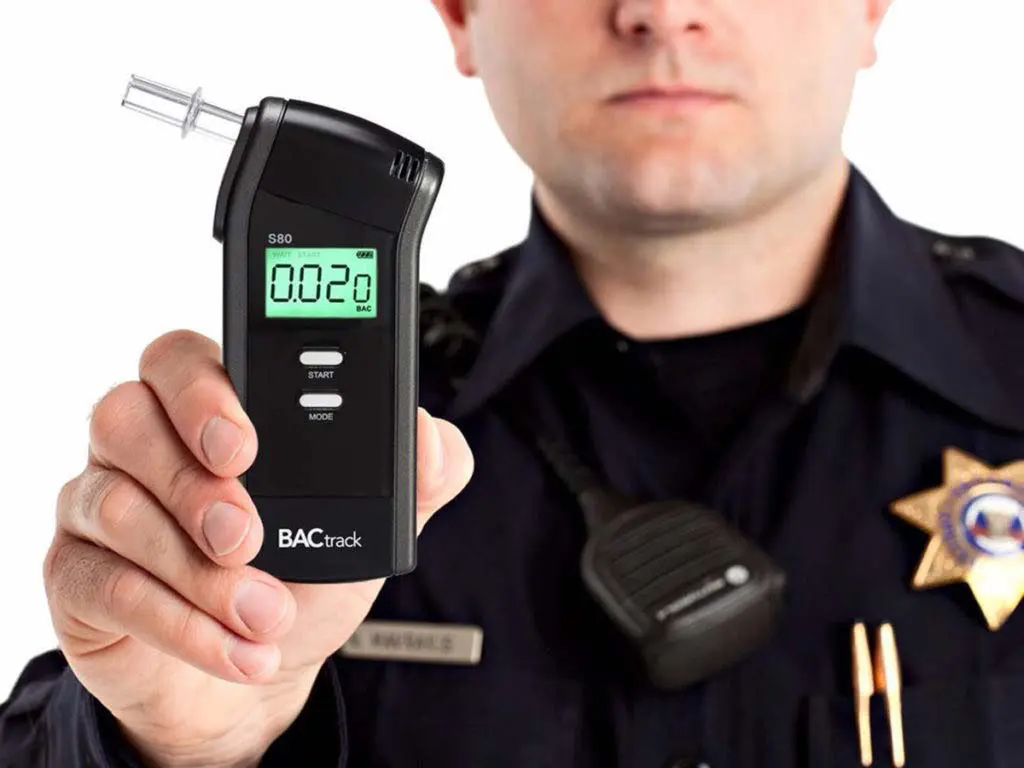
A police officer holding a breathalyzer with its result

Breathalyzers have become increasingly popular in recent years. This is because people have become more aware of the dangers of drink driving. However, with the wide range of options available in the market, it can be difficult to determine which ones are both reliable and cost-effective. With regard to the contributing factors of a good cheap breathalyzer, these are the sensor technology, cost, as well as accuracy and reliability.

Drivers can protect themselves and prevent road accidents by owning a breath tester. They lessen the risks of losing their jobs and losing their freedom with a useful tool. By understanding the factors and conducting thorough research, people can find a breath tester that meets their needs without spending too much money. The following sections will present the key factors that play a role in determining the quality and affordability of a breathalyzer.

Good Cheap Breathalyzer: Sensor Technology

When it comes to personal breathalyzers, accuracy is crucial. That is why a good cheap breathalyzer with reliable sensor technology is a smart investment. Using fuel cell sensor technology, these devices provide accurate readings of Blood Alcohol Concentration (BAC). This professional-grade accuracy ensures that people can make informed decisions about their alcohol consumption. It also determines if it is safe for them to drive.

The sensor technology that the breath testers use is often comparable to the ones found in police stations. With their level of accuracy, individuals can trust the readings they provide. Whether they need consistent readings or a quick test before getting on the road, a breathalyzer with reliable sensor technology is a good companion.

There is a misconception that cheap testers mean inaccurate readings. However, there are units with fuel cell sensors that can rival even the most expensive breathalyzers on the market. Thus, whether it is for a professional setting or personal use, a breathalyzer that operates with accurate sensor technology is the perfect choice.

Benefits of Having an Accurate Unit

Here are the benefits of having an accurate breath tester:

  • Reliable readings – It ensures that people get accurate results to help them make informed decisions about their alcohol consumption.
  • Safety on the road – The tester can determine if it is safe to drive by correctly measuring the BAC level.
  • Consistent results – Individuals can use the unit multiple times, but it will continue to provide consistent outcomes.
  • Trustworthy companion – People can rely on the device, giving them peace of mind.
  • Easy to use – Many accurate devices are typically user-friendly, making it easy for anyone to use and understand the readings.

A keychain breathalyzer and keys on top of a table

Good Cheap Breathalyzer: Cost

A good cheap breathalyzer is the perfect solution for accurately measuring BAC without the hefty price tag. These budget-friendly devices provide accurate readings comparable to police-grade breathalyzers, thanks to their use of advanced sensor technology. Moreover, their affordability makes them a great purchase for anyone who wants to monitor their alcohol consumption without going to laboratories.

In addition to being cost-effective, the breathalyzers also offer portability and user-friendly features. Many of the units come in a sleek and compact design, making them easy to carry around and use discreetly. With their simple and intuitive interfaces, anyone can use them with ease and analyse the readings they provide. Some even come in the form of a keychain, while some can connect to Bluetooth.

The affordable devices are designed to be accessible to everyone. It ensures that cost is not a hindrance to making smart decisions about alcohol intake. Do not compromise on accuracy when seeking an affordable option. Instead, opt for a reliable and certified device that offers maximum accuracy and is within budget.

Common Features of Less Expensive Devices

Less expensive breathalyzers still offer a range of common features that ensure accurate readings and reliable performance. These affordable devices often include fuel cell-based sensors. They are considered to be the most accurate type of breathalyzer available. The testers typically come with a simple and intuitive interface.

The even more affordable units are the disposable or single-use ones. They consist of a tester tube, plastic bag, and crystals. They are not electronic devices, so people must know how to analyse the results. Despite their price, the breathalyzers do not compromise on quality, providing everyone with an alcohol-screening device that they can rely on.

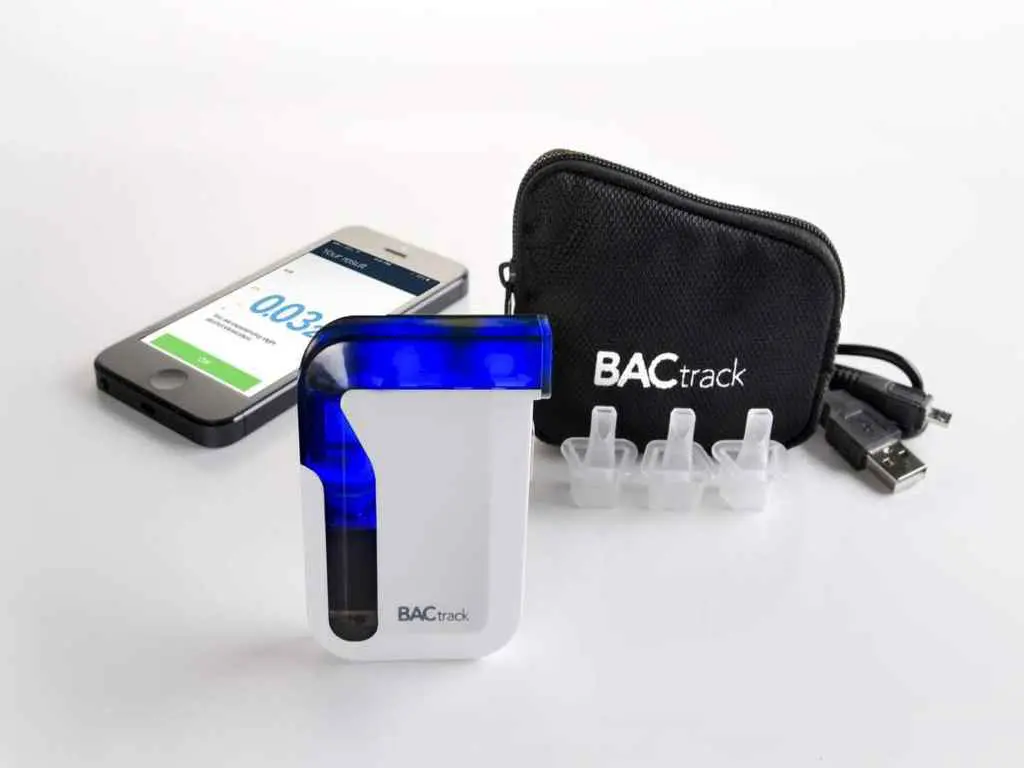
A mobile phone as well as a breathalyzer and its components

Good Cheap Breathalyzer: Accuracy and Reliability

Good cheap breathalyzers can offer accurate and reliable readings. These affordable devices employ fuel cell sensor technology, ensuring high levels of accuracy and precision. With this advanced technology, people can trust that the breath tester will consistently provide dependable readings. It will allow them to make informed decisions about their alcohol consumption.

Furthermore, the reliability of an affordable fuel cell breathalyzer is certain. In contrast, cheaper devices that do not use the sensors may fail to provide consistent results. This is why it is important to invest in a certified device that offers thoroughness. By seeking out the right budget breathalyzer, people can make sure they get the most dependable readings possible.

On the other hand, disposable breathalyzers are inexpensive and reliable. However, they are not as accurate as others. Thus, it is important for individuals to weigh the pros and cons of each unit that they are considering. This allows them to choose the most suitable one that still fits their budget.

Are There Risks of False Readings?

One of the potential risks when using a breathalyzer is the possibility of false readings. Variables such as residual mouth alcohol, the presence of certain substances or chemicals in the breath, or even improper usage can contribute to false readings. It is important to follow the instructions carefully and provide a proper breath sample to minimise any risks of inaccurate readings.

To reduce the chances of false readings, it is also recommended to choose a breathalyzer with advanced technology and features. Additionally, regular recalibration and maintenance of the tester can help to ensure its accuracy over time.

Conclusion

It is possible to acquire reliable and good cheap breathalyzers. As long as people carefully consider the features of each device, they can safely use a breathalyzer without risking false readings. Additionally, investing in a certified and advanced device can ensure accuracy and precision. They must also properly operate and maintain the tester. Following the instructions of the manufacturer is necessary. This includes how to blow into the mouthpiece correctly to avoid false readings.

Individuals can find affordable BACtrack units from Breathalysers New Zealand. They offer a variety of testers that are fuel cell-based, ensuring accuracy. Recalibration services are also available for units that need it. The process is efficient and hassle-free. All in all, inexpensive breathalyzers do provide precision. However, it is important to carefully choose the best unit by sorting through each one. They can also check online reviews for further knowledge.

Disposable Breathalyzer: Definition, How To Use, and Advantages

A person opening a bottle of alcohol inside a car

Drink driving is a serious offence that can have devastating consequences. To combat this issue, operating a breath tester has become more common. However, traditional breathalyzers can be expensive and can require regular calibration. Fortunately, there are disposable breathalyzers. It is a way to test for alcohol levels in the body. People can simply blow into a plastic bag to use the convenient and affordable alternative to the costly tester.

With the increasing emphasis on responsible drinking, a breathalyzer can be a handy tool to have. It ensures individuals stay safe and sober. Moreover, it helps manage their alcohol intake. On the other hand, there are factors to consider and learn before buying a single-use tester. This is to make more informed decisions as they weigh the pros and cons. The article will provide its definition, how to use it correctly, and the advantages it presents.

What is a Disposable Breathalyzer?

A disposable breathalyzer is a portable and inexpensive device. It determines the presence of alcohol in the breath of a person. Additionally, it serves as a reliable tool for testing to confirm if someone consumed alcohol or not. Also, it can be used to educate individuals about the legal drink-drive limits and the risks associated with alcohol consumption.

The one-time-use breath testing device provides excellent guidance to individuals regarding their alcohol consumption. They give results within a short period. This makes them a convenient and reliable option for personal use, as well as for educational and promotional purposes. It tests the Blood Alcohol Concentration (BAC) level, which indicates the amount of alcohol present in the system.

Disposable alcohol testers are an increasingly popular device. Unlike traditional units, they do not require any type of calibration or cleaning. They are designed to be used once and then thrown away. There is a viewing window, which enables people to see if they are within the legal limit or not. With their simplicity and affordability, they have become an essential tool in promoting responsible drinking habits.

How it Works

The following is how a one-time-use breath tester works:

  • Vapour detection – The breathalyzer has chemicals that react when they detect alcohol.
  • Chemical reaction – After confirming the presence of alcohol, a colour change occurs.
  • Data processing – It then processes the reaction to determine the amount of alcohol present. The testers typically test for a BAC minimum of 0.02% and see if people are below or above 0.05%.
  • Results viewing – To interpret the result, no change in colour indicates they are under the minimum. If the new colour reaches the line, it signifies exceeding the legal limit of 0.05%.

A police officer administering a breath test on a woman who is inside a car

How to Use a Disposable Breathalyzer

The process of using a disposable breathalyzer is relatively simple. However, it is important to understand the instructions and interpretation of results well before use. To begin, remove the ends of the tester tube. Afterwards, shake it to get rid of the white crystals inside. Next, the person should take a deep breath and blow into the plastic bag. It should be in one continuous breath.

After exhaling, people should insert the tube into the inflated bag. Squeeze it evenly for around 30 seconds to ensure the breath goes to the tube. Wait for approximately two minutes to evaluate the result. They should check it under good lighting as they can determine if they are within the legal limit by seeing the colour change. If it hits or surpasses the line, they are above the limit.

A one-time-use breathalyzer cannot be reused. Individuals should dispose of it properly after testing. Generally, they require minimal maintenance since they do not require recalibration. However, it is important to administer the test with clean devices to avoid any cross-contamination.

Other Factors to Consider When Testing

When using a single-use breathalyzer, there are other factors to consider, as they can affect its accuracy. One example is the timing of the test. It is crucial to wait around 20 minutes after consuming alcohol before testing. This is because absorbing alcohol into the bloodstream and eliminating it from the body takes time.

Personal factors such as the size and weight of the individual can also influence the result. BAC readings can vary from person to person due to differences in metabolism and body composition. Furthermore, they should bear in mind that smoking and eating food before a test can impact the outcome.

A police officer showing a breathalyzer with its result

Advantages of Using a Disposable Breathalyzer

A disposable breathalyzer offers several advantages. Firstly, these affordable devices provide quick and convenient breath testing. They are small and lightweight. Hence, people can easily carry them in pockets or bags. This ensures that they always have access to them when necessary. Whether at a social gathering or a bar, having a one-time-use tester on hand allows them to make informed decisions.

Secondly, the devices offer the convenience of single-use testing. They eliminate the need for special calibration or complicated procedures. This makes them user-friendly for individuals with limited technical credentials. They can quickly determine if their BAC is within legal limits. This simplicity makes the breathalyzer a valuable tool for personal use.

Lastly, the breath testers are beneficial in keeping a job. Workers can check their BAC before making important decisions, such as driving or operating heavy machinery, as well as ensuring their safety and those around them. However, it is not as accurate as traditional units. Thus, if they plan to use it for work and avoid legal consequences, they can opt for more reliable ones, such as the breathalyzers from Breathalysers New Zealand.

Legal BAC Limit

The legal BAC limit is the maximum amount of alcohol allowed in the bloodstream of a person while operating a vehicle. In many countries, it is typically set at 0.08%. Meanwhile, the legal limit in New Zealand is 0.05%. This means that if the test shows a BAC level higher than those, the person is considered legally impaired.

Offenders can face penalties such as fines, license suspension, or even imprisonment. To avoid these, everyone must adhere to the BAC limits. By knowing and respecting them, individuals can make informed decisions about when it is safe to drive and when they should consider alternative transportation options.

Conclusion

Disposable breathalyzers are an effective and convenient way to test for alcohol levels in the body. They are an increasingly popular device that can help individuals stay safe and responsible when it comes to drinking. They can quickly test themselves by having packs of the tester in their cars or bags. However, it is important to note that other factors can influence the outcome. Moreover, due to the nature of the tester, it does not always provide accurate results.

By being aware of these factors and using the breathalyzer as a general guideline, individuals can make informed decisions about their alcohol consumption and ensure safer roads and communities for everyone. If there are concerns about the readings, it is always best to consult with a professional or seek further testing. For traditional and electronic options, people can check fuel cell units as they are on par with what law enforcement uses. Thus, the reliability of the device is certain.

Reliable Home Breathalyzers: Factors To Consider When Looking For One

A woman holding out a breathalyzer while smiling

Many people get into road accidents because of alcohol. Thus, law enforcement conducts random roadside breath tests to prevent more of those from happening. To further protect everyone, there are now reliable home breathalyzers available. Each unit has its different features. Hence, they should know the most important factors to consider before buying one. The accuracy, device type, and ease of use of the tester are the top features they must think about.

It is necessary to understand the three factors because they can determine how trustworthy the device is. Moreover, these can gauge how long the device can last. A breath tester is a good tool to have at home. People who have difficulty managing their alcohol intake can rely on it to help them out. To understand more, the following sections will present the three features that are most essential to recognise.

Reliable Home Breathalyzers: Accuracy

One of the top factors people should consider when buying a reliable home breathalyzer is its accuracy. There can be serious consequences if a tester provides inaccurate results. Thus, they should choose a reliable unit. The sensor is responsible for measuring the Blood Alcohol Concentration (BAC). Most units use either the semiconductor or fuel cell sensors. The differences between them lie in their performance.

A device with a semiconductor sensor checks the reaction of ethyl alcohol, water, and acetic acid. Commonly, the result produces electric currents, and the higher the currents, the higher the BAC is. However, it may be susceptible to errors because other substances can generate the same effect as the acid.

Likewise, the result of a unit using a fuel cell sensor also produces currents. However, the alcohol components go through more processes. It has more accurate readings than a semiconductor one because it only reacts to alcohol. Hence, it will not read other chemicals that may come into contact with the device. The possibility of false readings will then be lessened. This is why it is used in professional settings.

Advantages Over Other Tests

There are other methods to testing for alcohol such as a blood test, urine test, and saliva test. The following are the advantages of a breath test over the others:

  • People can use a breathalyzer multiple times anywhere, unlike the others where they would have to keep going back to a laboratory or buying new and clean kits.
  • It is a non-invasive process. Meanwhile, technicians need to use a syringe for blood testing.
  • Buying a home breath tester is cost-effective. Since they can use the device many times, they can receive a return on their investment in the long run.

A woman blowing into a breathalyzer while it shows the result

Reliable Home Breathalyzers: Device Type

It is essential to know that there are different kinds of reliable home breathalyzers. Most testers are handheld, but they come in different shapes and sizes. There are traditional-looking ones. They typically look like lightweight cellular phones. People can keep a unit in their house. They must place it inside a clean and dry place that they can access easily when going outside.

Some devices can be smaller than a traditional one. Individuals can check the BACtrack Go Keychain as well as the C6 and C8 Smartphone units from Breathalyers New Zealand. They are so small that they can act like keychains. Despite their size, they are accurate and useful.

Furthermore, there are disposable units. The previously mentioned device types are both electronic, but a single-use breath tester is not. It consists of a plastic tube with chemicals and a plastic bag that people are meant to blow through to inflate. It can be suitable to have packs of it at home and give to friends coming over so that they can test themselves before driving back to their homes. However, this type is not as reliable as others.

Benefits of Using A Breath Tester

Aside from its advantages, a home breath tester has several benefits. Firstly, it is accessible. People do not need to go out when they want to test their alcohol level. Managing their consumption is easier with a device in their homes. They can also bring it with them when going outside.

Secondly, it is technologically advanced. Some units can connect to Bluetooth. Hence, they can access results on their mobile phones. Lastly, it is multipurpose. They can use it to monitor and control their alcohol intake. Also, they can use it to make informed decisions, such as driving.

A person showing a breathalyzer with result

Reliable Home Breathalyzers: Convenience and Ease of Use

Convenience and ease of use are some more factors to consider when buying a reliable home breathalyzer. Each unit has its specific features. Thus, some devices can have more elements than others. The reason why people should think about this is because additional features can provide a better user experience.

For instance, some devices have Bluetooth connectivity. This allows people to access the mobile application. BACtrack devices have this feature and use a user-friendly app. One of its benefits is it can call a cab if its owner is above the legal limit. This eliminates the need to designate a driver. It is especially helpful for days when their loved ones are busy.

Breath testers are generally easy to use. They only need to wait for it to warm up, then blow into the mouthpiece. However, some units take a longer time to warm up. Moreover, smartphone-enabled units can give people the option to track their alcohol intake. After a drinking session at home, they can take a test, and if it is above their expected level, they can stop.

How to Maintain a Device

People must follow the guidelines and maintenance to prevent the breathalyzer from malfunctioning. Blowing too much alcohol in the device can negatively impact its longevity. Hence, they should try doing it without excess liquid. Additionally, other contaminants like particles and tobacco can come into contact with the device. They should then avoid eating and smoking. This can prevent false positives.

Furthermore, some breath testers require recalibration to stay accurate. Trained technicians run tests to ensure the device is functioning properly. They also provide necessary adjustments. Thus, professionals must do the process. Breathalysers New Zealand has efficient recalibration services for units that need it.

Conclusion

The availability of reliable home breathalyzers is a good step towards the promotion of healthy drinking patterns and road safety. However, people should consider several factors before buying, such as accuracy, device type, and convenience. Testers that produce accurate results are the most important as they can prevent accidents. They can also choose from traditional to non-traditional units. Additional features can make the use of a tester easier than others.

A device provides people with an accessible means to check their BAC. Home breath testers can monitor BAC efficiently and effectively with the use of technology. People can feel more relaxed when they go out to drink because they and others can stay safe. Additionally, they can preserve their freedom by having a unit that they can bring anytime and anywhere they go. All in all, it is a good tool to make informed choices and foster responsible drinking habits.

PBT Breath Alcohol Test: Definition and Purpose

A police officer conducting a breath test to a female driver

Preliminary breath test, or PBT, is a process of estimating a person’s Blood Alcohol Content (BAC) through a portable device. PBT breath alcohol test is used by law enforcement to determine if a person is impaired while driving. It gives an objective measure of a person’s level of intoxication and see if they are within the allowable limits for driving. Therefore, this procedure helps identify safety hazards on the road and manage these risks.

Drink driving is one of the leading causes of traffic accidents and injuries. Excessive alcohol consumption can cause severe physical and mental impairments. It often results in compromised judgment, reduced perception and poor coordination. This poses a risk in driving as the person cannot properly assess danger signs or control the vehicle. This article will provide essential information on preliminary alcohol testing, including its procedure, purpose, and reliability.

What is PBT Breath Alcohol Test?

PBT breath alcohol test is a method of determining if a person has recently consumed alcohol. It utilises a handheld device called a breathalyser to detect the presence of alcohol in the exhaled breath. Compared to saliva or urine sample analysis, this procedure allows for quick and convenient testing. After providing a breath sample, the breathalyser can deliver the results in seconds.

A breath alcohol test is non-invasive and can be administered almost anywhere. The portability of the device also makes it ideal for roadside or on-site testing. This allows police officers to determine if a person is legally intoxicated while driving. Hence, they can make decisions or take actions accordingly. However, the results of the initial test cannot be used in court.

When a person tests positive for ethyl alcohol, authorities require the driver to give a breath or blood test at a police station. This involves using an evidential device to measure the exact concentration of alcohol in the breath. Then, the results of this test become the basis for legal charges and penalties.

How it Works

  • The person blows into the breathalyser, and it analyses the breath sample immediately.
  • The breathalyser contains sensors that can calculate the amount of alcohol in the breath.
  • After analysis, the device displays the results on the screen.
  • Police officers compare the individual’s test result to the legal limit (0.05%).
  • If the breath alcohol level is zero or below the limit, the person may continue driving.
  • If the breath alcohol concentration is 0.05% or higher, the person is asked to take a follow-up test.
  • A person may face charges depending on the BAC level or severity of the situation.

A police officer conducting a sobriety test

What is the Purpose of PBT Breath Alcohol Test?

The main purpose of a PBT breath alcohol test is to estimate the alcohol concentration in the system. This is customary in roadside screening, but they are also common in workplace and healthcare settings. Firstly, law enforcement officers conduct this procedure to test for sobriety. It helps them determine if a person has hazardous levels of alcohol in their blood.

The preliminary screening helps officers determine whether a driver should undergo further testing. If the PBT breathalyser test indicates a high BAC, it can be used as a reasonable ground to make an arrest. This test also acts as a deterrent for drink driving. It discourages individuals from getting behind the wheel after consuming alcohol.

Another purpose is to monitor employee impairment in the workplace. Organisations implement alcohol breath testing to identify individuals working under the influence of alcohol. This helps manage safety risks associated with alcohol use or abuse. Through early detection, employers can take measures to prevent untoward incidents. The regulations of alcohol use may vary for every company depending on their workplace policies.

What to Expect

During a breathalyser test, the individual will be asked to speak near or blow into the device. In field sobriety tests, a police officer will check that the person does not consume anything before the test, such as breath fresheners, that may affect the results. On the other hand, a person may refuse a breath test if there are valid medical reasons.

In workplace monitoring, employers may conduct this test randomly or after an incident. If the results are positive, expect to take a follow-up test through a blood sample analysis. Companies may impose disciplinary actions if an employee is proven to violate the policies.

Police holding a portable breathalyser

Is a PBT Breath Alcohol Test Accurate and Reliable?

A PBT breath alcohol test is a reliable way to detect alcohol in the system. Police breathalysers use electrochemical platinum fuel cell sensors to estimate the blood alcohol level accurately. This technology is specific to ethyl alcohol and is not reactive to other endogenous substances in the breath. Therefore, it is less likely to produce false-negative results.

Professional breathalysers undergo regular recalibration to ensure the device functions according to a set alcohol standard. They are also subject to rigorous testing to ensure the results are consistent and valid. Moreover, these devices adhere to federal or international standards, making them a reliable option for alcohol detection. For example, companies must use AS3547-certified devices for workplace alcohol testing.

Furthermore, it is vital to follow the correct procedure or guidelines for breath testing. Individuals must blow steadily for five seconds or longer. Insufficient breath samples may cause errors, prompting the device to retest. For personal testing, it is crucial to wait at least 20 minutes after consuming an alcoholic beverage before using a breathalyser. This helps to avoid inaccurate BAC due to mouth alcohol.

Legal Implications of Failed Results

Failed breath test results can have several legal implications depending on various factors. Positive BAC results in field sobriety testing may incur penalty units, fines, and license suspension. If the BAC is far beyond the legal levels, a person may face imprisonment and an alcohol interlock order.

In addition, subsequent offences may result in heavier penalties, such as longer disqualification or prison terms. For employees, they may face suspension or termination. They may also undergo rehabilitation before they can get back to work. However, if a person believes the results are false, they may seek legal advice from experienced lawyers to determine their options.

Conclusion

The PBT breath alcohol test is an effective way to estimate the blood alcohol concentration of a person. It involves taking a sample of breath and analysing it through a portable breath analysis machine. The device utilises electrochemical fuel cell technology to give accurate readings. It works by measuring the grams of alcohol in the breath in proportion to the level of alcohol in the blood.

The purpose of the test is to determine if a person is committing drink driving offences, such as driving over the legal limit. It allows law enforcement officers to receive an objective assessment of an individual’s sobriety. Similarly, workplaces implement breath tests to monitor impairment and minimise alcohol-related risks. If a person fails the preliminary breath screening, a follow-up test via evidential devices is necessary. It can have legal implications, such as penalty notices, license suspension, and imprisonment.

Breathalyzer Blower: Overview

A breathalyzer and a glass of beer on the table.

The breathalyzer blower is a device that measures the Blood Alcohol Concentration (BAC) in a person’s breath. By blowing into the device, the alcohol in the breath is measured and compared to the legal alcohol limit. Breathalyzer tests have become an essential tool in ensuring road safety and preventing accidents caused by drink driving. With advancements in technology, modern breathalyzers offer quick and precise results, making them a trusted method for alcohol testing.

Alcohol consumption can have significant effects on both road and workplace settings. In road settings, alcohol impairs judgment, coordination, and reaction time, making it a major contributor to traffic accidents and fatalities. In the workplace, alcohol can lead to decreased productivity, impaired decision-making, and increased risk of accidents or injuries. To ensure reliable testing for alcohol impairment, breathalyzers play a crucial role. This article presents information about breathalyzers, including their functioning and application in personal and workplace environments.

What is a Breathalyzer Blower

A breathalyzer blower is a portable device used to measure the alcohol concentration in a person’s breath. It works by analysing the breath sample to determine the presence and level of alcohol. Law enforcement agencies commonly use the device to test individuals they suspect of driving under the influence (DUI).

The origins of the breathalyzer date back to the 1950s when inventors first introduced the concept of the breathalyzer device. Over the years, the technology has undergone significant evolution, enabling more precise and dependable readings. Today, most breathalyzers utilise semiconductor or fuel cell sensors that detect the alcohol molecules in the breath sample. They gauge the exhaled air volume and compute the breath alcohol concentration based on the blood alcohol content detected.

Furthermore, a breathalyzer offers numerous advantages over alternative alcohol testing methods. Unlike blood, urine, hair, or saliva tests, it provides instant results. Police officers depend on this real-time testing as a crucial tool for identifying individuals driving under the influence of alcohol. Moreover, a breathalyzer requires only a breath sample, enhancing convenience for both users and administrators, as it is non-invasive.

Types of Sensor Technology

  • Infrared spectroscopy utilises infrared light to analyse the breath sample, measuring alcohol levels based on the interaction between the infrared light and the molecules.
  • Fuel cell sensor technology generates an electric current when alcohol contacts the electrodes. The device then measures this current to determine the alcohol concentration in the breath.
  • Semiconductor sensors detect changes in electrical resistance when alcohol is present. These sensors contain a porous material that reacts with alcohol, leading to a resistance change that is measured and converted into a breath alcohol concentration.
  • Photovoltaic assay sensor technology employs a light source to emit light that excites alcohol molecules.

A woman using a breathalyzer

How a Breathalyzer Blower Works

A breathalyzer blower works by analysing the presence of alcohol in a person’s breath. To take a breath sample, the individual blows into a mouthpiece attached to the breathalyzer. The breathalyzer then collects and measures the volume of air exhaled, specifically targeting the alcohol vapour present within it. This process is based on the principle that when alcohol is consumed, it is absorbed into the bloodstream and then expelled through the breath.

Once the breath sample is collected, the breathalyzer analyses the ethyl alcohol present. It does this by using a sensitive sensor that can detect the chemical bonds of the alcohol molecules. For evidential devices, the sensor measures the absorption of infrared light by the ethyl alcohol molecules.

To obtain an accurate reading and reduce false positives, individuals must provide a sufficient breath sample. The breathalyzer typically requires a minimum volume of air for precise results. Additionally, factors such as body type, elimination rate, and absorption rate can influence the accuracy of the reading. Moreover, the presence of other compounds like breath fresheners or adhesives in the mouth can potentially interfere with the results.

How to Operate the Device

Users can operate the device by following a few simple steps. To start, they should insert a clean mouthpiece into the breathalyzer. Individuals then power on the device by pressing the designated button. Once powered on, the device typically displays a countdown or a prompt instructing the user to blow into the mouthpiece.

To provide a breath sample, people should seal their lips around the mouthpiece and blow steadily and forcefully. The breathalyzer will analyse the breath sample and display the blood alcohol level on the screen. Some devices may provide an audio or visual indication if the alcohol content level exceeds the legal limit.

Two individuals enjoying alcoholic drinks with a breathalyzer on the table.

Breathalyzer Blower for Personal and Workplace Use

Users find a breathalyzer blower a portable and user-friendly device suitable for personal and workplace purposes. This convenient tool assists individuals in determining their alcohol levels by analysing the breathalyzer sample they provide. Its compact size and user-friendly interface make it accessible for anyone to assess their intoxication levels easily.

For personal use, individuals can utilise a personal breathalyzer to monitor their alcohol consumption. Regularly testing their breath alcohol content empowers them to make informed decisions about their ability to engage in activities safely. This proactive approach helps prevent drink driving offences and fosters a safer environment for both the user and others.

Furthermore, employers can integrate breath alcohol devices into a comprehensive alcohol testing program. This allows them to monitor the alcohol levels of their employees, especially those in safety-sensitive industries like mining and transportation. By implementing such a program, employers can minimise the risk of accidents and injuries resulting from alcohol influence. Overall, whether for personal or workplace purposes, a breathalyzer delivers an accurate assessment of alcohol content in an individual’s breath.

Reasons to Use the Device

Individuals should consider using a breathalyzer for several compelling reasons. Firstly, it provides them with an easy and convenient means to monitor their alcohol levels before they operate a vehicle. By doing so, they can avoid the penalties linked to drink driving. These include fines, alcohol interlock device installation, license suspension, or even incarceration.

Secondly, a breathalyzer can help individuals become more aware of their drinking habits and make healthier choices. It provides a helpful reminder to drink responsibly and can aid in reducing the risks associated with excessive alcohol consumption. Lastly, the device allows professionals to ensure they are in compliance with workplace regulations.

Conclusion

A breathalyzer blower is a portable device that measures alcohol levels in a person’s breath. It collects a breath sample, detects alcohol molecules using sensitive sensors, and provides instant results. This tool is widely used by law enforcement for DUI checks. It has evolved since the 1950s, becoming more precise and user-friendly. Besides law enforcement, individuals use personal breathalyzers to monitor their alcohol intake for safety. Employers can also use them to ensure safety in workplaces, especially in high-risk industries.

Using a breathalyzer device provides individuals with several advantages. Firstly, it helps them avoid the repercussions associated with drink driving. These include fines, license suspension, interlock programs, and potential imprisonment. Secondly, it fosters self-awareness regarding drinking habits, prompting more responsible alcohol consumption. Lastly, the device assists professionals in upholding workplace regulations. Operating the breathalyzer is straightforward, involving tasks like inserting a mouthpiece and blowing into the device to obtain their BAC.