Electrochemical Fuel Cell Breathalyzer: Why Use One

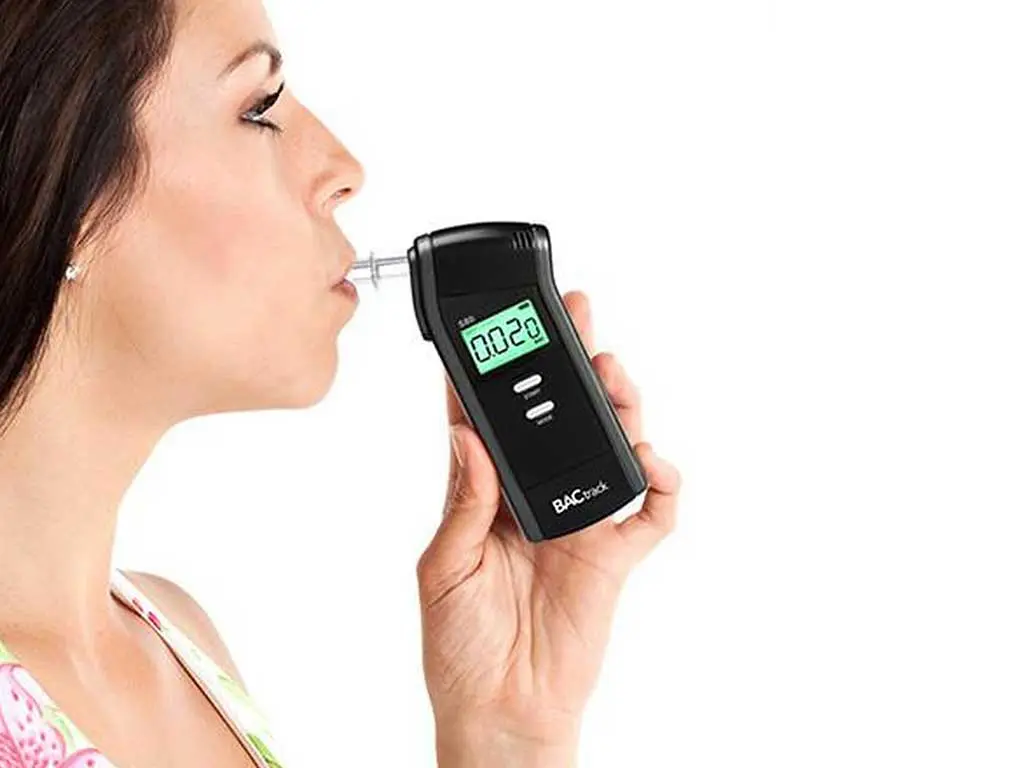
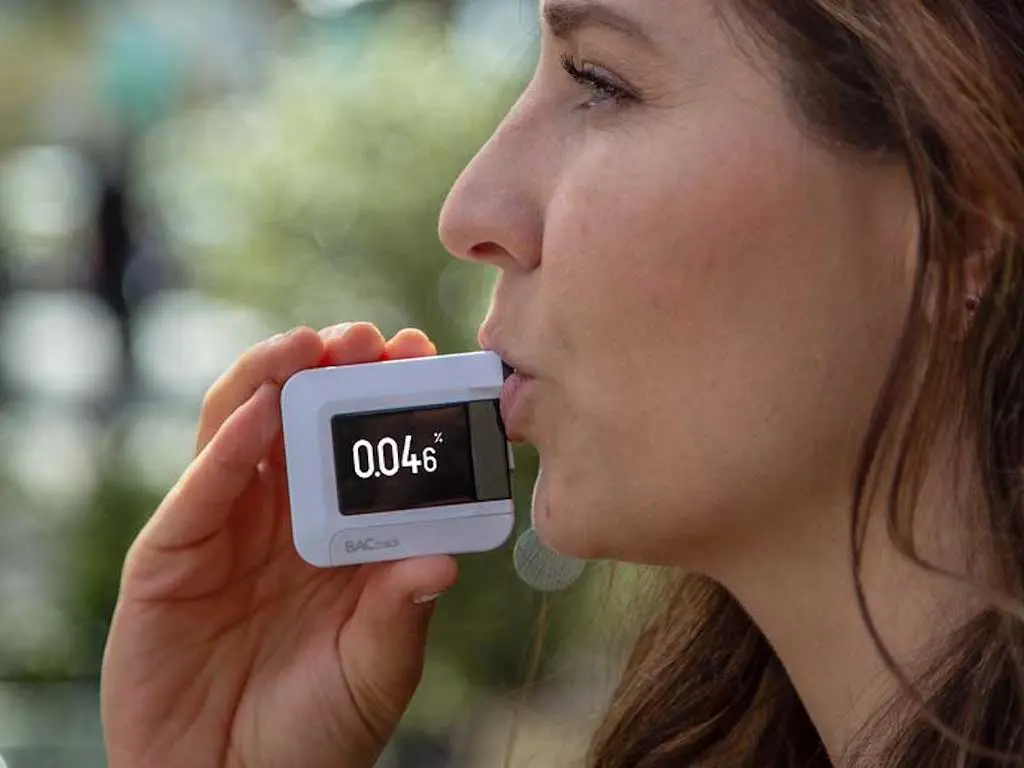
A woman using a breathalyser

The use of an electrochemical fuel cell breathalyzer is essential for accurate and reliable breath alcohol testing. This device utilises an electrochemical reaction to measure the Blood Alcohol Content (BAC) in a person’s breath. It offers several advantages over other breathalyzer technologies, such as high sensitivity, rapid response time, and long-term stability. Additionally, the fuel cell breathalyzer is widely recognised for its precision and accuracy. This makes it a preferred choice for law enforcement agencies, workplaces, and individuals.

Accurate BAC reading is crucial for various reasons. It helps police officers determine if a person is driving under the influence (DUI). It also allows individuals to monitor their alcohol consumption and make informed decisions about their ability to drive. Moreover, accurate BAC readings provide reliable evidence in legal proceedings, ensuring fairness and justice. This article will present the electrochemical fuel cell breath tester, explain how it works, and highlight its accuracy.

What is an Electrochemical Fuel Cell Breathalyzer

An electrochemical fuel cell breathalyzer is a device used to determine the presence of alcohol in a breath sample. It operates using platinum electrodes to facilitate a chemical reaction that generates an electrical current. The current determines the breath alcohol concentration, which measures the amount of alcohol in the breath.

Additionally, this breathalyzer typically consists of a sensor, a microcontroller, and a digital display. The sensor detects alcohol molecules in the breath and generates an electrical current proportional to the concentration of alcohol. The microcontroller processes this current, converting it into a digital reading, and then displays it on the device. Law enforcement agencies, workplaces, and individuals use this type of breathalyzer to quickly and accurately measure BAC levels.

Moreover, the calibration of a fuel cell breathalyzer is of utmost importance. By calibrating the device, it ensures accurate and reliable results when measuring BAC. Calibration involves adjusting the instrument to a known standard, allowing it to provide accurate readings. Without proper calibration, the breathalyzer may produce inconsistent results, leading to potential legal and safety issues.

How to Operate the Device

  • Turn on the alcohol tester by pressing the power button.
  • Wait for the device to warm up, usually around 10-20 seconds.
  • Attach the mouthpiece to the device.
  • Inhale deeply and then blow steadily into the mouthpiece for around 5-10 seconds.
  • The electrochemical sensor will analyse the breath sample for the presence of alcohol.
  • The device will display the blood alcohol concentration on the LCD display.
  • Read the displayed blood alcohol level and compare it to the legal limit for driving or the desired personal limit.
  • After the alcohol breath testing, ensure the device is turned off.


A breathalyser device displaying a BAC result.

How an Electrochemical Fuel Cell Breathalyzer Works

An electrochemical fuel cell breathalyzer works by utilising three main processes. Firstly, when a person exhales into the breathalyzer, the breath sample enters the fuel cell chamber. Within this chamber, the fuel cell contains a catalyst that initiates a chemical reaction with the alcohol molecules. This reaction generates an electrical current that is directly proportional to the amount of alcohol present.

Secondly, the electrical current produced by the fuel cell is then measured and converted into a digital reading. This reading represents the individual’s BAC level. The accuracy of the measurement is crucial, and manufacturers often calibrate their devices to ensure reliable and accurate readings.

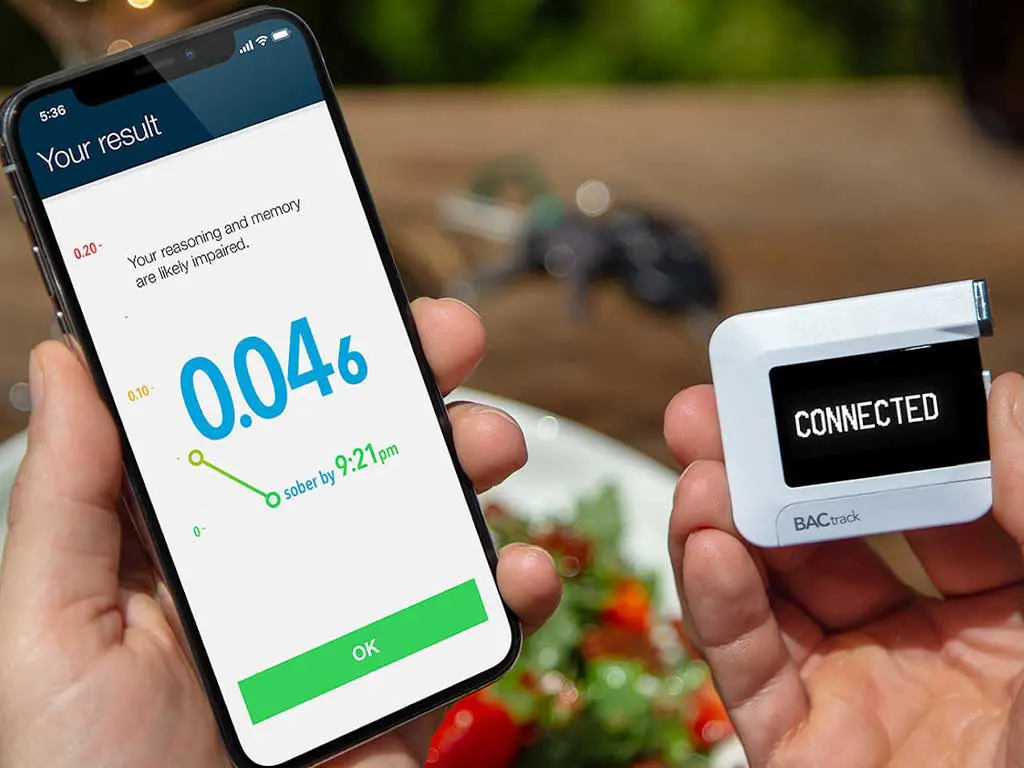
Lastly, the breathalyzer displays the BAC result on a digital screen for easy interpretation. The user can quickly determine whether their BAC level is within the legal limit or if they should avoid driving. Some breathalyzers also offer additional features such as memory storage, Bluetooth connectivity, and smartphone apps for data tracking and analysis. Overall, this type of breathalyzer provides a convenient and effective method for alcohol monitoring.

Benefits

The benefits of a fuel cell breathalyzer are numerous, making it an essential tool for measuring alcohol consumption. Firstly, it offers excellent test-retest reliability, ensuring consistent and reproducible results over multiple measurements. This reliability is crucial in law enforcement, workplace safety, or alcohol treatment programs.

Secondly, the inter-instrument reliability of a fuel cell breathalyzer is exceptional. This means that different devices of the same model yield highly similar results when measuring the same breath sample. Lastly, this device demonstrates high convergent validity with evidential breathalyzers. This indicates that the readings from the fuel cell breathalyzer closely match the results from more advanced breath testing instruments.


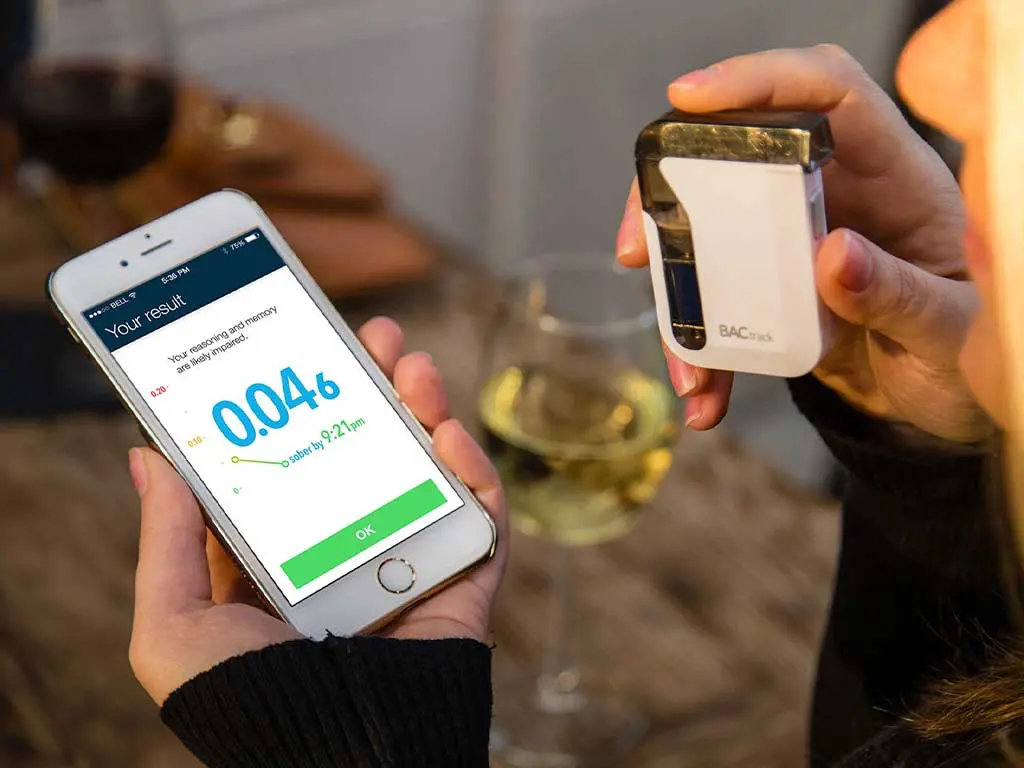
A person reading the BAC results in the smartphone.

Accuracy of an Electrochemical Fuel Cell Breathalyzer

One of the reasons why an electrochemical fuel cell breathalyzer is highly accurate is due to its specificity for ethanol. The design of the fuel cell sensor only allows it to react with the alcohol present in the human breath. This specificity diminishes the likelihood of encountering false positives or false negatives since other substances do not affect the sensor.

Another factor that contributes to the accuracy of this breathalyzer is its precision in measuring low levels of alcohol. A fuel cell breathalyzer has a wide detection range, typically from 0.000 to 0.400 BAC. This precision is crucial when someone has had a little alcohol but is still impaired. By accurately measuring low levels of alcohol, a fuel cell breathalyzer helps prevent instances of drink driving.

Furthermore, manufacturers of fuel cell breathalyzers invest significant time and resources into ensuring the accuracy and reliability of their devices. They conduct rigorous testing and calibration procedures to ensure that the breathalyzer provides consistent and accurate results. Additionally, regular maintenance and calibration checks are necessary to maintain the accuracy of the device over time.

Factors that can Affect the Results

Various factors can affect the results of a fuel cell breathalyzer. Sampling issues can impact device accuracy. The time between drinking alcohol and breath testing can change the breath alcohol concentration. Additionally, the order in which people are tested may affect readings since the device can be influenced by previous samples.

Moreover, the quality of the breath sample can impact the results. If the breath sample is not provided properly, the readings may not accurately reflect the individual’s BAC. Furthermore, factors such as the duration and force of the exhalation can affect the reliability of the readings.

Conclusion

An electrochemical fuel cell breathalyzer is a highly accurate and specific device used to detect alcohol in a breath sample. By utilising platinum electrodes and a chemical reaction, it generates an electrical current that determines the BAC. With its sensor, microcontroller, and digital display, it provides a convenient and effective method for measuring BAC levels. This type of breathalyzer is widely used by law enforcement agencies, workplaces, and individuals to ensure safe alcohol consumption.

Moreover, a fuel cell breathalyzer offers numerous benefits, making it an essential tool for monitoring alcohol consumption. It maintains excellent test-retest reliability, ensuring consistent and reproducible results. Furthermore, it exhibits exceptional inter-instrument reliability and a high level of convergent validity with evidential breathalyzers. However, it is crucial to consider several factors. These include sampling issues, timing of breath testing, order of testing, and the quality of the breath sample. These factors have the potential to impact result accuracy.
Alcohol Dipstick Test: What It Is and How It Works

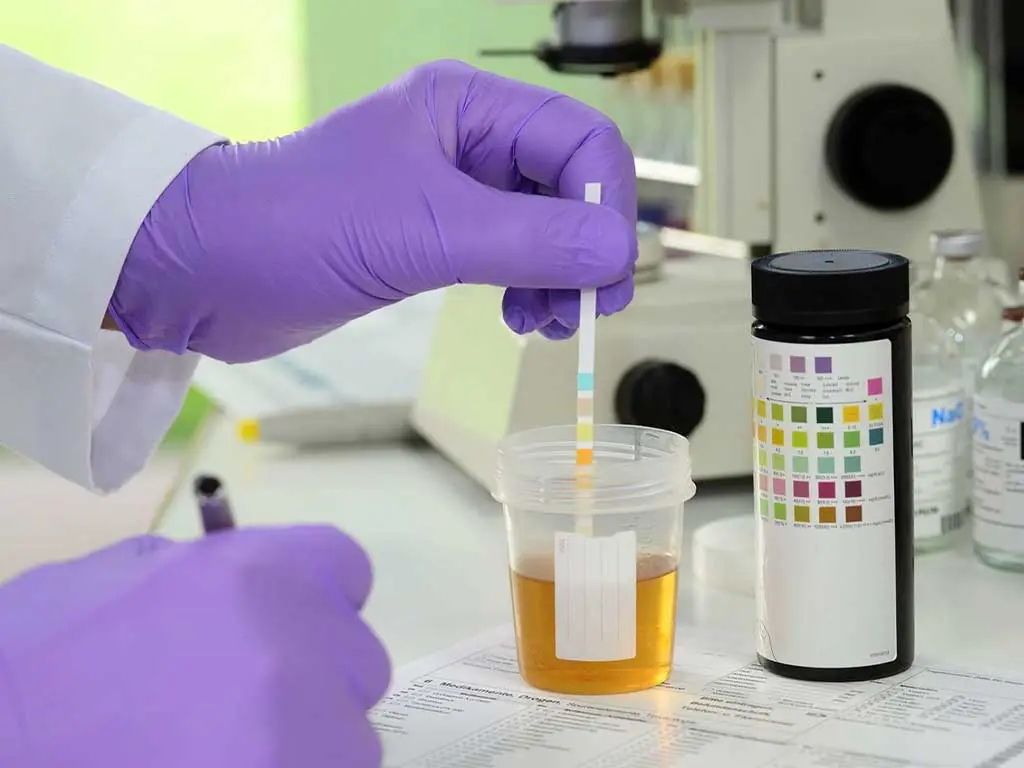
Dipping a test strip in a urine sample

An alcohol dipstick test is a quick and easy way to measure the amount of alcohol in the urine. A urine test is a non-invasive method to determine if a person is under the influence of alcohol. It is ideal in various settings, typically in the workplace and primary care settings. The test involves using a thin chemical strip that is inserted into a sample of urine. The strip will then change colour depending on the concentration of alcohol.

Excessive alcohol consumption is a prevalent issue in today’s society, with many individuals struggling to control their intake. It poses safety risks, particularly in operating vehicles or heavy machinery. The effects of alcohol include impaired judgment, slow reaction time, loss of balance, and poor coordination. Therefore, many organisations implement alcohol screening to minimise the hazards of intoxication. This article will present an overview of the urine dipstick test, how it works, and the procedures for testing.

What is an Alcohol Dipstick Test

The alcohol dipstick test is a type of urine drug screen that detects the presence of alcohol in the sample. When a person consumes alcohol, it is metabolised by the body and broken down into byproducts. These byproducts or metabolites are then excreted in body fluids. Depending on the amount of consumption, they are detectable in urine for 24 to 48 hours.

This test method is common in workplaces to monitor the alcohol impairment of employees. It provides a rapid way to detect alcohol in the system, allowing companies to take appropriate actions. Additionally, screening tools are widely available in pharmacies or online. Hence, individuals or organisations can self-administer a urine test.

The urine dipstick test provides qualitative results, indicating whether alcohol is present or not. If the test shows a positive result, it suggests recent alcohol consumption. However, it does not provide information about the amount of alcohol consumed. For more accurate measurements, it require further laboratory analysis using more advanced techniques.

Advantages

  • Urine alcohol screening is less invasive than blood testing.
  • The test can be easily administered and does not require any specialised equipment or training.
  • It is suitable for various applications or settings, including workplaces, schools, probation programs, and healthcare facilities.
  • The test can identify individuals who may be under the influence of alcohol or are posing safety risks.
  • The test can help deter potential alcohol abuse, promoting more responsible consumption habits.
  • It provides immediate results, typically within five minutes, allowing for necessary prompt actions or decisions.
  • It is cost-effective in comparison to more complex laboratory tests.

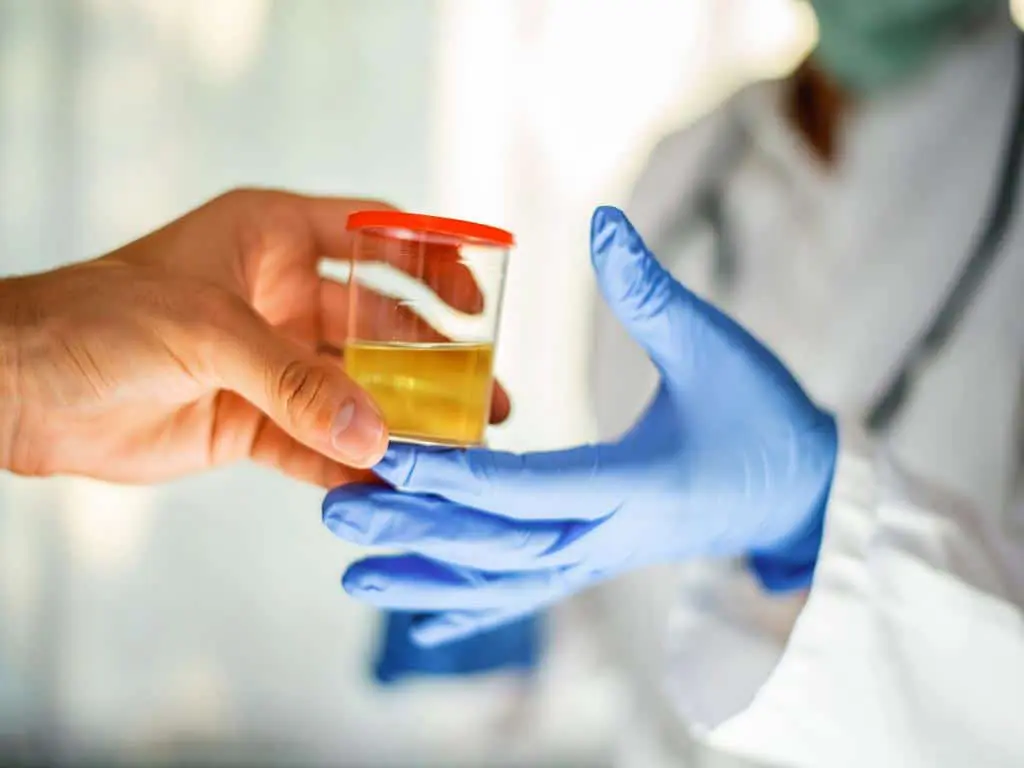
A person giving a urine sample to a professional

How an Alcohol Dipstick Test Works

An alcohol dipstick test uses a thin strip with a reactive end. It contains a chemical reagent that reacts with alcohol compounds in the sample. The strip will change colours depending on the alcohol concentration. Moreover, the exposure to alcohol produces an enzymatic reaction in the indicator pad. The interpretation of results depends on the specific brand or model.

The test can detect the presence of ethyl glucuronide (EtG) and ethyl sulfate (EtS). They are metabolites the body produces during alcohol metabolism. These alcohol biomarkers are detectable in urine samples long after the body has processed ethanol. Thus, it is a reliable screening method for alcohol detection.

The reaction process of determining the presence of alcohol metabolites is completed in a few minutes. It is vital to monitor the alcohol testing strips after immersing them in urine to get the most accurate results. Overall, it is a simple and convenient process for determining recent alcohol use. Other methods include saliva alcohol tests and breath alcohol tests if urine samples are hard to obtain.

Factors that may Affect the Result

Several factors can influence the quality of test results. Firstly, the sensitivity of the testing equipment plays a role in the test’s accuracy. Different dipstick tests may have varying levels of thresholds, meaning they may detect alcohol at various concentrations. If the test is not sensitive or specific enough, it may produce false results.

Secondly, exposure to mouthwash, breath sprays, or cleaning products can interfere with the results. This is because exposure to alcohol-based products can alter the chemical composition of urine. Hence, this may compromise the integrity of the sample and lead to false positives or negatives.

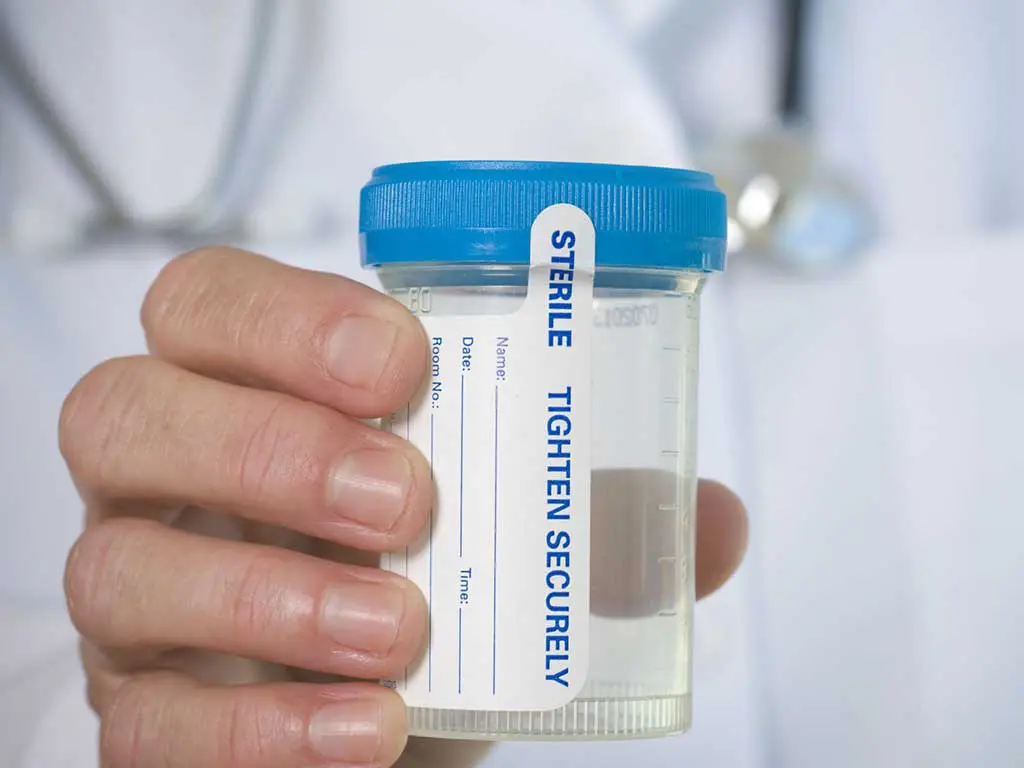
A secured sterile sample container for urine

The Procedures of an Alcohol Dipstick Test

The procedures of an alcohol dipstick test involve several easy steps. Firstly, the individual must provide an adequate amount of urine sample in a sterile container. Typically, sampling cups come with a pre-marked line indicating the minimum sample size needed. The test administrator may also provide instructions on how to collect the specimen.

After the collection, the subject must seal the container to avoid spillage or contamination. To test the urine sample, dip the test strip into the urine for a few seconds to allow a chemical reaction to occur. Then, remove the dipstick and wait for the results. It is important to follow the label instructions to ensure accurate results and avoid potential errors.

The result is read based on the colour of the indicator pad. The intensity of the colour change may matter for some tests, while it is not a factor for others. Additionally, if the result indicates alcohol presence, a test administrator may require a follow-up test. The sample is forwarded to a laboratory to undergo confirmation testing through Gas Chromatography and Mass Spectrometry (GC-MS).

Accuracy and Reliability of the Test

Rapid alcohol urine tests are generally accurate. However, several factors may affect the reliability of the test. One critical factor is the correctness of the sample collection procedure. It is vital not to take the test in a clean environment. Moreover, if the dipstick is not used correctly, the results may be inaccurate.

It is important to note that alcohol screening tests provide a general indication of ethanol in the body. However, they may not be sensitive enough to detect small amounts of alcohol. This means that if the alcohol concentration does not reach a certain limit, the test may be negative.

Conclusion

The alcohol dipstick test is a reliable and convenient way to detect recent alcohol use. It is a rapid screening method utilising a test strip that reacts or changes colours when it detects alcohol metabolites in the urine specimen. Thus, a positive test result indicates a person’s blood alcohol content has reached significant amounts for detection. Furthermore, the procedure is easy to administer and requires minimal training. It can return the results within a few minutes.

However, several factors may influence the accuracy of the results, such as incorrect sample collection. Thus, it is necessary to undergo a confirmation test to minimise inaccurate results. For instance, a blood test can provide exact measurements of alcohol level. Overall, they are suitable for screening purposes rather than as definitive evidence of alcohol impairment. When used correctly, they can be useful in monitoring alcohol intake and reducing the risk of alcohol-related harm.

Non Contact Breathalyzer: What Is It?

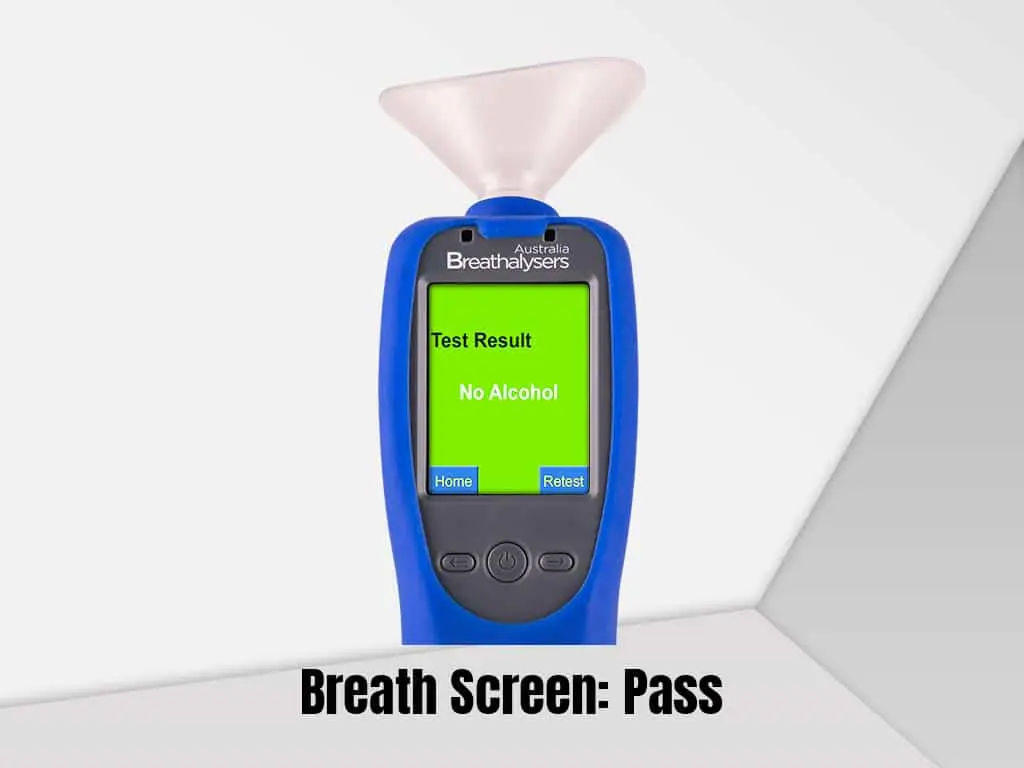
A non-contact breathalyser with pass breath screen result

A non-contact breathalyzer is a device that measures a person’s Blood Alcohol Content (BAC) without requiring a blow pipe. One of the key advantages is its convenience. Users simply need to breathe within the device’s range, and the sensors will detect alcohol in the exhaled breath. This approach not only eliminates the need for direct contact but also provides quick and accurate results. In addition, it ensures hygienic testing, minimising the risk of contamination.

Breathalyzers have been an essential tool for regular alcohol consumers. It allows individuals to check their intoxication level and aid in making informed decisions. For instance, they can use it to monitor their alcohol consumption to prevent them from reaching the legal limit. Therefore, this helps reduce drink driving and its consequences. In this article, we will explore the functions of non-contact breath testers, their accuracy, and advantages.

What is a Non Contact Breathalyzer?

A non contact breathalyzer is a portable device used in various settings. It can detect the presence of alcohol in a person’s breath without requiring physical contact with the individual. It is often used by police officers in sobriety checkpoints, workplaces, and large venues with huge crowds like concert halls. Additionally, it can measure the BAC or amount of alcohol in a person’s bloodstream.

The device varies from traditional breathalyzers in terms of sample collection. In conventional testers, a person must blow into a mouthpiece. On the other hand, contactless breathalyzers use an attached sampling cup. It has a wide base where a person exhales closely. Then, it analyses the breath sample and delivers the results on the display screen.

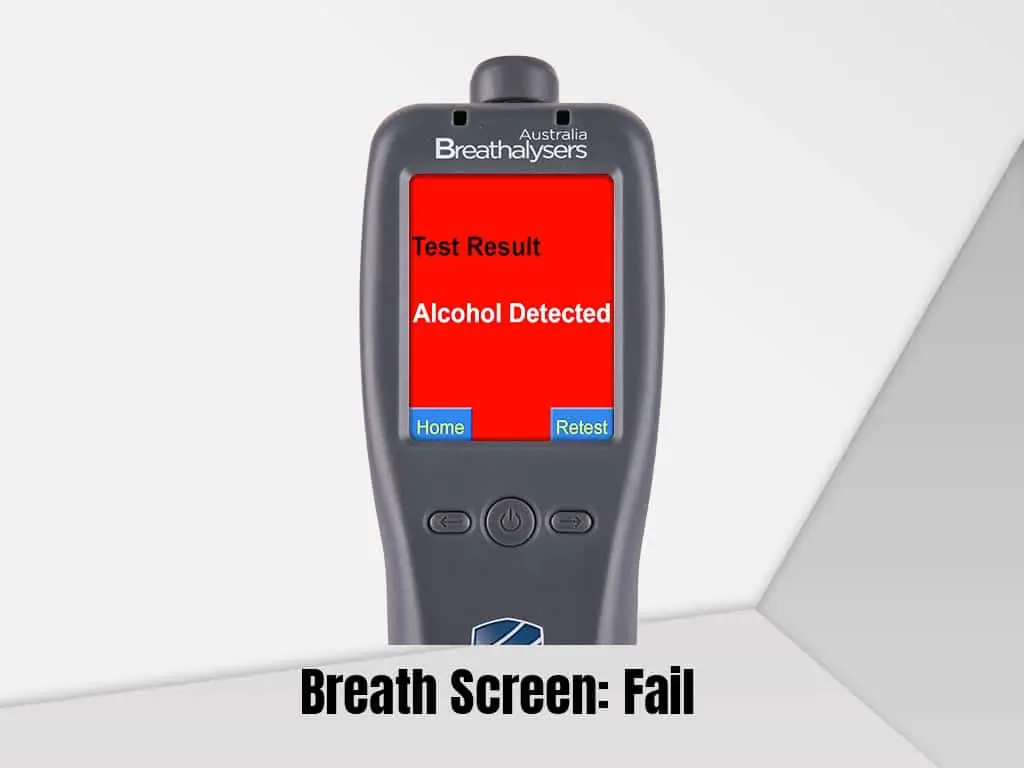
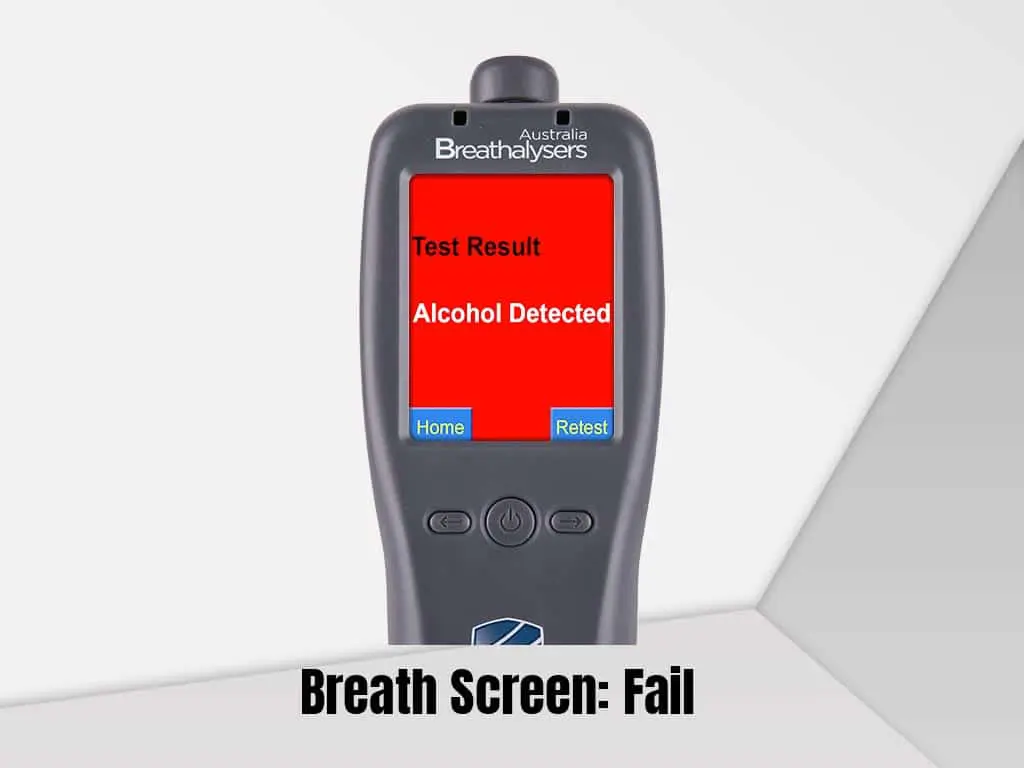
A contactless breathalyzer typically performs passive mode or quick alcohol screening tests. It will determine if alcohol is present in the breath or not. If it detects alcohol, it will show Fail; otherwise, it will show Pass. In most cases, a failed result will require a follow-up active breath testing. This mode requires users to blow directly to the mouthpiece to measure the breath alcohol content.

Types

  • Preliminary breath testers: portable screening tools used by law enforcement units on the road to determine if a person is driving under the influence of alcohol.
  • Evidential breath test machines: large devices in police stations that measure the blood alcohol level of a person. It utilises infrared sensors to get precise readings. The results of the test are admissible in court.
  • Semiconductor breathalyzers: handheld devices that use metal oxide sensors. They are less expensive and suitable for personal use.
  • Fuel cell breathalyzers: devices using electrochemical sensors. It undergoes a chemical reaction process to generate a BAC reading with police-grade accuracy.

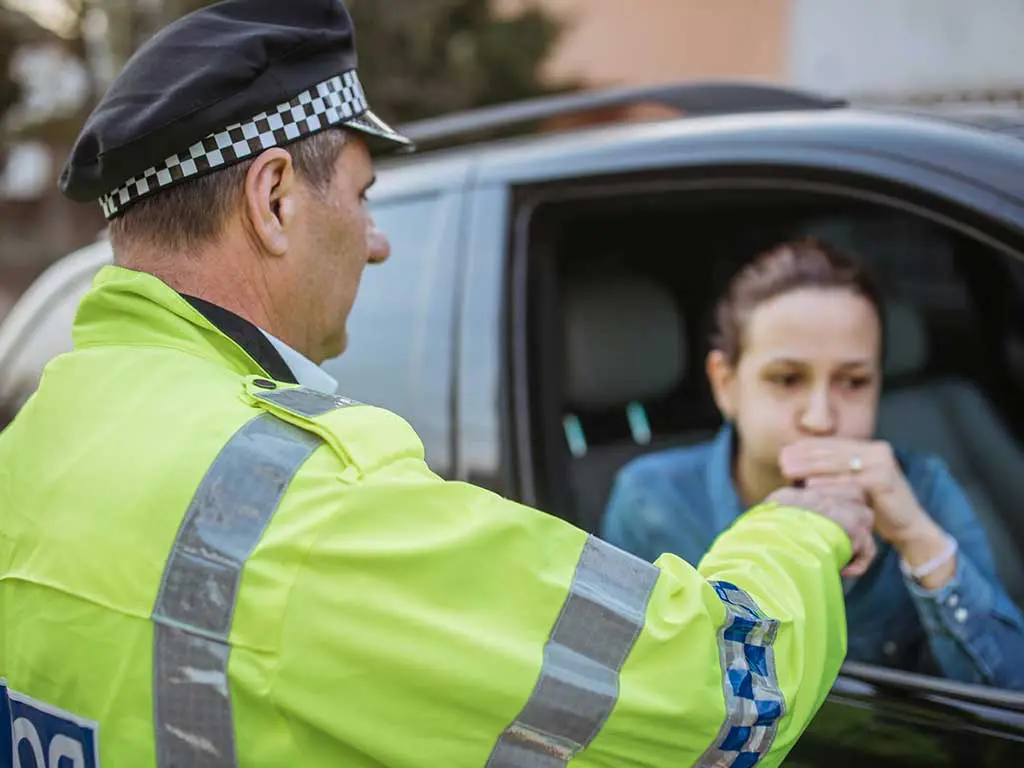
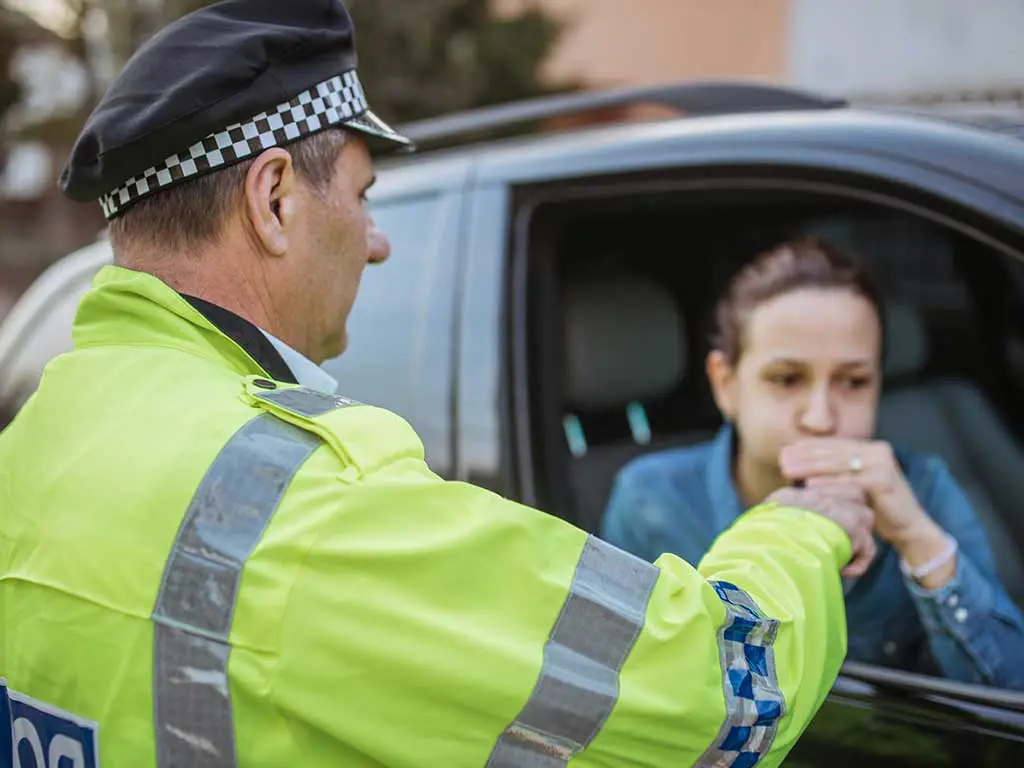
A police officer testing a driver for sobriety

Is a Non Contact Breathalyzer Accurate and Reliable?

Non-contact breathalyzers are generally accurate and reliable. The sensor technology can determine alcohol molecules in the breath and estimate their concentration. Moreover, the touch-free process ensures hygienic testing and minimises false readings. Hence, it prevents contamination from testing multiple users successively. Furthermore, if a result is positive, it requires active mode testing to verify the initial screen.

In active mode, the user will submit a new breath sample. Then, the breathalyzer will undergo an oxidation process to get an accurate measurement of the BAC. Therefore, the two-step process of alcohol breath testing ensures reliable results. However, several factors may influence the readings. For instance, if a breathalyzer shows zero BAC after passive test mode, it could be there was an interference in the sample collection process.

The accuracy of an alcohol breath analyser depends on its type and manufacturer. Some devices are sensitive to other substances like acetone, whereas some can detect low-level alcohol levels in the breath. Additionally, they should be regularly calibrated to ensure accuracy and reliability. Proper maintenance is essential to ensure the device is in good working condition.

Factors that may Influence the Result

Alcohol breathalyzer have limitations and factors that can affect the results. Firstly, environmental conditions can play a significant role. Temperature, humidity, and air quality can influence the breathalyzer readings. The presence of smoke, alcohol vapour, or strong winds can interfere with the breath sample. Secondly, individual factors, like certain medical conditions, may also influence the outcome.

Additionally, wrong operation and incorrect sampling techniques can impact accuracy. It is vital to follow the device instructions to minimise false positives or negatives. Lastly, the timing of the test plays a crucial role. Taking a breath test too soon may cause high BAC levels due to mouth alcohol.

A non-contact breathalyser with a carrying case

Advantages of a Non Contact Breathalyzer

A non-contact breathalyzer offers several benefits and advantages. One of the main advantages is the hygiene or sanitary factor. Since it does not need direct contact with a blow tube, it eliminates the risk of spreading germs or infections. This is favourable in public settings such as bars, restaurants, or workplaces.

Another benefit is convenience and ease of use. Individuals simply need to breathe near the device to detect alcohol. Moreover, the breathalyzer is ready to use after powering it on. After providing a sample, it will automatically analyse the breath and deliver the result. There is no need for additional procedures. Also, the device is portable, making it easy to carry around in remote locations.

Furthermore, it is cost-efficient. Due to non-contact breath alcohol testing, it minimises the need for mouthpieces. This is because active testing requires each person to use new attachments. With passive test mode, it only requires one sampling cup for all test takers. Therefore, it reduces screening time and the cost of maintenance, accessories, and replacement parts.

Response Time and Delivery Time

Breathalyzers are designed to give quick, reliable results compared to other testing methods like blood or urine. These devices utilise powerful sensors to examine the breath and give the results. Moreover, the overall testing process is complete in a few seconds to minutes. However, this depends on the type of device and its technology.

Most devices typically take 10 seconds to warm up and five seconds or longer for the air blow time. After the collection, the breathalyzer takes an additional 10 to 15 seconds response time. This method has the shortest delivery time compared to five minutes in urine and hours for blood.

Conclusion

Non-contact breathalyzers offer convenient and efficient tools for quick alcohol screening tests. It is used in various settings like workplaces, restaurants, roadside, and other public areas. Likewise, individuals may use it to monitor their blood alcohol concentration levels to ensure safe driving. It works by oxidising ethanol present in the breath to calculate the BAC. However, several factors may influence the results, including temperature, interfering substances, medical conditions, and device operation.

Moreover, these portable breathalyzers offer several advantages over other testing methods. It is a reliable and cost-efficient way of determining if a person is under the influence of alcohol. It also has user-friendly features and provides quick alcohol readings. Therefore, individuals or authorities can make informed decisions to manage risks and ensure safety. Overall, it promotes responsible alcohol consumption and reduces the dangers of drunk driving, workplace accidents, and alcohol-related health problems.

0.4 on Breathalyzer – What Does It Mean?

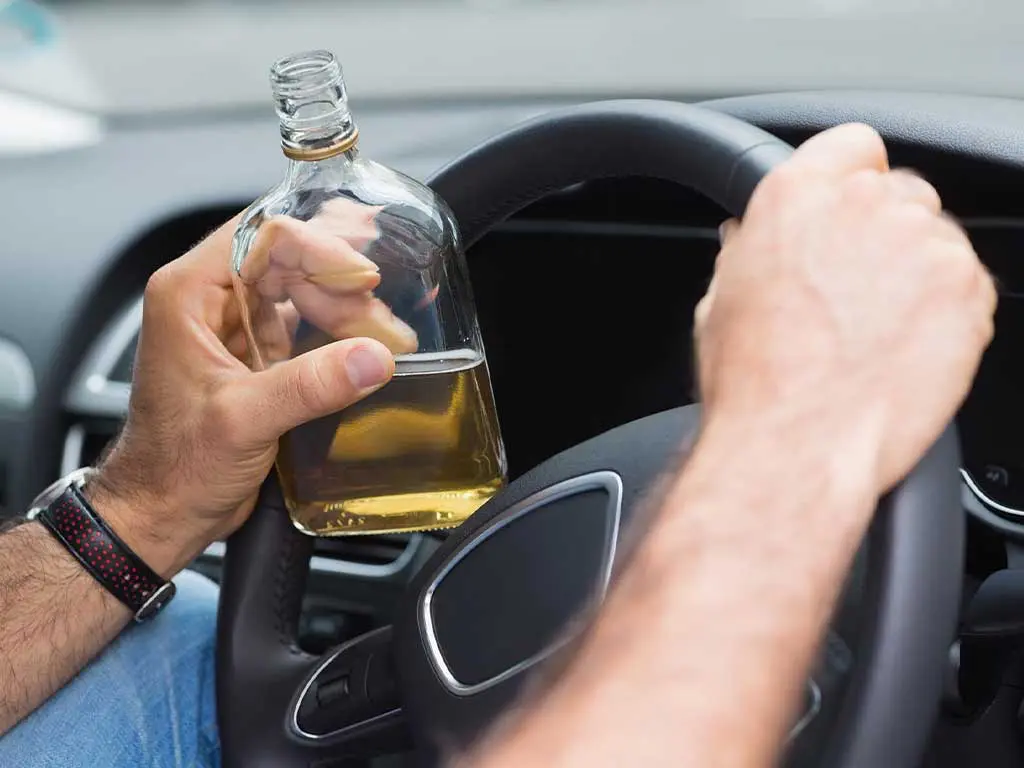
A person driving while holding a bottle of liquor.

When a person blows a 0.4 on breathalyzer, it shows a high level of alcohol in their system. This measurement is commonly used to determine a person’s Blood Alcohol Content (BAC). A BAC of 0.4 is significantly above the legal limit in most jurisdictions, which is typically around 0.05. At this level, the individual may experience severe impairment, including impaired motor skills, slurred speech, confusion, and potential loss of consciousness.

Excessive drinking remains a widespread concern in society. People drink alcohol for several reasons, such as social interaction, managing stress, or pursuing enjoyment. Nonetheless, influences like peer pressure, societal expectations, and emotional susceptibilities can contribute to the development of excessive drinking habits. However, it must be noted that drinking in excess poses considerable risks to people’s health and safety. This article will present a BAC of 0.4, including its effects, driving penalties, and prevention.

How a BAC Level of 0.4 on Breathalyzer Affects a Person

A BAC level of 0.4 on breathalyzers indicates a significantly high amount of alcohol in a person’s system. At this level, a person may experience severe alcohol intoxication, loss of motor skills, and impaired judgment. They may have delayed reaction times and a higher risk of accidents and injury. Additionally, this level of alcohol consumption can cause respiratory arrest and loss of consciousness.

The effects of a BAC level of 0.4 on a person can be dangerous and potentially life-threatening. They may exhibit symptoms of alcohol poisoning, such as confusion, vomiting, seizures, and decreased body temperature. Moreover, people with liver disease or other health issues may experience even more severe consequences from alcohol consumption.

It is crucial to understand that a BAC level of 0.4 is well above the legal limit for driving. This level of alcohol in the system makes it extremely dangerous to operate any type of vehicle. If someone is found to have a BAC of 0.4 or higher, they may face charges of driving under the influence (DUI). Therefore, individuals need to be aware of their drinking habits.

How to Monitor BAC Using a Breathalyzer

  • Turn on the breathalyzer and wait for it to warm up, usually for about 10-20 seconds.
  • Instruct the person to take a deep breath and blow into the breathalyzer for the required duration
  • The breathalyzer will measure the concentration of alcohol in the breath sample and provide a reading on its display screen.
  • The reading will typically be expressed as BAC percentage, which represents the amount of ethyl alcohol.
  • Interpret the breathalyzer reading based on the legal limit or desired level of alcohol consumption.
  • Repeat the process if necessary, ensuring that the person waits for a sufficient amount of time before taking another breathalyzer test.

Holding a bottle of alcohol while driving

Penalties for Having a BAC Level 0.4 on Breathalyzer while Driving

Reaching a BAC level of 0.4 on breathalyzers while driving can result in penalties. This level significantly exceeds the legal limit of 0.05 in Australia. Driving with such an elevated BAC level is highly dangerous and poses a substantial risk to other road users.

Jurisdictions may impose various penalties for individuals caught driving with a BAC level of 0.4. These penalties often include fines, license suspension, the mandatory installation of an alcohol interlock device, and the possibility of imprisonment. These measures aim to discourage people from drink driving, emphasising the importance of respecting the legal alcohol consumption limit.

Individuals who are caught having a BAC level of 0.4 may encounter higher insurance premiums. Additionally, they can experience challenges in securing future employment, as many employers may view a DUI offence as a red flag. Furthermore, people’s personal and professional reputations can be seriously harmed. Therefore, it is crucial to understand the potential consequences of driving with a high BAC level and to make responsible choices.

Consequences of Alcohol Consumption in the Workplace

Alcohol consumption in the workplace can have serious consequences. When individuals drink excessive amounts of alcohol, their blood alcohol levels rise, impairing their judgment, coordination, and decision-making abilities. This can lead to accidents, reduced productivity, and even incidents of workplace violence.

To address these issues, employers should implement clear policies regarding alcohol consumption in the workplace. Providing education on responsible drinking habits and the potential consequences of alcohol abuse can help employees make informed decisions. Furthermore, creating a supportive work environment can encourage individuals with alcohol use disorder to seek help without fear of discrimination.


A woman refusing to drink alcohol.

Alcohol Consumption Guidelines to Avoid a BAC Level of 0.4 on Breathalyzer

To avoid reaching a BAC level of 0.4 on breathalyzers, it is crucial to follow alcohol consumption guidelines. Consuming a standard alcoholic beverage can elevate an individual’s BAC by approximately 0.02. Hence, careful monitoring of one’s drinking habits is necessary to stay within the legal limit.

Numerous factors influence BAC levels, including body weight, the alcohol concentration in the drink, and the duration of consumption. It is important to note that as BAC reaches 0.4, people’s reaction times and motor skills can become severely impaired. Moreover, alcohol’s effects become more pronounced at higher BAC levels, potentially leading to unconsciousness and significant danger.

Furthermore, individuals should plan their drinking responsibly and gauge their tolerance to alcohol. The human body metabolises alcohol at a relatively constant rate of about 0.015 BAC per hour. Consequently, reaching a BAC of 0.4 may take hours to return to a safe level. Designating a sober driver or opting for alternative transportation methods is imperative. Overall, staying informed about alcohol consumption guidelines and potential legal consequences ensures a safer, more responsible drinking experience.

Dangers of Excessive Drinking

Excessive or binge drinking has negative effects on individuals and society as a whole. It greatly increases the risk of developing various health issues, including liver disease, heart problems, and even cancer. Additionally, excessive drinking impairs judgment and coordination, leading to an increased likelihood of accidents and injuries.

Moreover, it also contributes to the occurrence of violence and domestic abuse. On top of that, excessive consumption of alcohol can lead to addiction, causing significant personal and social problems. It is important to note that excessive drinking places a burden on healthcare systems and can result in economic costs.

Conclusion

A BAC level of 0.4 on breathalyzers signals a dangerously high alcohol level in a person’s system. Driving with such a high BAC level can lead to severe penalties, such as fines, license suspension, and even incarceration. Furthermore, it can create difficulties in finding future employment and harm one’s personal and professional reputation. To avoid reaching a BAC level of 0.4, people should adhere to alcohol consumption guidelines and keep an eye on their drinking habits.

Alcohol consumption in the workplace and excessive drinking carry substantial risks and consequences. These include impaired judgment, accidents, health problems, and potential addiction to alcohol. Employers can mitigate workplace issues by implementing clear policies and fostering a supportive environment. Moreover, individuals must recognise the dangers of excessive drinking on both their short-term and long-term well-being. It is crucial to prioritise responsible alcohol consumption to safeguard health and overall quality of life.

Positive Breath Alcohol Test Results: What It Means

A breathalyser showing a positive breath test result

Positive breath alcohol test results can have significant implications for individuals. It indicates that the person has consumed alcohol and may be under its influence. This raises concerns about their ability to perform tasks safely. Additionally, a positive test result can have legal consequences, as it may be used as evidence of violating drink driving laws. Moreover, it can also have professional repercussions, particularly for individuals in safety-sensitive positions or industries that have strict alcohol policies.

When conducting a breath alcohol test, individuals typically use a breathalyser device. The breathalyser measures the alcohol content in a person’s breath, providing an estimate of their Blood Alcohol Concentration (BAC). To conduct the test, the person blows into the breathalyser, which then analyses the breath sample to determine the BAC. This article will present positive breath test results in workplace and road settings, including the consequences of false positive results.

Handling a Positive Breath Alcohol Test Result in the Workplace

Handling a positive breath alcohol test result in the workplace requires a careful and sensitive approach. When an employee tests positive, it is crucial for the company to follow its policy and procedures. This ensures consistency and fairness in handling such cases. By adhering to these guidelines, the company can convey a clear message about the importance of responsible alcohol use.

Additionally, it is essential for the employer to initiate open communication with the employee who receives a positive breath test result. This encourages transparency and allows the employee to share any relevant information or concerns. Through open dialogue, the employer can gain a better understanding of the situation and determine the best course of action.

Furthermore, organisations should provide support and resources to the affected employees. This can include offering assistance in seeking professional help or referring the employee to an Employee Assistance Program (EAP). By offering support and resources, the company demonstrates a commitment to the employee’s well-being and encourages positive change.

Common Indications of Substance Abuse

  • Slurred speech and impaired coordination are common indications of substance abuse, particularly the influence of ethyl alcohol.
  • Excessive consumption of alcoholic beverages can result in noticeable behavioural changes, such as increased aggression.
  • Substance abuse often leads to impaired judgment, leading individuals to engage in risky behaviours or make poor decisions.
  • The physical effects of substance abuse include slowed reaction time and impaired motor skills.
  • Medical conditions, such as liver damage or respiratory issues, can manifest with physical symptoms like jaundice or breathing difficulties.
  • A person may show a lack of concern for personal or professional responsibilities due to the influence of alcohol.


A driver taking a police breathalyser test

Positive Breath Alcohol Test Result while Driving

A positive breath alcohol test result while driving indicates that the individual has exceeded the legal limit for alcohol consumption. It is a measure of the amounts of alcohol in their system, specifically the concentration of alcohol in their breath. This concentration is typically measured by using a handheld device called a breathalyser.

Alcohol use disorders, such as excessive and frequent consumption of alcoholic beverages, can lead to impaired judgment and coordination. To ensure road safety, law enforcement agencies conduct alcohol testing. This testing involves administering breath alcohol tests to drivers suspected of driving under the influence. The result of the test indicates the presence and level of alcohol in the driver’s breath.

In order to avoid a positive breath test result, individuals should refrain from consuming alcohol before getting behind the wheel. They have to plan ahead, designate a sober driver, or arrange alternative transportation if they have consumed alcohol. It is crucial to prioritise safety and make responsible choices to avoid the risks of impaired driving.

Drink Driving Penalties

Drink driving penalties can have significant consequences for individuals who are found to have exceeded the legal levels of alcohol. These include fines, license suspension, ignition interlock devices, and imprisonment. When law enforcement obtains a positive alcohol reading, it generally leads to drink driving charges.

Commercial drivers, such as truck or bus drivers, are subject to even stricter regulations when it comes to drink driving. They often have a lower blood alcohol content limit compared to non-commercial drivers due to the higher potential risk. It is crucial to always abide by the legal limit to prevent any negative consequences.


An anxious man receiving a paper.

What Happens If False Positive Breath Alcohol Test Result Occurs

If a false positive breath alcohol test result occurs, it can have serious consequences for individuals. Firstly, false positive results can lead to wrongful accusations and legal troubles. If someone is pulled over for a roadside breath screen and tests positive on a breathalyser, they may be charged with driving under the influence (DUI).

Secondly, false positive breath test results can impact individuals in professional settings. Many workplaces have policies that require employees to undergo alcohol testing, especially in safety-sensitive industries like mining or transportation. If an employee receives a false positive result, they may face disciplinary actions, including suspension or termination from their job. This can have detrimental effects on their career and livelihoods.

Lastly, false alcohol readings can affect personal relationships and social standing. Being falsely accused of being intoxicated can damage one’s reputation and lead to strained relationships with family, friends, and colleagues. This can cause emotional distress, isolation, and loss of trust in the test result’s accuracy.

Factors that may Affect the Results

A positive breath test may be influenced by various factors. Firstly, the period of time between alcohol consumption and the test. As time passes, the blood alcohol level gradually decreases, which can lead to a lower alcohol breath result. Secondly, the absorption of alcohol into the bloodstream. The absorption rate varies based on factors like beverage type, amount consumed, and individual metabolism.

Thirdly, environmental conditions such as high humidity levels or the presence of alcohol vapour can affect the results. Lastly, the quality and maintenance of the breathalyser device can play a role in the reliability of the results.

Conclusion

Dealing with positive breath alcohol test results is crucial for fairness and promoting responsible alcohol use. Open communication between the employer and the employee is key, offering support and resources for those affected. When faced with a positive test result while driving, it indicates potential impairment due to alcohol. Furthermore, false positive breath tests can lead to legal troubles and job repercussions. This, in turn, can strain personal relationships, causing significant distress and harm to individuals.

Moreover, drink driving penalties have severe consequences for individuals who exceed the legal limit. These penalties may include fines, license suspension, the mandatory use of ignition interlock devices, and even imprisonment. Commercial drivers face even stricter regulations due to the higher potential risks associated with their profession. Additionally, several factors can influence the results of a breath test. These include the timing of the test, the rate of alcohol absorption, environmental conditions, and the quality of the breathalyser.

Disposable Alcohol Breath Tester: Advantages and Disadvantages

A police officer conducting a road breath test on a woman

Police officers typically conduct roadside breath testing. They do it to see if drivers are sober or not. Sobriety is important in driving. Otherwise, they can endanger their lives and that of others. Since drinking is a common activity, drivers should use tools such as disposable alcohol breath testers. It is a non-invasive testing device that allows them to know if they are capable of driving. However, it is not always reliable, as it can produce false positives and negatives.

Roadside breath tests have been effective in lessening accidents. To make the statistics even lower, there should be fewer intoxicated drivers. Alcohol can impair judgment. Hence, they may feel fine, but they are not functional anymore. Personal testing devices are good aids to make informed decisions. For more information, the following section will present what a single-use tester is, as well as its advantages and disadvantages.

What is a Disposable Alcohol Breath Tester?

A disposable alcohol breath tester is a handheld device. It can inform people if they are within the legal limit. Unlike electronic breathalysers, single-use units only consist of a tube, an inflatable bag, and chemicals. Thus, the tester will not be able to show the blood alcohol concentration (BAC). Despite the lack of advanced features, a one-time-use device is helpful.

Furthermore, a single-use breathalyser is affordable. It can range from around $3-$9. The device is suitable for people who do not drink alcohol that much. They only need to use it several times. On the other hand, constant drinkers need more disposable testers, which leads to more expenses on their part. Thus, it would be more practical for them to buy a traditional unit.

Nevertheless, light drinkers can still purchase a box of disposable breathalysers and find it beneficial. There are options for 50 or 100 pieces per box. The shelf life is commonly two years. Thus, it can also be cost-effective. They can store pieces in their cars, houses, and bags. It would be easy for them to access the units because of their portability.

Steps

Here are the step-by-step instructions:

  • Open the tester tube. There are two caps on each end, and both should be removed.
  • Use the tube within five minutes.
  • Shake it to expel the white crystals inside.
  • Inflate the bag fully by blowing into the bag. It should be in one long breath.
  • Put the end of the tube inside the white neck of the bag.
  • Press on the inflated bag for the breath to reach the chemicals in the tube.
  • Wait for the result to show within two minutes.
  • They are within limit if the colour does not change or reach the red line.

A group of people having fun while each is holding a glass of beverage

Advantages of a Disposable Alcohol Breath Tester

The disposable alcohol breath testers have several advantages over other testing methods and breathalyser units. Firstly, they are non-invasive. The breath test only requires people to blow through the device. Meanwhile, other BAC testing types, such as blood and urine tests, are quite intrusive. The former is done by drawing blood with a needle, while the latter needs samples to be in a container without contact with other body parts.

Secondly, they can produce fast results. A single-use tester can provide the outcome of a test in less than two minutes. However, other methods can take up to several weeks. Aside from the speed of the results, the process itself is more rapid than others. A qualified collector should take blood samples, which means people need to travel. Likewise, they need to submit the urine sample to a laboratory. People can do one-use breath tests wherever.

Lastly, they are more affordable. The price of a disposable breathalyser is generally less than other testing methods and other breath testing units. It typically costs less than $5. Hence, they can get one easily.

Benefits

Besides the advantages of a single-use tester, there are also more benefits. One of which is its convenience. The portability of a unit allows people to bring it anywhere they go. Moreover, they can take a test anytime they need it. It commonly comes in small packets. Hence, they can put it inside their bags without any issues as it is also lightweight.

Another beneficial factor of the device is people can enjoy their time more with family and friends. It creates a sense of security that they can be safe. All they need to do is take a breath test before driving.

A person holding a breathalyser on one hand a mobile phone on the other

Disadvantages of a Disposable Alcohol Breath Tester

There are also disadvantages to disposable alcohol breath testers. The materials are not as sturdy as the ones in traditional breath testers. Hence, it can produce both false positives and negatives. Other testing methods, even blood tests, known to be the most accurate, can produce inaccurate results. However, a single-use breathalyser is more susceptible to it.

False positive outcomes can be inconvenient, especially if someone does not consume alcohol. This is because a confirmatory test may be necessary. On the other hand, a false negative can lead to fatal road accidents. It is dangerous if the results show that someone is within legal limits even when they are not.

One more disadvantage of a one-time-use breathalyser is it is not technologically advanced. Australians should not go above 0.05 BAC. They cannot see their BAC levels using a disposable unit. Thus, it is more difficult to gauge how much longer they have to wait before they can drive, unlike other breathalysers.

How a Breathalyser Can Help

One purpose of breathalysers is for people to track their alcohol intake. However, they cannot do that with a single-use tester because of its limitations. Thus, they can go for a more suitable alternative. BACtrack breathalysers from Breathalysers New Zealand are some of the most reliable devices in the market.

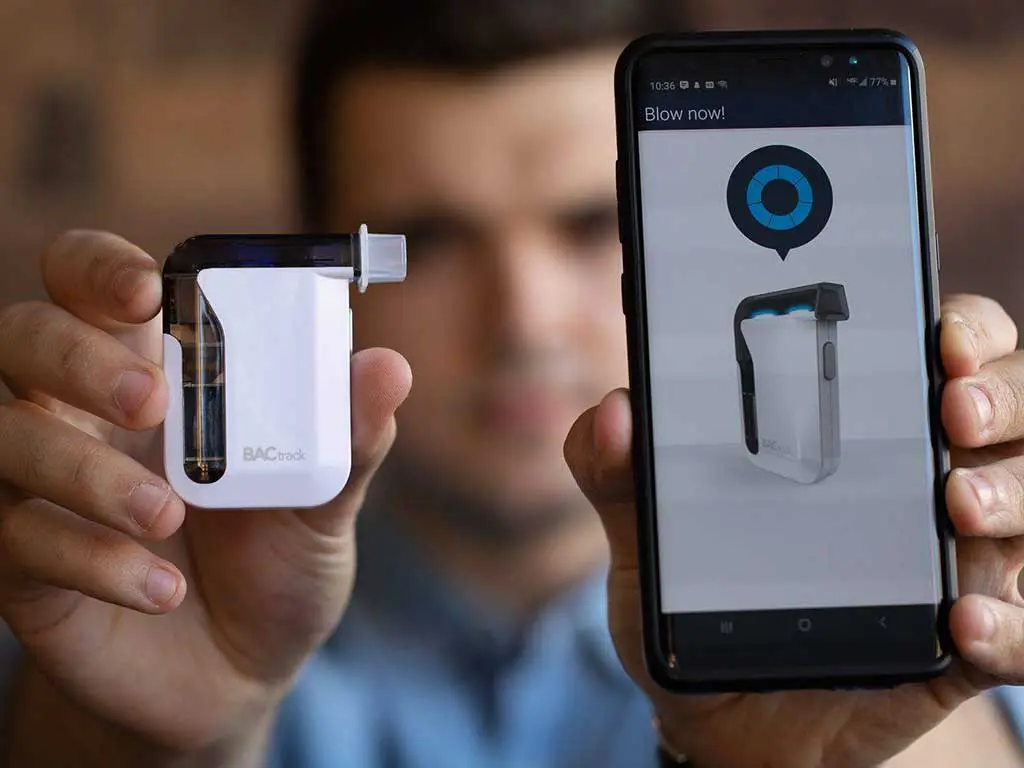
Some units have Bluetooth connectivity, like the BACtrack C8 Smartphone. Hence, they can manage their alcohol consumption efficiently. They can check their history through the mobile application. The app also has an option to call an Uber if they cannot drive anymore. It enhances the safety of its users.

Conclusion

A disposable alcohol breath tester is both convenient and affordable. It can keep people safe from harm. They can do a test after a drinking session and before deciding to drive. It allows them to maintain their freedom. Moreover, the good thing about the test is it is non-invasive. Individuals only need to blow their breaths on a bag. In addition, they provide fast results. Unfortunately, it is not always reliable. Hence, there are factors to consider before buying.

Accuracy is a vital part of a breathalyser. There can be consequences otherwise. More trustworthy devices like an electronic breath tester are more appropriate for those who want security. They can have peace of mind when they use testers from brands like BACtrack. This is because their units are on par with what law enforcement uses for their random breath tests. They can visit Breathalysers New Zealand for more information.

Supreme BACtrack Go Keychain: Overview

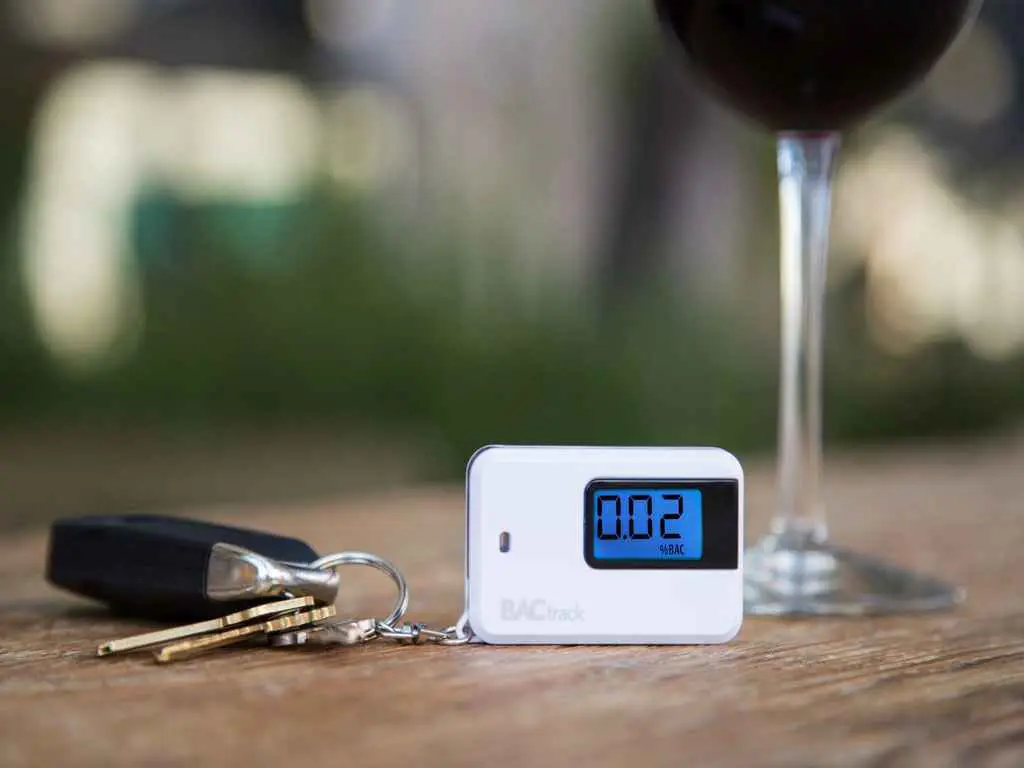
A mini breathalyser, carkeys, and a glass of wine on the table.

The Supreme BACtrack Go Keychain is a mini breathalyser device that is easy to use. This tiny device can measure the amount of alcohol in a person’s breath and provide an accurate Blood Alcohol Content (BAC) reading. This enables convenient alcohol testing anywhere and aids in making informed decisions. Individuals can use the device to help manage their alcohol consumption and prevent severe intoxication. In addition, it can also help deter drink driving and other risky behaviours.

The portable breathalyser is sleek and discreet. It is suitable for personal use for those who need to check their BAC on the go. One of the benefits of using a breathalyser is to prevent accidents and long-term health risks. Therefore, it can help reduce alcohol-related problems and promote responsible drinking. This article will provide an overview of the features of the BACtrack Go breathalyser, including its operation and maintenance guidelines.

What is the Supreme BACtrack Go Keychain

The Supreme BACtrack Go Keychain is a battery-powered device that features a bright LCD screen. It has a single-button operation, making it easy to use. The device has a compact and lightweight design that fits in the pocket or on a keychain for easy portability. It also features a fold-away mouthpiece to help protect the sensors when not in use.

The BACtrack Go is one of the smallest and most affordable alcohol breath testers on the market. It is suitable for individuals who need quick alcohol testing or low-volume use. It is also a practical tool for simply checking if a person has consumed alcohol, regardless of the amount. Additionally, the device will automatically power down after ten seconds of not using it.

With its user-friendly features, BAC monitoring with the BACtrack Go is easy and convenient. Moreover, it gives real-time feedback on the alcohol levels during or after consumption. This makes it useful for individuals who want a reliable estimate of their BAC before driving instead of relying on guesswork.

Device Operation and Usage Guidelines

  • Press the power button and wait for the countdown to begin.
  • Once ready, blow steadily to the mouthpiece for a few seconds until the beeping stops.
  • The device will automatically process the breath sample and display the results on the screen within 10 to 15 seconds.
  • A flow error indicator will alert if the blow is not consistent enough for analysis.
  • Wait for a few seconds before taking a retest.
  • Ensure there are no smoke and fumes that may contaminate the breath sample.
  • The batteries last up to 75 tests. Always use fresh batteries to ensure reliable readings.

A person pouring beer in a glass.

Accuracy and Reliability of the Supreme BACtrack Go Keychain

The Supreme BACtrack Go Keychain is known for its reliability at its price point. It uses an advanced MicroCheck semiconductor sensor for more accurate readings. The sensor goes through a patented burn-in process to oxidise alcohol molecules in the breath. This equalises the response, giving higher performance when compared to standard semiconductor breathalysers.

The device has a detection range of 0.00 to 0.40% BAC, with a sensor accuracy of +/- 0.01 at 0.05% BAC. With the proper usage, it has been shown to deliver consistent and reliable results. Moreover, it has a specially tuned algorithm to measure the BAC accurately. Likewise, the fold-away mouthpiece helps prevent particles from entering the device that may interfere with the readings.

Moreover, it is vital to wait 15 minutes after eating, drinking, or smoking before using the breathalyser. This helps to eliminate alcohol residue in the mouth, ensuring the accuracy and reliability of the results. When not in use, store the device properly, away from alcohol-containing products.

Factors That May Influence the Results

There are several factors that may influence the results of a breathalyser. One factor is the presence of mouth alcohol. This can cause false positives if the user does not wait after eating or drinking. Additionally, the presence of other substances can interfere with the semiconductor sensors. It includes high acetone in the breath, mouthwash, and hand sanitisers.

Environmental factors such as extreme hot and cold temperatures can also affect the accuracy of the readings. Over time, the device may become less accurate due to normal wear and tear. This is especially true when the device is dropped or exposed to water.

A man and woman drinking with a breathalyser.

Maintenance and Reusability of the Supreme BACtrack Go Keychain

Breathalysers are sensitive devices that require care and caution to maintain precise alcohol testing. The Supreme BACtrack Go Keychain has an easy and simple care guide. Firstly, it is best to use an additional mouthpiece to help keep the device clean and prevent cross-contamination. This helps to ensure that only precise air samples reach the sensors. This protects the device from dirt, dust, or moisture.

Using a mouthpiece also protects the device from dirt, dust or moisture. After use, clean the mouthpieces by washing them with water or wiping them with a clean cloth. Secondly, breathalyser sensors tend to dry out if not used for a long period. It is recommended to use the breathalyser occasionally, even if a person is not consuming alcohol.

Keep fresh batteries on hand, and make sure to replace them regularly. When not in use, remove the batteries to prevent leakage or corrosion. Store the device in a cool and dry place away from direct sunlight. Following these simple steps will help maintain accurate alcohol level readings of the Supreme Keychain breathalyser.

Other Advantages of the Compact Device

The compact size of the BACtrack Go makes it easier for individuals to carry and use. It can fit in a pocket or purse without being heavy or bulky. With a compact breathalyser, they can quickly and discreetly check their blood alcohol content before getting behind the wheel.

The device can also be useful for individuals who are trying to monitor their alcohol intake for health or personal reasons. Some people use a portable breath tester before blowing into a car interlock. This ensures their breath is clear before driving. This helps avoid any inconvenience when needing to drive with a zero BAC limit.

Conclusion

The Supreme BACtrack Go Keychain is a cost-effective unit to detect and measure alcohol levels quickly. It uses an advanced MicroCheck sensor, which gives reliable readings. It is helpful for individuals who want a quick reading of their BAC before driving. Likewise, it helps to monitor alcohol consumption and keep their BAC from exceeding the legal limit. As a result, it helps prevent drink driving and related risks and consequences.

The device is easy to use with user-friendly features. It has a single-button operation, enabling breath testing in seconds. Furthermore, it has a fold-away mouthpiece that helps protect the sensors. With proper care and usage, it can give reliable results. Additionally, always use a clean mouthpiece and fresh batteries to ensure optimal performance. The BACtrack Go is available online at Breathalysers New Zealand. BNZ offers fast shipping and nationwide delivery.

EBT Breathalyzer: Definition, Accuracy, and Usage Guidelines

A police officer on the road stopping a truck

People can typically find evidential breath testing or EBT breathalyzers inside police stations. It is a device that determines the amount of alcohol in the human body through testing the breath. It can produce results that are admissible in court. Hence, accuracy is given for this version of testers. Only qualified authorities in the police department or collectors in the workplace can administer a test using the device as more technicalities are surrounding it.

Intoxicated drivers can cause accidents on the road. There can be fatal crashes because of them. Hence, law enforcement conducts random roadside breath tests. Officers use regular breathalyzers for the tests. If they confirm that someone has been driving under the influence (DUI) of alcohol, they can arrest the person and then use EBT for confirmation. To learn more about it, the article will present its definition, accuracy, and usage guidelines.

Definition of EBT Breathalyzer

An EBT breathalyzer is an instrument that measures blood alcohol concentration (BAC). It analyses the deep lung air, making it more accurate and usable in court. The device must pass the high standards of the Department of Transport to use it for confirmation tests. There are portable and non-portable model units.

Generally, an EBT device is larger than regular and personal breathalyzers. This is because there are more components to the breath tester. Hence, it is more reliable and used for serious cases. For instance, officers use it to test those who are part of a road accident. They can use the results as evidence in a court of law.

Moreover, it is suitable for workplaces. Companies commonly require their future and current employees to undergo an alcohol test. It is because they want to maintain peace and harmony in their work environment. Furthermore, accidents in the workplace can prompt management to confirm if the employees involved are drunk. If they are, they can take appropriate measures.

Features

An EBT device must be able to provide certain features to pass the standards. They are the following:

  • Operate in either a fuel or infrared cell.
  • Produce three copies of each breath test result.
  • Designate a number exclusive to every completed test.
  • Provide the details of the device, such as its name and serial number. There should also be a date indicated as to when the test was taken.
  • Tell the difference between alcohol and acetone.
  • Test for a blank check. It is to ensure there is no alcohol present in the device before subject testing.
  • Carry out external calibrations.

A worker doing his job on a railway

Accuracy of EBT Breathalyzer

Accuracy is vital to any type of breath testers. It is even more so for tests that are accepted in court. Authorities can require people to undergo a test to confirm their BAC. An EBT breathalyzer is one of them. Thus, it is certain that a unit is accurate and reliable.

The reason why the devices are accurate is because of their strict calibration. In particular, the DOT refers to the process as an external calibration check. It ensures that the device is functioning properly. The reading must be within acceptable tolerance. Otherwise, there is something wrong with it, and it should be repaired before using it again.

Another factor affecting the performance of an evidential breath testing device is its sensors. Both fuel cells and Infrared (IR) cells are known for their accurate readings. They are highly sensitive to ethanol. Hence, they are less likely to produce inaccurate results. IR is more accepted in detecting illegal alcohol levels since it has more law cases.

Advantages

The clear advantage of using an evidential breath testing device is that it provides accurate results. Companies can acquire one for their organisations. They do not need to worry about having false positive outcomes. As a result, they can have a better work environment, as alcoholic employees can cause several problems.

Once they find out which employees have alcohol problems, they can have a clearer strategy. It is cost-effective as well because one of the reasons why there are employee turnovers is because of workers with drinking problems. Management can hire those who do not have such troubles for fewer inconveniences.

A woman blowing into a breathalyser

Usage Guidelines of EBT Breathalyzer

EBT breathalyzers are commonly used by authorities like the police and certified technicians or collectors in workplaces. Offenders who tested positive for DUI need to do an evidential breath test. What happens first is officers ask routine questions. They ask whether they consumed alcohol or products with alcohol in the past 20 minutes.

As with any breath tester, the device should warm up. Once ready, they can blow through the mouthpiece. They must provide two breath specimens. Authorities use the one with a lower reading and discard the other sample. They use it as prosecution evidence. However, the result should be above the legal limit for them to use it legally.

Since companies also use it for their employees, management should establish clear guidelines and policies that comply with laws and regulations. The process of taking samples is the same. They can operate the device for pre-employment purposes, random tests, post-accident testing, and if there is reasonable suspicion for an employee.

Are There Disadvantages?

One disadvantage of the device is that it is costly. A single unit can range from $1000-$3000. Thus, it is more suitable for law enforcement and organisations. Moreover, the devices typically have more parts. Hence, they can be quite bulky. It may not be appropriate for everyday and personal use.

Meanwhile, those who want to have an accurate yet compact breath tester can opt for more portable devices like the BACtrack from Breathalyser New Zealand. They have devices similar for personal and workplace use. Furthermore, some devices are compatible with Bluetooth, making it easier for them to view their results.

Conclusion

Conducting a breath test is one of the easier ways police officers can do random tests. Confirming the positive results of their tests requires a more in-depth method. It comes in the form of an EBT breathalyzer. The device can accurately measure the BAC of offenders. Its results can serve as evidence in court because of its performance. Authorities will ask routine questions before taking two sets of evidential samples.

An alternative to the EBT device is a personal breathalyzer. More specifically, people can buy from trusted brands like BACtrack from Breathalysers New Zealand. Individuals can choose devices that are adept for personal or workplace use. They also offer regular recalibration services for the units that may require it. It is important to recalibrate a breath tester to ensure its accuracy. Hence, users can efficiently use their units for a long time.

One Use Breathalyzer: Advantages and Disadvantages

A woman gesturing no to a person offering alcohol and car key

It is necessary to have monitoring tools such as a breathalyzer. It allows people to know their blood alcohol concentration (BAC) after drinking alcohol. There are legal limits that they must stay within to drive. If their BAC level is over the legal limit, they can make more informed decisions. In particular, they can opt for a one use breathalyzer because it is less expensive than other units yet still convenient. However, it can also provide false readings.

One of the biggest causes of road accidents is drink driving. People drive after consuming alcohol without the knowledge that they are incapable of doing it. They may feel fine, but alcohol can impair judgment. Hence, they would need help by owning a breath tester. There are more pros and cons to the one-time version that they should consider. The following sections will present them, but they will first learn about the uses of the device.

Usages of One Use Breathalyzer

Buying a one use breathalyzer is helpful because it has several usages. Firstly, it monitors the BAC of people so they can stay safe. Intoxication while driving can lead to fatal crashes. Hence, police officers do random breath tests. People can avoid problems like charges and penalties by testing their BAC before leaving. They can either wait for their BAC to go down, or they can contact a loved one to pick them up.

Secondly, it manages their alcohol intake. They can blow into a breathalyzer after each drinking episode that they have. If they are controlling their consumption due to personal or legal reasons, they can check if they are staying at a level that is set for them to follow.

Lastly, it checks their level for the workplace. Some companies want the work environment to be alcohol-free, while others need it to be that way. This is because protecting the peace, harmony, and productivity in the workplace is important for the business. Employees who had a drink before going to the office can take a test to ensure that they are not legally intoxicated.

How to Use The Device

Here is the step-by-step process for using a one-time version of breath testers:

  • Take off the caps attached to the breathalyzer.
  • Discard the contents of the tube by shaking it. The crystals inside a device are harmless but are used for keeping the other components dry.
  • Blow through the mouthpiece in one long breath. Make sure to inflate the bag fully.
  • Insert the end of the tube into the bag.
  • Squeeze the bag evenly to ensure that the contents would go to the tube.
  • Check the result by checking if the colour passes through the line.

Holding a glass of liquor together with a car key

Advantages of One Use Breathalyzer

People can find many advantages to having one use breathalyzers. Firstly, they can remain safe and free. Those who have a breath tester can easily check if they can manage to drive based on the results. They can refuse to drink more if they are almost over the limit. This way, they can avoid road accidents and face penalties.

Secondly, individuals can have a quick and convenient tool to aid them. It is helpful to have packs of one-time testers inside their cars for immediate access whenever they drink outside. It is especially true if the person does not drink that much, meaning they get intoxicated quickly. Light drinkers do not need to use an electronic device for multiple uses, yet it is still beneficial.

Lastly, they can have it for a low price. This version is generally less expensive than traditional breathalyzer units. Thus, they can save more from buying it. However, heavy drinkers and those who drink constantly need to use it more often; hence, an electronic unit can be more suitable for them.

Advantages of Breath Test Over Other Methods

It is also good to know why a breath test, in general, is better than other testing methods, such as blood alcohol and urine tests. One reason is both types mentioned are quite invasive, while a breath test is not. The process only requires them to breathe into the breathalyzer, and it would produce the result.

A breath test also provides results much faster than others. For instance, it may take several weeks before people can receive their blood tests for alcohol detection. However, a breathalyzer can show the result in minutes for one-time versions, while it can take only seconds for most devices.

A man showing a breathalyzer and its mobile application

Disadvantages of One Use Breathalyzer

The one use breathalyzers have advantages, but they also have their disadvantages. One of which is the tendency to be inaccurate. The accuracy of breathalyzers is vital. Otherwise, it can cause inconveniences and accidents. For instance, the result of their unit indicates that they are within the legal limit and choose to drive, but if it is not accurate, they can put their lives and those of others in danger.

Another disadvantage of this version of the breathalyzer is it takes a longer time to produce results compared to other units. BACtrack units like Trace Pro Gen2 from Breathalysers New Zealand can provide the BAC result in 10-15 seconds. On the other hand, a disposable breath tester results can take up to two minutes.

Furthermore, it is not as technologically advanced as other breathalyzers. It is not an electronic device, unlike traditional breathalyzers. Some units can even connect to Bluetooth to access their mobile application. The feature allows people to track their alcohol intake easily as it shows their history.

Alternatives

Since there is awareness of the performance of a one use breath tester, people can purchase a more reliable breathalyzer. It can be more cost-effective in the long run. Based on its name, one-time testers are disposable after using it once. Meanwhile, they can use an electronic breathalyzer multiple times.

They can visit Breathalysers New Zealand to see the various options that they have. One positive factor of buying from them is that they offer regular calibration for devices that may require it to maintain accuracy. The process they provide makes it easy for customers to go through.

Conclusion

A one use breathalyzer is a beneficial tool in determining if people are safe to drive or not. It has several advantages, like the fact that it is more convenient and more affordable than other units. However, they should keep in mind that since it is not electronic, it is more susceptible to inaccuracies. Hence, they should weigh the pros and cons of each unit that they are planning to buy to make the most out of the purchase.

Those who are heavy drinkers and want to manage their alcohol intake can find a more suitable tool in traditional breathalyzers. They can buy from trusted brands like BACtrack. Some units are even on par with what police officers use. Thus, they can be sure that it is reliable. Moreover, some devices may require regular recalibration for optimum performance and more accurate readings.

Breathalyser Keychain – General Overview

A keychain breathalyser, food and glass of beer on the table

A breathalyser keychain is a personal device that measures a person’s Blood Alcohol Concentration (BAC) by analysing their breath. It is a convenient tool for individuals to quickly check their level of intoxication before driving or operating machinery. The accuracy of this device depends on the type of sensor they use. To use one, a person simply blows into the device, and it provides a BAC reading.

Drink driving is a serious offence and can have devastating consequences. It not only puts the driver’s life at risk but also endangers the lives of others on the road. Additionally, getting caught can result in hefty fines, license suspension, and even jail time. Fortunately, people can use portable breathalysers to measure their BAC before getting behind the wheel. This article will present information about a keychain breathalyser, including its accuracy and usage instructions.

What is a Breathalyser Keychain

A breathalyser keychain is a portable device designed to help individuals measure their BAC quickly and conveniently. This personal breathalyser is compact enough to fit on a keychain, making it easy to carry around at all times. Breathalysers New Zealand offers two innovative keychain breathalysers: the BACtrack Go and the BACtrack C6. Both devices run on alkaline batteries, and their one-button operation allows users to effortlessly conduct a breath test whenever necessary.

The BACtrack Go provides up to 75 tests on one set of batteries. It also features an innovative fold-out mouthpiece for hygienic testing. On the other hand, BACtrack C6 offers an extended battery life of up to 250 tests. It comes with wireless connectivity, allowing users to sync their results to the BACtrack companion app for easy tracking.

Overall, these keychain breathalysers are essential tools for individuals who want to monitor their alcohol consumption habits. Breathalyser New Zealand’s BACtrack Go and BACtrack C6 offer portable, user-friendly, and accurate breathalyser solutions.

Advantages of Using the Device

  • Portable: can easily be carried around, making it convenient to use anywhere, anytime.
  • Hygienic: with innovative fold-out mouthpieces, the device ensures a hygienic and safe breath test sample every time.
  • Fast response: by employing effective breath capture mechanisms, the keychain breathalyser provides quick and accurate results in seconds.
  • Visual display: an LCD display clearly indicates the alcohol concentration level, helping users easily interpret their BAC.
  • Reminder for safe consumption: by monitoring alcohol consumption habits, the keychain breathalyser promotes responsible drinking.
  • Cost-effective: compared to other breathalyser options, the keychain device offers a cost-effective solution for personal breath testing.


A person holding a breathalyser and smartphone

Is a Breathalyser Keychain Accurate

Most breathalyser keychain relies on either semiconductor or fuel cell sensor types to gauge a person’s BAC. Standard semiconductor sensors are a cost-effective option, making them an attractive choice for budget-conscious consumers. However, they generally provide a slightly lower level of accuracy compared to their fuel cell counterparts. Nevertheless, they remain a dependable choice for personal use or occasional professional purposes.

On the other hand, portable breathalysers with fuel cell sensors stand out for their exceptional accuracy and sensitivity. They use advanced sensor technology, similar to what law enforcement uses for roadside alcohol tests, as well as in workplaces. In recent years, lower prices have made these breathalysers appealing to individuals who want accurate BAC measurements for personal use.

Consumers should consider their needs and budget when selecting a keychain breathalyser. They should align their budget with the desired level of accuracy and think about how frequently they will use it. This way, they can choose the right breathalyser to effectively monitor their alcohol consumption.

Factors That May Influence The Results

There are several factors that may influence the accuracy of the breath test results. Firstly, recent food or drink consumption. Any foods or drinks containing alcohol can significantly impact the results. Therefore, people should wait at least 15 minutes after consuming food or alcohol.

Secondly, metabolism rates can affect how quickly alcohol is processed in the body. Thirdly, the timing of the test. Taking a breath test right after drinking alcohol may show lower readings because the person’s BAC has not peaked yet. Conversely, waiting too long after drinking may lead to higher readings because the alcohol has not dissipated yet.


A woman blowing into breathalyser.

Operation Guidelines for Breathalyser Keychain

Individuals can rely on a breathalyser keychain due to its user-friendly and convenient nature. To conduct a breath alcohol test, switch on the device and allow the alcohol sensors to warm up. A timer will start, guiding the user to prepare for providing a breath sample. As the timer nears zero, inhale deeply and exhale steadily for a few seconds.

Following the breath collection, the device examines it and displays the BAC on the LCD screen in 10 to 15 seconds. Nevertheless, if an individual fails to blow adequately, the screen will show an error notification. This could occur if the provided sample is insufficient or if the device detects irregularities in the airflow.

Furthermore, individuals should pay close attention to the guidelines for conducting a breath test to guarantee precise outcomes. This involves adhering to the recommended waiting period after consuming alcohol before utilising the alcohol tester. Moreover, it is advisable to abstain from using mouthwash or any products containing alcohol prior to the test.

Legal BAC Limits

For drivers aged 20 and above in New Zealand, the legal alcohol limit is 250 micrograms per litre. However, for individuals under 20 years old, the alcohol limit is zero. If a person’s breath or blood alcohol level exceeds these specified limits, they are not allowed to drive.

Police officers measure a driver’s BAC level using breathalyser tests to enforce these legal limits. Breathalyser tests offer a fast and non-invasive method to check if a driver has consumed alcohol. Therefore, drivers should follow the legal limits to ensure their safety and that of others on the road.

Conclusion

A breathalyser keychain is a convenient and user-friendly device that allows individuals to measure their BAC quickly and accurately. It typically relies on either semiconductor or fuel cell sensors to gauge BAC levels. While semiconductor sensors are more cost-effective, fuel cell sensors offer higher accuracy and sensitivity. Users should consider their budget and desired level of accuracy when selecting a keychain breathalyser. By following the operation guidelines, individuals can rely on these devices to provide precise BAC measurements.

There are several factors that can influence the results of a breath test. Recent consumption of food or alcohol, metabolism rates, and the timing of the test can affect the readings. It is important for individuals to wait at least 15 minutes after consuming food or alcohol before taking a breath test. Additionally, drivers should follow the legal BAC limits in their country to maintain safe roads.