BACtrack T60 Personal Breathalyzer: What are The Alternatives?

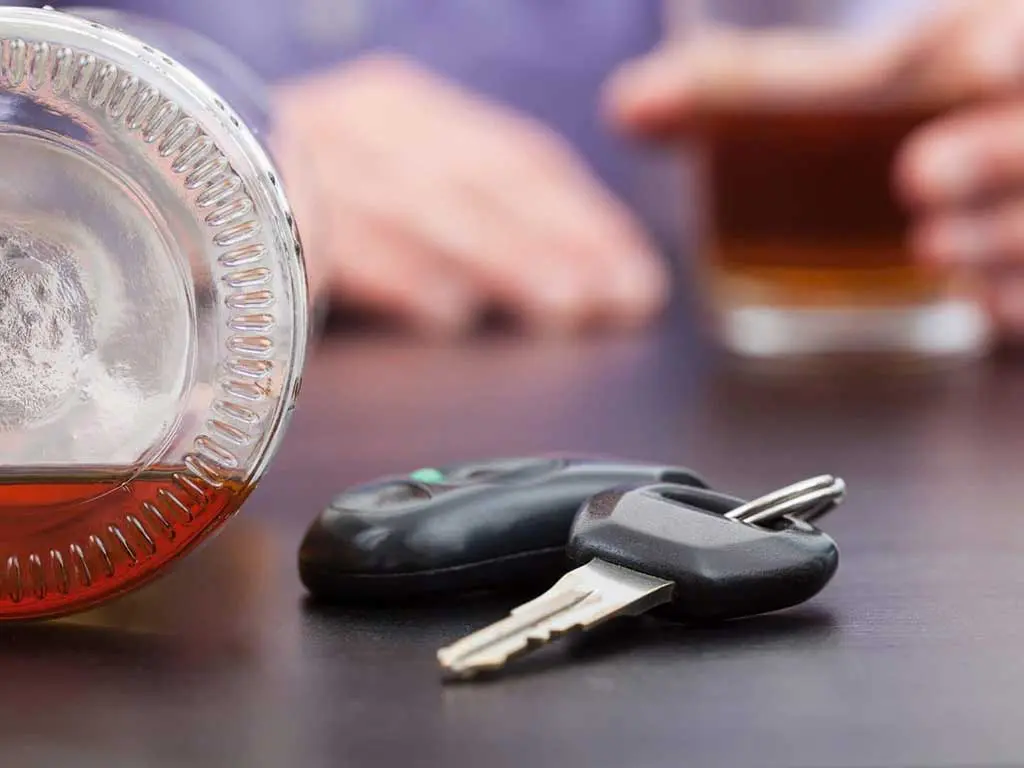
A bottle of alcohol and car key on the table

The BACtrack T60 personal breathalyzer is a portable device for measuring Blood Alcohol Content (BAC) in the system. It easily tests for the presence of alcohol and determines a person’s intoxication level. In addition, several alternatives are available, like the BACtrack Go, C6, and Scout from Breathalysers New Zealand. They are compact-sized, making them easy to use anywhere. Moreover, each device has different features and capabilities, giving individuals more testing options.

Alcohol impairment is a significant health and safety issue. Excessive consumption may lead to severe impairment, including vision, judgement, and coordination. Consequently, these pose risks in driving and operating heavy equipment. Having an alcohol monitoring device helps individuals manage their alcohol intake. It can help prevent drink driving and other risks. In this article, we will explore the functions of BACtrack T60, some alternative personal breathalyzers, and how to use them.

Review on BACtrack T60 Personal Breathalyzer

The BACtrack T60 personal breathalyzer is a portable device for measuring BAC in the system. It utilises MicroCheck semiconductor technology to estimate alcohol levels. It works by undergoing oxidising alcohol in the breath to produce a redox reaction. This creates an electrical charge, which is converted into the corresponding BAC level. Thus, it enables individuals to get fast and reliable results within seconds.

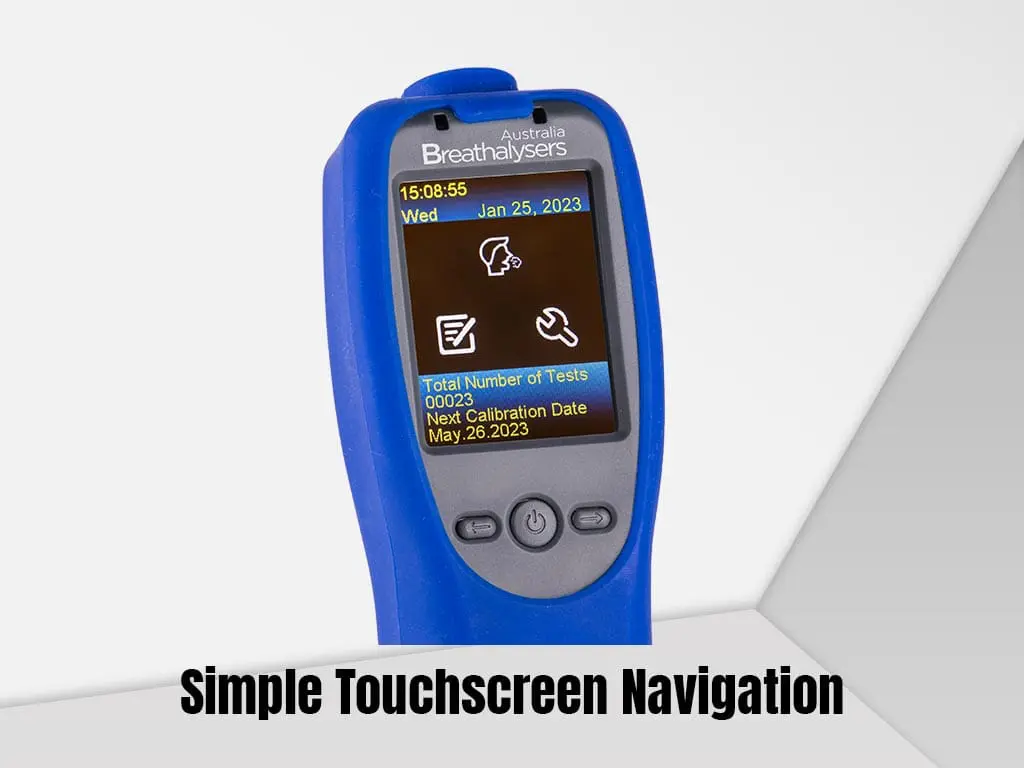
The device has a fold-out mouthpiece that helps protect the sensors when not in use. This prevents airborne gases from entering the device. Additionally, it has a one-touch button for easy operation. To use the device, press the power button to begin breath testing in seconds. It has a mini LCD screen that displays the BAC results.

The BACtrack T60 is suitable for low-volume use or alcohol screening. Individuals who want to check their alcohol level before driving may use this device. Likewise, some people may use it to check on family members if they have consumed alcohol, regardless of the amount.

Uses and Benefits of Personal Breathalyzers

  • A non-invasive way of estimating the BAC. It can be used almost anywhere.
  • It provides immediate results.
  • It is easy and ready to use in seconds. Breathalyzers do not require further laboratory analysis.
  • Manage alcohol consumption and prevent the BAC from reaching the legal limit.
  • It is reliable and eliminates guesswork, which can be misleading. Hence, it deters drink driving, getting legal charges, and road accidents.
  • Confirm sobriety before work.
  • Minimise safety hazards while operating machinery in the workplace.
  • Promote better alcohol awareness and healthier habits.
  • Help understand how different types of alcoholic beverages affect the body.
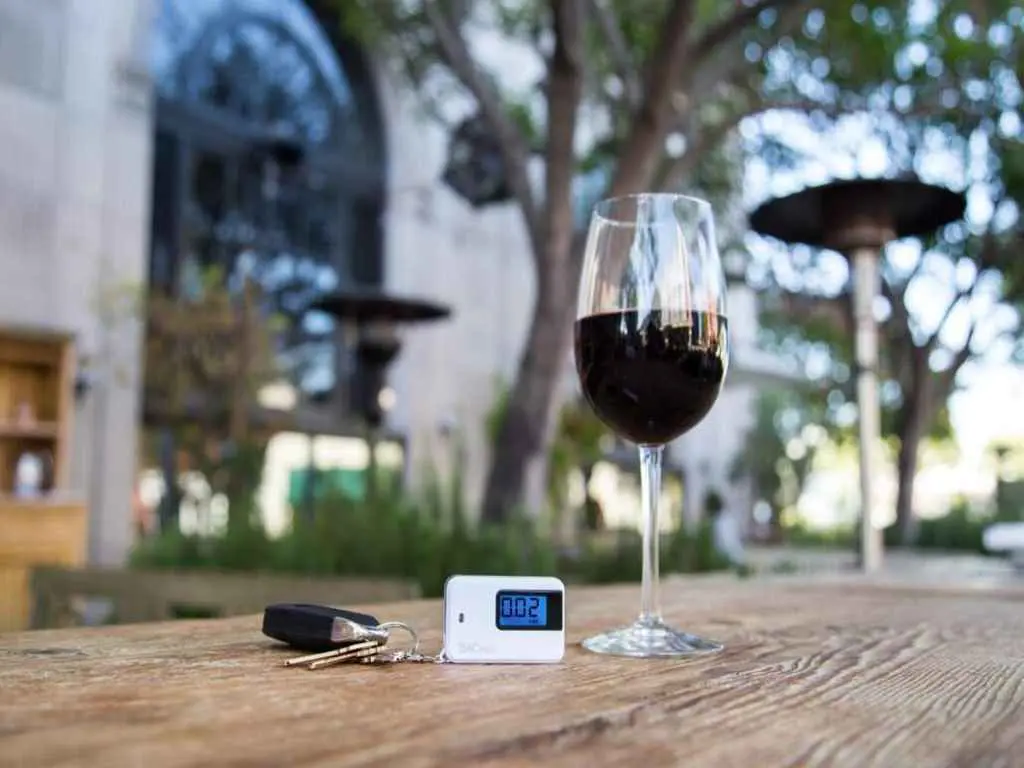
A breathalyzer and glass of wine on the table

Alternatives of BACtrack T60 Personal Breathalyzer

The availability of the BACtrack T60 personal breathalyzer may be limited in some locations. Fortunately, there are suitable alternatives in New Zealand for this device. The BACtrack Go Keychain is one of the smallest alcohol testers in the market. It also features MicroCheck technology and a fold-out mouthpiece for reliable breath testing.

The second option to go for is the BACtrack C6. It is a compact device that utilises fuel cell sensors. This technology provides more accurate readings with more specificity to ethanol than other compounds. Moreover, it is Bluetooth-capable and connects with the user’s smartphone. Thus, it provides flexibility in viewing the BAC results and innovative functions, including tracking and sobriety monitoring.

For those who want the simplicity of the BACtrack T60 but need more robust testing, the BACtrack Scout is ideal. This breathalyzer offers advanced fuel cell technology that measures alcohol levels with high accuracy. It is the same sensor type used in roadside alcohol screening. Furthermore, it has a long battery life that can get up to 1,000 tests.

Advantages of Fuel Cell Breathalyzers

Fuel cell breathalyzers have police-grade accuracy, providing more reliable results. The sensor is specific to ethanol and is not reactive to endogenous substances like acetone. Thus, it is unlikely to produce false positives, especially for people with diabetes or a low-carbohydrate diet. Additionally, it has a shorter response time.

The fuel cell sensors are more stable and less prone to degradation. It can provide consistent readings in repeat testing. Moreover, it requires less frequent maintenance or recalibration than semiconductor breathalyzers. Overall, they are suitable for applications where fast and accurate results are paramount. Many personal breathalyzers are available with fuel cell technology.
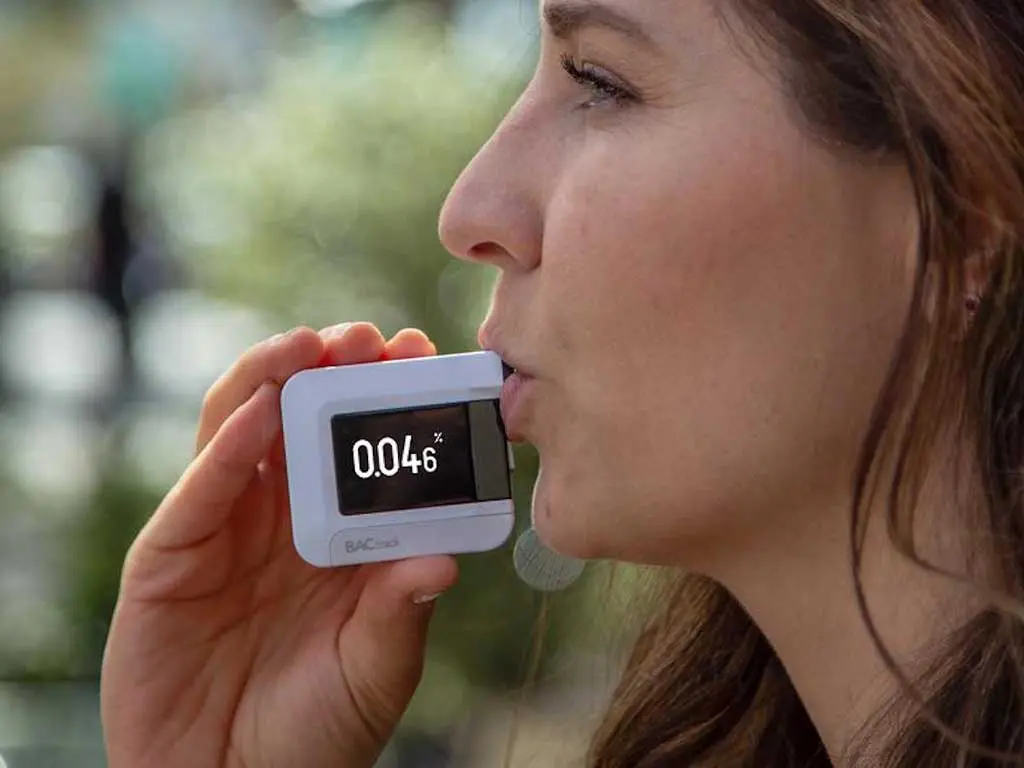
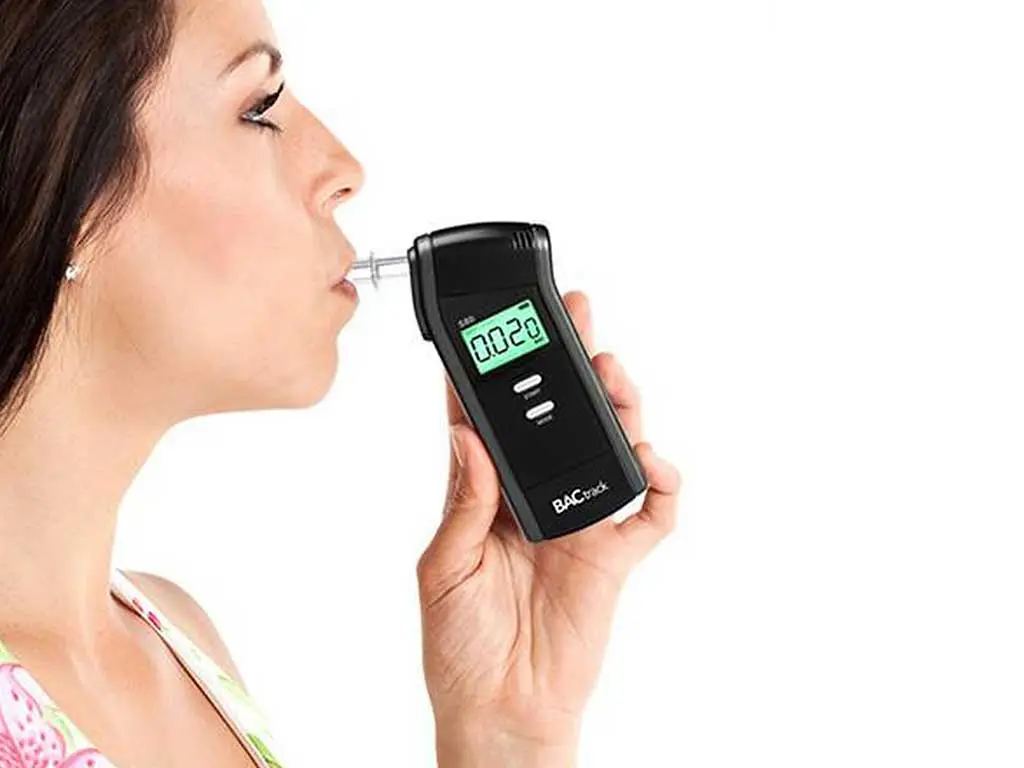
Woman using a breathalyzer

How to Operate the BACtrack T60 Personal Breathalyzer and Other Devices

The BACtrack T60 personal breathalyzer and other BACtrack devices are simple and easy to operate. They have a one-touch operation that enables breath testing immediately. First, turn on the device and wait for the ready signal. Then, open the mouthpiece and blow into it steadily until the beeping sound stops. The screen will display the BAC results within 10 to 15 seconds.

For smartphone breathalyzers like the BACtrack C6, users will have the option to choose between the App mode and the Standalone mode. Choosing the App mode allows individuals to view their BAC results from their smartphones. Likewise, it estimates how long the BAC will return to 0% through the app.

To ensure accurate results, waiting 15 to 20 minutes after eating, drinking, or smoking before taking a breath test is essential. This allows alcohol to reach the lungs and eliminates high alcohol residue in the mouth. Furthermore, use a new mouthpiece and avoid sharing the same mouthpiece with another person.

Breathalyzer Maintenance

All breathalyzer sensors drift over time, especially with regular use and exposure to external factors. This may affect the accuracy and produce false readings. Hence, it is necessary to recalibrate the device periodically to maintain sensor performance. It requires sending the unit back to the manufacturer or service centre.

It is recommended to check the recalibration frequency of the device before buying. Only trained technicians can perform this process. Furthermore, do not attempt to open the device, as it may risk damage. Lastly, the BACtrack devices bought at Breathalysers NZ include instructions on how to send the device for recalibration.

Conclusion

The BACtrack T60 personal breathalyzer provides reliable readings for alcohol levels in the system. It is suitable for people who want to check their BAC or monitor alcohol consumption in the family. Alternatives are also available, including the BACtrack Go Keychain, BACtrack C6 Smartphone, and BACtrack Scout. The BACtrack Go uses the same advanced MicroCheck sensor technology but is more lighter. On the other hand, the BACtrack C6 and Scout utilise a fuel cell sensor, which gives more precise readings.

Operating a breathalyzer is straightforward. To use the device, press the power button and give a long, steady blow at the signal. The device will display the BAC results within 10 to 15 seconds. This enables individuals to monitor their consumption and alcohol levels more effectively. As a result, it helps avoid drink driving, getting legal charges, accidents, and other safety risks.
At Home Drug Test in NZ: What Can Be Detected?

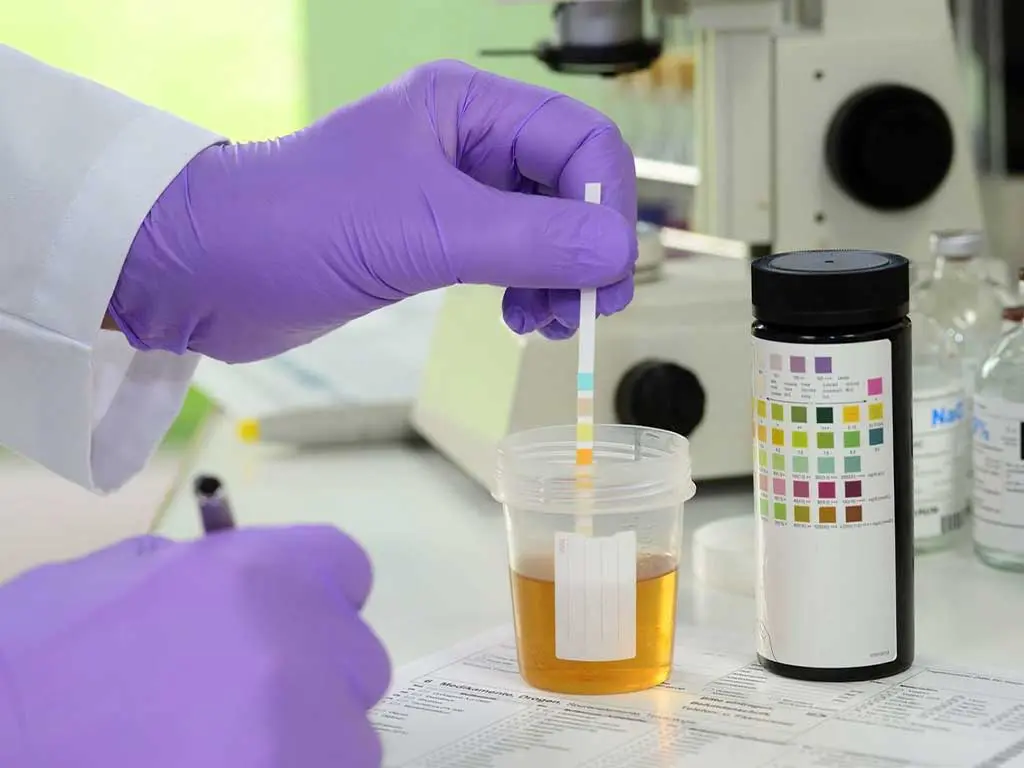
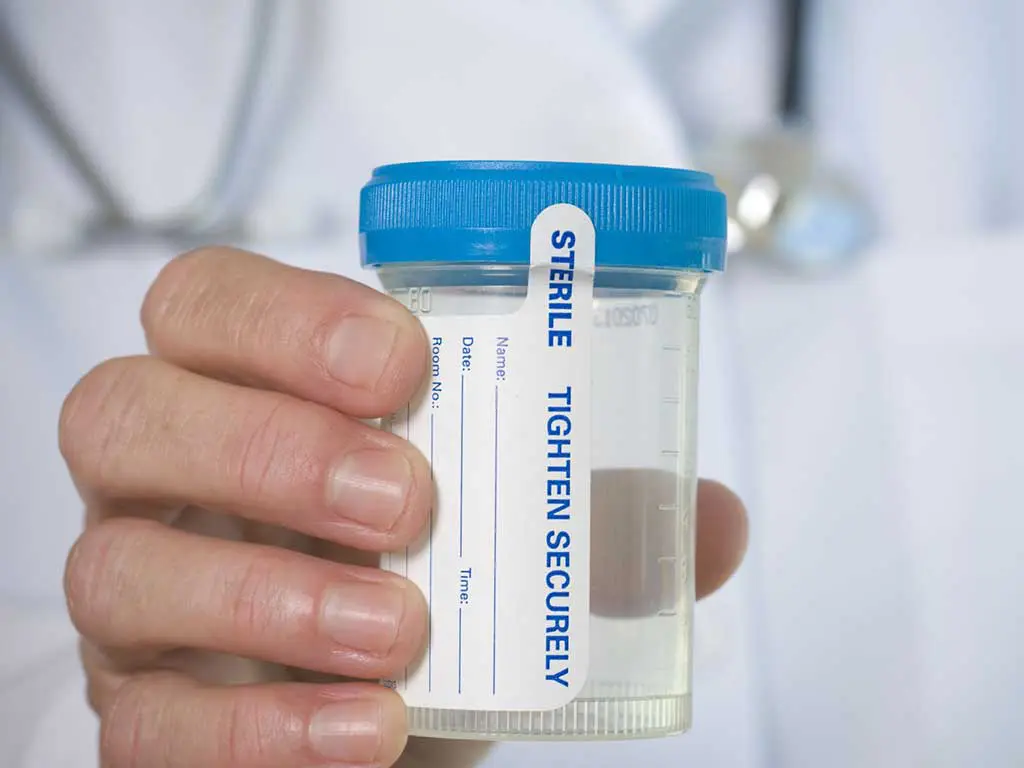
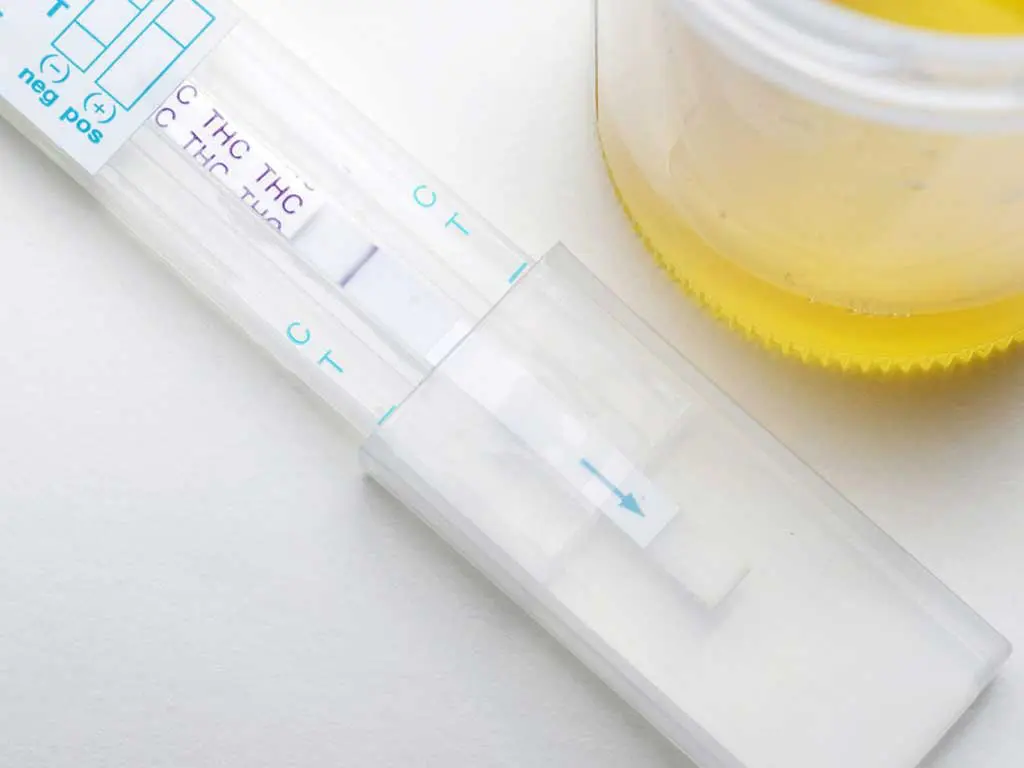
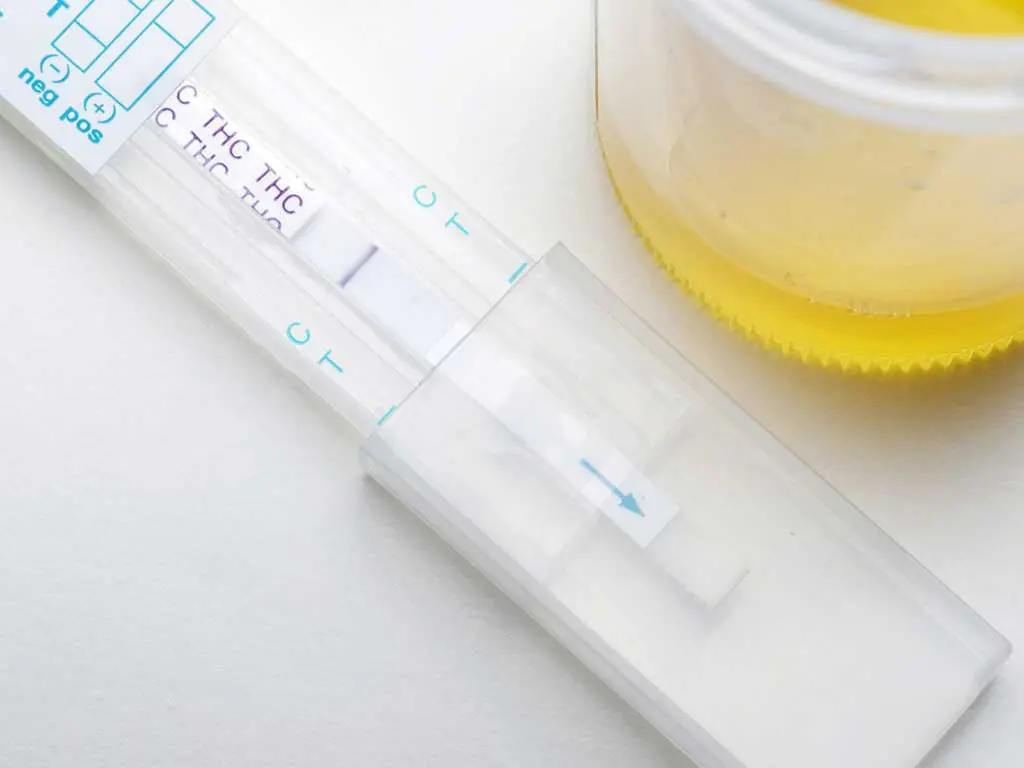
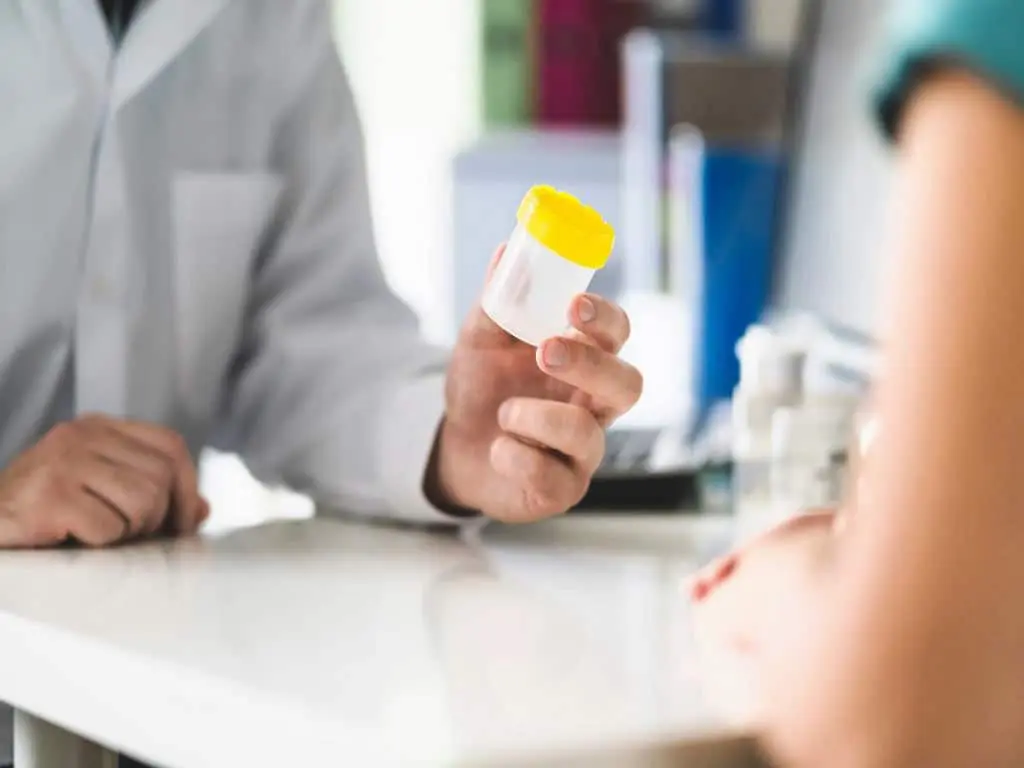
A test kit beside a urine sample

Drug use and abuse is a serious problem in New Zealand. It can have detrimental impacts on a person’s physical and mental health, and affect the safety of the people around. Thus, many people and industries test for illicit drugs to monitor and prevent safety risks. At home drug tests in NZ can detect ethanol, marijuana, cocaine, amphetamines, opiates, and heroin. There are also devices for alcohol detection, like breathalysers.
In New Zealand, the use of illegal drugs is a growing concern, especially among young people. Parents and guardians want to ensure the well-being of their loved ones by monitoring for drug use. It is also helpful for individuals in rehabilitation. As such, it is important to be aware of ways to identify drug use in order to take preventative measures. This article will provide information on the common substances that can be detected, testing methods, and how they work.

At Home Drug Test in NZ: Illicit Drugs

At home drug tests in NZ trace for commonly abused substances. One of the most tested drugs is cannabis, also known as marijuana. Test kits can detect the presence of THC (tetrahydrocannabinol), the psychoactive component of cannabis. Another type is cocaine. It is a stimulant drug that speeds up the functions of the central nervous system.

Amphetamines, such as ecstasy and methamphetamine, can also be identified in a drug test. In addition, opiates, including heroin and prescription medications like codeine, morphine, and benzodiazepines, are included in home drug test kits. Moreover, many tests also detect synthetic or designer drugs. However, the availability of home test kits for synthetic drugs may vary.

Finally, although legal, many people test for ethanol (alcohol) because of its severe intoxicating effects. The number of substances tested largely depends on the type of kit. These instruments can identify recent drug use over the past few days. They are cost-effective for determining whether one is using an illegal drug or abusing prescription medications.

Purpose of Drug Testing

  • Identify individuals who may be struggling with substance abuse or addiction.
  • Monitor drug use among family members.
  • Monitor patients undergoing rehabilitation.
  • Screen employees before working in a safety-sensitive environment. It helps ensure safety and minimise risks.
  • Assess job applicants who may have potentially abusive or risky behaviours.
  • Regulate the use of prescription painkillers and other medications. It aims to prevent misuse or abuse.
  • Confirm if an individual is under the influence of drugs based on signs and symptoms displayed, especially in the workplace.
  •  To confirm suspected use of drugs after an accident or emergency.
  • Requirement for legal proceedings, such as child custody and driving violations.

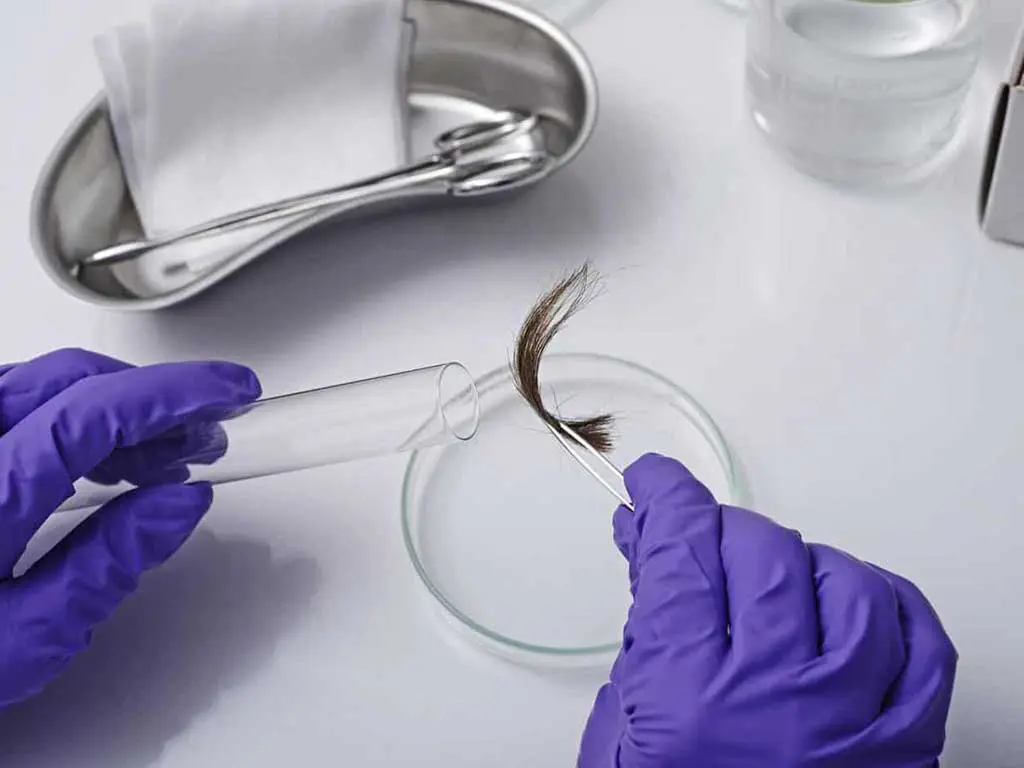
A hair sample collected for testing

At Home Drug Test in NZ: Testing Methods

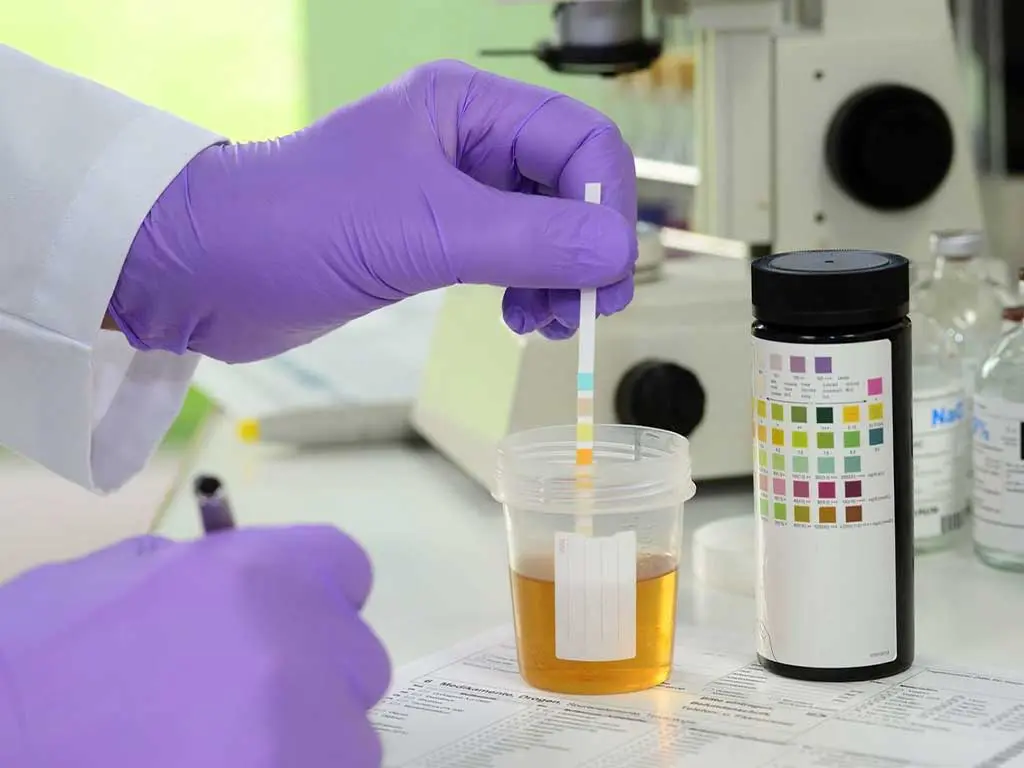
The most common at home drug tests in NZ are urine and saliva screening. Urine can trace a wide range of substances and drug metabolites in the body for several days. It comes with test strips, dip cards, or integrated cups that use immunoassays. It will show a visible line or change colours if it detects drugs.

A saliva test is convenient for determining recent drug use. It comes with a collection swab that absorbs saliva and examines it through immunoassay technology. It is non-invasive and easy to use that shows the results within minutes. A saliva test is an efficient alternative to urine if a person has difficulty producing a sample.

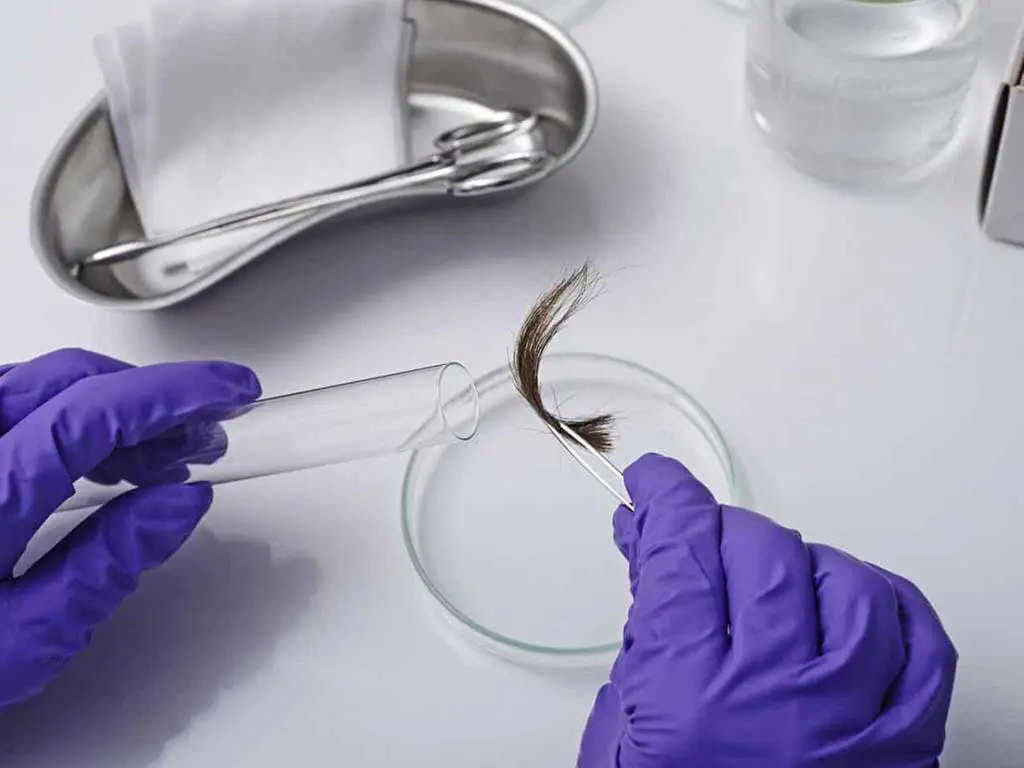
A hair test kit is also available for those who want to see long-term drug use. It can trace substances for the past 90 days through a few strands of hair. It comes with a collection pouch to store the sample and requires sending it to a laboratory for analysis. Lastly, a breath test can identify alcohol use for the past 24 hours through a breathalyser device.

Where to Get Drug Test Kits

Home drug test kits are available over the counter in pharmacies and medical stores. Another option is to order online from reputable retailers. There are plenty of selections for each type of test, from single to multi-panel kits. To be sure, check the product label for the list of substances it can detect.

When getting these kits, make sure to read the instructions carefully. Follow the directions to ensure accurate results. It is important to note that cut-off values or sensitivity for certain drugs may be different for each test kit. Thus, check the specifications before buying them.

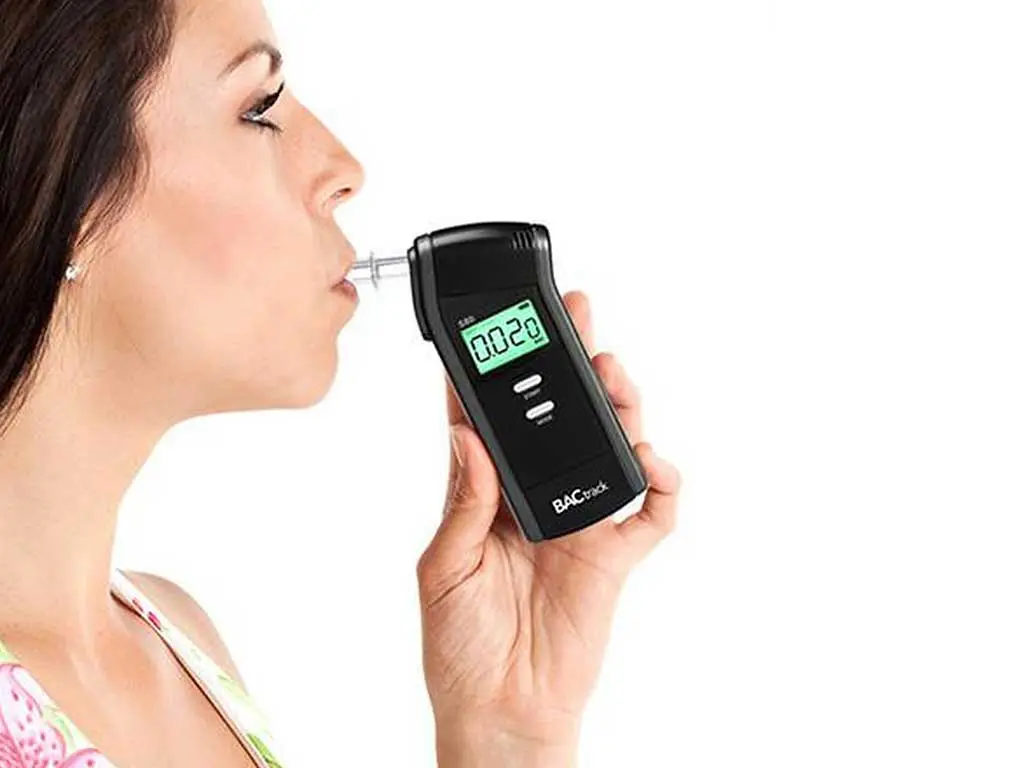
A woman blowing into a breathalyser

At Home Drug Test in NZ: How It Works

Using at home drug tests in NZ is simple and easy. Depending on the type, it requires following the exact instructions for accurate results. For urine screening, provide a sample using the specimen container at room temperature. Dip the test strip or card into it and wait several minutes to read the result.

For saliva, use a collection swab and rub it around the mouth for about 20 seconds. Place the swab into the test device and wait three to five minutes before reading the result. Ensure not to eat for at least 10 minutes before the test. For hair tests, pluck out a few strands of hair from the crown and place them in the collection pouch.

Lastly, a breath test requires a person to blow into a breathalyser. The device analyses the breath sample and measures Blood Alcohol Content (BAC) within seconds. The BAC indicates a person’s level of intoxication. Hence, the higher the BAC level, the more severe the impairment. The device is reusable, making it cost-effective for alcohol use monitoring.

Results

Interpreting the results correctly is important for making informed decisions. Typically, home test kits show positive or negative results. A positive result means a person has consumed drugs or alcohol within the detection window. However, false positives are possible with certain factors, such as medication interactions.

If the test is positive, it is recommended to send the sample to a laboratory or clinic for further analysis. Drug checking services perform advanced procedures to determine the exact substance present and the concentration levels. Furthermore, consult a medical professional or drug testing expert for diagnosis and understand their implications.

Conclusion

At home drug tests in NZ provide individuals and companies with efficient tools for detecting illicit substances in the body. They are beneficial in monitoring drug use and preventing its associated harm. Test kits can detect commonly abused drugs, such as marijuana, cocaine, heroin, amphetamines, opiates, and ethanol. Moreover, they are available in several forms, including urine, saliva, hair, and breath test kits. They provide quick results to help make informed decisions.

Using these kits is simple and easy. However, it requires following the exact instructions, including the preparation and collection of specimens. This ensures securing accurate and reliable results. Drug test kits are available in pharmacies or online. For personal or workplace breathalysers, a comprehensive selection is available in Breathalysers New Zealand. Finally, it is best to consult with a healthcare professional for concerns about drug use or interpretations of results.

Drug Test Pharmacy in NZ: Its Importance and Reliability

Consultation with a health professional

Illegal drug use and impairments are significant risk factors for accidents, especially on the road and at work in New Zealand. Thus, there is an increasing need to monitor individuals in safety-critical areas at all times. Drug test pharmacies in NZ help various organisations screen their workforce for prohibited substances. They provide cost-efficient test kits and supplies that are easy to use and administer. Additionally, they are reliable for individual and professional use.

Drug test kits are available for urine, saliva, hair strand, and breath testing. Using these devices is vital for employers and other professionals to ensure compliance with their drug-testing policies. Test kits are designed for rapid results, accuracy, and convenience. Nevertheless, knowing how to use them is necessary for reliable results. In this article, we will explore the importance of drug test pharmacies, test methods, and general guidelines for using them.

The Reliability of Drug Test Pharmacies in NZ

Individuals and various industries can get reliable testing supplies from drug test pharmacies in NZ. They can provide a wide range of screening kits for different needs. They may also offer consultation on the right devices and tools for specific substances. Therefore, you can ensure to get dependable drug or alcohol testing.

Drug testing kits are portable tools that examine biological specimens and give the results in minutes. They provide qualitative detection of illicit drugs or alcohol using immunoassays. Hence, they show negative and non-negative results in the presence or absence of drugs. A non-negative result indicates recent drug use and has reached the cut-off level.

Instant test kits are more inexpensive than laboratory tests. However, it is not as accurate as the advanced procedures of testing centres. Nevertheless, the correct usage and sampling procedure remain reliable in different environments. Moreover, they can serve as a basis for further confirmation. It enables workplaces to monitor drug use without spending much on initial screening.

Benefits

  • Provide a wide range of drug test kits for different needs and budgets.
  • More cost-efficient for substance use screening than laboratory methods.
  • They are easily accessible.
  • They are easy and convenient to use. It does not require a licensed professional to administer the test.
  • Help companies comply with state and regulatory requirements related to drug testing.
  • They are ready to use at any time without going to a clinic in case of reasonable suspicion or other reasons.
  • Suitable for personal or home use. Parents may use it to monitor family members under medication.
  • Promote accountability, aiding in the prevention and treatment of substance abuse.

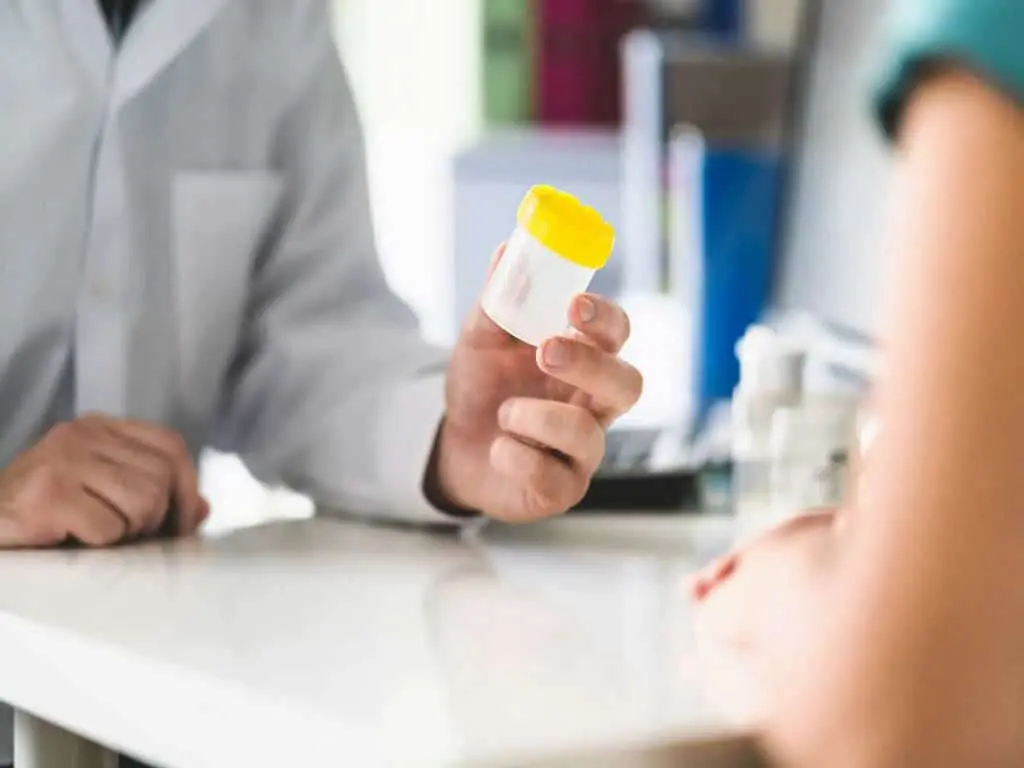
Handing over an empty cup for sampling

Drug Test Pharmacy in NZ: Types of Test Methods

There are several forms or methods available at drug test pharmacies in NZ. The common types are urine strip or dip cards, saliva tests, hair strand collection, and breath testers. Urine samples can detect the presence of drugs for up to 48 hours from the last consumption. It works by dipping a test strip or card into the specimen, forming a visible change when it traces drugs.

A saliva test involves swabbing the inside of the mouth to obtain samples. The absorbent stick is mixed with a solution that tests for antibodies. Similar to urine screening, it may show a line when it detects drugs. However, saliva or oral fluids have a shorter detection window than urine.

Moreover, a hair strand test kit includes a collection pouch. This test involves getting a 1.5-inch hair sample from the crown and sending it to a laboratory for analysis. It is appropriate for long-term monitoring as it can trace drugs and alcohol for up to 90 days. Lastly, a breathalyser is a portable device that examines the breath to measure the Blood Alcohol Concentration (BAC).

Rapid Test Kits vs Laboratory Tests

There are several differences between rapid tests and laboratory analyses. The key difference is the accuracy of the results. Rapid tests provide qualitative results in positive and negative forms. However, laboratory tests show quantitative details with a numerical value or range. Additionally, rapid tests provide results within minutes, while lab tests require more time and resources.

Ultimately, the choice between the two depends on the specific needs and circumstances of the testing situation. For instance, workplaces use rapid test kits for regular screening procedures. However, lab testing is necessary after an accident or if the initial screen detects illicit drugs.

Dipping a test strip into a urine sample

Drug Test Pharmacy in NZ: Test Guidelines

Devices at drug test pharmacies in NZ are simple and straightforward to use. Nevertheless, it requires careful and thorough handling. In using test kits, read the instructions carefully for proper sampling procedures. After collection, analyse the specimen using the included test strip or card. Check the results immediately and store the sample for further confirmation.

Moreover, avoid interpreting the results after 10 minutes or the stated duration, as it may affect accuracy. If the test is positive, send the samples to a laboratory to verify and receive detailed results. Workplaces or mobile testing centres must observe a chain of custody to protect the testing process from liability.

Proper preparations also help enhance the effectiveness of the test and prevent false positives. It includes abstaining from taking drugs or eating certain food and alcohol before the scheduled test. Lastly, dispose of the used materials accordingly and maintain safety and hygiene. By adhering to these guidelines, companies can ensure that the drug tests are reliable and accurate.

Factors That May Affect the Test

Although they are reliable, drug test kits have limitations that may affect their accuracy. Firstly, they cannot measure the exact drug concentrations or levels. If the test detects substances, a follow-up or confirmatory testing is necessary. Secondly, they have a shorter detection window than advanced laboratory testing.

Thirdly, prescription drugs like painkillers may increase the chances of a false positive. Likewise, incidental exposure to alcohol-based products and external contaminants can interfere with the result. Moreover, some drugs may be undetected due to their low quantities or short half-lives. Lastly, human errors and attempts to tamper with specimens may cause false positives or negatives.

Conclusion

Drug test pharmacies in NZ provide reliable drug and alcohol testing supplies. It includes instant test kits for urine, saliva, hair, and breath testing. Individuals or workplaces can use them to screen illegal drugs and alcohol quickly and conveniently. In addition, they do not require a health practitioner to administer the test. Nevertheless, it is vital to follow the test guidelines to ensure the accuracy and effectiveness of the test methods.

For alcohol testing, a breathalyser is cost-efficient and easy to use. Devices like BACtrack from Breathalysers New Zealand provide accurate BAC measurement. It is also ideal for individuals who want to manage their alcohol consumption and prevent drink driving. Furthermore, it is vital to choose a device or testing service that adheres to strict standards and regulations. Therefore, check if the test kits have accreditation. In conclusion, reliable drug test methods and supplies are important for ensuring safety.

Drink Driving Charges in NZ: Everything You Need to Know

A law enforcement officer performing a roadside inspection.

New Zealand implements strict drink driving laws to ensure the safety of drivers and other road users. The New Zealand Transport Agency reports that approximately one-third of fatal crashes each year are caused by impaired driving. Therefore, authorities treat it as a serious offence and impose severe penalties. Drink driving charges in NZ include fines, imprisonment, and ignition interlock. Moreover, the severity of these penalties depends on factors like alcohol content, age, and legal limit.

Traffic officers routinely conduct roadside screenings to check drivers’ alcohol levels. Despite the implementation of numerous sobriety checkpoints in the country, intoxicated driving remains a problem. Therefore, individuals must prioritise compliance with drink driving regulations to minimise alcohol-related hazards. Furthermore, actively familiarising oneself with these laws is important to avoid facing legal consequences. This article will provide a general overview of the charges involved in drink driving and present preventive measures.

Drink Driving Charges in NZ Based on Age

Drink driving charges in NZ vary based on age and alcohol levels. Those under 20 years old have a zero alcohol limit while driving. If caught driving with alcohol levels below 150 mg per litre of breath, they can be fined. Moreover, higher levels may lead to disqualification, 50 demerit points, and possible fines or imprisonment.

For individuals aged 20 and above, the legal alcohol limit while driving is 250 mcg per litre of breath. Exceeding this limit incurs a fine and 50 demerit points. In severe cases, drink driving with injuries or deaths can result in significant penalties. These include up to 10 years in prison, fines up to $20,000, and extended license suspension.

However, offenders have options to consider when faced with drink driving penalties. First, they can seek the services of a lawyer or obtain legal advice. These professionals can assist them in understanding their options and guide them in reducing their charges. Second, offenders can fulfill the imposed fines and penalties. Afterwards, they can apply for the removal of an indefinite disqualification with a satisfactory assessment from the Ministry of Health.

Drink Driving Penalties

  • Hefty fines: the law imposes substantial monetary penalties as a consequence of a drink driving offense.
  • License suspension: authorities suspend the person’s driving license, temporarily revoking their driving privileges for a certain period.
  • Ignition interlocks: devices installed in a vehicle prevent it from starting if the driver’s breath contains alcohol above a certain limit.
  • Impounding vehicles: authorities temporarily confiscate a person’s vehicle. The length of impoundment can range from a few days to several weeks.
  • Possible jail time: the convicted person may have to serve time in jail. The justice system reserves jail time for the most severe cases of drink driving.


Law enforcement officer performing a driver inspection

Drink Driving Charges in NZ: Roadside Breath Test

Police officers conduct roadside tests on drivers to determine alcohol impairment and potential drink driving charges in NZ. They randomly stop vehicles and set up checkpoints throughout the country. When stopped, drivers must comply with alcohol breath testing. Furthermore, police officers can conduct random screening if they suspect the driver to be intoxicated.

During a roadside test, law enforcement may instruct the individual to speak into a breathalyser device. If the device detects alcohol, the police officer will proceed with an active breath test. In this procedure, the person will need to blow steadily into the breathalyser. The device will then analyse the breath sample and display the Blood Alcohol Concentration (BAC) level on the screen.

If the driver’s BAC is below the legal alcohol limit, they pass the screening. However, if the BAC exceeds the limit, the police will require them to undergo an evidential breath or blood test. The police can use the results of this test as evidence in court. Additionally, law enforcement has the authority to confiscate the driver’s license and issue an infringement notice.

Can Drivers Refuse a Breath Test?

Drivers have the right to refuse a breath screening or evidential breath testing. However, if someone refuses these tests, a police officer can ask them to undergo a blood test. People may also take a blood test if they exceed the limit in evidential breath test

There are various reasons why some drivers might refuse a breath test. For instance, if they have a medical condition that is likely to raise their BAC level. Additionally, refusing a police test can result in severe penalties. Therefore, law enforcement authorities always advise drivers to agree to the test during a roadside inspection.


A woman exhaling to a portable device.

How to Prevent Drink Driving Charges in NZ

Some individuals choose not to engage in alcohol-impaired driving to avoid drink driving charges in NZ. However, some drivers may face difficulty in assessing their ability to drive safely. Fortunately, there are various methods available to prevent such incidents. One effective option is the utilisation of personal breathalysers like BACtrack S80 Pro. These devices resemble the handheld units used by law enforcement.

A breathalyser is an electronic gadget that analyses the breath to measure the BAC. Users find it effortless to operate devices like BACtrack due to their simple one-touch operation. Furthermore, the breathalyser displays the results in 10 to 15 seconds, enabling drivers to view their BAC levels instantly. This real-time information assists them in making informed decisions regarding the safety of driving.

In addition, drivers should know their alcohol limits. If they have reached the legal limit, they can choose to cease drinking and wait for their BAC level to decrease. Another option is to designate a sober driver who will remain alcohol-free for the evening. Lastly, when necessary, people should consider using alternative means of transportation.

Personal Breathalyser Safety Tips

To maximise the benefits of a personal breathalyser, individuals should follow several tips. One essential tip is to use a new mouthpiece for each breath test. Using a removable mouthpiece ensures precise breath samples for the sensors. Additionally, it is crucial to use a different mouthpiece when sharing the device with others to maintain hygiene.

For responsible alcohol consumption, individuals should actively check the BAC at least 15 minutes after drinking and then every hour. This active monitoring helps track the rate at which the BAC increases. Moreover, even if BAC is below the legal limit, alcohol levels can still increase.

Conclusion

Intoxicated driving poses numerous significant hazards, including accidents and fatal road crashes. Consequently, the government actively enforces stringent road laws in NZ to reduce the risks associated with drink driving. People who are caught driving with a BAC above the legal limit may face drink driving charges in NZ. Charges for such offenses include fines, license disqualification, imprisonment, and the need for an ignition interlock license. Moreover, the severity of the penalties depends on the person’s BAC level.

Facing legal charges can greatly impact one’s life, including work, financial status, and family relationships. Therefore, individuals need to seek guidance and advice from a lawyer. Moreover, to help prevent drink driving incidents or penalties, it is advisable to manage alcohol consumption. One effective way is to utilise a personal breathalyser, such as the BACtrack available at Breathalysers New Zealand. This device can measure the BAC in seconds and help individuals consume alcohol responsibly.

EtG Alcohol Test: What Is It?

Giving a urine specimen

The EtG Alcohol Test is a type of laboratory testing that detects ethyl glucuronide. EtG is a byproduct of ethanol. It is formed when a person consumes alcohol, even in small amounts. Moreover, EtG is mostly found in urine but can also be traced in blood, saliva, and hair. However, EtG stays longer in urine for 48 hours, and up to 80 hours for heavy consumption. Thus, the test can determine recent alcohol exposure.

EtG testing is a reliable method in situations needing confirmation about recent alcohol use. Thus, many companies use it to test workers after an accident or monitor employees under treatment. Furthermore, there are advantages and limitations to this type of test. Understanding EtG is vital in alcohol testing and choosing the best method. This guide will present how EtG testing works, the types of test methods, and other factors and limitations to consider.

What is EtG Alcohol Test?

The EtG alcohol test examines biological specimens to detect ethyl glucuronide. It is a direct metabolite of ethanol, the compound found in alcoholic beverages. After ingestion, the liver metabolises ethanol and breaks it down. One of the byproducts is EtG. It can stay in the system for up to 80 hours after heavy drinking.

The results show a low to high positive if EtG is present and a negative if it does not detect alcohol. A low positive test has EtG levels between 500 to 1,000ng/mL. It indicates light consumption within the previous day or excessive amounts within the last three days. In contrast, a high positive result (more than 1,000ng/mL) occurs if the consumption happened within the last 24 hours.

The test is suitable for monitoring alcohol abstinence for people under rehabilitation, on DUI probation, and in child welfare cases. It is also useful as a confirmation test if the initial screening shows a non-negative result for alcohol. In addition, EtG tests are more sensitive than other alcohol testing methods.

Benefits

  • High accuracy rate: the test is sensitive to detecting small amounts of alcohol in the body. Even if a person stops at one drink, EtG can show up in the next day’s test.
  • Extended detection period: EtG stays longer in the body. It is suitable for monitoring alcohol use and is difficult to circumvent.
  • Easy interpretation: the results are easy to analyse based on the EtG cut-off levels.
  • Wide applications: its uses are valuable in many settings. It is helpful in monitoring individuals where alcohol consumption is not allowed. For example, treatment centres check on patients with alcohol use disorder.

Securing a hair sample

Types of EtG Alcohol Tests

EtG enters different various organs through the liver and the bloodstream. They are mainly detectable in urine, blood, saliva, hair, and sweat. Mainly, the compounds stay longer in urine than in blood and saliva. Hence, the urine EtG alcohol test is practical and efficient in many settings. It can trace alcohol within the last 48 hours for light to moderate drinking.

A blood test can detect EtG within six to 12 hours. The short-term biomarker in the blood helps record acute consumption. It is ideal in post-accidents or medical emergencies to determine if alcohol is a factor in the incident. Moreover, EtG can show up in a saliva test as soon as two hours. Its short-term detection is suitable for testing current impairment.

Additionally, the hair test provides a long detection window of 90 days. The metabolites enter the hair shaft and remain there as the hair grows. Thus, it is useful for checking the long-term use of alcohol. Likewise, it is difficult to mask results. Lastly, several studies show that EtG is detectable in sweat through a sweat patch.

Differences with Other Alcohol Tests

There are several ways to detect alcohol. The main differences between EtG and other alcohol tests are the type of compounds detected and the timeframe. EtG stays in urine for a longer time period of up to 80 hours. Meanwhile, a traditional ethanol test has a detection window of up to 24 hours.

Another method is alcohol breath testing. A breathalyser device captures expelled air and measures Blood Alcohol Content (BAC). It can trace alcohol use for the past 24 hours and show the results within 10 to 15 seconds. Breath testing is more common in roadside and workplace screening to determine current impairments.

Shot glasses of alcohol

Limitations of EtG Alcohol Tests

EtG alcohol tests serve many benefits and advantages in detecting recent alcohol use. However, it also has some limitations that need consideration when testing for alcohol. One vital factor to note is that it has a maximum quantifiable amount. It cannot measure the actual levels above a certain limit. It can also indicate recent consumption but not determine the exact time.

Furthermore, it is susceptible to false positives due to exposure to alcohol-containing products. Using mouthwash and taking certain medications may affect the outcome and result in high EtG levels even if the person did not consume an alcoholic drink. Additionally, a positive result does not necessarily mean that a person is impaired at the time of the test.

The test also requires specialised laboratory equipment to process the samples. It is more expensive and has a longer turnaround time than other methods. Therefore, it is not ideal for workplace monitoring that needs rapid outcomes. Nevertheless, it is vital to confirm a preliminary screening to get accurate results.

Other Factors for Consideration

Knowing the limitations can help individuals follow the guidelines when taking the test to ensure accuracy. For instance, you should avoid exposure to alcohol-containing products and other potential external contaminants before the test. In addition, laboratory technicians should take into account the diet and medical history of the person.

Equally important, the results of the test depend on the amount of alcohol ingestion and the period of the last drink. The longer the time has passed, the lower the EtG level. Lastly, the individual’s ability to process alcohol and convert it into EtG is a significant factor in how it affects the body.

Conclusion

EtG alcohol test is an advanced type of testing that detects ethyl glucuronide through urine, blood, saliva, and hair. It is a valuable tool for detecting recent alcohol consumption beyond the typical detection window of other tests. It can trace EtG in urine for up to 80 hours for heavy drinking. Moreover, it provides a more comprehensive assessment of alcohol use in various settings, such as abstinence monitoring and court-ordered cases.

Although it is accurate and advantageous, there are some limitations to consider. The test has the potential for false positives due to its high sensitivity to alcohol. It cannot determine actual consumption versus exposure to alcohol products. Thus, it is crucial to follow strict guidelines when performing the test. In conclusion, knowing its advantages and disadvantages helps in determining when to apply the test or use other methods such as breath testing.

Drink Driving in NZ. What are the Penalties?

Police holding a stop sign

New Zealand imposes strict drink driving laws to ensure the safety of drivers and other road users. According to New Zealand Transport Agency, driving while impaired contributes to approximately one-third of fatal crashes every year. Thus, it is a serious offence with severe penalties. Drink driving in NZ could incur fines, imprisonment, and alcohol interlock for severe cases. These penalties depend on a person’s alcohol content during roadside testing, age and alcohol limit.

Law enforcement conducts a routine roadside screening to check drivers’ alcohol levels. Despite many sobriety checkpoints in the country, intoxicated driving remains a persistent problem. Nevertheless, it is vital to observe the drink driving regulations to minimise the hazards of alcohol use. It is also important to know these laws to avoid legal consequences. The following sections will give a general overview on drink driving laws and penalties in NZ and preventive measures.

The Penalties for Drink Driving in NZ

New Zealand has a general alcohol limit of 0.05% BAC (Blood Alcohol Concentration). For drivers aged 20 or over, the limit is 250 mcg of alcohol per litre of breath (250 mcg/L). Drivers who exceed this will have to pay a $200 fine and gain 50 demerit points. However, if the alcohol content is more than 400mcg/L, the sanctions may include disqualification from driving for up to six months and up to three months in prison.

For people under 20 years old, the alcohol limit is zero. This means a person driving with even a minimal amount of alcohol in the system may be charged with drink driving in NZ. The penalties include a $200 infringement fee and 50 demerit points. Additionally, an alcohol content of more than 400mcg/L will also incur maximum court-imposed fines, at least three months of driving disqualification, and up to three months in prison.

For repeat or subsequent offences, the fine would range from $2250-$6000. The mandatory disqualification period and prison terms are also longer. In addition, a person may undergo an alcohol interlock program involving an ignition interlock device installed in the vehicle.

Effects of Intoxicated Driving

Any alcohol amount in the system can pose safety hazards. Alcohol intoxication can bring the following consequences:

  • reduced perception, such as blurry vision, slurred speech, and hearing problems
  • impaired judgement and decision-making abilities
  • poor eye-hand coordination to operate the vehicle
  • loss of balance – a person may not stand or walk straightly during a field test.
  • mental confusion
  • slower reaction times and reflexes in avoiding road dangers
  • lowered concentration
  • unsafe driving behaviours, such as swerving, tailgating, or excessive braking, which increase the risk of car crashes
  • collisions with other vehicles that may result in injuries, permanent disablement, and loss of life

Police inspecting drivers

Roadside Testing for Drink Driving in NZ

Police officers conduct roadside testing to determine drink driving in NZ. Police stops and checkpoints are randomly conducted throughout the country. Passing drivers must submit to alcohol breath testing to check their alcohol levels. Additionally, a police officer may stop a vehicle at any time for random screening and if suspecting a driver to be intoxicated.

During a roadside test, law enforcement may ask the individual to speak into a breathalyser device. This process is called a passive breath screen. If the device detects alcohol, a police officer will conduct an active breath test. This procedure will require the person to blow consistently to a breathalyser. The device will analyse the breath sample and display the BAC level on the screen.

A person passes the screening if the BAC is below the legal alcohol limit. However, if the BAC is over the limit, police will require to submit an evidential breath or blood test at a police station. The results of this test could be used in court. In addition, law enforcement can confiscate the license and issue an infringement notice or court summons.

Can You Refuse a Breath Test?

Individuals have a right not to take a breath screening or evidential breath testing. However, refusal of such tests, a police officer will ask you to undergo a blood test. You may also take a blood test if the evidential breath test shows you are over the legal limit.

There are several reasons why some people would refuse a breath test. An example is if they have a medical condition that will likely cause their blood alcohol level to increase significantly. Furthermore, refusing a police test may lead to serious sanctions. It is always advisable to take the test during a roadside inspection.

Person holding a breathalyser and smartphone

Ways to Prevent Drink Driving in NZ

The serious consequences of drink driving in NZ deter many people from drinking and driving. However, some people may have difficulty in determining if they are safe to drive. Fortunately, there are several ways to prevent these incidents. The first option is to use a personal breathalyser. This device is similar to the handheld units of law enforcement but more affordable.

A breathalyser is an electronic device that measures the BAC through the breath. Operating it is straightforward. Breathalysers like BACtrack have a one-touch operation that enables breath testing in seconds. Moreover, it gives the results within 10 to 15 seconds. This allows individuals to view their blood alcohol levels in real-time. Therefore, it helps make informed decisions.

Additionally, individuals should pay attention to how much they are drinking and be aware of their alcohol limits. People may finish their alcohol consumption and wait for the BAC level to decline if they have reached the legal limit. Another option is to appoint a designated driver who will stay sober throughout the night. Finally, take an alternative mode of transportation when needed.

How to Use a Breathalyser

To operate a breathalyser, turn the device on and wait a few seconds. It will automatically activate the sensors and initiate a countdown timer to prepare the sensors to warm up. As the timer approaches zero, take a deep breath and blow continually for six seconds or longer at the start signal.

After the breath capture, the device immediately processes the sample and displays the BAC reading. Make sure you blow long enough to give an adequate sample and prevent airflow errors. Additionally, wait 15-20 minutes after eating, drinking, or smoking before using a breathalyser. Likewise, the device must be regularly recalibrated to avoid inaccuracies.

Conclusion

Drink driving in NZ presents many significant hazards. It can lead to accidents and fatal road crashes. Therefore, the government imposes strict road laws to minimise the dangers of intoxicated driving. Individuals may face legal penalties if caught driving with a BAC over the legal limit. These include infringement fines, mandatory disqualification of license, imprisonment, and getting an alcohol interlock license. The penalties depend on a person’s blood alcohol level and the type of license.

Getting legal charges can greatly impact life, including work, financial status, and family relationships. Thus, it is important to speak to a lawyer for guidance and advice. Moreover, managing alcohol consumption is advisable to help prevent drink driving incidents or penalties. An effective way is to use a personal breathalyser. The device can measure the BAC in seconds, helping individuals to consume alcohol responsibly. You may get a breathalyser like BACtrack at Breathalysers New Zealand.

Home Drug Test in NZ: Is It Accurate?

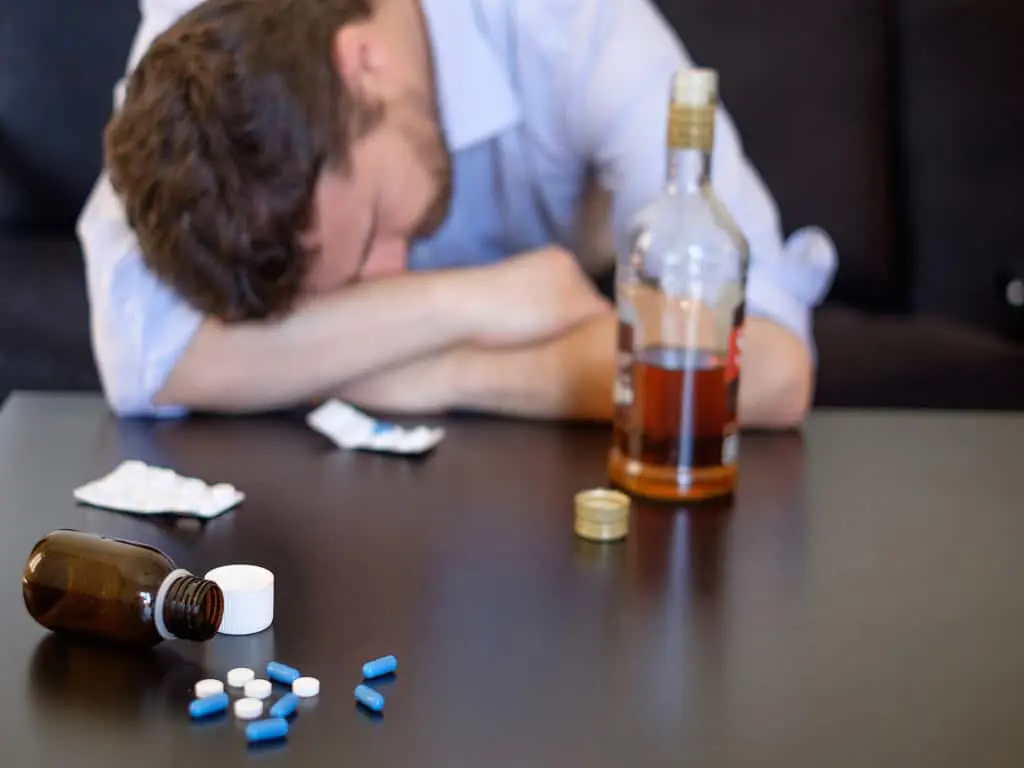
A man resting on the table, surrounded by medications and a liquor bottle.

Home drug tests in New Zealand have become increasingly popular due to rising concerns about drug use. These tests offer a convenient solution as they can easily be used by people to address drug-related problems. They work by utilising specific chemical reactions to detect the presence of drugs. Moreover, home drug tests in NZ can provide precise results, but their accuracy can vary depending on several factors. These include certain medication sensitivity, testing methods, and following instructions.

Individuals have different reasons for using these tests. Some people use them to monitor their drug use or maintain sobriety during recovery. Parents use the tests to detect potential drug use by their children. Smaller businesses also use them to enforce their workplace drug and alcohol policy and ensure employee safety. This article will explore the accuracy of home drug testing and discuss the different types available.

Functions and Accuracy of Home Drug Tests in NZ

Home drug tests in NZ enable individuals to check for drugs in their system conveniently. These tests typically consist of a collection device, such as a urine or saliva drug test kit, and agents that react with drug metabolites. When these chemicals interact with illicit substances, a visible change occurs. This interaction allows people to determine if drugs are present.

Moreover, home drug testing can be accurate. However, they have a higher chance of producing false positives or false negatives compared to laboratory tests. Factors such as user error, cross-reactivity with certain medications, and the sensitivity of the test can impact the results. In addition, people metabolise drugs at different rates, which can affect the detectability of substances in the body.

To enhance accuracy, individuals should diligently follow the instructions provided with the test kit. They need to ensure proper collection of the sample and adherence to testing procedures. Additionally, it is recommended to use tests from reputable manufacturers and consider checking reviews on the specific test being considered.

Other Factors Influencing Test Results

  • Test kit quality: high-quality kits provide more accurate results due to better manufacturing standards.
  • Sample contamination: contact with substances such as medications or chemicals could interfere with the test.
  • Storage conditions: exposure to extreme temperatures, moisture, or sunlight can affect the test kit’s integrity, leading to unreliable outcomes.
  • Timing of the test: some drugs are detectable for only a short period, while others remain detectable for longer.
  • Adulteration of the sample: individuals may try to tamper with the sample to produce false-negative results.
  • Detection window: testing substances outside their detection window may not accurately detect their presence.


A professional holding an empty bottle.

Different Types of Home Drug Tests in NZ

People have access to a range of methods using home drug tests in NZ. One commonly used option is urine drug test cups, which offer quick and accurate results. These cups typically include test strips that analyse urine samples to detect different substances. They are user-friendly, allowing individuals to collect a sample and easily interpret the results.

Another type is urine dip cards. These cards function similarly to urine drug test cups by utilising test strips to identify drug metabolites in urine samples. Users can easily dip the card into the urine sample, and the results become visible on the card within minutes. Additionally, there is a growing popularity for the hair follicle test. This test provides a longer detection window by analysing drug residues present in hair strands.

For individuals looking for instant results, a saliva drug test is an option. This test involves collecting a saliva sample and using immunoassays to detect drug use. Results are typically available within a few minutes, providing a convenient option. Furthermore, breathalysers can measure the Blood Alcohol Content (BAC) in a person’s breath and assess alcohol intoxication.

Advantages

Home drug tests ensure privacy and keep the results confidential. Individuals can conduct these tests in the comfort of their own homes, avoiding any legal implications. Additionally, home drug tests save time by providing instant results, eliminating the need to wait for laboratory results.

Furthermore, these tests are cost-effective compared to laboratory tests. They are more affordable and accessible, making them a convenient option for people who want to monitor their intake of medicines. Moreover, these tests are user-friendly, with clear instructions and simple procedures that anyone can follow. The ease of use eliminates the need for specialised training.


A device and a glass of alcoholic beverage are on the table.

Home Drug Tests in NZ: Breathalysers

Using breathalysers or home drug tests in NZ is important for alcohol breath testing. Breath testing kits like the BACtrack from Breathalysers New Zealand provide a reliable way to check BAC levels. This helps individuals make informed decisions and manage their alcohol intake for better safety.

Relying solely on standard drink guidelines and predetermined limits for alcohol consumption is not enough. The effects of standard drinks can vary among people due to factors such as body mass, gender, and body fat. However, people can accurately measure their BAC levels with a personal breathalyser like BACtrack S80 Pro.

Moreover, each state or country, including New Zealand, which has a legal alcohol limit of 0.05%, has specific rules in place. If individuals are stopped by law enforcement officers, they may be required to take a breath test. Exceeding the legal alcohol limit can result in legal charges and penalties. Therefore, having a personal breathalyser is essential for personal accountability and compliance with the law.

Personal Breathalyser Accuracy

When selecting a personal breathalyser, accuracy is the most important factor to consider. Different devices can have varying levels of accuracy, depending on the type of sensor and other features. Breathalysers with semiconductor sensors can be affected by various compounds. It means other gases entering the sensor may interfere with the readings.

On the other hand, breath testers that use fuel cell technology, like BACtrack Pro devices, provide more consistent results. They are specifically designed to detect ethanol and do not react to other substances. Additionally, they remain stable even when conducting multiple tests in quick succession.

Conclusion

Home drug tests in NZ offer a convenient way for people to check for drugs in their system. These tests provide different methods for detecting substance use. These methods include urine drug test cups, urine dip cards, hair follicle tests, saliva tests, and breath tests. While home drug testing can be accurate, there is a higher chance of incorrect readings compared to laboratory tests. To ensure accuracy, individuals should follow instructions, use tests from reputable manufacturers, and consider user reviews.

Utilising personal breathalysers, such as the BACtrack, for alcohol breath testing is crucial for ensuring personal safety. Standard drink guidelines alone may not accurately reflect a person’s BAC, which can vary due to body mass and gender. By relying on breathalysers with fuel cell technology, individuals can make informed decisions about their alcohol intake. These devices provide consistent, reliable results, helping people take personal accountability for their actions.

How Do Home Drug Testing Kits in NZ Work?

A man resting on a table surrounded by pills and a bottle.

Home drug testing kits in NZ have gained popularity due to growing concerns about drug use. As drug-related problem impact individuals, these drug kits provide a convenient solution. They allow people to test for drug presence in their system right at home. The process involves collecting a sample, like urine, saliva, hair or breath. These kits work by utilising specific chemical reactions to detect the presence of drugs in a person’s system.

People often require these kits for various reasons. Some individuals may want to monitor their drug use or ensure their sobriety during the recovery process. Parents may use these kits to detect potential drug use by their children. Smaller businesses might also employ these kits to maintain their workplace drug and alcohol policy and guarantee the safety of their employees. This article will present how home drug testing kits work and discuss the different types available.

Home Drug Testing Kits in NZ: How They Work

Home drug testing kits in NZ let individuals easily check for drugs in their system. The kits have a collection device, like a urine or saliva drug test kit, and chemicals that react with drug metabolites. The chemicals react with illicit substances, causing a visible change. This tells people if drugs were found, all in the comfort of their homes.

Moreover, these kits work by using immunoassays to react with drug remnants in the specimen. The solution creates a visible change when it detects drugs. In addition, the kits are designed to detect common drugs, such as marijuana, cocaine, and opioids.

Furthermore, accuracy is important for home drug testing kits. Manufacturers have strict quality control to ensure accurate results. However, there can be limitations. Factors like improper sample collection or user error may affect accuracy. If a kit shows a positive result, it is recommended to confirm with a professional lab test. Despite limitations, home drug testing kits help monitor drug use privately and conveniently.

Advantages

  • Easy to purchase online or from local pharmacies, making them accessible.
  • Testing at home ensures privacy and keeps the results confidential.
  • Save time by providing instant results in the comfort of one’s own home.
  • Cost-effective compared to professional laboratory tests.
  • Deliver quick results within minutes, allowing for immediate detection of drug use.
  • Parents can discreetly monitor their children for drug use and take appropriate action.
  • Testing can be done at any time that suits the individual.
  • User-friendly, with clear instructions and simple procedures that anyone can follow.
  • Can detect a wide range of drugs, including illicit substances like marijuana, cocaine and opiates.


A testing kit and a small container.

Different Types of Home Drug Testing Kits in NZ

Home drug testing kits in NZ offer individuals different ways to screen for drug use. One popular option is urine drug test cups, which provide accurate results within minutes. These cups typically come with built-in test strips that detect various drugs by analysing urine samples. They are user-friendly, allowing individuals to collect a sample and interpret the results easily at home.

Another type is urine dip cards. Similar to urine drug test cups, these cards use test strips to detect drug metabolites in urine samples. Users simply dip the card into the urine sample, and the results appear on the card within minutes. Additionally, a hair follicle test is gaining popularity, offering a longer detection window by analysing drug traces in hair strands.

For those seeking immediate results, people can use instant saliva tests. These tests involve collecting a saliva sample, which is then analysed to detect drug use. Results are usually obtained within a few minutes, making them a convenient option. Lastly, breathalysers measure the Blood Alcohol Content (BAC) in a person’s breath to determine if they are under the influence.

Reasons for Testing

Home drug test kits serve as valuable tools for various reasons. Firstly, they play a crucial role in preventing relapse among individuals in recovery from substance abuse. Hence, they can maintain accountability and remain drug-free. Additionally, these kits allow people to monitor substance use, enabling them to track their progress.

Another significant reason for using home drug test kits is for pre-employment purposes. These kits allow candidates to verify their sobriety before facing official screening. Hence, it increases their chances of securing employment. Moreover, through breathalysers, parents can keep track of their children’s alcohol consumption and address any concerns promptly.


A woman exhaled into the device.

Home Drug Testing Kits NZ: Breathalysers

Using breathalysers or home drug testing kits in NZ is crucial for alcohol breath testing. Breath testing kits like the BACtrack from Breathalysers New Zealand provide a reliable way to monitor BAC levels. Hence, people can make informed decisions and effectively manage their alcohol intake for enhanced safety.

Relying solely on standard drink guidelines and predetermined limits for alcohol consumption is insufficient. The effects of standard drinks can vary among individuals due to several factors. These include body mass, gender, and body fat. However, people can accurately measure their BAC levels through a personal breathalyser like BACtrack S80 Pro.

Furthermore, each state or country, such as New Zealand, with 0.05% legal alcohol limit, has specific regulations in place. If people are stopped by law enforcement officers, they may require you to undergo a breath test. Exceeding the legal alcohol limit can result in legal charges and penalties. Therefore, having a personal breathalyser is essential for personal accountability and compliance with the law.

Purchasing Breathalysers

The availability and convenience of personal breathalysers make them a preferred choice for alcohol testing in New Zealand. The BACtrack personal alcohol tester from Breathalysers New Zealand is cost-effective and easily purchasable online. These devices are designed to be safe and provide reliable BAC readings, ensuring accuracy and peace of mind.

BACtrack fuel cell breathalysers utilise the same sensor technology used by law enforcement officers in alcohol screening. This advanced technology ensures police-grade accuracy in BAC measurements. Therefore, people can enhance their safety and avoid the legal repercussions associated with drink driving by using these alcohol testers.

Conclusion

Home drug testing kits in NZ provide a convenient way for individuals to check for drug use in their system. These kits work by using specific chemicals that react with drug remnants in the body, indicating their presence. Moreover, there are various types of home drug testing kits. These include urine cups, urine dip cards, hair follicle tests, instant saliva tests, and breathalysers. These tests allow users to easily screen for drugs in the comfort of their homes.

Furthermore, breathalysers are essential for monitoring alcohol consumption. These devices provide a reliable way to measure BAC levels and make informed decisions about alcohol intake. With fuel cell sensors and police-grade accuracy, these devices offer peace of mind and help avoid legal consequences. Purchasing a personal breathalyser, such as the BACtrack from Breathalysers New Zealand, is easily accessible online. Investing in this device promotes personal accountability and compliance with alcohol consumption guidelines.

EtG Test: Can It Detect Alcohol and What Are The Alternatives?

Examining a urine sample

The EtG test detects alcohol consumption by measuring the presence of ethyl glucuronide (EtG). It can identify even small amounts of alcohol within a few hours to several days. This test is valuable for monitoring alcohol use in substance abuse treatment programs or workplace alcohol testing. Moreover, alternative tests such as oral fluid, blood, breath, and hair test can also provide information about alcohol use. These methods offer different choices depending on specific needs.

Alcohol impairment in the workplace can hinder employees’ capacity to perform job-related tasks effectively. Their judgement, coordination, and decision-making abilities are compromised. Hence, it leads to potential safety risks and decreased productivity. This issue can pose challenges for employers in maintaining a safe and productive work environment. Therefore, companies implement a workplace alcohol policy to mitigate alcohol-related impairments. This article will cover how the test for EtG detects alcohol, the alternative methods, and the advantages of the breath test.

How EtG Test Detect Alcohol

An EtG test is a procedure that can check if someone has consumed alcohol recently. When a person drinks alcohol, their body breaks it down. The liver produces a substance called EtG as a result of this breakdown. EtG enters the bloodstream and eventually comes out in the urine, saliva, and blood. The test detects the presence of this substance, indicating recent alcohol consumption.

In addition, this test works by using specialised techniques to identify alcohol in a urine sample. The test is highly sensitive, capable of detecting even low levels of EtG. It can determine alcohol consumption even when the person has stopped drinking several days before the test. However, this test cannot determine the amount of alcohol consumed, only its presence.

Furthermore, this test finds wide use in various settings. These include workplace programs, legal situations, and addiction treatment. It measures recent alcohol consumption, aiding in assessing compliance with sobriety requirements. However, this test has limitations and can produce false positives in some cases. Therefore, healthcare professionals should use it in conjunction with other clinical assessments.

Limitations

  • False positives: the test may indicate alcohol consumption even if a person hasn’t consumed alcohol.
  • Limited portability: requires laboratory analysis, making them less portable and accessible.
  • Tampering: individuals may attempt to tamper their urine samples to alter the test results.
  • Laboratory analysis: requires urine samples to be sent to a laboratory, which adds to the time and costs.
  • Limited immediate detection: can have a delay in detecting alcohol since it takes time for them to appear in the urine.
  • Hygiene considerations: improper handling of urine samples may pose hygiene risks.
  • Lack of ease: needs more technical knowledge for proper sample collection and handling.


Collecting a small amount of hair.

Alternative Methods for EtG Test

There are other ways to conduct EtG tests with different timeframes. One method is the oral fluid test. It uses a special strip to analyse saliva from the mouth. This test can detect alcohol for up to 24 hours, giving a reliable indication of recent alcohol use.

Another alternative method is the hair follicle test. It has a longer detection period compared to other methods. This test analyses a small sample of hair to determine alcohol use in the past 90 days. It can also provide information about a person’s previous alcohol or substance use habits. Moreover, the hair follicle test can reveal the timing, quantity, and periods of alcohol consumption.

Lastly, the blood test is the most accurate alternative method to detect alcohol in the body. However, it requires a procedure that is invasive and expensive. Medical professionals draw a blood sample and analyse it to determine if alcohol is present. Moreover, the blood test confirms preliminary positive results from other testing methods because of its high precision.

Testing Employees in Different Scenarios

Testing employees for alcohol use serves different purposes depending on the situation. Firstly, pre-employment testing helps employers assess whether prospective employees have alcohol-related issues. Secondly, post-incident testing can be performed to determine if alcohol consumption played a role in the incident.

Thirdly, random testing detects current intoxication among employees. These tests are unannounced, and they can be performed on any employee at any time. Lastly, employers can opt for reasonable suspicion testing when an employee exhibits apparent signs of insobriety. Overall, alcohol testing in the workplace can contribute to maintaining a safe and productive work environment.


A breathalyser showcasing its feature.

Advantages of Breathalysers Over EtG Test

Breathalysers offer several advantages, making them a preferred choice in many situations Firstly, they provide fast results. Among the different screening methods available, breathalysers offer the quickest turnaround time. For instance, BACtrack devices from Breathalysers New Zealand can measure Blood Alcohol Concentration (BAC) levels within 10 to 15 seconds.

Secondly, breathalysers maintain a high level of accuracy, ensuring reliable results. Workplace breathalysers employ fuel cell sensors known for their high precision. These sensors utilise the same technology used by police enforcement agencies. Thirdly, breathalysers are user-friendly. Unlike the EtG test, which needs laboratory analysis, breath testing can be effortlessly conducted by anyone. Additionally, professional-grade breathalyser devices are accessible for personal use.

Lastly, breathalysers provide cost-efficiency, making them a practical investment for businesses. Fuel cell breathalysers, in particular, maintain their consistency over time, even with high-volume use. This durability ensures long-term reliability, making them a valuable asset for any organisation concerned about alcohol screening. Using breathalysers, businesses can achieve accurate and reliable results while optimising their budget and resources.

Understanding BAC Results

The level of impairment varies based on blood alcohol levels. A BAC of 0.02% and below can suggest heightened mood and relaxation. Moreover, a BAC of 0.03-0.05% may lead to reduced alertness and mild impairment in judgement. Additionally, a BAC of 0.06-0.08% can cause decreased coordination and impair vision, hearing, and perception.

When people’s BAC reaches 0.10% and 0.15%, their ability to make sound decisions and react quickly becomes impaired. They may also experience feelings of nausea and difficulty maintaining balance. Furthermore, at BAC levels between 0.16% and 0.40%, individuals may encounter mental confusion, vomiting, and even loss of consciousness.

Conclusion

The EtG test is a reliable method for detecting recent alcohol consumption through the presence of ethyl glucuronide in urine. It helps in assessing compliance with sobriety requirements in various settings. However, this test cannot determine the amount of alcohol consumed, and false positives may occur. Alternative methods such as oral fluid, hair follicle, and blood tests provide additional insights into alcohol use patterns. Selecting the most appropriate testing method depends on the specific requirements of each situation.

The BACtrack breathalysers from Breathalysers New Zealand offer distinct advantages over tests for EtG, making them a preferred choice in many scenarios. These devices provide fast and accurate results, with BAC levels available within seconds. Additionally, they are user-friendly and accessible for personal use, eliminating the need for laboratory analysis. Moreover, breathalysers offer cost-efficiency and long-term reliability, making them a practical investment for businesses. Proper alcohol screening methods, such as breathalysers, help people make informed decisions regarding alcohol use.

Alcohol Screening Test Near Me: Where to Avail One?

Clients waiting to be tested

There are various reasons why many people search for alcohol screening tests near me. Alcohol is a beverage enjoyed by many. However, overconsumption can lead to safety hazards and abuse problems. It poses risks in public places like roads and workplaces, leading to accidents and injuries. Thus, individuals and organisations go to a clinic or testing facilities to ensure safety. Testing centres are available all over the country for walk-in individuals and corporate clients.

Alcohol abuse is a serious public health issue affecting millions of people worldwide. In spite of this, many are unaware of their drinking patterns and the potential harm they may bring to themselves and others. That’s why alcohol screening is becoming more popular in workplaces and other settings. This article will provide a guide on where to get a screening test, the types of test methods, and guidelines.

Where to Avail Alcohol Screening Test Near Me

Availing of an alcohol screening test near me is easy. There are several options to choose from. You may start by checking with your physician or local health clinic. They can recommend an ideal facility or service and an appropriate course of action. Additionally, there are many online resources to find a clinic or laboratory in your area.

Moreover, there are local treatment centres that offer screening and testing services. It is important to note that if you or someone you know is struggling with alcohol addiction or dependence, seeking professional help from a licensed therapist may be the course of action. They can provide counselling and rehabilitation programs along with regular screening.

Furthermore, individuals may get testing kits to self-administer an alcohol test. Thus, they can conduct the procedure in the privacy of their homes. There are various methods to do so, including breathalyzer tests and saliva swabs. By looking at different options, you can avail an alcohol screening service that suits your needs.

Purpose

Alcohol screening is beneficial in the following situations:

  • Detect alcohol impairments in individuals.
  • Identify individuals who may have an alcohol problem or be at risk of developing one.
  • Determine appropriate treatment options for people with alcohol-related problems.
  • Monitor alcohol use in situations where impairment is safety-critical, such as driving or operating machinery.
  • Minimise drink driving incidents and legal penalties.
  • Manage alcohol-related hazards in the workplace and minimise the risks of accidents.
  • Measure blood alcohol levels after consumption and help make informed decisions.
  • Promote early intervention of potential alcohol abuse.
  • Promote better alcohol awareness and healthier habits in the workplace.

Giving an empty urine cup for testing

Alcohol Screening Test Near Me: Test Methods

There are various methods to avail of alcohol screening tests near me. The standard method is a breath test. This procedure involves providing a breath sample to a breathalyser device to measure the Blood Alcohol Concentration (BAC). The BAC indicates a person’s intoxication degree. If alcohol is present, it will show the BAC% on the screen.

Alternatives for alcohol screening include EtG (ethyl glucuronide) and EtS (ethyl sulfate) tests. They can trace ethanol byproducts even if the alcohol compounds have been eliminated in the body. Moreover, other tests may include Carbohydrate-deficient transferrin (CDT) and phosphatidylethanol (PEth). They are useful biomarkers suitable for monitoring abstinence after long-term use.

A mouth swab test examines an oral fluid or saliva sample for alcohol. It can trace ethanol within 5 to 12 hours from the last use. Due to its narrow detection window, it can determine recent use or impairment. Lastly, a hair test can trace alcohol consumption pattern 90 days preceding the test. Therefore, it identifies if a person has an alcohol disorder.

Test for Alcohol Abuse

There are several screening tests to help determine if a person has an addiction problem. An example is Alcohol Use Disorder Identification (AUDIT). It contains multiple-choice questions regarding a person’s drinking habits. The higher the points, the more likely a person has a disorder.

Another type is Cut down Annoyed, Guilty, Eye-opener (CAGE). Professionals conduct this test as part of diagnostic criteria. It can also show if the symptoms are mild, moderate, or severe. In addition, it is important to note that drinking alcohol excessively does not necessarily mean the person has a disorder or addiction.

Woman using a personal breathalyser

Alcohol Screening Test Near Me: Breathalysers

A breathalyser is a portable device that measures the BAC or the amount of alcohol in the bloodstream. It is widely used by police officers in roadside screening, medical personnel, and workplaces. This device examines the breath sample and returns the result within 10 to 15 seconds. Therefore, it has a quick turnaround of results, helping individuals and companies make informed decisions.

The device enables individuals searching for alcohol screening tests near me to self-administer a breath test. It is also a non-invasive tool, making it efficient to use. Unlike other methods, sample collection is easy and does not need professional supervision. Additionally, it is readily available to use with most devices like BACtrack, having a one-touch operation.

Breathalysers use two main sensor types: semiconductors and fuel cells. Semiconductor testers are cheaper, making them ideal for personal monitoring. On the other hand, fuel cell breathalysers are more accurate. It is the technology used in professional settings. Both types are available for purchase for individual use.

How to Use a Breathalyser

Using a breathalyser is straightforward. Nevertheless, it is vital to follow the guidelines in breath testing to get accurate results. To begin, power the device and wait for the signal to blow. At the end of the countdown timer, blow steadily to the mouthpiece for five to six seconds. Then, wait for the results to display on the device screen.

To avoid inaccurate readings, always wait 20 minutes after eating, drinking, or smoking before using a breathalyser. This ensures that alcohol reaches the lungs and eliminates alcohol residue in the mouth. Moreover, do not take the test in an enclosed space with smoke or odours.

Conclusion

Many workplaces have incorporated alcohol testing programs as part of their safety procedures. Therefore, many people look for devices or alcohol screening tests near me for personal monitoring. Fortunately, there are many options to get these services. A convenient way is to check online on the closest clinics offering individual or group testing. You may also check for clinics and treatment centres that provide counselling for people with alcohol use disorder.

Alcohol screening has several methods, including urine testing, oral fluid testing, and breath testing. The most convenient way is through a breathalyser. The device not only detects the presence of alcohol but also estimates the BAC levels within seconds. Moreover, individuals can buy one online and use it on their own. Therefore, it is efficient for managing alcohol consumption. Finally, choosing the test method will depend on the testing need and situation.