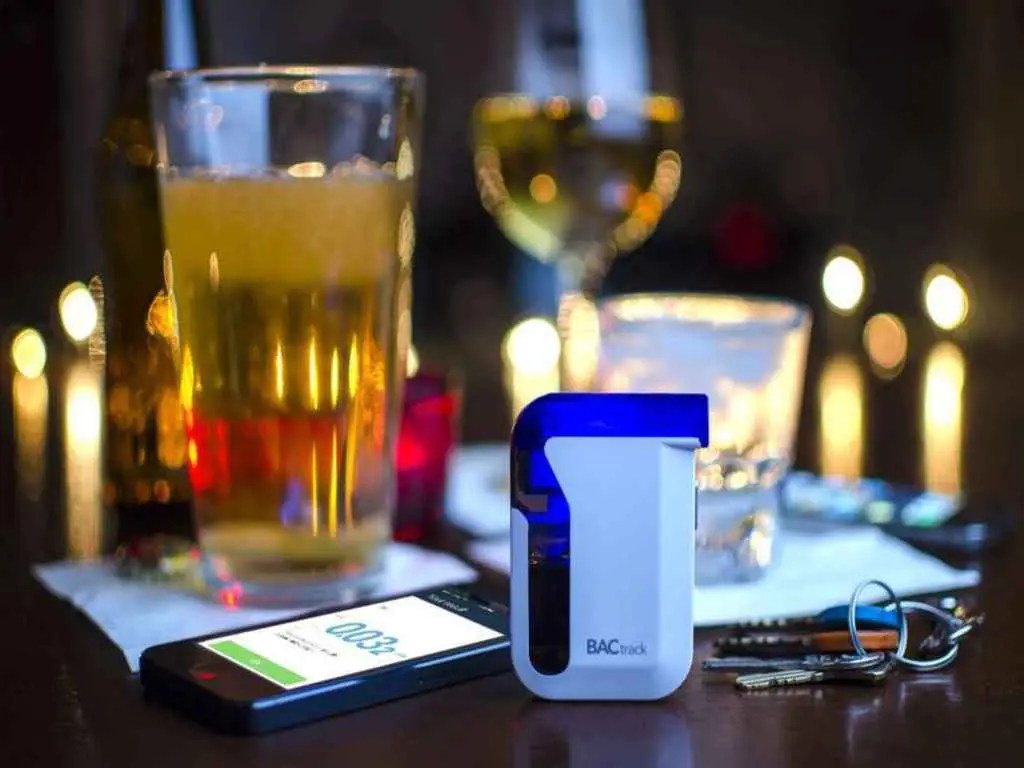
Personal Breathalyzer For Car: Advantages Of Having One

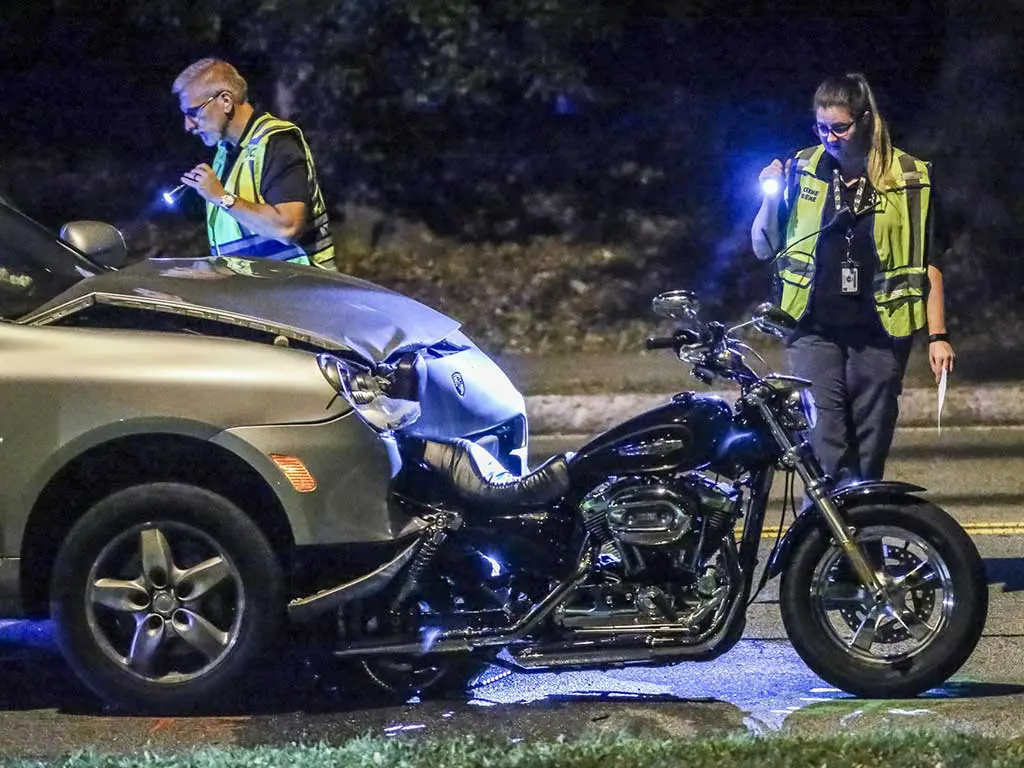
Two officers during a road accident

Many fatal crashes happen every day in various parts of the world. Some could have been prevented if people did not drive while intoxicated. Alcohol can cloud their judgment and decision-making capabilities once uncontrolled consumption occurs. Hence, it is helpful to have a personal breathalyzer for cars. Its many advantages include convenient monitoring of alcohol intake. Thus, it helps prevent accidents. It is a portable device that can be used anytime, anywhere.

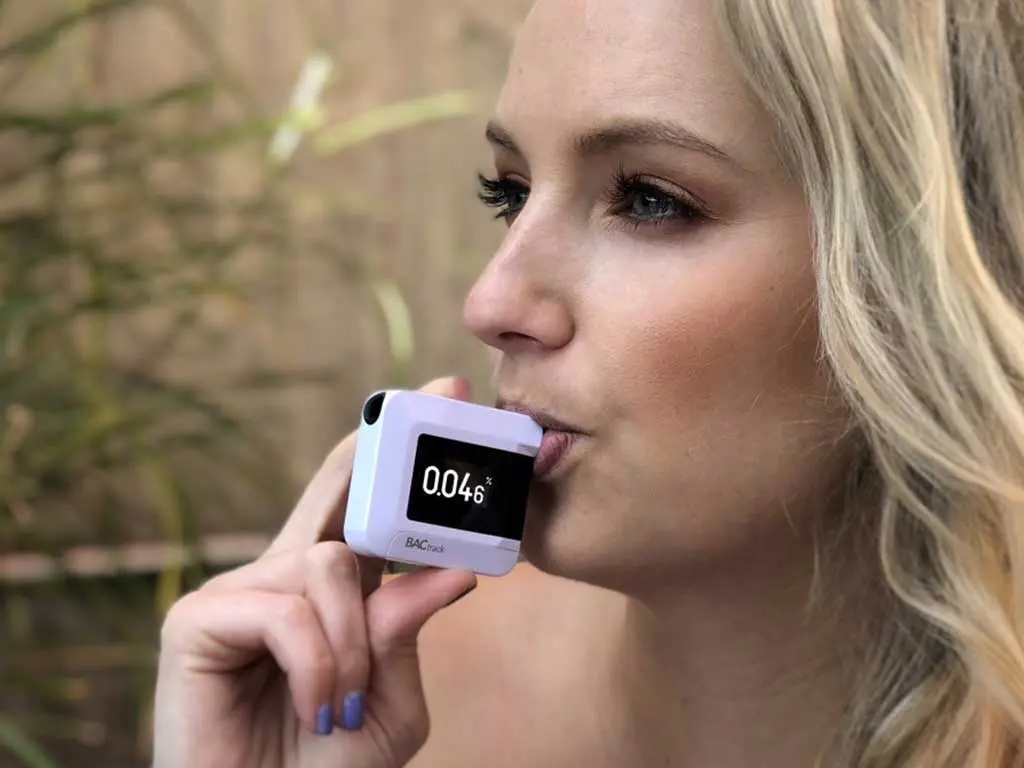
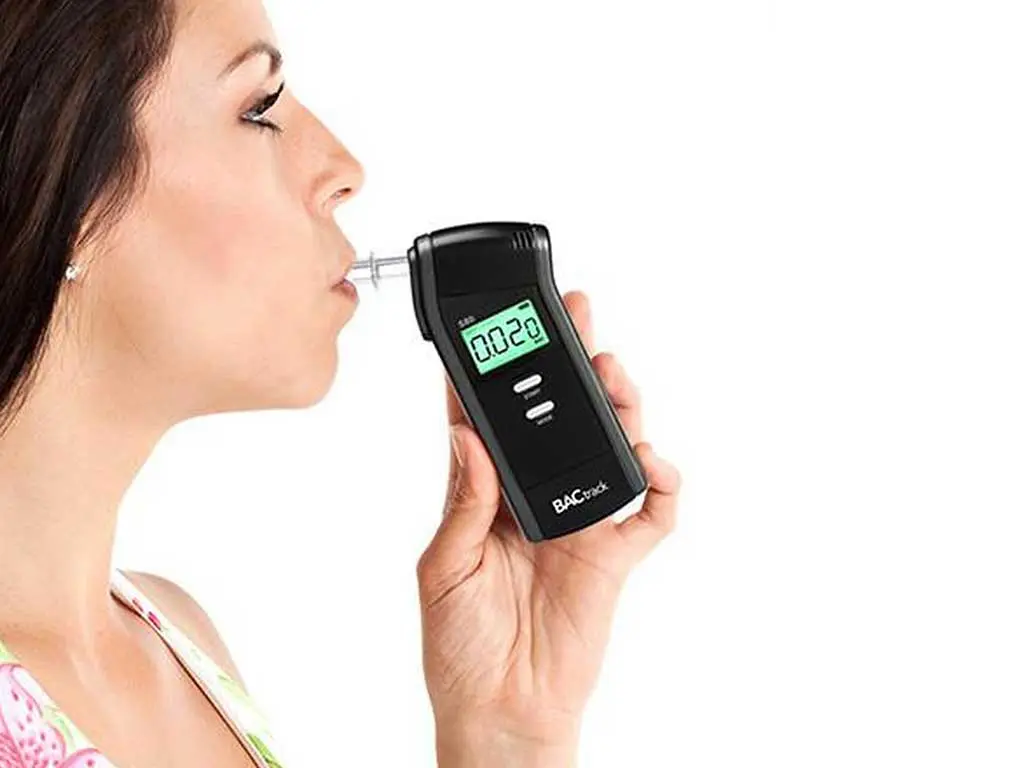
A breath tester analyses the Blood Alcohol Concentration (BAC) of drinking individuals. They only have to blow into the mouthpiece and wait for the results. New Zealand law states that the BAC must be lower than 0.05%. Otherwise, they may face penalties such as paying fines, detention, cancellation of license, and even imprisonment. The following sections will present the advantages of having a breathalyzer device in the car.

Personal Breathalyzer for Car: Prevents Accidents

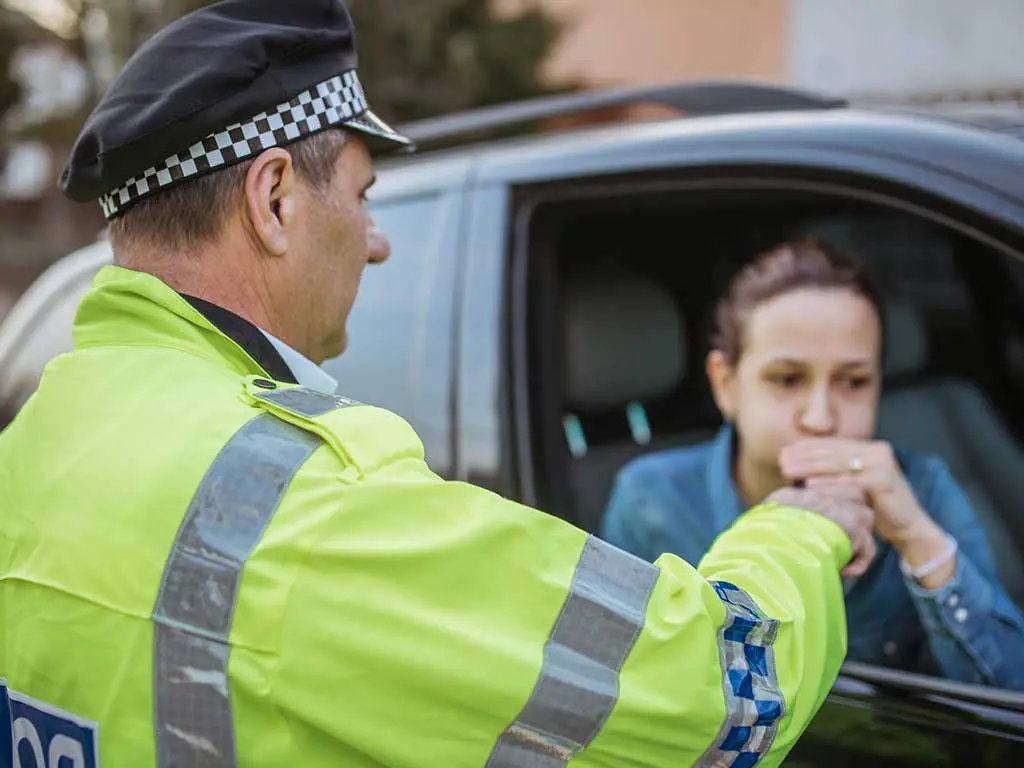
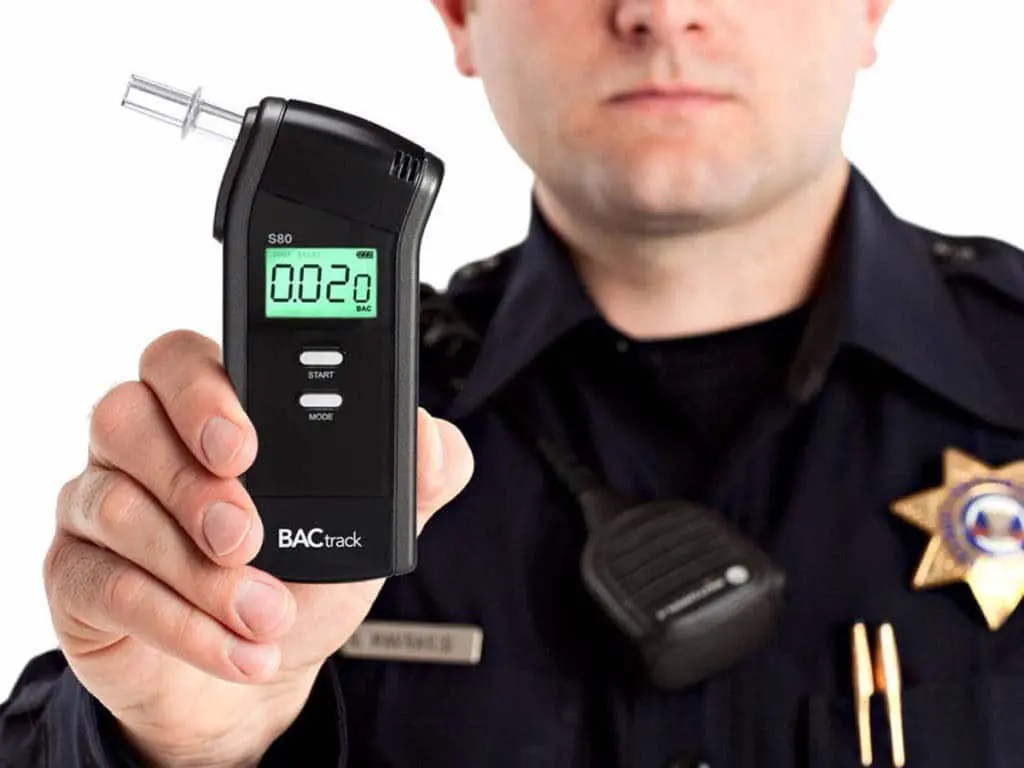
Police officers do random breath tests on the road. They use professional breath testers to do the job. People can help them by disciplining themselves. It is not enough to rely on their senses to know whether or not they are capable of driving after consuming alcohol. Thus, a personal breathalyzer for cars is beneficial. They can put the unit on the compartment so they can remember to test before starting the ignition.

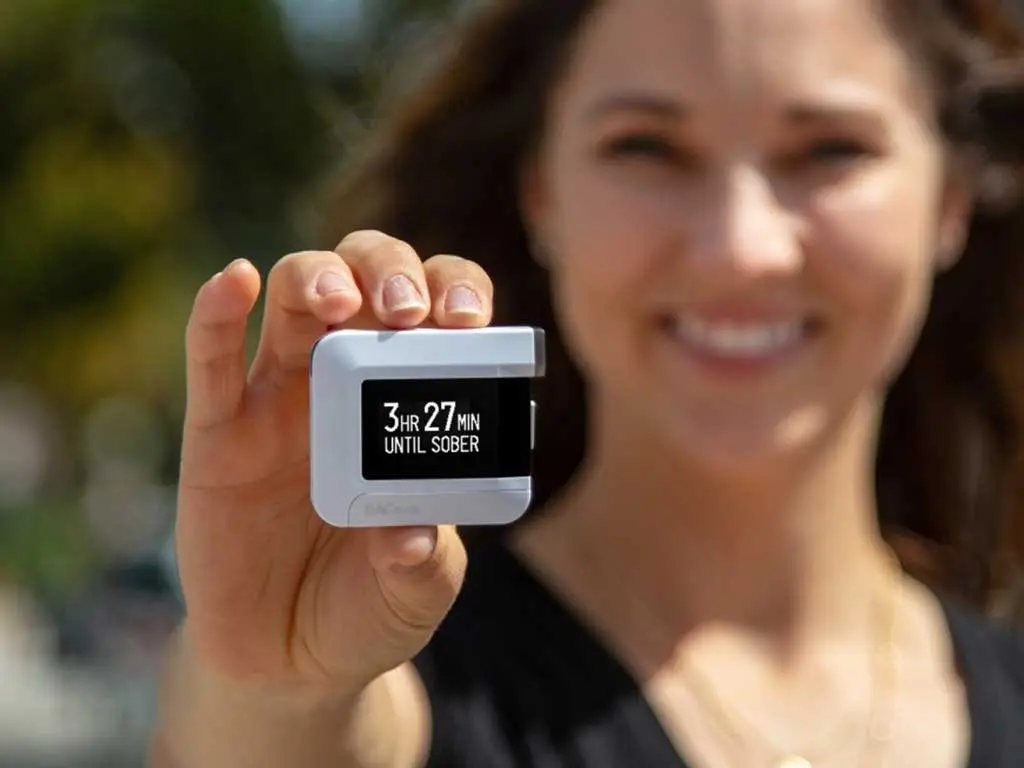
If they own a breathalyzer, they can ensure their BAC level is within the legal limit. They can have backup plans if their BAC is high. When they see the result, they can either contact a loved one to fetch them or wait until their BAC is on the normal level. Some units allow them to know how much time until they can drive again.

It is an advantage to have the device in the car because it can deter people from drink driving. They know that they can easily check their BAC. Hence, they cannot avoid the law when they are caught. Having this knowledge lessens their chances of getting into road accidents.

Effects of Alcohol on Driving

Alcohol triggers different reactions in the body, which affects the driving of people. Here are some of them:

  • Since the beverage can alter judgment, they may not be able to properly assess distance and speed.
  • The substances in their body can give them a false sense of confidence. Hence, they may drive dangerously and inappropriately.
  • They may react slower than normal.
  • Their line of vision may not be at its best, causing them to not see the road and cars correctly.
  • People might also have a difficult time concentrating, especially if their BAC is on the higher levels.
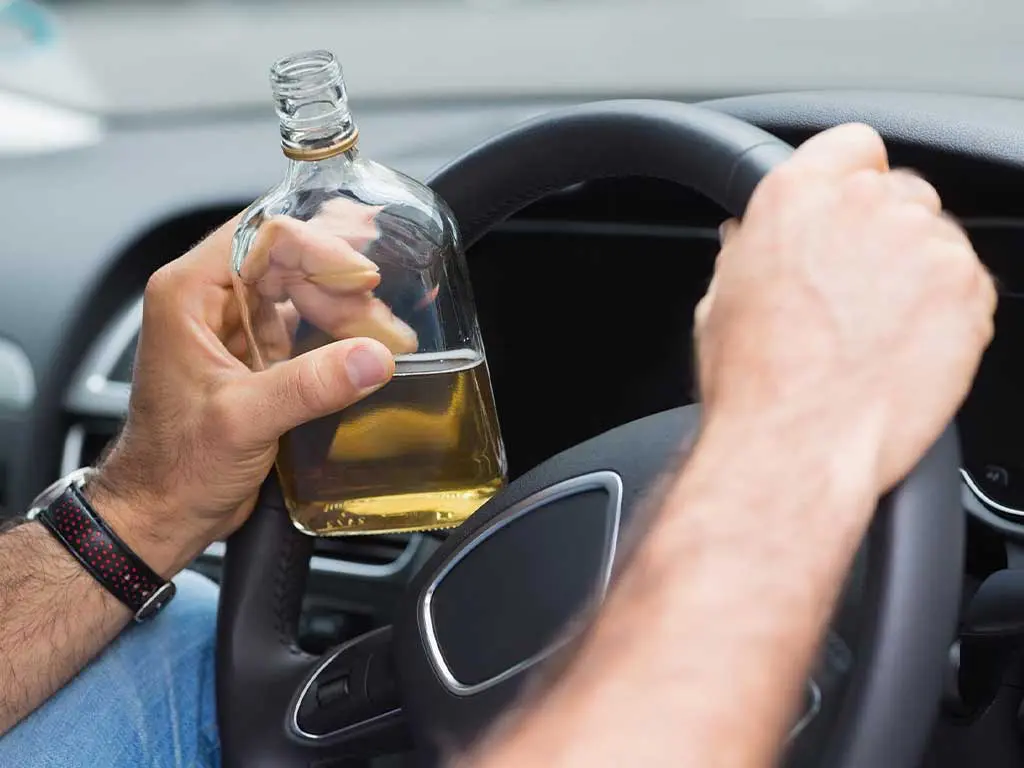
A man driving with a liquor on the other hand

Personal Breathalyzer for Car: Hinders and Manages AUD

Alcohol Use Disorder (AUD) is a medical condition. It is when a person abuses alcohol or when they rely on it too much. This is when they continue to drink even when they harm themselves or others. A personal breathalyzer for cars can help prevent someone from suffering from the disease. Owning a breath tester causes self-awareness. It is advantageous to recognize patterns before they become too reliant on alcohol.

Moreover, having a breath tester that they can bring when they go out helps in limiting their alcohol consumption. Testing themselves after a few drinks and viewing the BAC results can help them think and decide if they can drink more. Self-control early on plays a big part in preventing substance misuse and abuse.

For people who already have AUD, they can still find it useful. The breathalyzer can support them in managing alcohol intake. Having a goal and knowing if they reach it can aid them. However, they should only see it as a tool and not a substitute for medical attention. Hence, they must see professionals when it is necessary.

Symptoms of AUD

It is important to know the symptoms of AUD to take appropriate measures. Having the inability to limit the amount of alcohol intake is one. Additionally, even if they do try, they end up being unsuccessful about it. Furthermore, they may spend more time drinking alcohol than doing activities that should be a priority.

Their productivity can also be a sign of the disorder. Alcohol causes them not to function properly. Hence, they cannot do their tasks as normal. This is the reason why workplaces do alcohol tests. If people do not do their jobs properly because of their drinking problems, businesses will be affected.
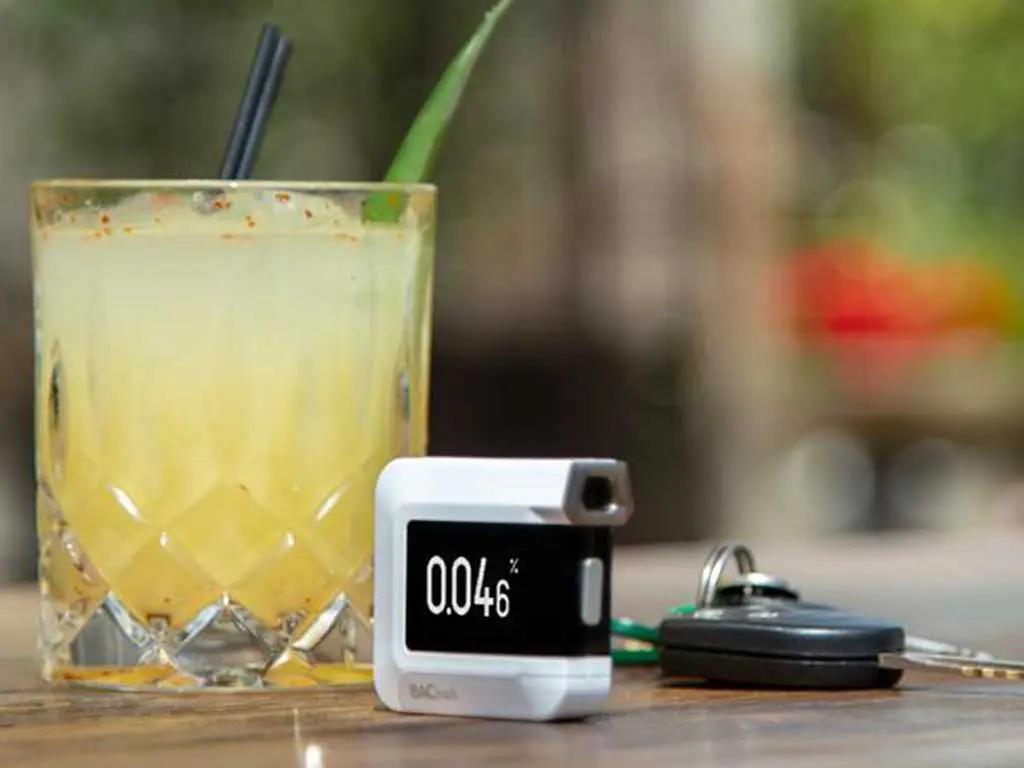
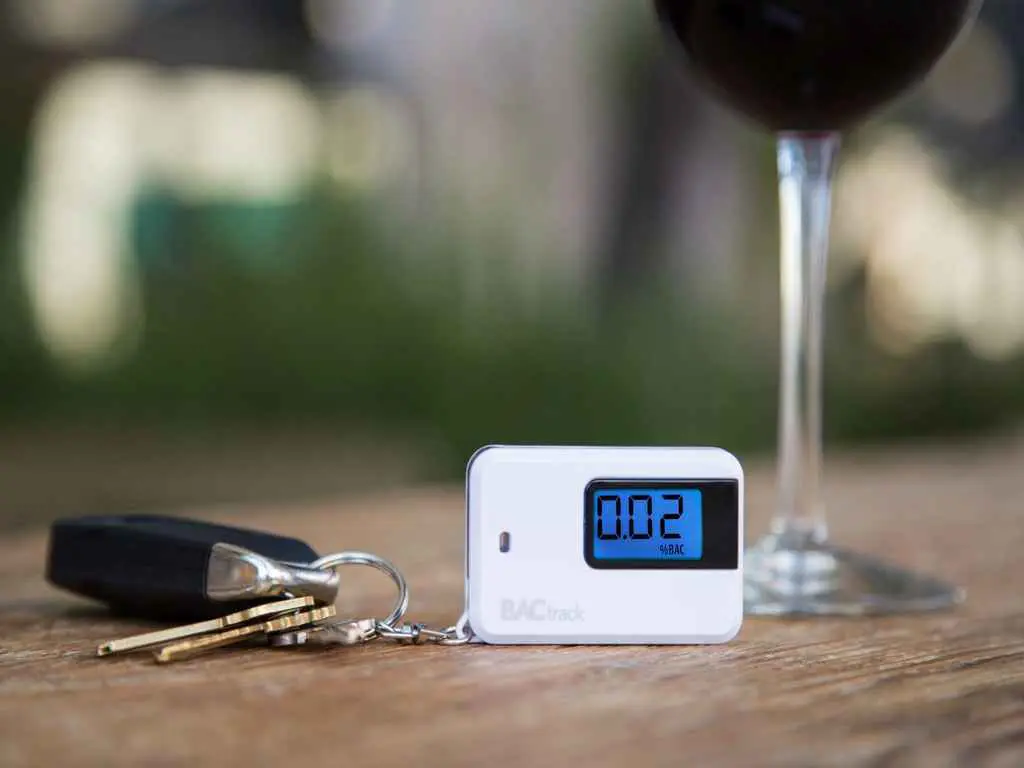
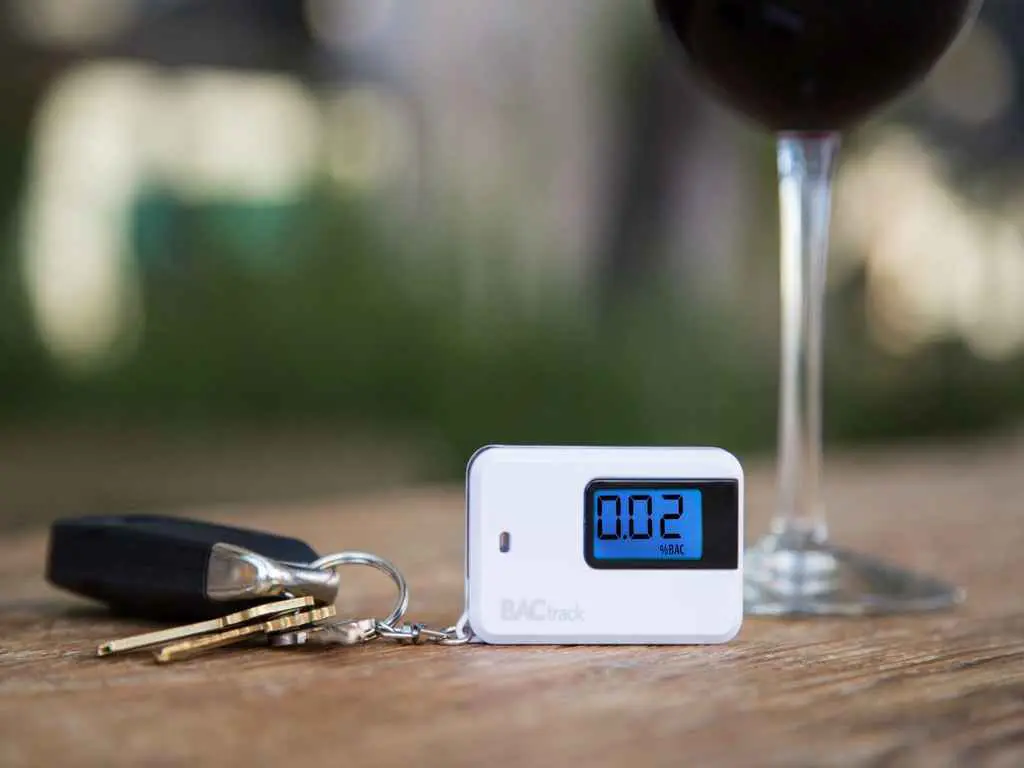
A drink, breath tester, and keys on a table

Personal Breathalyzer for Car: Provides Convenience

One more advantage of having a personal breathalyzer for cars is convenience. It provides quick access to alcohol testing. People can know their BAC within seconds. They no longer need to wait for someone to drive them home if the tester reads that their BAC is low. Moreover, a breathalyzer is typically small. Hence, they can easily keep it inside their cars and then carry it with them when they go out to drink.

A personal breath tester provides peace of mind as well. They do not need to be afraid of the repercussions of legal consequences because they have a device that can assure them. Getting a good result on the breathalyzer reduces the anxiety of hurting someone.

Furthermore, individuals with a personal breath analyser can test themselves without going to testing centres. In addition, the results can be private to them alone. They will not receive unnecessary attention from getting alcohol tests if they have a unit of their own.

How to Maintain a Device

The most essential feature of a breathalyzer is its accuracy. Professional-grade units are no doubt accurate. On the other hand, personal devices need to be of high quality to provide reliable results. Ensuring the breathalyzer is clean of alcohol residue or other fluids can help maintain it. Meanwhile, others may require recalibration.

Professionals should be the ones to handle the process. They check and correct the units if there are inaccuracies. What owners need to do is keep track of regular calibration. Breathalysers New Zealand provides dependable recalibration services for their BACtrack units. Visit them for more information and choices.

Conclusion

Acquiring a personal breathalyzer for cars is made easier nowadays. People can go online to compare units and their prices. A personal breath tester has various advantages. Firstly, it prevents fatal road accidents because of self-awareness. Secondly, it helps avoid and manage AUD since they can practice self-control. Lastly, it provides convenience as they do not need to rely on external factors to get a BAC result.

There are laws set up to penalise people who are not responsible enough to check themselves. The effects of alcohol on the body, coupled with legal offences, are difficult to go through. Hence, people should take measures not to subject themselves to inconveniences and injuries. One measure is buying a reliable and trustworthy personal breath tester. They can get a unit from Breathalysers New Zealand, as they have ones on par with what professionals use.

Breath Testing Machines: General Overview

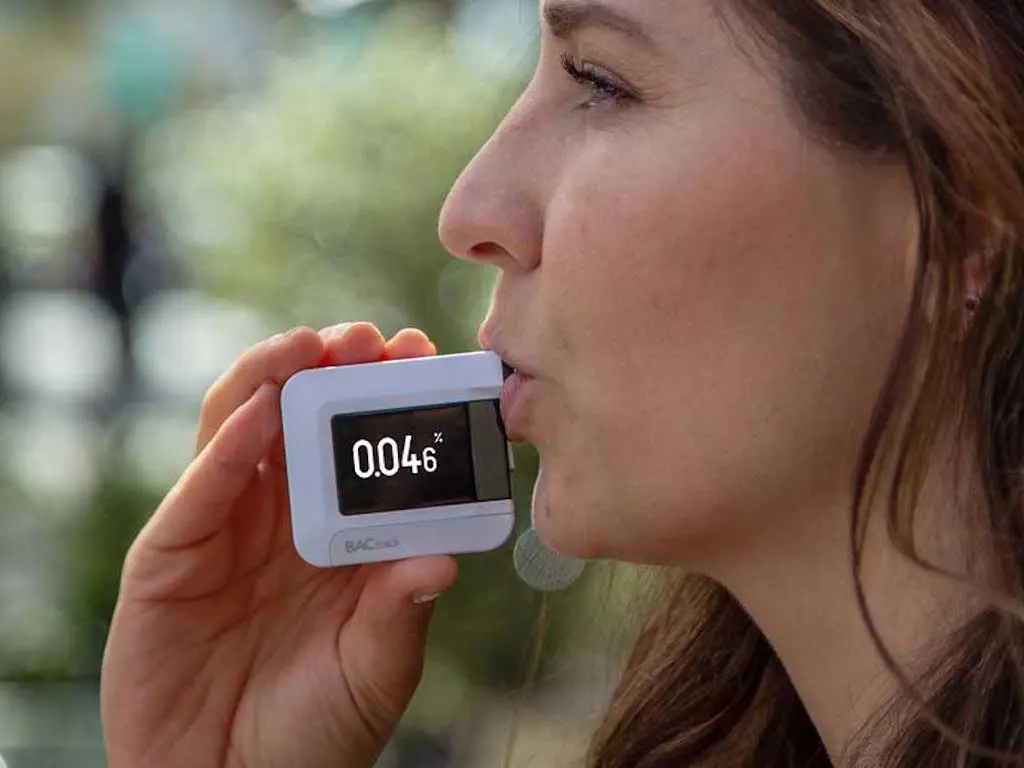
A woman blowing to a breathalyser

Breath testing machines, or breathalysers, are essential tools for law enforcement and organisations to ensure public safety. It has also become in demand for regular alcohol consumers. It is a portable device that examines the breath sample to estimate the blood alcohol levels. Moreover, there are various types of devices depending on the sensor type, accuracy level and uses. They are easy to use and can give reliable results. However, users must follow the guidelines for accuracy.

When a person consumes alcohol, a small portion passes from the stomach to the bloodstream. The blood distributes the alcohol molecules to different vital organs, including the lungs. Then, it vapourises in the lungs and passes out when a person exhales. A breath tester detects this vapour and calculates the concentration of alcohol in the bloodstream. This article will present the functions of these devices, different types, and operation guidelines.

What Are Breath Testing Machines?

Breath testing machines are instruments that measure the Blood Alcohol Concentration (BAC). The BAC is the amount of alcohol in a person’s system. The higher the BAC level, the more severe the impairment. These devices utilise sensor technology to detect the alcohol vapour in a person’s breath and measure its concentration.

The breathalyser sensors undergo a chemical reaction process to calculate the BAC. Typically, they are handheld and portable, making it easy to conduct alcohol testing anywhere. Law enforcement uses it to check for drivers’ alcohol levels. Large evidential breath testers are also found in police stations. The result of this device is admissible in court.

The accuracy of the device depends on the sensitivity of the sensor and the operation. For example, an advanced fuel cell technology can detect traces of alcohol at a wider BAC range. Moreover, they require periodic recalibration to maintain their performance or accuracy. This is due to the potential of the sensors to drift over time, which affects the readings.

Types of Breath Testers

  • Semiconductor breathalyser: it uses a metal oxide sensor that measures alcohol in the breath through a reaction change. The device measures the change in electrical resistance and converts it into a BAC value.
  • Fuel cell breathalyser: the device uses a platinum fuel cell that generates an electric current when alcohol in the breath reacts with it. It is less prone to interference, such as acetone in the breath.
  • Infrared spectrophotometer: an evidential device using infrared cells to measure the absorption of alcohol molecules. It provides highly accurate results and is more expensive. This device is used in police stations.

A police officer conducting a roadside breath test.

Purpose of Using Breath Testing Machines

The use of breath testing machines serves various purposes. Firstly, it helps maintain road safety. Police officers use handheld breath testing equipment to check drivers’ alcohol content. The test may be mandatory at sobriety checkpoints, random, or when there is a reasonable suspicion a person is impaired while driving. An individual may face drink driving charges if they exceed the legal limit of 0.05% BAC.

Secondly, it helps protect employee safety and well-being. Organisations use a workplace breath alcohol tester to monitor alcohol impairments. This helps prevent accidents and injuries as employers are able to identify workers who are under the influence of alcohol. Regular breath testing also serves as a deterrent against potential alcohol abuse.

Lastly, people may use a breathalyser for personal reasons. There are pocket-sized devices that offer a quick and efficient way to measure alcohol levels. This helps individuals manage their alcohol intake to keep their BAC below the legal limit. Likewise, people may use it to check their BAC before driving. In this way, they can avoid the hazards of drink driving.

Benefits of Conducting Breath Tests

Conducting breath tests has several benefits, both from a legal and safety standpoint. It helps determine if a person is intoxicated while driving. Police officers conduct this test to get an objective assessment of a person’s BAC level. Furthermore, the device is non-invasive and gives immediate results.

Breath tests also help ensure safety in private and public settings. It helps individuals and organisations make informed decisions. High-risk industries include this procedure in their workplace testing program because it can detect a person’s alcohol level quickly and accurately. Lastly, conducting breath tests is more cost-effective and efficient than traditional blood tests.

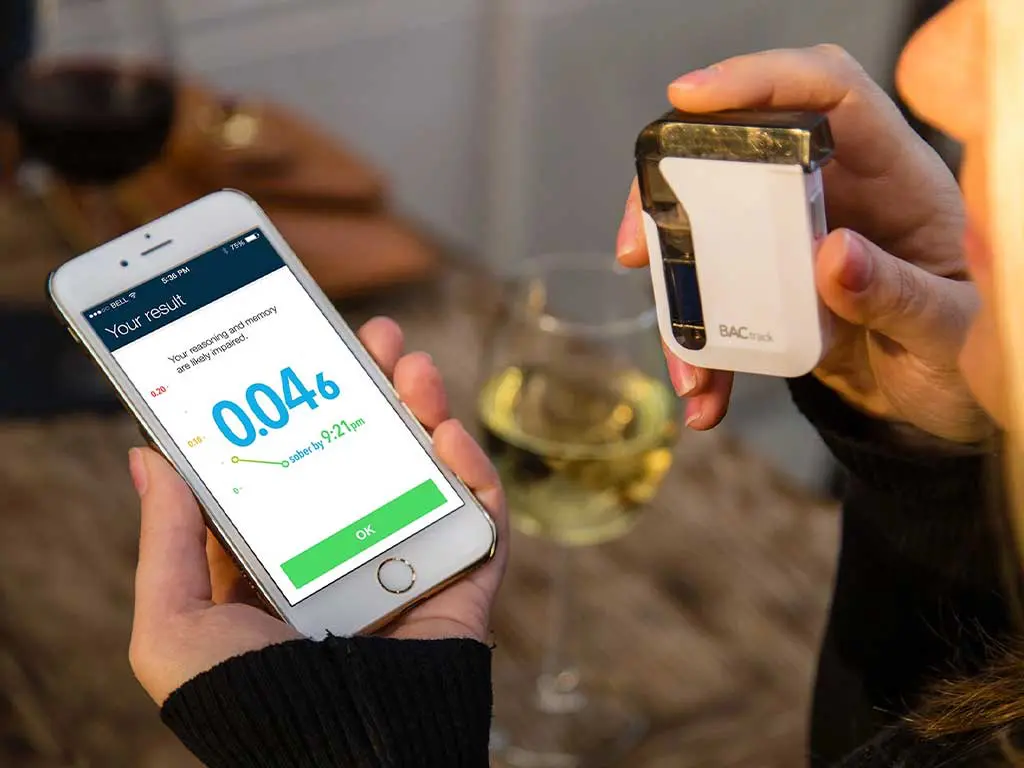
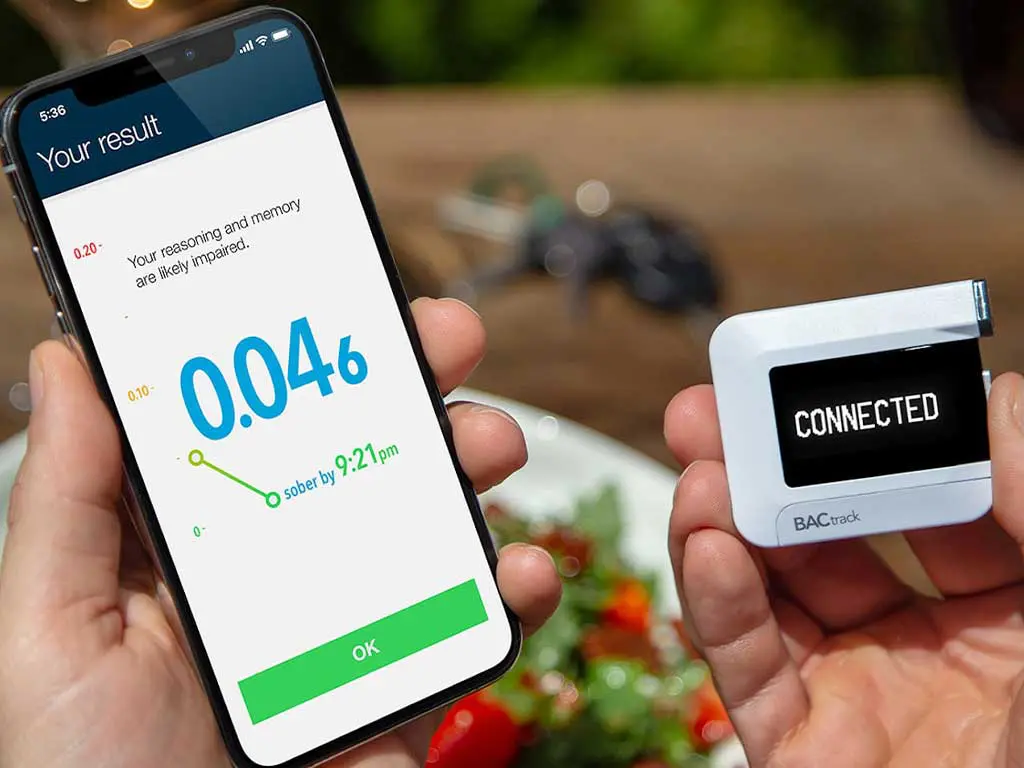
Reading the BAC results through a smartphone app

Operation Guidelines of Breath Testing Machines

Operating a breath testing machine is easy. Most devices come with a one-touch button for taking a breath sample. To use the machine, simply press the power button and wait a few seconds for the sensors to warm up. At the start signal, blow steadily to the mouthpiece for five seconds or until the beeping sound stops.

After providing a sample, the device processes the breath and displays the BAC result on the screen. It has a fast response time, usually 10 to 15 seconds, making it one of the fastest methods for testing the blood alcohol content. When done, turn off the device and store it in a safe place.

When using a smartphone breathalyser, the device will automatically send the BAC data to the app via Bluetooth. The user has the option to store the results for tracking purposes. Additionally, it is vital not to expose the sensors to strong odours or fumes to keep them functioning optimally. Always clean the mouthpiece before and after each use.

Reading the BAC Results

Breathalysers measure the breath alcohol content in grams of alcohol. Then, it displays the BAC in percentage, indicating the ratio of alcohol to blood volume. It is the unit of measurement that law enforcement uses in screening for alcohol. For example, a 0.05% BAC means 0.05 grams of alcohol for every 100 ml of blood or 2100 ml of breath.

Having a 0.05% BAC or above means a person is legally intoxicated. Moreover, to get an accurate reading, it is important to wait at least 15 minutes after drinking or eating before testing. This allows sufficient time for alcohol to be absorbed into the bloodstream.

Conclusion

Breath testing machines are an effective and convenient way to measure a person’s BAC or degree of intoxication. There are different types of devices according to the sensors or uses. A personal breathalyser is useful in managing alcohol consumption. Individuals may use it to monitor their BAC from reaching the legal limit. Similarly, workplaces use a professional breathalyser with advanced fuel cell technology to get the most accurate results. Employers use them to maintain an alcohol-free environment.

Using a breathalyser is simple and straightforward. Devices like the BACtrack from Breathalysers New Zealand, have a one-touch button for easy operation. Furthermore, they are non-invasive and provide immediate results. Hence, this enables individuals and organisations to make informed decisions. Finally, it is vital to follow the breath test guidelines to ensure the accuracy of the results. Overall, being aware of the BAC helps prevent alcohol-related hazards, such as accidents, health risks, and legal consequences.

Breathalyzer Test Price: Contributing Factors

A keychain breathalyzer with keys

Breathalyzers have become increasingly in demand due to their ability to quickly and accurately measure the presence of alcohol. They are portable devices that can be used for personal, roadside, and workplace use. Moreover, the breathalyzer test price varies with their level of accuracy and features. It also largely depends on the kind of sensors used. Typically, personal devices are more affordable than professional-grade devices. However, they work just as well as professional breathalyzers.

Excessive consumption of alcohol often leads to severe impairments. Individuals with high alcohol levels increase the risk of getting into road accidents. Thus, many use a personal breathalyzer to keep their Blood Alcohol Content (BAC) from exceeding the legal limit. As such, there are many types of devices that individuals can choose from. In this article, we will explore the factors that contribute to the prices of breath testing devices.

Breathalyzer Test Price – Accuracy of Results

The breathalyzer test prices can vary greatly according to their accuracy levels. Generally, the more accurate the device, the higher the price. This is because accurate breathalyzers usually incorporate advanced technology and sensors to provide more precise readings. These breathalyzers undergo rigorous testing and calibration processes to ensure optimal performance.

The reliability of the breathalyzer is important in making decisions. Nevertheless, many cheaper breathalyzers provide reasonably accurate readings. These devices are suitable for personal use or general estimations of the BAC. There are also personal breathalyzers that use police-grade alcohol sensors. Thus, consumers who need an accurate device do not need to get expensive breathalyzers that police use. However, investing in a high-quality device is recommended.

Furthermore, law enforcement and workplaces use professional-grade devices with the most advanced fuel cell technology. This sensor type delivers accurate readings over the complete range of alcohol expected in the breath. Hence, it can trace and measure the BAC accurately at lower levels. Ultimately, choosing a device would depend on the accuracy and testing needs of a person.

Types of Technology Used

  • Fuel cell technology: it measures the alcohol content in a person’s breath by oxidising it through a chemical reaction. It provides a high degree of precision and consistency. Fuel cell sensors are also not reactive to other substances.
  • Semiconductor sensor: it works by reacting to alcohol molecules in the breath using a tin-oxide sensor. When alcohol is present, it causes a change in the electrical resistance of the sensor, which is then measured into a BAC.
  • Infrared spectroscopy: it emits infrared light through the breath sample, measuring the absorption of light by alcohol molecules. It is the technology used in evidentiary devices in police stations.

A person using a breathalyser via smartphone

Breathalyzer Test Price – Disposable or Long-Term Use

Another factor that affects the breathalyzer test price is the type of device according to its use. Disposable breathalyzers are single-use devices and are more affordable. They only require the user to blow into a tube and discard it after use. Instead of sensors, they use crystals that change colours based on the BAC range of the breath alcohol content.

Disposable breathalyzers are suitable for one-off situations such as parties or events. On the other hand, long-term breathalyzers are reusable. They are electronic devices with a digital display that shows the BAC levels after the test. These devices require batteries to operate. Some may use disposable batteries, while others are rechargeable.

Reusable breathalyzers are suitable for frequent testing. It allows multiple retests to monitor the BAC more efficiently. Moreover, additional features affect the cost of these devices. For example, some breathalyzers have Bluetooth connectivity to pair with a smartphone. It offers data storage, tracking, and sobriety monitoring. Overall, the prices of disposable and reusable alcohol testers vary greatly. However, reusable devices are more cost-efficient for long-term use.

Recalibration Period For Reusable Devices

Reusable breathalyzers require regular recalibration due to the sensors drifting over time. The period or frequency of recalibration depends on the type of sensor and the number of uses. Some devices may need servicing every six months, while others every 12 months. It is important to follow the manufacturer’s guidelines for recalibration.

Periodic recalibration helps maintain the accuracy of the device, ensuring that it continues to provide consistent results. A professional alcohol tester requires sending the unit back to the manufacturer or certified calibration laboratory. Therefore, it minimises the possibility of false positives and expands their lifespan.

A workplace breathalyzer with a sampling cup

Breathalyzer Test Price – Personal or Workplace Use

Breath alcohol testers are mainly classified into personal and professional types. The breathalyzer test prices would depend on their features and sensors. A personal device may use a semiconductor sensor, which is generally cheaper than fuel cell sensors. However, there are also many personal breathalyzers that use professional-grade fuel cell sensors. An example of this is the BACtrack S80 from Breathalysers New Zealand.

On the other hand, workplaces use advanced fuel cell technology. They are generally more expensive but provide higher accuracy and consistency. These devices meet the legal standards and technical credentials for reliable breath alcohol screening. Furthermore, they contain more functions, such as wide storage capability and downloadable reporting features.

There are several types of workplace breathalyzers. Devices like the SHIELD Express Identity have optional testing modes. It includes passive screening and active testing. The passive test detects alcohol in the breath, regardless of the amount. This enables workplaces to screen a large number of people quickly. It also allows them to save costs on mouthpiece use.

Regulations And Certifications

When purchasing a breathalyzer, it is vital to check for its regulatory compliance. Not all devices have certifications. However, using a certified device helps ensure the reliability of the results. Devices with DOT compliance or FDA approval entail that they meet the set guidelines and standards for precision and accuracy.

Moreover, a workplace breath alcohol tester in New Zealand adheres to AS3547:2019. This international testing standard sets specific requirements for the performance and recalibration of reusable devices. Companies use AS3547-compliant units to ensure they get reliable breath alcohol data. Individuals who need frequent alcohol testing may also get this device for personal use.

Conclusion

The breathalyzer test price varies with the accuracy, reusability, and type of device. Portable alcohol testers may use semiconductor or fuel cell sensors. For quick alcohol screening or personal use, a semiconductor breathalyzer is sufficient. Meanwhile, a fuel cell breathalyzer delivers higher accuracy due to specificity to ethyl alcohol. Other factors include disposable and reusable devices. A disposable breathalyzer is good for single use. It is cheaper, but it may need constant purchases to test for alcohol.

In contrast, reusable breathalyzers are more expensive due to the technology used. They also allow multiple testing, which is more cost-efficient. Additionally, workplaces use police-grade fuel cell sensors to comply with AS3547. They also come with advanced features for enhanced data storage and testing modes. In conclusion, breathalyzers vary in cost due to their accuracy and functions. Investing in a reliable device can help enhance personal and public safety.

Best Breathalyzer To Buy: Features To Search For

A breathalzyer and a glass of beer on the table

Breathalyzers have become an essential tool in ensuring safety, especially on the road and at work. They help prevent drink driving, which can have serious consequences. A breathalyzer is a portable device that examines the breath to measure Blood Alcohol Content (BAC). There are many types available in the market. Hence, determining the best breathalyzer to buy takes careful consideration. It is vital to consider the accuracy level and ease of use in looking for a device.

A person under the influence of alcohol poses significant safety hazards. It increases the risk of accidents due to impaired judgment and reflexes. Therefore, many people rely on a personal breathalyzer to help monitor their alcohol consumption. This helps in preventing their blood alcohol levels from exceeding the legal limit for driving. The following sections will present the key features to look at, including sensor accuracy, range of measurements, and convenience.

Best Breathalyzer To Buy – Maximum Accuracy And Consistent Readings

Choosing the best breathalyzer to buy entails going for maximum accuracy and consistent readings. Many people use the device to check their BAC levels before driving. Hence, it helps them make responsible decisions based on the results. Inaccurate readings may lead to misinformed judgment. Moreover, breath testers rely on sensors to measure the BAC.

The performance of the sensors helps in giving precise and reliable results. However, not all alcohol sensors are the same. Breathalyzers differ in their types, which affects the level of accuracy. Professional-grade breathalyzers use advanced technology that gives stable and consistent results. This means the breath alcohol content does not fluctuate in back-to-back tests.

Professional breathalyzers that law enforcement, workplaces, and hospitals use must be certified by relevant authorities. These devices met the rigorous standards of expert alcohol screeners to ensure they give the most accurate readings. This is critical in making informed decisions, affecting everyone’s safety and well-being. It must also undergo regular maintenance to uphold its performance and reliability.

Types Of Sensors

  • Fuel cell sensor: it relies on a chemical reaction process to oxidise alcohol in the breath. They are less prone to interference from other substances, such as acetone, mouthwash, or breath mints in the breath.
  • Semiconductor sensor: measures the BAC by measuring the changes in the electrical resistance. The greater the difference, the higher the BAC. This is typically used in personal devices.
  • Infrared sensor: the sensor analyses the absorption of infrared light through the breath sample. The amount of absorption is proportional to the blood alcohol concentration, allowing for an accurate measurement of the BAC. The device is larger and used in police stations.

A woman blowing into breathalyzer.

Best Breathalyzer To Buy – Wide Range of Measurement Capabilities

The breathalyzer sensors have a varying range of measurement capabilities, depending on the type. The range of measurement refers to the minimum and maximum levels of alcohol that the device can detect. The best breathalyzer to buy has a more extensive range. It allows for a broader coverage of blood alcohol levels, from 0.00 to 0.400%.

Semiconductor breath testers typically measure blood alcohol concentrations between 0.02-0.40%. This range is suitable for drivers, who must not exceed the legal limit of 0.05% in New Zealand. However, they can be affected by interfering substances, temperature and humidity variations. Therefore, it is important to ensure the device is in an optimal and stable condition before use.

Fuel cell sensor technology has a much higher range of detection, from 0.00-0.400%. It offers consistent readings despite fluctuations in the range of temperature and humidity. Furthermore, it can measure alcohol concentrations accurately at low levels. Enlarged fuel cell sensors have a larger surface area for alcohol molecules to hit, calculating a larger electrical current.

Are There Risks Of False Positives

There are certain risks of false positives when using a breathalyzer. As mentioned above, semiconductor breathalyzers are susceptible to interference. The presence of cigarette smoke and alcohol vapour in the room may give inaccurate readings. Moreover, some users may blow too hard on the device, which can cause imprecise results.

Medications and certain health conditions may also cause the blood alcohol content to increase. This may cause false positives even if a person has not consumed a beverage. Additionally, no regular calibration may affect the accuracy of the sensors. Lastly, not waiting for 20 minutes after drinking may cause false positives due to mouth alcohol.

A woman showing the results of a breathalyzer

Best Breathalyzer To Buy – Convenience And Ease Of Use

The convenience of using the device is essential when looking for the best breathalyzer to buy. Personal breathalyzers should be easy to use on a regular basis. Devices like the BACtrack have a sleek design and one-touch button for efficient operation. It allows individuals to facilitate breath testing with minimal effort.

To use, press the power button and wait for the sensors to warm up. The breathalyzer will display on the screen when ready. Blow steadily into the mouthpiece and wait for the results. The device will show the alcohol readings in just a few seconds. Some devices have audible warnings to alert users if they exceed the limit.

The breath test is one of the most cost-effective methods to test for alcohol. The sample collection is easy and does not require facilities or laboratory testing. Furthermore, it is non-invasive and does not have privacy issues. Therefore, portable breathalyzers are ideal for alcohol screening. Nonetheless, it is vital to follow the guidelines when using the device for accurate results.

Recalibration Period

For reliable results, a breathalyzer must be regularly maintained or recalibrated. The sensors tend to drift over time as they accumulate alcohol residue and other particles. This will cause the device to give imprecise readings. Therefore, calibration is essential to ensure accuracy and reduce the risk of false positives.

It is advisable to send the unit back to the manufacturer for calibration after 6 or 12 months. It would also depend on the number of tests based on the device’s specifications. Additionally, it is recommended to recalibrate the device immediately if it gives inconsistent readings.

Conclusion

Finding the best breathalyzer to buy depends on individual requirements, testing needs, and budget. The essential features to look for include sensor accuracy, range of measurement, and ease of operation. The common sensors in personal devices are semiconductor and fuel cell sensor technologies. Advanced fuel cell sensors have police-grade accuracy due to their specificity to ethanol and wide detection range. It is also the technology that police officers use in roadside screening.

Operating an alcohol breathalyzer is easy. It involves blowing steadily to the device and waiting for the results. Hence, users will know their alcohol intake levels in real time. However, it is important to keep in mind that improper use and other factors may give false positives. Thus, always follow the guidelines in using the device for the most accurate blood alcohol content measurement. Individuals may get an accurate device, such as the BACtrack breathalyzers, for personal use.

Pocket Breathalyzer Accuracy: Is It Reliable?

A keychain breathalyser, glass of wine, and car keys on the table.

When assessing the reliability of pocket breathalyzers, several factors come into play. These include the brand, the type of sensor used, calibration, and various other considerations. To ensure dependable results, individuals should opt for well-established and thoroughly tested devices. The choice of sensor technology also influences accuracy, with different sensors offering varying levels of precision. Regular calibration remains crucial for maintaining reliability. Users should diligently follow the provided instructions and be mindful of any potential limitations associated with breathalyzers.

The pocket breathalyzer offers numerous benefits for personal use. It provides a convenient and portable solution for individuals who want to monitor their alcohol consumption. With its compact size, it can easily fit into a pocket or purse. Additionally, this device is user-friendly and simple to operate, making it accessible to people of all ages. This article will present what a pocket breathalyzer is, including its accuracy, reliability, and the process of recalibration.

Pocket Breathalyzer Accuracy – Defining The Device

A pocket breathalyzer is a small, portable device that people use to measure their Blood Alcohol Content (BAC) levels. It provides quick and accurate readings. Individuals often carry it in their pocket or on a keychain for personal use. This device helps them monitor their alcohol consumption and ensure they stay within legal limits.

Additionally, a pocket or keychain breathalyzer operates by employing a sensor to identify alcohol in an individual’s breath. The majority of personal breathalyzers employ alcohol fuel cell sensor technology, recognised for its professional-grade precision. When someone exhales into the breathalyzer, the sensor chemically interacts with alcohol molecules, generating an electrical current. They then gauge the strength of this current and convert it into a BAC reading.

The accuracy of a pocket breathalyzer mostly relies on the sensor type it uses. Devices that have fuel cell sensors usually give more precise and consistent readings than those with semiconductor sensors. Police-grade breathalyzers often use fuel cell technology, guaranteeing dependable and accurate outcomes. However, they might still have a slight margin of error because of other factors.

How The Devices Work

  • Breath sample collection: the user blows into a mouthpiece attached to the breathalyzer device.
  • Sensor activation: the breath sample enters the device and comes into contact with a sensor.
  • Chemical reaction: the sensor, often using advanced fuel cell technology, reacts with the alcohol molecules in the breath sample.
  • Electrical signal: the chemical reaction produces an electrical signal proportional to the amount of alcohol present.
  • BAC calculation: the handheld device then calculates the BAC based on the strength of the electrical signal.
  • Display of results: the portable breathalyzer displays the BAC level on a digital screen or through LED lights.

Holding a breathalyzer and a smartphone to view the BAC results

Pocket Breathalyzer Accuracy – Is The Reading Reliable

As previously mentioned, the reliability or accuracy of pocket breathalyzers relies heavily on the sensor technology used. Professional-grade breathalyzers often utilise fuel cell sensor technology, which is known for its police-grade accuracy. These breath alcohol testing devices aim to deliver accurate readings and minimise false positives.

While fuel cell breathalyzers offer a high degree of accuracy, people should recognise that no measurement tool is entirely error-free. Even the best accurate devices may have a small margin of error due to various factors. Environmental conditions, user technique, and the presence of non-alcoholic substances in the breath can impact reading accuracy. Therefore, users should take readings with a grain of salt and use them only as a guide.

In addition, the alcohol level screening device’s brand should also be taken into account. Trusted brands in the alcohol tester industry invest in research and development to ensure consistent and accurate readings. Opting for well-known and reputable retailers like Breathalysers New Zealand can provide reassurance regarding the reliability of the readings obtained. While there may be less expensive breathalyzers available, people should prioritise accuracy over cost when selecting personal or professional devices.

Factors Affecting The Results

The results of pocket breathalyzers can be influenced by several factors. Firstly, the type of alcoholic beverages consumed. Different alcoholic drinks contain varying levels of alcohol, which can affect the accuracy of the breathalyzer reading. Secondly, the amount of alcohol consumed plays a significant role, as higher consumption levels result in higher alcohol levels.

Lastly, external environmental factors. Temperature and humidity can affect the performance of these alcohol screening devices. Extreme temperatures, both hot and cold, can impact the sensor’s sensitivity, potentially leading to inconsistent readings. High humidity levels may introduce moisture into the device, affecting its calibration.


A group of professionals conducting a laboratory test.

Pocket Breathalyzer Accuracy – Recalibration For Maximum Compliance

Pocket breathalyzer accuracy is crucial when it comes to ensuring reliable and accurate readings of blood alcohol levels. One important aspect of maintaining accuracy in pocket breathalyzers is recalibration for maximum compliance. Recalibration involves adjusting and calibrating the device to ensure it continues to provide accurate and precise readings over time.

Generally, it is recommended to do recalibration every 6 to 12 months, depending on the specific model and manufacturer recommendations. Over time, pocket breathalyzers may experience slight drift and deviations in accuracy due to several factors. These include temperature changes, exposure to pollutants, and general wear and tear. Recalibration helps to correct any inaccuracies and bring the professional or personal device back to its original level of accuracy.

If individuals do not regularly recalibrate pocket breathalyzers, there exists a risk of obtaining inaccurate readings and experiencing false positives. Inaccurate readings can result in misjudgment and potentially hazardous situations. Furthermore, some regulatory standards and legal requirements may demand regular recalibration to guarantee the accuracy and reliability of breathalyzer results.

Recalibration Guidelines

Manufacturers or authorised service centres typically perform recalibration. They carefully adjust the device to meet stringent accuracy standards. This process involves a thorough inspection and cleaning, along with adjustments to the device’s internal components to guarantee precise readings.

One brand that emphasises the importance of recalibration is BACtrack. They recommend recalibrating their pocket breathalyzers every 6 to 12 months to guarantee accurate readings. This process involves sending the device to its calibration lab, where it undergoes rigorous testing and adjustment. Therefore, users should follow the manufacturer’s recommendations for recalibration to ensure accurate and reliable results.

Conclusion

Pocket breathalyzer accuracy is crucial for individuals who rely on these devices to monitor their blood alcohol levels. Its accuracy depends on the sensor technology used, with fuel cell sensors known for their precision. However, it is important to note that no measurement tool is entirely error-free, and factors such as environmental conditions and user technique can impact accuracy. Choosing a trusted brand and regularly recalibrating the device can help ensure reliable and accurate readings.

Various factors can influence the accuracy of breathalyzer results. The type and amount of alcoholic drinks consumed affect the readings due to differing alcohol levels. External elements like temperature and humidity can also affect the device, leading to inconsistent results. Manufacturers and authorised service centres recommend regular recalibration for precise outcomes. For example, BACtrack suggests recalibrating their pocket breathalyzers every 6 to 12 months to ensure accuracy. Users should follow these guidelines to maintain trust in their results.

Key Chain Breathalyzer: What It Is And How It Works

Two people dining and a breath tester

People cannot avoid drinking alcohol when they go out. However, it is their responsibility to make the right choices by staying sober, especially if they need to drive. A key chain breathalyzer can help in this case. It is a small and compact alcohol breath tester. Thus, they can bring it everywhere and test themselves when necessary. It works by blowing into the device. Afterwards, it analyses the Blood Alcohol Concentration (BAC) of its users.

Deaths involving drink driving are increasing in New Zealand. Hence, it is important to take appropriate measures to avoid more from happening. Law enforcement does random roadside alcohol breath tests on drivers. Those who have a higher BAC than the legal limit may face penalties. To prevent the consequences of drink driving, learn what the small breathalyzer is, how it works, and its benefits in the following sections.

What Is A Key Chain Breathalyzer?

A breathalyzer is a device that determines how much alcohol is in the system of a person. When people breathe into the device, it estimates their BAC or detects the amount of alcohol in the blood. Typically, authorities use it to test suspected intoxicated drivers. Nowadays, personal units, like the key chain breathalyzer, are available in the market. It is a useful tool in staying safe.

The key chain version of breathalyzers is compact and small. It can even be the same size as a car key. The units are designed in such a way to encourage individuals to use them when they drink. Moreover, if the unit is chained to the car key, they can test themselves before starting the ignition. This leads to making more informed decisions.

There are various brands available. People should research well to acquire a good-quality device. The most important feature of a breath tester is its accuracy. Otherwise, low-quality breathalyzers may only result in false positives. One of the most trusted breathalyzers is the BACtrack from Breathalysers New Zealand.

BAC Levels

In New Zealand, the BAC of people should not be higher than 0.05%. To understand the effects of alcohol depending on the BAC, read below:

  • 0.01 – 0.05 = People are alert and can be in a relaxed state, but slight buzzing might occur.
  • 0.06 – 0.10 = They feel sleepier and more emotional. There may also be a reduction in memory.
  • 0.11 – 0.20 = This state may cause them to commit inappropriate actions.
  • 0.21 – 0.30 = Aggression and depression might arise.
  • 0.31 – 0.40 = They may fall unconscious or be in a coma.
  • 0.41 and above = These levels can be fatal.

A police officer conducting a roadside test on a woman

How Does A Key Chain Breathalyzer Work and What are the Factors that may Affect the Results?

A key chain breathalyzer calculates the BAC of people. It analyses the amount of alcohol present in an individual as they blow deep lung air into the mouthpiece. When they drink alcohol, the intestine absorbs its compounds directly, which enters the bloodstream eventually. The alcohol compounds can end up in the breath, sweat, and urine of the body before they reach the liver. This is because the blood circulates throughout the body.

People should understand that several factors may affect the results, not just the alcohol content. For instance, consuming food slows down the rate of the alcohol passing through the body. In addition, fats in the body do not absorb alcohol. Hence, alcohol is more concentrated for people with higher body fat. Gender may affect it as well. Women have more fatty tissues than men, which is why they have higher alcohol concentrations.

Individuals should recognize these things so that they can utilize the breath tester more. Overall, having a breathalyzer that they can bring anywhere and anytime is beneficial.

How to Use It

To start using the breathalyzer, people should prepare the mouthpiece of the device and ensure it is clean. They can turn it on after and then wait 15-20 seconds for the device to warm up. When it is ready, they can blow into the mouthpiece for a few seconds.

Wait for a moment as it analyses the breath sample. The device will display the result for several seconds. Turning off the device comes afterwards. They can do a retest whenever necessary. Avoid getting saliva or alcohol into the mouthpiece, as it may damage the device.

Breath tester with keys, food, drink, sunglasses on a table

Benefits of A Key Chain Breathalyzer

There are many benefits to having a key chain breathalyzer. Firstly, it provides safety. Some people might feel fine after drinking, but alcohol can impair judgment. Hence, they need a tool to ensure that they are not intoxicated. It is better to be certain to avoid trouble. They can prevent accidents, and they can protect themselves from fatal injuries. Furthermore, those who avoid drink driving can help keep the community away from harm.

Secondly, they can avoid Alcohol Use Disorder (AUD). Having a device like a small breath tester helps them manage their drinking. They need to stay within the required BAC or their goals, and if not, they can stop drinking. It is not easy to control something that can be addicting. Thus, it is necessary to get all the help they can.

Lastly, it is convenient. The portability of the device allows them to carry it when people go out. They can attach it to their bags or other keys. It is beneficial to have it visible so that they can be reminded of testing whenever they drink.

Factors to Consider Before Buying One

One of the factors before getting a device is the accuracy. The keychain breath tester is accurate. However, professional-grade breathalyzers have more advanced sensor technology, making the BAC reading more exact. An example of a good personal breathalyzer is the BACtrack Mobile Pro.

Another factor to consider is the price and quality. Some devices are more expensive than others. Typically, they may have more advanced features that add to their reliability. Thus, individuals may check and compare each unit to see which better suits their lifestyle. It is good to weigh the pros and cons for better decision-making.

Conclusion

People must consider the law and the consequences they can face if they drive while being intoxicated. Others have lost their jobs and reputations because of this. Fortunately, breath testers can help prevent accidents. They can buy key chain breathalyzers that will serve as a tool to let them know if they can drive or not. Moreover, it keeps people on track of their drinking to manage it.

A breath tester, in general, supports law enforcement in its goal to lessen drink driving accidents. It analyses the BAC, and individuals must be below the legal limit. Otherwise, they may face charges and penalties. Moreover, a breathalyzer is a convenient device. Hence, it is beneficial to own one, especially since they are easy to operate. Visit Breathalysers New Zealand for more breathalyzers for personal or workplace use. They also offer services for the units that require recalibration.

Personal Use Breathalyzer: Definition and Benefits

Woman showing a breathalyser

Alcohol is the second biggest contributor to car crashes in New Zealand. The innocent can die because of drink driving. Hence, it is necessary to take measures to prevent more from happening. One method to avoid driving under the influence is a personal use breathalyzer. It analyses the Blood Alcohol Concentration (BAC) of people. It is beneficial because it not only keeps everyone safe but is also convenient and easy to use, as the devices are usually small.

Law enforcement uses breathalyzers to test those who they suspect of alcohol abuse. Additionally, they do random breath tests for more security. Fortunately, everyone has a chance to acquire a breathalyzer to check themselves. They must ensure that their BAC is below the legal limits. Otherwise, it would not be safe for them to drive. To know more, the article will present the definition of the device, its benefits, and factors to consider before buying.

Personal Use Breathalyzer: Definition

A personal use breathalyzer is a handheld device that determines the BAC of the user. It measures the amount of alcohol there is in every litre of breath. People can use it anywhere and anytime they consume alcohol. Some devices are so small that they are designed as a keychain. They have immediate access to a breath tester this way.

It is a necessity to own one if individuals find it difficult to control their alcohol intake. A personal unit can help them monitor their consumption. Moreover, it is advantageous in keeping the roads safe. If they have their own breath testers and their BAC is over the legal limit, they can make more informed decisions and designate a driver.

Personal breathalyzers have two kinds of sensors, which are the semiconductor and fuel cell sensors. The former checks the reaction of ethyl alcohol, water, and acetic acid. It generates an electric current, and the higher it is, the higher the alcohol level. The latter uses electrodes where the ethyl alcohol can pass through. Results from this type are more accurate.

Features of a Device

Breathalyzers come in different shapes and sizes. However, they still have common features, and they are as follows:

  • Mouthpiece – This is where people place their mouths to blow their breaths into.
  • Batteries – Most units operate on batteries. Hence, it commonly comes with their kits. They need to replace them every once in a while.
  • Sensor – It is responsible for detecting and analysing the BAC. Some have required recalibration service periods to ensure accuracy.
  • Bluetooth Connectivity – Some devices are technologically advanced as they can connect their devices to their phones. They can track their results through this.

A man and a woman drinking while a breathalyzer is on the table

Personal Use Breathalyzer: Benefits

A personal use breathalyzer has many benefits. Firstly, it ensures safety. People acquire a unit to monitor their BAC. Hence, it helps them make informed decisions. These decisions can greatly impact many lives. It can affect the body and mind conditions, as well as the financial, societal, and professional aspects of life. A breathalyzer can prevent people from spending more than they can afford, miscommunication with others and failing at work.

Secondly, it is convenient. Owning a breath tester means they do not have to go to a testing facility to know their BAC. This is especially true for units that have fuel cell sensors. They are reliable and more accurate, which is why they are used in hospitals and by police officers.

Lastly, it is user-friendly. Most personal devices are designed to be used without the need for supervision. They can easily navigate their breath testers through the instructions. Moreover, the integration of Bluetooth in certain units can enhance the ease people feel when they purchase one. Devices like the BACtrack from Breathalysers New Zealand are suitable for those who want to track and customize their readings.

Are There Disadvantages?

Personal breath testers are reliable, but only to a certain extent. Some devices might not be as accurate as the ones used in professional settings. To combat this, they must buy devices that are tested and proven accurate. Moreover, if the device is not working properly, inaccurate results may constantly occur.

Another disadvantage of a personal unit is the false positive results. Commonly, several external factors such as gender and weight, affect this. Furthermore, outside smoke may also influence the result. Hence, it is recommended to follow testing guidelines, such as waiting for 5-20 seconds before blowing into the unit, to ensure accurate results.

A person holding a breathalyser

Personal Use Breathalyzer: Factors to Consider Before Buying

Before purchasing a personal use breathalyzer, people should consider various factors. One of which is the cost. They may want to have an accurate device to avoid inconveniences. /Professional-grade units may be more expensive than others. However, individuals will have an efficient device that can last for many years. It will be more cost-effective in the long run.

Another factor to think about is the purpose of the purchase. If they want it to be more of a tracker of their alcohol intake, they can buy the smaller units. These are more convenient as they are compact and lightweight. People can bring and use them anywhere. For instance, devices like the BACtrack Go Keychain are suitable for those who are always outside. They can easily attach them to their trousers or bag.

Furthermore, if they want to track their records for sobriety purposes, devices that can connect to Bluetooth are also recommended. It is easier for them to see their overall status on a mobile application. Through this, it is possible to prevent alcohol dependence.

Maintenance of a Device

It is important to buy personal units where the companies provide good recalibration services. Recalibration is essential in keeping the accuracy of the breathalyzer for a long time. Otherwise, chemicals may build up in the device and cause a false positive result. However, not all units are required for calibration. Check the manufacturer or the device for more information.

People can get their devices in Breathalysers New Zealand and have them recalibrated when due. Their process is efficient, which allows people to maintain their devices properly. Furthermore, always follow the testing guidelines to ensure the device processes results properly.

Conclusion

Drinking alcohol is normal, as most people do it. However, it is necessary to control the intake. Otherwise, they may suffer from substance abuse. There are ways to ensure that people can stay sober. Having a personal use breathalyzer is one of them. It is a device that detects the BAC of the users, which then helps them decide appropriately. A unit can help save a life by maintaining peace and order inside and outside the home.

Moreover, it provides convenience and ease. Some units are handy and can connect to Bluetooth. These features allow individuals to bring the device anywhere and use them anytime. Whenever they drink, they can test and track their status on their phones. They can monitor their alcohol intake if they struggle with it. Hence, they will have a reduced risk of drink driving incidents and charges.

Test For Alcohol At Home: Overview

Woman using a device to test her alcohol level

Misusing alcohol can lead to death. There are millions of deaths annually due to harmful intake of alcohol. Authorities and organisations want to avoid further damage. Hence, they develop strategies. One of which is to test for alcohol at home. It is a convenient and accessible way of checking, confirming, and monitoring alcohol levels. People can use handheld devices to test themselves or their loved ones for alcohol intoxication.

Alcohol tests are necessary to prevent unpleasant situations. There are many fatal crashes because of drink driving. If people are aware of their Blood Alcohol Concentration (BAC), they can make more informed decisions. Moreover, they will be able to reduce the risk of intoxicated driving incidents and charges. Additionally, parents can supervise their children through tests at home. The following sections will present what an alcohol test at home is, why people need it, and how to conduct the test.

What is A Test for Alcohol at Home?

A test for alcohol at home is a method of checking and monitoring the BAC. Commonly, alcohol and drug tests examine the blood, urine, saliva, or breath. The results will determine whether or not someone is abusing substances or not. When people consume alcohol, it stays in the body until the liver breaks it down. If they drink faster than their metabolism rate, their BAC increases.

Alcohol reaches its highest level in the blood around an hour after people drink. However, several factors may affect its identification. For instance, the absorption of alcohol can be slower when people have food in their stomachs. It also depends on one’s gender and weight. Certain medications can also further intoxicate them. Hence, they should be more careful when they drink and take antidepressants or sleeping medication.

Those who want to do an alcohol test at home can buy testing kits. There are units available for personal use, like the breathalysers from Breathalysers New Zealand. Moreover, most personal units are compact and lightweight, making them convenient and easy to use. They can administer the test properly as long as they follow the guidelines.

Types of Test

Some tests are more accurate and take more time when done in labs like hair and blood tests. On the other hand, here are some of the tests people can do at home:

  • Urine Test – They can buy urine cups that are approved. People may also buy urine test strips for quick procedure and results.
  • Saliva Test – It is a simple way of providing samples and does not require special instructions.
  • Breath Test – Typically, the devices are handheld. A breathalyser is suitable for personal use as they can bring it anywhere. Furthermore, they are accurate so people can be assured when monitoring their BAC.

Glasses of beer on the table

Why Is A Test for Alcohol at Home Necessary?

There can be several reasons why people want and need to do a test for alcohol at home. One of the most common is for parents to keep their children safe from drink driving incidents. Young people are susceptible to alcohol abuse. Many of them have experienced getting into car accidents because they failed to control their drinking. Hence, parents can initially use it to check if their children come home sober.

Moreover, if they are drinking inside their homes and want to go out, they can make sure that they are capable of driving when they have done a test. Adults do it as well when they drink. It keeps the community safe from drink driving accidents. Guardians and adults can monitor their alcohol level and their children’s with a breathalyser.

Aside from drink driving, monitoring their BAC with the use of alcohol tests can prevent issues at home. Alcohol is a top contributor to domestic violence and health issues. When people have the resources to monitor their consumption, there can be fewer problems within the family.

Benefits

A benefit of alcohol testing at home is the safety it can provide. People who conduct alcohol tests can decide better if they can consume more alcohol, if they can go out, and if they need further help. If they see that their BAC is already high, they can stop drinking.

Furthermore, they will know if and when it is manageable to drive. Otherwise, they can select a designated drive. Also, as testing at home helps monitor BAC, it means that they will recognize if their patterns of drinking are already dangerous. This may help prevent alcohol dependence.

Woman using a breathalyser to test alcohol level

How to Conduct A Test for Alcohol at Home?

The first thing to do when people decide or are tasked to do a test for alcohol at home is to buy a reliable testing kit. They must check online and from other people if the kits they are planning to buy are accurate and pass the New Zealand standards. One example is the BACtrack breathalysers. They use fuel cell sensors that are being utilised in hospitals and testing facilities.

Afterwards, they need to check and follow the instructions in the kit. Even the slightest inconsistency may cause a false positive result. As for supervision, there should be one, even if it is done at home. This is especially true for teenagers who are suspected of alcohol abuse. Their parents or guardians must be present when they provide the sample to prevent cheating.

When the sample is given, they must then know how to read the results so that they can take appropriate measures. If a result reads positive, they must send it to a laboratory for confirmation.

Limitations

One factor is that they cannot use a result from an alcohol test at home in court. Hence, if they need to take one for legal matters, it is best to do it in a professional setting like the hospital. They can avoid further inconvenience this way.

Moreover, the kits are time-sensitive. Thus, people who will take the test at home must do it without delay. Another thing to consider is the factors that may result in false positives. Drinking many coffee or caffeinated drinks can alter the results. Hence, if the matter is serious, they must understand what the other factors are.

Conclusion

Taking a test for alcohol at home is a way for people to check, validate, and monitor their BAC. When they control their BAC, they can prevent familial, societal, and legal issues. They can keep the community and everyone safe. The most accessible and easiest ways to conduct a test in the house are by urine, saliva, and breath tests. There are testing kits available in the market. They only need to find reliable ones.

Urine and saliva tests are for one-time use only. On the other hand, people can do a breath test with one device multiple times. They can buy their personal breathalysers from trusted and FDA-cleared brands like BACtrack from Breathalysers New Zealand. This way, they can ensure accurate results. Additionally, these kinds of breath testers are convenient to use. Some of the devices have Bluetooth connectivity so that people can track their records on their phones.

High Quality Breathalyzer: Factors to Consider When Choosing One

A police officer holding a breathalyzer

A high-quality breathalyzer provides high precision and accuracy in measuring alcohol concentrations in the breath sample. It is a portable device that helps individuals know their intoxication level when consuming alcohol. Thus, they can monitor their intake and keep it from reaching hazardous levels. As such, there are several factors to consider when purchasing a device. It includes the sensor type, ease of use, and calibration requirements. Their differences can impact the efficiency of alcohol breath testing.

Alcohol consumption often leads to intoxication. It can negatively affect a person’s senses, reasoning, memory, reaction time, and coordination. These impairments pose hazards to personal and road safety. It increases the risks of accidents and injuries. Therefore, having a reliable device can help prevent the dangers of drink driving. This article will provide a guide on the key factors to consider when choosing a breathalyzer, such as accuracy and reliability, ease of use and convenience, and calibration period.

High-Quality Breathalyzer Factor #1 – Maximum Accuracy and Reliability

A high-quality breathalyzer measures the Blood Alcohol Concentration (BAC), which can indicate the level of impairment. A high BAC level means a person has consumed significant amounts of alcohol in the last 24 hours. The results from a breathalyzer test can reveal if the individual is within the legal limits. Therefore, ensuring maximum accuracy is essential in making decisions.

Police officers conduct random and mandatory breath testing to determine the driver’s blood alcohol levels. A person exceeding the legal limit of 0.05% BAC is subject to drink driving penalties. They use advanced sensor technology to get accurate results. By apprehending impaired drivers, it reduces the possibility of accidents. It also deters individuals from excessively consuming alcohol if they plan to drive.

Individuals who need a reliable device may get breathalyzers with police-grade accuracy. These devices can measure the BAC over a complete range of expected breath alcohol concentrations. Therefore, they can expect BAC readings consistent with the law enforcement breathalyzers. This enhances personal safety and peace of mind when going out.

Types of Sensors Used

  • Fuel cell sensor: it uses platinum electrodes. It undergoes an electrochemical process to oxidise alcohol. Then, it produces a small electric current proportional to the alcohol concentration in the breath. The fuel cell technology is the sensor used by police officers.
  • Semiconductor sensor: the device detects alcohol molecules based on the changes in electrical conductivity when they come into contact with a heated metal oxide surface.
  • Infrared sensor: this sensor measures the absorption of infrared light by alcohol molecules in the breath. An infrared spectrophotometer is typically found in police stations. The results from this device can be used as evidence in court.

A breathalyser, smartphone, and glass of beer on the table.

High-Quality Breathalyzer Factor #2 – Ease of Use and Convenience

High-quality breathalyzers offer ease of use and convenience, making them a popular choice among consumers. Firstly, they are designed to be user-friendly and to allow quick breath testing. Most portable breathalyzers have a one-touch operation. It only requires a single press of a button to operate the device. Therefore, it eliminates complicated processes that other testing methods have.

Breathalyzers have an LCD screen to display the BAC results after 10 to 15 seconds of performing the test. Moreover, some devices have audible warnings if the BAC has passed a certain threshold or pre-set limit. Therefore, it notifies the users if they exceed the allowable limit for driving. Additionally, they are compact and portable, making them easy to carry around and use whenever needed.

Some devices include more advanced features, such as Bluetooth capability. This enables the device to connect to compatible smart devices for more efficient BAC monitoring. Devices like the BACtrack Mobile Pro deliver the breath test result directly to the smartphone app. The app can store the results and track consumption patterns in a graph.

Operation Guidelines

Operating a breathalyzer is straightforward. To facilitate breath testing, turn on the breathalyzer and allow it to warm up for a few seconds. A countdown timer will start to prepare the sensors. Once ready, blow steadily to the mouthpiece for five seconds or until the beeping sound stops.

The sensors automatically process the breath samples and display the BAC reading on the screen. Make sure to wait 20 minutes after eating, drinking, or smoking before using the device. Likewise, it is essential to take the test in a smoke-free room. After consumption, check the BAC at regular intervals to see if it has started declining.

A man and woman drinkig with a breathalyzer in front

High-Quality Breathalyzer Factor #3 – Calibration Period

The calibration period of breathalyzers varies, depending on the sensor type and frequency of use. Generally, it is recommended to send the unit if it begins to give inconsistent readings. For instance, if it shows abnormally low or high results. Semiconductor breathalyzers are more susceptible to drift, thus requiring recalibration every 300 tests.

Meanwhile, high-quality breathalyzers with fuel cell sensor technology need regular calibration every 500 tests or twice a year. Each unit specifies when to require servicing or maintenance. Moreover, breathalyzers used in professional settings may require more frequent calibration to maintain sensor performance and precise readings. This is defined by regulatory standards to ensure the reliability of the results.

The purpose of recalibrations is to reset the device to its baseline values. It helps uphold the level of accuracy, especially for professional-grade breathalyzers. Therefore, it minimises the possibility of false positives. It is important to use the device properly to avoid damage to the sensors. Using extra mouthpieces helps protect the sensors from external contaminants.

Are There Risks of False Positives?

There are several risks associated with false positives in personal breathalyzers. It may happen if the person did not wait the allotted time after drinking before using the device. This is because there is high breath alcohol content in the mouth, which can lead to inaccurate readings.

Additionally, medications and products with alcohol, like mouthwash, may cause a high BAC level even though the person did not take alcohol. It is essential to be aware of these risks and take the required precautions before using a breath alcohol screening device. For instance, a person may inform authorities of any medical conditions or medications taken.

Conclusion

Using a high-quality breathalyzer is essential for accurate BAC readings. The device can measure the blood alcohol concentration or BAC levels using breath samples. Therefore, individuals can monitor their consumption and avoid exceeding the legal limit. Furthermore, there are many types of breathalyzers. One type is the fuel cell breathalyzer. It is known to have professional-grade accuracy due to its high precision. The other type utilises a semiconductor sensor, which is common in personal devices.

Breathalyzers are compact devices and easy to use. Operating the device involves a few steps, such as turning it on and waiting for the signal to blow. The device can give the results within 10 to 15 seconds. Some breathalyzers have Bluetooth connectivity to deliver the results directly to the smartphone. Moreover, it is recommended to follow the calibration periods to maintain its performance. Thus, when choosing a device, consider the sensor’s reliability and efficiency.

Drink Driving NZ Penalties [A Complete Summary]

A person opening a bottle of beer inside the car.

Drink driving penalties in NZ involves when someone is caught driving with alcohol levels above the legal limit. The legal limits allow for 250 micrograms of alcohol per litre of breath. Individuals who exceed these limits could be charged with a crime and might lose their driver’s licence. For a first offence, authorities may impose a $4,500 fine and a minimum 6-month driving disqualification. Subsequent offences may result in longer disqualification periods, higher fines, and mandatory prison sentences.

Every year, countless lives are lost and families are devastated due to the reckless act of drink driving. Not only does it endanger the lives of the driver and passengers, but also innocent pedestrians and other road users. The consequences can be catastrophic, resulting in injuries, disabilities, and even fatalities. To combat this issue, New Zealand implements strict penalties for drink driving offences. This article will present a complete summary of NZ’s drink driving penalties.

Litre of Breath Drink Driving NZ Penalties

Drink driving penalties in NZ involve anyone caught driving with alcohol levels above the legal limit. One way to determine if a driver is under the influence is through a breath test. For drivers aged 20 and over, the legal alcohol limit is 250 micrograms of alcohol per litre of breath. Exceeding this limit can result in serious consequences.

To determine the legal Blood Alcohol Concentration (BAC) level, police officers can request a breath test from any driver. If the test indicates excess breath alcohol content, the officer may require an evidential breath test. This test measures the precise amount of alcohol in a person’s breath and is used asevidence in court. 

Using a litre of breath measurement has an advantage: its simplicity. Police officers can quickly and easily test drivers for alcohol levels at the roadside using handheld breathalyser devices. They focus on the breath instead of blood, hair, saliva, or urine samples. This enables immediate detection of those who have exceeded the legal limit, making it easier to enforce drink driving laws.

Consequences

  • License suspension: prevents drivers from legally operating a vehicle.
  • Fines: offenders need to pay a substantial amount of money as a penalty for their actions.
  • Imprisonment: serious cases of drink driving can result in authorities imprisoning the offender in jail.
  • Criminal record: can have long-lasting negative effects on one’s personal and professional life.
  • Ignition interlock device: offenders must install an ignition interlock device in their vehicle.
  • Employment consequences: some employers may consider drink driving offences a red flag for irresponsibility.
  • Alcohol education programs: courts may mandate offenders to attend these programs to educate them about the dangers of drink driving.

A police officer pointing at a person in front of a police car.

Driver Licence Drink Driving NZ Penalties

Drink driving penalties in NZ often include suspending or revoking a driver’s licence. This is done to discourage individuals from driving under the influence of alcohol and to safeguard other road users’ safety. In addition, the driver’s licence suspension serves as a strong deterrent, reminding individuals of the serious consequences of drink driving.

Losing one’s driver’s licence can have an impact on a person’s daily life. It restricts their ability to drive legally. This loss of mobility can lead to feelings of isolation, dependence on others, and potential barriers to maintaining employment. Furthermore, the absence of a driver’s licence makes it crucial for people to explore alternative transportation options.

If a person’s driver’s licence is suspended, they should contact the New Zealand Transport Agency (NZTA) for a suspension period inquiry. Once the suspension period is over, the individual can apply to have their licence reinstated by meeting all the requirements. These requirements may involve passing a driver’s test and settling any outstanding fines or fees.

Consequences

Having a suspended driver’s license in NZ can have serious consequences. Firstly, it means the individual is not legally allowed to drive for a specified period. This greatly impacts their ability to commute, run errands, or engage in any activities that require driving.

Additionally, a suspended licence can cause higher insurance and potential job loss, especially if the work demands a driver’s licence. Furthermore, it can lead to fines and legal consequences, like probation or imprisonment, based on the seriousness of the offence. Therefore, drivers should take drink driving seriously and abide by the law.

A police officer conducting a roadside breath test on female driver

Alcohol Interlock Licence Drink Driving NZ Penalties

The alcohol interlock licence is one of the drink driving penalties in NZ issued by the NZTA to convicted drivers. It mandates the installation of an alcohol interlock device in their vehicle. This device prevents the car from starting if the driver has consumed alcohol. Before starting the vehicle, the driver must provide a breath sample.

The alcohol interlock acts as a breathalyser and requires the driver to provide a breath sample before starting the vehicle. This device is of utmost importance in promoting road safety and preventing accidents caused by intoxicated driving. They serve as a deterrent for individuals with driving under the influence (DUI) offences.

The length of time an individual holds an alcohol interlock licence varies depending on their specific circumstances. However, it typically ranges from six months to three years. Moreover, offenders must cover the installation and maintenance costs of the device throughout the licence period. Failure to comply with the alcohol interlock licence requirements can result in further penalties.

Consequences

Alcohol interlock licences can impose several consequences on individuals who must use them. Firstly, installing the interlock device in their vehicle can be costly due to expenses related to installation, maintenance, and calibration. Additionally, the requirement of blowing into the device each time they start the vehicle can be inconvenient and frustrating.

Moreover, the social stigma associated with having an interlock licence may negatively impact personal relationships or job prospects. Lastly, any violations or attempts to tamper with the device can result in severe penalties. These include the suspension or revocation of the licence, fines, or even imprisonment. 

Conclusion

Drink driving penalties in NZ aim to deter individuals from driving under the influence and prioritizing road safety. The alcohol breath test serves as a simple and efficient measure to identify offenders quickly. Suspension or revocation of driver’s licences serves as a strong deterrent, encouraging responsible decisions. Additionally, the alcohol interlock licence implements a breathalyser device to prevent repeat offences. These penalties emphasise the severity of drink driving, promoting responsible behaviour and safeguarding the well-being of all road users.

The consequences of alcohol interlock licences and driver’s licence suspension for drink driving have significant and wide-ranging impacts. Alcohol interlock licences can bring financial burdens, inconvenience, and potential social repercussions due to the stigma associated with their use. On the other hand, driver’s licence suspension disrupts daily life, affecting work, personal activities, and insurance premiums. Both measures emphasise the gravity of drink driving, aiming to promote road safety for all.