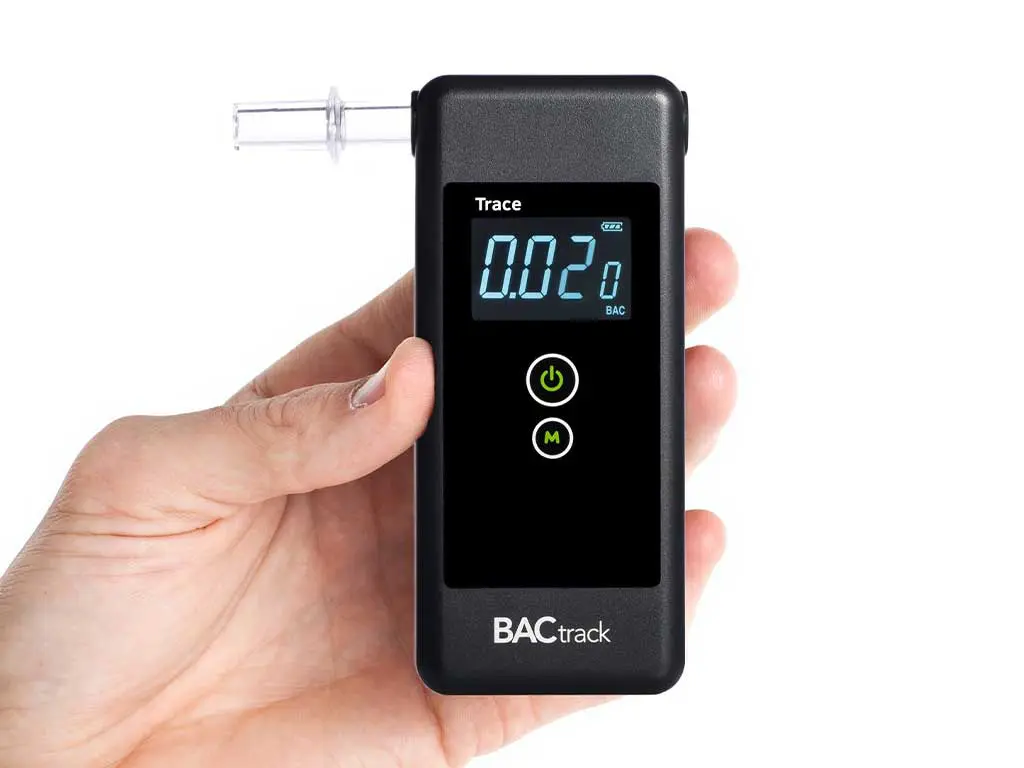
0.26 Breathalyzer Test Result: What Does it Mean?

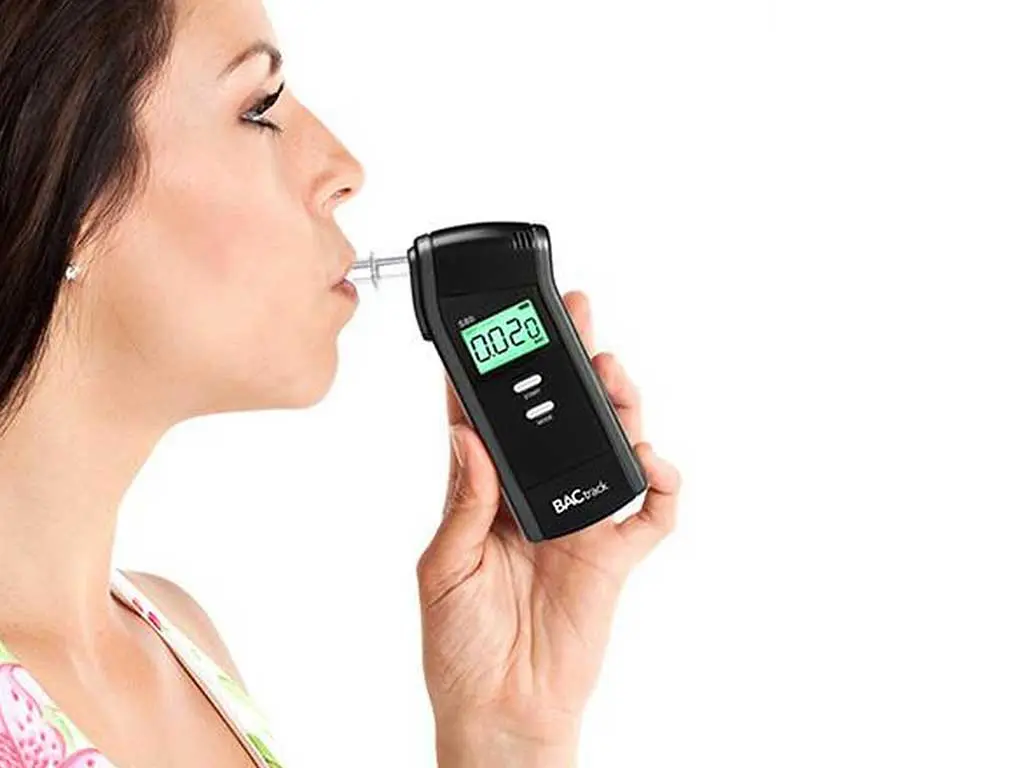
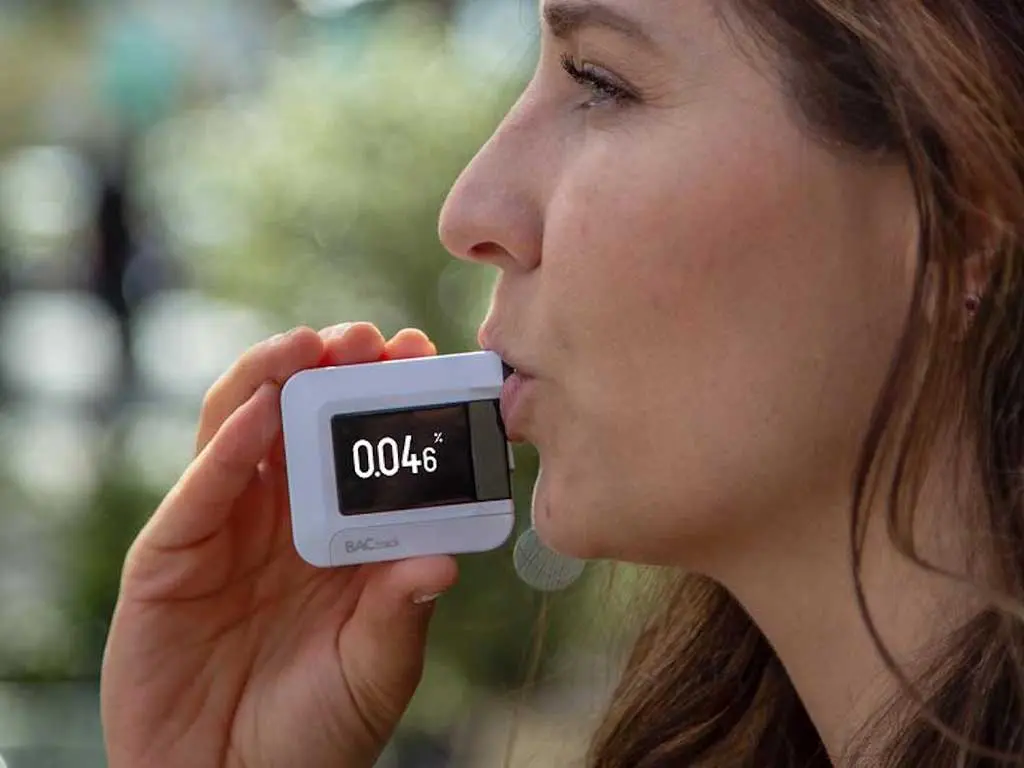
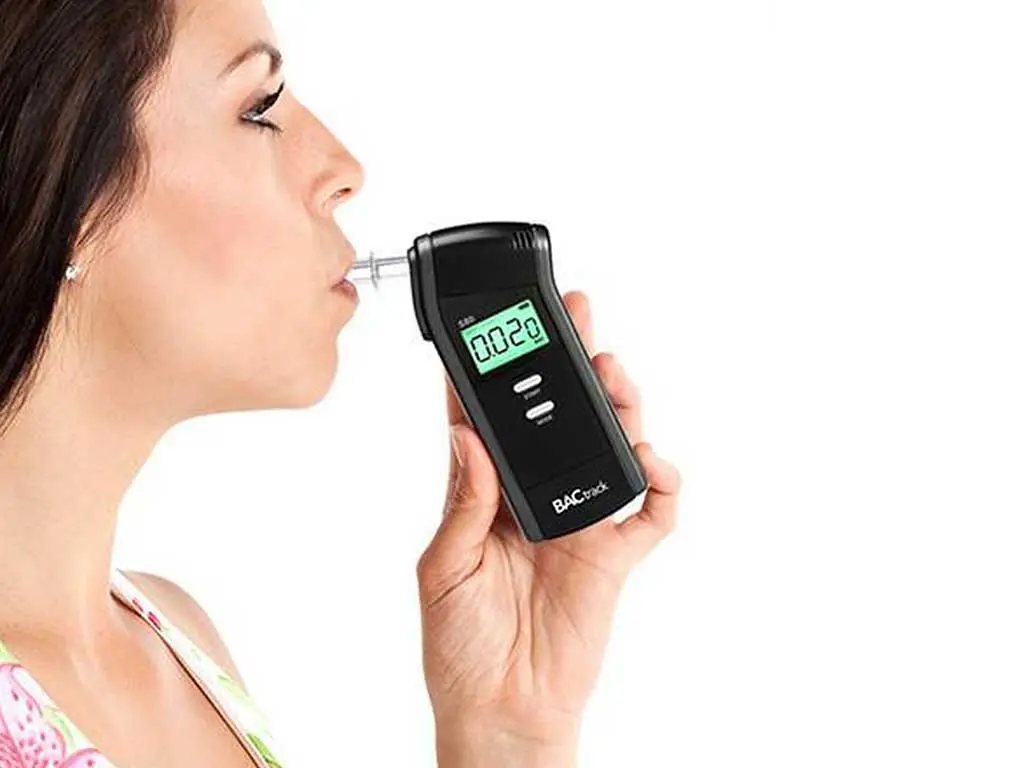
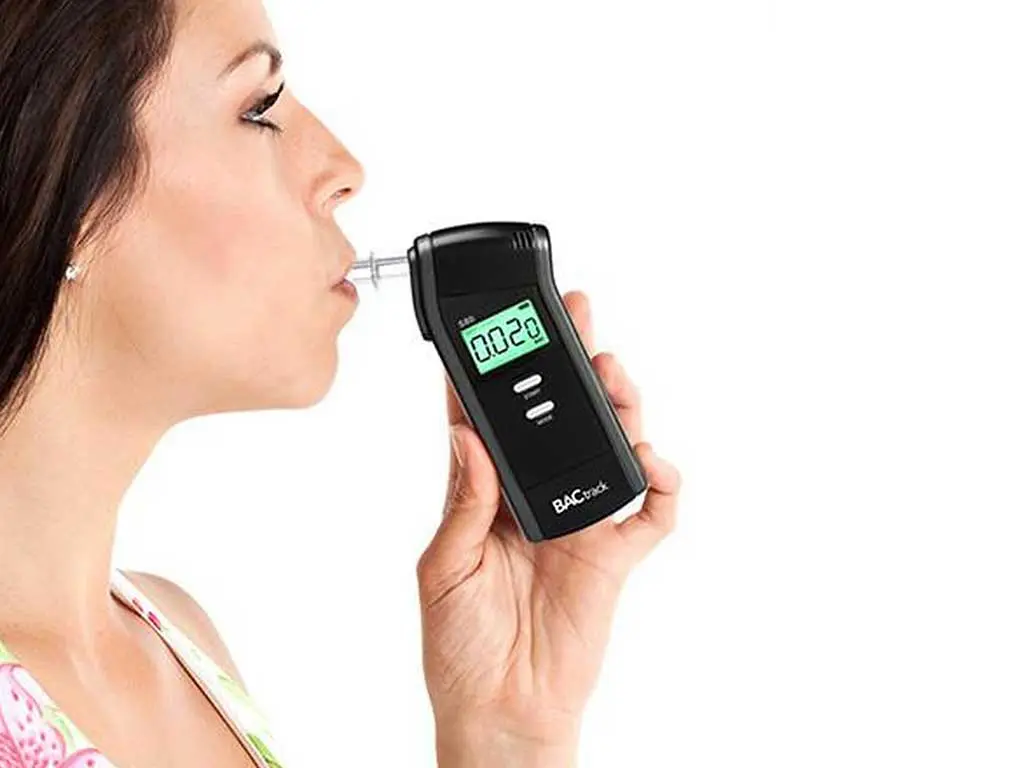
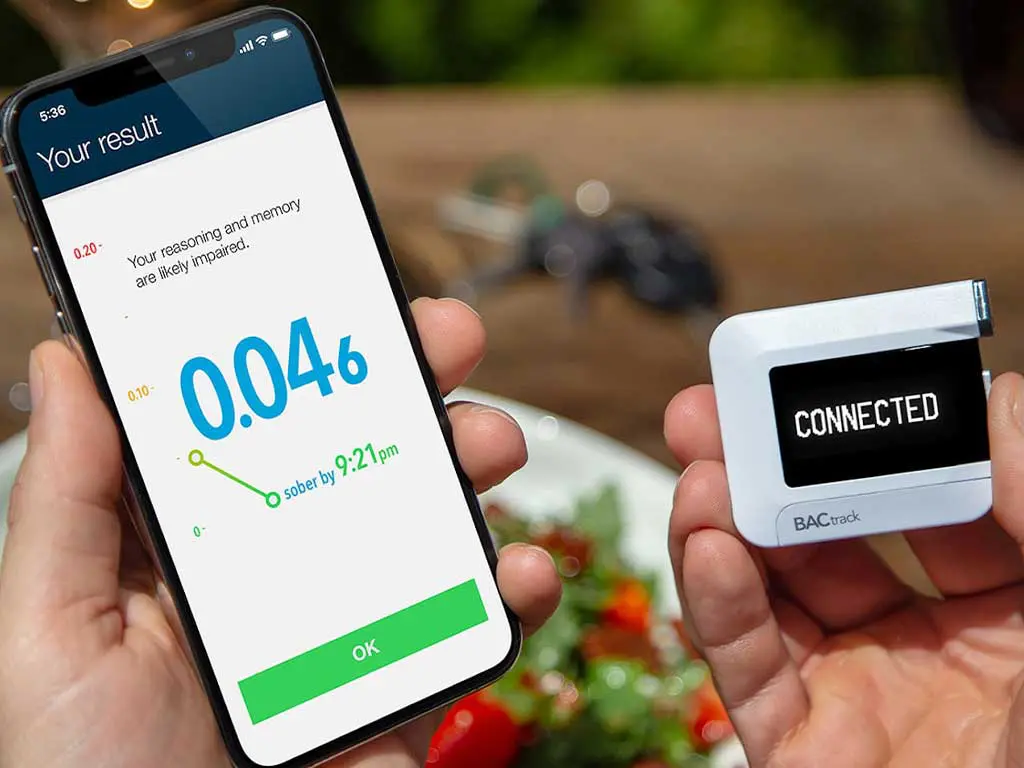
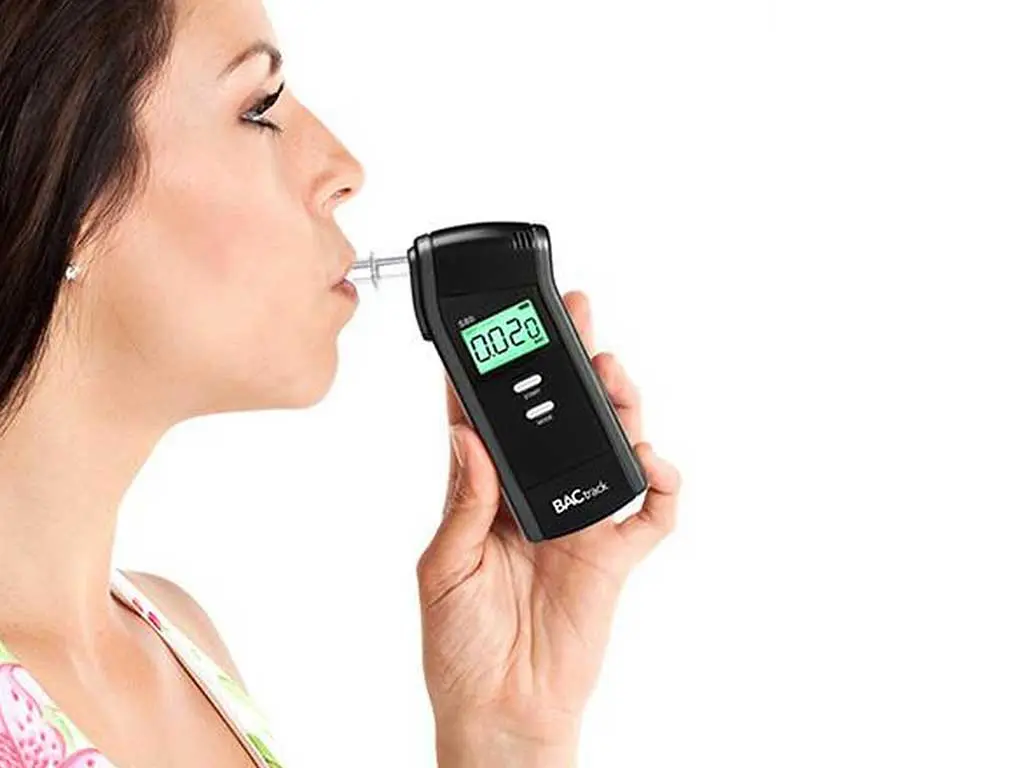
A breathalyzer displaying a positive alcohol test result.

A 0.26 breathalyzer test result can have serious implications. Law enforcement utilises the breathalyzer, a device designed to gauge the Blood Alcohol Concentration (BAC) in an individual’s breath sample. A BAC of 0.26 signifies that the person’s system contains 0.26 grams of alcohol per 100 millilitres of blood. In most countries, this level of intoxication is well beyond the legal limit and can result in severe impairment. These include compromised judgment, coordination, and reaction time.

Drink driving incidents have become a serious concern in recent years. The act of operating a motor vehicle under the influence of alcohol has led to numerous accidents on the roads. These incidents also pose a significant risk to other innocent drivers and pedestrians. The consequences of drink driving can be devastating, resulting in severe injuries, property damage, and loss of lives. This article will provide information on 0.26 BAC, including its effects on the body and legal implications.

Is 0.26 Breathalyzer Test Result High?

A 0.26 breathalyzer test result signals a high level of alcohol in the bloodstream. New Zealand sets its legal limit at 0.05, and this level of alcohol concentration exceeds it. Therefore, a person with a BAC of 0.26 indicates high intoxication and could seriously jeopardise their safety.

In comparison, 0.26 BAC is typically higher than what an average person has after alcohol consumption. The body generally removes alcohol at a rate of about 0.015 grams per deciliter per hour. So, even if someone stops drinking, it takes around 17 hours for their BAC to drop to zero. Keep in mind that the process of alcohol metabolism varies based on factors like weight, gender, and alcohol tolerance.

Furthermore, at 0.26 BAC, a person may display signs of severe intoxication. These include impaired motor skills, slurred speech, blurry vision, and significant coordination problems. They might also struggle with sound judgment and decision-making, raising the risk of road traffic accidents. Therefore, individuals with a BAC of 0.26 or higher must avoid driving or activities demanding alertness and precision.

Legal BAC Limits

  • The legal BAC limit for drivers aged 20 and above is 0.05 grams of alcohol per 100 millilitres of blood.
  • For drivers under 20 years, the BAC limit is zero.
  • Penalties for drivers exceeding the legal BAC limit include fines, alcohol interlock, loss of license, and potential imprisonment.
  • For a first-time offender, the penalty can be a fine of up to $4,500 and a disqualification from operating motor vehicles for at least six months.
  • Repeat offenders can face higher fines, longer disqualifications, and possible imprisonment.
  • Using a breathalyzer, like BACtrack, to measure BAC can help individuals avoid these legal consequences.

A person wearing a mask, drunk, and using a phone.

What Does a 0.26 Breathalyzer Test Result Do to the Body

A 0.26 breathalyzer test result can have severe effects on the body. Firstly, the individual may experience impaired coordination and balance. Simple tasks such as walking or standing can become challenging, increasing the risk of accidents and falls. The person’s ability to react to situations quickly and accurately is also significantly compromised.

Secondly, this level of intoxication can lead to decreased cognitive function. Concentration and memory become impaired, making it difficult to make rational decisions or even comprehend basic information. In addition, judgment is severely impaired, leading to risky behaviours and poor decision-making, including the choice to drive while intoxicated.

Finally, a BAC of 0.26 can have a depressant effect on the central nervous system. This can cause symptoms such as drowsiness, confusion, and slurred speech. In extreme cases, it may also lead to loss of consciousness or even alcohol poisoning, which can be life-threatening. It is crucial to never put oneself or others in danger by driving under the influence of alcohol.

Factors Influencing the BAC Result

Various factors can influence the BAC result obtained from a breath test. One critical factor is how quickly alcohol is consumed, as a faster rate of consumption leads to a higher BAC. Additionally, individuals with greater body weight have a larger alcohol distribution volume, which results in a lower BAC.

Other influencing factors include the alcohol content of the beverages consumed and the duration of drinking. Alcoholic beverages with a higher alcohol content will cause a higher BAC. On the other hand, those with lower alcohol content will have a lesser impact on BAC. Furthermore, a longer duration of drinking can raise the BAC.

Objects including a gavel, sound block, scale, and books.

Legal Implications of a 0.26 Breathalyzer Test Result

As mentioned earlier, in New Zealand, a BAC of 0.26 exceeds the legal limit of 0.05. When law enforcement catches someone with such a high blood alcohol level, they can charge the individual with drink driving. Those found guilty may face significant fines, license suspension, alcohol interlock device installation, and even jail time.

Moreover, a 0.26 breathalyzer test result may prompt authorities to investigate a person’s drinking habits further. Such a high result could suggest ongoing excessive alcohol consumption or alcohol abuse. In such situations, individuals may have to attend alcohol treatment programs or alcohol education courses as part of their legal responsibilities.

Additionally, a BAC of 0.26 might affect a person’s insurance coverage. Insurance companies are likely to increase premiums for individuals with DUI convictions on their records. Some insurers might even choose not to renew policies or cancel them altogether after such an incident. This makes it challenging for the person to find future coverage at an affordable rate.

Standard Drink of Alcohol

A standard drink of alcohol is a unit of measurement used to determine the amount of pure alcohol in a particular alcoholic beverage. Different beverage type has a different number of standard drink. It helps individuals know how much alcohol they are consuming, and it helps authorities make sure people follow alcohol-related laws. Usually, a standard drink has about ten grams of pure alcohol.

This measurement helps people keep track of their drinking and understand the possible risks of different levels of alcohol use. Examples of standard drinks are a 12-ounce beer, a 5-ounce glass of wine, or a 1.5-ounce shot of distilled spirits.

Conclusion

A 0.26 breathalyzer test result indicates a high level of alcohol in the bloodstream, exceeding the legal limit in New Zealand. This level of intoxication can have severe effects on the body, impairing coordination, cognitive function, and judgment. In terms of legal implications, individuals with a BAC of 0.26 may face charges of drink driving. These include fines, license suspension, and even jail time. Furthermore, insurance coverage may be impacted, resulting in higher premiums.

Several factors influence the BAC result in a breath test. The rate of alcohol consumption, body weight, alcohol content of beverages, and duration of drinking all play pivotal roles. Faster consumption and higher alcohol content lead to elevated BAC, while greater body weight can lower it. Additionally, understanding the concept of a standard drink is crucial. A standard drink typically contains ten grams of pure alcohol. This helps individuals gauge their alcohol consumption effectively.

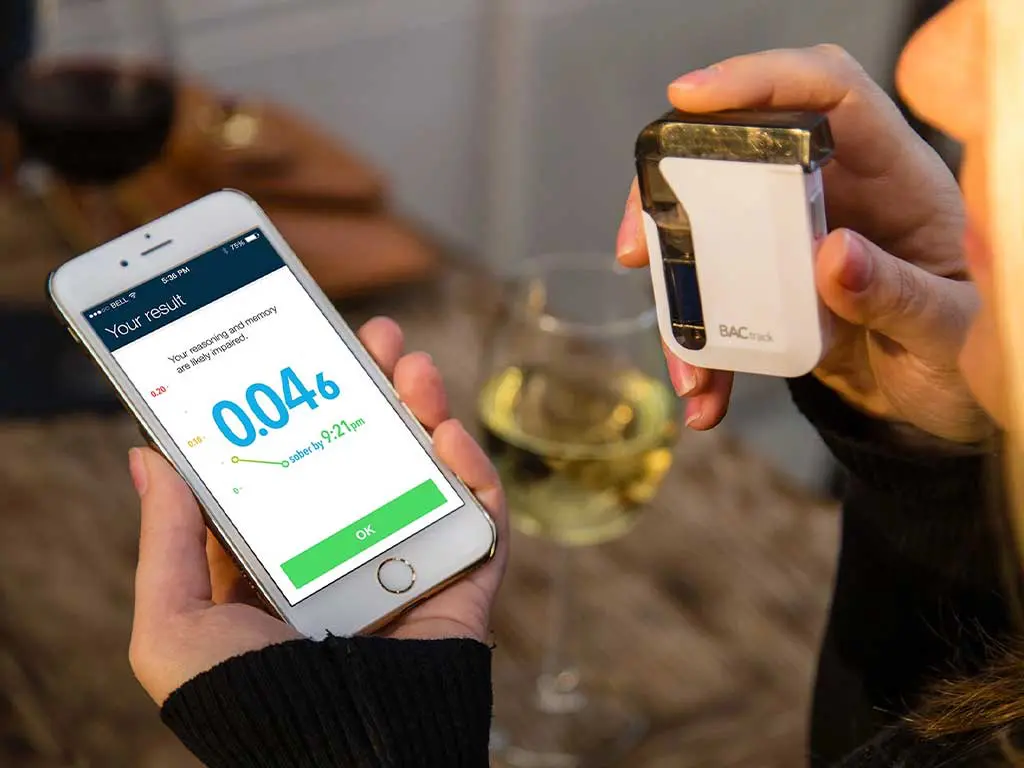
Bartender Breath Tester vs BACtrack Breathalysers – A Comparison Guide

A breathalyser and a glass of beer on the table.

There are different factors to consider when comparing the Bartender breath tester and BACtrack breathalysers. The Bartender offers three levels of BAC measurement. The BACtrack has features such as a Flow Error Indicator and Auto Power Off. Additionally, the Bartender uses LED lights to indicate BAC levels, while the BACtrack has a timer and LCD screen. Both devices use a fuel cell sensor. However, BACtrack offers Xtend Fuel Cell Sensor Technology to lengthen sensor longevity and improve reliability.

Breathalysers offer numerous advantages for both personal and professional use. In personal settings, breathalysers enable individuals to make informed decisions about their ability to drive or operate machinery. In professional settings, breathalysers help employers maintain a safe work environment by identifying alcohol-impaired employees. People may consider the Bartender or BACtrack when looking for a breathalyser that meets their needs. This article will present a comparison between the Bartender and BACtrack breathalysers, including their accuracy, operation, convenience, and battery life.

Bartender Breath Tester vs BACtrack Breathalyser – Accuracy Of Sensors

The Bartender breath tester is a portable and reliable device designed to help individuals monitor their Blood Alcohol Content (BAC) level. This breathalyser utilises a highly accurate sensor type known as a fuel cell sensor. This sensor type offers precise and reliable readings by detecting the presence of alcohol molecules in one’s breath.

The BACtrack breathalyser also utilises a fuel cell sensor for precise BAC level measurement. Certain models have Xtend Fuel Cell Sensor Technology. This technology employs a linear response to gauge BAC across the full alcohol concentration range, from 0.000-0.400% BAC. Additionally, it ensures prolonged sensor longevity, ensuring long-term reliability. Moreover, this sensor is least likely to produce a false positive for individuals who are diabetic or on a low-calorie diet.

Fuel cell breathalysers work by oxidising alcohol in a breath sample through an electrochemical process. They comprise two platinum electrodes separated by a porous acid-electrolyte material. When exhaled air enters the fuel cell, alcohol oxidation occurs, generating acetic acid, protons, and electrons. These electrons flow through a wire, indicating the BAC level, with current strength corresponding to alcohol volume.

Types of Sensor Technology Used

  • Fuel cell sensor: this advanced sensor technology produces electrical currents when alcohol molecules interact with its platinum electrodes. It provides precise and reliable measurements, making it ideal for professional use.
  • Semiconductor sensor: this sensor uses a small metal oxide film that reacts to the presence of alcohol. It measures the changes in electrical resistance caused by alcohol molecules to estimate the BAC levels.
  • Infrared sensor: this sensor emits infrared light into the breath sample and analyses the light that is absorbed by alcohol molecules. By measuring the absorption of light, it calculates the alcohol concentration.

A person using the breathalyser app to see the result.

Bartender Breath Tester vs BACtrack Breathalyser – Device Operation

The Bartender breath tester and the BACtrack breathalyser work using similar principles. However, there are a few key differences in their operation. For the Bartender breathalyser, the person holds the power button until the LED turns green and then blows across the grill.

A green LED indicates a BAC under 0.05%. If it turns yellow, the user is nearing the legal limit and should consider an alternative to driving. A red LED suggests a high BAC, prompting the user to seek alternate transportation or a sober friend’s assistance.

To operate the BACtrack breathalyser, the user turns on the device and waits for the sensors to warm up. A timer guides them to provide a breath sample. Upon reaching zero, the user takes a deep breath and exhales steadily for a few seconds. The device then analyses the sample and displays the BAC on the LCD screen within 10 to 15 seconds. Furthermore, the person should blow properly to avoid a notification error.

Preparations Before Testing

Before using a portable breath alcohol tester, users should make necessary preparations to ensure accurate results. It is essential to wait at least 20 minutes after consuming any food or drink before testing. This allows the body enough time to absorb and eliminate any alcohol present in the mouth. Additionally, people should avoid smoking or using mouthwash before the test.

Furthermore, people should ensure that the breathalyser is fully charged or has fresh batteries to guarantee optimal performance. These preparations help to minimise the risk of false readings and provide a reliable indication of the individual’s BAC content.

Woman blowing to the breathalyser

Bartender Breath Tester vs BACtrack Breathalyser – Convenience and Battery Life

The Bartender breath tester offers three BAC measurement levels, enhancing user convenience. These levels include Safety (BAC under 0.02%), Caution (BAC between 0.02% and 0.05%), and Danger (BAC over 0.05%). Its compact size allows it to fit on a keyring. Additionally, it features an LED torch function and operates on 2 x AAA batteries.

On the other hand, the BACtrack Breathalyser ensures convenience with multiple features. Most of their devices include a Flow Error Indicator to ensure consistent blowing for accurate readings. Additionally, some models have Auto Power Off, which automatically shuts down the unit after 10 seconds to conserve battery life.

Additionally, BACtrack breathalysers like Mobile Pro Gen2 offer Bluetooth connectivity, allowing wireless connections to iPhone or Android devices. With one-touch operation, BACtrack is easy to use. Moreover, the BACtrack power source varies on devices, using 2 x AA or AAA batteries. Furthermore, BACtrack can run 75 to 3000 tests depending on the model. Overall, The Bartender and the BACtrack breathalyser have their own advantages when it comes to convenience.

Calibration Information

Calibration is a crucial process to maintain the accuracy and reliability of any device that measures alcohol content. It involves verifying and adjusting the readings of the breath tester to match the established standard. Through calibration, any discrepancies or deviations in the device’s performance can be identified and corrected. However, certain low-priced devices may not be eligible for calibration.

The frequency for calibration may vary from one manufacturer to another. Some manufacturers suggest every six months, while others may recommend annually. Following the guidelines provided by the manufacturer will help ensure that the breathalyser continues to provide accurate and reliable readings.

Conclusion

The Bartender breath tester and the BACtrack breathalyser both utilise fuel cell sensors for accurate BAC level measurement. The Bartender offers a portable and compact design, with three BAC measurement levels and an LED torch function. It operates on 2 x AAA batteries. On the other hand, the BACtrack breathalyser offers features like a Flow Error Indicator, Auto Power Off, and Bluetooth Connectivity. It has one-touch operation and runs on either 2 x AA or AAA batteries.

Preparations are essential before using a breathalyser to guarantee precise results. It is crucial for individuals to wait at least 20 minutes after eating or drinking before conducting the test. They should also refrain from smoking or using mouthwash beforehand. Moreover, users must ensure that the device is fully charged or equipped with fresh batteries for optimal performance. Additionally, calibration plays a vital role in maintaining accuracy and reliability. The recommended frequency for calibration varies based on the manufacturer’s guidelines.

Disposable Breathalyser: Definition, How it Works, and How to Use

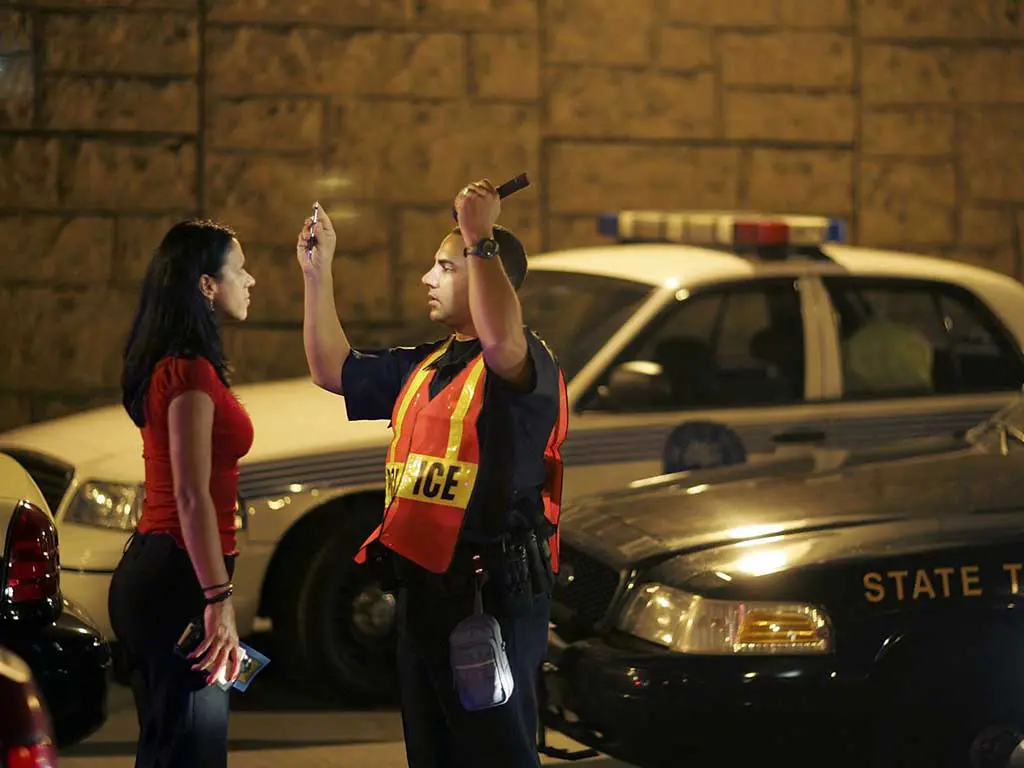
A police officer inspecting a male individual.

A disposable breathalyser is a portable device that detects Blood Alcohol Content (BAC) in a person’s breath. It works through a chemical reaction that measures the presence and quantity of alcohol. To use it, one should wait 20 minutes after consuming alcohol, blow into the device’s mouthpiece, and check the result. However, it is important to note that these breathalysers may not be admissible as legal evidence in some jurisdictions.

Law enforcement authorities impose severe penalties on individuals who engage in drink driving. These include fines, license suspension, alcohol interlock installation, and even imprisonment. These penalties serve as a deterrent to discourage people from participating in this dangerous activity. To address this problem, single-use breathalysers have gained popularity as they enable individuals to assess their BAC before operating a vehicle. This article will provide information about single-use breathalysers, including their operation and usage.

What is a Disposable Breathalyser

A disposable breathalyser is a portable device designed to detect and measure the alcohol content in a person’s breath. Unlike reusable breathalysers that require recalibration, disposable breath testers are exclusively intended for single-use purposes. These compact and inexpensive devices are commonly utilised by both individuals and organisations for personal or educational objectives.

The primary purpose of single-use breathalysers is to estimate an individual’s BAC quickly and conveniently. This is especially important before engaging in activities like driving or operating machinery. When the user exhales into the breathalyser’s mouthpiece, the device gauges the alcohol content in the breath. This data empowers individuals to make informed decisions regarding alcohol consumption, thereby promoting responsible drinking practices.

However, individuals should recognise that single-use breathalysers may not be admissible as legal evidence, depending on the jurisdiction. These devices are primarily designed for personal use and do not conform to the rigorous standards mandated for evidentiary purposes. Consequently, in cases involving legal ramifications, people should utilise a certified evidentiary device that satisfies the specific requirements dictated by the jurisdiction.

Advantages of Using the Device

  • Convenient: single-use breathalysers provide portability and enable individuals to easily carry them around, allowing for on-the-spot testing anytime, anywhere.
  • Affordable: these devices offer cost-effective alternatives compared to traditional breathalysers, making them accessible to a wider range of individuals and organisations.
  • Easy to use: single-use breathalysers require no calibration or complex setup. Users can simply follow the pack insert to perform a breath test.
  • Educational: they serve as a supportive tool to educate individuals about the risks of excessive alcohol consumption and the importance of adhering to legal limits.
  • Hygienic: they eliminate the need for cleaning or maintenance, ensuring hygienic and germ-free testing.


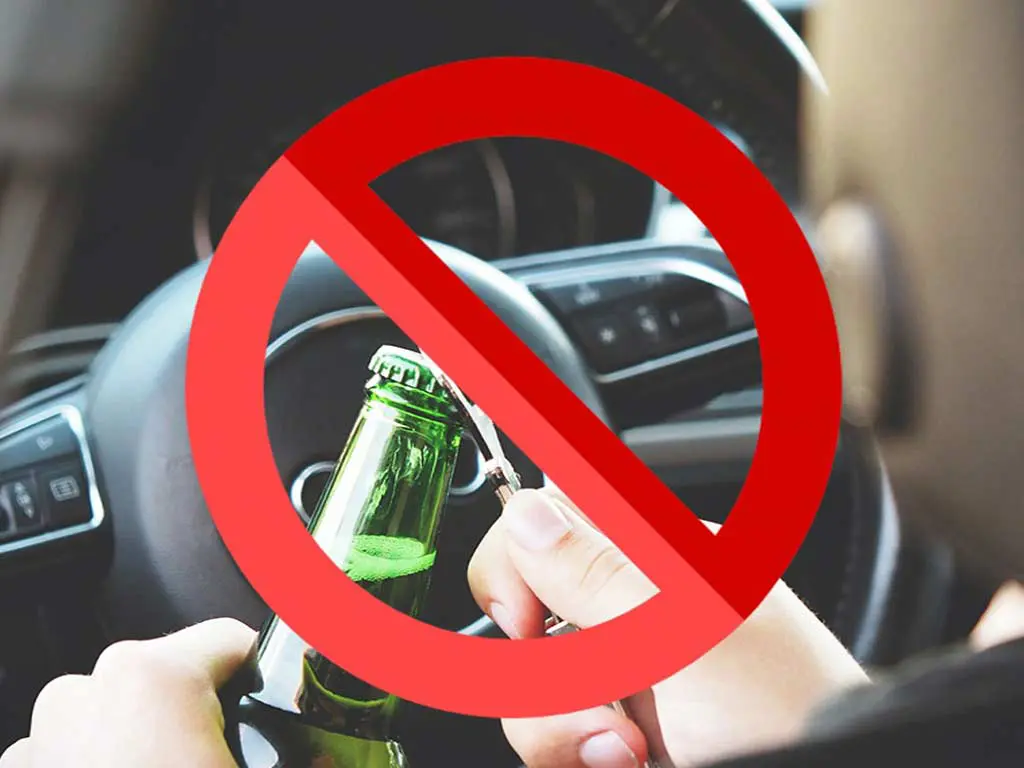
A person attempting to open a bottle inside a car marked with a prohibition sign.

How a Disposable Breathalyser Works

A disposable breathalyser operates by employing a chemical reaction. This reaction assesses the presence of alcohol in a person’s breath and determines its quantity. Single-use breathalysers typically comprise a small plastic tube or pouch containing a specialised chemical compound and a colour-changing indicator. The chemical compound interacts with any alcohol in the breath.

Moreover, when a person breathes into the breathalyser, their exhaled breath, which may contain alcohol vapours, encounters the chemical compound inside. Designers specifically engineered this compound to react with the alcohol in the breath. This interaction results in a noticeable chemical transformation, often manifesting as a shift in colour on the indicator within the device.

Furthermore, the underlying process of this chemical reaction operates based on the principle of oxidation. In this context, the chemical compound facilitates the combination of alcohol molecules in the breath with oxygen. The degree of alteration in the colour directly correlates with the quantity of alcohol present in the breath. This feature enables users to determine whether their breath contains an amount of alcohol that exceeds legal limits.

Accuracy and Reliability

The quality of breathalysers can influence their accuracy. Some disposable models, lacking rigorous testing and quality control, produce less dependable readings. Users should choose breathalysers from reputable manufacturers known for creating reliable products. These manufacturers prioritise quality assurance to guarantee accurate and dependable results from their disposable models

Furthermore, the reliability of these devices depends on users following proper usage and adhering to manufacturer instructions. Factors like recent alcohol consumption, the time between drinking and testing, and user technique can influence results. Therefore, individuals must follow guidelines. They should avoid eating, drinking, or smoking before using single-use breathalysers, as these actions can impact accuracy.


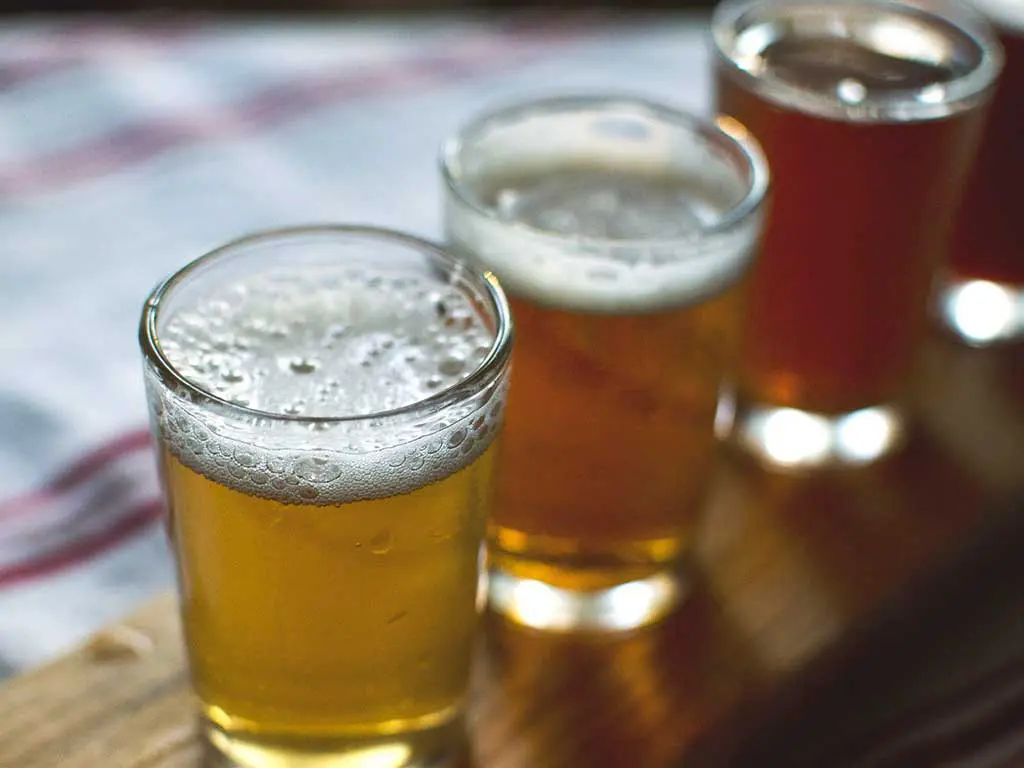
Three glasses of beer.

How to Use a Disposable Breathalyser

To use a disposable breathalyser, the user should begin by thoroughly reading the pack insert to understand the instructions. Before conducting the test, it is advisable to wait for at least 20 minutes after consuming any alcohol. Then, the person should remove the cap from the breath testing device and blow directly into the mouthpiece.

Upon blowing into the breathalyser, the device will display the user’s alcohol level. The result is typically indicated by either a colour change or a numerical reading. The user should compare the obtained BAC level with the legal drink-drive limit in their jurisdiction for an accurate interpretation. The device provides excellent guidance for personal use, but it may not be as accurate as evidentiary devices.

After completing the test, proper disposal of the breathalyser is crucial. Users should refer to the packaging or instructions for guidance on the recommended disposal method. Some breathalysers may require specific procedures due to their technical credentials. Following the proper disposal guidelines ensures responsible discarding of the device without harming the environment.

Factors that may Affect the Result

Several factors can influence a breathalyser test’s outcome, impacting its accuracy and potentially causing false readings. Firstly, a person’s alcohol consumption plays a significant role. The more alcohol they consume, the higher their BAC becomes.

Secondly, external factors like certain substances or chemicals in the mouth can also affect breathalyser results. For example, if a person has recently used mouthwash or breath fresheners containing alcohol, it can produce a false positive result. Other factors include the individual’s metabolism, body weight, and overall health. Overall, these factors should be considered when interpreting the result of a breathalyser test.

Conclusion

A disposable breathalyser serves as a portable and cost-effective tool to quickly estimate an individual’s BAC for personal use. These devices operate on the principle of a chemical reaction that detects and measures alcohol in a person’s breath. While they are valuable for personal use, people should be aware that they may not be admissible as legal evidence. Proper usage and responsible disposal are essential aspects of using single-use breathalysers to ensure their effectiveness and minimise environmental impact.

Using single-use breathalysers requires considering accuracy and reliability as vital factors. These devices may not be as precise as reusable ones, so selecting a trustworthy manufacturer renowned for dependable products is crucial. Moreover, several factors can affect the outcome of the test. Recent alcohol consumption, the elapsed time since drinking, and the user’s technique can all have an impact. Additionally, external factors, such as substances in the mouth, may influence the test’s accuracy.

Single Use Breathalyzer – Is It Accurate?

Law enforcement officer inspecting a female individual.

A single-use breathalyzer, designed for quick and convenient alcohol level assessment, offers a rough estimate of Blood Alcohol Content (BAC). This device, free from maintenance hassles, allows users to assess their sobriety rapidly. While these breathalyzers serve well for personal use, their accuracy varies due to several factors. These include brand, manufacturing quality, and expiration date. In situations with legal or safety implications, experts recommend relying on professionally maintained breathalyzer devices for precise results.

Drink driving refers to the act of operating a motor vehicle while under the influence of alcohol. This dangerous and illegal behaviour poses significant risks to both the driver and others on the road. Alcohol impairs judgment, slows reaction times, and reduces coordination. One way to minimise the incidence of drink driving is through the use of disposable breathalyzers. This article will provide information on the accuracy, operation, and usage of a disposable breathalyzer.

Accuracy and Reliability of a Single Use Breathalyzer

A single-use breathalyzer can provide a rough estimate of BAC. These devices quickly and conveniently gauge whether an individual has consumed alcohol and whether they are within legal limits for driving. However, they are generally less accurate and reliable than traditional breathalyzers used by law enforcement or those employed in clinical settings.

The key advantage of disposable breath testing devices lies in their simplicity and lack of maintenance requirements. Users simply exhale into the device, and it provides a BAC reading without any need for calibration or maintenance. However, it is important to note that the accuracy of these devices can vary depending on factors. These include the brand, manufacturing quality, and expiration date. While they can estimate BAC, they may not match the precision of law enforcement’s professional breathalyzers.

In critical situations with legal or safety implications, experts recommend using advanced and regularly checked breathalyzer devices. However, for everyday use, individuals can find disposable alcohol breath testers handy for quickly checking their alcohol levels. More importantly, users should follow instructions carefully, knowing these devices have limits in providing precise alcohol measurements.

Legal BAC Limit

  • The legal BAC limit in New Zealand is 0.05% for drivers aged 20 years and above.
  • If a person is found driving with a BAC of 0.05% or above, they can be prosecuted for drink driving.
  • Penalties for exceeding the legal BAC limit can include fines, license disqualification, alcohol interlock, and even imprisonment.
  • First-time offenders who exceed the limit may face fines up to $4,500, license disqualification, and imprisonment for up to three months.
  • Repeat offenders may face fines up to $6,000, license disqualification, and imprisonment for up to two years.
  • Disposable breathalyzers can be an effective tool in determining one’s BAC.


Two men in a car

How a Single Use Breathalyzer Works

A single-use breathalyzer works by utilising alcohol vapour detection and a chemical reaction to provide blood alcohol level measurements. Firstly, alcohol vapour detection takes place when the user blows into the disposable breathalyzer. The device contains crystals or compounds that are sensitive to alcohol molecules in the person’s breath. This detects the alcohol vapour and triggers the chemical reaction process.

Secondly, the chemical reaction occurs within the breathalyzer. The device contains a chemical mixture that reacts with the alcohol molecules present in the breath. This reaction causes a colour change, usually indicated by shades of pink, within the disposable breathalyzer.

Lastly, the user interprets the results based on the colour change observed. If alcohol is not present, the colour will not change. The breathalyzer often includes a viewing window where the user can compare the colour of the reaction to a reference scale. This scale indicates the level of alcohol content in the breath. It helps the user determine whether they are within the legal driving limit or not.

Benefits of Using the Device

Using a disposable breathalyzer offers several key benefits. It empowers individuals to assess their alcohol levels before engaging in activities, ensuring safety and preventing drink driving accidents. Additionally, it is user-friendly, requires no technical expertise, and includes clear, straightforward instructions.

Moreover, it proves versatile and suits various settings, such as corporate events, promotional gatherings, and family get-togethers. Its compact size enhances portability, letting users carry it wherever they go. Furthermore, this breathalyzer often arrives in discreet packaging with a private results viewing window. Overall, it is an accessible and affordable tool for estimating BAC levels.


Three glasses of beer.

Usage Guidelines of a Single Use Breathalyzer

A single-use breathalyzer serves as a convenient tool for gauging alcohol levels in a person’s breath. To maintain the reliability and accuracy of results, people should adhere to the recommended usage guidelines. It is worth emphasising that these breathalyzers are for personal use only and not a substitute for professional testing. While they do provide an indication of alcohol presence in the breath, users have to seek guidance from legal or medical authorities for a more precise measurement.

Additionally, individuals should carefully read the pack insert that comes with the breathalyzer. This insert contains essential instructions on correctly using the device. These include when to initiate the breath test, the waiting duration for results, and how to interpret those results. Compliance with these guidelines is vital in ensuring precise readings and reducing user errors.

Lastly, users must employ the disposable breathalyzer within the specified timeframe as indicated on the packaging. This becomes especially crucial as the device possesses a limited shelf life, and its accuracy may diminish after the expiration date. By adhering to these usage guidelines, individuals can effectively employ disposable breathalyzers to assess their alcohol levels.

Factors that may Influence the Results

The results of a disposable breathalyzer can be influenced by various factors. Different types of alcohol, such as beer, wine, or spirits, have varying alcohol concentrations. Additionally, if a person consumes alcohol rapidly, the breathalyzer may register a higher alcohol level. Similarly, some people metabolise alcohol faster than others, leading to faster elimination of alcohol from their breath.

Furthermore, external factors, such as environmental conditions, can affect the results of a disposable breathalyzer. For instance, extreme temperatures, high humidity, or the presence of certain substances in the surrounding environment may interfere with the readings. It is recommended to use the breathalyzer in a controlled environment.

Conclusion

Single-use breathalyzers offer a convenient way for individuals to estimate their BAC. However, their accuracy and reliability can vary based on factors like brand and expiration date. While they are suitable for personal use, they may not match the precision of traditional breathalyzers. Additionally, These devices operate by detecting alcohol vapours and triggering a chemical reaction that changes colour. To ensure accurate results, users should strictly follow the provided usage guidelines and consider seeking professional testing for critical situations.

The BAC limit in New Zealand is set at 0.05%. Exceeding this limit can result in penalties. Using a disposable breathalyzer offers numerous benefits, such as allowing individuals to assess their alcohol levels before driving. This user-friendly device comes with clear instructions and can be used in various settings. However, users should consider factors that may influence the results. These include the type of alcohol consumed, the rate of consumption, individual metabolism, and external environmental conditions.

False Positive Alcohol Breath Test: Factors, Prevention, and Procedures

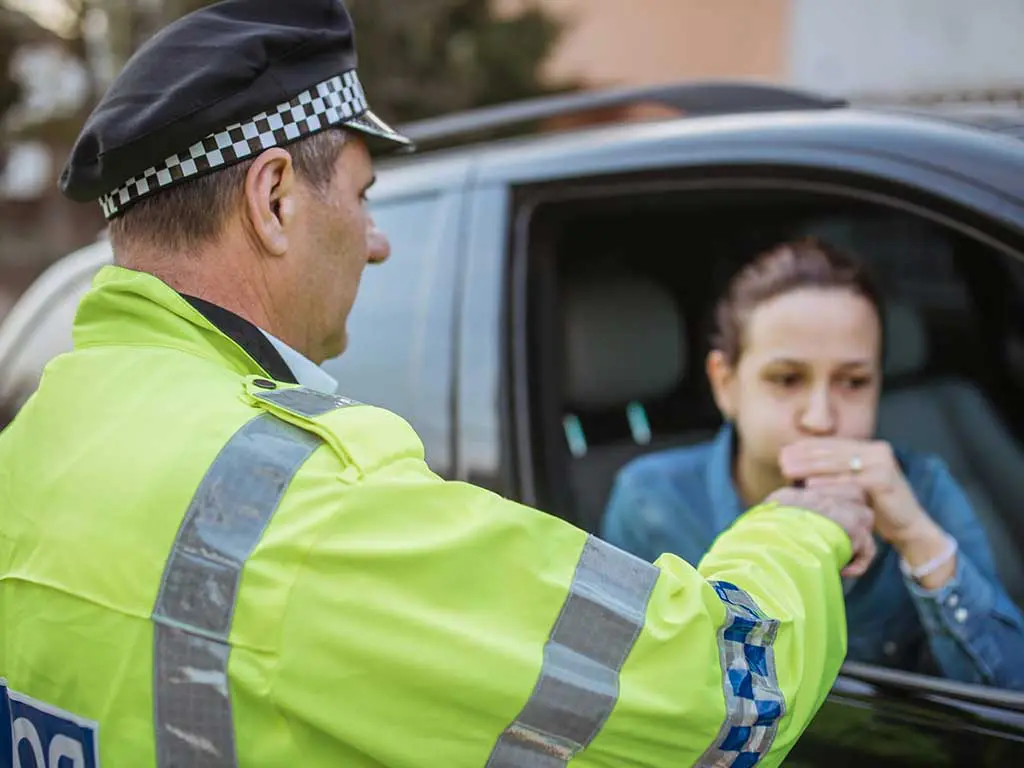
A police officer conducting a breath test on a female driver.

False positive alcohol breath test results can lead to serious legal consequences for individuals. Several factors contribute to these inaccuracies. These include residual mouth alcohol, alcohol-containing medications or substances, environmental conditions, and device margin of error. To prevent false positives, individuals should avoid such products, be aware of relevant medical conditions, and understand residual mouth alcohol. In the event of a false positive, conducting additional test procedures like blood or urine tests is crucial to confirm accuracy.

A false positive breath test happens when a breathalyser wrongly indicates that a person has consumed alcohol. This can lead to serious consequences, such as accusations of drink driving or legal issues. It is important for individuals to be aware of the possibility of false positives. This article will present false positive breath tests, including the factors that cause them. It will also offer guidance on prevention and outline what to expect if they occur.

Factors that Can Cause False Positive Alcohol Breath Test

Several factors can lead to false positive alcohol breath test results. These can potentially create legal problems for individuals who have not actually consumed alcohol. Firstly, the retention of residual mouth alcohol. It can happen when a person consumes alcoholic drinks, breath sprays, or cough syrup shortly before taking the test. These substances can linger in the mouth, yielding a positive reading on a breathalyser.

Secondly, the usage of certain medications or substances containing alcohol. Many non-prescription medications, like cold remedies or sleep aids, contain small alcohol quantities. Similarly, some asthma medications or cough syrups may also have alcohol content. These substances can enter the bloodstream and trigger a positive breathalyser result, even if no alcoholic beverages are consumed.

Thirdly, environmental conditions also lead to inaccurate results. Breathalyser tests are sensitive to temperature and humidity levels. Extreme temperatures or high humidity can influence test accuracy, causing incorrect readings. Lastly, breathalyser devices have an inherent margin of error. The presence of strong odours, such as those from hot sauces or sugar-free gums, can influence the results.

Other Factors that may Influence the BAC Level

  • Age: the metabolism of alcohol gets slower as people age, which means the Blood Alcohol Content (BAC) of older people is higher.
  • Weight: a lower body weight is likely to reach a higher BAC level than someone with a higher body weight.
  • Gender: women typically have a higher BAC for the same amount of alcohol consumed due to differences in body composition and metabolism.
  • Metabolic rate: individuals with a faster metabolic rate break down alcohol more quickly, resulting in a lower BAC level.
  • Hydration level: higher levels of hydration can dilute the alcohol in the body, leading to a lower BAC reading.


A woman using a breathalyser

How to Prevent False Positive Alcohol Breath Test Results

To avoid false positive alcohol breath test results, individuals can take several steps. Firstly, people should consider environmental factors that may affect the test. Substances like mouthwashes, breath sprays, cough syrups, and even alcoholic hot sauces can impact breathalyser results. Therefore, individuals must refrain from using these products right before a breath test to ensure an accurate reading.

Secondly, people with medical conditions like acid reflux or asthma should be aware that these conditions might cause false-positive results. Acid reflux can release stomach acids into the mouth, which breathalyser devices may misread as alcohol. Those with such conditions must consult their doctor or inform law enforcement about their condition before undergoing a breath test.

Lastly, it is vital to understand the concept of residual mouth alcohol. Drinking alcoholic beverages shortly before or during a breath test can leave trace amounts of alcohol in the mouth. This can lead to a positive reading. To prevent this, individuals should wait at least 15 minutes after consuming any alcoholic beverages before taking a breathalyser test.

Guidelines for Testing

To ensure accurate alcohol breathalyser tests, individuals should adhere to some important guidelines. For instance, proper breathing technique is essential during the test. It involves taking a deep breath and blowing steadily into the breathalyser for a specified duration. Quick, shallow breaths or forceful blowing can affect the accuracy of the reading.

Additionally, regular device calibration is essential for accurate results. Breathalyser devices should be regularly calibrated according to manufacturer guidelines. Calibration ensures that the device is functioning correctly and providing accurate readings. Failure to calibrate the device regularly can lead to incorrect readings, potentially causing false positive results and complicating legal matters.


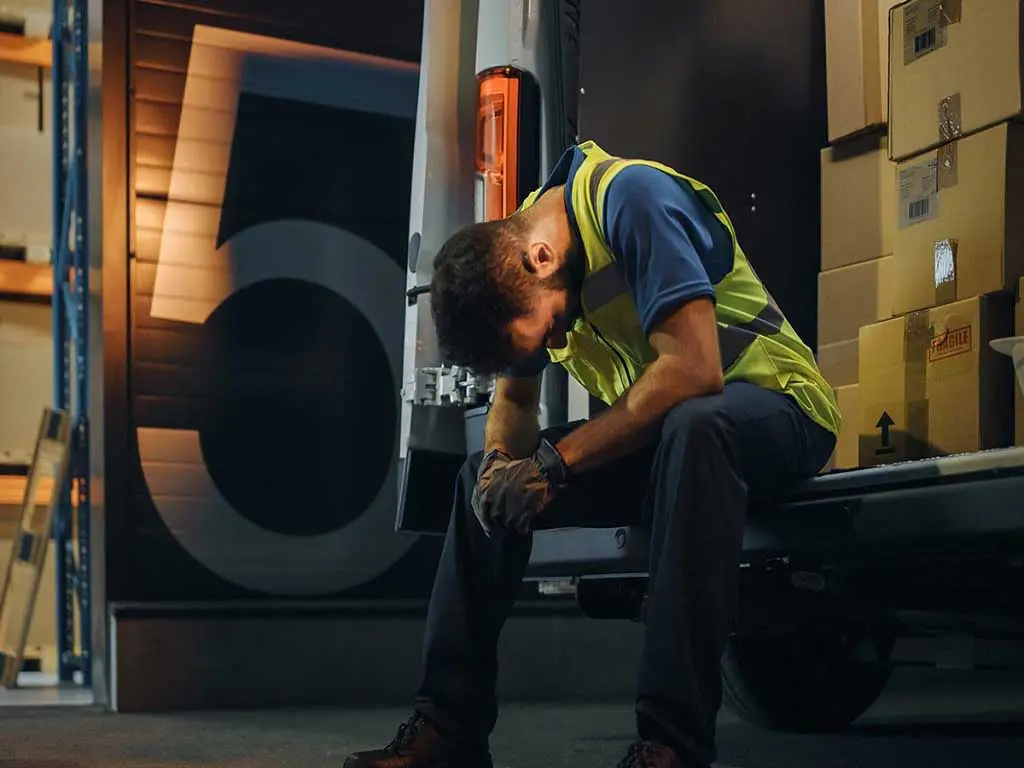
A man sitting with his head down.

What Happens After a False Positive Alcohol Breath Test

When a false positive alcohol breath test occurs, the consequences can be serious and far-reaching. In many cases, it may result in an arrest, causing the person to be faced with severe penalties. These include jail time, fines, alcohol interlock, or license suspension. This can be a frightening and humiliating experience, especially if the person knows they are innocent or have consumed very little alcohol.

Additionally, a false positive breath test can have long-term implications for the individual’s criminal record and personal life. It can impact employment opportunities, insurance rates, and personal relationships. Therefore, it is crucial for individuals to mount a strong defence against a false positive breathalyser result.

Fortunately, a false positive test can be challenged and disproven with the help of a skilled criminal defence attorney. They can examine the specific circumstances surrounding the test. These include the presence of environmental factors or the use of substances that might lead to false readings. Moreover, the attorney can question the accuracy of the breath test device used or challenge the interpretation of the results.

Other Test Procedures for Confirmation

It becomes crucial to conduct additional tests for confirmation when dealing with a false positive test. One common approach is to perform a blood test, which involves drawing a blood sample and analysing it for alcohol presence. This method is favoured for its higher accuracy and reliability, as it eliminates the potential for inaccurate readings.

Another frequently employed test for confirmation is the urine test. This procedure involves gathering a urine sample from the individual and checking it for the presence of ethyl alcohol. Although not as precise as a blood test, a urine test can still yield valuable insights into the individual’s alcohol consumption.

Conclusion

Several factors can cause false positive alcohol breath test results. These include residual mouth alcohol, medications with alcohol content, environmental conditions, and the inherent margin of error in breathalyser devices. To prevent false positives, individuals should abstain from specific products, be mindful of their medical conditions, and wait after consuming alcohol. If a false positive occurs, it can lead to legal consequences and long-term repercussions. Skilled criminal defence attorneys can challenge these results by examining circumstances and questioning test accuracy.

To ensure accurate alcohol breathalyser tests, individuals must follow essential guidelines, including proper breathing technique and regular device calibration. Failure to adhere to these guidelines can result in inaccurate readings and legal complications. When faced with a false positive test result, it is crucial to perform additional confirmation tests. These tests, such as blood or urine tests, help ascertain the individual’s true alcohol consumption.

Electronic Breathalyzer – Definition, How it Works, and Accuracy

A glass of liquor, a breathalyser, and carkeys on the table.

An electronic breathalyzer is a perfect tool for measuring alcohol in breath. It finds common use among law enforcement agencies for detecting alcohol-impaired drivers. It operates by analysing an individual’s breath sample and estimating their Blood Alcohol Concentration (BAC) based on breath alcohol content. When used and maintained properly, these devices can deliver accurate results, although accuracy may vary due to factors. These include calibration, sensor types, and potential interference.

Alcohol’s detrimental effects on road and workplace safety make it crucial to address. Drink driving poses a global hazard, leading to accidents and fatalities. In work settings, alcohol use jeopardises productivity, increases errors, and risks accidents. Therefore, employers must implement stringent alcohol policies, educate employees, and offer support for their safety and well-being. This article will present what is an electronic breath alcohol device, including how it works and its accuracy and reliability.

What is an Electronic Breathalyzer?

An electronic breathalyzer is a portable device used to measure the level of alcohol in a person’s system. It works by checking how much alcohol vapour is in the breath. By analysing a breath sample, the breathalyzer test can determine the blood alcohol rate or alcohol breath content of an individual. This provides an indication of the person’s level of alcohol impairment.

In workplace settings, employers use breathalyzers to ensure safety. They may conduct pre-employment, random, reasonable suspicion, or post-accident testing to identify alcohol-impaired individuals. Similarly, law enforcement agencies rely on breathalyzers for road safety. These devices enable police officers to carry out roadside breathalyzer tests to check for alcohol impairment among private or commercial drivers.

Furthermore, individuals also utilise breathalyzers for personal reasons to keep an eye on their own alcohol intake. These devices allow individuals to assess their alcohol consumption before engaging in activities that may be impacted by alcohol. This helps them make smart choices and avoid risky situations. Overall, breathalyzers are convenient tools for reliable testing for alcohol levels in a person’s breath.

Types

Types of breathalyzer include:

  • Personal breathalyzers: many individuals commonly use these devices to assess their fitness for driving by checking their breath alcohol concentration.
  • Smartphone breathalyzers: these innovative gadgets connect to smartphones via Bluetooth, providing quick and convenient blood alcohol level readings.
  • Professional-grade breathalyzers: professionals in fields like healthcare, law enforcement, and transportation depend on these hand-held field testing devices. They offer higher accuracy compared to personal breathalyzers, making them suitable for high-volume testing.
  • Disposable breathalyzers: these single-use devices are often found in bars or restaurants. They offer a rapid but basic estimate of an individual’s breath alcohol content.


A woman using a breathalyser.

How an Electronic Breathalyzer Works

An electronic breathalyzer operates through electrochemical sensor technology. The sensor within the breathalyzer identifies and gauges alcohol presence in the user’s breath sample. It relies on a chemical reaction between the ethyl alcohol in the breath and the sensor. This reaction generates an electric current corresponding to the alcohol level in the breath.

Once the sensor captures the breath sample, the device analyses it to determine the BAC. This analysis hinges on the fact that alcohol is present in the breath. Alcohol presence occurs because the body absorbs it into the bloodstream and then releases it into the lungs. The breathalyzer then assesses the alcohol concentration in the breath and calculates the estimated BAC.

Moreover, the information acquired from the sensor is processed and displayed to the user on a bright backlight screen. The device furnishes precise and dependable breath alcohol data, allowing individuals to evaluate their level of alcohol impairment. This data holds significance for alcohol screening officers, ensuring the safety of both drivers and the public at large.

Device Operation Guidelines

Operating an electronic breath tester is straightforward. Users start by ensuring the device has a full charge because accurate readings rely on sufficient battery life. Then, they power on the device and wait for it to finish its warm-up process. Once the device is ready, they take a breath sample.

When taking a breath sample, individuals must follow the manufacturer’s specific instructions. Generally, users should blow into the device’s mouthpiece for a specified duration, ensuring they capture a sufficient volume of air. The device will then analyse the breath sample and give a result indicating the level of alcohol in the breath.


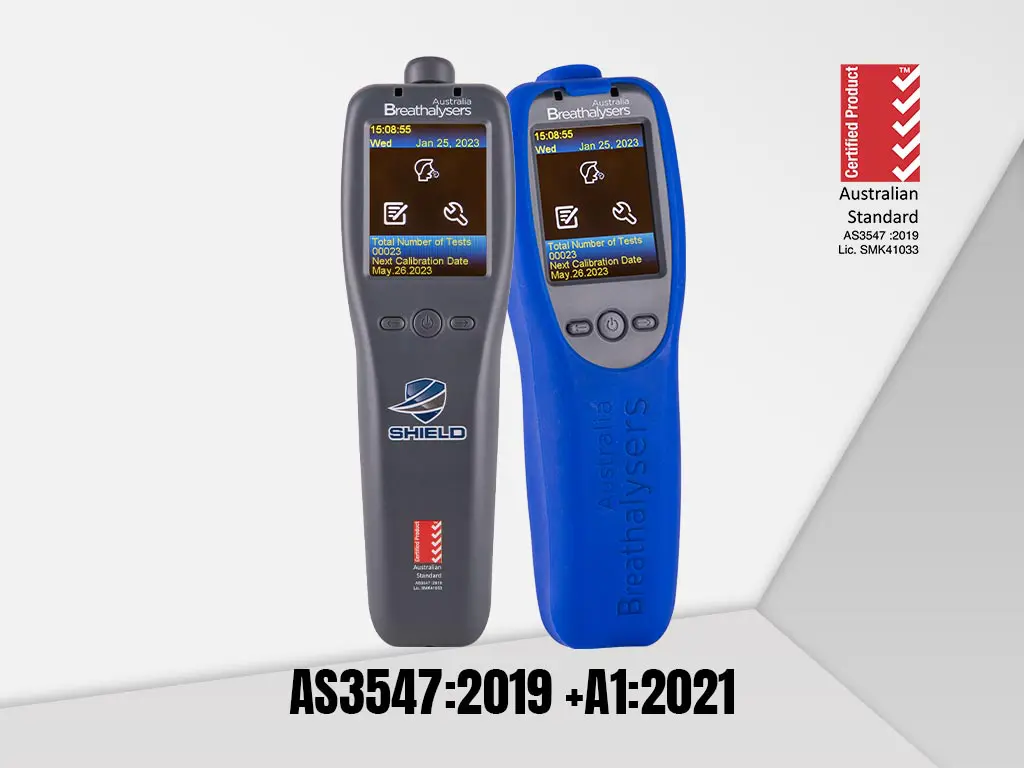
Two workplace breathalysers with Australian standard certification.

Accuracy and Reliability of an Electronic Breathalyzer

The accuracy and reliability of an electronic breathalyzer depend mainly on the type of electrochemical sensor it uses. Two common sensor types are advanced fuel cell technology and semiconductors. Fuel cell sensors excel in accuracy and reliability. They work by converting alcohol in the breath into an electrical current and measuring it to determine the BAC. These sensors specifically detect alcohol, minimising the influence of other substances.

Conversely, semiconductor sensors use tin-oxide to measure BAC. They rely on a heated steel mesh film. When exhaled alcohol contacts this film, it alters resistance, resulting in a shift in output voltage across a resistor. These sensors provide accurate, reliable results for personal and low-volume testing. However, they are less precise than fuel cell sensors.

For maintaining a breathalyzer’s accuracy and reliability, regular calibration and maintenance are crucial. Calibration, performed in the calibration lab by experts, adjusts the breathalyzer to ensure the readings are aligned with established standards. Over time, breathalyzers can deviate from their original calibration settings, leading to inaccuracies. Regular calibration corrects these deviations. Additionally, maintenance includes routine checks and cleaning of the device to ensure proper functioning.

Factors that may Influence the Result

Various factors can influence breathalyzer test results. For instance, alcohol consumption levels in an individual significantly impact accuracy. Higher alcohol levels in the bloodstream lead to higher breathalyzer readings. It is vital to remember that the breathalyzer gauges alcohol in breath, not blood directly. Nonetheless, a connection exists between breath alcohol and blood alcohol concentration.

Additionally, the amount of exhaled air into the breathalyzer can also impact results. Insufficient exhalation can cause inaccuracies. Moreover, substances like mouthwash, adhesives, or lingering mouth alcohol can potentially disrupt the breathalyzer’s precision. Therefore, users should wait 15 minutes after alcohol consumption or using alcohol-containing products before testing.

Conclusion

An electronic breathalyzer, a portable device used to measure breath alcohol content, operates based on electrochemical sensor technology. It detects alcohol in the breath, calculating the individual’s BAC. These devices serve various purposes, from workplace safety testing to personal use and law enforcement. Accuracy and reliability mainly depend on the type of sensor, with fuel cell sensors offering higher precision. Moreover, regular calibration and maintenance are vital for sustaining accuracy.

Operating an electronic breath tester involves straightforward steps. Users must ensure a fully charged battery, power on the device, and wait for it to complete its warm-up process. Following the manufacturer’s specific instructions for taking a breath sample is crucial, typically involving blowing into the mouthpiece adequately. However, users should consider factors that can influence results. These include alcohol consumption levels, breath volume, and the presence of interfering substances. Being mindful of these factors ensures the accuracy of breathalyzer readings.

LCD Display Breath Alcohol Tester: The Need To Know

A woman blowing through a breathalyser that shows the result

There are breathalysers with an LCD that measure the amount of alcohol in the breath of people. An LCD display breath alcohol tester allows them to see their blood alcohol content (BAC) in percentage through a screen. It makes it easier and faster for them to make informed decisions. This is especially helpful for those who typically go out to drink at night as they can see their results in the dark.

The use of alcohol has been part of human culture since ancient times. In modern society, it is important to be aware of the dangers associated with excessive consumption. There is a need for responsible drinking to prevent accidents. Law enforcement takes action by doing roadside breath tests. They typically use a breathalyser with LCD for efficiency. To learn more, the article will present its overview, operation, and accuracy.

LCD Display Breath Alcohol Tester: Overview

LCD display breath alcohol testers are portable alcohol breathalysers that are equipped with an advanced alcohol sensor. The device is designed to provide accurate alcohol readings and help users assess their alcohol impairment. It provides clear and easy-to-read results. Moreover, it ensures a convenient and user-friendly experience. With its compact size and lightweight design, this breathalyser is perfect for on-the-go use. It is powered by AAA batteries, making it convenient for travel or outdoor activities.

The tester operates with a sensor, which detects the amount of alcohol present in the breath. Afterwards, it sends an electrical signal to the circuit board. This signal is then converted into a digital readout on the LCD. It is an essential tool when going outside. It protects its users and everyone around them.

Generally, a breathalyser analyses the BAC. People can use it before deciding to drive. It can help lessen road accidents. Whether for personal use or as a gift, the tester is a reliable and effective tool for monitoring alcohol intake and promoting responsible drinking.

Benefits of Having LCD Display

There are several beneficial factors to owning an LCD breathalyser. They are as follows:

  • It allows users to easily interpret and understand their breathalyser results.
  • Additionally, it enhances user experience by visually displaying accurate alcohol readings.
  • People have access to a high level of visibility, even in low-light conditions.
  • They can easily track their BAC and stay aware of their level of alcohol impairment.
  • The unit offers a user-friendly interface, making it accessible and easy to use for individuals of all skill levels.
  • Some devices come with additional features, such as Bluetooth connectivity, allowing for seamless data transfer to smartphones or other devices.

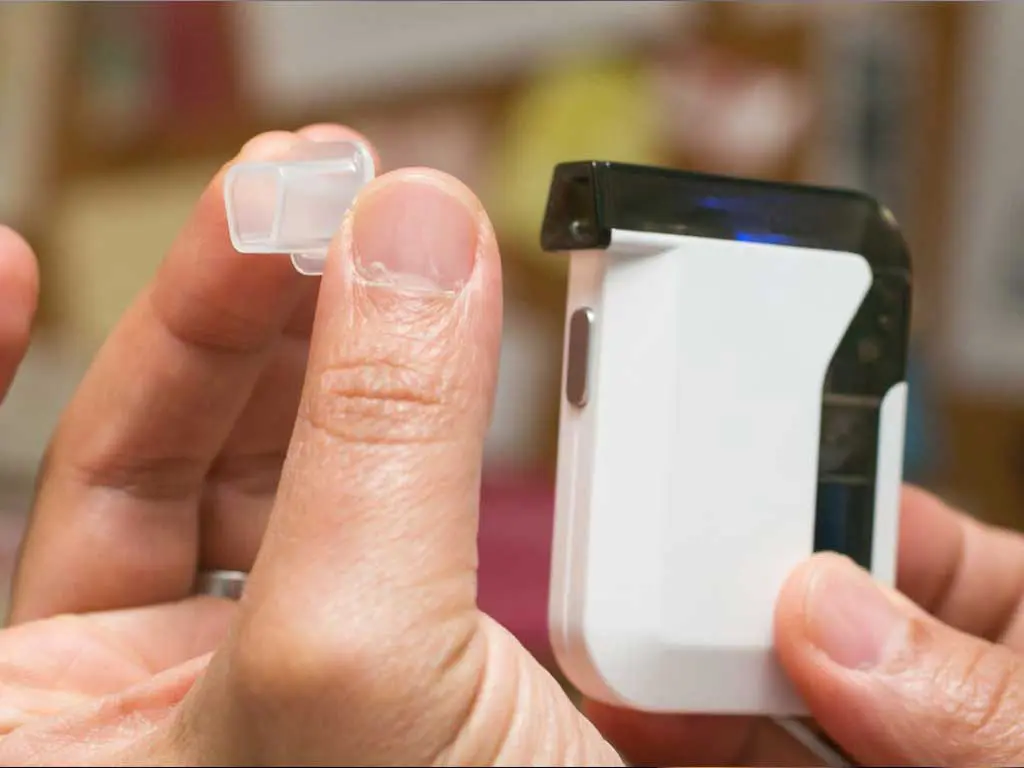
A person removing the mouthpiece of a breathalyser

How To Operate an LCD Display Breath Alcohol Tester

To operate an LCD display breath alcohol tester, begin by ensuring that the device is on and displays the necessary information. It will require a warm-up period, typically around 15-30 seconds, to prepare for accurate readings. After the warm-up, the screen will prompt the user to blow into the mouthpiece. It is important to place the lips tightly around it and blow steadily for a few seconds.

It usually takes 10-30 seconds for the reading to appear on the screen. Next, it displays the BAC level, providing an accurate and reliable result. To interpret the readings, it is essential to be familiar with the user manual that comes with the device. It commonly includes specific information about the guidelines and legal limits.

Using the device is simple. The LCD screen provides clear visibility, allowing people to monitor and interpret their results conveniently. They can effectively utilise the LCD display to ensure accurate and reliable alcohol readings by observing the instructions. It helps for a safer and more responsible drinking experience.

How it Works

The breathalyser works by detecting alcohol in the system of a person. It contains an advanced alcohol sensor that acts as a catalyst to convert alcohol into ions. The ions are then sent to the circuit board, which sends a signal to the LCD. Afterwards, the display converts this signal into digital readings. It provides accurate and reliable results.

A breath tester is useful in understanding alcohol impairment. It helps people to make better decisions regarding their drinking activities. Furthermore, it keeps them aware of the legal alcohol limit. Furthermore, it is a convenient and useful device, as it provides easy-to-read results.

A person holding a breathalyser and a phone while outside

Accuracy and Efficiency of an LCD Display Breath Alcohol Tester

Accurate and efficient alcohol testing is essential for safety. It prevents people from driving under the influence of alcohol (DUI). An LCD display breath alcohol tester provides a reliable solution for monitoring BAC. With advanced sensors, the convenient testers deliver precise and trustworthy results. It conveniently presents the alcohol readings for easy interpretation, ensuring accurate measurements.

Not only does the tester provide accurate readings, but it is also highly efficient. The warm-up time for these devices is minimal, allowing for quick and seamless testing. They are convenient to use in any setting, making them suitable for personal or professional use. With their compact size, people can easily carry a unit around, providing on-the-spot alcohol testing whenever necessary.

The design of the device has user convenience in mind. Its intuitive interface allows easy operation. Additionally, electronic items have a faulty electronics policy, ensuring that customers have return windows for unopened or wrong items without hassle. With their user-friendly features and accurate alcohol readings, breathalysers are a reliable tool for monitoring alcohol impairment.

Factors that may Influence the Result

Several factors can influence the results of a breath tester. One important factor is the consumption of food or drinks before testing. Eating or drinking, especially those containing alcohol, can significantly affect the accuracy of the results. Additionally, the temperature of the breath can also impact the readings.

Furthermore, the lung capacity and breathing technique can have an impact on the results. Improper breath sampling, such as shallow or improper blowing into the tester, may result in unreliable readings. It is essential to follow the instructions carefully. Moreover, it is essential to exhale deeply into the mouthpiece for accurate results.

Conclusion

An LCD display breath alcohol tester is reliable and convenient for measuring alcohol levels. It provides accurate and efficient results, making it suitable for personal use and for companies testing their employees. Moreover, it is a safety device with a user-friendly design. People can view their results even in the dark. However, various factors can affect the outcome. To ensure accurate readings, it is important to follow the instructions. In addition, they should exhale deep lung breaths into the device.

There are various options available in the market. Some units are small enough to be used as keychains. Other options have a more traditional appearance. It is even possible to find personal devices that are comparable to those used by police officers. The most crucial factor to consider is reliability. For accurate and comprehensive information on all these options, individuals can visit Breathalysers New Zealand. Also, they provide recalibration services for units that need it.

Alcotest Breathalyzer vs BACtrack: A Comparison Guide

A person holding a breathalyzer while it shows the result

A breathalyzer is an important tool for anyone who wants to keep track of their blood alcohol concentration (BAC). It is a device that can help determine how impaired someone may be from drinking. Moreover, it identifies any potential legal issues related to excessive drinking. Two trustworthy testers are BACtrack and Alcotest breathalyzers. Both offer accuracy within 0.01 g/L, leading to very reliable results. Their features are suitable for personal and professional settings.

Using a breath tester is beneficial in lowering road accidents. In addition, it can protect the harmony in workplaces. Hence, police officers conduct roadside breath tests, while companies do pre-employment breath testing. They typically administer the tests with a high-quality breathalyzer, such as the ones mentioned earlier. The following sections will present a comparison between the two breath testers in terms of sensor technology, features and portability, as well as operation and ease of use.

Alcotest Breathalyzer vs BACtrack: Sensor Technology

The Alcotest and BACtrack breathalyzers are both high-quality breath testers. They both use advanced sensor technology to provide precise breath alcohol tests. The Alcotest breathalyzer features a fuel cell sensor, which is known for its accuracy and reliability in measuring BAC. This sensor technology ensures accurate and reliable results, making it a preferred choice for both private and professional users.

Likewise, BACtrack utilises electrochemical fuel cell sensor technology. It offers the same precision in detecting BAC in the breath. Additionally, it can analyse the highest BAC level without issues. With both devices, users can perform active breath alcohol tests by blowing into the device. The measurement technology in these devices is identical. Hence, they provide consistent and trustworthy results.

People can expect accurate and precise breath alcohol testing using the two with their advanced sensor technology. Moreover, these high-quality alcohol breathalyzers are suitable for both private and professional consumers. They ensure responsible alcohol consumption. Thus, they promote road safety and awareness.

Advantages of a Fuel Cell Breathalyzer

Breathalyzers typically use either fuel cell or semiconductor sensors. However, the former has several advantages over the latter. Here are some of them:

  • The breathalyzers have a wide measuring range. Thus, it allows for various levels of BAC detection.
  • They have faster response times compared. This ensures efficient and quick testing.
  • The compact design makes them portable instruments that people can easily carry.
  • They often have rechargeable or replaceable batteries.
  • The device can operate even in any weather condition, may it be summer or winter.
  • A fuel cell breath tester requires a longer calibration interval compared to other types, which reduces the frequency of maintenance.

A breathalyzer and a phone on a table while people are dining

Alcotest Breathalyzer vs BACtrack: Features and Portability

The market has many different kinds of testers. In particular, the Alcotest breathalyzer and BACtrack have distinct features. The former is fast-acting. It can test up to 12 people per minute. This makes it suitable for workplace use. Meanwhile, BACtrack devices can continuously check the temperature. This ensures the accuracy of breath samples.

Additionally, both of them offer intuitive operation. They have menu buttons for easy use. Moreover, the compact design of these devices makes them portable instruments. Hence, responsible drivers can conveniently place it in their cars and carry it outside. Additionally, these devices feature replaceable mouthpieces, allowing for proper hygiene and ease of use.

Furthermore, BACtrack offers various kinds of testers that have additional features. People can choose from the personal and professional selections. Some devices can connect to Bluetooth. This allows them to view their results on their mobile phones. It is also suitable for those who want to manage their alcohol intake as they can access the result history.

Other Features to Consider

Other features to consider when choosing a breathalyzer include the measurement range and function. The device should have a wide measuring range to detect BAC accurately in various people. One more feature to keep in mind when choosing a breathalyzer is if it is approved by the Food and Drug Administration (FDA).

Another important consideration is the response times. A fast response time is crucial, as it ensures quick and accurate readings. This is especially important for drivers who want to ensure they are below the legal alcohol limit before driving. Accuracy combined with this can cause lower accidents on the road.

A woman blowing into a breathalyser with result

Alcotest Breathalyzer vs BACtrack: Operation and Ease of Use

Alcotest and BACtrack are two popular breath testers. The Alcotest breathalyzer uses precise measurement technology and quick response times to provide accurate readings. Its compact design makes it portable and easily accessible for people. With its easy-to-navigate menu buttons and backlit function buttons, Alcotest offers intuitive operation for both professional and private users.

In comparison, the BACtrack is known for its high-quality alcohol breathalyzers. The devices provide precise breath alcohol tests for reliable readings. It also comes with rechargeable or replaceable lithium batteries, ensuring long-lasting use. They have a one-touch and one-button operations. This makes it easier for users to turn the device on. The tester can work in just a few seconds of warming up.

The two are equipped with the latest measurement technology. Also, the breathalyzers ensure accurate readings and provide fast results. Whether for professional or private use, the portable instruments are designed to meet the needs of everyone. In addition, the mobile application that comes with Bluetooth-enabled units is user-friendly. Hence, people can operate it with ease even if they are not technologically inclined.

Maintenance Guidelines

When it comes to maintaining a breathalyzer, there are several guidelines to remember. It is important to clean the device regularly to ensure reliable readings. People can wipe the exterior with a soft cloth. Afterwards, they can use a cleaning solution specifically made for the testers. They must store it in a neat and dry place.

Additionally, it is recommended to replace the mouthpiece after each use to prevent contamination and ensure hygienic testing. Furthermore, some devices may require recalibration to maintain accuracy. People can choose BACtrack units from Breathalysers New Zealand. They can efficiently avail of their recalibration services if their device needs it.

Conclusion

The Alcotest breathalyzer and BACtrack are reliable and accurate testers. They have different features for various applications. For instance, BACtrack has mobile applications for their Bluetooth units. However, they also have similarities. They both use fuel cell sensors. This makes their reliability comparable to what law enforcement uses. Before purchasing, individuals should consider their needs and choose the best device. Additionally, following maintenance guidelines is important to prevent malfunctions.

It is essential to own a breath tester nowadays. This is especially true for people who enjoy going out to drink. Intoxicated driving can lead to fatal crashes. The drivers do not only harm themselves but also the innocent ones around them. The accuracy of the tester is a vital part of its success. Therefore, people should choose one that is trusted by professionals. FDA-approved brands are also essential, so they should be aware of this before buying.

Highest Breathalyzer Test: Understanding the BAC Limits and Its Effects

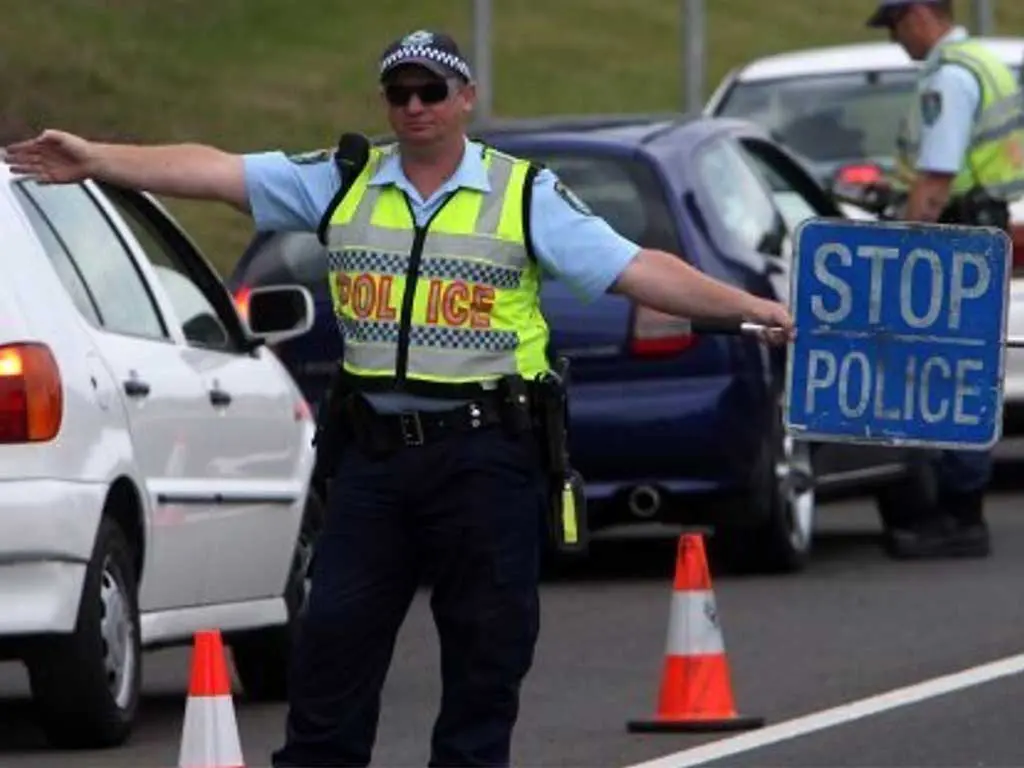
A police officer stopping cars on the road for roadside breath tests

Law enforcement commonly conducts breath tests with a breathalyzer. It measures the blood alcohol concentration (BAC) of suspected drivers and determines if they are intoxicated while driving. These tests have become an integral part of the legal system, playing a crucial role in ensuring road safety. In New Zealand, the general legal limit is 0.05%. Different BAC levels can cause impaired judgment and loss of consciousness and can lead to death. The highest breathalyzer test in history was 1.480%.

BAC indicates how much alcohol is in the blood. There are several methods to determine it. One of which is a breath test. A person simply blows into the mouthpiece of a breathalyzer to analyse their BAC. This test can provide results in seconds, unlike other ways. It is particularly useful for those who plan to drink outside. To learn more, the article will present what the legal BAC limits are, its effects, and how to monitor the BAC level.

Highest Breathalyzer Test: Legal BAC Limits

The BAC test determines if people are within legal limits. BAC refers to the percentage of alcohol in the bloodstream. Each country has its own legal limit for BAC, typically ranging from 0.05% to 0.08%. The highest breathalyzer test results can cause fatal crashes as people can lose consciousness. Exceeding this limit can result in severe penalties, including fines, license suspension, and even imprisonment.

Blood alcohol concentration refers to the amount of alcohol in a person’s bloodstream. It is a measure of how much alcohol is present based on the volume of blood being tested. BAC can be influenced by various factors such as the amount of alcohol consumed, the rate of consumption, body weight, and metabolism. It is important to note that BAC can also be affected by other substances, such as medications or drugs.

Exceeding the legal BAC limit can have serious consequences. In many jurisdictions, it is illegal to operate a motor vehicle with a BAC above the legal limit. These measures are in place to ensure the safety of road users and reduce the risk of accidents caused by impaired driving.

Drink Driving Penalties

Drink driving penalties can vary for each country and state. Here are the ones specifically for New Zealand:

  • The fines for BAC over 0.05% can be up to $200, disqualification from driving for up to 6 months and/or licenses suspended for up to 12 months.
  • Having a BAC between 0.08% and 0.15%, the fine can be up to $ 2,000, disqualification from driving for up to 12 months and/or licenses suspended for up to 18 months.
  • BAC levels above 0.15% can have a fine of up to $4,500, face imprisonment of up to 3 months and/or have licenses suspended for up to 2 years.

A man sitting down with his head down while at work

Highest Breathalyzer Test: Effects of High BAC Level

The highest breathalyzer test results are indicative of extremely high BAC levels. They can have severe effects on the physical and cognitive abilities of a person, greatly impairing their judgment, reaction time, and coordination. At such high levels, individuals may experience severe intoxication, putting themselves and others at grave risk. It is crucial to understand the dangers of excessive alcohol consumption and never operate a vehicle or engage in any activity requiring focus when intoxicated.

Driving under the influence of alcohol not only puts the driver at risk but also endangers other road users. In many countries, the penalties for drunk driving are severe, including fines, license suspension, and prison sentences, and even potential loss of life. Thus, it is crucial to avoid driving after consuming alcohol and to always plan for a designated driver or alternative transportation when participating in activities that involve alcohol.

Severe intoxication can lead to people losing their jobs, relationships, and even their lives. It is important to be aware of the effects of alcohol and always to consume responsibly. They can protect their freedom and everything that they value this way.

Standard Drink of Alcohol

A standard drink of alcohol refers to a specific amount of alcohol that is considered the benchmark for measuring alcohol consumption. It is a way to standardize and regulate the amount of alcohol that people consume, especially in terms of calculating BAC levels.

In most countries, a standard drink is typically defined as containing around 14 grams of pure alcohol, which is equivalent to about 1.5 ounces or 44 millilitres. This measurement helps people understand and track their alcohol intake, as well as assists health professionals in providing guidance on safe and responsible drinking habits.

A woman blowing into a breathalyser with result

Highest Breathalyzer Test: Monitoring the BAC Level

A breathalyzer is a useful tool for monitoring the BAC level of people. This device measures the amount of alcohol in the breath of a person and provides an accurate reading of their BAC. It is commonly used by law enforcement authorities to determine if a person is driving under the influence of alcohol. The legal limit for driving varies. The highest breathalyzer test can signal that a person is no longer fit to drive and can certainly cause harm.

Monitoring the BAC level is crucial because it directly affects the ability to drive safely. An individual can make more informed decisions when they see their BAC level regularly. Additionally, binge drinking and excessive alcohol consumption can lead to alcohol use disorder (AUD), which can have severe health consequences.

Breath testers are not only beneficial for police officers but also for individuals who want to track their alcohol consumption. It allows them to have a clear understanding of the amounts of alcohol they have consumed and their corresponding BAC levels. This knowledge can help prevent alcohol poisoning and other life-threatening conditions.

Usage Guidelines of a Breathalyzer

It is essential to understand the proper usage guidelines. Firstly, it is necessary to wait at least 20 minutes after consuming any alcoholic beverages or using any alcohol-containing products before taking a breathalyzer test. This waiting period allows the alcohol in your mouth to dissipate and ensures an accurate BAC reading.

Secondly, it is crucial to follow the instructions carefully and perform the test in a controlled environment. Lastly, it is important to note that breathalyzers are just tools to estimate BAC levels. The readings are reliable indicators of BAC but should not be considered definitive evidence in legal proceedings.

Conclusion

It is essential to be aware of the dangers associated with drink driving and take appropriate measures. There are legal limits to follow. Otherwise, it can sever different aspects of the lives of people. Those who cannot control their drinking cannot function normally anymore. This can lead to the loss of their jobs. It can also affect their relationships. This is especially true for those who have the highest breathalyzer test results. It can lead to death.

Breath testers are good tools to use for prevention. There are many options to choose from for personal and workplace settings. Individuals can visit Breathalysers New Zealand for reliable devices. Some units are on par with what police officers use. Hence, they can be sure of the accuracy. There are devices that have Bluetooth capability, which is good for convenience. Overall, it is necessary to stay safe on the road to protect oneself and the community.

Drink Driving Lawyers: Their Significance to Help with Charges

A man shaking hands with another man after a meeting

Driving Under the Influence (DUI) is a criminal offence. Hence, offenders need to represent themselves in court. Unfortunately, everything they say can and will be used against them. It can make it worse for them. Thus, they may want to hire a drink driving lawyer. They assess the case and create a strategy that can minimise the offences. In addition, they can represent their clients and appear in court with them or for them.

Many road accidents due to intoxication can lead to fatal crashes. This is the reason why law enforcement is strict when it comes to charges. They typically do roadside breath tests to prevent problems and deaths. There are several penalties. Lawyers can negotiate for a lesser burden. To learn more, the following sections will present how lawyers can reduce the charges on their clients and the offences, as well as obtain licenses for them.

Drink Driving Lawyers Can Lessen the Burden

Facing charges can be stressful. First-time offenders find it even more so as they may have little knowledge about what to do. Having to represent oneself on the court can lead to unfavourable outcomes. Thus, hiring a drink driving lawyer is helpful. Their importance lies in knowing exactly what to do. The offender does not have to carry the burden alone as their lawyer can guide them.

One of the ways a lawyer can lighten the situation is by educating the client. They may have done a similar case through previous clients. Hence, they would have a better idea of how to handle the charges. They can then provide insights on how to go through it. In addition, they can get their clients to understand the consequences they may face.

Another way is their strategies. Lawyers study cases thoroughly to defend them properly. They can collect witnesses or other evidence that may be used against their clients. After obtaining all the information they may need comes the strategy. It prepares them for what may come as they attend the court date.

Process

Availing of legal services from lawyers is generally the same nowadays. They are as follows:

  • Contact a lawyer. The communication can be online or through phone. Typically, the initial advice is free.
  • Meet with them. The meeting can be via video conferencing or face-to-face. Lawyers can provide more in-depth advice this way.
  • Supply more details about the incident. Afterwards, they can begin negotiations with law enforcement.
  • Attend court trials. Some cases do not require the offenders to be there. Hence, lawyers can represent them.
  • Finalise the case. They explain the outcome and what happens going forward.

Binders and a gavel on top of a table

Drink Driving Lawyers Can Minimise Consequences

A guilty offender may not want a lawyer because they are already certain of their mistakes. However, a drink driving lawyer can help defend the case better. They are knowledgeable about laws and regulations. Hence, they can reduce penalties. For instance, they can negotiate a lesser license disqualification period, making it easier for offenders to get back to their normal lives.

Lawyers are also trained in negotiation. Thus, their clients can depend on them to provide the best possible outcome. This is especially true for first-time offenders because they have no prior experience in facing the court. Moreover, those who have already attended court but for a different case can still find it useful. Traffic laws are different, and lawyers can cause more lenient penalties.

The consequences also depend on the level of compliance of the offender. Lawyers can guide their clients to act a certain way for the court to be more accommodating. One example is telling their clients to show genuine remorse for what they have done. When their case is strong, they have better chances of having lesser penalties, leading to less negative impact on their lives.

Penalties

The penalties are highly dependent on the severity of the case. It can depend on factors such as the number of times an offender has done it, level of intoxication, and others. Licences can be suspended for a certain period. There may be fines that can be up to $4500, which is the maximum penalty.

Moreover, offenders may be required to do community work. They may also have their licenses disqualified. Furthermore, they may face imprisonment. The maximum imprisonment for first and second-level offenders is three months. On the other hand, those with three or more offences may face two years of imprisonment.

A person holding a breathalyser with result

Drink Driving Lawyers Can Help Obtain License

Many people rely on driving to do their work. Moreover, driving can make their daily tasks and errands much easier, such as getting groceries. However, offenders can get their licenses disqualified. Officers can even suspend them immediately. The period can vary depending on the location. Fortunately, skilled drink driving lawyers can help obtain a work license for their clients during the disqualification period.

A work licence allows offenders to drive when it comes to their jobs if their normal licenses are suspended. Unfortunately, an employee who needs to drive for work does not automatically qualify for it. There may be certain conditions for them to follow once they are granted the license.

Acquiring a license can be complex and time-bound. Hence, it is even more crucial to have lawyers. They can guide what to do and ensure that necessary requirements are on hand. The application process begins when offenders appear in court to plead guilty. A person cannot acquire a work license if there is an existing guilty verdict. Also, it is not possible for high-range drinkers, which are those with over 0.15 BAC.

How to Avoid Drink Driving

Paying for lawyers can be expensive. Having charges can ruin reputations. Facing legal penalties can be difficult. Overall, the consequences of drink driving can be severe. Hence, people should be responsible drinkers. It is possible by buying a personal breathalyser. They can avoid unpleasant situations with a single device.

Police officers do breath tests using a breathalyser. Some personal units are similar to what they have. This is because some breath testers use fuel cell sensors. The sensor is reliable, and accuracy is certain. Individuals can test themselves before driving. They can wait if the result is above the legal limit. It helps prevent accidents.

Conclusion

Drink driving lawyers are important in helping offenders with their clients. They make the lives of their clients less stressful by gathering evidence, making strategies, and educating them well. They also help in reducing penalties and consequences. Their clients can return to their normal lives much faster with the help of lawyers. Furthermore, lawyers aid in the application of certain licences, which is a necessity for those who rely on driving.

The process is lengthy and tiring. In addition, the expenses they have to deal with can be high. Thus, it is important to prevent it from happening. Law enforcement can be strict when it comes to DUI charges. Fortunately, people can stay safe by using a breathalyser. It allows them to see if they are still within legal limits or not. They can then make more informed decisions upon seeing the results. They can visit Breathalysers New Zealand for choices.