Evidential Breath Alcohol Testing: What It Is and the Procedures

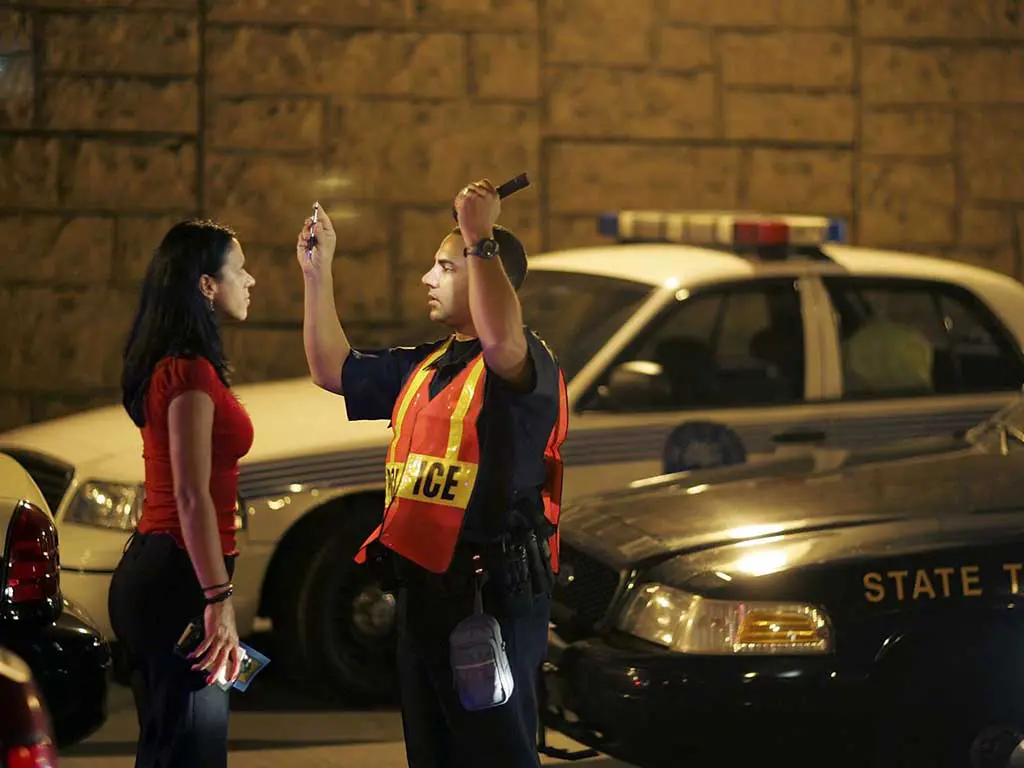
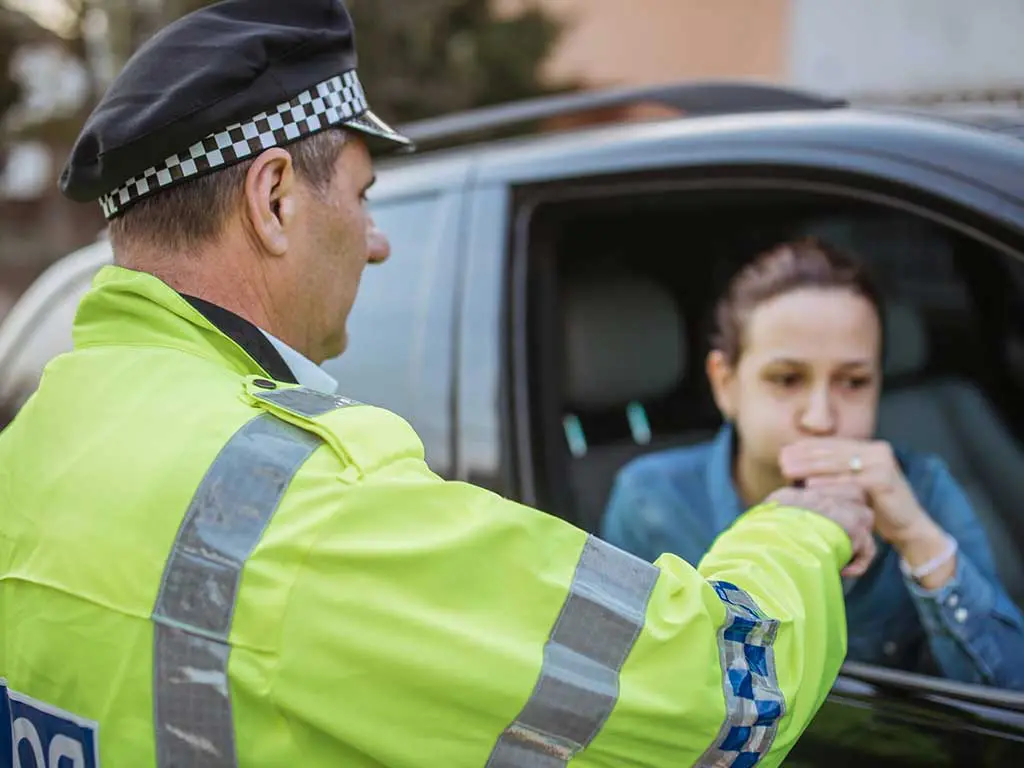
A police officer conducting a breath test on a female driver
Evidential breath alcohol testing determines the alcohol content in the breath sample of a person. The procedure involves the user turning on the breath tester, exhaling into the device, and then waiting for the result to display. Law enforcement officers commonly use this testing during traffic stops and in other situations where alcohol impairment is suspected. It provides a quick and non-invasive way to assess the level of intoxication of a person and helps ensure road safety.

Alcohol consumption not only impairs judgment, coordination, and reaction time but also poses a significant risk to public safety. It is imperative to prevent impaired drivers from operating vehicles to reduce the likelihood of accidents. In response to this threat, law enforcement agencies and businesses have implemented alcohol testing programs. One of the primary tools in such programs is evidential breath testing. This article will present evidential breath testing, including its mechanism of action, procedures and protocols.

What is Evidential Breath Alcohol Testing?

Evidential breath alcohol testing is a standardised method that law enforcement officers use to assess the Blood Alcohol Concentration (BAC) of an individual by analysing their breath sample. This testing involves the use of breathalysers. The results obtained from such testing are crucial evidence in legal matters related to Driving Under the Influence (DUI) or other alcohol-related offences.

Breathalysers have become essential tools in enforcing drink driving laws. In addition, they help ensure public safety on the roads. These breath screening devices measure the alcohol content by using a chemical reaction. This reaction occurs when ethanol in the breath sample comes into contact with the alcohol sensor. The sensor then converts the response into a reading, providing legal evidence of alcohol impairment.

Moreover, evidential breath testing devices are calibrated to meet strict standards to ensure accurate readings. Regular maintenance is necessary to maintain their thoroughness. Additionally, police officers undergo specialised training to ensure proper use of breathalyser devices and precise interpretation of test results. Evidential breath testers help save lives by enabling law enforcement to swiftly identify and apprehend individuals who choose to drive while intoxicated.

Purpose of Evidential Testing

  • Evidential testing serves to accurately measure the blood alcohol level in the sample of breath.
  • It actively assists authorities in evaluating the sobriety of the person by providing tangible evidence of their alcohol consumption.
  • The results from these tests hold significant legal weight, serving as crucial evidence in court proceedings related to alcohol-related offences.
  • These breath screening tests contribute to maintaining road safety by identifying and deterring drunk driving.
  • Evidential breath tests play a vital role in verifying compliance with alcohol-related regulations. These regulations include legal drinking age limits and restrictions on alcohol consumption in specific environments.
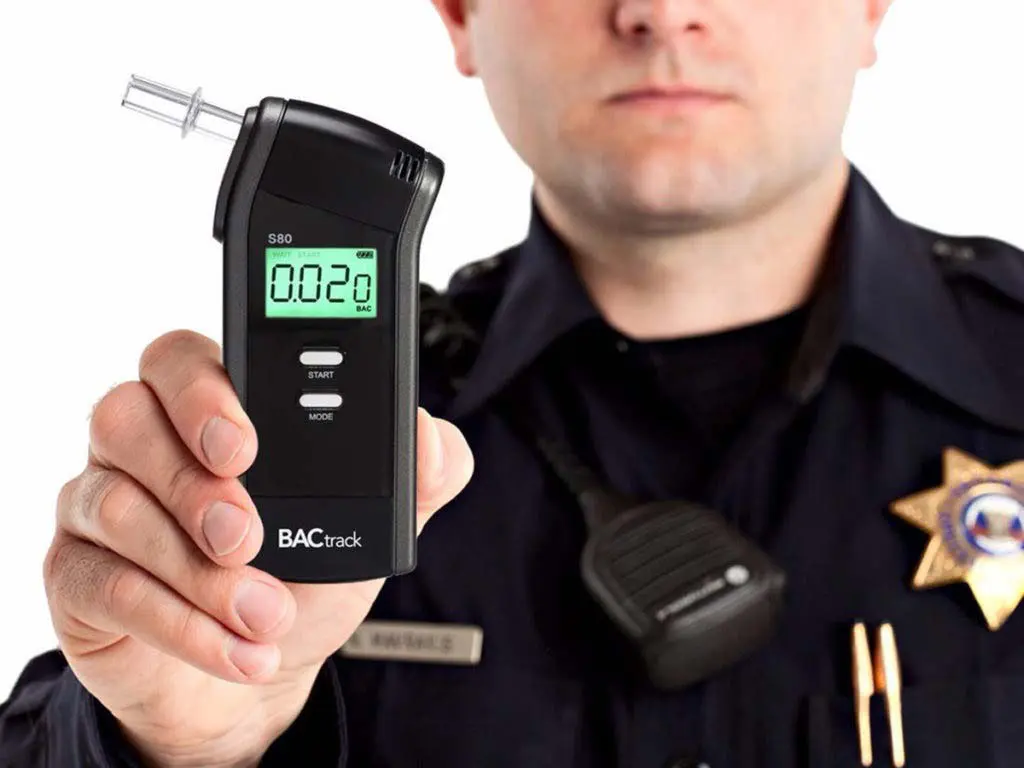
A police officer showing a breathalyser

How Does Evidential Breath Alcohol Testing Device Work?

An evidential breath alcohol testing device works by examining the breath samples of an individual to determine their BAC level. The analysis is done using the sensors inside them. Generally, there are two types: fuel cells and semiconductors. Semiconductor breathalysers use a tin oxide compound to measure the alcohol concentration level. This produces an electric current when it comes into contact with ethyl alcohol and produces the result.

Meanwhile, fuel cell breathalysers use platinum electrodes to oxidise the alcohol. This chemical reaction produces acetic acid, protons, and electrons. Then, electrical currents form, reflecting the amount of ethanol in the sample of breath. This is considered more accurate than semiconductor sensors because it only reacts to ethanol.

To ensure greater accuracy, it is advised to use breath alcohol tests at least 15 minutes after consuming food or beverages. This provides time to decrease the residual alcohol in the mouth and ensure the absorption of alcohol consumed. Moreover, individuals must use clean mouthpieces to prevent inaccurate results or false positives.

Accuracy and Reliability

Evidential breath testing instruments offer accurate and reliable BAC measurements. They go through rigorous testing and calibration procedures. This is to ensure proper functionality. Its accuracy is fundamental in determining levels of impairment. Moreover, it informs whether a driver is legally intoxicated or not.

However, like any other test, there is still a possibility of a false positive. Residual alcohol in the mouth may cause a false positive result. This can happen if the person has recently consumed alcohol or a mouthwash. Also, certain medical conditions, such as acid reflux or diabetes, can affect the accuracy of the testing.
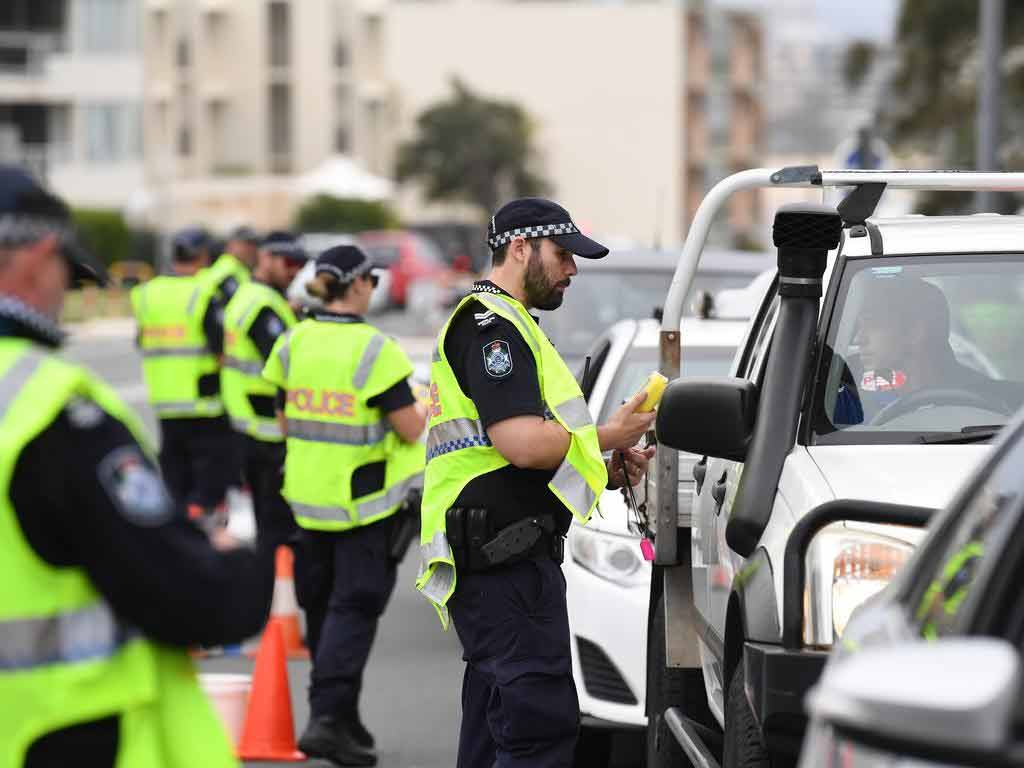
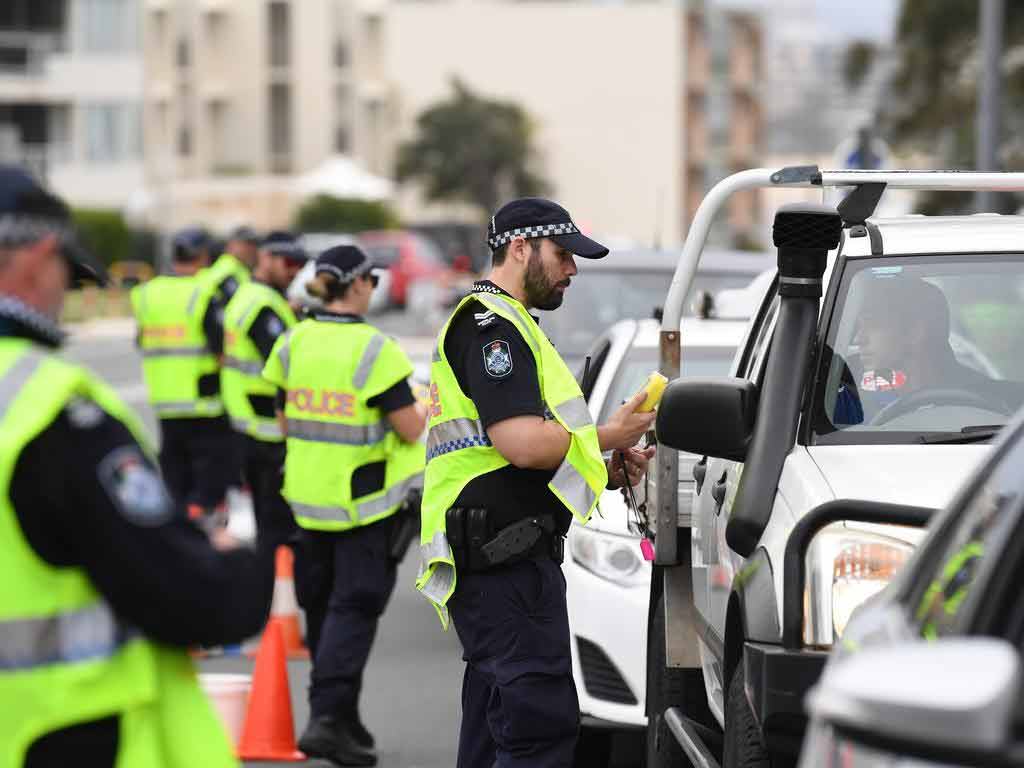
Law enforcement officers conducting roadside breath tests

Procedures and Protocols for Conducting Evidential Breath Alcohol Testing

Operating an evidential breath alcohol testing device is a straightforward process. Firstly, the user must turn on the device by pressing the power button. Once the unit is on, wait for the sensors to warm up. This usually takes a few seconds to a minute.

The user needs to exhale into the breath alcohol device. Then, they should wait for the device to process the sample of breath and provide a result. This usually takes a few seconds. The breath tester will display the BAC result on the screen. If the BAC is within the legal limit, the user is safe to drive or do a specific task.

Following protocols is crucial to ensure accurate and reliable results in evidential testing. This includes verifying device calibration, properly instructing the subject, observing for any interfering substances, and documenting all relevant details. Keeping the chain of custody procedures and conducting regular equipment checks are also essential for validity in legal and regulatory contexts.

Standardised Alcohol Testing Programs

Standardised alcohol testing programs refer to established procedures and protocols used in evidentiary breath alcohol testing. These programs help ensure consistency and reliability in determining BAC levels through breath analysis. They typically involve training for law enforcement personnel, calibration of devices, and adherence to strict guidelines during testing procedures.

These programs aim to minimise errors and inaccuracies in alcohol testing, thereby enhancing the credibility of the results in legal proceedings. By following standardised protocols, authorities can maintain the integrity of the testing process and provide reliable evidence of intoxication levels. This ensures fairness and accuracy in enforcing laws related to impaired driving.

Conclusion

In conclusion, evidential breath alcohol testing is a crucial method for law enforcement to assess the alcohol levels of an individual. Using specialised breathalysers, officers can accurately measure the BAC through breath samples. These devices work by detecting ethanol in the breath, providing reliable evidence for legal matters like DUI cases. Regular maintenance and proper training ensure accurate results. By swiftly identifying intoxicated drivers, evidential breath testers help save lives and maintain road safety.

Conducting evidential breath testing follows straightforward procedures. Users activate the device, exhale into the mouthpiece, and await the BAC result. Following protocols, such as device calibration and proper documentation, is crucial for reliability. Standardised alcohol testing programs further enhance consistency and credibility in BAC determination, promoting fairness in law enforcement. Through adherence to established procedures, authorities maintain integrity and provide reliable evidence of intoxication levels for enforcing impaired driving laws.

Mission Breath Alcohol Detector Product Review: Features & Alternatives

A group of friends toasting at a table

The Mission Breath Alcohol Detector is a disposable, rapid screening test that detects and measures the presence of alcohol in the exhaled breath. This device is suitable for various settings, such as bars, restaurants, workplaces, and even personal use. It provides a quick and convenient way to determine whether an individual has consumed alcohol. In addition, its single-use feature makes it more affordable than other alcohol screening methods.

A breath test is a simple and effective way to test to measure the Blood Alcohol Content (BAC). Portable breath alcohol testers offer quick, non-invasive and reliable alcohol testing. They are valuable in preventing alcohol-related risks, such as drink driving and workplace accidents. Therefore, having a reliable test kit is essential for maintaining safety and promoting responsible drinking. This article will provide a thorough review of the features and usage of the Mission alcohol detector and alternatives to consider.

An Overview of the Mission Breath Alcohol Detector

The Mission Breath Alcohol Detector is a single-use screening device that is easy to use and needs no calibration or maintenance. It is a compact-size tube filled with yellow crystals. The results of the test are based on a chemical reaction that changes the colour of the crystals upon contact with alcohol in the breath.

To use the device, blow into the tube for at least three seconds. It indicates positive alcohol concentration if the colour block of the crystals or line changes from yellow to green. The colour can range from light to dark, depending on the BAC level. However, it is essential to read the test under fluorescent light or indirect sunlight to view the results correctly.

The alcohol detection process relies on how the body metabolises alcohol and mix with alveolar (deep lung) air. After consumption, small portions of alcohol pass through the small intestine and into the bloodstream. Then, the blood circulation carries alcohol to various vital organs, including the lungs. Alcohol vapourises in the lungs and is released through exhalation. Thus, the crystals can trace alcohol in the breath after a few minutes.

Ideal Applications

  • Check blood alcohol levels before driving or operating machinery.
  • Monitor alcohol consumption at social gatherings or events. A host may offer the device to guests before leaving.
  • Monitor sobriety in workplaces or professional settings that enforce zero-alcohol tolerance policies.
  • Screen participants in substance abuse programs or rehabilitation centres.
  • Ensure sobriety during probation or parole check-ins.
  • Ensure family members, especially teenagers, are not consuming alcohol or driving while intoxicated.
  • For in-vitro diagnostic use only, but it should not be used as the sole basis for legal or disciplinary actions. Moreover, the results should be confirmed with a blood test or evidential breath testing device.

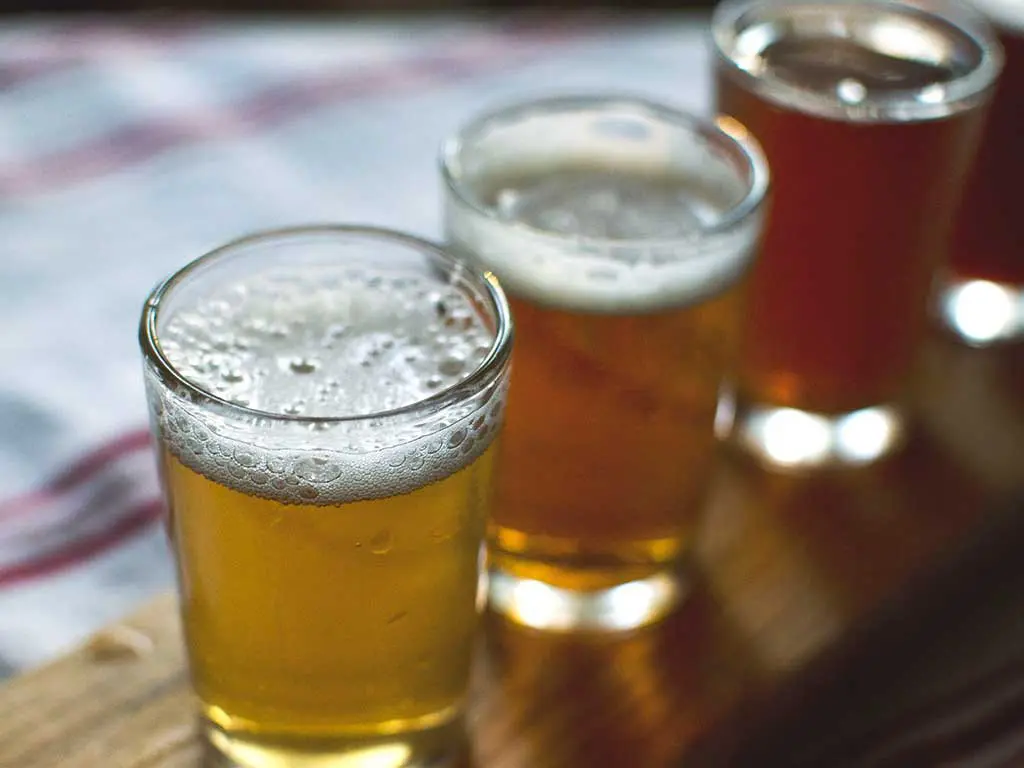
Three full glasses of alcohol

Core Features of the Mission Breath Alcohol Detector

The Mission Breath Alcohol Detector has several key features that make it unique from other devices. Firstly, it is disposable. Each tube is designed for one-time use, eliminating the need for calibration or maintenance. Likewise, it enables hygienic alcohol breath testing, enhancing the accuracy of the test. However, users should dispose of the device properly after use to prevent contamination or misuse.

Secondly, it is portable and compact. Its small size makes it easy to carry in a purse, allowing for on-the-go alcohol breath testing. The results are useful in the diagnosis of alcohol intoxication. Thirdly, it has a simple blow-and-read mechanism. It is accessible to anyone, regardless of their knowledge or experience with alcohol breath detectors.

Lastly, it provides quick results. The colour change in the crystals occurs within seconds, providing instant feedback on the alcohol concentration levels. This is especially useful for time-sensitive situations, such as checking sobriety before driving. Therefore, it enables individuals to manage their alcohol consumption to a healthy level and make responsible decisions.

Technical Specifications

The disposable alcohol detector utilises colourimetric analysis between the crystals and alcohol molecules in the breath. The specifications may include a dichromate chemical reagent, which is responsible for the colour change reaction. The device may have a sensitivity range to measure the concentration of alcohol, such as 0.02% to 0.08% BAC.

Moreover, it produces semi-quantitative results, indicating the presence of alcohol and providing an estimate of the BAC. It also has a built-in control line to ensure the test is valid and reliable. The results are typically available within two minutes. Lastly, the device has a limited shelf life of up to 18 months.

Woman blowing to a breathalyser

Mission Breath Alcohol Detector Alternatives

Despite its ease of use, the Mission Breath Alcohol Detector has several limitations. It includes not being able to provide a numerical BAC reading. For some people, this method can be confusing. Hence, considering alternatives can help find a more suitable solution. One option is digital electronic breathalyser devices like BACtrack products. It uses sensor technology, such as fuel cells and semiconductors, to measure the alcohol levels in the human breath.

Other alternatives include oral fluid testing. This test involves collecting saliva samples and analysing them using immunoassay reagents. Saliva test kits can detect alcohol for up to 24 hours from the last consumption. Hence, it is a reliable indicator of alcohol impairment.

Furthermore, blood testing is the most accurate method for measuring BAC. However, it involves the administration of a trained professional to draw a blood sample and laboratory equipment to analyse them. Additionally, it has a detection window of 6-12 hours, indicating real-time feedback. This method provides precise results that are admissible in legal settings.

A Closer Look at BACtrack Breathalysers

The BACtrack breathalysers are highly accurate and reliable electronic devices that give more detailed BAC information than disposable alcohol testers. They have sensors that undergo an electrochemical reaction process to oxidise alcohol in the breath, producing precise results. In addition, BACtrack offers a wide selection of devices, including keychain, smartphone, and professional-grade breathalysers.

The smartphone breathalyser, the BACtrack Mobile Pro, has Bluetooth capability that connects to a mobile app. Hence, it can deliver the BAC data directly to a smartphone or watch. Moreover, it features the proprietary ZeroLine technology that can accurately estimate when the BAC level will return to 0.00%.

Conclusion

The Mission Breath Alcohol Detector is a single-use device that measures the alcohol content through a tube containing crystals. It is highly affordable and is suitable for individuals looking to test their BAC for occasional use. Its simple blow-and-read mechanism makes it accessible to anyone, regardless of their knowledge or skill, with alcohol breath detectors. Nevertheless, it is essential to follow the instructions in using the device to ensure accurate results.

Disposable alcohol breath testers provide a convenient and affordable option for alcohol screening. However, they may not provide precise BAC measurements and have other limitations. Thus, individuals who need more accurate testing may consider other alternatives, such as electronic breathalysers, saliva testing and blood testing. Each method has its own advantages and limitations, so it is important to choose the method that best suits the needs. Among these methods, breathalysers like the BACtrack Mobile Pro provide quick and reliable results.

Alcohol Detection Test: Purpose, Types, and Understanding the Results

A distressed-looking woman with a glass of alcohol in front of her

The consumption of alcohol is a universal social activity, but heavy drinking can be dangerous. Thus, an alcohol detection test is necessary. Its purpose is to measure the amounts of alcohol present in the body. Consequently, authorities or medical professionals can know the blood alcohol level and take appropriate action if necessary. The testing types available are urine, hair, blood, and breath tests. Knowing the legal limits can help in understanding the implications of an alcohol test.

Underage drinking is another significant concern, as it poses various risks to the health and safety of young individuals. Hence, screening for the presence of alcohol or alcohol metabolites is essential. People typically undergo testing in a medical facility or through law enforcement agencies. Whether it is a responsible drinker or a police officer, knowing the components surrounding alcohol testing is vital. This article will present its purpose, types, and understanding of the outcomes.

Purpose of Alcohol Detection Test

The purpose of an alcohol detection test is to determine the level of alcohol in the system of an individual for a variety of reasons. Police officials commonly utilise the test to establish if a person is drink driving. By measuring the concentration of alcohol in a blood sample, urine sample, hair sample, or breath sample, the test result can provide evidence of impairment that can be used in court.

Many workplaces also administer testing to ensure that employees are not under the influence of alcohol while on the job. Companies have policies requiring workers to undergo alcohol testing, especially for safety-sensitive positions or industries. The test can help employers identify and address potential alcohol-related issues that may impact the performance and safety of the workforce.

In addition, health professionals use an alcohol test to monitor patients who are receiving treatment for alcohol-related conditions. It can help healthcare providers assess their progress, determine if they follow treatment plans, and discover potential relapses. By measuring alcohol levels, healthcare professionals can make informed decisions about patient care and treatment.

Effects of Alcohol on the Body

  • Alcohol can cause liver inflammation, fatty liver, alcoholic hepatitis, fibrosis, and cirrhosis. These conditions can lead to liver failure and more risks of liver cancer.
  • The drink can impair brain function. This results in memory loss, difficulty concentrating, and impaired judgment.
  • Chronic alcohol abuse can weaken the immune system, making the body more susceptible to infections and diseases.
  • Heavy drinking can lead to high blood pressure, cardiomyopathy (stretching and drooping of heart muscle), arrhythmias, and a higher risk of stroke.
  • Harmful alcohol consumption can have significant detrimental effects on the body. It can impact various organs and increase the risk of severe health conditions.

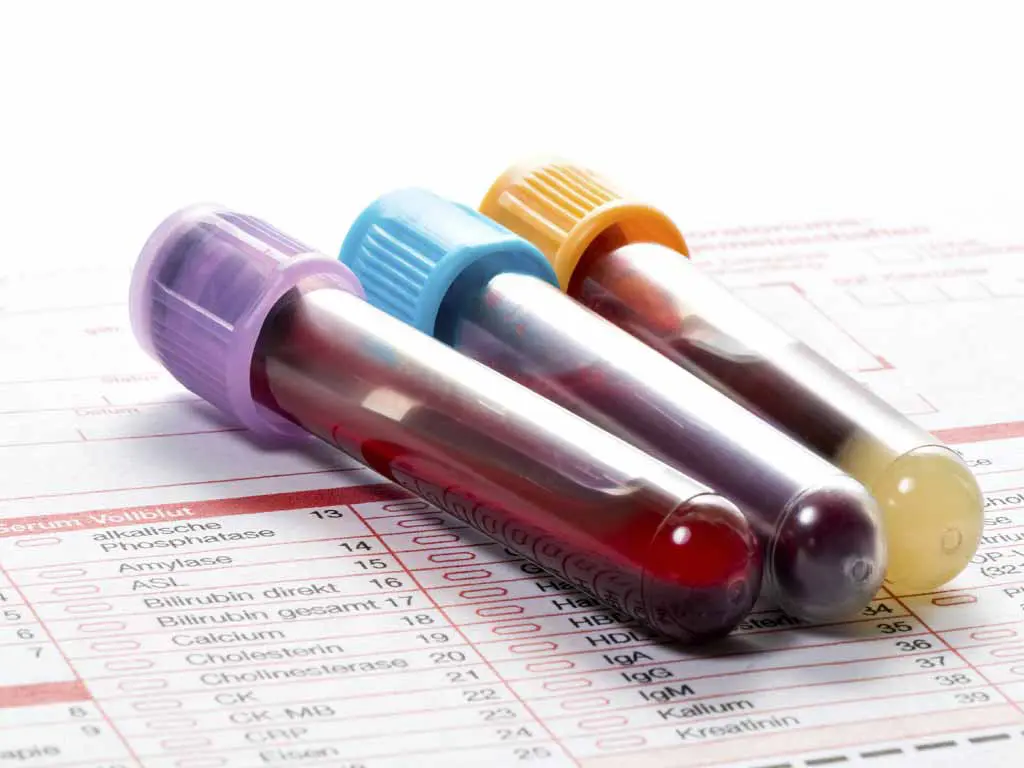
Three tubes of blood samples on top of a form

Types of Alcohol Detection Tests

Healthcare providers, employers, and police officers often choose from various types of alcohol detection tests. One of the most well-known tests is the breath alcohol test using a breathalyzer. It measures the Blood Alcohol Content (BAC) in a sample of breath. The breathalyser test is often utilised during traffic stops, as it quickly assesses the level of intoxication of drivers.

Another common type of alcohol test is the urine test. It can detect the presence of alcohol or its metabolites, ethyl glucuronide (EtG) and ethyl sulphate (EtS). Healthcare providers in clinical settings use urine testing to monitor patients who may have an Alcohol Use Disorder (AUD) or to assess individuals who are participating in alcohol treatment programs.

The hair follicle and blood alcohol tests are also in demand for detecting alcohol consumption. The former involves analysing a small sample of hair to determine if alcohol has been consumed within a specific timeframe. Meanwhile, the latter is testing a sample through a blood draw. It directly measures the concentration of alcohol in the bloodstream.

Accuracy and Reliability

A breathalyser test is widely used due to its quick results, but it may not always be the most accurate. Nevertheless, they are reliable for screening purposes. Blood tests are considered more precise because they directly measure the alcohol concentration in the blood. They are also dependable in identifying even traces of the substance.

While not as accurate as testing a sample of blood, a urine test is reliable in providing valuable information about recent alcohol use. Meanwhile, hair tests can provide accurate outcomes for a long detection window. Thus, people can rely on these for detecting alcohol consumption over an extended period.

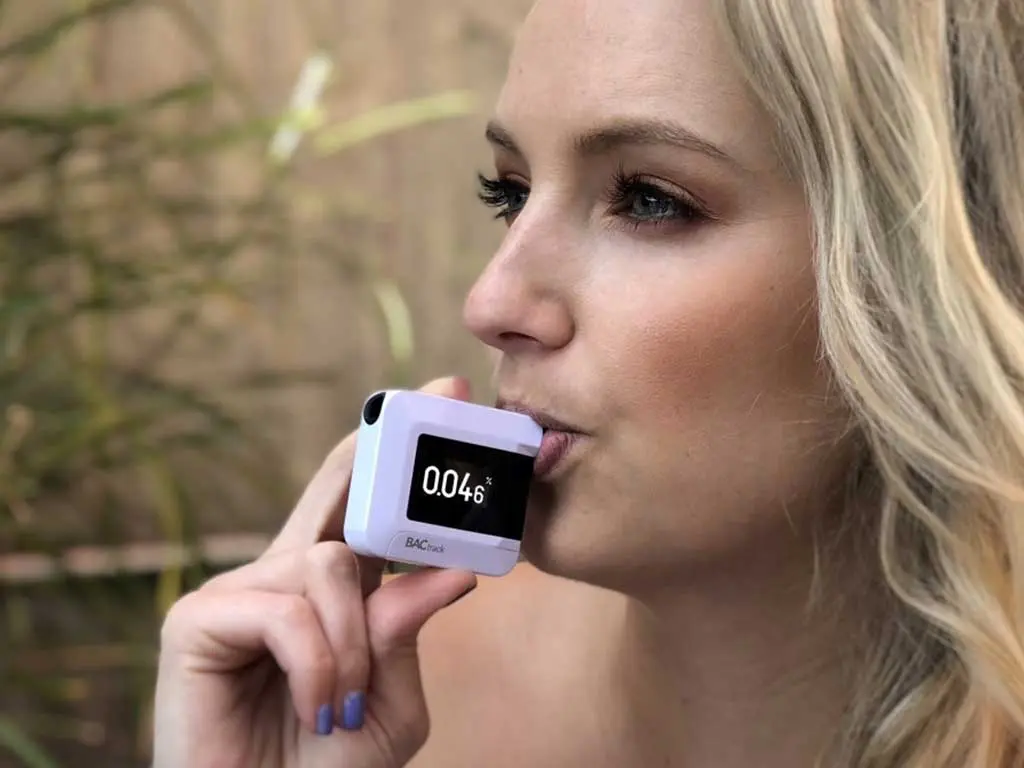
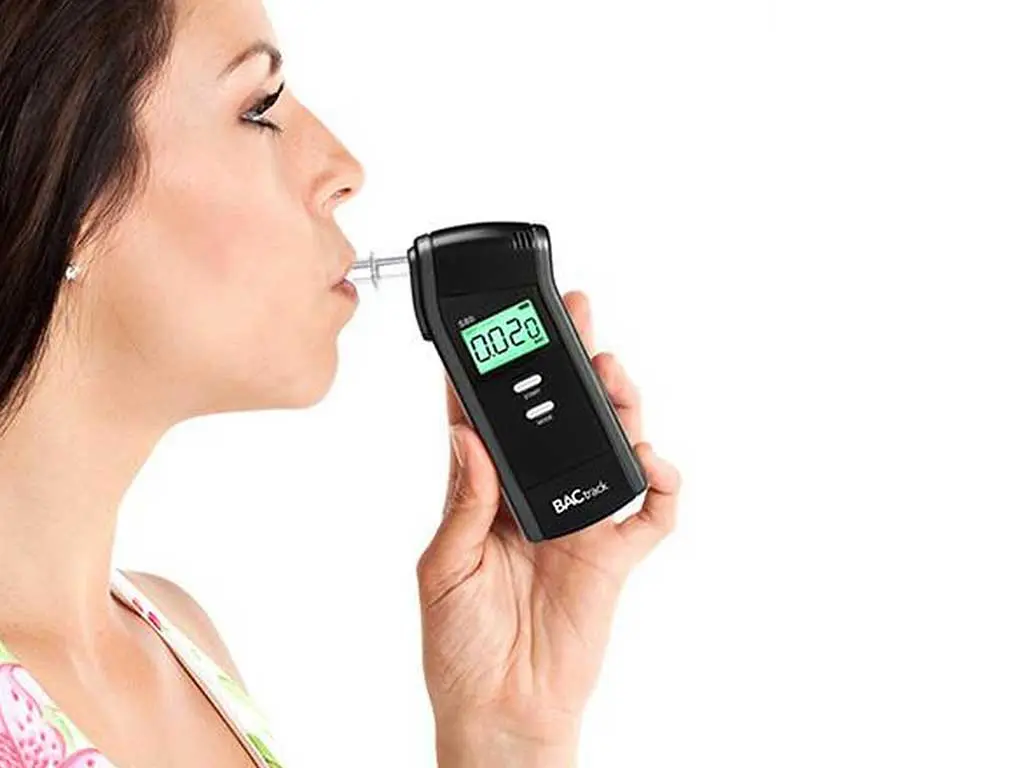
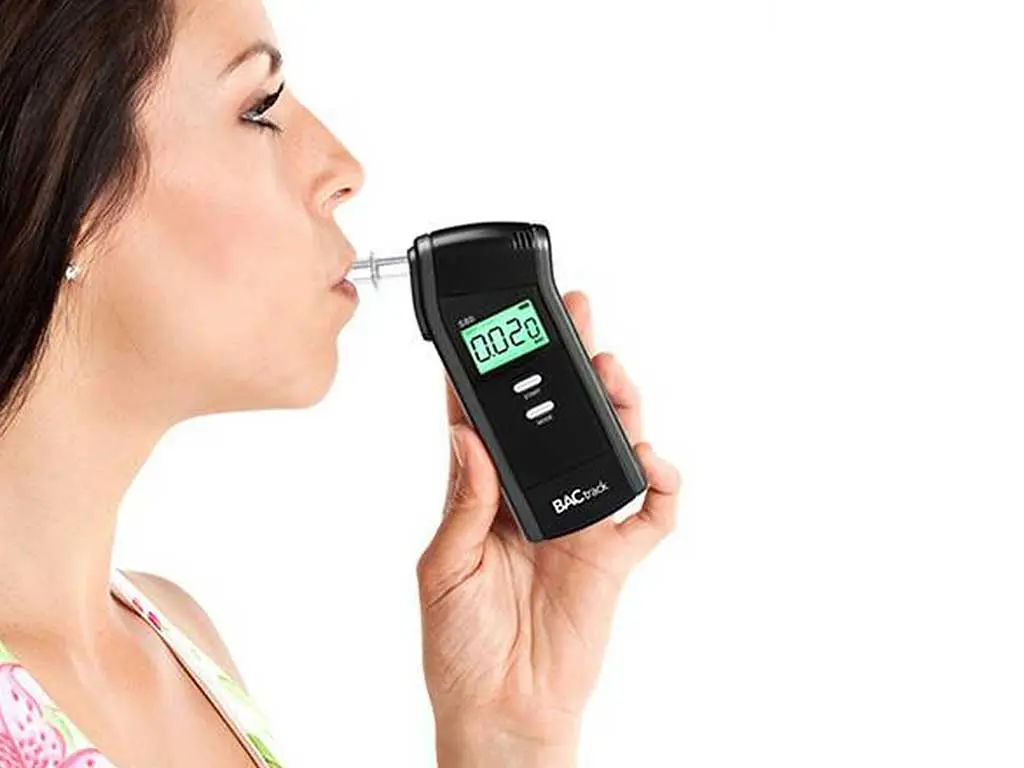
A woman blowing into a breathalyser with the result showing on screen

Understanding the Results of Alcohol Detection Test

When it comes to understanding the results of an alcohol detection test, it is essential to be aware of the legal limits for alcohol consumption. Professionals will compare the test outcomes to these limits to determine impairment. Knowing this and how the results of the test compare to them can help people understand the potential consequences if the outcome is positive for alcohol consumption.

The legal limit in New Zealand is 0.05%. If an alcohol test outcome shows a BAC above this, the person is considered legally impaired and may face various consequences depending on the jurisdiction and circumstances. These consequences include fines, license suspension, mandatory alcohol education programs, probation, and jail time. If the percentage of alcohol in the test is significantly higher, the penalties can be even more severe.

Moreover, recognising how alcohol affects the body and metabolism can be crucial in interpreting the results of an alcohol test. Weight, gender, and recent food intake can all impact how quickly the body processes alcohol. Being knowledgeable about these can help individuals better understand the outcomes and make informed decisions.

Factors that Can Influence the Result

Several factors can influence the outcome of alcohol testing. Firstly, the type of alcohol people drink can significantly impact the test results. Beer, wine, and liquor each have varying alcohol content, which can affect the accuracy of the test. Additionally, the quantity and the speed at which they ingest alcohol can affect the test outcome.

Another element influencing the outcome is metabolism. The rate at which the body breaks down alcohol can vary, impacting how quickly the blood alcohol concentration decreases. It is essential for individuals undergoing alcohol testing to be aware of these factors and their potential impact on the test result.

Conclusion

An alcohol detection test serves as a crucial tool in assessing levels of intoxication. Whether for law enforcement, workplace safety, or personal health reasons, the test provides valuable information that can help prevent accidents, ensure safety, and deter alcohol abuse. Various types of alcohol tests are available, including breath alcohol, blood, urine, and hair testing. Individuals and professionals can compare them and choose the most suitable method for their needs.

Understanding the results of alcohol testing is essential in interpreting the level of impairment or intoxication. While the legal limits for alcohol consumption may vary by jurisdiction, it is crucial to comprehend that any level of alcohol in the system can impact cognitive and motor functions. A non-negative or a BAC result of over 0.05% can penalise or incriminate a person. Hence, being a responsible drinker is necessary. To enhance protection, people can buy a personal breathalyser from retailers nationwide.

BAC Test: Overview

A man looking distressed while there is alcohol on his desk

High levels of alcohol in the body are dangerous. To prevent harm, police officers or health professionals use a Blood Alcohol Concentration or BAC test. It measures the amounts of alcohol present in the body. Then, authorities can take necessary actions depending on the test result. Various factors affect the BAC levels, like the number of standard drinks individuals consume per hour. People can check their levels of alcohol by utilising urine, blood, and breath alcohol testing.

The effects of alcohol consumption can endanger the lives of drinkers. For instance, it can slow down reaction time. This is detrimental when it comes to operating vehicles or heavy machinery. Moreover, heavy drinking can lead to conditions such as liver damage or alcohol poisoning. Fortunately, law enforcers and other professionals can help avoid this with alcohol testing. The following sections will present its definition, understanding of BAC levels, and the different testing methods.

Definition of BAC Testing

People refer to blood alcohol concentration as blood alcohol content. BAC testing is a measure of how much alcohol is in the system of an individual. Typically, it is expressed as a percentage. Police officers often use it to identify drivers who are under the influence of alcohol. Thus, it has become valuable in enforcing laws related to drunk driving.

In addition, workplace screening and medical evaluations utilise alcohol testing. Employers may require the test as part of their drug and alcohol policies to ensure a healthy work environment. Meanwhile, healthcare professionals may use it to assess the alcohol consumption of patients and its potential impact on their health. An example is determining the risk of developing an Alcohol Use Disorder (AUD).

Traditionally, individuals undergo an alcohol test in a medical facility or on the road. However, they can also purchase testing kits or devices to administer testing at home or in private settings. These at-home BAC screening kits are becoming increasingly popular since they offer convenience for those who wish to monitor their consumption levels and patterns.

Importance in Assessing Alcohol Impairment

  • Individuals under the influence of alcohol pose a risk to themselves and others on the road or in various settings. Hence, assessing impairment is crucial in ensuring public safety.
  • It is essential in legal matters such as intoxicated driving cases, as it determines the responsibilities and legal consequences of offenders.
  • Knowing the level of impairment is vital to identifying potential health risks and providing appropriate interventions for patients who may be struggling with chronic alcohol consumption.
  • Evaluating impairment is crucial in a workplace setting to maintain productivity and protect workers.
  • Individuals can understand and address their limitations and seek help if needed for their well-being.

Glasses of alcohol on top of a table

Understanding BAC Levels for BAC Testing

Understanding BAC levels is essential for BAC testing. The legal limit for driving varies depending on the country or state. In New Zealand, it is 0.05%. This equates to approximately 50 milligrams of alcohol per 100 millilitres of blood. The amount of alcohol people drink per hour is an essential factor in determining BAC levels. Typically, consuming one alcoholic drink per hour is thought to increase BAC levels by about 0.02%.

Individuals can understand BAC levels by educating themselves on how the body metabolises alcohol. When they drink alcohol, it enters the bloodstream and is broken down by the liver. The liver can process approximately one standard drink per hour. However, if they consume more alcohol than the liver can metabolise, it accumulates in the blood, leading to an increase in blood alcohol content levels.

A BAC level of over 0.05% can cause people to face legal consequences. Their ability to operate a motor vehicle or heavy machinery is significantly impaired. Individuals may experience reduced coordination, reaction times, and judgment. Therefore, they must understand their BAC levels for alcohol testing to make responsible decisions regarding alcohol consumption and driving.

Factors Affecting Blood Alcohol Levels

Various factors affect blood alcohol content levels. Firstly, heavier individuals tend to have lower BAC levels than lighter individuals, as their bodies are better equipped to metabolise alcohol. Secondly, the rate at which the body processes alcohol can vary depending on its metabolism. Some people break down alcohol more quickly than others.

Thirdly, health conditions, such as liver disease, can also affect the ability to metabolise alcohol and may result in higher blood alcohol content. Lastly, eating a meal before drinking can slow down the absorption of alcohol into the bloodstream, leading to lower BAC levels.

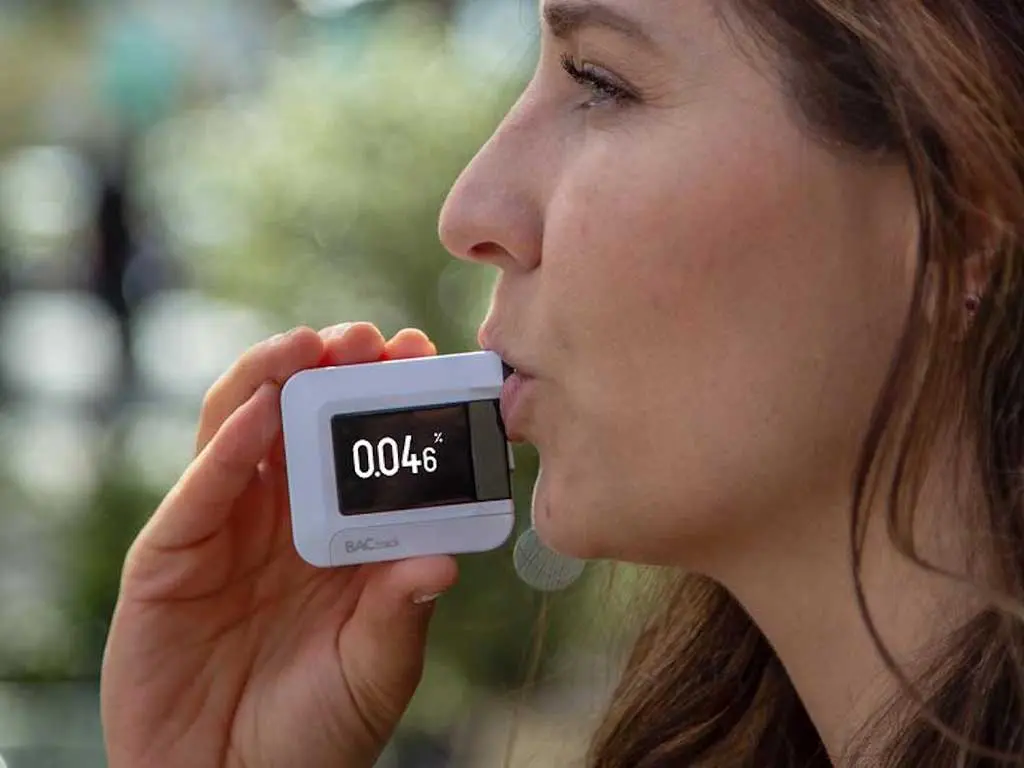
A woman blowing into a breathalyser with result

Types of Methods for BAC Testing

Several types of BAC testing methods are available for individuals and organisations. One of the most convenient and cost-effective ways to screen for alcohol is through breath tests. It measures the amount of alcohol in the breath to estimate the blood alcohol content level. This is typically done using a handheld device, which is a breathalyser.

Another method of testing is through blood alcohol tests. It involves a professional doing a blood draw to collect the specimens. Then, they analyse them in a laboratory setting. Many consider this the most accurate yet most invasive and time-consuming testing method. Hence, professionals often utilise it in legal and medical settings where precise measurements are necessary.

Lastly, there is urine analysis, which measures the concentration of alcohol metabolites in the urine to estimate BAC levels. While this method is less accurate and timely than blood testing, it can still provide valuable information about recent alcohol consumption. Many employers or healthcare practitioners use urine testing in workplace or probation settings for frequent monitoring.

Accuracy of the Testing Methods

The accuracy of alcohol testing methods is crucial in determining the level of alcohol in a person’s system. Various testing methods, including breath, blood, and urine tests, measure blood alcohol content. These methods have different levels of accuracy, with blood tests being the most accurate. Nevertheless, the other two are reliable for screening purposes.

A variety of factors affect the accuracy of alcohol testing methods. For instance, regularly calibrating a breathalyser allows it to provide precise results continuously. In addition, the experience and training of the person administering the test can impact the outcome of tests.

Conclusion

BAC testing is a method that measures the amount of alcohol present in the body. It helps prevent alcohol poisoning, protects the public, and maintains a safe work environment. Understanding BAC levels is crucial in determining the level of intoxication and ability to operate a vehicle or machinery safely. However, people should know the elements affecting these blood alcohol content levels. For instance, body weight can significantly impact the results, with heavier individuals having lower levels than others.

Various methods, such as breath, urine, and blood tests, provide law enforcement and healthcare professionals with valuable information. Consequently, they can make informed decisions about the sobriety of a person. Overall, the effects of alcohol can harm the drinkers and those around them. They may experience a loss of consciousness or coordination. As a preventive measure, they can buy at-home testing kits or personal breath testers to test themselves before driving or working.

BACtrack S70 Product Review: Overview and Core Features

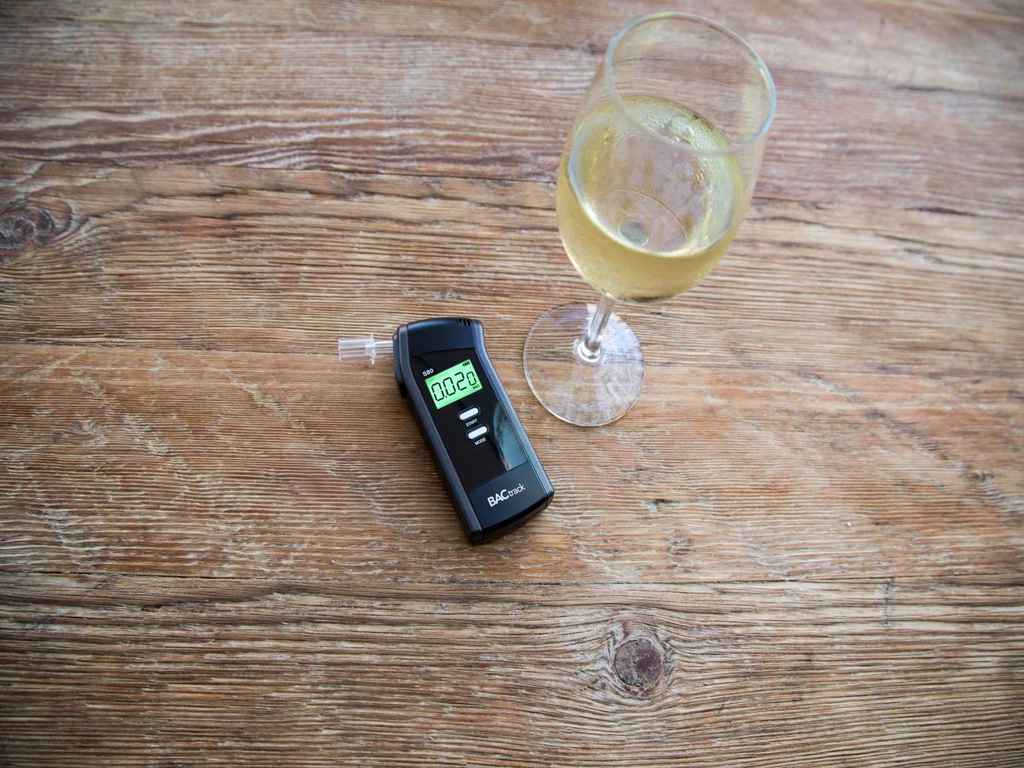
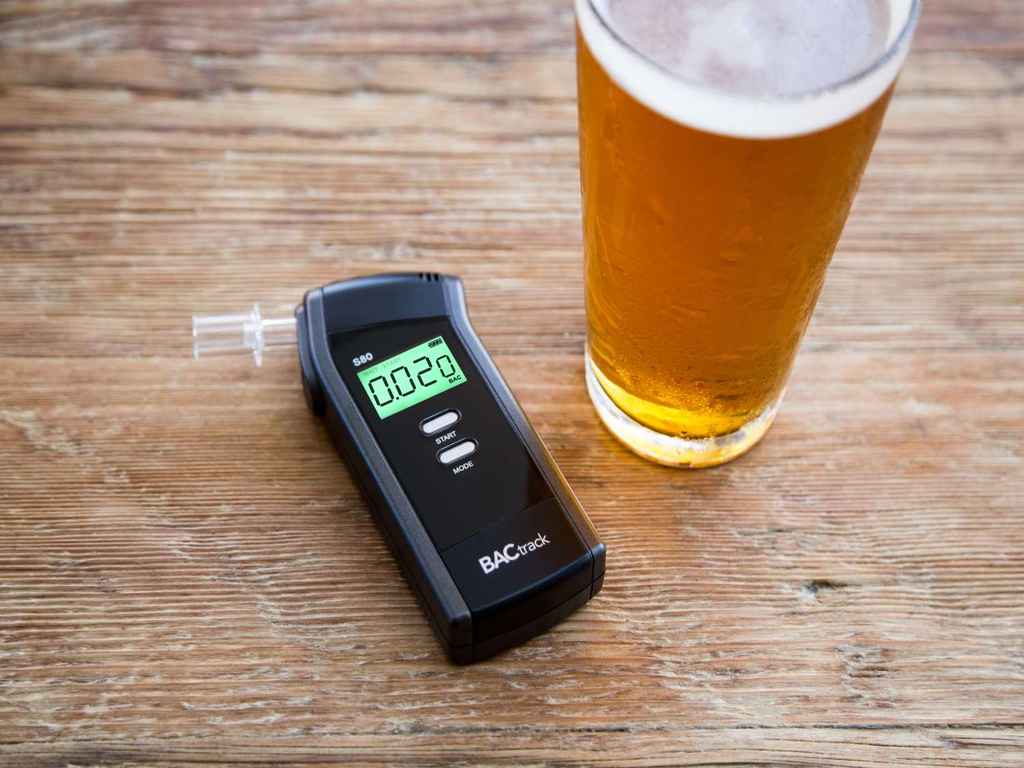
An S80 Pro on top of a table next to a wine glass

Due to the prevalence of accidents and problems from excessive alcohol consumption, using breathalysers has grown in popularity. The BACtrack S70 is a helpful tool for measuring the BAC levels of individuals. It has advanced semiconductor sensors that enable it to trace alcohol consumption within 24 hours. It also has one-touch operation and an attractive LED display for convenient use. This breath tester is also easy to carry around due to its portable design.

BACtrack offers several breathalyser models to suit different preferences and needs. There are keychains, smartphones, and professional-grade products that individuals can purchase. The S70 itself is considered an older model. People may see that newer models, like the S80 Pro and S80 Pro Gen2, are also available. Nevertheless, those with an S70 model can rest assured that they have a reliable testing device. This article will provide an overview of the S70, its core features, and the updated version.

An Overview of the BACtrack S70 Breathalyser

The BACtrack S70 breathalyser is a portable device that can measure the BAC levels of individuals. Many conduct breath tests using this device to analyse breath samples for recent alcohol use. Generally, the breath test uses deep lung air samples to trace the presence of alcohol up to 24 hours after the last intake.

BACtrack has a wide range of affordable breath alcohol testing devices. Individuals and organisations use them for alcohol level tests in various settings. One of the models they have is the S70. This product is convenient and effective for alcohol monitoring tests. Moreover, people can use them to screen multiple times.

Before using it, the individual must wait at least 20 minutes after eating, drinking, or smoking for accurate results. Then, they may place a clean mouthpiece and press the start button. Once the device signals for them to start, the user should continuously blow into the mouthpieces until two beeps signal for them to stop. Afterwards, the display will show the results.

Ideal Applications

  • The S70 can help individuals understand the effects of liquor on their bodies. This can help them have healthier drinking habits.
  • It can help people monitor and limit their liquor intake, helping them to create a healthier alcohol consumption pattern.
  • Testing can help individuals make informed decisions about their ability to drive. This can help prevent drink driving, which can have several severe consequences.
  • Companies may also use this as an option for tracing irresponsible liquor intake that violates the company policy.
  • Parents may use these to ensure their children are not consuming alcoholic beverages.

A woman using a BACtrack breathalyser

Core Features of the BACtrack S70 Breathalyser

The BACtrack S70 breathalyser comes with multiple core features that make it a reliable and convenient tool for the detection of alcohol. Firstly, it has an advanced semiconductor sensor that can provide accurate and consistent BAC measurements. These use a tin oxide compound that creates chemical reactions upon contact with alcohol. This translates to the BAC level. It also has a flow check feature.

Secondly, it works with a one-touch operation, which is convenient for quick tests. This is also ideal because it makes it easy to operate the device while intoxicated. Thirdly, the S70 has an easy-to-read LCD screen. This is a user-friendly feature that many value because it is helpful in situations with little to no light. Furthermore, the display shows up to three digits.

Fourthly, the S70 has a replaceable mouthpiece. This is particularly helpful when testing different individuals using the same device. By replacing the mouthpiece per test, individuals can maintain hygiene. This is more thorough than simply cleaning the mouthpiece. Lastly, it has a compact and portable design. This allows individuals to carry and use the unit whenever needed.

Technical Specifications

For the technical specifications of the S70, the product weight is 119g once equipped with the mouthpiece and batteries. Its dimensions are 5.8 x 12.2 x 2.2 cm. The item functions using two AA alkaline batteries for power. Some suppliers may include this upon purchase. Approximately, these can provide enough power for 300 tests.

The device has a detection range of 0.000% to 0.400% BAC using advanced semiconductor sensors. The warm-up time can range between 10-30 seconds, depending on when it was last used. Meanwhile, the response time is about three seconds. Lastly, the operating temperature is 10-40°C.

An BACtrack S80 Pro next to a full glass of alcohol

Is There an Updated Version of the BACtrack S70?

Yes, there are updated or newer versions of the BACtrack S70. These are the BACtrack S80 Pro and the S80 Pro Gen2. Individuals may observe that the physical appearance of these devices is very similar to the S70. Furthermore, the button placements on the S70 are identical to the S80 devices.

They also feature one-touch operation for convenient testing and have a flow error indicator to ensure the user consistently provides the breath sample. However, one key difference is that the S80 Pro devices have fuel cell sensors instead of semiconductor sensors. These enable more accurate and reliable results since they are professional-grade.

Furthermore, the same fuel cell sensors are also found in the devices of medical professionals and police officers. An advantage of these is that they only react to ethyl alcohol and not external contaminants. This ensures a more accurate measurement of the BAC results and reduces the likelihood of false positives. However, it can cost more compared to the semiconductor models.

Advantages of the S80

The BACtrack S80 Pro is a highly advanced and reliable breathalyser. Firstly, it provides accurate and precise measurements using the fuel cell sensors. This is crucial for reducing false-positive results from using products with alcohol or those with medical conditions. The sensor is also more durable and capable of performing about 1000 tests before needing calibration.

Furthermore, it has a longer battery life than the S70. It can conduct about 1500 tests with a new pair of batteries. This is significantly larger than the S70. In addition, since it is an older model, locating an S70 can be more difficult.

Conclusion

The BACtrack S70 breathalyser is a user-friendly and reliable device for measuring the BAC levels of individuals. It uses breath samples to trace alcohol using its semiconductor sensors. To use it, the individual must place a clean and hygienic mouthpiece. Then, they can press the start button and provide deep air samples once the device signals them. It will give another signal to stop and then produce the results after a few seconds.

The S70 has several core features that make it reliable for breath testing. These include the easy-to-read LCD, one-touch operation, replaceable mouthpiece, and semiconductor sensor. However, since it is an older model, it can be difficult to purchase one. Those who are interested may consider the updated versions. These are the S80 Pro and S80 Pro Gen2. These have fuel cell sensors for more accurate screenings. They can also conduct more tests with one set of batteries.

BACtrack Accuracy Reddit Reviews

Smartphone, breathalyser, three mouthpieces, pouch bag, and USB cord

BACtrack accuracy on Reddit reviews provides valuable insights. Users on Reddit share their experiences and opinions about the device, giving potential buyers an unbiased perspective. These reviews are written by individuals who have firsthand experience with BACtrack and can provide helpful information regarding its accuracy. Reading these reviews allows consumers to make informed decisions about whether or not to purchase a BACtrack breathalyser based on its performance, as reported by other users.

A person who consumes alcohol experiences noticeable effects, including alcohol breath, an elevated mood, and lowered inhibitions. However, engaging in excessive or prolonged drinking can elevate their Blood Alcohol Concentration (BAC) to dangerous levels. Therefore, breathalysers such as BACtrack can be useful tools for individuals to monitor their BAC levels. This article will present an overview of the accuracy of BACtrack on Reddit, various sensor types, and methods for maintaining sensor precision.

An Overview of BACtrack Accuracy on Reddit

BACtrack accuracy on Reddit has been a topic of interest for many users. The Reddit community provides a platform for individuals to openly discuss and exchange information about their experiences with BACtrack. Many have shared their experiences and opinions about the reliability of the device in various subreddits. Users have praised the accuracy of BACtrack devices, with some stating that the results closely matched those obtained from professional breathalyser tests.

Additionally, other Reddit users have conducted their mini-studies to test the accuracy of BACtrack devices. Most of them reported consistent and reliable results. This has helped them make responsible decisions when it comes to alcohol consumption, especially before driving.

Moreover, Reddit features discussions on the technology behind BACtrack and how it compares to other breathalysers on the market. Users often provide helpful tips for getting accurate readings and share their insights on the reliability of the device. This open dialogue on Reddit serves as a valuable resource for those interested in learning more about BACtrack.

Advantages of BACtrack Breathalysers

  • Accurate: BACtrack breathalysers provide precise and reliable blood alcohol level results.
  • Portable: they are small and lightweight, making them convenient to carry anywhere.
  • Easy to use: BACtrack breathalysers have a simple design and straightforward operation for quick testing.
  • Fast results: users can get their BAC reading within seconds, saving time and hassle.
  • Trusted brand: BACtrack is a leading name in breathalysers, known for their quality and performance.
  • Legal evidence: BACtrack breathalysers are accepted as evidence in legal proceedings, making them a reliable tool for police officers and individuals.
  • Health safety: they help prevent drink driving and promote responsible drinking, ultimately contributing to public safety.

A hand holding a breathalyser

BACtrack Accuracy Reddit Review: Sensor Types

A sensor in breathalysers is a crucial component that measures the amount of alcohol vapour in the breath sample. When someone exhales into the breathalyser, the sensor reacts to the presence of alcohol molecules. This reaction results in the production of an electrical signal that is proportional to the alcohol concentration. The sensor then translates this signal into a digital reading, indicating the BAC level.

BACtrack accuracy on Reddit compares two sensor types of BACtrack: the Xtend fuel cell sensor and MicroCheck sensor technology. The Xtend fuel cell sensor is praised for its accuracy and reliability, making it a popular choice for law enforcement and medical professionals. This sensor type specifically detects alcohol molecules, providing precise and consistent results.

On the other hand, the MicroCheck sensor technology is known for its convenience and portability. While not as accurate as the Xtend, it is still reliable for personal use and general monitoring of alcohol consumption. This sensor type, utilising semiconductor technology, is frequently employed in smaller, more affordable breathalysers.

Fuel Cell vs Semiconductor Sensors

Semiconductor breathalysers use a tin oxide compound that interacts with alcohol in the breath, generating a small electrical current. This change in resistance within the semiconductors provides a measurement of BAC. However, factors such as weather and temperature can affect their sensitivity. This can lead to variations in accuracy.

Meanwhile, fuel cell breathalyser sensors operate through an electrochemical process that oxidises alcohol. As exhaled air flows through these sensors, platinum electrodes produce acetic acid, protons, and electrons. The strength of the resulting current corresponds directly to the alcohol volume in the sample. Fuel cell sensors offer greater precision since they specifically react to ethanol.

A woman using a breathalyser

BACtrack Accuracy Reddit Review: Maintaining Sensor Precision

BACtrack accuracy on Reddit emphasises the importance of maintaining sensor precision. Users are advised to send their unit for recalibration promptly, as the sensor accuracy naturally drifts over time. This process involves cleaning, clearing, and resetting the sensor by flushing a specialised Reference Solution through a Recalibration Simulator. Trained technicians then test the device at various BAC levels to confirm its accuracy.

Reddit reviewers also stress the significance of correct usage to maximise BACtrack accuracy. They advise first pressing the power button to activate the sensors. The user should then take a deep breath and exhale continuously during the blow signal until the beeping sound stops. The device then takes a few seconds to process the breath sample and display the BAC reading.

Furthermore, proper storage practices emerge as another key aspect. Users recommend storing the device in a place that avoids extreme temperatures and humidity. Correct storage not only prolongs the lifespan of the device but also maintains its accuracy.

When to Send It for Recalibration?

BACtrack breathalysers require recalibration to ensure they provide accurate results. Using the device frequently, blowing high alcohol concentrations into it, and testing immediately after consuming alcohol can cause alcohol residue to build up on the sensor more quickly. It is important to note that users should not attempt recalibration by themselves.

Some BACtrack models require recalibration every six months, while others may need it every 12 or 18 months. However, some do not offer recalibration services for the BACtrack Go Keychain, C6, or C8 models. If in doubt, users should contact the manufacturer for guidance on when to send their BACtrack for recalibration.

Conclusion

In conclusion, the BACtrack accuracy on Reddit, as discussed by users, reflects positive sentiments towards its reliability. The Xtend fuel cell sensor, favoured for its precision, finds popularity among professionals. Meanwhile, the more portable MicroCheck sensor technology, though slightly less accurate, proves reliable for personal use. The open dialogue of the Reddit community showcases the effectiveness of BACtrack in promoting responsible alcohol consumption decisions. This offers valuable insights for those seeking information on breathalysers.

In addition, Reddit reviews highlight the paramount importance of timely recalibration, with frequency varying among models. Users are also advised to follow proper usage protocols, including sensor activation and correct breath sample processing. Moreover, storing the device in suitable conditions plays a crucial role in preserving accuracy. It is important to note that users should refrain from attempting self-recalibration and seek manufacturer guidance. This proactive approach ensures prolonged device lifespan and reliable BAC readings.

Single Use Breathalyser: The Need to Know

A police officer conducting a field sobriety test on a female driver

Excessive consumption of alcohol can lead to various problems, including a heightened risk of road accidents due to impaired judgement. Therefore, drivers should consider using a safety tool, such as a single-use breathalyser, to gauge their Blood Alcohol Concentration (BAC). This breathalyser test kit operates by exhaling into the mouthpiece and awaiting a chemical reaction. It is important to note that this type of device may not match the precision of a digital breathalyser.

Police officers do roadside breath tests to ensure road safety. They often use police-grade units. Drink drivers can face penalties and inconveniences such as fines, ignition interlock, license suspensions, and even jail time if caught driving under the influence. Hence, it is better to avoid it with tools like a one-time-use breathalyser. This article will present the need for a disposable breathalyser, including its functionality and the BAC limit in New Zealand.

The Need for Single Use Breathalyser

A single-use breathalyser serves a crucial role in promoting road safety. This prevention tool help individuals gauge their alcohol levels easily. When a person plans to drive, they can use a breathalyser to ensure they are below the legal alcohol limit. This straightforward check protects the driver and other road users from the dangers of drunk driving.

Manufacturers design disposable breathalysers for convenience and accuracy. Unlike their reusable counterparts, these devices do not require maintenance or calibration. A person can use them straight out of the package, getting an accurate reading every time. This reliability is essential for making responsible decisions about driving after consuming alcohol.

In addition, health concerns bolster the need for disposable breathalysers. In situations where multiple people need to check their alcohol levels, such as at parties or corporate events, single-use devices prevent the spread of germs. Each individual can use a new, sterile device, ensuring that health safety is maintained while monitoring their alcohol consumption.

Benefits and Importance

  • Disposable breathalysers are a single-use product that can detect the presence of alcohol in the breath sample.
  • They provide a quick and easy way to measure breath alcohol content, aiding in assessing the level of alcohol consumption.
  • These inexpensive devices offer a reasonable price, making them accessible to a wide range of users.
  • Essential tools for individuals and police forces to ensure safer communities by discouraging drunk driving.
  • The convenience of a disposable breath testing device promotes widespread use and awareness.
  • Regular use helps deter the consumption of alcohol beyond legal driving limits, promoting responsible behaviour.

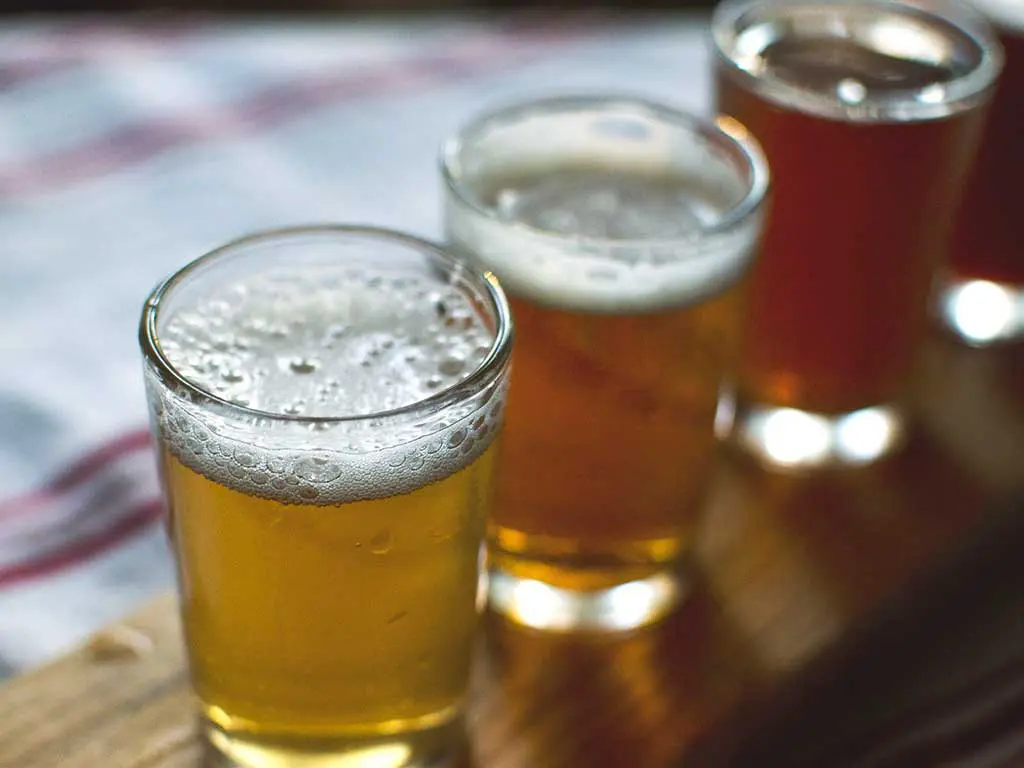
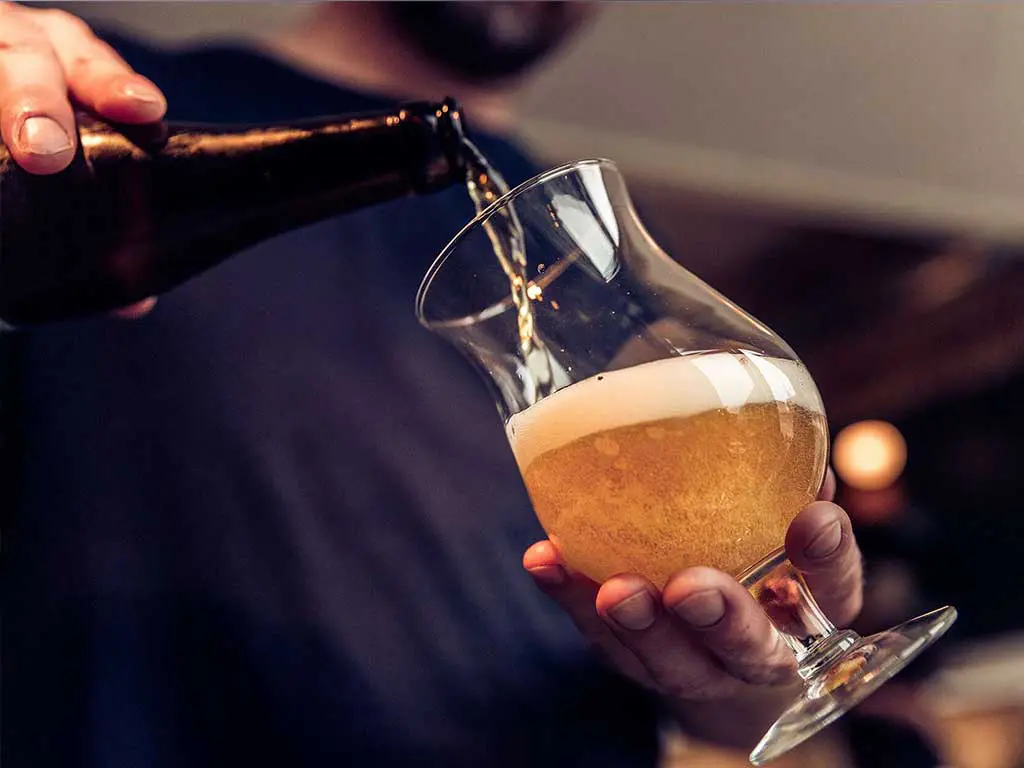
A man pouring the beer on a glass

The Functionality of Single Use Breathalyser

A single-use breathalyser is a road safety device that operates based on a straightforward principle. When an individual exhales into the breathalyser tube, the breath sample reacts with chemicals inside the device. These chemicals undergo a chemical reaction with any alcohol present in the exhaled breath. This reaction leads to a measurable colour change or another indicator within the breathalyser.

The pack insert from the device typically contains detailed information about the specific chemicals in the breathalyser. It also provides information on the reaction mechanism and the expected colour changes corresponding to different concentrations of alcohol. Understanding this information helps users interpret the disposable breathalyser readings accurately.

People often use disposable breathalysers for personal purposes, making them convenient for one-time use. These devices can gauge BAC levels without the need for complex technology. However, it is essential to note that these disposable breathalysers have limitations in terms of accuracy compared to professional-grade digital breathalysers. Therefore, it is important to use them as a screening tool rather than relying solely on their readings for definitive decisions.

How to Use It

To initiate the breath test, snap off the ends of the tester tube. Next, remove the white crystals from the tube by shaking it. Once done, the individual should take a deep breath and blow into the plastic bag. It is crucial to completely inflate the bag in one breath. Then, insert the tube into the bag.

To ensure that the breath reaches the tube, the testee should squeeze the bag. They are within the legal limit if the colour remains yellow or the green does not reach the red line. If this is the result, they can drive freely afterwards.

Gavel, scale, and a book

Understanding Alcohol Levels and Legal Limits When Using a Single Use Breathalyser

The legal BAC limits for alcohol level tests in NZ vary depending on the type of driver or vehicle. For drivers with a full license, such as a non-provisional license, the legal limit is 0.05%. This means that the alcohol concentration in the blood must not exceed 0.05 grams of alcohol per 100 Milliliters (mL) of blood.

For drivers with learner permits or provisional licenses, the legal BAC limit is lower at 0.00%. This approach requires the driver to have no alcohol in their system when operating a vehicle. Accordingly, some drivers are subjected to a stricter BAC limit. This includes professional drivers, as well as drivers of heavy commercial vehicles. The legal limit for these drivers is also set at 0.00%.

By understanding alcohol levels and legal limits, individuals can take the necessary steps to avoid drink driving. Using a single-use breathalyser helps people make informed decisions about driving after drinking. It is a step towards safer roads in NZ, as it encourages responsible drinking and driving habits.

Is It Accurate?

The quality of breathalysers can influence their accuracy. Some disposable models may produce less dependable readings due to the lack of quality control. It is recommended that users select breathalysers from reputable manufacturers known for producing reliable products. These manufacturers place a high emphasis on quality assurance.

Furthermore, the reliability of these devices depends on users following proper usage and adhering to manufacturer instructions. Factors like recent alcohol consumption, the time between drinking and testing, and user technique can influence results. Therefore, individuals must follow guidelines. They should avoid eating, drinking, or smoking before using a disposable breathalyser, as these actions can impact accuracy.

Conclusion

In conclusion, a single-use breathalyser is vital for road safety, offering a convenient and hygienic way to check alcohol levels. They work by reacting chemically to alcohol in breath, providing a visual indication of intoxication levels. While not as accurate as professional devices, these breathalysers are excellent for preliminary assessments. They assist individuals in making safer decisions about driving after drinking. Moreover, the ease of use and reliability of disposable breathalysers make them an essential tool in preventing road incidents.

NZ sets different BAC limits for drivers. Those with full licenses must keep their BAC below 0.05%. Meanwhile, learners, provisional license holders, and some professional drivers must have no alcohol in their system, with a 0.00% limit. This policy helps ensure that drivers are sober and reduces the risk of accidents on the road. Understanding these limits is crucial for safe driving, and using a disposable breathalyser can help in making responsible decisions.

Alcohol Screening Test: Types of Tests and Understanding the Results

A man looking at his phone while there is alcohol on the table

The effects of alcohol misuse can be detrimental to individual health and overall societal well-being. To mitigate these effects, alcohol screening is crucial in identifying individuals who may be at risk of alcohol dependency. It assesses individuals using a series of questions. Some of the most common testing types are the Alcohol Use Disorders Identification Test (AUDIT) and the Michigan Alcohol Screening Test (MAST). Health workers interpret the scores they obtain from the test, which they communicate to patients.

Heavy drinking can lead to accidents, violence, and other negative consequences. Thus, preventing the frequency of alcohol consumption is essential. One way of doing so is by implementing and undergoing a screening test for alcohol. By detecting early signs of problematic drinking, healthcare professionals can intervene and provide appropriate interventions. To learn more about the test, the article will present what it is, the different types available, and how to understand the results of the tests.

What Is an Alcohol Screening Test?

An alcohol screening test is a tool that assesses the alcohol consumption of people. Moreover, it determines whether they may have an Alcohol Use Disorder (AUD). Primary care providers conduct testing through a series of questions about the frequency and amount of alcohol consumed. Also, they may ask about the negative consequences that may have resulted from drinking alcoholic drinks.

Alcohol use screening tests are often used in healthcare settings to identify individuals who may be at risk of alcohol-related problems. Consequently, professionals can provide them with appropriate interventions and support. In addition, these tests can also be administered in other settings such as workplaces, schools, and at home because online versions are available.

It is essential to note that the screening test is not a diagnostic tool for AUD. It simply indicates the drinking patterns of individuals. Doctors may advise regular follow-up and monitoring to track progress and ensure compliance with the recommended treatments. This can include periodic screening tests to assess changes in alcohol consumption patterns over time.

Purpose

  • Alcohol use screening tests can help identify people who may be at risk for alcohol abuse due to their harmful alcohol consumption patterns.
  • Healthcare providers can determine the amounts of alcohol individuals drink. Subsequently, they can assess its impact on their health and well-being.
  • Based on the results of the test, professionals can recommend and prescribe appropriate treatment options to address the alcohol-related concerns of patients.
  • It monitors the progress and effectiveness of alcohol intervention programs for people seeking help for their alcohol use.
  • The test can prevent the development of potential health issues like liver disease, cardiovascular problems, and mental health disorders.

A healthcare professional conducting a screening test on a patient

Types of Alcohol Screening Tests

There are various types of alcohol screening tests. One commonly used test is the AUDIT, which consists of 10 questions that help to identify risky drinking behaviours and alcohol dependence. Another popular testing method is MAST. It is a 25-question test that evaluates consumption patterns, the consequences of drinking, and the perception of individuals of their habits.

In addition, the CAGE questionnaire is available. It focuses on four key areas to assess alcohol misuse: cutting down, annoyance, guilt, and eye-openers. This alcohol use screening test is brief and easy to administer. Substance Abuse Subtle Screening Inventory (SASSI) is one more type. It is a comprehensive screening tool that assesses substance use disorders, including alcohol.

These screening tests play a crucial role in identifying individuals who may be at risk for severe alcohol dependence. Meanwhile, those who self-administer these tests can gain valuable insights into their drinking behaviours and make informed decisions moving forward. Also, they are an essential aspect of preventive healthcare and help to promote early detection and intervention for alcohol-related problems.

Accuracy and Reliability

Screening tests for alcohol have demonstrated high accuracy and reliability in identifying individuals with harmful drinking patterns. Moreover, they have been extensively studied and validated. Thus, their ability to accurately assess alcohol consumption and related problems contributes to a better quality of life for those who receive timely support and treatment.

Additionally, screening tests are reliable and cost-effective in healthcare settings. By recognising at-risk patients and providing early interventions, healthcare systems can save on long-term costs associated with alcohol-related health issues. Moreover, these tests can help reduce the societal burden of alcohol misuse by preventing its negative impact on individuals, families, and communities.

A doctor explaining results to a patient

Understanding the Results of an Alcohol Screening Test

When interpreting the results of an alcohol screening test, understanding what each score or response means concerning alcohol consumption is crucial. These screening tests are designed to assess the risk of a person for alcohol-related problems. Consequently, they can help identify people who should undergo further assessment or intervention.

For example, the AUDIT questionnaire consists of 10 questions that assess alcohol consumption, alcohol-related problems, and alcohol dependence. Each question is scored from zero to four, with a total score ranging from 0 to 40. A higher score on the AUDIT indicates a higher likelihood of alcohol-related problems. Subsequently, this may warrant a closer evaluation or intervention.

Similarly, the CAGE questionnaire consists of four questions that assess for signs of alcohol dependence. A score of two or more indicates a likelihood of excessive alcohol consumption. It is essential to interpret the scores in the context of the overall health and lifestyle of the patient. Also, they must use the outcomes as a starting point for further discussions about alcohol use and its impact on the well-being of the person.

What Happens After a Positive Result?

After a positive alcohol screen result, the individual will typically be referred for a more comprehensive evaluation by a healthcare provider. Further evaluations will help determine the level of severity of their alcohol issues. Also, these can guide appropriate treatment recommendations.

Following the evaluation, professionals may encourage the patient to participate in treatment programs. These include counselling, support groups, or medication-assisted therapy. In some cases, the individual may also be referred to additional lab tests or facilities for intensive treatment and support. Those with a positive result need to seek help and support to address their alcohol misuse and work towards recovery.

Conclusion

Alcohol screening tests are a vital tool for identifying individuals who may have AUD. Moreover, the test informs professionals that patients are at risk for alcohol-related problems. Providers and individuals can administer the test in various settings, including healthcare facilities near them, workplaces, and homes. They can choose from different testing types. Some of the most commonly used are AUDIT questions, CAGE questionnaires, MAST, and SASSI tests. These screening tools are accurate and reliable for assessing drinking habits.

Drinking alcoholic beverages is enjoyed by many people. However, excessive consumption can lead to severe problems. Therefore, it is crucial to identify those who may be vulnerable through a screening test. Understanding the results of the screening questions can provide valuable information on consumption patterns. Subsequently, people can receive appropriate interventions and support to address their alcohol-related issues. Ultimately, the test improves the overall health and well-being of those affected by alcohol misuse.

Driving Drug and Alcohol Test: The Need to Know

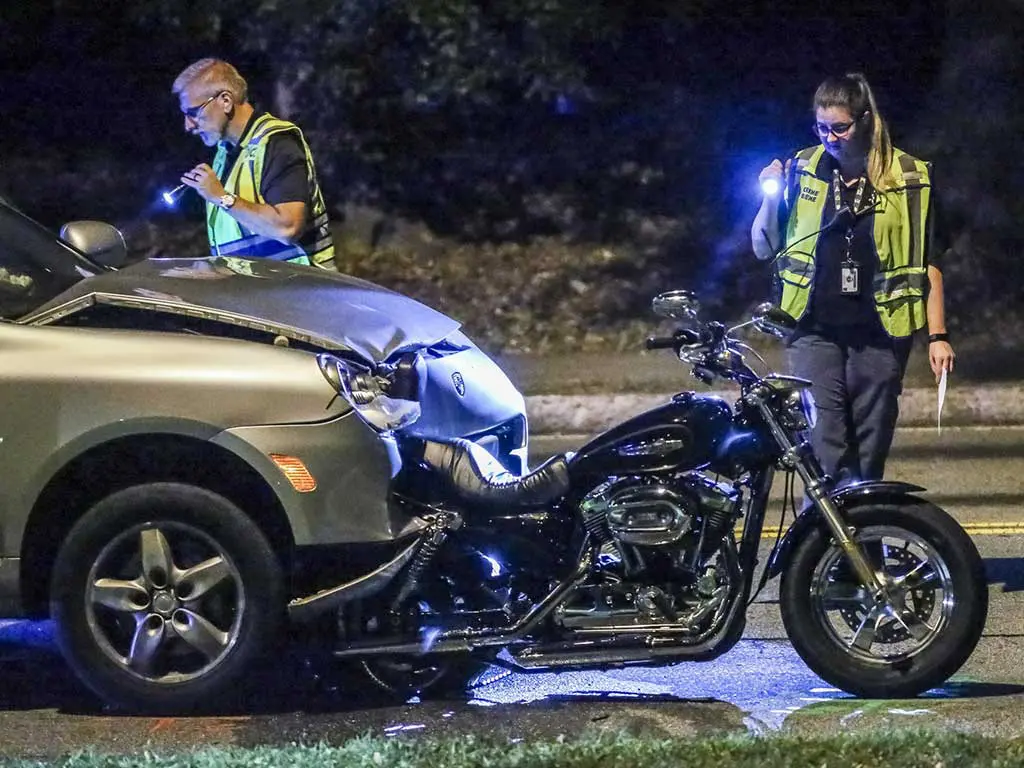
Two officers checking on a road accident at night

Driving Under the Influence of alcohol and illegal drugs (DUI) can incriminate a person. Moreover, it puts the life of the driver and others on the road at risk. Hence, police officers typically administer a driving drug and alcohol test on suspected individuals. It assesses the presence of various substances using breath, urine, and saliva samples. Also, authorities may conduct tests by collecting hair and blood samples if necessary. However, protocols must be followed to avoid legal issues.

The effects of taking illicit drugs and consuming excessive amounts of alcohol can impair the ability to drive safely. These substances can affect coordination, reaction time, judgment, and overall cognitive function. As a result, DUI is considered a criminal offence in many countries. Also, this is the reason why law enforcement strictly enforces regulations and conducts tests. The following sections will present what a test for alcohol and drugs is, the different types, and the legal framework surrounding it.

What is a Driving Drug and Alcohol Test?

A driving drug and alcohol test is a screening process that assesses the presence of drugs or alcohol in the body. The law mandates this test for individuals who operate vehicles for work or as part of a legal requirement. This is because some people abuse even legal drugs like prescription drugs or pharmacy drugs, which can impair the senses.

The test promotes safety on the roads by identifying and deterring drink driving. It helps prevent accidents and injuries by ensuring that individuals behind the wheel are not under the influence of drugs and alcohol. Employers may also require employees to undergo the test as a condition of employment. Consequently, they can maintain a healthy working environment and protect their business from potential liabilities associated with impaired driving.

Police officers may conduct random drug testing. Additionally, they may do alcohol breath tests during traffic stops or checkpoints to enforce DUI laws. Overall, a driving substance test is an essential tool for promoting responsible and safe driving practices. Moreover, it is an integral part of efforts to reduce drink driving risks on the roads.

Benefits and Importance

  • The test can identify drink drivers. As a result, it lessens the possibility of road accidents and fatalities.
  • Transportation companies can ensure that their drivers comply with laws and regulations. Consequently, testing prevents legal repercussions concerning alcohol and drug driving offences.
  • Implementing drug and alcohol testing for drivers can help maintain a positive public image by demonstrating a commitment to safety and responsibility.
  • Identifying and addressing substance abuse issues among drivers can ultimately save lives by promoting responsible driving behaviour.
  • By ensuring that professional drivers are sober and alert while on the road, the test can help maintain efficiency and reliability in transportation services.

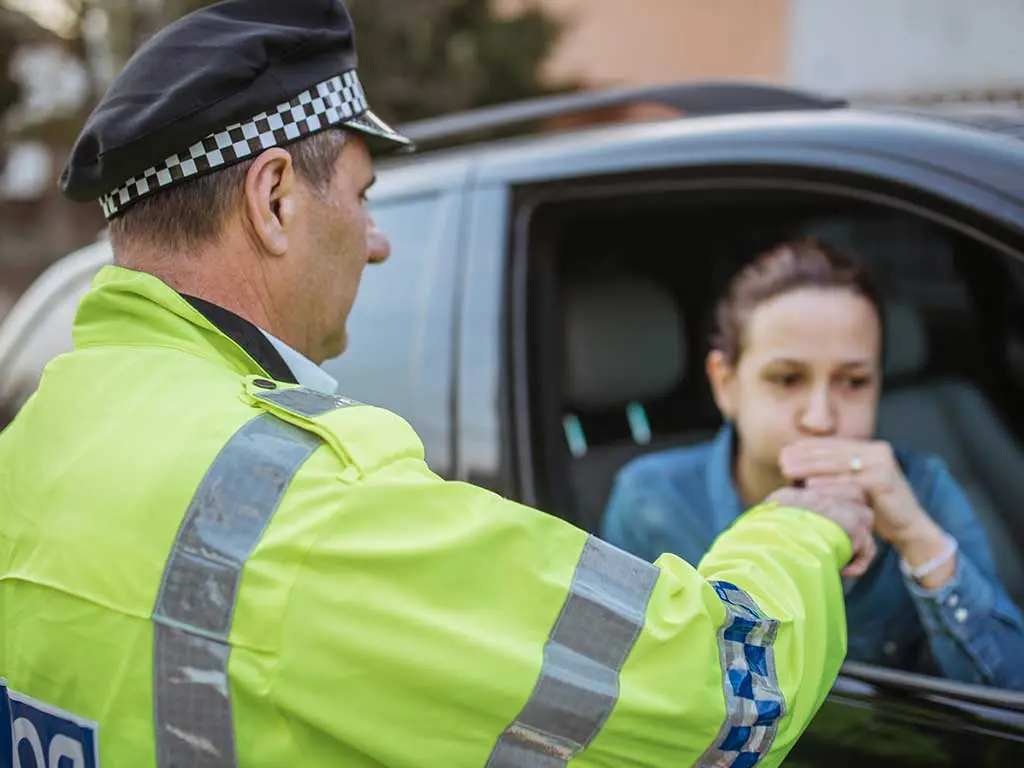
A police officer administering a breath test on a woman who is inside a car

Types of Driving Drug and Alcohol Tests

Authorities can utilise several types of driving drug and alcohol tests to detect impairment in drivers. One kind is alcohol breath testing. Officers use a breathalyser, an electronic device that determines the Blood Alcohol Concentration (BAC) in breath samples. Going over the legal alcohol limit, which is 0.05% in New Zealand, can result in penalties.

Another method is blood testing. It is one of the most accurate types of test, but it is intrusive and time-consuming. Nevertheless, blood tests are beneficial in severe cases or offences. Moreover, there are saliva tests. Police officials take saliva samples to identify drug presence in the system. They often prefer a saliva test because it is non-invasive, and they can administer it quickly and easily at the roadside.

In some cases, law officials may conduct hair testing on drivers. It occurs when they suspect long-term substance use. Hair testing can trace drugs and alcohol in hair samples for up to 90 days. Furthermore, they can identify alcohol or drug abuse in urine samples. This test is commonly used in probation and parole settings for drivers, as it can detect recent substance use.

What Methods are Commonly Used?

There are different kinds of tests to identify alcohol and illegal drug users. However, police officers may utilise some methods more often than others. For instance, they typically use breathalyser tests for alcohol consumption because they provide fast results. This is useful for ensuring immediate safety on the roads.

Moreover, authorities commonly use saliva specimens during random roadside saliva tests. This is because the test is easy to conduct and offers quick outcomes. Lastly, they may do alcohol or drug impairment tests on drivers using urine testing because it can detect a wide range of substances. Also, the test can provide relatively accurate results.

Law enforcement officers conducting tests on drivers

Legal Framework Surrounding Driving Drug and Alcohol Test

In many jurisdictions, the legal framework surrounding driving drug and alcohol tests is a critical component of road safety. Laws and regulations govern when and how police officers can request substance tests from drivers. The law also regulates the consequences of refusing to comply with these tests. Additionally, the legal framework addresses how officials can use the results in court proceedings, such as DUI cases.

One key aspect of the legal framework surrounding the testing of drivers is the establishment of clear protocols for administering the tests. These protocols often specify the types of tests to utilise. Furthermore, the legal framework includes guidelines for the training and certification of the individuals responsible for conducting the tests. It also has the requirements for maintaining the accuracy and reliability of testing equipment.

Another essential element of the legal framework is addressing the penalties and consequences for offenders, including potential criminal charges. Overall, the legal framework surrounding roadside testing of drivers for alcohol and drugs plays a crucial role in deterring drink driving and promoting safety.

Fines and Penalties

Alcohol and drug driving laws require offenders to pay fines ranging from $500 to $10,000. The total amount depends on the severity of the offence and the history of the driver. In addition, they may face license suspension or revocation, mandatory substance abuse treatment programs, and potential incarceration.

In some cases, a first-time offender may be allowed to attend a diversion program instead of facing more severe penalties. However, repeat offenders are likely to deal with higher fines and penalties. Also, they may have a longer suspension period or even permanent revocation of their licenses.

Conclusion

The effects of alcohol consumption and illicit drug intake are dangerous. Hence, the driving drug and alcohol test is a crucial measure to ensure the safety of all road users. This test can detect and deter individuals from driving under the influence of drugs and alcohol. Ultimately, it reduces the number of impaired driving-related accidents. The testing types include urine, saliva, blood, hair, and breath screening. Authorities and transportation companies utilise these to protect the community and their workforce.

Tests for alcohol and drugs are necessary to protect the lives of people. In the legal framework, drivers must submit to these tests when law enforcement has reasonable suspicion of impairment. Refusal to take the test can result in penalties, like license suspension or revocation. However, police officers must also follow specific guidelines when administering tests to ensure accuracy and fairness. By enforcing the tests, authorities can remove impaired drivers from the road and reduce the risk of accidents.