Instant Drug and Alcohol Testing Near Me. Where to Avail Of One?

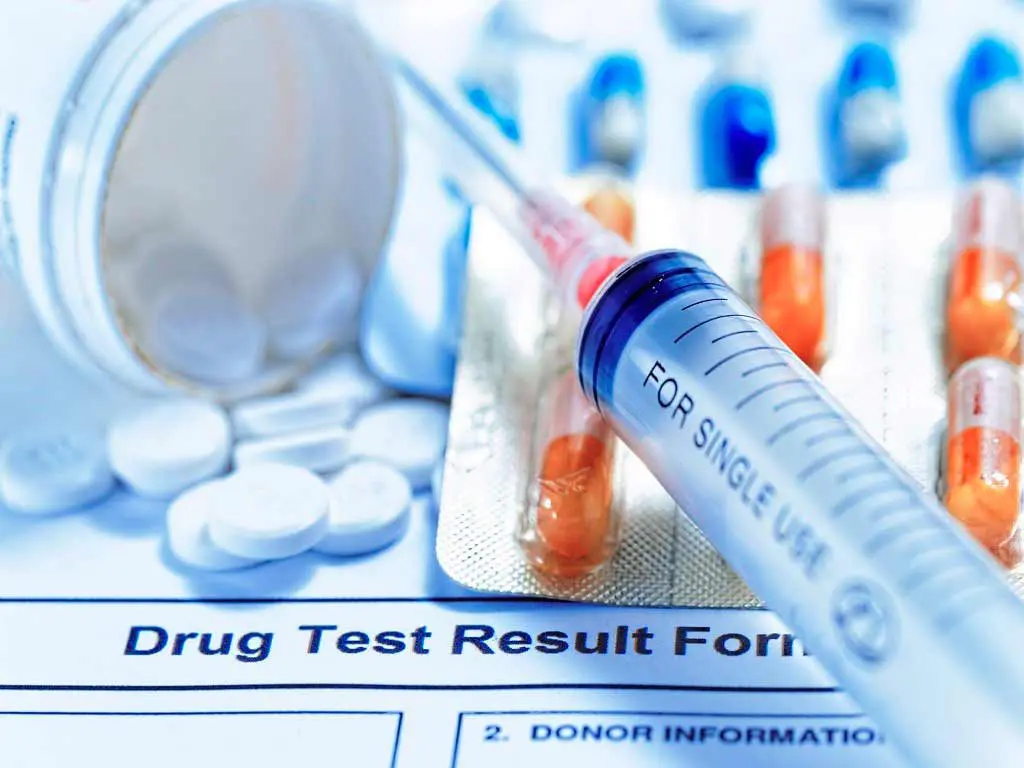
Assortment of various medications and a syringe.

Drug and alcohol abuse poses serious risks to a person’s health, relationships, and society. Consequently, many people seek instant drug and alcohol testing near me, whether for personal or work-related reasons. Hospitals or clinics offer various options based on individual needs, where these tests can be availed. These facilities often employ specialised equipment and trained professionals to ensure accurate and reliable test results. Alternatively, people can purchase self-test kits to perform the tests at home.

Numerous organisations have incorporated drug and alcohol testing into their safety protocols. The purpose is to identify employees currently impaired by substances or struggling with substance abuse. This helps reduce safety hazards in the workplace, preventing accidents and injuries. Moreover, individuals may also develop healthier habits as a result. This article will present where to avail testing services, the different methods used, and what to expect.

Where to Avail Instant Drug and Alcohol Testing Near Me

Drug and alcohol testing involves examining a biological sample to detect substances that can impair a person’s abilities. These tests are required in various situations, particularly in high-risk industries. As a result, companies regularly implement these tests as part of their safety measures. Individuals may also choose to obtain personal testing equipment to ensure they are clear before undergoing a formal procedure.

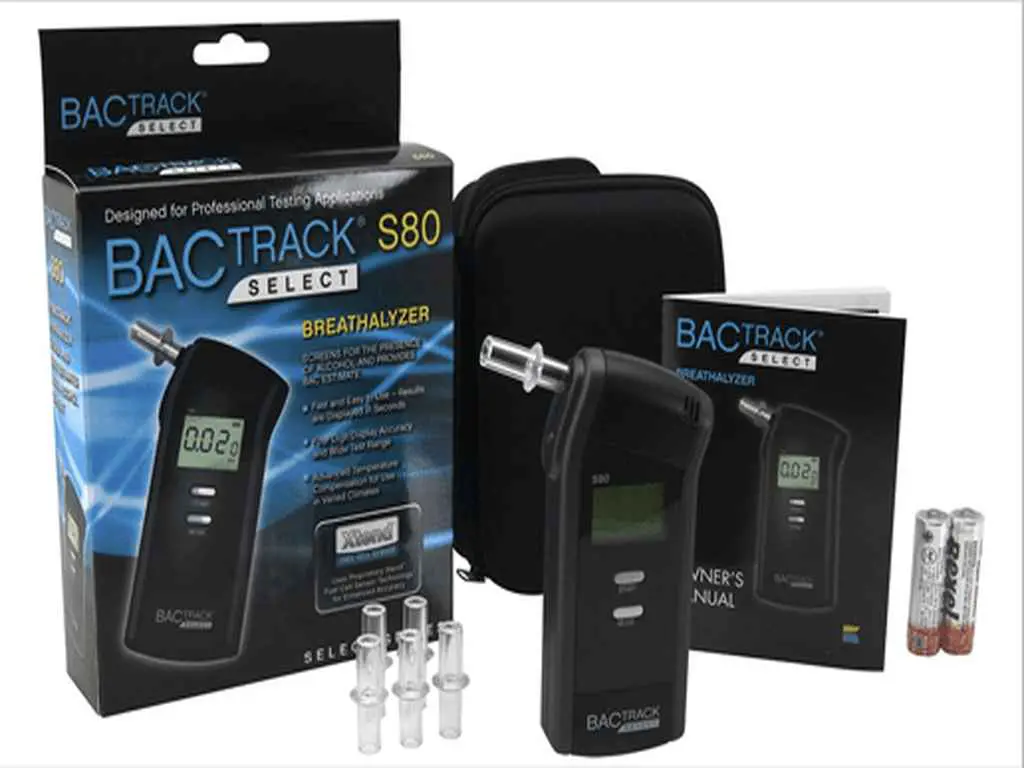
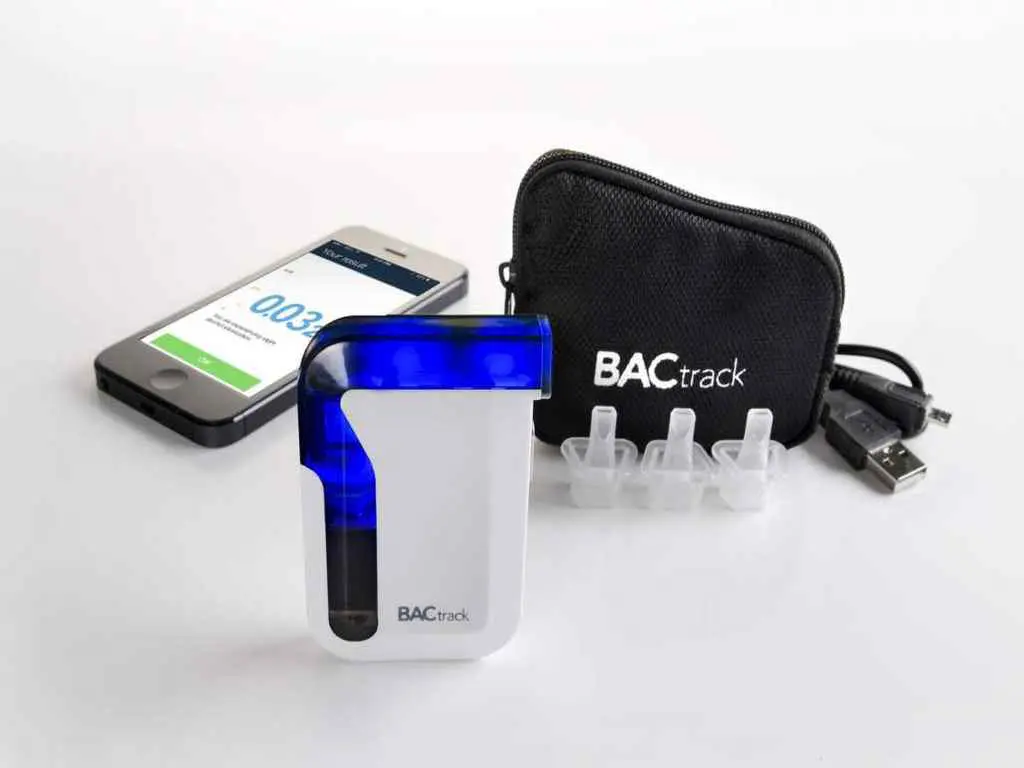
There are various locations, such as clinics and laboratories, that offer testing services. When searching for instant drug and alcohol testing near me, it is important to find a convenient option. People can ask their healthcare provider for recommendations or check online for laboratories that provide the desired services. For breath tests, individuals can avail BACtrack breathalysers from Breathalysers New Zealand.

Furthermore, many companies opt for the use of mobile laboratories for workplace testing to make the process more efficient. Accredited laboratories can set up secure locations near the worksite. This enables employees to conveniently provide a sample and await results without needing to leave work for extended periods. This approach offers companies a cost-effective solution for monitoring substance use

Advantages of Workplace Testing

  • Better productivity: helps ensure that employees are fit to work and free from substance abuse, which can overall performance.
  • Reduces potential legal liabilities: companies can address substance abuse issues, reducing the risk of accidents, injuries, and legal liabilities.
  • Lowers overall costs: can lead to cost savings for the company by preventing injuries, and productivity losses caused by substance-related problems.
  • Efficient hiring process: helps companies ensure that they hire individuals who are free from substance abuse, promoting a more reliable workforce.
  • Helps employees overcome substance abuse: provides an opportunity to identify employees with substance use problems and offer them support.


A professional writes on the table, with ampoules and papers in front.

Instant Drug and Alcohol Testing Near Me: Test Methods

When searching for instant drug and alcohol testing near me, individuals can inquire about the available tests offered. Most laboratories provide tests using urine, blood, oral fluid, and breath samples. The standard method for detecting drugs is urine test. It can identify various illicit substances, including the misuse of prescription drugs, and has a detection window of up to 72 hours.

An oral fluid test provides an alternative to urine testing. This method involves swabbing the inside of the mouth. It is less invasive and can trace illegal drug use from the last 24 hours. Furthermore, a blood test can detect all kinds of substances within 6 to 24 hours from the last use. However, it is intrusive and costly. It often serves as confirmation testing for preliminary screens.

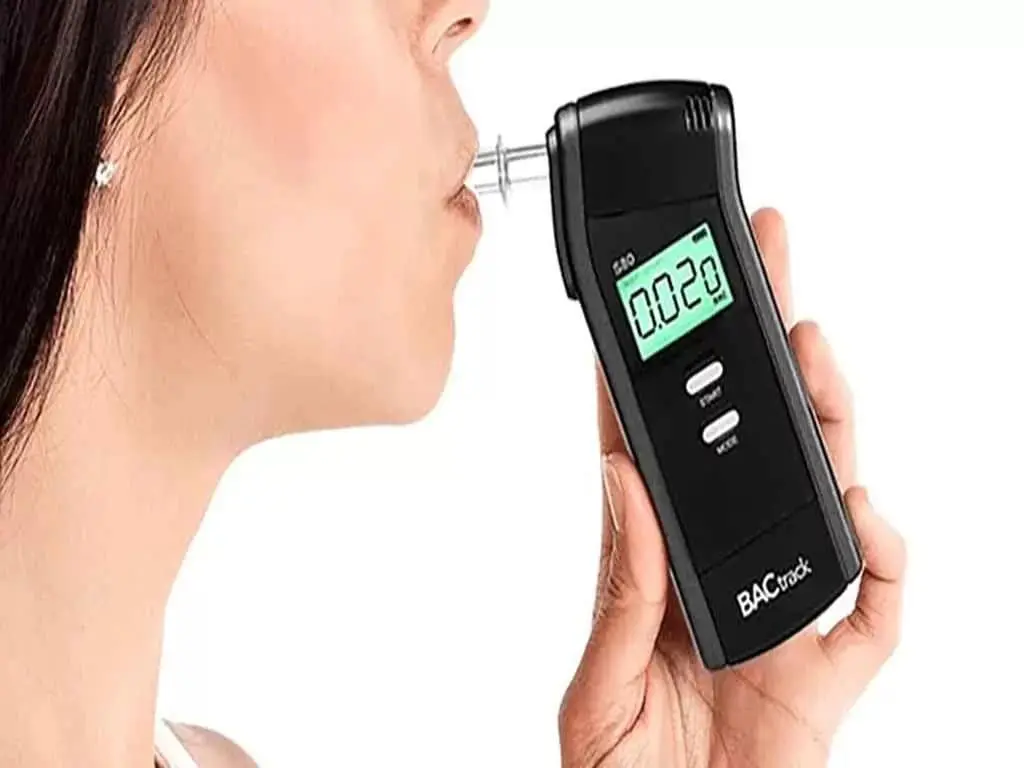
A breath test examines the breath sample to determine the presence of alcohol. Using a breathalyser device, it estimates the person’s Blood Alcohol Concentration (BAC), indicating their level of impairment. This test can monitor alcohol usage for up to 24 hours. Interestingly, there are also personal breathalyser devices available, eliminating the need for laboratory testing.

When to Conduct Workplace Tests

To ensure a safe and productive work environment, employers conduct drug and alcohol workplace tests in various situations. Firstly, the pre-employment test aims to prevent hiring candidates with substance abuse problems. Secondly, organisations facilitate post-incident tests within a reasonable time frame after an accident to assess potential impairment.

Thirdly, businesses conduct random drug testing in the workplace to deter substance use. This unannounced test serves as a deterrent and discourages employees from engaging in illicit activities. Lastly, companies administer the reasonable suspicion test when an employee shows symptoms of impairment. It helps identify and address potential substance abuse issues.


A professional conversing with two individuals while holding a pen and paper.

Instant Drug and Alcohol Testing Near Me: What to Expect?

Preparing for alcohol and drug testing involves getting ready and understanding the procedure. The healthcare provider or employer will guide on what to do or avoid. It is important to fast the night before the test and refrain from consuming excessive fluids. Before heading to the laboratory, individuals must bring valid identification and, if applicable, their medical history.

The availability of instant drug and alcohol testing near me depends on the method and the substances being tested for. Generally, clinics are responsible for collecting urine, blood, or saliva samples. In the case of onsite workplace testing, samples are obtained and subsequently sent to a laboratory for analysis. After the test, the results are usually available within 24 to 48 hours.

During the collection process, it typically takes about 5 to 10 minutes to complete. A technician will closely observe the entire procedure to ensure accuracy and prevent any attempts to tamper with the sample. People who opt for rapid tests can receive their results within minutes. However, if the results show a non-negative outcome, further confirmation testing is necessary.

Employee Guide to Drug and Alcohol Policy

Implementing workplace testing is crucial for preventing the potential dangers associated with substance use. A drug and alcohol policy in New Zealand workplaces aids organisations in maintaining safety and promoting well-being. Furthermore, conducting drug and alcohol tests proves to be a cost-effective approach for preventing accidents and mitigating legal risks.

Workplaces with zero alcohol tolerance policies require employees to remain sober while working. Workers must ensure their BAC is at zero to fulfill their responsibilities. To help regulate alcohol intake, individuals can utilise personal breathalysers like the BACtrack S80 Pro. These devices allow them to monitor their BAC and avoid surpassing legal limits.

Conclusion

Individuals seeking instant drug and alcohol testing near me can avail at clinics, laboratories, or through online searches. They can ask their healthcare provider for recommendations or search for laboratories that offer the desired services. Additionally, people can obtain BACtrack breathalysers from Breathalysers New Zealand for breath tests. In high-risk industries, companies often utilise mobile laboratories near worksites, eliminating the need for employees to leave work. This cost-effective approach enables effective monitoring of substance use.

Moreover, people should expect guidance from healthcare providers or employers on the necessary preparations and procedures. The availability of such testing depends on the specific substances being tested and the chosen method. Furthermore, implementing a drug and alcohol policy in workplaces is crucial for promoting safety and well-being. It helps prevent accidents and reduces legal risks. Workplaces with zero-alcohol policies require employees to ensure a zero BAC to fulfill their responsibilities effectively.

Hair Drug Test: What Can It Detect?

A professional extracting a small hair sample from a petri dish.

A hair drug test is a method used to determine if someone has used drugs by examining a sample of their hair. It is a reliable way to detect various substances in the body. These substances include marijuana, cocaine, amphetamines, and others. The test analyse the hair itself to gather information about a person’s drug use over an extended period. Moreover, this test provides important details about someone’s drug history.

The use of illicit drugs can significantly harm a person’s health and safety. It can lead to addiction and severely impair essential bodily functions, increasing the risk of accidents. Furthermore, individuals dependent on drugs may attempt to conceal their situation. However, signs of drug use can become apparent through a person’s appearance, behaviour, and actions. This article will present how a hair test works, the substances it can detect, and alternative methods.

How a Hair Drug Test Works

A hair drug test works by identifying the parent drug or its metabolites through hair strands. Drugs and alcohol present in the bloodstream passively diffuse into the hair as it grows, extending the detection period. This test can identify drug use over several months. Thus, it provides valuable information about consumption patterns, allowing for the identification of a person’s history of illegal substance use.

To conduct the test, a technician collects a 100mg sample of hair, which is approximately 90 to 120 strands, from the scalp. The collected sample is carefully wrapped in foil for proper documentation and transportation to the laboratory for analysis. This transparent collection process reduces the risk of tampering or contamination.

Substances generally enter the hair through a process called passive diffusion at the base of the hair follicle. Recent research suggests that drugs can also enter the hair during the formation of the hair shaft. Additionally, hair growth varies among individuals, allowing the hair test to identify substances consumed within 7 to 10 days. A 1.5-inch hair sample can detect drug use up to 90 days before the test.

What Can Hair Detect

  • Ethanol is a type of alcohol commonly found in alcoholic beverages and can cause intoxication and impairment.
  • Cocaine is a powerful stimulant drug that stimulates the central nervous system and produces feelings of euphoria.
  • Opiates (such as codeine, oxycodone, hydrocodone, morphine, methadone) are a group of drugs used for pain relief.
  • Amphetamine and methamphetamine are stimulant drugs that increase energy, focus, and alertness.
  • Phencyclidine (PCP) is a dissociative drug that alters perception and can cause hallucinations and delusions.
  • Cannabis is a psychoactive drug that can induce relaxation and changes in sensory perception.
  • Methylenedioxymethamphetamine (MDMA) is a synthetic drug that combines stimulant and hallucinogenic effects.

A team of individuals engaged in office work.

Practical Uses of a Hair Drug Test

In various settings, a hair drug test plays a crucial role in maintaining safety and promoting accountability. For instance, treatment centers utilise this test to enhance their services and provide effective care to individuals seeking help. The test enables treatment centers to assess the presence of drugs in a person’s system. Hence, it aids in the development of tailored rehabilitation plans, resulting in improved outcomes for patients.

Moreover, workplaces leverage the benefits of the hair test to maintain a safe and productive environment for employees. The test helps employers identify people who may be using drugs, which can impact job performance, and safety. By implementing this test, companies can minimise the risk of accidents and create a healthier work atmosphere.

Furthermore, the legal system relies on hair follicle tests to support fair and just legal proceedings. It assists law enforcement agencies in gathering evidence of drug use, which can be crucial in criminal investigations. Therefore, the test provides a reliable means of identifying long-term drug usage and contributes to the accuracy of legal outcomes.

Benefits

Hair follicle tests offer advantages over other methods. Firstly, they have a longer detection window compared to oral fluid or blood tests, allowing for extended identification of drug use. Secondly, the non-invasive collection process makes them more comfortable, while hair samples are easy to store and transport.

Thirdly, these tests are difficult to cheat or adulterate, unlike urine tests. Hair samples cannot be easily manipulated, ensuring the integrity of the test. Furthermore, the same sample can be retested multiple times in the lab, enhancing accuracy and reliability. This ability to conduct retests boosts confidence in the results and ensures the reliability of the testing process.

A man showcasing two devices held in his hands.

Alternative Methods for Hair Drug Tests

There are alternative methods available for detecting substances aside from hair drug tests. One such method is the saliva drug test, which involves collecting a sample of oral fluids to analyse for drug metabolites. Another option is the blood test, which measures drug levels in the bloodstream. Additionally, the urine test examines the urine sample for the presence of substances.

Moreover, breath tests serve as a specific alternative for detecting alcohol consumption. These tests employ breathalysers to measure the Blood Alcohol Content (BAC) in a person’s breath. They can identify alcohol within 15 minutes up to 24 hours after the last intake. Moreover, breath tests offer a convenient and non-invasive method to assess alcohol impairment.

Furthermore, BACtrack breathalysers from Breathalysers New Zealand utilise fuel cell sensors to provide highly accurate readings of BAC. These devices use an electrochemical process to oxidise alcohol present in the breath. As a result of this oxidation, small electrical currents are generated, which are then converted into BAC values.

Advantages of BACtrack Breathalysers

BACtrack breathalysers provide several advantages in alcohol detection. Firstly, they deliver fast results, providing readings within 10 to 15 seconds of processing a breath sample. This saves time for both employers and employees. Secondly, these breathalysers are portable, enabling on-site testing without the need for workers to leave their workplace.

Thirdly, BACtrack breathalysers have a remote monitoring feature. Employers can track off-site employees, such as truck operators, by using smartphone breathalysers like the BACtrack Mobile Gen2. This capability enhances safety and ensures compliance with alcohol-related policies. Lastly, these breathalysers offer easy sample collection by simply blowing into the mouthpiece.

Conclusion

A hair drug test has proven effective in detecting a broad range of substances. These include marijuana, cocaine, opiates, amphetamines, ethanol, PCP, and more. Through hair analysis, this test offers valuable insights into an individual’s drug use patterns over an extended period. The collection process ensures transparency and minimises the risk of tampering. Moreover, the hair test finds practical use in various settings, including workplaces, treatment centres, and the legal system.

When it comes to alternative methods for drug testing, oral fluid, urine, and blood tests can be employed. Additionally, breath tests serve as a specific option for alcohol testing. BACtrack breathalysers from Breathalysers New Zealand offer several advantages in measuring the person’s BAC. They provide fast results, are portable for on-site testing, offer remote monitoring capabilities, and make sample collection easy. These characteristics make BACtrack breathalysers a valuable tool in ensuring workplace safety and compliance with alcohol-related policies.

Alcohol Urine Test for Work: Can Employers Conduct One?

A man carrying a helmet and having tools secured to his waist.

Maintaining a productive workplace requires employees who are physically fit and mentally alert. However, one of the challenging problems that companies often encounter is the improper use of alcohol. To address this issue, companies implement an alcohol urine test for work as a preventive safety measure. Employers can conduct this test based on an established workplace policy. This policy defines the company’s health and safety goals and provides guidelines for managing occupational hazards.

Substances like alcohol can create pleasurable feelings when consumed in moderation, leading to relaxation and decreased inhibitions. However, consuming excessive amounts can result in significant impairment. Furthermore, individuals may develop a higher tolerance, leading to addiction. Consequently, it affects a person’s senses, judgement, and motor skills. These diminished abilities can prevent an employee from safely and effectively performing tasks. This article will cover conducting an alcohol urine test, policy implementation, and alternative methods.

When to Conduct Alcohol Urine Test for Work

Employers often require an alcohol urine test for work in certain situations. Firstly, they conduct pre-employment testing, especially for safety-critical roles, to ensure workplace safety. This test helps identify job applicants who may misuse substances that could harm their performance. Secondly, employers carry out random testing without prior notice, giving every employee an equal chance of being selected.

Thirdly, employers perform post-incident testing after an accident or incident to determine if alcohol played a role. It is crucial to conduct the test within a specific timeframe to obtain accurate results. This timeframe is determined based on the metabolism rate of alcohol in the body. Additionally, post-incident testing serves as a means for employers to demonstrate their commitment to maintaining a safe working environment.

Lastly, for-cause testing is done when a supervisor or manager reasonably suspects that an employee is impaired. Signs of intoxication, such as bloodshot eyes, alcohol smell, and poor coordination, may prompt the need for a for-cause test. To avoid legal issues, companies must follow strict guidelines when administering this test.

Benefits

  • Enhances workplace safety by reducing risks of alcohol impairment.
  • Prevents accidents and injuries. Thus, it promotes employee well-being and productivity.
  • Lowers absenteeism and turnover. Hence, it improves overall workplace stability.
  • Saves healthcare costs, reducing the financial burden for the company.
  • Reduces conflicts, aggression, and violence among employees.
  • Boosts employee morale, integrity, and overall job satisfaction.
  • Encourages responsibility and accountability among employees.
  • Identifies addiction issues, offers rehabilitation support, and facilitates recovery.
  • Ensures legal compliance, minimising disputes and legal complications.
  • Helps in hiring candidates with safe habits and behaviours, ensuring a reliable workforce.
  • Creates a healthier and risk-free work environment for the benefit of all.


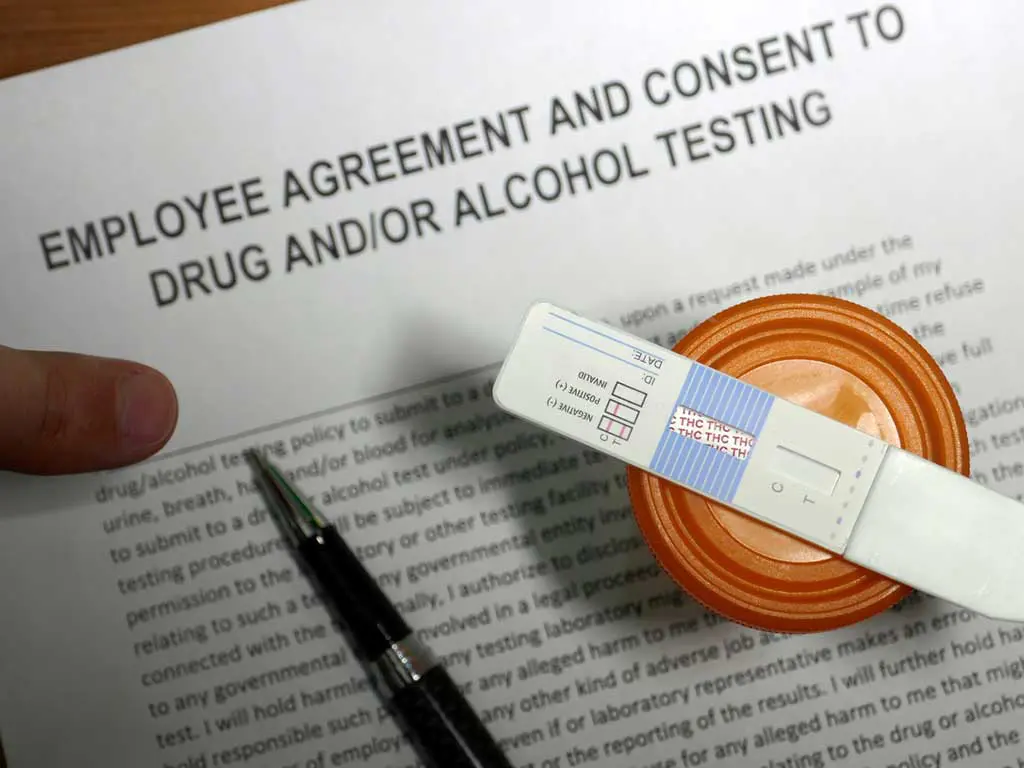
A consent form, a pen, and testing kits.

Alcohol Urine Test for Work: Policy

The primary goal of most companies is to ensure a safe and secure environment for their employees, which involves minimising potential safety risks. One way to achieve this is by implementing an alcohol urine test for work. To do so, employers must establish a comprehensive policy that permits drug and alcohol testing in the workplace.

A complete policy for workplace alcohol testing covers various things. These include a list of prohibited substances, testing methods, standard safety procedures and consequences of positive test results. Moreover, a well-crafted drug and alcohol test policy discourages the use of substances and promotes the safety of all employees. By adopting such a policy, companies can proactively address potential alcohol-related concerns.

Furthermore, administrators and employees must obtain written consent from all employees before conducting a test. This active step ensures that employees agree to participate and comply with the rules and regulations. Hence, it promotes transparency and accountability throughout the testing procedure. Moreover, employees can make informed decisions about their involvement, fostering a sense of trust and mutual respect.

What to Expect After Positive Result

Companies must have clear procedures for positive test results. If it happens, the employee can ask for another test to make sure the initial result is correct. The final result can be determined by conducting additional tests, such as analysing a blood sample. This method is approved by a Medical Review Officer (MRO).

If the final test shows a positive result, the employee might face consequences based on the company’s policy. For instance, some workplaces suspend employees for a specific period. In severe situations, they may get dismissed. However, employers can provide rehabilitation to affected workers through the Employee Assistance Program.


A man holding a breathalyser and a smartphone

Alcohol Urine Test for Work: Alternative Methods

Companies that conduct an alcohol urine test for work may also consider using a blood test as a confirmatory method. However, this method is invasive and involves drawing blood samples. An excellent alternative to blood and urine tests is the alcohol breath test. Using a breathalyser, such as those from Breathalysers New Zealand, is a convenient way to measure alcohol use efficiently.

Using a breath test has several advantages. Firstly, it provides quick results compared to other screening methods. Devices like BACtrack can measure Blood Alcohol Concentration (BAC) levels in just 10 to 15 seconds. Secondly, a breath test is highly accurate due to the improved sensor performance in modern breathalysers. Workplace breathalysers, such as SHIELD Express, use fuel cell sensors that offer high precision and validity, similar to the technology used by police enforcement.

Thirdly, a breath test is easy to use and does not require professional or laboratory analysis. By following the instructions for a breathalyser, anyone can obtain accurate readings. Additionally, individuals can get BACtrack professional-grade devices for personal use. Lastly, breath tests are cost-effective. Investing in a professional breathalyser is practical and valuable for businesses.

Remote Workplace Testing

Many businesses oversee their employees’ monitoring through assigned healthcare professionals. Alternatively, they can remotely track treatment progress using smartphone breathalysers like the BACtrack Mobile Gen2. Breathalysers New Zealand provides remote alcohol monitoring through the BACtrack View, a program based on an app that allows monitoring recovery.

The BACtrack View is a valuable tool for companies and employees to restore accountability. The app sends the BAC readings to the designated Monitor for immediate viewing. The Monitor can be a family member, a healthcare professional, or an employer. Furthermore, the app can set timely reminders for when a breath test is due.

Conclusion

Employers can conduct an alcohol urine test for work based on an established workplace policy. They use it to find out if someone might be a risk because of alcohol misuse. In addition, employers employ different kinds of testing. These include pre-employment, random, post-incident, and for-cause testing. Moreover, companies make a clear policy that says what substances are not allowed, how the testing works and safety rules.

Implementing a breath test as an alternative to an alcohol urine test in the workplace offers numerous advantages. Breathalysers from Breathalysers New Zealand utilise fuel cell technology to provide quick and accurate results. Also, they are easy to use without professional assistance and are cost-effective for businesses. Furthermore, remote workplace testing through smartphone breathalysers enables convenient and accountable monitoring of alcohol levels. Moreover, BACtrack devices adhere to regulatory standards to ensure they are effective and accurate for alcohol breath testing.

Is Instant Drug and Alcohol Testing Accurate?

Testing kits and a pen are positioned on top of the consent form.

Employers make use of instant drug and alcohol testing in the workplace to ensure safety and productivity. These tests swiftly identify drugs or alcohol in employees, particularly in roles where impairment can lead to severe outcomes. When performed correctly, instant testing methods yield accurate results within minutes. This enables employers to identify individuals who may be under the influence and take appropriate action.

Drug and alcohol abuse in the workplace is a widespread issue that presents challenges for employers. Substance abuse can lead to accidents, less productivity, and legal issues. It can also create a hostile environment and strain relationships among coworkers. However, employers can actively address the issue by using instant testing. They help discourage substance abuse, identify impaired employees, and allow for timely intervention. This article will explore the accuracy of instant testing, the methods used, and other factors.

Instant Drug and Alcohol Testing Accuracy

Instant drug and alcohol testing refers to the use of rapid screening methods to detect substances in a person’s body. They provide results, typically within minutes, and are widely used in various settings. These include workplaces, schools, and law enforcement agencies. They come in different methods, such as urine, saliva, or breath tests, allowing for convenient and non-invasive sample collection.

When conducted properly, instant testing can be highly accurate in detecting the presence of substances. However, these tests are screening tools and not confirmatory tests. While they can provide reliable results, confirmatory testing is usually required to confirm the presence and amount of specific substances. In this case, a blood test may be required for confirmation due to their high accuracy rate.

Several things can affect the accuracy of instant testing. Some tests may have lower thresholds for detecting substances than others. Additionally, the quality of the testing equipment and the proficiency of the operator can impact accuracy. Moreover, external factors like sample contamination or improper storage and handling of the drug test kits can also introduce potential errors.

Benefits

  • Privacy: only the test taker and the authorised personnel have access to the results.
  • Convenience: testing can be done at home or in the workplace, eliminating the need for laboratory visits.
  • Cost-effectiveness: testing kits are more affordable than laboratory tests, saving money on travel expenses.
  • Quick and accurate results: people can obtain results within seconds, just like BACtrack device for alcohol testing.
  • Ease of use: testing kits are user-friendly, requiring no professional assistance or training.
  • Increased testing frequency: allows employers to conduct regular testing on a larger number of employees.
  • Simplified record-keeping: test results can be recorded immediately and are easier to document.


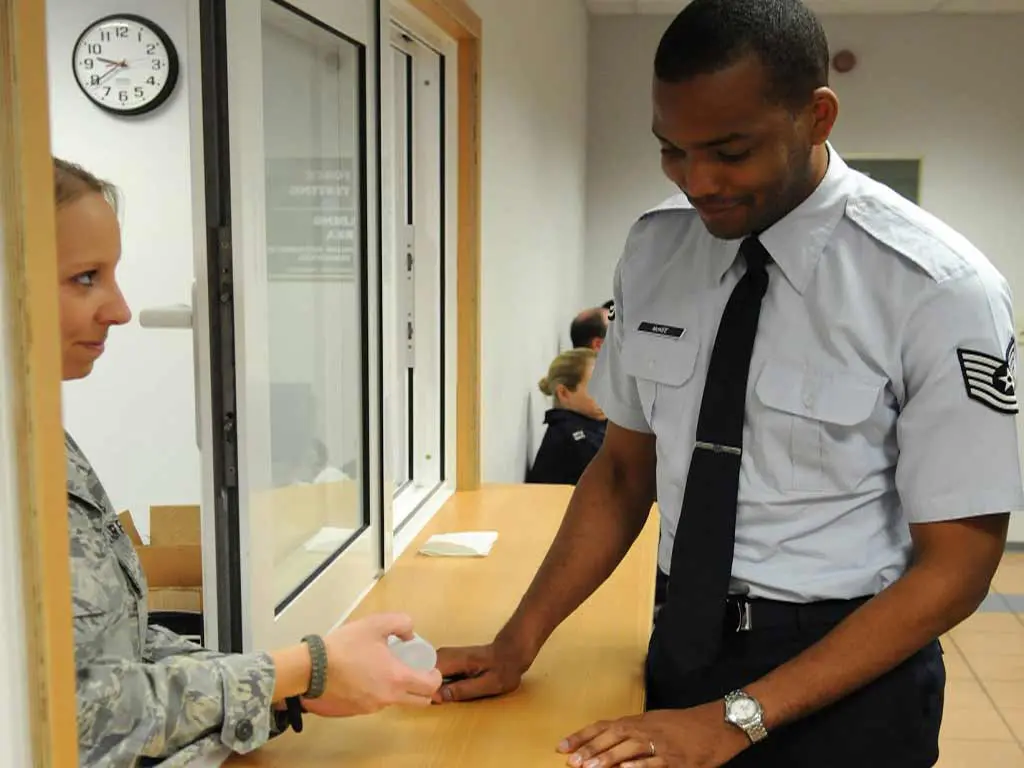
An officer getting a specimen container

Instant Drug and Alcohol Testing Methods

Companies employ various instant drug and alcohol testing methods to detect the presence of substances in individuals. These include analysing urine, saliva, hair, or blood samples for drugs and breath tests for alcohol. When these substances are consumed, they enter the body’s organs through the bloodstream and remain there for a limited period. Therefore, body fluids and other specimens are useful for detecting drugs and alcohol.

Firstly, breath tests using the breathalyser quickly and non-invasively detect alcohol levels, with a detection window of up to 24 hours. Secondly, urine tests can detect substances within 12 hours and up to 3 to 5 days for Ethyl Glucuronide (EtG) testing. Thirdly, saliva tests provide rapid detection within 6 to 24 hours, making them suitable for identifying short-term alcohol and drug use.

Fourthly, a hair test has a longer detection window of up to 90 days. They capture biomarkers in growing hair fibres, providing a historical record of alcohol use. Lastly, blood tests are highly accurate in detecting drug and alcohol use within a timeframe of 6 to 12 hours. Thus, it makes them the most reliable option.

Testing Situations

Companies can utilise various instant testing methods to ensure workplace safety. Pre-employment testing allows employers to screen job applicants for substance use. They aim to identify individuals who engage in the use of illegal substances or alcohol. Additionally, post-incident testing helps determine if the cause has something to do with substance use.

For-cause testing allows the employer to reasonably suspects a worker is under the influence of drugs or alcohol. Lastly, random drug testing involves an unannounced procedure where every employee has an equal chance of being selected for testing. However, the company policy should clearly outline the procedures for administering this test.


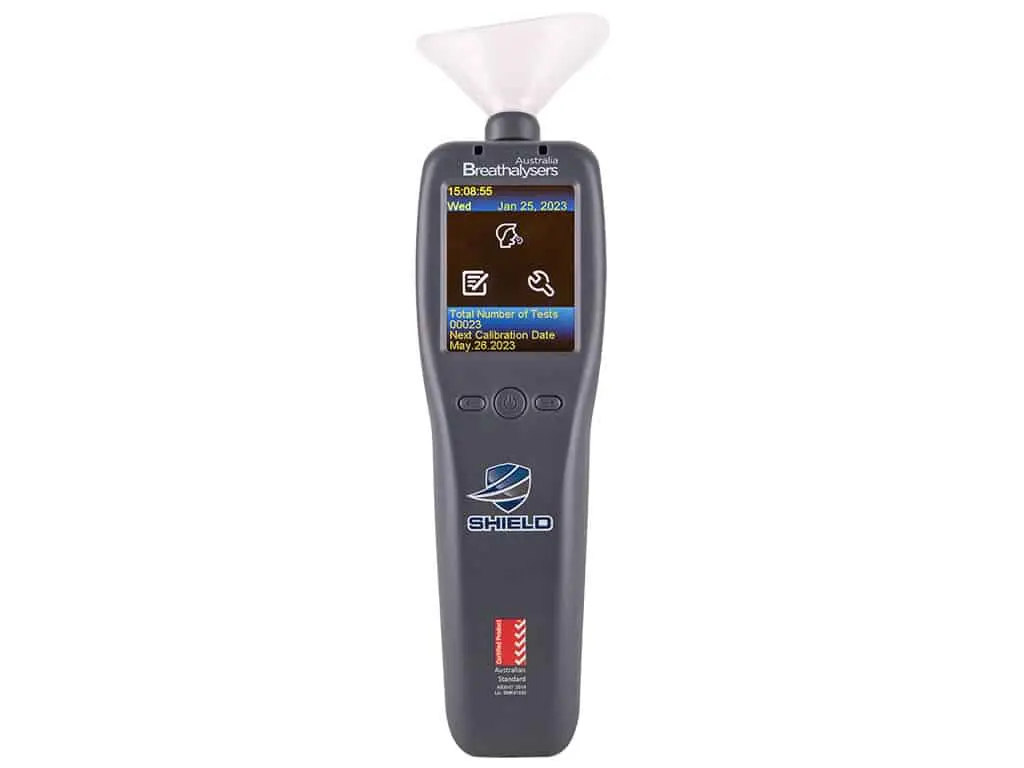
A device featuring a screen display.

Instant Drug and Alcohol Testing Considerations

People should consider the advantages and disadvantages of different testing methods. Employers often prefer instant drug and alcohol testing due to its low cost, ease of use, and ability to provide quick results. Instant test kits and breathalysers are affordable and can accurately detect drug use within minutes, allowing employers to identify employees with current impairment.

Alcohol breath tests are a non-invasive method to determine alcohol impairment. Devices like BACtrack can analyse a breath sample and provide Blood Alcohol Concentration (BAC) results within 10 to 15 seconds. This rapid process helps identify employees who may be under the influence of alcohol and pose potential risks in the workplace. Thus, it helps prevent alcohol-related accidents.

Additionally, breathalysers enable employers to regularly monitor alcohol use in compliance with workplace policies or state laws. It is crucial to choose a reliable device that accurately detects alcohol impairment and aids in identifying employees with alcohol use disorders. Breathalysers New Zealand offers dependable alcohol testers suitable for workplace use and high-compliance environments.

Choosing a Workplace Breathalyser

Workplace breathalysers like SHIELD Express and BACtrack Pro series utilise fuel cell sensors, ensuring high accuracy in measuring alcohol concentration. These sensors specifically react to ethanol, minimising false-positive results. Additionally, breathalysers are user-friendly, eliminating the need for licensed technicians. Moreover, with one-touch operation, they offer quick and convenient testing for anyone.

Another important factor is calibration frequency. All breathalysers require periodic recalibration to maintain their accuracy. Most devices need recalibration every 6 to 12 months. People should select a device that meets local and international standards. Breathalysers New Zealand’s professional line holds AS3547:2019 certification, ensuring compliance and reliability.

Conclusion

Instant drug and alcohol testing offers a convenient way to detect substances in the body. This test can provide accurate results when used correctly. However, people should remember that they are screening tools and may require confirmatory testing. Factors like testing thresholds, equipment quality, and operator proficiency can affect the accuracy of instant testing. Therefore, proper administration of this test is essential for reliable results.

Moreover, instant testing provides several advantages for companies. These include ease of use, cost-effectiveness, and quick results. Breathalysers, such as BACtrack, provide a non-invasive and rapid way to detect impairment. They utilise fuel cell sensors to provide precise BAC results while minimising false positives. Also, regular monitoring of alcohol use can be achieved with reliable breathalysers like those offered by Breathalysers New Zealand. It ensures compliance with policies and helps in identifying employees with alcohol use disorders.

Blood Test for Drugs and Alcohol: What Substances Can It Detect?

Blood samples

A blood test for drugs and alcohol is an effective way to detect the presence of impairing substances in the system. It is critical to determine if impairment led to an accident. Moreover, it can identify common illegal drugs like cocaine, heroin, methamphetamine, MDMA or ecstasy, and hallucinogens. Likewise, it can also determine the misuse of prescription drugs and alcohol. There are several factors and situations that necessitate a blood test.

There are various measures to check for drugs and alcohol in the system. The most common method is urine analysis. Workplaces typically use urine because it is less invasive. However, it is prone to false positives. On the other hand, a blood test is the most accurate test. Its advantage lies in its capability to get precise measurements of substances. This article will guide on the nature of blood testing and the substances it can detect.

What is a Blood Test for Drugs and Alcohol?

A blood test for drugs and alcohol involves drawing a blood sample using an intravenous procedure. The specimen requires laboratory analysis to determine the presence of alcohol and illicit substances. Unlike other screening procedures, blood analysis is more sensitive and yields accurate results. It can pinpoint the amount of current usage or traces from a previous time.

This procedure is done under the administration of a professional. It can trace alcohol for up to 12 hours and drugs for 12 to 24 hours from the last usage. The detection window would depend on the type of drug, amount, and frequency of use. The more a person consumes these substances, the longer they stay in the system.

Blood testing can be intrusive. It also has a longer turnaround time compared to other methods. Thus, it is often reserved for confirmation testing. Furthermore, the GC-MS blood test (Gas Chromatography-Mass Spectrometry) can measure the exact concentrations of drugs and alcohol in the system. It is the most accurate type of test.

When To Conduct a Test?

  • Testing in emergency situations. A blood test is crucial after an accident or medical emergency to determine if drugs or alcohol are a factor. It also gives the physician a history of the patient.
  • Suspicions of driving under the influence of drugs and alcohol. The test is done at a police station after a person has tested positive at a preliminary roadside screening.
  • Rehabilitation centres for monitoring drug and alcohol levels of patients undergoing treatment.
  • A blood test may be ordered for court cases, such as DUI arrests, violence, and child custody cases.
  • Pre-employment screenings as part of a workplace testing program.

A syringe and drugs

Substances Distinguished in a Blood Test for Drugs and Alcohol

A blood test for drugs and alcohol detects substances of abuse. It examines the parent drug rather than its metabolites. Generally, blood sampling can trace the main drug types: stimulants, depressants, hallucinogens, and opiates. Examples of stimulants or “uppers” are amphetamines, cocaine, caffeine, nicotine, and MDMA or ecstasy. They increase the activity of the central nervous system.

The second type is depressants. Also called “downers”, these drugs reduce brain activities and bodily functions. They also have calming or sedating effects. Examples are ethanol, benzodiazepines, and barbiturates. Furthermore, hallucinogens or “psychedelic drugs” produce altered states of awareness and mood. Overuse can cause psychological distress and trigger mental health problems. Examples are LSD, cannabis, and ketamine.

Lastly, opioids are strong painkillers. Due to their potency, they are available via prescription for treating specific conditions. Misuse can lead to dangerous side effects, such as respiratory depression, coma, and even death. Examples are morphine, codeine, oxycodone, and fentanyl. Overall, these drugs can risk addiction or overdose when taken for other purposes or immoderately.

Limitations

Blood sample tests are useful and reliable in detecting illicit substances, but they also have some limitations. Firstly, it can only detect drugs in the bloodstream and not the metabolites found in other body parts. Secondly, it has a narrow detection window of 12 hours for most drug types. Therefore, it can only determine current use or impairment.

Thirdly, it is intrusive. It needs an expert to obtain the specimen. Another limitation is that samples collected outside a laboratory need to be transported to a facility for analysis. Lastly, limited volume can be obtained, which may be difficult to detect drugs at low levels.

Consultation with a professional for a blood test

Where to Get a Blood Test for Drugs and Alcohol

There are various instances where you may need to get a blood test for drugs and alcohol. One option is to visit a primary care physician or a medical clinic. They can take your blood sample and send it to an accredited laboratory. Another choice is to go to a specialised testing centre.

Additionally, some employers or legal cases may require you to use a specific testing facility. Many clinics and laboratories offer blood screening services and other test methods. Typically, the results will be available within 1 to 2 business days. Before getting the test, be sure to check the requirements. You may also check online to see the services before scheduling a visit.

Other test methods that can help determine drug and alcohol use are urine and oral fluid (saliva) sampling. A urine drug screen can trace drugs and their metabolites for up to three days from the last consumption. Moreover, urine and hair tests are suitable for abstinence monitoring. Finally, a breath test can measure Blood Alcohol Concentration (BAC) or alcohol levels through a breathalyser device.

Preparation

The steps in preparing for a blood test include fasting and avoiding medicines or certain activities. It is essential to consult with your provider to ensure you are fit for the test. A physician may advise avoiding specific foods and drinks for at least 12 hours before the procedure.

It is also advisable to avoid smoking and medicines. This may include OTC medicines and supplements. In some cases, a testing officer may ask you to drink water to keep more fluid in your veins. Lastly, ensure you are well-rested before the test and avoid strenuous activities.

Conclusion

A blood test for drugs and alcohol can detect a wide range of substances that impair the brain and body functions. It includes commonly abused drugs, such as ethanol, cocaine, marijuana, benzodiazepines, amphetamines, and opiates. Misuse or addiction to these substances can lead to safety risks and long-term health complications. Therefore, it is essential in various settings like emergencies and the treatment of patients. It is also used in court proceedings to convict a person with driving violations.

Moreover, a blood test is the most accurate method for drug and alcohol screening. It is effective in confirming a preliminary positive test result. However, it has some limitations. It has a narrow detection window, making it useful for ideal for determining recent use but not for identifying habitual behaviours. In addition, it is highly invasive. Nevertheless, it is a reliable method for detecting harmful substances in the body and preventing risks.

Drug and Alcohol Screening Near Me: Where to Go?

Pills and drug test result

Drug and alcohol abuse is a serious issue that has detrimental effects on an individual’s health, relationships, and society. Thus, many people look for drug and alcohol screening near me, whether for personal or work purposes. Individuals or companies may avail of testing services in clinics or hospitals. In addition, there are many options to choose from depending on the needs. Alternatively, individuals may get self-test kits to facilitate the test at home.

Many organisations have integrated drug and alcohol testing as part of their safety procedures. It aims to identify employees with current impairments or who are struggling with substance abuse. Therefore, it helps minimise safety hazards in the workplace and prevent accidents and injuries. Likewise, individuals may also develop healthier habits. This article will guide you on where to avail of testing services, what to expect, and different test methods.

Drug and Alcohol Screening Near Me: Where to Get One?

A drug and alcohol screen is a process of examining a biological sample to detect the presence of impairing substances. Many situations require these tests. It is mandated in high-risk industries to manage safety risks in the workplace. Therefore, companies regularly implement them. Individuals may also get personal testing equipment to ensure they are clear for a formal procedure.

From clinics to laboratories, there are various locations that offer testing services. However, when finding drug and alcohol screening near me, it is essential to find a convenient option. You may ask your healthcare provider for their recommendations or partners. You may also check online which laboratories offer the services you need or book a schedule.

For workplace testing, many companies prefer mobile laboratories to facilitate the screening process. An accredited laboratory may set up a secured location near the work site. Hence, employees can easily provide a specimen sample and wait for their results without leaving work for several hours. This provides companies with a cost-effective solution for substance monitoring.

What to Consider

  • Services – the testing options depend on the needs of the individual or the company. It includes the collection process, evaluation standards, privacy protection, and delivery of results. Some laboratories may also offer 24/7 customer support and educational programs for drug and alcohol use.
  • Testing needs – how drug and alcohol testing serves the safety requirements of the company. Also, consider the future needs of the company.
  • Logistics – includes lab-based services or on-site testing. Each process must ensure to follow the chain of custody to ensure the accuracy of the test results.
  • Accreditation – if it adheres to relevant testing and laboratory standards.

Filling out a drug test form

Drug and Alcohol Screening Near Me: Test Methods

In checking drug and alcohol screening near me, you may check their available test options. Most laboratories offer urine, blood, oral fluid, and breath screens. The standard method in drug detection is urine. It can detect a wide range of illicit substances, including misuse of prescription drugs. Moreover, it has a detection window of up to 72 hours.

An alternative to urine is oral fluid testing. This method involves swabbing the inside of the mouth. It is less invasive and can determine trace illegal drug use from the last 24 hours. Furthermore, a blood test can detect all kinds of substances within 6 to 24 hours from the last use. However, it is intrusive and costly. It often serves as confirmation testing for preliminary screens.

A breath test examines the breath sample for the presence of alcohol. A breathalyser device estimates Blood Alcohol Concentration (BAC) which indicates a person’s impairment level. In addition, it can trace alcohol usage for up to 24 hours. Conveniently, these device is also available for personal use. Thus, it eliminates the need for laboratory testing.

Testing for Substance Abuse

Urine, oral fluid, and blood tests have limited detection windows. Thus, they are excellent for determining if a person is currently under the influence of drugs and alcohol. On the other hand, a hair test is more suitable for checking if a person has substance abuse or a disorder.

A hair test can detect drug and alcohol use for the last 90 days. This period is enough to reveal if a person consumes drugs habitually or one-off. The test is often conducted in pre-employment, random work testing, or legal settings. However, it can only trace usage patterns but not the amount of consumption.

Handing over a urine specimen for review

Drug and Alcohol Screening Near Me: What to Expect?

Undergoing alcohol and drug testing requires preparation and understanding of the process. A healthcare provider or employer may advise what to do or avoid. The pre-screening instructions typically include fasting the night before the test and not drinking too many fluids. Before going to the laboratory, you must bring valid identification and medical history, if applicable.

Drug and alcohol screening near me will depend on the type of testing and the substances being tested for. Generally, collecting urine, blood, or saliva specimen is done in a clinic. For onsite workplace testing, the sample is taken and sent to a laboratory for analysis. The results will be available within 24 to 48 hours after the test.

The collection process may take 5 to 10 minutes. A technician will observe the entire procedure to ascertain accuracy. This includes ensuring the participant will not attempt to tamper with the sample. Moreover, those using rapid tests can receive their results within minutes. However, non-negative results require confirmation testing.

Workplace Testing Programs

The workplace is the one that regularly administers screening procedures to ensure the safety of employees. It is a standard in pre-employment for positions with safety-critical nature. It helps employers hire a candidate with no unsafe behaviours. Additionally, these tests are also conducted periodically or randomly.

Drug and alcohol testing is also crucial after an accident. It helps determine the factors that contributed to the incident. It is vital to conduct the test as soon as possible to get valid results. Lastly, an employer may request a reasonable suspicion test for a particular individual with noticeable signs of impairment or irrational behaviour.

Conclusion

In seeking a drug and alcohol screening near me, the closest clinic with the services that you need is the best choice. You may also inquire with your healthcare provider or employer for recommendations. In addition, there are various options to choose from. It would depend on the situation, level of accuracy, cost, and substances to be tested for. The most used type is urine analysis for drug testing and a breath test for alcohol.

Choosing the right tests is vital to ensure personal or public safety. It is also important to ensure the procedures follow strict protocols. In other instances, some companies may use testing kits and devices for preliminary screening. It is practical for those with workers in remote locations. Also, having a pro-grade breathalyser like BACtrack from Breathalysers New Zealand is cost-efficient for those who need frequent testing.

Detecting Alcohol in Urine Tests: Is It Possible?

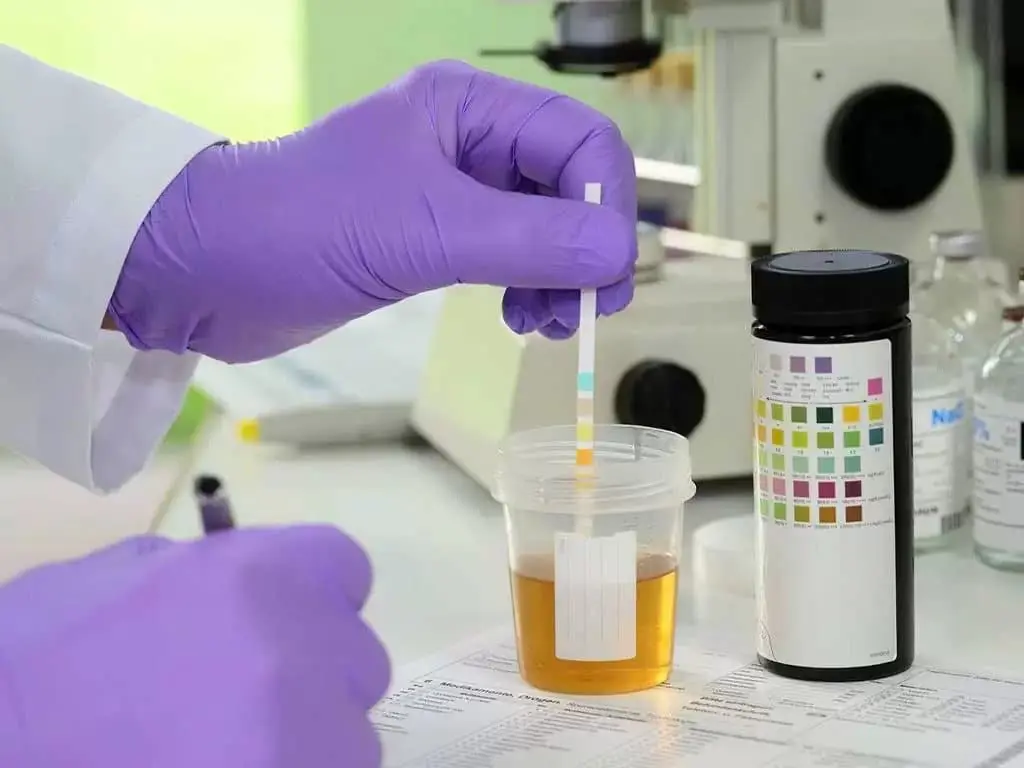
A person testing a urine specimen

Urine tests are simple to use but require a sterile sample, which can be invasive and challenging to obtain. These tests indicate the presence of alcohol in a person’s body. However, they do not reveal the amount consumed, the frequency of drinking, or the time elapsed since the last consumption. Alcohol can be identified in the urine for a period of 12 to 48 hours after consumption. Hence, detecting alcohol in urine tests is possible.

The ethyl glucuronide (EtG) urine test is more advanced. It can detect alcohol in the body for up to five days after drinking. When a person ingests ethanol, it produces a metabolite called EtG. Their presence in the urine indicates that alcohol was consumed within the past few days. However, it does not provide information about the current or past levels of intoxication. This article will present how urine tests work, its limitation, and an alternative method for alcohol testing.

Detecting Alcohol in Urine Test: How it Works

Urine tests commonly identify the presence of illegal drugs in the system. These include marijuana, cocaine, opioids, amphetamines, and benzodiazepines. Additionally, urine testing is used in different places like sports events, hospitals, and workplaces. It involves taking a urine sample from the person and examining it to detect particular substances.

Detecting alcohol in urine tests includes measuring the amount of ethanol in the urine sample. When someone drinks alcohol, it gets absorbed into their bloodstream. Then, it will be eliminated from the body through urine. As the body processes the alcohol, it creates byproducts called metabolites. These byproducts are traceable within a specific period after consuming alcohol.

Furthermore, the timing of urine tests can impact their accuracy. For that reason, individuals should consider the detection window when scheduling these tests. Taking the tests too early after drinking alcohol can yield unreliable results. On the other hand, extending the waiting period might result in false-positive results. Therefore, people should familiarise themselves with the right timing to obtain accurate results.

Negative Effects of Alcohol in Workplace Settings

  • Conflict among colleagues can disrupt the working environment and hinder collaboration.
  • Impairs cognitive abilities and reduces focus and efficiency, resulting in poor quality of work.
  • Increases the risk of accidents and injuries, as it impairs judgement and coordination.
  • Alcohol-related health issues require medical attention and may result in high healthcare costs.
  • Operational costs can increase due to absenteeism and decreased efficiency.
  • Employers may have difficulties maintaining steady employment, leading to a high turnover rate.
  • Trust issues with clients, customers, and stakeholders due to unprofessional behaviour.
  • Increased legal liabilities because of lawsuits from accidents, injuries, or discrimination.


A group of people wearing safety gear.

Accuracy and Limitations of Detecting Alcohol in Urine Test

Detecting alcohol in urine tests can have varying sensitivity and specificity. Sensitivity refers to the test’s ability to identify who has consumed alcohol. On the other hand, specificity refers to how well it can find who did not. These tests can discover alcohol byproducts in urine. However, their sensitivity may be affected by several factors. These include the time that has passed, individual metabolism, and detection of concentration levels.

Alcohol can be detected in urine for a longer time than in breath or blood. Urine tests can find alcohol byproducts in the body for around 24 to 80 hours after consumption. Breathalyser tests measure the amount of alcohol in breath right away, showing if someone is currently impaired. Similarly, a blood test can detect for a shorter time compared to urine tests.

Furthermore, alcohol urine tests can have limitations. They may show false positives due to several factors. These include medications, personal care products, and even certain foods that have alcohol in them. Conversely, false negatives can happen if the test is done too late. The accuracy of urine tests can also be affected if the sample is handled incorrectly.

How to Get Accurate Results

To obtain accurate results, people should follow a few tips. Firstly, they should abstain from consuming any alcoholic beverages for at least 24 hours before the test. Secondly, individuals have to stay hydrated, as it helps flush out alcohol metabolites from their system. Hence, it leads to more accurate results.

Thirdly, a person must avoid using any mouthwash or other products containing alcohol before the test. Thus, they can interfere with the results. Lastly, people should provide a midstream urine sample. This helps ensure that the specimen sample accurately reflects their current alcohol concentration levels.


A woman blowing into the breathalyser

Detecting Alcohol in Urine Tests: Alternative Method

Detecting alcohol in urine tests in the workplace can be effective. Advanced tests like EtG can find traces of alcohol for up to three to five days after the last consumption. However, individuals should remember that urine tests can show inaccurate results and may take longer waiting periods for results.

Alternatively, a breath test has the advantage of providing instant results. Breathalysers New Zealand offers reliable devices designed for workplace use that accurately determine Blood Alcohol Concentration (BAC) levels. The BACtrack breathalysers use fuel cell sensors that solely detect ethanol. This significantly minimises the occurrence of false readings, making them highly reliable tools.

Moreover, BACtrack breathalysers have a user-friendly one-button operation, which enhances the convenience of breath testing. This feature allows businesses to conduct regular breath tests with ease. Additionally, it only takes 10 to 15 seconds to process and analyse a person’s BAC results. Therefore, a breath test using breathalysers offers a more accessible and quicker solution compared to urine tests.

Advantages of Breathalysers

Breathalysers offers more advantages over urine tests. First, they are hygienic, requiring only a person to blow into the device. This eliminates the need for collecting and handling urine samples. It also reduces the risk of contamination and ensures a more convenient testing process.

Second, these devices provide cost efficiency, as they do not require expensive laboratory equipment or extensive sample storage. In addition, breathalysers require less frequent replacement compared to urine testing kits. Moreover, they offer lower operational costs for calibration and maintenance. Their simplicity and accessibility make them a practical option for alcohol testing.

Conclusion

Detecting alcohol in urine tests is possible. They measure ethanol levels in the urine. When people consume alcohol, it enters the bloodstream and is eventually eliminated from the body through urine. Urine tests then analyze the urine to detect alcohol byproducts. However, they can produce false positives due to factors. These include medications, personal care products, and certain foods containing alcohol. Additionally, the timing of the test can affect the results when taken too early or late.

Alternatively, breath tests using breathalysers from Breathalysers New Zealand offer several advantages. The BACtrack breathalysers provide instant results and utilise fuel cell sensors that detect ethanol, minimising false readings. Additionally, these devices allow users for easy and quick testing. They also eliminate the need for urine samples and reduce contamination risks. Overall, their simplicity and accessibility make them a practical option for alcohol testing.

The 2023 Ultimate Guide to Drug and Alcohol Policy in NZ

Rules or policies help keep organisations in order. It communicates the company’s values, objectives, and standard practices. It also lets employees know their roles, the code of conduct, and what they can expect from the management. Thus, everyone in the company acts accordingly and performs effectively. In addition, the company policies aim to protect the well-being of employees and the community. Therefore, it also identifies potential hazards and how to manage the risks. For example, one of the health and safety issues affecting many industries is drug and alcohol use. Employees under the influence of drugs and alcohol pose significant hazards to themselves and others in the workplace. As more substance-related incidents happen, there is also an increased need for a drug and alcohol policy in NZ workplaces. 

Many organisations have implemented a drug and alcohol policy in NZ to help keep the workplace safe and healthy. It is one of the practical strategies for maintaining a hazard-free environment. Moreover, it covers broad areas regarding substance use or impairment. Primarily, the policy aims to detect or identify employees affected by drug and alcohol use through workplace testing. Companies can effectively manage occupational risks through consistent drug and alcohol monitoring. One of the helpful tools companies use for alcohol testing is a breathalyser. Breathalysers New Zealand provides dependable breath-testing devices to help many businesses manage alcohol-related risks. 

Drugs and Alcohol in the Workplace and their Impact

Alcohol is a widely consumed and easily accessible substance in New Zealand. It is also a part of many social cultures and events. In moderate amounts, alcohol creates pleasant effects, making people feel more relaxed and lower inhibitions. However, excessive consumption leads to severe impairment, reducing normal functions like the senses, reasoning, and coordination. Similarly, prohibited drugs have adverse effects on health, regardless of the amount. Additionally, taking alcohol or drugs in higher doses can have lingering effects for several hours or days. As a result, employees with impairments have difficulty performing their work, affecting their productivity. Therefore, a drug and alcohol policy in NZ workplaces can help limit the negative impacts of substance use. Also, many industries report drug and alcohol use to have the following consequences:

Employee Efficiency

  • Unable to focus or concentrate
  • Missed work targets or deadlines
  • Poor decision-making
  • Increased absenteeism
  • Sleeping on the job

Employee Behaviour

  • Irrational or aggressive behaviour
  • Risky and unsafe habits
  • Not following standard protocols, rules or policies
  • Conflict with co-workers or management
  • Low employee morale

Work and Safety

  • Minor and serious accidents and injuries
  • Disabilities
  • Property damage
  • Manual errors
  • Legal accountabilities
  • High costs (hospitalisation, insurance, compensation, turnover)
  • Profit losses

drug-and-alcohol-policy-nz-

The Purpose of Drug and Alcohol Policy in NZ Workplaces

A drug and alcohol policy in NZ workplaces is a written document outlining the company’s objectives, scopes, and strategies for handling substance use and impairments. It defines an employer’s rules and guidelines for using drugs and alcohol while on duty or after work hours that may affect work performance and safety. Moreover, it provides an extensive drug and alcohol testing guide, so employees know what to expect. Furthermore, a workplace program aims to minimise untoward incidents by managing preventable risk factors, such as drugs and alcohol. It also encourages workers to have a healthier lifestyle. Thus, it helps organisations achieve uniformity and standardisation to reduce risks and improve efficiency. 

The importance of a drug and alcohol policy in NZ is to communicate with employees the acceptable and non-acceptable practices. This way, personnel know how to conduct themselves properly in the workplace. Most workplace programs implement zero-tolerance for drugs, alcohol, or other impairing substances. The policy determines the specific procedures for identifying impairments and the consequences of any violations. For example, it states the testing methods, list of prohibited substances, and definitions of passed or failed test results. Therefore, it helps employees understand their roles and expected behaviours to maintain safety and performance standards. Without a policy, the business is exposed to many risks. 

drug-and-alcohol-policy-nz.

Benefits of Workplace Drug and Alcohol Policy in NZ

A comprehensive policy enables companies to conduct workplace testing, comply with legal requirements, and mitigate risks. A drug and alcohol policy in NZ is not mandatory for all businesses. However, it is essential for high-risk industries due to the sensitive nature of the job or work environment. For example, sectors operating heavy machinery, vehicles, or hazardous chemicals have a zero-tolerance approach to avoid accidents. These industries are mining, transportation, health services, construction and manufacturing. Alternatively, smaller companies or private organisations can also facilitate workplace testing under a reasonable request through a policy. Moreover, a workplace policy offers the following benefits:

  • Identify unsafe and risky behaviours
  • Minimise drug and alcohol-related accidents
  • Manage preventable health and safety risks
  • Determine employees with substance abuse and offer treatment
  • Reduce expenses 
  • Avoid legal liabilities
  • Increase productivity
  • Build a healthy and safe culture
  • More stable workforce
  • Increase company integrity

Policy Development: What Should a Drug and Alcohol Policy Include

The fundamental reason for instituting a drug and alcohol policy in NZ is to improve workplace safety and the well-being of employees. There are many factors to consider when developing a drug and alcohol program. Firstly, companies must seek legal advice to ensure the policy is fair to all employees. Secondly, it is crucial to assess the impact of drug and alcohol use to formulate regulations specific to the organisation’s needs, situation, and culture. A workplace program should cover the following essential aspects:

  • Objectives – statement for creating a workplace policy and facilitating drug and alcohol testing.
  • Scope – defines the extent and limitations of workplace testing. It must specify to whom the policies apply. 
  • Rules and regulations – state the specific procedures, preventive measures, and guidelines each employee must follow. It also identifies the complete list of prohibited substances. 
  • Confidentiality agreement – ensure only authorised personnel or officials have access to the test results. It also includes guidelines for dealing with employees with substance-related concerns. 
  • Testing methods – specific drug and alcohol detection processes or alternatives
  • Consequences of non-compliance – disciplinary actions for employees with a failed test result, such as suspension, termination, or undergoing rehabilitation. 
  • Employee Assistance Program (EAP) – a work-based intervention program to help affected employees with substance use disorders. 
  • Educational and awareness programs – supplementary training and education to help managers, supervisors, and workers manage drug and alcohol-related issues. 

drug-and-alcohol.-policy-nz

Features of an Effective Drug and Alcohol Policy

Substance-related accidents can happen anytime. A workplace drug and alcohol policy in NZ guides employers in handling the situation. Furthermore, an effective policy helps deter drug and alcohol use and minimise risks. Companies can strengthen the effectiveness of the program through simple strategies. A good workplace policy has the following features:

  1. It must be clear and concise. Each statement must be straightforward and easily understandable. 
  2. Fair and consistent to all employees. Workplace testing and other safety procedures apply to all personnel, especially in safety-critical positions.
  3. Accessible to everyone. Employees can easily refer to the policy through an employee handbook or similar documents.
  4. Have a thorough discussion with employees. Management consults with the workers before finalising the policy. It must also be agreed upon through a signed document before implementation. 
  5. Follow standard procedures when executing workplace testing, an incident, or handling non-compliance employees.
  6. Company-specific. It must be tailor-fit to the organisation’s specific needs or requirements.
  7. Compliance with local and regulatory laws. It helps avoid negligence or lawsuits in case of an incident. 
  8. Regular review and update based on changing state laws and the industry or company situations. 

Implementing Workplace Testing

Drug and alcohol use is one of the contributing factors to workplace accidents and low productivity. Many employees consume alcohol regularly or at social events. Likewise, some people take drugs for various reasons. Unfortunately, it affects an individual’s perception and motor functions. As a result, companies implement workplace testing through a workplace policy. Furthermore, a clear drug and alcohol policy in NZ workplaces helps employers adhere to the Health and Safety at Work Act (HSW Act). Under the HSW Act, employers must manage preventable risks to reduce injuries or harm. Therefore, companies can facilitate workplace testing as a cost-effective preventive measure for substance-related risks.

drug-and-alcohol.-policy-nz-

Drug and Alcohol Policy in NZ: When to Conduct Workplace Testing

A drug and alcohol policy in NZ allows employers to facilitate workplace testing for health and safety reasons. In addition, organisations must follow the guidelines when conducting drug and alcohol tests for employees. Companies can implement workplace testing under specific conditions, namely:

  • Pre-employment – a standard requirement for high-risk jobs or industries. It helps determine a prospective employee’s past drug and alcohol usage, pattern, or behaviour. Therefore, job applicants must pass the test to be eligible for the final job offer. Additionally, it guides employers in hiring the right candidate. 
  • Blanket and annual testing – blanket testing applies to all employees. It is often part of the annual or periodic medical examination.
  • Random – companies conduct tests unannounced. It also uses a random selection process to draw employees. It aims to determine alcohol and drug abuse among the workforce.
  • Post-incident – testing employees after an accident or near-miss to see if drugs and alcohol are a factor.
  • Reasonable Suspicion – requests to test a particular employee displaying impairment symptoms, like slurred speech, poor balance, and movements. There must be adequate evidence and proper documentation to administer this test.
  • Return-to-duty – employees submit a drug and alcohol testing after previous positive test results. It is also conducted on employees returning from hospitalisation or rehabilitation centre to show fitness for duty. 

drug-and-alcohol.-policy-nz.

Advantages of Drug and Alcohol Tests

Companies with an effective drug and alcohol policy in NZ benefit from consistent workplace testing. Drug and alcohol tests help monitor employees with an impairment that may endanger themselves and others. Moreover, companies that conduct workplace testing have fewer accidents than those that do not. Consequently, they have fewer work disruptions, low turnover, and low costs. Likewise, employees perform better in a safe and hazard-free environment. Employers may use various testing methods to monitor drug and alcohol impairment. For example, Breathalysers New Zealand provides reliable devices like BACtrack to ensure sobriety. In addition, employers can offer treatment through an employee program to help affected workers recover from substance abuse. Therefore, consistent workplace testing helps avert high risks and provides long-term security and stability. 

Drug and Alcohol Policy in NZ: Workplace Test Methods

Workplaces use several methods to detect drugs and alcohol. Various test procedures provide companies with suitable options for monitoring substance impairment. A drug and alcohol test collects biological specimens like body fluids or breath for analysis. Then, it examines the sample to detect or quantify the levels of drugs and alcohol in a person’s body. Moreover, each method has advantages that may be helpful in particular situations and depending on the conditions in a drug and alcohol policy in NZ. Workplaces employ the following common test procedures:

  • Breath test – a breath test through a breathalyser can detect recent consumption of alcohol. Alcohol is detectable on the breath for 12 to 24 hours. In addition, high-quality breathalysers like the BACtrack can accurately trace alcohol levels through the breath samples.
  • Urine test – urine samples are the standard method for drug screening because it is quick, painless, and efficient. It can trace illicit substances in the system for up to 48 hours. However, it can detect drugs longer for people who regularly consume them. 
  • Saliva or oral fluid test – a mouth swab test is a cost-effective alternative for a urine drug screen.
  • Blood test – the most accurate test as it examines drug or alcohol substances directly from the blood. However, it is also the most invasive and costly method. Thus, it is ideal for confirming an initial screening with non-negative results. 
  • Hair test – ideal for determining a person’s past substance use due to its long detection period (90 days). 

drug.-and-alcohol-policy

Alcohol Breath Tests

An alcohol breath test is the standard method for alcohol detection. It is a non-invasive procedure using breath samples for analysis. It uses a breath testing device called a breathalyser to calculate a person’s Blood Alcohol Concentration (BAC) or intoxication level. The BAC is the per cent or amount of alcohol in the bloodstream. Therefore, when a person consumes alcohol, it causes the BAC to increase. Moreover, many workplaces with a drug and alcohol policy in NZ have a zero-alcohol tolerance. Thus, a positive BAC result from a breathalyser means non-compliance or a failed alcohol test. Consequently, failed pre-employment alcohol tests may render the person ineligible for the job. Likewise, current employees may face corresponding actions due to a policy violation. 

While many people consume alcohol moderately, others are unable to control their intake. Thus, the more a person consumes alcohol, the longer it stays in the body. High alcohol levels can lead to intoxication the next day while on duty. Hence, a drug and alcohol policy in NZ may include conditions of alcohol consumption after work hours. Additionally, high-risk industries like mining conduct breath testing on workers before proceeding to the work site. Furthermore, workplace breathalysers use fuel cell sensors to precisely estimate the BAC. Fuel cell breathalysers are ethanol-specific and do not react with other substances. Therefore, it is less likely to produce false positives. 

How to Choose the Right Workplace Breathalysers

Workplaces use fuel cell breathalysers to deliver dependable and precise BAC results. Fuel cell sensors remain consistent and accurate despite back-to-back testing or high-volume use. However, not all fuel cell breathalysers are the same. Therefore, choosing the best device is crucial for companies with a drug and alcohol policy in NZ. Employers may use the guide below in determining what to look for in a breathalyser. For example, employers may consider the following aspects:

  • Sensor performance – look for a breathalyser with a sensor accuracy of +/- 0.004 at 0.050 BAC. All breathalysers indicate their sensor accuracy and detection range.
  • Testing modes – breathalysers may use active or passive modes or a combination of the two. Active breath testers estimate the BAC level, while passive tests screen or detect alcohol without measuring it.
  • Certification – breathalysers with certification mean they fulfilled the requirements of an effective breath screening device. 
  • Extra features – companies may use additional functions for efficient alcohol monitoring. For example, some breathalysers have smartphone connectivity, adjustable settings, or customisable data fields.
  • After-sales service – all breathalysers require periodic recalibration to maintain sensor performance. Thus, it is also critical to check the provider for their after-sales services. Breathalysers NZ offers recalibration services for all units sold. It also provides reminders via email or SMS if the device is due for servicing. 

drug.-and-alcohol-policy-nz-

The Workplace Breathalysers at Breathalysers New Zealand

Breathalysers New Zealand offers reliable alcohol testers to help companies remain safe and compliant with the drug and alcohol policy in NZ workplaces. Each breathalyser has distinct features suitable for different workplace testing needs. Moreover, workplace breathalysers use advanced fuel cell sensor technology to trace alcohol amounts from 0.000 to 0.400% BAC. Thus, it can efficiently trace the precise BAC in minimal amounts. Furthermore, they are FDA-approved, DOT-certified, and have AS3547, also upheld in New Zealand. Breathalysers NZ presents the following professional devices:

  • BACtrack S80 Pro Gen2: the industrial-grade Xtend fuel cell sensor with an enhanced linear response is modified for workplace or commercial use. The one-touch operation enables efficient breath tests in high-compliance environments. 
  • BACtrack Mobile Gen2: the latest generation of BACtrack’s connected technology range. It incorporates Bluetooth technology that can seamlessly pair with a smartphone to deliver the BAC results. Hence, it is ideal for remote alcohol monitoring. 
  • Alcovisor Mercury Touchscreen – offers dual functionality through passive breath screening and active testing. Moreover, it has a touchscreen interface for efficient operation, and all information is downloadable to a PC. 
  • Alcovisor Alcotorch – a professional tool for fast alcohol detection through passive screening. It is ideal for situations with a large flow of people, such as airports, concerts, or military bases. 

Employee Guide to Drug and Alcohol Policy in NZ

Workplace testing is a vital preventive measure to prevent the harmful risks of substance use. A drug and alcohol policy in NZ workplaces helps organisations be safe and healthy. In addition, drug and alcohol tests are cost-effective strategies to avoid accidents, legal liabilities, and high costs. Similarly, the policy also guides employees’ conduct while on duty. Particularly, workplaces with zero-alcohol policies prohibit alcohol use or impairment at work. Therefore, workers must ensure that they have zero BAC to work responsibly. It means managing alcohol consumption outside working hours to ascertain sobriety when reporting for work. Fortunately, personal breathalysers are available to help control alcohol intake at moderate or reasonable levels. Individuals may monitor their BAC level with a breathalyser to avoid going over the legal limit or high intoxication. 

drug.-and-alcohol-policy-nz.

BACtrack Personal Devices at Breathalysers New Zealand

Personal breathalysers can help employees prevent excessive alcohol consumption and comply with the drug and alcohol policy in NZ requirements. For example, individuals can check their BAC before work to ensure their alcohol level has returned to zero. Aside from robust alcohol testers for workplace use, Breathalysers NZ also offers personal breathalysers for individual BAC testing. The BACtrack breathalysers have an efficient one-touch function to allow instant alcohol testing. Additionally, most BACtrack devices have pro-grade accuracy utilising fuel cell sensor technologies. Breathalysers NZ offers the following personal breath testers:

  • Go Keychain – the sleekest alcohol tester with a fold-away mouthpiece and keychain ring.
  • C6 Keychain – the smallest fuel cell breathalyser with smartphone connectivity.
  • C8 Smartphone – smartphone breathalyser with a dual-mode operation and the ZeroLine technology (sobriety monitoring) available on the device or via the app. 
  • Scout – the most affordable device utilising the patented Xtend fuel cell sensor technology with incredible battery life. 
  • Trace Pro and Trace Pro Gen2 – discreet design with a memory system to recall the last 10 BAC readings. 
  • Mobile Pro – a smartphone breathalyser with innovative app features, such as tracking, personalisation, and Apple Health integration.
  • S80 Pro – the premier personal breathalyser with police-grade accuracy. 

Conclusion

Drug and alcohol use are prevailing safety issues that workplaces tackle daily. Substance impairment causes long-term health problems, accidents, and low work output. Therefore, establishing a drug and alcohol policy in NZ workplaces is a cost-effective measure to minimise the negative impacts of alcohol and illicit substances. Furthermore, consistent workplace testing helps maintain a safe and healthy working environment. In addition, the workplace program focuses on prevention to minimise harm and offers assistance or interventions to employees needing it. Finally, companies use reliable drug and alcohol testing devices to manage workplace hazards effectively. For quick and efficient alcohol monitoring, employers trust the professional devices at Breathalysers New Zealand. Likewise, individuals ensure responsible alcohol consumption through the BACtrack personal breathalysers.

What is a Drug and Alcohol Test?

Safety, security, and well-being are among the most important aspects of any workplace or organisation. However, many employers face untoward drug or substance use incidents every year. Substance impairment is a common issue affecting many workplaces in New Zealand. Therefore, employers practice safety and preventive procedures to keep the work environment free of health and safety hazards that can endanger anyone. A standard practice that employers observe is to implement drug and alcohol tests for employees. This article will discuss everything you need to know about drug and alcohol testing in the workplace. 

Workplace testing aims to detect the presence of alcohol, illicit drugs, or misuse of prescription drugs. It is a program to prevent unhealthy behaviour or practices. Likewise, drug and alcohol tests are essential in high-risk industries to minimise the negative impacts of substance use. It involves obtaining biological specimens to examine for impairing substances. Companies may employ several procedures, including the use of workplace breathalysers. Modern devices from Breathalysers New Zealand are valuable in keeping the work environment safe and alcohol-free. 

Impacts of Drugs and Alcohol

Illicit drugs refer to highly addictive and illegal substances that significantly harm one’s health. Under New Zealand’s Misuse of Drugs Act 1975, using or possessing illegal drugs is an offence. The penalties include imprisonment and hefty fines. On the other hand, alcohol consumption is a regular part of most social gatherings or festivities. Many people find alcohol pleasing in moderate amounts. However, higher doses lead to severe impairment. Similarly, intoxication is one of the contributing factors in road and workplace accidents. Therefore, businesses and high-risk industries include drug and alcohol tests in their safety programs. Additionally, drug and alcohol use have the following impacts:

  • Affect the brain and perception, including reduced vision and hearing
  • Inability to make sound judgments and decisions and poor concentration
  • Impaired motor functions such as eye-hand coordination
  • Increased tardiness and absenteeism
  • Strain relationships with family, friends, and colleagues

drug-and-alcohol-tests

Why Workplaces Should Invest in Drug and Alcohol Tests

The prevalence of drug and alcohol use has profound consequences in the workplace. Impaired workers put themselves and others at serious safety risks resulting in accidents and injuries. According to NZ’s Health and Safety at Work Act (HSW Act), employers must protect workers’ health and well-being by exercising all reasonable means to manage occupational risks. This may include submitting employees to drug and alcohol tests through a workplace policy. Additionally, investing in testing programs can serve the following benefits:

  • Mitigate safety hazards – testing workers for substance use helps identify and manage safety risks early on. Through early detection, the workplace can intervene and prevent potential accidents.
  • Improve productivity – impaired employees have reduced mental and physical abilities. Therefore, it directly affects their work performance. Thus, keeping the workplace drug and alcohol-free reduces work disruptions and boosts the workers’ efficiency. 
  • Cultivate a safety culture – workplaces with safety programs promote healthy practices and behaviour. In addition, employees perform better in a safe and healthy environment. 
  • Manage costs – companies incur high expenses due to substance-related incidents. Drug and alcohol tests help prevent accidents and reduce hospitalisation and insurance claims.
  • Reduce company liabilities – workplaces can identify and manage issues before they become serious problems. Workplace programs help protect businesses by exercising all practical measures to keep the environment safe and proving they are not negligent of untoward incidents. 

The Importance of Workplace Policies

It is a vital role of businesses to ensure the health and safety of their workers. Similarly, employees are also responsible for keeping the working environment secure by following safety policies or procedures. Employees must abide by the rules to maintain safety. A breach of the policy should have appropriate disciplinary actions. Thus, a comprehensive program enables employers to implement drug and alcohol tests as a practical means to manage workplace hazards. Additionally, the workplace policy covers all the procedures, employee rights, information on prohibited substances, drug and alcohol test guidelines, and provisions for positive test results. Moreover, the policy must be clear and amenable to all. 

In establishing a workplace program, it is critical that employers communicate the policies to all employees. Additionally, it should be fair and objective to all concerned. Therefore, businesses should seriously consider employees’ rights. This is because many people deem a drug and alcohol test at work invasive of one’s privacy. However, workplace testing is essential to protect the company’s interests and employees’ welfare. Furthermore, employers must introduce safety programs with care. For example, companies can include drug and alcohol testing as part of the conditions in a job offer or employment agreement. Lastly, employers must obtain a formal agreement through a written employee consent form to facilitate drug and alcohol tests. 

drug-and-alcohol-tests-

When to Conduct Workplace Testing

Once a company establishes a comprehensive policy, it may now administer a drug and alcohol test in the workplace. A workplace may facilitate these tests according to their need and in adherence to State or Federal laws. The common reasons for conducting a workplace test are:

  • Pre-employment requirement. It is common for employers to include drug and alcohol tests in hiring employees in safety-critical roles. A pre-employment test can help determine if a job applicant abuses illicit substances or alcohol that may negatively impact workplace safety. 
  • Random testing. These are unannounced tests, with each employee having an equal chance of being selected. The conduct of administering and selecting employees should be known through the policy. Additionally, random tests are designed to identify workers hiding their impairment. 
  • Post-incident testing. Workplaces conduct drug and alcohol tests after an accident to determine the cause. Moreover, the test should be done within a period. Post-incident tests help employers prove that they are not negligent of the accident or near-miss. 
  • For-cause testing. This test occurs when a supervisor or manager has reasonable suspicion that a worker is under the influence of drugs or alcohol. An employee may display signs of intoxication through behaviour and appearance. For example, the employee has bloodshot eyes, alcohol odour, and poor coordination. Moreover, the company must follow strict guidelines to administer the test to avoid legal problems. 

drug-and-alcohol-test.

Standard Drug and Alcohol Test at Work

Drug and alcohol abuse has detrimental impacts on society. Substance impairment increases health risks and causes accidents on the road or in other public places. Additionally, many people who consume alcohol or drugs work in various sectors. Therefore, the workplace is one of the critical settings for managing substance use. An employer can monitor impairment through several procedures. The standard procedures for workplace drug and alcohol tests are urine drug testing and alcohol breath testing. These methods include the following process:

  • Urine drug test – detect illicit substances or misused prescription drugs through a urine sample. The standard urine test can trace illegal drugs for up to 12 hours from last use. For chronic users, urine can trace substances for up to one week. However, advanced tests like Gas Chromatography-Mass Spectrometry (GC-MS) can detect longer periods.  
  • Breath alcohol test – the standard procedure for alcohol screening is a breath test through a breathalyser. Workplace breathalysers from Breathalysers New Zealand can determine the per cent of alcohol in the system through the breath. Moreover, breathalysers can detect alcohol for up to 24 hours, depending on the consumed amount.

Drug and Alcohol Tests: Other Testing Methods?

The urine and breath tests are standard procedures for identifying employees with current impairment. It is because they are cost-efficient in detecting substance use. Moreover, compared to other methods, urine and breathalyser tests are non-invasive. However, other testing methods are used in some instances, such as in a laboratory. The other methods for conducting a drug and alcohol test are:

  • Oral fluid – saliva is an alternative to a urine drug test when the latter is unavailable. A certified collector obtains a sample by swabbing the insides of the mouth. A mouth swab test can also detect drug use within 5 to 48 hours only. Therefore, it can only trace recent consumption. 
  • Blood – a blood sample test is considered the most accurate type of test by experts. It analyses the drug compounds directly in the blood. However, it is also the most invasive procedure. It involves inserting a needle into the veins to draw a blood sample. Therefore, they are suitable as confirmatory tests for initial positive screening results. 
  • Hair – drugs or drug metabolites can enter the hair follicles and stay there for a definite period. Hair follicle tests can detect drugs or alcohol for up to 90 days. Thus, their longer detection period efficiently determines a person’s history or past usage. 

drugs-and-alcohol-test-

Facilitating Workplace Drug and Alcohol Tests 

Workplaces can carry out drug and alcohol tests in-house through self-testing kits. Businesses may use test kits for drugs, such as a urine strip test or a mouth swab test. A urine strip test has a dipstick with chemicals covered in the strip. It changes colours when certain substances are present or have reached a certain level. Similarly, a saliva test includes a collection stick to obtain an oral fluid sample. These procedures can be conducted within a few minutes and give rapid results. When the results are positive, the sample can be sent to a detection agency for confirmation. They are efficient for on-site testing as employees do not need to leave work for a long time. For example, employees can give specimen samples in a secured or private location. Moreover, they are low-cost and do not need a prescription when purchasing. 

On the other hand, alcohol screening is quick and easy through a workplace breathalyser like BACtrack. The BACtrack breathalysers can process the breath sample in 10 to 15 seconds. Therefore, you will know if a person is intoxicated immediately. Workplaces use a pro-grade breathalyser to estimate the alcohol content accurately. Additionally, an on-hand breathalyser enables the employer to facilitate alcohol screening at any time. Unlike other test methods, anyone can get and operate a breathalyser without needing a licensed professional. Therefore, it helps monitor alcohol impairment efficiently. Furthermore, workplace breathalysers or testing kits help companies cut alcohol and drug test costs. 


drug-and-alcohol-tests.

Positive Alcohol and Drug Test Results: What’s Next?

It is essential that a company must have clear procedures when an employee returns with a positive drug and alcohol test result. A workplace policy outlines not only the safety and test procedures but also the consequences for a breach of policy. Moreover, a workplace program should focus on prevention and assistance rather than punishment. If the tests return positive, the employer and employee have several options. The affected employee may request a secondary test to confirm preliminary screening results. A blood sample or other advanced tests validated by a Medical Review Officer (MRO) can finalise the test result. 

If the final drug and alcohol test results are positive, the employee may face the consequences depending on the policy. For example, some workplaces implement suspension for a specific period. In extreme cases, the employee may face dismissal following due process. However, employers can offer rehabilitation to affected workers through the Employee Assistance Program. This program provides treatment for employees with substance abuse problems. The employee may be able to go back to work once they have completed the program. Breathalysers from Breathalysers New Zealand can help individuals with alcohol use disorders monitor their BAC levels.

Alcohol Tests with Breathalysers

Companies can facilitate drug and alcohol tests using drug-testing kits and breathalyser devices. A breathalyser is a portable hand-held device that measures a person’s Blood Alcohol Content (BAC). The BAC is a person’s alcohol level or the per cent alcohol in the bloodstream. It is calculated in grams per 100ml of blood or 210 litres of breath. Thus, the breathalyser measures the BAC using the breath alcohol to blood alcohol ratio of 2,100:1. Additionally, it directly indicates the degree of intoxication. Hence, the higher the BAC, the greater the impairment. Furthermore, breathalysers utilise sensor technologies to analyse alcohol in the breath sample. Breathalysers have two kinds of sensors:

  • Semiconductor sensor – a semiconductor sensor uses a tin-oxide substance to measure the BAC. The sensors produce a redox reaction when it contacts with alcohol. It creates an output voltage with the change of sensor resistance relative to the present alcohol amount. Thus, the measured current indicates the BAC. 
  • Fuel cell sensor – breathalysers with platinum fuel cell sensors undergo an electrochemical process to oxidise alcohol in the breath. The oxidisation produces an electrical current corresponding to the volume of present alcohol. As a result, the number of currents is converted into BAC values.

drugs-and-alcohol-test

The Reliability of Fuel Cell Breathalysers

Workplaces can maintain a safe and healthy environment through reliable drug and alcohol test methods and devices. Workplaces, hospitals, and clinics use breathalysers with fuel cell sensors to accurately estimate the BAC. Fuel cell sensors are considered the industry’s standard in alcohol breath tests. This is because fuel cell breathalysers give consistent and precise BAC results. Particularly, fuel cell sensors are ethanol-specific. It does not react with other substances such as alcohol found in mouthwash or breath sprays. Likewise, it will not interfere with the results of people with diabetes or low-calorie diet who have high levels of acetone. Therefore, fuel cell breathalysers are less likely to produce false positives.

Fuel cell breathalysers maintain their performance longer than standard semiconductor breathalysers. It means that you will get consistent BAC readings despite back-to-back tests. In addition, they need a longer period before requiring recalibration. Therefore, workplaces can get the most out of drug and alcohol tests using reliable devices like fuel cell breathalysers. In line with this, most alcohol testers at Breathalysers NZ utilise fuel cell sensors for high-precision alcohol tests. Breathalysers NZ has a wide range of BACtrack devices for personal or professional use. Moreover, the BACtrack breathalysers are trusted by experts, authorities, and individuals to deliver accurate BAC results. In particular, Breathalysers NZ has the most robust fuel cell breathalysers meeting the high testing demands of many workplaces. 


Workplace Breathalysers at Breathalysers New Zealand

A company may independently facilitate drug and alcohol tests without a test agency’s services. Breathalysers New Zealand provides efficient and reliable alcohol testing devices through workplace breathalysers. The professional line of Breathalysers NZ utilises enlarged fuel cell sensors to trace alcohol over a complete BAC range. The workplace breathalysers available at Breathalysers NZ are:

  • BACtrack S80 Pro Gen2 – the breathalyser features the industrial-grade Xtend Electrochemical fuel cell sensor with enhanced linear accuracy. It is specially designed for commercial environments requiring precise and efficient breath tests.
  • BACtrack Mobile Gen2 – the smartphone breathalyser is modified to fit the needs for remote alcohol monitoring. The device connects to a smartphone through Bluetooth and can deliver the BAC results to an app. It is an efficient compliance tool for employees working off-site. 
  • Alcovisor Mercury – the breath testing device offers breath screening and testing modes. It can give an instantaneous reading by detecting alcohol in the screening mode or accurate BAC reading in the testing mode. Furthermore, it has an optimal touchscreen design for efficient operation. 
  • Alcovisor Alcotorch – an alcohol detector designed to track alcohol through passive screening. It is suitable for entering premises like airports, military bases, and concert venues. 

drugs-and-alcohol-tests-

Remote Alcohol Monitoring with BACtrack Breathalysers

Employers offer assistance programs to help affected employees dealing with substance use disorders. Employees with positive drug and alcohol test results may enter the program to treat their disorders. Many companies monitor their employees through the healthcare professionals assigned to them. Alternatively, they can directly monitor the treatment progress through smartphone breathalysers like the BACtrack Mobile Pro. Breathalysers NZ offers remote alcohol monitoring through the BACtrack View with the Mobile Pro breathalyser. The BACtrack View is an app-based program that can monitor recovery by viewing regular BAC reports. Under the program, the employee can arrange alcohol breath tests on a random or timed schedule. Each breath test is recorded with a camera to verify the right person is performing the test. 

The BACtrack View is valuable for companies and employees to reestablish accountability. The app sends the BAC results to the Monitor for immediate viewing. The Monitor can be a family member, a healthcare professional, or an employer. Moreover, the app can set a timely reminder when a breath test is due. It enables the affected worker to undergo recovery in the comfort of home. In addition, using a reliable fuel cell breathalyser like the BACtrack Mobile Pro gives accurate results. Therefore, it makes remote drug and alcohol test monitoring easy and convenient. 

drugs-and-alcohol-tests.

Factors Affecting the Blood Alcohol Content

Drugs and alcohol are psychoactive substances that affect a person’s normal mental and physical functions. These substances can adversely affect health and safety, no matter the amount. Therefore, a drug and alcohol test can help companies minimise hazards. Even though alcohol is a legal substance, its use is highly regulated. In moderate amounts, alcohol creates pleasant or euphoric effects. It also alters the mood and lowers inhibitions. However, excessive amount leads to severe impairment of perception and motor functions. It can lead to reduced vision and hearing, memory loss, and poor balance and coordination. Therefore, these reduced capabilities pose safety risks, especially in driving or operating machinery. Moreover, knowing the different aspects that affect the BAC can help moderate alcohol intake. Individual factors can influence the increase of the BAC, such as the following:

  • Age
  • Gender
  • Weight
  • Body type
  • Body fat distribution
  • Water and food intake
  • Metabolism rate
  • Medications
  • Alcohol tolerance

Conclusion

Employees have a huge effect on how well an organisation performs. Ensuring the workplace is safe and healthy can greatly impact productivity and costs. Therefore, a drug and alcohol test is one of the cost-efficient measures to maintain workplace safety. Companies may effectively manage occupational hazards through consistent drug and alcohol screening. Additionally, a workplace can monitor alcohol impairment through professional breathalyser devices. The workplace breathalysers from Breathalysers New Zealand are efficient and dependable in delivering precise alcohol breath readings. Moreover, they are FDA-approved and DOT-compliant, meeting all the requirements of a breath screening device. Therefore, workplaces with a zero-alcohol tolerance policy can rely on BACtrack breathalysers. The police-grade fuel cell sensors help keep the working environment safe and alcohol-free. Undoubtedly, breathalysers are valuable investment devices to help ensure workplace or personal safety.

Pre Employment Drug Test NZ: About Workplace Drug Testing in New Zealand

As companies and businesses aim to make their work environment safer for employees and customers, a pre-employment drug test in NZ workplaces is one of the preventive measures they turn to. The use and abuse of illicit drugs can lead to increased work-related accidents due to employee impairments. In line with this, alcohol intoxication from alcoholic beverages is also a contributing factor to workplace accidents or incidents. Hence, they are also considered to be drugs that impair employees in professional settings. Consequently, impairments, such as substandard judgment and haphazardness, can lead to significant safety risks in the workplace. 

Therefore, as part of our role of supplying genuine BACtrack professional breathalysers, Breathalysers New Zealand is continuously looking at methods to keep helping improve workplace health and safety. Employers can choose from a variety of workplace breathalysers readily available on the Breathalysers New Zealand website. Each workplace breathalyser at Breathalysers New Zealand has unique features ideal for different alcohol testing requirements in a professional setting. Particularly, a BACtrack workplace breathalyser is a highly effective device for conducting a pre-employment drug test in NZ due to its accuracy, efficiency and reliability.
pre-employment-drug-test-nz-

The Types of Drugs a Pre-employment Drug Test NZ Screens For

In a pre-employment drug test in NZ workplaces, employers must select the best candidate for the job. Hence, potential employees must not have any signs of current or possible drug or alcohol abuse issues. Accordingly, the test involves screening for drugs, which have three categories: depressants, hallucinogens and stimulants. For specifics, refer to the following:

Depressants – slow down the central nervous system’s function. These substances interrupt the messages between the body and the brain, which affects coordination and concentration. They can give feelings of relaxation and less inhibition but can also cause vomiting and nausea.

  • alcohol
  • benzodiazepines; like valium
  • cannabis
  • gamma-hydroxybutyrate (GHB)
  • ketamine
  • opioids; like heroin, morphine and codeine

Hallucinogens – affect the senses like sight, hearing, taste, smell and touch. These substances can alter the sense of reality and distorts the senses. Hence, they can provide a feeling of floating and numbness but also cause memory loss, paranoia and anxiety.

  • cannabis
  • ketamine
  • lysergic acid diethylamide (LSD)
  • psilocybin; also called magic mushrooms
  • phencyclidine (PCP)

Stimulants – opposite to depressants, these substances speed up the central nervous system’s function. They can make individuals feel more alert and awake but can also cause panic and seizures.

  • amphetamines; like speed and ice
  • caffeine
  • cocaine
  • methylenedioxymethamphetamine (MDMA); more commonly called ecstasy
  • nicotine; like tobacco

pre-employment-drug-test-nz.

Purpose of a Pre-employment Drug Test in NZ

The main goal of a pre-employment drug test in NZ workplaces is to ensure that employees are safe and healthy. Moreover, it is not just illicit drugs that can cause work issues. Likewise, alcohol consumption will cause impairments and affect the ability to operate machinery or make sensible decisions safely. The effects of alcohol consumption or drug use go past illicit substances taken during work hours. Consuming a considerable amount of alcohol the night before will affect work performance the next day, just as being intoxicated during working hours. The prolonged effects may vary depending on the type of substance and the amount taken. However, it is vital that workers are aware of the risk of substance usage, especially in the work environment.

Workplace health and safety is the company’s responsibility, but workers should also take into consideration of their responsibilities. For the company managers and employers, this means giving the employees as much protection from work hazards and risks as they reasonably can. It includes the safety risks caused by dangerous behaviour due to alcohol consumption or drug use. For employees, this means working safely and responsibly on the job site. A pre-employment drug test in NZ with alcohol testing ensures that all new staff will adhere to their duties responsibly.

Alcohol Consumption And Drug Use

A pre-employment drug test in NZ workplaces with screening for alcohol is important for risk reduction. These tests may appear invasive to some. However, alcohol and drug tests are for the employee’s benefit as much as they are for the company. For instance, if an accident or incident occurs during work, it can mean financial losses for the company. On the other hand, it could mean severe harm and workplace injuries for the employees involved. All health and safety precautions are vital in potentially preventing dangerous situations. 

Furthermore, it is necessary to keep being clear-headed at all times. Staying alert is essential, especially in high-risk industries. Examples of sectors with high safety risks in New Zealand are mining, construction, manufacturing, aviation, healthcare and transportation. Substance use, along with fatigue, will make doing the tasks difficult. Thus, drug and alcohol testing can help protect the safety of employees and the general public, significantly if the individual works in a safety-sensitive role and can impact the safety of others. Hence, a pre-employment drug test in NZ workplaces is reasonable to increase health and safety in the work environment.

.pre-employment-drug-test-nz

Pre-employment Drug Test NZ: Workplace Drug and Alcohol Policy

Companies and business owners wanting to conduct a pre-employment drug test in NZ as part of the hiring process should seek legal advice. There are various kinds of drug and alcohol testing methods. Moreover, it should also be a part of a clear and concise policy. This workplace drug and alcohol policy should detail all procedures and processes involving drug and alcohol testing in the workplace. Testing people for drugs and alcohol should have a justified purpose. Therefore, any form of workplace drug and alcohol testing should always take these into account:

  • An employee’s right to privacy. Employers can refer to the New Zealand Bill of Rights and Human Rights.
  • Employee rights need to be a top priority. It is important specifically when considering the procedure of sample collection, the method of analysis and the handling of test results. The company should also guarantee the employees that they are using high-quality testing devices like BACtrack workplace breathalysers.

What Should the Workplace Drug and Alcohol Policy Include?

Before a pre-employment drug test in NZ is to be implemented, companies or businesses must first set up a comprehensive workplace drug and alcohol policy. Accordingly, the policy must also be specific to the organisation’s needs or requirements. Employers can use the following as a guide on what the policy must entail:

  • Purpose and Objective – the policy should state the company’s goals concerning drugs and alcohol. Priority should always be workplace health and safety.
  • Coverage and Scope – the policy should identify all involved in a workplace drug and alcohol testing scenario. Furthermore, it should also explain the responsibilities of each involved in the process.
  • Implementation – the policy should outline all drug and alcohol testing methods, processes, procedures and protocols. Moreover, it should also state the testing equipment to be used. For instance, a BACtrack workplace breathalyser from Breathalysers New Zealand for alcohol detection is a good example.
  • Confidentiality – the policy should adhere to employees’ rights to privacy. It means that test results and disciplinary actions should remain confidential between the employer and employee. Furthermore, all documentation should not be made available to the public.
  • Disciplinary Actions – the consequences for breaching the policy must be clear to all involved beforehand. Disciplinary actions should be fair and depend on the breach’s severity.
  • Employee Assistance – the policy should display all provisions for assisting employees with drug and alcohol use and abuse issues. It could include providing information such as education and training or registering workers to a treatment or rehabilitation facility for recovery.

Factors for Implementing a Pre-employment Drug Test in NZ as Part of a Policy

There are various factors that take into account when making an employment contract with a pre-employment drug test in NZ as part of a workplace alcohol and drug policy. These include:

  • If the company and its employees have cooperated and agreed to develop a drug and alcohol use and abuse process or program. Hence, it will appear more transparent and will more likely be followed.
  • If the work environment is safety-sensitive. Then, a workplace drug and alcohol policy that allows for testing will make the requirement for a worker to undergo an alcohol or drug test more reasonable. 
  • The company should ensure that employees understand that specific workplace policies form part of the employment contract.
  • The workplace drug and alcohol policy must be reasonable and fair. This will be based on the other factors included in the policy. For example, the procedure may be unreasonable if it requires targeted testing for employees who are performing well and do not show signs of being under the effects of drugs or alcohol.

.pre-employment-drug-test-nz.

Protocols on a Failed Pre-employment Drug Test in NZ Workplaces

An individual can fail a pre-employment drug test in NZ in the following scenarios:

  • The applicant does not undergo drug and alcohol testing due to personal reasons. Thus, no longer going through with the current job application.
  • The applicant outright refuses to take any form of drug and alcohol testing. In this case, the employer can dismiss the job application altogether.
  • The potential employee undergoes drug and alcohol testing but returns with a positive test result.

Testing Positive for Drugs or Alcohol

The workplace drug and alcohol policy should clearly state the procedures to be done in the event of a worker getting a positive test result. Moreover, this includes testing potential employees for a pre-employment drug test in NZ workplaces. This procedure must involve the discussion of results with the individual and may include possible retests. Actions taken will depend on the type of industry or work roles and the health and safety risks. Also, positive alcohol or drug test results do not mean a substance has impaired or affected a worker’s job performance. However, a positive drug test is one of the factors that an employer can base their decision on if there are reasonable grounds for considering that the worker is guilty of misconduct. The employer can also take into account a positive alcohol test from a BACtrack workplace breathalyser when deliberating an employee.

Each step and process of the workplace policy that the employer pursues must be fair and justified for their employees. An example of a fair and justified procedure is when the company considers the following:

  • The relevant employment contract and active workplace policies
  • Was there a negative impact or perceived negative impact inflicted by coworkers or the public on the specific employee
  • Any remarks or information that the worker had given. This can be when the employer questions about their impaired actions, general behaviour, or performance
.pre-employment-drug-test-in-nz

Other Types of Testing in the Workplace

Conducting a pre-employment drug test in NZ workplaces can help employers hire workers with the least chances of having drug and alcohol use and abuse issues. Thus, it ensures that all incoming employees are safe to incorporate into the work environment. However, companies should not stop there. To further keep the workplace safe from the hazards of drug and alcohol impairments, employers should also consider implementing other types of testing. Employers can include multiple testing procedures aside from pre-employment drug tests in their workplace drug and alcohol policy, which can consist of one or more of the following:

  • Blanket testing – also known as periodic or annual testing; tests all employees during a scheduled event regardless of position or role. This testing is commonly in conjunction with an annual physical examination.
  • Post-accident/ incident testing – tests employees after an accident/ incident or near-miss to determine if drugs or alcohol had a factor in causing it.
  • Random testing – tests employees in a surprised or unannounced manner to detect workers hiding their drug or alcohol impairment.
  • For-cause testing – also known as reasonable suspicion testing; tests employees that are showing signs of apparent drug or alcohol impairment in the workplace. However, it is essential that employers must have adequate proof before conducting this type of testing on an employee.
  • Return to work/ duty and post-treatment/ rehabilitation testing – tests employees returning from a leave of absence or having completed a treatment or rehabilitation program for drugs and alcohol.
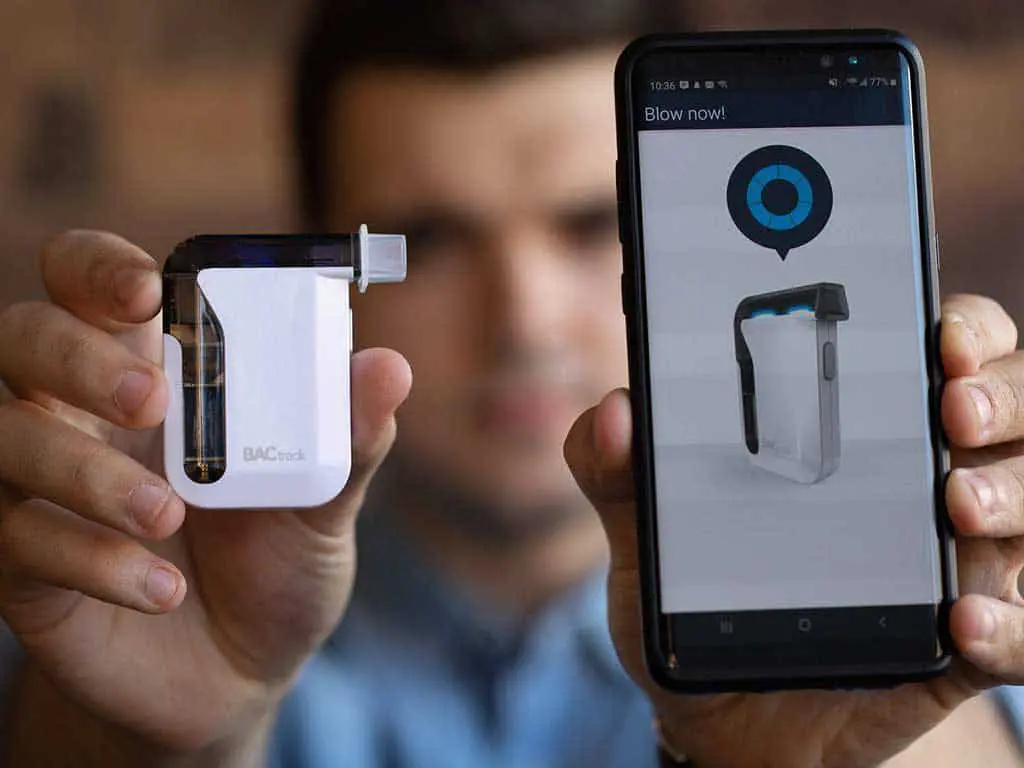
pre-employment-drug-test-in-nz

Pre-employment Drug Test NZ: Methods for Testing

During a pre-employment drug test in NZ workplaces, companies typically use two testing methods: breath and urine testing. Firstly, testing an individual’s urine sample can detect various kinds of substances. The testing process is typically done within 15 minutes, and the results will be out quickly. The sample can be sent to a laboratory for further analysis if the test result is positive. Urine tests are the standard for detecting illicit substances. On the other hand, breath tests are done to measure alcohol present in your body. Alcohol breath testing is a less invasive form of testing for alcohol. Breath tests in the workplace use a device called a breathalyser. Breathalysers can effectively and quickly detect the presence of alcohol in a person’s breath sample.

Drug testing does not measure an individual’s impairment, and it only works to determine whether an individual has taken any particular substance. Applicants should clear a drug and alcohol test to be eligible for the job. Hence, they should monitor their alcohol consumption more closely or abstain from it altogether. Once they have undergone the pre-employment drug test in NZ and received the results, they can wait for the results and the final decision. Otherwise, they can request confirmatory testing if they fail a drug test and decide to dispute the test result. If further testing has been done and confirms the result, it can lead to various repercussions, such as the dismissal of the application.
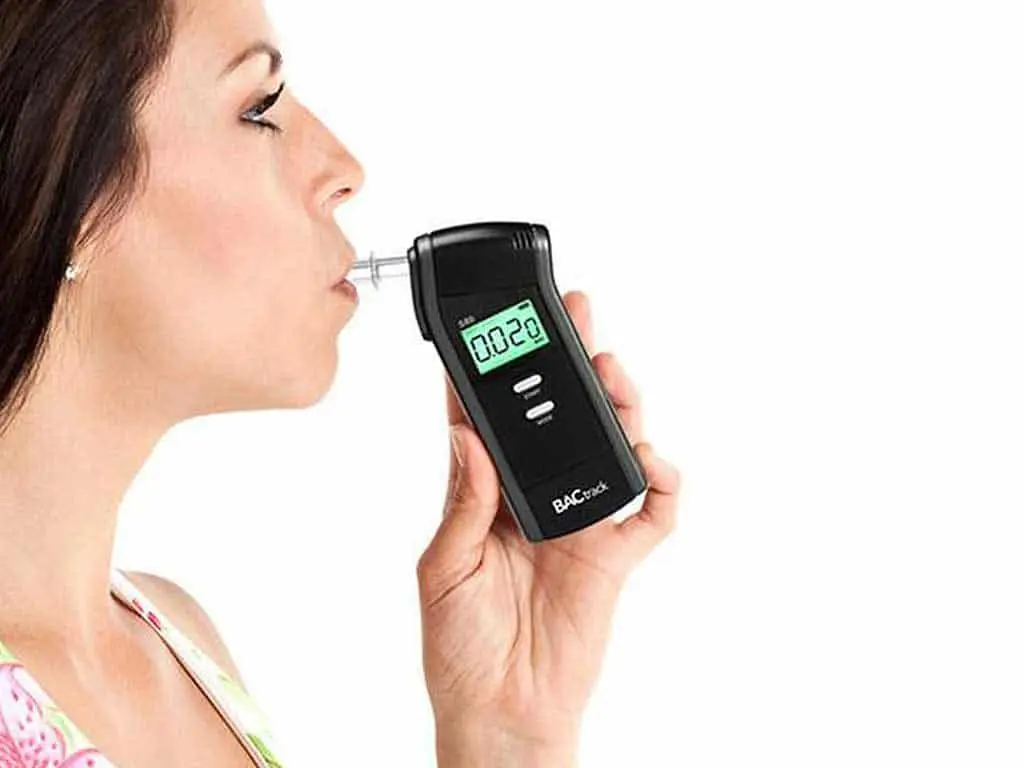
pre-employment-drug-test-in-nz-

What is a Breathalyser?

A breathalyser is a handheld device that measures how much alcohol is in the air from a person’s breath sample. That alcohol content is represented as a numerical value in percentage known as Blood Alcohol Content (BAC). Specifically, BAC is how many milligrams of alcohol per 100 millilitres of blood. Consequently, if you have a BAC of 0.05, it means that there is 50 mg per dL of alcohol in your system. Traditionally, breathalysers were only employed by police officers and medical professionals in roadside screening and hospitals, respectively. Nowadays, personal and workplace breathalysers are widely applicable to civilians and professionals. Particularly, a professional breathalyser is ideal for screening applicants in a pre-employment drug test in NZ workplaces to determine current alcohol impairments. Correspondingly, Breathalyzers New Zealand supplies genuine BACtrack breathalysers perfect for all manners of workplace alcohol testing requirements.

The BACtrack Workplace Breathalysers for Pre-employment Drug Test in NZ

The BACtrack workplace breathalysers at Breathalysers New Zealand are particularly valuable for employers who want to effectively detect alcohol impairment in a pre-employment drug test in NZ workplaces. 

BACtrack professional models utilise fuel cell technology, and the units use fuel cell sensors that are up to par with law enforcement breathalysers. These fuel sensors can only detect ethyl alcohol in an individual’s breath. Thus, it is less likely to produce false-positive test results; it is especially useful for people with diabetes or who are on a low-calorie diet due to hypoglycemia or ketosis. Moreover, they are quick and easy to operate. Their faster warm-up time and straightforward one-button operation feature enable high-volume back-to-back testing in the workplace. Furthermore, the test results are consistent and guarantee long-term reliability. Lastly, these devices have low power requirements. Users can conduct up to 1,500 tests with just a single set of AA batteries. Accordingly, all these features are highly sought after for a pre-employment drug test in NZ workplaces as well as other types of alcohol testing in the work environment.

In addition, the workplace breathalysers at Breathalysers New Zealand are FDA-approved and have AS/NZ 3547 certification. Thus, it guarantees employers that they are purchasing a device with proper standards for workplace alcohol breath testing. Alternatively, it also ensures applicants in a pre-employment drug test in NZ that the company they are applying to takes workplace health and safety seriously.
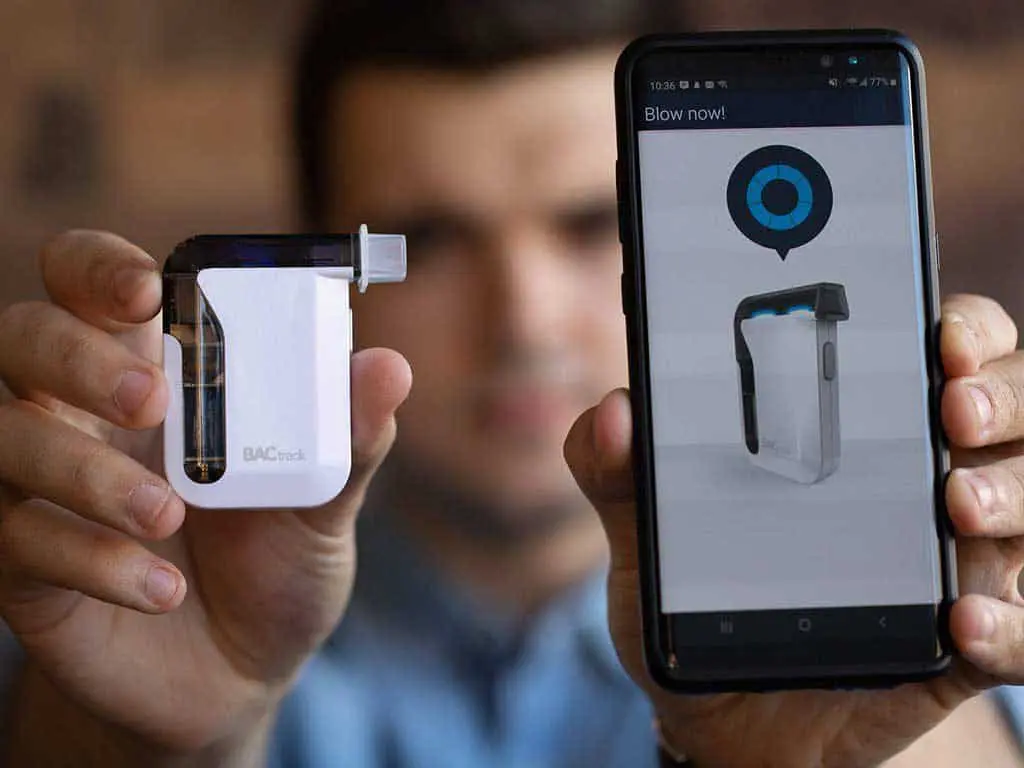
pre-employment-drug-test-in-nz.

The Workplace Breathalysers Available at Breathalysers New Zealand

Breathalysers New Zealand’s Professional Series offers a range of workplace breathalysers widely used across New Zealand work environments. These devices deliver fast (10-15 seconds) and accurate BAC results ideal for detecting alcohol impairment in a pre-employment drug test in NZ workplaces. Employers may select from the following choices:

  1. The BACtrack Mobile Gen 2 – is the latest generation of BACtrack’s connected technology range for workplace applications. This breathalyser can seamlessly connect to a smartphone using Bluetooth to deliver highly accurate BAC results. Thus, making it ideal for remote compliance as a safety tool for employees off-site.
  2. The BACtrack S80 Pro Gen 2 – this breathalyser features an enlarged industrial grade and patented Xtend® Electro-chemical Fuel Cell sensor with enhanced linear accuracy. It is a highly robust device designed specifically for commercial applications that require high levels of accuracy and consistency.
  3. Shield Express Touch – this breathalyser amalgamates Passive and Active testing modes with touchscreen technology to offer speed and accuracy.
  4. Shield Express Identity – this breathalyser is similar to the Shield Touch. It also contains Platinum Electrochemical sensors. One difference is that it also supports photo identification, increasing compliance.

Conclusion

In conclusion, illicit substances and alcohol impairment can cause undesirable consequences, particularly in terms of workplace health and safety. Therefore, the implementation of conducting a pre-employment drug test in NZ workplaces for each incoming employee should be a standard. However, a comprehensive workplace drug and alcohol policy should be clearly agreed upon by all parties involved before proper implementation begins. In addition, employers should be using high-quality and dependable devices for conducting drug and alcohol testing in the workplace. Conveniently, Breathalysers New Zealand offers a selection of certified BACtrack workplace breathalysers ideal for a variety of alcohol testing requirements in the workplace. Employers can readily avail of these highly accurate and efficient alcohol breath testers at the Breathalysers New Zealand website.