Drug and Alcohol Test Center Near Me: Overview, Methods, and Advantages

Medical officers working in a laboratory

Individuals in need of drug and alcohol tests may look for the accessibility of testing services in their area. They may look for drug and alcohol testing centers near me to avail of the tests, whether for personal or employment purposes. It utilises various methods, such as urine, oral fluid, and breath testing, to detect alcohol and illicit drugs in the system. These are proactive measures to help ensure health and safety in various settings.

Testing centers are available in almost every city, offering various types of tests. Moreover, drug and alcohol testing has become a common requirement for many individuals and industries. It aims to detect impairment or substance use that can have detrimental consequences on the individual and those around them. This article will provide a general overview of drug and alcohol testing, methods, and advantages of using local facilities.

Drug and Alcohol Test Center Near Me: Overview

Drug and alcohol test centers near me provide essential services in ensuring public safety and promoting a healthy environment. Clinics or local facilities offer screening services to help individuals ensure they are drug-free. Likewise, organisations may employ them to help comply with standard safety requirements through a drug and alcohol testing program.

These facilities use laboratory standards for the detection and quantification of drugs and alcohol. Furthermore, they may use various technologies depending on the need or situation. For screening purposes, they may use rapid test kits to detect substances in the specimen quickly. It delivers negative or non-negative results without regard to the amount taken.

On the other hand, laboratories use gas chromatography and mass spectrometry (GC-MS) to measure the levels or concentrations of drugs in the system. The GC-MS test is the gold standard for drug testing and the most accurate in assessing substance use. Lastly, the results of this test can be used for legal purposes, such as in the case of drink driving or probationary cases.

Contributing Factors to Cost

  • Technology: the type of test method and complexity of the procedure will affect the cost of the test. For example, GC-MS tests may be more expensive than rapid screening tests.
  • Specimen type: a urine sample is usually cheaper than blood or oral fluid.
  • Number of substances: the cost may vary between single or multiple drug detection.
  • Frequency of testing: single appointments are cheaper than periodic testing or retests due to non-negative test results.
  • Additional services: companies may pay more to receive testing summary reports for employees.
  • Logistical costs: facilities may charge more for companies who require onsite testing.

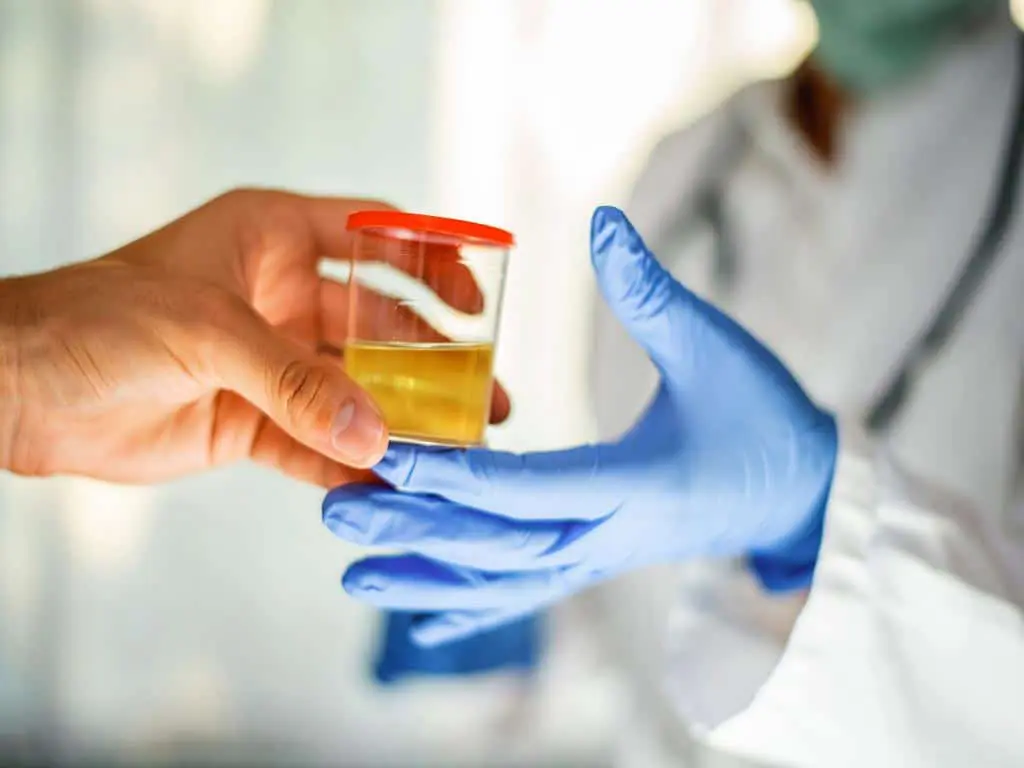
A person giving a urine sample to a collector

Drug and Alcohol Test Center Near Me: Methods

Drug and alcohol test centers near me use various methods depending on the purpose of the test. The common methods are urine, oral fluid, breath, and blood testing. Urine testing is standard for many workplaces. It can detect a wide range of substances, including illegal drugs and abuse of prescription drugs. In addition, it can trace drugs for several days after consumption.

The second most common type is saliva drug screening. It involves swabbing the inside of the mouth to obtain saliva samples. This test can detect common drugs of abuse, such as marijuana, cocaine, amphetamines, and opioids. Moreover, the saliva collection procedure is easy to administer and less invasive. However, it has a short detection window, making it reliable for determining recent usage.

For alcohol screening, clinics may use breath alcohol testing through a breathalyser device. The device can measure a person’s Blood Alcohol Content (BAC) or level of intoxication through the exhaled breath. Lastly, a blood test provides the most accurate results as it can measure the concentration of substances directly in the bloodstream.

Accuracy and Reliability

The accuracy and reliability of alcohol and drug testing may vary between different methods. Each test differs in its sensitivity, specificity, cut-off levels, and detection window. Furthermore, several factors may affect the test which may lead to false positive or negative results. These factors include medication interaction and exposure to external contaminants.

To ensure accuracy, it is critical to follow the standard collection process and chain of custody. It is also vital to use compliant facilities to guarantee they have the necessary equipment for comprehensive analysis. Lastly, testing centers are subject to stringent regulations to minimise errors and deliver the highest level of accuracy.

A patient consulting a doctor

Drug and Alcohol Test Center Near Me: Advantages of Using Local Facilities

Going to a drug and alcohol test center near me can provide several advantages for individuals. Firstly, local facilities are convenient in terms of scheduling tests as they may facilitate same-day appointments. Secondly, they have shorter turnaround times. Laboratories can process the sample taken in clinics immediately. This helps ensure accurate results within a short period.

Thirdly, a qualified staff can ascertain the reliability of the collection process. They have secured facilities free from the interference of external substances. Therefore, it minimises the possibility of tampering or contamination. They exercise strict quality control to ensure the samples remain valid. In addition, it helps eliminate user error from self-testing. Hence, it reduces the chances of false positives.

Individuals may go to the nearest clinic location at their convenience. Moreover, the testing centre may provide medical explanations or clarifications to certain questions. Thus, individuals can clear any doubts and make informed decisions. Lastly, they use a wide array of equipment for different uses that are not limited to one type of testing need.

Handling Non-negative Results

If a drug and alcohol test yields a non-negative result, the test center must follow specific protocols for handling such results. Generally, a confirmation test follows an initial screen, where the samples undergo further analysis. This helps rule out any potential false positives. If the result is indeed positive, a laboratory may prepare a report detailing the results and any other relevant information.

For workplaces, employers must follow the guidelines according to their company policies. A Human Resource officer informs the results to the concerned employee and discusses the disciplinary actions. It is vital to maintain confidentiality and ensure the employee’s rights are not violated.

Conclusion

Drug and alcohol test centers near me offer an accessible resource for individuals who need to undergo screening. They provide reliable and accurate results with shorter turnaround times. Moreover, there are various test methods to use depending on the requirements. The common procedures are urine, saliva, breath, and blood testing. They differ in terms of sensitivity, specificity, and detection window. A qualified collector ensures that the sample collection follows the chain of custody process.

Local facilities follow the relevant standards to ensure the integrity of the results. If a non-negative outcome is obtained, it is essential to undergo confirmatory testing. This helps rule out false positive results. Thus, they must handle confirmed positive tests with care and caution. Overall, drug and alcohol testing plays a vital role in ensuring better health awareness and safety for the community. It also helps organisations meet legal requirements.

Blood Test Drugs and Alcohol – Overview

Medicines and a syringe, and a drug tests result form.

A blood test for drugs and alcohol is an analysis of the blood to obtain information about substance use. It typically involves drawing a sample from the vein of the arm to detect illicit drugs and alcohol. This method provides the most accurate data for the measurement of the concentration of substances in the system. However, it has limitations, such as an intrusive sample collection process, high costs, and turnaround times.

Drug and alcohol testing is vital in many settings, especially in healthcare, law enforcement, and workplaces. It aims to identify if prohibited substances contribute to an accident or injury. Likewise, it can help determine if a person has a drug or alcohol use disorder. Therefore, healthcare professionals or employers can make appropriate decisions and timely interventions. This article will provide an overview of how blood analysis works, what it can detect, and its accuracy.

How Blood Tests for Drugs and Alcohol Works

A blood test for drugs and alcohol works by measuring the concentration of substances in the blood sample. When drugs are consumed, they are broken down into metabolites and are circulated throughout the body via the bloodstream. Unlike immunoassay tests, blood tests use advanced laboratory procedures, such as gas chromatography.

This chromatography technique can separate the different components of a specimen based on its chemical properties. Hence, it allows for the identification and quantification of drug compounds or metabolites. Moreover, a blood test is highly sensitive and can detect various types of drugs, including prescription drugs and alcohol. Also, it requires a trained professional to obtain the sample, following standard collection protocols.

Due to the elaborate process of analysing the blood sample, it has a longer turnaround time compared to other types of testing. It is appropriate for post-accident situations or confirmatory testing. For instance, if an initial urine drug screen has traced a substance, a blood test can help measure the exact concentration levels in the system.

Reasons to Conduct

  • A blood test can help diagnose the cause of an injury or accident, particularly one that is potentially linked to a substance use disorder.
  • Medical professionals may conduct this test to find a connection between a medical condition and drug and alcohol use.
  • Confirm an initial non-negative result from urine or oral fluid screening.
  • A blood test can help diagnose if a person has consumed drugs or alcohol or if it is an incidental exposure.
  • Health professionals may conduct a blood test in emergency situations.
  • Identify the specific drug class and amount present in the body.

A sample of blood in a tube

What Substances are Detected in a Blood Test for Drugs and Alcohol

A blood test for drugs and alcohol can detect a wide range of substances, including both illegal and prescription drugs. It includes testing for the main drug classes, such as stimulants, depressants, hallucinogens, and narcotic analgesics. Each class affect the brain and nervous system differently. For instance, a stimulant speeds up the functions of the brain and causes increased energy.

The common drugs of abuse included in blood testing are marijuana (cannabinoids), opioids (morphine and codeine), and amphetamines (methamphetamine and MDMA). In some cases, a doctor or employer may request a specific type of drug or drug metabolite. Even though some drugs are legal, their misuse can have adverse effects on health.

Additionally, it can measure Blood Alcohol Content (BAC) levels accurately. The BAC is the concentration of alcohol in the bloodstream. It is expressed in percentage and is computed based on the volume of alcohol in grams per 100 ml of blood. Moreover, it directly indicates the level of intoxication. The more a person consumes alcohol, the higher the BAC and the more severe the impairment.

Limitations

Blood tests have some limitations that can affect their uses and applications. Firstly, the period of detection for blood is shorter than for urine or hair. Thus, it gives a brief window of substance use. For this reason, it is suitable for post-accident tests or cases where confirmation of recent drug or alcohol consumption is needed.

Secondly, it requires trained personnel to draw the sample and complete the analysis. It requires the facilities from a lab for testing. Thus, unlike instant drug test kits, individuals cannot self-administer the test. Finally, it is intrusive and costly compared to other types of drug tests.

Professionals working in a laboratory

Accuracy and Reliability of a Blood Test for Drugs and Alcohol

The results of blood tests for drugs and alcohol are generally accurate. It is the most reliable testing method, as it analyses drug compounds directly from the blood rather than its metabolites. Additionally, techniques like GC-MS (Gas Chromatography-Mass Spectrometry) have high sensitivity and specificity. It is considered the gold standard for alcohol and drug testing.

Furthermore, blood drug testing can detect low levels of drugs in the system. It is also the most accurate method for determining the BAC or level of alcohol. This is because it examines the blood directly for alcohol biomarkers. In contrast, a breath test relies on the blood-to-breath alcohol ratio to estimate the BAC.

Finally, laboratory testing follows strict protocols or chain of custody to ensure accurate results. Qualified and certified technicians adhere to high standards and quality control measures to avoid contamination. They are also trained to interpret the results of the test accurately. In particular, a Medical Review Officer (MRO) can validate the findings to eliminate false positives or false negatives.

Factors That May Influence the Results

All testing methods have a margin of error, including blood analysis. Several factors may influence the accuracy of the results. These include the time of collection, quality of the sample, specimen collection methods, and storage conditions. In some cases, drug interactions or cross-reactivity between compounds can lead to false-positive results.

Individual factors can also influence the tests, such as medical conditions, metabolism, and fluid intake prior to testing. Each person metabolises drugs at a different rate. A person with liver disease may process substances more slowly, leading to a longer detection window in their blood.

Conclusion

A blood test for drugs and alcohol is the most reliable and accurate testing method. It can detect a wide range of substances, including the misuse of prescription medications. It works using advanced laboratory procedures to quantify the exact levels of drugs or alcohol. Therefore, it is valuable for detecting recent exposure, such as post-accident or emergencies. It can also help diagnose if a person has drug or alcohol abuse and aid professionals in giving appropriate treatments.

Despite its reliability, there are several limitations to take into account. For example, blood samples have a shorter detection window and a longer turnaround time. It is also costly and intrusive. Therefore, its uses can be limited to a few settings. It is important to be aware of the factors that influence the test to ensure accurate findings. Nevertheless, a blood test can be a valuable tool for monitoring health and safety.

Blood Test for Alcohol Detection – General Overview

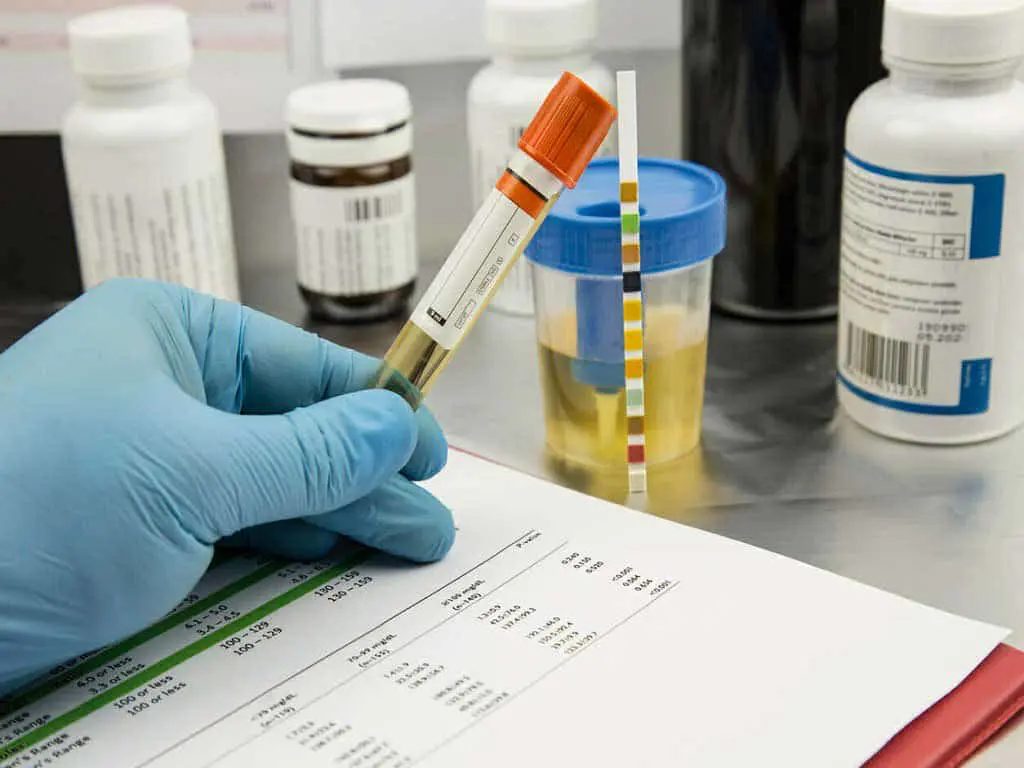
Blood sample specimens for testing

A blood test for alcohol detection is a way to confirm alcohol presence in the body and to see how much at risk people are for illnesses. It is considered one of the most accurate testing methods of all. However, it can be quite invasive as there is a need to draw blood. It is also more expensive than other tests. Nevertheless, it is worth doing because of its advantages, such as fewer chances of false positive results.

Alcohol can cause many problems in the lives of people. They can have health issues, productivity concerns, and relationship troubles. Hence, it is necessary to detect signs of misuse and abuse. There are many kinds of tests available, but a blood test is suitable for those with more serious cases as the process of testing is more in-depth. The following sections will present more of what it is, how it works, and its advantages.

What is a Blood Test for Alcohol Detection?

Blood tests for alcohol detection can verify if someone consumed alcohol. After alcohol intake, the substances travel to the bloodstream. Hence, the blood alcohol level is the amount of alcohol in the bloodstream. Afterwards, it can spread to other parts of the body. Blood testing can confirm recent consumption. Moreover, it can confirm alcohol intake from four weeks before testing.

The test has many uses. For instance, doctors can take a blood test to confirm if a person coming from a road accident is intoxicated. It is important because it allows people to know if they are legally intoxicated. Police officers may also require a blood test for severe cases as it is more accurate.

Moreover, workplaces use a blood test if there are incidents. However, it is an expensive method. Hence, they typically only use it for post-accident cases. Moreover, companies use different testing methods for pre-employment and annual physical checkups. Other less intrusive ways also cause them to use different ones.

Types

Blood alcohol tests have several variations. They are the following:

  • Carbohydrate-deficient transferrin (CDT) – It is a good way to determine who the heavy drinkers are. This is because the amount of alcohol intake directly translates to the amount of carbohydrate-deficient in the body.
  • Phosphatidylethanol (PEth) – Likewise, the test is appropriate for those with serious alcohol cases since it can see the history of alcohol and how much a person drinks in a single session.
  • Ethyl glucuronide (EtG) / Ethyl sulphate (EtS) – Typically, these are for urine tests. However, it is also possible for blood tests.

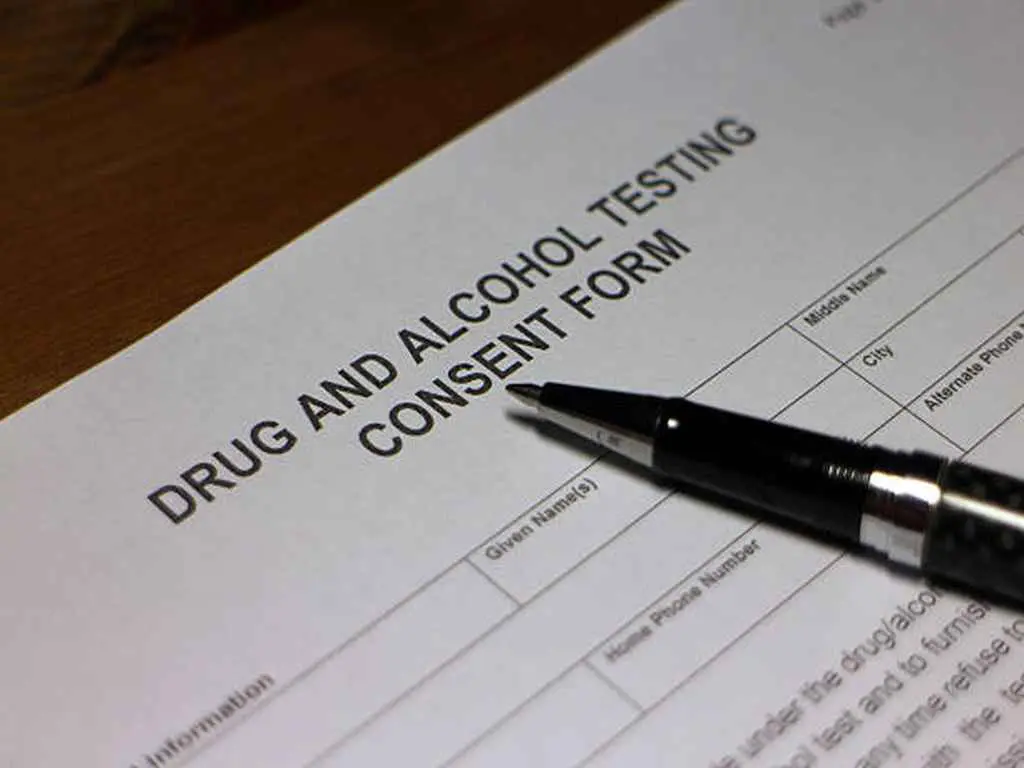
Drug and alcohol testing consent form with a pen on a table

How Does A Blood Test for Alcohol Detection Work?

Unlike other tests, a blood test for alcohol detection needs to be done in a medical facility or by a qualified collector. Moreover, since it involves blood, technicians need to collect the sample by using a needle. Commonly, professionals take the blood from the arms. There are cases where they only need a few drops of blood, like in PEth blood tests.

After taking the sample, they analyse it. Consequently, they release the results. However, it can take up to a few weeks. The results allow doctors to make more informed decisions as to what measures to take and what treatment to use. Those who have higher risks of illnesses may need to undergo more tests and rehabilitation.

It is typical for healthcare professionals to ask for consent before testing. People can decline, but those who are required to undergo blood tests, in particular, can face legal consequences. Law enforcement obligates high-risk offenders to go through the test as it can show the level of dependence a person has on alcohol.

What to Prepare?

The main objective of the blood test is to determine if there is alcohol in the body. Hence, people should be aware that the result is highly dependent on their consumption of alcohol. They should prepare for a positive result if they have been drinking. It is best to avoid drinking it if they have a test schedule.

Moreover, despite its accuracy, there is still a possibility of a false positive result. For instance, the sample had a contamination. Thus, they should ensure that everything is clean, such as their skin, before the test. They can also confirm it with their technician for further security.

A doctor discussing the test result to a patient

Advantages of Blood Test for Alcohol Detection

Blood tests for alcohol detection have several advantages over other types of alcohol tests. Firstly, it is accurate. It can measure the blood alcohol concentration (BAC) more thoroughly. Moreover, it is more reliable than other tests because of its performance. For instance, those with liver diseases may test positive even if they do not drink alcohol. This is more likely to happen with tests that are not blood tests.

Secondly, it is suitable for legal proceedings. Since its accuracy is one of the best, they can use the results more often in a court of law. It is more defensible than others such as a saliva test.

Lastly, it has longer detection windows. A blood test can determine if there is alcohol in the bloodstream for a longer period. Hence, it is useful for those who are suffering from alcoholic tendencies. Healthcare professionals can help them better as they have a broader idea of what to do with their cases.

Disadvantages

The disadvantages of the test are the fact that it is intrusive and not convenient. Not everyone feels comfortable having a needle inserted in them. Moreover, it is not as convenient for alcohol management since people need another person to do the task.

If they want to manage their alcohol intake easily, they can use a breath test instead. They only need a breathalyser, which they can buy in physical stores or online. The positive thing about it is that they can use it multiple times. Furthermore, they can bring it with them wherever they go.

Conclusion

Many people, including doctors and police officers, choose to use blood tests for alcohol detection because of their accuracy. It has several variations, and each one is suitable for certain situations. PEth and CDT tests are appropriate for heavy drinkers because their results can show the amount of alcohol one consumes. It is beneficial in getting the treatment people need. Moreover, the law considers the result of the test more acceptable than others.

It is necessary to undergo a blood test because it can be the first step to recovery. However, there are drawbacks since the test is invasive and expensive. These are the reasons why work-related testing does not use it that often. Also, managing alcohol intake is more difficult with the method compared to others, like the breath test. They can use a breathalyser to see if they can drive after drinking. Some units may require periodic calibration.

Alcohol Breathalyzer For Sale: Personal and Workplace Buying Guide

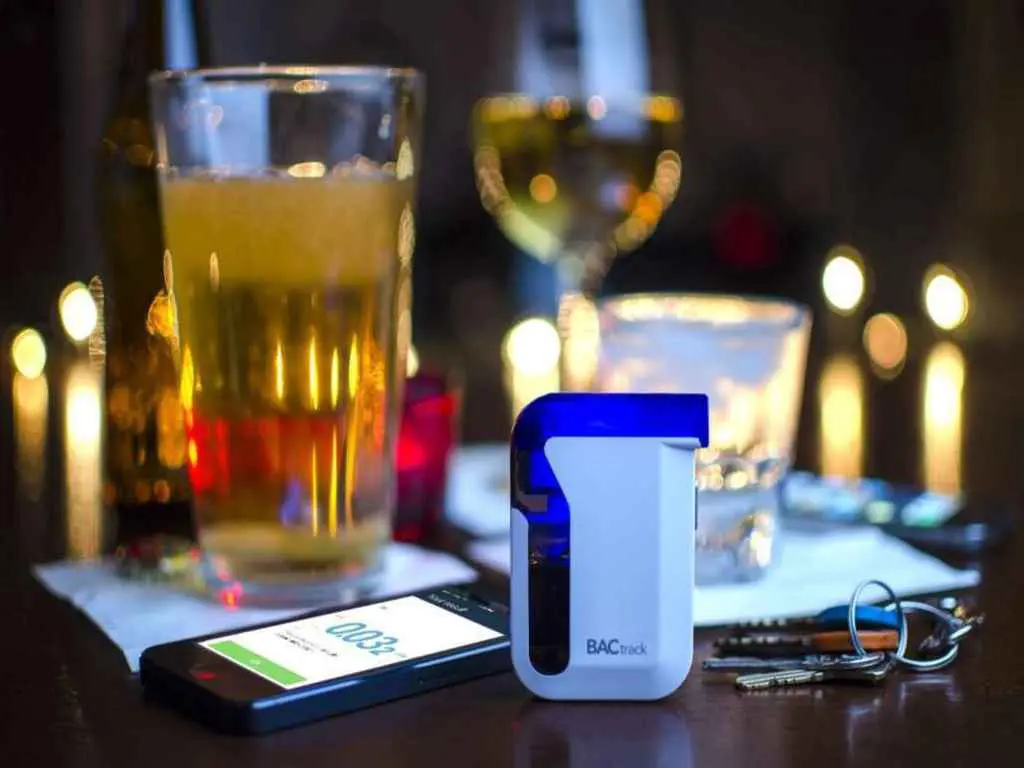
A breathalyser, a smartphone, and glasses of liquor on the table.

There are numerous alcohol breathalyzers for sale that people can get for personal or workplace use. Breathalyzers are portable devices that measure the Blood Alcohol Content (BAC). They analyse the breath samples to determine the level of intoxication. They are mostly used in roadside screening to check drink driving and help prevent accidents. However, individuals may also use them to check alcohol levels after consumption. In addition, it is valuable in workplaces to ensure employee safety.

Alcohol has several effects on the body. In small to moderate amounts, it can make people feel relaxed and give a sense of euphoria. However, large amounts of alcohol can lead to severe impairments. It can negatively affect reasoning, perception, and coordination. These impairments lead to safety risks on the road or at work. The following sections will guide you on buying breathalyzers for personal and workplace purposes and where to purchase them.

Buying a Personal Alcohol Breathalyzer For Sale

There are many alcohol breathalyzers for sale for personal use. They are often compact and portable, making them easy to use and carry around. These devices typically have two kinds of sensors – semiconductor and fuel cell sensors. A semiconductor breathalyzer is typically cheaper. It can detect and quantify the presence of alcohol in the breath, providing quick screening.

On the other hand, fuel cell breathalyzers are more expensive yet more accurate. It can detect ethyl alcohol in the sample and measure the BAC more precisely. This type can trace alcohol concentrations over a wide BAC range. Their specificity to ethanol makes them less prone to false readings from other substances.

When buying a personal breathalyzer, make sure to check the accuracy, sensitivity, and recalibration requirements. This can impact the reliability of alcohol monitoring and in making decisions. Additionally, there are many devices with various features. For example, there are Bluetooth-enabled breathalyzers that can connect with a mobile app. Other types include breathalyzers with police-grade accuracy and storage capacity.

Advantages of Having a Personal Breathalyzer

  • Personal breathalyzers enable individuals to monitor their blood alcohol levels efficiently and accurately.
  • It promotes responsible alcohol consumption and driving.
  • Personal breathalyzers can help individuals make informed decisions about whether they are fit to drive or operate machinery.
  • It can help reduce the risk of accidents and legal consequences.
  • Portable breath alcohol testers can aid individuals in understanding their alcohol tolerances.
  • Consumers can use the device anytime to monitor their increasing BAC or sobriety.
  • It can help individuals monitor family members’ alcohol consumption and detect potential issues.
  • Provides peace of mind when attending social events or parties where alcohol is served.

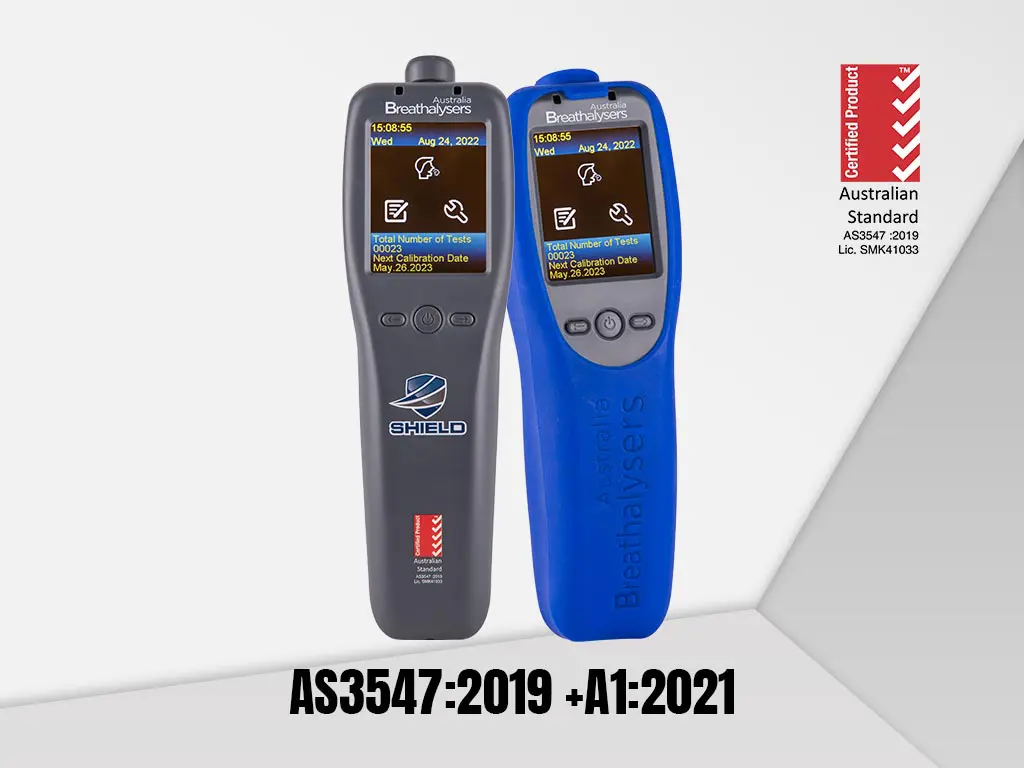
Two workplace breathalysers with AS3547 certification

Purchasing a Workplace Alcohol Breathalyzer For Sale

Workplaces often need to check staff for alcohol consumption or intoxication, especially for those who operate a vehicle or machinery. There are many alcohol breathalyzers for sale catering to workplace needs. They are more advanced with added features, such as built-in memory and adjustable settings. These can help employers with more efficient alcohol testing.

Workplace breathalyzers use advanced fuel cell technology for higher levels of precision. These devices adhere to the AS/NZ 3547:2019 standards for certified accuracy for professional testing needs. These are subjected to more rigorous standards to ensure their reliability. Nevertheless, employers must still maintain regular recalibration to minimise false positives and other errors. This can help in preventing legal issues due to inaccurate readings.

Furthermore, alcohol breathalyzers are efficient in detecting alcohol. It is non-invasive and easy to use, only requiring a few steps for an accurate result. It does not need a licensed professional to administer the test. Hence, it reduces the high testing costs that other methods have. Lastly, they can be used in any setting.

Purpose of Alcohol Testing in the Workplace

Intoxicated or impaired employees can pose a significant risk to workplace health and safety. They can cause accidents or near-misses, which can result in injuries or even fatalities. Alcohol testing helps detect intoxication from alcoholic beverages, which lowers the safety risks. In doing so, it helps create a safe, alcohol-free, and productive work environment.

Regular alcohol testing is also a good measure to identify possible alcohol abuse or addiction problems. Employers can identify workers with alcohol issues and provide the necessary help. Likewise, it is suitable for pre-employment, random testing, and reasonable situation cases. Lastly, it helps employers comply with safety regulations and mitigate legal risks that may arise from accidents.

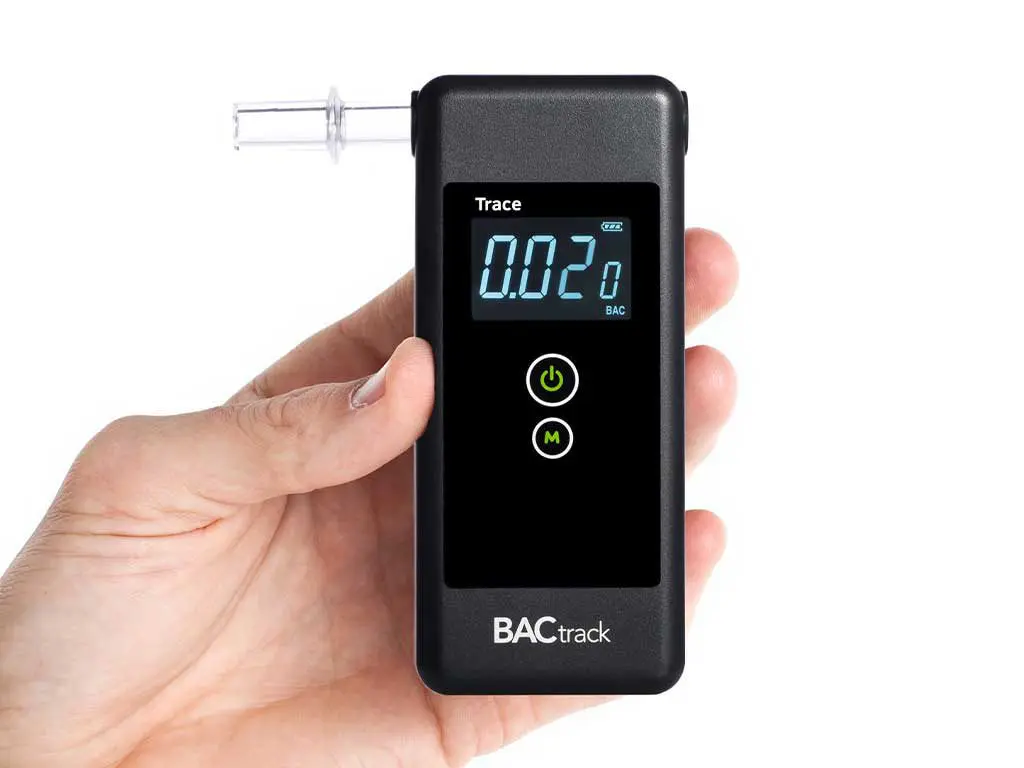
A portable breathalyser showing the BAC result

Where To Buy An Alcohol Breathalyzer For Sale

Many retailers offer alcohol breathalyzers for sale. Consumers can purchase them from local stores, online shops, or alcohol monitoring suppliers. Major retail outlets may carry different kinds of breath alcohol testing equipment. Personal devices may range from disposable alcohol detectors to keychain breathalyzers and breathalyzers with smartphone connections.

Companies and individuals may also get accurate breathalyzers online. There are various platforms that offer personal and workplace breath alcohol testers. One trusted retailer is Breathalysers New Zealand. It offers a wide range of devices, suiting various testing needs. The professional-grade BACtrack S80 Pro Gen2 and SHIELD Express Identity and Touch meet the standards for reliable alcohol breath testing.

It is important to check the product specifications, features, and accuracy before buying a breathalyzer. This helps in ensuring that the device is reliable and suitable for its intended use. Furthermore, check the recalibration requirements or process when getting the device. This can help avoid inconveniences when sending the unit to the manufacturer for calibration or servicing.

Advantages of Purchasing Online

Purchasing breathalyzers online offers several advantages. Firstly, it allows for a wide variety of options and price comparisons. Individuals or companies can choose a specific device that best suits their needs without having to worry about availability. Secondly, they can review the product features and read customer reviews, allowing them to make informed decisions.

Additionally, consumers can purchase them easily, saving time and effort. This is beneficial for individuals who have limited access to breathalyzers in their area. Before buying a device, they can ask questions and receive advice and suggestions. Overall, buying online provides convenience and accessibility to a more comprehensive selection.

Conclusion

The need for breath testing is steadily increasing to help manage alcohol intake and prevent detrimental consequences. There are many alcohol breathalyzers for sale for personal and workplace use. These devices can help improve safety and alcohol consumption habits. It is beneficial for individuals to monitor their BAC and keep it from exceeding the legal limits. Thus, it helps prevent the hazards of drink driving, including road accidents and legal penalties.

On the other hand, workplace breathalyzers enable organisations to monitor their employees’ sobriety for safety purposes. It helps prevent accidents and improve productivity. Therefore, it is vital to consider accuracy, features, and suitability. These devices are available in-store or online. Purchasing online offers a wide selection and convenience. Moreover, those who need high precision may opt for certified devices. Retailers like Breathalysers New Zealand provide a comprehensive range of devices, from personal to professional-grade alcohol testers.

Drug Test After Accident At Work: Why Is It Essential?

A man lying on the floor due to a fall

Conducting a drug test after an accident at work is vital for many reasons. It helps employers determine if alcohol or drug use is a factor. In addition, it is a part of a company’s policies to handle untoward incidents. This helps them mitigate legal risks that may arise. It provides evidence or support that the management is doing everything it can to ensure workplace safety. Knowing if illegal substances are involved can help employers make informed decisions.

Many factors can lead to workplace accidents. Thus, employers utilise all practicable methods to manage preventable risks, such as drugs and alcohol. Drug testing is one of the preventive measures to minimise injuries and fatalities in the workplace. It is a standard requirement for high-risk industries involving the operation of heavy machinery. In this article, we will present the reasons and considerations in drug testing after an accident. It will also include the procedures and handling of test results.

Why Conduct A Drug Test After Accident At Work?

The need for a drug test after accident at work helps employers protect their business and employees. Companies are accountable for workplace safety, and negligence can lead to serious consequences. Hence, the primary purpose of the test is to identify if illegal drugs or substance abuse played a role in the incident.

It is essential for employers to know the cause of the accident to take appropriate action. If a worker is under the influence of drugs, it could indicate a serious violation of the company policy. Therefore, the result of the test can help employers decide on implementing disciplinary actions or assistance for rehabilitation. Moreover, it can help them review their policies and develop strategies to address issues.

Workplace drug testing protects the company from potential legal liabilities. Organisations have a duty of care to ensure that workers are in a safe environment. If drug use results in workplace injuries or property damage, the affected individuals may file a lawsuit against the company. Therefore, employers can gather evidence to defend themselves against any claims of negligence.

Legality Of Conducting Tests

  • Drug testing at work is legal in many jurisdictions.
  • High-risk industries, like mining and transportation, are mandated to conduct regular drug and alcohol tests.
  • Companies must establish a drug and alcohol policy to enable workplace testing.
  • The workplace policy must include the list of prohibited substances, procedures for testing, when to conduct the test, and consequences of failed test results.
  • The policy and testing procedures must adhere to state or federal laws.
  • An employer may require workers to submit to drug tests if it is a condition of their employment.
  • Employees must understand the purpose of the test and sign a consent form before testing.

A professional conducting a saliva test on a male individual.

Procedures of a Drug Test After Accident At Work

A drug test after an accident at work is essential as part of their investigation into the incident. Generally, the test must be conducted within 2 to 32 hours after the accident. It is critical to administer the test within the time frame to trace any substances in the system. After several hours have passed, some drugs may not be detectable in the test specimen.

The common procedures are urine, saliva, breath, and blood testing. Urine tests can detect a wide array of prescription and illegal drugs. It can also trace them for an extended period. If urine samples are not available, employers may utilise saliva tests. The saliva samples can trace illicit drugs within a short time. Thus, it can reveal recent usage.

Additionally, a breath test can trace alcohol consumption within the past 24 hours. A breathalyser device can also measure Blood Alcohol Concentration (BAC) or the amount of alcohol in the system. Finally, a blood test can detect substances up to 6 to 12 hours. It is the most accurate test and can measure levels of drugs precisely.

Accuracy And Reliability of Test Methods

Post-accident drug tests are vital to determine the causes and factors of the incident. Companies must use reliable methods and devices to get accurate results. Many use saliva testing because of its short detection window. If the result comes out positive, it is necessary to send the sample for further laboratory testing.

Confirmation tests help employers to identify the exact type of drug and its concentration. Furthermore, organisations and testing partners use various standard procedures, from sample collection to chain of custody, to ensure the reliability of the test methods. This helps prevent contamination of the samples that may impact the results.

A person consulting a medical professional for the test result

How To Handle Results of a Drug Test After Accident At Work

Initial drug tests after an accident at work may return with negative and non-negative results. A negative test indicates that a person is not under the influence of alcohol or drugs. Therefore, the incident may be due to factors other than impairment. On the other hand, a non-negative result means that substances are found in the system.

A confirmation test will validate the initial screening. If illegal drugs are present, a Medical Review Officer (MRO) declares the test result as positive. In some cases, a failed initial test can be due to other reasons. For example, prescription drugs may show up in the result. The MRO will investigate the results and determine if a medical explanation is needed.

Hence, it is necessary to wait for the final report before taking any action. Employers must keep records of all information related to the workplace incident and drug test results. The data must remain confidential and only be discussed with the concerned individual. A company policy can outline the options available for disciplinary action.

Handling Non-negative Results

Dealing with non-negative results is sensitive and requires careful consideration. Companies should follow their drug policies in such situations. Generally, the employee may be subject to suspension or termination. An employer may also offer rehabilitation assistance to help individuals with addiction issues.

The employee also reserves the right to contest the result if they deem it inaccurate. Therefore, employers need to ensure they are following all relevant laws and regulations regarding drug testing in the workplace. This includes respecting the rights of the workers and providing them with the opportunity to appeal the results. A comprehensive policy can ensure fairness and transparency throughout the process.

Conclusion

Drug use may cause severe impairment, leading to slower reaction times and bodily injuries. A drug test after an accident at work is a necessary step to determine the cause of the incident. Employers may use various methods to detect illicit substances that cause impairment. Oral fluid and blood tests are suitable for post-accident tests due to their short detection window. Moreover, it is crucial to conduct the test immediately to ensure the reliability of the results.

Companies must take careful consideration when handling non-negative results to avoid legal issues. If the initial screen detects drugs, a confirmation test is necessary to validate the results. An employee may face consequences depending on the workplace policy. Organisations may also provide rehabilitation to assist individuals struggling with substance issues. Lastly, employers must apply all measures to prevent alcohol and drug-related issues from affecting the workplace.

Workplace Drug And Alcohol Policy NZ – How To Implement An Effective One

Employees having a meeting.

Implementing an effective workplace drug and alcohol policy in NZ is crucial for ensuring a safe work environment. This policy plays a vital role in protecting employees’ well-being, minimising accidents and injuries, and preserving the organisation’s reputation. By clearly outlining expectations, procedures, and consequences related to substance use, employers can foster a culture of safety and responsibility. Furthermore, consistent training, testing, and support programs reinforce the importance of a drug and alcohol-free workplace.

Drug and alcohol use in the workplace can pose significant dangers and risks for both employees and employers. The impairment caused by these substances can lead to decreased productivity, increased accidents, and a higher likelihood of errors. It also creates an unsafe working environment for everyone involved. This article will present how to implement an effective workplace drug and alcohol policy. It will cover the policy’s uses, considerations, and the types of tests to be included.

Overview Of Workplace Drug And Alcohol Policy in NZ

The workplace drug and alcohol policy in NZ outlines employee expectations concerning drug and alcohol use. This policy aims to establish a secure and productive work environment, reducing safety risks linked to substance abuse. Employers hold the responsibility to reasonably ensure the health and safety of all employees.

Additionally, the policy incorporates clauses for conducting alcohol and drug testing, aimed at identifying and discouraging the usage of illicit substances. Testing methods may include urine, saliva, blood, hair, or breath tests. These procedures adhere to safety regulations and corporate policies. However, non-negative results from drug tests may lead to disciplinary action, including the possibility of termination, depending on the circumstances.

Moreover, the policy may provide a framework for support and rehabilitation for employees who may be struggling with substance abuse. This includes providing access to health services and resources, such as counselling or employee assistance programs. The policy ensures that a fair process is followed, offering appropriate assistance to employees on the path to recovery.

Purpose Of The Policy

  • Promoting workplace safety: minimises the likelihood of accidents, injuries, and safety incidents caused by impaired judgment and reduced alertness.
  • Protecting employees: safeguards the health and well-being of employees by discouraging substance abuse
  • Enhancing productivity: helps to ensure that employees are focused, alert, and performing at their best, thereby maximising productivity and efficiency.
  • Complying with legal requirements: enables organisations to meet their legal obligations and comply with safety legislation.
  • Promoting a positive work culture: creates a positive work environment, promoting professionalism, respect, and overall well-being.
  • Ensuring fairness: ensures a fair and reasonable process for managing drug and alcohol-related issues.


A gavel and scales of justice.

Considerations When Implementing A Workplace Drug And Alcohol Policy in NZ

When implementing a workplace drug and alcohol policy in NZ, companies must consider the legal requirements. The Health and Safety at Work Act 2015 (HSWA) states that employers should ensure the health and safety of their employees. This includes providing a safe work environment free from the influence of drugs and alcohol. Hence, establishing a comprehensive policy becomes imperative to avoid legal liabilities.

Employers must also factor in a workplace’s specific needs and culture. Every workplace has uniqueness, including factors like the work’s nature, safety-sensitive roles, and prevalence of particular substances. A single approach may not effectively handle the distinct challenges and concerns in a specific workplace. Therefore, customising the policy to match the organisation’s specific needs and culture helps employers guarantee its effectiveness.

Moreover, effective drug and alcohol policies require employers to communicate clearly and educate their employees. Employers should convey the policy’s details to all staff, making sure they grasp the outcomes of policy breaches. Additionally, educational initiatives can enhance awareness regarding health and safety hazards linked to substance consumption.

Legality Of The Policy

Workplace drug and alcohol policies become essential for any organisation to uphold a secure and efficient work environment. According to the HSWA, businesses hold a legal responsibility for safeguarding their workers’ health and safety. This incorporates the management of risks connected to drugs and alcohol in the workplace.

Furthermore, this responsibility expands to encompass contractors, visitors, and all individuals who could be impacted by the business’s activities. To meet these legal obligations, employers must establish explicit and efficient drug and alcohol policies. Moreover, these policies ought to undergo consistent assessment and revision to mirror any alterations in safety regulations.


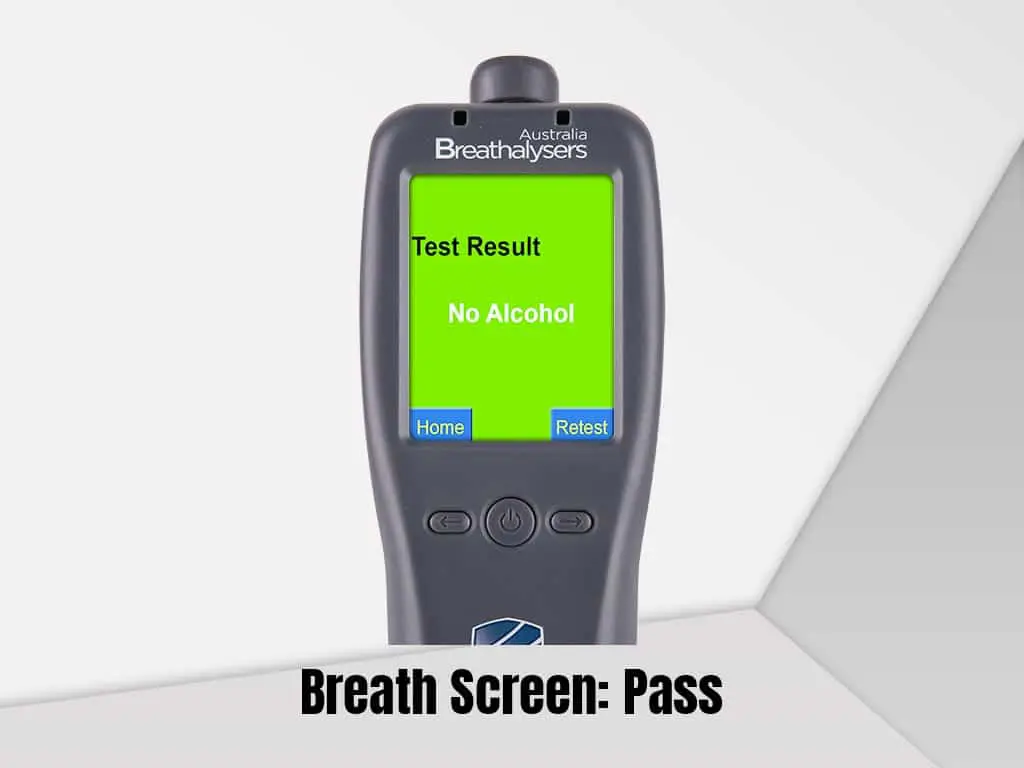
A breathalyser showing a 'no alcohol' test result on an LCD.

Types Of Tests To Be Included In Workplace Drug And Alcohol Policy in NZ

Workplace drug and alcohol policies in NZ help in minimising the influence of drugs and alcohol on workplace performance. Employers often implement various testing methods to identify any substance abuse issues among employees. Firstly, a blood test detects the presence of illicit drugs or prescription medications in the bloodstream. Secondly, a hair test analyses hair follicles for drug metabolites, providing a historical record of drug use.

Thirdly, a saliva test can be conducted to detect recent drug usage. It can identify the presence of drugs within a few hours or days. Fourthly, a urine test can identify recent drug use, providing accurate results. Lastly, an alcohol breath test is designed to measure the alcohol level in an individual’s breath.

These tests can take place in various scenarios as outlined in the policy. For instance, any employee might undergo random testing without advance notice. Additionally, pre-employment screening ensures that job candidates are not using substances. Similarly, post-accident testing determines if substance use contributed to an incident. Moreover, reasonable suspicion testing involves assessing any signs of impairment or erratic behaviour.

Can Employees Refuse A Test

Employees hold specific rights when faced with a drug and alcohol test refusal at work. Employers have the authority to establish and apply drug and alcohol policies for ensuring workplace safety. However, employees also retain the right to decline a test in specific situations. For instance, if there is not a valid and reasonable reason to test an employee, they maintain the right to refuse.

Employees who refuse a test without reasonable cause can face significant repercussions. This refusal might prompt disciplinary measures or even job termination. Therefore, it is essential for both employers and employees to understand their respective rights and responsibilities.

Conclusion

The implementation of an effective workplace drug and alcohol policy in NZ holds paramount importance for ensuring a secure and productive work environment. The policy should include clear employee expectations, alcohol and drug testing procedures, and provisions for support and rehabilitation. Additionally, employers must consider legal requirements, adapt policies to the workplace’s distinct needs, and communicate effectively to ensure compliance. Various testing methods, including blood, hair, saliva, and urine tests, are integral to enforcing the policy’s objectives.

Maintaining a secure work environment through well-defined drug and alcohol policies is a legal obligation for businesses under HSWA. This duty extends to all individuals affected by the organisation’s activities. Moreover, while employees have the right to decline tests in certain circumstances, a refusal without valid cause can lead to serious consequences. These include disciplinary actions or job loss. Therefore, a clear comprehension of rights and responsibilities is crucial for harmonious workplace management.

Worksafe Drug and Alcohol Policy NZ Review

A person presenting in front of other people

In New Zealand, workplace safety, especially in high-risk industries, is of utmost importance. Employers have the responsibility to provide a safe working environment for their employees. The Worksafe Drug and Alcohol Policy in NZ is one of the important components in safeguarding the safety and well-being of employees. It is a set of procedures to help employers manage the risks associated with drug and alcohol misuse. It also includes the implementation of drug and alcohol testing.

Drug and alcohol use are prevalent in many industries. It brings detrimental impacts on workplace safety, particularly contributing to accidents and severe injuries. These incidents disrupt work operations, affect productivity, and result in high costs. Therefore, many companies consider establishing a drug and alcohol policy for their workplace. This article will review policy guides of Worksafe and how they may help various organisations. Employers who want to manage safety risks may benefit from this guide.

An Overview of Worksafe Drug and Alcohol Policy NZ

The Worksafe Drug and Alcohol Policy in NZ provides an outline of the necessary information to include in developing an effective safety program. It aims to minimise the risks associated with alcohol and illegal drugs. These substances can impair a person’s ability to think clearly and perform tasks properly. Thus, these may lead to accidents and injuries.

The policy enables employers to set clear guidelines for testing, such as pre-employment, post-incident, and random testing. These measures help manage the hazards and effects of alcohol and drug-related issues in the workplace. Employees must know the situations or reasons that warrant the test. Additionally, it should specify the drug testing methods, such as urine, oral fluid, breath, and blood testing.

Moreover, it covers other essential areas, including training for supervisors or managers, disciplinary actions, and support for individuals with addiction problems. Emphasising education and awareness about the impacts of drugs and alcohol helps employees become more responsible for their habits and actions. With a comprehensive policy in place, organisations will have a better chance of preventing and managing safety risks.

Key Points in Their Policy

  • Goals and objectives: the purpose of implementing drug and alcohol tests.
  • Scope: the coverage and extent to whom the policies apply.
  • Responsibilities: outline the expectations of both employees and management in complying with the policy.
  • Testing procedures: standard protocols in implementing the tests in various scenarios.
  • Training for supervisors: identify signs of impairment and how to deal with intoxicated workers.
  • Confidentiality: dealing with employees who have positive test results with sensitivity and caution.
  • Disciplinary actions: the consequences a person faces after a positive test result. It typically includes suspension and termination.
  • Support: providing assistance and professional advice for individuals with drug and alcohol addiction.

A drug and alcohol testing consent form and a pen

Worksafe Drug and Alcohol Policy NZ: Federal Laws and Regulations

Organisations that are concerned with safety should consider having a workplace drug and alcohol policy in place. The Worksafe Drug and Alcohol Policy in NZ offers an ideal outline for employers to develop a comprehensive safety program. It encourages employees to be more responsible for their actions while protecting them against any form of discrimination or abuse.

Worksafe NZ adheres to federal laws and regulations regarding the use of controlled substances. It helps in developing and enforcing guidelines and procedures for workplace testing. Its focus is to promote better health and safety practices for all employees. Therefore, companies setting up a drug and alcohol policy template may refer to the applicable legislation.

If misuse of alcohol and drugs has previously affected the business, employees, or customers, it is advisable to establish a policy to avoid legal risks. Furthermore, the conditions of the policies may depend on the nature of the industry, safety requirements, and the size of the organisation. With this, organisations can reduce the safety issues associated with the use of illegal substances and alcohol.

Other Laws Impacting Drugs and Alcohol in the Workplace

Employers must also look at various laws impacting the use of drugs and alcohol in the workplace. One such law is the Misuse of Drugs Act 1975. It prohibits the illegal use, possession, and supply of controlled drugs. It also classifies substances based on their projected risks or harm.

Employers should also be aware of the Privacy Act 1993. It restricts organisations from disclosing personal information, such as medical and drug test results, without permission or valid reason. Finally, the Employment Relations Act 2000 stipulates that employers may undertake testing if necessary to protect the safety of employees.

A group of employees discussing the policy

Worksafe Drug and Alcohol Policy NZ: The New Zealand Health & Safety at Work Act 2015

The Worksafe Drug and Alcohol Policy in NZ is governed by the Health & Safety Work Act 2015 (HSW Act). It is the primary legislation that sets out the legal framework for managing drug and alcohol-related risks in the workplace. This act aims to ensure the well-being of workers by taking all practicable steps to eliminate or reduce all preventable hazards.

All organisations or Person Conducting a Business or Undertaking (PCBU) must adhere to the HSW Act. It requires employers to have procedures to maintain a safe work environment. It also indicates the expectations and obligations of the management and workers regarding safe practices. Additionally, it details the consequences of positive test results.

Negligence or failure to comply may lead to legal penalties, especially in the event of an accident. Furthermore, a workplace policy must also be tailored to the specific needs and testing requirements of the company. It is advisable to continually update the policy in response to the changing situations and industry standards.

Employer & Employee Obligations

Under the HSW Act, employers and employees share the responsibility of keeping the workplace hazard-free. For employers, they may conduct regular drug and alcohol testing to monitor impaired employees. They must also utilise reliable testing services or devices to ascertain the accuracy and reliability of the test results.

Meanwhile, employees should adhere to the policy and refrain from performing tasks while impaired. It includes not going to work with drug and alcohol content in the body. They are also expected to report dangerous behaviours among their colleagues to the management. Individuals found to have violated the policy may be subjected to disciplinary actions.

Conclusion

The Worksafe Drug and Alcohol Policy in NZ is designed to protect workers from health and safety hazards related to drugs and alcohol. Employers must ensure that their drug policies comply with applicable laws and regulations. The Health & Safety Work Act governs workplaces to take proactive measures to eliminate potential hazards. Therefore, it reduces the risk of incurring legal penalties due to negligence or non-compliance. Companies consult health and safety representatives for the best advice.

Additionally, employers and employees must share the obligation to ensure a safe workplace environment. This includes consistent drug and alcohol testing and training programs. These tests are done under reasonable grounds to protect workers and prevent any workplace accidents. Finally, employers offer support through an Employee Assistance Program (EAP) for individuals struggling with substance abuse. Therefore, safety procedures must align with state laws for effective alcohol and drug risk management.

Drug And Alcohol Testing in Auckland: All You Need To Know

A man sleeping with pills and alcohol in front

Drug and alcohol use can have detrimental impacts on an individual’s health, safety and well-being. It often leads to accidents and other safety risks. For this reason, drug and alcohol testing in Auckland is becoming more common in workplaces and other public settings. It is a process of analysing biological specimens to detect prohibited substances in a person’s system. It involves many considerations, such as correct procedures, results interpretation, and types of methods used.

Many institutions are recognising the need for robust drug and alcohol testing to provide a hazard-free environment. It is essential in promoting health and safety in homes and workplaces. As such, there are several options to choose from when it comes to substance screening. In this article, we will delve into the various aspects of drug and alcohol testing for workplaces, including their importance, purpose, and expectations in undergoing the procedure.

The Importance of Drug And Alcohol Testing in Auckland

Monitoring for impairment or intoxication is a crucial aspect of maintaining a safe and healthy environment. Thus, many companies implement drug and alcohol testing in Auckland because of its reliability and cost-effectiveness. Additionally, it is a proactive measure to reduce the hazards of harmful substance use and abuse that may result in accidents and severe injuries.

In high-risk industries like mining and transportation, drug and alcohol testing are essential in mitigating the risks of human error due to intoxication or impairment. Likewise, it can detect signs of substance abuse that may be present in the workplace and ensure proper care for those affected. Moreover, it serves as a deterrent for abusive behaviours to continue.

Another significant importance of alcohol and drug testing is it helps employers gather useful information about the state of the workforce. This data can help identify patterns in absenteeism, poor performance, and other safety-related incidents. Therefore, companies can make informed decisions to improve workplace safety and productivity issues.

Benefits of Testing in the Workplace

  • Detect current impairment among employees. Thus, early detection can help prevent untoward incidents from happening.
  • Discourage workers from using drugs of abuse or alcohol in and outside working hours that may affect their performance.
  • Reduced healthcare and other expenses due to fewer accidents, hospitalisation, and property damage.
  • Help identify individuals with substance use disorders or addiction and provide them with necessary support and treatment resources.
  • Lessen workplace conflicts and enhance company reputation.
  • Improvements in the quality of work and absenteeism. Clean and sober individuals are less likely to commit errors and miss work due to substance-related issues.

A group of people gathered around a table

The Purpose of Drug And Alcohol Testing in Auckland

The primary purpose of drug and alcohol testing in Auckland is to ensure the safety of individuals. It aims to detect impairing substances that may lead to accidents and other hazards. Certain industries are more at high risk than others. Even small trace amounts of alcohol and drug metabolites can pose hazards, especially in operating equipment or vehicle.

Furthermore, testing promotes a culture of accountability and responsibility. Companies may also provide awareness campaigns to educate workers about the impacts of illicit drugs and alcohol. Thus, it enables employees to take safety measures to protect themselves and others. In addition, it helps organisations avoid costly litigation that may arise from accidents or misconduct.

Equally important, workplace drug testing helps identify individuals struggling with substance abuse. Many companies offer counselling and rehabilitation support through the Employee Assistance Program (EAP). In this way, affected workers can overcome their addiction problems and return to duty after complete recovery. Similarly, employers can address issues effectively and retain skilled employees.

Legal Considerations Before Implementing Workplace Policies

Workplaces can implement alcohol and drug tests through a policy. However, there are several considerations before implementing these policies. Firstly, they should adhere to the relevant laws and industry standards. This includes health and safety regulations and employment laws. Hence, it ensures compliance and avoids potential legal liabilities.

Secondly, consider the privacy of individuals and ensure that testing procedures are non-discriminatory. Companies must follow due process to ensure fairness when dealing with employees. Employers may seek advice from legal experts and health representatives to draft effective policies. Finally, management must observe strict confidentiality in handling test results.

A hand holding a urine sample

What To Expect in Drug And Alcohol Testing in Auckland

Companies may conduct drug and alcohol testing in Auckland in various circumstances. As employees, it is important to know the policies and understand the reasons and processes for administrating these tests. Testing may take place during pre-employment, after an accident, at random, and with reasonable suspicion. Employees should also know the substances to be tested for and the type of test method.

In most cases, employees or job applicants will receive a notice before undergoing drug and alcohol tests. However, employers may also conduct unannounced tests if they suspect an employee is under the influence of illegal drugs or alcohol. In this case, workers must submit to the tests and follow instructions from their employers.

During the screening, individuals provide a sample and wait for the results. If the test is negative, workers may return to work immediately. In contrast, a positive result requires a confirmation test. At this time, the person may be prohibited from working until the final result comes out. Confirmed violations of the drug and alcohol policies are subject to disciplinary actions like suspension or termination.

Test Methods

Most tests use urine, saliva, or blood samples. Urine tests are the most common type as they detect a wide range of substances for a longer period. Saliva tests also measure the presence of drugs, although the detection window is shorter. Similarly, blood tests can identify alcohol and drugs in the system accurately.

A breath test is efficient for alcohol testing. It can measure Blood Alcohol Concentration (BAC) through a breathalyser device. Positive results from these tests may indicate recent consumption. On the other hand, a hair test can detect usage from the past 90 days.

Conclusion

Drug and alcohol testing in Auckland can help reduce risks, improve accountability, and promote productivity. Companies must adhere to relevant laws and industry standards when implementing their policies. Employees should be aware of the test methods used, what substances are tested for, and the reasons for testing. Tests may include urine, saliva, blood or breath samples. Furthermore, companies must ensure privacy and fairness when administering these tests, as well as observe strict confidentiality when handling results.

These tests help minimise drug and alcohol risks which can have detrimental impacts on personal and public health and safety. Having these measures in place helps organisations foster a hazard-free and productive environment. Moreover, employing reliable testing services and devices is vital to ensure the accuracy and validity of the test. Overall, it is an effective tool for promoting safety, benefiting individuals, workplaces, and the community.

Alcohol in Drug Urine Test: Can It Be Detected?

A employee sleeping beside a container van

Employers often use drug urine tests to check for illegal drug use in the workplace. This test helps them identify employees who may have substance abuse issues or engage in risky behaviours. Employers may also request testing for other substances like ethanol. When people drink alcohol, it goes into different body organs and stays detectable for some time. The alcohol in drug urine tests can be detected up to 48 hours after someone consumes it.

Individuals should understand the duration for which alcohol remains in their bodies. This knowledge can help them stay aware of the impairing effects of alcohol. Researchers have found that several factors can affect how quickly the body metabolises alcohol. Depending on the test used, it can be detected in the body within 10 hours up to 90 days. This article will present how urine tests detect alcohol, burn-off rates, and a better alternative for alcohol screening.

Detection of Alcohol in Drug Urine Test

Drug urine tests detect the presence of drugs in a person’s urine. They are frequently used in various settings, such as workplaces, sports competitions, and medical institutions. These tests involve collecting a urine sample from the individual and analysing it to identify specific substances. Moreover, urine tests can identify a wide range of drugs. These include marijuana, cocaine, opioids, amphetamines, and benzodiazepines.

Alcohol in drug urine tests can be detected by measuring the concentration of ethanol in the urine sample. When a person consumes alcohol, their body absorbs it into the bloodstream. Subsequently, the body eliminates alcohol through urine. As the body breaks down ethanol, it produces specific metabolites such as acetaldehyde and acetate. These metabolites can be found within a certain timeframe after alcohol consumption.

The timing of drug urine tests can affect the results of alcohol detection. Therefore, people should consider their detection window when timing the tests. Testing too soon after consumption can lead to misleading results. Conversely, waiting too long may result in false-negative outcomes. Consequently, individuals should have a good understanding of the timing of urine tests to obtain accurate results.

Negative Impacts of Alcohol In The Workplace

  • Impairs thinking and movement, reducing productivity and efficiency.
  • Raises the chances of accidents and injuries, endangering workplace safety.
  • Causes frequent absences and lateness, disrupting work schedules.
  • Creates conflicts and strained relationships with colleagues due to changed behaviour.
  • Harms physical and mental health, leading to higher healthcare expenses.
  • Raises turnover and difficulty in retaining talented employees.
  • Damages the company’s reputation and hinders career prospects.
  • Legal consequences and potential lawsuits, cause financial losses.
  • Increases the risk of leaking confidential information or security breaches.
  • Damages company-owned equipment and resources due to impaired employees.
  • Negative experiences caused by alcohol-related issues can lead to lower job satisfaction.


Giving a urine sample to a lab technician

Alcohol in Drug Urine Test: Burn-Off Rate

Regardless of how fast the body metabolises alcohol, it eliminates this substance at a rate of 0.016% BAC (Blood Alcohol Content) per hour. Consuming caffeine or water, taking a bath, or inducing vomiting does not aid in reducing BAC levels. Only the passage of time can lower it. Alcohol in drug urine tests is detectable even after a day of consumption.

In the workplace, an employee may have consumed an excessive amount of alcohol the previous day. The effects of alcohol consumption may still linger when they work. Employers in safety-critical industries can ensure the safety of their employees by utilising tools like workplace breathalysers. These devices enable them to easily and efficiently conduct regular alcohol tests.

Detecting alcohol using a drug urine test or breathalyser actively contributes to ensuring workplace safety. Employers should remember that the alcohol burn-off rate is usually 0.016%. This means around one standard drink is metabolised per hour. Knowing an employee’s current alcohol level in the morning can estimate their alcohol consumption from the previous day.

What to Anticipate After Drug Urine Test

Some drug urine tests provide results within a few minutes, while others may take a few days. Employees can receive their results via email or from their management. The workplace policy addresses how to handle test results. Hence, it prioritises the maintenance of confidentiality and the protection of employee rights.

If an employee tests positive, an officer will discuss the situation privately. The policy guides the actions for handling positive test results. In high-risk industries, they enforce a zero alcohol tolerance policy. Consequently, an employee may face disciplinary actions like suspension or probation if the test result comes out positive.


A workplace breathalyser with a carrying case

Alcohol in Drug Urine Test vs. Alcohol in Breath Test

Using a drug urine test for alcohol impairment in the workplace can be effective. Advanced tests like EtG/EtS can detect alcohol use up to 3 to 5 days after the last instance of consumption. However, checking for alcohol in drug urine tests has limitations. These include the need for trained professionals, longer result retrieval times, and higher testing costs.

In contrast, a breath test has the advantage of instantly detecting the BAC level. Breathalysers New Zealand provides reliable workplace devices that accurately measure BAC levels. The BACtrack and SHIELD Express Identity professional breathalysers employ fuel cell sensors that specifically detect ethanol and do not react to any other substance. As a result, they are unlikely to produce false-positive results.

Furthermore, conducting a breath test does not involve any invasive procedures. Individuals just need to blow into the mouthpiece and wait for 10 to 15 seconds to process BAC results. Additionally, anyone can operate a breathalyser. They can easily conduct regular monitoring of BAC with a single button press.

Benefits of Workplace Breathalysers

Workplace breathalysers enhance safety by detecting alcohol impairments before possible accidents. They are important in industries that involve working at heights, operating heavy machinery, or driving. Moreover, these devices discourage employees from consuming alcohol on the job or coming to work under the influence.

Incorporating these devices ensures the workforce remains sober and healthy. It improves productivity and reduces absenteeism among employees. Additionally, it reduces costs by lowering hospitalisation expenses. Furthermore, these devices help employers comply with health and safety regulations and avoid legal penalties. Overall, workplace breathalysers promote a safer and more productive work environment.

Conclusion

Alcohol in drug urine tests can be detected by measuring the concentration of ethanol in a urine sample. These tests can indicate recent alcohol consumption within a few hours to a couple of days. However, they have drawbacks, including longer result retrieval times, higher testing costs, and the requirement for trained professionals. On the other hand, a breath test provides instant detection of BAC level, making it a more efficient option for alcohol testing.

Employing workplace breathalysers offer numerous benefits in terms of accuracy, safety, and regulatory compliance. These devices effectively detect alcohol impairments that prevent accidents, especially in high-risk industries. Moreover, breathalysers, such as those from Breathalysers New Zealand, promote a sober and healthy workforce by discouraging employees from consuming alcohol before and during work. As a result, productivity improves, absenteeism decreases, and healthcare costs are reduced. Moreover, employers can meet health and safety regulations and avoid legal penalties.

Drug and Alcohol Policy Template NZ: How to Properly Create One

A worker looking at a safety sign

Companies or businesses in New Zealand have legal obligations to provide a safe working environment for all employees. A safe workplace means efficiently managing safety risks that may endanger an individual or the general public. Thus, many employers use a drug and alcohol policy template in NZ to create a safety program. To create an effective policy, it must identify the goals and objectives of the organisation and provide clear expectations for acceptable behaviour and consequences of violations.

A drug and alcohol policy is a formal document that serves as a guide for employees to abide by. It is designed to protect the well-being of employees by managing the hazards that may jeopardise their safety. Moreover, the policy must be clear and amenable to all. This article will guide you through the process of creating a comprehensive policy. By the end of this post, you will know what to include and consider based on your company’s needs.

Importance of Creating a Drug and Alcohol Policy Template in NZ

Companies that want to implement workplace testing may start by looking for a drug and alcohol policy template in NZ. It is important to create a reasonable policy to have an informative guide on how everyone should handle various related risks. This aids employers in developing an effective program that is beneficial for the organisation and all employees.

Employers may consult legal experts and health representatives to know what to include in the drug policy. This helps ensure compliance with relevant legislation and regulations. As a result, it mitigates legal issues. Failure to have a policy in place or not effectively enforcing it may result in legal repercussions. In the event of accidents, the company may be deemed liable if it fails to show proof that it has exhausted all means to manage preventable hazards.

Moreover, having a drug and alcohol policy serves as a preventive measure against issues with illegal substances. Typically, it includes the need for testing to detect if employees are working under the influence of drugs and alcohol. By doing so, it effectively reduces the risk of accidents.

Purpose of the Policy

  • Promote a safe and healthy work environment.
  • Prevent accidents and injuries by identifying individuals with drugs and alcohol in their system.
  • Address substance-related issues.
  • Ensure employees are able to perform their duties safely and effectively.
  • Comply with legal and regulatory requirements related to drug and alcohol use in the workplace.
  • Reduce absenteeism and improve overall productivity.
  • Protect the assets and reputation of the company.
  • Provide support and resources for employees struggling with substance and alcohol abuse.
  • Establish clear guidelines and consequences for drug and alcohol use or impairment.
  • Deter drug and alcohol use or unsafe behaviours among employees.
  • Promote accountability.

Talking to an employee about drug test results

Creation Guidelines of a Drug and Alcohol Policy Template in NZ

Referring to a drug and alcohol policy template in NZ is the best way to create an effective program for any organisation. First and foremost, the policy should state the purpose and objectives, emphasising the commitment towards maintaining a safe and healthy workplace. It should also outline the scope, specifying which employees and situations it applies to.

The second is to include a comprehensive list of prohibited substances and define what constitutes drug and alcohol misuse. This can consist of illegal drugs, prescription medications not used as prescribed, and excessive alcohol consumption. It is recommendable to provide examples and clarify the consequences or disciplinary actions for violating the policy.

Furthermore, the policy should outline the procedures for dealing with drug and alcohol-related incidents. This includes a reporting system, investigation processes, and handling of test results. Additionally, it is essential to uphold the confidentiality and privacy rights of employees throughout these processes. Overall, creating a policy template requires careful consideration of state or federal laws and clear communication of expectations to employees.

Definitions

During policy creation, it must define the key terms related to drugs and alcohol. For example, drug and alcohol misuse refers to inappropriate or excessive use of illicit substances or alcohol. Substance abuse is the habitual use of drugs or alcohol that results in dependency or physical, mental, or psychological harm.

Impairment refers to a decrease in an individual’s ability to think, act, or process information due to substance use. Moreover, testing is the process of detecting drugs and alcohol by examining biological specimens. Having clear definitions ensures that employers and employees are on the same page and can communicate in an effective manner.

Drug and alcohol testing consent form

Implementation Guidelines of a Drug and Alcohol Policy Template in NZ

Before putting a drug and alcohol policy template in NZ into action, there are several guidelines to follow. Firstly, it is essential to discuss the regulations with employees and other stakeholders to address certain issues before their implementation. Secondly, communicate the policy to all employees through training sessions and other forms of media.

Thirdly, have a final review to ensure the policy is fair and consistent. It should be respective to the rights of all employees and held to the same standards. This means that drug and alcohol testing should be conducted in a non-discriminatory manner. Furthermore, it should specify the types of tests that will be conducted and identify who will conduct them.

In addition, provide details on how and when testing will occur. Lastly, obtain employee consent when the information is properly disseminated. These steps are essential to enable workplace testing when the company deem it necessary. By following these implementation guidelines, employers can effectively enforce the drug and alcohol policy.

Employee Assistance Program (EAP)

An Employee Assistance Program (EAP) is a vital component of drug and alcohol policies. It is an intervention program provided to employees who are struggling with substance abuse and other issues impacting their work performance. It offers a wide array of services ranging from counselling and education to rehabilitation.

Through the EAP, individuals may undergo treatment for substance abuse. It can also provide information, support, and referral services to help manage mental health issues. Therefore, employees can manage their addiction or disorder without fear of losing their jobs. Finally, it offers a confidential environment where employees can freely discuss their concerns.

Conclusion

Creating a drug and alcohol policy template in NZ is the best way to start addressing the issues of substance use and abuse in the workplace. It is a formal document outlining the goals and objectives of an organisation regarding safety. Additionally, it provides a guide on how employees should act to avoid safety risks. For example, a company may enforce zero tolerance for drugs and alcohol. It also includes the testing procedures and the consequences for violating the policy.

A workplace policy must be clear and concise, covering all relevant laws. Therefore, it requires careful consideration to avoid any misunderstandings. For a successful implementation, employers must discuss and communicate the policy to all employees and obtain their consent or agreement. Finally, providing access to various resources through the Employee Assistance Program can be beneficial for an individual who is dealing with substance abuse.