Urine Alcohol Test Near Me: Considerations When Looking for One

Patients waiting in a clinic

Individuals applying for a job or medical purposes may look for urine alcohol tests near me for convenience. When in need of a urine test for alcohol, there are a few key factors to consider in looking for a facility. First and foremost, the facility should be reputable and certified, meaning they follow standardised guidelines to provide such tests. Additionally, they should offer accurate results in a timely manner. Lastly, the cost should be reasonable.

A urine test is a standard method used in various situations. It is easy to administer, provides quick results, and is relatively inexpensive. Organisations conduct this test to determine an individual’s alcohol usage or history. It also helps in minimising alcohol-related safety risks. In addition, it can help determine possible alcohol use disorder and other health issues. This article will present the top considerations in looking for an alcohol testing facility or service.

Urine Alcohol Test Near Me: Cost and Accuracy

Aside from proximity, cost is a top consideration in looking for a urine alcohol test near me. The cost of a urine test may vary, depending on the type of test or technology and the testing facility. It can range from $50 to $100 or more. Some laboratories offer special rates for bulk testing.

Accuracy is a crucial aspect when seeking alcohol testing services. Urine testing comes in various types and accuracy levels. The first is the initial screen, which detects the presence of alcohol or metabolites in the urine sample. However, this method does not measure the amount of alcohol consumed. It is suitable for detecting impairments or recent consumption.

The second type is laboratory testing. It uses various methods, such as EtG (Ethyl glucuronide) and Gas Chromatography/Mass Spectrometry (GC/MS). These techniques measure the amount of ethanol in urine specimens, offering more accuracy. However, it is more expensive due to the complex process involved. Certified laboratories have stringent procedures to ensure accurate results.

Common Factors that May Influence the Results

  • Amount and frequency of alcohol consumption: the more drinks are consumed, the longer alcohol stays in the body.
  • Individual metabolism: body composition and metabolic rate play a part in processing alcohol. People with slower metabolism take longer to break down alcohol.
  • Time of collection: alcohol is traceable in urine for up to 80 hours from the last consumption.
  • Hydration levels: drinking excessive amounts of water may dilute the sample and cause inaccurate results.
  • Sample collection process: improper collection methods and storage may affect the results.
  • Medication: certain OTC and prescription drugs or supplements may interfere with the results.
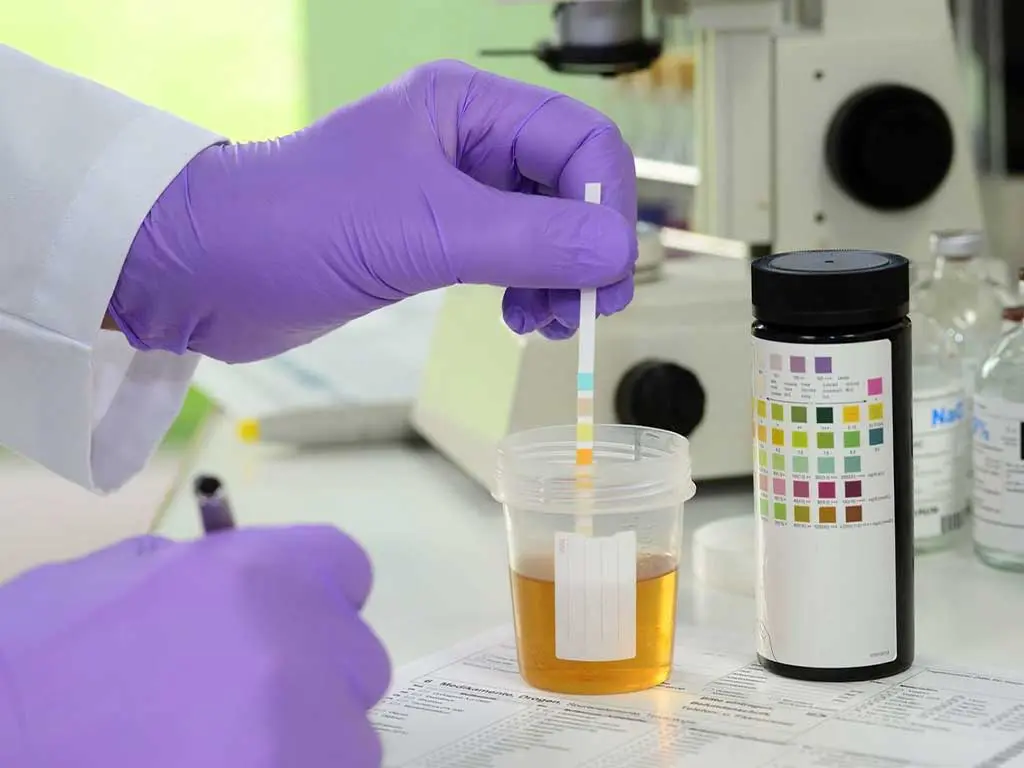
A gloved hand dipping a test strip in a urine sample

Urine Alcohol Test Near Me: Turnaround Time of Results

The turnaround time of results for a urine alcohol test near me can vary, depending on various factors. Some labs can process the sample faster and give the results within one or two days. Others may take longer, for three to five days. This would also depend on the number of tests on a given day.

Moreover, the turnaround time can depend on the specific type of testing. For instance, urine screening using assay test kits can produce the results within minutes. On the other hand, GC/MS tests and other advanced types can take longer due to comprehensive analysis and procedure. Collection centres also follow laboratory standards to ensure accurate results, which can take more time.

The turnaround time may also depend on specific circumstances. For example, tests after an accident require urgency to determine the person’s alcohol level immediately. This can help medical professionals and employers take the appropriate actions. Therefore, some testing facilities provide faster turnaround rates in case of emergency.

Sample Collection Procedure

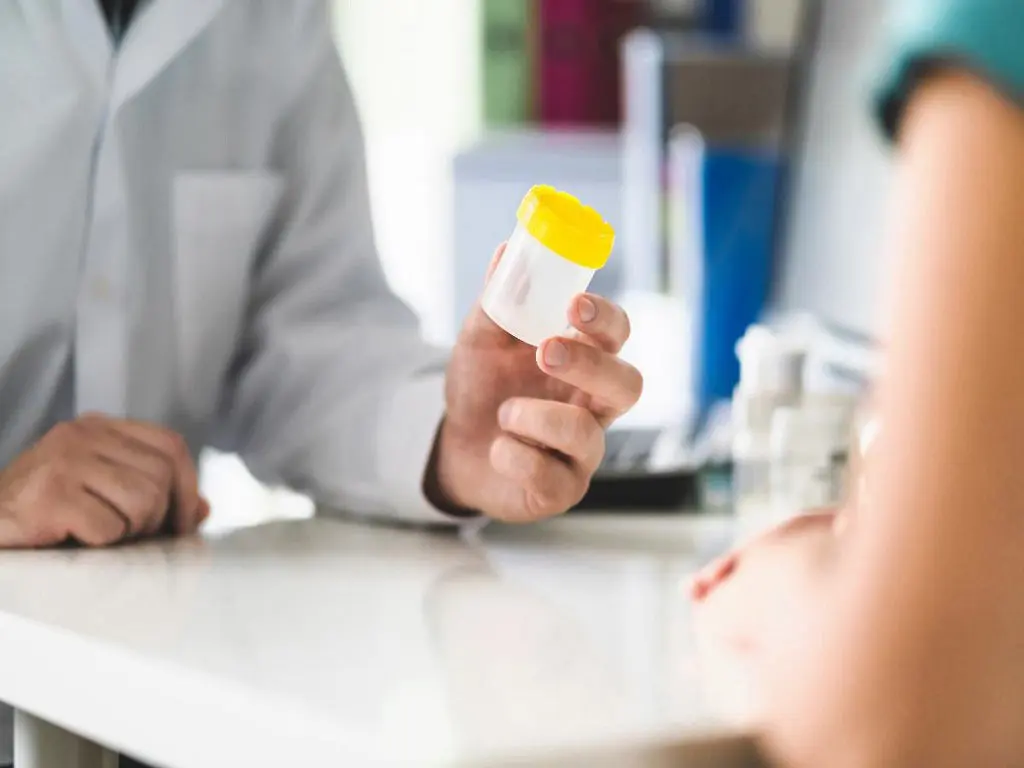
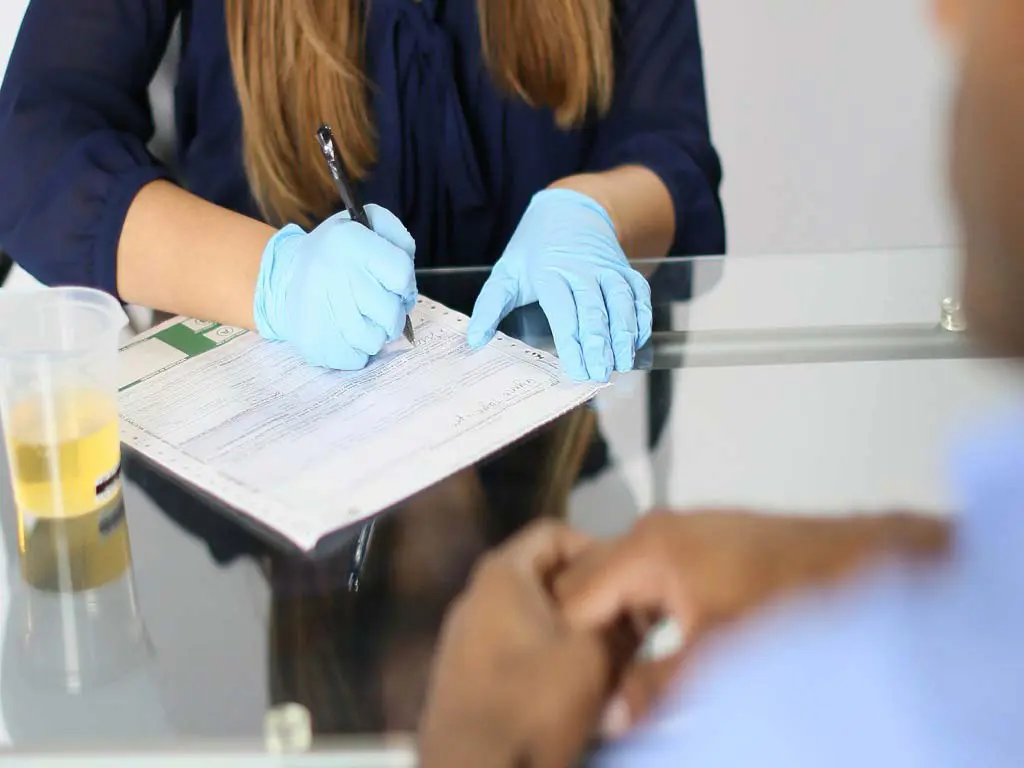
The sample collection procedure should follow specific steps based on the standard protocols. To obtain a urine specimen for testing, an alcohol collection staff provides a sterile container to the individual. It is important to wash the hands thoroughly before collecting the sample.

Next, urinate directly in the collection cup until reaching a sufficient amount, usually around 30-60 ml. Avoid touching the inside of the container or exposing the sample to contaminants, such as cleaning agents, mouthwash, and other alcohol-based products. Lastly, seal the container to avoid any spills or leaks and hand it to the staff or collection officer.

A patient consulting a doctor

Urine Alcohol Test Near Me: Accreditations and Legality

When searching for a urine alcohol test near me, it is essential to consider their accreditations. This provides assurance that the testing facility meets regulatory standards and follows proper procedures. A recognised accreditation for specimen collection, detection, and quantitation of drugs is AS/NZ Standards. This outlines the chain of custody process, equipment, and materials to use during testing.

Furthermore, the urine test results from accredited collection centres are legally admissible. This means any findings can be used as evidence in a court of law or for other legal purposes. For example, positive test results may signify a violation of a workplace alcohol policy and can have legal repercussions.

The legality of alcohol testing can depend on the specific circumstances and purpose of the test. In particular, workplace testing may be subject to occupational health and safety regulations. Organisations can conduct this test for safety reasons or with a reasonable cause. Thus, it is advisable to consult with legal experts, especially when there are violations of the policy.

Confirmatory Testing

Confirmatory testing is a crucial step in accurately determining the presence and level of alcohol in a person’s system. This is essential when an initial screening yields a non-negative result. The purpose of this test is to validate the initial result and minimise the possibility of false positives.

The process involves analysing the sample using the GC/MS technique, the gold standard in drug testing. It is highly sensitive and specific, allowing for precise measurement of alcohol levels. Additionally, this method is evaluated by a Medical Review Officer to verify the results and make an official report.

Conclusion

When looking for a urine alcohol test near me, it is essential to consider the accuracy, cost, and turnaround time of results. Different types of tests have varying levels of accuracy. For example, urine alcohol screening using assay strips detects the presence of alcohol in the specimen. However, it does not measure the exact alcohol concentration levels. It is also susceptible to adulteration or tampering. On the other hand, advanced methods like GC/MS provide more detailed analysis and accuracy.

The average cost for a urine alcohol test range from $50-$100. Moreover, it is vital to understand the common factors that may influence the test results. These factors include the individual metabolism, amount of alcohol consumption, and the sample collection process. Thus, it is advisable to check the credibility of the testing centre or laboratory when choosing where to test. When done properly, it can provide accurate results and a reliable basis for decision-making.
Rapid Drug and Alcohol Testing: Accuracy and Reliability

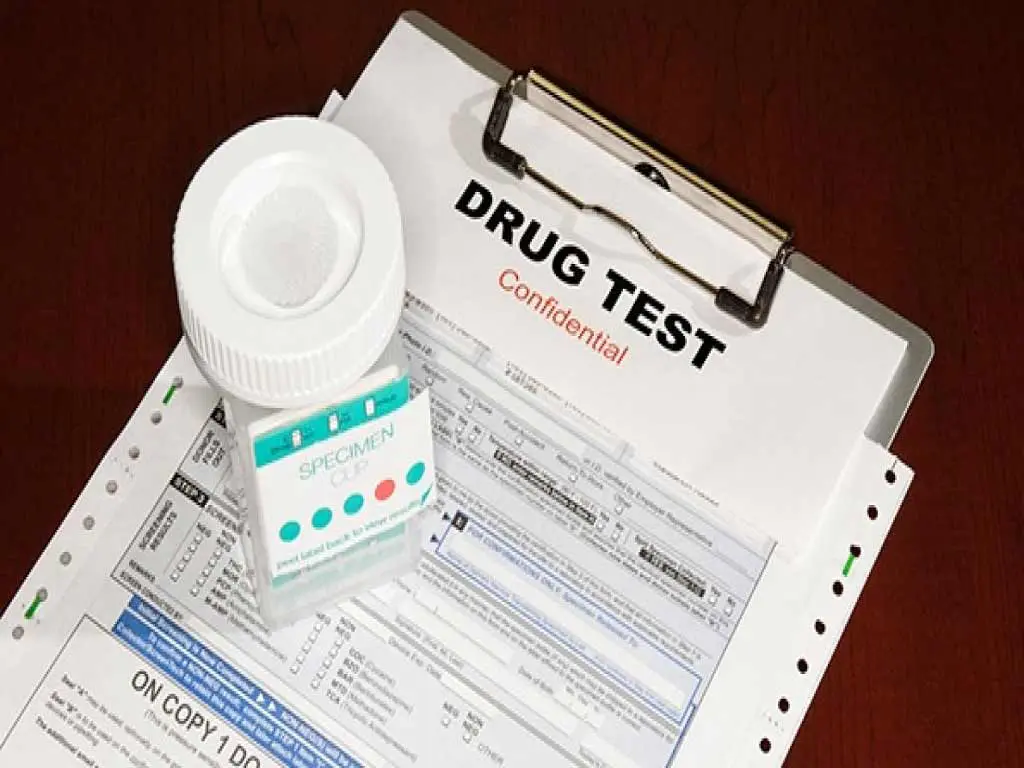
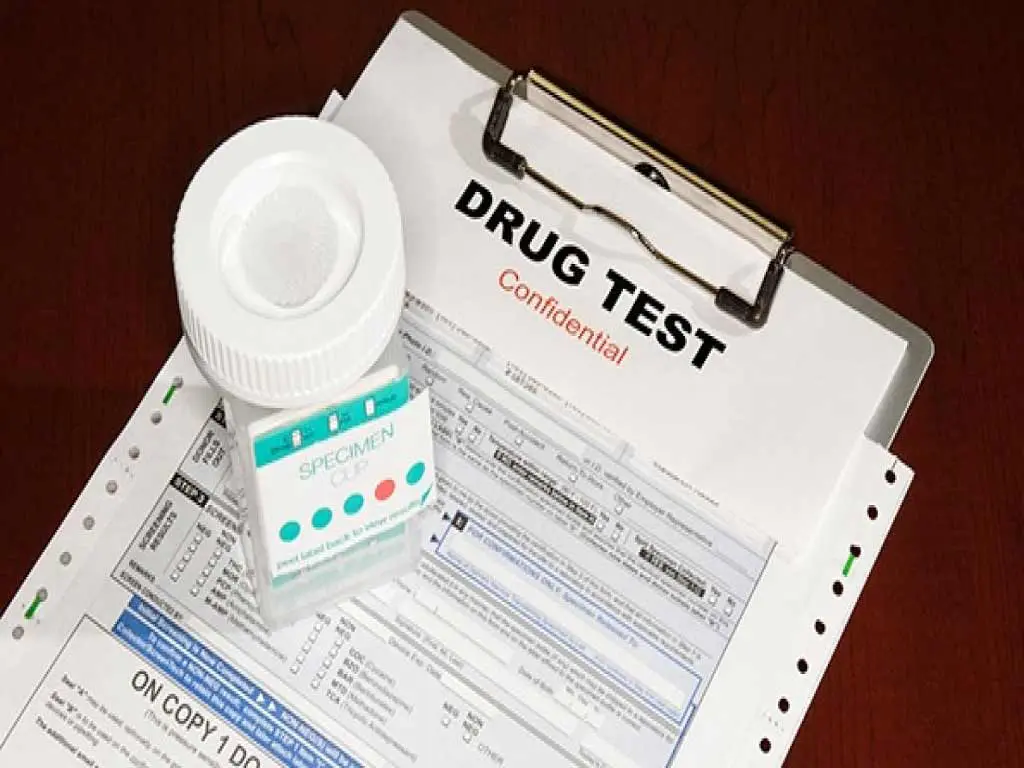
A urine drug test kit and report form

Rapid drug and alcohol testing is the process of examining a person’s biological sample for the presence of alcohol and illicit substances. It is often used in workplaces and roadside screening, needing quick results. These tests are generally accurate and reliable in detecting substance use. However, several factors may influence their accuracy. For example, the susceptibility of the test samples to external contaminants may lead to false positives or false negatives.

Drug and alcohol abuse is one of the significant problems affecting many workplaces. It can lead to negative consequences, such as poor work performance, health issues, and accidents. This can impact productivity, staff morale, and company reputation in the long run. For this reason, many organisations employ workplace testing through a comprehensive policy. In this article, we will explore the significance of instant drug and alcohol tests, including their accuracy and types of methods.

What is Rapid Drug and Alcohol Testing

Rapid drug and alcohol testing is used in many settings due to its convenience and quick results. It is the method of testing individuals for the presence of drugs or alcohol in their system. These tests provide immediate feedback, typically within five minutes, allowing for timely intervention and appropriate action. In addition, it utilises portable screening devices that are easy to use and administer.

Instant drug and alcohol test kits use a variety of techniques to detect illicit substances. A common technique is immunoassay, which uses antibodies to identify specific substances. However, most immunoassay devices can only provide a qualitative determination of drug substances. This means it can detect specified drug metabolites but not measure the amount in the sample.

The tests produce either negative or non-negative results. A negative result means it did not detect illicit drugs, while a non-negative test indicates the presence of a substance. The affirmative detection of drugs requires confirmatory testing using a more definitive analysis. It involves advanced laboratory procedures to identify the specific drug class and the concentration level.

Benefits

  • Rapid testing provides immediate results. The results provide real-time feedback, enabling employers or health professionals to make informed decisions.
  • Testing devices are easy to use with simple instructions. It can be self-administered.
  • It is a cost-effective option. Instant testing kits are more affordable than laboratory testing.
  • Rapid testing can deter individuals from using illegal drugs or alcohol, knowing they may be tested at any time.
  • It helps to identify and address substance abuse problems early on, preventing further addiction or health complications.
  • It is useful in accidents or emergency situations, helping medical professionals quickly determine if drugs or alcohol are factors.

OTC and prescription medicines with a drug test result

Accuracy and Reliability of Rapid Drug and Alcohol Testing

Accuracy is a critical aspect of rapid drug and alcohol testing. It is vital to follow the necessary measures to ensure valid and reliable results. Moreover, modern test kits use advanced technology to identify drugs or their metabolites accurately. However, several factors may interfere with the test, affecting the results.

The critical factors to consider are the quality of the device, the sample use, and the sample collection procedure. Different test kits may have varying cut-off levels and sensitivity. Equipment with a high cut-off level may render a negative result despite consuming illegal drugs. In contrast, a low threshold may produce a non-negative result, even with minimal or incidental drug exposure.

Furthermore, the reliability of the test depends on the proper administration and interpretation of the results. It is vital to follow the instructions provided with the kit precisely and adhere to the recommended testing procedures. Lastly, it is advisable to use certified testing devices to ensure accuracy. These devices have set standards for consistent testing across various settings or industries.

Are there Risks of False Positives?

Risks of false positives are possible in rapid alcohol and drug tests. False positives occur when a test indicates the presence of a substance when it is not actually present in the individual’s system. One of the factors that may contribute is improper sample collection, handling, or storage.

Another significant factor is the potential for cross-reactivity. OTC and prescription drugs may have similar chemical structure to the drug being tested. Thus, immunoassay screens may read this as a positive result. In addition, certain medical conditions, such as diabetes, may also lead to false positives. Thus, confirmatory testing can help validate the initial screens.

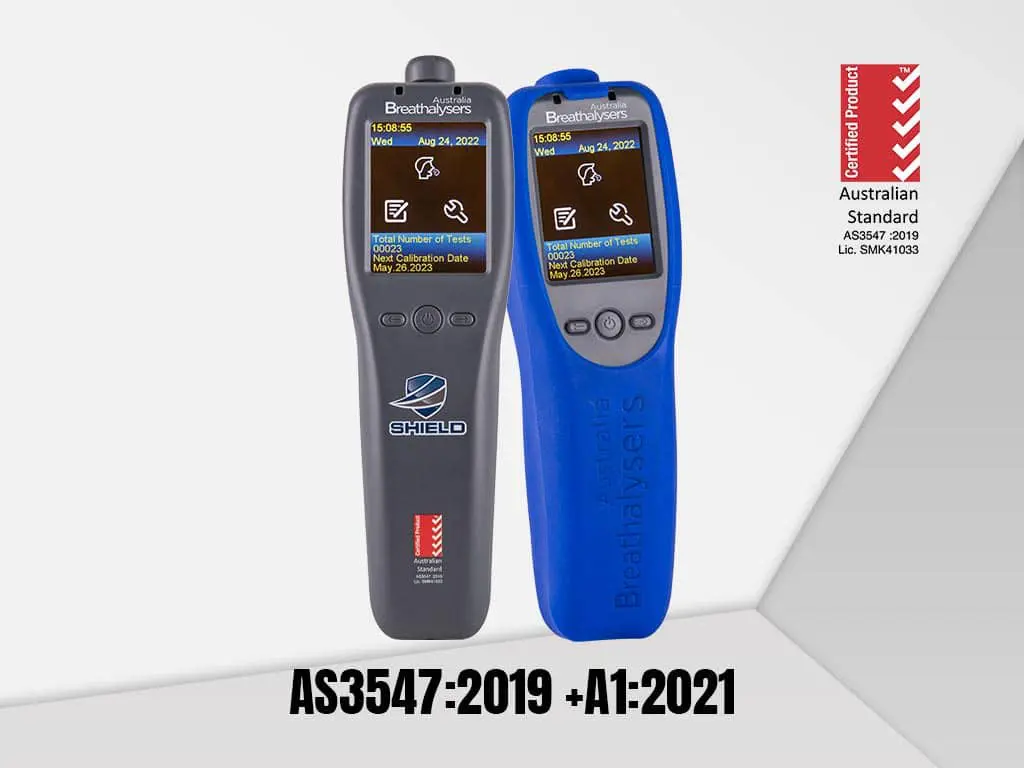
Certified workplace breathalysers

Common Types of Rapid Drug and Alcohol Testing

One common type of rapid drug and alcohol testing is the urine test. This method involves collecting a urine sample and analysing it using a test strip or dipstick. It is widely used due to its non-invasive nature and ability to detect a wide range of substances. The test can detect common drugs of abuse, like marijuana, cocaine, methamphetamine, opioids, and benzodiazepines.

Another type of test method is saliva drug testing. It involves collecting a saliva sample and placing it in a container with a reactive agent. This test has a shorter detection window, making it ideal for determining recent drug use. Moreover, the sample collection can be done in plain view, minimising the risks of tampering.

Lastly, breath alcohol testing is a convenient way to detect alcohol. This method involves blowing into a breathalyser device to measure Blood Alcohol Content (BAC). It is non-invasive and gives results in seconds. Furthermore, the choice of alcohol and drug test kits depends on various circumstances.

Legality of Rapid Test Results

Rapid testing is efficient in determining if a person is under the influence of alcohol or drugs due to its speed. They are also applicable in various settings. However, there are legal considerations concerning them. Rapid test results are not admissible in court. Thus, the results should be supported with laboratory confirmation testing.

Employers may impose disciplinary sanctions after getting the confirmatory laboratory test results. Additionally, the sanctions should be in line with the company’s drug and alcohol policy. Lastly, employers should ensure that their employees are aware of their rights after getting positive test results.

Conclusion

Rapid drug and alcohol testing is a fast, efficient, and cost-effective method of detecting substance use. Companies utilise these methods to improve workplace safety and improve the well-being of employees. In addition, these tests are reliable in identifying a wide range of illicit drugs, like marijuana, cocaine, and opiates. However, various factors may affect their accuracy. This includes improper sample collection, storage, handling, and cross-reactivity. As such, not following the test guidelines may lead to imprecise results.

In cases of non-negative results, it is vital to undergo laboratory confirmation testing for validation. Furthermore, employers may use different methods, such as urine, oral fluid, and breath alcohol testing. Each type of test has different detection windows and accuracy levels. They are valuable in pre-employment, random, reasonable suspicion, and after an accident. Overall, instant drug and alcohol testing can be an effective way of determining or deterring substance abuse.

Hair Alcohol Test Cost: How Much and What are the Contributing Factors to Price?

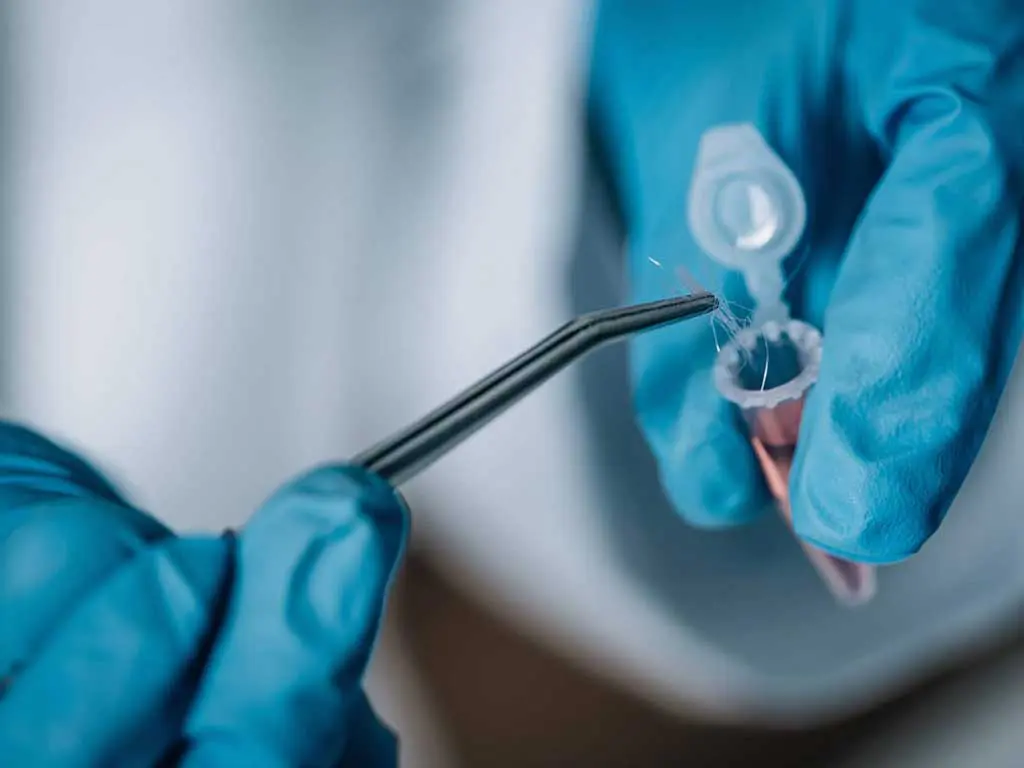
A lab technician taking a hair sample out of a tube

Hair alcohol testing is becoming increasingly popular due to its accuracy and ability to detect long-term alcohol consumption. However, the cost of these tests can vary significantly. It depends on various factors like the location, availability of the testing facilities, and other services necessary. Moreover, lab fees can affect the hair alcohol test cost because the sample needs to be sent to a laboratory for analysis. Generally, the price can be anywhere between $50 and $200 per sample.

People may need to undergo testing for various reasons. They can be subject to court-ordered testing, it can be a requirement to obtain certain types of employment, or simply because they are concerned that their alcohol use may be impacting their health and well-being. The next sections will present the definition, procedures, and accuracy of hair alcohol testing. Whether it is for personal reasons or a legal requirement, knowing this information can help them plan and budget accordingly.

Hair Alcohol Test Cost: Definition and Price

Hair alcohol testing determines the presence and concentration of alcohol in the system of a person through the analysis of hair samples. Many consider this testing type highly accurate, as it can provide a longer window of detection compared to other methods such as urine or saliva testing. Thus, it can be quite expensive. On average, a hair alcohol test cost can range from $50 to $200.

The pricing can vary depending on several factors such as the testing facility, location, and the specific services labs or kits offer. Overall costs typically include the collection process, sample analysis, and a detailed report of the results. It is important to note that people may pay additional costs if confirmatory testing or analysis of specific alcohol metabolites like ethyl glucuronide (EtG) is necessary.

Specialised labs commonly perform the most expensive hair tests. They use advanced techniques to detect even trace amounts of ethanol. While the cost may seem higher compared to other testing methods, it is important to consider its advantages.

Benefits of Hair Follicle Test

Hair follicle tests have many benefits. Here are some of them:

  • Extended detection window – It can detect alcohol use over a longer period, typically up to 90 days. Thus, it is a valuable tool in situations where the detection of long-term or excessive alcohol consumption is crucial.
  • Difficult to tamper with – Unlike others, hair testing is difficult to tamper with or cheat. Technicians collect and handle the samples under strict supervision, making it harder for individuals to adulterate their samples.
  • Non-invasive collection procedure: Hair follicle testing involves a simple process. It is a more comfortable option compared to blood or urine tests.

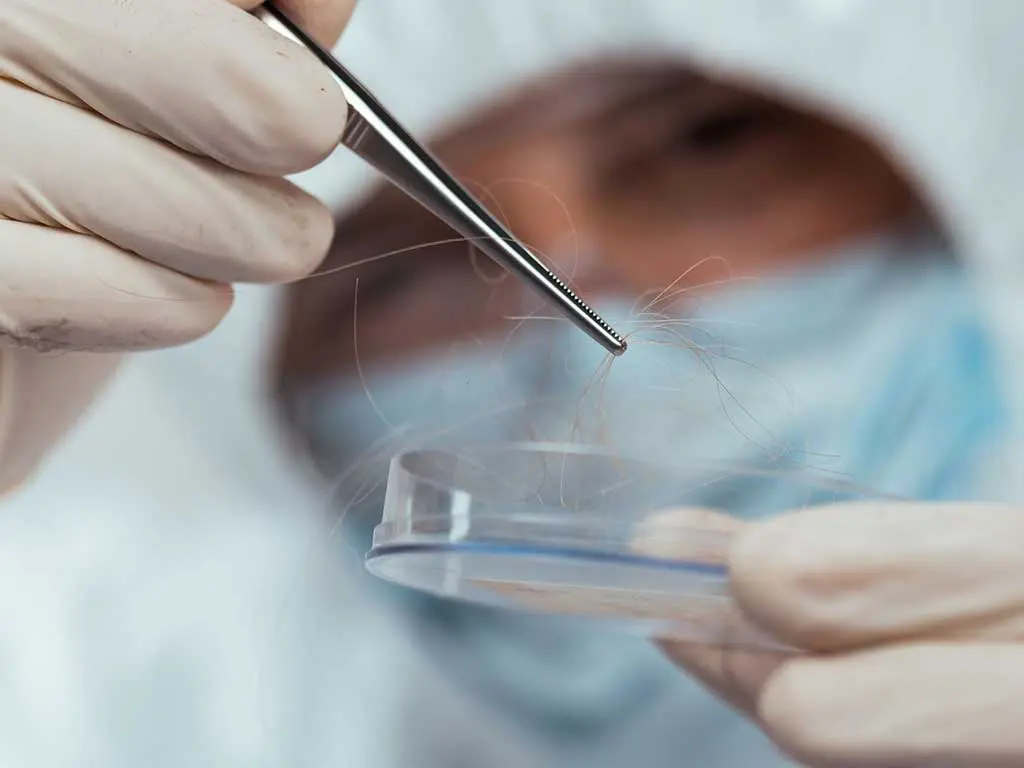
A lab technician looking at hair samples on a container

Hair Alcohol Test Cost: Procedures

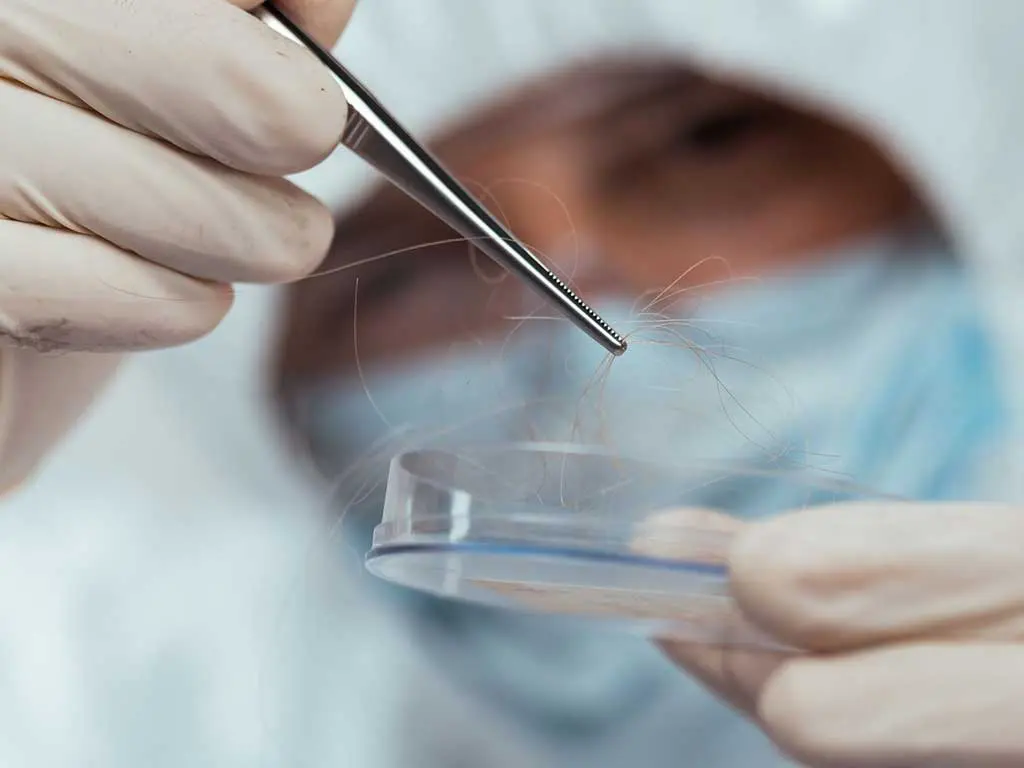
Hair testing procedures involve the use of high-quality equipment and laboratory services. Hence, the hair alcohol test cost can be costly. People typically get the test in laboratories, but they can also purchase home-based kits. A collector from a lab will take samples from the hair shaft in a manner that follows strict guidelines. They will cut a small section of hair as close to the scalp as possible.

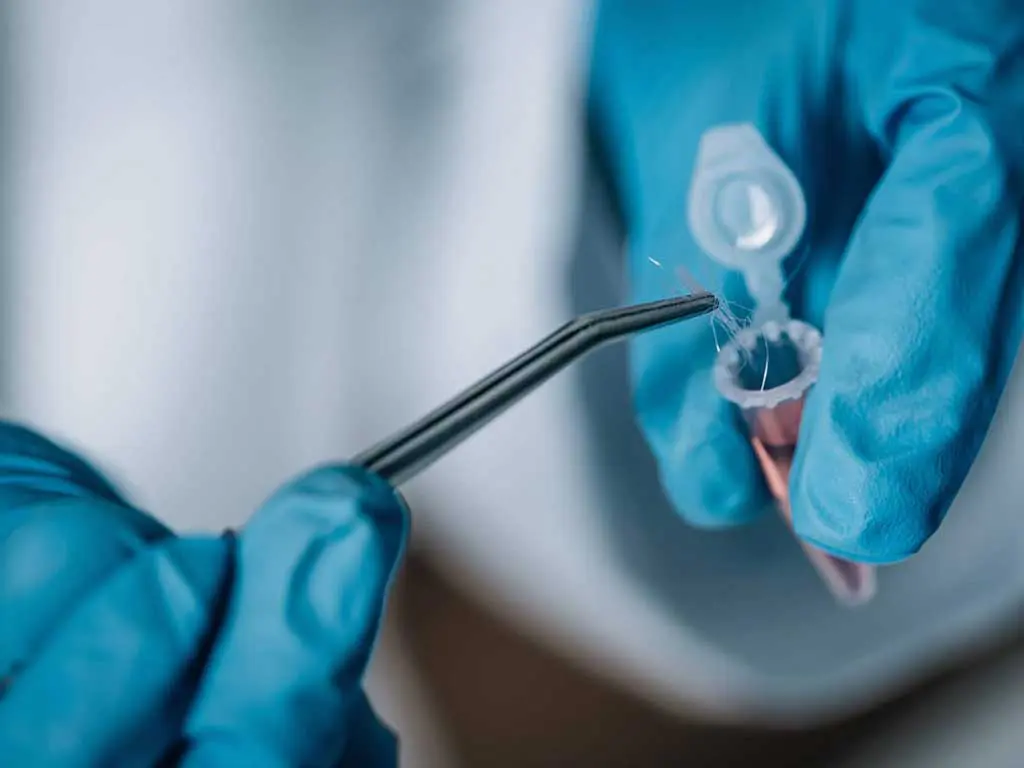
Those who will do the test on their own need to follow specific steps to ensure accuracy. After the sample collection, they must place it in an alcohol test cup, which is typically included in a testing kit. This cup will have an absorbent material that will detect the presence of alcohol in the sample. The cost of this kit can vary depending on the type and brand.

Once the specimen is collected, technicians and individuals alike send it for laboratory analysis. Qualified professionals provide the interpretation of results or the provision of a detailed report. It is essential to contact a reputable testing facility to inquire about the process. They can also provide more information associated with the test.

How to Prepare for a Test

When preparing for testing, it is important to follow a few guidelines. It is recommended to abstain from any kind of alcohol consumption for at least 72 hours before the test. This will help eliminate any traces of alcohol metabolites in the hair sample.

Furthermore, it is necessary to have enough hair for the test. Ideally, the hair sample should be approximately 1.5 inches long. If the hair is too short or sparse, the test may not yield accurate results. Otherwise, individuals may need to wait until their hair has grown to the appropriate length.

A lab technician putting a hair sample inside a tube

Hair Alcohol Test Cost: Accuracy and Reliability

When it comes to testing for alcohol consumption, there are several methods available, including breathalyser and urine testing. However, for a more accurate and reliable assessment of long-term alcohol use, many professionals and organisations consider hair alcohol testing. This is the reason why the hair alcohol test cost can be pricier than the others.

Hair alcohol tests are highly accurate and reliable because they measure the amount of alcohol people consume over an extended period. By testing a sample of hair, it is possible to detect Fatty Acid Ethyl Esters (FAEE), which are other metabolites that the body produces when it breaks alcohol down. The presence of these metabolites can help to determine how long alcohol is in the system.

Typically, collectors take the specimen from the head hair since it grows at a relatively consistent rate. However, if head hair is not available or suitable, they can use body hair samples, but this may incur an additional cost. It is advisable to check with insurance providers to determine if the testing is covered under any existing policy.

Are there Risks of False Positives?

While a hair alcohol test is generally accurate, there are a few factors that can potentially lead to false positive results. One such factor is external contamination of the hair. For example, contact with alcohol-containing hair products such as hairsprays could potentially result in a false positive.

Another factor is the potential for passive exposure to alcohol. If a person is in an environment where there is heavy alcohol use, such as a bar or concert, they can absorb the alcohol. This is possible when it spreads through the air and onto the hair of a person.

Conclusion

The hair alcohol test cost may vary, but it provides a highly accurate and reliable assessment of long-term alcohol use. Thus, it is a preferred method for legal, workplace, and other situations that require factual evidence of alcohol use. For individuals who are undergoing legal procedures or dealing with pre-employment requirements, the cost may be justified for the assurance it provides. However, it is important to note that there are factors that can potentially lead to false positive results.

Before scheduling hair alcohol testing, it is essential to understand the factors that influence its cost. From the type of testing to the location and additional services, each element plays a role in determining the final price. By being informed about these contributing factors, people can make informed decisions and ensure they are getting the best value for their money. All in all, hair alcohol tests are useful for many situations and help many people.

Alcohol Testing for Court: General Overview

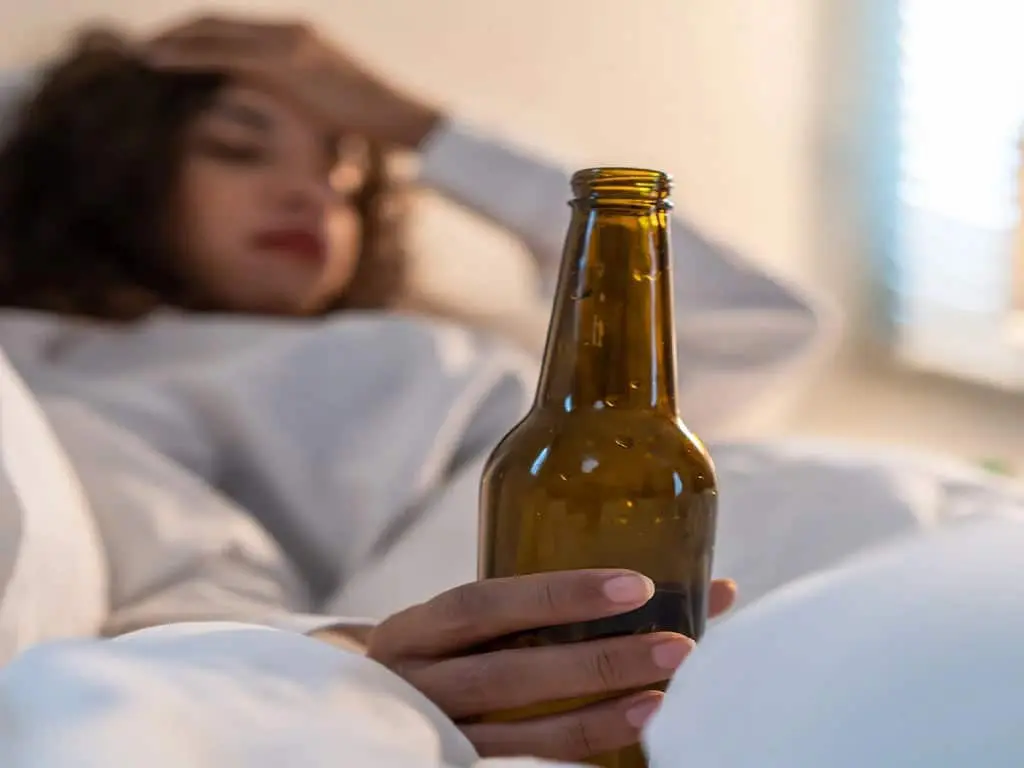
A woman on bed while she is holding a bottle of alcohol

The use of alcohol testing for court cases has become increasingly common in recent years. As alcohol-related incidents continue to rise, the need for accurate and reliable testing methods has become paramount. This has led to the development of various alcohol testing techniques and technologies. Some examples include breath tests and blood tests. Interpretation of results is vital because it determines the outcome of a court case. It can lead to legal consequences.

If people find themselves involved in a court proceeding where alcohol is a factor, it is important to have a general understanding of testing for alcohol. Knowing how different types of tests work and their limitations can greatly impact the result of the case. The next sections will provide a comprehensive overview of the testing through its definition, testing types, and dealing with results. These give everyone the knowledge they need to navigate the legal system effectively.

Alcohol Testing for Court: Definition and Purpose

Alcohol testing for court is the process of determining the presence and level of alcohol consumption. This is necessary for individuals who have involvement in legal proceedings. In family law, authorities may order the testing to assess the safety and well-being of children at risk due to parental alcohol abuse. It allows the court to determine if alcohol intake is causing any psychological or bodily harm to the individual or others in the case.

The purpose of an alcohol test in a court setting is to gather evidentiary information. In particular, it is essential in cases where there are allegations of substance abuse or excessive consumption. The court requires the individual to provide a specimen to ascertain the presence and level of blood alcohol concentration (BAC) in their system.

The test outcome can be crucial. Authorities often use it to make determinations regarding child custody, visitation rights, and other legal matters. By making use of testing services, the court can ensure that the decisions they make are based on trustworthy information. It protects the best interests of all parties involved in the matter.

Common Legal Cases that May Require Court-Ordered Testing

Here are some of the common legal cases that require testing:

  • Parenting disputes – These can be some of the most contentious and difficult matters to settle in court. The testing can play a role in ensuring it safeguards the interests of a child.
  • Driving under the influence (DUI) – It is a serious crime that has led to countless fatalities and injuries. It occurs when a person operates a vehicle while impaired by alcohol.
  • Public intoxication – This is a crime where someone is intoxicated in public areas. This typically involves a person with a high BAC causing disruption and inappropriate behaviour.

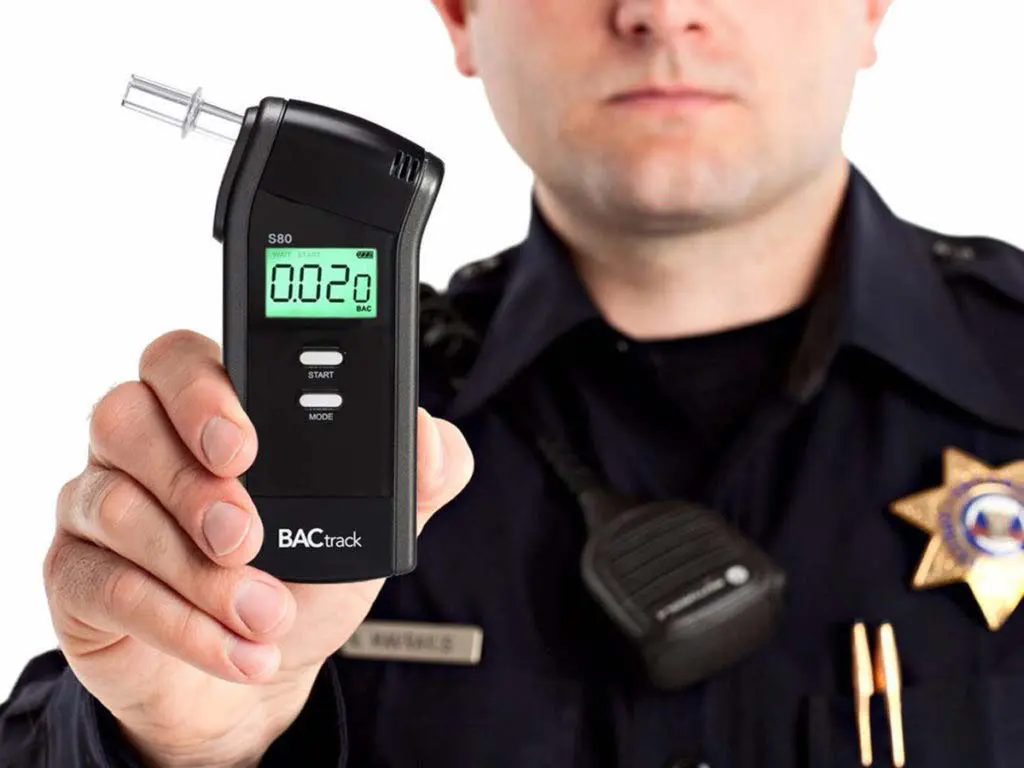
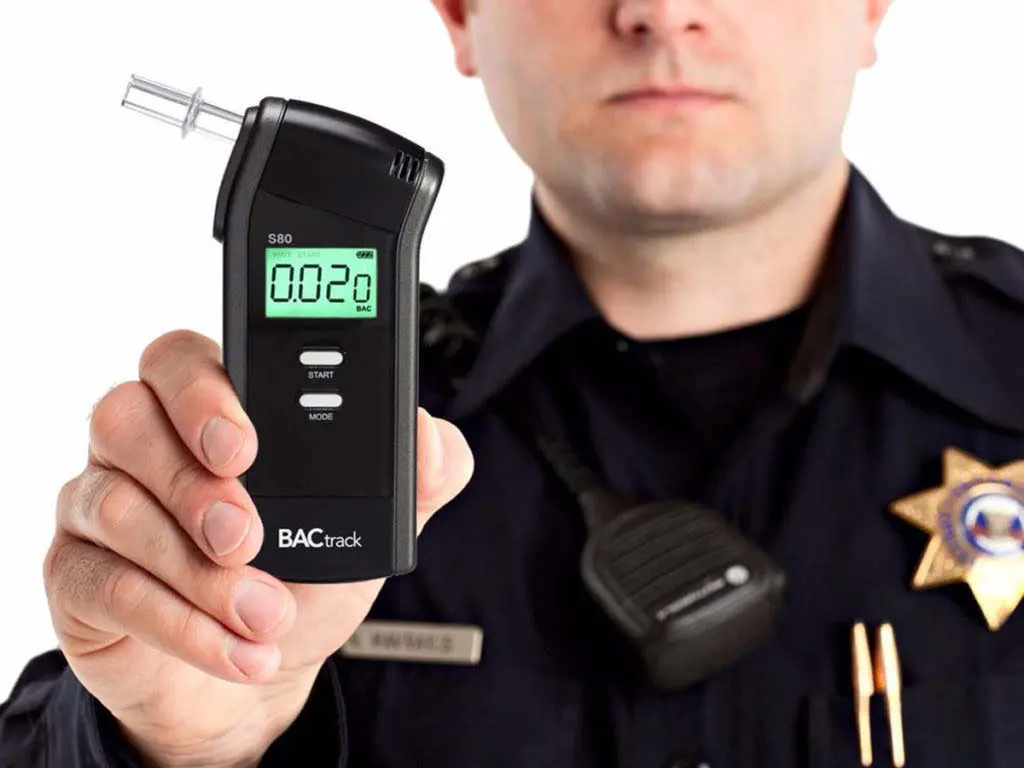
A police officer holding a breathalyser while it shows the results

Alcohol Testing for Court: Types of Test

Alcohol testing for court can be vital. Authorities can utilise various types of tests to provide evidence and determine the BAC. Firstly, there is breath testing, which is a common method of testing. It uses a handheld breathalyser. The device measures and records the amount of alcohol in the system. They can present the results as evidence in court to prove whether or not an individual was intoxicated at the time of an incident.

Secondly, urine testing. This method can detect the presence of alcohol in a person’s urine sample. Ethanol, the active ingredient in alcoholic beverages, can be detected using urine tests up to 12-24 hours after the last drink. Thirdly, there is hair follicle testing. It involves collecting a sample of hair. Hair testing can identify alcohol use up to three months before collection.

Lastly, there is blood testing. It measures the level of alcohol in the bloodstream of a person. These tests are often administered in cases where there are concerns about potential harm or bodily injury. This is because it is one of the most accurate ways of measuring intoxication.

Factors that May Influence the Test Result

The level of alcohol abuse or consumption can affect the test result. Chronic or excessive alcohol intake can cause higher levels of alcohol in the system, leading to a positive test. In addition, environmental factors such as temperature or humidity can impact testing accuracy. Thus, it is important to take appropriate precautions when testing.

Other factors that can affect the detection window of alcohol include the metabolism and liver function of a person. Those with liver damage may have a slower metabolism, resulting in a longer detection window. Furthermore, the presence of medication or substances like certain prescription drugs or mouthwashes can influence test results.

Two people at a desk while they have a discussion

Alcohol Testing for Court: Understanding Results and Their Limitations

Alcohol testing for court has some limitations. One instance is the fact that some testing methods do not provide a timeline as to when the individual consumed alcohol. This can cause some confusion in a court case. This is especially true if there is any dispute on whether a person drank it before or after the alleged offence. Therefore, it is important to consider which test to use and the information it can provide in legal matters.

Understanding testing results and their limitations is crucial when it comes to legal matters involving alcohol consumption. It can provide important evidence regarding alcohol abuse or excessive consumption. However, it is important to note that several factors can influence the outcome of the test.

It is important to seek legal advice when interpreting alcohol testing results, particularly in family law matters where the well-being of children may be at risk. While a positive test may indicate the influence of substances in the life of a parent, it is essential to consider the specific circumstances and the potential harm that it can cause to the children involved.

False Positive or Negative Results

False positive or negative results in alcohol testing can have significant consequences. A false positive result occurs when a test wrongly identifies the presence of alcohol in the body. This can happen due to various factors such as cross-reactivity with other substances or errors in the testing process.

On the other hand, a false negative result fails to detect the actual presence of substances, potentially leading to a misinterpretation. It can happen when a person metabolises alcohol before testing. To ensure accurate interpretations, it is crucial to consider the limitations and potential errors of testing methods.

Conclusion

Alcohol testing for court proceedings is an essential tool for authorities to assess risks. Moreover, it allows them to make important decisions about legal matters such as child custody, visitation rights, and DUI charges. Knowing the different types of tests available and their limitations provides a better understanding of how to use them in court cases. This ensures fairness and accuracy are serving justice for all parties in the case.

The results of the test, in conjunction with other evidence, can provide insight into the alcohol intake habits of a person. This is beneficial if there is a pattern of chronic alcohol abuse or excessive drinking. This can help the court develop appropriate measures to mitigate potential concerns. Additionally, there are factors to keep in mind during interpretation to avoid problems. Ultimately, the goal is to ensure the safety and well-being of everyone.

Court Ordered Breathalyzer: The Need To Know

A gavel and books on top of a table

A court-ordered breathalyzer is a device for measuring the blood alcohol concentration (BAC) of a person before they can operate a vehicle. Typically, the individual must blow into the device and provide a reading that is lower than a certain level. Authorities commonly impose this requirement on individuals who have been convicted of driving under the influence (DUI) or other alcohol-related offences. It is a crucial tool in ensuring public safety and preventing repeat offences.

Intoxicated driving can have long-term consequences for the driver and those around them. This is why having a breath tester is important. Understanding the ins and outs of the breathalyzer programs is essential for those who need to use them or are curious about their components. From what they are to the laws surrounding them and the technology behind them, this article provides a comprehensive overview of everything people have to know about the breath analyser.

What is a Court-Ordered Breathalyzer

A court-ordered breathalyzer is a portable alcohol monitoring device. It measures the BAC and is typically common as a condition of probation. Moreover, it can be a part of an interlock program for individuals who have been convicted of DUI. This device allows the monitoring authority to ensure that the offender does not consume alcohol during their period of disqualification.

The breathalyzer is a handheld device. This portable alcohol breath tool is often equipped with a sensor for alcohol, which provides accurate and reliable measurements. Having a court-ordered tester can incur legal consequences if the individual fails to comply with the interlock condition. It can result in extended disqualification periods, probation violations, or even jail time.

On the other hand, successful completion of the interlock program can provide benefits such as financial assistance or a reduction in disqualification periods. The use of court-ordered breath analysers is an effective way to ensure public safety and promote responsible behaviour in those who have been convicted of DUI.

Purpose and Significance

The purpose and significance of the tester are the following:

  • Its technology is significant as it helps enforce interlock conditions and probation supervision.
  • A central database records and stores the results from the device. Law enforcement can access it through a cellular connection.
  • It offers an interactive experience that encourages responsible behaviour in the community.
  • In cases of first-time offenders, the breathalyzer can be a valuable tool to address the unintended consequences of a single incident.
  • It is often required as a bond condition. Moreover, family attorneys can recommend it or family court can mandate it.

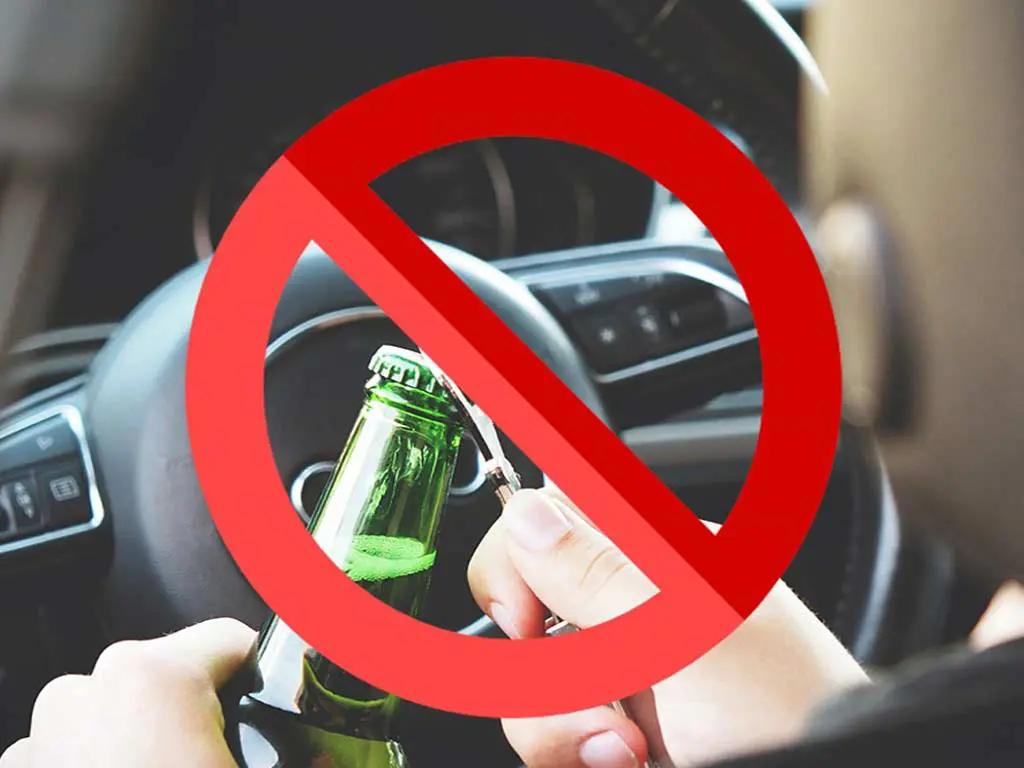
A stop sign on top of a picture of a person opening an alcohol bottle inside a car

Laws and Regulations Surrounding Court-Ordered Breathalyzers

Court-ordered breathalyzers, also known as ignition interlock devices, are essential monitoring tools. The court requires individuals to provide a breath sample. These devices accurately measure the BAC and record the results. It ensures responsible behaviour during the court-ordered period.

In many cases, the laws around the testers are strict and punitive. Breathalyzers are an essential part of the legal system in most countries. The device allows legal authorities to test for the presence of alcohol in the body and determine if a person is legally intoxicated. The laws surrounding the machine are there to deter people from drinking and driving. Furthermore, they typically require the individual to take responsibility for their actions and adhere to the conditions of probation.

In addition to monitoring alcohol consumption, the breath analysers also provide evidence of compliance. It assists in determining disqualification periods. Successful completion of the interlock program or probation period may lead to lesser legal consequences. Also, it facilitates a smoother reintegration into society. These portable devices offer a reliable and efficient method of ensuring the safety and supervision of individuals under court orders.

Legal Limits for BAC

Generally, the legal BAC limit in New Zealand is 0.05%. it is a measure that can determine if a person has legal impairment. Law enforcement set the BAC limits. It typically represents the highest level of alcohol content that a driver can have in their system while driving. These limits are in place to protect everyone.

Driving with a BAC above the legal limit can result in severe legal consequences. These include fines, license suspension, and even jail time. Individuals need to be aware of the legal limits in their jurisdiction and understand the potential consequences of DUI.

A police officer showing a breathalyser.

Technology Behind the Court-Ordered Breathalyzer

The technology behind a court-ordered breathalyzer plays a crucial role in preventing dangerous driving. It relies on a sensor specifically designed to measure the BAC accurately. When a person provides a breath sample, it ensures compliance with the legal limit set by law enforcement. The interlock device records and stores the breath alcohol measurement, which authorities can access.

The sensor that the breath testers commonly use is an electrochemical fuel cell. This type of sensor works by oxidizing the ethanol molecules in the sample. It produces a small electrical current. The output from the fuel cell can then be converted to a BAC reading. The accuracy of these types of breathalyzers has been tested and proven.

One of the key features of breathalyzers is their portable nature. Drivers can easily install it in vehicles and use it on the go. This not only helps prevent drink driving but also causes individuals to be aware of their alcohol intake. The devices often connect to a central database through a cellular connection. This enables the monitoring agency to track and assess the behaviour of individuals on probation or community supervision.

Challenges and Limitations

Despite the numerous benefits of the testers, there are also challenges and limitations. Financial assistance can be a major concern for individuals who need to install and maintain the device. The cost of purchase, installation, and monthly fees can be financially burdensome, especially for those already facing legal consequences.

Additionally, there may be unintended consequences of relying solely on BAC measurement as a determinant of sobriety. Factors such as mouthwashes or certain medical conditions may influence the accuracy of the readings, leading to potential false positives or negatives. This raises concerns about the reliability and effectiveness of the machine as a sole monitoring tool.

Conclusion

A court-ordered breathalyzer is crucial in the legal system. It ensures public safety and prevents repeat DUI offences or alcohol-related problems. Its purpose is to monitor alcohol levels, promote responsible behaviour, and deter drinking and driving. Understanding the laws about the testers is important for individuals. This is because failing probation conditions can lead to legal consequences such as losing driving privileges or facing additional criminal charges.

It is essential to comprehend what the rights and responsibilities of everyone mean. People have the right to refuse to submit to testing. However, this likely means they may lose or suspend their license until the completion of all steps. Additionally, they should always remember that any evidence that authorities can obtain from a court-ordered breath tester can be used against them if charged. It is a beneficial tool, but they have inherent challenges and limitations.

Court Ordered Alcohol Testing: Reasons, Methods, and Legal Impact

A sound block and a gavel.

Court-ordered alcohol testing is a process that is used in legal proceedings to determine if an individual has consumed alcohol. Courts may order alcohol testing for various reasons. These include monitoring compliance with probation, assessing fitness for child custody or visitation rights, and determining alcohol-related violations. The methods for alcohol testing include urine, saliva, blood, hair, and breath tests. The results of these tests can have a significant legal impact, as they can be used as evidence in court cases.

Alcohol has various effects on people. It can impair coordination, judgment, and decision-making abilities. It can also lead to slurred speech, slowed reaction times, and a decrease in inhibitions. Excessive alcohol use can result in legal problems such as drink driving, family violence, and workplace accidents. Therefore, people should be aware of the legal implications of alcohol consumption. This article will present the reasons for conducting a court-ordered alcohol test, including the methods and legal impacts.

Reasons to Conduct a Court-Ordered Alcohol Testing

Court-ordered alcohol testing serves multiple purposes, primarily aimed at promoting safety and ensuring compliance with legal requirements. Firstly, alcohol tests are important in driving under the influence (DUI) cases. The results of the test help determine appropriate legal consequences and ensure public safety.

Secondly, courts frequently mandate alcohol tests as part of probation requirements. Authorities can impose this on individuals convicted of alcohol-related offences, such as assault or burglary. This allows the court to ensure that individuals adhere to the conditions set forth during their probationary period. It also helps prevent further criminal activities linked to alcohol abuse.

Lastly, mandatory alcohol testing is important in child custody cases or parenting matters. If there are concerns about a child at risk of abuse due to alcohol consumption, the family courts can order alcohol testing for the parent or guardian. This way, the court can make informed decisions about custody arrangements that prioritise the child’s safety and best interests. Ensuring a safe and caring environment for children is crucial while also balancing parental rights.

Legal Requirements

  • Court order: a judge or magistrate specifically orders this conduct as part of a legal proceeding.
  • Authorised personnel: licensed medical professionals or accredited laboratories should perform the test.
  • Certified testing methods: this is essential to ensure accurate and reliable results. These methods may include breathalyser tests, blood tests, or other approved alcohol testing procedures.
  • Chain of custody: this includes documenting the collection, handling, and storage of the alcohol samples to prevent tampering or contamination.
  • Privacy and dignity: testing procedures for alcohol must respect the individual’s privacy, maintain their dignity, and comply with applicable laws and regulations.


A professional handing an empty urine cup to a person.

Types of Court-Ordered Alcohol Testing

There are several types of court-ordered alcohol testing to detect alcohol abuse or drug use. Firstly, urine testing. It can detect the presence of alcohol in the urine sample for a period of time ranging from 24 to 80 hours after the last drink. Legal proceedings often prefer this test due to its ease of administration and low cost.

Secondly, saliva testing. It can identify alcohol in the saliva for a shorter period of time compared to urine analysis tests. Typically, this window is around 12 to 24 hours after consumption. Additionally, this test is non-invasive and can provide immediate results. Thirdly, blood testing. It is a highly accurate method for detecting alcohol in the system. It can identify alcohol drinking for up to approximately 12 hours after use.

Fourthly, hair follicle testing. It can find alcohol metabolites in the sample of hair for a longer period, often up to 90 days after alcohol use. Lastly, evidential breath testing. It is a quick and non-invasive method to detect alcohol consumption. This type of test measures the amount of Blood Alcohol Concentration (BAC) in an individual’s breath using a breathalyser.

Accuracy of Results

Various factors influence the accuracy of alcohol testing results. Firstly, the choice of testing procedure. Different methods may vary in their ability to detect alcohol consumption within a specific time frame. Therefore, understanding the strengths and limitations of each type of test is crucial in accurately assessing alcohol use.

Another factor is the proper collection of samples and adherence to testing protocols. Testing officers must follow clear guidelines to collect samples correctly. They need to prevent contamination and ensure accuracy. Additionally, lab protocols must be standardised and validated. This ensures uniformity in sample processing, measurement techniques, and data analysis.


A distressed female being interviewed.

Legal Impact and Considerations of Court-Ordered Alcohol Testing

Court-ordered alcohol testing has a significant legal impact and primary considerations in various areas of law. In cases such as probation violations, child custody disputes, and DUI offences, alcohol testing provides evidence to support or refute allegations. The results of these tests can help determine the outcome of a case and influence the decisions made by the court.

Additionally, this test can affect employment. Some jobs, like those in mining, railway, transportation, or construction, need regular alcohol tests for safety. If a court orders a test, it can show if someone has a drinking problem. This could impact their job and reputation. Therefore, understanding the legal matters of alcohol testing is crucial for individuals and companies.

Furthermore, court-ordered alcohol test is legally necessary, but it raises important considerations. People might worry about their privacy being invaded during these tests. They must have a good legal representative to safeguard their rights. This means they should receive clear notice about the test, have access to legal advice, and be able to present evidence or question the results.

Limitations

There are certain limitations that can affect the results of court-ordered alcohol tests. For instance, the potential for false-positive or false-negative results. These errors can occur due to various factors such as contamination, improper sample collection, and testing equipment issues. False-positive results can mistakenly indicate excessive alcohol consumption when none has occurred.

Moreover, the accuracy of alcohol testing can be impacted by several factors. These include the timing of the test, the type of sample used, and individual metabolic differences. These complexities highlight the need for careful interpretation of test results in court proceedings involving alcohol abuse allegations.

Conclusion

In conclusion, court-ordered alcohol testing serves as a vital tool in upholding public safety and ensuring compliance with legal mandates. By employing various methods such as urine, saliva, blood, hair follicle, and breath testing, authorities can accurately detect alcohol abuse. These tests play a crucial role in DUI cases, probation monitoring, and child custody matters. The accuracy of the tests relies on testing methods and adherence to strict protocols.

Furthermore, court-ordered alcohol tests hold substantial legal significance, influencing outcomes in cases like probation violations and child custody disputes. It also impacts employment, especially in safety-sensitive jobs. Despite its necessity, privacy concerns arise, emphasising the need for transparent procedures and legal representation. However, limitations like false results due to contamination and timing issues exist. These complexities stress the importance of cautious result interpretation. Understanding these legal aspects is vital, ensuring fairness and accuracy in judicial proceedings related to alcohol testing.

Family Court Alcohol Testing: Overview and its Purpose

A gavel used in court

In certain matters, family court alcohol testing is an important method in legal cases. This is a process to assess if a person being part of the legal dispute has drinking habits or alcohol-related problems. The testing is commonly for child custody, divorce, or any other family matters. As such, the assessment provides purpose by gathering information about alcohol use, which can relate to their ability to support, care, or interact with family members.

The excessive consumption of alcohol is at risk due to uncontrolled drinking habits. A person with such activity may have trouble making informed decisions and behaving in the right manner. Nevertheless, this can lead to potential adverse effects like harming other people. Thus, for family cases, testing is crucial to ensure that every party involved is safe and protected. This article will present the purpose of the testing, the guidelines for it, and the methods used.

The Purpose of Family Court Alcohol Testing

The family court alcohol testing provides a purpose in legal cases. This specifically targets if there is a need to discuss certain alcohol abuse or drinking habits. The main objective of the test is to evaluate and identify if a person has alcohol-related problems. Hence, this is to see if there is a potential effect on the ability of the person to satisfy given roles and responsibilities.

Furthermore, the court may direct the testing to assess the ability of the person to give a safe setting to other family members. This process enables the regulatory body to determine if the person is capable of providing such an environment. Also, in every family court, the well-being of the children is the prime concern. Hence, testing is a valuable tool to monitor if the person can give the best interest to the child.

Alcohol testing can also be an effective way to support the person to eliminate alcohol use. The court, then, can give the necessary assistance or recovery processes needed by the person. This is to supplement the treatment to take part in custody or a relationship plan. Additionally,

Reasons for the Test

There are some reasons why alcohol testing is necessary for family court, including:

  • For child custody, this is to protect and ensure the safety and well-being of the children.
  • For divorce, this is to provide proof that the other party cannot fulfil the specific responsibilities.
  • The testing is vital to monitor the capability of the person to provide care and support to other family members.
  • This can assess the drinking habits and the potential abuse of other members of the family.
  • The gathering of testing ensures that the law gives fair decision-making in family court disputes.

A professional assessing a person for alcohol use

Guidelines for Family Court Alcohol Testing

Guidelines are vital in the process of family court alcohol testing. As mentioned, the relations law may order alcohol assessment as part of custody or any other family issues. It helps to monitor if the person can give the necessary and appropriate support to the other members. In the testing, the court usually declares the method to be used. This can be saliva, urine, hair, blood, or breath tests.

Moreover, the court may identify the regularity of alcohol testing. This is due to continuous drinking habits or if there is a concern for alcohol abuse. The regulatory body conducts testing with professional or expert laboratory facilities. Hence, it can provide the essential expertise to give an accurate and reliable result.

For some proceedings, the court may conduct a surprise or random testing. This is to monitor if a person has been associated with alcohol without altering their habits due to testing. Also, the regulation will be in a strict process to ensure that the test samples are not contaminated. Furthermore, the results are confidential and will only be used in court.

Can the Person Refuse the Test

While people generally have the right to deny an alcohol test, refusal of it in the family court can lead to serious consequences. The regulatory body has the authority to order the test. Thus, rejecting it can indicate ignorance of the power of the court. Also, the objection to the assessment is defiance, which can affect the case.

Furthermore, the refusal of the test can be used by the court as a piece of evidence. This can indicate the person has excessive drinking habits and other alcohol-related issues. As evidence, the regulatory body can modify the case and take necessary actions.

Test tubes containing blood specimen

Types of Methods Used in Family Court Alcohol Testing

In doing a family court alcohol testing, many types of methods can monitor alcohol use. One approach is using a breathalyser admissible to court. This device can measure the Blood Alcohol Concentration (BAC) of a person with a breath sample. Moreover, this method is non-invasive and can give prompt results. Another is the blood testing. This is a more invasive approach to monitoring alcohol use.

In addition, a urine sample can identify drinking habits. Urine tests can monitor alcohol consumption for a longer period. However, it is generally less accurate and can lead to false positive results. Hair testing can also evaluate alcohol use. This is a less-known assessment but can give a more accurate and reliable result. Moreover, it can detect alcohol days or weeks prior to the test.

Other courts may also use questionnaires to conduct the testing. Nevertheless, all these methods are valuable tools for evaluating alcohol use. However, it is important to recognise that the methods can vary depending on the wants and needs of the regulatory body. As such, the court will be the one to decide.

Consequences for Positive Results

A positive alcohol testing result in a family court has consequences. The court may order a parenting restriction or limitations in the family. This is to ensure that every member of the family is safe and protected. The person can also be in supervision whenever meeting with a family group.

Additionally, the regulatory body can give the discretion to give custody to the other party. This allows the other person to be in power or have the right to make decisions. Also, the court may order the person to take counselling or rehabilitation programs. This is to provide support in caring for its members.

Conclusion

In dealing with legal issues, family court alcohol testing is a valuable method to monitor liquor-related problems. Its purpose is to collect information about the drinking habits of a person to decide regarding child custody, divorce, and other related issues. This assesses if the person is capable of providing the necessary responsibilities. The process is a beneficial way to ensure the safety and well-being of the other family members involved in the dispute.

The family court can utilise different testing methods. This can be a questionnaire, breathalyser, blood, urine, and hair testing. Moreover, it is vital to recognise the negative effects of refusing a test. This can affect the process of the cases and may indicate alcohol use. Furthermore, it is equally important to realise the outcome of a positive result. As such, the elimination of excessive alcohol use can help in the determination of family court issues.

FAEE Hair Test: Definition, Purpose, and Accuracy

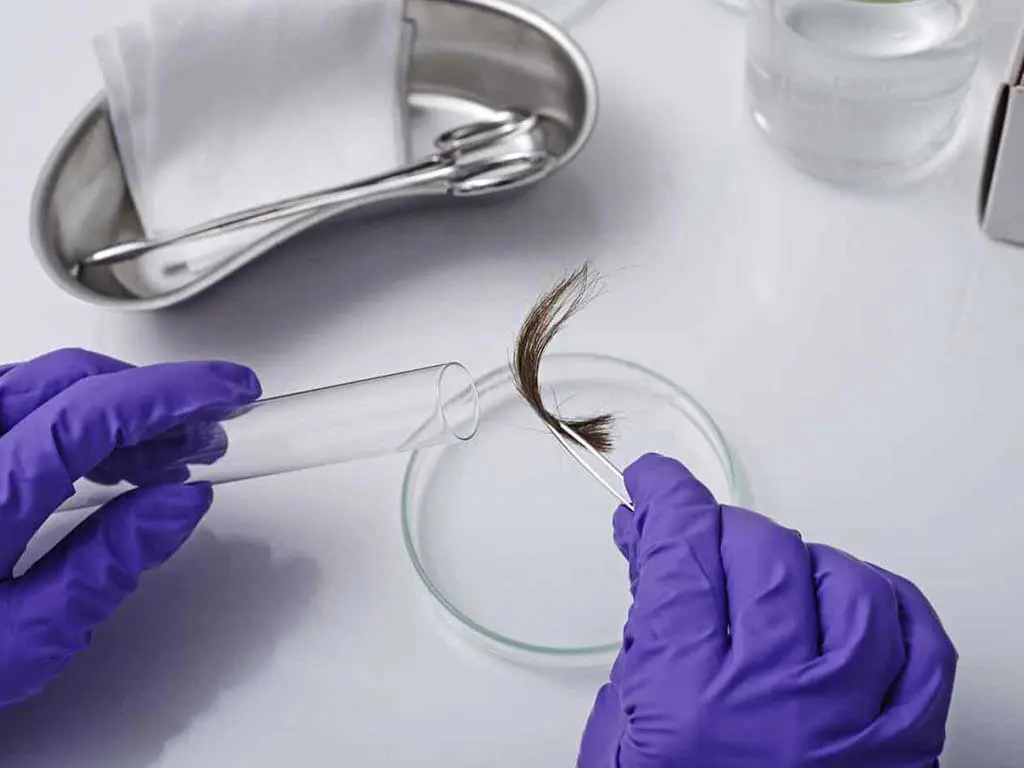
A technician picking hair strands from a petri dish

The FAEE hair test, or Fatty Acid Ethyl Esters (FAEE) test, is a non-invasive method of detection of alcohol use and misuse. It detects a type of metabolite that is formed when alcohol is consumed. The hair test is commonly used in healthcare settings where monitoring of alcohol abstinence is important. It is a highly accurate method of testing as the hair specimen is stable and does not degrade over time.

The hair stores alcohol metabolites as they enter the follicle after the breakdown of alcohol compounds. FAEE and EtG (Ethyl Glucuronide) are some of the byproducts of ethanol, the substance found in alcoholic beverages. Therefore, their presence indicates alcohol consumption. The hair test is a reliable way to determine chronic alcohol use or disorder. In this article, we will focus on the process of FAEE testing, its purpose, and its accuracy.

What is the FAEE Hair Test

The FAEE hair test is a method for detecting excessive alcohol consumption over a period of time. It traces fatty acid ethyl ester concentrations in hair, which can only be produced if a person consumes alcohol. Unlike other test methods, hair alcohol testing can trace substances for the past three months, and FAEE tests can be longer for up to ten months. This is because the alcohol markers deposit in the hair strands as they grow.

The hair test provides several advantages over other alcohol testing methods. Primarily, its long detection window allows for a more comprehensive assessment of an individual’s alcohol consumption habits. By analysing a small sample of hair, the test can determine the pattern of alcohol use over time. Additionally, it is a non-invasive and relatively simple sample collection process.

It is important to note that the test does not measure current intoxication levels but rather provides evidence of past use. For determining current impairments, a breath test is more suitable. A breathalyser device measures the blood alcohol levels and gives the results in seconds. Other methods include the EtG tests in urine or blood.

Reasons to Test

  • Determine a person’s long-term behaviour by looking at an overview of up to ten months of alcohol consumption patterns.
  • Detect alcohol biomarkers for an extended time period.
  • Assess whether someone has violated a sobriety or alcohol-related policy.
  • Provide evidence in legal cases, such as driving under the influence (DUI) charges, probation, or child custody cases.
  • Provide healthcare professionals with an accurate assessment of a patient’s condition to develop appropriate treatment plans.
  • Monitor individuals in alcohol rehabilitation programs.
  • Assess the alcohol consumption habits of prospective employees in a safety-critical role.
  • In some cases, random monitoring in the workplace to identify employees with potential chronic alcohol abuse.

Patients sitting in a clinic

Purpose of the FAEE Hair Test

The purpose of the FAEE hair test is to detect alcohol biomarkers for a comprehensive analysis. The presence of FAEE metabolite in the hair is a good indicator of excessive alcohol consumption. Moreover, its long detection window is ideal for the diagnosis of alcohol abuse as well as the monitoring of alcohol abstinence. For example, health professionals can check if a patient has a relapse.

Another important use of hair alcohol testing is for forensic purposes and legal cases. The test can support or refute claims of alcohol consumption in drink driving, child custody, and workplace incidents. Additionally, this test can provide a more accurate and reliable assessment of a person’s alcohol behaviour compared to self-reported screening tests, which can be biased.

Hair testing can be used in conjunction with other assessment tools to guide effective treatment plans and interventions. Healthcare professionals can also use the test to develop an integrated approach to help individuals manage their alcohol consumption. Overall, it serves as a valuable monitoring tool for long-term excessive consumption patterns and provides objective evidence in various contexts.

Procedure

The process of hair testing is simple. It involves collecting a sample of hair from the individual, usually taken from the scalp. The length of hair required varies depending on the testing facility. Generally, approximately 5cm length is ideal to get three months’ worth of data.

If head hair is not available, body hair is a suitable alternative. However, the length may differ as the growth rate of hair in the body is slower. Next, the sample is sent to a laboratory for testing. In the laboratory, technicians wash the hair to remove any external contaminants.

Pulling a sample of hair from a container

Accuracy and Reliability of the FAEE Hair Test

The FAEE hair test is considered to be a reliable indicator of chronic excessive alcohol consumption. It has a high accuracy rate as it measures the direct biomarkers of ethanol. Furthermore, the hair analysis uses gas chromatography/liquid chromatography and mass spectrometry. The GC-MS test is the “gold standard” in substance identification. Laboratories establish cut-off levels to distinguish between low and heavy alcohol use.

The test uses four FAEE markers, including ethyl myristate, ethyl palmitate, ethyl oleate and ethyl stearate. These metabolites of ethanol can provide a reliable estimate of drinking patterns. They deposit durably via blood vessels into the hair shaft. Thus, it is difficult for individuals to manipulate the results by simply abstaining for a few days.

However, there is a risk of false negatives if an individual uses adulterants like detox shampoos. Studies show that detox shampoos have the potential to alter alcohol concentrations in hair and have a great wash-out effect. As such, laboratories will screen the sample for adulterants or contamination to ensure accuracy.

Risks of False Positives

There are limitations to hair testing that may risk false positives. The FAEE test is susceptible to hair products containing alcohol. Additionally, some may naturally have higher levels of FAEE even if they did not consume alcohol, leading to false-positive results.

Subsequently, substance abuse professionals recommend combining FAEE and EtG analysis to balance out their strengths and weaknesses. These two tests can provide a comprehensive overview of a person’s consumption of alcohol over a period of time. Laboratories may render the test invalid if the hair sample has extensive chemical treatments. They may suggest using body hair samples or nails.

Conclusion

The FAEE hair test is a reliable and accurate assessment of long-term or chronic excessive alcohol consumption. It detects fatty acid ethyl ester or FAEE, which is a specific metabolite of alcohol produced in the blood. These metabolites enter the hair follicle and deposit in the hair as it grows. As a result, it is detectable in the hair for three months or longer. Moreover, this test can provide valuable information for healthcare professionals monitoring a person’s abstinence.

It is important to follow the guidelines for hair alcohol tests as instructed by a professional or the testing kit. The results are usually available after a few days, indicating positive or negative results. However, it is crucial to interpret the results with caution, as the test cannot determine the quantity of alcohol consumption. External factors can also influence the results. Thus, preventive measures are in place to minimise the risk of overestimation or false positives.

PTS Drug and Alcohol Test: What Does It Mean?

A mechanic working in a train track

A Personal Track Safety, or PTS drug and alcohol test, is an essential requirement of the rail transport industry. This test is mandatory for all workers and contractors involved in train operations. It utilises various methods to detect the presence of alcohol and illicit drugs in a person’s system. Therefore, the administration can determine individuals who are posing safety risks at work. This helps prevent accidents that can affect passengers and other workers.

Drug and alcohol abuse is a significant issue in many industries. It impairs the person’s judgment, perception, and coordination skills, necessary to perform tasks safely. Impaired employees are prone to errors or mistakes. Hence, substance use or impairment is even more critical in high-risk industries operating heavy equipment like rail transportation. This article will cover drug and alcohol testing in the network rail sector, its significance to safety, and the types of testing methods.

What is PTS Drug and Alcohol Test

A PTS drug and alcohol test is a screening process for individuals in the railway industry. It involves the collection of biological specimens and analysing them for the presence of drugs and alcohol. It is administered throughout the year to ensure the safety of railway workers and the travelling public. The test also aims to identify potential substance abuse issues that can have long-term consequences for the individual.

The test consists of initial screening and laboratory confirmation. The initial or preliminary screening looks for drugs, alcohol, or their metabolites in the samples. If it detects substances, it undergoes laboratory processes to identify the specific type and amount of drug used. This ensures the test is accurate and reliable.

The PTS medical test traces commonly abused substances, such as marijuana, cocaine, amphetamines, and opiates. It also checks for alcohol levels in a person’s system. Moreover, it is a part of the occupational health assessment and safety procedures of the rail industry. This allows employees to abide by the standards to prevent or minimise the risk of harm.

Reasons for Testing

  • Pre-employment: mandatory requirement for safety-critical industries. It helps employers determine the suitability of potential employees for the position.
  • Post-accident: determine if drug or alcohol use is a factor in an incident. It helps mitigate legal risks that may arise due to an accident.
  • Random: monitor substance use or impairment at any time. It helps identify workers who are hiding their intoxication but pose safety risks. Additionally, it helps deter potential substance abuse.
  • Reasonable suspicion: administered on a particular individual displaying signs of impairment. This helps confirm the suspected use of prohibited substances.
  • Return-to-duty: requirement for employees coming back from an alcohol or drug-related suspension.

Construction workers building railway tracks.

Importance of PTS Drug and Alcohol Test

PTS drug and alcohol test is vital due to its inherent safety-sensitive nature. Firstly, it monitors substance use or impairment. This helps identify individuals working under the influence of drugs or alcohol. As a result, they can be removed from their duties, preventing them from putting themselves and others in danger.

Conducting regular testing can ensure employers and stakeholders that their employees are fit for duty. Moreover, it helps deter drug and alcohol use. For example, it discourages excessive alcohol consumption. Individuals can moderate their intake to ensure they report for work completely sober. This also minimises the risk of alcohol dependency or abuse. It serves as a reminder that substance abuse is not tolerated and has serious consequences.

Furthermore, it ensures legal compliance with the occupational health and safety requirements of the industry. The network rail may require more frequent testing than other sectors. By implementing a comprehensive policy, it ensures safer working practices. In summary, it reduces the chances of accidents and protects the well-being of the employees and the public.

Network Rail Drug and Alcohol Testing Policy

The network rail industry implements a zero-tolerance policy to minimise the hazards of drugs and alcohol. A comprehensive program guides employees on their responsibilities and accountabilities for health and safety. The policy outlines the procedures for testing, when to test, and the consequences of non-compliance or violations.

Generally, a failed test result may result in suspension or termination. In some cases, an employer may offer rehabilitation for substance abuse through the Employee Assistance Program (EAP). Additionally, it is essential to ensure the policy adheres to the state laws to prevent legal issues. For instance, the methods should follow the national standards for testing.

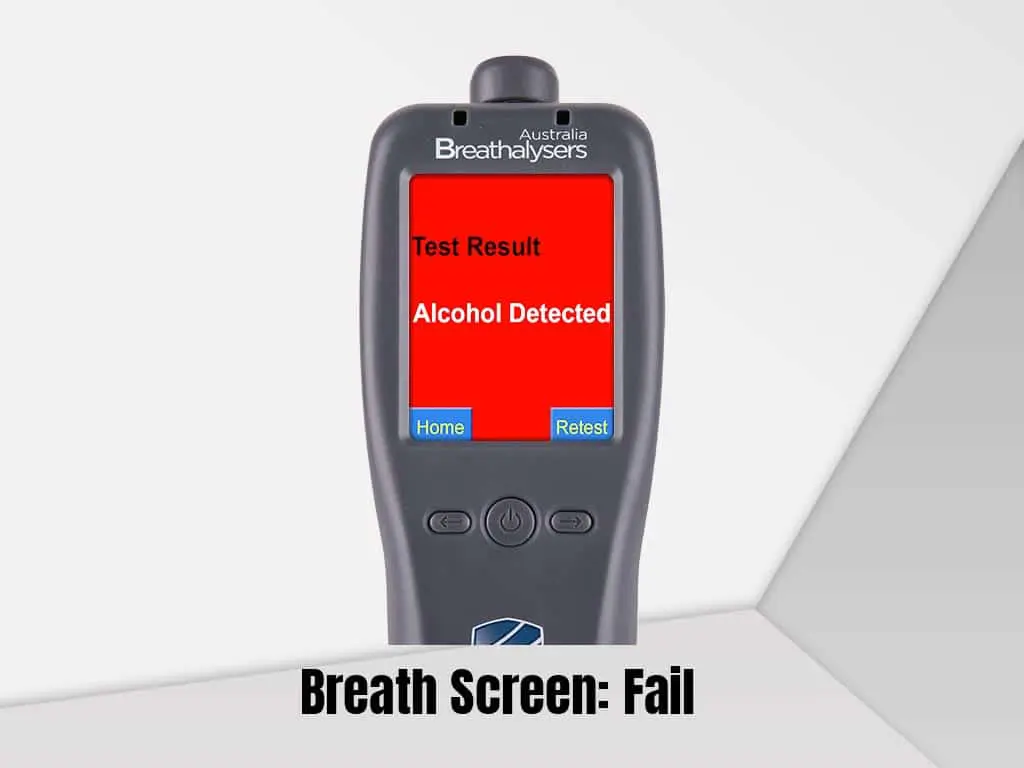
A breathalyser showing a Fail result

Types of PTS Drug and Alcohol Test

The PTS drug and alcohol test utilises various procedures. The most common type is the urine test. This procedure collects and examines the urine sample to detect a wide range of substances taken within the past few days. It is suitable for pre-employment or random testing. Another type is the saliva drug test. This is suitable for determining recent consumption due to its short detection window.

The breath test is a non-invasive method to detect alcohol and measure Blood Alcohol Content (BAC) through the breath sample. A breathalyser device can give the BAC results within seconds, making it convenient and cost-efficient. Workplaces use fuel cell breathalysers because of their police-grade accuracy. Some use devices with photo identification for monitoring or reporting purposes.

The blood test provides the most accurate medical assessments of drugs and alcohol in the body. However, due to its intrusive and costly nature, employers usually use it for confirmation of initial screening results. Aside from drug and alcohol testing, PTS medical involves testing blood pressure, blood glucose level, and visual acuity.

What to Expect After the Results

Individuals may expect several outcomes after a PTS medical, drug & alcohol testing. A negative test result means no substances were found in the sample. On the other hand, non-negative test results indicate drug or alcohol consumption. It is crucial for employers to remove the individual from a safety-critical area to prevent untoward incidents.

Getting a non-negative result would necessitate sending the sample for analysis to a laboratory. Employees with positive samples may get long-term suspension or termination, depending on the severity of the case. However, an individual may contest the result or seek legal advice if they believe the test to be inaccurate.

Conclusion

The PTS drug and alcohol test identifies individuals in the network rail sector posing safety risks. The test analyses the breath, saliva, blood, or urine specimens for the presence of alcohol or illegal drugs. Moreover, PTS medical testing can significantly ensure the safety and well-being of all employees and the public. It is implemented in various circumstances, such as pre-employment, random, reasonable suspicion, and post-accident cases. Likewise, it must be in accordance with the relevant safety legislation.

Most companies employ accredited occupational health partners to conduct drug and alcohol screening services. These medical centres have high-quality control levels to ensure accuracy and reliability. In addition, employees with positive test results may face disciplinary consequences, which can impact their career or employment. Overall, the test helps prevent accidents and deter substance use. Ultimately, it creates a safe and healthy environment for everyone.

Drug and Alcohol Testing Locations Near Me: General Overview

A drug test form and a sample container cup

The accessibility of drug and alcohol testing locations near me can help individuals test for various substances. Hospitals and independent clinics may offer these services. Individuals may undergo testing for health reasons or to comply with job application requirements. Various test methods analyse biological specimens to detect the presence of alcohol and illicit drugs. Moreover, the option would depend on the substance being tested for or the reason for testing.

Drugs of abuse testing has become more common in various industries and organisations. Companies implement these procedures for health and safety reasons, including prevention of accidents and injuries. In addition, employers create a drug and alcohol management policy to manage the risk of impairment. Thus, it is essential for companies to get reliable services to ensure reliable results. This article will provide a general overview of selecting a testing agency, types of test methods, and how to handle results.

Finding Drug and Alcohol Testing Locations Near Me

Finding drug and alcohol testing locations near me is easier due to several clinic locations around the country. It is best to search for the closest clinics online or ask a healthcare provider for a referral. Additionally, it is important to ensure that the facility uses reliable and advanced equipment. It must also comply with the relevant standards and testing guidelines to ensure the integrity of the tests.

The most convenient way is to go to a hospital or medical facility. They are equipped with the necessary equipment and trained professionals to conduct sample collection and analysis. Furthermore, they often provide complete testing options and services for various needs. Hence, individuals or companies can avail of the services in one location.

Another alternative is drug and alcohol agencies. These are third-party testing companies that specialise in occupational or workplace testing. These clinics are knowledgeable in the specific requirements and regulations surrounding workplace testing and can provide the necessary documentation and reporting. In some instances, they may offer drug and alcohol policy development services.

Advantages of Using Local Test Centres

  • Provide convenience and accessibility for individuals needing to undergo drug and alcohol testing.
  • It uses certified laboratory equipment and processes that are reliable in delivering accurate results.
  • Individuals can provide the samples in a secured and hygienic facility, minimising errors or false reports.
  • It has faster turnaround times as there is no need to transport the samples from another location to a laboratory.
  • Knowledgeable staff can provide accurate information and guidance regarding the testing process.
  • Local test centres may offer competitor pricing options.
  • Local test centres can offer flexibility in scheduling appointments and accommodating urgent needs.

A medical professional holding an empty container

Types of Tests Drug and Alcohol Testing Locations Near Me Use

Drug and alcohol testing locations near me offer various methods and procedures to detect illegal drugs and alcohol. One common type is urine testing. It can efficiently screen a wide range of drug classes, including recreational drugs and prescription medication. This type of test is frequently used by employers because it is easy to administer.

The second type is oral fluid testing. This method uses saliva or oral swab samples to detect the substances. The collection process is less invasive and easily available. This is ideal for those who want to determine recent drug use since it can trace substances within minutes to one day.

Moreover, breath testing is commonly used for alcohol detection. It utilises a portable breathalyser device to measure Blood Alcohol Content (BAC) in a person’s breath. The device can deliver the results within seconds, allowing individuals to know their intoxication levels immediately. Furthermore, a hair test can detect alcohol and drug metabolites over a longer period of time. It is ideal for determining if a person has substance use disorder.

Accuracy

The accuracy of drug and alcohol testing in clinics or facilities is often reliable. They use advanced technology or gold-standard methods that can precisely measure or quantify the concentration of drugs in the system. Additionally, they follow a strict chain of custody process to maintain the integrity of the specimens.

Nevertheless, there are several factors that may influence the results. It includes diluting the sample to manipulate the test and exposure or reactivity to other substances. Hence, staff must be adept in proper drug and alcohol specimen collection. If the quality of the sample is compromised, a laboratory will require a new test.

A woman being confronted at work

How Drug and Alcohol Testing Locations Near Me Handle Results

Drug and alcohol testing locations near me handle results in accordance with mandated policies. The results may be given directly to the individual or the employer. Drug and alcohol collection staff must ensure the tests remain confidential and secure. In addition, the results are available within a few hours or days, depending on the number of subjects or the complexity of the test.

The initial drug screen may yield negative or non-negative results. A non-negative test result indicates the presence of one or more substances like alcohol and cocaine metabolites. When this happens, it is a laboratory standard to undergo confirmatory testing. This procedure will validate the preliminary test after a medical review.

Companies receiving failed drug and alcohol tests must follow strict guidelines in informing the concerned employee. It includes discussing the results with the individual for explanations. Additionally, it is vital to discuss the disciplinary actions that will be taken. Some organisations may offer rehabilitation assistance to workers struggling with abuse or addiction.

Possibility of False Non-negative Results

False non-negative results are possible in drug and alcohol testing. Several factors can contribute to these results, such as the timing of the test or the taking of prescription drugs. Certain medications like antidepressants, cold medicines, and steroids may contain substances that can yield a false positive result.

Moreover, exposure to second-hand marijuana smoke and cleaning agents may affect the test. Urine tests are prone to false positives because of the presence of oxidised metabolites. These molecules can form when a sample is exposed to light and air. Lastly, the possibility of human error during the testing process can contribute to false non-negatives.

Conclusion

Drug and alcohol testing locations near me can provide efficient testing services for individuals and companies. They use various methods to detect the presence of alcohol and illegal drugs in the system. Accredited collection centres use advanced methods to measure the concentration of drugs or metabolites accurately. Furthermore, results are available within a few hours or days. The most common type is urine testing. It can trace various drug classes for an extended period.

On the other hand, breath testing is efficient for alcohol detection. It uses a portable breathalyser that is easy to operate and gives instant results. These test methods are generally accurate and reliable. However, several factors may affect the results. It includes improper sample collection and the taking of certain medications. Additionally, false non-negative results are possible due to human error or exposure to second-hand smoke. Therefore, it is vital to follow proper protocols for accurate testing.