Workplace Alcohol Testing: Reasons, Methods, and Best Practices

Employees working in an office

Workplace alcohol testing plays a vital role in identifying and preventing alcohol-related problems among employees. Accordingly, business owners conduct alcohol tests for specific reasons. This is whether for pre-employment screening, random testing, reasonable testing, or post-accident testing. Furthermore, a wide range of methods are used. This involves urine testing, saliva testing, blood testing, hair testing, and alcohol breath testing. Nevertheless, implementing such a workplace policy requires careful planning and consideration.

Alcohol abuse and harmful substances in the workplace are a significant problem. This can lead to accidents, decreased productivity, impaired decision-making, and health conditions. Hence, maintaining workplace safety is crucial for any organisation. This has led to the occurrence of alcohol testing requirements to address the issue of alcohol impairment and related matters. This article will present the reasons for conducting alcohol testing programs in workplaces, the methods used, and the best practices for implementing them.

Reasons for Workplace Alcohol Testing

Workplace alcohol testing occurs due to various reasons. Before hiring a prospective employee, companies may require them to undergo alcohol screening. This is a part of the pre-employment tests. Hence, it is done to ensure that individuals in the hiring process are not under the influence of alcohol or other types of substances. Also, this helps employers in the decision-making process.

Accordingly, random testing occurs without prior notice to employees. This approach helps to deter workers from consuming alcoholic beverages during work hours. Furthermore, reasonable cause testing arises if an employer observes behaviour that raises suspicion of risk of impairment. The indicators may include signs like slurred speech, unsteady gait, or erratic behaviour.

Following a workplace accident or incident, an alcohol testing clause may be required as a part of the investigation process. This is done to determine whether alcohol impairment has a role in the incident. Moreover, this is also to ensure the health and safety of employees moving forward. Nevertheless, this testing helps companies to understand the factors contributing to the accident and take preventive actions.

Effects of Alcohol in the Workplace

  • Impaired employees: alcohol consumption can significantly impact the cognitive abilities, coordination, and decision-making skills of a person. Hence, it can increase safety risks, including accidents or injuries.
  • Safety concerns: it poses serious safety concerns for the individual and their colleagues. Therefore, it can lead to hazardous situations, particularly in high-risk workplaces.
  • Negative impact on team dynamics: it can disrupt team dynamics and working relationships. This may lead to conflicts and misunderstandings.
  • Legal and reputational risks: workplace alcohol consumption can expose an organisation to legal liabilities and damage its reputation.
  • Health and well-being consequences: regular alcohol consumption can have long-term health implications for employees.

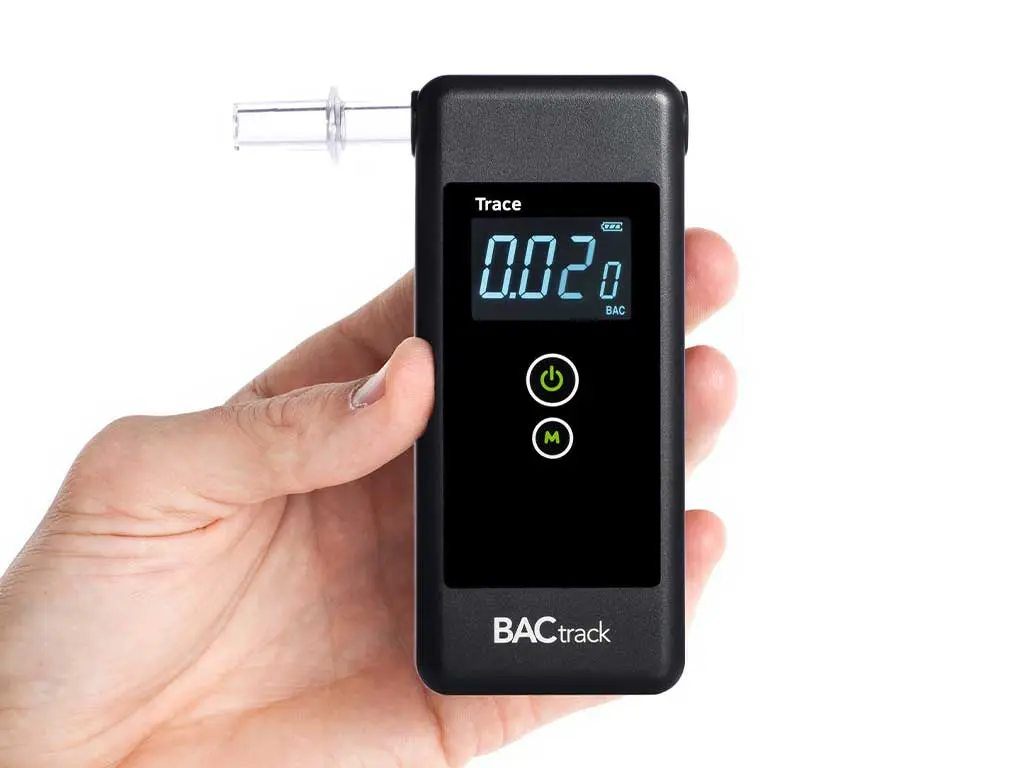
A woman using a BACTrack breathalyser

Methods Used in Workplace Alcohol Testing

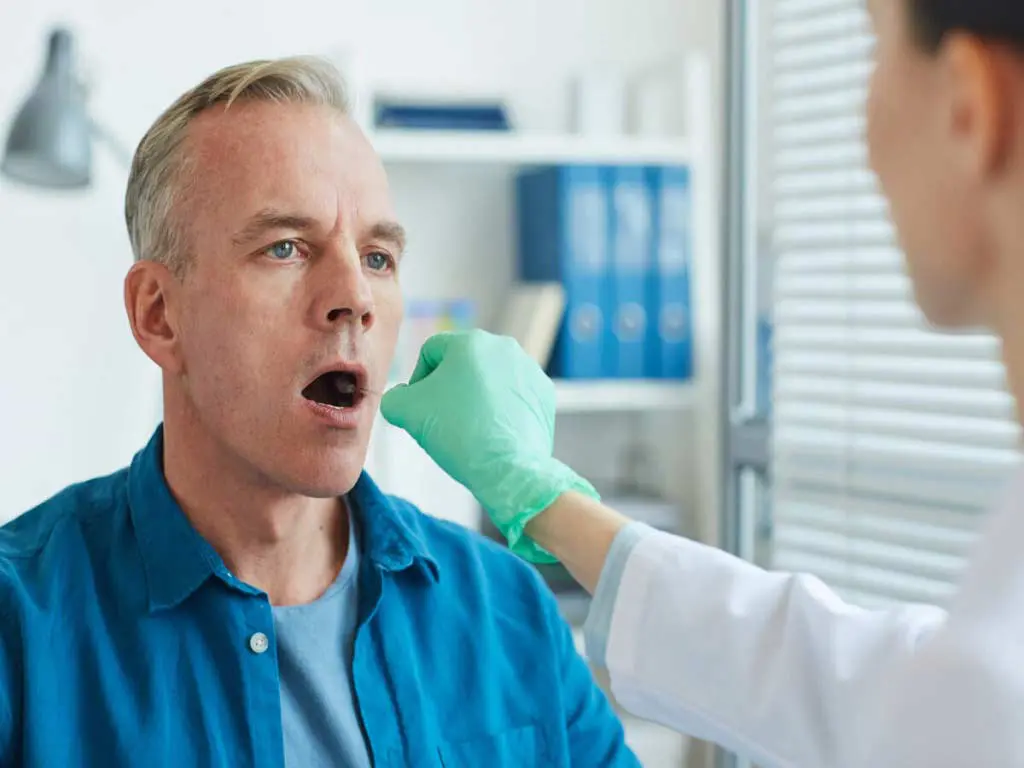
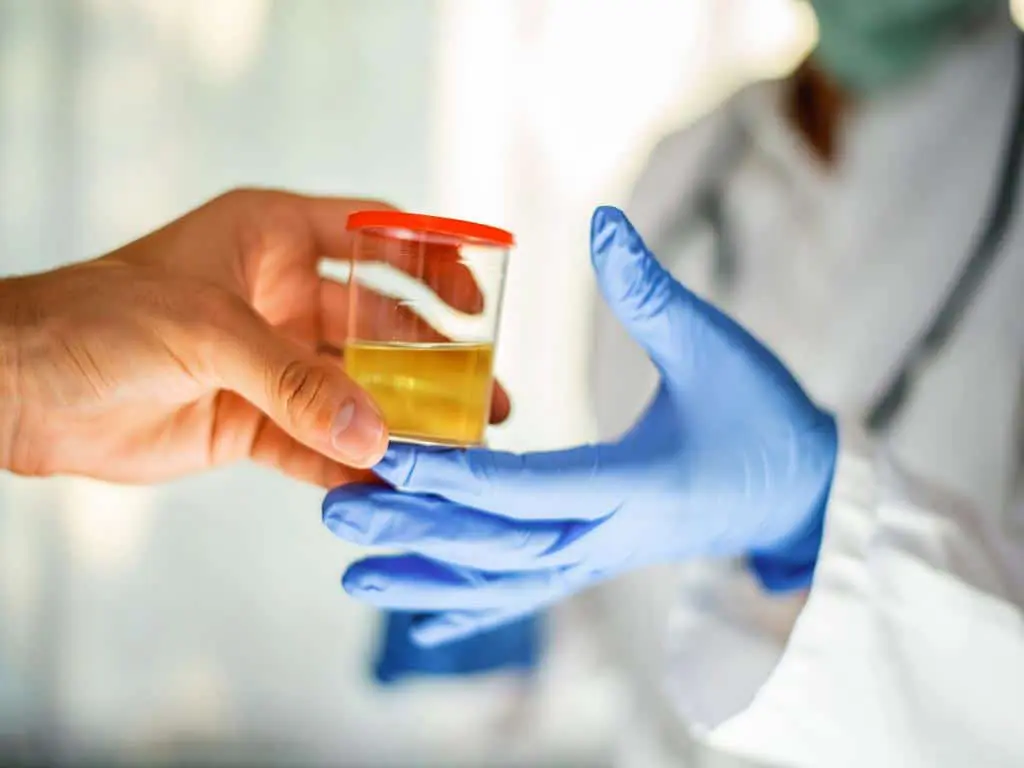
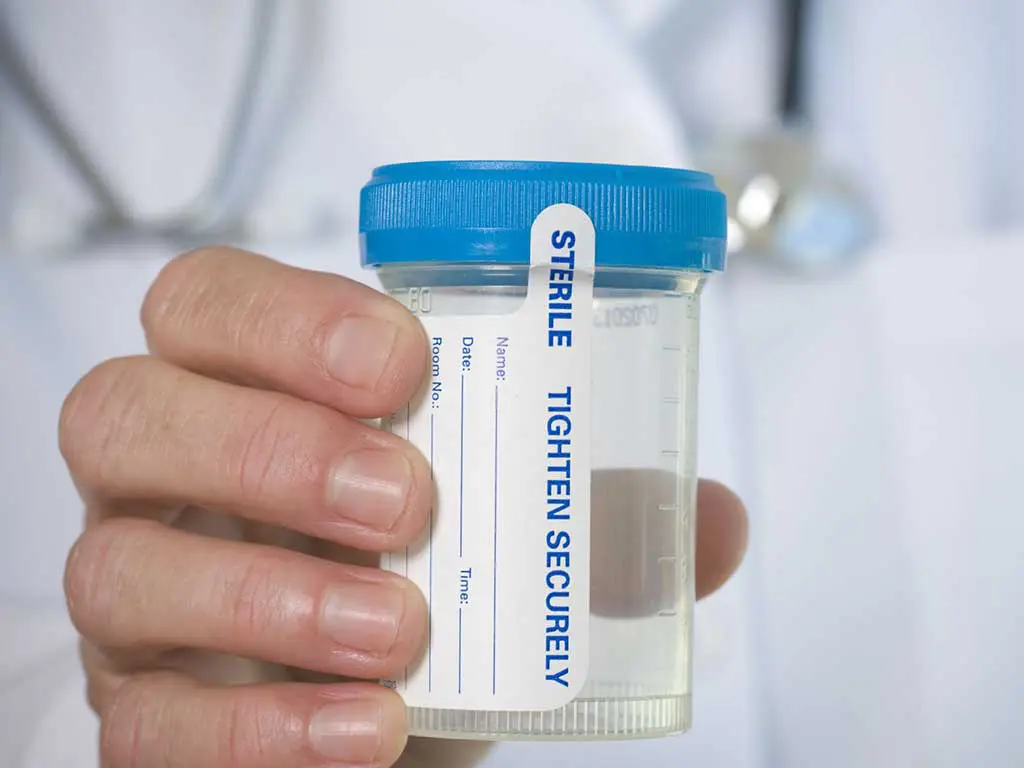
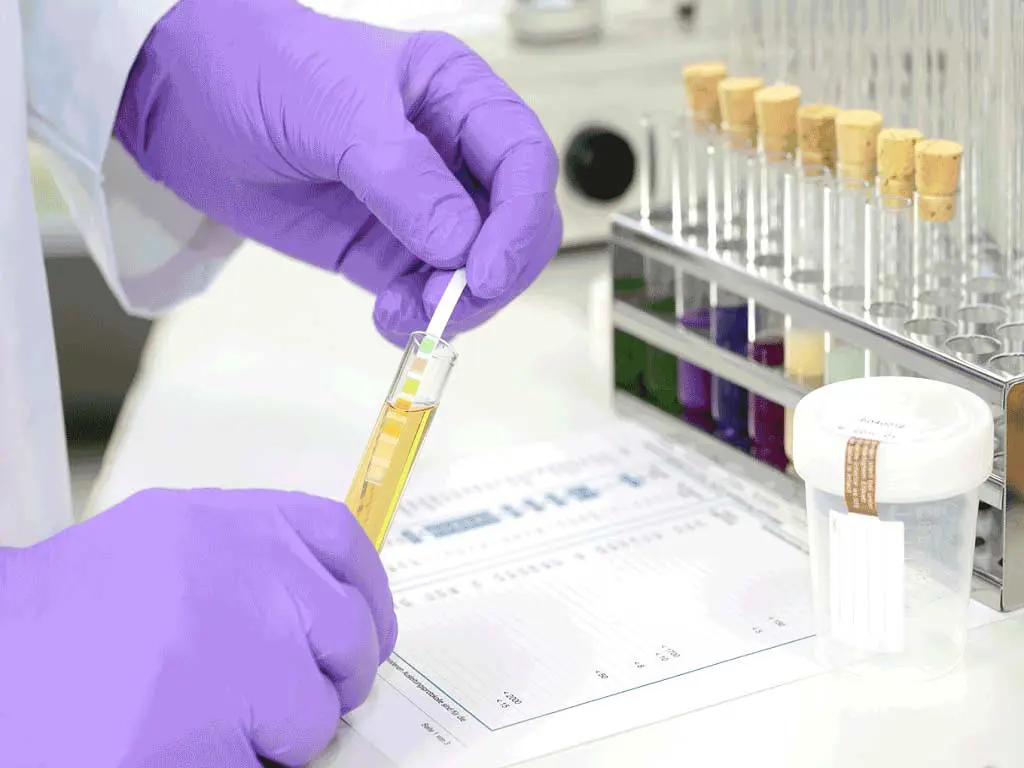
One of the most common methods for workplace alcohol testing is urine testing. It involves collecting a urine sample and testing it for the presence of alcohol metabolites. Another type is the oral fluid or saliva test. This method can provide rapid results and is relatively non-invasive. Hence, it makes it a convenient option for workplace testing.

Blood tests are one of the most accurate methods for determining alcohol levels in the body. It utilises a blood sample to analyse and measure alcohol concentration in the bloodstream. Meanwhile, hair tests involve the collection of a small sample of hair from an individual. This approach can provide a historical overview of alcohol consumption, usually up to 90 days.

Furthermore, breath alcohol testing or breathalyser tests are commonly used for immediate alcohol screening in the workplace. It involves the individual exhaling into a breathalyser device, which measures the Blood Alcohol Concentration (BAC). Nevertheless, it is convenient, non-invasive, and provides rapid results. Each method has its advantages, and the choice of method depends on specific needs.

What Are the Common Testing Methods?

In the workplace, common alcohol testing methods include urine testing, saliva testing, and breath testing. Urine tests are a prevalent method as they are non-invasive and make it easy to collect the specimen. Also, it is effective in detecting recent alcohol consumption. Saliva tests are another common type of assessment. It also has a non-invasive nature and the ability to provide rapid results.

Additionally, breath testing is widely utilised for immediate alcohol screening. This method typically involves providing a breath sample, which then measures the BAC level. Breath tests are highly convenient and can provide quick results, making them preferable for on-the-spot testing.

A hard hat, a book, and a gavel

Best Practices for Implementing Workplace Alcohol Testing

Implementing workplace alcohol testing requires careful consideration of best practices to ensure fairness, accuracy, and legal compliance. Accordingly, employers may develop a comprehensive alcohol policy testing. This outlines employee rights, the purpose of the testing, procedures for administering the tests, and disciplinary process for violations. Nevertheless, it is the responsibility of the employer to communicate this to all employees.

Moreover, companies must ensure that their alcohol testing policies adhere to relevant federal, state, and local laws. Also, this includes any regulations for privacy and discrimination. Protecting the privacy and confidentiality of employees is paramount. Hence, the sample collection, testing, and reporting procedures should be designed to safeguard sensitive information.

In addition, employers may educate workers about the purpose and procedures of alcohol testing. Clear communication can help employees understand the rationale behind testing and their rights in the process. Also, it is crucial to apply the testing policies consistently across all employees. Employers should avoid selective enforcement and ensure workers are subject to the same testing protocols.

Support and Treatment Programs

Alcohol testing policies involve not only the testing procedures but also providing support and treatment programs. Employers may consider implementing Employee Assistance Programs (EAPs) that offer employees confidential counselling and support services. In the event of a non-negative test, employers may consider having a system in place to refer affected workers to treatment resources.

Accordingly, educating employees about the available support and treatment resources is crucial. Employers should promote awareness of these services. This fosters an environment where workers feel comfortable seeking help if they are struggling with alcohol-related issues. Also, the company may collaborate with healthcare professionals to address the problem.

Conclusion

Alcohol consumption can impair workers, pose safety concerns, and may negatively impact the reputation of an organisation. Hence, workplace alcohol testing is an important practice in ensuring the safety and well-being of employees. Accordingly, employers conduct the test for several reasons. This is for pre-employment, random, reasonable suspicion, and after an accident testing. Furthermore, various methods are available for testing. This includes urine, saliva, blood, hair, and breath testing.

Nevertheless, the most common methods in the workplace are urine, saliva, and breath tests. Moreover, implementing the testing requires consideration of the best practices. This may involve developing a precise alcohol testing policy, adhering to relevant laws and regulations, inhabiting the rights of employees, and being consistent. Also, support and treatment programs are crucial in the policy. Employers may consider implementing EAPs, having treatment resources, educating employees, and collaborating with medical professionals.

Drug Alcohol Screening Test: Definition, Types, and Understanding the Results

A group of people waiting at a laboratory for testing with a standing lab technician

Using illegal drugs and consuming excessive amounts of alcohol can be detrimental. It is a significant public health concern, affecting everyone. To address this issue effectively, drug and alcohol screening tests play a vital role. It is a method of detecting the presence of substances in the body. Individuals and organisations can choose various drug and alcohol tests. There are alcohol breath tests, urine drug tests, and blood tests. A positive result means a person has consumed drugs or alcohol.

Drug and alcohol abuse is a widespread problem that has far-reaching consequences. It can lead to physical and mental health issues, impaired judgment, accidents, violence, and death. Thus, employers often require their employees to undergo testing to ensure a safe and productive work environment. Also, police officers conduct random roadside tests to detect and deter drink driving cases. The article will present what substance testing is, including the different types and understanding of the test outcomes.

Definition of a Drug and Alcohol Screening Test

A drug and alcohol screening test is a way to detect the presence of substances in the system of people. Qualified professionals can administer the test by collecting breath samples, urine samples, and blood samples. Companies, law enforcement, and healthcare professionals utilise the test. Consequently, they can ensure safety, assess substance use patterns, and make informed decisions.

Drug testing is the process of identifying illegal or prescription drugs in the body. On the other hand, alcohol testing is for assessing alcohol consumption and intoxication levels. Both tests are crucial tools, as they prevent accidents, maintain productivity, and provide the necessary support to individuals struggling with addiction.

The effects of alcohol and drugs can pose a threat to the users and others around them. Therefore, many businesses implement testing policies as part of their safety protocols. In addition, police agencies identify intoxicated drivers. Medical practitioners rely on the test to monitor patients who may be at risk for alcohol or drug abuse. Also, it helps those who are undergoing treatment for addiction.

Reasons for Taking the Test

  • Substance abuse treatment programs: Individuals participating may be mandated to submit to regular testing as part of their recovery plan.
  • Pre-employment screening: Many employers require drug and alcohol screening. It is usually a part of the hiring process.
  • Random testing: Some companies or police officers conduct random tests to deter drug or alcohol abuse.
  • Post-accident testing: After a workplace or road accident, involved individuals need testing to determine if substance use was a contributing factor to the accident.
  • Compliance with regulations: The law requires industries, such as transportation and healthcare, to have drug and alcohol screening programs to comply with industry regulations.

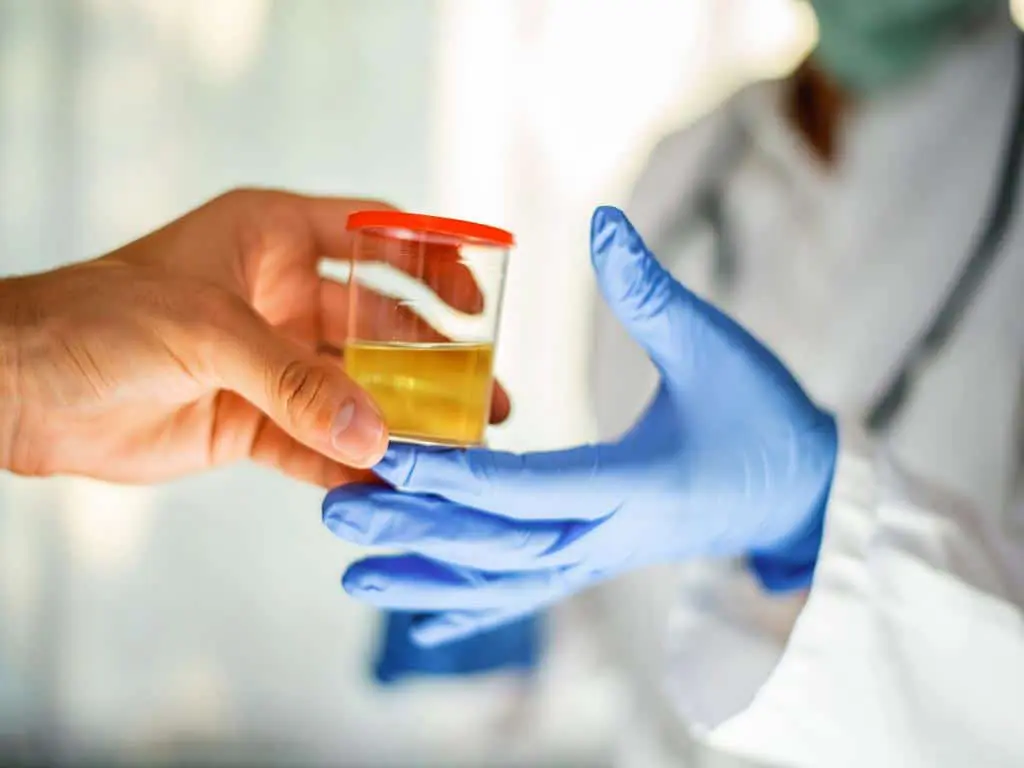
A lab technician holding a urine sample container

Types of Drug and Alcohol Screening Tests

Several drug and alcohol screening tests are available for people to choose from. One of the most common is breath testing. It utilises a breathalyser device, which measures alcohol concentration levels. The result determines if an individual is under the influence. Law enforcement officials typically use it during traffic stops because it can provide instant results.

Urine tests are another type of screening method. It can detect drugs and alcohol metabolites in the body. Many businesses utilise this method to maintain a safe workplace. The test is relatively non-invasive and cost-effective. Thus, it is widely used for pre-employment drug screens or random alcohol screens. They can easily buy testing kits for convenience.

Blood testing offers the most accurate and comprehensive results when it comes to substance screening. It can detect even trace amounts of drugs or alcohol in the bloodstream. Moreover, it can provide detailed information about the type and quantity of drugs present. The test is valuable in situations where legal evidence is necessary, such as in cases of suspected impaired driving or workplace accidents.

What Can Be Detected?

Using illicit drugs and other substances can be dangerous. Hence, screening tests are vital. Various methods can detect common drugs of abuse, like marijuana and cocaine. In addition, they can identify prescription drugs like opioids, benzodiazepines, and amphetamines. Furthermore, the tests can find synthetic drugs, such as methamphetamine and ecstasy, in the body.

The tests are also capable of identifying the presence of hallucinogens like Lysergic Acid Diethylamide (LSD) and Phencyclidine (PCP), as well as inhalants such as volatile solvents and aerosols. Also, testing methods can identify alcohol, which individuals commonly abuse. Lastly, the tests can provide the Blood Alcohol Content (BAC) level.

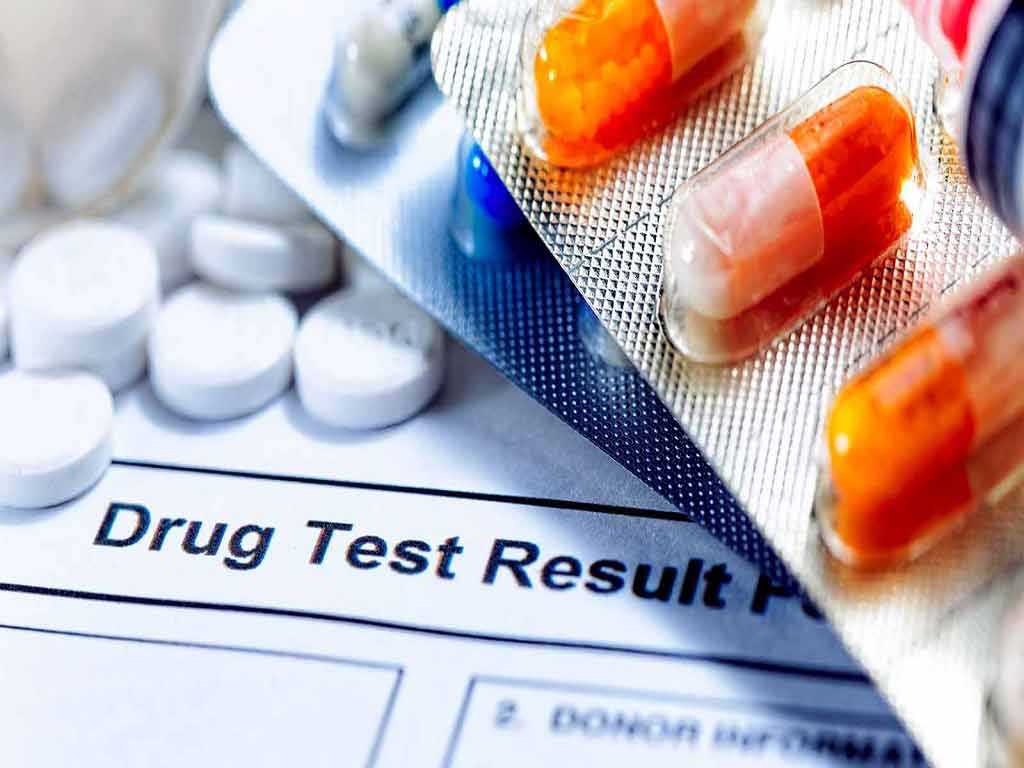
Various types of drugs on top of a drug test result form

Understanding the Results of Drug and Alcohol Screening Test

Understanding the results of drug and alcohol screening tests is crucial. When a test returns positive, it is vital to determine the possible reasons, such as prescription medication. Clear communication of the test results can help avoid misunderstandings and unnecessary consequences. Meanwhile, a negative drug or alcohol outcome means the absence of illicit substances in the system at the time of the test.

Upon receiving the results of a substance screening test, people need to seek clarification and ask any questions they may have. This includes the specific substances being tested for and the accuracy and reliability of the testing method. Additionally, they must know the options for confirmatory testing or disputing the outcomes, if necessary.

Employers and other authorities must provide clear and accessible information about testing procedures and their implications. This includes informing them of their rights and responsibilities. Also, they should inform workers and individuals of the potential consequences of a non-negative result. Having educational resources and promoting transparency is essential in understanding the outcomes of screening tests.

Factors that Can Influence the Results

Several factors can influence the results of screening tests. Firstly, it is the quantity of the substance consumed. The more drugs or alcohol a person takes or drinks, the higher their chances of testing positive on a screening test. Secondly, the frequency of use can affect the test outcomes. Heavy users are more likely to have detectable levels of substances.

Thirdly, the timing of the test is a factor. Taking the test too soon after drinking alcohol or taking drugs can yield a false positive result. Lastly, it is the sensitivity and specificity of the testing method, and confirmatory testing may be necessary.

Conclusion

A drug and alcohol screening test is an essential tool to detect illicit substances in the body. Individuals may need it for different reasons, including employment screening and substance abuse treatments. Thus, employers, police officers, and health professionals rely on testing to maintain safety. Various methods can identify the presence of drugs and alcohol. Some examples are breath alcohol testing, urine tests, and blood screening tests. These can find ethanol, prescription, and recreational drugs.

Understanding the results of the test is crucial in determining drug or alcohol consumption. The result can have significant implications. For instance, people with a non-negative result for alcohol or drug tests can lose their jobs or face legal consequences. Therefore, they must know how the testing process works and what factors can affect the accuracy of the results. Overall, screening tests play a crucial role in identifying substance abuse and ensuring public safety.

Lab Test Alcohol: What It Is and the Types of Tests

A person handing a urine sample to a lab technician

Alcohol poisoning is one of the results of excessive alcohol consumption. It affects the central nervous system and can have severe consequences on health. Thus, alcohol testing is essential. Individuals and organisations can avail of services from a testing provider for lab test alcohol. They typically offer various types of testing methods. Some of the most common are blood alcohol tests, breath tests, and urine alcohol tests. The results they provide are beneficial in workplaces and treatment centres.

Heavy drinking can cause people to have high blood alcohol levels. Consequently, they can get into accidents or engage in risky behaviours. Thus, police officers, employers, and medical professionals require alcohol testing. Conducting it in laboratories ensures accurate and reliable results, leading to more informed decisions. For more information about lab testing, the following sections will present what it is, the different types of tests, and the interpretation of test outcomes.

What Is a Lab Test for Alcohol?

A lab test for alcohol is a method that detects alcohol use. Moreover, it determines the amounts of alcohol present in the body. It is beneficial in various settings. For instance, healthcare providers utilise it to assess those who may be at risk of developing chronic alcohol or substance use disorders. Also, it is valuable in legal situations, typically, to investigate Driving Under the Influence (DUI) charges.

Furthermore, lab testing for alcohol can help employers ensure a safe and productive work environment. Many companies have policies in place regarding alcohol use and impairment in the workplace. The test can enforce these policies by providing objective evidence of alcohol consumption. Collectors can use blood samples, breath samples, or urine samples to administer the test.

Individuals and organisations rely on laboratory testing because it provides trustworthy results. Unlike testing kits they can purchase over the counter, trained professionals conduct lab tests in controlled environments. Hence, testing in a medical facility eliminates the potential for tampering or false negative and false positive results.

Benefits

  • A laboratory test for alcohol helps in detecting the presence and quantity of alcohol in the body. This is crucial for monitoring alcohol consumption.
  • The test can aid in diagnosing alcohol use disorder by determining the levels of alcohol in the body. Subsequently, healthcare providers can provide appropriate treatment and support.
  • Lab test results can provide valuable insights into the potential health risks associated with alcohol consumption, such as liver damage, cardiovascular problems, and neurological impairment.
  • For individuals in certain professions or legal situations, a lab test offers evidence of sobriety or intoxication. This influences legal decisions and employment status.

A person holding a breathalyser with the result showing on its screen

Different Types of Lab Tests for Alcohol

Healthcare providers can perform different types of lab tests for alcohol. One of the most accurate methods is the blood test. It directly measures the concentration of alcohol in the blood. Many people use it in legal settings, as it precisely measures blood alcohol content. Additionally, they can use it to monitor alcohol consumption in individuals undergoing treatment for alcohol addiction.

Another type of lab testing for alcohol is the breath test. It measures the Blood Alcohol Concentration (BAC) in the breath. Police officers commonly utilise it to assess the level of intoxication of drivers. Authorities send them to testing facilities to perform it using a breathalyser device. Breath testing is non-invasive and provides immediate results. Thus, they are valuable for public safety purposes.

Alcohol urine tests are another type of laboratory testing. These can detect alcohol metabolites in the urine, providing information about recent alcohol consumption. Many companies utilise the test for workplace drug and alcohol testing programs. This is because it is easy to administer and cost-effective. Also, it is beneficial for health monitoring because it can offer insights into alcohol drinking habits.

A Closer Look at Breathalysers

Breathalysers are portable devices that measure the BAC levels of people. They work by detecting the presence of ethanol in the breath, which is then converted into a percentage of alcohol in their system. These breath analysers typically use semiconductor and fuel cell sensors that react with alcohol.

The interaction of breath with semiconductor technology causes changes in the electrical resistance of the sensor, which are then measured and converted into a BAC reading. Meanwhile, fuel cell sensors use a chemical reaction between alcohol and oxygen to generate an electrical current. This is also converted into a BAC reading.

Three technicians discussing inside a lab

Interpreting the Results of a Lab Test for Alcohol

Understanding the significance of specific alcohol biomarkers, like BAC and liver enzyme levels, is crucial when interpreting the results of lab tests for alcohol. The BAC test measures the amount of alcohol in the bloodstream, typically indicating intoxication levels. Additionally, liver enzyme tests can reveal the extent of alcohol-induced damage to the liver. These results are vital in diagnosing alcohol-related disorders and assessing overall health.

A positive test result is when the outcome exceeds the legal limit of alcohol intoxication, which varies by jurisdiction. However, it is vital to note that false-positive results may occur due to external factors. Some examples are the presence of certain substances in the body or errors in the testing process. Health professionals must consider these potential factors and confirm results through further analysis if necessary.

Interpreting the lab results involves comparing them to established norms and considering individual factors. Elevated BAC levels may indicate recent alcohol consumption or impairment, while abnormal liver enzyme levels may suggest liver damage or disease. Monitoring these markers over time helps track progress in recovery or the effects of alcohol consumption.

Legal Limits

In New Zealand, the legal limit is 0.05%. This is equivalent to consuming approximately two standard drinks within the first hour and one standard drink per hour thereafter. The legal limit is set as a measure to ensure the safety of both drivers and other road users.

Going over the legal limit may result in fines, license suspension, and jail time. Additionally, some drivers may need to adhere to a lower BAC level. These are those under the age of 20 who must have zero BAC. An accurate picture of alcohol consumption is essential in determining the level of impairment while operating a vehicle.

Conclusion

A lab test for alcohol is a method to determine the presence and concentration of alcohol in the body. It is beneficial for healthcare professionals, police officers, and employers. This is because the test allows them to accurately assess alcohol consumption, which can have significant implications for their health, safety, and performance. Various methods are available for testing, including blood tests, breath tests, and urine tests. Each has its advantages and limitations. Hence, understanding their components is necessary.

Laboratory testing provides quantitative results that can interpret intoxication levels or evaluate compliance with alcohol-related regulations. By accurately measuring the amount of alcohol, the tests play a crucial role in legal matters, medical treatment, and public safety. It can lead to the prevention of chronic alcohol abuse and related accidents or incidents. All in all, lab testing is valuable for many individuals and organisations.

Hair Follicle Drug Test: Definition, Procedure, and Accuracy

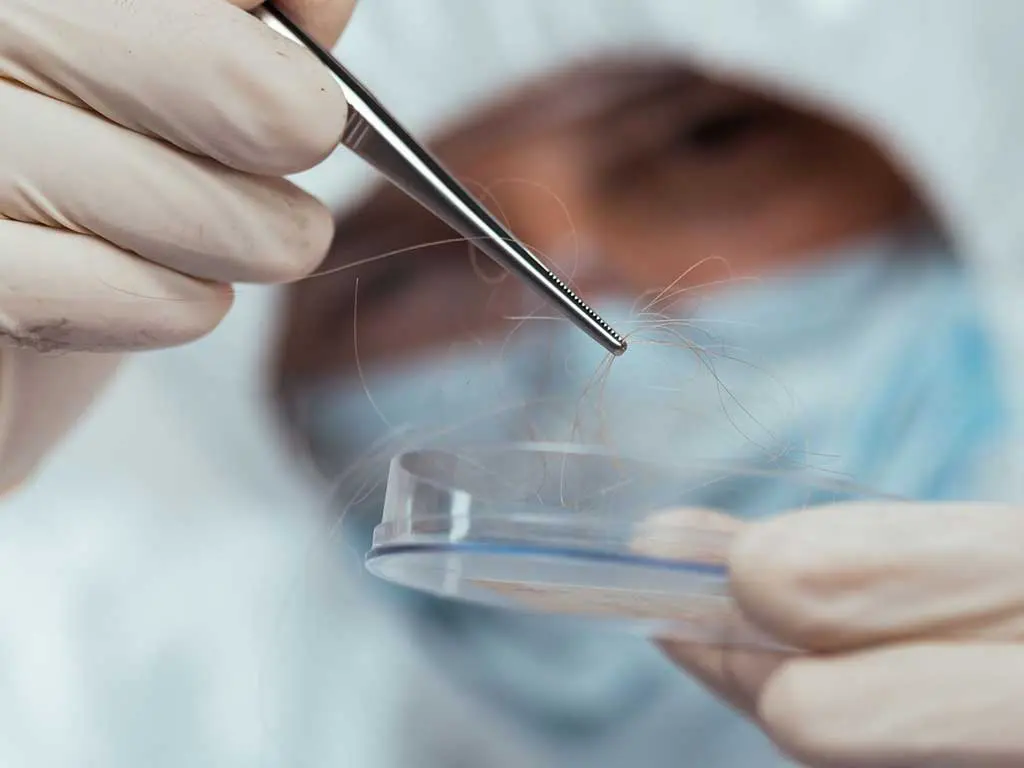
A professional placing a hair sample in a container using a tweezer

A hair follicle drug test is a testing method to detect the presence of drugs or drug metabolites. Accordingly, it involves collecting a small sample of hair and analysing it to identify any exposure to drugs. Precisely, to conduct the hair drug testing, a professional will collect a hair sample and forward it for laboratory analysis. Nevertheless, it is accurate and reliable due to the way it can detect illegal drugs over a long period of time.

Illicit drug testing is becoming increasingly common in various settings, from workplaces to legal testing. While saliva and urine testing are common, hair follicle testing is popular as it offers a comprehensive analysis of the drug history of a person. By examining the strands of hair, it can detect a wider range of illicit substances. This article will present hair follicle drug testing, including how to conduct it and why it is an accurate and reliable form of drug testing.

What Is a Hair Follicle Drug Test?

The hair follicle drug test is a method that involves analysing samples of hair to detect the presence of various drug classes or their metabolites. This type of testing can identify patterns of drug use over an extended period. It can monitor drug residue spanning up to 90 days and more. Accordingly, hair drug tests are commonly used in various settings.

In an employment context, companies may require employees to undergo hair testing. This may be part of pre-employment screening, reasonable suspicion testing, or post-accident testing. It helps employers to ensure that their workforce is free from the influence of positive drugs. Also, it maintains a safe and productive work environment.

Furthermore, in legal settings, including court cases and probation programs, hair sample testing is used. This is to monitor individuals who are required to remain drug-free as a condition of their legal status. Moreover, in a medical setting, a hair strand drug test occurs to assess patients with substance abuse issues. This is also to monitor people who are undergoing drug rehabilitation programs.

Advantages Over Other Testing Methods

The following are the advantages of hair sample drug tests over saliva, blood, and urine drug testing:

  • Detection window: one of the primary advantages of the method of drug testing is its extended detection of drug use. While the other testing methods can only detect recent frames of drug use, hair testing can identify drug metabolites, typically up to three months.
  • Reliable: the structure of the hair shaft preserves drug metabolites over time.
  • Unobstructive sample collection: collecting the body hair sample is a non-invasive process.
  • Reduces the likelihood of sample adulteration: the collection and handling minimise the potential for tampering.

A technician placing a hair sample in a vial with medical equipment in the background

How to Conduct a Hair Follicle Drug Test

Conducting a hair follicle drug test requires several steps to ensure accuracy and reliability. The first step is the collection of a hair sample from the individual undergoing testing. This typically involves cutting inches of head hair close to the scalp. Then, the professional will seal and secure the sample and transport the specimen to the testing laboratory.

At the testing facility, the hair sample undergoes a preparation process to extract the drug metabolites within the hair shaft. This involves washing the hair to remove external contaminants. Accordingly, the conductor will liquefy the specimen to release the target drug compounds. The next step involves the application of analytical techniques to identify and quantify any drug metabolites.

Analytical methods, such as mass spectrometry, are utilised to achieve high sensitivity and specificity in detecting a wide range of illicit substances. After that, the professional will interpret the results of the analysis. This is done by comparing the presence and levels of drug metabolites against cutoff levels. Once it is complete, the testing laboratory will generate a comprehensive result.

What Can Be Detected?

Hair drug testing is capable of detecting a wide range of substances. Foremost, it can monitor active compounds in cannabis or marijuana metabolite, such as THC and HHC. Accordingly, it can detect cocaine compounds. It is a potent stimulant that can impair cognitive functions. Also, it can identify opiates such as heroin, codeine, and morphine. The use of methamphetamine also leaves drug markers.

Additionally, the method of testing can detect the presence of a wide range of legal substances or prescription medications, like benzodiazepines. They often require this test to monitor compliance with medications and to identify potential abuse. Moreover, it can monitor ethanol, an active ingredient in alcoholic beverages.

Three professionals working in a laboratory to ensure the accuracy and reliability of hair testing

Why Is a Hair Follicle Drug Test Accurate and Reliable?

The hair follicle drug test is accurate and reliable due to several key factors. Firstly, it provides comprehensive evidence of drug use. This enhances the thoroughness and retrospective insight of the testing. Secondly, when a person uses illicit drugs, it enters the bloodstream and becomes deposited into hair as it grows. This incorporation allows for the detection of historical patterns of substance use.

Thirdly, hair samples are relatively resistant to external contamination and tampering. This enhances the reliability of the testing by reducing the likelihood of false-positive results. Accordingly, the analytical techniques in the testing are highly precise and sensitive. Moreover, laboratory equipment and professionals play a crucial role in ensuring the reliability of the analytical process.

In situations where initial screening yields positive results, confirmatory testing techniques, such as Liquid Chromatography-Mass Spectrometry (LC-MS), may be used. This is to confirm the presence of specific substances. Also, hair testing can detect a broad range of substances. The comprehensive drug panel ensures that a diverse array of substances can be identified. This contributes to the accuracy and reliability of results.

Are There Risks for False Positive Results?

Yes, despite its accuracy and reliability, hair testing is not immune to the possibility of false-positive results. The hair samples can be susceptible to contamination, such as environmental exposure. While stringent protocols are in place, the risk still exists. Also, certain substances may have structural similarities to the target drugs being tested.

Moreover, passive exposure to drugs, such as being in close proximity to individuals who are using drugs, may result in the transfer of drug particles to the hair. Furthermore, some cosmetic products, such as specific hair treatments, may contain substances that could interfere with hair follicle testing.

Conclusion

The hair follicle drug test is an effective and reliable method for detecting drug use. It involves analysing hair samples to detect the presence of illicit drugs or their metabolites. Accordingly, it is beneficial in various settings, such as for employment, legal proceedings, and medical reasons. Furthermore, the method of testing has multiple advantages over the other testing methods. It has the widest detection window, a non-invasive sample collection procedure, and a low potential for tampering.

Conducting the hair testing requires several steps. It starts with the collector gathering hair samples. Then, they send it to a testing facility for analysis. Moreover, it can detect a wide range of substances like cocaine, marijuana, opiates, prescription medications, and ethanol. Nevertheless, the hair drug test is accurate and reliable for several reasons. It provides comprehensive evidence of drug use, it is relatively resistant to external contaminants, and it incorporates analytical techniques.

Lab Drug and Alcohol Test: What It Is, the Methods, and Procedure

People waiting in a testing facility

A lab drug and alcohol test is an effective tool to identify those who are misusing substances. Professionals conduct it in a laboratory setting and use advanced techniques and equipment to provide an accurate report of drug and alcohol consumption. Testing methods include breath, blood, hair, urine, and saliva screenings. Typically, a trained collector gathers the sample and transports it to the lab for analysis. The centre will then send the results after two to four days.

Drug and alcohol misuse is a prevalent problem in many countries. It causes various impairments that can significantly impair physical and cognitive capabilities. This can lead to many issues for an individual, and it affects those around them as well. This is why testing is crucial to ensure safety. This article will present what a laboratory test is, the various methods available, and the procedure.

What is a Lab Drug and Alcohol Test?

A lab drug and alcohol test is conducted in a laboratory setting to determine the presence of substances in the system. Employers, health professionals, and law enforcement use it to identify if the individual has misused prescription drugs, alcoholic beverages, or illegal drugs.

Many people suffer from drug and alcohol abuse. This poses risks for the individual and can endanger the community. This is why testing is done in several instances to help those with abuse problems. Police officers conduct roadside tests to find those who are Driving Under the Influence (DUI). Health professionals use medical testing to help form plans for rehabilitation.

Furthermore, workplaces in high-risk industries even conduct testing during pre-employment to ensure responsible individuals occupy critical positions that may cause safety risks. Many use instant test kits for quick results. Meanwhile, laboratory testing confirms the previous results. It is crucial to inform the collection staff of the prescription medicine and supplements being taken, as well as the medical condition of the individual.

Benefits

  • Companies can ensure workplace safety by regularly testing employees in safety-sensitive positions.
  • Employers can create a productive and safe workplace by including testing in their drug and alcohol policy.
  • Law enforcement may use lab testing results as evidence for legal purposes. This includes court proceedings for drink driving or child custody.
  • Laboratory testing can quantify the amount of substances consumed using testing methods like Gas Chromatography-Mass Spectrometry (GC-MS).
  • Accredited laboratories follow a strict chain of custody procedure to ensure the accuracy of the results.
  • Collection by a lab professional reduces the risks of tampering and contamination of the biological samples.

A lab personnel looking at hair samples using tweezers

Methods in a Lab Drug and Alcohol Test

A lab drug and alcohol test can use several screening methods. For alcohol testing, breath alcohol equipment like breathalysers measure the Blood Alcohol Concentration (BAC) levels. Another procedure is oral fluid testing. This uses saliva samples to trace a variety of substances. Generally, its detection window lasts up to 12 hours.

The standard screening method for workplaces is urine testing. Using urine samples allows the lab to identify a wide range of substances. It typically has a detection window of 24 hours, but the period may increase with chronic use. Meanwhile, blood tests are considered the most accurate method. It measures the substances or their metabolites found in the bloodstream. It can generally trace substances 12 hours after use.

Lastly, hair follicle testing helps acquire a history of alcohol and drug misuse. It uses hair samples to trace substances for up to 90 days. However, it does not detect those consumed seven days before collection due to the nature of hair growth.

Detectable Substances

The detectable substances of a test depend on the drug panels used during analysis. These common drugs include illegal and legal substances that cause impairment. The typically detected ones are ethanol, marijuana, cocaine, Phencyclidine (PCP), amphetamines, and opioids.

Ethanol is an active ingredient found in many alcoholic beverages. Marijuana is a psychoactive substance some use for medical purposes. Some also use it as a recreational drug. Cocaine is a stimulant made from the leaves of the coca plant. Amphetamine substances are also stimulants that many use for narcolepsy and attention deficit hyperactivity disorder. Opioids are painkillers that can cause dependency. Lastly, PCP causes hallucinations.

A professional conducting a mouth swab test to a male candidate

Procedure in a Lab Drug and Alcohol Test

During a lab drug and alcohol test, the individual must follow a specific procedure to ensure accurate and reliable results. Firstly, the individual undergoing testing must provide a biological sample, depending on the type of test. Trained professionals conduct the collection and follow strict protocols to gather an adequate sample.

Then, the collection centre staff transports the biological specimens to the laboratory for analysis. There, they may use various equipment and drug test panels to detect the presence or absence of drugs. Initial testing often uses immunoassay tests to find traces of substances in the specimen. For further testing, the lab can use GC-MS, which is considered the gold standard for testing.

After the confirmation of the results, the lab will create a report. This can take two to four days, depending on the service provider. The turnaround time may vary depending on the complexity of the analysis needed. Non-negative results from an initial screening will generally require a confirmation test to verify the result.

Accuracy and Reliability

Laboratories must provide accurate and reliable results. To ensure this, they must undergo accreditation under the New Zealand/Australian Standards (AS/NZ). These outline strict protocols for specimen collection and handling. They must also use reliable equipment. This allows them to produce consistent and reliable reports.

Nevertheless, there are possibilities of false positive results. It can be due to several factors, such as medical conditions, secondhand exposure, or contamination. Fortunately, advanced techniques like GC-MS can reduce the likelihood of these false results since they can quantify the amount of substances. This prevents possible undue consequences from occurring.

Conclusion

A lab drug and alcohol test is a vital tool used by employers, medical professionals, and law enforcement to identify drug and alcohol misuse. Accredited laboratories use several methods, such as breath, urine, saliva, hair, and blood testing. To conduct the test, trained collectors gather the specimen depending on the test and send it for analysis. Afterwards, lab professionals may use an immunoassay test or GC-MS to assess the specimens.

Lab tests trace a wide range of substances, depending on the panels used. Some of the commonly traced ones are ethanol, cocaine, marijuana, amphetamines, PCP, and opioids. However, it is crucial to contact a service provider that follows the proper specimen collection guidelines and uses high-quality equipment. This helps ensure the accuracy and reliability of the report. This informs employers if the worker has violated their company policy. It can also serve as evidence for DUI.

Alcohol Drug Test Detection: Benefits, Types, and Implications

People waiting inside the clinic for substance testing

Alcohol drug test detection offers several benefits. It helps ensure road and workplace safety by identifying individuals under the influence of alcohol or drugs. This can prevent accidents and promote a productive environment. In healthcare settings, alcohol and drug tests are used for treatment monitoring of patients. There are different types of tests, including urine, saliva, blood, and breath tests. The implications of positive test results can be serious, ranging from mandatory rehab programs to employment termination.

The impacts of alcohol misuse and illegal drug abuse are widely recognised. It can result in a decrease in competency, impaired decision-making, as well as physical and mental health problems. For this reason, many employers now require their employees to undergo alcohol and drug testing. This article will present the benefits of alcohol and drug tests, including the types of tests and implications of a positive test result.

Benefits of Alcohol and Drug Test Detection

Alcohol drug test detection provides numerous benefits in various settings. In the workplace, it helps ensure a safe environment for employees. It reduces the risk of accidents or errors due to the effects of alcohol or drug consumption. Employers can identify employees with a potential drug or Alcohol Use Disorder (AUD) and provide the necessary support for their recovery. This is especially crucial in safety-sensitive positions.

On the road, alcohol and drug tests enable law enforcement officers to identify impaired drivers. Hence, these tests help prevent accidents by detecting the presence of alcohol and drugs, thereby potentially saving lives. They also act as a deterrent to those considering driving under the influence. Ultimately, this approach contributes to making the roads safer for everyone.

In treatment centres, healthcare professionals use the test to monitor patients and ensure adherence to their treatment plans. It aids in identifying potential health conditions related to drug and alcohol consumption, enabling timely intervention and support. This active approach contributes significantly to the overall effectiveness of the treatment and the well-being of the patients.

When to Conduct the Testing?

  • Health monitoring – Substance screening involves taking periodic samples from workers or patients to observe trends. It reveals any potential risks of substance use that require further action.
  • Random testing – Employers and authorities typically conduct this. It involves selecting employees or individuals without any specific suspicion. This deters potential substance abuse in the workplace or on the road.
  • Post-accident – Drug and alcohol testing helps identify any potential substance use that could have played a role in an accident.
  • Legal proceeding – alcohol and drug testing result is often used to verify sobriety during court proceedings. Subsequently, it can help prove guilt or innocence.

A person handing over a urine cup sample to a health professional

Types of Alcohol and Drug Test Detection Methods

There are several types of alcohol drug test detection methods. One of the most widely used methods is a breath alcohol test. A breathalyser captures the exhaled breath and measures the Blood Alcohol Concentration (BAC). A breath test is a quick and non-invasive method, making it a convenient testing option for alcohol detection.

The second method is the urine test. It is a cost-efficient option for detecting alcohol and illegal drugs in the system because it is easy to administer. In addition, most workplaces and rehabilitation facilities use urine testing because it can provide quick results. This method can detect substances in a urine sample for 48 to 72 hours after consumption.

Furthermore, oral fluid or saliva testing can detect alcohol and illicit drugs within 5 to 24 hours from the last use. This technique is non-invasive, as it collects saliva samples from the oral cavity. Lastly, the blood test is the most accurate method to measure the amount of drugs or alcohol in the body. However, it is also the most intrusive procedure and is often used for confirmatory testing rather than screening.

What Can be Detected?

Different substances can be detected in drug screening, depending on the type of test. The most common are recreational drugs and prescription drugs like marijuana, cocaine, amphetamines, opiates, and benzodiazepines. Urine and blood tests can identify these substances. The presence of these drugs in the body can indicate recent use and potential impairment.

Alcohol testing detects the presence of ethanol, the main component of alcoholic beverages. Ethanol can be identified through breath, blood, and urine samples. The presence of ethanol in the body can indicate recent alcohol intake and impairment. Additionally, tests can help diagnose and treat AUD.

A person talking to a distressed woman in a workplace environment

Implications of a Positive Alcohol and Drug Test Detection Result

The implications of a positive alcohol drug test detection result can have severe consequences in various aspects of life. For individuals in the workforce, it can lead to termination of the employment contract. Moreover, they may need to participate in drug and alcohol rehab programs. In other professional settings, such as healthcare or transportation, a positive outcome can result in losing their licenses. Hence, it impacts their ability to continue practising in their field.

A positive test result can impact custody battles, probation terms, and sentencing in criminal cases. Moreover, penalties for offenders may include payment of fines or participation in an alcohol interlock program. Therefore, understanding the implications of screening is crucial to seek the necessary support and mitigate any potential long-term consequences.

Furthermore, people with a positive test result may not receive health insurance coverage or face higher premiums. Even having a substance screening in the past can lead to the denial of life insurance coverage. Also, a positive test outcome can result in being denied educational opportunities, such as college scholarships and admission into specific programs.

Factors that Can Influence the Results

Several factors can influence the screening test results. Firstly, the type of method and the time of collection determine the accuracy of the results. For instance, a breath test may show zero blood alcohol content after 12 hours. Meanwhile, a urine test may return a positive test due to the differences in the detection window.

Secondly, the intake of prescription medications may lead to a false positive. A person taking a cold medicine may receive a positive result for amphetamine due to their chemical structures. Furthermore, body mass, fat percentage, and age can affect the rate of metabolism of drugs and alcohol.

Conclusion

In conclusion, alcohol and drug test detection methods are vital for safety in workplaces, on roads, and in treatment centres. Breath, urine, saliva, and blood tests each offer unique benefits, ranging from quick, non-invasive procedures to highly accurate results. These testing methods play a crucial role in preventing accidents, supporting recovery, and ensuring adherence to treatment plans. Hence, they contribute significantly to public safety and individual well-being.

Testing positive for substances like marijuana, cocaine, amphetamines, opiates, benzodiazepines, or alcohol indicates use and potential impairment. This result can lead to serious consequences such as job loss, mandatory rehabilitation, loss of professional licenses, and legal issues. It can also impact insurance coverage, increase premiums, and limit educational opportunities. Several factors can influence the results. These include intake of prescription medications, type of test, time of collection, body mass, fat percentage, and age.

Drug and Alcohol Urine Test: Overview of the Testing

A person handing over a urine cup sample to a health professional

A drug and alcohol urine test is a procedure that involves providing a urine sample to determine if someone has consumed drugs or alcohol. The person submits their urine specimen, and the collection officer seals it in a container for laboratory testing. In situations requiring a rapid screening, a test strip card is employed. This card detects alcohol or illegal drugs through chemical reactions. The urine test finds widespread use in workplaces, schools, and probation programs.

Alcohol and drug abuse has been a persistent problem in society. It affects both the physical and cognitive functions of the individual, creating a potential risk for themselves and others. In the workplace, it has led to numerous accidents and decreased productivity. Consequently, organisations implement regular screening, including urine testing, as part of their workplace policy. This article will present what an alcohol and drug urine test is, including its process and accuracy.

What is a Drug and Alcohol Urine Test?

A drug and alcohol urine test is a screening tool. It can detect illicit drugs, prescription drugs, and alcohol in the system of a person. Accredited health professionals often use this method to assess and monitor substance use disorders during addiction treatment. The test works by analysing the sample of urine for the presence of specific drug classes, drug metabolites and alcohol.

When a person takes drugs or alcohol, the body metabolises these substances, creating byproducts known as metabolites. These metabolites are excreted in the urine, and the urine test can detect their presence. If urine tests detect substances, it is vital to undergo further laboratory analysis for confirmatory testing.

Employers may utilise urine tests, such as random testing or pre-employment testing, to ensure workplace safety and compliance with company policies. The fast turnaround time of the result makes it an efficient tool for assessing the influence of drugs and alcohol on employees. Overall, urine testing is an important tool in identifying and addressing substance use.

Advantages Over the Other Types of Testing

  • Non-invasive: unlike blood tests, it does not require the use of needles or other invasive activity in the collection procedure.
  • Cost-effective: compared to blood and hair testing, the materials for urine testing are generally less expensive. Hence, it is a more economical option for individuals.
  • Detect a wide range of illicit drugs: urine samples can be tested for multiple drug classes.
  • Longer detection window: compared to blood and saliva testing, it has a relatively longer period of detection.
  • Quick results: rapid urine testing offers a relatively quick turnaround of results, typically within five to 10 minutes.

A lab technician holding an empty sample container

How is a Drug and Alcohol Urine Test Administered?

The process for drug and alcohol urine tests is straightforward. Individuals need to submit a urine specimen into the plastic container, filling it up to a predetermined level. The sample must be fresh and free from contamination. A collection officer then seals the container for testing. Adhering closely to the provided instructions is essential to guarantee the accuracy and validity of the test.

In rapid screening, a urine sample is applied to a test strip or card. The strip indicates the presence of alcohol or illegal drugs through colour changes or the appearance of a line. In contrast, Gas Chromatography/Mass Spectrometry (GC/MS) tests involve analysing the specimen in a laboratory using sophisticated equipment to detect substances. Results for GC/MS tests are typically ready within 24 to 48 hours.

It is important to follow strict protocols in drug and alcohol testing to get the most valid results. For instance, people should fast or refrain from eating at least 12 hours before the test. Also, they should not drink too much liquid to avoid nullifying the test. Moreover, it is best to avoid alcohol-containing products, such as mouthwash, alcoholic drinks, and sanitisers.

Commonly Tested Substances

Urine testing is an essential tool for detecting a wide range of substances. Firstly, it can detect the presence of cocaine metabolites, such as benzoylecgonine. Secondly, it is capable of monitoring the primary psychoactive compound in marijuana, Tetrahydrocannabinol (THC). Thirdly, the screening for opiates is possible in the testing. This includes morphine, codeine, and heroin.

Fourthly, urine testing can identify the presence of amphetamine substances, including methamphetamine. Some specialised testing panels can screen for specific Nonsteroidal Anti-Inflammatory Drugs (NSAIDs). Furthermore, the testing can detect ethanol, the primary psychoactive compound in alcoholic drinks. However, most people or companies utilise breathalysers when testing for alcohol.

People waiting inside a clinic for drug and alcohol testing

Accuracy of a Drug and Alcohol Urine Test

The drug and alcohol urine tests are generally accurate using validated procedures. The reliability of the test encompasses certified testing kits, sample collection procedures, and analysis techniques. Using certified devices ensures that the test adheres to national standards. In addition, proper procurement procedure is crucial in maintaining the integrity of the simple. This minimises the risk of false positives or false negatives due to incorrect handling.

In-clinic and mobile laboratories follow applicable standards, especially with chain of custody requirements. It includes setting the testing location and ensuring it is clean and hygienic. The equipment should also be sterile to minimise the risk of contamination. Moreover, testing officers or collectors undergo intensive training to perform correct procedures.

Test centres also use advanced equipment to identify and quantify substances accurately. The common method for alcohol testing is the Ethyl Glucuronide (EtG) test. This procedure looks for traces of alcohol metabolites in urine samples. Thus, testing positive for EtG indicates alcohol consumption and not because of other factors.

Where to Take the Test?

There are several options where people can take the test. A convenient way is to search online for the list of clinics or laboratories. Some clinics post about their testing services on their websites. Thus, it is easier for companies to view or inquire about their products or services.

Another way is to ask for a referral from a medical professional or company. For instance, some employers have partner clinics that offer diagnostic testing. Additionally, many healthcare providers offer these tests, including primary healthcare centres, hospitals, and private medical offices. Choosing a urine testing service may depend on the location and cost.

Conclusion

In conclusion, drug and alcohol urine tests are effective tools for detecting substance use. They involve collecting a urine sample and analysing it for drugs and alcohol. The process includes rapid screening or more detailed laboratory analysis like GC/MS. It is crucial to follow specific guidelines, like fasting and avoiding certain products, to ensure accurate results. These tests are key in monitoring and treating substance use disorders, providing reliable information about the substance intake of the person.

Urine tests effectively detect substances like cocaine, THC, opiates, amphetamines, NSAIDs, and ethanol. Certified procedures and equipment ensure high accuracy in alcohol and drug urine tests. People or organisations can easily locate testing services online or through referrals from medical professionals. Strict adherence to standards in sample collection and analysis guarantees accuracy. Multiple options for testing locations empower individuals to choose based on convenience and affordability, whether for personal or professional reasons.

Alcohol Urine Screen: The Procedure for Urinalysis

A doctor holding a sterile collection cup

An alcohol urine screen is one of the most efficient methods of alcohol detection. The process is relatively simple and quick. It involves collecting an adequate amount of urine sample and testing it using antibodies or reagents. If it detects the presence of alcohol, it will indicate the results through a colour change in a test strip or chart. However, it is vital to follow the protocols for urine testing to ensure the accuracy of the results.

Testing for alcohol is vital in many settings, especially in high-risk workplaces. It minimises the risk of accidents due to impairment and deters alcohol abuse among employees. This helps maintain high productivity and employee morale in the long run. It is also vital in healthcare to help people struggling with addiction recover. This article will help guide what urine screening is, the procedures, and the considerations for accuracy.

What is an Alcohol Urine Screen?

An alcohol urine screen is a type of drug test that detects the presence of ethanol in the urine. It is commonly used in medical, legal, and employment settings to monitor individuals required to maintain sobriety. This test can provide evidence of alcohol for up to 80 hours after consumption.

The screening method identifies ethyl glucuronide (EtG) and ethyl sulphate (EtS). They are the two metabolites produced when the body breaks down alcohol. Thus, they are reliable indicators of alcohol consumption. Moreover, EtG and EtS can remain in the urine for a longer period compared to the actual presence of alcohol in the bloodstream.

The main goal of alcohol screening is to determine whether someone has consumed alcohol within a certain timeframe. Hence, it is valuable in workplaces with alcohol policies. Furthermore, the test can be conducted in a remote location or clinics. It is essential to note that initial screening using immunoassays (IA) only produces qualitative results and does not measure the actual alcohol levels.

Advantages Over Other Testing Methods

  • A urine test is relatively less intrusive than a blood test.
  • Urine samples can be collected without needing specialised equipment or trained professionals.
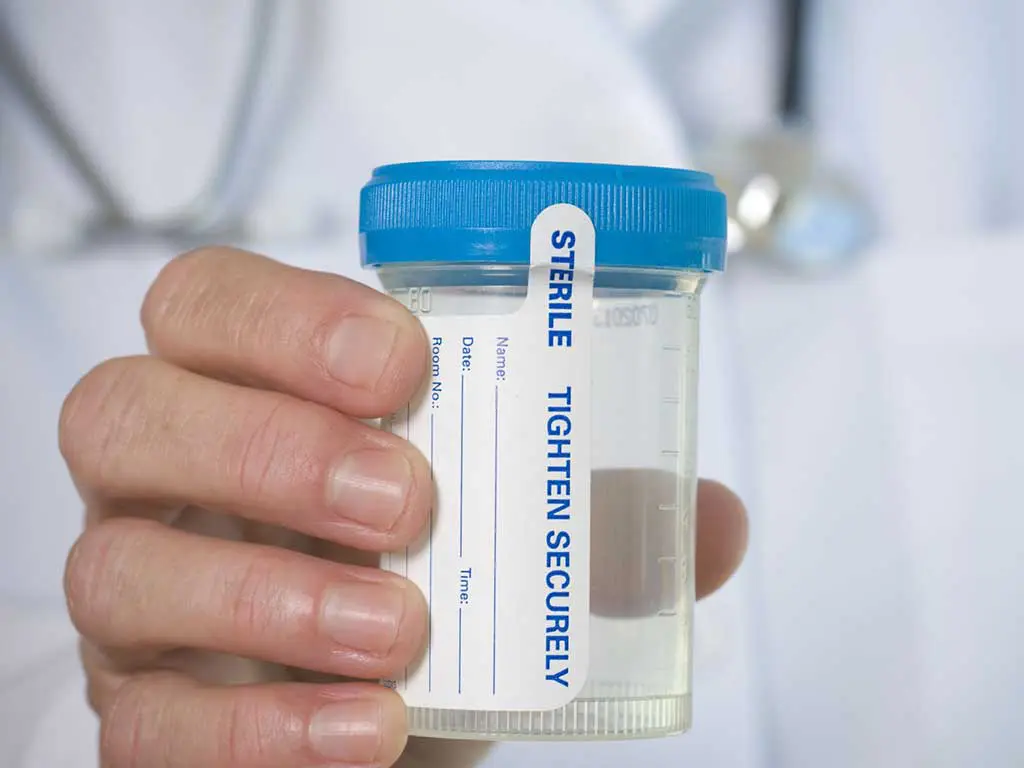
  • Urine testing is cost-effective and widely available, making it a convenient option for routine alcohol monitoring.
  • The test results are easy to read in any setting. They can be interpreted through a colour chart indicator that comes with the testing kit.
  • Urine can detect alcohol metabolites longer than blood or saliva samples.
  • Unlike breath tests, the sample is suitable for a retest in a laboratory for confirmation.
  • Laboratory analysis provides more accurate and reliable measurements of EtS or EtG levels.

A lab technician dipping a test strip in a urine sample

The Procedure in an Alcohol Urine Screen

The process of an alcohol urine screen involves a few specific steps. Firstly, the person being tested is given a container and instructed on how to properly collect the urine. It is essential to follow the instructions provided, such as avoiding contact with the inside of the cup. After collection, the specimen is sealed and labelled to ensure proper identification.

For onsite testing, the urine is analysed through a dipstick or cassette. This can return the results after 10 minutes. In other cases, the test provider stores the sample for transport to a laboratory for analysis. It is crucial to follow the chain of custody procedures to maintain the integrity of the specimen.

After the analysis, the laboratory prepares the report to the individual or employer. These results can indicate whether alcohol is present or not. In case of a non-negative result, the testing centre may conduct a follow-up or confirmation testing. Overall, this process can provide valuable information about the alcohol use of a person.

Technologies and Methodologies Used

Urine alcohol tests utilise various technologies to detect and measure alcohol in the body. The common technique is IA testing. It uses antibodies or reagents that cause a chemical reaction in the specimen after alcohol exposure. This method is fast, simple, and less expensive.

A more advanced approach is gas chromatography-mass spectrometry (GC-MS) technology. This technique can break down the molecules into fragments and measure alcohol using a mass-to-charge ratio. The result of this test can reveal the Blood Alcohol Content (BAC) or levels of EtG and EtS in urine. Some may combine different techniques to get a comprehensive overview of alcohol.

Three medical professionals working in a lab

Accuracy of an Alcohol Urine Screen

The alcohol urine screen is generally reliable in monitoring alcohol use. However, the accuracy depends on several factors, including the sensitivity and specificity of the equipment or testing method. For instance, IA tests are sensitive to many types of alcohol compounds. Thus, exposure to other substances may interfere with the test result.

On the other hand, GC-MS testing is more precise. It can identify and measure the blood alcohol concentration accurately. Furthermore, EtS and EtG tests look for biomarkers of alcohol consumption. Therefore, it minimises the likelihood of false positives due to the presence of other substances. Additionally, laboratories have strict quality control measures to prevent contamination.

Several factors can affect the accuracy of alcohol urine tests, such as alcohol metabolism and frequency of intake. For example, alcohol tends to stay longer in bodily fluids like urine for chronic users. The consumption of larger amounts also affects the absorption of alcohol. Considering these factors is essential when conducting alcohol testing.

Are There Risks of False Positives?

Urine tests are susceptible to false positives due to several factors. One of the causes of false-positive results is exposure to external contaminants. This includes body sprays, breath sprays, and cleaning products that may be present during collection. Inaccurate storage may also affect the quality of the sample.

In addition, individuals with certain medical conditions like diabetes are likely to get false positives. This is because the body produces compounds that can interfere during screening. On the other hand, people with liver failure have difficulty metabolising alcohol. To minimise these risks, individuals should inform the medical professional of any condition before taking the test.

Conclusion

An alcohol urine screen is a convenient and cost-efficient way to detect alcohol in the system. The process is non-invasive, and it can provide reliable information about the recent alcohol intake of a person. The procedure includes collecting a urine sample in a sterile container cup and analysing it using various techniques. One of the most common methods is Immunoassay or IA screening. It can detect alcohol or metabolites from the sample through a chemical reaction process.

For more accurate results, individuals or organisations often employ GC-MS testing. It involves complex laboratory procedures to determine the exact concentrations of alcohol in the body. However, urine testing is prone to false positives. Incorrect collection procedures, storage, certain medical conditions, and external contaminants can interfere with the results. Thus, it is vital to follow strict protocols when conducting the test. When implemented properly, it is reliable and effective.

Drug and Alcohol Testing Near Me: What to Consider When Searching for One

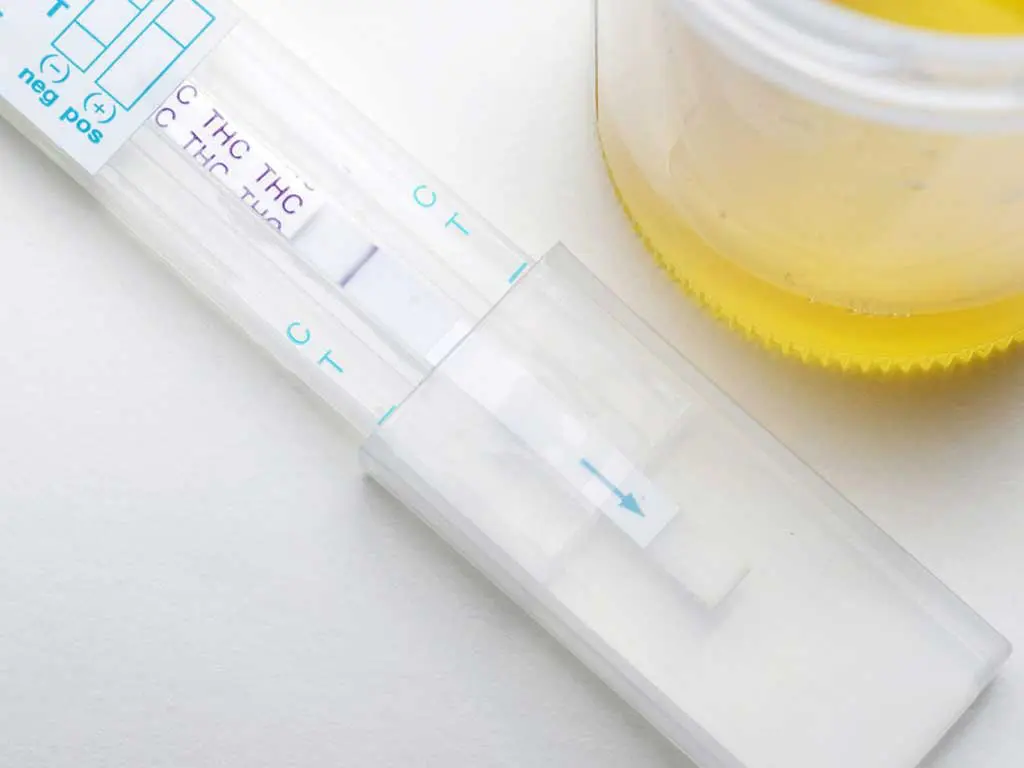
A urine test kit for THC

Drug and alcohol misuse can harm both the user and the community. It poses significant risks, particularly when driving or working. Therefore, many companies look for drug and alcohol testing near me to minimise its associated hazards. When searching for a centre or laboratory, it is important to keep several considerations in mind. One of the top aspects to check is the types of methods available. The accuracy and reliability of the testing process and the provider are also vital.

Individuals under the influence of drugs or alcohol can put themselves and others at risk. They often experience impaired judgment and reduced coordination. This can negatively affect their abilities to perform tasks safely and effectively. Thus, many organisations take proactive steps to ensure a safe and healthy working environment. The following sections will provide an overview of testing methods for drug and alcohol use, the importance of accurate results, and other factors to look for.

Drug and Alcohol Testing Near Me – Types of Methods Available

Deciding what method to use is important when looking for drug and alcohol testing near me. There are several types available, and each has its own strengths and drawbacks. One common method is urine testing, which is often used to detect illicit drugs. It is most preferred by many organisations because it is easy to administer and can identify a wide range of substances.

Another type of testing is the saliva instant drug test. This method is non-invasive and can provide quick results from the point of collection. It involves swabbing the inside cheek to obtain saliva samples. Moreover, it can detect drug use within the past 24 hours.

Breath alcohol testing is a method used to determine alcohol levels in the body. It utilises a portable device called a breathalyser. A person exhales into the mouthpiece, and the device measures the Blood Alcohol Concentration (BAC). Lastly, the blood test is a comprehensive method for detecting drugs and alcohol. It can provide precise measurements of substances in the body. However, this method is the most intrusive and can be costly and time-consuming.

What Can It Detect?

  • Marijuana: Tetrahydrocannabinol (THC) is the main psychoactive compound in marijuana.
  • Amphetamine substances: an addictive stimulant drug that is used for treating ADHD and narcolepsy. However, its misuse can have harmful effects.
  • Cocaine: a powerful stimulant often used as a recreational drug because of its euphoric effects.
  • Opioids: strong painkiller drugs. Chronic use may lead to addiction. However, some people may abuse it for non-medical purposes.
  • Ethanol: the main compound in alcoholic beverages. Excessive consumption can lead to severe impairment in perception, reasoning, coordination, and poor concentration.
  • Phencyclidine: PCP belongs to the hallucinogenic drug class that alters the sense of reality.

A lab professional receiving a urine sample

Drug and Alcohol Testing Near Me – Accuracy and Reliability

Accuracy is a crucial aspect of drug and alcohol testing near me. It is important to ensure the reliability of the test to avoid legal consequences and unfair treatment of the individual. Thus, it is vital to find a drug and alcohol testing service that meets the highest standards in the industry.

Various test methods have different levels of accuracy. It is important for organisations to choose the appropriate procedure depending on the situation. For pre-employment or random testing, many employers use urine and breath tests. They are generally reliable for detecting a wide range of substances within a 24-48 hour period. Meanwhile, confirmatory testing utilises advanced methods to determine the exact concentration of drugs.

On the other hand, false positives or false negatives can occur if the procedure does not follow the testing standards. To ensure accuracy, testing facilities must adhere to strict protocols. In case of non-negative results, a follow-up test is necessary. A Medical Review Officer (MRO) examines the sample and confirms the final result.

Testing Equipment and Advanced Technology

Medical centres use reliable testing equipment to obtain accurate results. The drug and alcohol test kits are compliant with regulatory bodies such as the Australian and New Zealand Standards (AS/NZS). They have established cut-off levels for each drug class to trigger a positive result. Hence, it ensures that the equipment can give accurate and consistent findings.

Moreover, laboratory testing uses more sophisticated technology like Gas Chromatography-Mass Spectrometry (GC-MS) and Enzyme-Linked Immunosorbent Assay (ELISA). These methods are highly sensitive, allowing for precise measurements of drug and alcohol levels in a person. The GC-MS test is considered the gold standard in substance identification.

Patients waiting in a clinic

Drug and Alcohol Testing Near Me – What to Look for in a Testing Centre?

Aside from accuracy and reliability, there are several other factors to consider when searching for drug and alcohol testing near me. It is imperative to ensure drug testing clinics achieve proper accreditation for specimen collection and quantitation of drugs. This includes observing a strict chain of custody procedures. Annual accreditation is also important to keep up to date with the latest laboratory standards.

Another crucial aspect to look for is the range of testing services offered by the facility. This can include onsite testing, laboratory testing, or 24/7 availability. Many organisations prefer to have several options available to accommodate their needs. Furthermore, some companies may look for a testing centre that offers drug and alcohol awareness programs for their employees.

Additionally, it is important to factor in the turnaround time for receiving the test results. In many cases, time is of the essence when it comes to workplace drug testing. It is crucial in making decisions within a safety-sensitive environment. Lastly, a reliable testing centre should be able to provide clear reports in a timely manner.

Cost Considerations

The drug and alcohol test costs differ according to the type of test, location, and other factors. Generally, screening tests using instant kits are less expensive than laboratory tests. The cost can also vary depending on the size of the company and the frequency of testing.

Generally, urine, oral fluid, and breath tests are more affordable than blood tests due to the complex procedure involved. Organisations invest in these tests to ensure the safety of their workplace and comply with relevant regulations. Overall, companies can save more by implementing these measures compared to the costs from accidents and potential legal liabilities.

Conclusion

Drug and alcohol testing near me is an important part of maintaining safety in an organisation. There are different methods available, each with its own level of accuracy. The common types are urine, saliva, breath, and blood tests. They can detect a wide range of substances, including illegal drugs, prescription drugs, and alcohol. In addition, ensuring accurate results is vital in making informed decisions. Therefore, organisations can benefit from finding the right testing centre and cost-effective solutions.

Companies may implement these tests in various situations, such as pre-employment, random, post-accident, and reasonable suspicion. Workplace policies outline the specific criteria of each type and the consequences of failing the test. It also helps employers comply with relevant laws while keeping their employees safe. Moreover, several factors can influence choosing a testing centre. This includes accreditation, a range of testing services, fast results, and costs.

Blood Tests to Detect Alcohol Abuse: A Comprehensive Guide

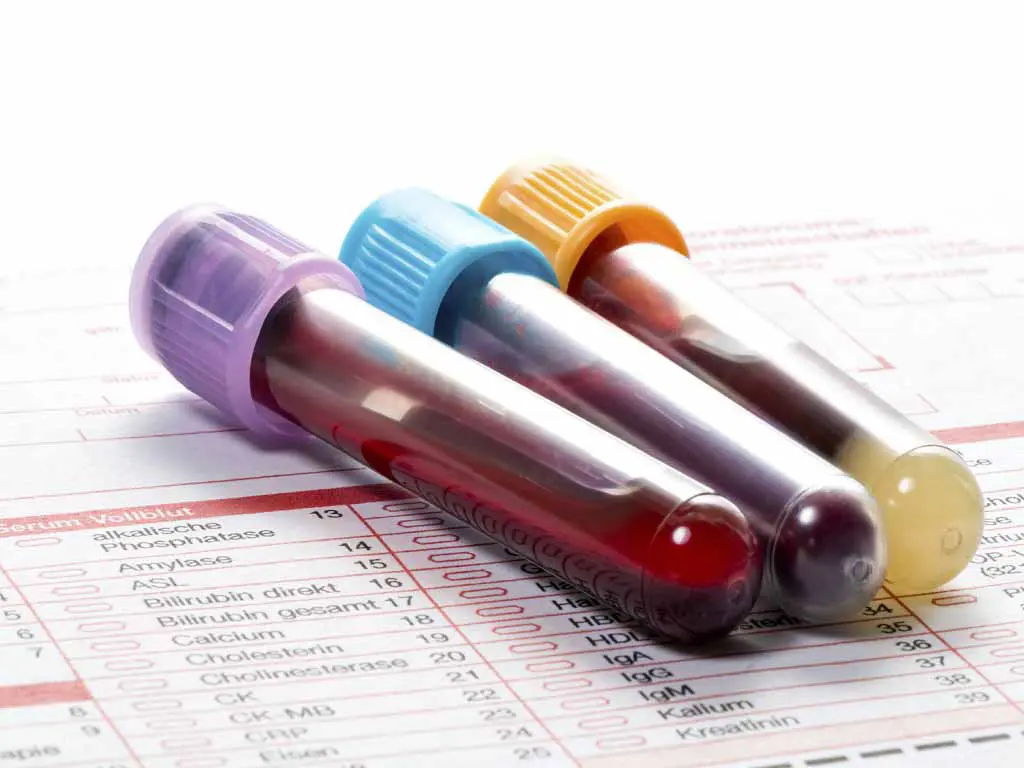
Three vials of blood on top of a document

Alcohol dependence is a widespread problem that affects millions of people worldwide. It can lead to many health issues and cause accidents that endanger public safety. Hence, professionals use blood tests to detect alcohol abuse. Moreover, it identifies those with Alcohol Use Disorder (AUD). Some examples of the types of blood tests are carbohydrate-deficient transferrin (CDT) and phosphatidyl ethanol (PEth). These are highly accurate tests, and a positive result can indicate a recent high Blood Alcohol Concentration (BAC).

Alcohol blood tests help law enforcement agencies, health professionals, and employers identify those with AUD. This is crucial for ensuring public safety since excessive alcohol consumption significantly impairs individuals. This can result in accidents, causing injuries and fatalities. This is why employers and law enforcement officers conduct tests for alcoholism. This article will present how blood tests work, their different types, and how to understand the results.

How Do Blood Tests to Detect Alcohol Abuse Work?

Blood tests to detect alcohol abuse work by measuring the amount of alcohol or its biomarkers in the bloodstream. After drinking, the liver metabolises the consumed alcohol and converts it into various compounds. Some examples of this are ethanol and acetaldehyde. These compounds remain in the blood, which allows the tests to detect them after some time.

The blood test typically involves taking blood samples. Medically trained professionals conduct this invasive collection procedure. In most cases, they draw the blood from the arm using a needle. Another option is to prick the finger with a small needle, but usually, this is only done for PEth tests. After collection, they take the samples to a laboratory for further analysis.

There, lab technicians may use various methods to examine the samples. Some of the advanced methods for analysing these samples are Gas Chromatography-Mass Spectrometry (GC-MS) and Liquid Chromatography-Tandem Mass Spectrometry (LC-MS). Afterwards, the lab will produce a result indicating the BAC levels.

Advantages Over Other Methods

  • Accuracy: these are highly accurate in tracing alcohol ingestion because they directly measure the alcohol biomarkers in the bloodstream. This is why it is often used in legal proceedings.
  • Detection period: some blood tests can detect alcohol consumption weeks after intake. This is significantly longer than breath, saliva, and urine tests.
  • Medical supervision: professionals conduct this in medical facilities because of the invasive nature of the sample collection procedure.
  • Quantitative result: this test indicates the concentration of alcohol in the blood, which allows for a precise measurement.
  • Objective measurement: this provides impartial data on the drinking habits of an individual, especially compared to questionnaires.

A group of lab technicians analysing samples

Different Types of Blood Tests to Detect Alcohol Abuse

There are three common types of blood tests to detect alcohol abuse. Firstly, the CDT test measures the percentage of transferrin that lacks glycosylation due to heavy alcohol consumption. Elevated CDT levels indicate chronic alcohol misuse because it is a direct biomarker of ethanol. However, false positives can occur due to certain medical reasons.

Secondly, there are PEth tests. This form of ethanol testing measures PEth. This is a unique biomarker of alcohol that is incorporated into red blood cell membranes. It only forms in the presence of ethanol, making it highly accurate in detecting harmful alcohol consumption. Moreover, this ethanol testing method detects excessive alcohol intake up to four weeks later.

Lastly, liver function tests (LFT) measure various enzymes and proteins in the blood that indicate liver function. Finding elevated levels of alkaline phosphatase, a liver enzyme, can show liver damage from chronic alcohol consumption. Altogether, these alcohol blood tests can help identify those with AUD so they may receive appropriate care.

Which One Is the Most Accurate?

All three tests are accurate blood alcohol tests. In particular, PEth is considered the most accurate out of the different blood tests. This is because it is not affected by indirect biomarkers, such as cold medicines or products with alcohol, like mouthwash and hand sanitisers.

LFT tests can be affected if the individual consumes food with alcohol. Meanwhile, CDT tests can react to certain medications. Professionals may use a combination of tests to minimise the risk of false positives. This can allow them to gather more data on the level of alcohol consumption and drinking patterns.

A doctor explaining the results of the test

Understanding the Results of Blood Tests to Detect Alcohol Abuse

Individuals must have the correct understanding and interpretations of the results of the blood tests to detect alcohol abuse. Blood alcohol testing can accurately measure the amount of alcohol in the bloodstream, which provides valuable information about the consumption of alcohol. It can provide insight and identify individuals with alcohol-related problems.

Positive test results may indicate recent heavy drinking, which results in alcohol markers above the cutoff levels. This can show high BAC levels. The legal limit for driving in New Zealand is 0.05% BAC. Thus, the individual may face several legal penalties, depending on the exact BAC level. This includes hefty fines, license suspensions, ignition interlock programs, and imprisonment.

Employees may also face termination if they fail during a workplace alcohol test. Many high-risk industries implement zero-tolerance policies to ensure safety, especially with safety-sensitive positions. This may result in ruined careers and reputational damage. Thus, it is crucial to interpret the results properly and take precautions against the possibility of false positive results.

Interpretation of the Results

Individuals may interpret the results of blood alcohol testing in several ways. In particular, if the test measures the BAC, the report will show a number indicating the BAC level. The BAC levels may also serve as a reference regarding the level of impairment the person was in.

A positive result shows alcohol consumption within the detection period. Meanwhile, a negative result means there was no trace of liquor intake during the detection window. Chronic heavy drinking will result in high BAC levels and result in loss of judgment, lack of coordination, and reduced reaction times.

Conclusion

Blood tests to detect alcohol abuse work by using blood samples to trace for biomarkers of alcohol consumption. The collection procedure is done by medical professionals and sent to the laboratory for further analysis. Some examples of the types of blood tests are CDT, PEth, and LFT. These are highly accurate tests that can detect alcohol intake up to weeks after consumption. These tests are often used in legal proceedings because of their accuracy.

In particular, the most accurate test is the PEth test. This is because it only forms from ethanol. Positive results indicate a BAC level above the cutoff limit. For New Zealand, the legal limit for most drivers is 0.05%. The individual may face several penalties in this case. Thus, it is crucial to practice safe drinking habits and avoid drink driving. Individuals may use personal breathalysers to help monitor and limit their alcohol consumption.