Alcohol Drug Screen Urine: Advantages, Procedure, and Factors Affecting Detection

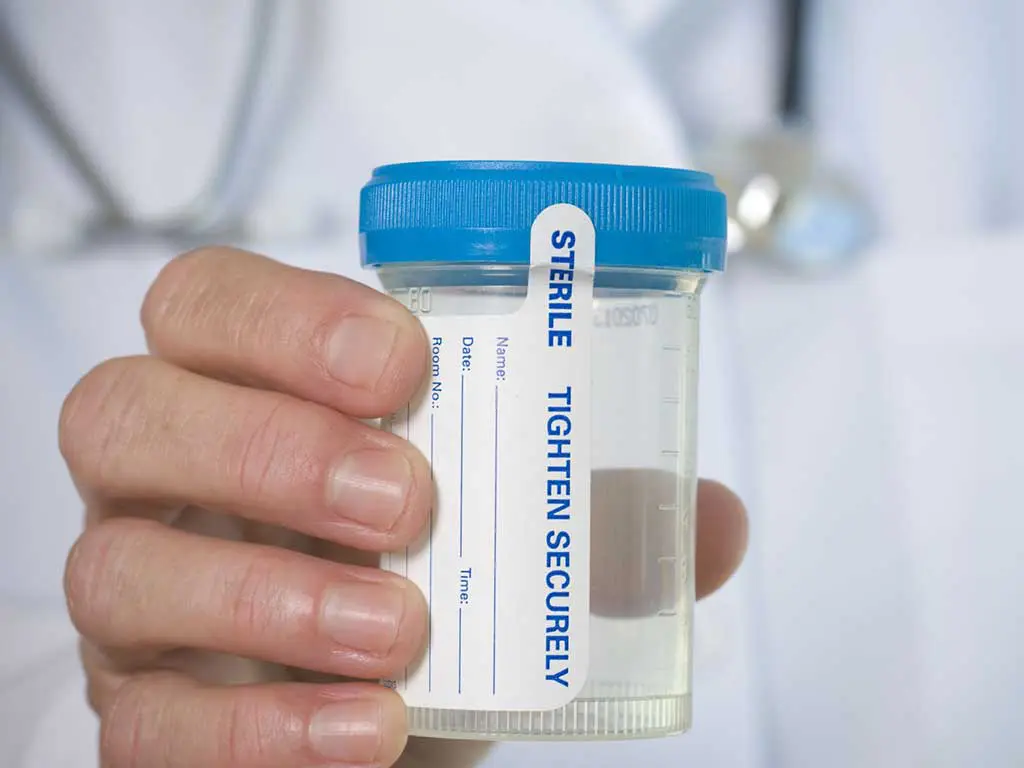
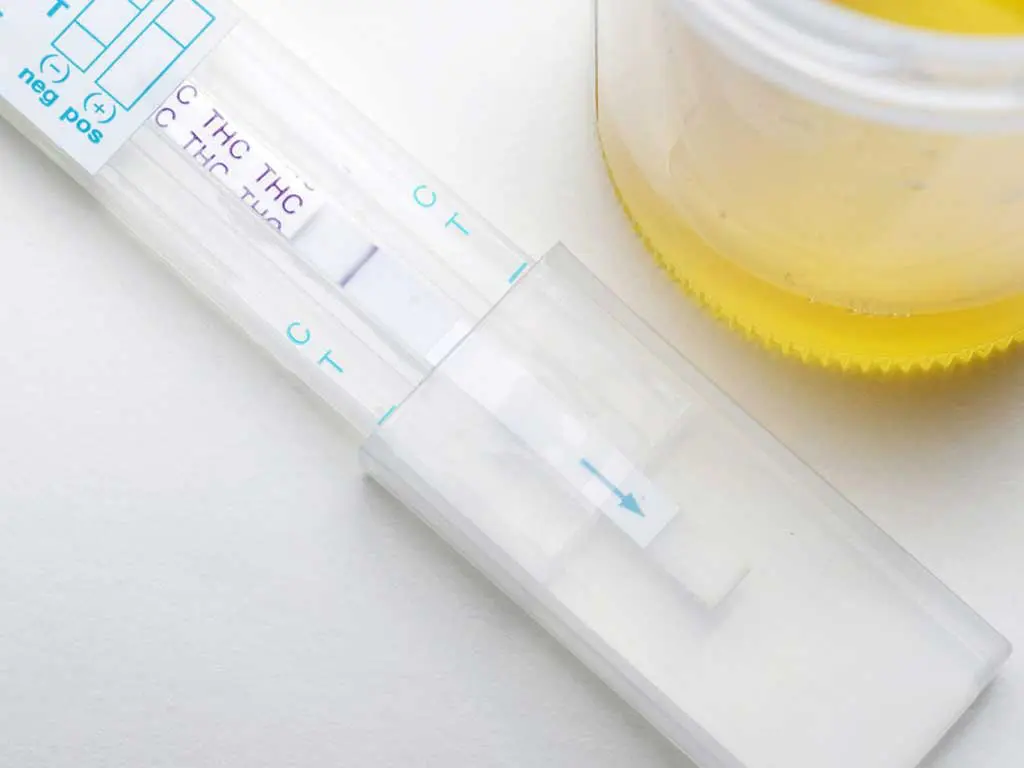
A urine test kit for THC

The alcohol drug screen urine is a test to detect various substances in urine samples. It is a common method used in various settings due to its ease of administration. This type of screening has several advantages, including its non-invasiveness and ability to provide accurate results within a short period of time. In addition, the procedure is relatively simple, involving sample collection and analysis through test strips. Factors like metabolism and fluid intake can affect drug detection in the specimen.

Alcohol and drug testing plays a crucial role in identifying substance abuse and ensuring safety in workplaces, roads, and rehabilitation centres. There are several types of tests, and each has its own advantages and limitations. Urine screening is a standard method as this test has become more readily accessible and easy to use. This article will present the advantages of urine testing, procedures for administering the test, and factors affecting substance detection.

Advantages of Urine Alcohol and Drug Screening

Urine alcohol and drug screening have several advantages, making it preferable to other test methods. Firstly, urine tests are non-invasive and relatively easy to conduct. It only requires the individual to provide a urine sample, which can be done in a private setting. This makes it a practical option for large-scale screening, such as in workplaces where efficiency and convenience are important.

Secondly, it offers a long detection window. The metabolites of drugs and alcohol stay in the urine for an extended period. It can range from 48 to 72 hours or even longer, depending on the substance and amount of consumption. This allows for a more comprehensive assessment of recent and past drug use.

Additionally, it provides fast results. The results are often available within minutes to a few hours, depending on the type of screening device or procedure used. Lastly, urine drug testing is highly accurate in detecting illicit drugs in the body due to its high sensitivity and specificity. Overall, this makes it a reliable method for identifying substance abuse.

Other Methods of Testing

  • Saliva test: This method can detect substances within the past 24 to 48 hours. It is suitable for determining recent use or consumption. This test is common in workplace and roadside screening.
  • Blood test: This test is considered the most accurate way for testing substances, as it can provide precise measurements in real time due to its shorter detection window.
  • Hair follicle test: It involves analysing a small hair sample to detect past drug use. It can detect drug and alcohol metabolites for the past 90 days.
  • Breath test: This method measures the Blood Alcohol Content (BAC) through a breathalyser device.
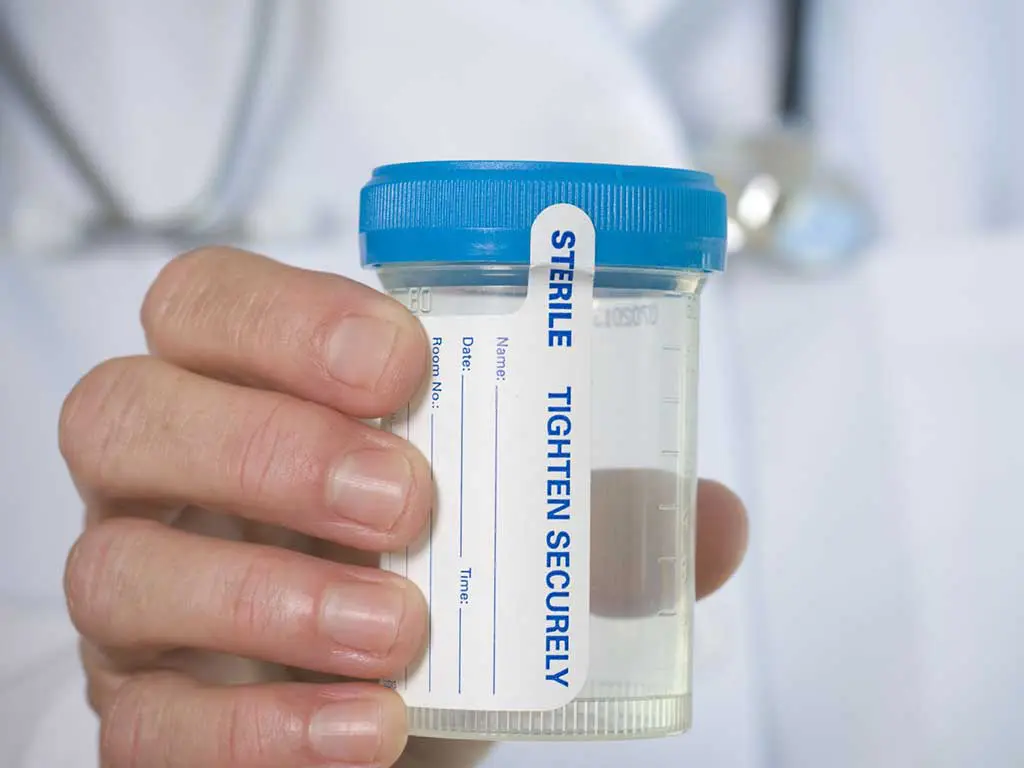
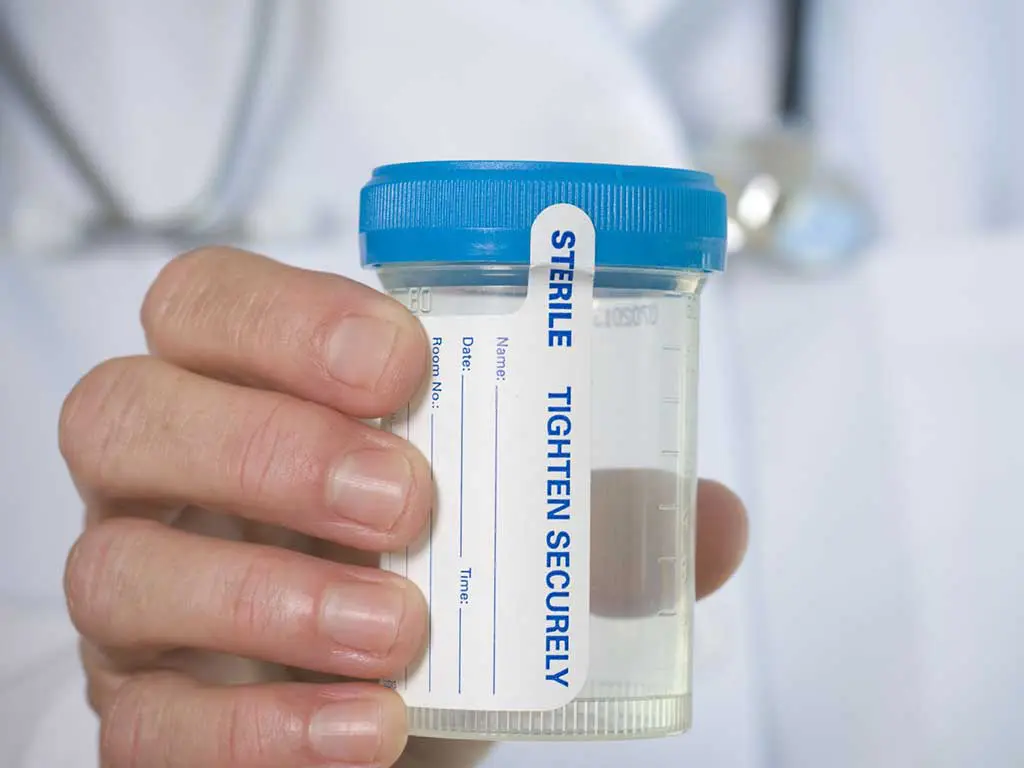
A medical professional holding a sealed urine sample container

The Procedure in Urine Alcohol and Drug Screening

Administering a urine alcohol and drug screen involves a few key steps. The procedure begins by collecting a urine sample. The individual will be given a sterile container and this can be done at a medical facility or private restoom. After the collection, the specimen can be immediately tested using lateral flow devices like rapid test strips.

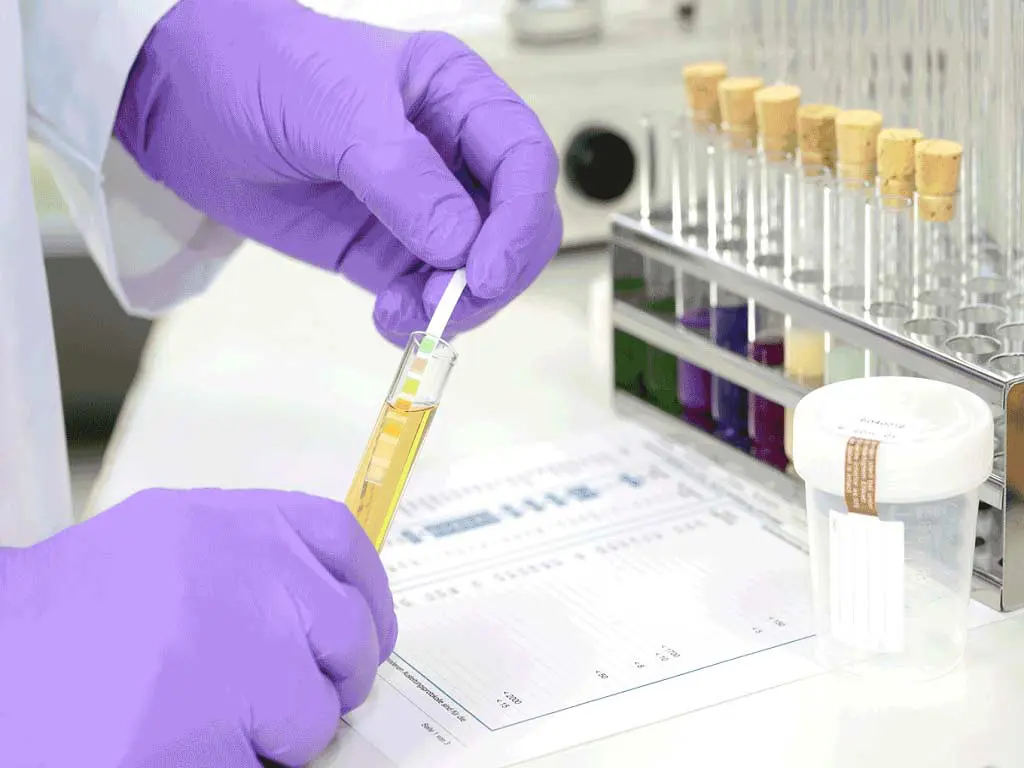
Urine test kits can provide the initial results within 10 minutes. The test strips utilise immunoassay techniques to detect the presence of specific substances. To analyse the sample, the individual or administrator dip the strip into the urine in the specimen cup for a few minutes. Then, they remove the strip and wait for the results to appear, usually in the form of visible lines or colour change.

After the analysis, individuals should interpret the results based on the guide provided by the testing kit. A positive result indicates that the person has consumed alcohol or drugs within a certain timeframe. Furthermore, it usually necessitates a confirmatory testing in a laboratory to measure the precise concentration of substances in the system.

What Can be Detected?

Urine tests can detect a wide range of substances and determine possible drug and alcohol abuse. Firstly, it can identify both illegal drugs and prescription medications. These substances include amphethamines, marijuana, cocaine, benzodiazepines, phencyclidine (PCP), and opioids. However, this would depend on the number of panels in a screening test kit.

Secondly, it can tracing ethyl glucuronide (EtG) and ethyl sulfate (EtS). EtG and EtS are direct metabolites of ethanol and are biomarkers of alcohol consumption. Nevertheless, it is important to note that the presence of drug or alcohol metabolites in urine do not automatically entail current impairment levels.
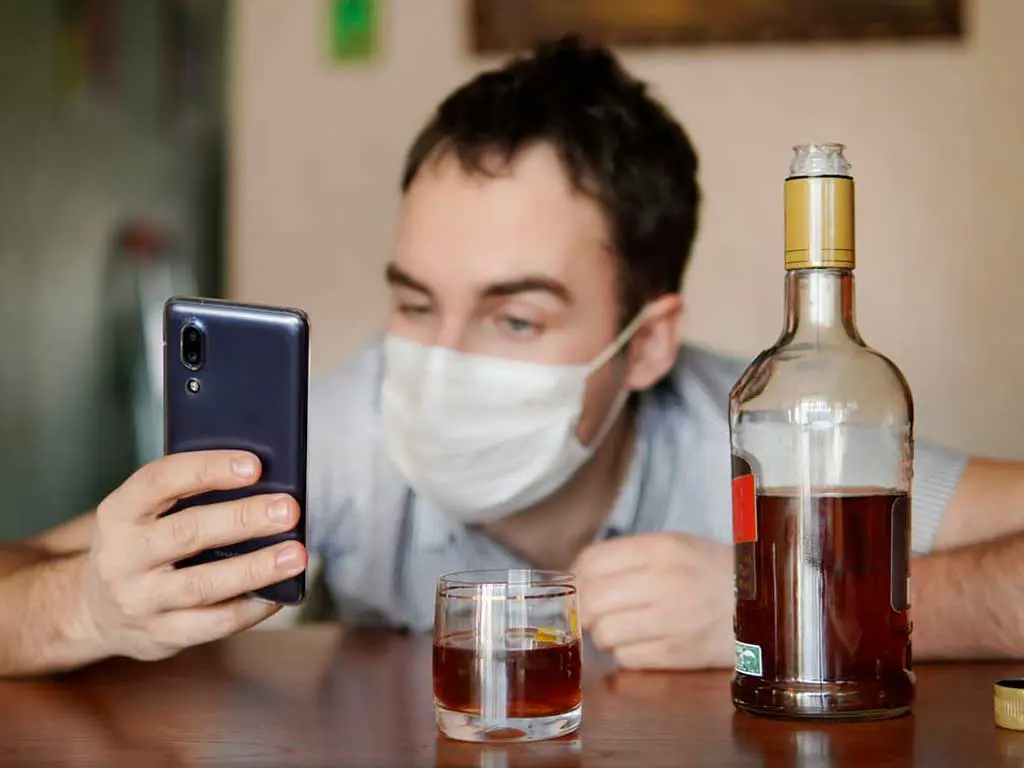
A man holding a cellphone while drinking alcohol

Factors Affecting Substance Detection in Urine Alcohol and Drug Screening

There are several factors that can affect the detection of substances in urine alcohol and drug screening. One important variable is the metabolic rate. It is the speed at which the body processes and eliminates substances. Individuals with faster metabolism may eliminate drugs or alcohol from their system more quickly, resulting in a shorter detection window.

Another factor is the amount and frequency of substance use. Higher levels of drug or alcohol consumption may result in longer detection windows, as more metabolites are present in the urine. Drugs also tend to stay longer in chronic users than occasional users. Moreover, hydration can influence the concentration of substances in urine, with dilution potentially resulting in false negative results.

Additionally, the sensitivity of the testing method can impact the results. Immunoassays are generally quicker and more accessible but can sometime produce false positives or false negatives. On the other hand, Gas Chromatography-Mass Spectrometry (GC-MS) is the gold standard for forensic substance identification. GC-MS technique is highly accurate but is more costly and time-consuming.

Accuracy and Reliability

A urine drug screen is one of the most well-established method of drug testing. It can provide high accuracy and reliability as it can detect a wide range of substances for an extended period. In addition, the concentration of a drug is generally higher compared to other specimens, resulting in a higher sensitivity.

Furthermore, several factors can affect the accuracy of the test. This includes improper collection technique and the presence of contaminants. For example, breath sprays and cleaning products in the room can lead to false positive results. Although tampering may be an issue, collection centres take precautionary measures to prevent it from happening.

Conclusion

Urine alcohol and drug screening is a valuable tool for detecting illicit substance use. It is a standard method used in many settings because it is non-invasive and easy to administer. A rapid screening tool can provide initial results within minutes, making it a convenient method of testing. Additionally, it can detect the common abused drugs in immunoassay screens and offer comprehensive analysis through laboratory testing. The substances it can trace include both illegal and prescription drugs and alcohol.

The application of urine testing is not just to confirm recent substance use but it has a role in the diagnosis, treatment, and monitoring of addiction. However, it is important to consider the factors that affect detection in order to ensure accurate and reliable results. It also helps in determine the appropriate testing method to use in different occasions. Overall, it helps to ensure public or workplace safety and promote individual well-being by identifying and addressing substance abuse issues.
Drug Test Auckland: Conducting Substance Testing in the Workplace

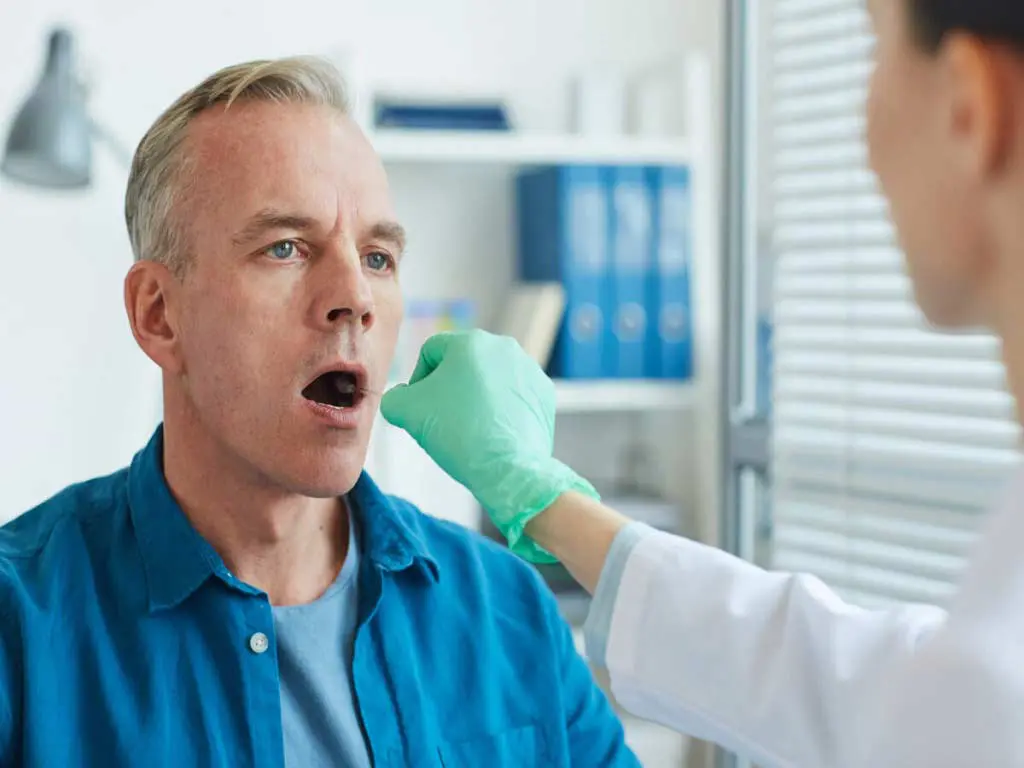
A professional collecting saliva samples from a man
Drug abuse is a prevalent issue in society. In workplaces, this can result in accidents and low productivity due to impaired physical and cognitive abilities. Hence, many employers implement drug testing in Auckland to ensure workplace health and safety. They use urine, saliva, hair, and blood tests to trace various substances and identify those abusing them. However, they must still respect the rights of the employee before doing so and gain consent before implementing screenings.

A comprehensive drug and alcohol policy can help employers address problems regarding substance use. Adding drug screening to it is crucial because it can emphasise their commitment to the policy and deter workers from misusing drugs. It can also inform employees of the disciplinary actions they may face if they violate the workplace policy. This article will present an overview of drug screening in Australia, the different methods of testing, and the legal considerations.

Overview of Drug Testing in Auckland Workplaces

Drug testing in Auckland is a crucial method for ensuring a safe and productive work environment. It involves screening employees for the presence of drugs of abuse. These help minimise the risk of accidents due to impaired judgment and coordination. It also helps deter the use of harmful substances, especially within company premises during office hours.

Conducting testing emphasises the commitment of employers in Auckland to workplace safety. This is why many also formulate and implement specific workplace policies regarding drug use to effectively communicate the behaviours expected of employees. These policies may also include the reasons for testing, the type of testing they may use, and the procedures for specimen collection.

Testing also helps companies ensure compliance with the applicable safety legislation. In addition, it can help them mitigate legal liabilities. By implementing testing, employers can create a culture of accountability and a productive work environment. Furthermore, it can also help with preventing damage to the reputation of the company.

Reasons to Conduct the Testing

  • Pre-employment drug testing may ensure that applicants to safety-sensitive positions do not have substance use disorders.
  • Random testing can deter employees from misusing prescription medications and illegal drugs.
  • Reasonable suspicion screening occurs if there are signs of impairment from drug abuse. This can include physical signs, such as slurred speech, chemical odours, and uncoordinated movements.
  • Post-accident testing helps identify the cause of the incident. It can also serve as evidence of impairment if a worker involved in the accident tests as non-negative or positive.
  • Post-positive screening can be implemented to ensure a worker can safely return to work.

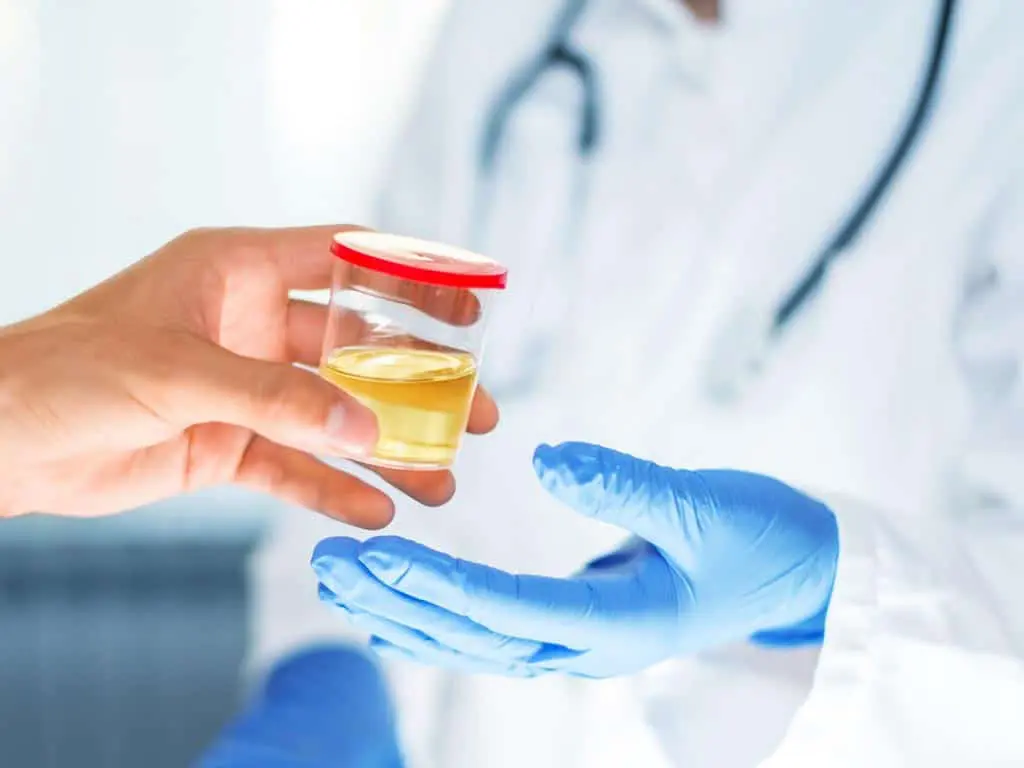
A person handing a urine sample to a medical professional

Methods of Drug Testing in Auckland

Employers may use several methods of drug testing in Auckland. Firstly, saliva testing is a common method for onsite testing. It has an easy and non-invasive collection procedure, making it ideal for a quick initial test. Saliva testing kits can produce results within minutes. Furthermore, it is ideal for identifying recent drug use due to its shorter detection period.

Secondly, urine testing uses urine samples to trace a wide range of substances. This is considered the most commonly used test for workplaces. It has a detection window that can range from days to weeks, depending on the substance and the frequency of use. Many also use urine testing kits for immediate results.

Thirdly, blood tests. This is a more invasive test that is rarely used for initial screening. However, it is very accurate. Lastly, hair follicle testing is helpful for identifying the history of substance use. It has a lengthy detection period of up to 90 days and can help prove abstinence from substance use.

Detectable Substances

Drug screening methods can identify various substances in the system, depending on the panels used for analysis. Some of the commonly detected ones are cocaine, marijuana, opioids, amphetamines, methamphetamines, and benzodiazepines. They may also trace barbiturates, phencyclidine (PCP), or opiates.

However, it is crucial that a test may not be able to detect the substances if they were consumed past the detection window. Similarly, the tests may produce a negative result if the amount of substances in the system falls below the designation cut-off levels. Hence, it is crucial to select the testing method that suits the needs of the company.

A gavel on a sound block in front of a book and scales

Legal Considerations in Implementing Drug Testing in Auckland Workplaces

Employers should be aware of the legal considerations applicable when conducting drug testing in Auckland. Hence, while they are formulating their policy, it can be helpful to consult with a legal team to ensure compliance with the relevant laws and regulations. Furthermore, they should obtain consent from their employees before implementing drug screening programs.

In addition, they must respect the rights of their workers. In particular, their right to privacy should be respected by ensuring the results remain confidential. Only the relevant staff should be involved, especially when handling the report, regardless of the content. They must also ensure they have a reasonable cause for testing and avoid discriminatory practices.

All workers should undergo a fair process. Position or seniority should not prevent the company from implementing its company policies. Screening should be conducted in an unbiased manner while following strict rules and protocols. Ultimately, these will help companies mitigate the influence of drugs within the workplace and legal consequences.

Implications When an Employee Refuses a Test

When an employee refuses a drug test, it can have severe implications. Refusal to take a test can be seen as violating the policy, depending on the rules in place. This can result in disciplinary actions, such as suspensions, demotions, or termination. This may also result in damage to their reputation and loss of future career opportunities.

Refusing a test is also indicative of potential substance abuse. Hence, the worker should carefully consider their options before refusing a test. They may contact a legal professional to help them make an informed decision and avoid possible consequences.

Conclusion

Employers implement drug testing in Auckland workplaces to safeguard the safety and well-being of employers, contractors, and visitors. It emphasises their commitment to their legal obligation to provide a safe workplace. Furthermore, it helps them mitigate legal risks from accidents. They can conduct a test under various situations, such as during pre-employment, at random, after an accident, and when there is reasonable suspicion. They can use blood, urine, hair, and saliva tests, depending on the situation and their policy.

Testing can trace a wide range of substances, including cocaine, marijuana, PCP, opioids, amphetamines, and methamphetamines. It mainly depends on the panels used and the time of collection as related to when they last consumed the drug. Nevertheless, companies should get consent from their employees before implementing testing. They must also ensure the confidentiality of the results to protect the privacy of their workers.

Hair Follicle Test: What It Is and the Procedure

A lab technician moving a hair sample to a petri dish
Alcohol and drug testing has become commonplace to help ensure safety and identify those with substance use disorders. A hair follicle test is one of the methods workplaces, law enforcement agencies, and health professionals use. It involves the collection of about 90 to 120 hair strands that are at least 1.5 inches. Afterwards, these samples are taken into a lab for analysis. Then, the report will state the substances tested for and if they were positive or negative.

The misuse of alcohol and drugs is a prevalent issue and results in many consequences. It affects the physical and mental health of the concerned individuals. Moreover, it endangers the community due to the higher risks of accidents. Fortunately, testing is an effective deterrent for misusing substances. In particular, hair follicle screening provides a lengthy detection period helpful for acquiring a substance use history. This article will present the definition, procedures, and detection window of a hair test.

What is a Hair Follicle Test?

A hair follicle test is a method used for detecting drug and alcohol use over a long period of time. This typically involves collecting samples of hair from the individual and analysing them in a laboratory. It is a highly accurate method that detects illicit drug and alcohol misuse. In particular, it is effective for identifying long-term or chronic drug and alcohol abuse.

The results of a hair test can provide information about the substances used, the frequency of usage, and an approximate timeline of use. This is useful for workplace, legal, and medical purposes since it can help monitor the abstinence or lack thereof of the individual. However, it can be more expensive compared to other alcohol and drug testing methods because it requires laboratory analysis.

Nevertheless, this is helpful for pre-employment testing as a requirement for an employment contract. It is also helpful for legal testing for court proceedings. Lastly, it works for monitoring those in substance abuse treatment programs.

Advantages Over the Other Testing Methods

  • Hair follicle screening has a significantly lengthier detection window compared to blood, oral fluid, breath, and urine tests.
  • The sample collection is non-invasive, making it more comfortable and convenient than other screening methods.
  • It can provide information about the alcohol and drug use history of the individual months before the time of collection. It can also help professionals identify patterns of drug use.
  • It is difficult to tamper or contaminate the samples, increasing the reliability and accuracy of the results. This is because the collection can be done under supervision without violating the privacy of the person.

A lab professional using tweezers to lift hair samples

Procedure in a Hair Follicle Test

The process of a hair follicle test starts with gathering about 50-100mg or 90-120 hair strands. Typically, collectors will take about 1.5 inches of scalp hair to cover about three months of substance use. However, they may also use body hair samples as an alternative to head hair. This includes beard hair, armpit hair, and leg hair.

Once the collector gathers an adequate amount of hair specimens, these will be brought into a laboratory for analysis. There, the lab technicians will first wash the hair specimen to prepare it. This step removes some external contaminants that may hinder accurate analysis. After washing, they will submerge the hair in a solution to dissolve the outer layer and expose the inner core.

For hair analysis, a common method during hair sample testing is Gas Chromatography-mass Spectrometry (GC-MS). Gas chromatography involves using a gas carrier medium to separate the compounds. Then, mass spectrometry classified the ions based on their mass-to-charge ratio. Accredited laboratories may also opt for liquid chromatography-mass spectrometry (LC-MS), which works similarly to GC-MS but with a liquid mobile phase.

Detectable Substances

Hair testing can trace a wide range of substances. This includes illegal drugs, such as cocaine, marijuana, opiates, and phencyclidine (PCP). It can also detect amphetamines, methamphetamines, opioids, and benzodiazepines. Hence, hair follicle testing is a comprehensive method of tracing substances when using the correct panels.

In addition, there are laboratory methods that they can use to distinguish between actual substance use and contamination from external contaminants. This can help ensure accurate results and prevent false reports. This enables it to be a reliable method for tracing the misuse of prescription medications, illicit drugs, and alcohol.

Lab professionals conducting an analysis

Window of Detection in Hair Follicle Tests

Generally, the window of detection of hair follicle tests is up to 90 days. The longer period is attributed to the nature of hair growth since the substances and their metabolites become trapped in the hair follicle as it grows. This allows for a more comprehensive and accurate assessment of the history of drug use of the individual.

However, the detection window may vary depending on certain factors. Moreover, it is important to note that body hair may offer a longer detection period because of its slower growth rate. In some cases, it can trace substances for up to 12 months. In addition, hair screening also does not detect the substances consumed about seven days before the time of collection.

Furthermore, several factors can impact the results. Firstly, genetic variables such as hair type can affect the test. Secondly, some cosmetic hair treatments may also damage the hair and render the test invalid. One example of this is bleaching since it can alter the hair matrix. Lastly, environmental factors such as exposure to drugs or secondhand smoke can potentially affect the result.

Factors Affecting the Detection Window

Several factors may affect the detection window of hair strand testing. One of them is the rate of hair growth. This can vary from person to person. Hence, it is also important to ensure that scalp hair and body hair specimens do not get mixed up.

Another factor that can impact the detection window is the length of the hair. Generally, a longer hair strand will enable the tracing of longer periods. This is why it is crucial to get at least 1.5 inches of hair specimen for testing. Lastly, the type of substance consumed may also affect the detection window of a hair screen.

Conclusion

A hair follicle test is a method of testing that various organisations use to detect the misuse of prescription medications, alcohol, and illegal drugs. It helps acquire a history of substance use, which can help prove abstinence for various purposes. It generally has a detection window of 90 days. But this can vary depending on several factors. It can detect a wide range of substances, including cocaine, marijuana, PCP, amphetamines, methamphetamines, opioids, and benzodiazepines.

The procedure starts with the collection of about 90 to 120 strands of scalp hair. Alternatively, they may use body hair like armpit or leg hair if needed. Afterwards, these samples are brought into a lab for analysis. The lab technician will wash the specimens to minimise contaminants that may interfere with the results. Then, they may use specialised techniques, such as GC-MS and LC-MS, to analyse the samples.

Urine Drug Test: Its Advantages and How It Works

A professional holding a container for urine sample collection

A urine drug test is one of the widely used methods for detecting illicit substances in the system. Among the different types of testing, urine testing is often preferred due to its convenience and reliability. One of the primary advantages is the ability to detect a wide range of drugs. In addition, there are various techniques of analysis, one of which is called immunoassay. It works by detecting the presence of specific drugs or their metabolites using an antigen-antibody complex.

Drug abuse poses several risks not just to the individual but also to the society as a whole. It can lead to impaired judgment, decreased productivity, and long-term health problems. Thus, it is crucial to have effective methods of detecting drug use in order to prevent accidents and provide necessary support. This article will delve into the advantages of urine testing, how it works, and the testing procedure.

Advantages of Urine Drug Test Over the Other Testing Methods

There are several advantages of urine drug testing that make it a preferred method in various settings. Firstly, it is less invasive than a blood test. It does not require the use of needles, making it a more comfortable and less intimidating option for individuals. Secondly, it is easy to administer. A urine test kit can be used by individuals at home or in the workplace.

Thirdly, the sample is easy to collect and requires no special equipment or training. The collection procedure is easy to follow for persons undergoing the test. Additionally, urine drug screens can detect a wide range of substances, including illicit drugs and prescription drugs.

Lastly, urine has a longer detection window compared to other testing methods. It means that it can detect drug use over a longer period, providing a more extensive view of the usage history of a person. It can trace substances for 48 to 80 hours, depending on the amount of consumption. This is in contrast to oral fluid or blood tests that can detect drug use within 12 to 24 hours.

Importance of Drug Testing

  • It ensures a safe and healthy environment, especially in safety-sensitive workplaces. This helps reduce the risk of accidents and injuries.
  • Identify individuals who may be under the influence of illegal drugs, allowing timely intervention or treatment plan.
  • Regular testing deters drug abuse or other risky behaviours. For example, it discourages employees from using illicit substances that can impair their performance.
  • It promotes productivity. Fit and healthy employees are less likely to be absent from work or make errors due to impaired judgment or coordination.
  • It is valuable in situations where the detection of past drug use is necessary, such as pre-employment screening or probation monitoring.

A lab technician sealing a container containing urine samples

How Urine Drug Test Works

Urine drug tests use various techniques to detect substances in the sample. One of the methods is an immunoassay screen. This technique works by using antibodies that are specific to certain drugs or their metabolites. If the targeted drugs or metabolites are present in the sample, they bind to the antibodies and form an antigen-antibody complex.

The presence of this complex is detectable through different methods, such as colour changes or enzyme reactions. Substances that reach the cut-off level trigger this change or reaction. Moreover, the intensity of the reaction may indicate the concentration of the drug in the sample. However, it is important to note that it mainly detects specific types of drugs and provides a negative or non-negative result.

Another analysis method is Gas Chromatography-Mass Spectrometry (GC-MS). This technique involves separating and identifying the different components of a urine sample. It can provide more specific information about drug classes and their quantity. Due to its high accuracy, it is suitable in confirmatory testing to validate the results of an immunoassay urine screen.

Detectable Substances

A urine test is capable of detecting various drugs, including both illegal and legal substances. Firstly, it looks for illicit street drug samples, such as marijuana, cocaine metabolites, methamphetamine, heroin, and MDMA (ecstasy). Individuals who ate poppy seeds or ingestion of hemp seed tea may also test positive for marijuana or cannabis.

Secondly, it includes prescription drugs like opioids/opiates (morphine, codeine, oxycodone) and benzodiazepine. The misuse of these substances is also considered illicit. Lastly, some urine tests include ethanol. Alcohol metabolites like Ethyl Glucuronide (EtG) and Ethyl Sulfate (EtS) are detectable in urine for a more extended period.

A lab technician holding a vial of urine sample

Process in a Urine Drug Test

The urine drug test process involves a few key steps. The first step is the collection of the sample. Individuals provide an adequate amount of urine to a small container or cup. This can be done in a private restroom or designated area. It is vital for the specimen cup to be clean and free from any contaminants.

The next step is to seal the container and submit it to the testing officer. Proper documentation is essential to maintain the chain of custody. In the initial screening, the sample can be analysed on the spot using immunoassays. Hence, employers can view the results immediately after the sample collection.

In some instances, the sample is stored and transported to a facility. In the laboratory, the specimens undergo several processes to confirm and identify the presence of drugs. A Medical Review Officer (MRO) validates preliminary testing with non-negative results. They prepare the final results and report it to the client or employer. Confirmed positive results can have serious consequences, such as loss of employment or legal repercussions.

Importance of Following Proper Collection Procedures

It is crucial to follow the correct collection procedure to avoid potential errors or tampering. This is because the accuracy of the test results depends on the proper collection techniques. Thus, it helps minimise the possibility of contamination, which can lead to false positive or false negative results.

A completed chain of custody form should support the sample. It includes proper labelling of the container and documenting the entire process from collection to analysis. Following established protocols also helps to prevent attempts of tampering and cheating. This is particularly important in situations where upholding the integrity of the process is paramount.

Conclusion

Urine drug testing is an efficient method for detecting illicit substances in the system. It can identify various drugs, including marijuana, cocaine, methamphetamine, opioids, and benzodiazepines. The purpose of this test is to identify individuals who are posing safety risks and those who may need substance abuse treatment. Additionally, it is non-invasive and easy to administer. There are also several techniques available, such as immunoassay screening and GC-MS testing. Each type differs in sensitivity and accuracy level.

The test process involves a few key steps. Following the protocols is essential to ensure the validity of the test results. It involves proper collection, handling, and analysis of the sample. Likewise, considerations of various factors, such as external contaminants and medication interactions, are necessary to avoid false outcomes. Nevertheless, it is advisable to seek the advice of a medical professional in interpreting the results. Overall, urine testing plays a significant role in maintaining safety in various settings.

Drug Testing Service: Importance and Types of Methods

A professional holding a clear collection container for urine test

Companies employ drug testing services to monitor substance use in the workplace. Detecting drug use is of vital importance, as it helps minimise the risk of accidents and other detrimental effects. It is a cost-effective measure to ensure a safe and productive work environment. Testing also helps improve productivity and minimise losses. The types of testing methods include urine, saliva, breath, and blood tests. Understanding the methods and legalities can help companies implement an effective drug testing program.

Drug abuse can lead to various negative consequences, including long-term health issues, impaired abilities, and safety risks. By implementing a drug testing program, organisations can identify employees with substance use disorders. This allows for timely intervention and support, which can help prevent further harm to the individual and their colleagues. The following sections will present the importance of workplace testing services, types of testing methods, and legal considerations for implementing the tests.

Importance of Drug Testing Services in the Workplace

Ensuring a safe and productive work environment is crucial, especially in high-risk industries. One way to achieve this goal is by utilising a drug testing service. This approach tests employees using biological specimens to detect the presence of drugs and alcohol in the system. This can help strengthen the safety measures of the workplace, especially in preventing accidents and injuries.

Additionally, drug-checking service providers are well-versed in the regulations surrounding workplace drug tests. Accredited laboratories hire qualified collectors who can perform the proper procedures for specimen collection according to set standards. Therefore, companies can ensure they get reliable results and make informed decisions. The laboratory test results can support imposing disciplinary actions and even termination and legal cases.

Workplace drug testing is valuable in many situations and circumstances. Business owners often conduct the test during pre-employment to screen potential employees who may have drug and alcohol abuse. It is also helpful in monitoring employees who may be under the influence of illicit substances while working. Overall, it provides an objective and unbiased way to assess fitness for duty and compliance with company policies.

Benefits of Conducting Workplace Tests

  • Ensure a safe and healthy work environment by identifying and addressing drug-related issues.
  • Prevent accidents from individuals who are under the influence of illicit drugs or alcohol.
  • Maintain productivity and efficiency within the workplace. Drug testing deters substance abuse, improving the work performance of employees.
  • Lower absenteeism, downtime, and turnover rates.
  • Comply with legal requirements and minimise legal liabilities for the company due to substance-related accidents.
  • Promote employee accountability and responsible behaviour.
  • Offer intervention or treatment assistance to employees struggling with drug or alcohol addiction.
  • Demonstrate a commitment to protect employee health and well-being.
  • Reduce overall costs, especially hospitalisation expenses and insurance claims.

A lab professional dipping a test strip into a urine sample

Types of Methods in a Drug Testing Service

Drug testing services offer different test methods, depending on the specific needs of an organisation. Each type has its own advantages and limitations, but urine testing is the most common due to its accuracy and efficiency. A urine drug test can detect substance usage within the past two days or weeks.

Another option is saliva testing. It can trace common drugs of abuse in saliva within a shorter period than urine samples. Hence, this method is suitable for determining recent drug use. The sample collection procedure is less invasive and can be done in plain view, minimising the possibility of tampering. Moreover, alcohol breath tests measure the Blood Alcohol Concentration (BAC), which is the amount of alcohol in the system.

Lastly, the blood test method is the most accurate and can detect drug use within a few hours. However, it is invasive and requires medical professionals to draw blood samples. Due to its intrusive nature and high costs, it is often reserved for confirmatory testing. Overall, the choice of method depends on the purpose of the test, the detection period, and the level of accuracy required.

Substances That Can Be Detected

Drug screening can detect both illegal and legal drugs. The tests may have panels to trace marijuana, cocaine, methamphetamine-type substances, heroin and Phencyclidine (PCP). There are common illicit substances that individuals abuse due to their effects. They are also classified as high-risk due to their addictive properties.

Furthermore, drug tests can trace prescription medications such as opioids, amphetamines, and benzodiazepines. Although prescribed for ailments, they can also cause dependency. For alcohol detection, the test looks for ethanol, which is the main compound in beverages. Urine, saliva, and hair tests can also identify metabolites like Ethyl Glucuronide (EtG) and Ethyl Sulfate (EtS).

A safety equipment hat, book, and gavel

Legal Considerations for Drug Testing Services in the Workplace

When it comes to drug testing services in the workplace, there are several legal considerations to be aware of. These factors ensure that testing is conducted in a fair and lawful manner. One important consideration is compliance with federal and state laws. Employers must be well-versed with the specific regulations governing their industry or jurisdiction.

Another critical aspect is maintaining employee privacy. The testing process should protect the personal information of the individual. It may involve ensuring the confidentiality of test results and limiting access to authorised personnel. Additionally, it is crucial for companies to establish clear policies and procedures. These policies should outline the purpose of drug and alcohol testing, which types of tests are permissible, and when and how often to administer them.

Lastly, employers must be cautious of potential discrimination issues in implementing the tests. The policy should be consistent across all employees without singling out certain individuals or groups. Communicating these policies effectively to employees helps ensure transparency and fairness throughout the process.

Can an Employee Refuse a Test?

Generally, employees must submit to a test if it is an agreed condition in their employment contract. This includes random testing, which can happen anytime. However, companies must ensure they have reasonable grounds for testing. Likewise, it is vital for employees to cooperate with the requests relating to workplace safety.

If an employee refuses a test, there should be a valid reason for doing so. They must also be aware of the consequences of declining to test since they can be equal to or worse than failing. For instance, refusal can be grounds for termination. Consulting a lawyer is ideal before refusing.

Conclusion

Drug testing services provide companies with a reliable method to detect substance use or impairment in the workplace. The main purposes of the test are to prevent accidents, improve productivity, and meet legal requirements. Furthermore, it involves strict protocols for conducting the test according to relevant laws and testing standards. This approach ensures the return of accurate results. Hence, it aids in making informed decisions, particularly in securing the safety of employees.

There are various test methods available, and each type offers distinct advantages. The common methods are urine, saliva, blood, and breath alcohol testing. They differ in their sensitivity, detection window, and accuracy level. Thus, employers should use the right procedure depending on the situation. Moreover, there are several legal considerations to consider, such as privacy and discrimination concerns. Therefore, the policies must not breach the legal rights of employees to avoid legal risks.

Drug Testing Auckland: Importance and Types of Testing Methods

An engineer holding a safety helmet at a work site

Drug testing in Auckland plays a crucial role in maintaining safety in local businesses and the community. Employers implement testing policies and programs to protect the well-being of employees as well as maintain productivity. The need for such measures is evident, as drug use and abuse lead to an increased risk of accidents and injuries. Thus, there are several considerations to keep in mind when conducting drug testing in the workplace.

Illegal drugs can impair judgment, coordination, and reaction times. Chronic use can also lead to serious health conditions, such as organ damage, cardiovascular diseases, and mental health problems. Therefore, drug and alcohol testing is one of the cost-effective measures to combat these risks. There are various options to choose from, depending on the situation. In this article, we will delve into the importance of conducting workplace drug testing, how to handle the test and the types of test methods.

Importance of Conducting Drug Testing in Auckland Workplaces

There are several reasons for conducting drug testing in Auckland workplaces. One of the primary reasons is to ensure the safety of employees and the general public. Drug use can impair the ability to perform tasks safely and effectively. By implementing these tests, employers can identify and address any potential risks before they result in accidents and injuries.

Drug testing is an effective tool in the fight against substance abuse and addiction. By conducting regular screening, individuals can be held accountable for their actions. Employees with positive test results may face disciplinary actions. As a result, it deters chronic use. It can also help in early intervention and treatment of substance use disorders, preventing the problem from escalating.

In addition to safety concerns, drug testing is necessary to maintain compliance with regulations and legal requirements. Some industries, such as transportation, mining, and construction, have regulations mandating testing for employees. Thus, conducting drug tests can ensure they adhere to these laws and avoid legal repercussions.

Benefits of a Safe Working Environment

  • Lower accident rates: clean and sober employees are less likely to be involved in an incident or injury.
  • Improves productivity: employees are fit for duty and can perform tasks optimally, leading to increased performance.
  • Improves health and well-being: employees are less likely to be absent due to substance-related issues. They can also focus on working better in a safe and secure environment.
  • Better employee morale: drug testing promotes a sense of fairness and equality among employees, as everyone is held to the same standards. It creates a positive work culture where employees feel supported and valued.
  • Reduced overall costs: fewer accidents lower healthcare costs.

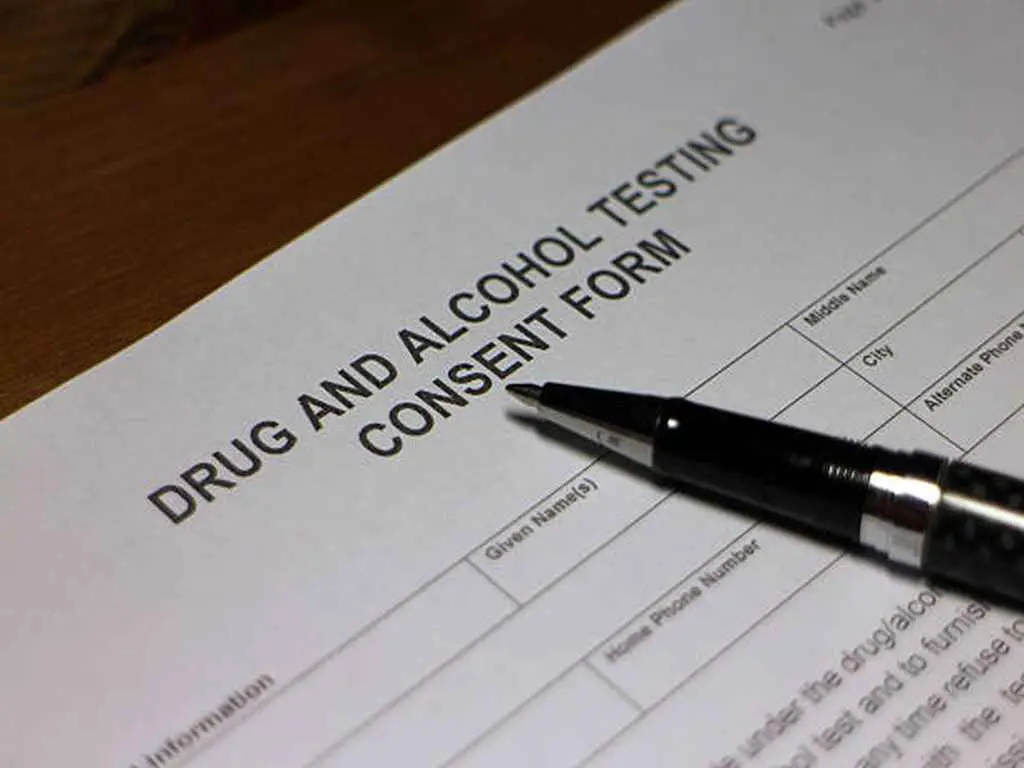
A drug and alcohol test consent form

How Is Drug Testing in Auckland Handled?

Drug testing in Auckland undergoes a systematic process to ensure consistency, accuracy, and fairness. Firstly, it is imperative to establish a comprehensive drug and alcohol policy regarding the use of illicit drugs in the workplace. This should be communicated to all employees with their understanding and agreement. These policies outline the reason for testing, testing methods, and consequences of positive results.

Secondly, many companies rely on licensed drug-checking service providers to detect substance use among employees. They can conduct professional testing services that comply with industry standards and regulations. However, smaller businesses may also use test kits that they can administer by themselves. Nevertheless, it is necessary to follow the operation guidelines to ensure accurate results.

Thirdly, there are various circumstances in which drug and alcohol testing is essential. High-risk industries require testing in pre-employment. It can aid employers in making informed decisions about drug use. Likewise, it is also valuable in random testing to monitor impairments. Lastly, it is vital to maintain confidential drug-checking procedures to protect the rights of employees.

Legal Considerations

There are several factors that employers must consider in implementing drug and alcohol testing. Foremost, the policy must adhere to state and national laws. These regulations can protect both employers and employees throughout the drug-checking process. Compliance with these policies helps mitigate legal risks from substance-related accidents.

Moreover, privacy laws must be taken into account when conducting drug tests. Employers should ensure that they obtain employee consent before conducting any form of testing. Additionally, they should follow a confidential approach in discussing the test results with employees. Lastly, they should ensure that the results are accurate before making any disciplinary decision.

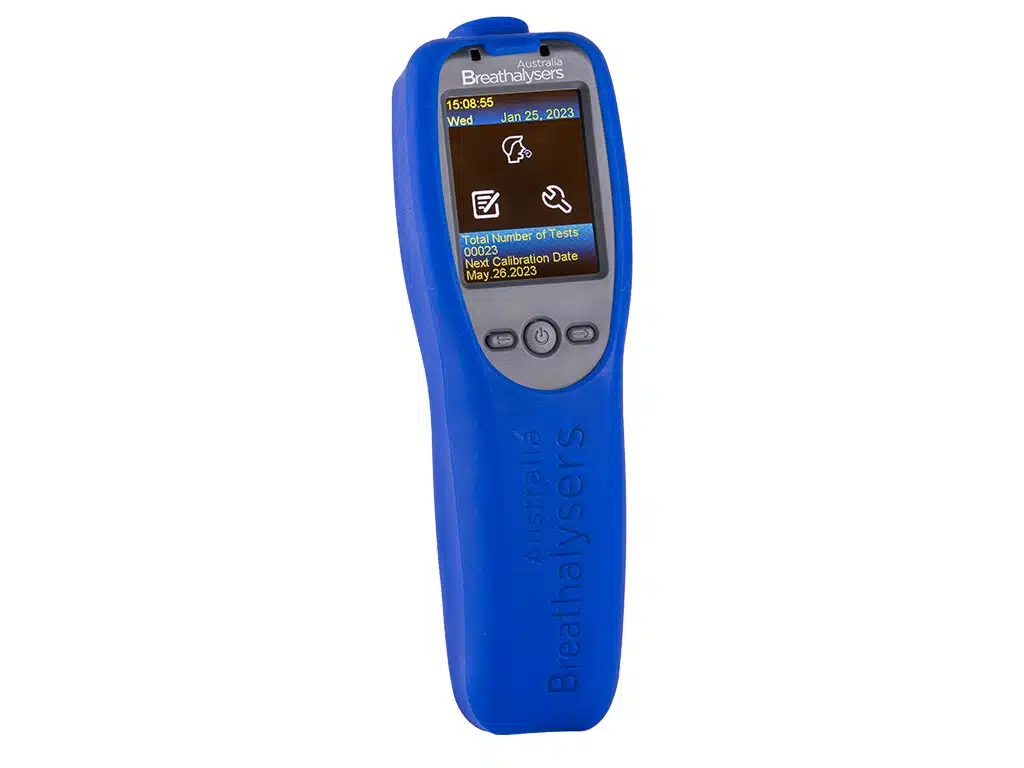
A breathalyser for workplace alcohol testing

Types of Drug Testing in Auckland

There are several types of test methods to detect the presence of harmful substances in the system. A standard method when it comes to drug testing in Auckland workplaces is urine testing. This method can detect a wide array of substances, including illegal drugs, prescription medication, and alcohol. Urine samples can trace substances for 48 hours or more, depending on the amount of consumption.

Breath alcohol testing is a method for detecting alcohol use or impairment. This type of test uses a device that can measure Blood Alcohol Content (BAC) or the level of impairment. It is often used in industries where operating heavy machinery or driving is involved. The test requires the employee to blow into the breathalyser and wait for the results after a few seconds.

Saliva testing is another option for detecting dangerous substances. This method involves swabbing the inside of the mouth to obtain saliva samples. The test can trace drugs for up to 48 hours, indicating recent consumption. Lastly, a blood test involves laboratory procedures. It is suitable for confirmatory testing due to its high accuracy.

Accuracy and Reliability

The accuracy of drug testing can vary depending on the method. Generally, a blood test provides the highest reliability, as it can identify unknown substances in the bloodstream. Meanwhile, a urine test is more reliable in tracing drugs for long periods than a blood test.

Urine and saliva test kits have cut-off limits that indicate a person has consumed significant amounts of a drug. In addition, a workplace breathalyser uses fuel cell sensor technology to measure the BAC level accurately. This sensor is specific to ethanol and does not react to endogenous substances in the breath. Thus, it minimises the risk of false positives.

Conclusion

Drug testing in Auckland is an important measure for ensuring the safety and well-being of employees. It offers numerous benefits, such as accident prevention, better productivity, lower costs, and legal compliance. Furthermore, there are several things to consider when implementing drug testing. It includes establishing a workplace policy, setting compliant testing procedures, and adhering to privacy laws. Companies can rely on testing agencies to conduct the test or use self-test kits.

There are various options to choose from in monitoring substance use. The most common methods are urine, breath, saliva, and blood testing. Each method varies in its sensitivity, accuracy, detection window, and ease of use. Therefore, organisations must consider these factors when implementing a drug test for specific situations. Nevertheless, a drug test helps maintain a safe and healthy work environment by preventing accidents and deterring substance abuse.

TDDA Tauranga: An Overview of TDDA in Bay of Plenty, NZ

Employees having an agreeable meeting

The Drug Detection Agency (TDDA) is a leading testing company with a strong presence in various regions in New Zealand. TDDA Tauranga, Bay of Plenty, provides comprehensive testing services to businesses and individuals. Organisations avail urine, saliva, and hair tests to detect alcohol and illegal drug use among employees. Moreover, these services are valuable in pre-employment screening, random testing, post-incident investigations, and rehabilitation monitoring. They help companies comply with their duty of care in maintaining a hazard-free environment.

Drug and alcohol abuse is one of the significant factors causing significant harm to individuals, communities, and workplaces. It increases the risk of accidents due to impaired judgment, perception, and coordination. Thus, comprehensive and reliable testing is essential to managing safety risks, especially in workplaces. In this article, we will explore the general overview of TDDA in New Zealand, the types of test methods, and the training services offered.

Is There a TDDA in Tauranga, New Zealand?

TDDA is a prominent player in the fight against illegal drug use across several regions in New Zealand, including Tauranga. As a testing provider, TDDA Tauranga offers a wide variety of services to businesses and individuals in the region. It includes workplace drug testing, education programs, and policy development. This aims to create safer and healthier environments by identifying drug and alcohol-related issues in the workplace.

Drug and alcohol testing plays a crucial role in ensuring the safety and well-being of individuals. Identifying employees who may be under the influence of illicit substances can help prevent accidents, injuries, and other negative consequences. Nevertheless, it is important to establish a clear and well-defined drug and alcohol policy to implement workplace testing.

TDDA assists companies in developing policies that adhere to industry regulations and local or national laws. They also have professionals who are knowledgeable in the illicit drug industry and its negative effects on society. Hence, business owners can ensure they receive accurate and up-to-date information regarding drug testing and prevention.

Where Are the Other Offices in NZ?

Aside from Tauranga, Bay of Plenty, TDDA has several offices in the following:

  • Northland and Auckland – The head office of TDDA is in Takapuna, Auckland. It also has branches in Whangarei, Warkworth, North Harbour, Auckland CBD (Central Business District), Henderson, Penrose, Airport Oaks, East Tamaki, and Pukekohe.
  • Waikato – TDDA is present in Hamilton, Mt. Maunganui, Rotorua, Taupo.
  • Gisborne, Hawke’s Bay, and Haranki – TDDA has offices in Gisborne, Napier, Hastings, and New Plymouth.
  • Manawatū-Whanganui and Wellington – TDDA is present in Palmerston North, Kapiti Coast, Petone Lower Hutt, and Central Wellington.
  • Nelson Tasman and Marlborough
  • Canterbury – Christchurch, Timaru, Ashburton
  • West Coast, Dunedin, Queenstown, and Invercargill

A man being mouth swabbed by a lab professional

Drug Testing Services Offered in TDDA Tauranga

TDDA Tauranga offers a wide array of drug testing services that suit the needs of an individual or organisation. A common test method that many companies use is urine testing. Urine samples can detect a wide range of substances, including marijuana, cocaine, amphetamines, phencyclidine (PCP), and prescription drugs. It is a preferred option by many because of its ease of administration and long detection window.

Another test method is oral fluid drug testing. It is a non-invasive and convenient procedure for detecting drugs. Saliva samples can detect common illicit substances for the past 48 hours. It can also return the results within minutes after sample collection. Thus, it is a cost-efficient alternative. TDDA also offers specialised testing for methamphetamines, synthetic drugs and breath alcohol testing.

Companies may avail of these services in clinics or on-site. In-clinic testing requires employees to go to a designated TDDA clinic for sample collection, while on-site testing allows the TDDA team to come to the work location and set up a mobile facility. Furthermore, these tests are valuable in pre-employment screening, post-incident, and random drug testing.

Mobile Drug Testing

Mobile drug testing involves the on-site collection and analysis of samples. It offers many advantages, such as convenience and efficiency. Primarily, it can save time and resources by conducting tests on location. Additionally, it minimises disruptions to operations. It eliminates the need to travel to a separate clinic, which can be time-consuming.

The mobile lab processes the samples after collection and gives the initial results. Getting immediate feedback allows employers to make informed decisions. This is especially crucial for those with non-negative results. In most cases, concerned employees are prohibited from returning to work until they have received the final result of the confirmation test.

A person conducting a lecture to a group of professionals

Training Services Available in TDDA Tauranga

In addition to drug testing, TDDA Tauranga offers various training services for individuals and organisations. This includes employee education regarding work health and safety, awareness of harmful substances, and what to expect in testing procedures. It can be beneficial for businesses that want to create a drug and alcohol-free workplace.

Management training provides those in supervisory roles with knowledge and skills on how to recognise signs of substance abuse and impairment. There are also workshops on how to handle various scenarios. Examples include education on relevant legislation, establishing reasonable grounds, and the use of test kits. Employers can avail of the course in-house or at a training facility.

Lastly, there is comprehensive training for substance identification. This is ideal for persons responsible for developing safety policies or prevention strategies. It covers the major drug categories and practical exercises to determine intoxication. Combining these training programs with regular testing can be a powerful and effective measure against the hazards of drug and alcohol use.

Designing Workplace Testing Policies

Comprehensive workplace policies enable organisations to implement testing while complying with relevant laws and regulations. TDDA can assist employers in developing a policy and help them avoid the common legal pitfalls in workplace testing. It is vital to outline the objectives, testing procedures and methods, reasons for testing, and consequences of positive results.

The policies should ensure that the testing process is fair and respective of employee rights. It involves adhering to privacy laws and confidentiality in handling results. The consequences of positive tests may include suspension, grounds for transfer, or termination. Companies may also provide rehabilitation through the Employee Assistance Program (EAP).

Conclusion

TDDA Tauranga plays a significant role in ensuring drug and alcohol-free workplaces. They have a knowledgeable team dedicated to assisting organisations in navigating the complexities of drug and alcohol testing. Their services include mobile drug testing, education programs, and policy development. Furthermore, drug testing can be in the form of urine, oral fluid, and breath analysis. However, the use of each method depends on various circumstances. They are valuable in pre-employment, random, post-incident, and reasonable suspicion situations.

Companies can avail of training and education programs to enhance the knowledge and skills of their employees regarding drug and alcohol use. This promotes accountability and healthier practices in the workplace. Finally, a comprehensive policy is essential in complying with laws and industry standards and maintaining safety and productivity. Overall, seeking expert assistance can greatly contribute to creating a safe and drug-free work environment.

TDDA Auckland Central: Drug Testing and Training Services Available

A person labelling a urine sample

The Drug Detection Agency, or TDDA Auckland Central, is an alcohol and drug testing service provider located in the central area of Auckland, New Zealand. It has various locations in New Zealand and Australia and provides various services for businesses. They conduct urine, oral fluid, and hair testing services for drugs. They also conduct alcohol screening using breathalysers. Furthermore, they provide employees and management training to help companies implement their drug and alcohol policies successfully.

Substance misuse is a prevalent problem in society. It can cause severe impairment that endangers individuals and the community. Hence, employers also conduct testing to create safer workplaces. This is crucial, especially for companies in high-risk industries such as mining, transportation, and construction. By implementing screening in the company policy, businesses can comply with their legal obligations to ensure a safe working environment. This article will present information about TDDA, the drug testing services they offer, and their training programmes.

What Is TDDA Auckland Central?

TDDA Auckland Central refers to an organisation located in the central area of Auckland, New Zealand. TDDA stands for The Drug Detection Agency. This organisation was established in 2005 in New Zealand and provides businesses in the area with alcohol and drug testing services. In 2011, they expanded into Australia. Today, they now have 65 locations spread around Australia and New Zealand.

TDDA is a market leader in providing testing services for companies. They have an excellent reputation due to their well-trained screening staff. Moreover, they process over 250,000 tests annually. In addition, they are independently accredited by IANZ under ISO 15189. This ensures that TDDA meets the relevant standards expected from testing service providers in New Zealand.

TDDA offers various alcohol and drug testing-related services. From policy development to training, TDDA is a reliable service provider that businesses can rely on. This is crucial for companies that are seeking to implement alcohol and drug testing policies in their workplaces.

Are There Other Offices in NZ?

TDDA has many offices and mobile clinics in New Zealand. This allows them to provide nationwide service to businesses in the country. These are some of the locations TDDA has in New Zealand:

  • Auckland: Penrose, Henderson, East Tamaki, Pukekohe, and North Harbour
  • Canterbury: Ashburton, Christchurch, Timaru
  • Waikato: Hamilton and Taupo
  • Bay of Plenty: Mt Maunganui and Rotorua
  • Hawke’s Bay: Napier or Hastings
  • Wellington: Central Wellington, Kapiti Coast, and Petone Lower Hutt
  • Otago: Dunedin and Queenstown
  • Southland: Invercargill
  • Northland: Whangarei
  • Taranaki: New Plymouth
  • Manawatu-Whanganui: Palmerston North
  • Marlborough: Blenheim
  • They also have locations in Gisborne, Nelson, and West Coast.

A professional conducting an oral fluid test

Drug Testing Services Offered by TDDA Auckland Central

TDDA Auckland Central offers various drug testing services. They offer urine, oral fluid, and hair screening. Urine testing is a well-known method that many use to trace substances in the system. This uses urine samples to detect a wide range of substances, including amphetamines, benzodiazepines, cocaine, and opioids. Many consider this the standard screening method for workplaces.

Meanwhile, oral fluid or saliva testing is commonly used during onsite testing. It is a cost-efficient testing method that allows qualified collectors to conduct the whole process. This lowers the possibility of sample contamination and tampering. Furthermore, this test is ideal for identifying recent substance misuse.

Lastly, hair testing. This screening method offers a long drug detection period of 90 days. This is ideal for those who wish to acquire a history of substance use. Many use this for legal purposes, like in child custody cases, to prove abstinence from drug intake. In addition to these tests, TDDA also offers breath alcohol testing using breathalysers.

Mobile Drug Testing

TDDA also offers a mobile drug testing service to companies. Mobile screening refers to conducting tests on individuals onsite instead of requiring them to visit a testing facility. This is particularly advantageous for businesses because it saves time and increases the convenience of implementing testing in their companies.

Moreover, mobile testing can be crucial when workplaces need to quickly determine drug use. This can be in cases where there was an accident or reasonable suspicion of impairment from misusing substances. Overall, onsite testing is a convenient and efficient solution for companies who wish to conduct testing on their premises.

A woman conducting a seminar

Training Offered by TDDA Auckland Central

TDDA Auckland Central offers several education training seminars and programs. This is helpful for companies who seek to more effectively implement their workplace drug policy. They can provide training for employees and management alike regarding workplace testing. Furthermore, they can offer Comprehensive Substance Identification (CSi) training for team members responsible for managing drug testing programmes.

TDDA offers an employee training program that covers topics such as workplace health and safety legislation, introductions to substance use policies, and conducting screening in the workplace. They also cover the effects and possible risks misusing substances can cause in their sessions. Lastly, they discuss the various testing procedures.

For management representatives, TDDA can help train staff about identifying signs of substance abuse disorders and how they can handle those scenarios safely. They also discuss the various duties employers have regarding workplace health and safety and how to properly conduct testing in their businesses. Altogether, TDDA can help companies with smoothly implementing their policies by providing training.

Policy Design

TDDA also offers services that can help businesses that are designing their substance misuse policies. They assist clients throughout the process of developing their policy. This is helpful because formulating a comprehensive and effective policy can be difficult for employers. Hence, by consulting with experts in the field, it makes the process more efficient.

A benefit of contacting TDDA for this service is that they can even help with reviewing the policy drafts and ensuring the document complies with the relevant standards and laws. They may even help the company establish Employee Assistance Programmes (EAPs), which are vital when implementing a substance use policy.

Conclusion

TDDA Auckland Central is a drug testing service provider that helps businesses create alcohol and drug-free working environments. They have various locations in New Zealand and Australia and conduct more than 250,000 tests annually. They are a market leader with independent accreditation from IANZ under ISO 15189. TDDA provides urine, oral fluid, and hair drug testing services. They also offer alcohol screenings using breathalysers. Companies may contact them for mobile drug testing at their convenience.

Beyond testing, TDDA also offers training programs for employees and management. In these training seminars, they inform about health and safety legislation, testing procedures, and the negative impacts of substance abuse. They also cover topics about identifying signs of substance misuse for management. Furthermore, TDDA can also help companies with developing and reviewing their policies. They can help ensure the policy complies with the applicable laws and regulations.

Laboratory Urine Drug & Alcohol Screen: Overview 

A professional handling an empty container for urine specimen collection

Substance abuse is a prevalent issue that many organisations address to minimise safety risks. Conducting a laboratory urine drug & alcohol screen is one of the cost-effective measures. This process involves examining biological samples for the presence or absence of drugs and alcohol. Laboratory testing provides high accuracy utilising advanced technology and strict chain of custody procedures. Therefore, it ensures individuals and companies that the results are reliable and valid against set standards.

Illegal drugs and and excessive alcohol consumption are some of the leading factors in vehicle or workplace accidents. It impairs judgment, cognitive functions, reaction time, and coordination, making it difficult to control vehicles or operate machinery safely. Thus, screening for prohibited substances helps minimise safety hazards and prevent untoward incidents. In this article, we will explore the purpose of urine screening, laboratory procedures, and the implications of positive test results.

What is a Laboratory Urine Drug & Alcohol Screen?

A laboratory urine drug & alcohol screen is a method of detecting illicit substances in the system. Urine samples can detect a wide range of drugs from the past two days of use or more. The extended detection window can help identify chronic substance abuse patterns. It helps employers, law enforcement agencies, and health providers to make informed decisions.

The purpose of this test is to ensure the safety and well-being of individuals. By identifying people with current impairment, authorities can manage related risks by removing them from safety-critical areas where they can potentially harm themselves or others. Moreover, early detection of drug or alcohol use disorder allows for appropriate intervention and support.

Urine screening is a reliable method of drug and alcohol detection. It is less invasive than a blood test, quick, and easy to administer. Hence, it is a preferred method of testing by most workplaces. It is often implemented during the recruitment process, random drug testing, and blanket testing.

Advantages

  • A urine drug screen is non-invasive and relatively easy to collect samples.
  • It has a long detection window of 24 to 80 hours.
  • It can test a broader spectrum of drug classes
  • Urine testing can provide quick results, usually within a few minutes to a few days, depending on the type of test.
  • It can help identify substance use in emergency situations, such as intoxication or overdose cases.
  • It is a cost-efficient process for monitoring impairment in the workplace.
  • Enables companies to comply with legal requirements related to occupational health and safety.
  • Efficient for monitoring individuals in treatment programs.

A lab technician dipping a test strip in the urine sample

Procedures in a Laboratory Urine Drug & Alcohol Screening

The procedures of a laboratory urine drug & alcohol screen involve several steps. It is important to follow these steps to ensure the accuracy and reliability of the test results. Furthermore, these procedures adhere to laboratory standards to maintain the integrity of the samples. Thus, it minimises the possibility of tampering or contamination.

The first step is the collection of urine samples. The examinee is provided with a collection cup and instructions on properly collecting the sample. Some may involve direct observation of a medical professional, but it is not compulsory for non-evidential drug testing. Next, the collection centre seals the container and forwards it to a laboratory or drug testing clinic.

In the lab, the urine sample undergoes a series of tests to detect the drugs and alcohol. The sample is first checked for temperature and pH levels to ensure its validity. Then, it is screened using immunoassay tests. Non-negative results often undergo Gas Chromatography-Mass Spectrometry (GC-MS) testing. It is a highly accurate analysis method and is the gold standard in forensic testing.

What Can be Detected?

Drug screening can detect both illegal and legal substances. Illicit drugs include methamphetamine, psilocybin (magic mushrooms), cocaine, heroin, and Lysergic Acid Diethylamide (LSD). They are drugs with a high-risk classification. Also included are amphetamine-type substances, morphine, benzodiazepines, opioids, and other commonly abused prescription drugs.

Alcohol screening detects ethanol, the main compound in alcoholic beverages, and its metabolites. Urine tests can trace Ethyl Glucuronide (EtG) and Ethyl Sulfate (EtS) alcohol biomarkers that stay in the system longer than ethanol. Their presence indicates alcohol consumption in the past two days to a few weeks. Overall, medical testing looks for alcohol and drug metabolites that can impair individuals.

A woman in a counselling session

What Happens After a Positive Laboratory Urine Drug & Alcohol Screening?

A positive laboratory urine drug & alcohol screening can have several consequences. In the workplace, the employee who tested positive will be notified and given an opportunity to explain the reasons for such results. This could involve discussing any prescribed medications that could affect the test or any other relevant factors. Moreover, employees may face suspension and even termination for repeat cases.

In legal settings, the person may face consequences such as probation, fines, or even imprisonment, depending on the laws and regulations in place. Additionally, individuals confirmed to have a substance abuse disorder may undergo treatment programs. There are court-mandated orders and Employee Assistance Programs (EAP) that can provide support and resources for individuals struggling with abuse.

It is important to note that a positive result does not necessarily indicate current impairment. It only indicates the presence of substances in the system. Thus, the consequences may depend on the specific policies and regulations of the organisation or legal system involved. However, in safety-sensitive industries, testing positive can have more severe implications than those in non-safety-sensitive environments.

Treatment Resources

Treatment and rehabilitation programs provide individuals with support in overcoming their addiction. It involves therapeutic interventions and counselling sessions that address the underlying issues contributing to substance abuse. It also provides patients with healthier ways to cope with their drug and alcohol dependencies.

Various health clinics offer rehabilitation assistance for individuals struggling with drug and alcohol abuse. Organisations may partner with their drug testing agencies, which have extensive resources for treatment. These can include outpatient and inpatient programs and facilities. Nevertheless, the program can be a combination of various techniques, depending on the individual needs of the person.

Conclusion

Laboratory urine drug & alcohol screening is an important tool in ensuring the safety and well-being of individuals and the community. It provides a non-invasive and reliable method for detecting substance use as well as abuse. The method involves collecting urine samples in a secured facility and analysing them for the presence of illegal drugs, prescription medicines, and alcohol. This offers several advantages, such as ease of administration, a long detection window, and quick results.

Positive results can have various implications, such as suspension or termination of employment and legal charges. This can vary depending on the severity of the situation. However, individuals may also avail of treatment resources to help them overcome their substance abuse. Thus, it can help them restore accountability and become productive members of society. In summary, regular screening serves as a preventive measure for accidents and incidents related to substance abuse.

Employer Drug and Alcohol Testing: Reasons, Types & Implications

Five employees having a discussion in a safe workplace

Many business owners conduct employer drug and alcohol testing. This is to ensure workplace health and the safety of employees. Accordingly, there are several reasons to conduct the testing for employees. This includes pre-employment testing, random testing, reasonable suspicion testing, and post-accident testing. Moreover, the types of tests involve urine, saliva, hair, blood, and breath testing. However, there are several implications of a positive result. This may include rehabilitation and disciplinary actions.

Illicit drug use and alcohol impairment in the workplace can harm the productivity, well-being, and health and safety of workers. To address this issue, many employers have implemented alcohol and drug testing programs. By identifying workers under the influence, companies can reduce accidents and poor concentration and protect their workers and businesses. This article will present the reasons to conduct alcohol and drug testing, the types of tests, and the implications of positive results.

Reasons to Conduct Employer Drug and Alcohol Testing

Employer drug and alcohol testing is conducted for a few vital reasons at different times during employment relationships. Pre-employment drug testing is done to ensure potential employees do not start work with a substance problem. This reason for testing is an essential part of workplace policy in maintaining a safe and productive work environment.

Accordingly, random drug testing helps companies detect and deter the effects of drug and alcohol risk. By conducting ethanol and drug tests without warning, employers can discourage substance use. Moreover, reasonable suspicion testing occurs when an employer has a supported cause to believe that a worker is under the influence of positive drugs and alcohol at work. This includes behaviours like unsteady gait or unusual behaviour.

Post-accident testing is another reason to screen employees for drug and alcohol misuse. Accidents may cause injury or significant property damage. Hence, a workplace investigation helps determine if the parameters of drugs or ethanol are a factor in the accident. Nevertheless, companies are responsible for providing a safe and secure work environment for all workers. Hence, this testing is an essential tool in meeting employer obligations.

Benefits of Workplace Testing

  • Safe work environment: companies can reduce safety risks, including accidents, injuries, employee impairments, and other safety hazards in the workplace. This is crucial for safety-sensitive industries that use heavy machinery.
  • Productivity: substance abuse can lead to absenteeism and poor decision-making. By testing, organisations can help workers overcome these challenges and enhance their productivity.
  • Overall well-being: through mandatory drug testing and subsequent support programs, companies can assist employees with physical and mental health issues due to substance use.
  • Protect business reputation: organisations can demonstrate their level of commitment to a substance-free workplace and reduce the likelihood of damage to their reputation.

A professional collecting a saliva sample from a female employee

Types of Employer Drug and Alcohol Testing Methods

There are several testing method options for conducting employer drug and alcohol testing. Urine testing is one of the most common methods which utilises a urine sample. It is relatively non-invasive and offers a wide detection window. Meanwhile, saliva or oral fluid testing is gaining popularity for its ease of use and non-invasive nature. However, this has the shortest detection window of about 12 to 48 hours.

Furthermore, blood testing is considered one of the most accurate methods for detecting the presence of substances. It can provide precise measurements of substance levels. Meanwhile, hair testing involves analysing a small sample of hair. This has the widest detection window, typically up to 90 days. This method is valuable for identifying a pattern of substance use over time.

Breath testing is often used for alcohol tests. It measures the blood alcohol concentration using a breath sample. This method is non-invasive and can provide rapid results. Breath testing devices, such as breathalysers, are commonly used for alcohol screening. Ultimately, each type of testing has its strengths, and the choice of method depends on specific needs and requirements.

Detectable Substances

The various types of tests available can detect a wide range of substances. Cocaine, a potent stimulant drug, is among the detectable substances due to its potential to cause impairment and safety risks. Accordingly, cannabis or marijuana, which contains psychoactive compounds, is another detectable drug. Also, it can identify opioids, including prescription pain medications and illicit drugs such as heroin.

In addition, the methods of testing can also monitor the use of prescription medications for different health conditions. Moreover, it can detect the presence of ethanol. It is an active ingredient in most alcoholic beverages that can impair individuals.

An employer giving the result of the substance testing to an employee

Implications of a Positive Result After Employer Drug and Alcohol Testing

When employer drug and alcohol testing returns a non-negative or positive result, it can have significant implications. From a professional standpoint, an employee with a non-negative result may face disciplinary measures. This could range from counselling and rehabilitation programs to suspension or termination. Ultimately, this depends on the severity of the violation and the guidelines in the workplace policy. Failing a test can also tarnish the professional reputation of the worker.

From the perspective of the organisation, a positive result can impact workplace safety, productivity, and morale. It may necessitate additional measures to mitigate the potential risks with impaired workers. Hence, it may include reassigning tasks, implementing more stringent supervision, or incurring costs related to investigations or legal matters.

Also, a non-negative result may generate challenges to regulatory compliance. Non-compliance with regulatory requirements can result in penalties, fines, and reputational damage to the company. Moreover, unsafe working conditions can impact the relationship of the organisation with clients, partners, and stakeholders because it erodes trust and credibility. Therefore, it could lead to significant repercussions.

Can an Employee Request Confirmatory Testing?

Yes, an employee can request a confirmatory test. This refers to a secondary test to validate the results of an initial test. In certain situations, an employee may feel that the initial test is inaccurate or may want to challenge the results. Hence, they may wish to provide more conclusive evidence. Thus, they have the right to request a confirmatory test to ensure the validity and accuracy of the initial test results.

Confirmatory testing uses advanced techniques to provide reassurance and clarity regarding previous results. Thus, if the confirmation report is negative, they may disregard the initial result.

Conclusion

In summary, employer drug and alcohol testing is an essential practice in maintaining a safe and productive work environment. Companies usually conduct the assessment for several reasons. This may include pre-employment testing, random testing, reasonable suspicion testing, and post-accident testing. Accordingly, this provides numerous benefits. It promotes safety, productivity, and overall well-being and protects business reputation. Hence, this is particularly important in industries where safety is a primary concern.

The testing offers a wide range of methods. This involves urine, saliva, blood, hair, and breath alcohol testing. Furthermore, these types of testing can detect substances. Some examples are cocaine, marijuana, opioids, prescription medications, or ethanol. Nevertheless, it is crucial to know the implications of a positive result. This may lead to disciplinary actions and can impact the organisation. However, a worker can request confirmatory testing to validate the initial testing and provide reassurance and clarity.