Alcohol and Urine Tests: What It Is, Procedure, and Accuracy

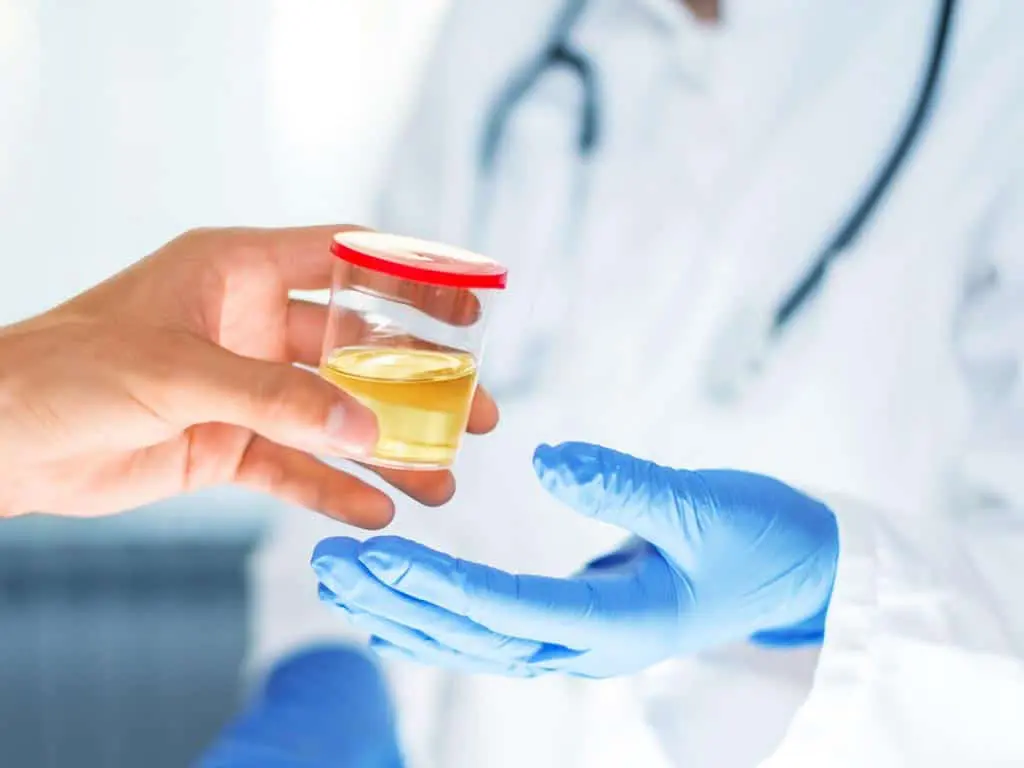
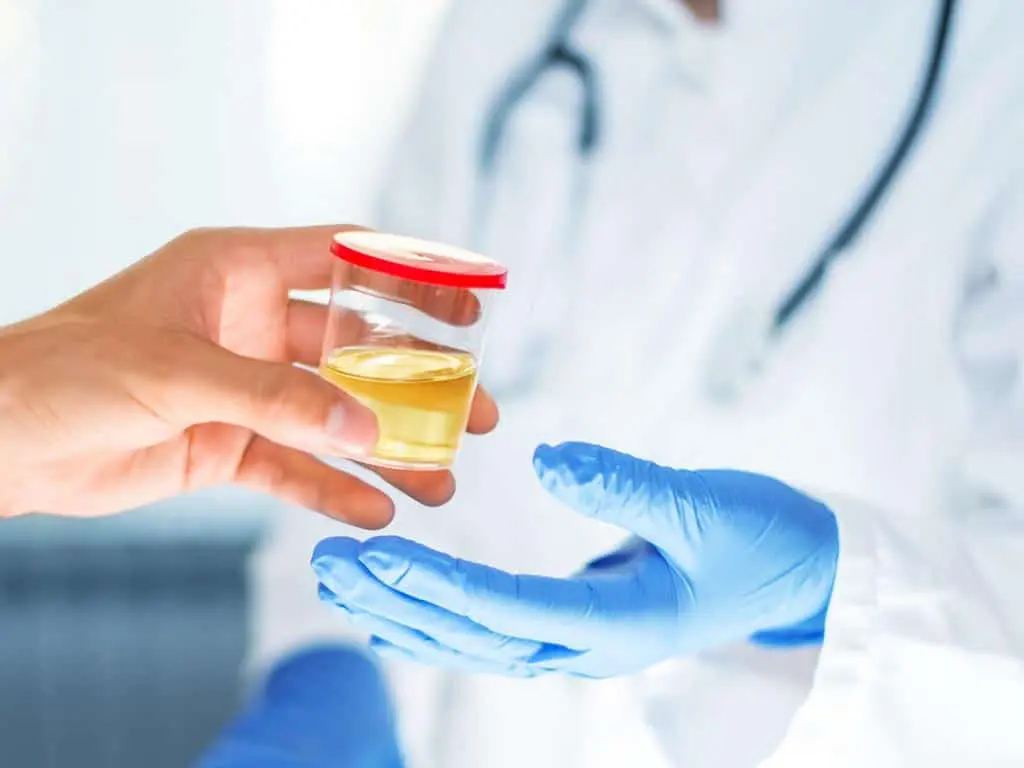
A person giving the urine sample on a healthcare professional

When someone consumes alcoholic drinks, their body processes it and eventually removes it from their system. One of the ways to detect liquor intake is alcohol and urine tests. This assessment can provide valuable information about the alcohol consumption habits of a person. To conduct the test, a donor must provide a urine sample. This is forwarded to an accredited laboratory for testing. This method provides high accuracy due to its ability to trace alcohol metabolites for an extended time.

Alcohol Use Disorder (AUD) and alcohol abuse are serious health issues. This can have detrimental effects on the physical, mental, and social well-being of a person. It can lead to various complications, including liver failure, mental health disorders, and strained relationships. Fortunately, there is a urine assessment for quick and accurate results. This article will present alcohol urine testing, the procedure to conduct it, and its accuracy.

What Is an Alcohol and Urine Test?

The alcohol and urine test is a diagnostic tool to monitor the presence of alcohol in the urine. When a person consumes alcohol, it undergoes a process of alcohol metabolism in the body. This leads to the production of specific byproducts. These byproducts, known as metabolites, can be detected in urine for several days after alcohol intake.

Accordingly, it has different types, such as Ethyl Glucuronide (EtG) or Ethyl Sulfate (EtS) tests. Alcohol testing using urine serves several purposes across different domains. In the workplace, employers may use the testing method as a part of workplace policy and workplace safety. This can be for pre-employment, random testing, reasonable grounds, after a workplace accident, or as part of the rehabilitation programs.

In legal settings, urine alcohol tests may be beneficial in monitoring people on probation or for detecting drunk driving. Healthcare professionals also utilise this method of testing for alcohol as part of the assessment and monitoring of patients with AUD. Overall, the testing aims to measure the level of Blood Alcohol Concentration (BAC) and the effects of alcohol.

Advantages Over Other Testing Methods

The following are the advantages of the method over saliva, blood, hair, and breath tests:

  • Extended detection window – unlike saliva tests, the method can trace alcohol metabolites for up to 80 hours.
  • Non-invasive – collecting a urine sample is relatively simple. This does not require a syringe to gather the specimen.
  • Less affected by environmental contaminants – urine tests tend to be more reliable in the presence of ethanol variables.
  • Technology and procedures – the advancement of the process allows for high levels of accuracy and precision.
  • Versatility – it can be used for various purposes, including workplace settings, law enforcement, and medical professionals.

A professional assessing a person for alcohol use and a urine sample in the background

The Procedure for an Alcohol and Urine Test

Conducting an alcohol and urine test involves specific procedures to collect and analyse urine samples for the presence of ethanol metabolites. The procedure begins with the collection of a urine specimen from the candidate. To maintain the integrity of the sample, the person collecting the sample may provide the individual with a clean, sealable container.

Furthermore, the conductor will provide instructions on how to collect the midstream urine specimen. This involves voiding a small amount of urine before collecting a portion of the stream in the container. This helps minimise the presence of contaminants. Also, it ensures that the sample is representative of the alcohol metabolites of the person at the time of collection.

After collecting the urine sample, the conductor will seal and label it. Proper labelling is crucial for maintaining the chain of custody. Then, they send the specimen in for laboratory testing. In the laboratory, highly skilled technicians use analytical methods to screen for metabolites in the sample. After that, the laboratory generates a report detailing the results of the test.

What Can Be Detected?

The test primarily detects two key alcohol metabolites: the EtG and EtS. EtG is a direct result of ethanol metabolism in the body. Meanwhile, EtS is another metabolite that arises from the breakdown of ethanol. Subsequently, these metabolites are detectable in urine for a certain period after alcohol consumption. This makes them valuable markers for assessing alcohol intake.

Additionally, the detection of EtG and EtS in urine provides insight into the alcohol consumption patterns of a person. Particularly, the test can detect the substance for about 80 hours. Therefore, it serves as evidence of recent exposure to alcohol.

A professional assessing the urine sample

Accuracy of Alcohol and Urine Tests

Alcohol and urine tests are accurate due to various reasons. When an individual consumes alcoholic beverages, ethanol enters the bloodstream. The body then begins to metabolise alcohol in the liver. Accordingly, liver enzymes break down the ethanol into acetaldehyde and then into acetic acid. This is further metabolised and eventually out of the system through urine.

EtG is a direct metabolite of ethanol and is a biomarker of alcohol consumption. This is detectable in urine, making it a reliable metabolite for identifying alcohol use. Moreover, laboratories with accreditation test the urine samples. They usually incorporate techniques like gas chromatography and mass spectrometry because these methods enable precise measurement.

Urine tests have high sensitivity and specificity for detecting alcohol intake. Sensitivity refers to the ability of the test to correctly identify people who have alcohol consumption. On the other hand, specificity refers to its ability to identify those who have not. Both aspects contribute to the overall accuracy of the test results.

Are There Risks of False Positives?

There are potential risks of false positives in alcohol urine testing. Despite the accuracy of the method, it is essential to consider certain variables. The use of products, such as mouthwash and medications, may contain alcohol. As a result, these products may inadvertently introduce alcohol into their system. Also, exposure to environmental sources, such as inhaling alcohol fumes, can lead to false positives.

Moreover, certain foods and beverages can contain compounds of ethanol. Therefore, the test may identify this as alcohol metabolites. While laboratories follow strict protocols, the possibility of human error or procedural mistakes can affect the result of the testing.

Conclusion

In conclusion, alcohol and urine tests are crucial tools in determining alcohol consumption and its effects on the body. The test commonly traces the metabolites EtG and EtS, and it aims to accurately identify liquor intake. Accordingly, this method is beneficial for workplace testing, law enforcement, and healthcare professionals. The procedure of the test requires a simple process. A candidate will provide a urine sample, which a laboratory technician will analyse for alcohol metabolites.

Urine testing for alcohol is accurate for several reasons, including the metabolic process of ethanol in the body and the techniques lab technicians use for high sensitivity and specificity. Moreover, the urine test provides advantages over other testing methods. It has a wide detection window, is non-invasive and versatile, and incorporates the advancement of technology and procedures. However, the test has the potential risk of false positives, typically due to certain products, environmental exposure, and human errors.

Blood and Alcohol Test: The Procedure to Detect the Substance 

A woman drinking a glass of beer

When a person consumes alcoholic drinks, conductors may do a blood and alcohol test. This is usually used by authorities and employers. To begin the procedure, a healthcare professional will clean the skin of the candidate. Then, the practitioner will use a sterile needle to draw a blood sample from a vein. Accordingly, the conductor will analyse the specimen for the presence of ethanol. The practitioner is also the one to provide the results to the candidate.

Alcohol Use Disorder refers to a chronic and recurring pattern of excessive alcohol consumption. It is a serious medical condition that affects both physical and mental health conditions. Individuals often struggle to control their drinking and experience negative consequences like liver damage, poor coordination, and impaired judgment. Fortunately, blood alcohol tests are available. This article will present what the test is, its procedures, and its accuracy.

What is a Blood and Alcohol Test?

The blood and alcohol test, also known as the Blood Alcohol Concentration (BAC) test, is a procedure to measure the level of alcohol in the bloodstream. This assessment is often conducted to determine if a person has consumed alcohol and to gauge the degree of alcohol intoxication. Nevertheless, this is the most accurate method of monitoring alcohol metabolites.

Blood tests are common in various settings. Firstly, law enforcement conducts the assessment during traffic stops or investigations for alcohol-related offences, particularly motor vehicle accidents. Secondly, some employers may conduct the test. This is usually for pre-employment, random, reasonable, after an accident in the workplace, or testing for a return to duty.

Furthermore, health professionals may use blood tests for medical testing. This is to assess patients following heavy drinking or to monitor people undergoing an alcohol treatment program. Alcohol blood tests are also beneficial for legal reasons. This provides proof of alcohol-related misconduct, such as Driving Under the Influence (DUI) or subsequent offences.

Other Methods to Detect Alcohol

  • Saliva tests – this involves collecting oral fluid. It is usual in roadside alcohol screening and workplace testing. However, this has the shortest detection window of 12 hours.
  • Urine tests – these analyse the urine sample to detect the presence of alcohol metabolites, such as ethyl glucuronide and ethyl sulphate.
  • Hair tests – the method has the most period of detection, usually 90 days. Hair testing is common for forensic contexts, providing a historical record.
  • Breath tests or breathalyser tests – this involves measuring blood alcohol levels using a breath sample. It is a method that is quick to administer and can provide prompt results, usually within seconds.

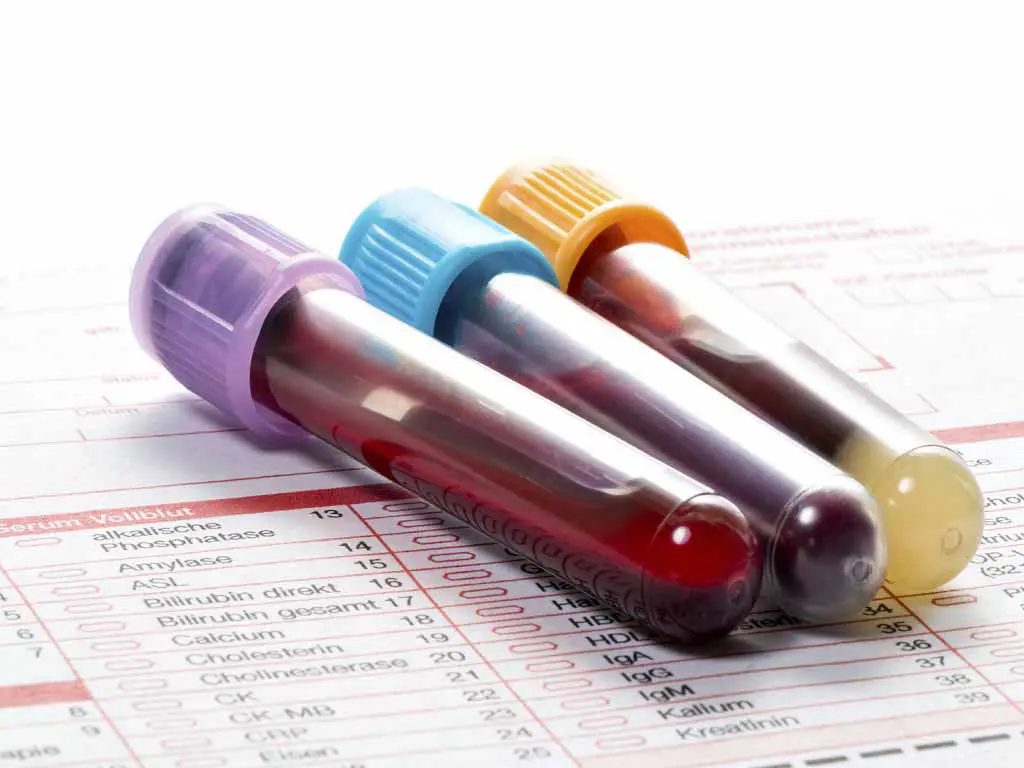
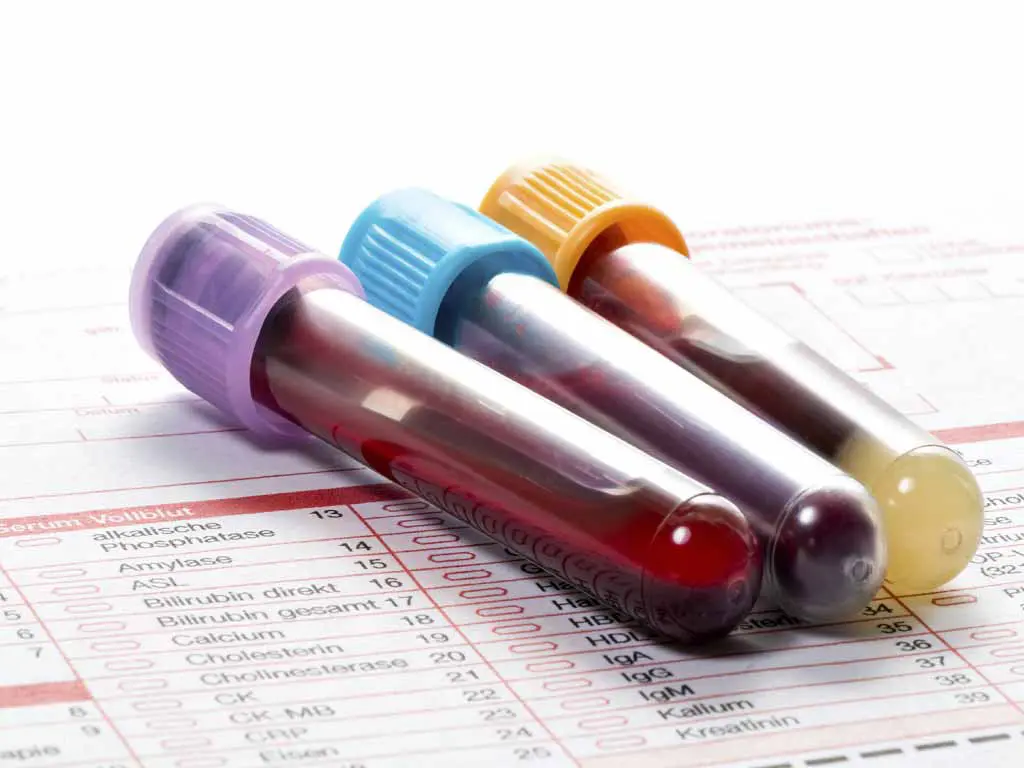
Blood samples in three vials

The Procedure for a Blood and Alcohol Test

Before administering the blood and alcohol test, the medical facility explains the procedure to the patient. The conductor may advise the person to refrain from eating or drinking for a period of time. Accordingly, the medical professional collects a blood sample using a sterile needle and vial. The collection site is typically the antecubital vein in the arm, and the skin is cleaned.

After collection, the conductor will label the blood sample or the vial. This is to identify the patient and maintain sample integrity. It is important to prevent any contamination or tampering with the sample. Subsequently, the blood specimen is sent to a laboratory for ethanol testing. The sample undergoes analysis using techniques to measure the BAC level.

The analysis may involve enzymatic assays, gas chromatography, or other methods to quantify the amounts of ethanol. Upon completion of the assessment, the healthcare provider communicates the results. This may include discussing the implications of findings and addressing concerns or questions. It may also indicate if a person exceeds the legal limit.

Advantages of the Testing

Blood alcohol testing offers several advantages. The method is one of the most accurate for measuring BAC in the body. This precision of the results allows for confident assessments of the level of intoxication of a person. Also, it provides a quantitative measurement of the concentration of alcohol. This data is valuable in legal proceedings, clinical evaluations, and forensics.

Additionally, the testing is sensitive to low levels of ethanol. This makes it suitable for detecting even trace amounts of alcohol in the bloodstream. Moreover, it is versatile. This can be beneficial for authorities, employers, medical practitioners, and legalities.

Three professionals assessing the accuracy of testing

Blood and Alcohol Test – Accuracy and Reliability

The accuracy and reliability of blood and alcohol tests stem from several key factors. The method entails the direct measurement of ethanol in the bloodstream. This direct analysis provides a highly accurate representation of the BAC level. Also, the assessment employs advanced analytical techniques, such as gas chromatography. This technique ensures consistency and validity of the process.

Accordingly, the testing follows strict protocols and stringent quality control measures. It also includes calibration of instruments, proficiency testing, and adherence to guidelines. This approach minimises variability and enhances the reproducibility of results. Moreover, the testing has set references or cutoff values for defining legal intoxication levels. These are based on research and consensus.

Blood testing is usually done in laboratories with accreditation. This particularly connotes to adhere with quality assurance standards and participating in proficiency testing programs. Furthermore, the testing has a strong track record of being recognised as reliable evidence in legal proceedings. This is due to their accuracy and adherence to testing practices.

Factors that Can Influence the Result

Individual variations in alcohol metabolism and elimination rates can significantly impact the results. Factors like liver function, genetics, and medical conditions can influence how quickly the body processes alcohol. Also, the timing of consumption is critical. Testing too soon after drinking may yield higher readings, while testing several hours later may result in lower BAC.

Moreover, the quantity and type of alcoholic drinks can influence the results. Beverages with varying alcohol content, drinking pace, and concurrent eating can impact the rate. The differences in body composition, including body weight and muscle mass, can impact alcohol metabolism.

Conclusion

In conclusion, blood and alcohol tests are crucial for determining the level of intoxication and potential impairment of a person. These assessments are usual for law enforcement, employers, health professionals, and legal cases. It provides a more accurate result than saliva, urine, hair, and breath tests. Accordingly, conductors administer the testing by collecting blood samples from the patient and putting them in a vial. A laboratory will then analyse the specimen for the presence of ethanol.

Overall, blood testing holds advantages. It is accurate, it provides a quantitative measurement of BAC, and it is sensitive and versatile. Furthermore, the method is reliable due to several reasons. This may entail the direct measurement of alcohol in the bloodstream and employs analytical techniques. Also, the testing follows strict protocols and has references or cutoff levels. However, it is important to know the factors that can influence the results. This can be metabolism, timing, and differences.

Alcohol Urine Analysis Test: Definition, Detection Windows, and Administration

A person handing a urine sample to a lab technician

Heavy drinking of alcohol can lead to a variety of dangerous health issues. Prolonged exposure to alcohol can cause organ damage and impulsive behaviour. Thus, alcohol testing is necessary. There are many methods available, including the alcohol urine analysis test. It measures alcohol and its metabolites using urine samples. The test can detect recent consumption, typically within 12-24 hours after the last drink. People simply need to provide their specimens in a container to obtain a reading.

Drinking alcohol is a common social activity for many people. However, excessive alcohol consumption can impair the senses. This can result in accidents and fatalities. Thus, alcohol urine tests are beneficial in various settings. For instance, medical professionals can screen patients with alcohol-related problems. In addition, employers can monitor employees who may be misusing substances. The article will present what the test is, what the detection windows are, and how the proper administration is.

What Is an Alcohol Urine Analysis Test?

An alcohol urine analysis test is a type of screening. It measures the presence of alcohol or its metabolites in a urine sample. Authorities often utilise it to detect recent alcohol consumption. Workplace testing, probation monitoring, and legal proceedings commonly utilise the test. Urine testing ensures compliance with sobriety requirements.

The alcohol tests for alcohol work by detecting the presence of ethyl glucuronide (EtG), a metabolite of ethanol, in the urine. EtG can be detected in the urine for a longer period than alcohol itself. Thus, EtG tests are reliable. Moreover, urine analysis testing can measure the amount of fatty acid ethyl esters (FAEE), another metabolite of ethanol. FAEE is less dependable than EtG. However, it can also detect alcohol up to several days after the initial intake.

Urine testing is relatively inexpensive and fast. Results are typically available within minutes or hours. Additionally, the test is easy to administer. It is important to note that the analysis test may not distinguish between light drinking and heavy drinking. False positives can also occur if alcohol is present in products, such as mouthwash or certain medications.

Purpose and Applications

  • Monitoring alcohol intake – Checking consumption of alcohol over a specific period of time is especially useful for individuals undergoing addiction treatment or those on probation for alcohol-related offences.
  • Workplace screening – Urine testing can ensure employee compliance with policies and maintain a safe work environment.
  • Legal and forensic purposes – Testing determines if alcohol was a factor in accidents, crimes, or other incidents.
  • Medical assessments – Physicians may use urine tests to evaluate patients with suspected alcohol abuse or to observe the effectiveness of alcohol treatment programs.
  • Public safety – Law enforcement agencies utilise the test to assess the sobriety of individuals on the road.

A person pouring alcohol in a glass

Alcohol Urine Analysis Test – Detection Windows

The alcohol urine analysis test determines the amounts of alcohol metabolites in the urine. It indicates recent alcohol use. Detection windows can vary. They depend on factors, such as the amount of alcohol intake and the type of alcohol people drink. Typically, the detection window for this test is 12-24 hours after consumption.

Heavy drinking of alcohol may result in a longer detection window. Meanwhile, occasional or light drinking may lead to a shorter detection period. Moreover, hard liquors like whiskey or vodka are metabolised more quickly than beer and wine. This means that they may be detectable for a shorter period in a urine analysis test.

While the urine test can detect recent alcohol use, it cannot determine whether an individual is currently under the influence of alcohol. It primarily assesses patterns of alcohol consumption. Understanding the detection windows for this test is crucial for accurate interpretation of the results. In addition, it helps to establish appropriate interventions or monitoring plans.

Standard Drinks

When it comes to measuring alcohol consumption, standard drinks are the universal unit of measurement. To define one standard drink, it typically contains 14 grams of pure alcohol. This is roughly equal to 12 ounces of beer, 5 ounces of wine, or 1.5 ounces of distilled spirits.

Understanding the concept of standard drinks is helpful. This measurement system allows people to monitor their alcohol intake and stay within recommended limits for moderate drinking. It also provides a consistent way to communicate the amount of alcohol in different beverages. Consequently, they can make more informed choices.

A technician analysing a urine sample in a lab

Alcohol Urine Analysis Test – Administration

To administer an alcohol urine analysis test, a person will need to provide a sample of their urine in a sterile cup. The urine should come from the middle of the stream. This is because the first few seconds of urination contain the most bacteria. As a result, it can interfere with the analysis. The individual should fill the cup to the appropriate level. Then, they must securely put a lid on the cup.

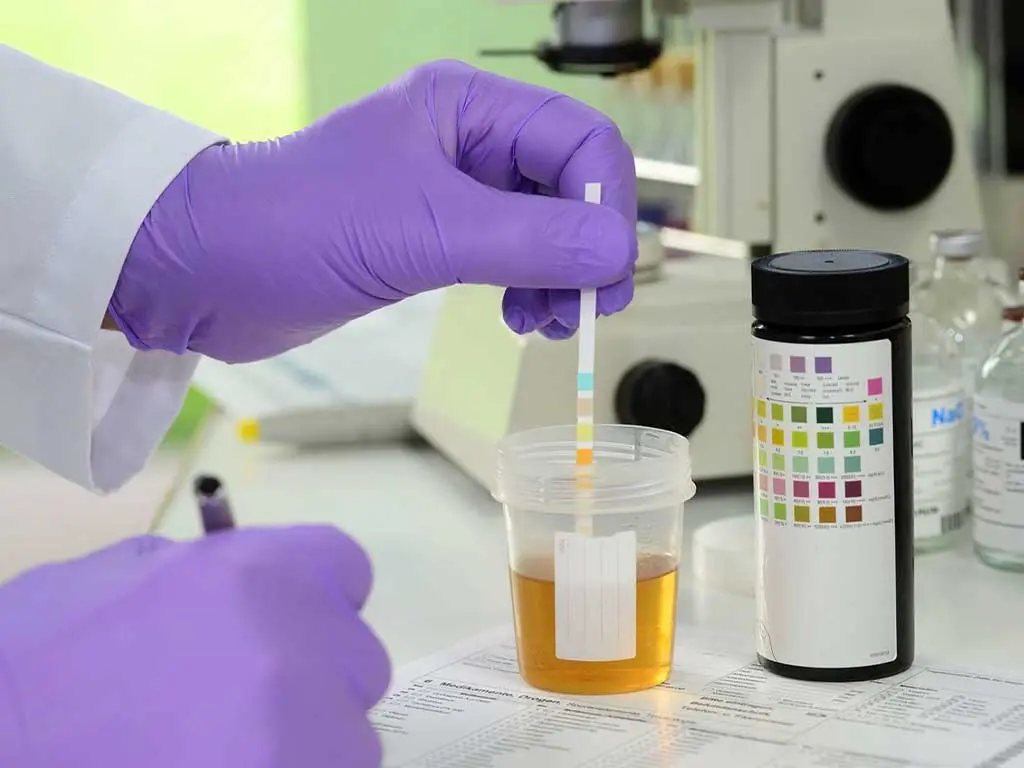
After collecting the sample, healthcare professionals will do laboratory testing. It typically involves testing strips and reagents that are used to detect alcohol in the urine. The strips are made of paper, plastic, or fibres. They change colour when they come into contact with alcohol. This helps medical practitioners measure the amount of alcohol in the urine.

In addition to testing strips, other laboratory tests may be used for a more precise analysis. These include gas chromatography and mass spectrometry (GC/MS). It separates and analyses compounds that are dissolved in a gas. The ionising process separates and identifies molecules based on their mass-to-charge ratio.

Results Interpretation

Looking at the concentration of ethanol in specimens is crucial when interpreting the outcome of urine alcohol testing. A non-negative result indicates the presence of alcohol in the system. However, considering the timing of the test with the alcohol consumption is important. To determine if the results are within the normal range, they should be compared to established cutoff levels.

Elevated levels of ethanol in the urine may suggest recent or excessive alcohol consumption, but a positive result does not necessarily indicate intoxication at the time of the test. Meanwhile, a negative test means that no alcohol was detected in the sample.

Conclusion

An alcohol urine analysis test is an important tool. It detects the presence of alcohol in the system of a person. Testing for alcohol is common for police officers as part of a substance abuse test or during an investigation for alcohol-related offences. Businesses and other agencies also need it to test their employees and other individuals. Urine alcohol tests can detect its metabolites for 24-48 hours after the last drink. However, several factors can affect the detection period.

Alcohol testing is quick and easy to administer. People need to follow instructions. They must collect the urine sample properly to avoid contaminants and inaccurate readings. After taking the specimens, they must submit them for laboratory testing analysis. Results can be available within minutes or hours. A positive outcome may suggest the presence of alcohol, but it does not necessarily mean that a person is intoxicated. It only indicates that there has been contact with alcohol recently.

Alcohol in Urine Sample: Detection Period and Accuracy of Urine Tests

A professional testing a urine sample with a test strip

One of the efficient methods to determine impairment is to detect alcohol in urine samples. Alcohol is a substance that is absorbed in different organs in the body. After consumption, the liver breaks down alcohol and eventually excreted in the urine. It can stay in the system for 24 hours, depending on the amount of intake. However, advanced urine tests can trace ethanol substances as far back as 80 hours from the last consumption.

Knowing how the body processes and reacts to alcohol is important to making decisions. Individuals can manage their intake and keep their blood alcohol level from exceeding the legal limits for driving. It also helps prevent the blood alcohol content from reaching hazardous levels. Moreover, various organisations implement alcohol testing for safety reasons. In this article, we will present the essentials of an alcohol urine test, how long alcohol stays in the system and the accuracy of the test methods.

What Is an Alcohol in Urine Sample Testing?

Alcohol in urine sample testing is a method to determine the presence of alcohol in a person. It involves collecting and analysing urine using various screening techniques. One of the methods is enzymatic assays, wherein the sample is placed in a special solution and then read by an instrument. This approach is cost-effective, as it is easy to administer and provides quick results.

More advanced methods utilise laboratory procedures, such as Gas Chromatography-Mass Spectrometry (GC-MS). Laboratory tests can identify the specific substance and measure the concentration level. The use of such methods depends on the level of accuracy that is needed and the urgency of getting the results. It may take 24 to 48 hours for a laboratory to provide the confirmatory test report.

Urine tests (also known as urinalysis) are commonly used in workplace alcohol and drug screenings. They help identify prospective and current employees who may be abusing alcohol. Furthermore, it can help verify sobriety when an individual is suspected of drink driving convictions and other legal cases. Overall, it is an effective method for determining alcohol consumption within a period of time.

Advantages Over Other Testing Methods

  • The urine test is easy to administer. The sample collection procedure is less invasive than a blood test.
  • Urine offers a more extended period of detection than oral fluid and breath alcohol tests.
  • It accurately traces alcohol metabolites and can even identify drug substances when using the appropriate panels.
  • It can be used to monitor alcohol abstinence in treatment programs or workplace settings.
  • The results from a laboratory test are reliable and accurate.
  • The sample can be retested for confirmation if necessary.
  • Urine can recognise a wide range of substances, including alcohol biomarkers that may not be detectable in other methods.

A person pouring beer in a glass

The Detection Period of Alcohol in Urine Samples

Alcohol in urine samples can remain detectable for varying amounts of time. This depends on various factors, such as the level of alcohol consumption and metabolism. The body rapidly absorbs alcohol within minutes through the bloodstream. Additionally, the liver metabolises alcohol at a rate of approximately 0.015g/100ml per hour or 0.15% Blood Alcohol Concentration (BAC). Hence, the more the person drinks, the longer it will take for their body to eliminate alcohol.

On average, ethyl alcohol is detectable in urine for up to 48 hours. However, the detection period may be longer for chronic users. Moreover, specific urine tests can trace alcohol biomarkers like Ethyl Glucuronide (EtG) and Ethyl Sulphate (EtS), extending the period to 80 hours. These substances are indicators of the consumption of alcoholic beverages.

The metabolites of ethanol can linger in the system for an extended period of 80 hours. However, their traces in urine only indicate alcohol use and do not necessarily reflect current impairment. In comparison, alcohol is detectable in the breath for 24 hours, saliva for 12 hours, blood for four weeks, and hair for 90 days.

What Affects It?

Several factors affect the length of time alcohol stays in the system. Firstly, the number of standard drinks consumed can impact the duration of alcohol in urine. Secondly, body weight and metabolism influence the rate of BAC increase and the elimination process. People with slower metabolic rates tend to take longer for their bodies to break down alcohol completely.

Additionally, younger people tend to metabolise alcohol faster than older adults. Women may also process alcohol more slowly due to a higher body fat percentage. Lastly, medical conditions like liver disease affect the elimination of alcohol from the body.

A person sealing a urine sample container

Accuracy of Testing Alcohol in Urine Samples

Testing alcohol in urine samples is generally accurate and reliable. Modern screening test kits are capable of detecting alcohol using high sensitivities. Moreover, laboratory procedures like GC-MS use strict quality assurance standards. The technology is precise in identifying ethanol metabolites in urine specimens. It also has fewer risks of false positives.

Some testing centres may use a combination of methods to get a comprehensive overview of alcohol in the system. The laboratory results are usually verifiable in legal proceedings or for medical purposes. Additionally, medical facilities adhere to strict standard protocols to maintain the integrity of the test. This includes the chain of command in the collection, storage, and transportation of the specimen.

It is important to note that rapid screening tests only give qualitative information regarding alcohol use. For quantifiable results, a laboratory test is essential. Various factors can also help determine heavy drinking and alcohol misuse. To ensure the most accurate results, follow the advice of healthcare professionals. It is also best to avoid certain medications and alcohol-containing products like breath sprays and mouthwash.

Factors That Can Influence the Results

Despite their reliability, there are some limitations that need to be taken into consideration. Factors such as temperature can influence the concentration level of alcohol in a sample. In addition, if the procedure does not follow the proper sample collection method or storage guidelines, it can produce inaccurate readings.

Another factor that may influence the results is the threshold of detection. False negatives can occur if the threshold of detection is too high or the test is not sensitive enough to detect ethanol in urine. Lastly, high levels of creatinine or ketones in urine can interfere with the accuracy of alcohol testing.

Conclusion

Ethyl alcohol in urine samples is detectable for up to 48 hours after consumption. Meanwhile, its metabolites can linger in the system for up to 80 hours. When the body breaks down alcohol, it produces byproducts that remain traceable in body samples for different periods of time. The length of time they stay depends on several factors, such as the amount of drinks consumed, the alcohol metabolism rate, gender, age, and overall health.

Urine testing is an efficient and reliable method of alcohol detection. It is an accurate test suitable for various settings, such as workplaces and healthcare centres. Many organisations prefer this testing method because it is easy to administer. They can also use it to test for illegal drugs simultaneously. Nevertheless, it is vital to consider the factors that influence the test to ensure the accuracy of the results. This includes exposure to alcohol products and collection techniques.

Alcohol Test in Lab: What are the Types of Procedures?

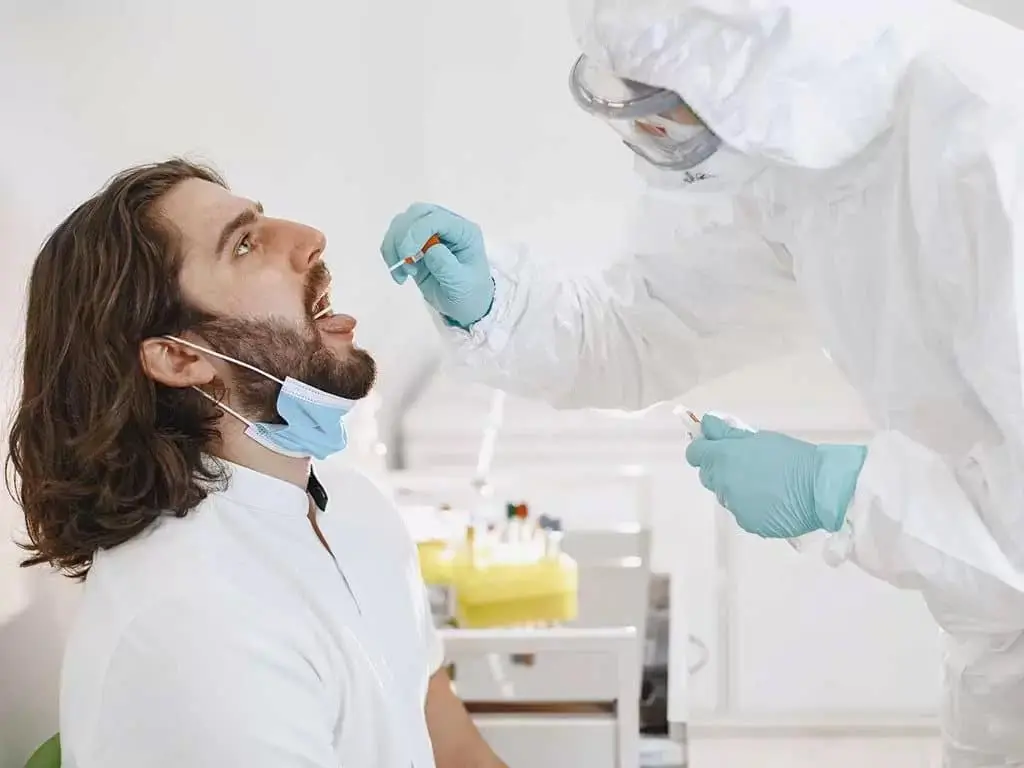
A man getting swabbed by a lab professional

Alcohol testing is a crucial process in many industries, including law enforcement, workplace, and healthcare. It helps determine the presence and concentration of alcohol in a person. The alcohol test in lab is an accurate and reliable method to ensure safety and compliance. Several types of procedures are available, such as saliva, urine, blood, and hair testing. Each method has its own unique advantages and considerations. Knowing these factors helps decide the most suitable procedure to use.

Individuals under the influence of alcohol contribute to the increased safety risks and hazards. It is one of the leading causes of accidents and injuries. As such, implementing alcohol testing laws and policies is necessary to maintain a healthy and safe environment. To ensure the validity and effectiveness of alcohol testing, it is crucial to understand the different types of procedures used in the lab. This article will present the methods of laboratory testing for alcohol.

Alcohol Test in Lab – Saliva and Urine Testing

Some of the cost-effective methods of alcohol tests in a lab are saliva and urine testing. They are relatively non-invasive and provide quick results. Saliva or oral fluid testing is the process of obtaining saliva samples through a mouth swab. The specimen can detect alcohol within minutes and up to 24 hours.

The urine test can detect ethyl alcohol or its metabolites for up to 48 hours after consumption. This method involves collecting a specified amount of urine samples. As such, laboratories look for the presence of ethyl glucuronide (EtG) and ethyl sulfate (EtS). They are direct biomarkers of ethanol, which indicates alcohol consumption.

Moreover, laboratory procedures employ various techniques such as gas chromatography, mass Spectrometry (GC-MS), liquid chromatography (LC), and enzymatic assays. The GC-MS test is considered the gold standard in alcohol and drug testing. The results of this test are highly accurate and can be used for legal purposes, such as evidence in court. In addition, it is useful for determining if a person has an alcohol use disorder.

Advantages of the Methods

  • Urine and saliva testing have a non-invasive sample collection procedure.
  • A test administrator obtains a saliva sample directly, minimising the likelihood of tampering or adulteration.
  • The saliva test is efficient for determining recent consumption of alcohol due to its shorter detection window.
  • The urine test can help monitor or identify alcohol use disorders due to its longer detection window.
  • They are efficient in monitoring compliance in treatment programs or workplace settings.
  • They provide quick results, usually within 24 hours.
  • Laboratory tests minimise the possibility of false positives. Any non-negative results from an initial screening will undergo further testing for confirmation.

Three samples of blood in a vial

Alcohol Test in Lab – Blood Testing

Blood sampling is the most accurate method of alcohol test in lab. It can detect ethyl alcohol and alcohol biomarkers for up to 12 to 24 hours after consumption. This method involves a phlebotomist or medical professional drawing blood samples, typically from the veins in the arms. The test can measure the Blood Alcohol Concentration (BAC) level, which is the percentage of the amount of alcohol in the system.

There are various methods to conduct alcohol blood tests. One method is the Phosphatidylethanol (PEth) testing. This procedure involves testing the blood samples for the presence of PEth, a unique biomarker that is only created by alcohol consumption. The test can detect high levels of alcohol consumption, even when the BAC levels are not detectable in regular tests.

Another method is the Carbohydrate-deficient Transferrin (CDT) test. CDT is another metabolite that can help health professionals determine heavy alcohol consumption. However, there are drawbacks to the blood test method. It is the most intrusive procedure, which requires needles to draw a sample. In addition, it is costly and time-consuming.

Accuracy and Reliability

Blood alcohol testing provides high accuracy and reliability in the results. It tests for ethyl alcohol directly in the bloodstream, so there is a lesser possibility of false positives. The blood test is the most accurate test for measuring the BAC levels. It can provide a comprehensive analysis of the alcohol content, which is useful in legal matters.

Furthermore, only a trained professional is allowed to perform the sample collection. Laboratories follow a strict chain of command to ensure the validity and integrity of the specimen. Additionally, it minimises the risk of tampering and adulteration. It also serves as confirmatory testing for preliminary alcohol screens.

A person holding a hair sample in a laboratory setting

Alcohol Test in Lab – Hair Testing

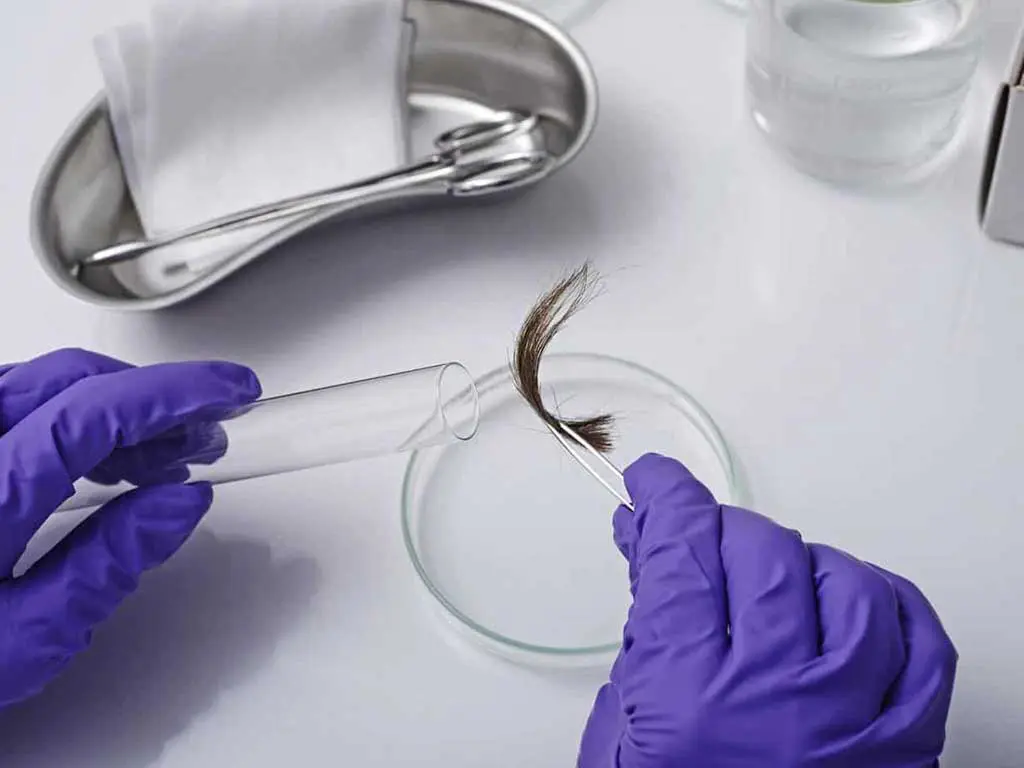
The hair test is another method of an alcohol test in lab. It involves cutting a few strands of hair, typically from the head, to detect the presence of alcohol metabolites. After ingestion, alcohol molecules enter the hair shaft through passive diffusion. These molecules are embedded in the hair and stay there as the hair grows.

Hair alcohol testing can detect alcohol use or consumption patterns for a more extended period than urine, saliva, or blood. Hence, it can help recognise chronic alcohol consumption or abuse. However, it is important to note that it cannot measure the exact ethanol concentrations. Likewise, the presence of alcohol in hair does not indicate current impairment.

Because of such limitations, the use of hair tests for alcohol may be limited to several situations. Employers may conduct this method during pre-employment to determine the suitability of job applicants. It is also useful in treatment programs. However, for random or reasonable suspicion cases, saliva or breath tests would be more effective.

Detection Window

The test often requires 1.5 inches of hair to trace possible consumption for the past 90 days. The longer the hair samples, the farther it can look back. This provides the longest period of detection, among other methods. Furthermore, hair samples are stable and less prone to tampering from external contaminants.

If head hair is not available, body hair is also applicable. In using body hair, it is essential to note that it may have a different detection window. This is due to the variables in the rate of hair growth. Moreover, head hair can be segmented into month-by-month profiles, whereas body hair cannot.

Conclusion

In summary, alcohol tests in a lab use several methods to detect and measure ethanol. The common methods are urine, saliva, blood, and hair testing. These procedures trace for alcohol or its biomarkers to indicate alcohol consumption within a specific timeframe. Depending on the type of test, it can also determine if a person has an alcohol use disorder. Furthermore, each procedure has different accuracy levels and detection windows for consideration.

The urine and saliva testing is convenient and cost-efficient for testing alcohol. It is common in law enforcement and workplaces due to its ease of use and quick results. Meanwhile, the blood test provides the highest accuracy in measuring the BAC. The hair test is also a reliable method for detecting alcohol use for several months. Thus, knowing these factors can help individuals or organisations decide which procedure is the most suitable given a particular situation.

Drug and Alcohol Swab Test – What Is It And How Is It Conducted?

A man getting swabbed by a technician

A drug and alcohol swab test is a testing procedure for detecting impairing substances through oral fluids. It is a non-invasive method of testing and provides high accuracy. The test collects saliva samples through a collection stick to determine the presence of illicit drugs and alcohol. Therefore, it can identify if a person has taken substances for several hours prior to testing. This method is common in various settings, such as roadside, healthcare, and workplace screening.

Drug and alcohol abuse can have devastating effects on the health, relationships, and overall well-being of an individual. Moreover, it can pose safety risks not just to the person but also to others. In order to promote safety and ensure a drug-free environment, many institutions use a mouth swab substance test to detect impairment. This article will provide an overview of the saliva drug tests, their process, and their accuracy rate.

What is a Drug and Alcohol Swab Test

A drug and alcohol swab test is a process of obtaining a sample of saliva or oral fluid to check for traces of substances in the system. The test uses antibodies or immunoassays to analyse the sample. The results are immediate and can identify if a person has taken drugs or alcohol in the past few hours.

This method is simple and suitable for on-site testing. The ease of use and convenience of saliva testing make it a preferred option by many individuals. Additionally, a saliva drug test kit can give the results after a few minutes. On the other hand, some may require sending the sample to an accredited laboratory for analysis.

The test is common in various settings, such as workplaces, schools, and law enforcement agencies. They are often conducted as part of alcohol and drug testing programs to monitor substance abuse. It is convenient in random testing and post-incident and when there is suspicion of drug and alcohol use. These tests are quick, efficient, and provide accurate results, making them a reliable choice for screening purposes.

Substances that Can Be Detected

  • Marijuana – one of the most commonly abused drugs. The test detects the presence of tetrahydrocannabinol (THC) and other cannabinoids.
  • Cocaine – a powerful stimulant drug derived from the coca plant. It is used for its euphoric effects but has the risk of physical and psychological dependence and overdose.
  • Amphetamines – a synthetic stimulant often abused by individuals to become more alert and have more energy.
  • Opioids – a class of drugs with pain-relieving properties. Examples are heroin, codeine, and morphine.
  • Ethanol – a legal substance found in alcoholic beverages. It is a depressant that impairs judgment, coordination, balance, and reaction time.

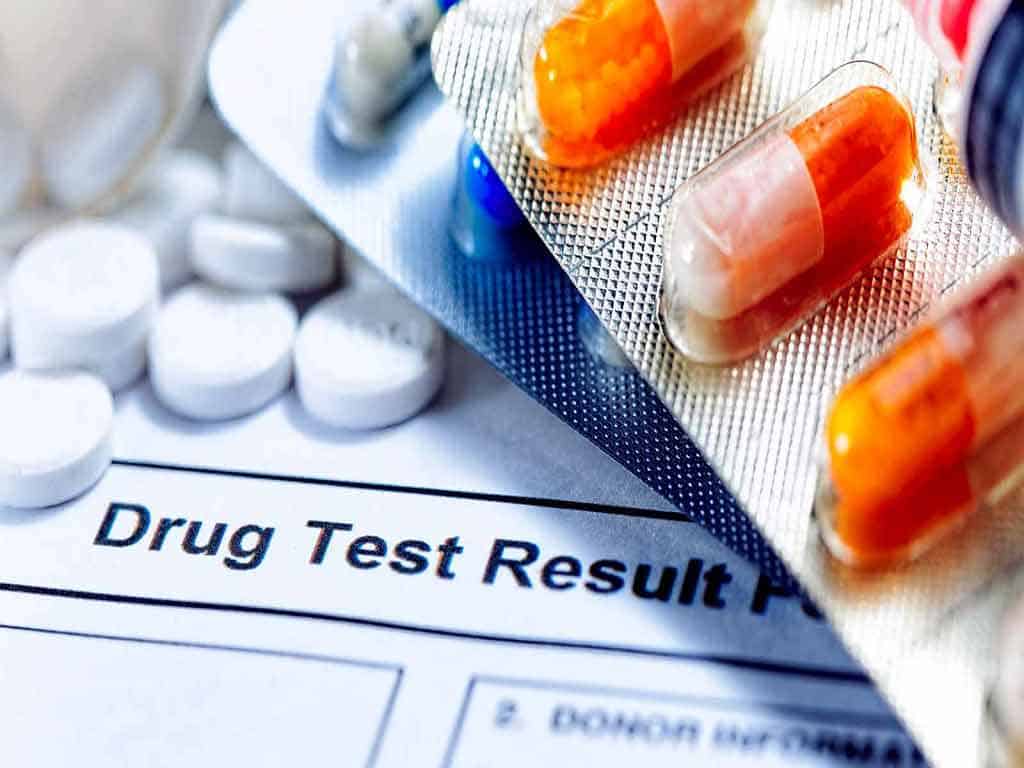
A drug test result form covered by pills

Sample Collection Procedure of a Drug and Alcohol Swab Test

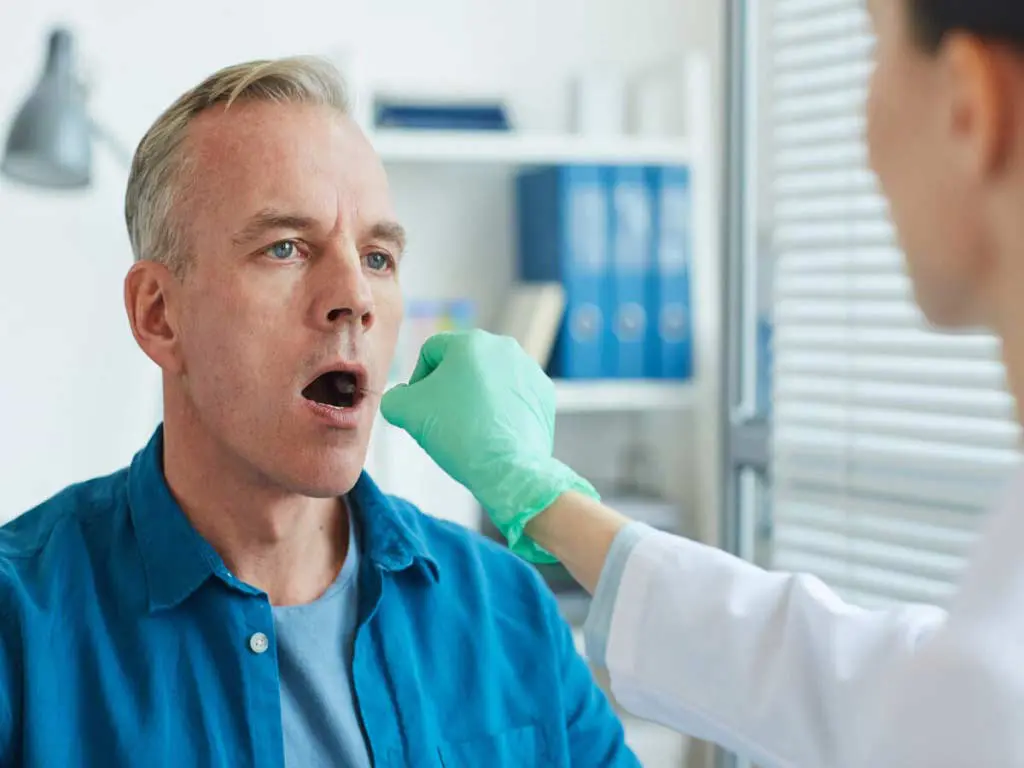
The process of a drug and alcohol swab test involves the collection of an oral fluid sample followed by its analysis. The collection procedure involves the use of a swab or sponge. The collector inserts the swab into the mouth and rubs the inner cheek. It is vital to ensure that the sample covers all areas inside the mouth, including the tongue and gums.

The swab is then placed in a collection tube or container and is carefully sealed to prevent any tampering or contamination of the sample. After the collection, the conductor labels the sample with the identification information of the person and sends it to a laboratory for analysis. In the laboratory, it undergoes various testing methods to measure the concentration of drugs or alcohol.

On the other hand, Point-of-Collection Test (POCT) kits can return the results in 10 to 15 minutes. Test administrators or technicians follow specific collection techniques to ensure the integrity of the sample. They must also handle the specimen correctly and avoid extreme temperatures or environments.

Detection Window and Cut-Off Levels

Saliva contains traces of drugs and alcohol that can indicate recent use. The detection times of substances in oral fluids range between 12 to 48 hours. Moreover, the cut-off level is the threshold for the presence of a drug to be considered positive. This depends on the type of substance or drug class and metabolism range.

For example, marijuana is traceable for up to 24 hours after use, while alcohol is for 12 hours. The more amount a person consumes, the longer it stays in the system. Generally, saliva or oral fluids provide a shorter detection time compared to urine samples.

Three lab technicians analysing samples

Accuracy of Results of a Drug and Alcohol Swab Test

The results of a drug and alcohol swab test are reliable. However, several factors may affect the accuracy of the test. This includes the sensitivity of the saliva drug testing kit itself. Different test kits may have varying cut-off concentrations, which may lead to a positive result for some while negative for others.

It is advisable to use certified (AS/NZ Standards) drug test kits to minimise variations. These devices ensure consistency in the test procedure. Furthermore, collectors follow a strict chain of custody protocols. In addition, saliva tests may be susceptible to contamination. It includes the presence of interfering substances. Thus, the person is asked to rinse the mouth with water to remove potential contaminants.

Inaccuracies may also arise due to environmental factors or mishandling of the samples. A saliva sample should be stored in the recommended temperature range and secured against external particles. Hence, it is essential to employ trained personnel and proper collection techniques for reliable and valid results.

Is There a Possibility of a False Positive Result

False positive results may occur in a mouth swab drug test. It may happen for various reasons, such as technical errors, cross-reactivity, and misinterpretation of results. For instance, certain legal medications may contain substances that can yield positive results. Thus, undergoing a confirmatory laboratory procedure is vital to minimise false positives.

A positive test result can have serious implications. It can affect pre-employment decisions or the careers of current employees. Therefore, it is crucial to ensure the test procedures follow the protocols. Likewise, it is necessary to confirm the results with a laboratory-based method as the gold standard. This can help avoid potential legal issues.

Conclusion

A drug and alcohol swab test is an efficient way to detect recent use of impairing substances. It involves a simple collection process using a swab stick and analysing it using a solution or testing in a laboratory. Saliva tests can trace concentrations of common drugs of abuse and alcohol for up to 24 to 48 hours from the last use. Therefore, it is suitable for monitoring recent consumption or impairment.

The test is generally accurate and reliable. Since the collection process can be done in plain view of the administrator, it minimises the risk of tampering or adulteration. However, various factors may affect the test, which can lead to false positives. This includes improper collection techniques and handling of samples, prescription medications, metabolism rate, and external environments. Thus, it is vital to use certified devices and follow the standard testing procedures.

Police Drug and Alcohol Testing – When Is It Required?

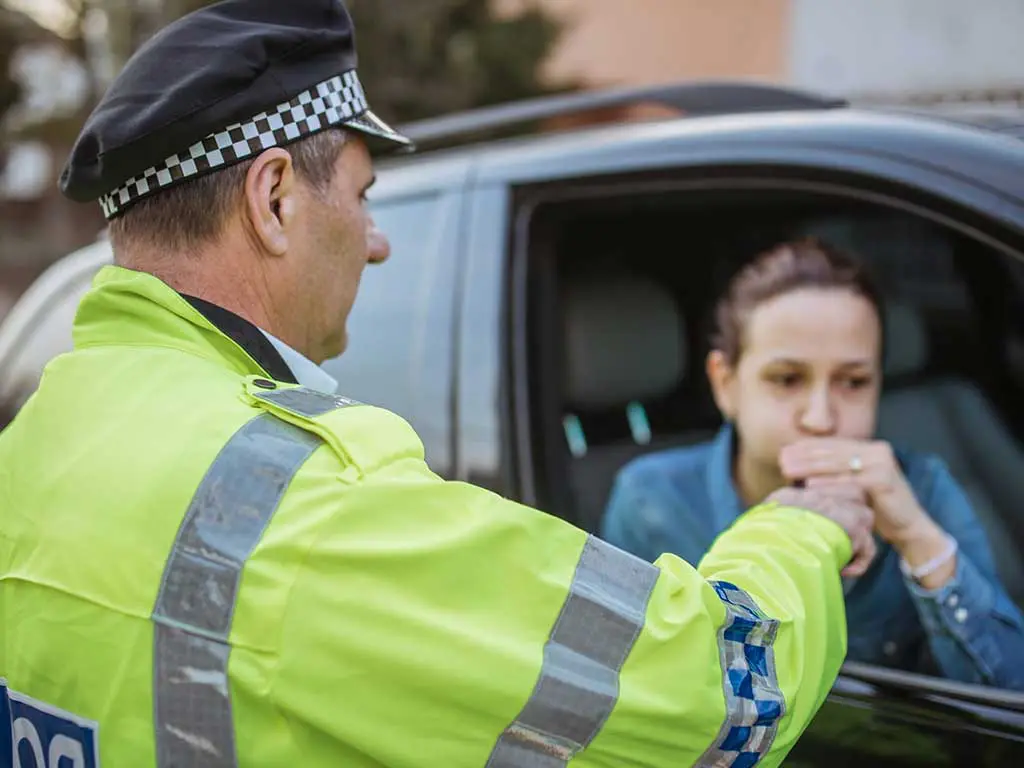
Police officers conducting roadside inspections

Police officers conduct customary roadside testing to determine the presence of drugs and alcohol in drivers. This measure aims to minimise road accidents and promote public safety. Individuals are subject to police drug and alcohol testing in various circumstances. The first is during a mandatory sobriety inspection while passing through a checkpoint. The other instance is if police suspect a driver to be under the influence of alcohol or illegal drugs.

Impaired driving is one of the main causes of accidents and injuries on the roads. As such, law enforcement implements strict rules regarding driving and substance use. One of these measures is the prohibition of illicit drugs and setting an alcohol limit. People who violate these laws are subject to fines and penalties. This article will cover the purpose of drug and alcohol testing by police officers, the testing methods, and the consequences of positive test results.

What is Police Drug and Alcohol Testing, and When is it Needed

Police drug and alcohol testing plays a crucial role in ensuring public safety and enforcing laws related to impaired driving. Officers have the authority to administer these tests to individuals suspected of driving under the influence of substances (DUI). It allows them to determine the level of impairment of a driver and whether they violated any laws.

The test involves the analysis of biological samples to detect the presence of illicit drugs and alcohol. Police officers may require drug and alcohol testing at random or when they have a reasonable suspicion. In addition, they use rapid testing devices that can give the results within minutes. Therefore, they can impose on-the-spot fines or penalty units on offenders.

When officers ask to test, it is important for drivers to cooperate. They will be asked to pull over and provide a sample. Some may perform a field sobriety test, which assesses the physical and mental abilities of a person to operate a vehicle safely. Refusal to take the test may constitute a corresponding penalty.

Purpose of the Process

  • The primary purpose of the test is to identify individuals who may be operating a motor vehicle with alcohol or drugs in their system.
  • Remove high-risk drivers from the road. This helps prevent or minimise accidents and protect lives.
  • Deter substance use or abuse for heavy or chronic users.
  • Impose legal charges for offenders.
  • Get an objective measurement of the level of impairment of an individual. The test can evaluate the judgment, focus, reaction time, vision, and balance of a person.
  • The results of evidential testing are admissible in court or legal proceedings.
  • Reduce cases of drink or drug driving.

A female driver taking a police breathalyser test

Types of Procedures of Police Drug and Alcohol Testing

Police drug and alcohol testing involves several procedures to identify intoxicated drivers. Firstly, the saliva test is a standard method for detecting illegal substances. A saliva sample can trace THC (cannabis or marijuana), amphetamine or crystal meth, cocaine, and MDMA or ecstasy. It is also inadvisable to drive after taking prescription medications that cause drowsiness.

Secondly, a breathalyser test can detect alcohol through the breath sample. A police breathalyser can also measure the Blood Alcohol Content (BAC) or the level of impairment. The device analyses the sample and displays the BAC results within seconds. If individuals exceed the legal blood alcohol limit, they are subject to drink driving charges.

Finally, if the preliminary breath or saliva screening is positive, the driver must submit to an evidential test at a police station. It involves the use of an infrared spectrometry device to obtain an accurate alcohol reading. Blood or urine testing can provide a detailed analysis of the drug concentrations in the system. The results of these procedures are admissible in the justice system.

Who is Subject to the Test

The test applies to all drivers throughout the country, regardless of their age or type of license. For example, individuals passing through a checkpoint must provide a sample upon the request of an officer. The test is also necessary for people who are pulled over for reasonable suspicions of DUI.

Signs of intoxicated driving include swerving, tailgating, sudden braking, speeding, and other erratic behaviour on the road. In addition, police can carry out these tests to those involved in an accident. Furthermore, authorities may conduct random roadside drug testing or alcohol breath screening without warning or reason. This can help maintain road safety.

A police officer conducting a field sobriety test to a lady

What to Expect After a Positive Police Drug and Alcohol Testing Result

A positive police drug and alcohol testing result can have serious consequences. Firstly, legal charges may follow depending on the jurisdiction and the specific circumstances of the incident. After getting a positive test result, individuals can expect further police interrogation. It can lead to severe penalties.

Individuals may also expect to receive a court order requiring attendance at a hearing. Hence, it is advisable to consult a lawyer or legal expert to prepare for the judicial process. Individuals can also request a second opinion test through a blood sample if they believe the results are inaccurate. However, they must check the accredited laboratories where to take the test.

Lastly, individuals with substance abuse or repeat offences may be subject to an alcohol interlock or drug awareness program. An alcohol interlock involves the installation of an ignition interlock device in motor vehicles. This requires a breath test to allow the person to drive. These programs help to reduce the risk of reoffending and promote road safety.

Penalties and Charges

Drink and drug driving offences may lead to significant fines, loss of license, and jail terms. The severity of the alcohol and drug driving charges depends on various factors. Primarily, the court may base it on the alcohol and drug concentration levels at the time of testing.

The fines start from $2000, while the term of imprisonment may range from three months to ten years. Additionally, drivers may face a minimum of a 6-month suspension period. People may also have to complete community service. Lastly, the maximum penalty applies to individuals if their driving has caused harm or even death to others.

Conclusion

Police drug and alcohol testing is an effective measure to keep roads safe. It helps to identify drivers under the influence of drugs. This method involves roadside drug testing and alcohol screening. Police officers employ oral fluid tests to detect drugs in saliva. On the other hand, a breathalyser device can detect alcohol and measure the BAC. Therefore, they can identify drivers posing safety hazards on the road. This helps to prevent accidents concerning drug or drink driving.

The effects of drugs and alcohol can be dangerous to both drivers and other road users. It causes blurred vision, impaired judgment, slow reaction time, and poor coordination. Thus, alcohol and drug driving laws are in place to deter substance use or abuse. Furthermore, individuals have to be aware of their rights and consequences in case of a positive result. They may get penalty units, fines, jail time, and loss of license, depending on their impairment assessment.

Blood Alcohol Screening Test: What It Is, How it Works, and Results

A woman drinking a glass of alcohol

A blood alcohol screening test is a method to determine the presence and level of alcohol in the body. This helps assess the state of intoxication or impairment due to heavy alcohol consumption. To perform the test, a healthcare professional collects a biological sample. These specimens can include urine, blood, saliva, or breath. The result reveals the Blood Alcohol Concentration (BAC) level, representing the ethanol volume.

Alcohol Use Disorder (AUD) is a chronic disease that can have devastating effects on both physical and mental health. It is characterised by an inability to control or stop drinking despite negative consequences. This disorder can lead to a wide range of problems, including liver damage, relationship issues, and financial difficulties. Thus, it is vital to address the issue using alcohol testing methods. This article will present information on the assessment, how it works, and an understanding of the results.

What Is a Blood Alcohol Screening Test?

The blood alcohol screening test is a type of medical testing to measure the presence and concentration of alcohol. It helps determine if a person has recently consumed alcoholic beverages. Accordingly, the alcohol tests involve analysing the blood, breath, urine, or saliva samples for the presence of alcohol metabolites. Different types of tests can be used depending on the situation and available resources.

Furthermore, it is a common approach by law enforcement agencies, health professionals, and employers. This identifies if someone is under the influence of alcohol and if their BAC levels exceed the legal limit. It is important to note that tests can detect alcohol even though the effects have worn off.

Additionally, various factors can influence the results of the blood alcohol testing. This includes the rate at which ethanol is metabolised in the body, the body weight, metabolism, and tolerance to liquor. The blood alcohol tests are highly beneficial as they allow early detection of drinking habits and excessive alcohol use. By identifying people who may need help, healthcare providers can offer appropriate support.

Purpose of the Test

  • Determine alcohol consumption – the test can detect the presence of ethanol and provide an objective measure of alcohol consumption.
  • Assess intoxication level – this information can help determine the degree of intoxication and impairment.
  • Ensure safety – the test promotes public safety by identifying people who may have an impairment. This can reduce the risk of accidents, injuries, and other negative outcomes.
  • Intervention and treatment – by detecting BAC levels, healthcare providers can intervene and provide appropriate support.
  • Legal proceedings – this can serve as vital in legal cases, particularly alcohol-related offences like Driving Under the Influence (DUI).

A woman showing her breathalyzer result

How Blood Alcohol Screening Tests Works

A blood alcohol screening test works by measuring the amounts of alcohol in the bloodstream. When someone consumes alcoholic beverages, the ethanol is absorbed into the bloodstream through the stomach and small intestine. It also gets metabolised by the liver. The ethanol and its metabolites circulate throughout the body.

To conduct the test, practitioners start with collecting the specimen for analysis. The process varies depending on the type of test. The saliva testing requires the gathering of oral fluid from the mouth of the candidate. Breath tests have the users blow into a mouthpiece continuously. Meanwhile, urine tests involve collecting urine samples in a cup.

Blood tests require a medical professional to collect samples from the arm or fingers. Lastly, hair testing involves cutting hair strands near the scalp. After collection, the device or kits may analyse the samples onsite. Meanwhile, hair and blood tests require laboratory analysis. Results using kits and devices take only a few minutes. On the other hand, laboratory tests may take days.

What Are the Common Methods of Testing?

The most common test is the breathalyser test. This measures the amount of alcohol in the breath. This test is often used by law enforcement officers to determine if a person is intoxicated while driving. It is convenient for onsite testing because breathalysers are handheld and portable devices. Moreover, they provide quantitative results.

Additionally, there are urine tests and saliva tests are also widely used to measure blood alcohol levels. This is due to the prevalence of alcohol test kits for them. These three are common for initial screenings since they are easy to conduct and relatively less expensive.

A law enforcer monitoring the alcohol level of a woman driver

Understanding the Results of a Blood Alcohol Screening Test

Understanding the results of blood alcohol screening tests is important to assess the level of intoxication in a person correctly. If the BAC is zero (0.00%), it means no alcohol is present in the bloodstream. This indicates sobriety, and the individual is not under the influence. A low BAC (0.01% to 0.05%) indicates a minimal amount of ethanol in the system. At this level, people may experience mild relaxation and increased confidence.

For moderate alcohol consumption, the BAC is usually at 0.06% to 0.08%. The individual may experience more significant effects of alcohol. Although the person may feel more relaxed, their coordination, attention, and judgment may become impaired. Next, a high BAC (0.06% to 0.15%) indicates a substantial presence of alcohol. Slurred speech, poor coordination, and blurred vision may arise.

When the BAC reaches a very high level (0.16% and above), individuals are at severe risk of alcohol poisoning. Symptoms may include confusion, dizziness, vomiting, loss of consciousness, and even risk of coma. Immediate medical attention is vital in such cases. Lastly, it is vital to remember that people can have different reactions to alcohol and tolerance levels can vary.

Legal Limits in NZ

In New Zealand, the legal BAC limits for drivers vary depending on factors. For drivers aged 20 years and over with a standard license, the limit is 0.05%. This means that if the BAC level of the driver is equal to or exceeds 0.05%, the person is considered to be committing a DUI. This may lead to penalties such as fines, license suspension, or even imprisonment.

For drivers under the age of 20, the limit is zero. Hence, any amount of alcohol in their system while operating a vehicle is illegal. These BAC limits are in place to ensure safety and to discourage drink driving.

Conclusion

The blood alcohol screening test is an effective method of determining the BAC levels of a person. This information can be a reliable way to identify people with alcohol impairments or alcohol-related issues. Individuals or authorities may choose from saliva, urine, blood, or breath testing. Each type of testing has its advantages to suit specific needs. The testing typically starts with sample collection and then followed by sample analysis.

Accordingly, testing has numerous purposes. This includes the determination of consumption, intoxication assessment, ensuring safety, and intervention. In understanding the results, there are generally five levels. This specifies zero BAC, low BAC, moderate drinking, high BAC, and very high levels of consumption. The general BAC limit in New Zealand is 0.05%, and for those under 20, 0.00%. It is crucial to follow these limits to avoid accidents and penalties from drink driving.

Alcohol Testing Laboratories: Overview

alcohol testing laboratories

Alcohol tests are a crucial aspect in various industries. This includes law enforcement, workplace safety, and personal health. Specifically, alcohol testing in laboratories plays a vital role in ensuring safety and compliance in different settings. They follow a strict set of protocols and guidelines to provide reliable results that would otherwise be difficult to obtain. Different types of tests, such as urine, saliva, and blood, are available.

There are a variety of reasons why people may need to undergo testing. One example is to confirm if they were driving under the influence (DUI) of alcohol. Thus, it is essential to know how labs work. This is especially true for anyone who wants to learn more about the science behind alcohol detection and the importance of accurate results. The following sections will present the purpose of the labs, the different testing methods they employ, and their legality.

Purpose and Use of Alcohol Testing Laboratories

Alcohol testing laboratories help in enforcing alcohol policies and ensuring workplace safety. These laboratories offer comprehensive alcohol testing services. By providing precise measurements of alcohol concentration, these tests enable organisations to monitor alcohol use disorder and enforce strict alcohol policies that comply with Australian standards and legal requirements.

Testing laboratories for alcohol also provide support for alcohol-related research projects. They use the data collected from the tests to analyse trends in alcohol use disorders and their effects on society. This data helps researchers and policymakers in making evidence-based decisions when it comes to formulating policies related to alcohol consumption.

Another use of laboratory testing for alcohol is for law enforcement to take appropriate measures. This is because the tests can detect if a person has consumed alcohol above the legal limit. These tests allow for quick and reliable results, which can lead to important decisions being taken quickly. Moreover, the results are often used in court proceedings, as they can provide useful evidence for either side.

Benefits

The are many benefits to undergoing a test in labs. Here are some of them:

  • Accurate results – Laboratories make use of special state-of-the-art technology. The results obtained are often more reliable than those from home tests.
  • Qualified professionals – The professionals conducting the tests are highly qualified and have undergone extensive training. These individuals are certified to handle and analyse samples.
  • Compliance with standards – By complying with national standards and regulations, the labs help organisations avoid any potential liabilities or legal issues.
  • Education and prevention – They offer support for individuals seeking treatment. Also, they provide counselling services and other resources for those in recovery.

alcohol testing laboratories

Types of Alcohol Testing in Laboratories

Alcohol testing laboratories offer a range of testing types to assist employers in implementing effective programs. One of the most common kinds is urine testing. Its popularity stems from its relatively non-invasive nature and that it provides quick results. A urine test can detect alcohol levels in the system of a person up to 80 hours after ingestion.

Additionally, there is the oral fluid testing. This involves the collection of saliva samples to assess recent alcohol consumption. After collectors swab the inside of the cheeks, they send the specimens for analysis. Using saliva for alcohol tests is popular, especially for workplaces, because it is simple to administer. Moreover, it is more affordable than others, so it is suitable for testing a large workforce.

Furthermore, individuals and organisations have the option to do blood testing. Experienced lab technicians draw blood samples by venipuncture. Blood testing is very accurate and can detect alcohol levels in the system up to 12 hours after consumption. However, it is more intrusive and expensive than other testing types.

Accuracy

Accuracy is a crucial factor when testing. Otherwise, there can be consequences. Fortunately, laboratories can ensure precise testing results. Through rigorous laboratory standards and experienced teams of professionals, they employ advanced technology and techniques. This is to minimise the margin of error. They meticulously execute every step to maintain the highest level of reliability.

Despite this, there may be cases where accurate outcomes are compromised. This can be due to several reasons, such as improper sample collection and storage, inadequate laboratory equipment or even human error. Facilities are aware of these risks and have a variety of checks and balances in place.

alcohol testing in laboratories

Legality of Alcohol Testing Laboratories

One of the key aspects of legality in alcohol testing in laboratories is adherence to Australian standards. They follow everything that the national standards set. This ensures people that they can trust the labs to handle their samples properly and professionally. By conducting confirmatory testing on samples collected, these laboratories provide reliable and legally defensible results that can withstand any legal challenges.

With the increasing need for workplace testing and ensuring the safety of people, companies are relying on alcohol testing services to enforce their alcohol policies. Labs help employers make sure their policies and regulations are being followed. From initial tests to advanced testing with gas chromatography or mass spectrometry, these laboratories offer comprehensive solutions.

Furthermore, the laboratories maintain a chain of custody for the samples they collect. This ascertains the integrity of the testing process. Experienced collectors and an experienced team are responsible for handling and processing the samples. They follow a stringent process. This technical competence and adherence to laboratory standards help to maintain the legality of testing in various contexts.

What to Expect After a Non-Negative Result

After receiving a non-negative result from an alcohol testing laboratory, there are certain procedures and actions that people can expect. It is important to note that this kind of result indicates the presence of alcohol above the limit set by the testing protocol. This result may prompt further actions, depending on the context.

In workplaces, a non-negative result may lead to disciplinary actions, like counselling, reassignment, or termination. In the case of compensation claims, the result could impact the outcome. Authorities may see the result as evidence that the individual was under the influence of alcohol, potentially affecting their eligibility for compensation.

Conclusion

Alcohol testing laboratories are valuable to many individuals and industries. A lab can offer a wide range of testing services, including urine testing, oral fluid testing, and blood testing. The accuracy of these tests is essential in various settings, such as workplace testing, compensation claims, and legal proceedings. With strict adherence to Australian standards and expert advice, these laboratories provide peace of mind to people and organisations seeking trustworthy testing services.

The testing facilities utilise technologically advanced equipment and trained personnel to handle the procedure well. However, it is important to keep in mind that the result may not be accurate all the time. This is because several external factors can affect the final results. Therefore, labs also provide additional services such as consultation and further interpretation of the results. All in all, testing labs are reliable and important service providers in many contexts.

Detecting Alcohol in Blood Test: Is It Accurate?

Three containers of blood samples with a piece of paper

Alcohol consumption has serious consequences on health and well-being. It can result in driving under the influence (DUI) of alcohol cases and job loss. Testing, especially blood testing, is necessary for authorities to determine appropriate measures. Also, taking a test is beneficial in monitoring alcohol intake during recovery. Whether it is for personal reasons or legal purposes, thoroughly detecting alcohol in blood tests is crucial. These tests are highly accurate and trustworthy. Thus, many people rely on them.

The reliability of these tests can have significant implications on the lives of individuals and legal outcomes. Positive alcohol use can incriminate someone for alcohol-related offences. Understanding the factors that can influence the precision of blood tests is essential for ensuring fair results. In this article, they can explore the accuracy of alcohol detection in a blood test, as well as shed light on the different types of blood testing and the legality surrounding it.

Accuracy of Detecting Alcohol in Blood Tests

Detecting alcohol in blood tests is an important tool for assessing alcohol use disorders and levels of alcohol in the body. Blood tests, specifically Blood Alcohol Concentration (BAC) tests, offer a direct biomarker of alcohol consumption. When a person consumes alcoholic beverages, the liver metabolises ethanol. Moreover, the alcohol transforms into various byproducts, including ethyl glucuronide (EtG) and ethyl sulphate (EtS).

Accuracy in alcohol blood tests is crucial for healthcare professionals in diagnosing alcohol-related conditions. It evaluates liver function and assesses the impact of alcohol consumption on overall health. By analysing blood samples, they can obtain an accurate picture of the drinking habits of a person. Additionally, they can identify any potential health risks.

Blood tests can help in detecting liver damage caused by chronic alcohol abuse. These provide valuable information for treatment planning and interventions. When it comes to law enforcement, officers may require a blood test if people have exceeded the legal limits for driving. These tests are highly accurate and can help enforce strict penalties for DUI cases. However, it is important to note that false positives can occur due to various factors.

Common Factors that may Influence the Result

Several factors affect the result of blood alcohol tests. Here are some of them:

  • Rate of alcohol metabolism – This can vary among individuals. Hence, it influences the outcome.
  • Time of collection – BAC can vary depending on when the blood sample is collected. It usually peaks within one to two hours after alcohol consumption.
  • Gender – Women tend to have a lower tolerance for alcohol and may have higher BAC levels compared to men after consuming the same amount of alcohol.
  • Certain foods – Eating foods that can contain small amounts of alcohol, like very ripe bananas, may affect blood test results.

A group of people waiting for a lab test while a professional is filling up forms

Detecting Alcohol in Blood Tests with Different Types

One common method of detecting alcohol in blood tests is through carbohydrate-deficient transferrin (CDT). It is based on the fact that chronic heavy drinking increases the amount of transferrin in the bloodstream which lacks carbohydrates. This measures a modified form of transferrin, which professionals can identify up to six weeks after a drinking episode.

To add, there is phosphatidyl ethanol (PEth). It utilises a highly sensitive technique to detect any presence of alcohol in the blood. This test is different from traditional testing. It uses the phospholipid molecule to measure the level of ethanol. This means it can detect much lower blood alcohol levels. Thus, it is useful in detecting any blood alcohol content that may have been missed by other methods.

Another type of testing is gamma-glutamyl transferase (GGT). It is used to identify any alcohol-induced liver damage. This can help in identifying someone who has been drinking heavily for a long period. GGT testing is also beneficial in determining the amount of time since the last drinking episode of people. Plus, it can detect alcohol in the blood up to four days after drinking.

Preparations Before Taking a Test

Before taking a blood test to detect alcohol, there are a few preparations that people need to make. It is important to disclose any medications or supplements they are currently taking to the healthcare provider. Certain medications, like antibiotics, can affect the outcome. Thus, they must provide a complete list to ensure an accurate assessment of alcohol use.

Additionally, it is recommended to refrain from consuming any alcoholic drinks before the test. Alcohol can remain in the blood for several hours. Its presence can affect the test results. It is advisable to avoid drinking alcohol for at least 24 hours beforehand.

A gavel and books on top of a table

Legality of Detecting Alcohol in Blood Tests

Healthcare professionals and law enforcement rely on blood testing. This is to get an accurate picture of alcohol consumption, which is essential for assessing intoxication levels or identifying chronic alcohol abuse. The legality of detecting alcohol in blood tests is an important aspect to consider. Healthcare settings, such as hospitals or clinics, assess alcohol-related conditions, monitor liver function, or conduct medical examinations.

However, the use of blood tests can also extend to legal contexts, especially in cases involving intoxicated driving or suspicion of alcohol-related offences. In these instances, police stations or authorized facilities often conduct the test to gather evidence and determine the BAC for legal purposes.

It is worth noting that blood tests must be conducted following standardised procedures to ensure accuracy and reliability. These tests typically involve collecting a sample of blood from the individual. Afterwards, they are analysed for the presence of alcohol biomarkers. Effective sample collection, transportation, and analysis are crucial for producing valid and admissible results in legal proceedings.

What to Expect After a Positive Result

If the blood alcohol testing yields a positive result, it can have implications depending on the context. In a healthcare setting, a positive result may indicate heavy alcohol consumption or alcohol use disorders. This leads to further assessments for diseases.

In a legal context, a positive result can be used as evidence in cases involving drink driving or other alcohol-related offences. The results can be crucial in determining the BAC of a person at the time of the incident. Authorities can use it to support legal actions, such as license suspension, fines, or criminal charges. This depends on the severity of the offence and laws.

Conclusion

Detecting alcohol in blood tests is crucial. It is a reliable method for detecting alcohol in the bloodstream and assessing alcohol use disorders. They provide an objective measurement of alcohol consumption. It helps healthcare professionals and law enforcement make informed decisions regarding treatment, driving privileges, and public safety. With advancements in technology and the understanding of alcohol biomarkers, blood tests continue to play a vital role in the accurate assessment of alcohol use and its impact on health and well-being.

Despite its trustworthiness, a blood test can produce false positive or negative results. This is because each person metabolises alcohol differently. The accuracy of a blood test may depend on factors such as the amount of time elapsed since alcohol consumption. Additionally, some medications can interfere with the accuracy of blood tests. When labs obtain false results, additional testing is often necessary. Therefore, it is important to be aware of these limitations when undergoing a test.