Drug Policy NZ: Components, Types of Tests & Consequences for Breaches

A man sleeping while there is a bottle of alcohol and drugs scattered on the table

Illicit drug use harms the individual and others around them. Abusing substances can result in impairments that can cause accidents. Thus, implementing a drug policy in NZ is necessary to deter the use of illicit substances. The components of a policy include reducing, preventing, and treating harm. As such, they often include testing methods like urine, saliva, and hair follicle screening. Breaching the drug policy can result in penalties like imprisonment.

Testing for drug use is also beneficial for employers. Hence, many companies in New Zealand have established a workplace policy. Drug testing employees can help ensure a safe and productive work environment. It can identify those who may have drug issues. Consequently, this decreases the risk of accidents and injuries on the job. Understanding drug policies can be essential for many. The following sections will present its components, the types of tests, and the implications of breaching the policy.

Components of A Drug Policy in NZ

The components of a drug policy in NZ include drug harm reduction, prevention, and treatment. Harm reduction strategies focus on minimising the negative impacts of substance use, like overdose prevention programs and access to clean needles. Prevention efforts aim to lessen the demand for recreational drugs through education, community programs, and early intervention.

Treatment options in New Zealand involve access to healthcare services, rehabilitation programs, and support for people struggling with addiction. These components work together to address drug issues and promote the well-being of individuals and communities in New Zealand. Similarly, having these elements in workplace policies can help create a healthy environment for workers who may be dealing with drug-related issues.

In New Zealand, the drug policy framework encompasses the three elements as essential components in addressing drug-related issues. The country recognises the importance of taking a comprehensive approach to drug policy, addressing the complexities of substance abuse and addiction. By focusing on these, New Zealand aims to reduce the social, health, and professional impacts of using drugs while supporting people in need.

Importance of the Policy

  • Public Health – The drug policy is essential for protecting the health and well-being of the citizens. It regulates the use and distribution of drugs, which reduces the harm from substance abuse.
  • Law Enforcement – It provides clear guidelines for authorities to control the misuse of prescription drugs and harmful drugs. Subsequently, this reduces drug-related crime and violence.
  • Economic Impact – Policies play a crucial role in allocating resources for the treatment and prevention of drug abuse and reducing the burden on the healthcare system.
  • Workplace Safety – A policy can address drug-related harm at work. Through this, employers can implement drug testing programs and keep employees safe.

A person handing a urine sample to a lab technician

Types of Testing Included in a Drug Policy in NZ

Having a drug policy in NZ is a necessary measure. This is especially true when concerning health issues and workplace safety and regulations. One of its key aspects is the implementation of drug testing. Law enforcement agencies and employers can choose from different types of tests. They often use urine, saliva, and hair testing to detect drug usage among citizens, employees, and job applicants.

Organisations regularly utilise urine drug tests because of their ability to detect a wide range of drugs. Moreover, the testing method is relatively non-invasive. Hence, it is suitable for large-scale drug testing programs, like random testing. Meanwhile, organisations typically utilise saliva testing when on-site testing is necessary because of its convenient collection procedure. Also, it is beneficial after a workplace accident since individuals can use kits for quick results.

Hair testing is another method employed in drug policies. This type of testing can detect drug usage for a long period. Thus, this makes it a valuable tool for identifying regular drug users. While each type of testing has its advantages and limitations, they all help maintain safe and drug-free public spaces and workplaces in New Zealand.

What Substances Can Be Detected?

Drug tests can trace various substances depending on the panels used during analysis. These include magic mushrooms, party pills, cannabis plants, and cocaine. Consuming these substances can result in legal consequences. Other detectable drugs are heroin, methamphetamine, and ecstasy.

Moreover, various testing methods can identify prescription medications without a valid prescription or their misuse. These include morphine, stimulants, and benzodiazepines. Furthermore, the effects of alcohol can be as detrimental as drug use. Hence, the government and workplaces have an alcohol policy. The tests can then detect ethanol, a component of many alcoholic beverages.

A woman handing a paper to a distressed-looking man

Consequences of Breaching the Drug Policy in NZ

The consequences of breaching the drug policy in NZ can have severe impacts on individuals. Drug use and personal drug possession are strictly controlled by the Misuse of Drugs Act 1975. According to this Act, those found with illegal drugs can face fines and imprisonment. The policy does not differentiate between personal use and distribution, meaning even small quantities can result in significant penalties.

Drug offenders may also face long-term consequences, such as travel restrictions and financial instability. Also, they may face stigma and discrimination within their communities. In addition, employers who discover that an employee has breached the drug policy may terminate their employment or subject them to disciplinary actions. This can severely impact career prospects and future job opportunities.

Furthermore, breaching the drug policy can impact families and relationships. Those who are arrested for drug offences may face strain on their relationships with partners, children, and other family members. The stress of legal issues and potential imprisonment can lead to fractured relationships and emotional turmoil for all involved.

Fines and Penalties

For minor infractions, such as possessing a small amount of drugs for personal use during random testing, individuals may be issued a fine. In some cases, authorities may offer diversion or a drug education program. However, for more serious offences, like drug trafficking, offenders may face harsher penalties, including imprisonment.

The fines can range from as low as 100 NZD to as high as 1000 NZD. The purpose of issuing fines for minor drug offences is to discourage drug use while diverting individuals away from the criminal justice system and providing them with an opportunity for rehabilitation.

Conclusion

The drug policy in NZ encompasses various components. These include reduction, prevention, and treatment. Having a policy reduces accidents, avoids the development of health conditions, and helps individuals struggling with drug addiction. It is designed to promote a safer and healthier society and workforce. Organisations can choose from different types of testing, such as urine, saliva, and hair follicle tests. These can detect various drug classes. Moreover, they may also include an alcohol policy for the identification of ethanol.

There are strict consequences for individuals who breach the drug policy. For instance, personal possession of illegal drugs can result in criminal charges. In addition, employees who test positive for drugs may face disciplinary action, including termination of employment. Overall, the drug policy in New Zealand aims to promote a productive community. Furthermore, it keeps the workplace safe. These are achieved while also providing support and resources for people who are struggling with drug use.

How Often Do Random Drug Tests Occur: The Need to Know

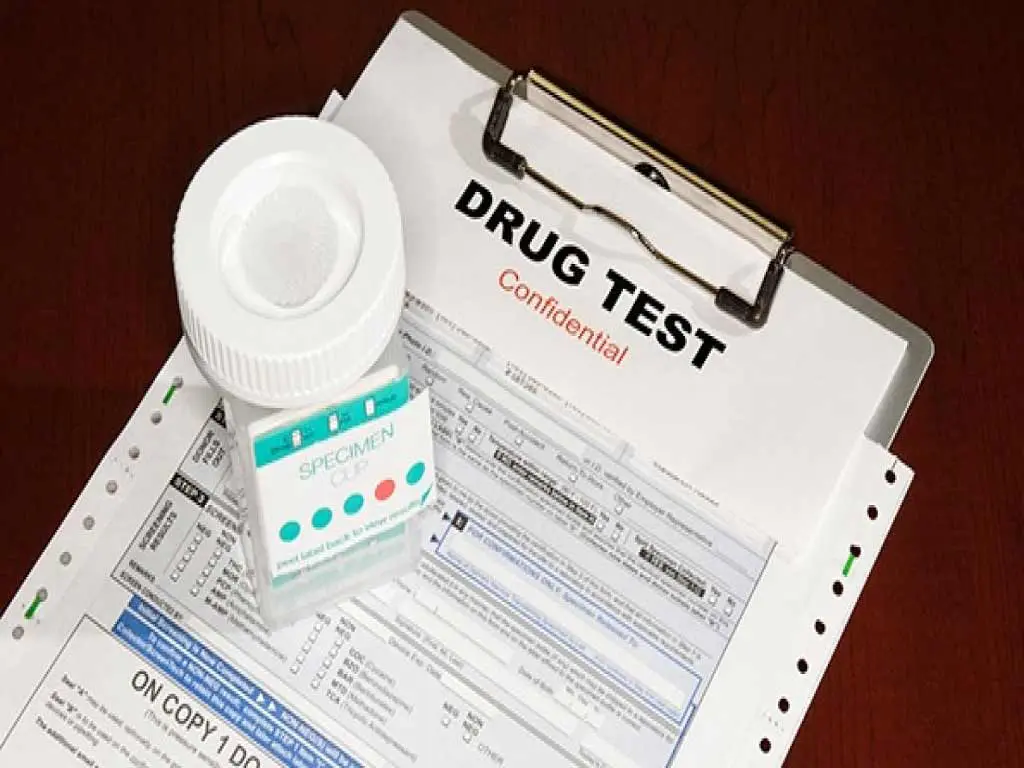
A urine sample container on top of a drug test form
Workers under the influence of drugs can cause workplace accidents or reduced productivity. Thus, many businesses have implemented random drug testing programs. The test helps deter illicit drug use due to the fear of being caught and facing consequences. However, one question that often arises is how often do random drug tests occur. It would depend on the industry of the company and the workplace policy. Employees for testing may need to provide a saliva or urine sample.

A drug test policy is crucial to many industries, such as transportation, healthcare, and manufacturing. They often involve tasks requiring high-level focus, concentration, and safety. Hence, drug misuse of a worker can pose a significant risk to themselves and others around them. Testing positive for drug screens can lead to the termination of the employment contract. The article will present random testing, including the factors affecting the frequency of the test and testing types.

How Often Do Random Drug Tests Occur – Understanding Random Testing

Employees wondering how often do random drug tests occur must first understand the purpose and regulations surrounding the test. Employers conduct random testing to ensure a safe and drug-free environment. They administer the test without any warning or predictable schedule. Thus, it can be a concern for many workers.

While the frequency of random workplace drug testing can vary depending on different factors, some organisations may conduct it on a quarterly or semi-annual basis. Regardless of the frequency, random tests are typically carried out with the help of third-party testing facilities. This maintains impartiality and confidentiality. Also, this ensures that the results of the test are accurate.

Workers must be attentive to random drug testing policies to understand how often the tests may happen. By knowing the frequency of random drug testing, employees can make informed decisions about their behaviour both in and out of the workplace. Understanding the potential for random drug tests can also serve as a deterrent for employees who may consider using illicit substances.

Legal Considerations for Random Testing

  • Privacy rights: Companies must conduct random tests in a way that respects the rights of employees.
  • Discrimination: The drug testing process must not discriminate against specific individuals or groups based on race, gender, or any other protected characteristic.
  • Consent: Workers must consent to the testing for it to be conducted. Also, the management must inform them of the implications of refusing the test.
  • Accuracy of testing: Employers must ensure that the testing methods are trustworthy to avoid potential false positives or negatives.
  • Confidentiality of results: Businesses must keep the drug test outcomes confidential. Moreover, they should only share it with authorised individuals.

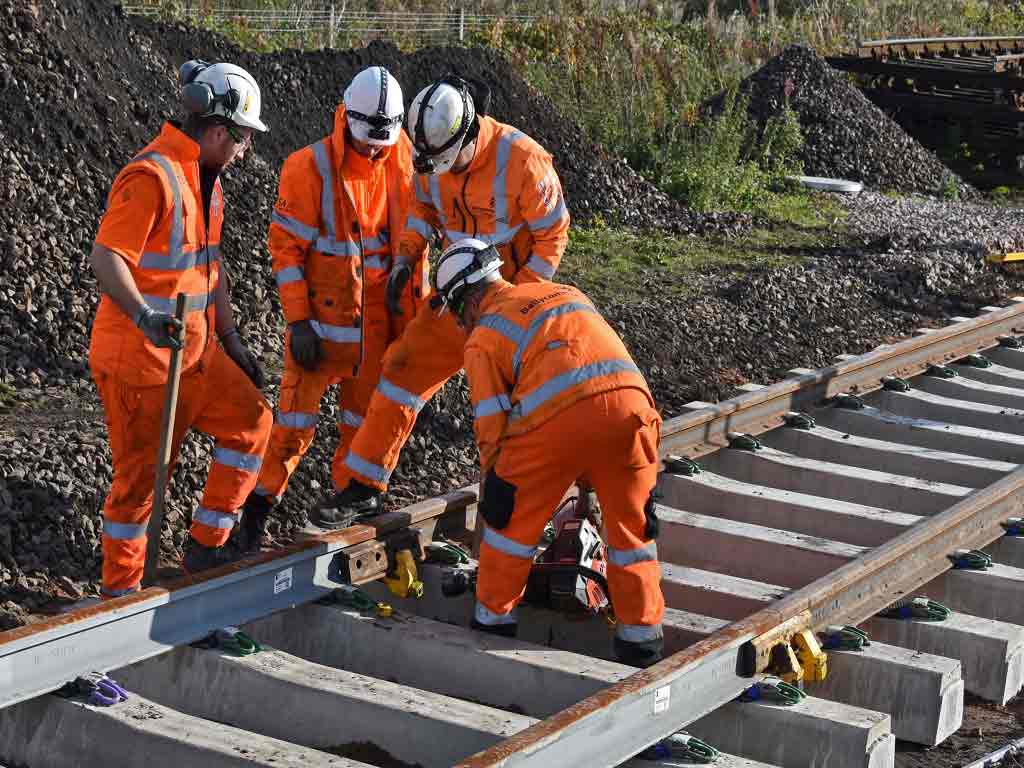
A group of railway workers on the job

Factors Influencing How Often Do Random Drug Tests Occur

Factors that affect how often do random drug tests occur can vary depending on the industry, company policies, and specific job roles. For example, employees in high-risk industries, such as the railway industry, may be subject to more frequent drug testing due to the potential risks associated with impairment on the job. In contrast, companies in lower-risk industries may conduct the test less often, such as once or twice a year.

Company size also plays a significant role in determining the frequency of random drug tests. Larger organisations with more employees may conduct tests more often to ensure a comprehensive approach to workplace safety and compliance. Meanwhile, smaller businesses may have more limited resources and administer them less frequently.

The legal and regulatory environment is another factor in how often random testing occurs. Some industries, such as transportation and healthcare, are subject to strict regulations governing drug testing requirements. Additionally, federal and state laws may dictate specific guidelines for random tests, including criteria for testing. Compliance with these legal requirements can impact the frequency of random drug tests in particular fields.

Industry-Specific Requirements and Safety Risks

Random drug testing is crucial in industries where employees operate heavy machinery or vehicles. These industries have industry-specific requirements for tests to ensure the safety of everyone involved. For instance, the transportation industry often follows strict federal regulations requiring regular drug testing for workers with commercial licenses.

Additionally, safety risks associated with drug abuse in the workplace can include impairment. It can also pose a higher potential for accidents. In industries where employees are responsible for protecting themselves and others, ensuring a drug-free workplace is essential to prevent harm and maintain a safe working environment. Random drug testing can help achieve this.

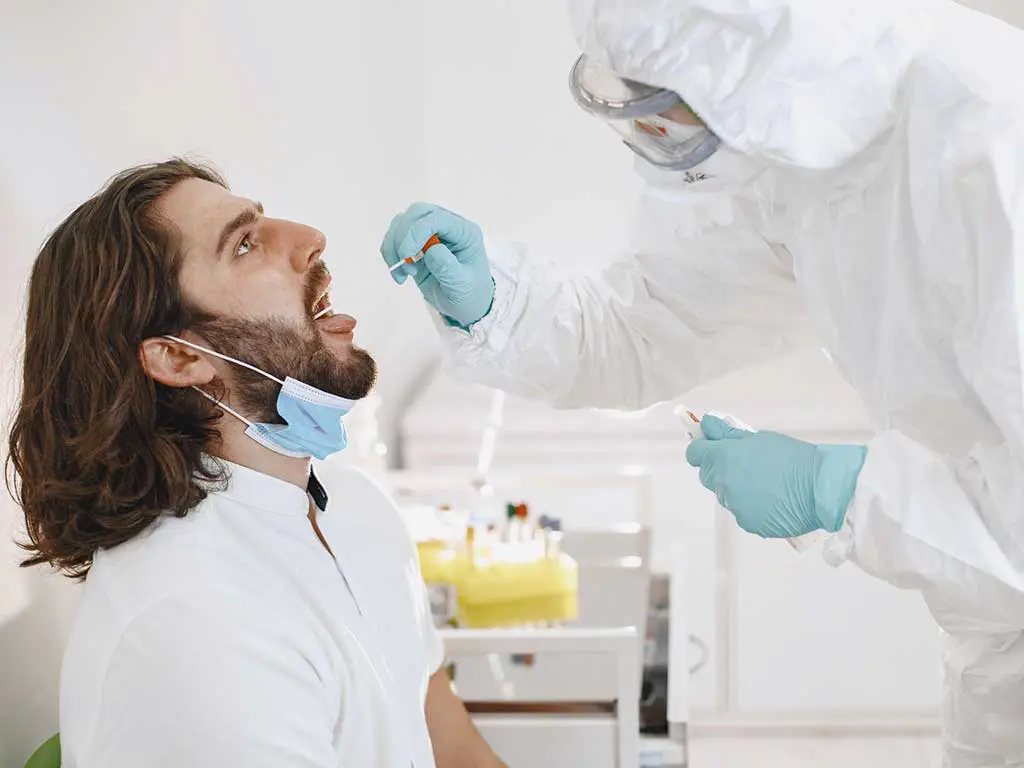
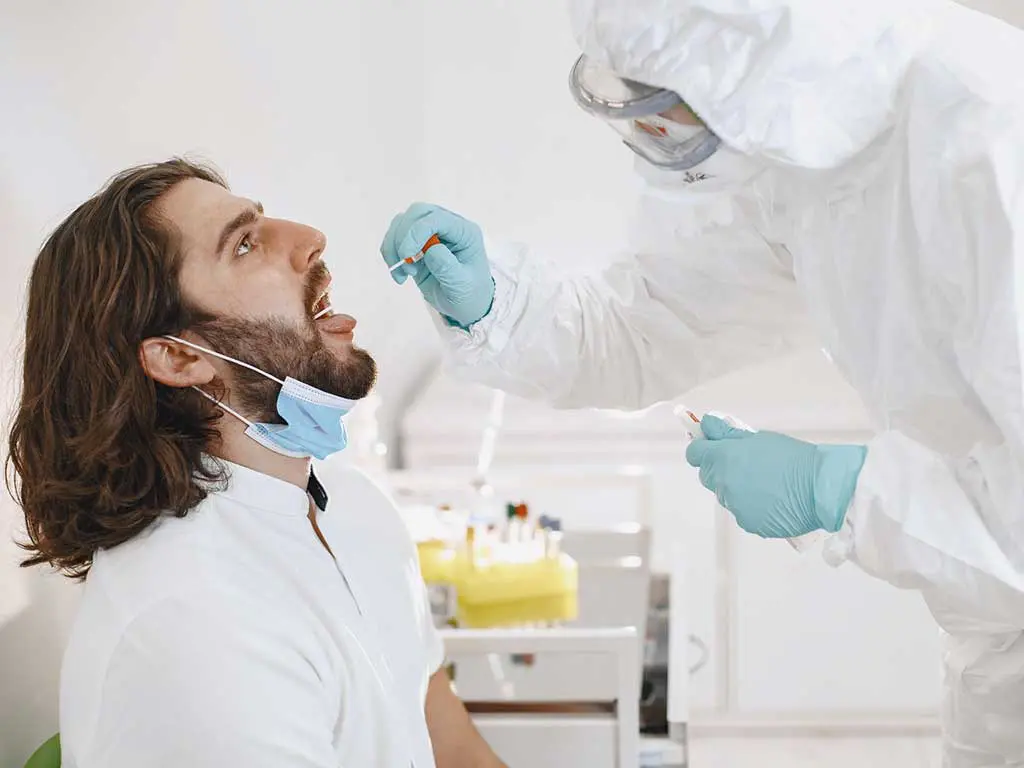
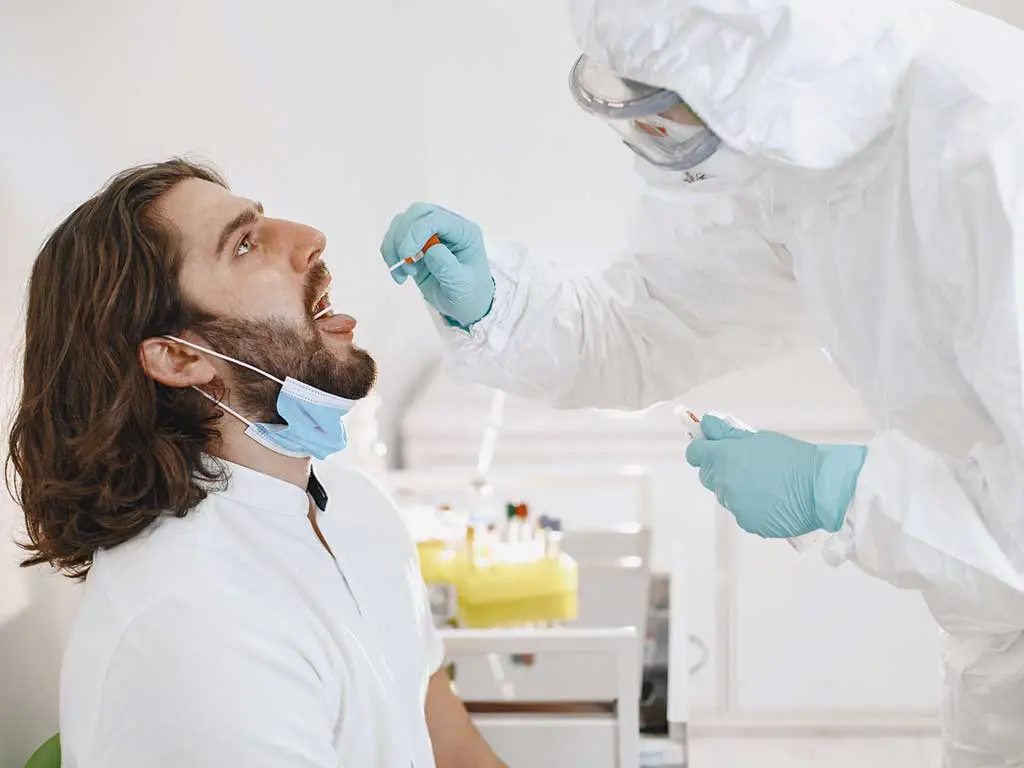
A lab technician conducting a saliva test on a male patient

How Often Do Random Drug Tests Occur – Types of Testing

Individuals asking how often do random drug tests occur must also know the different types of testing. Urine tests are the in-demand method among employers. This is because they are relatively inexpensive, non-invasive, and provide a reliable detection method for various drug classes. Moreover, urine testing can detect drug use within the past few days to a few weeks, depending on the substance.

Many companies also rely on saliva tests for random drug testing programs. This is because it is quick and easy to administer. Drug testing providers typically use a swab to collect samples. Then, they send the specimens to a laboratory for analysis. Additionally, it can detect drug use within the past few hours to a few days.

Other testing types require the collection of hair or blood samples. Hair testing is advantageous because it can detect drug use over a longer time, up to 90 days or more, depending on the length of the hair. Meanwhile, blood testing is the most accurate method but also the most invasive and expensive. It can detect drug use within a few hours to a few days.

Can an Individual Refuse a Test?

Yes, an individual has the right to refuse a random drug test in some situations. However, depending on the circumstance or the drug policy, there may be consequences for refusing. For example, an employee may face disciplinary actions, including termination, for not taking a test.

The valid excuses for refusing drug testing are if it violates their privacy or if there is no reasonable suspicion of drug use. Nevertheless, people must seek legal advice if unsure about their rights and options. Ultimately, whether an individual can refuse a random drug test depends on the situation.

Conclusion

People asking how often do random drug tests occur should know that the frequency of testing depends on the industry or the policy. Also, they must understand the components behind random tests to better prepare themselves. Random drug testing is crucial in ensuring a drug-free and safe workplace environment. By testing employees at unpredictable intervals, employers can deter drug use and identify individuals who may pose a risk to themselves or the company.

Other factors affecting the number of times random testing happens are company size and legal requirements. Businesses typically utilise urine, saliva, hair, and blood testing to conduct random tests. However, it is necessary to note that each offers different detection windows and accuracies. Overall, understanding the importance of random drug testing, the factors influencing testing frequency, and the various testing methods is essential for maintaining a healthy workforce.

Drug Test: Definition, Types of Tests, and the Legal Considerations

A professional handing over a urine sample container

Drug testing is a process for detecting the presence of drugs or their metabolites in the system of an individual. Health professionals, employers, and law enforcement agencies conduct them to identify people who are misusing drugs. The types of testing methods include hair, saliva, urine, and blood tests. However, the testing must follow the relevant laws and standards. They must also respect the rights of the individual to privacy and maintain the confidentiality of the results.

Drug abuse is a prevalent problem that causes many negative effects. It causes dependency and increases risks for various illnesses. In addition, it also causes various accidents that endanger the general public. Hence, organisations conduct testing to prevent substance misuse and reduce the rates of accidents. This article will present the definition, types of tests, and legal considerations when conducting a test for drugs.

What is a Drug Test?

A drug test is a method organisations use to detect the presence or absence of drugs or their metabolites in the system of individuals. It is utilised by schools, law enforcement agencies, and workplaces to reduce safety risks and maintain the well-being of people. It also helps them make informed decisions regarding potential law or workplace policy violations.

Medical professionals use screenings to identify those with substance use disorders. This provides intervention and professional treatment for their health. Law enforcement officers conduct mobile drug screens to protect road safety. Meanwhile, employers conduct tests in different situations to maintain the safety of employees. Some examples are blanket, reasonable suspicion, post-accident, and random testing.

Testing for prescription medications or illegal drugs typically involves using biological samples. Individuals or organisations may utilise kits for quick results. They may also contact accredited drug-checking services for laboratory testing. Moreover, some businesses opt for onsite testing on a pop-up location. This helps reduce time costs and provides convenience to the employees.

Importance of Testing in Various Industries

  • Pre-employment testing enables companies to determine and filter out candidates with illicit drug misuse problems. This is essential because safety-sensitive positions can jeopardise the well-being of others.
  • Drug screening enables employers to identify workers violating the agreed-upon workplace policy and prevent them from causing incidents.
  • Testing can help deter individuals from misusing prescription drugs or trying illegal ones.
  • Drug screens also allow businesses to determine if impairment from substance misuse contributed to a workplace accident.
  • Testing helps companies reduce legal liabilities and comply with the relevant laws and standards.
  • It can also help employers preserve the reputation of their company, improve morale, and increase productivity.

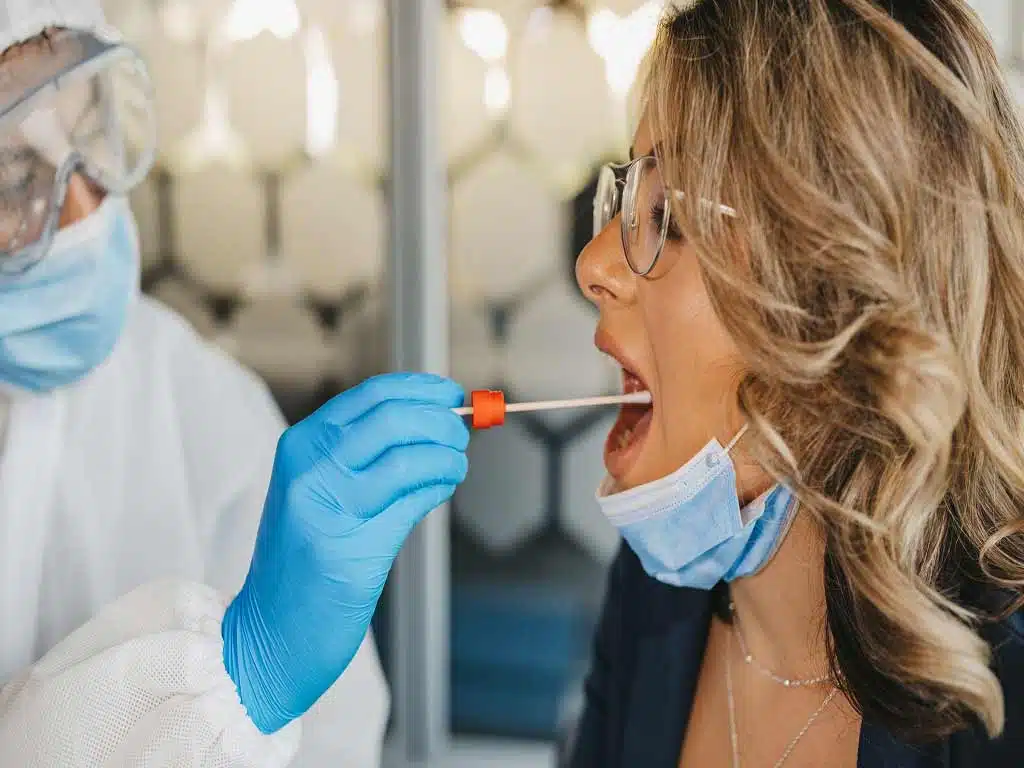
A trained collector gathering saliva samples

Types of Drug Tests

There are several types of screening methods that law enforcement agencies and companies can use to identify substance abuse. Firstly, urine drug tests are the most common type of workplace testing. It uses urine samples to identify a wide range of substances or metabolites. It can have a detection window of between one and seven days, depending on the drug. Notably, chronic use of marijuana can be traceable for up to 25 days.

Secondly, saliva screening is particularly convenient when conducting an onsite test. It has a simple collection method and a short detection period, making it convenient for testing many people for recent drug use. Thirdly, blood tests are considered the most accurate method. This is because it directly analyses blood samples for traces of the substance. However, the sample collection procedure can cause discomfort or pain due to its invasive nature.

Lastly, hair follicle testing. This is typically used when people need a history of substance use. It can help prove abstinence or lack thereof due to its 90-day detection window. However, this period does not include substances taken seven days before collection.

Detectable Substances

The detectable substances in a drug screen can include both legal drugs and illegal drugs. It mainly depends on the panels used to analyse the samples. The common drugs of abuse are marijuana (THC, but not HHC), cocaine, opioids, benzodiazepines, and amphetamines. In addition, laboratories may also screen for barbiturates, methamphetamines, and phencyclidine (PCP).

Many kits have several panels for testing multiple substances at once. Laboratories may also use methods such as Gas Chromatography-Mass Spectrometry (GC-MS) for quantitative analysis of the samples or confirmatory testing for potential false positives. However, informing the testing provider of any medications or health conditions can help ensure the accuracy of the report.

A gavel on a sound block next to a book with a hard hat on top

Legal Considerations in Drug Tests

There are several legal considerations that organisations must consider when implementing drug tests. Firstly, they must comply with the relevant laws and regulations concerning drug and alcohol testing. To do this, they must also relay the information to the employees. A comprehensive policy can outline the process, their rights, and potential disciplinary actions.

Secondly, the testing providers must adhere to the chain-of-custody procedures. These are in place to ensure the testing meets expectations and prevents contamination or adulteration of the samples. A part of this is ensuring they have informed consent before conducting the test. Proper labelling of the samples and inputting the correct information are also vital. Otherwise, it may cause the samples to become invalid.

Thirdly, they must protect the privacy of the individual. Hence, they must maintain the confidentiality of the results. The information should only be released to relevant staff on a need-to-know basis. Lastly, they must ensure the testing is done in a non-discriminatory manner. There should be reasonable cause for the test. Furthermore, penalties should be implemented fairly, regardless of position or seniority.

Implications of Non-Negative Result

A non-negative result can have significant implications for individuals. In employment, a positive result may lead to suspension, demotion, or termination. They may also require the individual to undergo a drug rehabilitation program before returning to work. This is because ensuring that employees are free from drug issues significantly contributes to workplace safety.

In legal settings, a non-negative result can be used as evidence in court proceedings, such as child custody battles or probation hearings. It may also prove that a driver partook in drug driving, which can result in demerit points, fines, and licence disqualifications.

Conclusion

Drug tests are crucial for ensuring the health and safety of individuals and the overall community. This is why many organisations use them in various settings and for specific reasons. Law enforcement agencies conduct them on roadsides to identify drivers impaired by drugs. Meanwhile, employers implement them at pre-employment to ensure that applicants for safety-sensitive positions do not have substance use disorders. They also conduct them randomly to deter misuse and under reasonable suspicion.

The usual screening methods include blood, hair, saliva, and urine tests. These are all reliable methods that can detect substances like opioids, amphetamines, cocaine, and marijuana. Saliva testing is usually the shortest, while hair testing offers the lengthiest period. However, employers must ensure to properly inform the workers of necessary information and gain their consent. They also need to ascertain that the process is done fairly while protecting the privacy of the workers.

At Home Drug Test: Importance, Types of Tests, and How to Conduct

A drug test kit with a urine sample
Drug abuse is a significant concern worldwide, affecting individuals, families, and careers. At-home drug tests provide a convenient and discreet way for people to screen themselves or their loved ones for possible substance abuse. There are various types of tests, such as urine, saliva, and hair sampling. Each type can detect drugs with varying levels of accuracy, periods of detection, and procedures. To conduct the test, it is important to follow the proper sample collection technique.

Drug testing is a common practice in roadside, legal, and workplace settings. It ensures that individuals are not under the influence of illicit substances that may harm themselves or others. With the availability of rapid testing kits, it has become easier for people to test themselves with confidentiality. The following sections will explore the importance of home drug tests, the types of methods, and how to conduct them.

Importance of At-Home Drug Testing

At-home drug testing plays a crucial role in society for several reasons. Firstly, it promotes a drug-free environment, whether in households, schools, or workplaces. This allows individuals to take control of their health and well-being. The test can help identify if someone is using or abusing illegal drugs. This information can be crucial for intervention and treatment.

Secondly, it prevents harm. Regular drug testing can deter drug use. Identifying impaired individuals also helps minimise the safety hazards that can lead to accidents and injuries. For example, employers can choose to temporarily suspend employees who test positive for drugs to ensure the safety of other workers. It also allows law enforcement officials to identify individuals who may be driving under the influence and take appropriate action to prevent road incidents.

Thirdly, home drug testing can provide peace of mind for parents and guardians. It allows them to monitor their children or family members for possible substance abuse without relying on external testing facilities. Lastly, individuals in an outpatient rehabilitation program can use these tests to ensure their continued sobriety and compliance with their treatment plan.

Advantages of At-Home Testing Over Laboratory Testing

  • Convenience: At-home testing allows individuals to conduct the test in the comfort of their homes with easy-to-use instructions.
  • Cost-effective: Drug test kits offer a more affordable option than laboratory testing. This eliminates additional costs associated with laboratory fees and professional services.
  • Privacy: Individuals can maintain privacy and confidentiality as the results are delivered directly.
  • Quick results: Drug screening provides rapid results compared to laboratory tests that may take two to three business days.
  • Time-saving: It eliminates the need to travel to a laboratory or collection centre.
  • Test options: Individuals can choose the number of panels or substances they want to test for.

A professional taking a sample of hair from a container

Types of At-Home Drug Tests

There are several types of at-home drug test kits available for different testing needs. The most frequently used type is the multi-panel instant urine drug test kit. This test detects the presence of drug metabolites in urine for two days to one week. Using urine kits at home enables individuals to be more comfortable during the procedure.

A saliva drug test is another option for at-home testing. This type of test can detect various substances within a few hours of consumption. It is particularly effective in determining recent usage because of its short detection window, typically within 5 to 48 hours. An advantage of this test is its non-invasive sample collection method.

Lastly, there are hair drug tests, which provide a longer detection window than urine and saliva tests. It can trace drug metabolites in the hair samples up to 90 days prior to testing. Therefore, it offers a comprehensive overview of the drug use history of a person. Moreover, it is regarded as highly accurate and difficult to tamper with.

Commonly Detected Substances

Instant drug test kits can detect a wide variety of substances, such as illicit drugs, prescription drugs, and alcohol. The common drugs of abuse include marijuana or cannabis, cocaine, amphetamines, heroin, ecstasy and benzodiazepines. The test can also identify potential misuse of prescription painkillers or opioids like tricyclic antidepressants, methadone, and morphine.

Some tests may include Ethyl Glucuronide (EtG) and Ethyl Sulfate (EtS), the biomarkers of alcohol consumption. These metabolites are detectable in urine and saliva samples for up to 80 hours after alcohol consumption. This allows for efficient monitoring of individuals who are required to abstain from alcohol.

A woman refusing a glass of alcohol

Guide to Conduct an At-Home Drug Test

Conducting an at-home drug test is a relatively simple and quick process. It involves several key steps, such as sample collection, analysis, and interpretation of results. To begin, provide an adequate sample following the instructions on how to collect them properly.

Subsequently, the saliva or urine samples can be analysed using the test kit. It may involve dipping the built-in test strips or inserting the swab into a device that has been pre-coated with specific antibodies. After a specified amount of time, check the results according to the instructions. Most tests will indicate a colour change or lines to determine the absence or presence of drugs.

On the other hand, hair tests involve collecting a sample of hair and putting it in a sealed pouch provided in the kit. Then, individuals can send the samples to a laboratory for analysis. Many kits provide discreet packaging to ensure privacy during shipping. Finally, if the result is non-negative, it is essential to send the samples to a laboratory for confirmation testing.

How to Prepare for the Test?

To prepare for the test, first, gather all necessary materials, such as the sample collection cup, collection swab, and any other supplies provided in the kit. It is recommended to wash hands thoroughly with soap and water before starting the test to ensure cleanliness. Wearing gloves can also help prevent contamination.

Before conducting the test, it is crucial to avoid any substances that may interfere with the test results. This includes abstaining from alcohol consumption and certain medications as advised by the instructions or a health professional. Also, it is important to keep the area clean and without the presence of chemicals or alcohol-containing products.

Conclusion

At-home drug tests offer a convenient and non-invasive way to detect the presence of various types of drugs in the body. It is suitable for individuals who want privacy or need to regularly monitor their medication use. It is also valuable in keeping workplaces and other public settings safe. Additionally, there are different methods available, including urine, saliva, and hair testing. Each type can vary in detection window and accuracy.

Conducting home or workplace drug testing with instant test kits is relatively simple. Individuals should follow the proper sample collection procedure and analysis methods to ensure accurate results. Moreover, adhering to the preparation guidelines can help enhance the reliability of the test and prevent false positives. Nevertheless, while they may be efficient in detecting drugs, a confirmation test is necessary for non-negative results. Overall, they are a valuable tool in promoting safety and monitoring substance use.

Drug and Alcohol Test: A Complete Guide for Workplace Testing in NZ

A worker looking at heavy machinery on site

Drug and alcohol tests in the workplace have become an essential aspect of maintaining a safe and productive work environment. As businesses strive to ensure the well-being of their employees, implementing testing programs has become crucial. These tests identify individuals who may be under the influence of illicit drugs. Thus, positive results can have serious implications. It is essential for companies to follow strict procedures to avoid legal issues and ensure fairness in the testing process.

Alcohol and illegal drug use is a major hazard in the workplace. It impairs the physical and mental abilities of a person, especially when performing tasks that require alertness and attention. Additionally, long-term use can cause serious health issues, including substance use disorder. Therefore, organisations implement drug and alcohol policies to combat these hazards. This comprehensive guide aims to provide a complete understanding of the importance of workplace testing, the different types of tests, and implementation procedures.

Jump to a Section:

An Overview of Drug and Alcohol Tests in New Zealand

Drug and alcohol tests in New Zealand are becoming increasingly common as employers recognise the importance of ensuring a safe workplace. The country has specific laws and guidelines that govern workplace testing to maintain a substance-free environment. At the same time, it is essential to protect the rights and privacy of employees while carrying out these tests.

The Health and Safety at Work Act 2015 requires employers to provide a safe working environment for employees. This includes managing the risks associated with drug and alcohol use. This act also allows employers to conduct testing if they have a reasonable cause to believe that workers are impaired. However, establishing clear policies is important to facilitate these measures.

The consequences of positive test results can vary depending on the industry and the company policies. In safety-sensitive industries like mining or construction, it may lead to immediate suspension, termination, or mandatory rehabilitation programs. Overall, drug and alcohol monitoring in the workplace is crucial for maintaining a safe and productive environment for employees.

A Brief History

  • Workplace testing was introduced in New Zealand in the early 1990s as a response to USA International Companies adopting policies and procedures.
  • In 1992, the NZ Navy introduced drug testing programs, and other Armed Forces soon followed.
  • Since 2000, the high-risk sectors have organisations mandating alcohol and drug testing.
  • Initially, testing was conducted through observation and physical symptoms. Later on, it evolved to include more sophisticated methods, such as urine and saliva testing.
  • In 2001, The Australia/New Zealand (AS/NZ) Standards were established to provide guidelines for workplace testing and occupational health and safety. These standards ensure that the tests are accurate, reliable, and fair.

Workers communicating in a construction site

Importance of Conducting Drug and Alcohol Tests in NZ Workplaces

Conducting drug and alcohol tests in NZ workplaces is of utmost importance for several reasons. Firstly, ensuring a safe and healthy environment is crucial for both the employees and the employer. Drug and alcohol use can impair judgment, coordination, and concentration, leading to an increased risk of accidents and injuries. Thus, workplace testing identifies at-risk workers, allowing employers to take appropriate measures.

Secondly, workplace drug and alcohol screening can contribute to the overall performance and productivity of a company. Substance abuse can lead to negative outcomes, such as decreased work quality, absenteeism, increased errors, and conflicts among employees. By ensuring a drug and alcohol-free workplace, organisations can diminish these negative impacts.

Thirdly, workplace testing in NZ is essential for legal and regulatory compliance. This is particularly important in safety-sensitive industries where the risks associated with substance use are higher. Employers have a duty of care to their employees to take practicable steps to maintain a safe working environment. Non-compliance with these laws can lead to legal consequences and financial penalties.

Benefits of a Safe Working Environment

Maintaining a safe working environment through alcohol and drug testing offers numerous benefits. The foremost benefit is the reduced risk of accidents. When employees are clean and sober, they are less likely to make errors or engage in risky behaviour. This not only prevents injuries but also minimises the number of sick days.

Another benefit is enhanced productivity and efficiency. When employees feel safe, they are more likely to perform at their best. This leads to increased job satisfaction, employee morale, and company reputation. By identifying substance abuse issues, employers can seek treatment and support, ultimately improving employee well-being and reducing turnover rates.
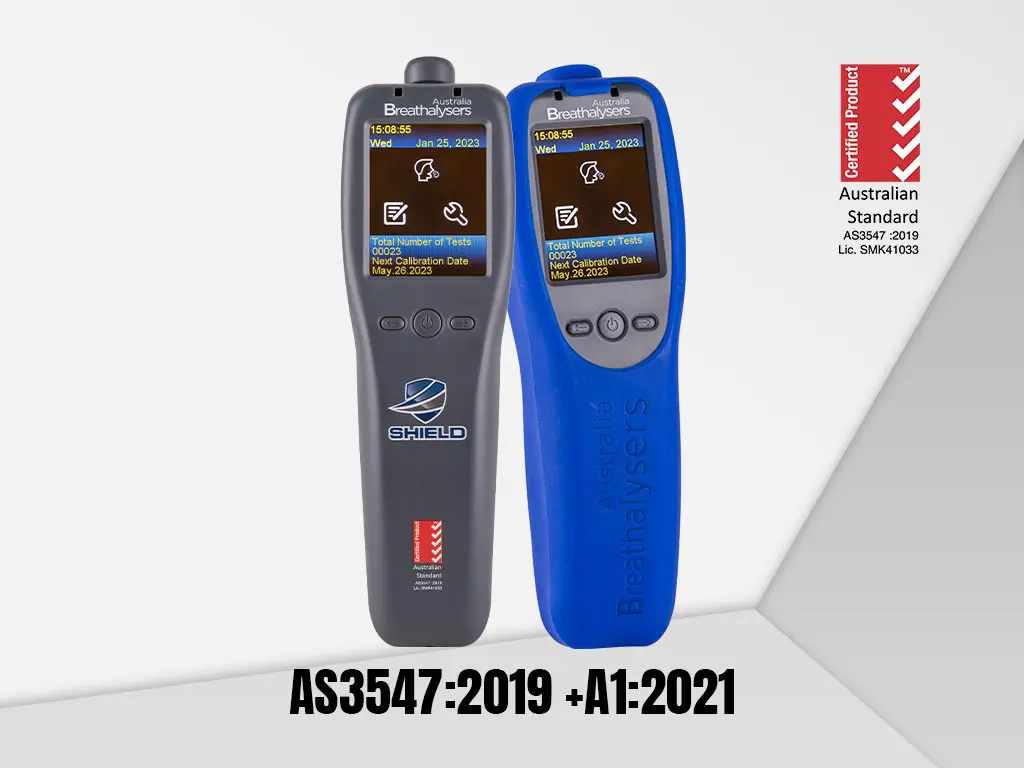
Two workplace breathalysers

Drug and Alcohol Test Types: Breathalysers

A common in a workplace drug and alcohol test is using a breathalyser. It is a device that measures Blood Alcohol Concentration (BAC) by analysing the exhaled breath. Breathalysers contain powerful sensors that can detect alcohol molecules. The sensors chemically react with the alcohol and produce an electrical current.

The magnitude of the electrical current corresponds to the amount of alcohol in the breath, in proportion to the alcohol in the blood. This output is then measured by the device and converted into the BAC level. Hence, it provides reliable information about the intoxication or impairment degree of a person.

There are different types of breathalysers available, including handheld devices used in roadside screening and larger equipment in police stations. Individuals can also get one for personal use. It is a non-invasive procedure and provides quick results after a few seconds after sample collection. Moreover, this method does not require laboratory analysis, making it a convenient and cost-effective option for alcohol testing.

Accuracy of Breathalyser Tests

Breathalysers are generally reliable in detecting alcohol use. The accuracy can vary depending on various factors. Primarily, breathalysers use two types of sensors: semiconductor and fuel cell technology. Semiconductor sensors are less expensive but can be sensitive to other substances. Meanwhile, fuel cell sensors are less prone to interference, providing more accurate results.

Furthermore, the accuracy of the breathalyser includes recalibration, user error, and external factors. Periodic recalibration is vital to maintain the performance of the sensors. On the other hand, not following proper breath testing procedures, improper handling of the device, and mouth alcohol can affect the results.
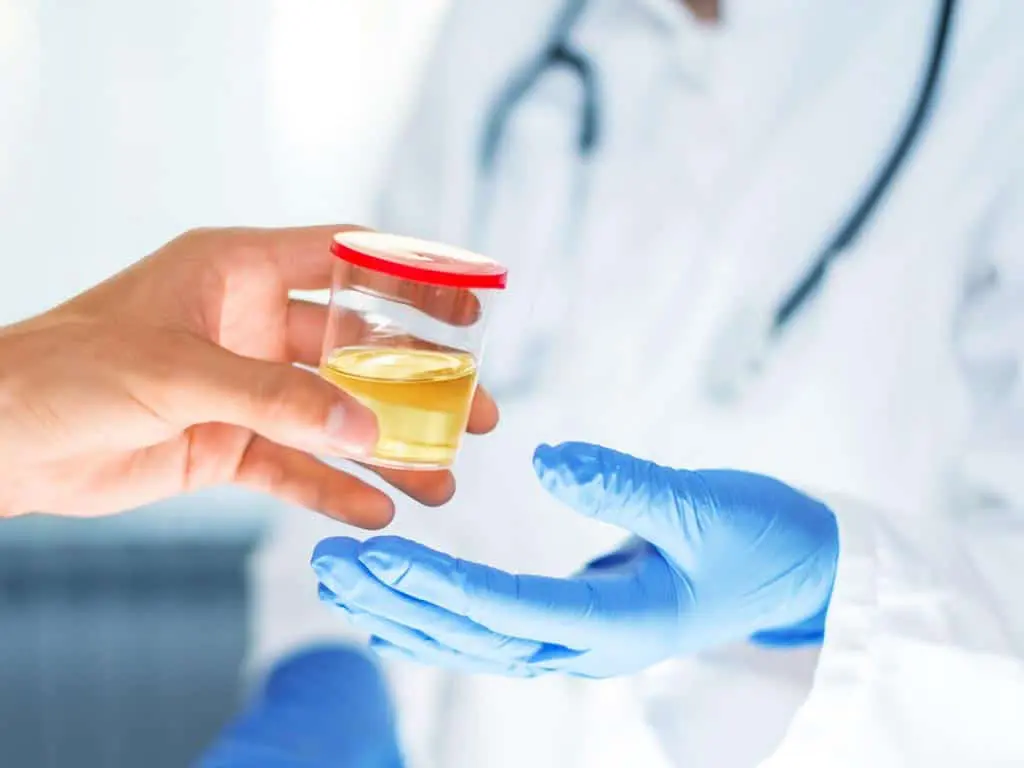
A person handing over a urine sample container

Drug and Alcohol Test Types: Urine Tests

Urine analysis is another standard in drug and alcohol tests in workplaces. Urine testing is an efficient method of detecting a wide range of substances. It includes alcohol, illegal drugs, and prescription drugs. The test involves collecting a urine sample from the individual and analysing it using various techniques. It can provide valuable information about drug and alcohol use within a certain period.

A common method of analysis is the immunoassay testing. It works by using antibodies to detect alcohol or drug metabolites in the urine specimen. If the initial test indicates the presence of a target substance, confirmatory testing using a more accurate technology, such as Gas Chromatography-Mass Spectrometry (GC-MS), is crucial.

Urine drug testing can detect substances such as marijuana, cocaine, opioids (heroin, morphine), amphetamines, and benzodiazepines. It can also identify prescription medications that may be abused. These substances are detectable in urine for varying periods, depending on the specific drug and amount of consumption. Typically, drugs stay in urine for one to three days up to a week.

Advantages of Urine Tests

  • Urine testing is easy to administer. The sample collection procedure is less invasive and provides immediate results, ranging from a few minutes to hours.
  • The detection window of drugs in urine samples is longer in contrast to blood or oral fluids.
  • It is a cost-efficient method of drug testing. The test kits are affordable and easily accessible in pharmacies or online.
  • Urine test kits are easy to use. Individuals can get reliable results following the instructions provided in the kit.
  • Urine specimens allow retesting. The samples can be forwarded to a laboratory for confirmation if the initial screening shows a non-negative result.
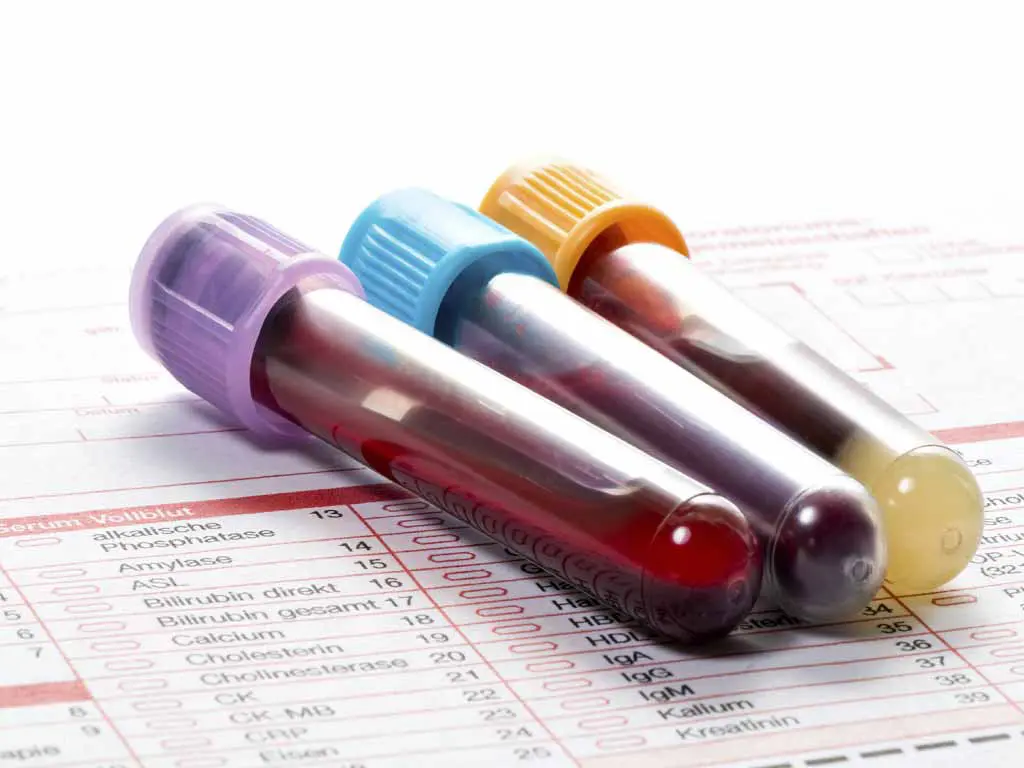
Three vials of blood on top of a form

Drug and Alcohol Test Types: Blood Tests

Blood analysis is one type of drug and alcohol test method that can provide the most accurate result. Unlike urine tests, which detect metabolites, blood tests directly measure the presence of substances in the bloodstream. Additionally, drugs stay in the blood for a shorter period, usually within 6-12 hours. Therefore, the results of the test indicate real-time updates, making it highly reliable for recent use or current impairment.

To conduct a blood test, a healthcare professional will draw a small sample of blood from the individual. This sample is secured and is then sent to an accredited laboratory for analysis. They can identify the specific substance and its precise concentration level.

However, the process of analysis is more complex, resulting in a longer turnaround time. The sample collection procedure can also be intrusive for some people. Nevertheless, its high accuracy rate makes it admissible in court or legal proceedings. Overall, blood tests provide valuable information about the recent substance use of a person, which can be a factor in accidents.

When to Use Blood Tests

Blood tests are valuable in situations where the detection of recent drug or alcohol use or current impairment is crucial. One common situation is post-accidents. Since blood analysis provides real-time updates, it can determine if recent substance use is a contributing factor to the incident.

Furthermore, it is often used as confirmatory testing when initial urine or oral fluid tests show a positive result. It can measure the precise levels of substances that may not be available with immunoassay techniques. Moreover, blood tests can also be used for medical purposes, such as monitoring drug levels in patients undergoing medication treatment.
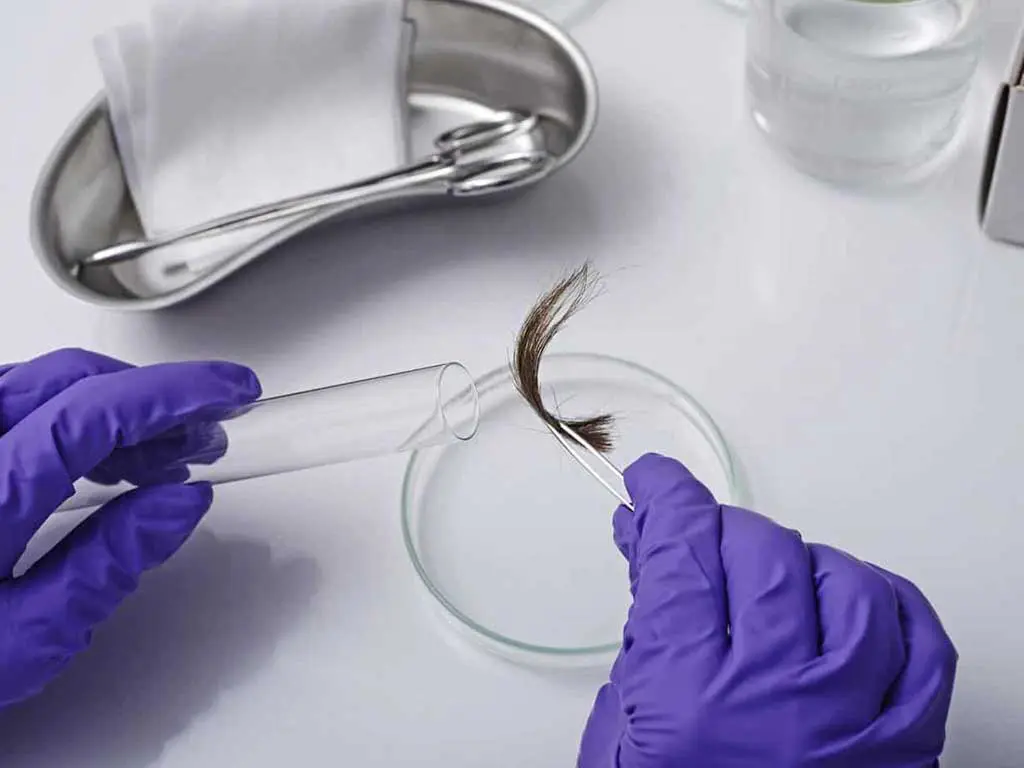
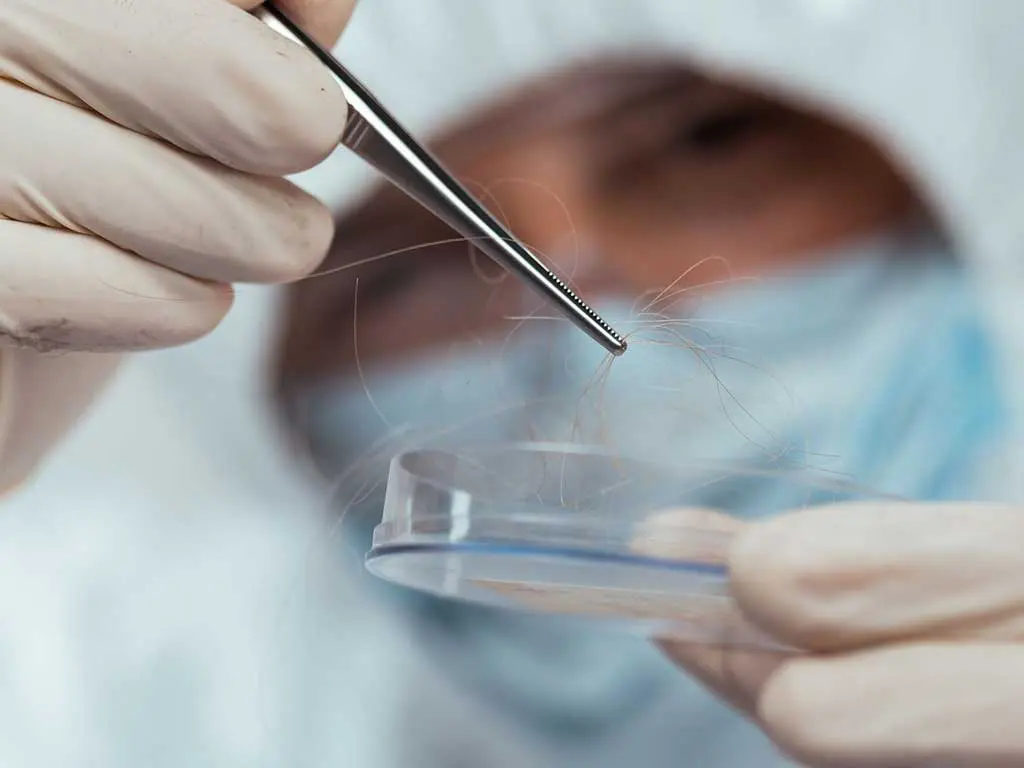
A lab technician putting hair strands on a petri dish

Drug and Alcohol Test Types: Hair Tests

Another type of drug and alcohol test method is hair follicle testing. It involves the collection of a few samples of hair and analysing them for the presence of drugs or alcohol metabolites. Hair tests are unique because they can provide a longer detection window compared to other testing methods. Hair samples can trace substance usage for the past 90 days.

The technology behind hair follicle testing involves Liquid Chromatography-Gas Chromatography (LC-MS) and GC-MS tandem. This process provides greater sensitivity and accuracy. Therefore, it can identify substances that other test methods may miss. However, it also has its limitations, such as needing laboratory equipment to analyse the specimen. It also cannot detect recent substance use, as it takes approximately five to seven days for the metabolites to be incorporated into the hair shaft.

On the other hand, the long detection window of hair offers several advantages. It can be particularly useful in determining long-term or chronic substance use. The test can pinpoint patterns of drug consumption over a longer period. Hence, it is useful in workplace testing programs to identify employees with ongoing drug or alcohol abuse issues.

What Else Can Hair Tests Detect?

Primarily, hair tests can detect the presence of drug and alcohol metabolites. These are compounds or byproducts created after metabolism. Thus, they are indicators of drug use or consumption. The test also establishes certain cut-off levels to determine significant amounts. Additionally, metabolites can stay longer in the system than their parent drugs.

Hair tests can also provide valuable information about the overall health and well-being of a person. For example, hair analysis can determine nutrient deficiencies and hormonal imbalances. It can also help reveal the presence of environmental toxins like lead, mercury, and arsenic, which are critical in certain industries.
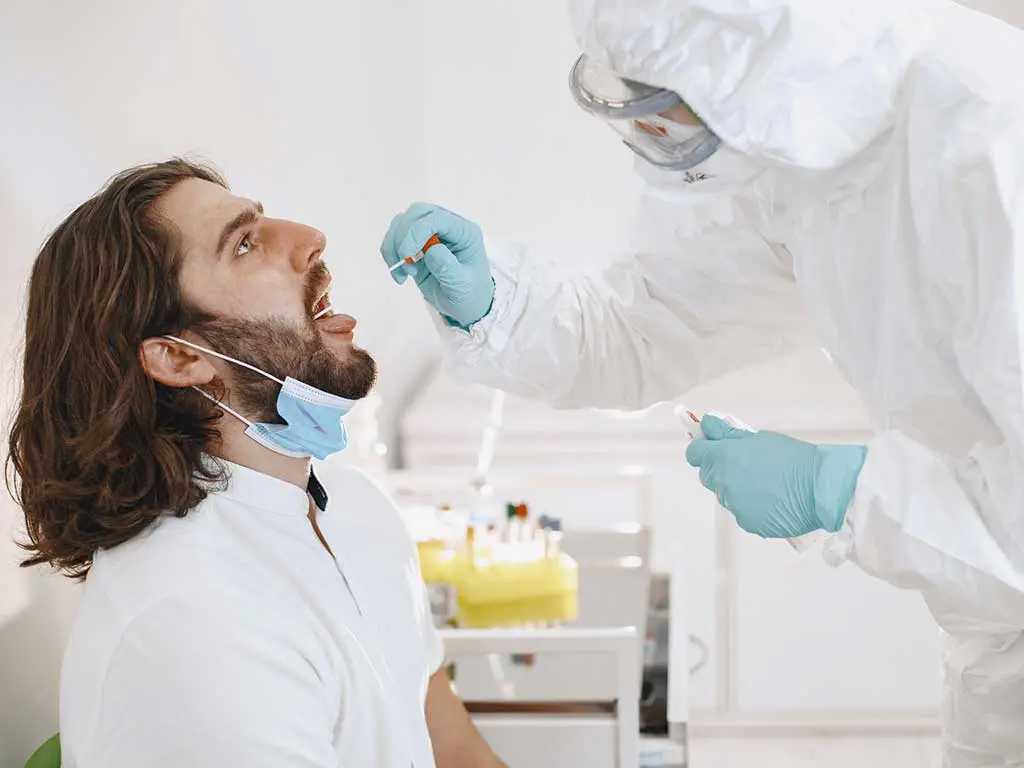
A trained collector gathering saliva samples

Drug and Alcohol Test Types: Saliva Tests

Saliva screening is a simple process of drug and alcohol tests common in workplaces. This type of test is non-invasive and can provide the results within a few minutes. Additionally, it can detect some substances for up to 48 hours after consumption. Therefore, it is valuable in situations where immediate detection is necessary, such as random drug testing or post-accident testing.

The process of conducting a saliva test is relatively simple. A collector will swab the inside of the mouth and cheek of the person with a pad or sponge. After saturating the collection device with saliva, the collector will place it in a sealed container for analysis. The sample will then be tested using immunoassay techniques to detect any substance.

In some cases, the testing officer will send the sample to a laboratory for further analysis. This is common in situations where the test indicates the presence of drugs or alcohol. In addition, saliva tests can produce accurate results because the test is tamper-resistant.

Advantages of Saliva Tests

  • The sample collection process is quick and easy. It eliminates the discomfort of invasiveness often associated with blood or urine tests.
  • The sample collection is conducted under direct supervision, minimising the risk of adulteration or tampering.
  • Saliva samples have shorter detection windows, determining recent drug use or impairment.
  • The test does not require private restrooms or specialised equipment, making it convenient for on-the-spot or on-site screening.
  • The results are available within minutes, allowing employers to make informed decisions or necessary interventions.
  • Saliva samples can detect common drugs of abuse, including marijuana, cocaine, amphetamines, opioids, and benzodiazepines.

Three professional analysing specimens

Drug and Alcohol Test Methods and Techniques

There are various methodologies and techniques used in drug and alcohol tests. A common type is immunoassay screening. It relies on the binding of antibodies to specific drug metabolites or alcohol markers. This technique is quick and affordable, making it cost-efficient for initial screening. Additionally, they are effective in urine and saliva samples.

Another type is the GC-MS test. It is a highly accurate and sensitive method for quantifying substances. This method involves the separation of drug or alcohol components by gas chromatography, followed by their identification using mass spectrometry. Hence, they are considered the gold standard in alcohol and drug detection or forensic testing.

Furthermore, the LC-MS test is an advanced technique involving the separation, identification, and quantification of substances using the liquid mobile phase. It is particularly useful for complex samples, such as blood and saliva, as it offers high resolution and sensitivity. Some laboratories may combine GC-MS and LC-MS to obtain a more comprehensive analysis. Finally, professional breathalysers employ fuel cells or infrared optical sensors to measure the BAC.

Screening vs Testing

Drug and alcohol screening and testing are often used interchangeably. However, there are some key differences between the two. Drug screening typically refers to the initial step in the process to quickly assess whether a person has consumed drugs recently. This kind of test provides qualitative results.

On the other hand, drug testing is a more comprehensive method of determining substances in the system. It often involves laboratory analysis and using more advanced techniques. In addition, it can give quantifiable results. Due to the complex process involved, lab-based testing takes more time to produce results than rapid screening.
A pen on top of a drug and alcohol testing consent form

Implementing Drug and Alcohol Tests in NZ

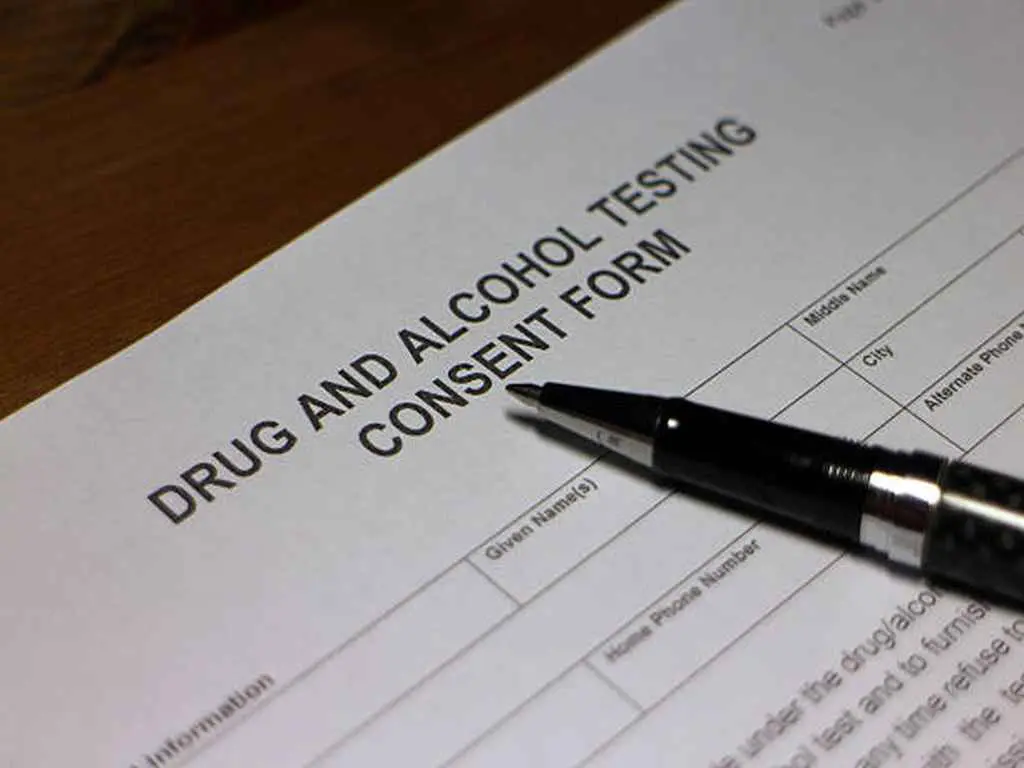
Implementing drug and alcohol tests in NZ workplaces involves several processes and considerations. Firstly, companies should develop a clear and comprehensive drug and alcohol policy. This enables employers to conduct tests under reasonable grounds. The common situations for testing include pre-employment screening, random testing, post-incident testing, and reasonable suspicion testing.

Secondly, employers should consider the types of tests they want to implement. Each test method differs in its levels of accuracy, sensitivity, turnaround time, and ease of use. For example, a hair test may be suitable for pre-employment screening to determine the substance use history of an applicant. It is essential for employees to understand the nature and factors surrounding these tests and their potential implications.

Companies should educate their employees about the testing procedures. This includes informing them about the purpose of the tests, their rights and responsibilities, and consent. Test results should be handled with utmost confidentiality. Finally, costs can impact the frequency of testing. Businesses set a budget as an investment for workplace safety.

Workplace Policy

The workplace policy is a set of rules that guides employers and employees regarding drug and alcohol use. A well-written policy should be clear, concise, and easily understood by all. It typically outlines what constitutes prohibited substances and the testing protocols. For example, it includes the common grounds or reasons for testing.

Moreover, it should specify the consequences of violating the policy, which may include disciplinary action or termination of employment. Equally important, the policy should address employee rights and privacy and other relevant laws. Lastly, any updates should be communicated to all employees and made readily available.

A woman conducting a seminar

Drug and Alcohol Test Training

Accurate and reliable tests depend on the competence of the individuals administering them. Therefore, it is crucial for those responsible for conducting drug and alcohol tests to undergo proper training. This training should cover the different testing methods, techniques, and equipment used in the process. In New Zealand, individuals who want to become alcohol and drug testers can undergo training through various organisations.

In the first part of the training, participants will learn about the different types of substances and their effects on the body. They will also learn how to recognise the signs of impairment or abuse. Furthermore, the course educates on the legal requirements and standards for testing, sample collection procedures, and chain of custody documentation. Following these protocols help maintain the integrity of the results.

The second part of the training involves practical examinations on the collection and handling of the samples and analysis. Individuals will also learn how to properly communicate the test results with clients, ensuring confidentiality and sensitivity. Lastly, participants should pass both theoretical and practical components of the course to earn their certification.

Australian/New Zealand Standards

  • The Australian/New Zealand Standards are a set of guidelines and protocols for alcohol and drug testing in the workplace.
  • These standards ensure consistency and accuracy in the testing process, ensuring fair and reliable results.
  • Compliance with these guidelines helps organisations meet legal requirements and mitigate potential liabilities related to drug and alcohol use.
  • The AS/NZS 4308:2023 is the updated standard for urine drug testing in Australia and New Zealand.
  • AS/NZS 4760:2019 sets the standards for oral fluid testing.
  • The AS 3547:2019 ensures quality assurance in breathalyser testing. This certification meets the requirements of breath screening devices.

Conclusion

Drug and alcohol tests are valuable tools in detecting impairment and substance abuse in the workplace. This measure helps minimise safety risks, such as accidents, injuries, and fatalities. Consequently, organisations can protect the well-being of their employees and maintain productivity in the long run. These tests utilise various methods, including urine, saliva, breath, hair, and blood analysis. It can detect a wide range of substances, such as illegal drugs, abused prescription medications, and alcohol.

An effective workplace testing program includes establishing comprehensive policies. The policy outlines the safety procedures, prohibited substances, reasons for testing, and the consequences of violations. The consequences of positive drug results may include disciplinary actions and even termination. Therefore, the accuracy of the test is crucial to prevent legal challenges. Fortunately, the AS/NZS Standards provide organisations with a set of guidelines to ensure the reliability and integrity of the procedures.

At Home Drug And Alcohol Test: Everything You Need To Know

A man surrounded by drugs and a bottle of alcohol while sleeping at a table

Abusing illegal drugs and alcohol is a significant issue affecting individuals and their families. Also, some people misuse prescription drugs, which can be just as dangerous. Hence, detecting substance abuse is vital to prevent further harm. One option is an at-home drug and alcohol test. It is a way to identify the presence of substances without going to a facility. Different kits can collect hair, breath, saliva, or urine samples. However, ensuring accuracy is essential when choosing a testing kit.

Individuals may experience various detrimental effects after taking illegal substances or consuming excessive amounts of alcohol. Some examples are impaired judgment, increased risk-taking behaviour, addiction, physical and mental health problems, strained relationships, and legal issues. Fortunately, there are ways to gain insights into substance abuse habits, such as home testing for drugs and alcohol. The following sections will present what it is, the different testing types, and factors to consider for the kits.

What is an At-Home Drug and Alcohol Test?

An at-home drug and alcohol test is a convenient and affordable way to screen for the presence of common drugs and other substances in the body. Typically, parents who suspect their teenagers may be experimenting with substances utilise it. Moreover, employers requiring alcohol or drug testing of their employees use this screening method.

The alcohol and drug test is designed to provide quick and reliable outcomes in the privacy of the home. Many kits are easy to use, with simple instructions. Some tests provide immediate results, while others require sending the sample to an accredited laboratory for analysis. This makes at-home testing a discreet option for those who want to monitor the substance use of themselves and others.

Alcohol and drug test kits typically collect body fluids, such as urine and oral fluids. However, others may require a breath or hair sample. When people administer the test correctly, at-home test outcomes are accurate and can help individuals and families address potential substance abuse problems. While they cannot replace professional medical testing and assessment, home testing can be an effective tool for monitoring illicit substance use.

Importance

  • Home alcohol and drug tests allow for early detection of substance abuse, which can prevent further negative consequences.
  • Screening at home provides privacy and confidentiality, avoiding the stigma associated with testing in a clinical setting.
  • Test results can prompt family members to intervene and show support for a loved one struggling with addiction.
  • People can comply with court-ordered testing by utilising an at-home alcohol and drug test kit.
  • Employers can use at-home testing to promote a drug-free workplace and ensure the safety of their workforce and customers. This is because employees can test themselves before going to work.

A woman blowing into a breathalyser

Types of At-Home Drug and Alcohol Tests

A wide variety of at-home drug and alcohol testing types are available. One popular type is urine testing. It can detect different kinds of legal and illegal substances. A urine drug and alcohol test is convenient and easy to use. Individuals collect a clean urine sample for precise results. Using this kind of testing can identify recent drug and alcohol use, providing valuable information.

Another type of at-home testing is the saliva test, which is non-invasive and cost-effective. This test can detect the presence of drugs and alcohol in the system. Its user-friendly design makes it accessible to a wide range of people seeking clarity. Moreover, hair tests can identify common substances in a sample of hair for up to 90 days. It provides a more comprehensive look at the substance use of a person.

Furthermore, breath alcohol tests are available for home testing. It utilises a breath alcohol testing equipment called the breathalyser. It screens for the presence of alcohol in the body and measures the Blood Alcohol Content (BAC). Breath testing is one of the simplest ways to monitor alcohol consumption or to ensure sobriety.

Commonly Detected Substances

Different types of testing methods can detect a variety of common substances. These include marijuana, cocaine, amphetamines, opioids, and benzodiazepines. The drug classes are known for their effects on the central nervous system and can impact the behaviour and physical ability of individuals.

Moreover, urine, hair, breath, and saliva tests can identify alcohol. This can be in the form of ethanol. It is commonly found in alcoholic beverages. Testing for alcohol can be essential for people looking to monitor their drinking habits or for employers conducting workplace drug and alcohol screening. They can do so without needing a formal lab setting.

A urine testing kit and a container filled with urine sample

Factors to Consider When Choosing an At-Home Drug and Alcohol Testing Kit

Considering the reliability of the test outcomes is one of the crucial aspects when choosing an at-home drug and alcohol testing kit. Search for one that uses advanced technology and has been tested for accuracy. This can help ensure that individuals get the most precise results possible. Also, consider the ease of use of the testing kit. It should come with clear instructions so users can perform the test confidently.

Another essential factor to consider is the variety of substances it can detect. Different kits may test for various drug classes and blood alcohol levels. Thus, people must select an alcohol and drug test kit that identifies the substances they are concerned about. Consider specific requirements to ensure the kit can provide the necessary information.

Cost is also a vital element to consider. Compare the prices of different kits and consider what is included in the price, such as the number of tests and the level of accuracy. Balance affordability and quality to choose one that fits the budget while providing reliable results. Taking these factors into consideration can help make informed decisions.

Where to Buy?

People can purchase at-home testing kits from various locations. Many drugstores and pharmacies carry them. Consumers can find them in the health and wellness section. Additionally, they can check online retailers and reputable medical supply stores for a wide selection and convenience.

Another good option is to buy the kits directly from the website of the manufacturer. This way, individuals can ensure the authenticity of the product. Some companies offer discreet shipping options for privacy. Also, they can often find deals and discounts when buying directly from the source. Furthermore, consider consulting a healthcare professional for guidance on choosing the appropriate test.

Conclusion

At-home drug and alcohol testing is a convenient way for individuals to monitor their substance use in the comfort of their own homes. Parents or employers utilise the test to protect their kids and company respectively. They do not need to go to a laboratory to detect the presence of drugs or alcohol. Also, they can choose from different testing kits. Some of the most common are hair, breath, urine, and saliva tests. Each has its benefits and limitations.

When selecting a drug and alcohol test kit, people must consider factors such as the accuracy of the results, the substances that can be detected, and the ease of use. In addition, they should consider the cost and reliability of the testing kit before making a decision. By utilising home testing, individuals can take proactive steps towards managing their substance use and seeking the necessary support for their overall well-being.

Saliva Drug Test: What It Is, How It Works, And The Collection Process

A trained collector gathering saliva samples from a woman

A saliva drug test is a method of screening for drugs in the body. It is growing in popularity because of its non-invasive and quick nature compared to other methods of tracing drugs and alcohol. It works by gathering saliva samples from inside the cheek and under the tongue using a collection stick. Then, they may proceed with analysis using a testing kit or by sending the samples to a laboratory.

Drug testing is a common practice in many industries and organisations. These help to deter substance misuse and prevent accidents from occurring due to drug impairment. This is why police officers conduct roadside drug tests. It is also why companies implement workplace drug testing. Individuals may also use saliva kits for quick results without going to a testing facility. This article will present information about oral fluid tests, how they work, and the collection process.

What is Saliva Drug Testing?

Saliva drug testing is a method for detecting the presence of drugs in the system. It is a popular method of drug screening because it uses a non-invasive procedure. The test is also easy to conduct, making it optimal for onsite testing, where many people have to undergo the test.

Employers, law enforcement officers, and health professionals typically conduct oral fluid drug testing to determine if an individual has recently consumed drugs. This is attributable to its short drug detection window of about 4 to 48 hours, depending on the substances and the frequency of use. Hence, many use it as an alternative to urine sample tests, especially in random and post-incident cases.

Employers may conduct this to ensure that employees, particularly those in safety-sensitive positions, do not violate the company policy and endanger others. Workplace testing also deters employees from misusing substances. Meanwhile, law enforcement officers implement mobile drug testing on roadsides to identify drivers who are committing drug driving offences.

Advantages Over the Other Testing Methods

  • Oral fluid testing is non-invasive. This is because the collection sticks professionals use for the collection of specimens do not cause significant discomfort or pain, unlike the needles used for blood tests.
  • An oral fluid drug test does not require the use of bathroom facilities.
  • The shorter detection time of a mouth swab drug test is ideal for identifying recent consumption.
  • Oral fluid testing can be more cost-effective than blood or hair tests.
  • Individuals can use oral fluid drug testing kits for convenient screening whenever needed.
  • Saliva specimens can be more difficult to tamper if another person is gathering the sample.

A professional collecting a saliva sample from a man

How Saliva Drug Testing Works

Saliva drug testing works by tracing substances in the collected oral fluid specimen. When a person consumes a drug, it enters the bloodstream and can be found in body fluids and hair strands. This is why drug test kits or specialised equipment can trace the substances or their metabolites in the saliva specimen.

After collection, the individual may use the kit for analysis. However, it is essential to note that the detection of drugs is limited to the panels it has. A person may also opt for a laboratory test for more accurate and comprehensive testing. In the lab, technicians may use specialised equipment and techniques for sample analysis. One example is the Enzyme-Linked Immunosorbent Assay (ELISA).

Another analysis method is Gas Chromatography-Mass Spectrometry (GC-MS). This is the gold standard for laboratory confirmatory testing because it can accurately quantify the amount of the substances in the sample. However, reports from the laboratory may take about 24 to 48 hours, depending on the complexity. Meanwhile, screening using kits produces results within minutes.

What Can be Detected?

An oral fluids drug test can trace various substances. However, it can vary depending on the panels used during analysis. Kits usually have panels for some of the common drugs of abuse. This includes cocaine, marijuana, amphetamines, opiates, and opioids. Other substances tests can trace are benzodiazepines, methamphetamines, phencyclidine (PCP), barbiturates, and ethanol.

However, it is crucial to remember that test kits and laboratories follow specific cut-off levels to comply with the relevant standards. Hence, the amounts below those levels will be considered negative. Moreover, the detection window can also limit the substances found in the sample.

A collector gathering saliva samples from a donor

Collection Process in a Saliva Drug Testing

Ideally, the collection process of a saliva drug test should follow strict protocols to ensure the accuracy of the testing results. The collectors should use gloves during the process to prevent contamination or adulteration. They should also get the informed consent of the individual. This includes explaining the privacy requirements covering the entire procedure, including how to dispute results.

The collection typically uses a swab stick (such as Nasopharyngeal swabs) from a drug testing device to gather saliva samples from inside the cheek and under the tongue. These tools typically have an absorbent pad on one end and an indicator for when the collector has gathered a sufficient sample volume. Afterwards, the donor must place their initials on the seal of the sample container and the necessary forms. Such forms may include the Chain-of-Custody form and donor consent form.

These forms must be filled out correctly and signed since the form cannot be corrected for fatal errors. In addition, not labelling the specimens properly may also lead to the samples being rejected. While the lab can analyse these samples, they would not be considered viable evidence in a Court of law.

Importance of Proper Handling of Samples

Proper handling of samples is crucial for accurate reports. Hence, strict chain-of-custody protocols are implemented to ensure specimens are not contaminated or adulterated. Moreover, collectors must undergo training in oral fluid collection, handling, storage, and dispatch. They must also show competence in administering their duties to become a qualified collector.

Improper handling can lead to inaccurate reports. This can have several consequences for the individual. Hence, all collection materials and collection techniques should follow the relevant AS/NZS 4760:2019 standards. This can help provide peace of mind to the individual regarding the reliability and accuracy of the report.

Conclusion

A saliva drug test is an accurate and reliable method for identifying the misuse of prescription and illicit drugs. It has a drug-detection time ranging between 4 to 48 hours, depending on the substance consumed. It can detect marijuana, cocaine, amphetamines, opioids, and many others. However, this will depend on the panels used for testing. Many use this over blood, hair, and urine testing because it is non-invasive, and the collection process is quick and simple.

Nevertheless, proper collection and handling of samples is crucial. During collection, the trained collector must follow strict protocols to ensure a proper chain of custody and avoid contamination of the samples. This involves getting consent from the individual before collection and having them sign the seal and relevant forms. Afterwards, lab analysis may use ELISA or GC-MS. The analysis may take between 24 to 48 minutes, depending on the complexity.

Drug Testing Near Me: What To Consider When Choosing One?

A container on top of a drug test result form

Drug abuse is a prevalent issue that affects many people worldwide. Illicit drug use negatively impacts individuals and society as a whole. Hence, many look for drug testing near me. However, there are several factors to consider before choosing a facility. This includes the costs, the proximity, the services available, and the accreditation and certification of the facility. They may choose between lab testing facilities or health clinics. Companies may also contact drug testing service providers for onsite testing.

There are several methods that people can choose from for drug testing. This includes hair, blood, urine, hair, and saliva tests. Each has different detection periods and advantages. Hence, it is crucial to select the ideal test for specific needs. They can also detect a wide range of substances, including marijuana, cocaine, amphetamines, and opioids. This article will present information on the factors to consider when selecting a drug testing facility, the testing methods available, and the common options.

Drug Testing Near Me – Types of Methods Available

Several testing methods are available for those who wish to undergo drug testing near me. Firstly, urine testing is the most widely used screening method. It uses urine samples to trace the substance and its metabolites. It can have a detection period of one to seven days, depending on the substance. With cannabis, it may even detect chronic use for up to 25 days.

Secondly, oral fluid testing is another method used for the detection of substances. This test is ideal for onsite testing because it uses a non-invasive procedure that does not require bathroom facilities. The collection process is also quicker than other methods. This has a detection window of 24 to 48 hours.

Thirdly, blood testing is considered the most accurate screening method since it measures substances in the bloodstream. The general detection window is between 6 and 24 hours. However, it can detect benzodiazepines for up to 12 days. Lastly, hair testing offers the longest detection time of 90 days. It mainly helps with acquiring a history of substance use.

What Can be Detected?

  • Marijuana: a psychoactive drug that some use for medicinal purposes. It is also a popular recreational drug that can cause psychosis and paranoia.
  • Cocaine: a stimulant drug that is highly addictive. People use this recreationally because of its euphoric effects.
  • Opioids: a class of painkilling drugs that includes oxycodone, morphine, and methadone.
  • Methamphetamines: an illicit substance known meth, crystal meth, or ice. This is also a stimulant that is usually in powder or pill form.
  • Amphetamines: stimulants that professionals prescribe for narcolepsy and attention deficit hyperactivity disorder (ADHD).
  • Benzodiazepines: depressant drugs that slow down activity to reduce anxiety, seizures, and muscle spasms.

A container on top of a drug test result form

Drug Testing Near Me – Factors to Look for in a Testing Centre

There are several factors that an organisation or individual must consider before selecting a testing centre. Firstly, proximity is crucial when looking for drug testing near me. Facilities that are a long distance away could offer cheaper tests, but this could be at the cost of time, effort, and transportation expenses.

Secondly, the types of drug screening methods available. The drug testing provider should offer the needed test. This is particularly important if the results are for medical, legal, or work purposes. Examples of these are pre-employment testing requirements and child custody cases. Thirdly, the individual must ensure the testing centre uses accurate and up-to-date collection methods and equipment.

Fourthly, the facility should have a good reputation regarding its service quality. The staff should maintain the privacy and confidentiality of the results. They should also ensure a smooth testing process that follows strict chain of custody protocols. People should read online reviews of the facility if they are available. Lastly, the service provider should have accreditation, proving that they are in line with the relevant standards and regulations.

Certification and Standards

When it comes to drug testing, a crucial aspect to consider is the certifications and accreditations of the laboratory. This is because certification ensures the adherence of the facility to the industry standards for drug testing. The New Zealand Qualifications Authority (NZQA) certified collector course is one example of certification collectors may need to work in a facility.

Furthermore, they should meet the relevant AZ/NZS standards. For urine testing, the newest standard is AS/NZS 4308:2023. Meanwhile, saliva testing falls under AS/NZS 4760:2019. By ensuring that the testing facility has the necessary accreditation and certification, organisations and individuals can be confident in the reports.

A medical professional talking to a woman

Drug Testing Near Me – Most Common Options

There are several options available for individuals looking for drug testing near me. One of the most common options is going to a drug testing facility. This is usually a laboratory that specialises in drug screening and offers a wide range of testing services. Some even offer additional drug-related services, like workplace policy development assistance and training for employees and managers.

Another possible option is drug-checking clinics or healthcare facilities that offer drug and alcohol testing services. These locations also have trained professionals who can accurately conduct tests. However, their services may be more limited compared to testing facilities.

For additional convenience, employers who wish to conduct workplace drug testing may contact a drug-checking service provider for an onsite test in a pop-up location. This is ideal for minimising the time spent away from work. It also helps identify workers who are breaking company policies. These may involve using kits for an initial drug test. Then, if the result is non-negative, they may send the sample to an accredited laboratory for confirmatory testing.

Cost Considerations

The costs are a crucial factor when conducting a drug test. For initial screening, using drug test kits is a cost-effective option. They are easy to use and provide accurate results. However, there are limitations to these kits, such as the limited number of panels.

Meanwhile, testing in facilities can be costly in comparison. However, they can still compare the prices between various labs or clinics to find the best option. Besides the actual costs of the test, they must also consider the time spent travelling and the transportation costs. Generally, larger facilities are more costly than smaller ones.

Conclusion

Considering various factors is crucial for ensuring individuals can select the best option for drug testing near me. One of the foremost factors is the testing methods available. Urine, saliva, blood, and hair tests are the prevalent testing methods. However, not all facilities may offer these services, so it is vital to make sure the facility has the needed service. They must also select a testing facility and service provider with the necessary accreditation and certification.

In addition, cost is another vital factor. Together with the cost of the test, the individual must also consider their transportation expenses and the time and effort spent. Some options for testing are with lab testing facilities and healthcare clinics. Companies may also contact service providers to conduct an onsite test for company safety. The tests may identify substances like marijuana, cocaine, amphetamines, benzodiazepines, and opioids.

Drug Testing Wellington: Overview, Types of Tests, and Reasons

Four employees discussing at work
Using illicit drugs can be detrimental. Similarly, abusing legal drugs, such as prescription medications, can lead to various impairments. Thus, drug testing in Wellington workplaces has become increasingly important. It ensures the safety and well-being of employees. They may choose among urine, saliva, blood, hair, and breath tests. Typically, companies avail of drug detection services from collection centres or testing laboratories. Consequently, employers can make informed decisions regarding hiring, promoting, and taking appropriate measures.

Drug-checking clinics collect body specimens to detect the presence of dangerous substances. For instance, they use urine, saliva, and blood samples. However, they may also utilise hair specimens to identify long-term drug use. Furthermore, some facilities do breath alcohol testing for alcohol consumption. Hence, they take breath samples using a breathalyser. The following sections will present an overview of drug tests, the different types available, and the reasons to conduct testing.

Overview of Drug Testing in Wellington Workplaces

Drug testing in Wellington workplaces is a common practice. It protects the well-being of employees. In addition, it enhances their productivity. Employers often implement drug tests to deter substance abuse and reduce workplace incidents. Additionally, drug testing can be a requirement for some industries to comply with government regulations.

Businesses can choose from various testing methods to accurately detect the presence of drugs in the systems of their workers. These tests can identify the different drug classes. Then, they provide quantitative or qualitative results. Nevertheless, organisations must adhere to specific laws and regulations when establishing company policies regarding drug screens. They should respect the rights and privacy of their employees. Also, they must communicate the policy and educate and support those who may be struggling with substance abuse.

Despite the controversial nature of workplace drug screening, it remains an essential tool for promoting a healthy work environment in Wellington. Through testing, employers create a more secure workplace for everyone. When properly implemented and managed, drug tests can contribute to the overall success of businesses by fostering a culture of responsibility and accountability.

Importance

  • Drug tests are essential for ensuring safety. It helps determine those who may be under the influence of substances. Subsequently, this reduces the risk of accidents.
  • Testing for drugs can aid the improvement of productivity at work. It can help lessen absenteeism and tardiness, leading to a more efficient and effective workforce.
  • Many Wellington workplaces can mitigate legal liabilities by properly complying with relevant legislation and regulations.
  • The test can be beneficial for the well-being of employees. It identifies and addresses potential substance abuse issues early on and provides support for those who may need it.

A lab technician conducting a saliva test on a man

Types of Methods for Drug Testing in Wellington

Organisations carry out drug testing in Wellington using various methods. Firstly, there is urine testing. This type of test is relatively non-invasive. Moreover, it can detect a wide range of drugs and their metabolites. Hence, it is a popular choice for many employers. They often check for drugs of abuse in urine for pre-employment screening and random testing.

Secondly, there is saliva testing. It is a commonly used method in Wellington because of its quick and easy collection process. It is suitable for on-site testing. Moreover, it can detect recent drug use due to its short detection window. Also, it is beneficial in situations where immediate results are required. Thirdly, there is blood testing. It provides one of the most precise test results. It is more often used for confirmation tests.

Fourthly, there is hair testing. It detects drug use over a long period, making it an effective method for identifying habitual drug use. Employers usually utilise this test in post-accident investigations. Lastly, there is breath testing. Collection centres can offer alcohol testing services using breathalysers to analyse the breath samples.

Detectable Substances

Different kinds of testing methods can detect various substances. These can include illegal drugs, prescription medications, and certain over-the-counter substances. Drug tests can identify opioids, cannabinoids, amphetamines, and benzodiazepines. Moreover, tests can find cocaine, barbiturates, methamphetamines, hallucinogens, and synthetic drugs.

Alcohol is a legal substance that can also be detected in drug tests. Testing methods can identify ethanol. This substance is the primary component of alcoholic beverages. The effects of these substances on the body can vary depending on the type of drug. Nevertheless, their detection in drug testing plays a vital role in maintaining safety and integrity in different contexts.

Four job applicants holding a paper while sitting down

Reasons to Conduct Drug Testing in Wellington Workplaces

There are several reasons why drug testing in Wellington workplaces is essential. One reason is to conduct random drug testing to ensure the safety of the workplace environment. Random testing helps to deter employees from using drugs on the job. Employees are selected without prior notice, making preparing for or cheating the test difficult.

Another reason for drug tests is based on reasonable suspicion. If an employer observes suspicious behaviour that may indicate impairment from drugs, they can conduct a test to address the issue immediately. This helps maintain a safe work environment and prevent accidents or injuries because of impaired employees. However, companies should ensure that their reasons are valid and not based on discriminatory ideas.

Pre-employment drug testing is also crucial for Wellington workplaces. This ensures that prospective employees are drug-free before entering the workforce. Then, businesses can minimise the risks associated with drug use among workers. All in all, drug testing is a valuable tool in protecting the company, their workforce, and the public.

Can an Employee Refuse a Test?

In some situations, an employee may have a legal right to refuse a drug test. They can request not to take the test if they have specific medical conditions. This is because they may be prescribed substances that can interfere with the screen. Moreover, workers may refuse testing if the employer does not have a valid reason to do the test.

In most cases, an employer can require a drug test as a condition of employment or as part of a workplace drug testing policy. If a worker refuses to undergo testing, they may face disciplinary action or termination. Thus, both parties must understand their rights and responsibilities.

Conclusion

Drug testing in Wellington workplaces is crucial for ensuring workplace safety and productivity. It is a common practice that aims to prevent accidents, improve employee performance, and maintain a drug-free environment. Various types of testing methods are available. Some of the most common are urine, saliva, blood, and hair follicle testing. Moreover, there are breath tests for alcohol testing. These different tests can detect substances like marijuana, cocaine, amphetamines, opioids, and benzodiazepines.

The reasons businesses conduct testing are to screen potential employees, deter current employees from drug use, and identify suspicious behaviour. However, workers may refuse the test when they have valid reasons, such as medical reasons or lack of valid cause. However, employees may face disciplinary measures when they do not adhere to drug testing at work. Overall, testing in Wellington workplaces continues to play a vital role in promoting a healthy and productive work environment.

Drug Testing Hamilton: Reasons for Workplace Testing & Types of Tests

People waiting in a testing facility
Ensuring workplace safety and protecting the well-being and security of people within the workplace is a crucial obligation of companies. As such, many are implementing drug testing in Hamilton to maintain a healthy and drug-free environment. The process typically involves gaining consent for testing, collecting the samples, and then analysing them for substance misuse. Companies may conduct hair, urine, saliva, and blood tests. Each one has different detection periods but can provide accurate results.

Impairment from misusing prescription and illegal drugs causes accidents that can result in injuries or fatalities. Hence, drug screening has become an important deterrent for substance abuse on the roads and in workplaces. However, it is crucial to use reliable services and equipment to ensure accurate results. Moreover, employers must respect the rights of the employees when handling reports. This article will present the reasons for conducting drug testing, what the process is, and the types of screening methods.

Why Do Companies Conduct Drug Testing in Hamilton?

Drug testing in Hamilton is essential for several reasons. Firstly, it helps ensure the safety and well-being of individuals within the company. Misusing substances can significantly impair the physical and cognitive abilities of individuals. This can lead to workplace accidents that cause injuries or even fatalities. This is why pre-employment testing has become commonplace, especially in high-risk industries.

Secondly, testing helps identify those with substance abuse disorders. This can provide intervention for those who are unaware of their situation. With testing, they may confirm if they have this condition and get the necessary help and resources for drug rehabilitation. Many companies conduct reasonable suspicion and post-accident testing because of this.

Lastly, screening for drug use can effectively deter individuals from misusing substances. This prevents people from developing an addiction to substances and promotes a healthier and drug-free working environment. Having this environment is crucial for maintaining workplace safety. In addition, various organisations may also have specific purposes for conducting drug screening. Law enforcement agencies may use it to identify those violating Driving Under the Influence (DUI) laws.

Importance of Workplace Safety

  • It ensures the physical health and well-being of employees, contractors, and visitors within company premises.
  • Maintaining workplace safety can prevent injuries or fatalities from accidents that can occur due to impairment from drug and alcohol abuse.
  • A safe workplace promotes productivity and increases morale within the company. This can reduce turnover rates, which can help maintain good company performance.
  • This mitigates legal risks, reducing the possibility of costly lawsuits and penalties.
  • Safe workplaces can enhance the reputation of the company, making it more attractive for top talent and clients.
  • Establishing safeguards for workplace safety enables the business to comply with its legal obligations.

A professional collecting a saliva sample

The Process of Conducting Drug Testing in Hamilton

Businesses conduct drug testing in Hamilton using a comprehensive and systematic approach. Various organisations, including businesses, educational institutions, and law enforcement agencies, implement drug-checking programmes and policies to ensure the safety of individuals and the community and maintain a drug-free environment.

After gaining consent for the screening, the next step is the collection of the samples. This may vary depending on the drug testing method they use. After collection, on-site testing may involve a quick analysis of the samples using kits with panels for specific drugs. These samples may also be sent to a laboratory for analysis. In such cases, they may use immunoassay tests or specialised equipment such as Gas Chromatography-Mass Spectrometry (GC-MS) to trace substance use.

Kits can provide results in minutes. Meanwhile, laboratory testing reports may take a few days. Nevertheless, the results are typically confidential and should only be handled by the relevant personnel. This is because there are consequences for failing the test, such as suspensions, demotions, loss of employment, and reputational damage.

Third-Party vs In-House Testing

Businesses may consider either third-party testing or in-house testing when conducting screenings. Third-party or laboratory testing involves sending samples to an external laboratory for analysis. This can enhance the accuracy and reliability of results due to the use of specialised equipment and compliance with regulatory standards. However, it may involve a lengthier process and a longer waiting period for the results.

Meanwhile, in-house drug testing enables direct control and oversight of the screening process. This eliminates the need to rely on external drug testing providers and may result in faster turnaround times. However, this can be limited depending on the resources and professionals available internally.

A lab technician looking at hair samples

Types of Drug Testing in Hamilton

Companies may select from different methods of screening when conducting drug testing in Hamilton. Firstly, urine drug tests are some of the more common methods of testing. This uses urine samples to trace prescription and illicit drug misuse. It is non-invasive and can detect substance use for days or even weeks, depending on the drug.

Secondly, drug saliva tests are often used for on-site drug screen tests. This is because the collection procedure is quick and easy to conduct in public settings. The procedure typically involves using a swab stick to gather adequate samples from inside the cheek and under the tongue.

Thirdly, blood testing is less common due to its invasive collection procedure. However, many regard this as the most accurate test, making it ideal for confirmatory testing. Lastly, hair testing is ideal when a history of substance use is needed. With its lengthy detection period of 90 days, it can help prove periods of abstinence.

Accuracy of Each Type

The accuracy of each drug testing method can vary depending on the specific test and methods for analysis used. Generally, each type can provide accurate results as long as the procedures are strictly followed and no tampering or contamination occurs. Another contributor to accuracy is using drug testing kits from reputable brands.

Likewise, they should contact reliable testing service providers that have the necessary accreditation and strictly adhere to protocol. Moreover, it is also essential to take into account the detection period for each test to avoid inaccurate results. In addition, implementing confirmatory testing can help increase the reliability of the reports.

Conclusion

Conducting drug testing in Hamilton is crucial for ensuring workplace safety and well-being. Companies also conduct screenings to identify those with substance abuse disorders and deter workers from substance misuse. Testing is essential to providing a healthy and drug-free working environment. It also promotes productivity and helps companies mitigate legal risks. The process starts after gaining consent from the employee. Then, the employees must follow instructions for sample collection. Afterwards, these samples are analysed either on-site or in labs.

Companies may use urine, saliva, hair, or blood tests to identify substance misuse. Urine and saliva tests are more common because of their quick and non-invasive collection methods. However, blood and hair tests are also useful and provide accurate results. Ultimately, the test selected depends on the needs and preferences of the employers. Nevertheless, the employer must protect the privacy of the employee regardless of the results.