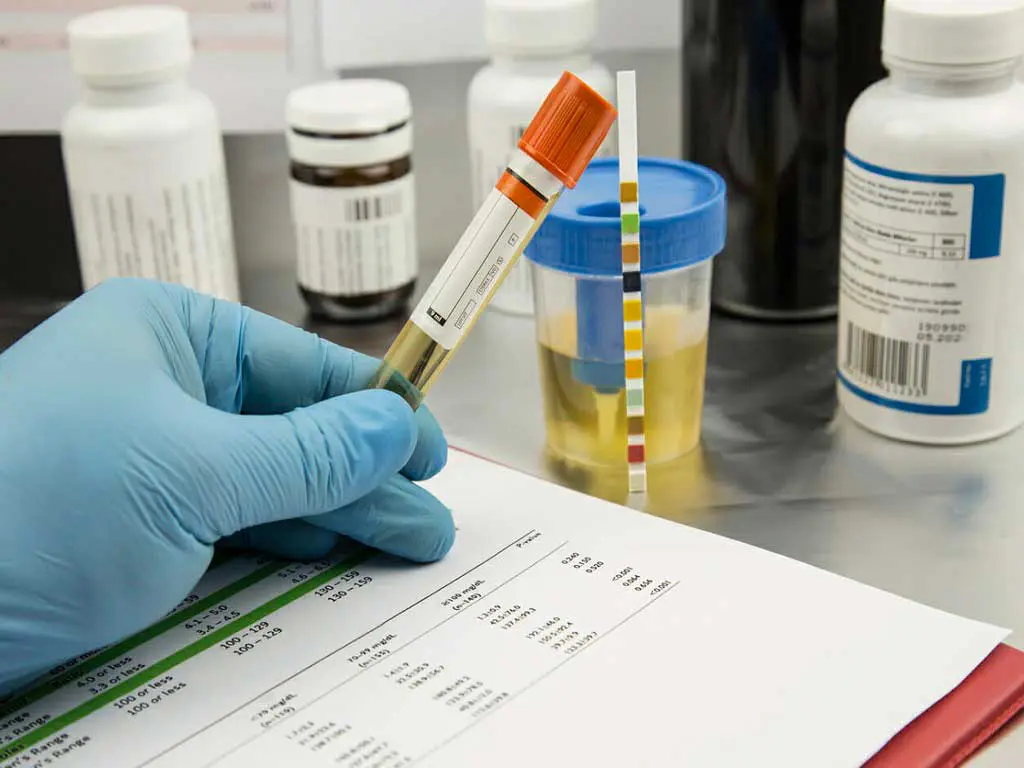
Workplace Drug and Alcohol Testing: Types and Methods Used

Four applicants waiting for an interview

Workplace drug and alcohol testing is often a part of an organisation’s program to ensure the safety of employees. It aims to detect illegal drugs in a person by collecting and analysing biological specimens. As such, there are different types of testing that companies can use. The common types are urine, saliva, hair, and breath tests. These methods are used in different situations, such as pre-employment, blanket, random, post-incident, and more.

Substance abuse is a significant health and safety concern across many industries. It can impair judgment, perception, reaction time, and motor skills. Hence, it increases the risk of accidents and injuries, especially for workers operating heavy equipment. It also affects productivity and results in high expenses. This gives rise to the need for a drug and alcohol policy. This article will provide a comprehensive guide to drug and alcohol testing in the workplace, including different testing programs and test methods.

Jump to a Section:

Workplace Drug and Alcohol Testing Type – Pre-Employment Testing

Pre-employment testing is a standard requirement in high-risk industries. This type of testing is a condition of employment before a candidate joins the company. Thus, passing workplace drug and alcohol testing is a prerequisite. This helps ensure that potential employees are free from substance abuse. Before a person applies for a certain job, they should know if drug testing is a requirement.

There are several considerations regarding pre-employment drug testing. The first is its legality. Employers can conduct drug and alcohol tests for job applicants, especially if the position is of a safety-sensitive nature. Thus, individuals may proceed with the application if they want to continue or not. Additionally, the method used for pre-employment testing should be consistent and fair for all applicants. This ensures that there is no discrimination based on race, gender, or age.

While some individuals may feel that pre-employment tests are intrusive, they are ultimately a necessary step for many companies to maintain a safe and productive workplace. By implementing these screening measures, employers are taking proactive steps to prevent substance-related issues from affecting the welfare of employees.

Purpose of Pre-Employment Testing

  • Pre-employment drug and alcohol testing can help avoid hiring individuals with substance abuse issues. This helps maintain a safe work environment for all employees.
  • Reduce the likelihood of on-the-job accidents and injuries due to substance impairment.
  • Maintain productivity and efficiency in the workplace. Additionally, it helps reduce absenteeism and high turnover.
  • Prevent drug and alcohol-related incidents that could harm coworkers or the public.
  • Comply with legal and regulatory requirements.
  • Encourage a drug-free workplace culture and set a standard behaviour among current and prospective employees.
  • Protect the reputation and image of the company by ensuring all employees are fit for duty.

Three employees wearing protective equipment

Workplace Drug and Alcohol Testing Type – Blanket Testing

Blanket testing, also known as universal testing, involves screening all employees at regular intervals. This type of workplace drug and alcohol testing occurs regardless of suspicion of substance use. Moreover, this test is undertaken to monitor the prevalence of drug use by all personnel, including contractors, on a work site.

The blanket test is a regular practice in industries where the risks of impairment can have severe consequences. By implementing this test, companies can proactively address any potential issues and prevent their negative impacts. Furthermore, employees with a drug and alcohol testing program are made aware of the frequency of this test. Some organisations may conduct this test annually, semi-annually, quarterly, or more.

One of the benefits of blanket testing is that it is equal for all employees. Everyone is subjected to the same testing protocols. This can build trust among employees and show that the company is committed to complying with regulations. Finally, companies implement blanket testing with other measures to ensure a safe and drug-free workplace.

Purpose of Blanket Testing

The main purpose of blanket testing is early detection. Regular drug tests allow for timely recognition of any substance use disorder problem. Therefore, employees can get the support and treatment they need before their condition becomes more serious. In addition, this type of test aims to ensure that drug use does not go undetected among the workforce.

Another purpose of blanket testing is compliance. This enables companies to meet federal regulations or industry standards. Accordingly, it is mandated in certain industries, like mining, transportation and aviation, where drug use can pose high safety hazards. This helps to determine the level of risk within an organisation.

A worker sleeping at a work site

Workplace Drug and Alcohol Testing Type – For-Cause Testing

For-cause testing is a type of test that is conducted when there is a specific reason to believe an employee is under the influence of drugs while on the job. A supervisor or manager initiates this test based on observable signs or evidence, such as slurred speech, impaired coordination, and erratic behaviour.

The process for this test involves documenting the reasons for suspicion and then asking the employee to undergo testing. If the test results are positive, the employee may face corresponding disciplinary actions, depending on the company policy. This may lead to suspension, mandatory rehabilitation programs, or termination. Additionally, refusing to perform the test when there is a reasonable ground may also result in disciplinary action.

While workplace drug and alcohol testing can be a sensitive issue, it is an essential tool for ensuring safety. By conducting an alcohol and drug test when there is a reasonable suspicion, companies can prevent accidents, injuries, and other negative consequences. Lastly, it enables employees who may be struggling with substance abuse issues to get the help they need to overcome their addiction.

Purpose of For-Cause Testing

The purpose of for-cause testing is to address immediate concerns regarding employee safety and productivity. It is a reactive measure taken when there are visible signs of impairment that could pose a risk to the individual, their coworkers, or the public. By identifying and addressing substance use issues promptly, companies can prevent accidents and maintain a safe work environment.

Furthermore, for-cause testing promotes accountability among employees. Individuals are aware of the possible repercussions of drug or alcohol use while on the job. This can serve as a deterrent and encourage employees to abide by company policies and regulations regarding substance use.

A distressed man hunched over while sitting

Workplace Drug and Alcohol Testing Type – Random Testing

Random testing is another common type of workplace drug and alcohol testing. Unlike for-cause tests, random screening does not require any specific reason or suspicion. Moreover, employers conduct the test without prior announcement. This helps to identify employees who may be impaired while working. Therefore, it reduces potential hazards and substance abuse in the workplace.

Many employees with substance abuse are identified through random testing. Some people may struggle with seeking help or acknowledging they have a problem. Through this approach, employers can offer support and resources to employees who may be in need of assistance. Additionally, random testing helps to deter drug use in the workplace.

Random testing involves an element of surprise of not knowing when the test will occur. This makes it difficult for individuals to avoid detection or circumvent the results. However, there are certain protocols that employers need to consider when implementing the test. This includes a fair selection process and ensuring they avoid discriminating against a group or individual.

Purpose of Random Testing

  • Safety: Random drug testing helps prevent untoward incidents due to substance use. It aims to maintain a drug-free environment and promote healthier habits.
  • Deterrence: Discourage drug and alcohol abuse. Knowing that they could be tested at any time, employees are more likely to refrain from using illicit substances.
  • Productivity: A drug-free and stable workforce can lead to increased productivity and efficiency. Employees are able to perform their jobs optimally in a safe and healthy environment. It also minimises errors and absenteeism, leading to higher output.
  • Employee assistance: Employers may offer treatment resources for those struggling with drug or alcohol addiction.

A man lying face down after falling from a high place

Workplace Drug and Alcohol Testing Type – Post-Accident/Incident Testing

Post-incident testing is crucial in determining if drugs or alcohol played a role in an accident or near-miss. It is essential to identify the cause that led to the event. In addition, it is a standard measure in an organisation to help in investigations. This can help companies protect themselves from liability and enhance the safety of their employees.

A post-accident workplace drug and alcohol testing is typically performed as soon as possible after the incident occurs. This is to accurately capture any substances in an individual at the time of the event. Hence, specific tests can provide reliable results. It may involve procedures that can determine recent consumption.

Employers should conduct this test in a secure area, such as a hospital, clinic, or off-site testing facility. There are also testing agencies that are available 24/7 in cases of emergencies. Furthermore, employers may set a workplace policy that requires employees to undergo testing, regardless of whether they are at fault. This helps maintain a consistent and fair approach to safety and shows employees that they take their well-being seriously.

Purpose of Post-Accident/Incident Testing

The main purpose of post-accident testing is to determine if drugs or alcohol were a contributing factor in an injury or near-miss situation. This helps in understanding the root cause of the event and taking measures to prevent similar incidents from happening. Also, it enables employers to determine if disciplinary actions are needed.

Overall, employers may facilitate drug testing if an incident triggers fatalities, injuries that require medical care, damage to property, or police citations. It helps mitigate legal liabilities for employers by demonstrating they are taking the necessary steps to uphold safety policies. It can also provide supporting evidence in hospital or insurance claims.

Three vials of blood on top a form

Workplace Drug and Alcohol Testing Method – Blood Tests

Workplace drug and alcohol testing takes several forms to detect illicit drugs. One of the most accurate methods is a blood test. This test can identify specific substances within a time frame of 6-12 hours. Hence, it can provide a comprehensive analysis of drugs present in the bloodstream, offering a detailed picture of recent consumption.

Blood testing requires a trained professional to carry out the procedure. A medical personnel obtains a blood sample using a needle, typically from a vein in the arm. Then, they send the specimen to a laboratory for analysis. The results are usually available within a few days, depending on the specific substances. It is important to follow the protocols when performing this test to avoid any errors or adulteration of the sample.

Laboratory testing can give precise measurements of drug concentration levels in the bloodstream. Despite its accuracy, the application of blood tests in workplace testing is limited. This is due to their intrusive nature, high costs, and longer turnaround time. Nevertheless, it can provide crucial information regarding drug use in post-accident or confirmatory situations.

Benefits of Blood Tests

Blood tests offer several benefits in the workplace. Firstly, they provide a highly accurate and detailed analysis of recent drug consumption. This can help employers determine if substance use was a contributing factor in an incident. Secondly, it can detect a wide range of substances, including both illicit drugs and prescription medications.

Additionally, blood testing helps minimise false positives. It is a sensitive procedure that can detect even trace amounts of drugs in the bloodstream. This helps in providing reliable information for employers to make informed decisions regarding disciplinary actions. Moreover, they can serve as evidence in legal proceedings or disputes.

A person filling out a form with a urine sample next to them

Workplace Drug and Alcohol Testing Method – Urine Tests

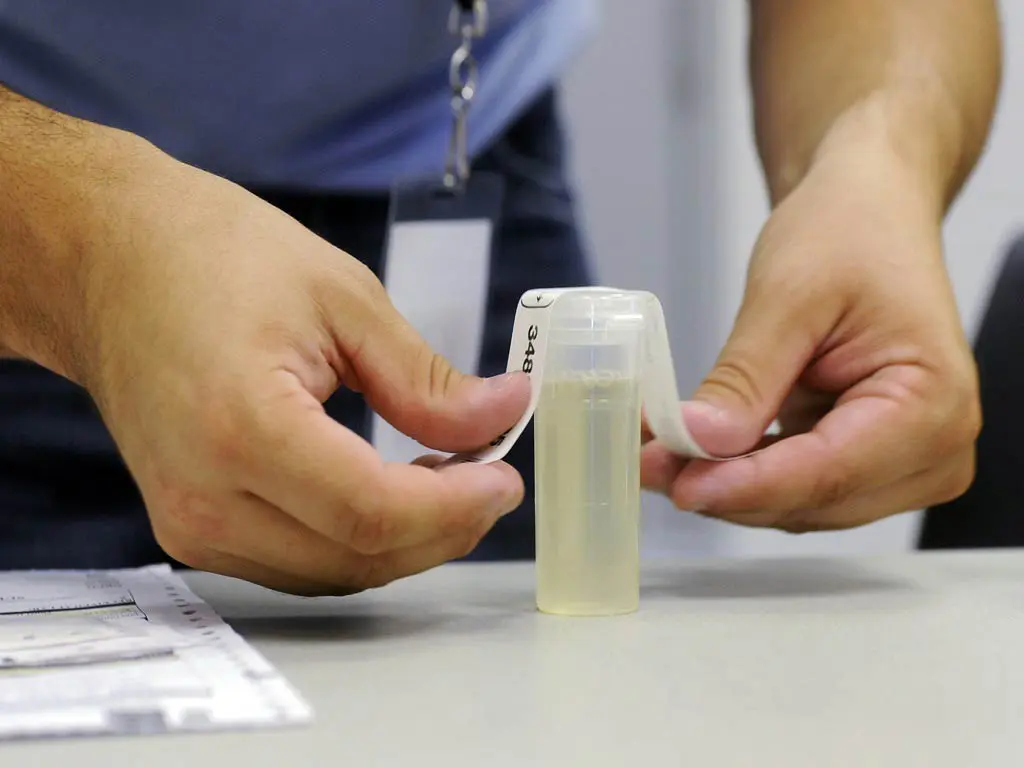
A standard method in workplace drug and alcohol testing is the urine test. This type is a non-intrusive and cost-effective method of detection and analysis. It is easy to administer due to its ability to detect a wide range of substances. Moreover, urine samples have an extended detection window, ranging from a few days to several weeks.

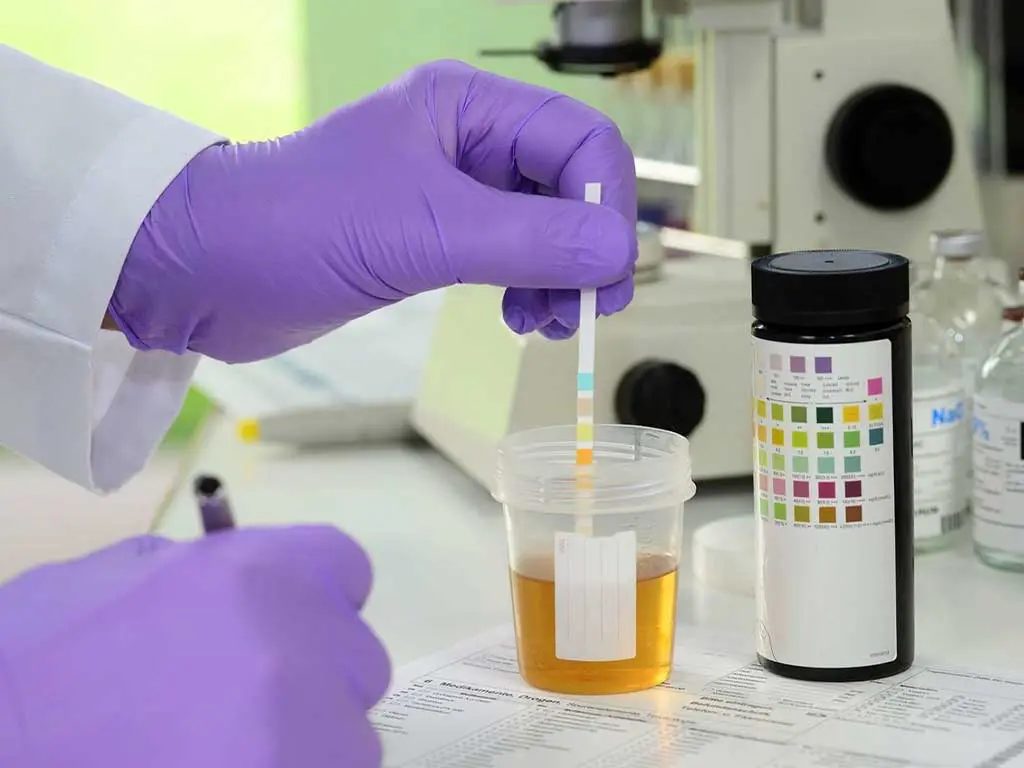
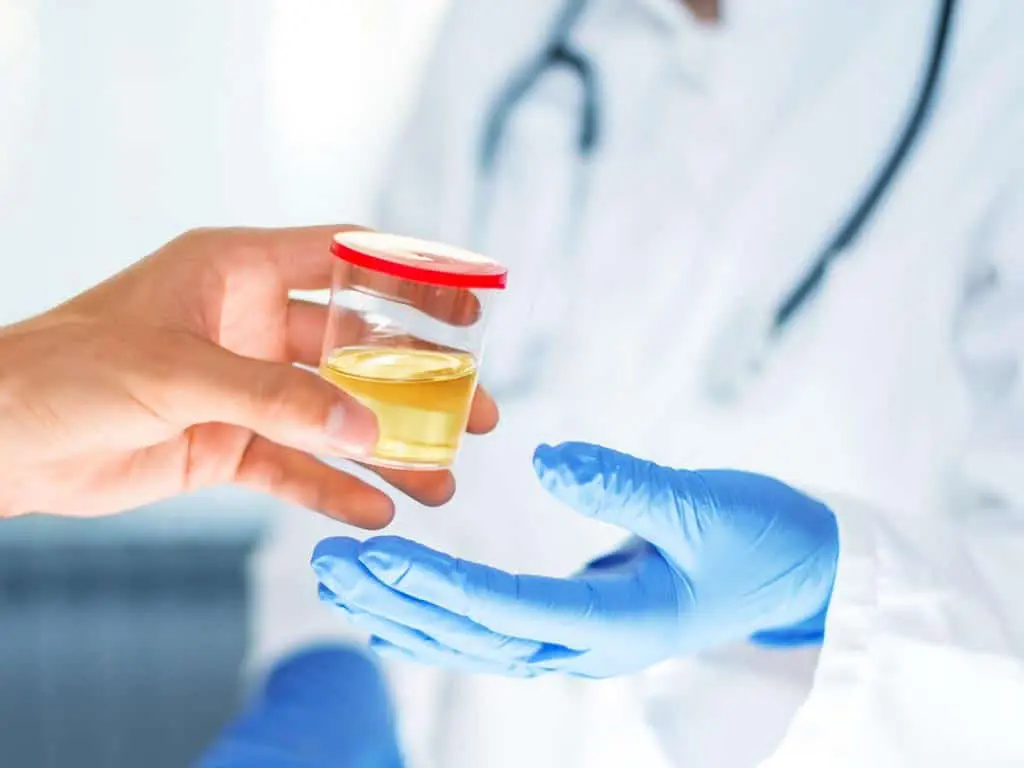
The process of urine testing involves collecting a specimen from the individual in a sterile container. The employee provides an adequate sample volume and submits it to the collector. In many cases, the administrator processes the urine on-site using immunoassay techniques, which can provide rapid results. However, some may need further laboratory evaluation.

Urine drug testing requires specific protocols to ensure the accuracy of the results. Following guidelines for specimen collection, handling, and storage is crucial to avoid contamination. Furthermore, while they may be effective in detecting usage, it does not necessarily imply current impairment or consumption. Thus, considering these factors is vital in performing the urine test.

Benefits of Urine Tests

  • Urine drug tests are relatively less invasive and easy to administer. The sample collection procedure is quick and painless.
  • Urine testing can provide quick results, typically within a few minutes to a few days.
  • They can detect a wide range of substances, including marijuana, cocaine, opioids, amphetamines, and more.
  • They are cost-effective. Urine drug testing kits are more affordable than laboratory procedures.
  • The extended detection window of urine can help in determining potential substance abuse.
  • They are efficient in monitoring compliance. It can be used in rehabilitation settings to ensure adherence to prescribed therapies.
  • Easy to use anytime.

A certified collector gathering saliva samples from a man

Workplace Drug and Alcohol Testing Method – Saliva Tests

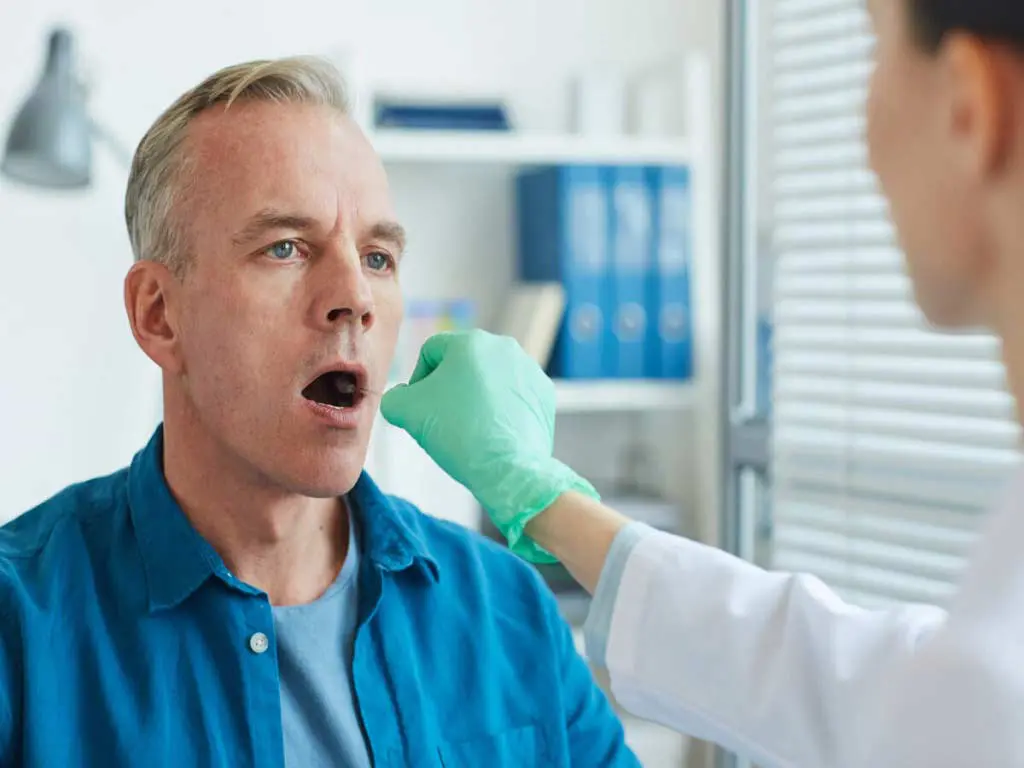
Saliva screening is another method used in workplace drug and alcohol testing. It is a non-invasive method of detecting drugs through oral fluids. In addition, it is convenient and provides quick results, making it suitable for on-site testing. An important attribute of saliva testing is it can trace substances within the past 12 to 48 hours after use.

The process of saliva testing involves collecting a saliva sample using a swab or collection pad. The individual brushes the collection swab inside their mouth for a few minutes to absorb the saliva. Then, the collector processes the sample by inserting it into a testing device to generate a chemical reaction. The results are available within minutes, making it a rapid screening method.

Saliva testing can serve as an alternative when urine samples are not readily available. The test kits are also affordable, allowing employers to test employees whenever necessary. Furthermore, companies can conduct the test on their own without needing a professional. Nevertheless, it is important to follow the proper protocols to ensure accurate results.

Benefits of Saliva Tests

Saliva testing is advantageous in workplace settings for several reasons. Mainly, it is non-intrusive, allowing convenient testing. Unlike urine or blood analysis, saliva screening does not require special facilities or equipment. This test can be done on the spot and is less disruptive. Additionally, it can determine recent drug use more precisely, providing real-time information on impairment.

The quick results of saliva tests are ideal for situations like reasonable suspicion and random testing. Overall, its convenience and efficiency allow employers to monitor drug use and make informed decisions. It also provides cost-effective drug testing solutions for small businesses.

A lab technician putting hair samples into a tube

Workplace Drug and Alcohol Testing Method – Hair Tests

Hair drug testing is a type of test that can detect drug metabolites for a longer period. It is one of the most reliable methods as it can trace drug use up to 90 days from the date of testing. This long detection window can provide a more comprehensive overview of the consumption patterns of an individual.

The use of hair in workplace drug and alcohol testing is valuable in pre-employment. It can help employers determine the drug use history of a job applicant. In some cases, companies may use it during random drug testing. This test involves collecting a small sample of hair from the individual, usually from the scalp. The sample is then sent to a laboratory for analysis.

However, there are some considerations to keep in mind. Hair tests are unable to detect recent drug use within the past week. This is due to the time it takes for drugs to metabolise and be absorbed into the hair follicle. Moreover, it is often more expensive and may take longer to process. Hence, it can be a drawback for employers looking for quick results.

Benefits of Hair Tests

Hair testing offers several methods for workplace drug monitoring. One of the key advantages is its long detection period. This makes it more effective at identifying habitual drug users. The nature of hair growth rate allows employers or healthcare professionals to understand the frequency and duration of drug consumption.

Another benefit is that hair samples are difficult to adulterate. This can help ensure the accuracy and reliability of the results. Body hair is also a sufficient alternative if head hair is unavailable. Overall, it is efficient in background checks, helping employers make the right decisions or actions.

A woman blowing into a BACtrack breathalyser

Workplace Drug and Alcohol Testing Method – Breath Tests

Breath testing is a common method of workplace drug and alcohol testing, specifically for alcohol consumption. This process measures the amount of alcohol in the bloodstream through the breath. It uses a breathalyser device that is non-invasive and provides instant results. The device can detect ethanol in the exhaled air within minutes after consumption.

Furthermore, alcohol is detectable in the breath for up to 12 to 24 hours, depending on the amount of intake. The ability to provide real-time results is efficient in determining current intoxication. Moreover, it does not require a professional to use the breathalyser. It is easy to operate and is ready to use whenever needed.

Workplaces use professional-grade breathalysers, typically with fuel cell sensors. This type of device can provide precise measurements of the Blood Alcohol Concentration (BAC). This provides quantifiable amounts that other test kits may not provide, eliminating the need for further laboratory analysis. Additionally, fuel cell breathalysers are less reactive to endogenous substances, minimising the risk of false positives.

Benefits of Breath Tests

  • Breath tests provide a quick and non-invasive way to screen for alcohol. This allows for swift action if a person is under the influence of alcohol.
  • The breathalyser device is portable and easy to use. This makes them convenient for random or on-the-spot testing.
  • They are cost-effective compared to other methods. The device allows multiple retests.
  • It can help individuals monitor their alcohol consumption through a personal breathalyser.
  • It helps deter excessive consumption or alcohol abuse.
  • Breath testing is generally safe. There is no risk of harm or infection in the sample collection procedure.
  • It can monitor BAC in real time.

Conclusion

Workplace drug and alcohol testing is an important tool for employees to ensure a productive and safe workplace. This can help minimise and prevent safety risks that may lead to accidents and injuries. The test is essential during pre-employment, reasonable suspicion, and post-incident cases. Random drug and alcohol testing can also deter potential substance abuse. Moreover, several types are available, such as urine, saliva, blood, and alcohol breath testing.

Each method provides numerous benefits, including accuracy, ease of use, and detection periods. Therefore, knowing these factors can help individuals or organisations use the appropriate methods in certain situations as well as be in line with drug testing laws. Furthermore, there are cost-effective options, such as instant testing kits and breathalysers. They are available in pharmacies or online stores like Breathalysers New Zealand. Nevertheless, laboratory testing may be necessary for further confirmation or legal purposes. Overall, they play a crucial role in upholding safety and deterring substance abuse.
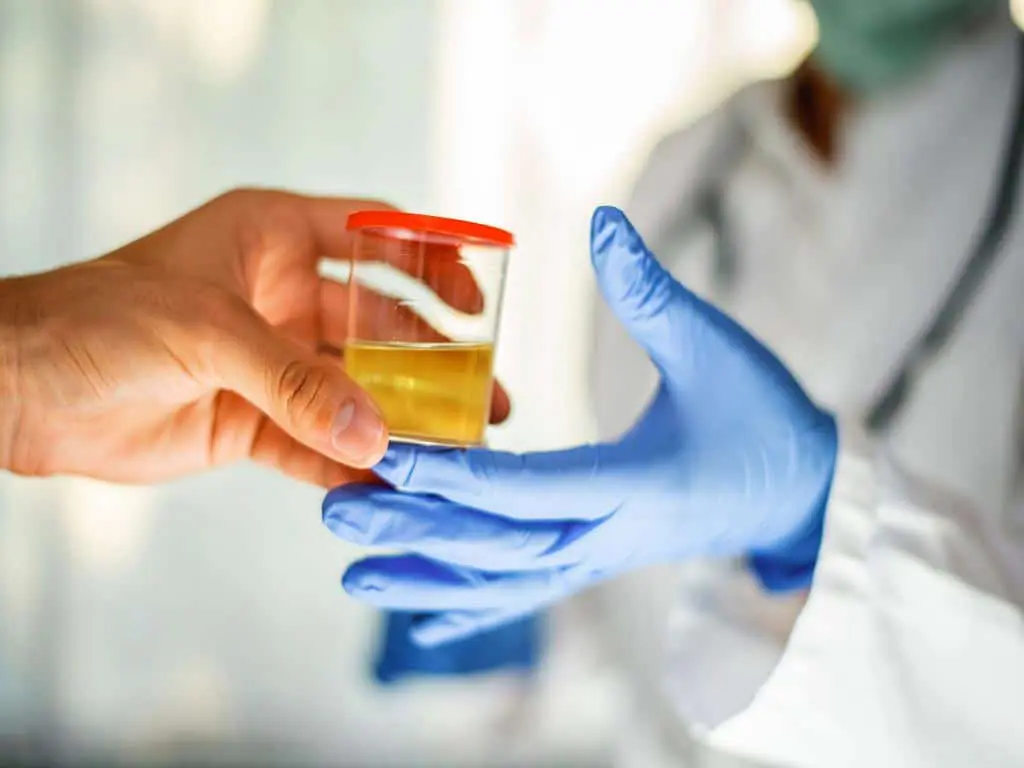

Detection of Alcohol in Urine Test: The Need to Know

A person handing a urine sample to a lab technician

Excessive alcohol consumption or heavy drinking can lead to the detection of alcohol in urine tests. Urine alcohol tests are essential in workplace testing, probation monitoring, and legal cases. When an individual consumes alcohol, their body breaks it down into various byproducts, including ethanol and its metabolites. The body excretes them through urine. However, several factors affect the accuracy and reliability of the test. These include the amounts of alcohol a person drinks, metabolism, and hydration levels.

Lab technicians utilise different methods of testing for alcohol. These include hair tests, saliva screens, breath tests, and blood screens. These can effectively identify the presence of alcohol, but urine alcohol tests are the most widely used. It can determine the exposure to alcohol within a specific timeframe, usually up to 80 hours after consumption. For more information about alcohol urine testing, the article will present its importance, how alcohol metabolises in the body, and the factors influencing the detection.

Detection of Alcohol in Urine Test – Importance

The effects of alcohol, especially when due to heavy drinking, are harmful. Thus, the detection of alcohol in urine tests is crucial. Testing assesses the levels of alcohol consumption. This information is valuable in knowing if an individual has been drinking excessively and may be struggling with alcohol abuse or addiction. Subsequently, relevant professionals can determine the appropriate action, such as treatment or interventions.

In legal and forensic contexts, alcohol urine tests serve as a crucial tool for monitoring individuals who are required to abstain from alcohol. It can provide objective evidence of compliance and help prevent alcohol-related offences or accidents. In the workplace, testing for alcohol in urine is essential for promoting a safe and productive environment by identifying employees who may have alcohol impairment.

In addition, alcohol screening through urine samples can aid medical providers in clinical settings to evaluate Alcohol Use Disorder (AUD) and guide personalised treatment plans. The importance of urine alcohol testing services extends to public safety and public health efforts. By identifying people with excessive alcohol consumption, this test can contribute to early intervention and prevention strategies.

Advantages of Urine Testing

  • Unlike blood tests, collecting a urine test is easy. The procedure does not require a medical professional.
  • Alcohol urine testing is relatively non-invasive. It only requires a urine sample, making it more comfortable for the patient.
  • The urine test is versatile. It can help detect conditions such as diabetes and kidney disease. Moreover, healthcare professionals can utilise it to identify the presence of illegal drugs in the body.
  • Some testing methods, like hair follicle tests, can be expensive due to specialised equipment. In contrast, people can perform urine testing in various settings, making it more affordable and accessible to a larger population.

Glasses of alcohol on top of a table

Detection of Alcohol in Urine Test – How Does Alcohol Metabolise in the Body?

The detection of alcohol in urine tests happens when a person consumes alcoholic beverages. Then, the body metabolises the drink. After alcohol intake, the beverage is quickly absorbed into the bloodstream through the stomach and small intestine. Then, the body metabolises it through a process involving enzymes in the liver. This process can be detected through the presence of some metabolites in the urine, like Ethyl Glucuronide (EtG) and Ethyl Sulphate (EtS).

Once alcohol enters the body, it undergoes a two-step process of metabolism. First, an enzyme called alcohol dehydrogenase breaks down alcohol into acetaldehyde, a toxic substance. Then, the enzyme aldehyde dehydrogenase further metabolises acetaldehyde into acetic acid. This occurs mainly in the liver.

Various factors can affect alcohol metabolising in the body. Understanding the process of alcohol metabolism and detection in urine tests is crucial for accurately assessing the alcohol consumption of an individual. In addition, this helps determine its potential impact on the health and well-being of people.

Presence of EtG and EtS

EtG and EtS are metabolites that indicate recent alcohol consumption. Healthcare professionals can detect ethyl glucuronide in urine for up to 80 hours after drinking. Meanwhile, they can find ethyl sulphate for up to 24 hours. These specific markers of recent alcohol consumption are beneficial in monitoring alcohol use in legal cases and probation.

The presence of EtG and EtS in urine provides a more accurate and lengthier detection period for alcohol use than traditional alcohol testing methods, such as breath alcohol tests. This makes them valuable tools for assessing abstinence and relapse in individuals undergoing alcohol treatment and identifying those with heavy drinking behaviours.

A professional sealing a sample container filled with urine

Factors that Can Affect the Detection of Alcohol in Urine Test

Factors that can affect the detection of alcohol in urine tests can vary. The first significant element is the amount of alcohol a person consumes. Heavy drinking can lead to higher levels of alcohol in the urine, making it easier to identify and produce a positive result. Additionally, the metabolism plays a crucial role. Those with faster metabolism rates may eliminate alcohol more quickly, leading to lower alcohol levels.

Another factor to consider is hydration levels. Dehydration can concentrate alcohol in the urine. Thus, it is easier to detect even lower levels of alcohol consumption. On the other hand, being well-hydrated can dilute the alcohol in the urine, making it harder to detect. It is essential for individuals undergoing a urine test to maintain proper hydration levels to ensure accurate results.

Furthermore, the collection process can impact the test. If there are any errors in handling or storing the sample, it could lead to inaccurate results. It is crucial for technicians administering the test to follow proper protocols to ensure the integrity of specimens. Similarly, contaminants can interfere with the test outcomes, leading to false positives or negatives.

Detection Window

The detection window for urine alcohol testing typically ranges from 12 to 48 hours or around one to two days after consumption. This means that professionals can identify alcohol in urine during this time frame. An extended period may be possible in chronic heavy drinkers.

Alcohol metabolites, EtG and EtS, can also be detected in urine for an extended period of time after consumption. Therefore, these are valuable markers for detecting recent alcohol use. However, the detection window may vary depending on the body weight, age, and overall health. Additionally, the accuracy and sensitivity of the testing method may also impact the detection window.

Conclusion

The detection of alcohol in urine tests is essential. It helps determine whether an individual has consumed alcohol and if they may be under the influence while driving, preventing accidents. Also, the test is more advantageous over other methods, like breath and blood tests, because it has a longer detection window. This is beneficial in identifying alcohol abuse. The body metabolises alcohol by breaking it down into substances such as ethanol, acetaldehyde, and acetate, which are detectable in urine.

Factors such as hydration levels, metabolism rate, and the amount of alcohol can affect the identification of alcohol in urine testing. Furthermore, the handling of specimens can impact the outcome. Healthcare professionals, employers, and other relevant individuals must consider these factors when interpreting test results to ensure accuracy and fair outcomes. With this knowledge, people and organisations can take appropriate action to address alcohol consumption and its potential impact on safety and health.

Pre Employment Drug Testing NZ: Guide to Workplace Drug Tests in New Zealand

Four applicants waiting for an interview

Drug testing in New Zealand is a common practice in many workplaces. It helps keep the working environment free from the hazards of illegal drugs and alcohol abuse. One essential type is pre-employment drug testing in NZ. This process involves examining potential employees for illicit substances in their system before they are hired. As an applicant, there are several factors to consider when undergoing this test, such as different methods and procedures.

Alcohol and drug abuse are some of the leading factors that can affect workplace safety and productivity. Thus, implementing drug screening tests can be an efficient measure to minimise accidents and injuries. It is also vital to emphasise the testing policies to prospective employees during the admission process so they can be aware. This guide aims to provide a comprehensive overview of pre-employment drug testing methods, legalities, and procedures in New Zealand.

Jump to a Section:

An Overview of Pre-Employment Drug Testing in NZ

Pre-employment drug testing in NZ is a crucial step in the hiring process for many companies. Employers often request this procedure to ensure new hires do not have substance abuse issues that can impact their performance and safety on the job. In addition, it helps mitigate potential risks and liabilities associated with drug use in the workplace.

There are several types of drug testing, including urine and saliva testing. They are quick, easy to administer, and provide quick results. However, more complicated methods may be necessary in certain situations. Some circumstances may require laboratory blood testing or hair follicle testing. By conducting these tests, employers can manage safety risks efficiently.

Employers must have a clear drug testing policy in place that outlines when and how the tests will be conducted, as well as the consequences for positive results. Moreover, it is essential for employers to comply with privacy and employment laws when conducting workplace drug testing. Overall, a pre-employment test contributes to a safe and productive environment.

A Brief History

  • In 1992, the Health and Safety Act was established, making pre-employment testing possible.
  • The first version of the Australian/New Zealand Standard (AS/NZS) was first published in 1995, introducing risk management strategies and standardisation of drug and alcohol testing procedures.
  • Safety-sensitive industries started implementing drug and alcohol policies as a business requirement of mandated safety programs.
  • The workplace programs focus on education and rehabilitation.
  • In 2005, The Drug Detection Agency (TDDA) provided NZ businesses with end-to-end substance testing, education, and policy services.
  • In 2013, workplaces adopted the ISO 45001, an international standard for occupational health and safety (OH&S) management systems.

A worker looking at heavy machinery

Importance of Pre-Employment Drug Testing in NZ

Pre-employment drug testing in NZ is essential for several reasons. Firstly, it helps to ensure that potential hires do not have substance abuse issues. Drug use among employees can impair judgment, coordination, and overall performance. By conducting this test, employees can identify individuals with these issues and make informed hiring decisions.

Secondly, aside from ensuring safety, pre-employment testing can also help maintain optimal productivity. Employers hire applicants without any drug issues, leading to a more efficient and stable workforce. Additionally, fewer workplace accidents lead to lower healthcare costs and disruptions. It can also result in lower employee turnover and reduced absenteeism.

Furthermore, pre-employment drug testing is crucial for compliance with health and safety regulations in NZ. Employers have a duty of care to provide a safe work environment, and drug testing is one way to uphold this responsibility. It also helps to mitigate legal liabilities and negligence issues in cases of substance-related accidents. In summary, drug testing is a critical step in the hiring process to mitigate risks and ensure a safe and productive work environment.

Benefits of a Safe Working Environment

Working in a safe environment can bring many benefits both to the employer and employees. When employees feel safe and secure, they are more productive and motivated to do their best work. This leads to higher job satisfaction, lower turnover rates, and a more positive company culture.

In addition, a safe and healthy workplace improves the morale and mental health of employees. There are fewer risk factors for long-term stress and anxiety, which may lead to seeking illegal drugs. Hence, employees with a healthy disposition are more likely to make better decisions and have a positive impact on their bottom line and long-term success.

A gavel, book, and a scale

Legal Requirements for Pre-Employment Drug Testing in NZ

There are several legal requirements for pre-employment drug testing in NZ that employers must adhere to. The most important requirement is having a clear drug and alcohol policy in place. The policy must outline the reasons and procedures for testing and should be communicated to all employees. This ensures transparency and compliance with the law.

Another essential compliance that businesses must follow is adhering to privacy acts. This act protects the individual’s privacy and personal information, which includes drug test results. It also prohibits discrimination based on factors such as disability or ethnicity in drug testing practices. Additionally, it includes how to handle positive test results and the consequences of failing a drug test.

Job posting should typically include pre-employment testing as part of the requirements and conditions of the hiring process. Therefore, all job applicants are aware that they are expected to undergo this procedure. A failed drug test may result in being eligible for the position. This is necessary in high-risk industries like mining, transportation, and construction, which involve the operation of heavy machinery or equipment.

Compliance with the Privacy Act

Compliance with the Privacy Act is important when implementing drug testing in the workplace. This Act protects the personal information of individuals, including their medical records. Thus, companies must ensure that all testing procedures are conducted in a confidential and secure manner to uphold the privacy rights of current and prospective employees.

Ensuring the confidentiality of test results is crucial, as drug testing can be a sensitive issue. It must be handled with care and professionalism to maintain trust between employers and employees. Moreover, companies must only share the results with authorised personnel who have a legitimate need to know.

A gavel next to a book and a hard hat

Regulations and Policies for Pre-Employment Drug Testing in NZ

Aside from compliance with privacy rights, there are regulations that govern pre-employment drug testing in NZ. Firstly, organisations are legally allowed to conduct drug testing as part of the recruitment process and throughout employment. This is essential in high-risk industries. However, smaller businesses can also implement drug screening through a comprehensive policy.

Companies must also adhere to the Health and Safety at Work Act. This regulation requires employers to provide a safe working environment for employees. It includes ensuring that individuals are not under the influence of drugs or alcohol while at work. A workplace policy allows employers to conduct pre-employment testing to identify candidates who may pose a safety hazard.

Furthermore, employers in New Zealand have the responsibility to inform job applicants about their drug testing policies and procedures. This ensures a reasonable and fair process, striking a balance between workplace safety and employee privacy. By following the regulations and policies, employers can create a safe workplace and mitigate potential legal issues.

Policy Implementation

Employers or businesses follow the general guidelines for implementing a workplace testing policy:

  • Draft a written policy. Employers may consult with legal experts and safety representatives to ensure the policy complies with all relevant laws and regulations.
  • Management may also collaborate with employees or unions to address any concerns or issues surrounding drug testing.
  • Communicate the policy to all employees. Provide education and training about the reasons for conducting the test, collection procedures, and expectations.
  • Provide training for supervisors and employees on how to recognise signs of impairment or abuse.
  • Maintain accurate records of all drug test results and ensure confidentiality.

A person showing a breathalyser result

Methods for Pre-Employment Drug Testing in NZ – Alcohol Breath Tests

Alcohol breath tests are one of the methods that employers may use during pre-employment drug testing in NZ. This method determines if an employee has consumed alcohol recently. Companies often use a portable breathalyser device to provide quick and accurate results. The device measures the Blood Alcohol Concentration (BAC) through a breath sample.

The BAC level reflects the intoxication degree of a person. The higher the alcohol level, the more severe the impairment. Moreover, a breath test can detect alcohol consumption within the past 12 to 24 hours. The breathalyser relies on sensor technology to detect alcohol compounds in the breath. The concentration of alcohol in the breath is proportional to the amount of alcohol in the bloodstream.

To conduct an alcohol breath test, the individual must simply blow into the mouthpiece. They must blow steadily for five to six seconds and wait for the BAC results to display on the screen. Depending on the pre-employment screening policies, a positive result may lead to further testing or disqualification from the job position.

Advantages of Alcohol Breath Testing

Alcohol breath testing provides many advantages in the workplace. One of the main advantages is its ease of use and non-invasive nature. The sample collection procedure is easy, allowing for on-the-spot testing. In addition, the results are available within seconds. This enables a swift and efficient evaluation of job candidates.

Employers can perform multiple tests without incurring significant expenses. This makes alcohol breath testing cost-efficient compared to other methods. The accuracy of breathalysers ensures reliable results. However, it is important to note that they can only detect recent alcohol consumption and not long-term or chronic use and patterns.

A urine sample next to a cassette showing positive for THC

Methods for Pre-Employment Drug Testing in NZ – Urine Tests

The urine test is considered the standard drug testing method in the workplace and other settings. This method is effective in detecting a wide range of illicit drugs for an extended period. Urine samples can trace substances for 24 to 72 hours or longer. Thus, pre-employment drug testing in NZ can help determine individuals who may have substance abuse issues.

Business owners have several options to conduct a urine drug test. A cost-effective approach is using a urine drug testing kit. This tool is convenient and provides quick results. It can be used easily at the worksite, minimising the need to go to a clinic. Alternatively, employers can send the samples to a laboratory for further analysis.

To conduct the test, individuals are provided with a small collection container to obtain a sample. Then, they submit it to a testing officer or collector for analysis. The test can detect the presence of drug or their metabolites. Most pre-employment tests include screening for marijuana, cocaine, amphetamines, opioids, and benzodiazepines.

Advantages of Urine Testing

Urine tests offer several advantages for drug detection. One of its main benefits is its ability to trace a wide range of illicit substances. It has a longer detection window than blood or saliva tests. Additionally, it can provide a profile of current and recent drug usage.

Other advantages include being non-invasive and cost-effective. The collection procedure of urine is quick and painless. Companies may also choose a higher number of panels to screen for more substances. Lastly, it is relatively inexpensive. Urine test kits are more affordable compared to laboratory testing. Some tools allow split sampling to conduct confirmatory testing, saving time and resources.

A certified collector gathering saliva samples

Methods for Pre-Employment Drug Testing in NZ – Saliva Tests

Another method used for pre-employment drug testing in NZ is saliva testing. This option is becoming increasingly popular due to its ease of use and accuracy. Saliva samples have a detection window of 24 to 48 hours, providing insights into recent drug use. The test can also provide quick results, allowing employers to make timely decisions.

Similar to urine drug screens, saliva testing is available through rapid testing kits. These kits may contain a collection swab or pad and a testing device. To perform the test, the employer or administrator uses the swab stick to brush the inside of the cheek. After obtaining an adequate sample, it is immersed in a testing device that contains reagents and waits for the results.

The saliva drug test provides qualitative results, such as the presence or absence of drugs. In case of a positive or non-negative outcome, follow-up testing is necessary to confirm the initial test. While this method is efficient in detecting recent consumption, it may not be effective in determining long-term or chronic use.

Advantages of Saliva Testing

  • The test is convenient and easy to administer. They can be conducted on-site at any time without needing toilet facilities.
  • Test kits come with clear instructions and easy-to-use features. In some cases, employers can conduct the test themselves without requiring laboratory personnel.
  • The specimen collection is less intrusive compared to urine or blood testing. Saliva samples are readily available, except in cases of dry mouth.
  • Saliva tests can provide quick results, usually after 5-10 minutes for rapid test kits.
  • Oral fluid testing requires a small sample that is collected under supervision. This reduces the risk of tampering.
  • It is relatively less expensive.

A lab technician putting hair samples into a petri dish

Methods for Pre-Employment Drug Testing in NZ – Hair Tests

Hair testing is another common method used in pre-employment drug testing in NZ. This type of testing has a longer detection, making it ideal for identifying chronic drug use. Hair samples can track substance usage up to 90 days prior to the test date. Hence, it can provide a comprehensive overview of the drug use history of a person.

When a person consumes drugs, metabolites or byproducts enter the hair shaft and remain there as the hair grows. This allows for a more accurate representation of drug usage over an extended period. To conduct a hair test, a collector cuts a small sample of hair close to the crown and sends it to a laboratory for analysis.

One of the main reasons why employers use hair follicle testing in pre-employment is because it is difficult to manipulate the sample. It can still trace past usage even though a person may abstain for a few days. Techniques like Gas Chromatography-Mass Spectrometry (GC-MS) can identify trace amounts of drug metabolites in hair.

Advantages of Hair Testing

Hair testing has several advantages over other forms of drug testing methods. One of the major advantages is the longer detection window. This allows the detection of habitual drug use and more accurate results. Another advantage is the difficulty in tampering with the sample. as external pollutants could not easily contaminate the hair.

Furthermore, collecting a hair sample is simple, painless, and non-invasive. The testing officer often obtains the specimen from an unobtrusive part of the head. However, if head hair is unavailable, body hair can be used as an alternative. Overall, it is easy to administer, accurate, and less susceptible to adulteration.

A consent form for drug and alcohol testing

Common Procedure for Pre-Employment Drug Testing in NZ

Companies have to follow specific procedures when implementing pre-employment drug testing in NZ. Firstly, there must be clear notification. The job notice must include drug tests as part of the hiring process requirement. This may include details on the type of test to be conducted and what happens to the results.

Next, employers inform the applicant when to conduct the test and what preparations can be made. They may instruct individuals to refrain from eating or drinking certain food or drinks a few hours to minutes before the test. This is to ensure accurate results and minimise the risk of false positives. Moreover, employers must obtain consent. This consent is important so applicants understand the reasons for the testing.

After the drug testing procedure, employers must inform the candidates of the expected time they can get the results. It is vital to emphasise confidentiality at this stage. A positive drug test result may cause ineligibility for the job. However, if an applicant believes the test is inaccurate, they may request a confirmation test.

How Long Will the Results Be Available?

The duration for drug test results to be available can vary depending on the type of test being conducted. Typically, it is available within a few hours to a few days. For example, individuals may receive their results within the same day using rapid testing kits.

Conversely, those who utilise laboratory tests may take a few days to a week. In addition, employers may take additional measures to ensure the accuracy of the results. Individuals may receive the results through a phone call, email, or in-person meeting with the employer. It is important to maintain confidentiality to protect the privacy of applicants.

A worker who fell from a high place

Are There Other Types of Workplace Testing Aside from Pre-Employment Drug Testing in NZ?

Aside from pre-employment drug testing in NZ workplaces, there are other types of tests that organisations implement. One common type is random drug testing. This involves screening employees at random intervals or without a set schedule. The purpose of this test is to monitor substance use or impairment. This can help minimise the hazards of drug-related accidents, which may happen anytime.

Another type of workplace testing is post-incident testing. This procedure is vital after an accident or injury to determine if drug use contributed to the incident. It helps determine liability and ensure workplace safety. Moreover, some companies conduct regular or periodic drug testing to monitor substance use over time. It is often a part of the annual medical or physical examination to ensure fitness for duty.

Additionally, employers conduct for-cause or targeted testing. This type of test occurs when an employee shows reasonable suspicion or signs of drug use or impairment. This can provide an objective basis for taking appropriate actions. Likewise, it can help identify and address potential issues before they escalate.

Summary of the Other Types

  • Random drug testing: The test may happen anytime without prior announcement. This is to identify employees who may be under the influence of drugs while working.
  • Post-incident testing: Testing after an accident or near-miss to determine if drug use was a contributing factor.
  • Regular or periodic testing: Monitoring substance use over time to ensure continued fitness for duty. This test applies to all employees.
  • For-cause or targeted testing: The test is applied to a particular employee showing signs of impairment. This may include bloodshot eyes, foul odour, unkempt appearance, loss of balance, slow reaction time, and poor coordination.

Conclusion

In conclusion, pre-employment drug testing in NZ is just one of the many types of workplace testing. Employers implement this test to determine the suitability of job candidates for safety-sensitive roles. It can help reveal if a person has substance abuse issues, which can compromise the safety of the workplace and other employees. By hiring individuals free from drug use, employers can ensure a safe, healthy, and productive work environment for the long term.

Drug testing takes several forms. The most common types are breath alcohol, urine, saliva, and hair testing. They can detect substances at varying periods and have different accuracy levels. Furthermore, it is crucial for companies to establish a comprehensive workplace policy to implement the tests. The policy should adhere to relevant regulations and industry standards to ensure compliance with legal requirements. Ultimately, workplace drug testing helps maintain safety and productivity.

Alcohol Drug Screening: What It Is and the Screening Methods

A doctor holding an empty urine collection cup

Alcohol and drug screening is a process of testing biological specimens for the presence of illicit substances. It aims to identify individuals who are under the influence of illegal drugs or alcohol. There are various methods to screen for substance use, such as urine, saliva, and breath testing. In addition, the implementation of these tests is prominent in roadside screenings, workplaces, rehabilitation centres, and legal settings. Thus, it helps to manage safety risks brought about by substance impairment.

Excessive alcohol consumption and drug use have many negative consequences. It impacts personal health and can compromise the safety of the immediate surroundings. Long-term use can also permanently affect the mental and physical abilities of the person. In this regard, drug and alcohol testing plays a significant role in preventing and addressing substance abuse issues. This article will provide an overview of drug and alcohol screening, the various methods, and the implications of the results.

What is Alcohol and Drug Screening?

Alcohol and drug screening is a standard process used in various settings. It involves collecting and analysing biological samples to detect illegal drugs or alcohol biomarkers. The presence of these substances can indicate recent use or impairment. It can also provide valuable information if a person has a substance use disorder and needs further evaluation.

The screening process typically uses portable drug test kits, which can yield rapid results. Additionally, these testing devices utilise immunoassay to detect drug compounds quickly. The immunoassay technique involves the use of antibodies that produce a visible chemical reaction when they interact with specified substances in the sample. The test can indicate a positive and non-negative result within seconds, allowing individuals, employers, or officers to make immediate decisions.

Aside from using instant testing kits, laboratory testing is also another option. This involves going to a clinic or medical facility to undergo the procedure. However, it uses more sophisticated equipment and analysis techniques to detect and measure the actual level of drugs. Moreover, it can also take a longer time to produce the results.

Importance

  • In the workplace, testing for alcohol and drugs helps identify employees who are impaired while working. This helps reduce the risk of accidents and injuries.
  • Identify individuals who may have drug and alcohol abuse and offer intervention or connect them with resources for treatment.
  • In healthcare, alcohol and drug testing can help health professionals identify patients who may be at risk due to substance abuse. This can lead to better treatment outcomes and prevent further health complications.
  • In roadside testing, it can determine if individuals are under the influence of substances while driving.
  • In probation, screening can ensure compliance with court-mandated sobriety requirements.

Woman blowing to a breathalyser device

Types of Alcohol and Drug Screening Methods

There are different types of alcohol and drug screening methods that are advantageous in diverse situations. The most common type is urine screening. This method is widely used due to its ease of sample collection and has an average of 48-window period of detection. Furthermore, the test kits include a small container cup and a test strip or cassette to analyse the sample from the point of collection.

Saliva drug screening is another popular method for testing. It is used in roadside inspections because the saliva collection procedure is non-invasive and can be done under the supervision of a police officer. Many workplaces also use saliva tests to determine recent drug use. It has a detection window of up to 24 hours.

An efficient method of detecting alcohol intoxication is breath alcohol testing. It uses a breathalyser device. The machine can measure the alcohol concentration levels in the system through the breath sample. The test is also non-invasive and can display the results on the screen within 10-15 seconds.

What Can be Detected?

Urine and saliva tests can detect a wide range of substances, including illegal drugs and prescription drugs. Most drug panels test for amphetamines, marijuana, cocaine, benzodiazepines, and opioids. Opioids include heroin, which is illicit, and morphine, codeine, and oxycodone, which requires a prescription. Additionally, saliva and urine samples can trace alcohol metabolites like ethyl glucuronide (EtG).

Breath tests can detect ethanol compounds. These are present in exhaled air for up to 12 to 24 hours after intake. It is important to remember that each type of drug has different periods of detection. It also depends on the amount and frequency of use.

A safety equipment hat, book and gavel

Implications of a Non-Negative Alcohol and Drug Screening Result

When an alcohol and drug screening test yields a non-negative result, it indicates the presence of certain substances in the sample. This can have various implications depending on the context of the test. In the workplace, a non-negative result can lead to disciplinary actions, such as suspension and grounds for transfer.

In extreme cases, it can lead to termination of employment, especially in safety-sensitive industries. A non-negative result in healthcare settings may require further evaluation and treatment for the individual with drug or alcohol use disorder. Moreover, in probation programs, this can mean a violation of court conditions. Thus, it may result in longer sentences or harsher penalties.

Furthermore, a non-negative result can have severe consequences in roadside testing. A driver may face legal charges for exceeding the legal alcohol limit or having any trace of drugs in their system. The penalties may include fines and license suspension, depending on the severity of the case. Individuals may also need to undergo mandatory counselling or rehabilitation programs.

The Need for Confirmatory Testing

A non-negative result in the initial screening means it has found traces of illicit substances in the sample. However, a trace amount considers having a margin of error, necessitating the need for additional testing at a laboratory. Confirmatory testing undergoes more complex processes to identify the specific drug in the sample accurately.

Further analysis can help rule out false positives and ensure a reliable result. A medical officer validates the test and ensures that the presence of substances is not due to passive exposure. Therefore, confirmatory testing is crucial in legal cases and workplaces to make decisions based on accurate information.

Conclusion

Alcohol and drug screening plays a vital role in maintaining safety and compliance in various settings. This procedure is typical in workplaces, legal settings, and healthcare institutions. Different methods like urine, saliva, and breath tests offer efficient ways to detect the presence of substances in the body. Each type of testing has specific detection windows, sensitivity, and accuracy levels. Therefore, it is essential to consider these factors when selecting a test method in a particular situation.

Tests with non-negative can have significant implications. This can affect employment and legal status. Hence, confirmatory testing is necessary to validate the initial results and ensure accuracy in the decision-making processes. Finally, drug and alcohol screening is cost-effective through rapid test kits and breathalysers. These tools are available in pharmacies or online stores, providing convenient access to testing. Individuals and organisations can look after their safety and well-being through these devices.

Lab Drug and Alcohol Screen: Importance and the Testing Procedures

Group of patients waiting at a clinic

Laboratory testing is one of the most reliable ways to determine if drugs or alcohol are present in a person. This process involves the technical analysis of various biological samples to detect illicit substances. The importance of a lab drug and alcohol screen covers a wide range of areas, including workplace safety, legal proceedings, and healthcare treatment. There are several methods to perform this procedure, such as urine, saliva, and blood testing.

Drug and alcohol abuse can have serious impacts on the person. Physically, it impairs reasoning, perception, and motor skills, increasing the risk of accidents and injuries. On the other hand, long-term use has a high risk of developing mental health disorders and other health issues. Therefore, lab screening is crucial to manage and prevent these risks. This article will highlight the importance of drug and alcohol screening, the different testing procedures, and factors to consider in looking for a facility.

Importance of Lab Drug and Alcohol Screen

Lab drug and alcohol screens play a critical role in various aspects of society. One of the key reasons for conducting these tests is to ensure safety, whether in workplaces or public areas like roads and highways. Individuals under the influence of drugs or alcohol are more likely to cause accidents, especially when operating vehicles or machinery.

By implementing workplace drug testing, employers and authorities can identify and intervene in cases of substance abuse among their employees. Hence, it promotes a safer and more productive work environment. This not only protects the individuals themselves but also those around them. In legal proceedings, a lab screening can provide crucial evidence to support claims or decisions.

In healthcare settings, drug and alcohol screening is essential for proper diagnosis and intervention. It allows health professionals to develop an appropriate treatment plan for those with addiction problems. Additionally, regular screening deters substance abuse. Individuals are less likely to develop dangerous drug habits knowing the consequences of testing positive on a lab screen.

Role of Laboratories in Testing

  • Laboratories or testing agencies provide accurate and reliable drug test results.
  • Lab-based testing confirms the results of initial screening tests using immunoassay drug test kits.
  • It helps ensure compliance with regulations and policies, keeping individuals and communities safe.
  • Laboratories offer a variety of methods to test for illicit drugs to meet different testing requirements.
  • Employers rely on lab testing to maintain a drug-free workplace and protect the well-being of their employees.
  • Lab alcohol and drug screening can help identify chronic substance abuse patterns early on, allowing for timely interventions and support.
  • It provides evidence to support legal investigations.

A man getting a mouth swab at a clinic

Testing Procedures in a Lab Drug and Alcohol Screen

The testing procedures in a lab drug and alcohol screen are more rigorous and standardised than onsite or remote testing. Laboratory facilities follow strict protocols to ensure the accuracy and validity of the testing method. The first step in the process is sample collection. An individual may receive instructions on how to collect the sample, or the collection is done under direct observation.

A collector secures the specimen by documenting it properly and transporting it to a facility. Once the sample arrives at the lab, it undergoes various techniques such as immunoassay or Gas Chromatography-Mass Spectrometry (GC-MS). GC-MS, in particular, is highly sensitive and specific, allowing for precise identification and measurement of substances.

After the testing is complete, a qualified laboratory technician or toxicologist reviews the results. Any initial non-negative result undergoes further testing to rule out false positives. Finally, the lab generates a detailed report and sends it to the appropriate party, such as an employer or medical professional. Overall, the lab testing procedures are thorough and precise to provide reliable information for decision-making purposes.

Types of Screening Methods

Various screening methods are available to identify the presence of drugs or alcohol in a person. One of the most common forms of drug testing is the urine test. Urine samples have an extended detection window of 48 hours to a few weeks. It can trace a wide range of drugs, including marijuana, cocaine, amphetamines, and opioids.

Another method is saliva or mouth swab tests. This type can trace substances for a shorter duration of approximately 24 hours, making it ideal for determining recent drug use. In addition, an alcohol breath test is an efficient way to test for alcohol intoxication.

Three lab professionals analysing test samples

What to Look for in a Facility for Lab Drug and Alcohol Screen?

When looking for a facility for lab drug and alcohol screening, there are several key factors to consider. First and foremost, it is essential to choose a facility that is accredited and certified by relevant authorities. This means that they meet all necessary standards for drug testing, such as adhering to the proper specimen collection process, chain of custody procedures, and safety measures.

Secondly, consider the range of services offered. A comprehensive alcohol and drug testing clinic should be able to provide a variety of testing options and services. Aside from breath, saliva, and urine testing, many labs also offer hair and blood testing. Moreover, it is important to take the turnaround time for results into account.

Lastly, cost plays a key role in deciding on a suitable facility for drug and alcohol screening. The fees can vary depending on the type of test, the number of substances being tested for, and the volume of testing. However, while it is important to find a testing centre that offers affordable pricing, the reliability and integrity of the test should not be compromised.

Accredited and Validated Laboratories

Certified and accredited laboratories ensure that they meet specific quality standards and follow proper testing protocols. These facilities have undergone rigorous validation processes to provide accurate and precise results. By choosing to work with accredited laboratories, clients can have confidence in the reliability of the test results, enabling them to make informed decisions.

Additionally, these laboratories are well-adept in workplace drug testing regulations, helping employers comply with legal requirements. They adhere to strict guidelines set by government authorities, making sure that the testing procedures are consistent and reliable. Furthermore, it prioritises privacy and confidentiality protocols.

Conclusion

The lab drug and alcohol screen is an important tool for detecting substance use and abuse. This helps in ensuring the safety and well-being of individuals in various situations. In addition, this measure is common in workplaces, law enforcement, and healthcare settings. As such, lab facilities offer several testing methods, including urine, saliva, and breath tests. They can detect a wide range of substances, including illegal drugs and prescription medications.

When choosing a facility, it is vital to consider accreditation, the range of services offered, and the efficiency of testing. Certified laboratories guarantee that they follow validated procedures and instruments to provide the most reliable test results. This helps organisations conduct drug and alcohol testing for pre-employment, random, post-incident, and reasonable suspicion cases. By partnering with accredited facilities, individuals and organisations can have confidence in the accuracy of the testing process, ultimately promoting safety and compliance with legal regulations.

Drug Testing Christchurch: Overview, Testing Methods, and the Testing Procedure

A male employee with a headache while drinking alcohol

Drug testing in Christchurch is an essential practice for many employers and organisations. This procedure aims to identify individuals who may be using illegal drugs or are posing safety risks due to impairment. By detecting illicit substances in the system, companies can take immediate action to prevent accidents or provide interventions. This is possible through various testing methods, such as urine, saliva, and hair analysis. It is a dual-step process involving screening and confirmation of results.

Various industries deal with the effects of illicit drugs and alcohol. It can lead to severe impairment in perception, reasoning, and coordination, increasing the risk of accidents. This is crucial in safety-sensitive positions like driving heavy vehicles or operating equipment. Therefore, these organisations implement workplace drug testing through a policy. This article will provide an overview of drug testing, different methods, and implementation guidelines of the procedure.

Overview of Drug Testing in Christchurch

Drug testing is the process of analysing biological specimens to detect the presence of drugs and alcohol in the system. It aims to prevent untoward incidents, promote safety, and deter substance abuse. Although it is not mandatory in all workplaces, drug testing in Christchurch is becoming more common as a proactive measure against the hazards of illegal drugs.

Screening for drug and alcohol abuse takes place in various circumstances. One of the valuable applications is during pre-employment to determine if a job applicant is using drugs before hiring them. Thus, employers can decide to hire the most suitable candidate. Additionally, random testing is carried out to maintain a drug-free workplace environment. Employees are less likely to use dangerous substances, knowing they can be tested anytime.

Moreover, post-accident testing is important to determine if substance use was a contributing factor to the incident. Lastly, for-cause testing is essential when there are observable signs or reasonable suspicion or impairment in an employee. These initiatives help employers manage preventable hazards and maintain high productivity in the long run.

Importance of Testing in Various Settings

  • Risk management: Identify individuals who are under the influence of drugs and take appropriate measures to prevent drug-related accidents.
  • Assessing patients: Monitor patients in healthcare or rehabilitation settings to ensure they are not abusing substances that can interfere with their treatment or care.
  • Legal compliance: Comply with industry regulations and standards by implementing drug and alcohol testing policies to protect the welfare of employees and the public.
  • Maintain productivity: Ensure a drug-free workplace environment where employees can focus and perform their duties effectively.
  • Probation monitoring: Ensure individuals under probation or parole comply with the court terms, including abstaining from drugs and alcohol.

A woman getting a mouth swab test at a clinic

Different Methods for Drug Testing in Christchurch

Various methods are available when conducting drug testing in Christchurch. Knowing the advantages and limitations of each type can help determine the most appropriate procedure. One common method is urine testing. It is relatively easy to administer, non-invasive and can provide rapid results. Urine drug test kits are available at affordable prices, making them a cost-effective option.

Another method is saliva drug testing. This involves the analysis of oral fluid or saliva samples to detect common drugs of abuse. It has a shorter detection window, typically within the past 24 to 48 hours. Hence, it is suitable for determining recent use. Conversely, hair follicle testing is ideal for checking if a person has substance use disorders. The detection period of 90 days provides a comprehensive overview of long-term consumption use or patterns.
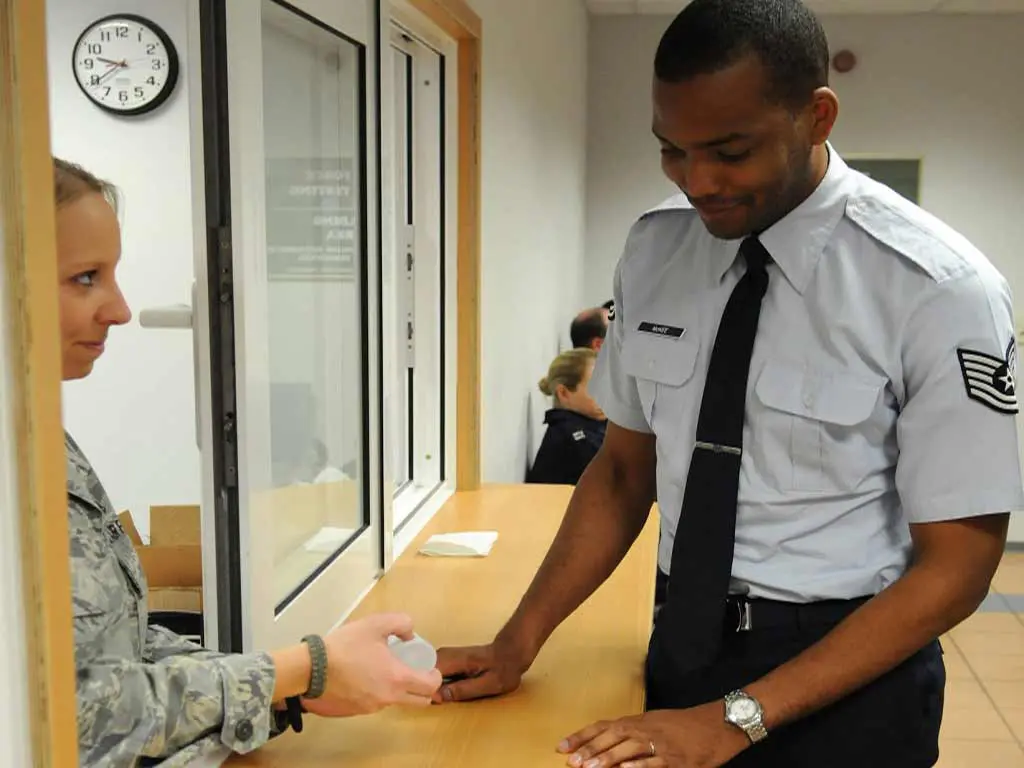
In addition, breath alcohol testing is a standard procedure for detecting alcohol impairments. It uses a breathalyser device that analyses the breath sample to measure the blood alcohol levels or intoxication degree. Lastly, blood testing is a method of examining small blood samples. This test provides the most accurate results but is also the most intrusive procedure.

Substances that Can be Detected

Most drug screening includes marijuana, cocaine, amphetamines, opioids, and benzodiazepines. They are the common substances that factor in numerous workplace or road accidents. Additionally, the misuse of these drugs has a high potential for addiction, overdose, and other health risks. Specifically, marijuana testing includes THC (tetrahydrocannabinol), which is the active component in cannabis that causes impairment.

Amphetamine-type substances include methamphetamine and MDMA or ecstasy. Cocaine testing looks for metabolites like benzoylecgonine. Furthermore, opioids like heroin, morphine, and codeine are commonly screened for due to the high tendency for abuse and adverse effects. Finally, testing for alcohol and its metabolites can help determine alcohol abuse.

A drug test result form and a sample collection container

Procedure for Drug Testing in Christchurch

Organisations conducting drug testing in Christchurch follow a specific procedure to ensure the reliability and validity of the test. It involves a few key steps, including the collection of samples, analysis, and interpretation of results. In the first step, individuals provide biological specimens and submit them to a collection officer.

The second step is analysis. This may involve immunoassay screening at the point of collection or sending the samples to a laboratory. It is vital to follow the strict chain of custody protocols to prevent tampering or contamination of the samples. This includes proper documentation, labelling, storage, and transport of the specimens.

Finally, interpreting the results will depend on the type of test. Rapid test kits may involve comparing a test strip to a chart, such as colour changes or line indicators. Meanwhile, laboratory professionals often analyse and explain the detailed findings to their clients. If drugs are present, the report outlines the specific substance and their concentration levels. Additional testing is necessary to confirm the results if a preliminary test is non-negative.

What Happens After a Positive Result?

A positive drug test result can have several consequences. In workplace drug testing, the employee may face a written warning or suspension, depending on the severity of the situation. Moreover, the consequences of testing positive for drug use may depend on specific company policy. It can also have legal implications, especially if accidents and injuries occur.

Organisations may also require employees to undergo rehabilitation programs or counselling to address substance abuse issues. This allows individuals to overcome their addiction and return to their jobs after making a full recovery. On the other hand, repeat violators may face termination of employment.

Conclusion

Drug testing in Christchurch is one of the safety measures that individuals and workplaces utilise to ensure safety. It aims to detect substance use and impairment, which can lead to accidents and other negative consequences. Likewise, it helps deter substance abuse from proliferating. The test involves various procedures, including urine, saliva, breath, hair, and blood sampling. Each type has varying detection windows and accuracy rates. Therefore, knowing these factors is important to make informed decisions.

The test procedures follow specific steps to ensure their accuracy and reliability. This can help prevent possible sample contamination that can lead to false results. Furthermore, laboratories perform rigorous methods to validate the test and provide detailed reports to clients. In the event of a positive result, individuals may face serious consequences, such as suspension or termination. With these measures, drug testing plays a significant role in maintaining a safe and healthy environment.

NZ Drug Testing Laws: Overview & Legal Requirements in Workplaces

construction worker looking at equipment on site

Workers who use illicit drugs and abuse prescription drugs can endanger themselves, their colleagues, and the company. Thus, business owners in New Zealand utilise drug tests to ensure a safe work environment. However, both parties must understand the relevant NZ drug testing laws to avoid legal issues or misunderstandings. The law requires high-risk industries to implement workplace policies for substance use tests. Also, it necessitates organisations to respect the rights and privacy of employees.

The presence of drugs in the body can lead to criminal offences in NZ. This is particularly true for people with safety-sensitive positions. These include those operating heavy machinery and driving public vehicles. Fortunately, drug testing can lessen the safety risks. Employers often administer screenings, which typically collect saliva and urine samples. They can also conduct hair and blood tests. The article will present an overview of testing laws, the legal requirements, and the creation and enforcement of policies.

Overview of NZ Drug Testing Laws in Workplaces

NZ drug testing laws in workplaces are strict to protect employees and the public. Businesses in safety-sensitive industries such as construction, transportation, and healthcare are mandated to conduct regular drug screens to uphold safety standards. These laws aim to prevent workplace accidents and injuries from impaired employees. This ultimately reduces the risk of harm to themselves and others.

Privacy laws protect drug test results and medical information. Thus, organisations must respect the confidentiality of the personal information of their workers. Before conducting the screening, employers must have clear workplace policies and procedures outlining the process and consequences for failing a drug test. This transparency is vital in maintaining the trust and cooperation of employees. Also, this ensures they understand their rights and responsibilities regarding drug testing.

Additionally, substance testing laws in the workplace emphasise the importance of providing support and rehabilitation. Companies are encouraged to offer resources and assistance to workers who test positive for drugs or alcohol. This can help them to address their substance abuse issues. It also promotes a healthy and safe work environment for all.

Importance of Workplace Drug Testing

Employers may conduct random drug testing, post-incident testing, and pre-employment drug testing for the following reasons:

  • Drug tests are essential for safety purposes. Business owners can keep employees safe by reducing the risk of accidents and injuries.
  • Drug-free workers are more likely to be productive and reliable, leading to better work performance.
  • Many industries are required to conduct drug testing to comply with federal regulations and maintain a secure workplace.
  • Identifying drug abuse early through testing can lead to timely intervention and treatment of employees.
  • A drug-free workplace enhances the reputation of the company. This results in increased trust from clients and partners.

A pen and drug testing kit on top of a consent form

NZ Drug Testing Laws – Legal Requirements for Workplace Testing

The NZ drug testing laws help regulate and protect workplaces and public spaces. Under the Health and Safety at Work Act 2015, employers have a legal responsibility to provide a safe working environment for their employees, which includes implementing drug testing policies. The safety policies must adhere to the New Zealand Bill of Rights Act 1990. This outlines the rights and freedoms of individuals at work, including the right to privacy.

Business owners should ensure they conduct their illicit drug test procedures fairly and transparently. They must ensure the employees know the testing process, their rights, and the consequences of a positive test result. Getting informed consent before drug testing is crucial for privacy rights. Moreover, the test results should be kept confidential and only disclosed on a need-to-know basis.

Another legal requirement is to make sure qualified professionals using approved testing methods and equipment administer the drug test. This is especially necessary for those who will collect blood samples. As such, contacting an accredited facility that follows the applicable standards is crucial. Lastly, organisations must also provide access to education programs and other support services for workers.

Procedures and Protocols for Testing

Drug screening helps maintain workplace safety. A health practitioner will collect biological specimens from the donor. Then, they will test the samples for different types of drug classes. Afterwards, they analyse them in a controlled laboratory setting. The testing process should adhere to strict guidelines to prevent tampering or contamination of specimens.

Additionally, there should be clear procedures for handling positive test results. This includes providing the participant with an opportunity to contest the findings, as well as guidelines for appropriate disciplinary actions. Furthermore, protocols for drug tests follow measures for verifying the identity of the participants to avoid mix-ups or errors in the results.

Four people discussing in a meeting at work

NZ Drug Testing Laws – Creation and Enforcement of Workplace Policies

For several years, NZ drug testing laws have been a topic of debate and discussion. Thus, employment laws have been created to regulate and standardise drug screening procedures across all industries. The focus is to maintain a drug-free work environment. Business owners should have clear policies and procedures in place to enforce a fair process of screening at work.

The creation and enforcement of drug test policies are essential for a drug-free workplace. Employers are responsible for ensuring their employees are fit to carry out their duties and are not impaired by illegal drugs or alcohol. The government provides a framework to follow when implementing drug testing procedures. Companies must stay updated with the latest legislation to ensure compliance and promote a healthy work culture.

Enforcement of drug testing and reasonable health policies involves strict adherence to the laws and regulations set by the government. Organisations should implement screening tests without discrimination. Businesses that fail to comply can face severe penalties, including fines and legal action. Therefore, they must create transparent testing policies that are communicated effectively to the workforce.

Can an Employee Refuse a Test?

Yes, in general, an employee can refuse a drug test. However, they may face consequences, such as suspension or termination. This is especially true if drug screening is a company policy outlined in the employment contract. Workers may refuse on religious or medical grounds with appropriate documentation.

It is essential to note that specific state and federal laws may vary regarding the right to refuse a drug test. Some territories may allow employees to refuse without consequence, while others may have stricter regulations. Consulting with a legal professional or HR representative can clarify the specifics related to testing at work.

Conclusion

Using illegal drugs, like methamphetamine or cannabis, is a significant issue in New Zealand. The country has implemented strict NZ drug testing laws to combat substance use. Under these regulations, employers in safety-critical industries should conduct tests on their workforce. However, they must administer the screening fairly and transparently. The workers should be aware of the testing policy and procedures. Also, they should offer support for employees who may be struggling with drug abuse issues through counselling or education programs.

Companies must establish and enforce policies that comply with legal standards and protect the rights of their workers. They can follow the framework the government provides for workplace drug tests. Moreover, they should carry out the screening without discriminating against any particular group of employees, which the policy should clearly outline. By prioritising safety, NZ workplaces can create a culture of accountability and responsibility. Ultimately, this helps the well-being of workers and the overall success of organisations.

Urine Test for Alcohol Pre Employment: What It Is and How to Prepare for the Testing

A lab technician testing a urine sample

Many companies conduct random testing, reasonable suspicion screening, and blanket testing to deter employees from consuming alcohol at work. Moreover, they administer workplace drug testing to prevent illicit substance use. Furthermore, they do pre-employment screening for alcohol to ensure a safe and productive work environment. In particular, they utilise alcohol urine tests for pre-employment. These identify alcohol presence and abuse in urine specimens. Job applicants who will undergo urine testing must abstain from drinking alcohol and stay hydrated to prepare.

Alcohol detection is necessary because alcoholic beverages can impair judgment and coordination. Consequently, this endangers the person, other people, and the business. Hence, employers establish a policy on alcohol testing to maintain a healthy workplace. They can use saliva testing, blood testing, hair testing, or breath testing. However, they most commonly choose a urine test because of its benefits. To learn more about this type of testing, the following sections will present its definition, preparation, and legal considerations.

What is an Alcohol Urine Test for Pre-Employment?

An alcohol urine test for pre-employment is a screening method. It detects the presence of ethanol, a component of alcoholic drinks, in the system of a person before they are hired for a new job. Companies administer it to ensure that candidates are not under the influence of alcohol during the hiring process. Also, it avoids potential risks associated with employee impairments due to alcohol.

A urine test is a relatively non-invasive and simple method of screening for alcohol in the body. It involves collecting a urine sample from the individual. Then, the testing provider analyses the specimen for alcohol metabolites. The test provides employers with valuable information. Subsequently, they can make informed decisions about hiring applicants and ensure their workplace remains safe and productive.

Business owners may contact testing service providers to handle the screening. These providers follow strict guidelines and regulations to ensure accurate testing. Moreover, some may have a mobile testing unit. This allows them to conduct the screen at the company premises for convenience. It can also lessen the time and cost associated with sending candidates to an off-site location for testing.

Importance of Pre-Employment Testing

  • Workplace safety: Drinking alcohol can cause impairment, leading to workplace accidents. Pre-employment tests can help ensure that people who may be at risk are not hired for safety-sensitive positions.
  • Productivity: Employees under the influence of alcohol are more likely to have decreased performance. Thus, conducting a test ascertains only sober individuals get the job.
  • Health: Identifying alcohol use in potential employees can help provide necessary support and resources for their well-being. This can lead to a more positive work environment.
  • Legal liabilities: The law can hold companies liable for accidents or incidents that an alcohol-impaired employee causes. Pre-employment testing helps mitigate these risks.

A woman gesturing no to an alcoholic beverage

How to Prepare for an Alcohol Urine Test for Pre-Employment

Job applicants must prepare in advance for an alcohol urine test for pre-employment. Firstly, abstain from consuming alcohol for at least 48 hours before the screen. This will ensure there is no alcohol in the body that could potentially produce a positive result. Secondly, staying hydrated can help flush out remaining alcohol in the system. Drinking plenty of water in the days leading up to the test can aid in diluting the alcohol concentration in urine.

Thirdly, be mindful of other substances that may interfere with the test. Some prescription medications and over-the-counter remedies can produce false positive results on an alcohol urine test. Hence, disclose any medicine intake to the testing facility and employer. This will allow them to take necessary precautions or considerations when interpreting the results.

Lastly, follow any specific instructions. These may include refraining from eating or drinking anything for a certain amount of time before the test. Additionally, candidates may need to provide a urine sample within a designated timeframe. By following these guidelines and preparing appropriately, individuals can ascertain they are ready for alcohol urine testing.

Guidelines for Proper Sample Collection

Proper collection of urine samples for alcohol testing is crucial to ensure accurate and reliable outcomes. Technicians must instruct the individual to empty their bladder before collecting the specimen to avoid dilution. Also, using a clean and sterile container is necessary to prevent contamination.

Additionally, label the container with the information of the candidate. The collection date and time must also be indicated to ensure proper identification and tracking of the specimen. Furthermore, securely sealing and storing the urine sample at the appropriate temperature is vital to maintain its integrity until it can be tested.

Job applicants sitting while holding their resumes

Legal Considerations for Implementing Alcohol Urine Test for Pre-Employment

Legal considerations for implementing alcohol urine tests for pre-employment screenings are a crucial aspect of the hiring process. Employers must comply with all relevant laws and regulations when implementing the screening. They should also consider the requirements for obtaining consent from job applicants before conducting the tests. Failure to comply can result in potential legal challenges and liabilities for the company.

In addition, businesses must consider the potential impacts of implementing alcohol testing on their hiring practices. They must apply the screening consistently and fairly to all candidates. Likewise, they should not discriminate against anyone. Moreover, they should be aware of state or local laws that may restrict or regulate the use of alcohol urine tests in the pre-employment screening process.

Furthermore, companies should consider the implications of implementing tests on their workplace policies and procedures. They must communicate the reasons for administering screening to job applicants. This should be in a manner that respects the dignity and privacy of the individuals being tested. Also, they must be prepared to handle potential disputes and seek legal counsel if necessary.

Can a Potential Employee Refuse a Test?

Yes, a potential employee can refuse screening for alcohol. However, this can result in not being considered for the job. In some cases, employers can terminate the candidate from the application process. Thus, applicants must have a valid reason, such as medical reasons, for refusing the alcohol screening.

Employers and potential employees must understand the legal and contractual obligations regarding alcohol testing in the workplace. The former should be aware of privacy laws and other regulations governing alcohol tests. Meanwhile, the latter should know their rights and responsibilities. To help, they can read the alcohol policy of the company to which they are applying.

Conclusion

Illicit substances, such as ethanol, can impair judgment and senses. Thus, business owners utilise alcohol urine tests for pre-employment. It is a type of testing that screens urine specimens for the presence of alcohol or its metabolites in the body. Urine testing is relatively non-invasive and cost-effective. To prepare for the test, individuals should abstain from alcohol consumption beforehand. A protection from risks of a positive result is hydration. Hence, drinking water can help.

Employers should be aware of the legal considerations for implementing urine tests for alcohol. These include compliance with state and federal laws, employee rights, and privacy concerns. Similarly, job applicants should know their rights and responsibilities. Otherwise, they may face discrimination or legal issues. Overall, urine testing for pre-employment is vital in maintaining workplace safety and productivity. It helps businesses with alcohol testing programs to protect the workforce and the company.

Urine and Alcohol Testing: What It Is, How It Works & the Biomarkers

A person handing a urine sample to a lab technician

The effects of alcohol misuse are detrimental. Hence, healthcare professionals, business owners, and police officers often utilise urine and alcohol testing. It detects ethanol and monitors the alcohol consumption of people. When the body metabolises ethanol, it can excrete it through urine. Then, medical practitioners collect and test urine specimens. The most common biomarkers found in urine are the alcohol metabolites Ethyl Glucuronide (EtG) and Ethyl Sulphate (EtS). They contribute to longer detection periods.

Alcohol tests are valuable in many settings. Individuals and organisations utilise various kinds of methods. These include breath tests, blood analysis, saliva tests, and hair screens. Compared to these, alcohol urine tests are more often used. This is because of their convenience, cost-effectiveness, and accuracy. Understanding the science behind the test can help individuals navigate the process more effectively. Thus, the following sections will present what urine in alcohol screening is, how it works, and what biomarkers it utilises.

What Is Urine and Alcohol Testing?

Urine testing is a widely used method that detects the presence of various substances, including alcohol, in the body. It is valuable in healthcare, workplace, and legal settings. Urine and alcohol testing typically involves the analysis of metabolites, which are produced when the body processes alcoholic beverages. Testing urine samples can trace alcohol or its metabolites up to several days after last consumption.

Medical professionals utilise alcohol urine tests to diagnose alcohol abuse or monitor patients in alcohol rehabilitation programs. By detecting ethanol levels in urine, they can assess the extent of alcohol consumption and its effects on the body. Meanwhile, employers administer it to determine if their employees are intoxicated while working.

Law enforcement officers conduct urine screening to identify drink-driving offenders or individuals involved in legal cases where alcohol consumption may affect the outcome. For example, a urine test can help determine if someone was under the influence of alcohol at the time of an incident. All in all, alcohol urine testing is crucial in maintaining safety and ensuring accountability in various aspects of society.

Advantages of Urine Testing

  • Non-invasive: Unlike blood tests, urine tests do not need to use needles to collect biological samples. Hence, this type of testing is a more convenient and less painful option for alcohol testing.
  • Easily accessible: Typically, individuals can obtain urine samples on their own. Thus, they can conduct the test without going to a healthcare facility.
  • Cost-effective: Urine screening is generally more affordable than other testing methods, making it a preferred option for monitoring purposes.
  • Quick results: Testing kits for urine are available in many stores. Therefore, buying one immediately when necessary is possible. Also, it provides swift results. These allow for prompt diagnosis and intervention.

Glasses of alcohol on top of a table

How Urine and Alcohol Testing Works

The urine and alcohol testing method can detect the presence of ethanol in the body. When a person consumes alcoholic drinks, the liver enzymes in the body metabolise it and convert it into various enzymes or metabolites. Afterwards, the body excretes it from the body through urine. The screening measures its concentration in the urine to determine the level of alcohol consumption.

To facilitate alcohol urine testing, medical professionals ask the person to provide a urine specimen. They must collect the sample using a sterile container. They seal it securely to prevent tampering or contamination after the collection process. Then, technicians send it to a laboratory for analysis. Practitioners will use various methods, such as gas chromatography or immunoassay.

The results of the alcohol urine test can provide valuable information about the drinking habits of a person. For example, if the concentration of ethanol metabolites in the urine is high, it may indicate that the individual has consumed a significant amount of alcohol recently. This information can assess the sobriety and adherence to alcohol-related treatment programs of patients.

Factors Affecting the Presence of Alcohol in Urine

Various factors can affect the presence of alcohol in urine. Firstly, the amount of alcohol consumed. The more alcohol a person drinks, the higher their Blood Alcohol Concentration (BAC) will be, which can then be excreted through their urine. Secondly, the frequency of alcohol intake. This is because the body can only process a certain amount of alcohol at a time.

Lastly, body weight and hydration level. For instance, individuals with a higher body weight may be able to process alcohol more efficiently than those with a lower body weight. Similarly, staying hydrated can help the body flush out alcohol more effectively.

A technician holding a urine sample inside a lab

Biomarkers Used in Urine and Alcohol Testing

Biomarkers are a vital tool in urine and alcohol testing. They are typically what the tests detect to determine the presence of alcohol in the body. One of the most common biomarkers of alcohol consumption in alcohol urine tests is EtG. It is a metabolite the body produces when it breaks down the substance. Its detection period in urine specimens is up to 80 hours after alcohol consumption.

On the other hand, EtS is a less common biomarker but is also used in alcohol urine testing. It is another metabolite the body produces when people consume alcohol. EtS has a similar detection window to EtG, which is about 72 to 80 hours. Lastly, a urine test can detect ethyl alcohol in urine samples for about 24 hours.

In addition to alcohol, urine testing can also detect biomarkers of illicit substance use. For example, the test can determine the presence of illegal drugs like marijuana, cocaine, opioids, and methamphetamines. These substances leave behind unique metabolites in the body that can be detected in urine for different periods, depending on the drug.

Detection Window

The detection period for urine biomarkers can vary greatly depending on the specific substance. For example, professionals can typically identify alcohol in urine for six to 24 hours after consumption. This is extended by tracing EtG or EtS. Moreover, it would ultimately depend on the amount of drinks a person consumes.

As for drugs of abuse, urine drug testing can determine illicit substances for several days to weeks after use. However, individual differences and other elements can affect the detection window for urine biomarkers. It is crucial for testing facilities and individuals to consider the specific substance being tested and the factors that can impact the detection window for precise results.

Conclusion

There are different testing methods to detect alcohol presence. These include breath alcohol tests, saliva screens, blood tests, and hair screens. However, urine and alcohol testing is the most common type among all of them. It can identify ethanol in the body by using urine samples. The liver cells break down alcohol into enzymes. Then, the body excretes it through urine. Factors like the amount of alcohol consumed and drinking frequency can affect the presence of ethanol in the system.

Professionals analyse urine specimens for specific biomarkers, such as EtG and EtS. These are byproducts of alcohol metabolism. They can provide a reliable indicator of recent alcohol consumption. Hence, urine testing is valuable for various applications, including workplace testing, legal cases, and treatment programs. The test can promote public safety, ensure compliance with regulations, and support individuals in their efforts to manage alcohol use.

FAA Drug and Alcohol Testing Program: Purpose, Regulations, and Applications

A female pilot sitting with her hands on her face

The Federal Aviation Administration (FAA) is responsible for maintaining the highest safety standards in the aviation industry. It oversees everything from safety regulations to aircraft operations. As such, part of its function is to enforce the FAA drug and alcohol testing program. Its purpose is to detect substance use and impairments of all covered employees. This prohibits individuals with safety-sensitive duties from using illicit substances. Additionally, it is applied in pre-employment, random, and post-incident scenarios.

Drug and alcohol abuse have detrimental impacts on the physical and cognitive functions of a person. It is even more amplified when doing safety-sensitive functions, such as driving or operating heavy machinery. Therefore, it increases the risk of accidents and injuries. This prompted federal agencies to establish drug testing programs to reduce safety hazards. This article will explore the purpose of the FAA testing programs, regulations, and applications.

Purpose of FAA Drug and Alcohol Testing Program

The purpose of the FAA drug and alcohol testing program is to ensure the safety and integrity of the aviation industry by prohibiting substance use. The transportation of passengers and goods by air carries a great responsibility. It is crucial that all safety-sensitive employees are not under the influence of alcohol or illegal drugs.

The safety mission of the program is to minimise the risk of accidents, injuries, and fatalities due to substance impairment. It also aims to deter substance abuse among employees, including pilots, flight attendants, air traffic controllers, and aircraft maintenance personnel. As a result, it helps protect the public from the dangers of impaired operators.

Moreover, the program serves as a deterrent to potential drug and alcohol abuse within the industry. Knowing that they may be subject to testing at any time, employees are more inclined to refrain from abusing or misusing drugs. It also encourages individuals to seek help if they have a problem. Therefore, compliance with the program is not only a legal obligation but also a way to maintain the trust and confidence of the public in the aviation industry.

The Need for the Testing Program

  • Public safety: Frequent accidents caused by impaired employees can lead to mistrust. Hence, the establishment of drug and alcohol testing rules helps rebuild public trust and prevent accidents.
  • Substance abuse prevention: Regular random testing helps deter flight crew and ground crew from drug abuse.
  • Employee well-being: Promote the overall health and well-being of safety-sensitive employees and stakeholders.
  • Statutory requirements: Drug and alcohol programs are mandated in all high-risk sectors, including the aviation or transportation industry.
  • Cost reduction: Annual reports show high expenses in hospitalisation or insurance of employees or passengers due to accidents. Thus, monitoring drug use helps minimise these costs.

A uniformed officer giving a urine sample container for drug testing

FAA Drug and Alcohol Testing Regulations

The FAA drug and alcohol testing regulations define substance abuse as the use or possession of alcohol and illegal drugs. This includes the use of prescribed drugs without a prescription or for recreational purposes, the misuse of alcohol, or the consumption of alcoholic beverages while on duty. Thus, all aviation personnel engaging in illicit substance use are subject to corresponding penalties.

The testing programs are under the Drug Abatement Division. It is responsible for administering and monitoring drug and alcohol testing policies. Moreover, the regulations outline the procedures, requirements and consequences for employees who test positive or refuse to undergo testing. This applies to all certificate holders, aviation employers, and airline mechanics.

Furthermore, the current regulations specify what situations warrant testing and what substances are included. These include ethanol, marijuana (cannabis), cocaine, non-prescribed opiates, phencyclidine (PCP), methamphetamines, and non-prescribed amphetamines. Additionally, it prohibits psychotropic drugs for aeromedical certification purposes, such as sedatives, tranquilisers, antidepressant drugs, and hallucinogens. Overall, compliance with federal regulations ensures fairness and consistency in drug detection.

Types of Tests Applicable

The alcohol and drug testing programs use several testing methods on various occasions. The standard type is the urine drug test. This procedure can detect a wide range of illicit drugs and prescription medications for up to 48 to 80 hours from the last use. It is the most common method because of its reliability and convenience.

Another type is saliva testing. This procedure analyses saliva samples, which can trace drug metabolites within the last 24 to 48 hours. Positive results can indicate recent consumption. Lastly, the breath test measures the breath alcohol concentration (BrAC) or the amount of alcohol in the system.

An employer hiring an applicant after an interview

Applications of FAA Drug and Alcohol Test

The FAA drug and alcohol testing regulations include various circumstances on when to carry them out. The most common applications are pre-employment, random, reasonable suspicion, and post-incident. Firstly, pre-employment testing is for individuals applying for safety-sensitive duties. This test is to screen prospective employees for any substance abuse issues. Thus, it can help employers determine the most suitable candidates for the job.

Secondly, random drug testing is done at any time without prior notice to maintain constant vigilance against substance use. Thirdly, reasonable cause determinations and testing are crucial when there are observable signs of impairment. Supervisory personnel can request a test to promptly identify and address any issues.

Additionally, post-accident testing is vital to confirm if illicit substances played a role in an incident. This helps determine liability and prevent future accidents. Lastly, follow-up testing is for employees with previous positive drug results. It is often a part of the medical certificate they need to present to return to safety-sensitive duties. This ensures that they remain sober and fit for duty after completing a rehabilitation program.

Treatment Resources

Part of the drug and alcohol testing requirements is to provide treatment assistance to individuals struggling with abuse or addiction. When an employee tests positive or admits to a substance abuse problem, they are required to undergo an evaluation by a Substance Abuse Professional (SAP).

The treatment resources include rehabilitation programs, counselling services, support groups, and other forms of treatment. The goal is to help individuals overcome their dependency and provide them with the necessary tools for recovery. By offering these resources, the FAA aims to support employees in maintaining sobriety and ensuring a safe and healthy work environment.

Conclusion

The FAA drug and alcohol testing program is an essential component in ensuring safety in the aviation industry and the general public. It aims to identify all company officials and crew performing safety-sensitive services with substance abuse problems and take appropriate actions. These tests take various approaches, such as breath, saliva, and urine sample drug collection. It helps detect substances in the system indicating current impairments or possible disorders. Each has its own detection window and accuracy rate.

In addition, there are several applications for these procedures, including pre-employment tests, random tests, post-incident tests, reasonable suspicion, and follow-up tests. Therefore, it covers a comprehensive ground within the aviation sector. Furthermore, the FAA also requires employers to provide treatment resources for employees struggling with addiction. By implementing these regulations and providing support, the agency aims to maintain a safe and healthy work environment.