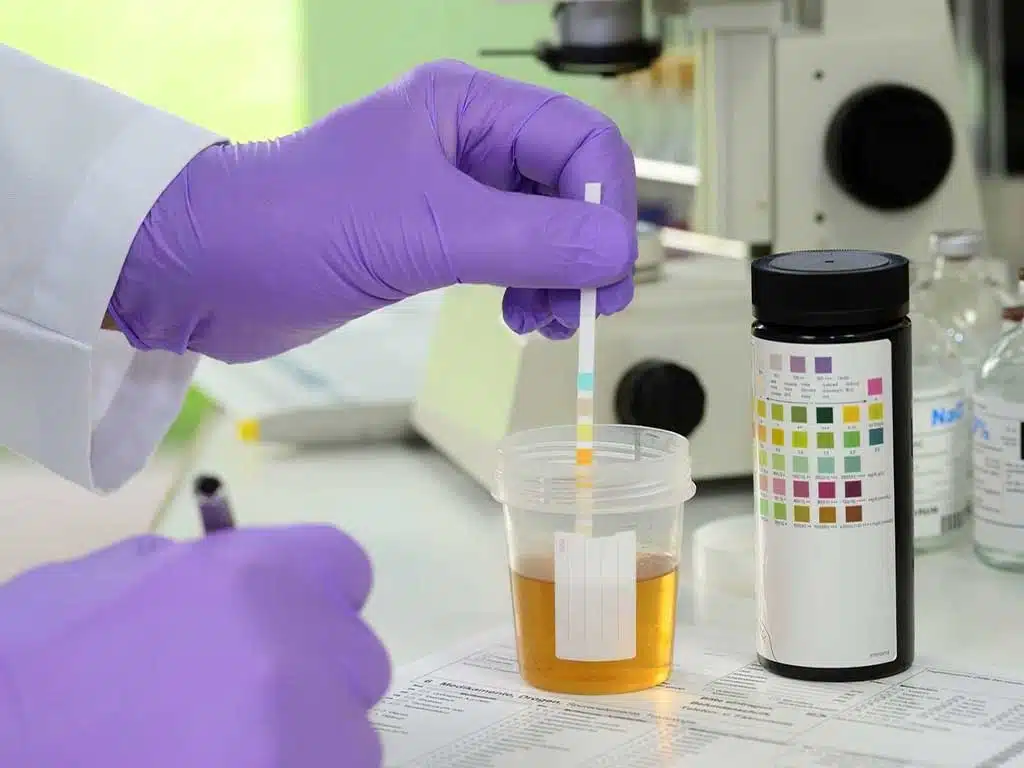
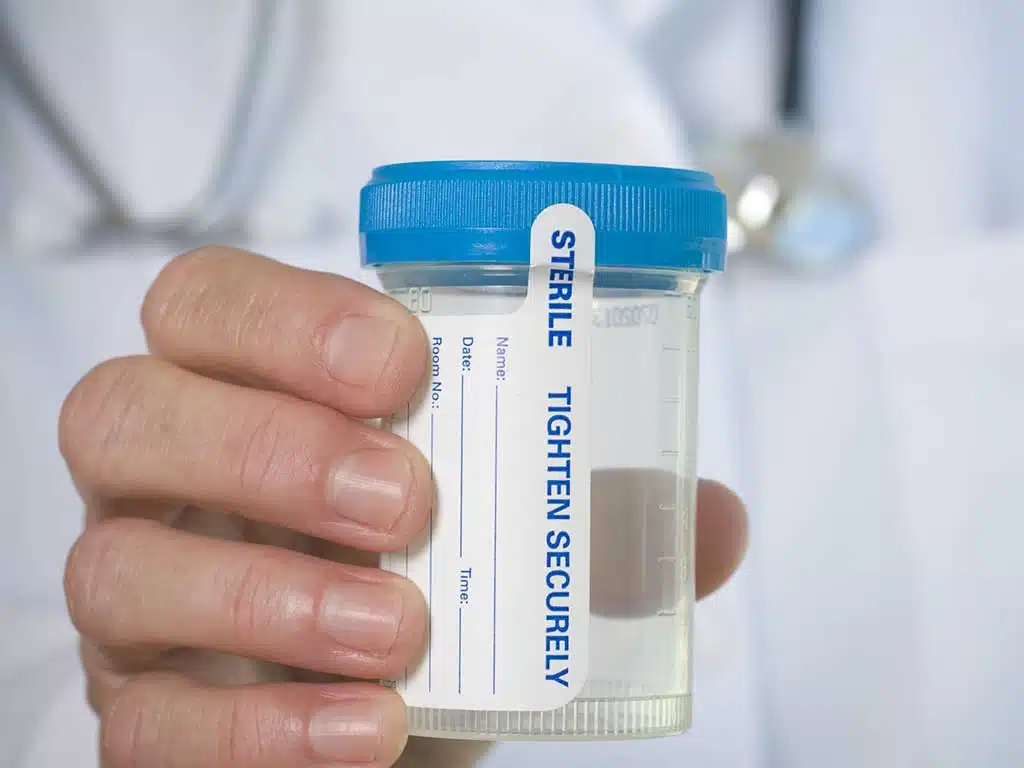
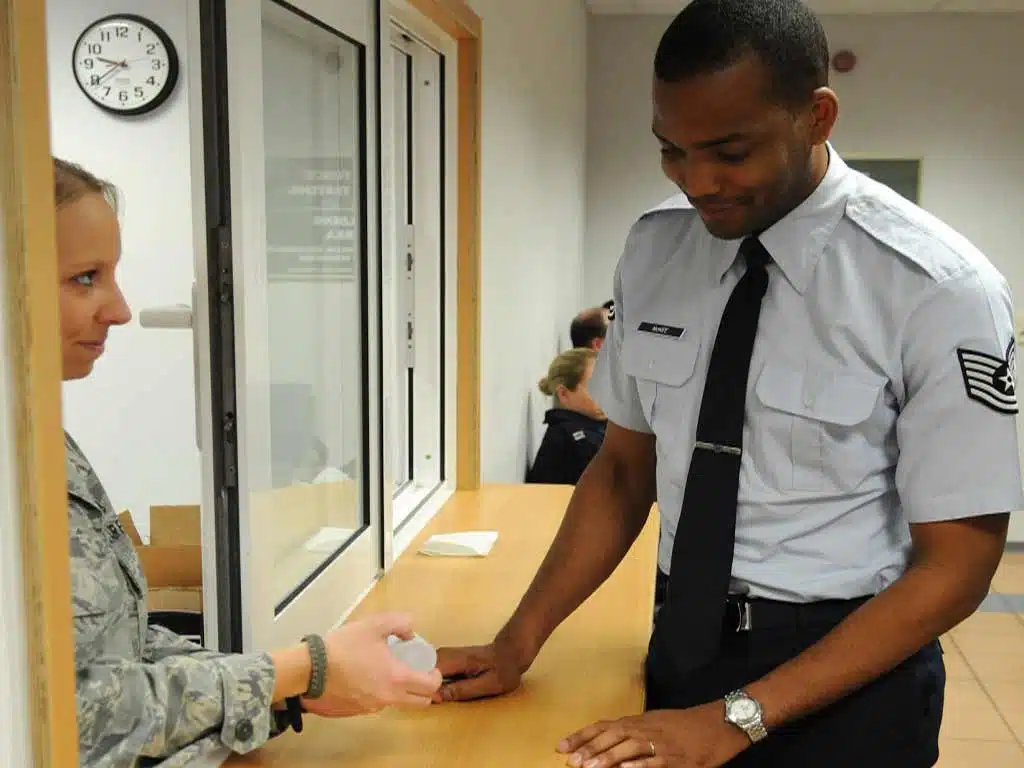
Drug Testing Tauranga: Overview, the Types of Tests, and the Procedure

Employees having a meeting

Drug testing in Tauranga is a common practice in various organisations. This process aims to identify substance use or impairment through the analysis of biological specimens. Hence, it aids businesses in ensuring the safety and well-being of employees. These tests take various forms, such as urine, saliva, and breath testing. Typically, a qualified collector administers the drug test, following proper sample collection methods, handling, and analysis to ensure accurate results.

Excessive drug or alcohol consumption can cause severe impairments in the ability to perform tasks safely and efficiently. It often leads to reduced concentration, coordination, and reasoning. This poses a significant risk not only to the individual but also to their colleagues, customers, and the general public. For these reasons, many companies introduce testing programs to minimise these hazards. This article provides an overview of workplace drug testing, including the different types of tests and the procedures involved.

Overview of Drug Testing in Tauranga

Drug testing is a crucial aspect of maintaining safety and productivity in various organisations. Not all businesses are required to implement these tests; however, those with safety-sensitive roles or industries often have mandatory testing policies. These measures aim to detect the presence of drugs or alcohol in the system or determine possible substance abuse.

Organisations understand the potential risks associated with drug and alcohol use, especially where employees operate vehicles or heavy machinery. Thus, drug screening is essential to ensure that individuals are fit for duty and capable of performing their job responsibilities safely. Nevertheless, it is vital for employers to communicate the policies to make sure everyone is on board and aware of the consequences of violating these rules.

Aside from workplaces, drug testing in Tauranga also takes place in schools, sports events, legal proceedings, and roadside inspections. It helps ensure a safe and drug-free learning environment and fair competition. Furthermore, it helps minimise accidents in public places and enforce road safety. Overall, drug tests are a multi-faceted approach that aims to promote safety and well-being.

Importance of Testing in Various Settings

  • Workplace: Monitor substance abuse and impairment among employees, making sure they are not under the influence of drugs and alcohol while on duty. In addition, it helps enhance productivity and employee morale.
  • School: Deter drug and alcohol use among the youth population and promote a healthy lifestyle.
  • Sports Events: Ensure fair competition and maintain a drug-free environment for athletes.
  • Legal Proceedings: Provide evidence of drug use in situations such as criminal cases or custody battles.
  • Roadside Inspections: Enforce road safety by detecting and deterring impaired driving. As a result, it helps minimise vehicular accidents, which can affect other road users and pedestrians.

A woman blowing to a breathalyser

Types of Drug Testing in Tauranga

There are different types of drug testing in Tauranga that organisations can employ, depending on the situation. The most common type is urine testing. This method is easy to administer because of the simple collection process, analysis, and viewing of results. It can detect a wide range of substances within a few days to week detection period.

Another common type is saliva or oral fluid testing. It involves collecting saliva samples through an oral swab. This process is quick, non-invasive, and provides immediate results, making them ideal for on-site testing. Moreover, the saliva test can determine recent drug use, typically within a few hours to a couple of days.

Lastly, breath testing is a standard method for alcohol detection. It uses a breathalyser device to detect ethanol molecules in the breath and measure the Blood Alcohol Concentration (BAC). It is also non-invasive and gives results after a few seconds. Overall, these methods allow for convenient monitoring of substance use, enabling companies to enforce drug and alcohol policies effectively.

Detectable Substances

Drug test kits can detect a wide range of substances, including both illegal drugs and legal medications. Primarily, they test for commonly abused substances, such as marijuana, cocaine, amphetamines, opioids, and benzodiazepines. In particular, opioids include both illegal and prescription drugs that have a high risk of addiction.

Furthermore, breathalysers can detect ethanol, the main component in alcoholic beverages. On the other hand, some urine and saliva test kits can include alcohol metabolites, such as Ethyl Glucuronide (EtG) and Ethyl Sulfate (EtS). However, different drug test kits have different sensitivity levels and may not be able to detect all substances at low levels.

A drug and alcohol testing consent form and a pen

Procedures for Drug Testing in Tauranga

The procedures for drug testing in Tauranga follow a standardised process to ensure accuracy, fairness, and consistency. The first step is the collection of samples. Depending on the test type, this can involve collecting urine through a small container, swabbing the inside of the mouth, or blowing to a breathalyser device.

After the specimen collection, the samples are either analysed on-site or sent to a laboratory. Those who are using instant test kits can process the samples following the procedures included in the kit. This would usually involve dipping a test strip or swab in the sample and waiting for the results. A negative result means there are no substances detected, while a non-negative result indicates the presence of substances.

On the other hand, laboratory testing undergoes extensive analysis. It may take longer to process the specimens and receive the results. Additionally, those with non-negative results often require confirmation testing to rule out false positives or to identify specific substances present. Finally, it is essential to follow the chain of custody protocols to ensure the integrity of the samples.

Are There Risks for False Positives?

All kinds of drug testing methods are at risk of false positives. It occurs when a test incorrectly detects a targeted substance, even though the person did not actually consume the drug. As such, there are several factors that can contribute to this outcome.

One factor is improper collection or handling of the samples. Exposure to external elements may contaminate the specimens. Furthermore, certain foods or over-the-counter medications can interact with the body, triggering a false positive result. To minimise these instances, follow the proper testing protocols and use sterile containers to avoid cross-contamination.

Conclusion

Drug testing in Tauranga plays a vital role in ensuring safety and productivity in various settings. It aims to identify substance misuse or impairment that can lead to accidents and health risks. Thus, many organisations and individuals use various testing methods to detect illicit substances in the system. The common methods are urine, saliva, and breath testing. They allow for convenient and non-invasive testing processes and determining the results within minutes.

The procedures for drug testing involve a few key steps. It is essential to follow proper collection guidelines, handling, and analysis to get the most accurate results. Nevertheless, knowing the factors that can affect the test is crucial to minimise false positives. Individuals or companies may hire an accredited laboratory or purchase certified kits. A reliable device for alcohol screening are BACtrack breathalysers. There are several options to choose from depending on the accuracy level, style, or preferences.
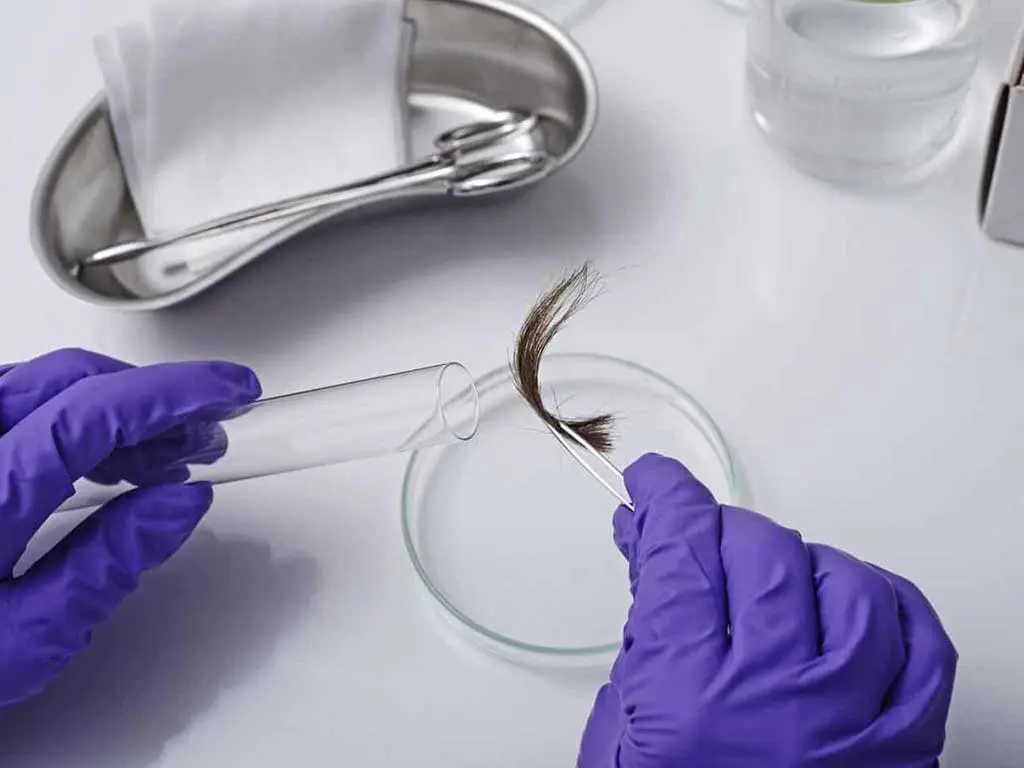
How Much Is A Hair Follicle Test Cost: The Factors Contributing To The Price

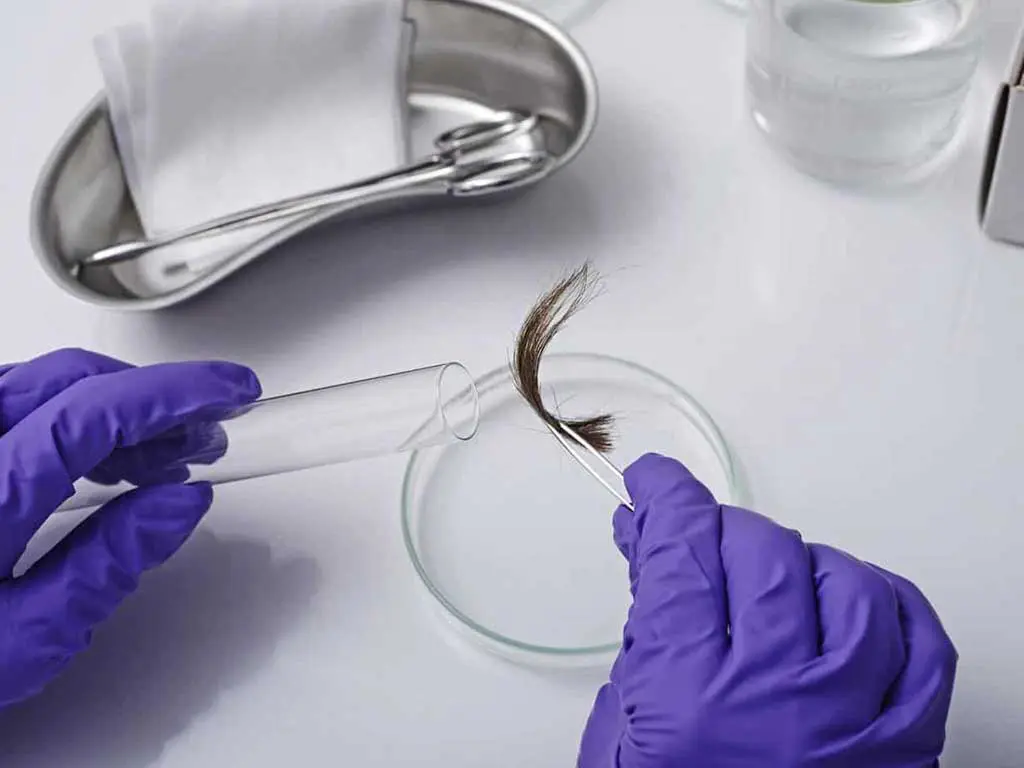
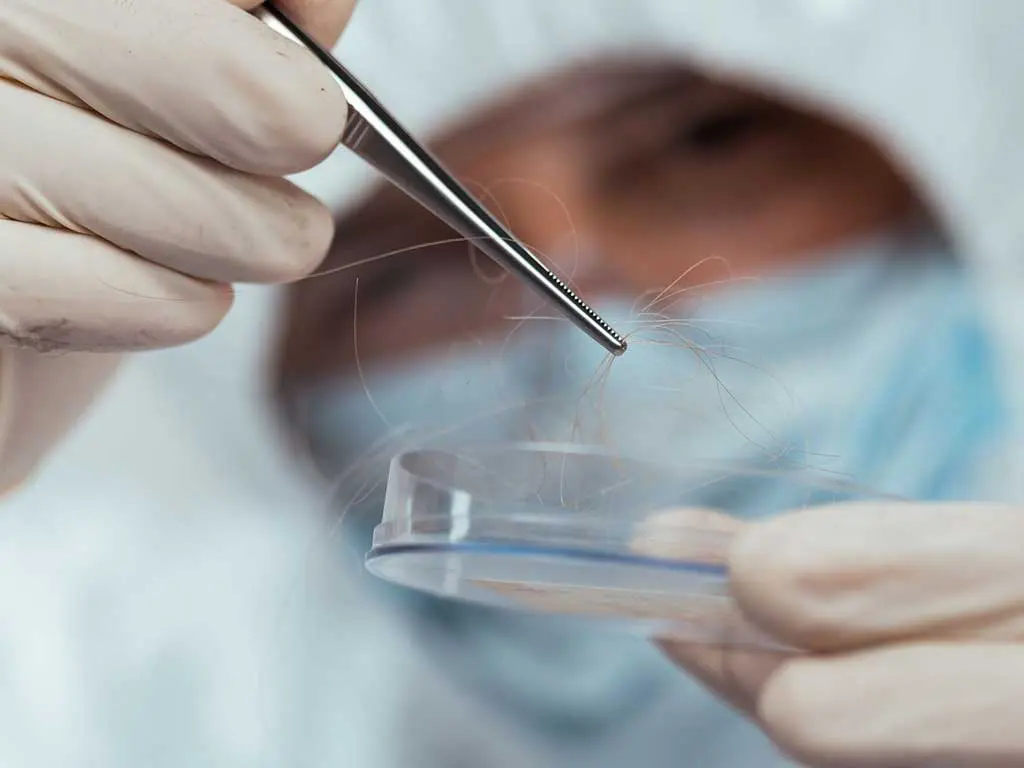
A lab technician transferring hair samples into a petri dish
Hair follicle drug testing is a reliable method for detecting drug use, especially when needing a long detection window. However, it is significantly more expensive than other tests, ranging from $150 to $1000 per test. Several factors contribute to how much a hair follicle test costs. These include the types of substances they are testing for and the laboratory fees. The requested detection window, reflected in the quantity and length of hair needed, is also a consideration.

Various organisations use different kinds of tests to identify substance misuse. This includes breath, saliva, blood, and urine testing. However, hair follicle drug tests remain the test with the lengthiest detection period. This is crucial for various legal purposes. It also helps employers identify potential employees with alcohol or drug issues. This article will present information on the factors affecting the costs of a hair test, such as the types of substances, hair quantity and length, and laboratory fees.

How Much a Hair Follicle Test Cost Is Affected by the Types of Substances Tested For

A hair follicle test is a method of tracing the misuse of prescription medications and illegal drugs. Various organisations use it for different purposes. Legal testing aims to show proof of abstinence or lack thereof for legal proceedings. Some workplaces also conduct these to acquire a history of drug use during pre-employment testing.

However, hair sample testing is less common because of how much a hair follicle test costs. In comparison, urine and saliva testing are more affordable options. Nevertheless, hair testing can trace a wide variety of substances. This includes the common drugs of abuse, such as amphetamines, marijuana, cocaine, opiates (heroin, oxycodone, morphine, methadone), and benzodiazepines.

In addition, they may also screen for ethanol, which is an active ingredient in many alcoholic beverages. They may also test for substances like ecstasy (MDMA), barbiturates, methamphetamines, and phencyclidine (PCP). However, it is important to note that the costs also increase based on the amount of panels for the laboratory analysis.

Costs Associated with the Number of Drugs Being Tested

  • Number of panels: Laboratories can customise the test depending on the substances the individual or organisation wishes to test. However, it is important to note that the price of the test also increases, depending on the amount and kinds of panels they must use for the analysis. Some testing service providers offer discounts. Hence, comparing each one can prove beneficial.
  • Total time spent on analysis: Similarly, testing for many types of drugs will take longer, thus requiring the lab to charge higher prices. Moreover, requesting longer detection windows will also affect the duration of the analysis.

A laboratory professional looking at hair samples

How Much a Hair Follicle Test Cost Is Influenced by the Quantity and Length of Hair Sample Required

The collection process of a hair test is non-invasive. However, some may find it unpleasant due to the amount of hair needed for the test. Generally, hair testing uses scalp hair. Nonetheless, labs can also use body hair samples if needed. This includes strands of hair from the armpit or legs.

The quantity and length of hair samples needed also affect how much a hair follicle test costs. The detection period of hair drug tests is typically 90 days for most substances. However, some labs can offer a longer window for detection of up to one year. This is significant, especially for child custody battles or criminal investigations, which may require proof of abstinence from drug use.

Nevertheless, it is vital to remember that the hair drug testing method cannot trace substances consumed seven to ten days before the time of collection. This is due to hair growth rates. Hence, other methods of drug testing, such as urine, saliva, and blood tests, could be considered for detecting recent use.

Minimum Quantity and Length of Hair Required

The minimum quantity and hair length required can vary depending on the laboratory and the specific drugs they must test for. Generally, collectors must gather 90-120 hair strands, which weigh about 50 to 100 mg.

For the length, the minimum should be about 3.9 cm or 1.5 inches. This is for detecting use for 90 days. However, longer periods will also require longer strands. Accordingly, about 7.8 cm or 3 inches of length is needed for six months. Lastly, to trace the substances consumed for a year, collectors must acquire hair at the length of 15.6 cm or 6 inches.

A professional putting hair strands into a vial

How Much a Hair Follicle Test Cost is Affected by the Laboratory Fees

How much a hair follicle test costs is impacted by the laboratory fees involved in the testing. Due to the process needed for the test, samples must be sent to a laboratory for analysis. Upon arrival, the lab technicians will wash the hair to remove external contaminants. Afterwards, they will submerge the hair in a solution to reveal the inner core for analysis.

Various factors can affect how much the fees will ultimately cost. Typically, different labs have differing pricing structures and specific procedures for conducting tests. The location of the laboratory is one consideration that can influence the price. Larger and more reputable facilities typically charge higher fees compared to smaller ones.

Another factor that can influence the fees is the complexity of the test. Using advanced equipment and adding more hours to the analysis will naturally cost more than simpler procedures. Lastly, requesting additional services will also affect the overall price. For workplaces, this can be requests to conduct onsite collection of specimens.

Additional Costs for Confirmatory Testing

Confirmatory testing involves an in-depth analysis of the hair sample to detect specific drugs and their metabolites. It requires utilising advanced techniques and equipment, which is why they cost more than initial screening. This is a crucial test for instances wherein the initial test produces a non-negative result.

The gold standard for confirmatory testing analysis is Gas Chromatography-Mass Spectrometry (GC-MS). Some may also use Liquid Chromatography-Mass Spectrometry (LC-MS), which works similarly to GC-MS. These are accurate and precise techniques that can quantify the substances in the sample. However, the analysis also takes days, which further increases the costs.

Conclusion

A hair follicle test is one method that organisations use to trace substances or drug metabolites from an individual. It is a reliable method that has the longest detection period. It can trace substances for about 90 days, but some laboratories offer detection of substances for up to a year. Consequently, this larger window affects how much a hair follicle test costs. Laboratories may charge $150 to over $1000 per test.

Various factors affect the overall cost. Firstly, the amount and type of substances they wish to test for is a large contributing factor. Hair test prices increase depending on the amount of panels for analysis. Another factor is the amount and length of hair samples. This also correlates to the length of the detection period. Lastly, the laboratory fees can significantly contribute to the price. Hence, comparing different service providers may prove beneficial.

Hair Follicle Testing Christchurch: Overview and the Process of Testing

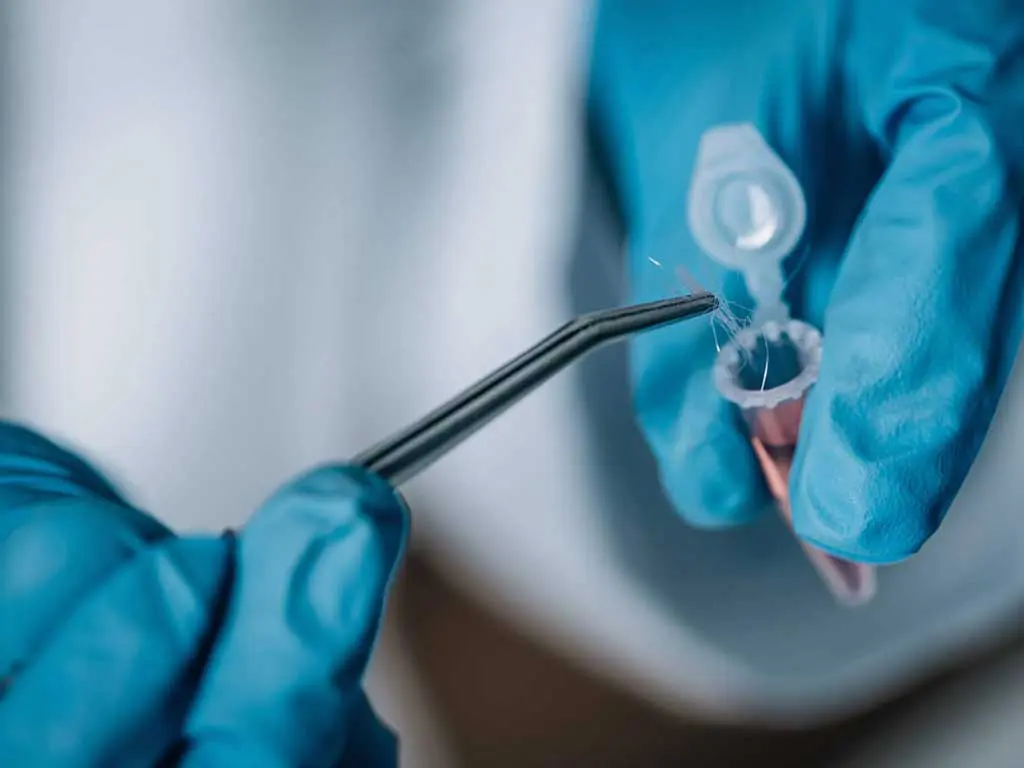
A laboratory technician grasping hair samples with tweezers
Hair follicle testing in Christchurch is a process used to detect drug use. It involves collecting a sample of hair from an individual and analysing it for traces of drugs. The analysis provides a detailed report on the substances found in the hair sample, allowing for accurate detection of drug use. This type of testing has a longer detection window than other methods, ranging from several days to several months.

Identifying substance abuse is important in various settings. A person with a drug or alcohol addiction has an increased risk of poisoning and developing chronic illnesses. Additionally, it presents risks to road and workplace safety. Therefore, drug testing becomes crucial in maintaining a safe and healthy community. One of the methods is hair follicle testing. This article will provide an overview of hair follicle testing, including its process and detection windows.

Overview of Hair Follicle Testing in Christchurch

Hair follicle testing in Christchurch is a process that involves analysing hair specimens to monitor the presence of drug classes or the concentration of drug metabolites. Accordingly, the assessment begins with the collection of a hair sample. Then, the collector sends the specimen to a laboratory for analysis. In the facility, the sample undergoes a series of tests to detect the presence of substances.

Furthermore, employers often use hair analysis as part of pre-employment screenings, random drug testing, reasonable suspicion testing, and post-accident testing. Moreover, law enforcement agencies may use hair tests to assess individuals involved in legal proceedings. Also, drug rehabilitation facilities may use the method to monitor the progress of individuals undergoing treatment.

The results of the hair follicle tests can have significant implications for individuals. A non-negative result indicating the presence of illegal drugs can result in consequences. This may include loss of employment, legal repercussions, or hindered progress in drug rehabilitation programs. Therefore, people must understand the potential ramifications of this type of testing.

Advantages of Hair Testing

  • A hair drug test has a lengthier detection period than urine, saliva, and blood tests.
  • It can provide evidence of drug use in cases where other methods might yield false negatives.
  • The sample collection is non-invasive and painless.
  • Hair strand testing can provide a cumulative history of drug use from several months from the date of testing.
  • It is difficult to cheat or tamper with the results. Hence, it ensures a higher level of accuracy and reliability.
  • External contaminants like dirt and sweat do not affect the hair sample.
  • The hair structure remains stable, making it difficult for the metabolites to be washed out.

A lab technician depositing hair samples into a container

The Process of Hair Follicle Testing in Christchurch

Hair follicle testing in Christchurch involves the collection of a hair sample from the testee. The testing officer cuts a small section of hair close to the scalp. Then, they place the specimen in a secure container and send it to a laboratory for analysis.

At the laboratory, technicians perform a series of steps to extract and identify any drugs in the hair sample. First, they wash the sample to remove any external contaminants. Then, they cut it into small pieces and used a solvent to extract the drugs from the hair. Next, they analyse this solution using various techniques to identify and quantify any substances in the hair follicle.

Once technicians complete the analysis, they report the results to the organisation or individual who requested the testing. The report details any drugs or toxins found in the hair sample, their levels, and the timeframe of use. This information enables assessment of the drug use history and informed decisions about their current or future involvement in certain activities.

Specimen Collection and Preparation

The specimen collection involves using scissors to cut a small sample of hair close to the scalp. The hair is typically cut from multiple locations on the back of the head to ensure an adequate sample. The sample must be at least 1.5 inches in length, as this allows for retrospective drug use analysis.

Before testing, technicians must prepare the hair specimen properly. They wash the hair to remove any external contaminants. Next, they subject the hair sample to a series of chemical and enzymatic treatments to extract the drugs. Then, technicians analyse the hair sample using specialised equipment.

A lab technician placing hair samples into a container

Detection Windows for Hair Follicle Testing in Christchurch

The detection window signifies the duration during which a specific substance can be reliably identified through testing. It extends from the time of substance ingestion or exposure to the time it can be detected. Understanding the detection window is crucial in determining the effectiveness of drug testing procedures and interpreting the results accurately.

The detection windows for hair follicle testing in Christchurch are long. They can range from several days to several months, depending on factors such as the length of the hair strands and the rate of hair growth. Hair testing is based on the principle that traces of illicit drugs or metabolites are incorporated into the hair shaft as it grows.

When compared to other tests, such as urine or saliva testing, hair follicle testing offers a significantly longer detection window. Urine tests, for instance, typically detect drug use within a few days to a week after ingestion. Saliva tests have an even shorter detection window. Therefore, hair follicle testing is a valuable tool for identifying long-term substance abuse patterns.

Factors Affecting Substance Detection Periods

Several factors can influence the detection period of substances. One of the main factors is the rate of hair growth. Substances can only be detected in the part of the hair that has been growing during the time of drug use. Therefore, individuals with faster hair growth may experience a shorter detection period than those with slower growth.

Another factor is the drug use history. Regular and high-dose drug users experience a longer detection period compared to occasional and low-dose users. This is because repeated drug use results in a buildup of substances in the hair, extending the detection period.

Conclusion

In conclusion, hair follicle testing in Christchurch is a critical process for identifying drug use. It involves collecting a hair sample, analysing it in a lab to detect drugs, and reporting the findings. Employers, law enforcement, and rehabilitation centres use these results to make essential decisions. Positive results can lead to significant consequences like job loss or legal issues. Understanding the impact of such tests is crucial for individuals in Christchurch.

The detection window for hair follicle testing spans from several days to months. Factors such as the rate of hair growth and the history of drug use significantly influence this window. Individuals with faster hair growth may have shorter detection periods. Meanwhile, regular, high-dose drug users tend to exhibit lengthier periods due to the accumulation of substances in the hair. The capability of hair testing to detect long-term drug usage sets it apart from other test methods.

Drug Test for Employment: Importance, Legal Considerations, and Types

Employees working in front of their computers

Employers conduct drug tests for employment to screen employees or applicants for illicit drug use, which can impair their performance and jeopardise the safety of others. However, legal aspects do remain important legal considerations. This includes privacy rights, compliance with relevant laws, and obtaining proper consent from the individuals being tested. Regularly used types of drug tests include urine, saliva, and hair tests. Each type has its benefits and limitations.

Alcohol abuse and drug misuse in the workplace are significant concerns. They can lead to decreased productivity, increased absenteeism, accidents, and potential legal liabilities for employers. As such, drug testing has become a standard practice in many industries. This is particularly true in high-risk industries like the mining industry, transport industry, and manufacturing industry. This article will present employment drug tests, including their importance, type of tests, and legal considerations.

Importance of Drug Tests for Employment

Drug tests for employment are important for several reasons. First, they play a critical role in ensuring the safety of everyone in the workplace. Individuals who are under the influence of drugs can present safety risks to themselves and others around them. By testing for illicit drug use, employers can minimise the likelihood of workplace accidents and injuries.

In addition, the tests can enhance work productivity. The effects of drugs can impact the ability of employees to perform their jobs effectively, resulting in a decrease in work quality. By conducting drug testing, business owners or companies can ensure that their employees are fit to work. This ultimately improves the overall productivity.

Moreover, the tests are necessary for legal compliance. Employers must ensure the safety of their employees as much as reasonably possible. As such, many companies form workplace policies to address substance misuse. Testing employees for drugs is one way for employers to fulfil their obligations and demonstrate their commitment to a safe workplace. It also helps in the hiring process by ensuring that new employees fit with the company rules.

Reasons to Conduct

  • Random testing: tests conducted without prior notice. It helps deter employees from using illegal drugs since they cannot prepare for the test.
  • Post-incident testing: screenings conducted after workplace accidents or near-misses. It helps determine if drug use contributed to the mishap.
  • Reasonable suspicion testing: administered when there is evidence or reasonable grounds regarding the drug use of an employee.
  • Pre-employment drug testing: a part of the hiring process. It ensures candidates are free from drug issues before joining the workforce.
  • Blanket testing: this applies to all employees within a specified group or department. This is typically done at regular periods.

A weighing scale, a gavel, and a book

Legal Considerations Surrounding Drug Tests for Employment

To conduct drug tests for employment, companies must comply with the relevant laws. Each territory may have different employment laws regarding drug testing. Therefore, employers must ensure they are following the specific regulations for their region. Failure to comply with these regulations can result in legal consequences, including fines, lawsuits, and reputational damage.

Additionally, privacy rights are an important consideration. Employees have a right to privacy, and drug testing may infringe upon this right. Employers must conduct tests in a private area and only share the results with authorised individuals within the company. It is also essential to handle any collected data with utmost confidentiality.

Obtaining consent from employees is another crucial legal consideration. Before conducting workplace drug testing, employers must obtain informed written consent from the employee. This consent should clearly outline the purpose of the test, the type of test being conducted, and how the results will be used. Without proper consent, drug testing may be deemed as a violation of the rights of employees.

Developing a Comprehensive Workplace Policy

Having a clear and comprehensive drug policy in the workplace is essential for maintaining safety. Firstly, the policy should outline the illicit drugs prohibited on the company premises. Secondly, it is important to include a statement about compliance with local and federal laws. Thirdly, it should include the procedures for illicit drug testing.

Furthermore, clear consequences for violating the drug and alcohol testing policy should be in place. This may include disciplinary actions, including termination of employment. Also, companies may include information about resources like education programs and support services. This can motivate employees to learn more about drug abuse and seek help.

A medical professional conducting a swab test on male individual

Types of Drug Tests for Employment

There are several types of drug tests for employment. The first type is urine testing. This is a widely used and commonly adopted method. The test can detect a wide range of illicit substances and prescription medications. Moreover, urine samples have an extended detection window of 72 hours or more.

The second type is saliva testing. This method is less invasive and offers prompt results. Saliva tests are capable of detecting drug use within a recent timeframe, typically within the past 12-48 hours. The collection procedure involves swabbing the oral cavity to obtain saliva samples and testing it using rapid screening devices or laboratory analysis.

The third type is the hair follicle drug test. It has the longest detection window of up to 90 days or more. The collection procedure includes obtaining a small sample of hair from the scalp and analysing it for the presence of drug metabolites. This method can help determine if a person has a substance use disorder due to its ability to provide historical data on drug use.

What Can Be Detected?

Drug testing can identify a broad spectrum of illicit and legal substances. The most commonly targeted substances include THC (marijuana), cocaine metabolites, amphetamines, and opioids. Opioids include heroin, codeine, and morphine. Additionally, certain tests may detect designer drugs, such as ecstasy and synthetic marijuana.

The test may also detect ethanol, benzodiazepines, barbiturates, and phencyclidine (PCP). It is essential to review the specifications of a particular screening device. This is because certain devices may not be able to detect certain drugs. For instance, the number of panels in urine drug testing kits will determine how many substances it is capable of identifying.

Conclusion

In conclusion, drug tests for employment are vital for ensuring workplace safety, enhancing productivity, and complying with legal requirements. Employers must navigate the legal considerations surrounding drug testing, including national laws, privacy rights, and obtaining employee consent. Failing to adhere to these can lead to legal consequences and reputational damage. Therefore, companies must prioritise proper procedures and transparency to maintain a safe and compliant work environment.

Developing a workplace drug policy involves clearly outlining prohibited substances, compliance with laws, testing procedures, and consequences for violations while ensuring confidentiality. Various drug testing methods, including urine, saliva, and hair follicle tests, offer different detection windows and levels of invasiveness. These tests can identify a range of substances, including THC, cocaine, opioids, and designer drugs. By implementing an effective policy and testing regimen, employers can mitigate risks associated with substance use or abuse.

Drug Test Alcohol Employment: Its Importance and Types of Tests

Drug and alcohol tests for employment are common in most workplaces. Learn their importance, types of tests, and legal considerations.
Drug and alcohol tests for employment are crucial for safety, productivity, and legal compliance. Employers conduct various types of tests, such as urine, saliva, blood, hair, and breath tests, to detect substance use in applicants or employees. It is crucial to comply with relevant laws and follow the chain of custody procedures to ensure the accuracy and integrity of the test results. Additionally, employers must maintain privacy and confidentiality when conducting employment tests.

The use of drugs and alcohol can result in significant consequences. They can impact the physical and mental health of an individual, as well as their relationships and overall well-being. Additionally, substance abuse can lead to dependency, which is a chronic disorder that requires professional help to overcome. To prevent these risks, many organisations conduct drug and alcohol tests. This article will present alcohol and drug tests for employment, including their importance, methods, and legal considerations.

Importance of Drug and Alcohol Tests for Employment

Drug and alcohol tests for employment are important for several reasons. Foremost, they are crucial for ensuring the safety of employees. Individuals under the influence of drugs or alcohol pose safety risks to themselves and their colleagues. By testing for alcohol and illicit drugs, employers can minimise the potential for accidents, which can lead to injuries or deaths.

In addition, testing can help boost productivity. The effects of drugs and alcohol can impair the ability of an employee to perform their job effectively, leading to subpar work quality. By conducting drug and alcohol tests, business owners or companies can ensure that their employees are fit to work. This ultimately improves the overall productivity.

Moreover, the tests are vital for legal compliance. Many companies must have a workplace policy in place that addresses alcohol and drug abuse. Testing employees is one way for employers to fulfil their obligations and demonstrate their commitment to a safe workplace. This also helps during the hiring process since employers can ensure that new employees comply with the company policies.

Reasons to Conduct Tests

  • Random testing: conducted periodically without prior notice. It helps deter employees from using illegal drugs and alcohol. It also aids in maintaining workplace safety.
  • Pre-employment drug testing: done before hiring a potential employee. It ensures candidates are free from illegal drugs or alcohol before joining the workforce.
  • Reasonable suspicion testing: administered when there is evidence or observed signs of drug or alcohol misuse by an employee.
  • Blanket testing: this applies to all employees within a specified group. It maintains fairness and consistency across the organisation.
  • Post-incident testing: conducted after workplace incidents or accidents. It helps determine if drug or alcohol use contributed to the mishap.

A medical professional conducting a swab test on male individual

Types of Drug and Alcohol Tests for Employment

In drug and alcohol tests for employment testing, several types of testing methods are available. Firstly, the urine test. It involves collecting a urine sample and analysing it for the presence of drugs or alcohol. Secondly, the saliva testing. It utilises an oral fluid sample and is popular due to its ease of use and ability to detect recent illicit drug use.

Thirdly, blood testing involves the collection of a blood sample and its subsequent analysis for substance use. This method is highly accurate and can identify the immediate presence of substances in the bloodstream. As such, companies often use this method for confirmatory testing. Fourthly, hair testing is a unique method as it can monitor substance use over a longer period than others. This usually has a detection window of about 90 days.

Lastly, companies often employ breath tests to monitor the consumption of alcohol. This alcohol testing method measures the Blood Alcohol Concentration (BAC) of a person using a breath sample. Ultimately, the choice of testing method depends on the needs of the company.

Detectable Substances

There are several types of substances that alcohol and drug testing can detect. Common substances include illicit drugs such as marijuana, cocaine, methamphetamines, heroin, and hallucinogens. These substances can have a negative impact on cognitive abilities, coordination, and judgment.

In addition to illicit drugs, employment testing can also detect alcohol. Breath tests using a breathalyser can identify the presence of ethyl alcohol, the active component of alcoholic beverages. Despite being legal, alcohol is a controlled substance, particularly in workplaces. It is important to note that different companies may have different policies regarding the detection of specific substances.

A yellow hard hat, a gavel, and a book

Legal Considerations for Drug and Alcohol Tests for Employment

There are several legal considerations that organisations must consider when implementing drug and alcohol tests for employment. Firstly, they must comply with the relevant laws and regulations concerning drug and alcohol testing. They must also relay the information to the employees. A comprehensive policy should outline the process, their rights, and potential disciplinary actions.

Secondly, the testing providers need to follow the chain-of-custody procedures. These measures are implemented to guarantee that the testing fulfils expectations and prevents any contamination or alteration of the samples. A part of this is ensuring they have informed consent before conducting the test. Proper labelling of the samples and inputting the correct information are also vital. Otherwise, it may cause the samples to become invalid.

Thirdly, it is necessary to safeguard the privacy of the individual. Employers must maintain the confidentiality of the results. The information should only be released to relevant staff on a need-to-know basis. Lastly, companies must ensure the testing is done in a non-discriminatory manner. There should be reasonable cause for the test. Furthermore, penalties should be implemented fairly, regardless of position or seniority.

Can an Employee Refuse a Test?

In most cases, an employee cannot decline a test without repercussions. Many companies have policies that require workers to submit drug and alcohol tests as a condition of employment. This test is often conducted for safety reasons. Therefore, refusing to take the test can be grounds for disciplinary action.

However, there may be situations in which an employee can refuse a workplace test. For example, if the test does not follow the legal requirements. Another reason is if the employee has a legitimate medical justification. Additionally, some jurisdictions have specific laws that outline the circumstances under which an employee can decline a test.

Conclusion

In conclusion, drug and alcohol tests for employment are crucial for maintaining safety, productivity, and legal compliance in the workplace. By identifying substance abuse among employees, companies can prevent accidents, enhance productivity, and meet legal obligations. Various testing methods, such as urine, saliva, blood, hair, and breath tests, offer options to suit different needs. Employers must choose the appropriate method based on their specific requirements and legal obligations.

Implementing employment testing requires careful consideration of legal aspects to ensure fairness and compliance. Organisations must adhere to relevant laws, maintain proper procedures, safeguard privacy, and avoid discrimination. While employees typically cannot refuse tests due to company policies, exceptions may apply, such as legal non-compliance or medical reasons. Balancing safety concerns with individual rights is essential for effective and lawful testing practices. Clear communication of policies and procedures helps create a transparent and equitable workplace environment.

Buy Hair Drug Test: Factors to Consider When Choosing One

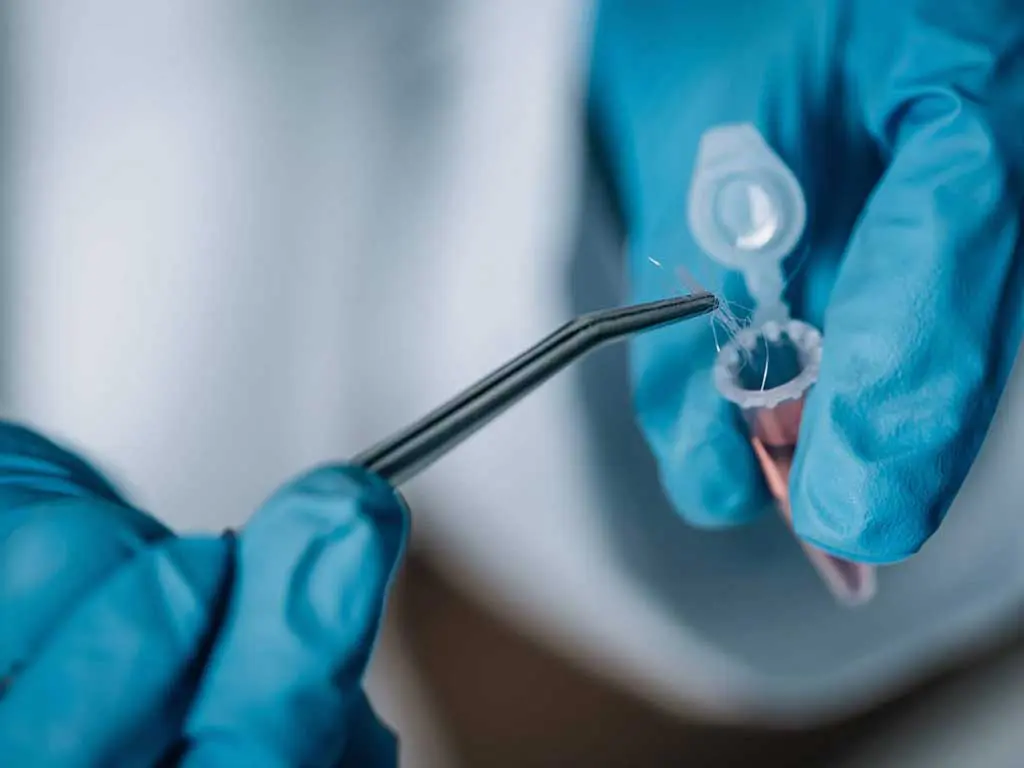
A lab technician holding the hair samples with a tweezer

Hair testing is one of the reliable methods to detect historical drug use. This test is often done in a laboratory. However, individuals can also buy a hair drug test kit for convenience and privacy. When choosing a hair test kit, there are several factors to consider. The foremost consideration is accuracy. Look for a package with approval from a recognised standard to ensure reliable results. Another factor is the time when to get the results.

A hair test is the process of analysing the hair sample for the presence of illicit drugs and alcohol. After consumption, drug metabolites deposit in the hair shaft and remain there as the hair grows. Thus, it can provide patterns and evidence of drug use for an extended period. This article will delve into the characteristics of hair follicle drug tests, the factors to consider when buying a kit, and where to get them.

Why Buy a Hair Drug Test?

People buy hair drug tests for various reasons. One of the main reasons is to monitor their own drug use and ensure they are clean for employment purposes or legal requirements. Hair testing is also valuable for parents to test their children and keep a drug-free home. Additionally, this method applies to certain workplace scenarios to help identify past usage.

Employers may conduct hair follicle drug testing as part of their pre-employment screening process or random drug testing programs. This method helps determine if prospective or current employees have substance abuse problems that may endanger the workplace. It also allows organisations to offer treatment or rehabilitation resources for individuals struggling with substance use disorder.

Another reason to purchase a hair drug test is to use it as evidence in legal situations. Hair testing can be utilised in court cases, child custody disputes, or probation monitoring to provide objective evidence of drug use or abstinence. This is because this method is highly accurate and can provide a detailed history of drug use.

Advantages

  • Hair drug tests have a longer detection window than other testing methods like urine or saliva tests. Illicit substances are detectable in hair for up to 90 days.
  • The sample collection is easy and non-invasive. Test kits often come with step-by-step instructions, making it simple to collect a hair sample at home.
  • It eliminates privacy concerns or discomfort associated with other testing methods.
  • It is highly accurate and reliable, minimising the chances of false positive or false negative results.
  • The test cannot be easily tampered with due to the stability of hair samples.
  • Hair test kits offer privacy and convenience.

A man feeling the effects of drugs and alcohol

Buy Hair Drug Test – Factors to Consider

Individuals and companies alike consider various factors when they buy hair drug test kits. Firstly, it is important to look at the accuracy of the test. Choose a brand or an accredited testing partner that can deliver reliable results. This will give confidence in the validity of the results. Secondly, consider the detection period. Hair testing can detect substances within the past 90 days but not recent consumption.

Thirdly, verify what substances it can detect. Different test kits may have different capabilities for identifying specific drugs. Typically, it can trace both illegal substances and the misuse of prescription medication. These include marijuana, cocaine, amphetamines, benzodiazepines, and opiates like heroin and morphine. Furthermore, consider the turnaround time for getting results.

Additionally, check the package for the inclusions. Hair test kits may come with a step-by-step guide for collecting the sample of hair, a consent form, a sample envelope, and a self-addressed return envelope for the results. Lastly, hair follicle drug testing may be more expensive than other methods. However, some health insurance policies may cover the costs for medical purposes.

Accuracy and Reliability

Hair testing is one of the most accurate and reliable methods of detecting substances. The test looks for metabolites that are produced when drugs are broken down in the body and deposited into the hair follicle. Thus, it can accurately determine substances for an extended period.

Moreover, the testing process uses various techniques, such as Radioimmunoassay (RIA) and Gas Chromatography-Mass Spectrometry (GC-MS). These are sensitive analysis techniques that can trace small amounts of drugs in hair samples. If the initial tests indicate the presence of substances, the samples undergo confirmatory testing to validate the results.

Taking a hair sample from a small container

Where to Buy a Hair Drug Test?

There are several options on where to buy hair drug tests. One option is the pharmacy or drug store. Different outlets may offer different brands and types of test kits, so it is important to research and compare them first. In addition, some medical clinics may offer drug test kits for purchase. The advantage of buying them in-store is immediate availability. However, the availability may be limited compared to other options.

Another choice is to purchase from online stores. Various websites and major platforms offer drug testing kits. It is one of the easiest and most convenient ways to buy a tool for drug screening. Furthermore, it allows individuals to choose from multiple sources and compare prices before making a purchase.

Some online retailers or hair test kits offer privacy. This includes discreet packaging and anonymous shipping, ensuring that purchases remain confidential. This can be particularly important for individuals who want to keep their drug testing process private. Overall, buying from a reliable and reputable source is essential to ensure the quality and accuracy of the hair drug test kit.

Cost Considerations

The cost of testing kits is an important factor to consider. Different brands and types can vary in price. Nevertheless, balancing affordability and accuracy is crucial in selecting a device. Moreover, the range of substances it can detect can impact the cost. Test kits that include alcohol may charge more.

Other considerations that factor in the cost are the quantity of samples and laboratory fees. Individuals who need to send their samples to a lab must include additional expenses for shipping and returns. It is vital to remember that hair testing may be more expensive than other methods due to the complex analysis it involves.

Conclusion

A hair drug test is one of the most reliable methods in detecting past substance use or history of a person. It offers a long detection window, tracing drugs or alcohol metabolites in hair for up to 90 days. This can provide valuable information in healthcare settings or personal monitoring. Thus, individuals or organisations buy hair drug tests to ensure a drug-free environment. It also offers many advantages, such as being non-invasive and difficult to tamper with.

When purchasing a hair drug test, it is important to consider the accuracy and reliability of the test, as well as the inclusions in the package. Hair test kits are available in pharmacies or drug stores, medical clinics, and online retailers. In addition, the cost may vary depending on the brand, type, and detection range. Nevertheless, it is essential to buy from a reliable source to ensure the reliability and integrity of the test.

Urine Drug Test NZ: Overview, Testing Procedure, and Applications

Lab technician performing urinalysis by immersing testing strip into urine specimen

The urine drug test in New Zealand is a procedure that detects the presence of drugs in human urine samples. Employers, law enforcement, and healthcare professionals commonly use this test to identify illicit drug use. The testing procedures involve collecting urine from the individual and then analysing it to determine if any drugs are present. Lab technicians interpret the results of the urine drug test in NZ and list the specific drugs detected.

Drug abuse carries multiple risks, not only to the individual but also to society as a whole. The consequences include impaired judgment, decreased productivity, and long-term health problems. Thus, it is crucial to have effective methods of detecting drug use to prevent accidents and provide necessary support. One of the methods is the urine drug test. This article will present urine drug tests, including their function, procedures, and applications.

Overview of Urine Drug Tests in NZ

A urine drug test in NZ determines the presence of various drugs in a urine sample. When an individual consumes drugs, their body metabolises the substances, leading to the production of specific metabolites. These metabolites are eventually excreted through urine. Hence, the urine test relies on this metabolic process to identify the presence of certain drugs.

Accordingly, when the urine sample undergoes initial screening, it passes through a special membrane. This contains binding agents that have a high affinity for certain drug compounds. Subsequently, this interaction results in the retention of targeted substances while allowing other components of the urine to pass through. The binding agents initiate chemical reactions that generate measurable signals.

Immunoassay technology is typically used during the initial screening test process. Furthermore, conductors interpret these results based on cut-off levels set in the AS/NZS 4308. If the result is non-negative or positive, they may proceed with a confirmatory test. This type of analysis uses highly accurate and specialised equipment, such as Gas Chromatography-Mass Spectrometry, to quantify the substances present in the sample.

Advantages of Urine Testing

  • Non-invasive: unlike blood tests, urine testing does not require the use of needles or other invasive activity in the collection procedure.
  • Quick results: urine drug testing offers a relatively quick turnaround of results.
  • Detect a wide range of illicit drugs: urine samples can be tested for multiple drug classes.
  • Cost-effective: compared to blood and hair testing, the costs of urine testing are generally less expensive. Hence, it is a more economical option for individuals.
  • Longer detection window: compared to saliva and blood testing, it has a relatively lengthier detection period of days to weeks after drug consumption.

A medical professional holding an empty urine specimen cup

Procedures for Urine Drug Tests in NZ

Urine drug tests in NZ typically begin with the collection of a urine sample at a designated collection centre. The testing facility will provide the individual with a sterile container and instructions on collecting the sample. Healthcare providers or collection centre staff often ensure the individual does not tamper with the sample.

Once collected, personnel send the urine sample to a laboratory for testing. The laboratory technician will conduct various tests to detect the presence and quantitation of drugs in the urine. This may include initial screening tests to identify detectable drugs and confirmatory testing to provide more accurate results.

After completing the testing, the laboratory will report the results to the requesting party or healthcare provider of the donor. The provider will review the results and discuss them with the individual. If necessary, they may offer guidance and support for further actions or treatments based on the test results. Overall, these are the basic procedures involved in a urine drug test.

Specimen Collection Procedure

Following the proper specimen collection procedure is crucial for urine drug tests. The sample donor should urinate a small amount to clear the urethra of any contaminants. Next, they should collect a midstream sample by urinating a bit into the toilet and then filling the collection cup. This method helps ensure a more accurate representation of the urine composition.

After the specimen collection, the testing officer must label the container with the necessary information. Then, they should seal the container tightly to prevent leakage or tampering. Afterwards, they need to place the specimen in a secure bag or container for transport to the laboratory.

Patients sitting and waiting inside the clinic

Applications of Urine Drug Tests in NZ

Urine drug tests in NZ play a crucial role in various situations. Firstly, employment screening. Many companies use these tests to ensure a safe and drug-free work environment. This helps employers make informed hiring decisions and mitigate potential risks associated with drug use in the workplace. Conducting these tests allows them to uphold safety standards and promote productivity among their workforce.

Secondly, drug rehabilitation programs. Individuals undergoing rehab may need to undergo regular urine drug tests to assess their adherence to sobriety goals. These tests provide valuable feedback to patients and healthcare professionals, allowing them to track progress and make necessary adjustments to treatment plans. Hence, it can support individuals in their journey towards recovery and reduce the likelihood of relapse.

Thirdly, probation and parole. Individuals may be subject to periodic urine drug testing to ensure adherence to the terms of their release. The tests serve as a deterrent against drug use and help probation and parole officers assess the risk of recidivism. Through closely monitoring drug use via urine tests, authorities can intervene promptly if violations occur.

Accuracy and Reliability

A urine drug test is one of the most well-established methods. It can provide high accuracy and reliability as it can detect a wide range of substances for an extended period. In addition, the concentration of drugs in urine is generally higher than in other specimens, enhancing its sensitivity for detection.

However, several factors can affect the accuracy of the test. This includes improper collection techniques and the presence of contaminants. For example, breath sprays and cleaning products in the room can lead to false positive results. Although tampering may be an issue, collection centres take precautionary measures to prevent it from happening.

Conclusion

In conclusion, urine drug tests in NZ are vital tools for detecting the presence of illicit substances in the system of an individual. By analysing urine samples, healthcare providers can identify specific drugs or their metabolites, helping to address substance misuse issues effectively. The process involves collection, laboratory testing, and result interpretation by healthcare professionals. These tests ensure accountability and support individuals in making informed decisions about their health and well-being.

Furthermore, these tests serve crucial purposes in various domains, including employment screening, drug rehabilitation programs, and probation monitoring. Urine testing ensures safety, supports recovery efforts, and aids in maintaining adherence to legal obligations. While generally accurate and reliable, factors like improper collection techniques or the presence of contaminants can affect results. Therefore, it is vital for the individuals and testing officers to follow proper procedures to prevent false positives or negatives.

Passing a Drug Test: Its Importance and Understanding the Detection Windows

Two men shaking hands

Passing a drug test is essential for employment and legal purposes. Individuals may need to undergo drug testing when applying for a job or are involved in legal matters. The detection window is the timeframe in which a specific drug or its byproducts can be detected in a biological sample. Factors like drug usage, metabolism, and type of drug affect the length of this window. It is necessary to understand these factors for accurate results and compliance with requirements.

Failing a drug test can have significant implications for an individual. It could result in the loss of employment or job opportunities, as many companies have strict drug-free policies. It can also damage reputation and hinder future career prospects. In some cases, failing a drug test could lead to legal consequences, such as probation or loss of custody rights. This article will present the importance of passing a drug screening, including the detection windows and factors affecting the results.

Importance of Passing a Drug Test

Passing a drug test is essential for individuals in various aspects of their lives. For instance, in the context of job interviews and the hiring process, a clean drug test result is often a prerequisite. Many companies conduct pre-employment drug testing to ensure a safe and productive work environment. Failing a drug test can lead to disqualification from a job opportunity.

For healthcare providers and professionals in safety-sensitive industries, passing a drug screening is critical to ensure the well-being and safety of patients and the public. The influence of drugs on the performance of the health professional can jeopardise patient care and lead to severe consequences. Similarly, in occupations involving operating heavy machinery or driving, the use of illicit substances can pose significant risks to oneself and others.

Furthermore, the consequences of failing a drug test extend beyond employment concerns. Involvement in criminal investigations or facing jail time due to drug-related offences can result from the use of illegal drugs. Habitual drug users may find themselves entangled in legal troubles, affecting their freedom and reputation.

Implications of Non-Negative Result

  • Non-negative drug test results can affect the chances of getting hired during pre-employment screening.
  • It could indicate recent illicit drug usage and may require participation in a detox program.
  • Internal transfer within the company may be affected if the policy prohibits drug users from transferring to different departments.
  • Legal reasons may come into play as some jurisdictions have laws against hiring employees with non-negative drug tests.
  • Substance abuse may need to be addressed through counselling or treatment programs.
  • Clinical advisors may be involved in developing and monitoring a plan to address drug use.
  • It can lead to disciplinary action and potential termination of employment.

A lab technician dipping the testing strip into urine specimen

Passing a Drug Test – Understanding the Detection Windows

Understanding the concept of detection windows is crucial for passing a drug test. The detection window refers to the period during which a drug or its metabolites remain detectable in a biological sample such as urine, blood, or hair. Various factors, including the type of drug, frequency of use, and individual metabolism, determine the length of this detection period.

For example, marijuana can usually be detected in urine for up to 30 days in regular users. Meanwhile, cocaine may only be detectable for a few days. The detection period for different drugs can vary widely. Additionally, the drug testing method plays a role in the detection window. For instance, hair follicle tests can detect drugs for a much longer period than urine tests.

It is important to remember that the best way to pass a drug test is to abstain from drug use entirely. Nevertheless, understanding the detection windows can help individuals make informed decisions and take the necessary steps to pass the test.

Different Types of Drug Tests

Firstly, urine drug tests detect drug metabolites in urine samples. They are common in workplaces and law enforcement due to ease of collection and broad drug detection capabilities. Secondly, saliva testing measures drug concentration in saliva. It offers rapid results and less invasiveness, often used in roadside checks and workplace settings.

Thirdly, blood tests analyse blood samples for precise drug measurements. They are suitable for medical and forensic purposes. Lastly, hair testing identifies drug use over extended periods, examining hair samples for traces of drugs and metabolites. Overall, the choice of drug test depends on the specific needs and requirements of the situation.

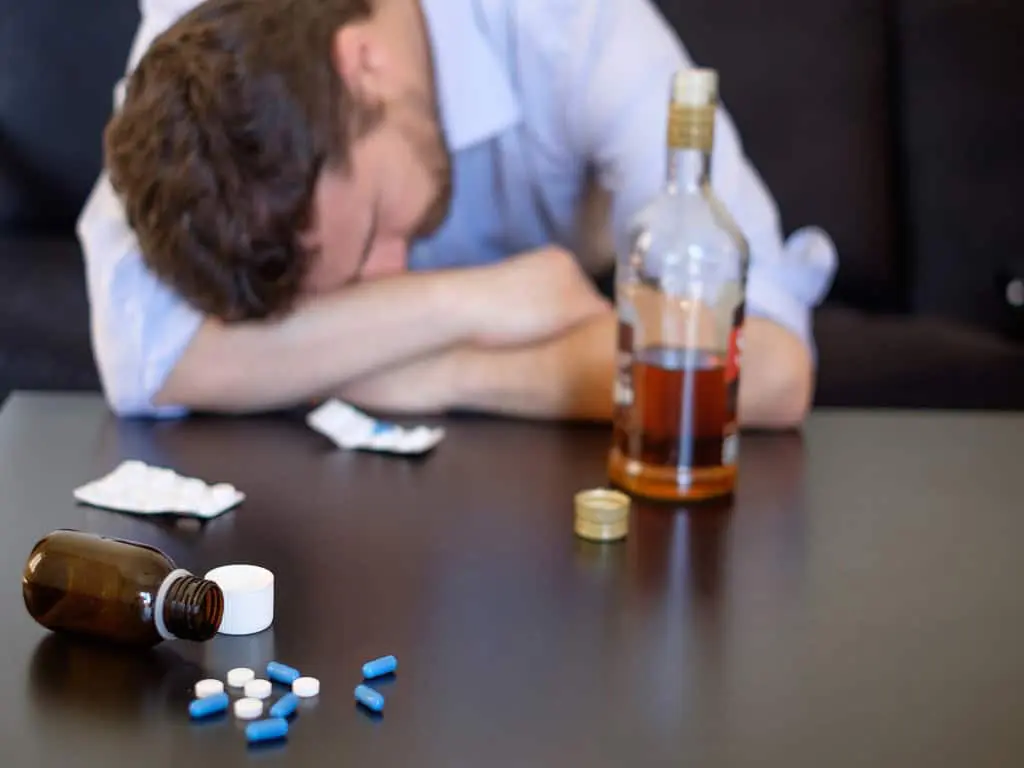
A person under the influence lying on a table with various pills and alcohol nearby

Passing a Drug Test – Factors Affecting the Testing

Various factors can affect passing a drug test. One essential factor is how often and how much drugs a person uses. If someone uses drugs often and in large amounts, their body takes longer to get rid of them. So, people who use drugs a lot and regularly might have a better chance of testing positive on a drug test.

Metabolism rate also plays a significant role in drug testing. Individuals with a faster metabolism tend to process and eliminate drugs from their system more quickly. This results in a lower chance of testing positive. Conversely, those with a slower metabolism may retain traces of drugs in their system for a longer period. This increases the risk of a positive test result.

Another factor is the half-life of a drug. It refers to the time it takes for half of the substance to break down and leave the body. Drugs that stick around longer, with a longer half-life, can stay in the system for a while. This increases the chances of testing positive on a drug test.

Common Misconceptions About Passing a Test

Many people believe that using detox products will instantly cleanse their system and help them pass a drug screening. However, this is a common misconception. While some detox products may help to slightly mask the presence of drugs, they cannot guarantee a negative result.

Another common misconception is that drinking excessive amounts of water will guarantee a negative result. While it is essential to stay hydrated, drinking excessive water will not magically remove the presence of drugs from the body. Drinking too much water can be harmful and may result in water intoxication. It is vital to approach drug tests with honesty.

Conclusion

In conclusion, passing a drug test is crucial for various reasons, including job opportunities, safety, and legal consequences. Understanding detection windows is vital as it helps individuals know how long drugs stay detectable in their system. While abstaining from drug use is the most effective way to pass a test, knowing detection windows can aid in making informed choices. Being drug-free not only ensures personal well-being but also contributes to a safer and more responsible society.

Furthermore, passing a drug screening depends on several factors, such as the frequency of drug use, metabolism rate, and the half-life of the drug. Contrary to popular belief, detox products and excessive water intake do not guarantee a negative result. It is crucial to approach drug tests honestly and be aware of the limitations of quick fixes. Making healthy lifestyle choices and abstaining from drug use offer the best chance of passing a drug screening successfully.

Alcohol and Drug Testing Services: Understanding Its Importance in the Workplace

A worker looking at heavy machinery at a work site

Drug and alcohol abuse can have detrimental effects on both individuals and organisations. Hence, alcohol and drug testing services are crucial for identifying impaired individuals and preventing them from causing incidents. This is why companies include them when implementing a workplace policy on alcohol and drugs. Moreover, testing serves as an effective deterrent to substance misuse, which is crucial for creating an alcohol and drug-free workplace. Overall, testing provides several benefits, especially for businesses in high-risk industries.

Companies may use several testing methods to screen for substance misuse. This includes hair, blood, urine, breath, and saliva tests. However, they must contact reliable service providers that can provide accurate results. The selected provider should have accreditation and certifications to ensure they are qualified to provide high-quality services. This article will present information on the importance of testing, the types, and the factors to consider when availing of testing services.

Importance of Alcohol and Drug Testing Services in the Workplace

Alcohol and drug testing services play a crucial role in creating safer workplaces. This is because of several reasons. Firstly, they help identify workers with substance use disorders in various scenarios. This can help provide intervention and reduce the risks of accidents due to impairment from alcohol and the common drugs of abuse.

Secondly, implementing alcohol and drug screening as part of the workplace policy deters employees from misusing substances. This is particularly effective if the company includes random and pre-employment testing. After all, with random drug testing, employees cannot simply abstain for a few days to ensure they pass.

Thirdly, testing emphasises the commitment to maintaining a culture of safety. This can help improve morale and increase productivity. It also supports the company in protecting its reputation, which can help attract customers and top talent. Lastly, testing helps mitigate legal risks. It can also aid in ensuring that the company fulfils its legal obligations. Overall, it can help save costs from legal battles and insurance premiums.

Reasons to Conduct the Testing

  • Pre-employment testing: helps ensure potential employees for safety-sensitive positions do not have substance use issues. It is usually a requirement during the job evaluation process in high-risk industries.
  • Random testing: an unannounced screening conducted on randomly selected employees.
  • Reasonable suspicion screening: occurs if a worker is showing symptoms of alcohol or drug abuse. It may include erratic behaviour, slurred speech, and chemical odours.
  • Post-incident testing: generally used to acquire evidence regarding the cause of the incident. It may also be done after a near-miss of an accident.
  • Blanket testing: involves having all employees on the site or company premises undergo screening.

A person handing a urine sample to a medical professional

Types of Alcohol and Drug Testing Services

There are several types of alcohol and drug testing services available to individuals and organisations. Urine testing is the standard for conducting workplace drug and alcohol tests. This is because it can detect a wide range of substances in urine samples for days to weeks. This is a cost-effective option because kits are also available for quick tests.

Another method is oral fluid testing. Many organisations use this for onsite screening because of its non-invasive and simple collection process. Moreover, it is ideal for tracing recent use due to its shorter detection window. Meanwhile, for tracing and measuring recent alcohol consumption, many conduct breath alcohol testing. This is usually done using alcohol breath test devices called breathalysers. It can measure Blood Alcohol Concentration (BAC) levels for up to 24 hours.

Furthermore, blood tests directly trace substances in the bloodstream using blood samples. However, this is less common due to its invasive collection procedure and costs. Lastly, hair follicle testing is ideal in cases wherein a history of substance use is needed. It has a detection period of 90 days.

What Can It Detect?

Testing can detect various substances within the samples. This depends on the panels used for analysis. Some of the commonly tested substances are ethanol, amphetamines, cocaine, marijuana, benzodiazepines, and opioids. They may also add barbiturates and phencyclidine. These are all substances that can cause dependency and other health issues. Hence, detection is crucial for providing intervention and ensuring safety.

When testing, it is crucial to check the panels available on the alcohol or drug test kits before use. Furthermore, laboratories can also provide a quantitative analysis using advanced equipment and techniques. Gas Chromatography-Mass Spectrometry (GC-MS) is the gold standard for confirmatory testing.

A person labelling and sealing the urine sample container

Factors to Consider When Availing an Alcohol and Drug Testing Services

There are several factors to consider when availing alcohol and drug testing services. Firstly, the person or organisation must ensure the testing service provider is reputable and accredited. They should have the necessary accreditation and certification to ensure they follow up-to-date protocols for testing. Individuals may check the quality of the services by looking for online reviews of the company.

Secondly, they must consider the overall cost of the services. Ideally, the provider should offer affordable and quality services. Hence, organisations must look for cost-effective services that suit their needs and preferences best. They should also provide reasonable turnaround times. In general, the average turnaround time for laboratory testing may take 24 to 48 hours.

Lastly, the testing service must comply with legal and regulatory requirements that apply to screening. This is because these protect the integrity of testing and ensure reliable and accurate results. Moreover, they must ensure the confidentiality and privacy of the results to protect the rights of the employee.

Cost Considerations

Several factors contribute to the overall cost of testing in the workplace. Firstly, the type of testing method. Some are more expensive due to the differing collection procedures and equipment needed. In general, conducting breath, urine, and saliva tests is cheaper than blood or hair tests.

Moreover, the number of individuals undergoing testing is another consideration. Some services provide packages for screening a set amount of people and charge extra fees for additional ones. Hence, coordinating with the agency is crucial. In addition, opting for onsite testing may also cost additional fees. However, this may balance out by reducing the time away from work.

Conclusion

Alcohol and drug testing services are crucial for ensuring that the negative impacts of drug and alcohol abuse do not influence the company. They help safeguard workplace safety by preventing impaired individuals from occupying safety-sensitive roles. They also mitigate legal risks by reducing accidents. Furthermore, they are effective in deterring substance misuse, which can lead to higher productivity and lower turnover rates. This can also help improve the reputation of the company.

However, there are several considerations to make before selecting a service provider. This includes the types of tests available, the costs of the services, and the accreditations of the provider. Ideally, they should provide the needed test or the organisation, whether they are blood, hair, urine, saliva, or breath tests. They should also provide cost-effective prices and a smooth testing process. Companies should coordinate with the service to ensure the service fulfils their testing needs.

DOT Drug and Alcohol Testing: What It Is and the Types of Tests

Railway workers fixing a track

The Department of Transportation or DOT drug and alcohol testing is a series of tests to ensure the safety of employees and the public in transportation-related industries. These tests are mandatory for individuals working in safety-sensitive positions, such as truck drivers, airline pilots, train operators, and ship captains. It utilises various methods to detect illegal drugs and alcohol, such as urine, saliva, blood, and breath testing. Therefore, implementing these measures helps minimise the risk of accidents.

Substance abuse can have several negative consequences. It can lead to severe impairment in judgment, reasoning, perception, and coordination. Hence, it affects the ability of the person to perform safety-sensitive functions, such as driving or operating machinery. For this reason, the transportation industry has specific regulations for drug and alcohol testing that employers should follow. This article will explore the essentials of DOT testing, the types of test methods, and what to expect in the procedures and results.

What is DOT Drug and Alcohol Testing?

DOT drug and alcohol testing refers to the program of screening employees in the transport sector for the presence of illicit substances in their system. It is a program to help identify individuals who may be under the influence of drugs or alcohol while doing safety-sensitive duties. In addition, it aims to ensure the safety of the public by deterring substance use and abuse among employees.

The tests involve the collection of biological samples and analysis through laboratory methods or testing devices. They are often a part of pre-employment screening, random testing, post-accident testing, reasonable suspicion and return-to-duty testing. Hence, it ensures the safety of employees, passengers, and the general public.

Moreover, this drug and alcohol testing program is mandated by law. Therefore, aviation, trucking, railroads, pipelines, and maritime industry employers should adhere to these regulations. It also ensures compliance with the Health and Safety at Work Act, which encompasses the general obligation of employers to protect their employees across all industries.

Importance of the Testing

  • Drug and alcohol tests ensure the safety of the public and prevent accidents on the roads.
  • It helps maintain a drug-free work environment, promoting responsible employee behaviour and productivity.
  • It aims to deter employees from engaging in substance abuse by implementing consequences for positive test results.
  • Regular testing can help identify employees who may be struggling with drug and alcohol abuse issues and provide the necessary intervention and support.
  • It ensures compliance with regulations, helping companies to avoid penalties and legal challenges.
  • It helps minimise the potential for costly lawsuits resulting from accidents caused by impaired workers.

A doctor holding an empty urine container cup

Types of DOT Drug and Alcohol Testing

There are several types of DOT drug and alcohol testing, depending on the circumstances or situation. The most common method is the urine test. It is a less invasive procedure and can detect a wide range of substances. Another type of testing is the saliva test. This test can determine the recent use of a drug or alcohol. Both types can provide quick results.

Additionally, the breath test is the standard method for alcohol testing. It utilises a breathalyser device to measure Blood Alcohol Concentration (BAC) or the intoxication level. This test can also provide quick results in seconds, allowing employers to make informed decisions immediately. Furthermore, the device is easy to use and can be operated by a breath alcohol technician or a trained individual.

The hair test is another type of drug testing method used in DOT testing. It involves collecting a hair sample and analysing it for the presence of drugs. This test can detect drug use over a longer period, up to 90 days, compared to urine or saliva tests, which typically have a shorter detection window.

What Can Be Detected?

Drug tests can detect both illegal and prescribed substances. The common drugs included in the test are marijuana, cocaine, amphetamines, opiates, and Phencyclidine (PCP). They are prone to abuse due to their euphoric or mind-altering effects. However, they can cause severe impairments and long-term health risks.

Alcohol tests, on the other hand, primarily detect the presence of ethyl alcohol, which is the main ingredient in alcoholic beverages. This is important as alcohol impairment can significantly affect the ability to perform safety-sensitive functions. The presence of any of these substances can violate the drug and alcohol testing policy and have serious repercussions.

A female officer giving a collection container to a male officer

What to Expect in a DOT Drug and Alcohol Testing?

There are certain procedures that one can expect when undergoing DOT drug and alcohol testing. First and foremost, these tests are mandated for commercial motor vehicle drivers, truck drivers, airline employees, and other safety-sensitive employees. Secondly, testing for employees occurs on a regular or random basis to ensure ongoing compliance with regulations.

Moreover, during the test, employees will be notified and given instructions to report to a collection facility. The testing process involves a trained service agent collecting urine, saliva, breath, hair, or breath samples from employees. Urine specimens must be divided into two samples, a primary and a split specimen. Initial screens allow employees to receive their results and determine if further testing is necessary.

If a test returns positive, the employee may be subject to disciplinary action, including suspension or termination. Thus, it is crucial for employers to ensure the test procedure is accurate and reliable to prevent any legal challenges. One of the important considerations is securing the chain of custody form for the specimens.

What Happens After a Non-Negative Result?

When a test comes back with a non-negative result, it indicates the presence of drugs or alcohol in the system. This result does not necessarily mean that the person is impaired at the time of the test. However, it does raise concerns about their fitness for safety-sensitive duties.

In this case, the split specimen is sent to a lab for a confirmation test. A medical officer reviews the test and determines if the result is a final positive or negative. They will also consider any medical explanations on why the initial result is non-negative, such as a health condition.

Conclusion

DOT drug and alcohol testing is an important process for ensuring the safety of employees in the transportation industry. The test aims to identify individuals who are at risk of impairments due to substance use, with increased chances of getting into an accident. Therefore, employers can implement appropriate measures to minimise these hazards and maintain a safe environment. This not only protects the individual or the workplace but also the general public.

Furthermore, DOT tests include various methods to detect drugs and alcohol. The common types are urine, saliva, blood, and hair for drug screening and breathalyser for alcohol testing. In case of non-negative results, the samples undergo confirmation testing to determine if it is indeed due to usage and not another factor. An MRO also considers the medical history of a person. Overall, it promotes safety and a productive environment.