Drug Test for Alcohol Detection: What It Is & the Types of Tests

Two lab professionals conducting an analysis

Alcohol testing is a common practice in various industries. It is a crucial measure for ensuring safety in workplaces. In general, a drug test for alcohol detection works by analysing biological specimens for traces of alcohol. There are several types of tests, including breath, hair, urine, and blood tests. In particular, breath testing is the method that police officers use to identify drink driving. It measures the Blood Alcohol Concentration (BAC) levels using breathalysers.

Failing an alcohol test can have several repercussions. At work, this could result in suspension or termination. Moreover, failing a roadside breath test can lead to a drink driving charge, which can show up on criminal records and require fines as a penalty. Testing can also provide intervention and lead to the treatment of alcohol use disorders. This article will present information on alcohol screening tests, the different types, and the implications of a non-negative result.

What is a Drug Test for Alcohol Detection?

A drug test for alcohol detection is a screening method that can determine the presence of alcohol in the system of an individual. Various organisations conduct these using different procedures for differing reasons. However, its primary purpose is to ensure the safety of individuals in several settings.

Companies implement workplace policies for drugs and alcohol to ensure safety within the workplace. This is particularly true for high-risk industries since they pose risks to employees and public safety. These industries include construction, mining, healthcare, transportation, and manufacturing. Testing monitors and verifies that an employee is free from impairment and can carry out their duties effectively and safely.

Furthermore, alcohol detection is commonly used in legal settings, such as probation or parole programs, to monitor individuals who have been ordered to abstain from alcohol. Lastly, police officers conduct random testing on roadsides to identify individuals violating drink driving laws. Overall, alcohol testing is a crucial measure that helps maintain compliance in various fields.

Importance of Detecting Alcohol in the Body

  • Detecting alcohol misuse from body samples is crucial for preventing accidents on the roads and in workplaces.
  • Testing for ethanol is an effective deterrent against engaging in harmful alcohol consumption.
  • A non-negative or positive screening test result can also lead to an intervention for the health of an individual.
  • It can help lead them to rehabilitation resources before resuming work or driving privileges.
  • Testing can also help individuals monitor their alcohol consumption and limit it as needed.
  • Access to convenient testing kits and devices like breathalysers makes it easy for people to comply with laws related to alcohol use.

A professional holding a vial of blood

Types of Drug Tests for Alcohol Detection

Several types of drug tests for alcohol detection are available for individuals and organisations to use. Firstly, breath alcohol tests are the most convenient method of screening. Typically, this method uses a breath test device called a breathalyser to measure the BAC within seconds. It can provide highly accurate measurements. Moreover, this is the procedure law enforcement officers use to identify drink driving.

Another convenient method many utilise is saliva testing. It has an easy collection procedure and is ideal for tracing recent alcohol consumption. Urine alcohol tests are also a popular procedure for tracing light or heavy drinking. Advanced urine tests, such as Ethyl Glucuronide (EtG) or Ethyl Sulfate (EtS), can detect the biomarkers of alcohol consumption for up to 70-80 hours.

Meanwhile, blood tests can trace alcohol levels for weeks by identifying alcohol metabolites in the bloodstream. This is the most accurate method for tracing ethanol and illegal drug use. Lastly, hair tests have the longest detection period of 90 days. Many use these to prove alcohol abstinence for employment or legal purposes.

Understanding BAC Levels

The blood alcohol content levels are a measure of the amount of alcohol present in the bloodstream. It is one way of determining the level of intoxication and potential impairment. The BAC quantity is typically shown as a percentage, with high amounts indicating a large amount of ethanol in the blood.

A BAC level of 0.05% is the legal limit for driving. At this stage, people may have poor judgment and slower reaction times. It takes about two standard drinks for men and one standard drink per hour for women to reach this level. Meanwhile, a BAC of 0.30% or higher can be fatal.

A manager handing over the results of a test

Implications of a Non-Negative Drug Test for Alcohol Detection

A non-negative drug test for alcohol detection has multiple implications. Foremost, it can indicate the recent alcohol intake of the individual. This can be a punishable violation, depending on the setting, such as after a workplace drug testing or a random roadside breath screening. In a healthcare setting, it can mean the individual has an Alcohol Use Disorder (AUD) that requires treatment.

Companies typically have workplace policies that outline the process for employees who receive a non-negative report. In most cases, they will have a chance to explain their situation and ask for a confirmatory test to help refute the initial result. It entails using advanced techniques and equipment for laboratory testing.

Gas Chromatography-Mass Spectrometry (GC-MS) is considered the gold standard for confirmation testing. This is because it can accurately quantify the amount of substances in the sample. It can also account for external factors that could affect the result. Therefore, if the confirmation test produces a negative report, they may disregard the initial result.

Factors that Can Influence the Result

Several factors can influence the result of alcohol testing. Understanding these can help individuals prevent false negatives or positives from occurring. Firstly, exposure to environmental products that contain alcohol or alcohol-based items may cause a false-positive result. Some examples are cleaning products, mouthwash, and breath sprays.

Secondly, individual factors can affect alcohol metabolism, leading to a longer period of detection. This includes age, gender, body mass, body type, and health condition. Interactions with medications can also slow the metabolic rate. Lastly, the amount of alcohol consumed can extend the detection windows, particularly for chronic heavy alcohol drinkers.

Conclusion

A drug test for alcohol detection refers to the process of testing biological samples for the presence of alcohol. It is a vital method that helps many organisations ensure safety in different settings. It is standard procedure for companies in high-risk industries. Law enforcement officers also regularly conduct this to ensure road safety. The methods of testing for alcohol include saliva, blood, urine, breath, and hair testing. Each one has different advantages, which is crucial to consider before selecting one.

Failing an alcohol test can have several implications and consequences. Generally, it indicates alcohol misuse, which may violate a specific policy or law. However, individuals may opt for confirmation screening to help refute a false positive result. This can help people avoid undue consequences. Using methods like GC-MS, laboratories can accurately quantify the amount of substances in the sample more reliably than other analysis methods.

Urine Drug Test Alcohol: What It Is, How It Works, & Methods of Testing

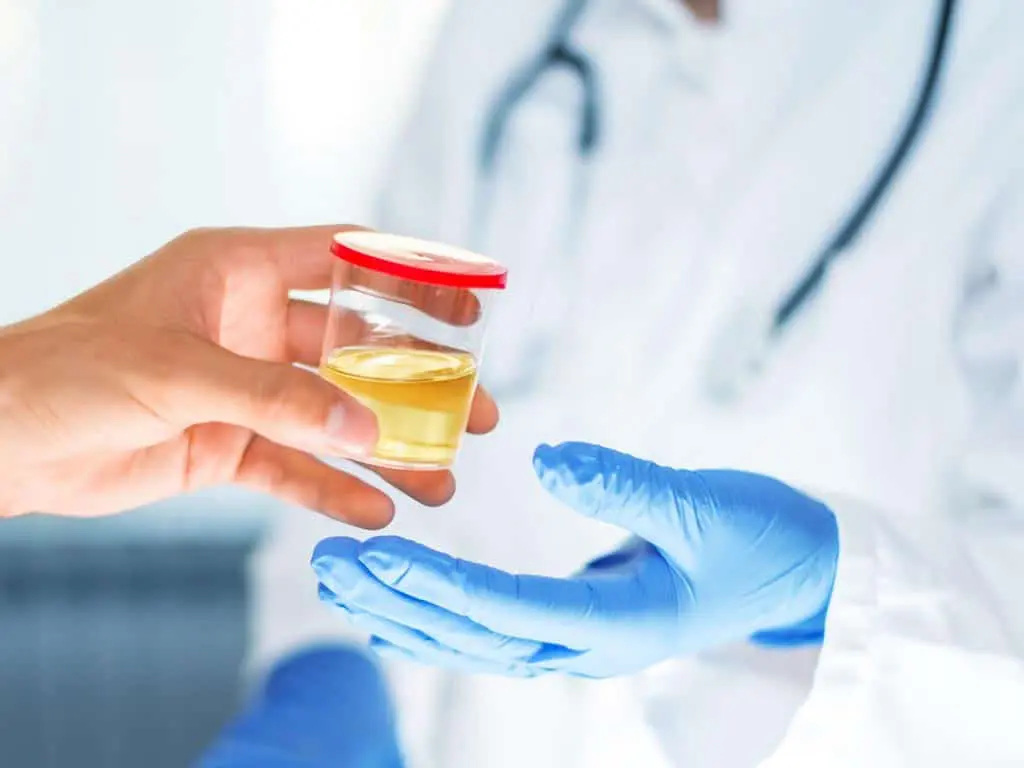
A lab professional comparing the colours of the urine samples to the colour chart

Alcohol dependence is a widespread issue that can cause various negative impacts on society. To combat this, many organisations conduct a urine drug test for alcohol misuse. It is a process of using urine samples to trace alcohol use within the past hours or days. There are multiple methods of urine testing for alcohol, including ethyl alcohol, Ethyl Glucuronide (EtG), and Ethyl Sulphate (EtS) tests. It uses immunoassay technology or other advanced methods to detect alcohol metabolites.

There are several testing methods that individuals and organisations use to trace alcohol use. One of these is urine testing. It is widely considered as the standard method of testing in workplaces. It has several advantages over other methods, making it the choice for many. One of these is its ease of use and availability. This article will present information on urine tests for alcohol, how they work, and the urine screening methods.

What is a Urine Drug Test for Alcohol?

A urine drug test for alcohol (also called urinalysis for alcohol) is a type of test that detects the presence of alcohol or its metabolites in the system. It is an effective method of identifying individuals with alcohol abuse problems. It is a crucial measure for ensuring safety and providing interventions. This can help people suffering from Alcohol Use Disorders (AUD) to get treatment for their condition.

Many organisations use urine testing to detect recent alcohol consumption. Using urine drug screening kits is a convenient and efficient method of testing. It shows a colour or line change on the testing device to show the results. Lab testing is another option for conducting a urine test. Here, they may use more advanced methods to accurately determine alcohol usage.

A urine test is typically used in situations where alcohol misuse can be a concern. In particular, many companies establish workplace policies for implementing alcohol testing to ensure workplace safety. It is crucial to reduce the safety risks present within safety-critical work sites. Moreover, testing can deter substance misuse, which can contribute to higher productivity.

Advantages Over the Other Testing Methods

  • It is a non-invasive procedure of testing for alcohol compared to blood tests.
  • The collection process is easy to conduct even without professional supervision.
  • It enables the detection of alcohol intake for up to days after consumption.
  • People can also use the sample of urine to check for the presence of drugs by adding drug test panels for analysis.
  • Many kits have integrity checks to ensure the sample was not tampered with.
  • Urine specimens can also be used for confirmation testing.
  • It is a convenient method for monitoring if individuals under rehab programs are maintaining liquor abstinence.

A laboratory technician analysing the urine sample

How a Urine Drug Test for Alcohol Works

A urine drug test for alcohol works by analysing the urine samples for alcohol metabolites. A person or an organisation can do this using testing kits or going to an accredited laboratory for screening. There, they may use several methods to detect the presence of alcohol.

The immunoassay method is one of the most commonly used ways of tracing alcohol in urine samples. It involves using antibodies to detect specific molecules corresponding to the metabolites of alcohol. If these molecules are present, then it signals a positive result. It is the primary method for the initial alcohol screening because it can detect alcohol within minutes.

There are also more advanced methods that many typically reserve for additional confirmation tests. One of these is Gas Chromatography-Mass Spectrometry (GC-MS). People refer to it as advanced because it can accurately quantify the amount of substances in the sample. It does this by using gas chromatography to separate the compounds in the sample and mass spectrometry to identify and measure them.

Detection Window

The detection window of urine tests can vary depending on the specific method used. Generally, a standard urine test can trace ethanol for up to 48 hours. Meanwhile, more specific methods can detect alcohol intake about 80 hours after consumption. This period of detection is longer compared to oral fluid and breath alcohol tests but shorter than hair and blood tests.

Moreover, several factors can affect the period of detection in urine samples. This includes individual characteristics such as age, gender, body fat percentage, body mass, and overall health. These can impact alcohol metabolism and change how quickly the body eliminates alcohol.

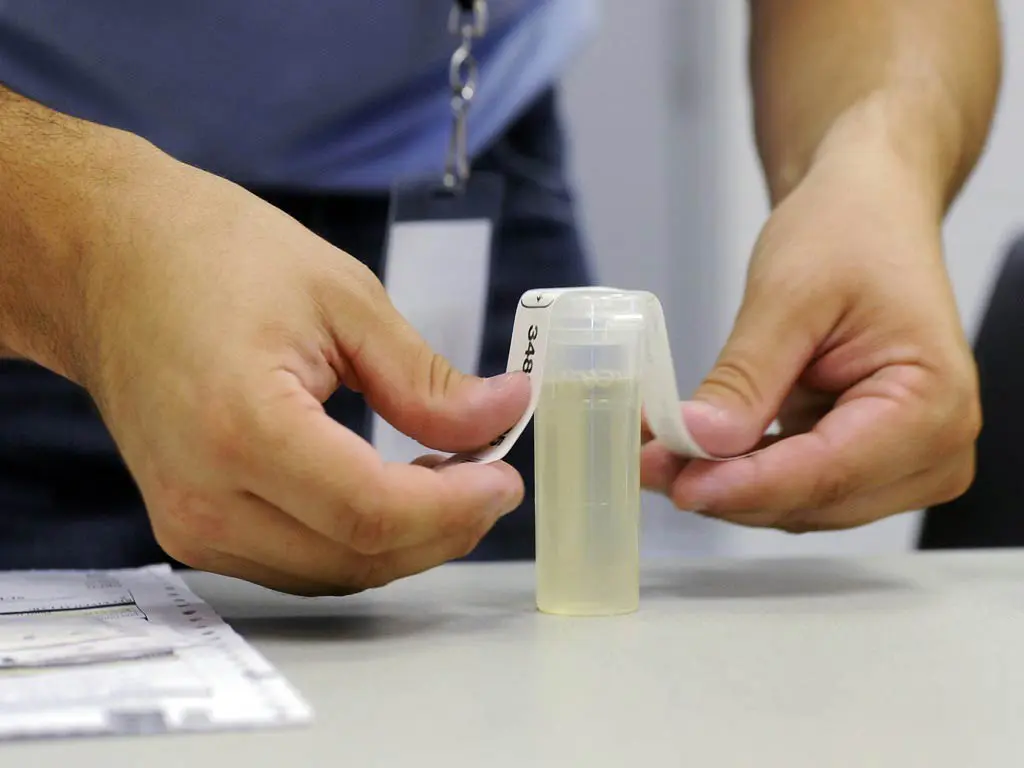
A lab technician holding a container and tube with urine samples inside

Methods of Urine Drug Test for Alcohol

There are several methods of conducting a urine drug test for alcohol. Firstly, the ethyl alcohol test traces for ethanol metabolites in the samples. This has the shortest detection window. Nevertheless, it is still the most commonly used method.

Another type is the EtS test, which traces this specific biomarker of alcohol consumption. EtG is another biomarker that the liver produces after it processes the alcohol. There is also a urine test that traces the EtG metabolite. Both EtG and EtS tests have a detection window of 80 hours. Additionally, an EtG test is applicable to hair tests.

The procedure for alcohol urine tests typically entails collecting urine samples and analysing them. People can do this by using a kit and placing the specimens into the testing device. On the other hand, they may also send it to an accredited laboratory for testing. A kit can produce results within minutes. Meanwhile, it may take 24-48 hours before the laboratory report comes out. Each method has different advantages that people should consider.

Factors that Can Affect the Results

Several factors can affect the results of urine alcohol tests. When using kits, it is crucial to consider the sensitivity and accuracy of the selected testing kit. Some kits may have a higher rate of false positives or false negatives, so it is essential to choose a reliable brand.

Moreover, individuals must minimise the risk of contamination by following the instructions of the kit or the healthcare professional. Before going to a testing facility, ensure they have accreditation and employ an experienced team of collectors. They must also follow the chain of custody procedures to avoid tampering and adulteration.

Conclusion

A urine drug test for alcohol is an effective method of tracing alcohol consumption. It detects alcohol metabolites, such as EtG and EtS, in urine for days. Moreover, it can also identify misuse of prescription drugs and illegal drugs using the same samples. It is a common method that organisations use to ensure safety in various settings. People can use testing kits or go to testing laboratories to undergo this test.

Analysing urine samples typically uses the immunoassay method. However, laboratories can also use GC-MS, which is the gold standard for confirmation testing. Both methods produce accurate results that can help organisations make informed decisions. However, it is important to consider how detection windows can affect the outcome. For tracing recent use, people mostly use the ethyl alcohol method. Meanwhile, those who prefer longer windows can choose an EtS or EtG test.

How Long Does Alcohol in Urine Last?

A woman with a bottle and a glass of wine

Alcohol consumption can have profound effects on the body, including altering urine composition. Many people may be curious to know how long alcohol in urine lasts after consumption. On average, alcohol is detectable in urine for up to 12 hours. However, the actual timeframe may vary depending on various factors, such as the amount of drinking, metabolism, and any health conditions. The sensitivity of the testing method also plays a vital role in detecting recent alcohol use.

One of the most engaged activities of people worldwide is alcohol consumption. Light drinking can bring pleasant effects like enhanced mood and euphoria. However, excessive amounts can rapidly lead to severe intoxication and impaired judgment. This is because alcohol is a depressant that affects the nervous system. To determine the detection periods of alcohol in urine, we will take a look at the factors that affect it.

How Long Does Alcohol in Urine Last is Influenced by the Frequency of Consumption

One of the main factors that determine how long alcohol in urine lasts is the amount and frequency of consumption. Firstly, the more a person drinks, the longer it takes to eliminate it in the system. Secondly, individuals who consume alcohol regularly may have a more extended detection period compared to occasional drinkers.

Additionally, individuals who drink alcohol regularly may have higher levels of Ethyl Glucuronide (EtG) in their urine, a byproduct of alcohol metabolism. As a result, the window of detection can be longer for these individuals. Advanced urine tests can detect the presence of EtG for up to 80 hours, providing a more accurate assessment of consumption.

It is essential for individuals to be aware of how their drinking habits can impact the length for which alcohol stays in the system. Those who consume regularly may need to take extra precautions and a longer period of time before undergoing alcohol testing. Likewise, it is recommended to consult a healthcare professional for people with alcohol addiction to discuss options for treatment and support.

Implications of Frequency and Amount of Consumption

  • Tolerance: Regular and increased consumption of alcohol can lead to higher tolerance. It means that individuals will need to drink more to achieve the desired effects.
  • Risk of Alcohol Use Disorder (AUD): Frequent and high doses of alcohol increase the risk of developing alcohol abuse. AUD is a severe medical condition that has adverse effects on mental and physical health.
  • Risk of mental health issues: Drinking heavily while struggling with depression or anxiety can exacerbate symptoms and lead to further complications.
  • Reduced work performance: Alcohol impairments affect the capacity to perform tasks safely and effectively.
  • Impaired liver function: Chronic use can lead to liver failure.

A group of friends toasting with alcohol

How Long Does Alcohol in Urine Last is Affected by Individual Differences

Individual differences play a significant role in how long alcohol in urine lasts. Factors such as body weight and body type can impact the metabolism of alcohol. Individuals with higher body weight and muscle mass may metabolise alcohol more quickly than those with lower weight or muscle mass. This can result in differences in the length of time alcohol is detectable in urine.

Genetics also play a role in how the body processes alcohol. Some genetic factors can affect metabolism and detection time variations. This means that individuals with certain genetic predispositions may have a longer or shorter detection time for alcohol in their urine.

Additionally, liver health is crucial in metabolising alcohol. Individuals with liver damage may have a longer detection time as their liver may not function properly. It is also responsible for breaking down alcohol, and any impairment in its function can lead to a longer presence of alcohol in urine. It is essential to consider these individual differences when assessing how long alcohol may be detectable in urine samples.

Understanding How the Body Processes Alcohol

Alcohol is a volatile substance with rapid effects on the body. When a person consumes alcohol, a small portion enters the bloodstream through the stomach and small intestine. Once in the bloodstream, it is metabolised by liver enzymes. The liver works to break down alcohol into various byproducts, including acetaldehyde.

The alcohol metabolites stay in the system for different periods. These byproducts are excreted through urine, breath, and sweat. Furthermore, alcohol has a half-life of approximately five hours. This means that it takes five hours to metabolise half of the ingested alcohol and clear the system.

Drugs of various shapes and colours

How Long Does Alcohol in Urine Last is Influenced by Medications and Health Conditions

Other factors that can significantly impact how long alcohol in urine lasts are medications and pre-existing health conditions. Certain medications, such as antidepressants, antibiotics, and allergy medicines, can interfere with the absorption of alcohol in the body. These medications may interact with alcohol and increase the Blood Alcohol Content (BAC), prolonging its presence in urine.

Moreover, several health conditions can affect the ability of the body to process alcohol and eliminate it from the system. For example, individuals with liver disease may have a slower metabolism rate, increasing the likelihood of a positive urine alcohol test. Other medical conditions include kidney disease, diabetes, and obesity, which can also affect the ability to eliminate alcohol efficiently.

Additionally, the presence of medications may trigger a positive result in an alcohol urine test. This is because some drugs can contain alcohol as part of their formulation, leading to their presence in urine even if no actual alcohol consumption has occurred. Thus, individuals taking certain over-the-counter or prescription medicines should inform their healthcare provider or the testing facility to avoid false-positive results in alcohol testing.

Effects of Alcohol on Individuals

The effects of alcohol on individuals can both be short-term and long-term. Upon ingestion, the person may feel immediate relaxation or euphoria. They may also experience lowered inhibitions and become more sociable or talkative than usual. However, higher amounts of alcohol lead to impaired judgment and loss of coordination.

Over the long term, chronic alcohol use and heavy drinking can have serious health consequences. It can damage various organs, including the liver, brain, heart, and kidneys. It can also lead to neurological disorders, such as dementia, peripheral neuropathy, seizures, high blood pressure, stroke, and alcoholic myopathy.

Conclusion

In conclusion, the duration of alcohol in urine lasts based on various factors. The main factors include the amount and frequency of drinks, as well as the concentration of alcohol in a drink. Individual factors also influence the detection window of alcohol in urine. These include metabolism, body type, medications, and underlying health conditions. On average, alcohol is detectable in urine for up to 48 hours after consumption, but this timeframe can be extended in specific cases.

Alcohol can have several adverse effects on physical and mental health, such as liver and kidney disease. These effects also increase safety risks in the environment. Therefore, many establishments conduct alcohol testing to detect impairment. A urine test is one of the common methods to detect alcohol because of its extended period of detection. However, other methods, such as breath and blood tests, are also useful. They have shorter detection window and are more effective in determining recent consumption.

Hair Follicle Drug Test Cost: The Factors Affecting the Price

A lab technician holding a hair sample with tweezers

The hair follicle drug test cost can vary depending on several factors. One key factor is the type and number of drugs. The more substances being tested, the higher the cost. Another factor is the sensitivity and accuracy of the test, with more advanced and precise tests typically costing more. The volume of samples required for the test can also affect the price, as larger samples may require more resources to analyse.

Identifying substance abuse is important in various settings. Individuals with drug or alcohol addiction may face higher risks of poisoning and developing chronic health conditions. Furthermore, it poses risks to road and workplace safety. Fortunately, individuals and organisations may utilise hair drug testing. This article will present various factors that influence the pricing of hair drug testing, such as the types and quantities of drugs, the sensitivity and accuracy of the tests, and the amount of samples.

Hair Follicle Drug Test Cost is Influenced by the Type and Number of Drugs Being Tested

A hair follicle drug test, also known as a hair drug test, detects the presence of drugs or prescription medication in the person. It involves the analysis of hair samples to identify the presence of drug metabolites. Hair follicle testing can detect drug use over an extended period, typically up to 90 days. Testing officers collect about 90-120 strands of hair samples from the testee.

The type of drugs can have a significant influence on hair follicle drug test costs. Standard drug test panels commonly include certain drugs, such as marijuana and cocaine, due to their frequent testing. These routine tests usually have lower costs. However, if testing for a wider range of illicit drugs is necessary, adding additional panels increases the overall cost.

The number of drugs being tested can also impact the cost of hair follicle drug testing. Generally, drug tests involve screening for a specific number of drugs, such as 5-panel or 10-panel tests. These panels define the number of drugs that a single sample of hair is testing for. The more drugs included in the panel, the higher the cost of the test.

Types of Substances

  • Illegal drugs: testing hair can detect the presence of various illegal drugs prohibited by laws in New Zealand. These drug classes include Cannabis, cocaine, heroin, ecstasy, and methamphetamine.
  • Prescription drugs: hair sample testing can detect the misuse of prescription drugs, which is also illegal. These include opiates, opioids, amphetamines, and benzodiazepines. The detection of these substances can help determine if an individual has been using these drugs without a valid prescription.
  • Ethanol: hair testing can identify the presence of ethanol, which is the main active ingredient in most alcoholic beverages. The detection of ethanol can indicate excessive or chronic alcohol misuse.

A lab technician inserting hair samples in a small container

Hair Follicle Drug Test Cost is Affected by the Sensitivity and Accuracy of the Test

Sensitivity and accuracy can influence the hair follicle drug test cost. Sensitivity refers to the ability of the test to identify the presence of drugs or drug metabolites in the hair. Meanwhile, accuracy is a measure of how well a test correctly identifies both true positive and true negative cases.

When a hair follicle drug test is highly sensitive, it can detect even low levels of drug usage. This means that it can identify individuals who have used drugs in the past, including illicit substances and certain prescription medications. However, a highly sensitive test may generate more false positive results, erroneously identifying individuals as drug users. This can lead to unnecessary confirmatory testing, which can increase the overall cost of the test.

On the other hand, an accurate hair strand drug test provides reliable results that correctly identify individuals who have used drugs. This is particularly important in legal testing, such as criminal investigations. However, maintaining accuracy in testing requires more extensive laboratory analysis, which can be costly. This additional cost of ensuring accuracy can contribute to the overall price of hair drug testing.

High-Quality vs. Cheaper Tests

In a high-quality hair test like Gas Chromatography-Mass Spectrometry (GC-MS), the analysis is detailed and accurate. It detects a wide range of substances in the hair sample with precision. This drug testing method provides reliable results, making it valuable in various fields like forensics and workplace drug testing.

Meanwhile, cheaper hair tests like immunoassays offer a more affordable option. These tests are mainly for initial screening and rely on antibodies to detect specific substances, making them quicker and cheaper. However, they might not detect a broad range of substances or provide precise results like GC-MS.

A lab technician inserting hair samples into a small container

Hair Follicle Drug Test Cost is Influenced by the Volume of Samples Required

The volume of samples needed directly impacts the hair follicle drug test cost of consumables and reagents. When labs require larger sample volumes, they use more testing kits, chemicals, and specialised materials. These consumables play a significant role in driving up the overall cost. Moreover, processing larger sample volumes demands more extensive use of reagents, intensifying the impact on expenses.

Labour intensity is another key factor. Processing larger volumes of samples demands more time and effort from laboratory personnel. The increased labour intensity translates to higher costs as more skilled technicians are needed to handle the testing procedures. Hence, it leads to increased wages and operational expenses.

Furthermore, equipment usage and maintenance costs are factors to consider. Processing larger volumes may require the use of specialised equipment such as centrifuges, spectrophotometers, and automated analysers. The increased usage of equipment leads to higher maintenance costs and a faster rate of wear and tear. Additionally, larger volumes of samples may necessitate the calibration and validation of equipment more frequently.

Head Hair vs. Body Hair

Head hair grows slowly compared to body hair, averaging a growth rate of around 0.5 inches per month. This slow growth gives head hair a longer detection period for drug use. Analysts usually examine a 1.5-inch segment of head hair, which indicates roughly three months of possible drug exposure.

In contrast, body hair grows faster. Despite its speedy growth, body hair holds onto drug metabolites for a shorter time than head hair. This is because of the distinct types of hair follicles in the body. As a result, drug residues are usually detectable in body hair for only a few weeks after drug use.

Conclusion

In conclusion, the hair follicle drug test cost depends on various factors. The type and number of drugs being tested influence the price, as do the sensitivity and accuracy of the test. More extensive testing for a wider range of drugs or higher sensitivity can increase costs. However, it is essential to balance sensitivity with accuracy to avoid unnecessary expenses from false positives. Ultimately, individuals or organisations opting for hair drug testing should consider these factors.

Moreover, larger sample volumes directly impact the cost by increasing consumable and labour expenses. Processing larger samples demands more resources and skilled personnel, thereby raising overall costs. Furthermore, expenses are influenced by equipment usage and maintenance, as larger volumes necessitate specialised equipment and more frequent calibration. Head and body hair affects the detection period. Head hair offers a longer window for drug exposure due to slower growth. Meanwhile, body hair retains drug metabolites for a shorter duration.

Companies That Drug Test: Why Workplace Drug Testing Is Important

Employees working productively in an office

Workplace drug testing is an important practice for many businesses. Companies that drug test help ensure the safety of employees. This eliminates the safety risks associated with impairment. Additionally, drug testing policies aid businesses in maintaining productivity and efficiency in the workplace. Furthermore, it can also promote the well-being of employees. From a legal standpoint, workplace drug testing programs ensure legal compliance and eliminate potential liabilities.

In a competitive business world, companies are constantly looking for ways to ensure workplace safety. Drug testing is one way to maintain a drug-free workplace and promote a culture of safety. It becomes increasingly important as drug abuse continues to be an issue. Nevertheless, this ensures the well-being of employees and customers and the reputation and success of the business. This article will present why companies do employee drug testing, why they are successful, and how they test their employees.

Why Do Companies Drug Test Their Employees?

Foremost, companies drug test individuals for pre-employment drug testing. This applies in the hiring process. It ensures that prospective employees  are drug-free before joining the organisation. Furthermore, employers conduct it for random drug testing. This type of test occurs without prior notice. Hence, business owners can discourage or deter current employees from using illicit substances.

Reasonable suspicion testing also allows organisations to conduct testing for employees. This is when there is a reasonable belief that an employee is under the influence of illicit drugs. This method helps mitigate safety risks and address performance concerns. Also, this activity can lead to providing support and resources to employees struggling with substance abuse issues.

Moreover, businesses test their employees for post-accident testing. It occurs after workplace incidents. This is to determine whether illegal drugs may have contributed to the accident. Nevertheless, this reason for testing assists in establishing the cause of the incident. Additionally, this supports legal and liability considerations and ensures that the workplace remains safe and free from hazards.

Popular Companies That Conduct Workplace Testing

  • Fonterra: As a leading multinational dairy cooperative, Fonterra maintains high safety standards and implements testing.
  • Air New Zealand: The national airline of NZ emphasises safety as a top priority. Hence, it conducts regular drug testing to uphold aviation safety regulations.
  • Fletcher Building: A prominent in the construction industry. Fletcher Building prioritises safety and risk management, utilising testing to minimise workplace hazards.
  • Toll Group: As a logistics and transportation company, it emphasises safety and compliance within its operations. This includes the implementation of testing for illicit drugs.
  • Downer Group: A leading provider of services to customers. Downer Group enforces safety protocols, especially those in safety-sensitive positions.

A construction worker helping a colleague

Why Companies That Drug Test Are Successful

Companies that drug test employees often experience success in various aspects of their operations. Firstly, testing helps businesses ensure a safe and secure work environment. This proactive approach contributes to lower accident rates and reduced hazards. Secondly, testing demonstrates the commitment of the organisation to legal and industry regulations. This avoids legal repercussions and fosters trust and credibility.

Thirdly, a drug-free workplace policy promotes higher levels of productivity. This may lead to improvements in employee engagement, attendance, and overall job performance. Fourthly, the test demonstrates the dedication of the company to support the well-being of employees. Organisations contribute to the physical and mental health conditions of their workforce, resulting in higher employee morale.

Furthermore, businesses that prioritise testing are often perceived as responsible and ethical. This enhances the reputation of the company. Additionally, it strengthens the brand image and fosters positive relationships with customers, suppliers, and the community. Moreover, the activity can also enable organisations to provide early interventions and support. This fosters a culture of care.

Importance of a Safe Working Environment

A safe workplace protects employees from harm and injuries. By providing a secure environment, companies prioritise the physical and mental well-being of their workforce. Accordingly, maintaining a safe working environment is often a legal requirement. Hence, this can help businesses avoid legal penalties. Also, this demonstrates a commitment to upholding legal standards.

Moreover, a safe workplace contributes to higher levels of job performance. Employees can focus on their work effectively. This can lead to improved operational efficiency and business outcomes. Additionally, organisations known for ensuring a safe workplace are perceived as a responsible and caring employer.

A person handing a urine sample to a professional

How Companies Drug Test Their Employees

Companies drug test employees through various testing methods. Urine testing is one of the most common methods of testing. It involves collecting a urine sample and analysing it for the presence of substances. Urine tests are non-invasive, easy to administer, and can detect a wide range of substances. It can detect substances for about 24 to 48 hours.

Another popular approach is oral fluid or saliva testing. It involves collecting a saliva sample using a swab from the mouth of a person. This method is preferable for its ease of collection and ability to detect recent drug usage. Additionally, blood testing is a highly accurate method for detecting the presence of substances in the bloodstream. It can give precise results, but it is invasive in nature.

Furthermore, hair testing involves collecting a small sample of hair and analysing it for drug metabolites. This method offers a longer detection window. It can typically detect substances for up to 90 days. Hair tests can provide valuable insight into long-term drug usage patterns. Nevertheless, each of these methods has its distinct advantages and considerations. The choice of method often depends on various factors.

Where to Get Drug and Alcohol Testing Equipment?

Pharmacies often stock a variety of medical supplies and equipment, including drug test kits. Organisations can visit local pharmacies or contact larger pharmaceutical chains to inquire about the availability of the testing equipment. Moreover, some medical equipment stores and supplies may have testing equipment. They often provide a comprehensive range of testing supplies.

Additionally, numerous online retailers offer a convenient platform for companies to purchase drug and alcohol testing equipment. These online platforms feature a diverse selection of testing kits. One reputable online retailer is Breathalysers New Zealand. It offers breathalysers suitable for the workplace.

Conclusion

In conclusion, workplace drug testing is an important practice. It is often conducted by high-risk industries, such as mining, construction, and transportation. Companies drug test employees for various reasons. They may conduct it for pre-employment testing, random testing, reasonable suspicion testing, and post-accident testing. Nevertheless, organisations that conduct testing often experience success. This contributes to lower accident rates, avoids legal repercussions, and promotes higher levels of productivity.

Furthermore, having a safe work environment is essential. This maintains the well-being of the workforce, job performance, and commitment to legal standards. Moreover, employers may conduct drug testing on employees through various testing processes. This may include urine tests, saliva tests, blood tests, and hair tests. Additionally, there are multiple sources where companies may get testing equipment. This includes pharmacies and medical stores. Also, they may acquire it from online retailers like Breathalysers New Zealand.

Passing Alcohol Urine Test: Importance & Tips for Passing

A woman drinking beer outdoors

Passing an alcohol urine test is important for meeting employment requirements, avoiding legal implications, and maintaining personal health. Factors that can affect test results include individual characteristics such as body weight, gender, age, and metabolism. Additionally, the amount and frequency of alcohol consumption can impact the outcome of the test. It is crucial to be mindful of these factors and make responsible choices to ensure a successful outcome on an alcohol urine test.

Many people drink alcohol occasionally because it helps them relax and feel more comfortable in social situations. However, excessive alcohol consumption can be dangerous and even life-threatening. This can lead to accidents and fatalities. Alcohol urine tests are useful in different situations, such as employers checking for substance misuse among employees. This article will discuss the process of passing a urine alcohol test, including its significance, influencing factors on results, and natural methods for passing the test.

Importance of Passing an Alcohol Urine Test

Passing an alcohol urine test holds significant importance for meeting employment requirements. Many workplaces mandate alcohol testing to ensure a safe and productive environment. Failing such a test can jeopardise job prospects and hinder career advancement. Therefore, passing the alcohol urine test is crucial for those applying for or in safety-sensitive positions.

In addition, legal implications underscore the importance of passing a urine alcohol test. Driving Under the Influence (DUI) laws, for instance, penalise individuals with elevated blood alcohol levels. Failing an alcohol urine test can lead to legal consequences such as heavy fines, licence suspension, or even imprisonment. By passing the test, individuals avoid legal troubles and uphold compliance with regulatory standards.

Furthermore, personal health and well-being are directly impacted by the results of alcohol urine tests. Excessive alcohol consumption can lead to various health conditions, including liver failure, cardiovascular problems, and mental health issues. Healthcare professionals often use urine alcohol tests to monitor alcohol intake and intervene when necessary. Passing the urine test can also help avoid the adverse effects of alcohol consumption, such as poor judgment and an increased risk of accidents.

Understanding How the Body Processes Alcohol

  • The human body absorbs alcohol mainly through the small intestine.
  • Once it absorbs alcohol, the bloodstream quickly spreads it throughout the body.
  • The liver processes alcohol by metabolising it into different byproducts.
  • Liver enzymes break down alcohol into acetaldehyde, a toxic substance.
  • Acetaldehyde then gets further broken down into acetic acid, which turns into water and carbon dioxide.
  • The liver can only handle a certain amount of alcohol per hour, usually around one standard drink.
  • Excess alcohol that surpasses the capacity of the liver stays in the bloodstream, affecting the brain and other organs.

A lab technician performing an alcohol urine test

Factors That May Affect Passing an Alcohol Urine Test

When it comes to passing an alcohol urine test, several factors can affect the test results. Firstly, the amount and frequency of alcohol consumption. The greater the alcohol consumption and frequency of drinking, the likelier urine tests will detect alcohol metabolites in the sample.

Secondly, individual characteristics, such as body weight, tolerance, metabolism, gender, and age. All of these attributes can affect how quickly the body metabolises alcohol. For example, individuals with a higher body mass may process alcohol more slowly, resulting in a longer detection period. Similarly, individuals with a higher body fat percentage may also metabolise alcohol more slowly. Moreover, some diseases or medical conditions can cause false positive results in alcohol urine tests.

Lastly, the time elapsed since the last consumption. Generally, the body processes alcohol at a rate of around one drink per hour. This means that it will take approximately one hour for the body to metabolise one alcoholic drink. As a result, the longer the period of time between alcohol consumption and testing for alcohol in the urine sample, the lower the possibility that the test will detect the presence of alcohol or its metabolites.

Body Weight and Metabolism

Body weight significantly influences the rate at which the body metabolises alcohol. Individuals with higher body weights generally possess greater blood volumes. This increased blood volume dilutes the concentration of alcohol, leading to a slower metabolism rate. Consequently, people with higher body weights need more time for their liver to process alcohol.

Metabolism is another crucial factor. It refers to the biochemical processes that occur within the body to convert food and drinks into energy. People with a faster metabolism tend to break down substances more efficiently, including alcohol. This means that individuals with a high alcohol metabolism rate process alcohol at a quicker pace.

A female laboratory technician holding a urine sample cup and making the "okay" hand gesture

Tips for Passing an Alcohol Urine Test

Passing an alcohol urine test is possible by following a few simple steps. Firstly, avoid alcohol altogether. Alcohol abstinence is crucial to ensure that no exposure to alcohol could potentially be detected in the urine. By refraining from consuming alcoholic beverages, they eliminate the chance of having any traces of alcohol in their urine.

Secondly, staying hydrated. Drinking plenty of water helps flush out the toxins from the body and dilutes the urine. This can help to reduce the concentration of alcohol in the urine. It is advisable to drink sufficient amounts of water throughout the day leading up to the test to ensure proper hydration.

Thirdly, eating fibre-rich foods is beneficial. Fibre helps promote healthy digestion and can aid in eliminating toxins from the body. Foods such as fruits, vegetables, and whole grains are good sources of fibre. They should be included in the diet leading up to the test. By following these simple steps, the person can naturally pass the urine alcohol test.

Treatment Solutions

Medication-Assisted Treatment (MAT) is one approach to help individuals battling Alcohol Use Disorder (AUD). Medications like naltrexone, acamprosate, and disulfiram can aid in reducing cravings and withdrawal symptoms, making the journey to recovery smoother. These medications work by altering brain chemistry, making it easier for individuals to abstain from alcohol.

Counselling and therapy also play a crucial role in treating AUD. Through individual or group sessions, individuals can address the underlying factors contributing to their alcohol misuse. Therapists provide support and teach coping mechanisms to manage cravings and symptoms of withdrawal. Rehab programs offer structured environments where patients can focus on their recovery without distractions.

Conclusion

In conclusion, passing an alcohol urine test is vital for various reasons. For employment, it ensures job security and career progression by meeting workplace requirements. Avoiding legal issues, like fines or imprisonment due to DUI laws, is another critical aspect. Moreover, it promotes personal health by preventing alcohol-related illnesses and accidents. However, several factors influence test results, including alcohol intake, individual characteristics, and timing after consumption. Understanding these factors helps individuals prepare better for such tests.

Preparation to pass a urine test involves abstaining from alcohol, staying hydrated, and eating fibre-rich foods. These steps help to eliminate alcohol traces from the body and dilute urine. On the other hand, for individuals battling AUD, treatment solutions like MAT and counselling are vital. Medications such as naltrexone, acamprosate, and disulfiram help reduce cravings and withdrawal symptoms, while therapy addresses underlying issues. Rehab programs provide structured support for recovery. By combining these approaches, individuals can overcome AUD.

Mandatory Drug and Alcohol Testing: What It Is & the Methods of Testing

A testing facility with several people waiting in chairs

With the rise of substance abuse issues in society, mandatory drug and alcohol testing has become crucial to ensure a safe work environment. It is the practice of requiring individuals to undergo a substance use test. There are several methods available to trace the presence of ethanol or illegal drugs in the system. This includes breath, urine, saliva, blood, and hair tests. These can identify several substances that can cause impairment to the physical and cognitive abilities of individuals.

Substance abuse can severely impact the life of an individual. It can also negatively affect those around them and their community. Hence, companies implement testing policies to maintain a safe working environment. The policies also allow them to comply with their legal employer obligations and outline the expected behaviours of employees. This article will present information on mandatory alcohol and drug tests, the types of methods, and legalities.

What is Mandatory Drug and Alcohol Testing?

Mandatory drug and alcohol testing refers to the practice of requiring individuals to undergo alcohol and drug testing. It is done to check for the presence of drugs and ethanol in the system. Due to the prevalence of substance use disorders, it has become more common and important in various industries.

Many organisations, including workplaces, government agencies, and healthcare institutions, implement mandatory testing. Employers typically require testing for employees in safety-sensitive positions. Meanwhile, law enforcement officers use them to identify individuals who pose safety risks by committing drink or drug driving offences. Lastly, healthcare professionals conduct tests to monitor the recovery of patients in rehabilitation programs.

Screenings are necessary to ensure the health and safety of individuals. Moreover, it prevents the negative impacts of drug and alcohol abuse from impacting the community as a whole. Alcohol and drug addiction can cause severe health issues, like kidney and liver diseases. They also increase the likelihood of accidents due to impairments like loss of coordination, slow reaction times, and vision problems.

Importance of Mandatory Testing

  • Mandatory testing deters individuals from illicit drug and alcohol use.
  • It helps identify individuals who are breaking the legal limits and committing criminal offences by driving under the influence of drugs and alcohol. It can also provide evidence after car crashes or other accidents.
  • Testing helps employers objectively recognise which employees have broken the workplace drug and alcohol policy and enforce the appropriate disciplinary action.
  • It helps employers comply with legislation in relation to their obligation to maintain a productive and safe workplace.
  • Testing can facilitate interventions for people with substance abuse issues and help them get resources for drug or alcohol treatment.

A person handing over a urine sample to a medical professional

Types of Methods for Mandatory Drug and Alcohol Testing

There are several alcohol and drug testing methods that organisations can use. For mandatory drug and alcohol testing in workplaces, urine screening is the standard method for testing for drugs and alcohol. It uses urine samples to detect a wide variety of substances for days to weeks, depending on the substance.

Saliva testing is a convenient method of testing for the misuse of alcohol, prescription drugs, and illegal substances. It is common for onsite testing due to its easy collection procedure. Moreover, its short detection period is ideal for tracing recent use. Another convenient method for alcohol screening is breath testing. This typically uses a breathalyser to measure the Blood Alcohol Concentration (BAC) levels.

Blood testing is another option for identifying substance abuse. It is considered the most accurate method. However, it is less common for screenings because of its invasive collection procedure. Lastly, hair follicle testing is helpful for the substance use history of an individual. It helps businesses during pre-employment screenings. It can also be used for legal proceedings.

Detectable Substances

A wide variety of substances can be detected using blood, hair, urine, and saliva tests. However, this depends on what panels are used during analysis. Some commonly detected substances are amphetamines, ethanol, heroin, morphine, benzodiazepines, cannabis, and cocaine. Testing may also trace barbiturates, oxycodone, methadone, and phencyclidine.

Alcohol and drug test kits can have 5 to 12 panels for quickly testing individuals. Meanwhile, laboratories can use more panels and account for cross-reactivity for more accurate results. However, it is essential to note that the price also increases depending on the amount of substances they wish to test for.

A mallet on a sound block in front of a book and scales

Legalities of Mandatory Drug and Alcohol Testing

Mandatory drug and alcohol testing is a common practice, especially for businesses in high-risk industries like construction, mining, and transportation. While it is legal for employers to conduct tests, they must still ensure compliance with relevant legislation and regulations and respect the rights of their employees.

Companies should have a clear drug and alcohol policy that outlines the testing procedures, the consequences of a non-negative or positive result, and expected behaviours from employees. It should also address key issues while informing workers of their rights related to the alcohol and drug testing process. Some employers consult legal professionals for advice regarding their policies.

Moreover, companies must protect the privacy of their workers by creating confidentiality measures. Only relevant staff should have access to medical information and test results. Furthermore, it can help to include a complaints process for those who wish to refute the drug screening report. Overall, employers must adhere to legal guidelines when conducting mandatory testing policies for successful results.

Implications of a Non-Negative Result

A non-negative result from an alcohol and drug screening indicates that trace amounts of a substance exceeding the cut-off level were found in the sample. This means the individual has potentially broken the workplace policy and should face disciplinary action. However, some may petition for a confirmatory test if they believe this is a false-positive result.

Compared to initial screening, laboratory confirmatory tests use advanced analysis methods. Gas Chromatography-Mass Spectrometry (GC-MS) is the gold standard for it. This is because it can accurately quantify the substances. The confirmation test results can trump the initial report if it produces a negative report.
Conclusion

Mandatory drug and alcohol testing is essential for companies in high-risk industries to maintain workplace health and safety. It helps reduce accidents that can cause injuries or fatalities. Moreover, there are several methods that organisations can use for comprehensive tests. Breath testing provides quick measurements of the BAC to identify alcohol intoxication. Meanwhile, saliva and urine testing are convenient and cost-effective ways to test for a variety of substances, like amphetamines, cocaine, cannabis, and heroin.

However, employers must still comply with the relevant safety legislation and regulations when conducting these tests. This is why they form policies and consult legal professionals before implementing them. They must protect the rights of their employees by ensuring their medical information, including test results, remains confidential. They should also use reliable drug and alcohol test kits or devices to ensure accurate results. Some workplace testing kits and devices are available here at Breathalysers New Zealand.

Hair Sample for Alcohol: What It Is, Collection Process, and How It Works

A lab professional putting hair strands into a petri dish

Alcohol misuse is a prevalent issue that many struggle with daily. For monitoring the intake of ethanol, breath and blood tests are some of the common procedures. However, people can also use a hair sample for alcohol testing. It is a method that uses human hair strands to detect ethanol intake over months. The collection process requires about 90 to 120 strands. These are then sent to a laboratory, which traces direct biomarkers in the strands.

Excessive alcohol consumption can cause severe negative impacts on individuals and those around them. This is why organisations use various testing methods to objectively and accurately assess alcohol abuse. In particular, alcohol hair tests are ideal for verifying alcohol abstinence or lack thereof due to their long detection window. This article will provide an overview of hair follicle alcohol testing, its collection process, and how it works.

Hair Sample for Alcohol – What Is It?

A hair sample for alcohol testing is a method for detecting the presence of alcohol biomarkers in the system of an individual. It provides a comprehensive overview of the drinking habits of the individual by measuring the concentration levels of the direct metabolites of alcohol.

Hair tests are typically used for situations where an organisation benefits from a lengthy detection period. Workplaces may use these for pre-employment testing before offering a safety-sensitive position to a job applicant. Medical professionals can also utilise this type of test to verify the self-reported abstinence of individuals in alcohol misuse rehabilitation programs.

Moreover, hair testing is also crucial for legal purposes, such as during child custody disputes or forensic investigations. It provides an accurate and reliable assessment of liquor consumption over a period of months. The process is usually done in an accredited testing facility. However, there are also hair collection kits that individuals can send to laboratory testing services for convenience when conducting personal testing.

Benefits of Hair Testing

  • Non-invasive: the sample collection procedure does not cause discomfort or pain. Moreover, there are no risks of infections or other complications.
  • Supervised process: individuals cannot tamper with the samples during collection since the collector typically gathers the specimen.
  • Lengthy detection window: the alcohol detection period is significantly longer than other types of alcohol tests.
  • Sample longevity: hair specimens do not deteriorate as quickly as urine samples or blood samples, reducing the likelihood of inaccurate results.
  • Accuracy: the information from hair alcohol testing is accurate and reliable enough to serve as evidence for legal alcohol testing needs.

A professional placing hair strands into a tube

Collection Process for Hair Sample for Alcohol

When conducting the collection process for a hair sample for alcohol testing, individuals must follow the instructions of the trained collectors. There are specific guidelines for hair alcohol screening that are crucial in ensuring the accuracy and reliability of the results. It involves several key steps.

The process typically starts with the collector taking head hair samples. However, body hair samples may also suffice when scalp hair is unavailable. The collector must gather 90 to 120 (50-100 mg) individual strands for an adequate quantity. These should be 3.8cm at a minimum to provide sufficient data. Then, collectors carefully place them into sterile containers to avoid damage and contaminants. This measure can help reduce false positive results.

Afterwards, they transport the hair specimen to a testing laboratory. Before analysis, the lab technicians wash the hair strands to remove impurities. Hair testing laboratory analysis typically uses the Enzyme-Linked Immunoassay Absorbent (ELISA) testing method for initial screening. They may also use Gas Chromatography-Mass Spectrometry (GC-MS) to quantify the amount of ethanol in the hair shafts.

Head Hair vs. Body Hair

Lab professionals can use head and body hair for hair alcohol testing, depending on the availability. However, head hair is generally preferred due to its more consistent growth rate of 1.27 cm per month. On the other hand, body hair grows at a slow rate and can vary among different body parts.

Moreover, scalp strands for a hair follicle alcohol test are preferred samples due to the quantity and length required. It is also easier to collect without others noticing since collectors can collect from multiple areas of the head to avoid causing a bald patch.

A lab technician looking at the hair samples in between their tweezers

Hair Sample for Alcohol – How It Works

Using a hair sample for alcohol testing works well for tracing the pattern of alcohol consumption. This is because after drinking, the liver breaks down the alcoholic drinks into various alcohol metabolites. An example of a metabolite of ethanol is Ethyl Glucuronide (EtG). Another alcohol marker is Fatty Acid Ethyl Esters (FAEE). Laboratories can use either of these direct biomarkers for an alcohol hair test.

Generally, the length of the hair strands corresponds to the approximate time period the test can detect alcohol consumption. An EtG test is highly accurate because EtG is a direct marker of the consumption of alcohol. It also has a high specificity and is reliable for multiple testing. Hence, EtG testing using hair strands can effectively identify alcohol abuse.

However, there are limitations to hair follicle testing. For example, chemical treatments can damage the hair matrix, which can interfere with subsequent laboratory reports. Moreover, regularly using alcohol-containing hair products for cosmetic treatments can also affect the accuracy of the report.

Detection Window

The typical detection window of hair strand alcohol testing is 90 days. However, some laboratories offer a 6-month period or even a year. Generally, one cm of head hair is needed to trace one month of alcohol consumption. Nevertheless, collectors typically take an excess length to ensure reliable hair follicle alcohol testing.

One of the main advantages of hair strand alcohol testing is its extended period for detection. It is significantly longer than breath, urine, saliva, and blood alcohol tests. Nevertheless, it is crucial to note that the alcohol test cost usually also increases because of the complexity.

Conclusion

Using a hair sample for alcohol testing is an ideal method for tracing alcohol consumption over a long period of time. The test can use either head or body hair, depending on the availability. Moreover, the collection process typically requires 90 to 120 strands that are at least 3.8 cm to trace up to 90. Some laboratories offer longer detection periods of up to a year. However, this will also require longer hair strands.

Hair strand testing works by tracing the direct biomarkers of ethanol. These can either be EtG or FAEE. EtG analysis is more common because it can be traced in body hair samples. In the lab, the technicians first wash the hair to remove external contaminants. Afterwards, they can use the ELISA or GC-MS analysis methods for accurate and reliable reports. It is important to note that hair testing can be more expensive than saliva or urine tests.

Alcohol Pee Test: What It Is, How It Works, & The Factors Affecting The Results

A person handing a urine sample to a lab technician

Excessive alcohol consumption can lead to health conditions, like an alcohol use disorder. Also, other problems can arise because of alcohol abuse. Thus, medical providers, law enforcement officials, and employers utilise testing to detect exposure to alcohol. Specifically, they prefer an alcohol pee test. It is a tool that identifies and measures alcohol in urine samples. The test searches for metabolites the body produces when it breaks down alcohol. However, the amount and time of intake can affect the results.

Alcohol testing is done in various settings like workplaces and legal cases. Breath alcohol tests use a breathalyser to determine the Blood Alcohol Concentration (BAC) level immediately. Meanwhile, hair tests can detect alcohol use over a long period. Nevertheless, many individuals and organisations still choose an alcohol urine test over these methods due to its benefits. To learn more about this type of testing, the following sections will present its definition, functionality, and the elements affecting the outcomes.

What is an Alcohol Pee Test?

An alcohol pee test is also known as an ethanol urine test. It is a screening tool performed on urine samples to check for the presence of the substance. Typically, it detects recent alcohol consumption. Moreover, it ensures individuals comply with rules or regulations regarding alcohol use. Professionals often administer it for pre-employment screenings, probation monitoring, or treatment evaluation.

The urine alcohol test measures the concentration of ethanol, the primary component of alcoholic beverages, in urine specimens. People and organisations can avail of services from laboratories or medical facilities to conduct testing. Additionally, they can purchase at-home kits to test themselves or others. However, it is essential to note that the accuracy and reliability of these kits may vary.

While urine testing is a beneficial tool for assessing alcohol intake several hours after consumption, it may not be as effective in detecting immediate impairment. Nevertheless, it remains a valuable tool for monitoring and enforcing alcohol abstinence in various settings. Also, it still offers different advantages over other testing methods.

Advantages Over the Other Types of Testing

  • Urine alcohol tests are relatively non-invasive, especially when compared to blood tests. These do not involve needle pricks or insertions.
  • Pee tests can detect alcohol consumption over a lengthier period, usually up to 80 hours, than breath tests with a shorter detection period of 24 hours.
  • An alcohol screen urine test is generally more reliable than other testing methods, as they are not affected by factors such as mouthwash or breath fresheners.
  • People can more easily administer alcohol urine testing than blood or hair testing because it simply involves collecting a urine sample in a cup and submitting it for analysis.

A technician testing a urine sample in a lab

How an Alcohol Pee Test Works

The alcohol pee test detects metabolites Ethyl Glucuronide (EtG) and Ethyl Sulphate (EtS) in urine samples. These are byproducts of alcohol metabolism in the body. When a person consumes alcohol, their liver breaks it down into these metabolites before they are excreted through urine eventually. Typically, alcohol will be present in urine within an hour of drinking. Then, it remains detectable for up to 80 hours after ingestion.

The actual process of conducting an alcohol screen urine test involves collecting biological specimens in a sterile container. Donors must collect the midstream of their urine because it contains the highest concentration of metabolites. Afterwards, they will send the sample to a lab for analysis. Technicians utilise a method known as immunoassay.

If the test produces a non-negative result, they will conduct a confirmation test to ensure accuracy using Gas Chromatography-Mass Spectrometry (GC-MS) or Liquid Chromatography-Tandem Mass Spectrometry (LC-MS/MS). This thorough testing process ensures accurate results and helps to minimise the risk of false positives.

EtG and EtS Markers

The EtG and EtS markers are two common indicators to detect alcohol consumption in urine tests. EtG is a metabolite the body produces after a person drinks alcohol. This marker can be identified in urine for up to 80 hours after the last intake. Hence, this makes it a highly sensitive indicator of recent alcohol consumption.

Meanwhile, EtS is another detectable metabolite in urine after drinking alcoholic beverages. Technicians can identify EtS for up to three to four days after consumption. Thus, EtS tests provide a slightly longer detection window than EtG tests. When providers utilise both markers, they offer more comprehensive assessments.

A professional sealing a sample container filled with urine

Factors Affecting the Results of an Alcohol Pee Test

Several factors can affect the results of an alcohol pee test. One of these is the amount of alcoholic beverages an individual consumes. Binge drinking can lead to higher alcohol levels in the urine, resulting in a positive outcome. Additionally, the type of alcohol can impact the results. For instance, beer and wine may take longer to metabolise for a longer period than spirits.

Also, body weight can influence how quickly the body metabolises and excretes alcohol in urine. Generally, individuals with a higher body weight may be able to process alcohol more efficiently than those with a lower body weight. Hence, lower alcohol levels. Moreover, the time frame can affect the results, as alcohol is detectable in the urine for several hours after drinking.

Another essential factor affecting test outcomes is hydration level. Dehydration can lead to higher concentrations, as the body will have less fluid to dilute the alcohol. In contast, being well-hydrated can result in lower concentrations in the urine. It is crucial to consider these when interpreting the results of urine alcohol testing, as these can significantly affect the accuracy of the outcome.

Environmental Factors

Some environmental factors can influence the accuracy of a urine test. For instance, cleaning products like bleach or ammonia can interfere with the results. Moreover, body sprays can also impact the outcome because these products contain detectable chemicals in the urine, potentially leading to false positives or negatives.

In addition, environmental factors such as temperature and humidity can also impact the results of a urine test. For example, leaving samples in extreme heat or cold for extended periods can alter the composition of the urine. Thus, people should store their urine samples in a cool, dry place after sealing the collection cup.

Conclusion

The alcohol pee test is a screening method that detects the presence of alcohol in the system of people through their urine. It measures the levels of EtG and EtS to determine recent alcohol consumption. Moreover, this test has several advantages over other methods. For instance, it is more convenient than hair testing. Additionally, it is not as intrusive as blood tests. Hence, urine testing is valuable in probation offices, alcohol treatment programs, or workplace testing.

However, it is essential to note that several factors can impact the test outcomes. Some of these are the amount and type of alcohol a person drinks. Also, body weight, time frame, and hydration levels influence the results. Furthermore, environmental factors can affect testing. Therefore, interpreting the outcomes with caution and considering these is crucial. In summary, the alcohol urine test is beneficial for detecting recent alcohol intake in individuals.

TDDA Drug Test Price: Factors Influencing the Cost

A medical personnel filling out a drug test form

The Drug Detection Agency (TDDA) is the leading provider of drug testing services in the industry. They ensure that test procedures individuals or organisations get are consistent and reliable according to relevant standards. TDDA drug test price varies according to several factors. This would depend on the type of test methods and the number of substances being detected. Understanding the factors can help employers choose the best testing service according to their budget and needs.

Drug testing in the workplace is a common practice in various industries. It is especially critical in safety-sensitive occupations, such as mining, transportation, and construction. This measure helps to prevent drug-related accidents that can affect the welfare of employees and productivity. However, implementing workplace drug testing requires a significant investment. This article will cover the various aspects that influence drug testing prices and an understanding of pricing models.

TDDA Drug Test Price is Influenced by the Types of Testing Panels

One of the main factors that influence TDDA drug test price is the type of testing panel. This refers to the specimen type for analysis. The testing methods available in TDDA are urine, oral fluid, and hair testing. Urine testing is a common method in workplaces due to its reliability and cost-effectiveness. It has robust processes to detect illegal drugs in different concentration levels.

Oral fluid testing is becoming more popular as it is non-invasive and provides real-time results. It is easy to administer, as it does not require specialised equipment. To perform the test, a person uses a swab stick and brushes it inside the mouth to obtain saliva samples.

On the other hand, a hair follicle drug test involves getting a few strands of hair and testing for drug metabolites that are embedded in the hair shaft. This method is highly accurate and can detect drug use over a longer period compared to urine or oral fluid testing. Due to the complexity of the process, hair tests are generally more expensive than other methods.

Complexity and Frequency of Testing

  • The complexity of testing depends on the type of specimen.
  • Urine and saliva tests use immunoassay technology to detect illegal drugs in initial screening.
  • Confirmatory testing uses laboratory methods to validate the initial results. It often utilises Gas-Chromatography-Mass Spectrometry to obtain accurate results. GC-MS is the gold standard in drug and alcohol testing.
  • Drug test results may differ on the cut-off levels, specificity, and detection windows of each test type.
  • The frequency of testing depends on the company policy. Some require random testing, post-incident testing, or pre-employment screening.
  • The more frequent the testing, the higher the overall cost.

A urine test kit for THC

TDDA Drug Test Price is Affected by the Type and Number of Substance Being Detected

The type and number of substances also play a significant role in determining the TDDA drug test price. Different testing panels can detect various drugs. The more substances included in the screening, the higher the drug test cost. There is a standard 5-panel drug test that screens for common drugs of abuse. However, some tests can have up to 12 or more test panels to cover more types of drugs.

Some substances may require more specialised testing methods, which adds up to the cost. For example, synthetic drugs or designer drugs may require additional steps in the analysis process. Additionally, factors such as the volume of samples and turnaround time for results can also impact TDDA prices.

Different test types can detect different kinds of substances. For example, saliva testing may not detect certain drugs as effectively as urine or hair testing. Therefore, the type of substance can influence the overall cost of drug testing. It is important for employers and other organisations to consider the specific testing needs when selecting a testing provider.

Different Types of Substances

Drug testing includes the common drugs of abuse, such as marijuana, cocaine, amphetamines, benzodiazepines, opioids, and alcohol. In particular, marijuana or cannabis has psychoactive properties. It can be a stimulant, depressant, or hallucinogenic, depending on its effect on a person. Moreover, it can identify potential misuse of prescription medications.

It is vital to note that drug tests can detect metabolites in the specimens. These are the byproducts after the body has broken down drugs. They can stay in the system long after the parent drug is gone. Thus, it is detectable in various specimens with different periods of detection.

Patients waiting at a clinic

Understanding the TDDA Drug Test Price Model

The TDDA drug test price model takes various factors into account. This model considers the technology and equipment needed to perform the test and the number of substances. Service quality is also essential, such as competency and knowledge around drug testing in professional settings. There are also value-added services, including policy development and employee training.

Additionally, the cost can differ depending on the location of the test. For instance, in-clinic testing may have different pricing than remote testing. In mobile tests, the agency may charge additional costs for transportation and setup. Aside from the costs, it may also take more time for the results to return, considering the need to transport the samples to the laboratory.

Aside from laboratory fees, the cost breakdown may include collection site fees, laboratory fees, and medical review services. In particular, there may be fees for scheduling appointments, reporting results, and managing the overall testing process in a remote location. Furthermore, some testing programs may require the involvement of a Medical Review Officer (MRO) to validate the results.

Packages and Discounts

Companies may avail of various drug and alcohol testing packages based on their specific needs. Firstly, they can choose from a variety of testing panels depending on the substances they want to screen for. Secondly, they may opt for a single or combination of specimen types for testing.

Thirdly, the testing agency may offer discounts for bulk testing or long-term contracts. This is cost-efficient for companies that require frequent drug testing for employees. The flexibility in customising packages according to client needs can help companies save on overall testing costs while still ensuring the necessary screening is conducted.

Conclusion

The TDDA drug test prices can vary depending on the number of test panels, the type of substances, and the testing method used. In general, the more sophisticated the equipment or technology, the higher the cost. Drug screening that uses testing kits is often less expensive than laboratory testing. Moreover, additional services like policy development or medical review may incur extra charges. It is essential for companies to consider their specific testing needs and budget when choosing a provider.

Companies may request a breakdown of the cost to better understand the pricing structure and make informed decisions. In this way, there is cost transparency, ensuring quality services at competitive prices. Furthermore, taking advantage of discounts for bulk testing can help companies save on overall testing expenses. Ultimately, investing in drug testing services is crucial for maintaining a safe and productive workplace environment.