Drug Test Kits NZ: Definition, Types, and Features to Consider

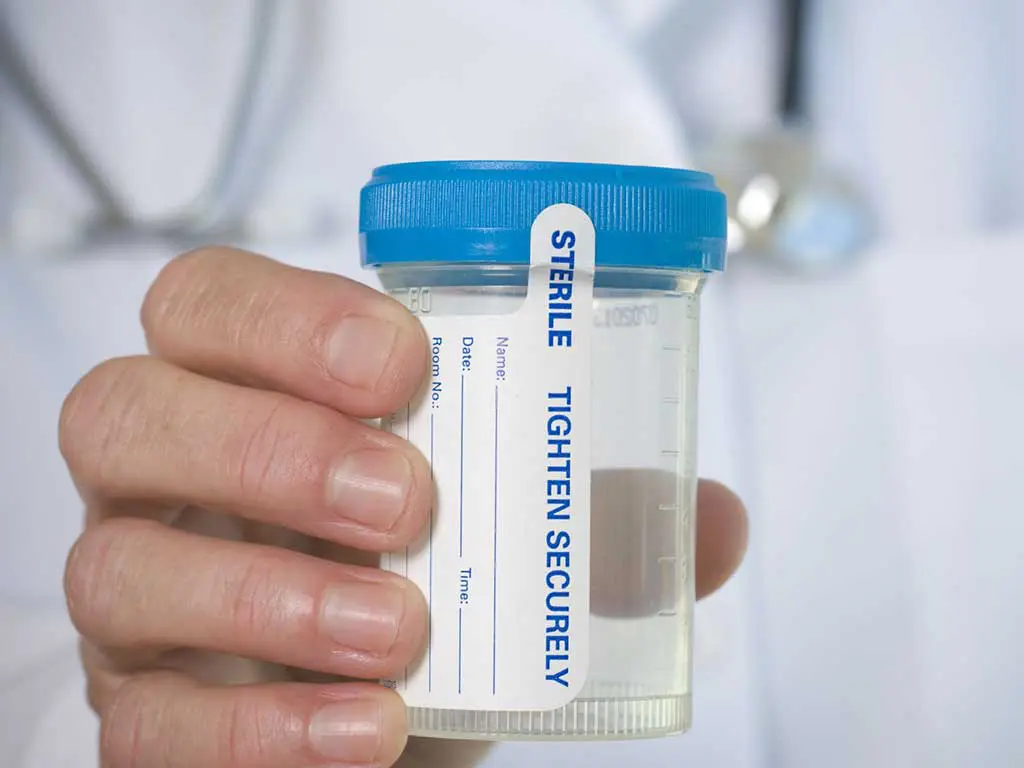
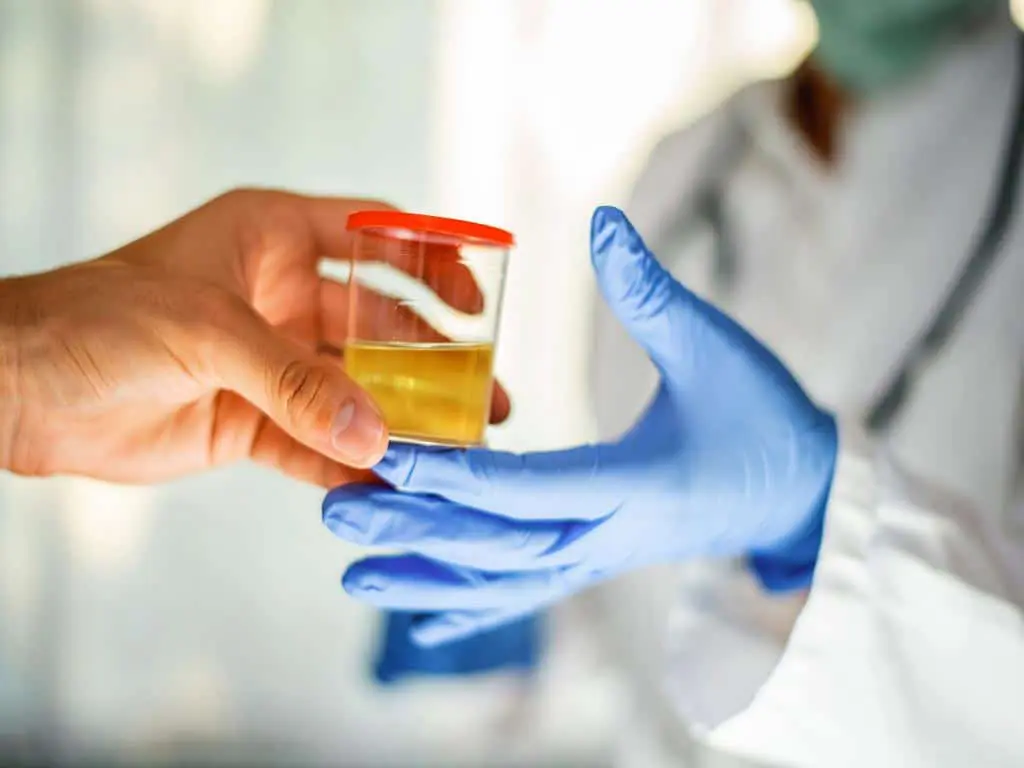
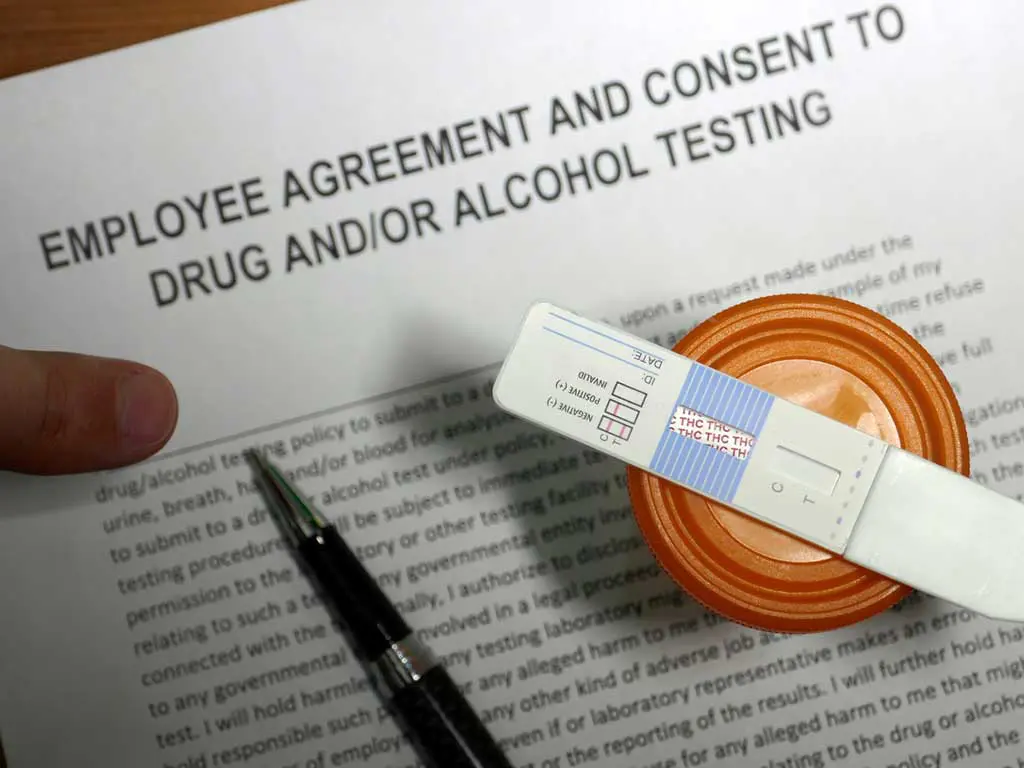
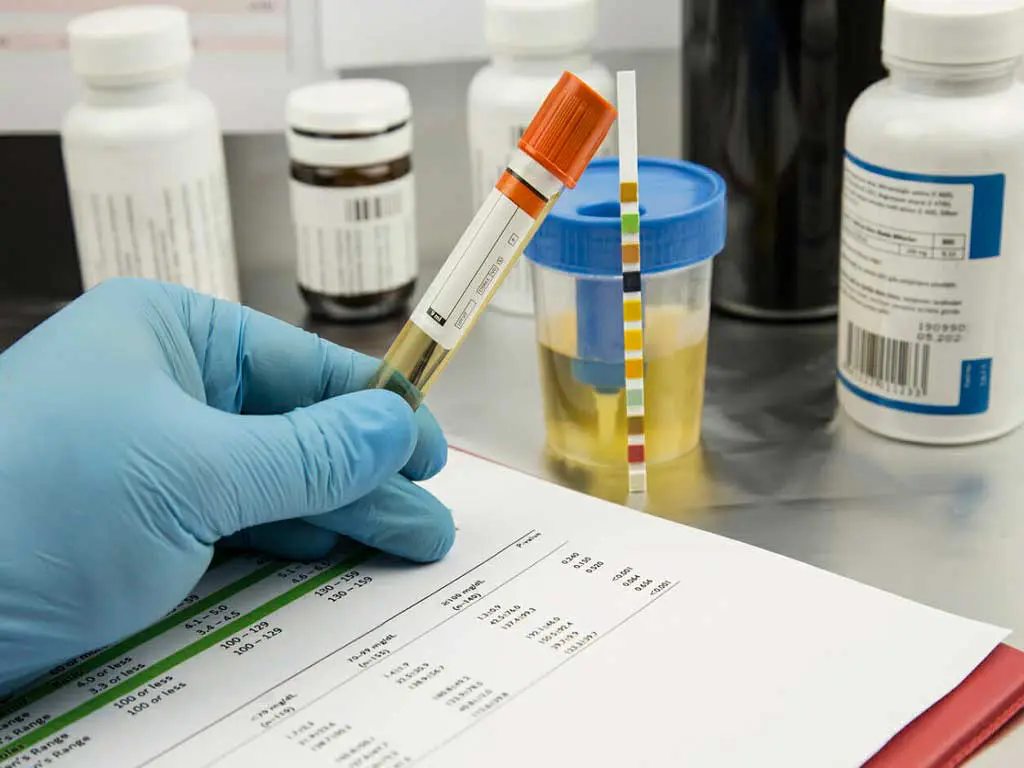
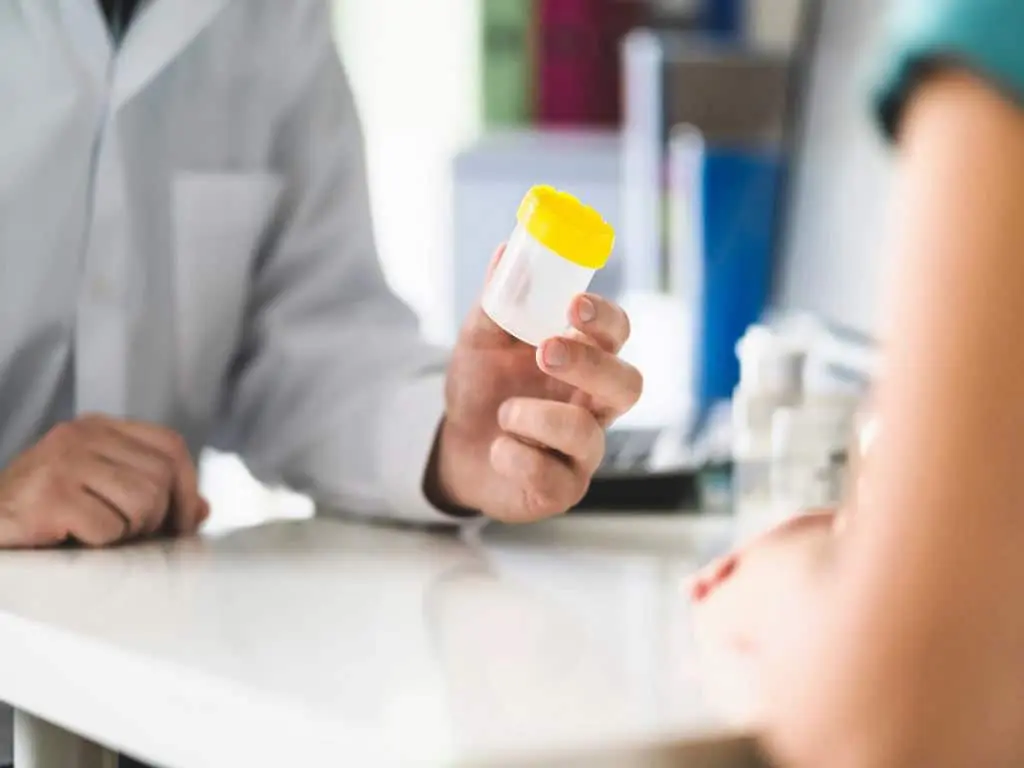
Urine test kit with sample

Drug testing in New Zealand has become more common in various settings, such as workplaces, schools, and even at home. It helps detect the presence of illegal drugs in the system, which may pose health and safety risks. The most efficient way to conduct this is through drug test kits in NZ. Many different types are available, and choosing the right one depends on the purpose of the test, the substances to detect, and convenience.

Detecting drug impairment is crucial to prevent accidents and injuries. It is also essential for identifying drug abuse or addiction. Therefore, it is important to choose reliable equipment to get accurate results. The decisions made based on the results can significantly impact an individual. This article aims to guide individuals in choosing suitable test kits by providing information on how they work, the available types, and the features to look for.

What Are Drug Test Kits in NZ?

Drug test kits in NZ are tools for detecting illicit substances in a person. It can also help determine if a person misuses a prescription or over-the-counter (OTC) medication. Unlike traditional laboratory methods, these kits are portable and can be used in workplaces or homes. Moreover, they do not always require a professional to conduct the test. Nevertheless, the correct use and handling of specimens are critical to getting accurate results.

Test kits use rapid screening technology to give instant results. They typically use immunoassay techniques to detect drugs using antibodies. The results indicate the presence or absence of substances, but it does not give the precise amount of drugs in the system. Therefore, it is convenient for determining recent usage.

These kits are suitable for preliminary screening, making them cost-effective in monitoring impairment. However, it is advisable to undergo confirmatory testing if the initial tests show non-negative results. In most workplaces, employers submit the samples to a certified laboratory for quantitative measurements of the drugs in the system.

Reasons for Using Test Kits

  • To determine if a person is working under the influence of drugs or alcohol.
  • Monitor patients who are prescribed controlled substances to prevent misuse or addiction.
  • Monitor individuals in rehabilitation centres to check their progress in recovery and prevent relapse.
  • Testing individuals suspected of consuming illegal drugs after displaying signs of intoxication or impairment.
  • To determine and gain evidence on whether drugs or alcohol caused impairment that led to an accident.
  • Deter substance abuse in workplaces and other settings.
  • Assess applicants for a safety-sensitive position if they have a history of drug abuse or potentially risky behaviours.

Putting hair strand sample in a tube

Available Types of Drug Test Kits in NZ

Drug test kits in NZ are available in several types. A common type is the urine test kit. It comes with a sample container, test strips or cards, and an instruction booklet. It is relatively easy to use and can detect a wide range of drugs or their metabolites.

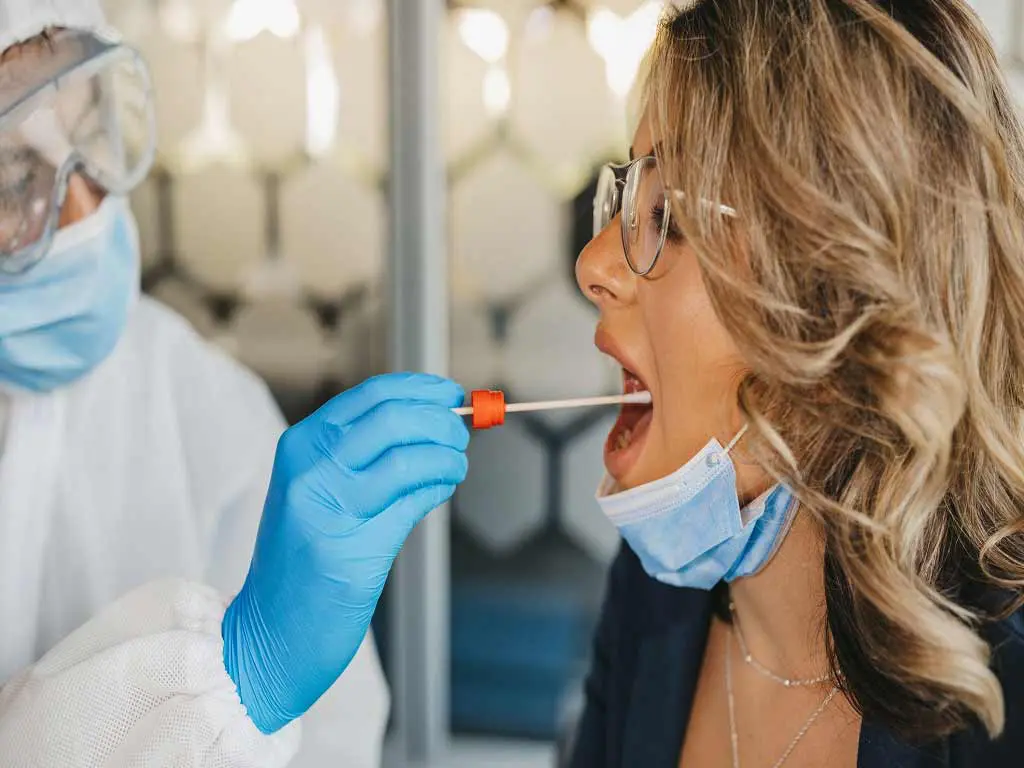
Another type is the saliva drug test kit. It uses an absorbent stick to collect oral fluid specimens. After collection, put the swab stick in the container to analyse the sample. Like urine tests, it returns the results within minutes. However, it is vital to follow the instructions to get a valid specimen and prevent false positives.

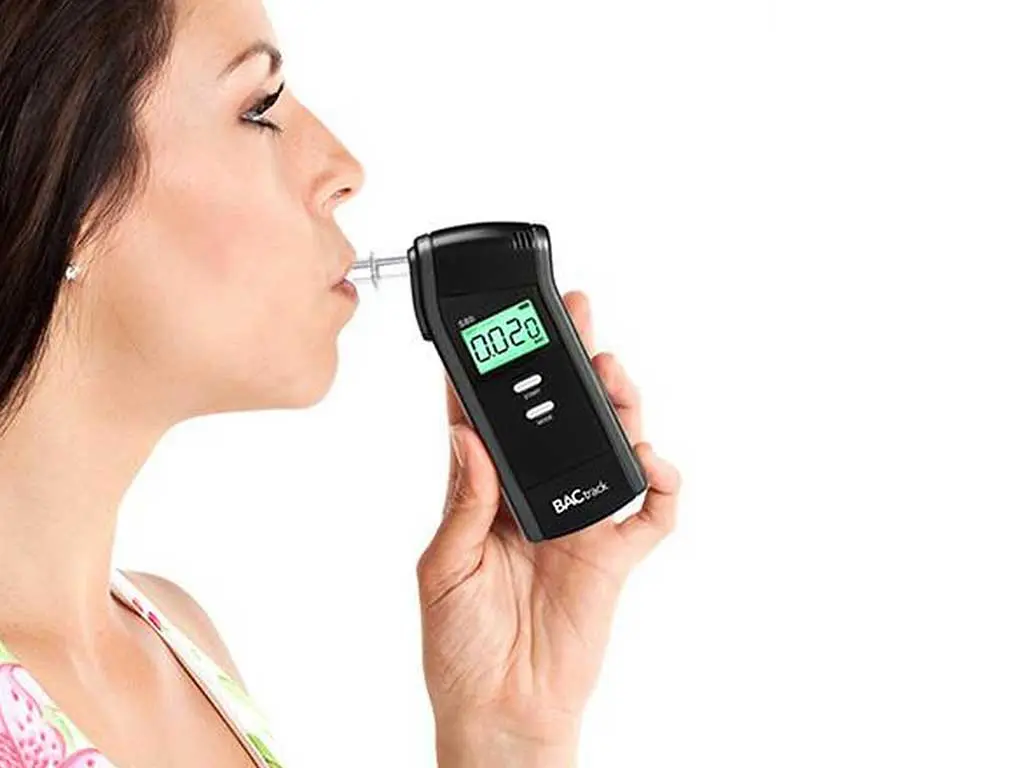
Hair drug test kits are also available for purchase. It includes a pouch for securing the hair strands. This test involves sending the samples to a clinic or laboratory for analysis. Lastly, a breathalyser is a portable device for measuring Blood Alcohol Concentration (BAC) in the breath. Unlike other test kits, a breathalyser is reusable for multiple applications, making them cost-efficient for alcohol testing.

Factors to Consider in Choosing One

Choosing the right test kit depends on several factors. Firstly, determine the specific substance to be tested for. Ensure to use equipment that includes the target substance in their detection panel. Secondly, consider the timeline and cost of the test. For detecting recent use, a urine and saliva test would provide more accurate results.

Thirdly, each test method is suitable for various circumstances. For example, workplaces use urine and hair testing during pre-employment to determine long-term usage patterns. On the other hand, urine or saliva sampling is efficient during random tests, post-incident, or with reasonable suspicion.

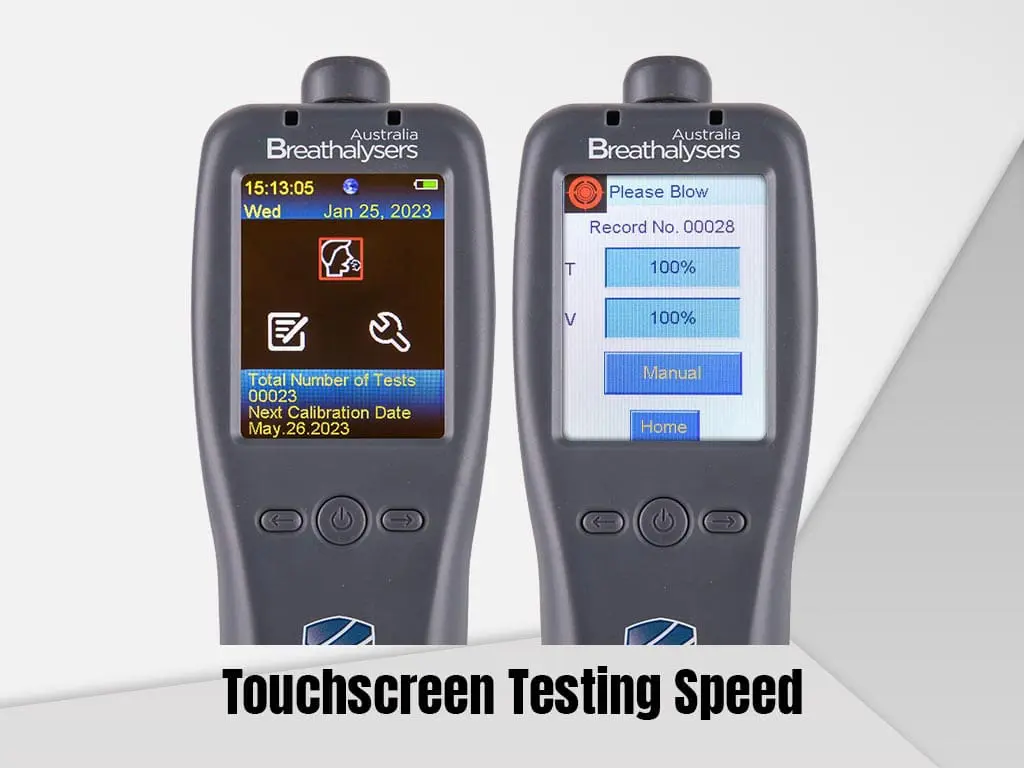
SHIELD Express Identity breathalyser with AS/NZ certification

Features to Look For in Drug Test Kits in NZ

There are several important features to consider when choosing drug test kits in NZ. The main aspect is accuracy. It is vital to utilise certified devices to ensure they pass regulatory requirements or standards. Also, check the sensitivity and specificity of the kit. These properties determine if it can detect drugs in low concentrations and correctly report negative results.

Moreover, consider the detection window of the test kits. Different drug types have varying windows or periods during which they are detectable in the system. Additionally, it is recommended to choose a kit with certifications like FDA approval and AS/NZ compliance. This ensures that the results are trustworthy. Likewise, check their shelf life to ensure they are okay to use after a long time.

Lastly, many opt for convenience and ease of use. Look for a kit that provides clear instructions, allowing for efficient testing. In summary, look for accurate and reliable devices and user-friendliness. By evaluating these factors, individuals or organisations can decide which drug test kits best fit their needs.

Compliance With Regulatory Bodies and Standards

It is essential to use drug test kits that comply with regulatory bodies and standards to ensure the validity of the results. Before purchasing one, check if they have certifications, such as FDA and Australian/New Zealand Standards (AS/NZS). The latter helps standardise the procedures of specimen collection and detection of drugs.

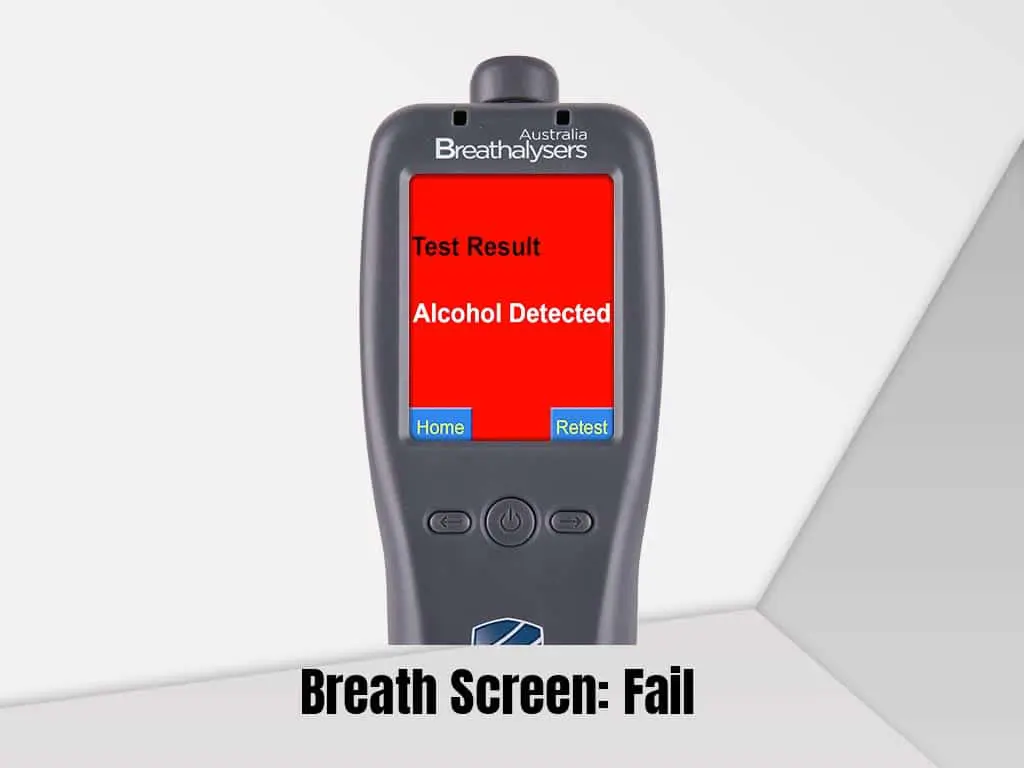
Companies must use urine test kits with AS/NZS 4308:2008/2023 or saliva test kits with AS/NZS 4760:2019. Furthermore, it is advisable to use a workplace breathalyser with AS3547:2019 compliance. A notable device is the SHIELD Express Identity from Breathalysers NZ. They have undergone rigorous testing and meet the requirements of alcohol breath screening devices.

Conclusion

There are various types of drug test kits in NZ to choose from. They are efficient testing devices that detect the presence of illegal drugs or alcohol in the system. Unlike traditional laboratory methods, they are easy to use, making them convenient for workplaces or homes. These tests use immunoassays to identify specific substances in a few minutes. Therefore, it helps individuals and organisations make informed decisions when it comes to health and safety.

Drug testing is an essential part of maintaining a safe and productive environment. Many companies utilise instant test kits and breathalysers because they are cost-effective in monitoring impairments. Moreover, there are several factors to consider depending on one’s needs. The vital features to look at are accuracy, efficiency, and compliance. These help ensure the accuracy of the results. They are accessible in pharmacies or online to help make testing easier.

EtG Urine Test: Is It Reliable?

Filling out an alcohol test form

The EtG urine test is a widely used method for detecting recent alcohol consumption. It measures the level of ethyl glucuronide (EtG), a direct metabolite of ethanol. It is an advanced type of testing that is proven reliable and accurate. Moreover, it is valuable in various settings, including healthcare and alcohol rehabilitation, legal proceedings, and workplaces. However, several factors may affect the accuracy of the test, including the presence of interfering substances.

Alcohol consumption is one of the major public health problems. Excessive intake may also cause severe impairment and pose significant risks in public areas, such as the workplace. Therefore, many companies implement alcohol testing to manage the hazards of alcohol use. Advanced methods can detect alcohol use for extended periods, making it suitable for monitoring abstinence. In this article, we will delve into how the EtG test works, its applications and limitations.

What is an EtG Urine Test?

An EtG urine test examines a urine sample specifically for ethyl glucuronide (EtG). It is a byproduct of ethanol and the enzymes in the liver that breaks down alcohol. Thus, it is a biomarker for alcohol consumption. The metabolite is detectable in the urine for 72 hours. However, heavy drinking or more frequent consumption may increase the detection window to 120 hours or five days.

The presence of EtG in the urine provides an objective and quantitative measure of alcohol consumption within a certain period. The amount present in the sample indicates how much alcohol was consumed over a given time frame. Since it is a metabolite, it can effectively detect even low-level drinking that would not be detectable with traditional methods or other types of testing.

The ability of the test to trace alcohol metabolites for an extended period makes it reliable for determining alcohol consumption. Moreover, urine testing is convenient and easy to carry out. It is also less invasive than a blood test. To perform the test, the individual submits an adequate urine sample to a laboratory for analysis.

Other Types of EtG Tests

EtG is mostly found in urine. However, it can also be found in the following:

  • Oral fluid: detects EtG in saliva within five to 24 hours after the last consumption. It is also less invasive and easy to collect a sample without privacy issues. Thus, it is an efficient alternative to urine.
  • Blood: examines both ethanol and metabolites in the sample. It is an accurate method for alcohol testing. However, it is intrusive and more expensive.
  • Hair: a hair strand test can trace alcohol usage for up to 90 days. The metabolites can show periods of consumption as well as abstinence.

A counsellor doing an interview to a patient

Applications of EtG Urine Tests

The EtG urine tests have wide applications. Firstly, it is vital in alcohol monitoring programs like rehabilitation and probation. Individuals undergoing treatment for alcohol use disorder need to remain abstinent. The test provides an effective way to monitor and verify sobriety, helping them stay accountable for their recovery. In healthcare, medical professionals can use it to identify alcohol-related issues in their patients.

Additionally, legal proceedings can use the test to establish past drinking patterns or identify possible abuse or misuse of alcohol. It can also provide evidence in child custody disputes or drink driving cases. Thus, the results of this test are admissible in court.

It is also a valuable tool in the workplace. Employers may use it to ensure that employees are not under the influence of alcohol while on duty. It can determine whether an individual has consumed alcohol on the job or working while impaired. It can be used in pre-employment and post-incident. Moreover, businesses may employ this test as part of their alcohol policies for workplace safety.

Benefits

A major benefit of an EtG test is that trace amounts could indicate any kind of alcohol consumption. A casual drink or binge drinking can reveal a positive test result. This is vital for situations requiring zero alcohol content. Furthermore, the extended detection window provides more reliable data about a person’s consumption in the past days before the test.

Regular alcohol testing can improve workplace safety and discourage a culture of drinking on the job. It can also identify individuals struggling with alcohol abuse. Employees under rehabilitation can stay accountable for their progress and receive guidance to remain sober.

Testing of urine sample

Limitations of EtG Urine Tests

The reliability of EtG urine tests depends on several factors. It has several drawbacks that may affect the accuracy of the test. EtG testing can detect alcohol within a certain period but not at the exact time. This means that a positive test does not necessarily mean that the person was impaired at the time of testing.

While high sensitivity helps detect alcohol precisely, it can also be a limitation. Incidental exposure to other substances or alcohol-based products may cause false positives. In addition, while EtG levels are good indicators of alcohol consumption, it does not exactly measure the actual blood alcohol levels. It is also due to the maximum measurable amount once EtG has reached a ceiling.

In addition to external or environmental factors, individual variations can affect the test’s validity. Medications, health conditions, food consumption, and hydration levels may all cause false positives or negatives. Thus, it is vital to follow the test guidelines and consider these limitations when performing the test and interpreting the results.

EtG Test Results

Currently, there are no set standards on the threshold for a positive EtG test result. The test measures the concentration of metabolites in nanograms per millilitre (ng/ml). The cutoff values vary with each laboratory or depending on the situation. Most tests set it at 100 ng/ml. The results may also be presented in a positive or negative format.

A high positive test may indicate heavy drinking within the past 24 hours. A low positive test could mean low to moderate intake within the past 24 to 48 hours. On the other hand, a negative result means that there is no alcohol in the sample.

Conclusion

The EtG urine test is a method to detect ethyl glucuronide levels through a urine sample. It provides reliable evidence of recent consumption, allowing authorities to enforce safety measures. It has wide uses, including monitoring alcohol abstinence in treatment centres and probation programs. Moreover, it is useful in the workplace to determine employees with alcohol use problems. It can detect ethyl glucuronide or direct alcohol markers for up to 72 hours from the last consumption.

The detection window in urine is longer than other alcohol testing methods, such as blood, saliva, and breath. However, it has some limitations, including the possibility of false positives. Thus, it is important to consider the factors that may affect the test result when performing an EtG urine test. When implemented correctly, it is highly accurate and reliable in determining alcohol consumption within a certain timeframe.

Drug Test Auckland: How It Works, What to Expect & How to Prepare

Drug test form and collection cup

Drug tests in Auckland are regularly done in many industries as organisations aim to minimise the safety risks of illicit drugs and alcohol. These tests use biological specimens to trace specific substances. Individuals who need to undergo these tests must be aware of the different types of tests and what substances are being tested for. It is also vital to make the necessary preparations, such as not eating certain foods and proper rest before the test.

Illegal drug use is a challenge across all industries, including law enforcement. It is one of the leading causes of road and workplace accidents. Therefore, strict laws and policies are implemented to manage these risks. Being well-informed about the process of drug testing can help minimise the chances of possible false positive results. This article will provide information on how testing works, what to expect during the test, and how to prepare for it.

How a Drug Test in Auckland Works

A drug test in Auckland is standard practice in roadside screening and workplace testing. The procedure includes collecting and analysing biological samples to detect illicit substance use. Prescription and illegal drugs are known to have detrimental effects on the body, including severe impairments and health complications. The type of test depends on the situation or purpose of the test.

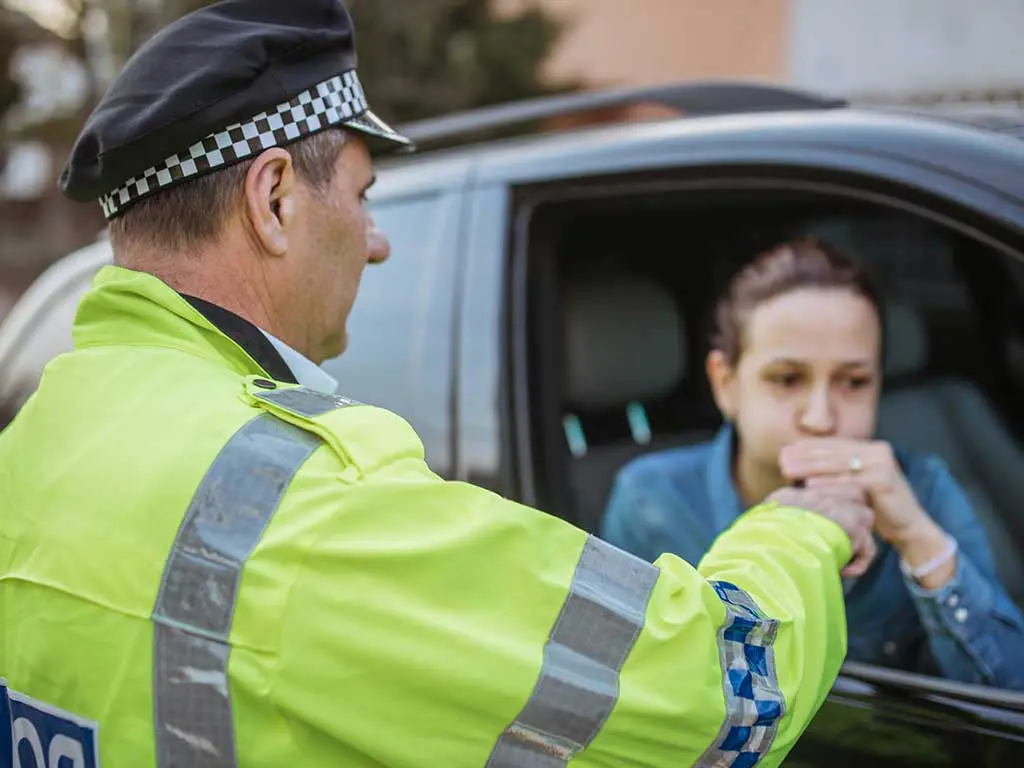
In roadside screening, police officers conduct saliva and breath tests for drug and alcohol detection, respectively. Individuals with positive test results can be subject to legal charges, including fines, license suspension, prison terms, and an alcohol interlock program. Moreover, roadside inspections take place at sobriety checkpoints or randomly. Thus, drivers have to ensure they are always sober and not under the influence of any substance while operating a motor vehicle.

In workplace testing, employers may conduct various procedures depending on company policy and their testing needs. This helps them detect substances that may affect job performance or safety. The results of the test will determine if an employee needs disciplinary measures or support for rehabilitation.

Types of Drug and Alcohol Tests

  • Urine: The standard test method in most workplaces and healthcare settings. It detects evidence of recent drug use for days to weeks, depending on the specific drug.
  • Saliva: This test traces illicit substances in oral fluids. Drugs are detectable in saliva within 12 to 48 hours after last use.
  • Blood: The most accurate test method. However, it is expensive and uses an invasive collection method.
  • Breath: Detects alcohol consumption and measures the Blood Alcohol Content (BAC) using a portable breathalyser.
  • Hair: Provides the longest detection window of up to 90 days, suitable for identifying the substance use history.

Giving a sampling cup to a patient

What to Expect During a Drug Test in Auckland

There are a few things people can expect when undergoing a drug test in Auckland. The screening looks for commonly abused substances, including marijuana, cocaine, amphetamines, benzodiazepines, and opiates. The collection process is quick, and the results are available within a few minutes to a few days, depending on the type of test.

The common method of drug testing is urine analysis. In this test, the donor provides a urine sample in a sterile cup or container. Samples may be collected in the presence of a monitor or unsupervised, depending on the specific circumstances. Meanwhile, police officers use the saliva test during roadside drug screening for initial testing. It is less invasive and can be performed in plain sight, minimising the possibility of adulteration.

Professionals may analyse urine or saliva samples on-site or send them to a laboratory for analysis. On-site screening can detect drugs after a few minutes using testing kits with immunoassay technology. On the other hand, blood tests require a laboratory procedure. It gives precise assessment, making it suitable for confirmatory testing.

Considerations When Conducting a Drug Test

There are several things to consider when conducting a drug test. Firstly, disclose any prescription medications. Interactions with certain medicines may cause false positive results. Secondly, be aware of the detection windows for each method of testing. The timing of the test is crucial, as drugs can remain in the system for varying periods.

Lastly, the purpose of the test determines what type of test is most suitable. For pre-employment, employers may employ urine or hair tests because of their long detection periods. For random monitoring or reasonable suspicion, a breath test or oral fluid is ideal for detecting current impairments.

Woman refusing alcohol

Preparing for a Drug Test in Auckland

There are simple steps to take when preparing for a drug test. Healthcare providers may advise avoiding certain foods and medications for 24 hours before the test. This includes alcohol, caffeine, and over-the-counter (OTC) medicines. It is also advisable to avoid strenuous exercises for 8 to 12 hours. Next, donors must follow the instructions carefully when collecting a sample.

Additionally, some tests may require fasting before the procedure. In a breath test, for example, avoid eating, drinking, or smoking at least 20 minutes before the test. This helps get a precise breath sample and minimises the possibility of false positives. Test administrators may also observe individuals before the test.

An alcohol and drug test in Auckland workplaces may be conducted without prior notice. This aims to detect employees with current impairments. Thus, individuals who may be under the influence of prohibited substances cannot avoid the test by abstaining for a short period. Lastly, avoid exposure to alcohol-based products, such as mouthwash, hand sanitisers, and cleaning agents, that may potentially cause false-positive results.

Where to Avail Testing Services

There are various options for drug and alcohol testing. Individuals may go to local testing centres or clinics. A medical professional or employer may also recommend an accredited laboratory or testing partner. When selecting a testing facility, consider the test procedures and the turnaround of the results.

Furthermore, companies may avail of mobile testing services from accredited drug testing providers. It is a cost-effective and efficient way to monitor employees for alcohol and drug use. These agencies conduct drug testing based on specific policies and requirements. Thus, it helps organisations maintain a safe and healthy working environment.

Conclusion

Drug tests in Auckland are done in various settings to help minimise the health and safety hazards of illegal substances. It is a valuable tool for detecting impairments that may lead to accidents and injuries. Individuals may expect to undergo several test methods, such as urine, saliva, blood and breath testing. Moreover, there are simple steps to prepare for the test. For instance, avoid certain foods, medications, and exposure to external factors that may interfere with the results.

Overall, it is essential to understand how each test method works and the factors that may affect the test. Individuals must follow the instructions of the collector carefully to ensure accurate results. In addition, tampering with results may result in serious consequences. Overall, drug testing on the roadside and in workplaces aims to ensure safety and protect the well-being of the public. Individuals with positive test results may face legal penalties.

Alcohol Urine Test EtG for the Workplace: Factors You Need To Know

A person holding an empty urine sampling cup

An alcohol urine test EtG is a process of determining if a person has recently consumed alcohol. It uses advanced technology to detect the presence of Ethyl Glucuronide (EtG) in urine samples. Thus, it is an accurate and reliable method used in healthcare settings and court cases. Workplaces may also employ this test in situations needing alcohol detection, such as pre-employment and post-incident. Moreover, employers must consider the detection period, cut-off levels, and sensitivity when administering this test.

In many workplaces, alcohol consumption can pose a significant risk to safety and productivity. Many companies conduct alcohol testing as part of their safety program to ensure a hazard-free working environment. However, it is crucial to understand the factors that can affect the results before undergoing these tests. In this article, we will talk about the essential aspects to know about EtG urine testing, workplace testing procedures, and accuracy factors.

How Alcohol Urine Test EtG Works

The alcohol urine test EtG detects the ethanol metabolite called the EtG. It is a byproduct of ethanol and enzymes in the liver that breaks down alcohol. It can stay in the urine for an extended period, typically up to 80 hours after ingestion. Thus, the presence of EtG in bodily fluids indicates alcohol consumption.

There are certain factors to consider when conducting an EtG urine test. These are the detection windows, cut-off levels, and external factors. The window of detection is the time ethanol can be traced in screening tests. Traditional urine tests can detect alcohol for up to 48 hours. However, EtG stays longer in the system, depending on the amount of consumption and frequency of intake.

Another vital factor is the cut-off levels. If the test detects EtG above a certain threshold, it indicates recent alcohol intake. Currently, there is no standard cut-off for EtG. Different laboratories use varying levels to determine the results. Hence, workplaces must establish a basis on what EtG levels are considered significant.

Limitations

  • Needs laboratory analysis: advanced tests like EtG needs examination to process the samples. Testing services would cost more than instant kits or devices.
  • Turnaround time: analysing the sample and receiving the results takes longer.
  • Testing capacity: generally, high EtG concentrations mean heavy consumption. However, it cannot determine the exact amount or period of drinking. There is also a maximum limit or ceiling effect on how much EtG can be measured. In addition, it cannot identify between exposure and consumption at low levels.
  • Storage: EtG is subject to degradation when exposed to air and light over time. Thus, testing needs proper sample collection and storage.

An employee with a glass of drink on the desk

Alcohol Urine Test EtG: Workplace Programs

The alcohol urine test EtG is a preferred choice due to its ability to detect alcohol even after the effects have worn off. Workplaces may use this test to check if employees have been drinking on the job or are under the influence of alcohol. It is conducted in specific situations needing alcohol detection or confirmation.

Employers use this test during pre-employment to assess if a job candidate has risky or problematic behaviours. Additionally, it is also essential in incidents involving potential alcohol misuse. It can help determine if the employee was intoxicated when an accident or near-miss occurred. Moreover, random testing is another procedure to monitor alcohol consumption and deter alcohol use or abuse.

EtG test is ideal for zero-tolerance workplaces and treatment programs. Since the test has a longer detection period than a blood or breath test, its main use is to monitor alcohol abstinence. Overall, employers must consider the purpose, timing of the test, and turnaround time when utilising this method.

Procedures and Guidelines

Workplaces conduct alcohol testing as part of a company policy for safety. The procedures require employees to provide a urine sample under supervision, ensuring the integrity of the test. The collected sample will be sent to a laboratory for analysis. The results may be available within 48 hours.

The results of EtG alcohol tests are accepted as evidence in formal or legal proceedings. If an employee tests positive for alcohol, it may result in disciplinary actions or consequences. The individual may face suspension or termination, depending on the company policy. Moreover, companies may also offer treatment assistance to workers with alcohol addiction problems.

Giving a urine sample to a technician

Alcohol Urine Test EtG: Accuracy

The alcohol urine test EtG is an accurate and reliable method of alcohol detection. Its high sensitivity helps detect low levels of ethanol metabolites. However, this also makes it vulnerable to false positives. Exposure to external factors like medications, mouthwash, breath sprays, and cleaning products with alcohol can affect the results of EtG testing.

It is essential to ensure the results are precise and valid by taking proper collection and storage procedures. Individuals taking medicines must inform the test administrator beforehand. Furthermore, employers and employees must secure the collection area to avoid incidental exposure to alcohol-based products before the test.

From the time frame of detection to false positives, being aware of these factors can help ensure that the testing process is reliable. It can also be used to confirm an initial screening with a non-negative result. Due to its wide detection period, it can trace alcohol use even if it occurred several days ago. Thus, it is difficult to circumvent the results.

Alternative Testing Methods

There are several alternatives for testing alcohol that are more suitable in particular situations. EtG tests can detect ethanol metabolites, but it does not necessarily mean that a person is currently impaired. Employers who want to test for current impairment may use a breath test. This method involves using a breathalyser to measure Blood Alcohol Content (BAC).

Other test methods include saliva and blood testing. A saliva test can trace alcohol within 5 to 24 hours from the last use. On the other hand, a blood test can detect alcohol within 6 to 12 hours.

Conclusion

The alcohol urine test EtG is an effective and reliable method for detecting alcohol consumption in the workplace. However, employers must consider factors such as the window of detection, cut-off levels and external elements before conducting the tests. Thus, proper collection and storage procedures are vital. An understanding of these aspects helps ensure accurate results and avoid false positives. It is beneficial in various situations needing alcohol abstinence monitoring and confirmation, including pre-employment, post-accident, and rehabilitation.

Employers may impose consequences when an employee returns with a positive result. Depending on the policy, the individual may face suspension, termination, or undergo treatment for alcohol abuse. Furthermore, alternatives are available based on the situation. An alcohol test with a breathalyser is cost-efficient for determining current impairment levels. The device can show the BAC result within 10 to 15 seconds. Therefore, employers can make informed decisions to manage alcohol-related hazards.

Drug and Alcohol Test For Work: Why is it Important and How To Conduct One?

Employees happily having a discussion

Employees under the influence of alcohol and illegal drugs pose significant safety risks in the workplace. Thus, more companies implement drug and alcohol tests for work to manage and prevent the associated hazards of substance impairment. It is also essential for maintaining productivity and mitigating legal liabilities in case of accidents. There are several procedures for conducting these tests, including establishing a comprehensive policy, selecting test methods, and handling test results.

The efficiency of a workplace relies on physically fit and mentally alert employees. They are also vital in securing a healthy and hazard-free environment. However, one of the challenging issues that many industries face is the misuse or abuse of drugs and alcohol. It is one of the contributing factors in severe accidents and injuries, especially in high-risk areas. In this article, we will explore the importance of drug and alcohol testing, its implementation, and its consequences.

The Importance of Drug and Alcohol Tests for Work

Drug and alcohol use bring detrimental impacts to individuals and the workplace as a whole. It can severely impair perception, judgement, and coordination, decreasing the ability to work safely and effectively. Therefore, more organisations conduct drug and alcohol tests for work as a safety measure. Identifying risk elements and promoting healthy practices are vital in improving the well-being of employees and the workplace.

Firstly, regular testing helps ensure workplace safety. It is crucial for both employers and employees to work under safe conditions. Therefore, it helps minimise safety hazards that may endanger lives. Secondly, it reduces work disruptions due to frequent accidents. Thus, it helps maintain productivity and employee morale.

Thirdly, it helps companies comply with legal requirements. Employers must provide a safe and healthy working environment by managing all preventable hazards possible. Through drug and alcohol tests, it helps them mitigate legal risks. Lastly, it lowers overall costs due to hospitalisations, compensation claims, expensive repairs, and productivity loss. Overall, it plays a vital role in promoting a safe work environment.

Impacts of Drugs and Alcohol Use

  • Increased risk of accidents and injuries due to reduced vision, hearing, reaction time, and coordination.
  • Impaired judgement and decision-making abilities.
  • Negative effects on physical health. It may cause cancer, stroke, and permanent dysfunctions in vital organs, including liver, heart and respiratory problems.
  • Negative effects on mental health, leading to anxiety and depression.
  • Cause risky, problematic or violent behaviours and affect personal and work relationships. It may cause distrust among co-workers.
  • Potential addiction and dependency.
  • High absenteeism and turnover rates.
  • Increased company expenses due to hospitalisations, damaged equipment, productivity loss, and training of new employees.
  • Lower employee morale and company integrity.

A consent form for employees before drug and alcohol testing

Conducting Drug and Alcohol Tests for Work

There are several procedures to follow when conducting a drug and alcohol test for work. Firstly, companies must establish a clear policy outlining the safety regulations, procedures, types of tests, and consequences of failed test results. The drug and alcohol policy serves as a guide for employees on the appropriate behaviour in the workplace.

Secondly, it is essential to educate the employees on the purpose and importance of the safety and test programs. In addition, they must agree and consent before proceeding with the test. Next, select a suitable and reliable testing method. Each type of test has its advantages and limitations. Therefore, employers must consider these factors when choosing a method based on their needs or requirements.

Moreover, the policy must specify when a test is conducted. Workplace programs typically implement these tests during hiring, after an accident, with reasonable suspicion, and randomly. Meanwhile, in pre-employment, applicants must pass the test to be eligible for the job. It is a standard requirement for safety-sensitive positions. Lastly, handle all test results with care and confidentiality.

Types of Test Methods

The standard test methods for workplace testing are urine, oral fluid, and breath tests. Urine analysis is efficient for drug screening because of the wide range of substances it can detect. It can also trace drug metabolites in the system from the last 48 to 72 hours of use.

Another type is the oral fluid test. It analyses saliva samples to detect illicit drugs from the past 12 to 48 hours. It is a cost-efficient alternative to urine drug screening. Furthermore, a breath test can measure Blood Alcohol Content (BAC) through a breathalyser device. The BAC indicates a person’s current level of impairment.

An employee reacting to a drug and alcohol test result

Consequences for Failing a Drug and Alcohol Test for Work

When conducting a drug and alcohol test for work, employers should also consider the rights of their employees. It is important that they fully understand the consequences if they fail the test. Depending on the conditions of the policy, violations would include disciplinary action, suspension, corrective measures, and termination of employment.

Workplaces with a zero-tolerance policy prohibit any amount or use of alcohol and recreational drugs. It is important to note that employers must follow the guidelines in conducting these tests to ensure accuracy and prevent false positives. Additionally, the repercussions may depend on the severity of the impairment. The management must follow a guide when handling positive cases and abide by NZ laws.

Employers may also offer intervention or treatment to a worker suffering from a substance use disorder. Most alcohol and drug testing programs include assistance to employees willing to undergo rehabilitation. Therefore, employees may keep their job and return to duty after a full recovery. This help companies retain workers and for employees to deter drug and alcohol abuse.

What Are the Rights of Employees?

Employees have the right to challenge the test if the initial screening indicates alcohol or drug usage. A follow-up or confirmatory testing is necessary to validate the results of the preliminary screen. In this test, the sample is forwarded to the laboratory for further analysis. A person may also submit to a blood test to get a comprehensive report.

A Medical Review Officer (MRO) evaluates the test and confirms if the presence of illicit substances is due to actual consumption or incidental exposure. Then, the results of the test are considered final and can be used as evidence.

Conclusion

Substance use and abuse can have negative effects on individuals and the workplace. Therefore, regular drug and alcohol tests for work through a policy help companies manage safety hazards. These tests ensure that employees are free from the influence of intoxicating substances while on duty. Fewer accidents also reduce work disruptions, ultimately leading to improving productivity and morale. It also helps employers comply with legal requirements and lowers overall costs. Moreover, this promotes a safe and healthy work environment.

Workplaces employ several methods to test for alcohol and drugs. The common kinds are urinary drug screening and alcohol breath testing. A workplace breathalyser like the SHIELD Express Identity is effective in detecting current alcohol impairment and measuring BAC. Furthermore, employers should follow proper testing guidelines. Failed test results may result in disciplinary actions or termination, depending on the severity of the case. In summary, workplace testing is a preventive measure to help protect the well-being of employees.

EtG Urine Test vs Breath Test for Alcohol Detection

Urine sample in a tube and cup

When it comes to alcohol detection, there are various methods available. Two commonly used methods are EtG urine test and the breath test. EtG tests detect Ethyl Glucuronide (EtG), a byproduct of ethanol, as a process of metabolism. It is mainly found in urine, but traces are also present in blood, saliva and hair. On the other hand, a breath test is a non-invasive method of measuring Blood Alcohol Content (BAC).

Alcohol is an addictive substance that can lead to a disorder. Excessive consumption can also lead to severe impairment in perception, reasoning, and motor functions. Consequently, it is one of the leading causes of accidents and injuries. For these reasons, alcohol testing has become an essential part of many institutions. In this article, we will compare the alcohol testing methods with urine and breath, their limitations, and their various considerations.

What is an EtG Urine Test?

EtG urine test is a specialised test for detecting ethanol metabolites through various specimen samples. EtG is formed after ethanol binds with the enzymes in the liver and excretes in urine. The test is highly sensitive in that it can trace the substance despite a small alcohol intake. Thus, it is a reliable and accurate method of indicating alcohol use.

The test can trace EtG for 48 hours after consumption. However, heavy drinking can make the metabolites stay in the urine for up to 80 hours. This extended period of detection is suitable for situations requiring confirmation of alcohol use. It is common in legal proceedings, probation programs, and abstinence monitoring.

Performing this test is the same as traditional urine tests. The person provides a sterile urine sample and submits it to a laboratory for analysis. The procedures use advanced techniques to determine EtG levels in the specimen. In contrast to rapid urine screening, it provides quantifiable results instead of qualitative outputs.

Limitations

  • EtG tests have a tendency to produce false positives. Exposure to medications, products containing alcohol, and environmental factors can affect the results.
  • Inability to distinguish between recent and past alcohol use. The effects of alcohol may wear off, but the metabolites remain in the system.
  • Individual variables. The results may vary with factors like the amount of intake, the time of last consumption, and metabolism.
  • Ceiling effect. Drinking above the limit will not raise EtG more than the maximum measurable amount.
  • Lack of standardisation. Each laboratory can have different cutoff levels or thresholds for determining a positive result.

Woman using a breathalyser

How Does a Breath Test Compare to EtG Urine Test?

An alcohol breath test is the process of examining deep lung air through a breathalyser device to estimate the BAC. While EtG urine test and breath test both detect alcohol use, they differ in several ways. A breath test provides the current alcohol or intoxication level of a person, while an EtG test measures the metabolites over a longer period.

The BAC is the amount of alcohol in the bloodstream. After consumption, it declines at a steady rate. It is detectable in breath for an average duration of 12 to 24 hours, depending on the volume of intake. Moreover, a breathalyser examines the alcohol molecules that vaporise in the lungs after a few minutes of ingestion.

Performing a breath test is straightforward. Simply turn on the breathalyser and wait for the start signal. Once ready, blow steadily to the device for six seconds or longer. Then, wait for the BAC results to display on the screen or a smartphone. The process completes within a few seconds. It does not need professional supervision or laboratory procedure.

Considerations

Alcohol is detectable in breath after 15 minutes. Thus, it is vital to wait for this period after eating, drinking, or smoking to ensure accurate results. Additionally, always use a new mouthpiece and avoid sharing them with others. It is also susceptible to false positives if the individual does not follow the guidelines for breath testing.

Other essential factors to consider are the time of last consumption versus the time of testing, calibration of the device, and sensor type. Breathalysers require periodic recalibration to maintain sensor accuracy. Lastly, they use either semiconductor or fuel cell sensors which vary in performance.

Police conducting a breath test to a driver

EtG Urine Test vs Breath Test – Which One to Choose?

When deciding between EtG urine test and a breath test, it is important to consider the specific circumstances of the situation. The EtG urine test is suitable for monitoring alcohol use within the last few days. It is common in rehabilitation centres to check if the patients have been drinking or abstaining and to assess their progress.

On the other hand, a breath test provides an accurate reading of a person’s current alcohol level. It is convenient in workplaces to check employees working under the influence of alcohol. Therefore, employers can identify workers posing safety risks and make informed decisions. Additionally, it gives the exact BAC levels to assess the severity of intoxication.

A breathalyser is cost-efficient in situations testing for current impairments. Hence, it is beneficial for individuals to monitor their BAC during alcohol consumption. It helps prevent the BAC from reaching hazardous levels and deter drink driving. Overall, both methods must follow the proper test guidelines to get accurate results and avoid false positives.

Benefits of Alcohol Testing

Alcohol and urine tests are conducted in many settings for various reasons. It is common on the roadside and in workplaces where there is a high risk of accidents due to alcohol consumption. Firstly, it helps improve safety in critical areas. Secondly, it increases productivity and protects companies from legal liabilities.

Thirdly, it helps employers hire suitable candidates for safety-sensitive positions. Companies with alcohol policies reported a significant reduction in accidents than those that did not test. Lastly, alcohol testing serves as a deterrent for alcohol abuse. Therefore, it is essential to know the purpose of the test to choose the right method.

Conclusion

EtG urine test is reliable for determining alcohol use within the last 48 to 80 hours of consumption. It detects ethyl glucuronide, the direct byproduct of ethanol and enzymes in the liver. Thus, its presence in urine testing indicates recent exposure to alcohol. It is valuable in alcohol abstinence programs, such as rehabilitation and DUI probations. Moreover, it uses advanced laboratory procedures for accurate results. This test is available through testing facilities.

On the other hand, a breath test is convenient and cost-efficient. It detects alcohol present in the air expelled from the lungs, which indicates the current BAC levels of an individual. It is suitable for roadside testing and workplaces to identify impaired workers or drivers. Individuals may also use personal devices to manage their alcohol intake. They are non-invasive and give results in seconds. Personal breathalysers like BACtrack are available at Breathalysers New Zealand.

Drug Test for Alcohol Employment: What Is It And Why Is It Needed?

A person giving an empty container for sample collection

Drug testing for employment is a common practice in many industries. It is a safety procedure to detect the possible use of illicit substances among employees. However, some may require an employment drug test for alcohol as well. Aside from illegal drugs, these tests detect recent exposure to alcohol, indicating that a worker is currently impaired. Therefore, companies can ensure to provide a completely substance-free workplace. It is also needed to improve productivity and long-term stability.

Although alcohol is legal, abuse can lead to a host of problems, including the risk of accidents, high costs, and legal liabilities. Hence, employers implement safety policies to prevent alcohol-related hazards from affecting the workplace. There are several methods to implement this, such as urine, oral fluid, blood, and breath testing. In this article, we will explore what a drug test for alcohol, its purpose, and various procedures is.

What is an Employment Drug Test for Alcohol?

An employment drug test for alcohol is a type of test organisations conduct to check if their staff are consuming alcohol. It is a standard practice in high-risk industries, such as mining, transportation, construction, healthcare, and manufacturing. These workplaces implement zero-tolerance policies, prohibiting any amount of illicit drugs and alcohol.

Drug tests detect commonly abused substances, such as cocaine, marijuana, amphetamines/methamphetamines, benzodiazepines, and phencyclidine (PCP). It can also determine if a person is abusing prescription drugs. Moreover, employers may request that ethanol be included in drug screening to know the amount of alcohol in the system. Therefore, it can detect if a person is working under the influence of alcohol.

Companies must first establish a drug and alcohol policy to be able to test employees. It is a written document outlining the organisation’s goals and objectives towards safety. It also includes safety regulations, conditions for testing, test methods, and the consequences of violations. For instance, a positive drug and alcohol test result is subject to disciplinary sanctions, including suspension and termination.

Impacts of Drugs and Alcohol

The use of alcohol and recreational drugs can bring the following negative impacts:

  • Impaired physical and mental abilities, such as blurry vision, poor reasoning, and uncoordinated movements.
  • Impairments increase the risk of accidents in driving and operating heavy machinery.
  • It can lead to serious health problems, such as brain and organ damage, cancer, and stroke.
  • Substance abuse may also cause mental health problems, including depression and anxiety.
  • Poor memory and decision-making that lead to reduced worker efficiency.
  • Display unsafe or aggressive behaviour, which may lead to poor relationships between staff.
  • Overdose may lead to poisoning or death.

Man in a job interview

Why Is a Drug Test for Alcohol During Employment Needed?

A drug test for alcohol during employment helps ensure workplace safety and productivity. Firstly, it monitors current impairments, which expose the workers to accidents and injuries. Consequently, fewer incidents lower medical costs, compensations, and other expenses. In addition, regular testing can help deter substance use and abuse. It also minimises unsafe behaviours.

It also protects companies from legal liabilities in cases of accidents. By conducting drug and alcohol tests, employers execute all practical means to ensure they reduce occupational hazards. They can also exercise their rights to impose disciplinary measures through a policy. Moreover, it can help identify if a person is struggling with addiction and offer rehabilitation assistance.

Fit and able workers can perform their duties safely and effectively. It reduces absenteeism and frequent disruptions. It also does not overwhelm workers who are trying to cover for absent employees. Thus, it does not leave a safety gap. Overall, it improves workplace productivity and stability in the long run. It is a proactive measure to maintain a safe working environment.

Conditions for Testing

Employment drug testing is subject to certain conditions and limitations. Tests must be done with the employee’s knowledge and consent. Additionally, employers may use the most non-invasive methods available. This is to maximise cost efficiency and avoid privacy issues. Moreover, employers should ensure that tests are accurate, reliable, and up-to-date.

The results of the tests must remain confidential between the employer and the employee. Testing agencies or third-party companies should not disclose the results to other people. Furthermore, workers have the right to contest the results and request a retest if necessary. Lastly, these tests may be done during pre-employment, post-incident, or with reasonable grounds.

A workplace breathalyser for alcohol test

Employment Drug Test for Alcohol Methods

There are several procedures to conduct a drug test for alcohol during employment. The common methods are urine, oral fluid, and breath sampling. Urine analysis is a standard process for drug screening in the workplace. It can detect illegal drugs for up to 72 hours from the last consumption. However, employers may also request to include alcohol for simultaneous testing.

An oral fluid test uses a mouth swab to detect alcohol and drugs. It can detect substances in the saliva within five to 48 hours, depending on the amount, drug type, and time of last intake. Moreover, for alcohol screening alone, a breath test is the most convenient. A breathalyser device can measure Blood Alcohol Content (BAC). It can detect alcohol up to 24 hours from the last consumption.

A blood test is the most accurate and detailed type of testing. However, it is intrusive and costly. Thus, it is suitable for confirmatory testing and, in cases requiring a comprehensive evaluation. Lastly, a hair test can trace consumption patterns from the last 90 days. It is ideal for determining if a person abuses drugs or alcohol.

How to Avail of Drug Tests for Alcohol

Companies have several options for alcohol screening or monitoring. There are self-test kits that give rapid results within minutes. Most kits only include the common drugs of abuse. Thus, employers may get those that have ethanol in the panel. Companies may request laboratories to include alcohol detection in drug urine screening.

Alternatively, using a workplace breathalyser is a cost-effective option. The device is highly portable and can be used at any time without laboratory analysis or confirmation. In addition, it is easy to operate without needing medical personnel to conduct the test. However, proper training is necessary to get accurate and reliable BAC results.

Conclusion

Drug test for alcohol during employment helps ensure safety and stability in the workplace. It is a standard practice in industries where safety is a top priority. It aims to monitor current impairments or substance abuse to help reduce or prevent accidents and injuries. Additionally, companies conduct these tests through a comprehensive policy to mitigate legal liabilities. Therefore, it helps protect the well-being of employees and ultimately leads to improved productivity.

Employers may implement these tests in various situations. It is common during pre-employment to help hire a candidate without risky behaviours. Moreover, it is crucial after an accident or if an individual shows signs of impairment. Random testing can also help identify employees struggling with addition. Furthermore, several test methods are available, including urine, oral fluid, and breath testing. Among these procedures, a breathalyser test is the most convenient and gives rapid results within seconds.

Drug and Alcohol Test for Employment: Purpose, Reasons, and Methods

Construction worker

Many companies conduct drug and alcohol tests for employment to manage substance-related hazards and prevent accidents. Drug and alcohol use severely impairs the perception, reasoning, and motor coordination of an individual. Thus, it can negatively impact work performance and safety. It can also create liability issues for the company. As a result, many organisations implement testing policies to ensure a hazard-free and productive work environment. It also helps employers make informed decisions.

Workplace safety plays a vital role in the success of a company. Managing occupational hazards, including drug and alcohol use, can help reduce accidents and injuries. Consequently, it lessens workflow disruptions and improves overall productivity. Employers must make sure that employees are not impaired while working. Likewise, they must follow the necessary procedures to avoid legal liabilities. In this article, we will explore why companies conduct drug and alcohol tests, their implementations, and the types of tests.

Purpose of Conducting Drug and Alcohol Tests for Employment

Businesses conduct drug and alcohol testing for employment for a variety of reasons. Firstly, it is to ensure that the workplace is safe and free from substance-related hazards. This is more sensitive for those who work in hazardous environments like construction sites, mining, and factories. The risks of accidents are greater when workers operate heavy machinery.

Frequent accidents can affect the entire company. It disrupts work operations and hinders them from achieving target goals. Furthermore, drug and alcohol use and abuse can lead to severe health problems. Affected employees are more likely to be absent, affecting other workers. Therefore, it leads to low work output. It also strains relationships and lowers employee morale.

Companies establish testing policies to help them manage the negative consequences of drug and alcohol use. It allows them to set regulations for employees to follow. Moreover, having a policy helps mitigate legal risks in case of any accidents. Lastly, it promotes better health and safety practices. Employees are likely to be cautious and take extra precautions to avoid accidents if drug and alcohol use is prohibited in the workplace.

Benefits of a Workplace Testing Program

A comprehensive drug and alcohol policy offers the following benefits and advantages:

  • Sets clear goals, regulations, and expectations for employees to follow
  • Reduces the risk of accidents and injuries on the job
  • Lowers healthcare, compensation, and other costs
  • Identifies employees struggling with addiction and offers intervention or treatment assistance
  • Protects employees, visitors, and contractors on company premises
  • Reduces absenteeism, tardiness, and turnover rates
  • Guides management in handling sensitive issues and making informed decisions
  • Prevents costly lawsuits and settlements due to accidents
  • Complies with state and relevant laws and standards
  • Deters substance abuse, especially when employees know they will be tested

A worker in a sensitive area

Reasons for Conducting Drug and Alcohol Tests for Employment

There are several circumstances that can prompt conducting a drug and alcohol test for employment. It is standard for high-risk industries to require drug and alcohol testing for applicants for safety-sensitive jobs. It allows them to assess the risk factors of prospective employees before they are hired. Hence, individuals must not have abusive behaviours that may potentially harm the workplace.

Another common reason is post-incident. It is vital to conduct substance testing to check if drugs or alcohol are a factor in the accident. Additionally, these tests must be done immediately or within 24 hours after the incident to get accurate results. Moreover, for-cause testing is implemented for a particular employee showing signs of impairments.

Furthermore, companies may take necessary precautions before assigning tasks or allowing workers to operate heavy machinery. For instance, workers use a workplace breathalyser to check their blood alcohol levels before working. Lastly, employers can conduct random testing to monitor employees who may be under the influence of alcohol or drugs.

Implementation Guidelines

To effectively implement drug and alcohol testing, it is essential that employers discuss with staff the reasons and purposes of the test. The management must obtain agreement from the employees through a signed consent before testing. In addition, the staff must be aware of the possible consequences if they have positive test results.

To prepare for the test, the testing devices and equipment must be clean and new. It must also be conducted in a secure environment. The procedure should follow the correct sample collection process and chain of custody to ensure accurate results. For rapid screening, the results are available after a few minutes.

Workplace breathalyser showing Failed result

Testing Methods Used in Drug and Alcohol Tests for Employment

There are several methods of drug and alcohol testing for employment, including urine, blood, saliva, and breath tests. Companies may employ any of these methods depending on the situation. A urine test is considered the standard in workplace drug screening. It can detect a wide range of substances for up to days after the last use.

Many businesses use saliva testing as a cost-efficient alternative. It is easy to administer and less invasive. It can trace drugs within 12 to 48 hours, making it suitable for monitoring recent use. Meanwhile, the blood test is the most accurate type. However, it is expensive, and the collection procedure is intrusive. It is more often used to confirm a preliminary result.

On the other hand, a breath test examines for alcohol usage. A portable breathalyser analyses the breath sample to estimate Blood Alcohol Concentration (BAC). The BAC is the percentage of alcohol in the system. Therefore, it directly indicates the level of intoxication. Lastly, a hair test can trace for up to 90 days of last use. It is ideal for determining the substance use history of a person.

Handling Test Results

Receiving test results depends on the type of test or device used. For rapid screening, the results can return within five minutes. The test kits show a number of lines when they detect substances. In addition, a breathalyser reading takes 10 to 15 seconds to complete. Therefore, it helps employers make appropriate decisions on the spot.

It is crucial for employers to handle positive test results with caution. Confidentiality must be maintained to ensure that the rights of the employee are respected. The disciplinary action must be in accordance with the company policy. Employers may also provide counselling or treatment assistance.

Conclusion

Drug and alcohol tests for employment are crucial for companies to keep their work environment safe and healthy. It helps manage substance-related hazards and prevent accidents and injuries. Additionally, it reduces costs and improves productivity. Employers must ensure that these procedures are in accordance with the law. Therefore, a comprehensive policy helps employers and employees abide by such regulations. It includes having reasonable grounds for testing. The common reasons are pre-employment, post-incident, random, and reasonable suspicion.

Effective workplace testing should use a combination of the right test methods. The widely used methods are urine, saliva, and breath tests. Companies may avail of mobile testing services or use self-testing kits. Nevertheless, it is important to follow the correct sample collection and procedures in analysing the samples. In conclusion, managing preventable hazards like drug and alcohol use helps improve workplace safety. It also helps boost employee morale and company reputation.

Saliva Drug Test Kit in NZ: What Can Be Detected?

A professional administering a swab test to a woman.

Saliva drug test kits in New Zealand are easy-to-use tools designed to detect the presence of various substances in an individual’s saliva. These tests work by collecting a saliva sample and analysing it for specific drug metabolites. Saliva drug test kits in NZ are capable of detecting a range of substances. Some include ethanol, marijuana, cocaine, heroin, opioids, amphetamine, and benzodiazepine. Moreover, these kits are valuable in workplaces, schools, and other settings to ensure safety.

Many institutions and workplaces conduct drug testing to reduce safety risks and avoid unwanted incidents. Substance abuse is a major contributor to workplace accidents and injuries. Therefore, companies seek affordable methods to address preventable dangers such as drug and alcohol use. A saliva test is a reliable and convenient drug testing technique that enables employers to monitor impairment effectively. This article will provide an overview of saliva tests, the substances they can detect, and alternative methods.

Saliva Drug Test Kits in NZ: Overview

Saliva drug test kits in NZ collect and analyse saliva samples for the presence of substances. The kits use a collection swab to absorb saliva, which is then mixed with chemical reagents. The reaction produces visible lines on the test device, indicating the presence or absence of drugs and alcohol. The results are typically available within a few minutes, allowing for quick and convenient screening.

The effectiveness of these kits lies in their ability to detect a wide range of substances. Some common substances that they can identify include ethanol (alcohol), marijuana, cocaine, heroin, opioids, amphetamine, and benzodiazepine. Saliva drug tests assess recent drug use, aiding in determining the need for further investigation or intervention. These tests are particularly useful in situations requiring immediate results.

Furthermore, saliva drug tests offer the advantage of being user-friendly. They provide simple instructions and require minimal training to administer. Individuals can collect saliva samples for testing themselves without the need for specialised equipment or professional assistance. Additionally, saliva drug tests have a shorter detection window compared to urine or blood tests.

What Can It Detect?

  • Ethanol (alcohol), the psychoactive ingredient in alcoholic beverages, is detectable in saliva for 12-24 hours.
  • THC (marijuana), commonly used for recreational or medicinal purposes, remains detectable in saliva for up to 72 hours.
  • Cocaine, a stimulant drug derived from the coca plant, can be detected in saliva for approximately 48 hours after use.
  • Opioids, a class of pain-relieving drugs, have a detection window in saliva ranging from 72 to 96 hours.
  • Amphetamines, stimulant drugs used medicinally or illicitly, can be detected in saliva for up to 72 hours.
  • Benzodiazepines, sedative medications for anxiety, can be detected in saliva for 72 hours.

Three professionals are conducting a laboratory test.

Saliva Drug Test Kits in NZ: Workplace Testing

Maintaining a safe and productive work environment requires conducting workplace testing. Employing saliva drug test kits in NZ for this purpose offers numerous benefits. These kits make it easy to administer tests in a non-invasive manner, while also encouraging employee cooperation. They deliver rapid results, enabling immediate detection of substance use. Additionally, saliva tests are cost-effective and provide reliable results.

However, using saliva tests in the workplace also poses challenges and limitations. The detection window for drugs in saliva is relatively short, making it difficult to identify past drug use. Moreover, the sensitivity of saliva tests can vary for different drugs, leading to potential false-negative results. Maintaining test accuracy requires adherence to proper collection and storage procedures.

Implementing saliva drug testing in the workplace involves important legal considerations. Employers must comply with privacy laws and regulations to protect employees’ rights. They should establish a workplace drug and alcohol policy regarding testing protocols, consent, confidentiality, and the consequences of positive results. Addressing these legal considerations allows employers to effectively implement saliva drug testing while upholding employee rights and privacy.

Factors that Affect Saliva Test Results

Several factors can influence saliva test results. The amount of substance consumed plays a crucial role, as higher doses are more likely to be detected. Additionally, the frequency of substance use can impact the test outcome. Regular users have a higher chance of detection compared to occasional users.

Another important factor is an individual’s metabolic rate. People with faster metabolic rates tend to process drugs more quickly, resulting in shorter detection windows. Lastly, the type of drugs used is significant. Some substances are more easily detectable in saliva compared to others due to their chemical properties.


A breathalyser displaying its touchscreen navigation feature

Saliva Drug Test Kits in NZ: Alternative Methods

There are several alternative methods available for conducting drug tests apart from saliva drug test kits in NZ. One such method is the blood test, which involves the analysis of a blood sample to detect the presence of substances. Blood tests provide a highly accurate and reliable way to determine drug and alcohol use within a shorter detection window.

Another alternative method for testing is the urine test. This method involves analysing a urine sample for the presence of drug metabolites, providing a longer detection window. Lastly, the hair test is another option that examines hair strands for drug use over an extended period. It is particularly useful for detecting long-term drug consumption.

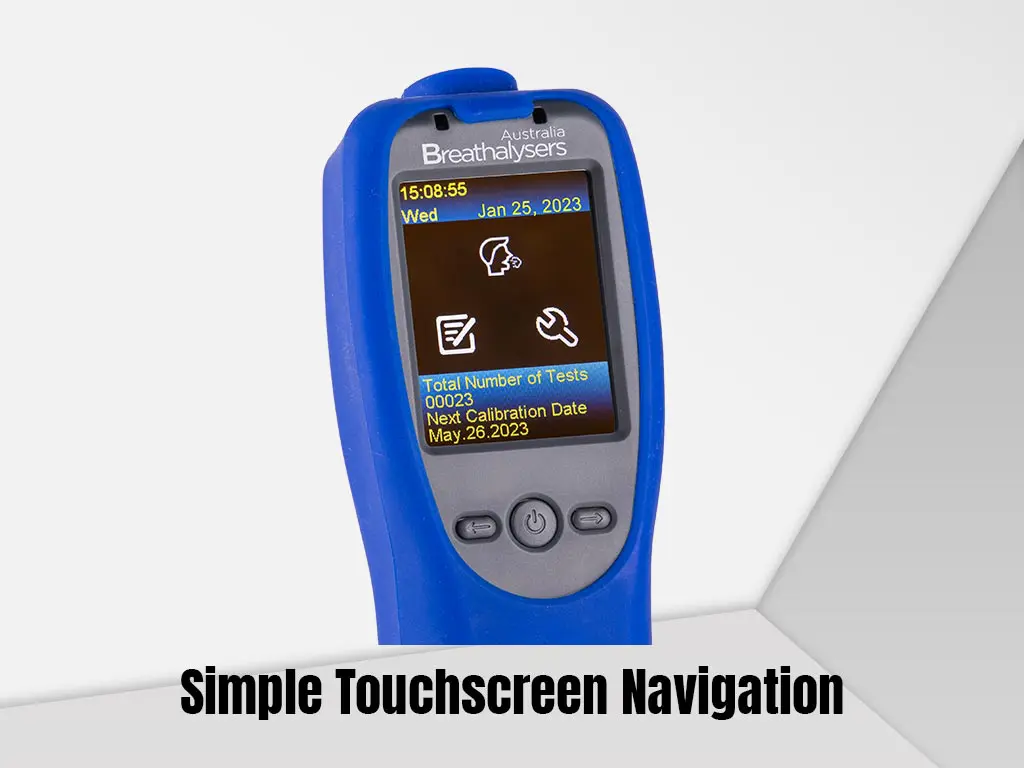
For alcohol detection, companies may use BACtrack breathalysers to help deter alcohol use. Workplace breathalysers like SHIELD Express use fuel cell sensor technology to estimate Blood Alcohol Content (BAC) accurately. This advanced technology ensures police-grade accuracy in BAC measurements. Therefore, people can enhance their safety and avoid the legal repercussions associated with substance use.

Alcohol Detection

Breath tests are the most efficient method for testing alcohol. Companies can utilise workplace breathalysers from Breathalysers New Zealand. These devices are equipped with fuel cell sensors, and an LCD screen to display the results. Additionally, breathalysers can complete the procedure in just seconds to minutes.

Other methods such as urine and saliva tests require more time and resources. Providing a urine sample on the spot can be difficult for some individuals, and there is a possibility of tampering. Moreover, instant test kits can detect alcohol but cannot measure the amount accurately. Quantification involves sending the samples to a laboratory.

Conclusion

Saliva drug test kits in NZ offer a convenient method for detecting a wide range of substances. These substances include ethanol, marijuana, cocaine, heroin, opioids, amphetamine, and benzodiazepine. The kits provide visible results within minutes, making them useful when immediate screening is required. However, accurate interpretation of test results requires considering substance use patterns, metabolic rate, and drug chemical properties. Moreover, employers must comply with privacy laws and regulations to protect employees’ rights when implementing saliva drug tests.

Furthermore, there are alternative methods for saliva drug tests. For instance, blood tests offer high accuracy, while urine tests provide a longer detection window. On the other hand, hair tests have the longest detection period among all the mentioned tests. For alcohol detection, workplace breathalysers equipped with fuel cell sensors provide a quick and efficient method. These devices display accurate results on an LCD screen within seconds to minutes, minimising legal consequences associated with substance use.

Mobile Drug and Alcohol Testing: Is it Accurate?

A team of workers collaborating on tasks using a laptop in the workplace.

Mobile drug and alcohol testing can detect the presence of substances in a person’s system. Various methods are employed, including urine, saliva, blood, hair, and breath tests. When conducted properly, mobile testing can be accurate and reliable. However, the accuracy of the testing can be influenced by several factors. For instance, the type of test utilised, the proper collection and handling of samples, and adherence to appropriate testing procedures.

Drug and alcohol use in the workplace poses significant risks to the safety and well-being of employees. It can result in impaired judgement, reduced productivity, and an increased likelihood of accidents and injuries. Addressing this issue requires proactive measures, and one effective approach is mobile testing. Employers can conveniently and rapidly screen employees for substance abuse using this method. This article will present the different testing methods used in mobile testing and discuss their accuracy.

Mobile Drug and Alcohol Testing: Accuracy and Procedures

There are various methods used in mobile drug and alcohol testing, each with its own advantages and limitations. One commonly used method is the urine test. It provides a broad detection window but may not be as accurate for detecting recent substance use. Another method is a saliva drug test. It identifies recent drug use but has a shorter detection window than urine tests.

The blood test accurately and reliably detects both drugs and alcohol by directly measuring the substances in the bloodstream. However, administering the blood test requires a trained professional due to their invasive nature. On the other hand, a hair follicle test has a longer detection window and is less invasive. Nevertheless, it may be less effective in detecting recent substance use.

Breath tests widely assess a person’s Blood Alcohol Content (BAC). Workplace breathalysers like SHIELD Express and the BACtrack Pro series utilise fuel cell sensors to ensure high accuracy in measuring BAC. These sensors specifically detect ethanol, reducing the likelihood of incorrect positive results. Additionally, users of breathalysers can easily operate the device without the need for licensed technicians.

Factors Affecting Test Results

  • Drug type: different drugs have varying detection times and can produce different metabolites that are tested for.
  • Frequency and duration of use: they can lead to higher drug concentrations in the body, increasing the likelihood of detection.
  • Route of administration: impacts how quickly and effectively the drugs are absorbed and eliminated by the body.
  • Hydration level: dilutes drug concentrations in urine, potentially leading to false negatives.
  • Medical condition: interferes with the metabolism or elimination of drugs, leading to altered detection times or false results.
  • External factors: the presence of alcohol or prescription medications can interact with the drugs being tested for.


A professional conducting an interview with another individual.

Mobile Drug and Alcohol Testing Implementation

Implementing mobile drug and alcohol testing is crucial for workplace safety protocols. Firstly, in pre-employment screening, employers utilise these tests to ensure prospective employees are free from the influence of drugs and alcohol. Mobile testing reduces hiring risks by assessing job candidates and mitigating impairment-related incidents. Consequently, these proactive measures showcase an organisation’s dedication to maintaining a safe and productive work environment.

Secondly, post-incident screening can swiftly assess individuals involved following an accident or incident. This enables employers to determine whether impairment may have contributed to the incident, aiding in accurate investigations. Furthermore, administering blanket testing policies ensures fairness by testing all people involved, thereby avoiding any perception of bias or discrimination.

Thirdly, random testing involves the periodic selection of employees for testing without prior notice, ensuring fairness and deterring substance abuse. Lastly, reasonable suspicion testing is conducted when specific observations or evidence suggest an employee may be impaired. Overall, employers can proactively address potential risks in the workplace by implementing mobile testing.

Benefits of Workplace Testing

Workplace mobile testing offers numerous benefits. Firstly, it helps improve productivity by ensuring a drug-free work environment, enhancing employee focus and performance. Secondly, it lowers overall expenses related to health and compensation costs. By identifying impaired individuals, companies can prevent further complications that may result in costly medical treatments or legal disputes.

Thirdly, mobile testing improves safety by preventing potential accidents and injuries. It promotes a safer work environment by deterring employees from working under the influence, which impairs judgement and coordination. Lastly, mobile testing ensures compliance with industry or state regulations, highlighting the organisation’s commitment to maintaining a secure workplace.


A person equipped with protective gear, holding a mobile phone.

Mobile Drug and Alcohol Testing: Essential Guidelines

Businesses conducting mobile drug and alcohol testing should perform it at a secure location on the work site. This helps minimise downtime and prevent losses. The process of workplace testing has two steps. First, there is onsite testing which aims to detect recent substance use or intoxication. Many companies use devices like drug test kits and workplace breathalysers that can be used right at the collection point.

The second step is confirmation testing, which involves sending samples to a laboratory for analysis to validate the accuracy of the initial testing. If the initial onsite test shows a positive result, most companies proceed to the confirmation test. Laboratory test provides more detailed and reliable results using advanced techniques, and the result of the second test is considered final.

Furthermore, it is important for companies to have a comprehensive workplace drug and alcohol policy in place before conducting any testing. This policy helps employers manage expectations regarding employee behaviour and substance use. It is especially crucial for jobs that involve high-risk activities. Companies must follow the guidelines for implementing the policy to obtain reliable results and also reduce any legal risks.

Handling Positive Results

Handling positive drug and alcohol test results in the workplace requires a careful and structured approach. To confirm the findings, it is crucial to conduct a follow-up test. A Medical Review Officer (MRO) can assess the sample or perform diagnostic tests. Moreover, employers should establish clear policies that respect the rights of the employee.

If the final result confirms a positive outcome, management should approach the person involved with sensitivity. They should have a private discussion with the employee, explaining the consequences and available options. Many policies require disciplinary measures, such as temporary suspension. Additionally, some companies provide support for individuals willing to seek rehabilitation.

Conclusion

Mobile drug and alcohol testing employs various methods to evaluate substance use, each with its own advantages and limitations in terms of accuracy and detection windows. Test results can be influenced by several factors, including the types of drugs used, the frequency and duration of use, the route of administration, hydration level, medical conditions, and external factors. Additionally, having a comprehensive workplace drug and alcohol policy is essential for managing employee behaviour and reducing legal risks.

Breath tests using fuel cell sensors, such as the SHIELD Express and BACtrack Pro series, provide accurate measurements of BAC. These devices effectively detect ethanol, minimising the chances of false positive results in alcohol screening. Their user-friendly design allows for easy operation without the need for licensed technicians. Furthermore, implementing mobile testing for pre-employment, post-incident, random, and reasonable suspicion testing is crucial for ensuring workplace safety. These measures enable employers to proactively address risks and create a safer work environment.